

Common Water-hyacinth
Eichhornia crassipes
Found in ponds, ditches, sluggish water. Weakley, Flora of the Southeastern United States (2025), South Central edition What its natural habitat tells you
Not native to Mississippi. How scores work Is it native here?
Profile 59%
- Light
- Partial shade, Full sun
- Soil moisture
- Wet to standing water
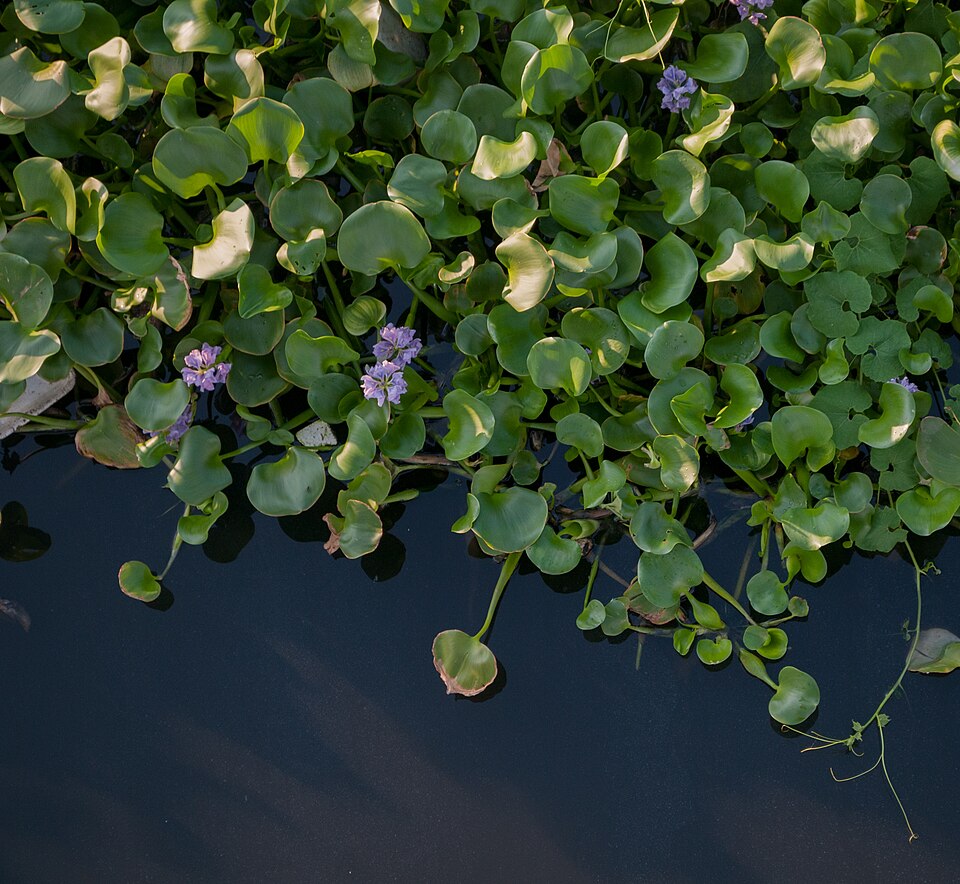
Do not plant. Listed invasive in Mississippi.
At a glance
- Bloom
- June to September
Not yet recorded · Height · Spread · Life cycle · Leaves
This plant is missing most of its facts, so Quercus is looking them up in old botany books.
Recorded in 24 Mississippi counties.
Natural habitats
Places it grows wild. Not a planting requirement. Each habitat page lists the plants and wildlife also found there.
Still water and its edges: ponds, lakes, millponds and reservoirs.
Roadsides, fields and disturbed ground
Ground opened by people: roadsides, old fields, pastures, fencerows and lots.
Also found with this plant
Wildlife whose habitat models include habitats this plant grows in, in Mississippi. Shared habitat, not food. 103 animals.
- OvenbirdSeiurus aurocapilla
- Red-breasted NuthatchSitta canadensis
- Rusty BlackbirdEuphagus carolinus
- Swainson's WarblerLimnothlypis swainsonii
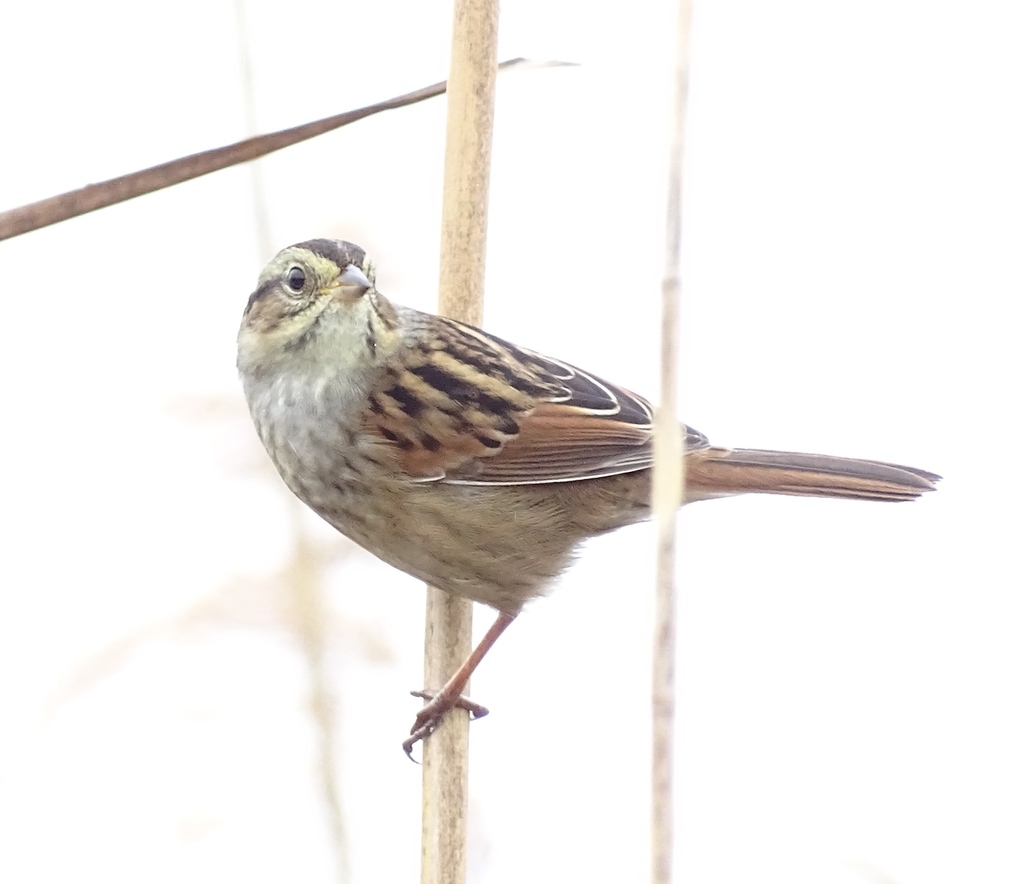
- Swamp SparrowMelospiza georgiana
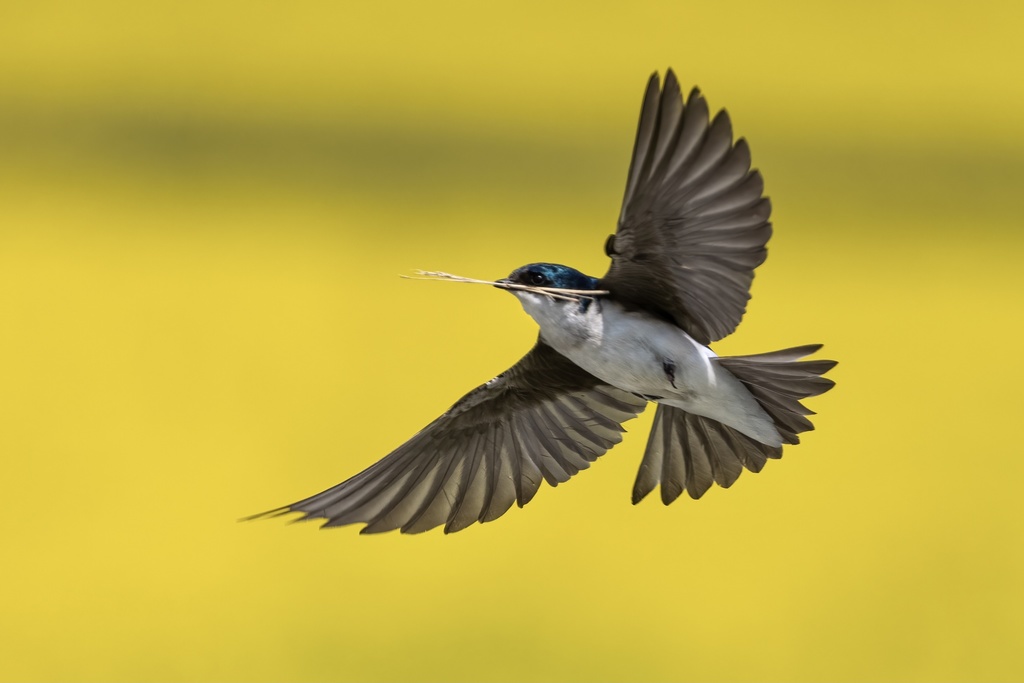
- Tree SwallowTachycineta bicolor
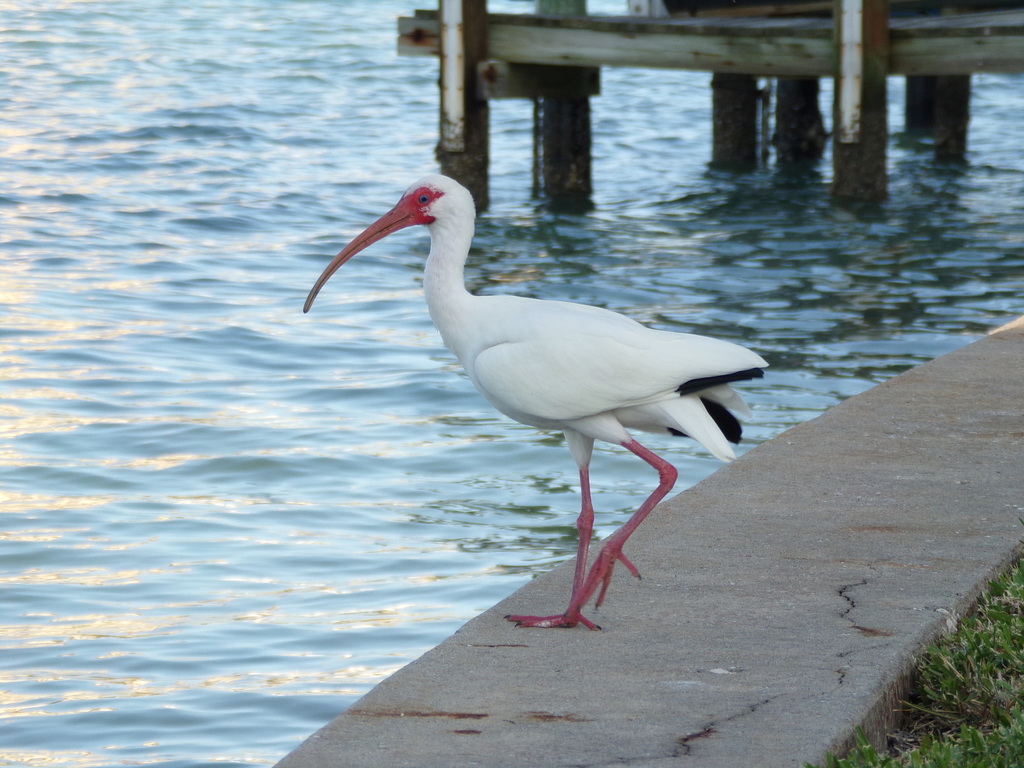
- White IbisEudocimus albus
- White-eyed VireoVireo griseus
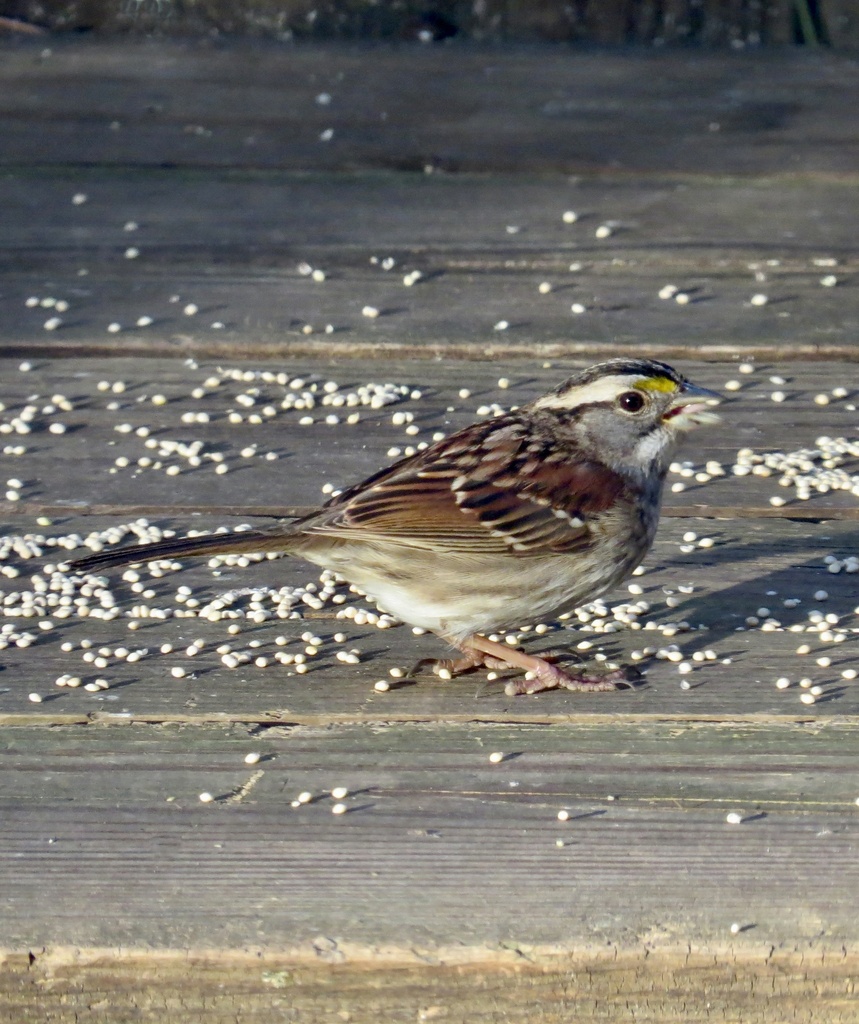
- White-throated SparrowZonotrichia albicollis
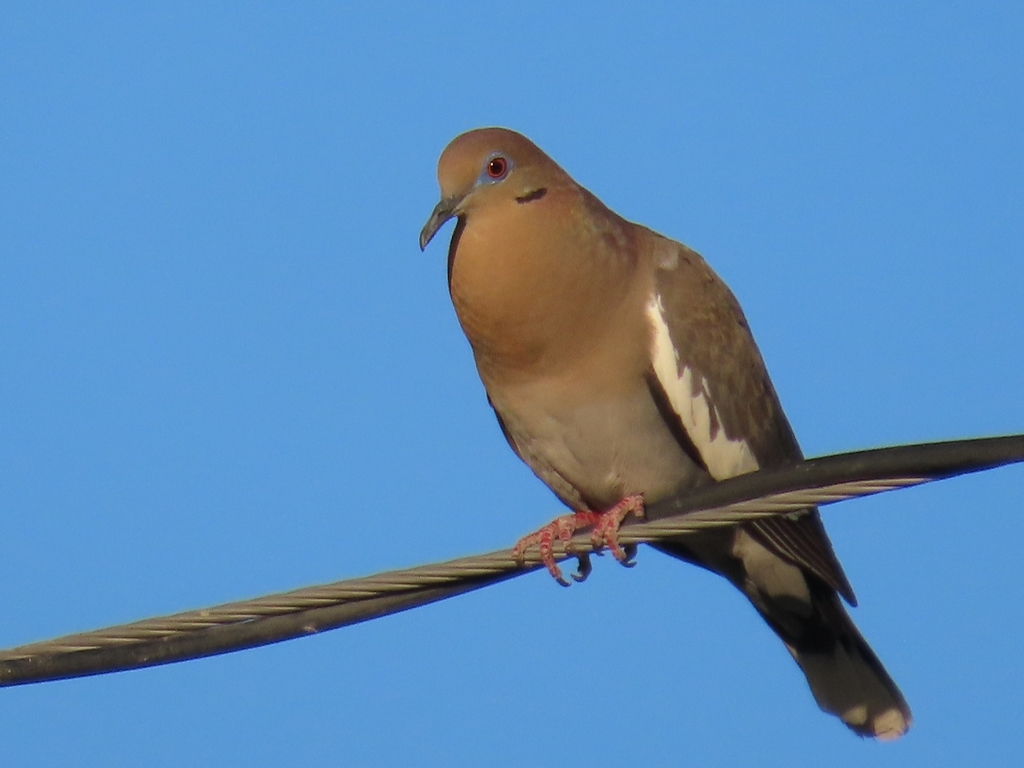
- White-winged DoveZenaida asiatica
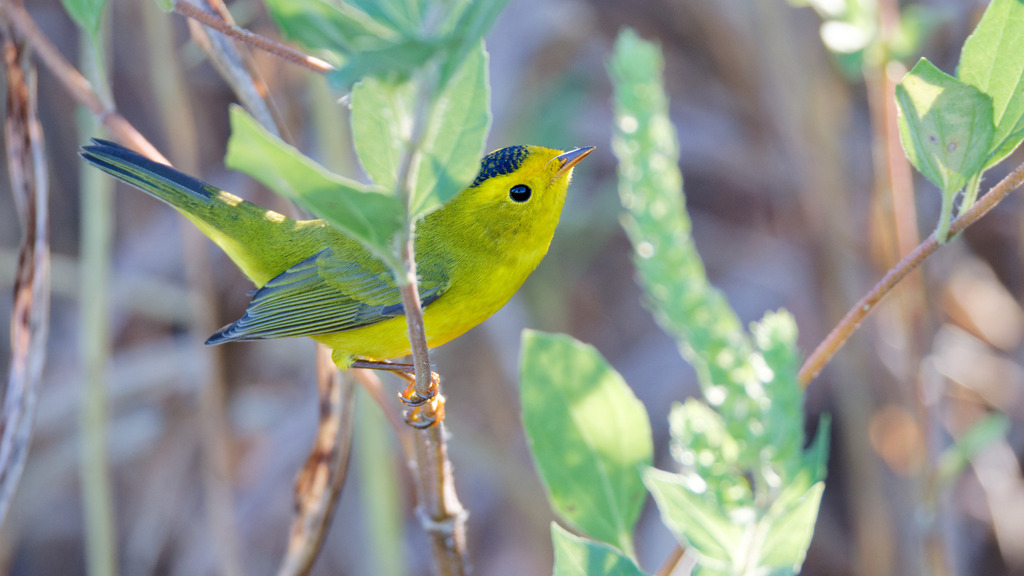
- Wilson's WarblerWilsonia pusilla
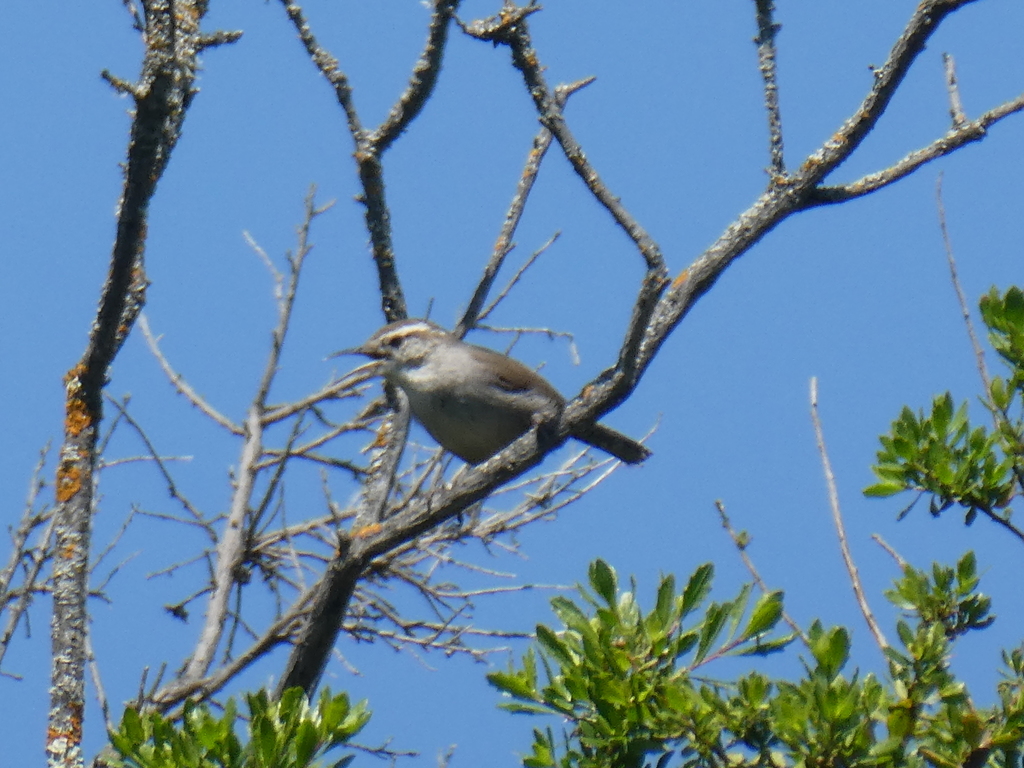
- Bewick's WrenThryomanes bewickii
- Blue-headed VireoVireo solitarius
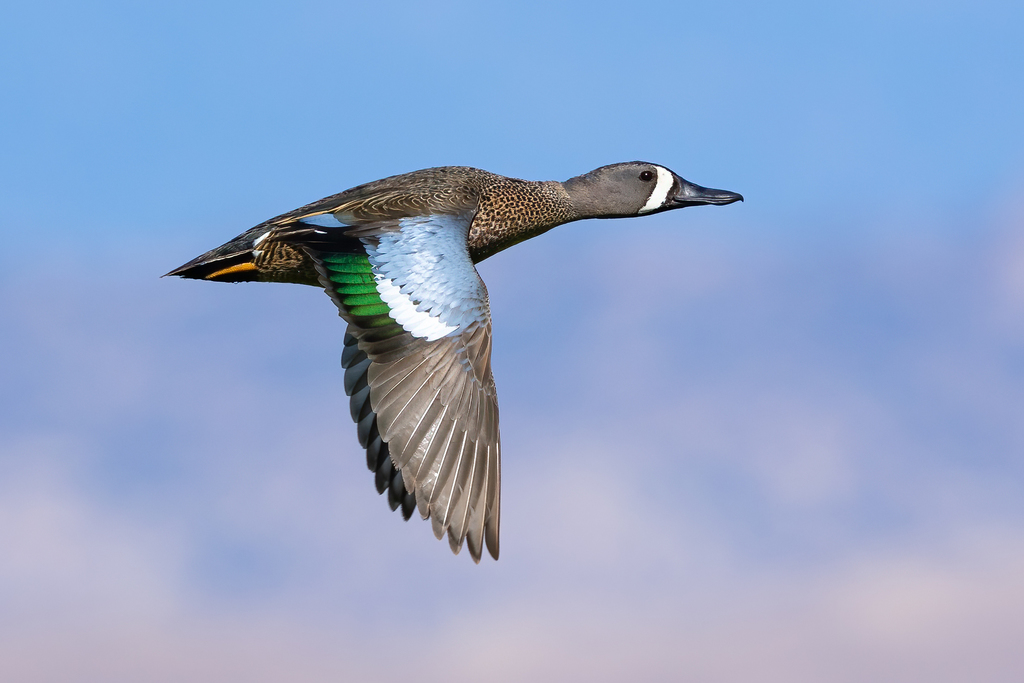
- Blue-winged TealAnas discors
- Broad-winged HawkButeo platypterus
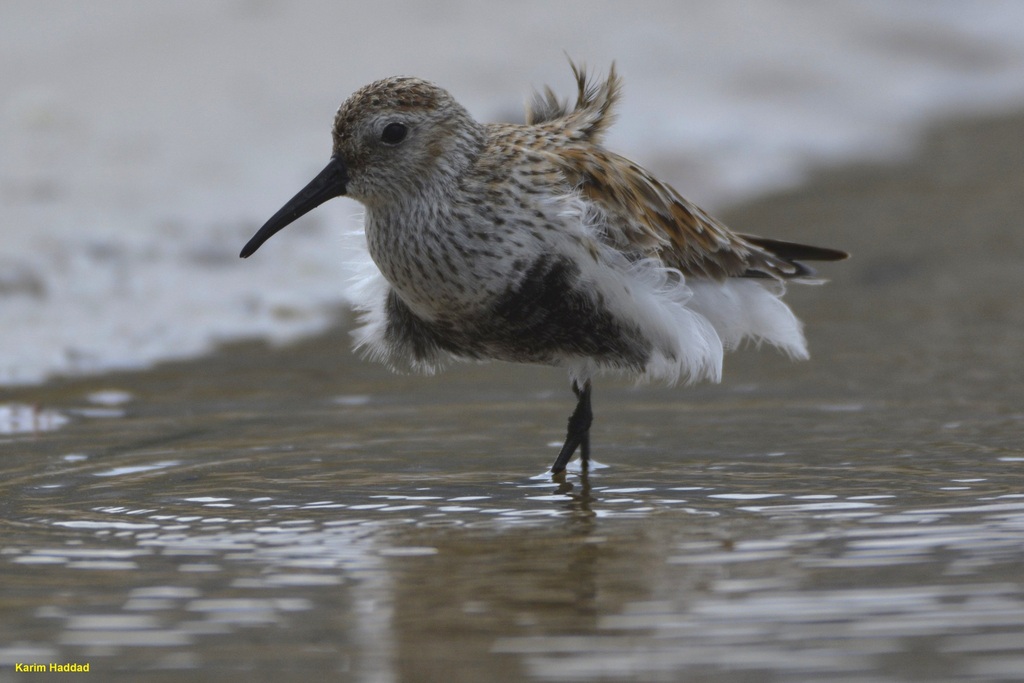
- DunlinCalidris alpina
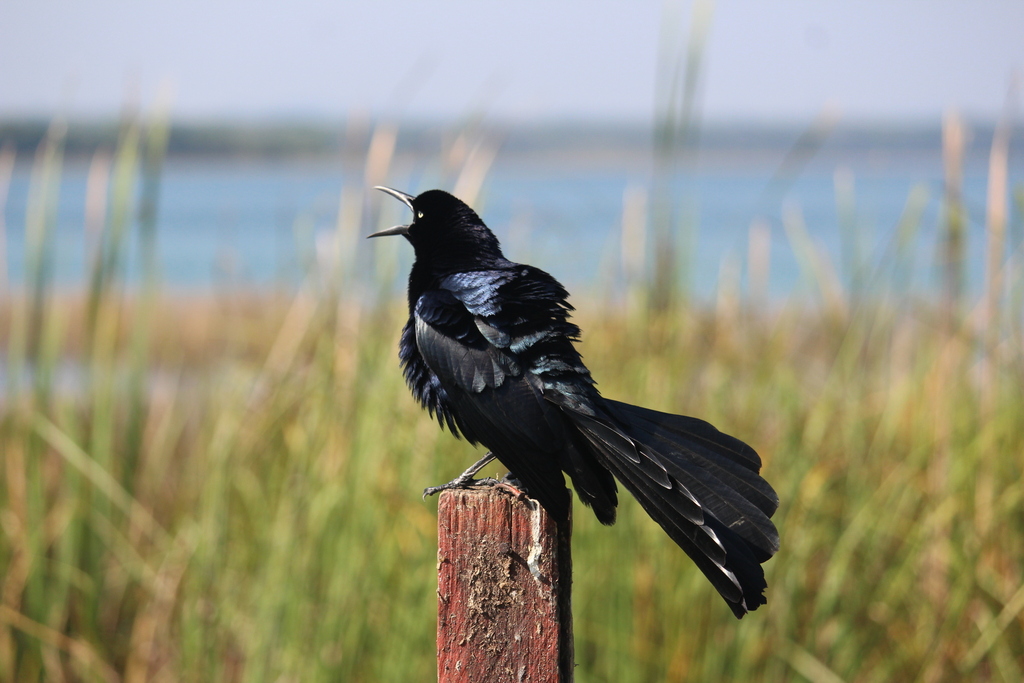
- Great-tailed GrackleQuiscalus mexicanus
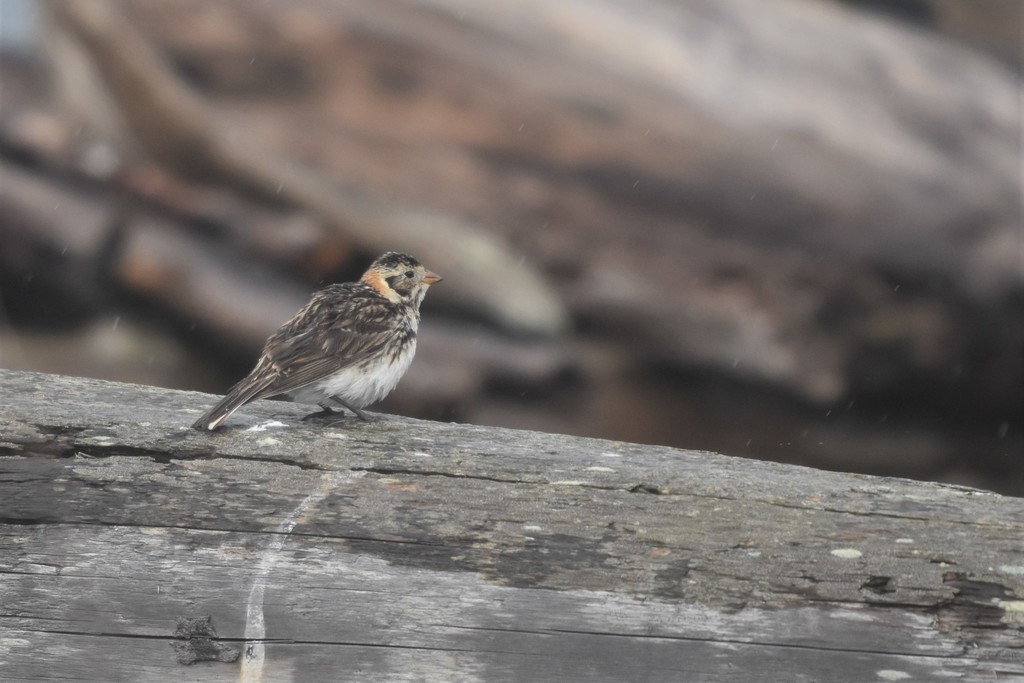
- Lapland LongspurCalcarius lapponicus
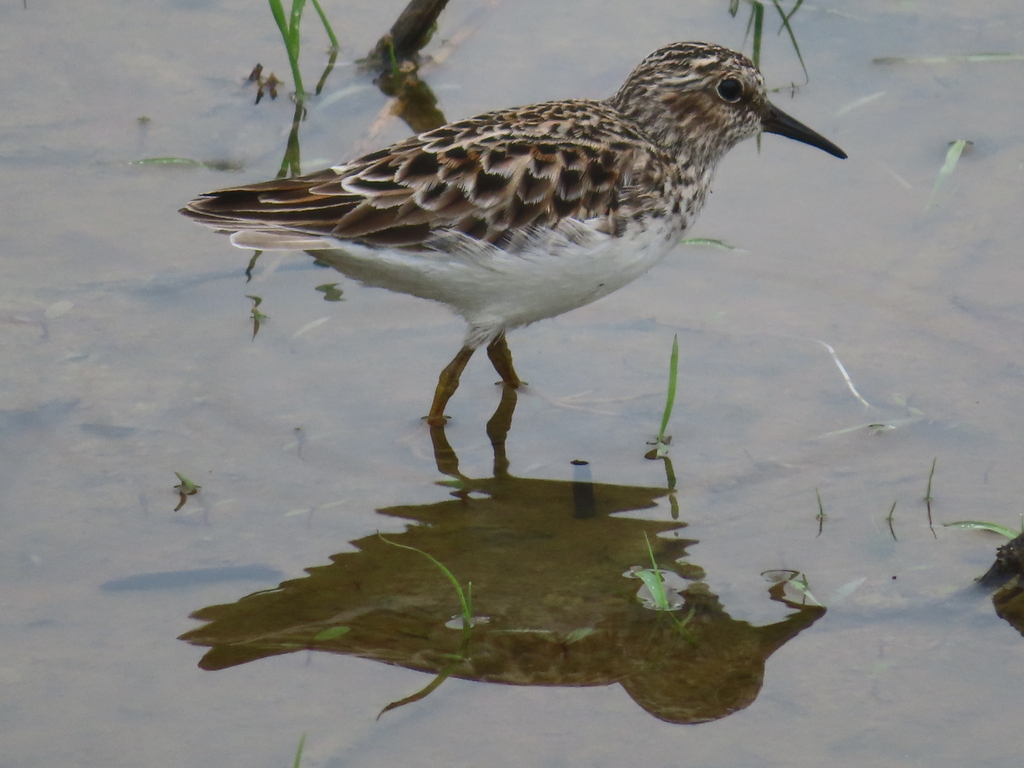
- Least SandpiperCalidris minutilla
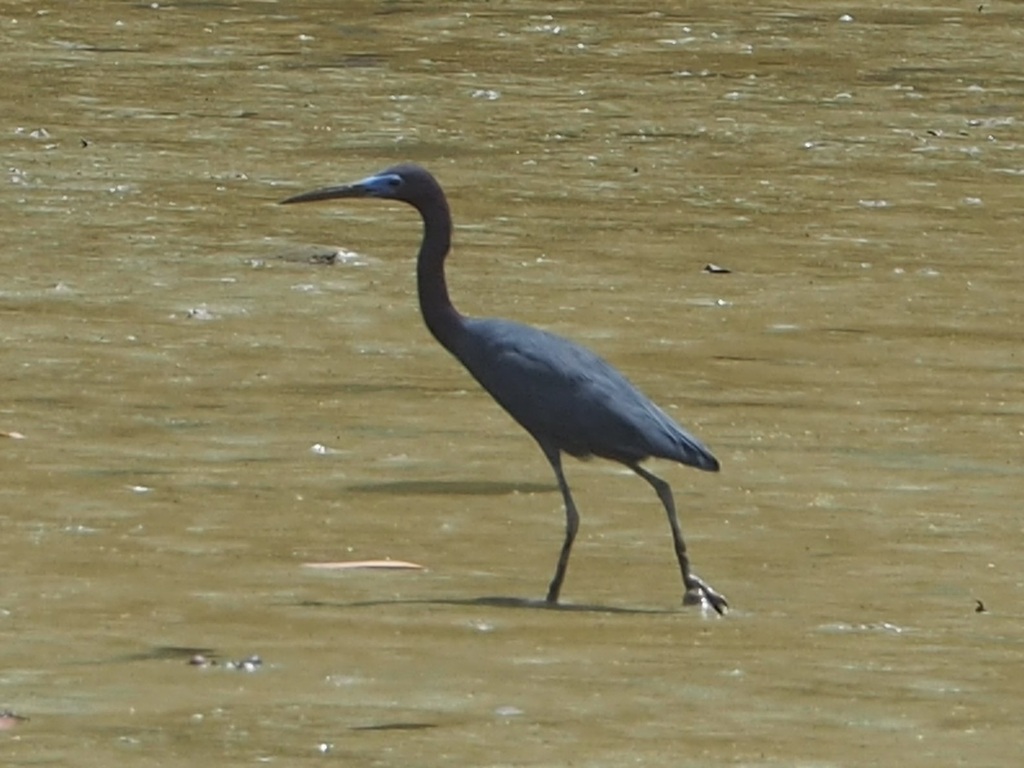
- Little Blue HeronEgretta caerulea
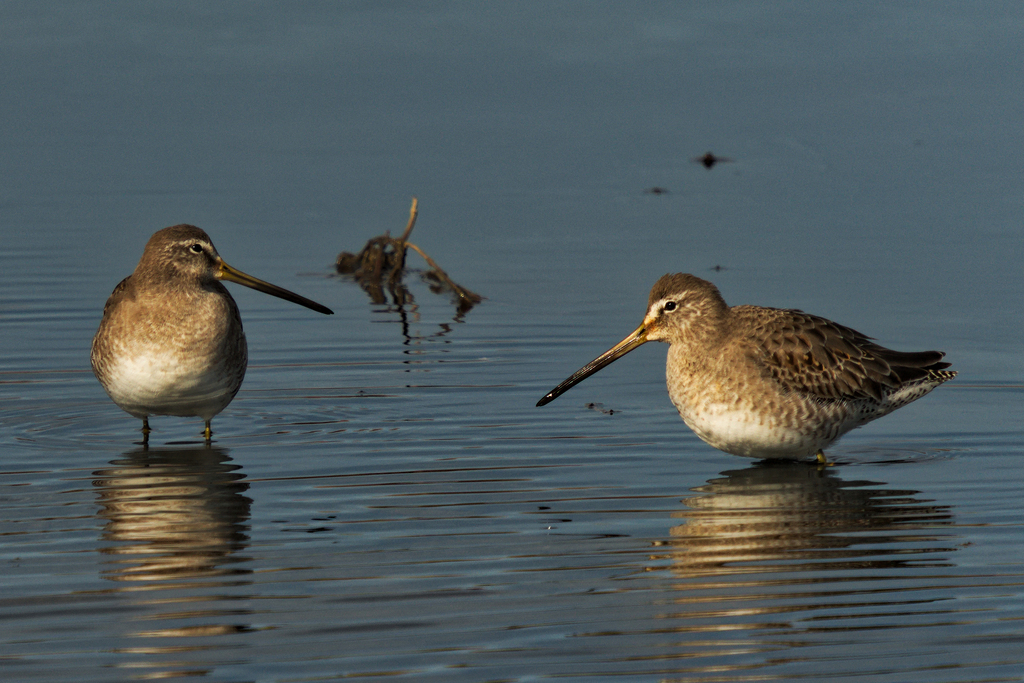
- Long-billed DowitcherLimnodromus scolopaceus
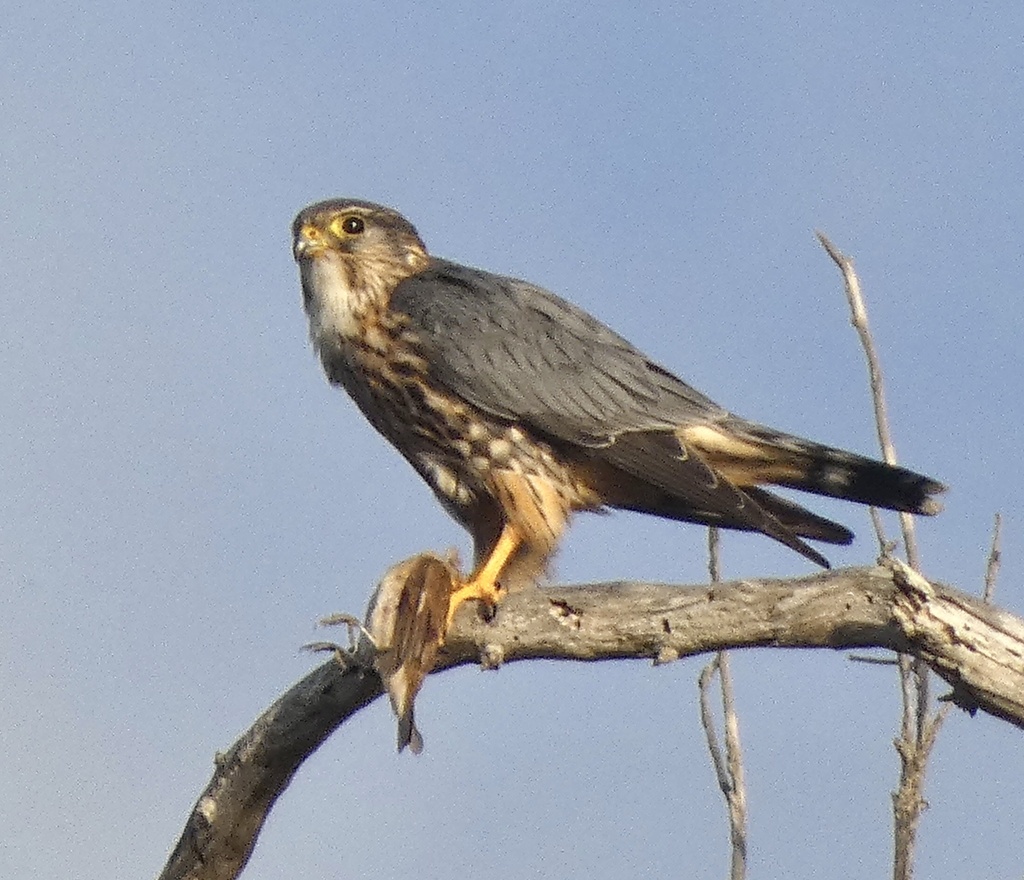
- MerlinFalco columbarius
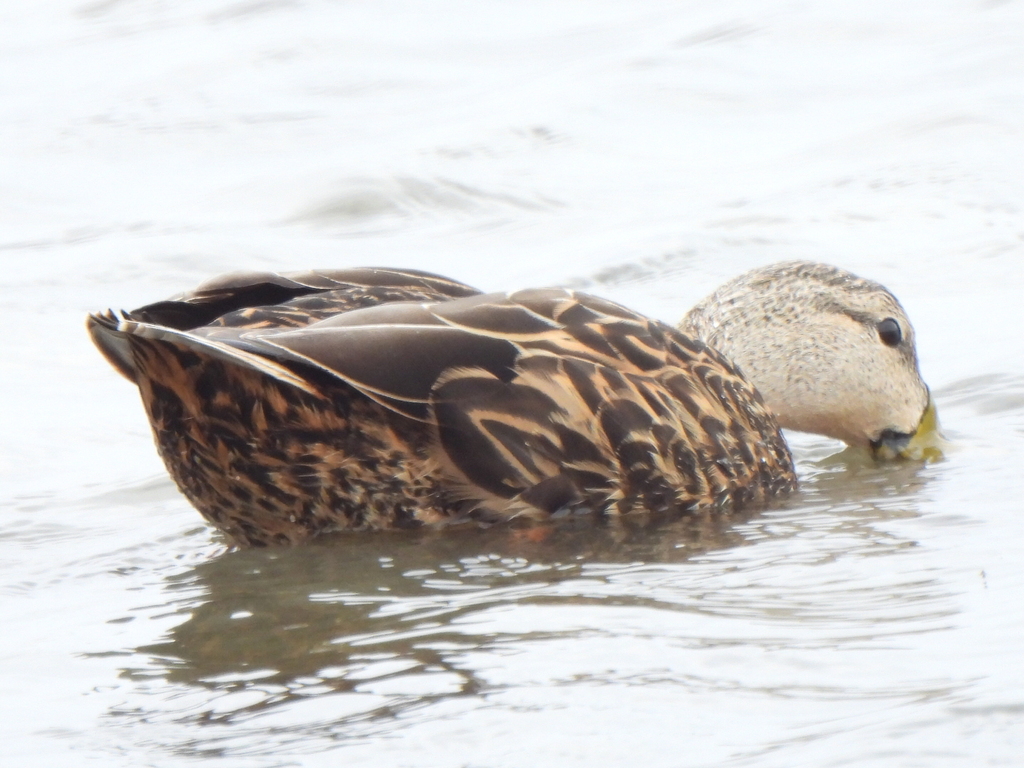
- Mottled DuckAnas fulvigula
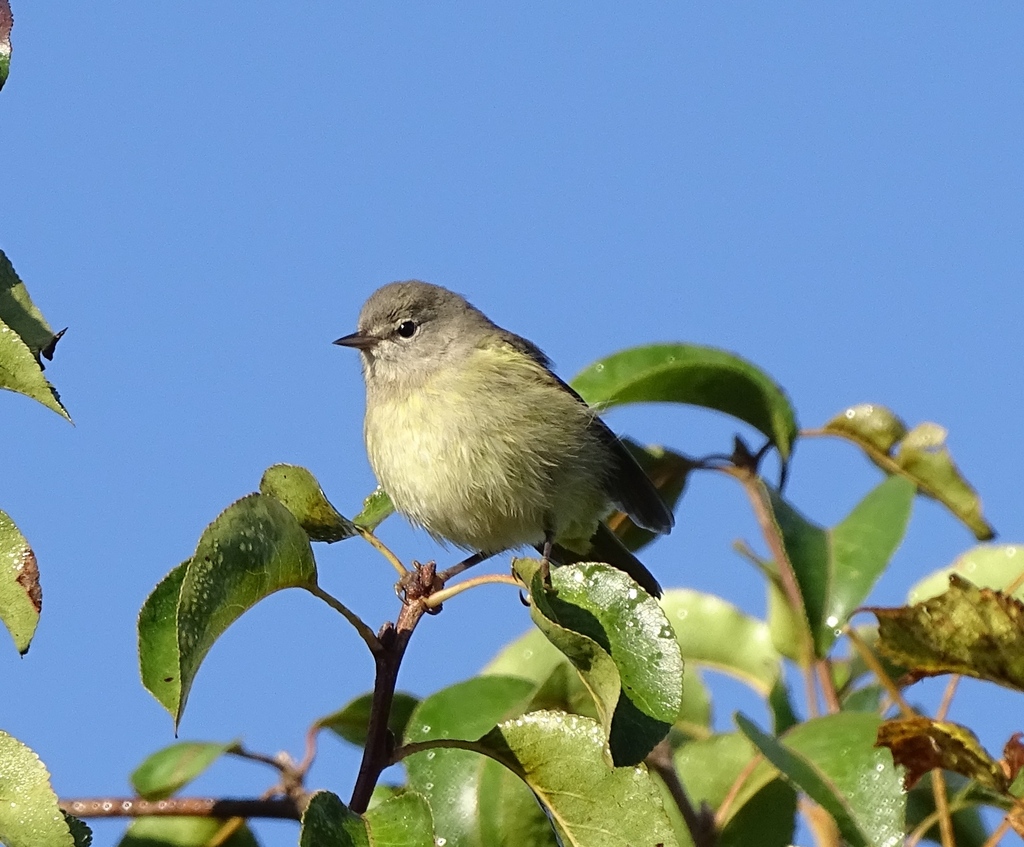
- Orange-crowned WarblerVermivora celata







Widespread birds also seen here (33)
Found in many habitats here, so not listed above.
- American Crow
- American Goldfinch
- American Kestrel
- American Robin
- Bald Eagle
- Belted Kingfisher
- Black-crowned Night-heron
- Chimney Swift
- Common Grackle
- Common Nighthawk
- Common Yellowthroat
- Cooper's Hawk
- Eastern Kingbird
- Eastern Screech-owl
- Eastern Towhee
- Eurasian Collared-dove
- European Starling
- Fish Crow
- Great Crested Flycatcher
- Great Horned Owl
- Hooded Merganser
- Mourning Dove
- Northern Cardinal
- Northern Flicker
- Northern Mockingbird
- Osprey
- Red-tailed Hawk
- Red-winged Blackbird
- Sharp-shinned Hawk
- Turkey Vulture
- Yellow-breasted Chat
- Yellow-crowned Night-heron
- Yellow-rumped Warbler
Who uses this plant?
 10CaterpillarsGenus host records with ranges including MS
Genus host records with ranges including MS · Eichhornia
- Bellura densaPickerel Weed Border Moth, Pickerelweed Diver
- Elophila obliteralisWaterlily Leafcutter Moth
- Herpetogramma bipunctalisSouthern Beet Webworm, Two-Spotted Herpetogramma
- Samea multiplicalisSalvinia Stem-borer Moth
- Spilosoma virginicaVirginian Tiger Moth, Yellow Woolybear Moth, Yellow Bear
- Spodoptera dolichosSweetpotato Armyworm, Dolichos Armyworm, Large Cotton Armyworm
- Spodoptera eridaniaSouthern Armyworm Moth
- Spodoptera frugiperdaFall Armyworm Moth
- Spodoptera latifasciaOrange-Striped Armyworm, Velvet Armyworm Moth
- Spodoptera ornithogalliYellow-Striped Armyworm Moth, Cotton Cutworm
 —BeesSoutheastern regional records
 —Specialist beesPollen specialists
 1BirdsRecorded eating Eichhornia in Mississippi
Diet records by plant genus, from studies across North America. Not a record from this state. Birds whose range includes Mississippi, most records first.
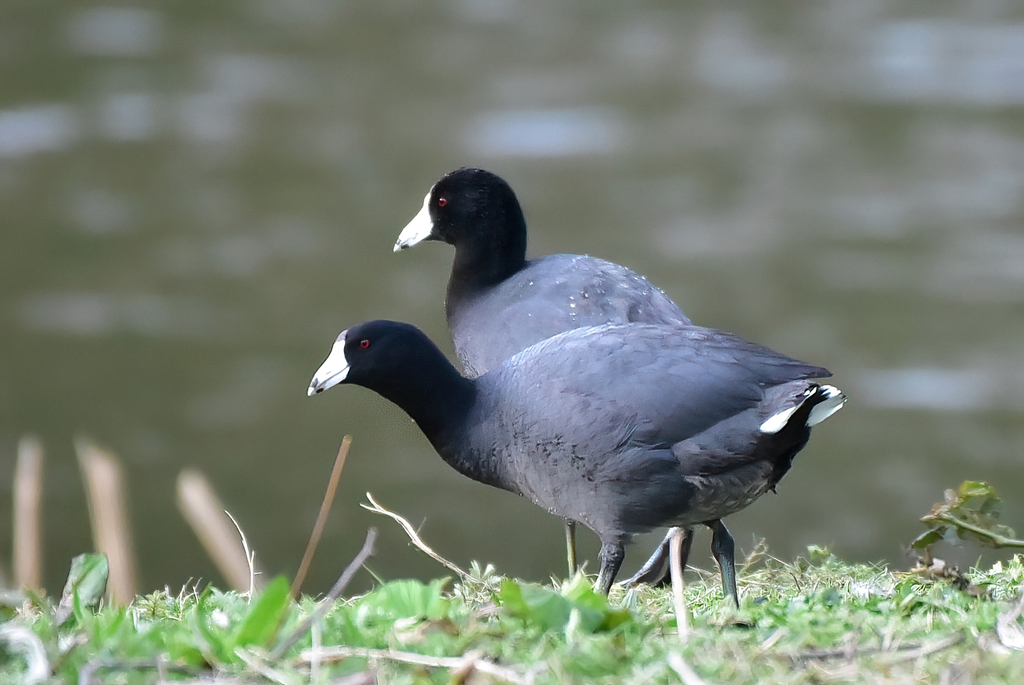
- American Coot1 diet record
Direct food only. Caterpillars on host plants also feed nesting birds. NC Native Plant Society: butterfly gardening
Birds that eat Eichhornia 1
Diet records by plant genus, from studies across North America. Not a record from this state. Avian Diet Database (Hurlbert Lab), CC0 1.0.
- American CootFulica americana

Plant details
- Family
- Pontederiaceae
Safety has not been reviewed for this plant; check toxicity and thorns before planting.
Growing sources and scope
- Bloom · “June to September” · Weakley, Flora of the Southeastern United States (2025), Carolinas & Georgia edition · Carolinas and Georgia
- Light · “Partial shade; Full sun (documented habitat)” · Weakley, Flora of the Southeastern United States (2025), Carolinas & Georgia edition · Carolinas and Georgia
- Soil · “Water; Wet (documented habitat)” · Weakley, Flora of the Southeastern United States (2025), Carolinas & Georgia edition · Carolinas and Georgia
Also known as
Common Water hyacinth; Eichhornia crassipes; Water Hyacinth
Conservation status
| Mississippi rank | SNA |
|---|---|
| Global rank | G5 |
| MS status | Not verified |
| Federal status | Not verified |
Native alternatives
Find natives for your gardenSources
- NatureServe Explorer
- Weakley, Flora of the Southeastern United States (2025)
- Mississippi occurrence source
- Shropshire & Tallamy 2025, Lepidoptera of North America north of Mexico, ZooKeys 1261 (ODbL)
- Noori, Seltmann & Orr 2026, A curated and integrated dataset for exploring global bee-plant interactions (GloBI), Zenodo, CC BY 4.0
- Smith, Bachelder, Russell, Morales, Mosher & Seltmann 2024, Bee-Specialization-Modeling v0.6.1 (specialist host table compiled from J. Fowler's pollen specialist bee lists), Zenodo, CC BY 4.0
- Hurlbert, Olsen, Sawyer & Winner 2021, Avian Diet Database, Scientific Data 8: 260 (CC0)
- Narango, Tallamy & Shropshire 2020, Few keystone plant genera support the majority of Lepidoptera species, Nature Communications