

Sweetgum
Liquidambar styraciflua
Found in swamps; floodplain and bottomland forests; moist forests; ponds, lakes and their shores; roadsides, fields and disturbed ground. Weakley, Flora of the Southeastern United States (2025), South Central edition What its natural habitat tells you
Native to Mississippi (estimated). How scores work Is it native here?
Profile 100%
- Height
- 60–100 feet
- Spread
- 40–50 feet
- Light
- Full sun, Partial shade
- Soil moisture
- Somewhat dry to moist
Space about 30 ft apart from its recorded spread. Enter your bed size for a count
Will it fit your yard?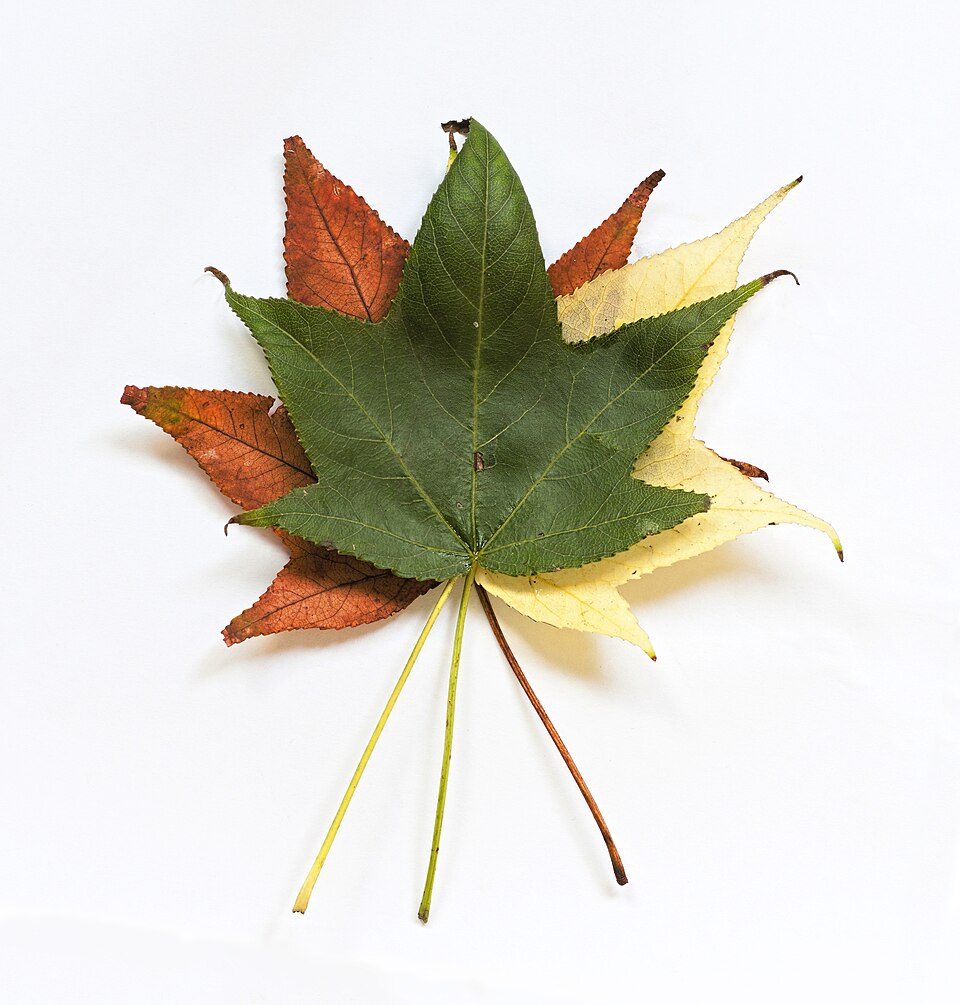
At a glance
- Life cycle
- Woody perennial
- Leaves
- Deciduous
- Bloom
- March to May
- Fruiting season
- August to September
Recorded in 75 Mississippi counties.
Natural habitats
Places it grows wild. Not a planting requirement. Each habitat page lists the plants and wildlife also found there.
Forested wetlands with standing water much of the year, such as cypress and gum swamps.
Floodplain and bottomland forests
Forests on low ground beside rivers and streams that flood from time to time.
Forests on moist but not wet ground, such as rich slopes and ravines.
Still water and its edges: ponds, lakes, millponds and reservoirs.
Roadsides, fields and disturbed ground
Ground opened by people: roadsides, old fields, pastures, fencerows and lots.
Also found with this plant
Wildlife whose habitat models include habitats this plant grows in, in Mississippi. Shared habitat, not food. 161 animals.
- Red-tailed HawkButeo jamaicensis
- Red-winged BlackbirdAgelaius phoeniceus
- Ruby-crowned KingletRegulus calendula
- Sharp-shinned HawkAccipiter striatus
- Tufted TitmouseBaeolophus bicolor
- Turkey VultureCathartes aura
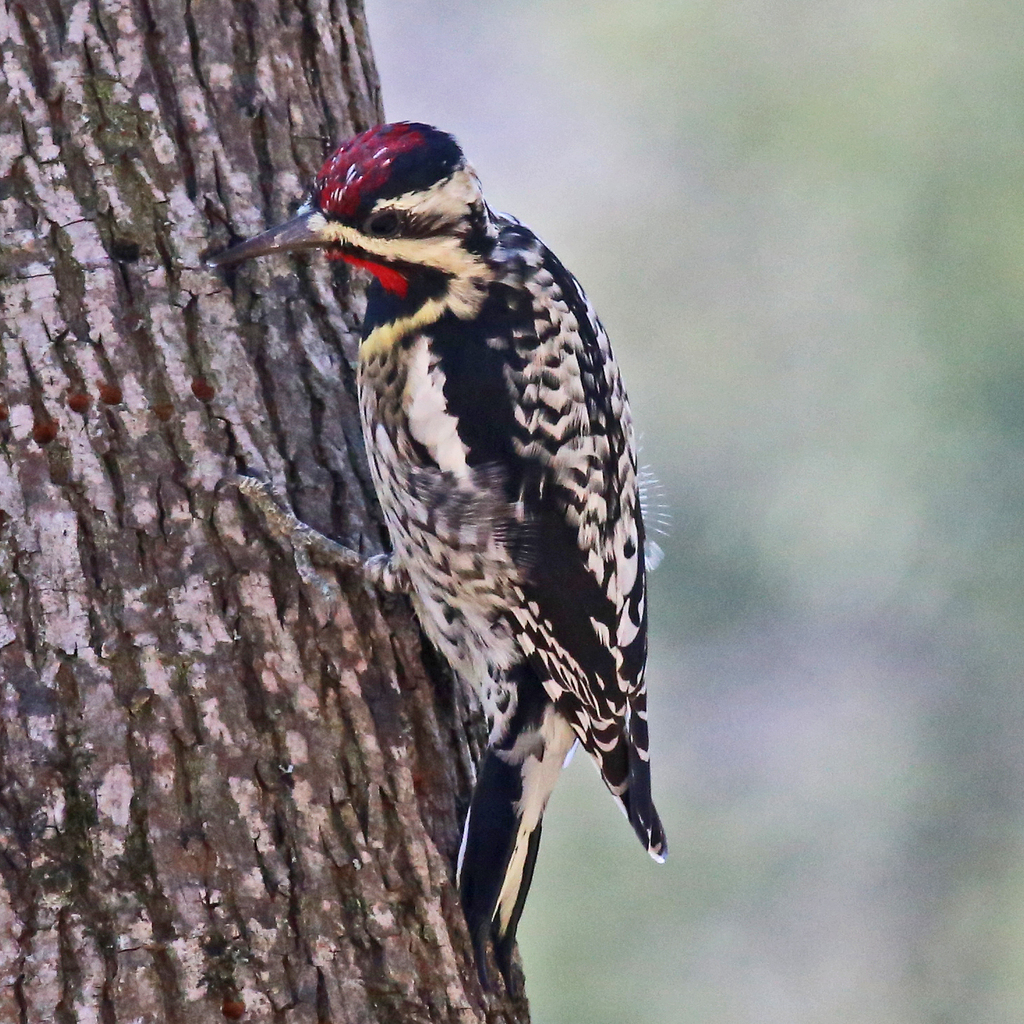
- Yellow-bellied SapsuckerSphyrapicus varius
- Yellow-billed CuckooCoccyzus americanus
- Yellow-breasted ChatIcteria virens
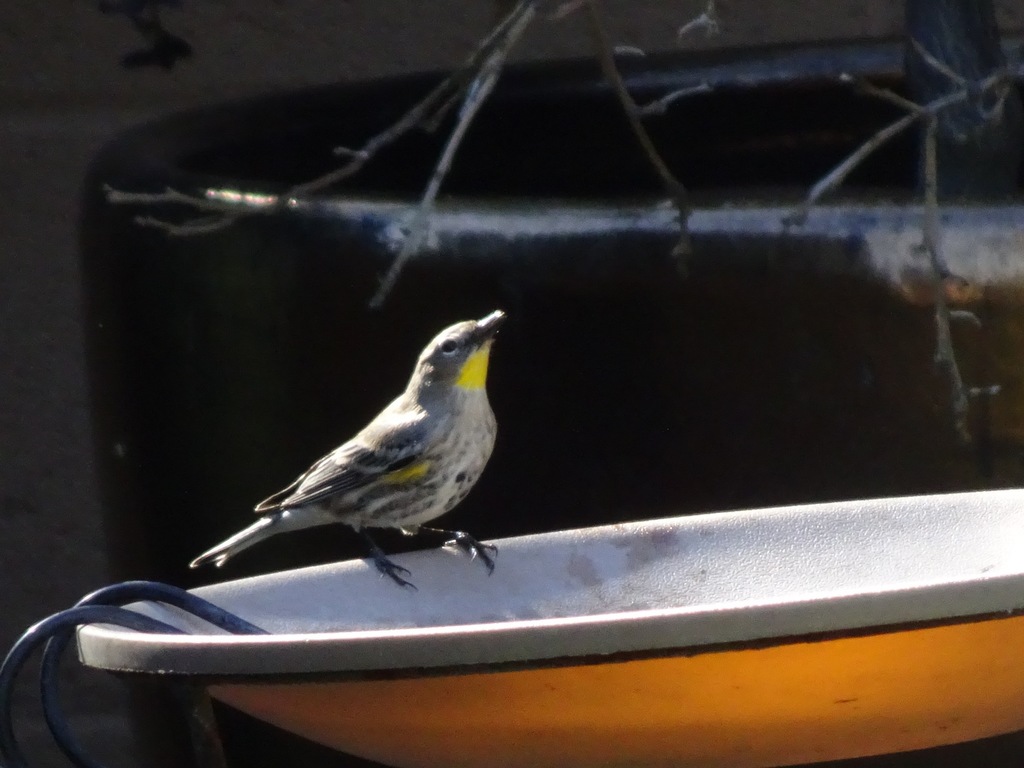
- Yellow-rumped WarblerDendroica coronata
- American CrowCorvus brachyrhynchos
- American KestrelFalco sparverius
- American RedstartSetophaga ruticilla
- Belted KingfisherMegaceryle alcyon
- Blue GrosbeakPasserina caerulea
- Carolina ChickadeePoecile carolinensis
- Common GrackleQuiscalus quiscula
- Eastern TowheePipilo erythrophthalmus
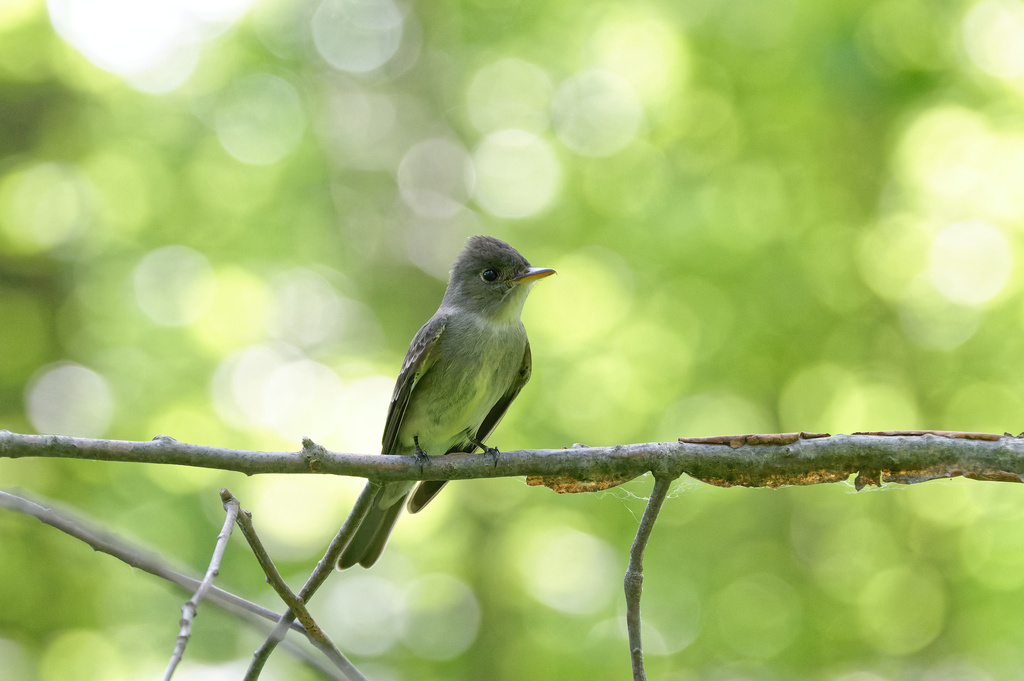
- Eastern Wood-peweeContopus virens
- Great Crested FlycatcherMyiarchus crinitus
- Hooded WarblerWilsonia citrina
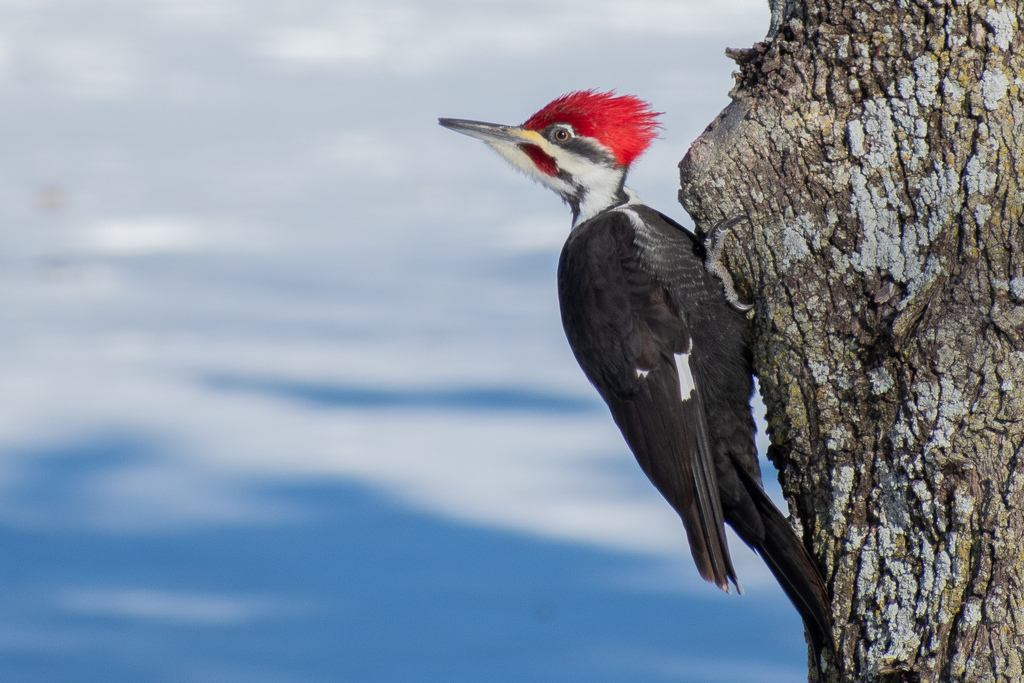
- Pileated WoodpeckerDryocopus pileatus
- Red-bellied WoodpeckerMelanerpes carolinus
- Ruby-throated HummingbirdArchilochus colubris





















Who uses this plant?
 40CaterpillarsGenus host records with ranges including MS
Genus host records with ranges including MS · Liquidambar
- Actias lunaLuna Moth
- Callosamia prometheaPromethea Moth
- Citheronia regalisRegal Moth
- Eacles imperialisImperial Moth
- Acronicta impletaYellow-Haired Dagger
- Amphipyra pyramidoidesMiranda Underwing, Copper Underwing, Copper Amphipyra
- Antheraea polyphemusPolyphemus Moth
- Automeris ioIo Moth
- Callosamia securiferaSweetbay Silkmoth, Carolina Silk Moth
- Cenopis canaGray Sparganothis Moth
Show all 40
- Ceratonyx satanariaHorned Ceratonyx
- Cleora sublunariaDouble-Lined Gray
- Dasychira basiflavaYellow-Based Tussock Moth
- Dasychira leucophaeaPeppered Tussock Moth
- Ennomos magnariaMaple Spanworm Moth, Notchwing Geometer
- Eutrapela clematariaCurved-Tooth Geometer, Purplish Brown Looper
- Euzophera semifuneralisAmerican Plum Borer
- Halysidota tessellarisBanded Tussock Moth, Pale Tiger Moth
- Harrisimemna trisignataHarris's Three-Spot
- Hyalophora cecropiaCecropia Silkmoth, Cecropia Moth
- Hypagyrtis unipunctataOne-Spotted Variant
- Hyphantria cuneaFall Webworm
- Iridopsis defectariaBrown-Shaded Gray, Willow Looper
- Malacosoma americanaEastern Tent Caterpillar
- Malacosoma disstriaForest Tent Caterpillar
- Melanolophia canadariaCanadian Melanolphia, Variable Redmarked Looper
- Metaxaglaea viaticaRoadside Sallow
- Nemoria elfaCypress Emerald
- Nemoria saturibaBraided Emerald, Red-Spotted Emerald
- Oedemasia concinnaRed-Humped Caterpillar, Red-Humped Appleworm
- Oiketicus abbotiiAbbot's Bagworm Moth
- Orgyia leucostigmaWhite-Marked Tussock Moth
- Paectes abrostoloidesLarge Paectes
- Papilio glaucusEastern Tiger Swallowtail
- Phigalia strigatariaSmall Phigalia, Small Oak Looper
- Prolimacodes badiaSkiff Moth, Skiff Caterpillar
- Sciota uvinellaSweetgum Leafroller
- Thyridopteryx ephemeraeformisEvergreen Bagworm Moth
- Dasychira atrivenosa
- Phyllocnistis liquidambarisella
 2BeesSoutheastern regional records
Southeastern regional records · Liquidambar
Individual names are not available yet.
Noori, Seltmann & Orr 2026, A curated and integrated dataset for exploring global bee-plant interactions (GloBI), Zenodo, CC BY 4.0 0Specialist beesPollen specialists
 4BirdsRecorded genus food-resource interactions; not a state feeding claim
Recorded genus food-resource interactions; not a state feeding claim · Liquidambar
- Aix sponsaWood Duck
- Anthus rubescensAmerican Pipit
- Catharus guttatusHermit Thrush
- Colinus virginianusNorthern Bobwhite
Direct food only: birds recorded eating this genus across North America. Caterpillars on host plants also feed nesting birds. NC Native Plant Society: butterfly gardening
No records yet · Ants · Beetles · Flies · Adult butterflies / moths · Other wasps · Other insects
Plant details
- Family
- Altingiaceae
- Hardiness
- Zones 5a–9b
- Soil pH
- Acidic to neutral
- Flower color
- Yellow, green or inconspicuous
- Growth rate
- Rapid
- Growth habit
- Single stem
- Foliage color
- Green
- Fruit begins
- August
- Fruit ends
- September
Safety has not been reviewed for this plant; check toxicity and thorns before planting.
Growing sources and scope
- Bloom · “March to May” · Weakley, Flora of the Southeastern United States (2025), Carolinas & Georgia edition (ranked first; USDA PLANTS differs) · Carolinas and Georgia
- Flower color · “Yellow, green or inconspicuous” · NC Extension Plant Toolbox (ranked first; USDA PLANTS differs)
- Foliage color · “Green” · USDA PLANTS · Nationwide species characteristics; local growing conditions may vary
- Fruit begins · “August” · Weakley, Flora of the Southeastern United States (2025), Carolinas & Georgia edition (ranked first; USDA PLANTS differs) · Carolinas and Georgia
- Fruit ends · “September” · Weakley, Flora of the Southeastern United States (2025), Carolinas & Georgia edition (ranked first; USDA PLANTS differs) · Carolinas and Georgia
- Growth habit · “Single stem” · USDA PLANTS · Nationwide species characteristics; local growing conditions may vary
- Growth rate · “Rapid” · USDA PLANTS · Nationwide species characteristics; local growing conditions may vary
- Hardiness · “Zones 5a–9b” · NC Extension Plant Toolbox
- Height · “60–100 feet” · NC Extension Plant Toolbox (ranked first; USDA PLANTS differs)
- Leaves · “Deciduous” · NC Extension Plant Toolbox
- Life cycle · “Woody perennial” · NC Extension Plant Toolbox
- Light · “Full sun (6 or more hours of direct sunlight a day); Partial shade (direct sunlight only part of the day, 2-6 hours)” · NC Extension Plant Toolbox (ranked first; Tennessee Smart Yards, Virginia DCR Piedmont, Virginia DCR Coastal Plain differ)
- Soil · “Moist; Occasionally dry; Occasionally wet” · NC Extension Plant Toolbox (ranked first; Tennessee Smart Yards, Virginia DCR Piedmont, Virginia DCR Coastal Plain differ)
- Soil pH · “Acidic to neutral” · NC Extension Plant Toolbox
- Spread · “40–50 feet” · NC Extension Plant Toolbox
Conservation status
| Mississippi rank | SNR |
|---|---|
| Global rank | G5 |
| MS status | Not verified |
| Federal status | Not verified |
Will it fit your yard?
Check this plant against your county, sun and soil moisture. Conditions are checked in your browser.
Sources
- Weakley, Flora of the Southeastern United States (2025), South Central edition
- USDA PLANTS
- Vascular Plants of North Carolina (NC Natural Heritage Program)
- Mississippi occurrence source
- Shropshire & Tallamy 2025, Lepidoptera of North America north of Mexico, ZooKeys 1261 (ODbL)
- Noori, Seltmann & Orr 2026, A curated and integrated dataset for exploring global bee-plant interactions (GloBI), Zenodo, CC BY 4.0
- Smith, Bachelder, Russell, Morales, Mosher & Seltmann 2024, Bee-Specialization-Modeling v0.6.1 (specialist host table compiled from J. Fowler's pollen specialist bee lists), Zenodo, CC BY 4.0
- Hurlbert, Olsen, Sawyer & Winner 2021, Avian Diet Database, Scientific Data 8: 260 (CC0)
- Narango, Tallamy & Shropshire 2020, Few keystone plant genera support the majority of Lepidoptera species, Nature Communications