

Spring Hill Flax
Linum macrocarpum
Found in pitcher plant bogs, wet savannas. Weakley, Flora of the Southeastern United States (2025), South Central edition What its natural habitat tells you
Native to Mississippi. How scores work Is it native here?
Profile 24%
Will it fit your yard?No photograph yet. Looking for an old drawing…
Rare or protected plant. Specialist conservation planting; excluded from routine garden suggestions. Plant caution source
Hidden from default planting suggestions. Wildlife value and native status remain unchanged.
At a glance
Not yet recorded · Height · Spread · Light · Soil · Life cycle · Leaves · Bloom
This plant is missing most of its facts, so Quercus is looking them up in old botany books.
Recorded in 2 Mississippi counties.
Natural habitats
Places it grows wild. Not a planting requirement. Each habitat page lists the plants and wildlife also found there.
Open, wet, seepage-fed bogs of the Coastal Plain and Sandhills, often with pitcher plants.
Open, fire-kept longleaf pine stands over grasses and wildflowers on wet to moist sandy soil.
Also found with this plant
Wildlife whose habitat models include habitats this plant grows in, in Mississippi. Shared habitat, not food. 103 animals.
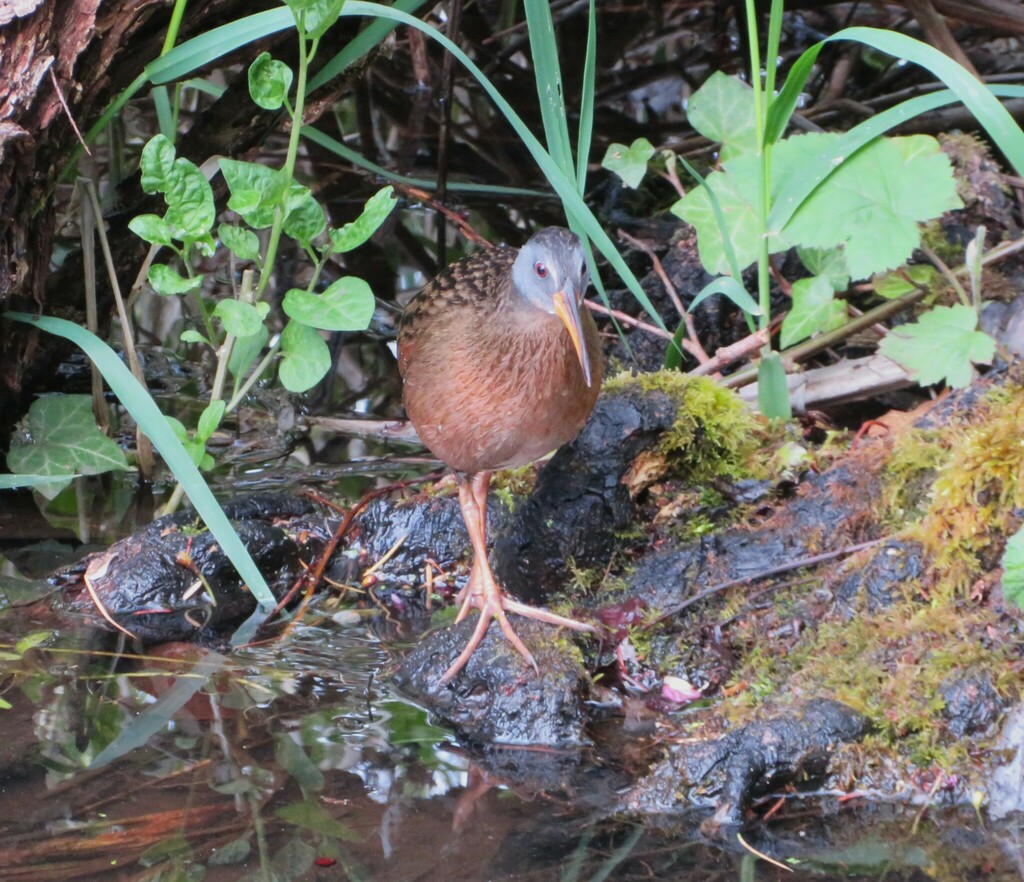
- Virginia RailRallus limicola
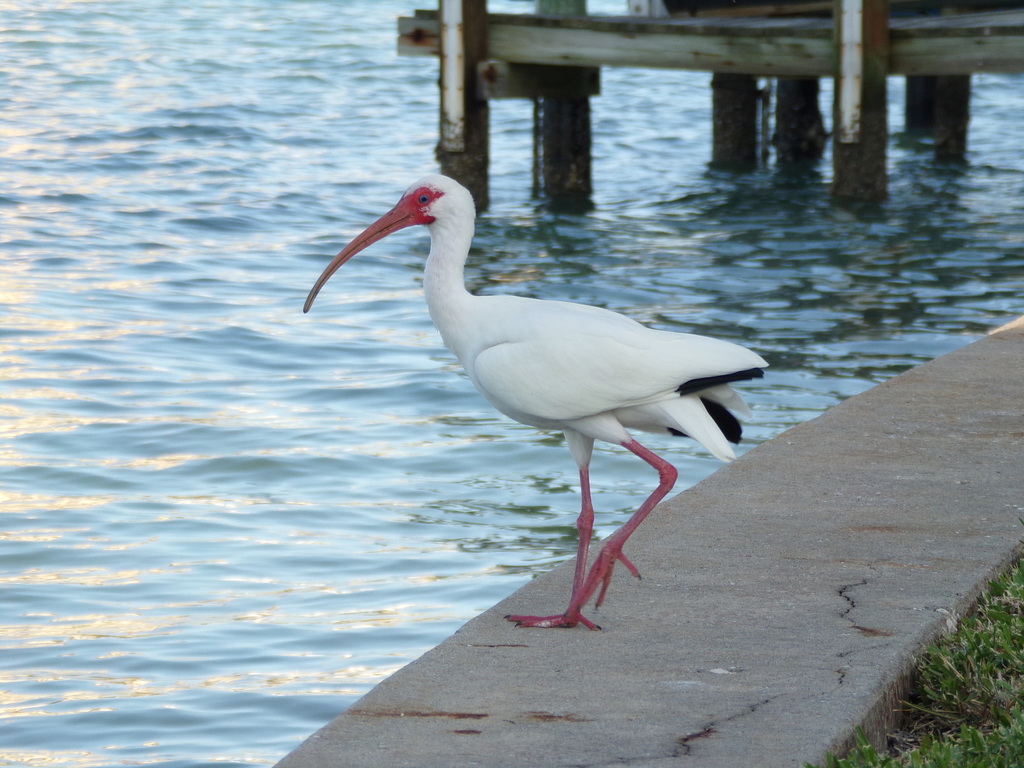
- White IbisEudocimus albus
- White-breasted NuthatchSitta carolinensis
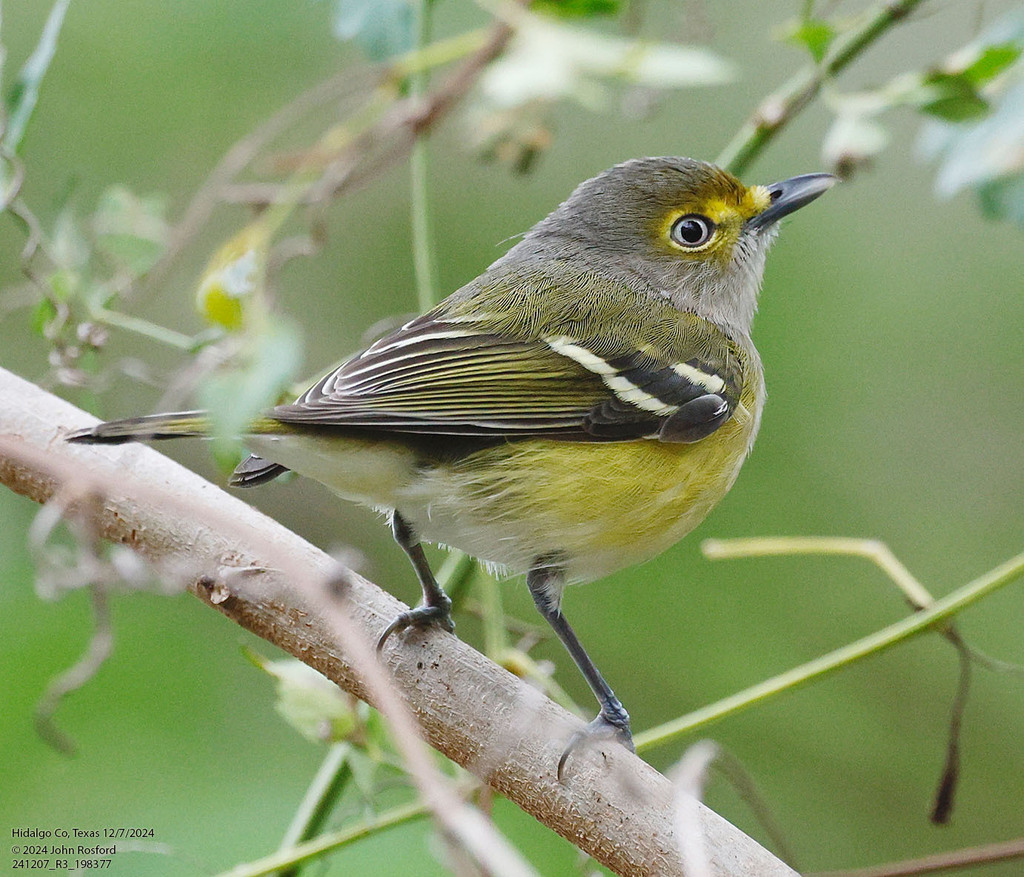
- White-eyed VireoVireo griseus
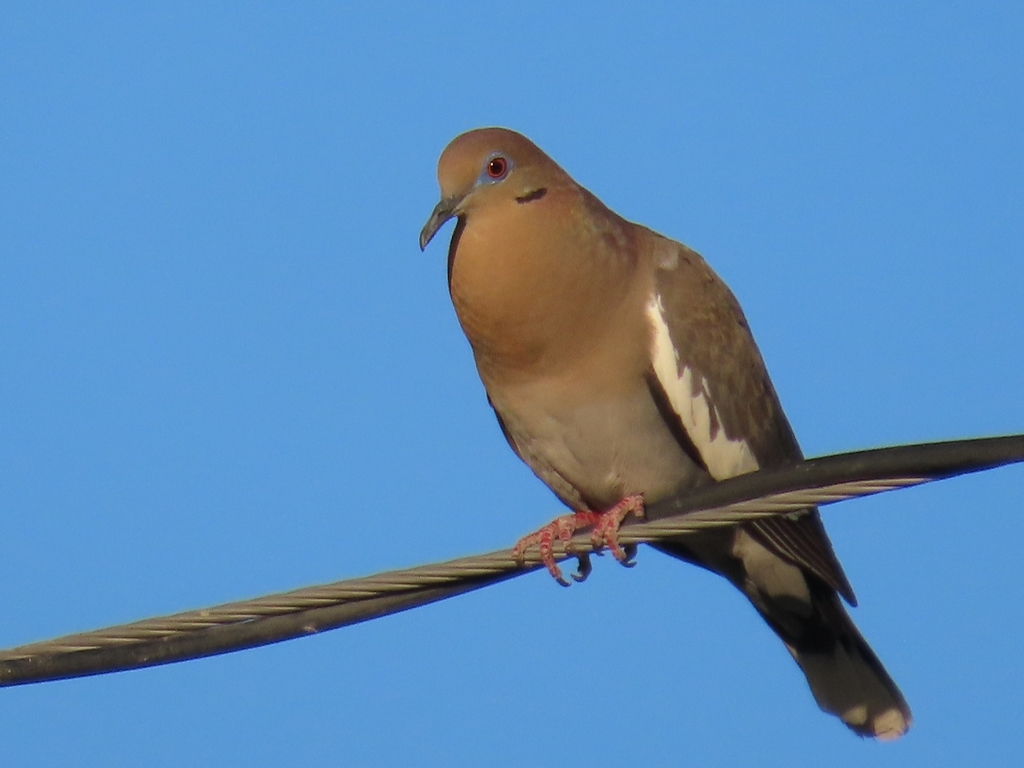
- White-winged DoveZenaida asiatica
- Yellow RailCoturnicops noveboracensis
- Yellow-billed CuckooCoccyzus americanus

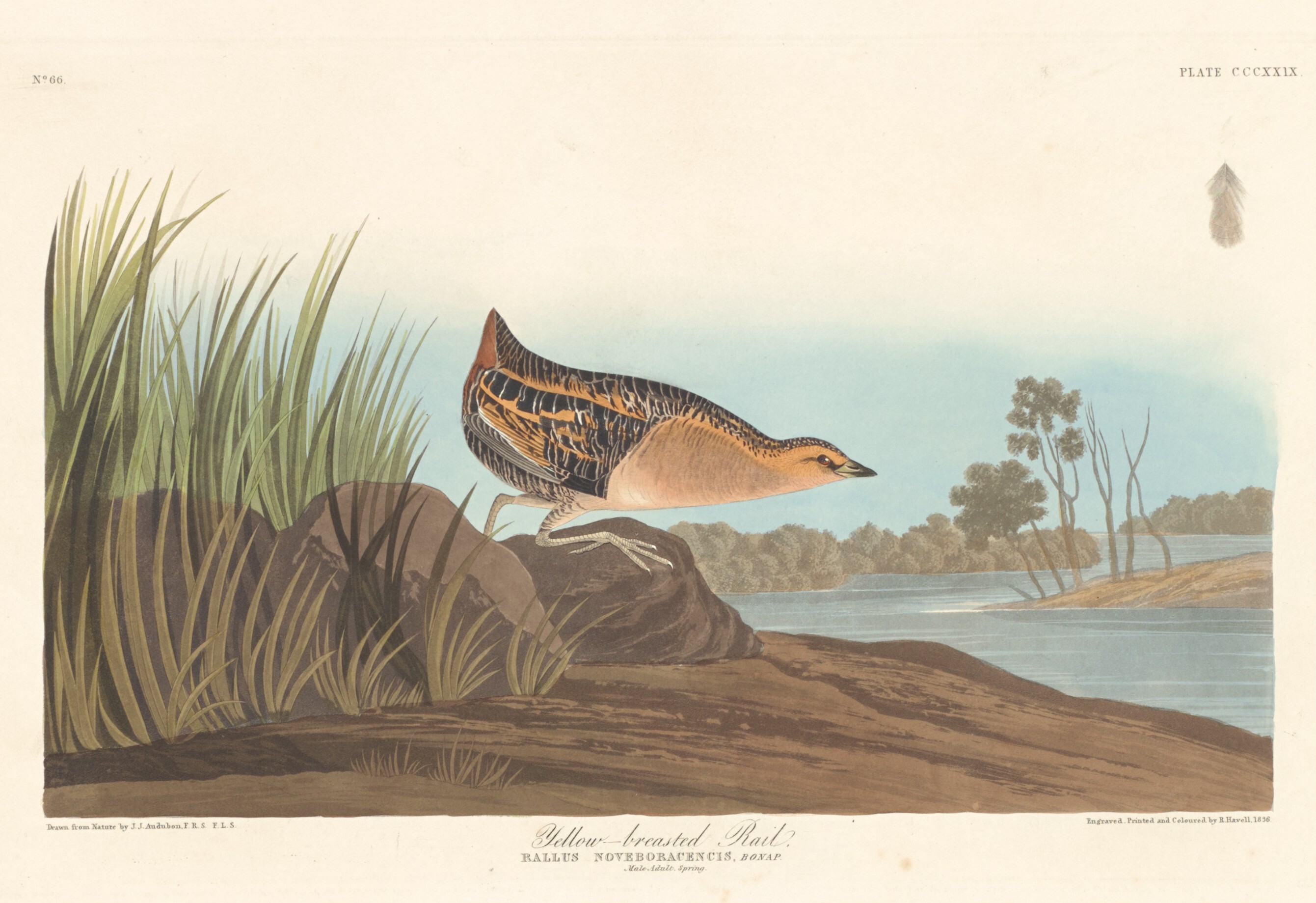

Widespread birds also seen here (44)
Found in many habitats here, so not listed above.
- American Crow
- American Goldfinch
- American Kestrel
- American Robin
- Bald Eagle
- Belted Kingfisher
- Black-crowned Night-heron
- Blue Grosbeak
- Carolina Chickadee
- Carolina Wren
- Cedar Waxwing
- Chimney Swift
- Chipping Sparrow
- Common Grackle
- Common Nighthawk
- Common Yellowthroat
- Cooper's Hawk
- Double-crested Cormorant
- Eastern Kingbird
- Eastern Screech-owl
- Eastern Towhee
- Eurasian Collared-dove
- European Starling
- Fish Crow
- Great Crested Flycatcher
- Great Horned Owl
- Hooded Merganser
- Mourning Dove
- Northern Cardinal
- Northern Flicker
- Northern Mockingbird
- Osprey
- Purple Finch
- Red-shouldered Hawk
- Red-tailed Hawk
- Red-winged Blackbird
- Sharp-shinned Hawk
- Swallow-tailed Kite
- Tufted Titmouse
- Turkey Vulture
- White-throated Sparrow
- Yellow-breasted Chat
- Yellow-crowned Night-heron
- Yellow-rumped Warbler
Who uses this plant?
 13CaterpillarsGenus host records with ranges including MS
Genus host records with ranges including MS · Linum
- Anticarsia gemmatalisVelvetbean Caterpillar Moth
- Chloridea virescensTobacco Budworm Moth
- Chrysodeixis includensSoybean Looper Moth
- Elasmopalpus lignosellaLesser Cornstalk Borer
- Euptoieta claudiaVariegated Fritillary, (?)Gulf Fritillary
- Feltia jaculiferaDingy Cutworm
- Helicoverpa zeaCorn Earworm Moth
- Mythimna unipunctaArmyworm Moth, White Speck
- Paleacrita vernataSpring Cankerworm Moth
- Spodoptera albulaWhite-Spotted Armyworm, Gray-Streaked Armyworm
Show all 13
- Spodoptera eridaniaSouthern Armyworm Moth
- Spodoptera frugiperdaFall Armyworm Moth
- Xestia dolosaGreater Black-Letter Dart, Greater Spotted Cutworm
 0BeesSoutheastern regional records
 0Specialist beesPollen specialists
 1BirdsRecorded eating Linum in Mississippi
Diet records by plant genus, from studies across North America. Not a record from this state. Birds whose range includes Mississippi, most records first.
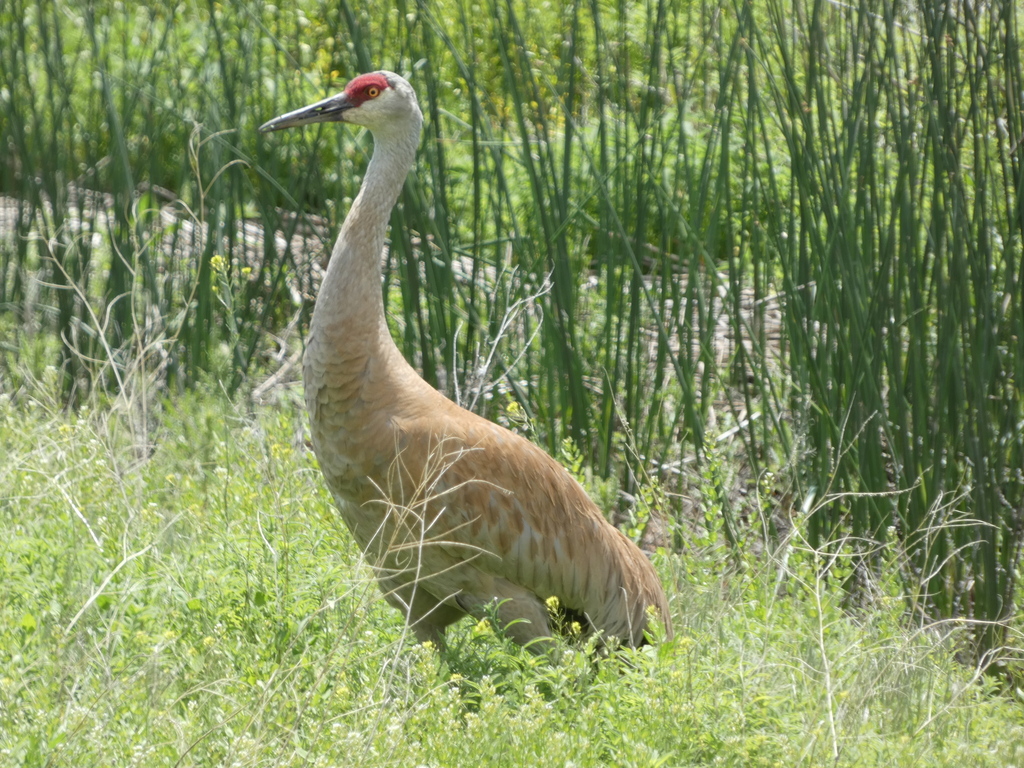
- Sandhill Crane1 diet record
Direct food only. Caterpillars on host plants also feed nesting birds. NC Native Plant Society: butterfly gardening
No records yet · Ants · Beetles · Flies · Adult butterflies / moths · Other wasps · Other insects
Birds that eat Linum 1
Diet records by plant genus, from studies across North America. Not a record from this state. Avian Diet Database (Hurlbert Lab), CC0 1.0.
- Sandhill CraneGrus canadensis
Plant details
- Family
- Linaceae
Conservation status
| Mississippi rank | S2 |
|---|---|
| Global rank | Not available |
| MS status | Not verified |
| Federal status | Not verified |
Will it fit your yard?
Check this plant against your county, sun and soil moisture. Conditions are checked in your browser.
Sources
- Weakley, Flora of the Southeastern United States (2025), South Central edition
- NatureServe Explorer
- Mississippi occurrence source
- Shropshire & Tallamy 2025, Lepidoptera of North America north of Mexico, ZooKeys 1261 (ODbL)
- Noori, Seltmann & Orr 2026, A curated and integrated dataset for exploring global bee-plant interactions (GloBI), Zenodo, CC BY 4.0
- Smith, Bachelder, Russell, Morales, Mosher & Seltmann 2024, Bee-Specialization-Modeling v0.6.1 (specialist host table compiled from J. Fowler's pollen specialist bee lists), Zenodo, CC BY 4.0
- Hurlbert, Olsen, Sawyer & Winner 2021, Avian Diet Database, Scientific Data 8: 260 (CC0)
- Narango, Tallamy & Shropshire 2020, Few keystone plant genera support the majority of Lepidoptera species, Nature Communications