

Pondberry
Lindera melissifolia
Found in depression ponds and limesinks; floodplain and bottomland forests. Weakley, Flora of the Southeastern United States (2025), South Central edition What its natural habitat tells you
Native to Mississippi. How scores work Is it native here?
Profile 88%
- Height
- Up to about 5 feet
- Light
- Dappled sunlight, Deep shade
- Soil moisture
- Moist to standing water
No photograph yet. Looking for an old drawing…
Federally endangered. Excluded from routine garden suggestions. Consult conservation guidance before obtaining or planting this species. Plant caution source
Hidden from default planting suggestions. Wildlife value and native status remain unchanged.
At a glance
- Life cycle
- Woody perennial
- Leaves
- Deciduous
- Bloom
- March to April
- Fruiting season
- August to September
Not yet recorded · Spread
Recorded in 3 Mississippi counties.
Natural habitats
Places it grows wild. Not a planting requirement. Each habitat page lists the plants and wildlife also found there.
Depression ponds and limesinks
Shallow ponds in Coastal Plain depressions, such as limesinks and the ponds in some Carolina bays, that rise and fall with the seasons.
Floodplain and bottomland forests
Forests on low ground beside rivers and streams that flood from time to time.
Also found with this plant
Wildlife whose habitat models include habitats this plant grows in, in Mississippi. Shared habitat, not food. 143 animals.
- Orchard OrioleIcterus spurius
- OvenbirdSeiurus aurocapilla
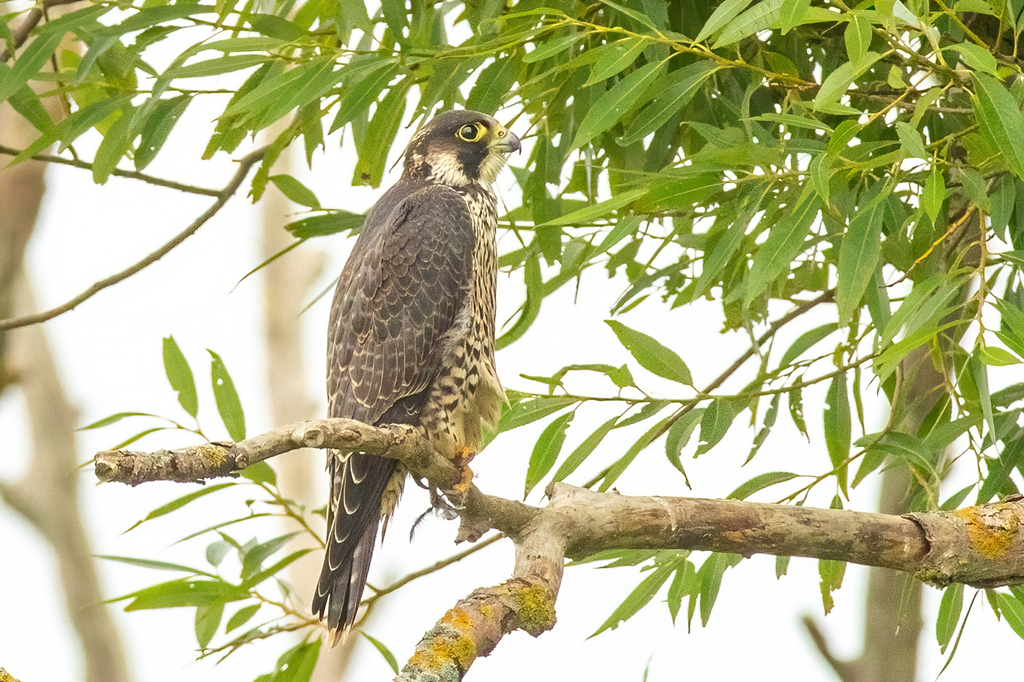
- Peregrine FalconFalco peregrinus
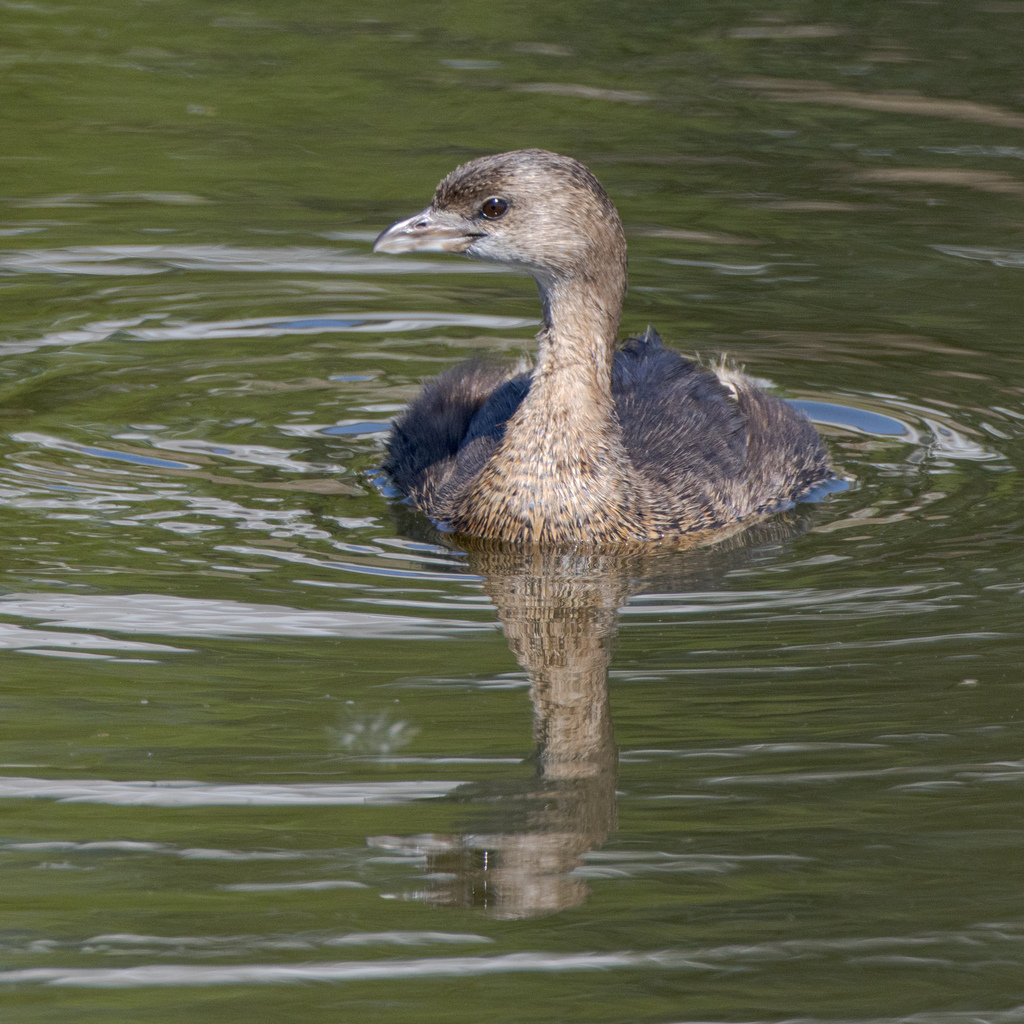
- Pied-billed GrebePodilymbus podiceps
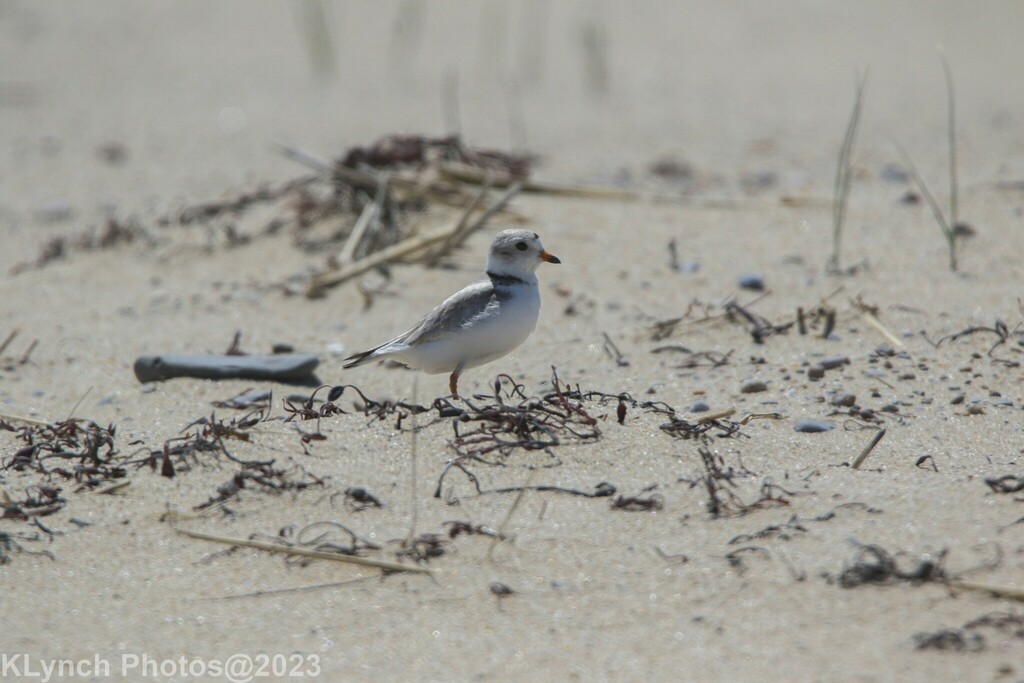
- Piping PloverCharadrius melodus
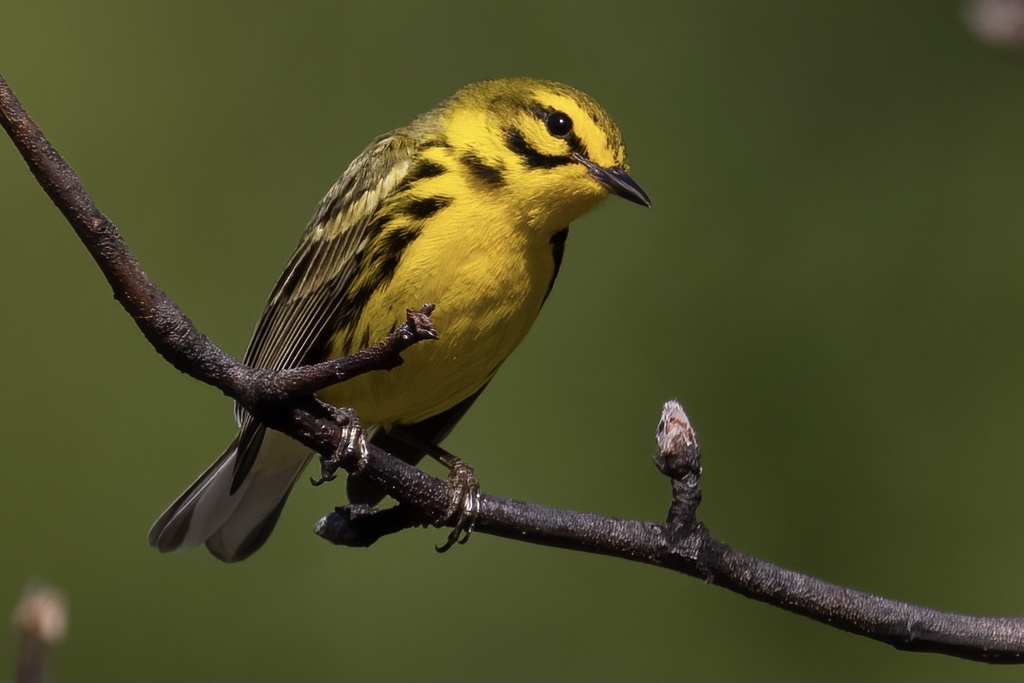
- Prairie WarblerDendroica discolor
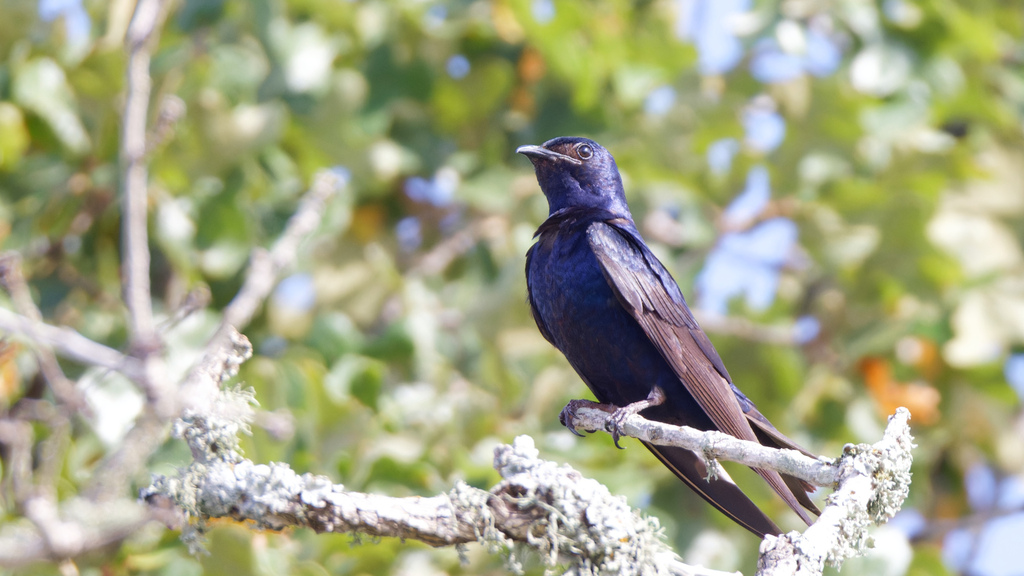
- Purple MartinProgne subis
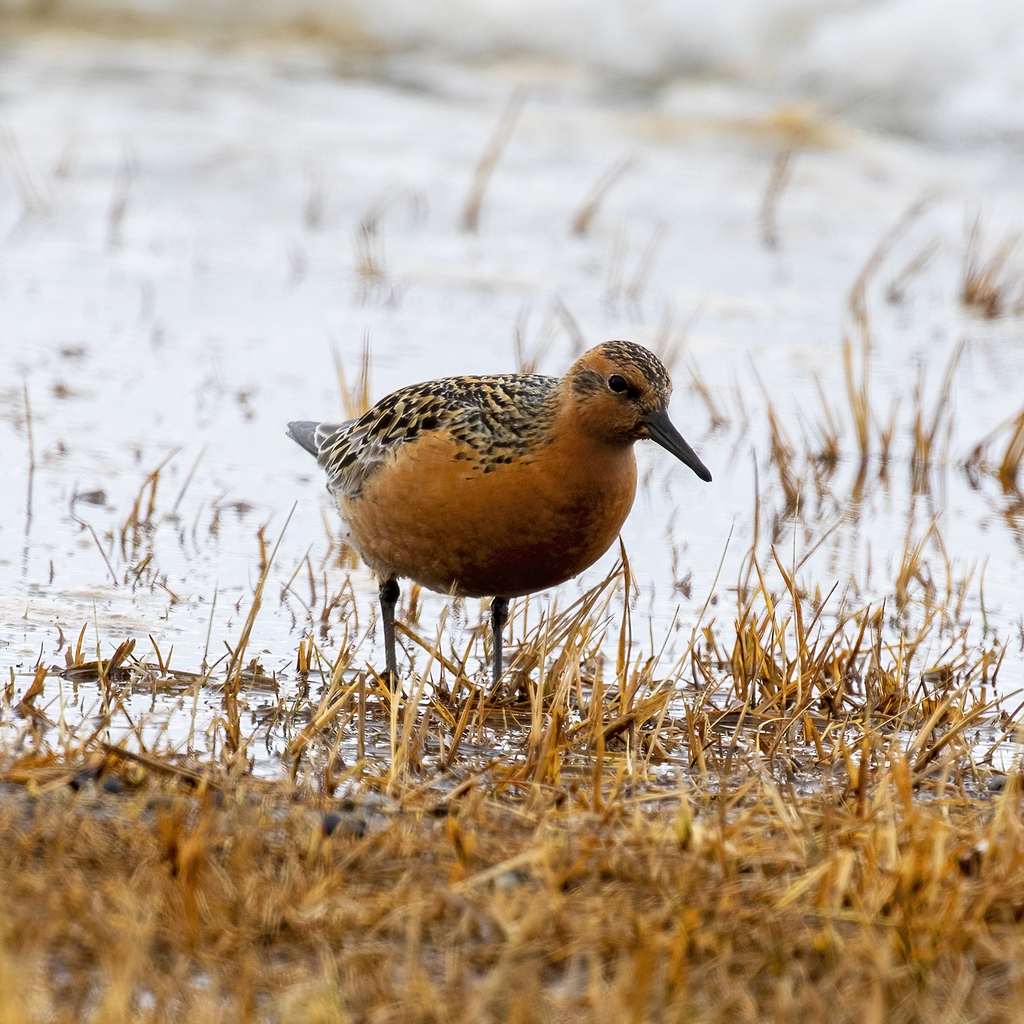
- Red KnotCalidris canutus
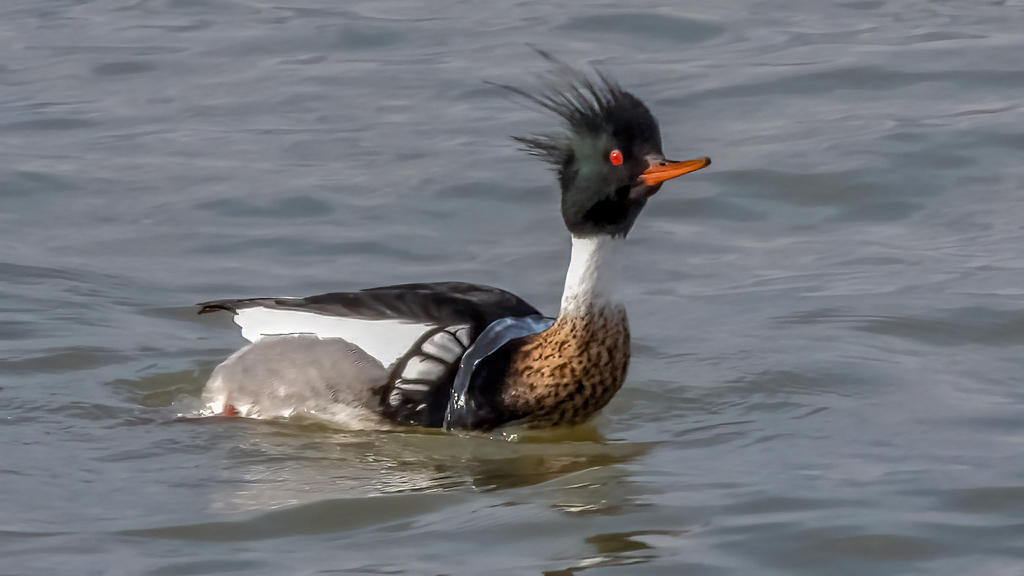
- Red-breasted MerganserMergus serrator
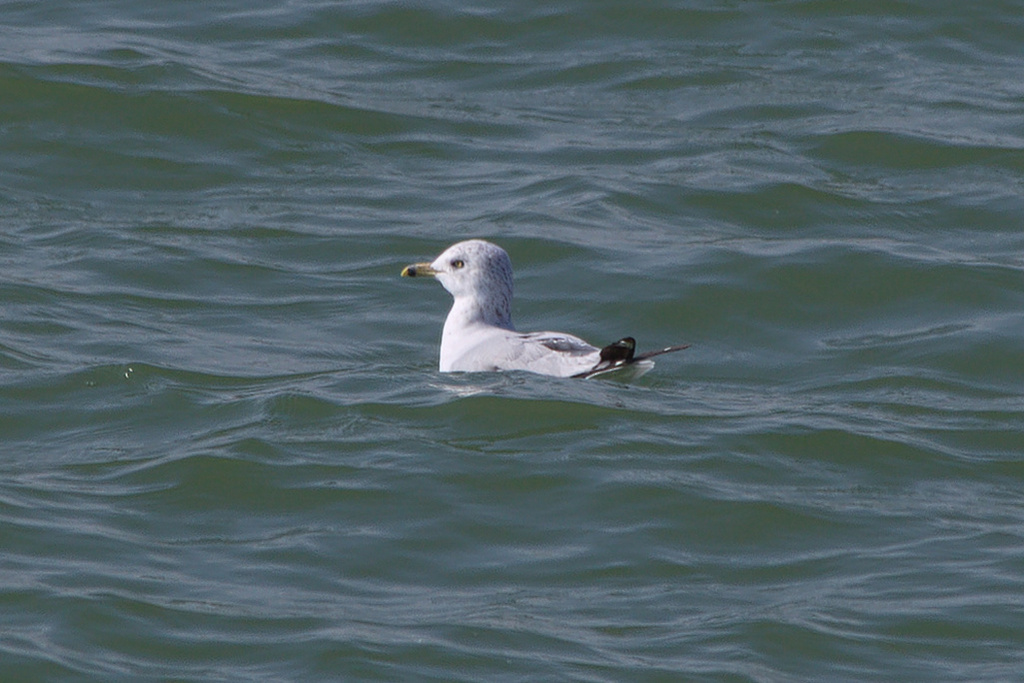
- Ring-billed GullLarus delawarensis
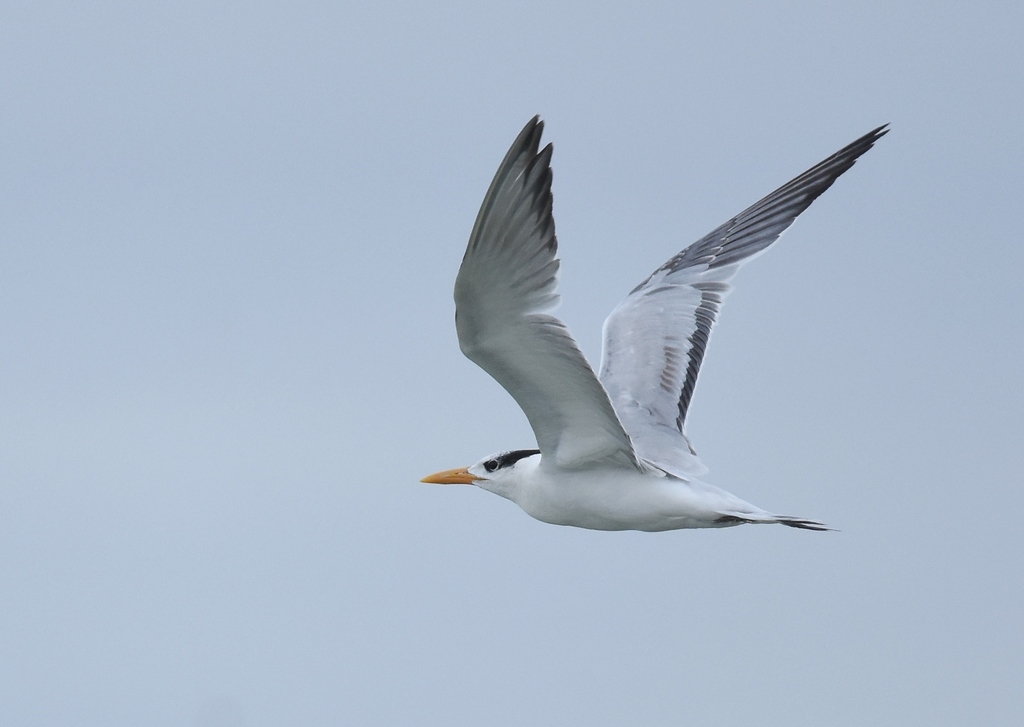
- Royal TernThalasseus maximus
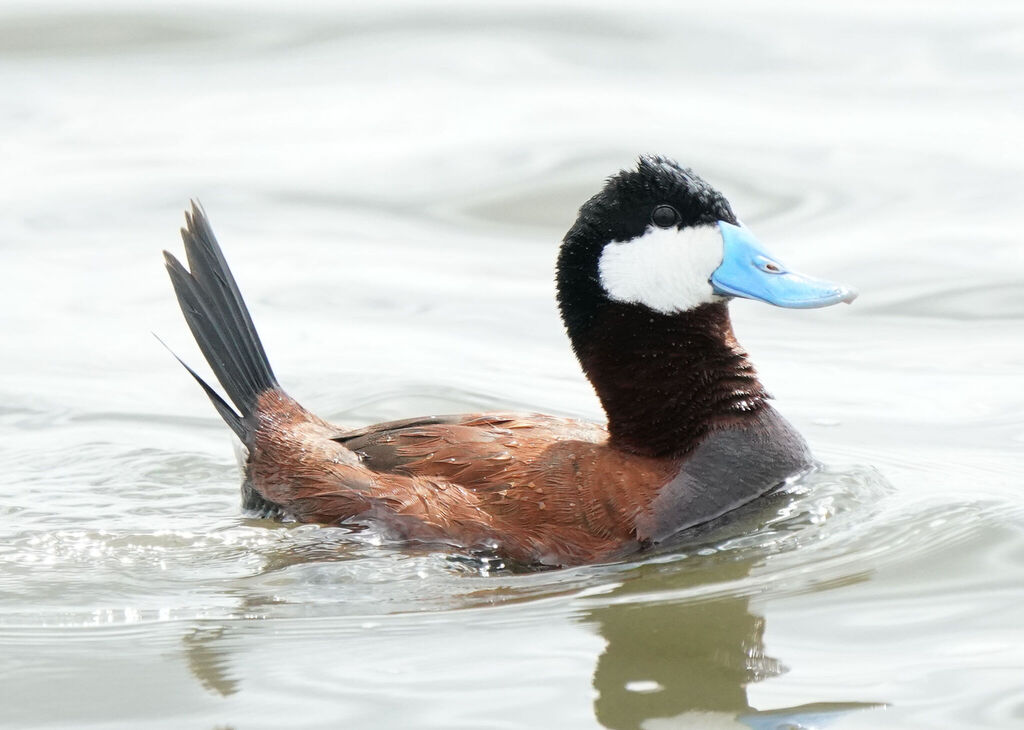
- Ruddy DuckOxyura jamaicensis
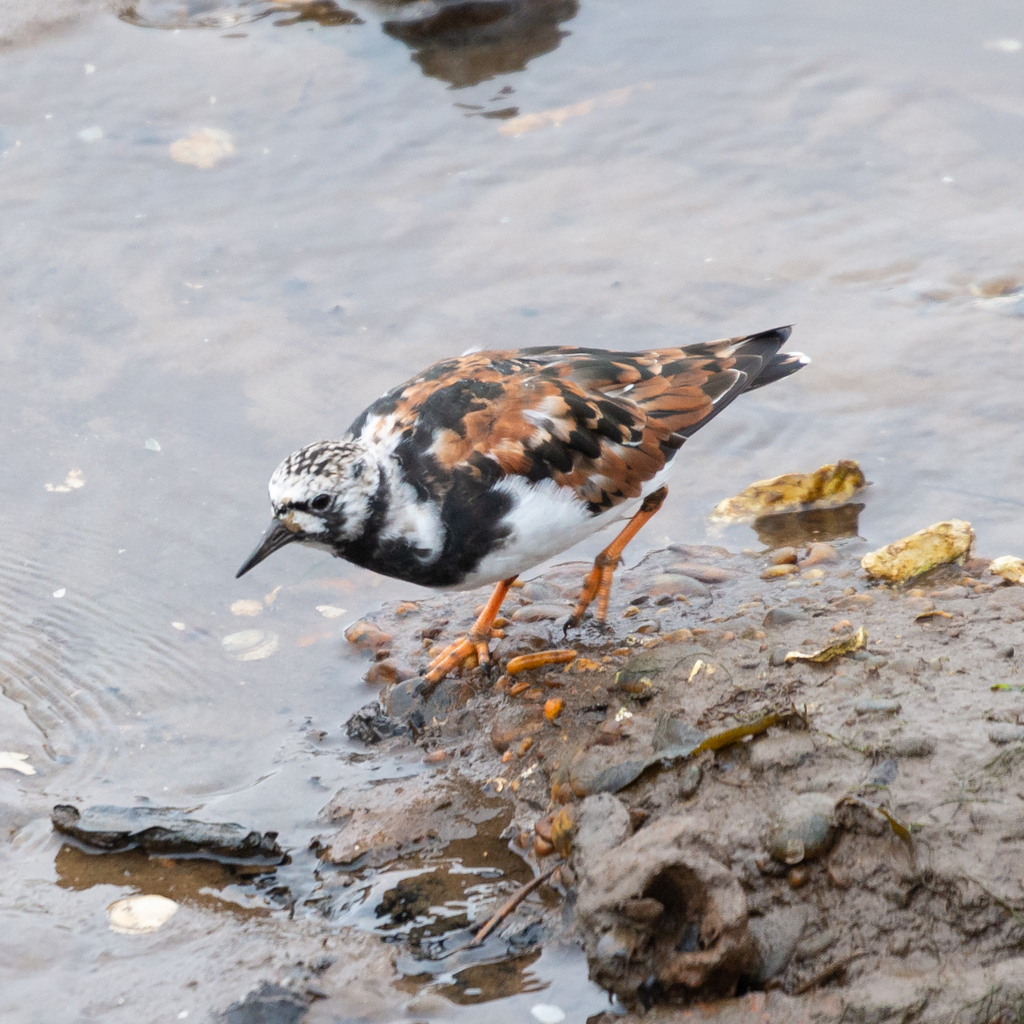
- Ruddy TurnstoneArenaria interpres
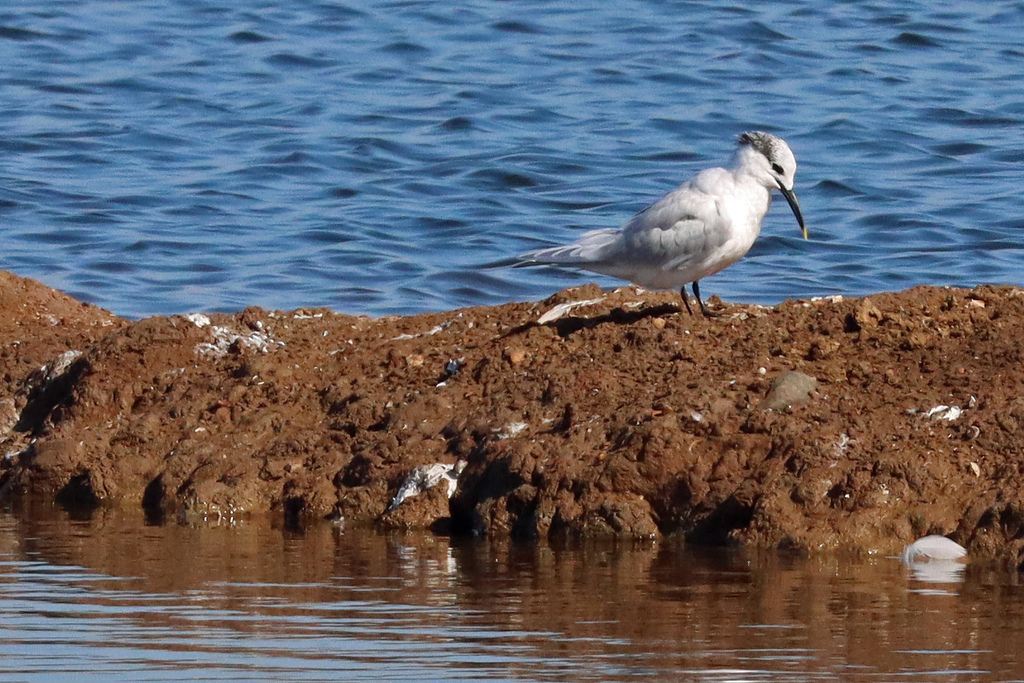
- Sandwich TernThalasseus sandvicensis
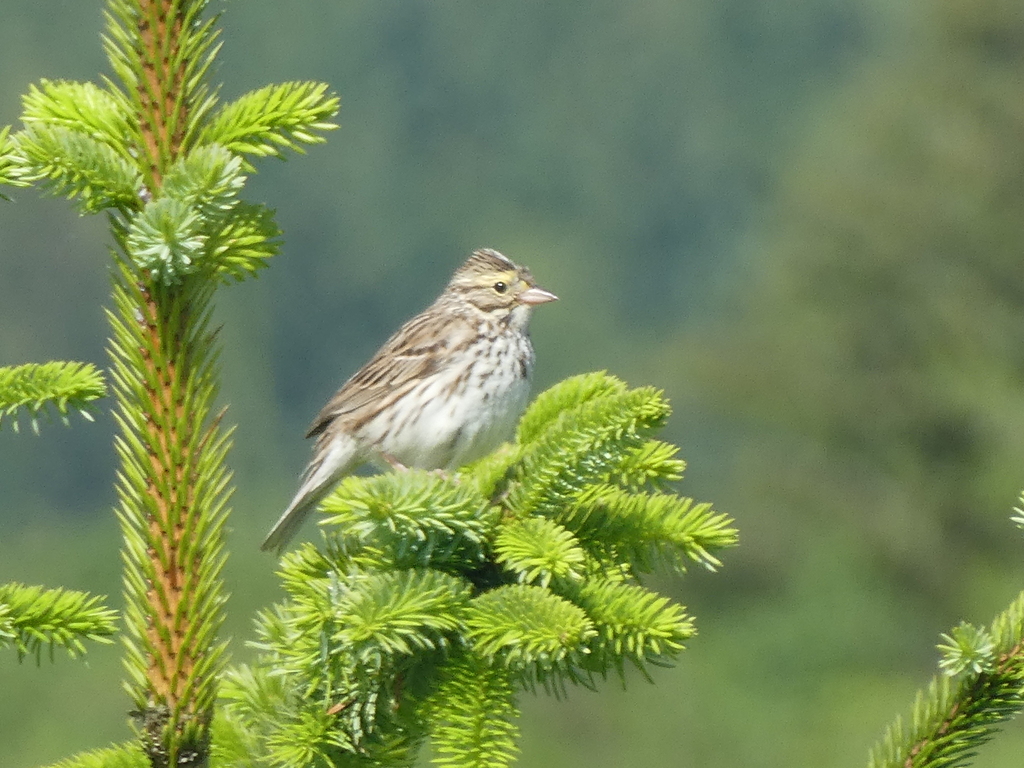
- Savannah SparrowPasserculus sandwichensis
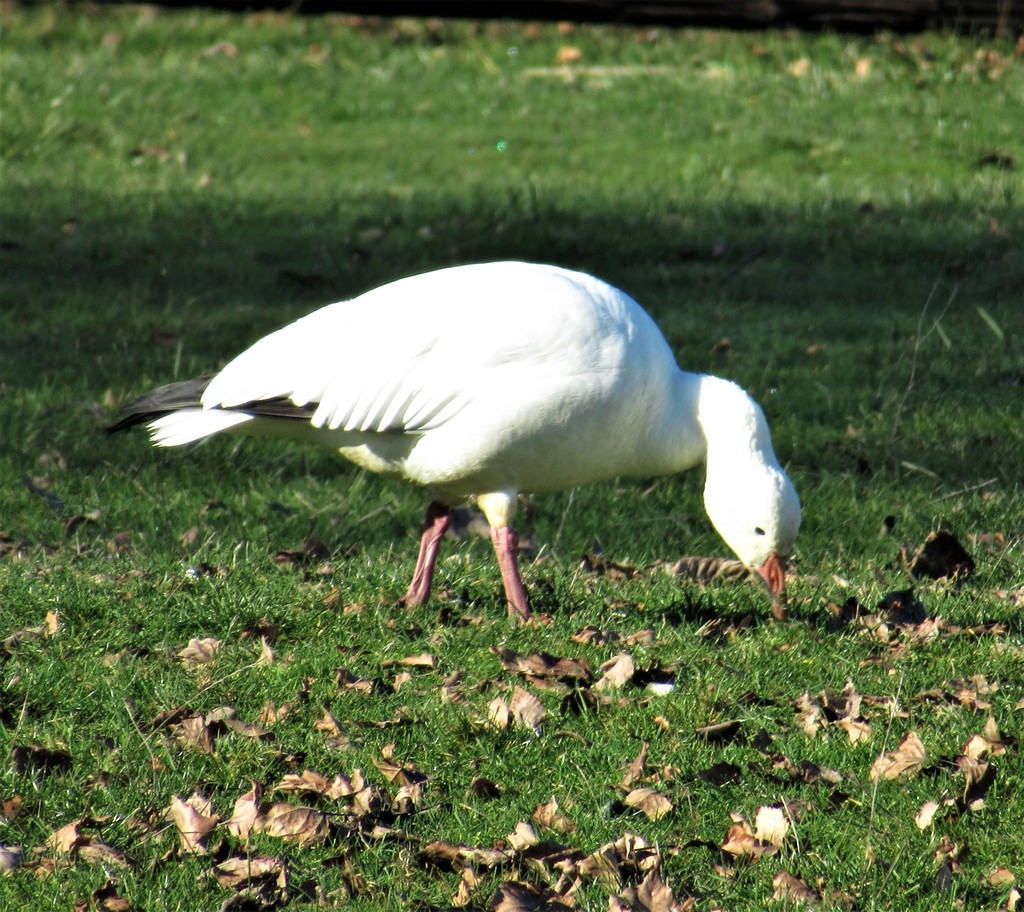
- Snow GooseChen caerulescens
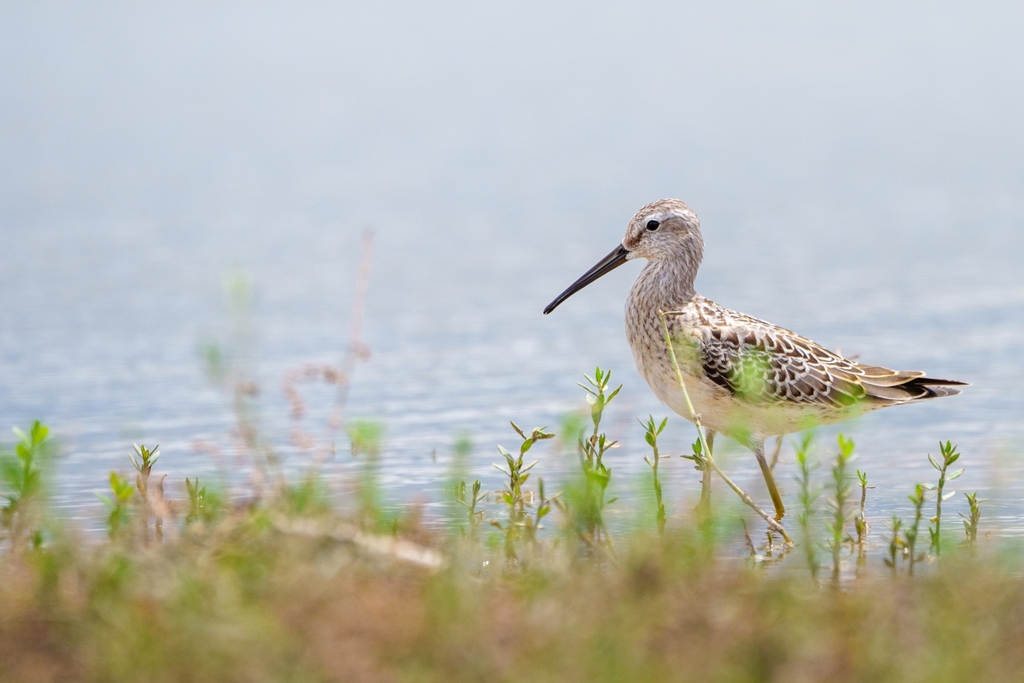
- Stilt SandpiperCalidris himantopus
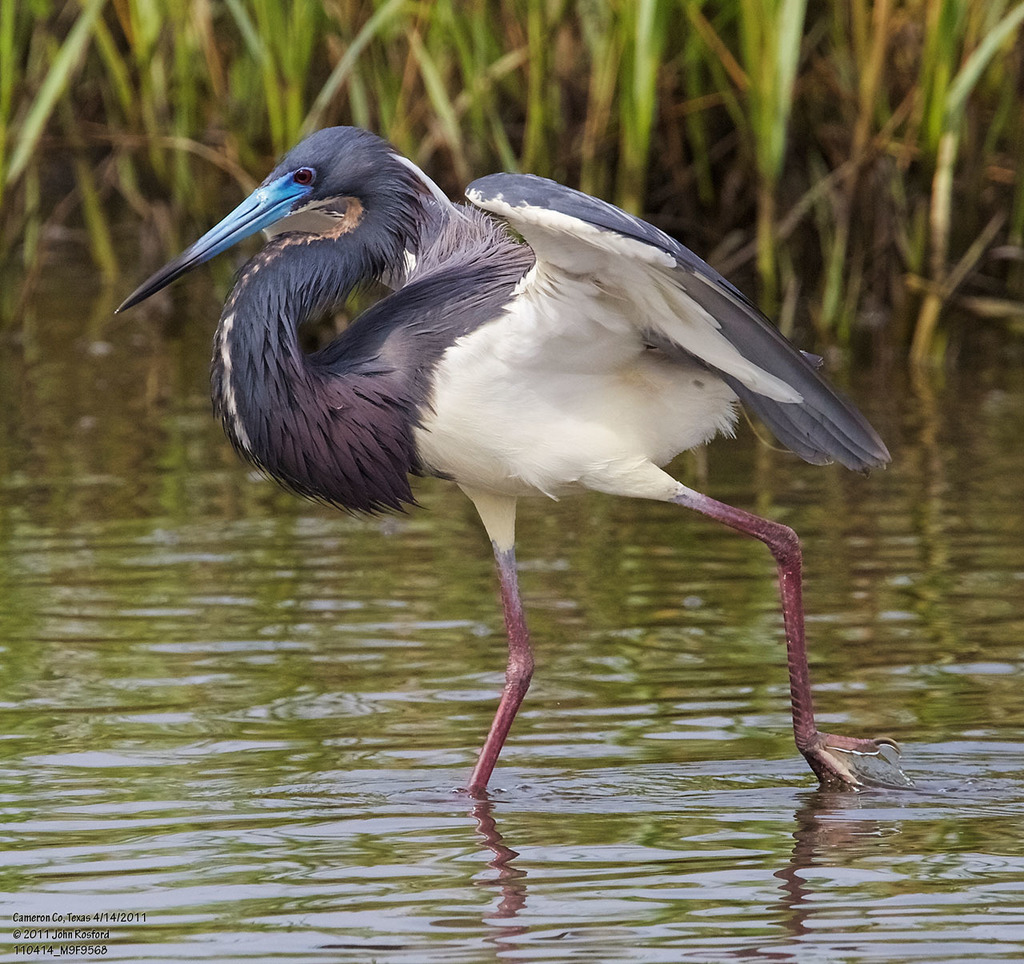
- Tricolored HeronEgretta tricolor
- Western SandpiperCalidris mauri
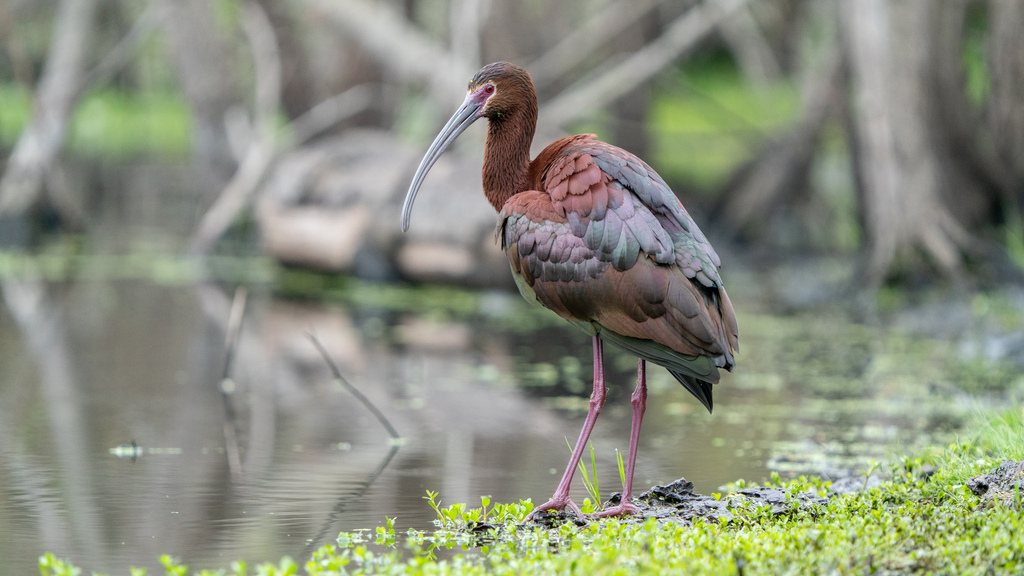
- White-faced IbisPlegadis chihi
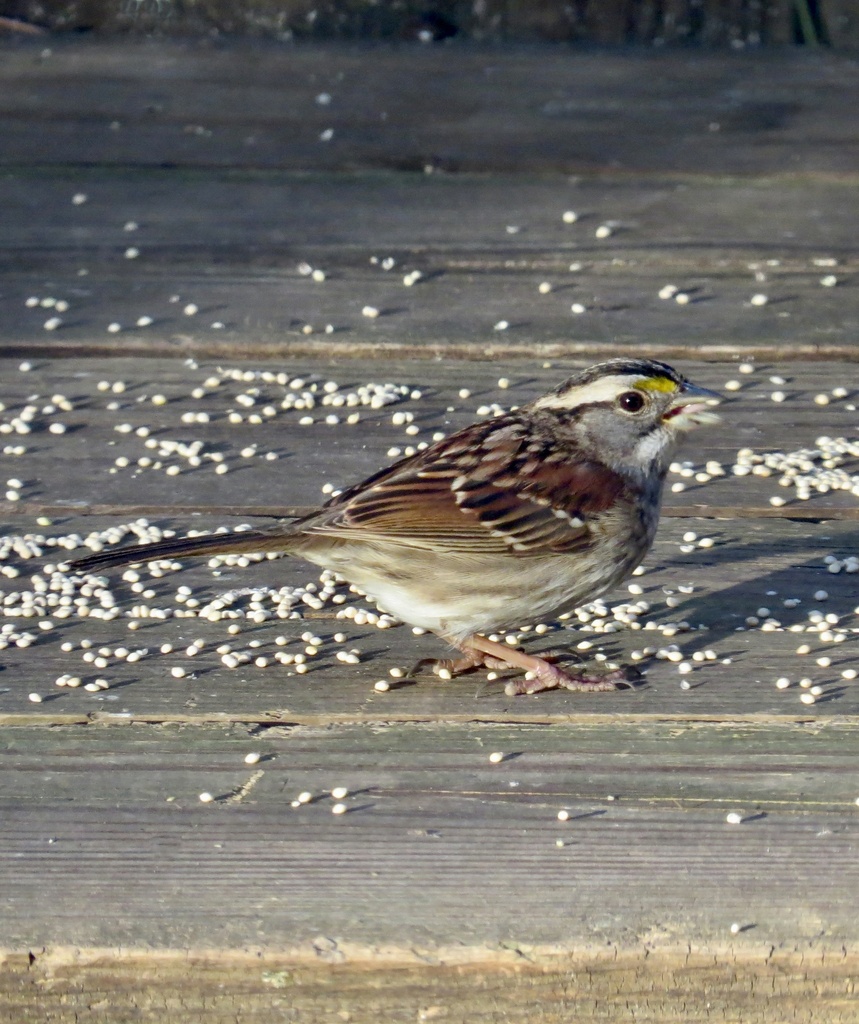
- White-throated SparrowZonotrichia albicollis
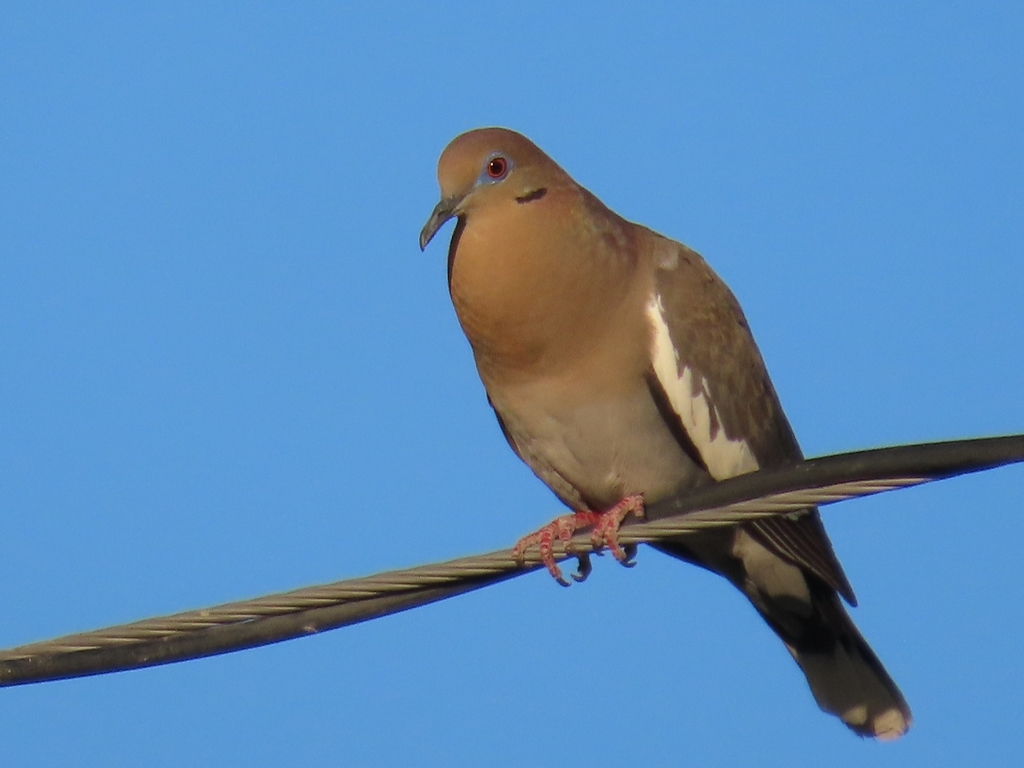
- White-winged DoveZenaida asiatica
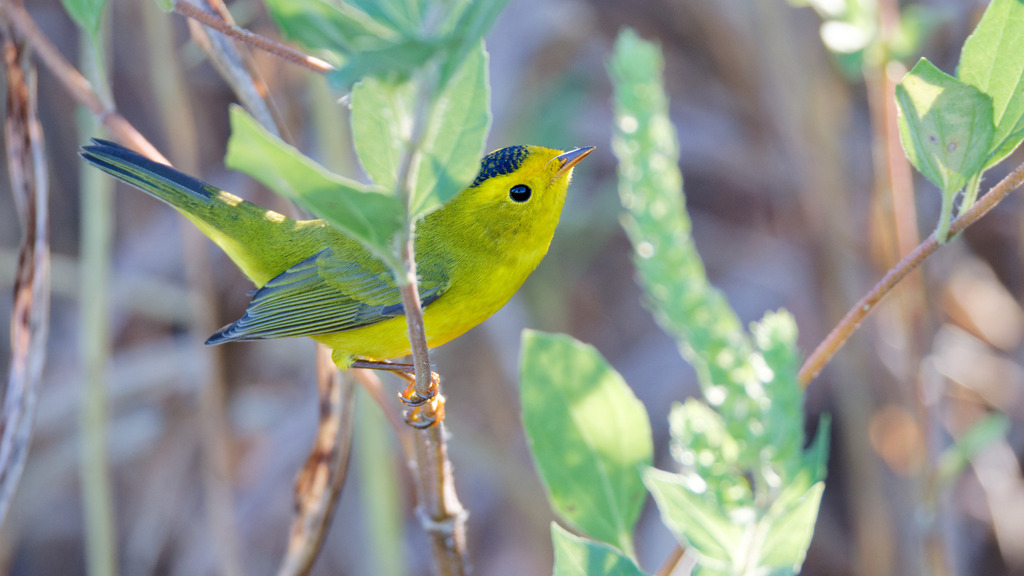
- Wilson's WarblerWilsonia pusilla


Widespread birds also seen here (33)
Found in many habitats here, so not listed above.
- American Crow
- American Goldfinch
- American Kestrel
- American Robin
- Bald Eagle
- Belted Kingfisher
- Black-crowned Night-heron
- Chimney Swift
- Common Grackle
- Common Nighthawk
- Common Yellowthroat
- Cooper's Hawk
- Eastern Kingbird
- Eastern Screech-owl
- Eastern Towhee
- Eurasian Collared-dove
- European Starling
- Fish Crow
- Great Crested Flycatcher
- Great Horned Owl
- Hooded Merganser
- Mourning Dove
- Northern Cardinal
- Northern Flicker
- Northern Mockingbird
- Osprey
- Red-tailed Hawk
- Red-winged Blackbird
- Sharp-shinned Hawk
- Turkey Vulture
- Yellow-breasted Chat
- Yellow-crowned Night-heron
- Yellow-rumped Warbler
Who uses this plant?
 15CaterpillarsGenus host records with ranges including MS
Genus host records with ranges including MS · Lindera
- Callosamia prometheaPromethea Moth
- Papilio troilusSpicebush Swallowtail
- Acharia stimuleaSaddleback Caterpillar Moth
- Amorbia humerosanaWhite-Lined Leafroller Moth
- Antheraea polyphemusPolyphemus Moth
- Apatelodes torrefactaSpotted Apatelodes
- Eacles imperialisImperial Moth, Imperial Spiny Caterpillar
- Emmelina monodactylaMorning-Glory Plume Moth
- Epimecis hortariaTulip-Tree Beauty
- Morrisonia confusaConfused Woodgrain
Show all 15
- Papilio glaucusEastern Tiger Swallowtail
- Papilio palamedesPalamedes Swallowtail
- Parasa chlorisSmaller Parasa, Green Slug Moth
- Phaecasiophora confixanaMacramé Moth
- Tetracis crocallataYellow Slant-Line
 1BeesSoutheastern regional records
Southeastern regional records · Lindera
Individual names are not available yet.
Noori, Seltmann & Orr 2026, A curated and integrated dataset for exploring global bee-plant interactions (GloBI), Zenodo, CC BY 4.0 0Specialist beesPollen specialists
 6BirdsRecorded eating Lindera in Mississippi
Diet records by plant genus, from studies across North America. Not a record from this state. Birds whose range includes Mississippi, most records first.
- American RobinFruit. 1 diet record
- Eastern KingbirdFruit. 1 diet record
- Hermit ThrushFruit and seeds. 1 diet record
- Northern CardinalFruit. 1 diet record
- VeeryFruit and seeds. 1 diet record
- Wood ThrushFruit and seeds. 1 diet record
Direct food only. Caterpillars on host plants also feed nesting birds. NC Native Plant Society: butterfly gardening
No records yet · Ants · Beetles · Flies · Adult butterflies / moths · Other wasps · Other insects
Birds that eat Lindera 6
Diet records by plant genus, from studies across North America. Not a record from this state. Avian Diet Database (Hurlbert Lab), CC0 1.0.
- American RobinTurdus migratorius
- Eastern KingbirdTyrannus tyrannus
- Hermit ThrushCatharus guttatus
- Northern CardinalCardinalis cardinalis
- VeeryCatharus fuscescens
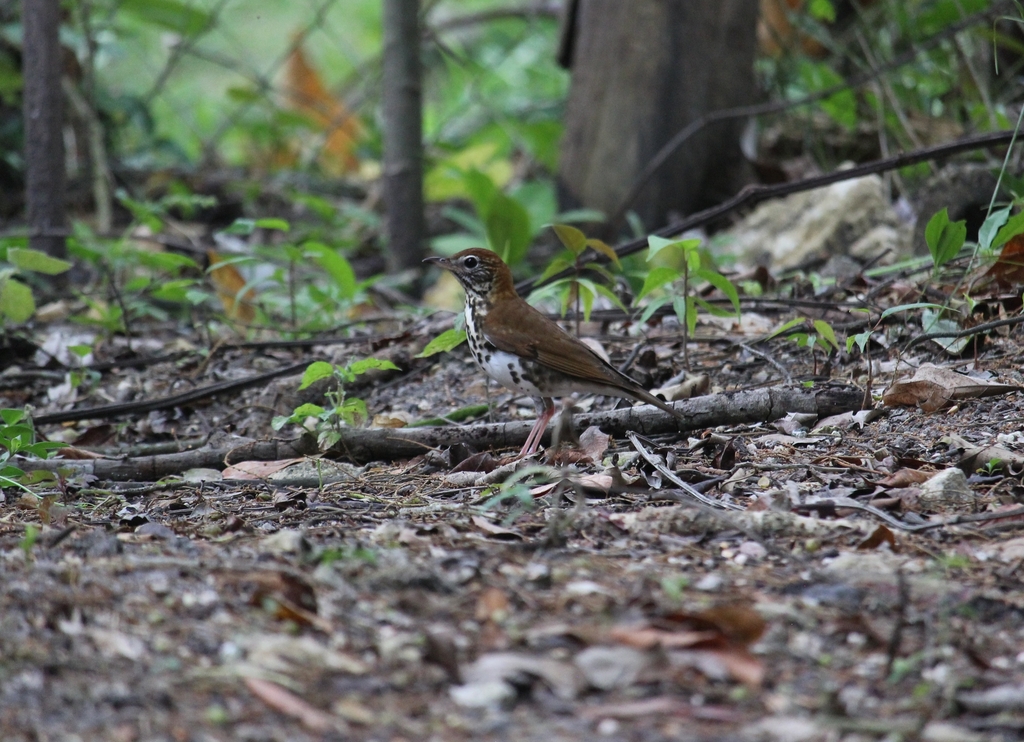
- Wood ThrushHylocichla mustelina





Plant details
- Family
- Lauraceae
- Hardiness
- Zones 7b–9b
- Flower color
- Yellow
- Fruit begins
- August
- Fruit ends
- September
Growing sources and scope
- Bloom · “March to April” · Weakley, Flora of the Southeastern United States (2025), Carolinas & Georgia edition · Carolinas and Georgia
- Flower color · “Yellow” · NC Extension Plant Toolbox
- Fruit begins · “August” · Weakley, Flora of the Southeastern United States (2025), Carolinas & Georgia edition · Carolinas and Georgia
- Fruit ends · “September” · Weakley, Flora of the Southeastern United States (2025), Carolinas & Georgia edition · Carolinas and Georgia
- Hardiness · “Zones 7b–9b” · NC Extension Plant Toolbox
- Height · “Up to about 5 feet” · Lady Bird Johnson Wildflower Center
- Leaves · “Deciduous” · NC Extension Plant Toolbox
- Life cycle · “Woody perennial” · NC Extension Plant Toolbox (ranked first; Lady Bird Johnson Wildflower Center differs)
- Light · “Dappled sunlight (shade through upper canopy all day); Deep shade (less than 2 hours to no direct sunlight)” · NC Extension Plant Toolbox
- primary_flower_color · “yellow” · NC Extension Plant Toolbox
- Soil · “Frequent standing water; Moist; Occasionally wet” · NC Extension Plant Toolbox
Also known as
Lindera melissaefolium
Conservation status
| Mississippi rank | S2 |
|---|---|
| Global rank | G3 |
| MS status | Not verified |
| Federal status | Endangered (US Fish and Wildlife Service) |
Conservation source Global rank source Federal status source: US Fish and Wildlife Service
Will it fit your yard?
Check this plant against your county, sun and soil moisture. Conditions are checked in your browser.
Sources
- NatureServe Explorer
- USDA PLANTS
- Vascular Plants of North Carolina (NC Natural Heritage Program)
- Weakley, Flora of the Southeastern United States (2025)
- Mississippi occurrence source
- Shropshire & Tallamy 2025, Lepidoptera of North America north of Mexico, ZooKeys 1261 (ODbL)
- Noori, Seltmann & Orr 2026, A curated and integrated dataset for exploring global bee-plant interactions (GloBI), Zenodo, CC BY 4.0
- Smith, Bachelder, Russell, Morales, Mosher & Seltmann 2024, Bee-Specialization-Modeling v0.6.1 (specialist host table compiled from J. Fowler's pollen specialist bee lists), Zenodo, CC BY 4.0
- Hurlbert, Olsen, Sawyer & Winner 2021, Avian Diet Database, Scientific Data 8: 260 (CC0)
- Narango, Tallamy & Shropshire 2020, Few keystone plant genera support the majority of Lepidoptera species, Nature Communications