

Habitat in Mississippi
Prairies and grasslands
Open, grass-dominated places kept open by fire, grazing or thin soil, from tallgrass prairie to Piedmont prairies. Schafale
- Plants
- 240
- Birds
- 78
Plants
Plants that grow wild in this habitat in Mississippi. Not a planting list.
Most characteristic plants of this habitat 240
Natives first, plants found in fewer other habitats first.
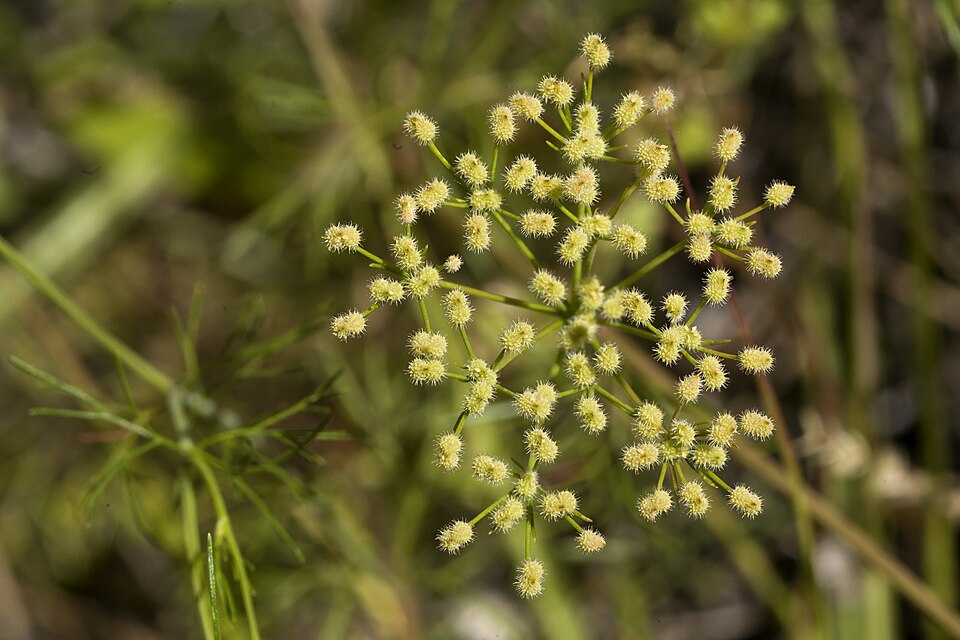
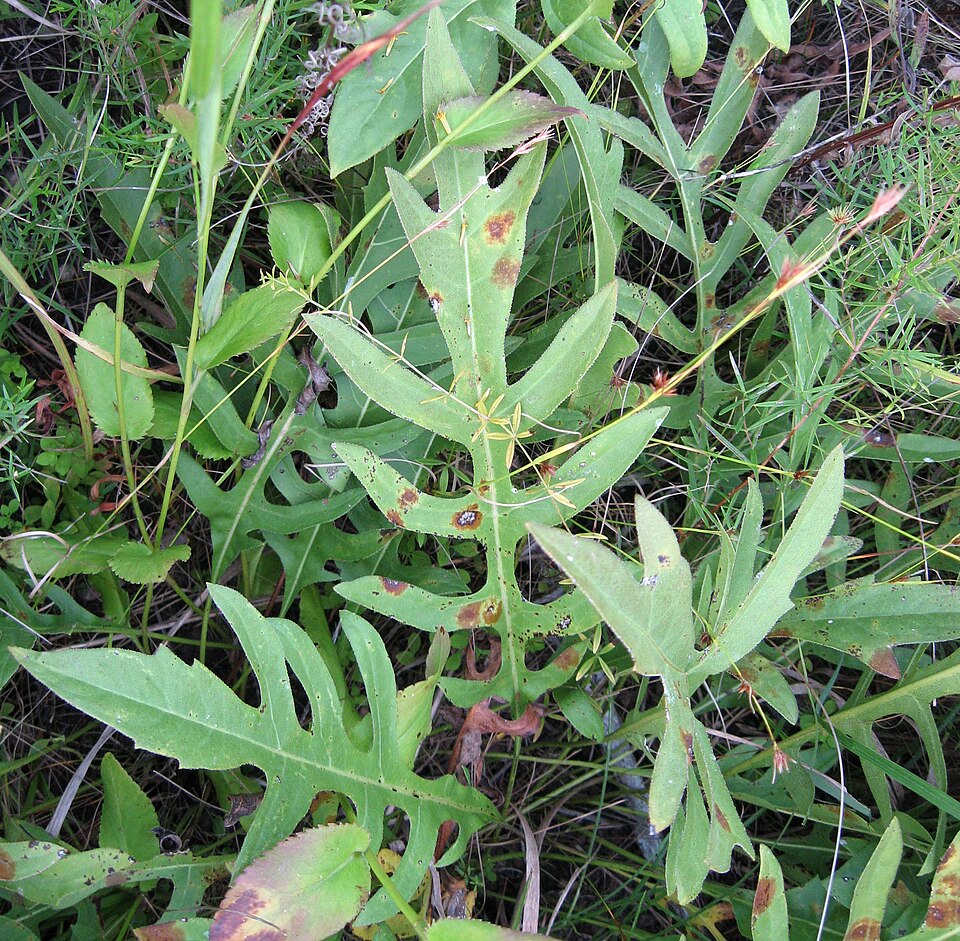
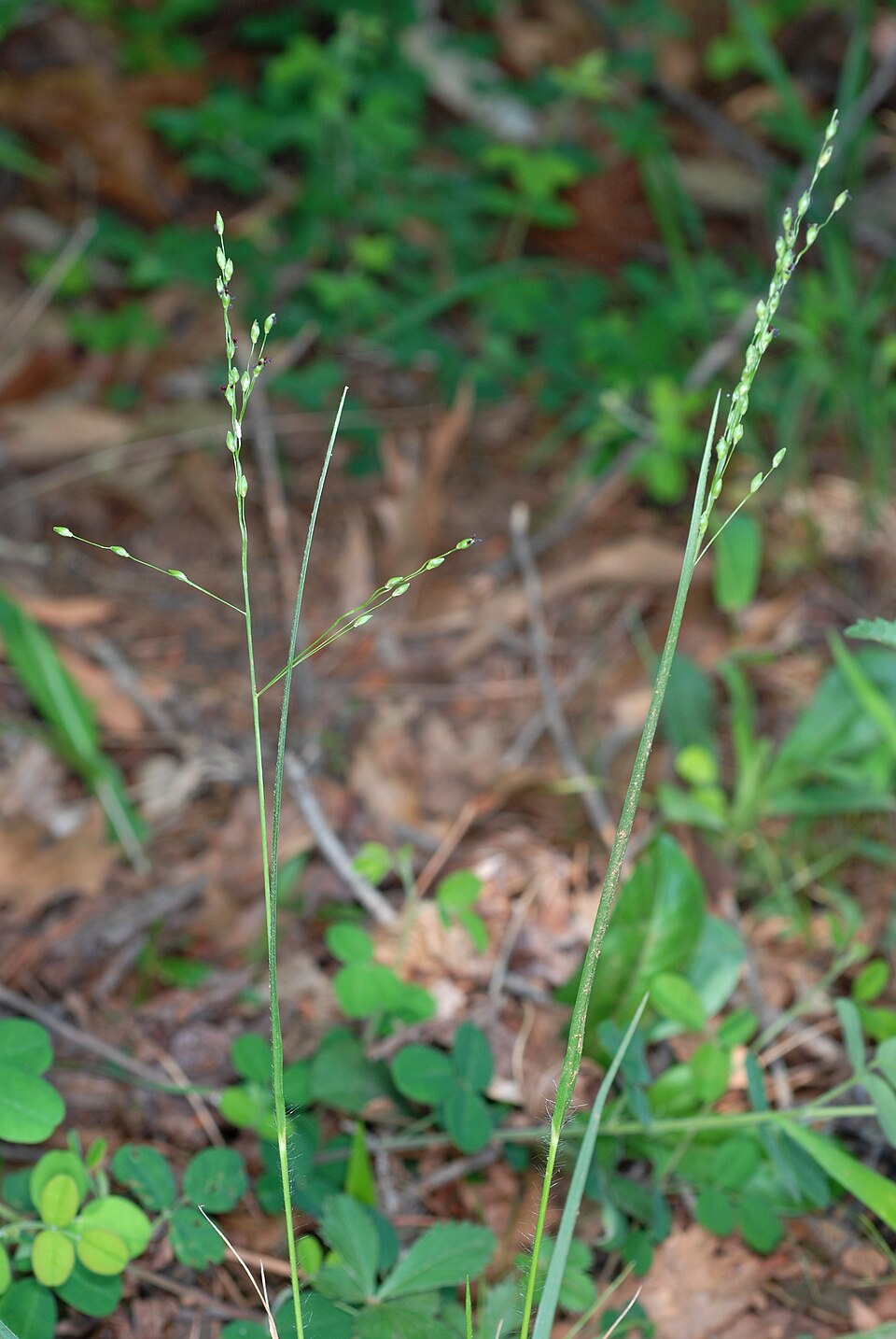
- White Hair WitchgrassDichanthelium villosissimum var. villosissimum
- Michigan LilyLilium michiganense
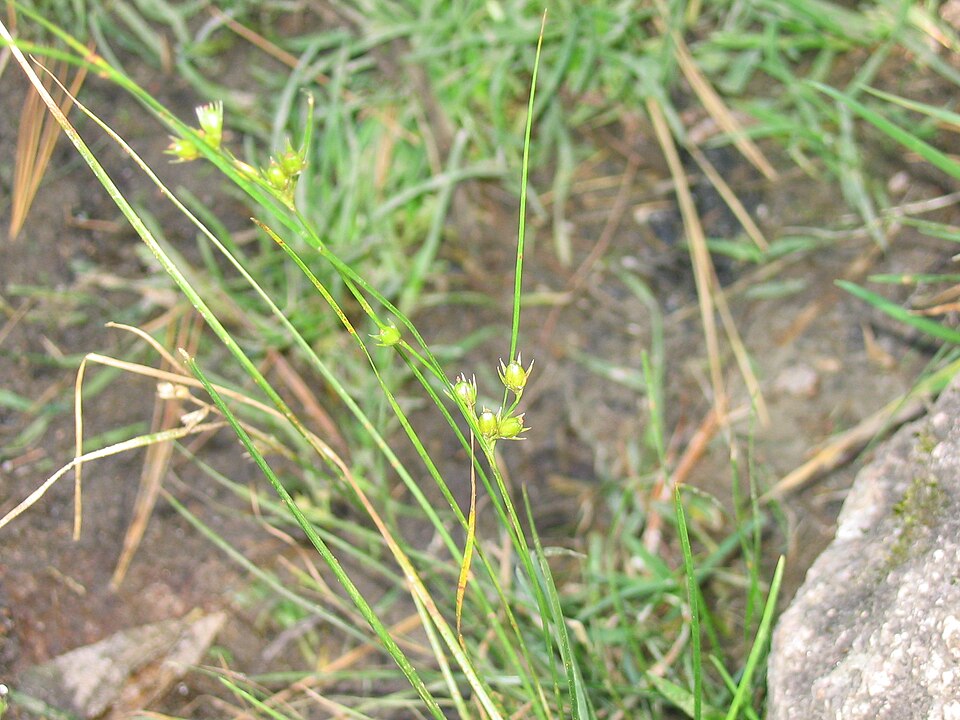
- Inland RushJuncus interior
- Ringseed RushJuncus filipendulus
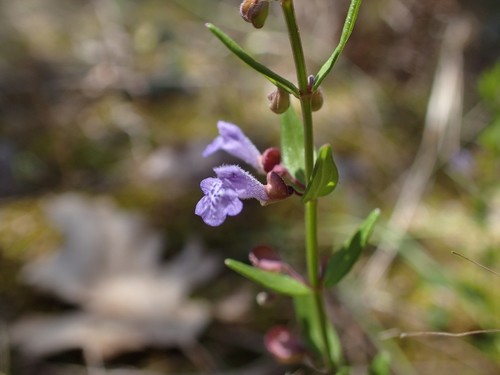
- Dwarf SkullcapScutellaria parvula
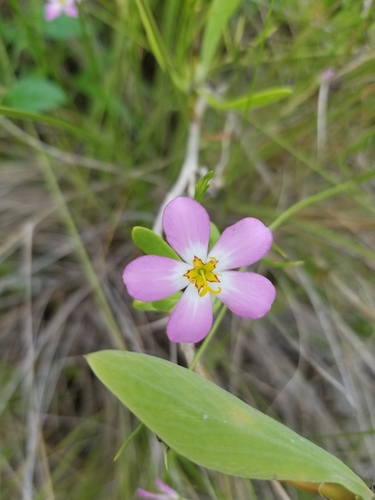
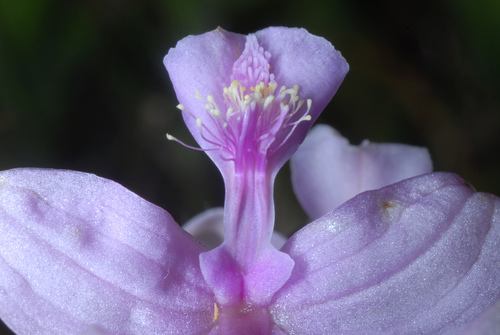
- Ozark Meadow BeautyRhexia interior
- Purple MeadowrueThalictrum dasycarpum
- Royal CatchflySilene regia
- Ivy leaf ThoroughwortChromolaena ivifolia
- Sand Love GrassEragrostis trichodes
- Teucrium canadense var. hypoleucumTeucrium canadense var. hypoleucum
- Single Stem Leather RootOrbexilum simplex
- Western Sampson's-snakerootOrbexilum pedunculatum
- Salt-marsh PinkSabatia stellaris
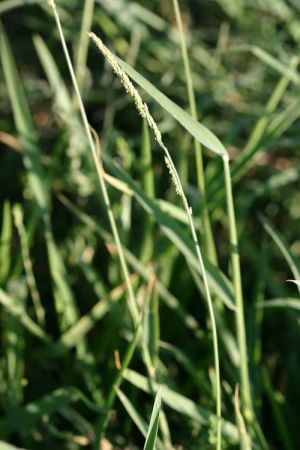
- Prairie Cup GrassEriochloa contracta
- Bristly ScaleseedSpermolepis echinata
- Oklahoma Grass PinkCalopogon oklahomensis
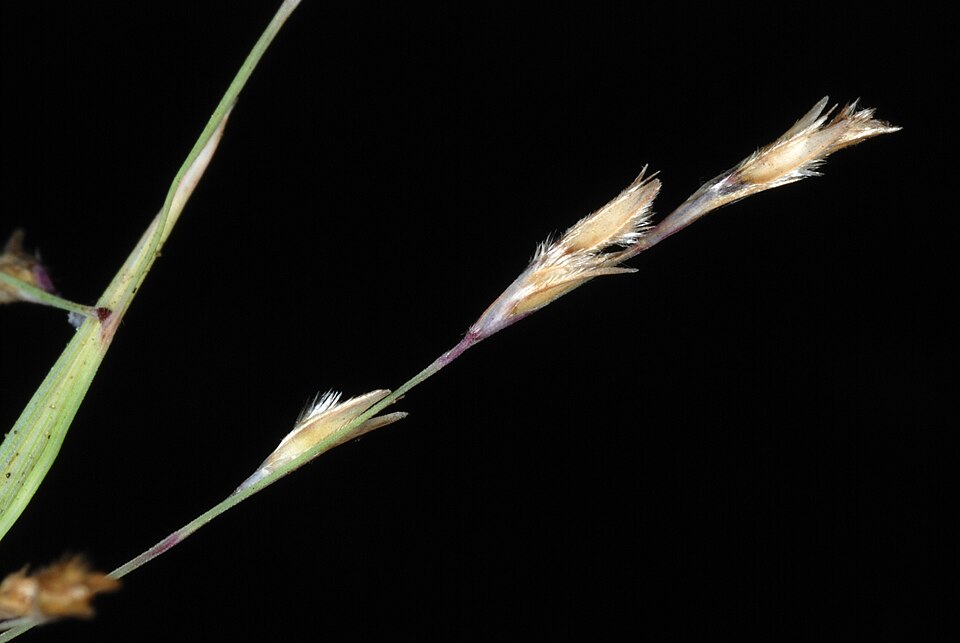
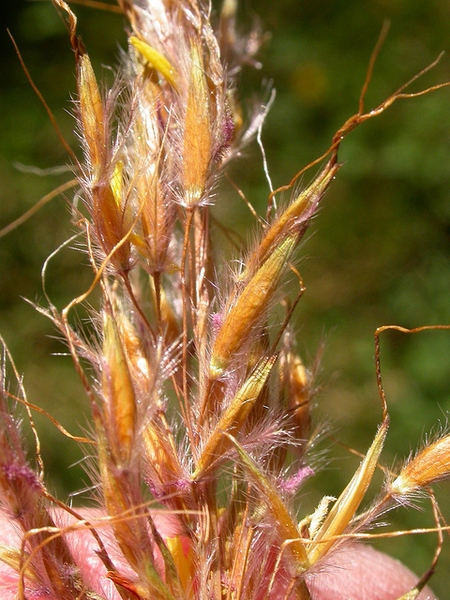
- Purple SandgrassTriplasis purpurea
- Heart Leaf NoseburnTragia cordata
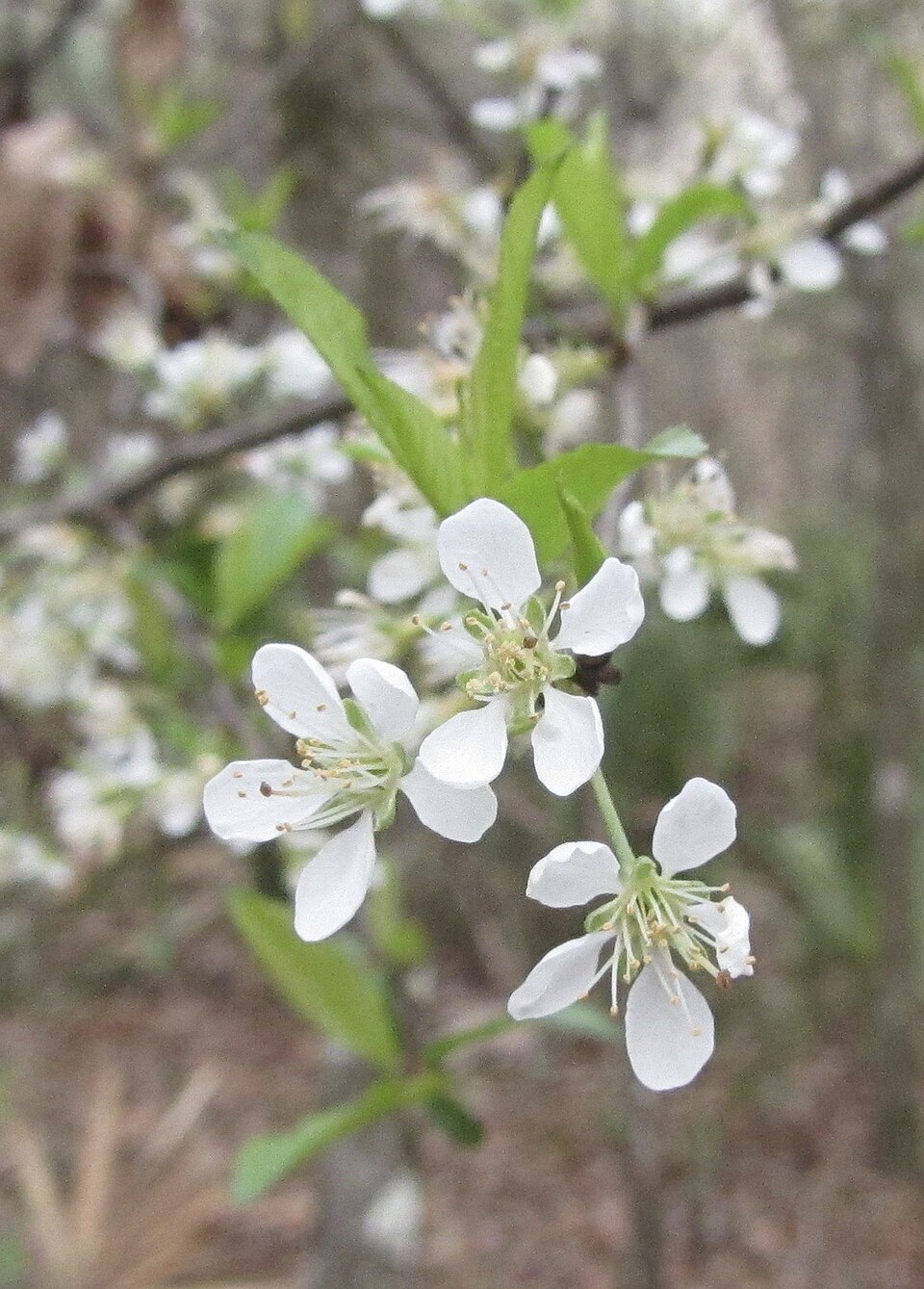
- Chickasaw PlumPrunus angustifolia
- Bushy GoldentopEuthamia leptocephala
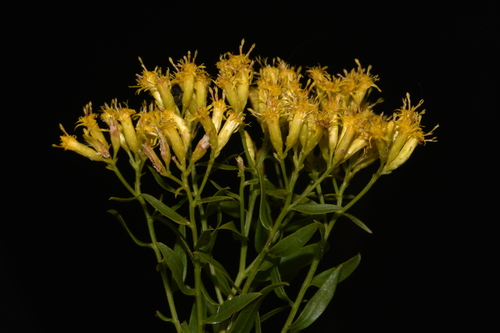
- Solidago sempervirens var. mexicanaSolidago sempervirens var. mexicana
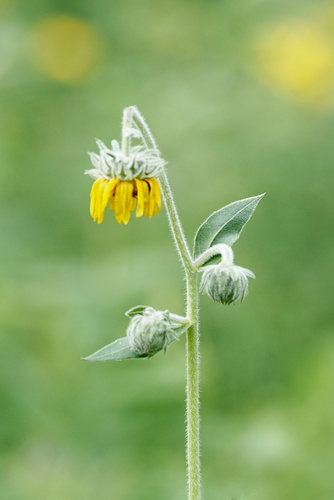
- Ashy SunflowerHelianthus mollis
- Slender Leaf FleabaneErigeron tenuis
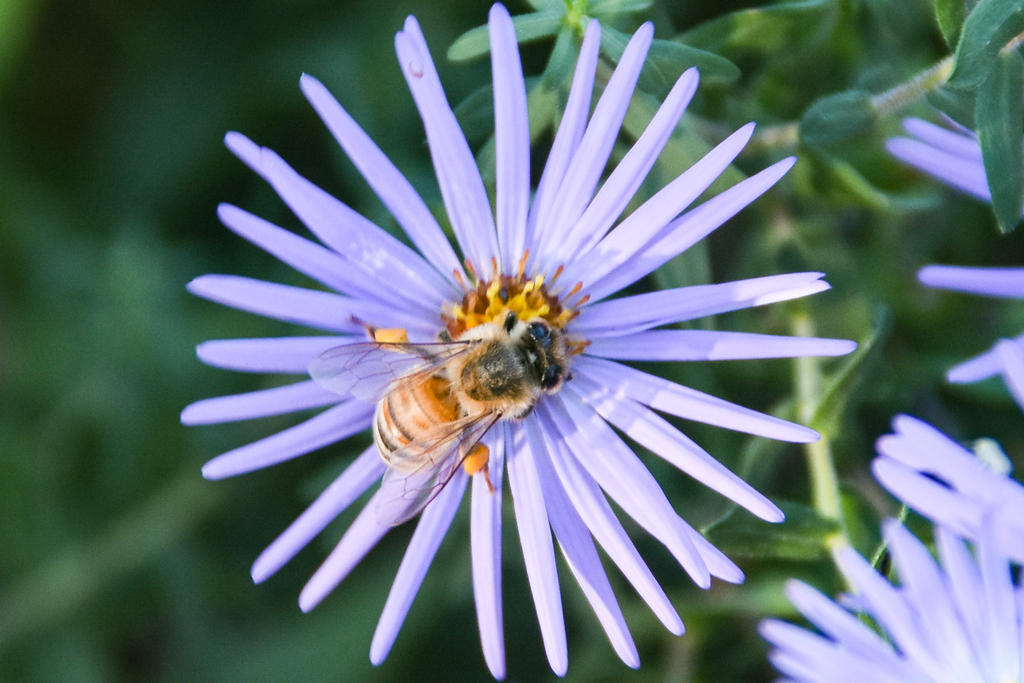
- Aromatic AsterSymphyotrichum oblongifolium
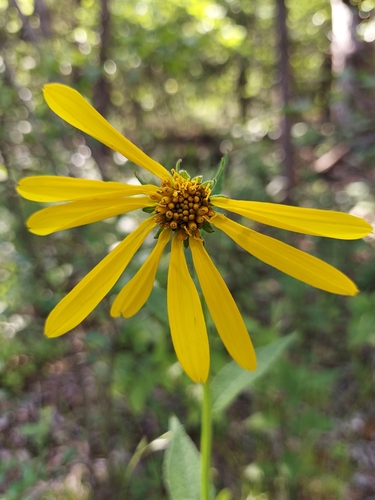
- Ozark CrownbeardVerbesina helianthoides
- Slender Flower Beard TonguePenstemon tenuiflorus
- Trumpet Beard TonguePenstemon tubiflorus
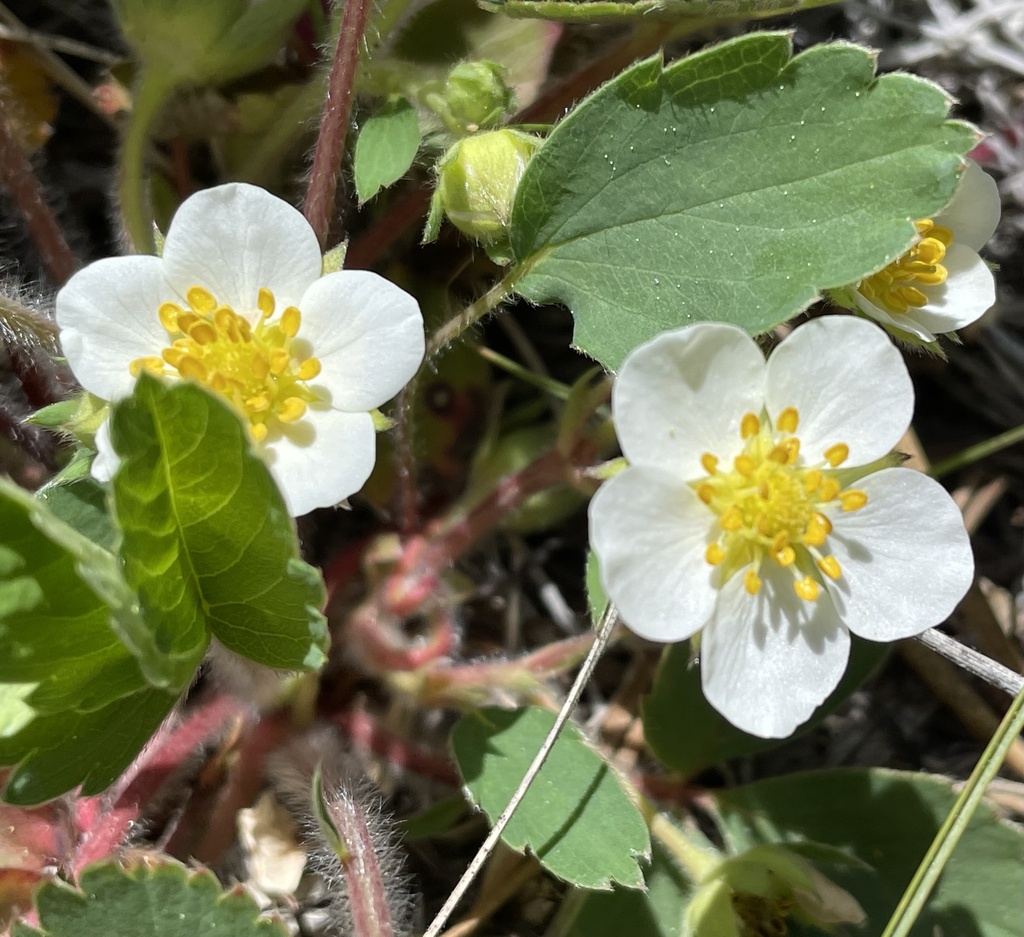
- Wild StrawberryFragaria virginiana
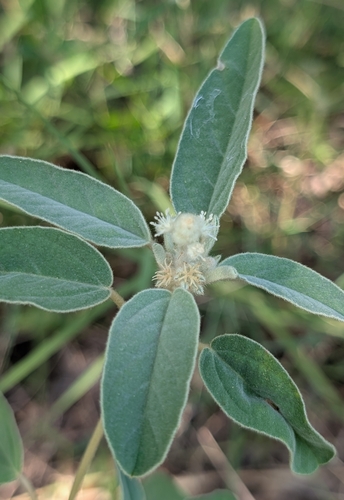
- Woolly CrotonCroton capitatus
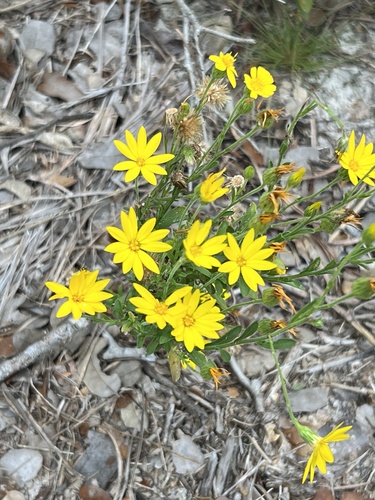
- Soft Golden-asterChrysopsis pilosa
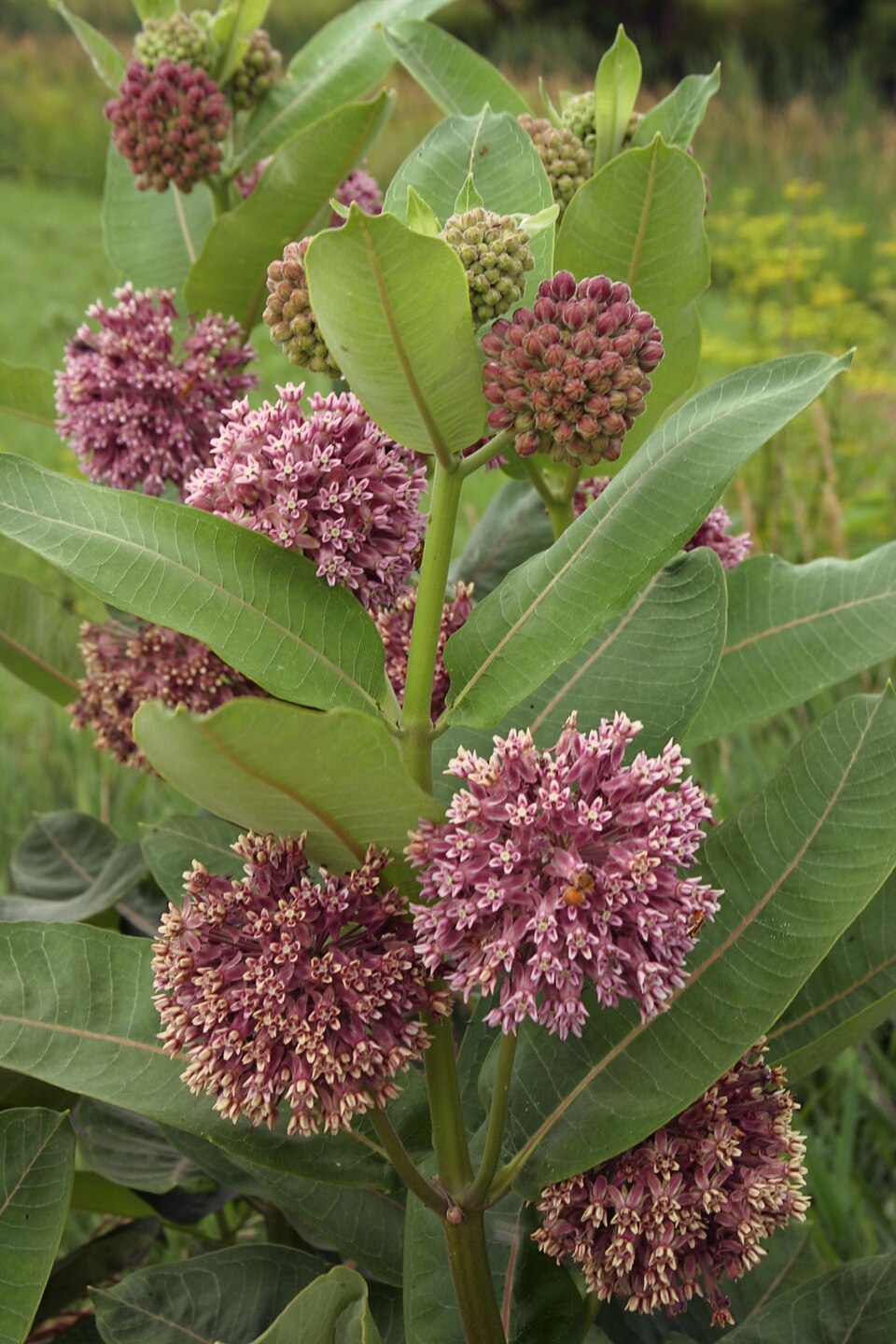
- Common MilkweedAsclepias syriaca
- Wright's PlantainPlantago wrightiana
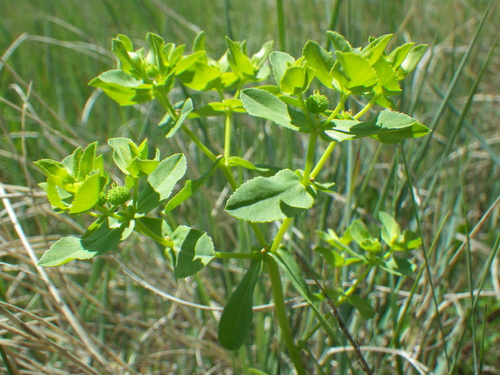
- Warty SpurgeEuphorbia spathulata
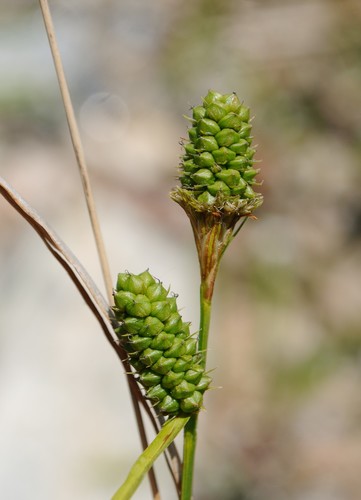
- Crawes SedgeCarex crawei
- Little Tooth SedgeCarex microdonta
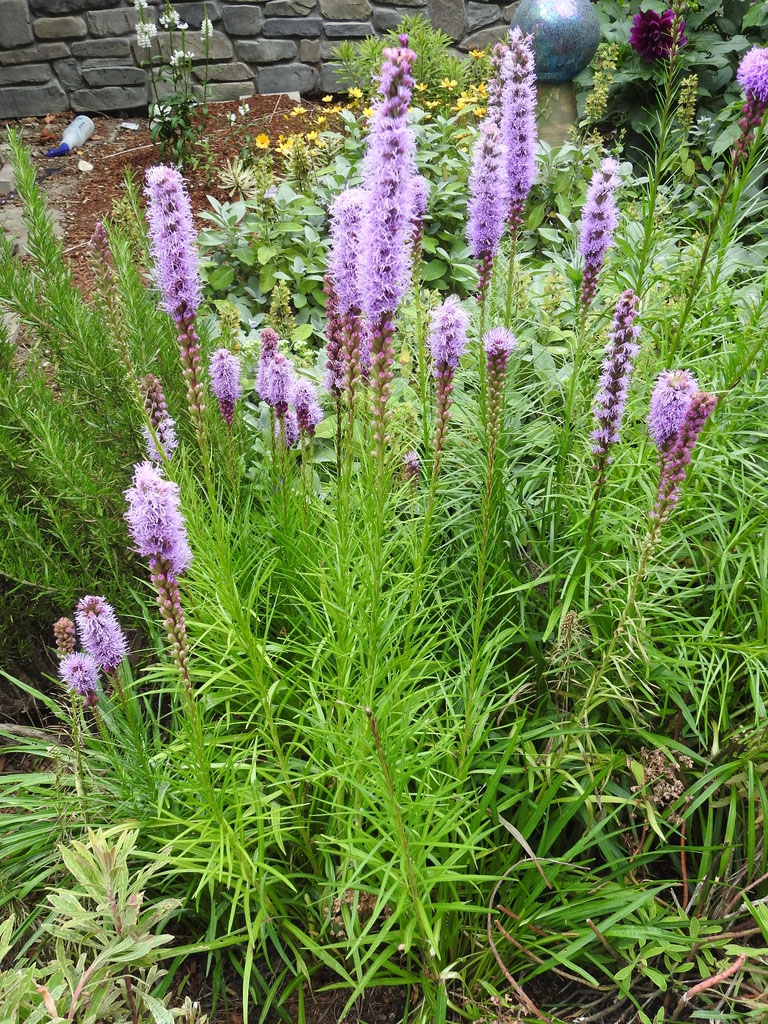
- Dense Blazing-starLiatris spicata
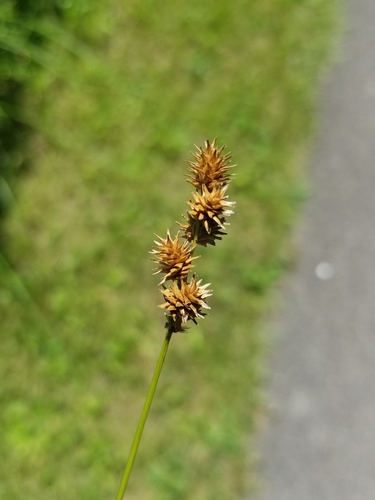
- Bush's SedgeCarex bushii
- Shortbeak SedgeCarex brevior
- Prairie False FoxgloveAgalinis heterophylla
- Skinners False FoxgloveAgalinis skinneriana
- Tansy RosinweedSilphium pinnatifidum
- Starved WitchgrassDichanthelium depauperatum
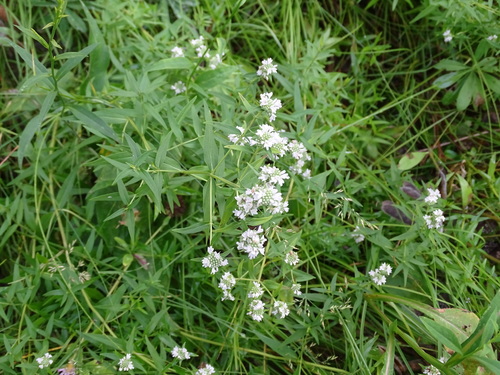
- Virginia Mountain-mintPycnanthemum virginianum
- Yellow IndiangrassSorghastrum nutans
- Southern SkullcapScutellaria parvula var. australis
- Saltmeadow CordgrassSpartina patens
Wildlife
Animals whose habitat model includes this habitat in Mississippi. Shared habitat, not food.
Most characteristic birds of this habitat 0
Near water in this habitat 8
These use it only close to water, such as stream banks for nesting.
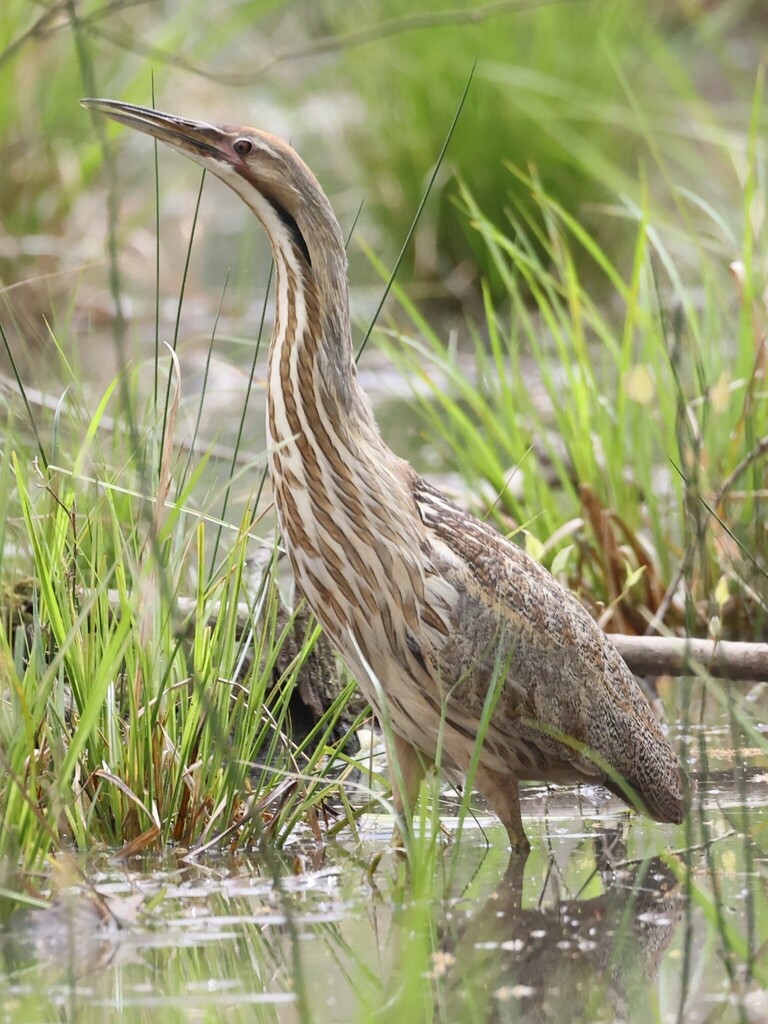
- American BitternBotaurus lentiginosus
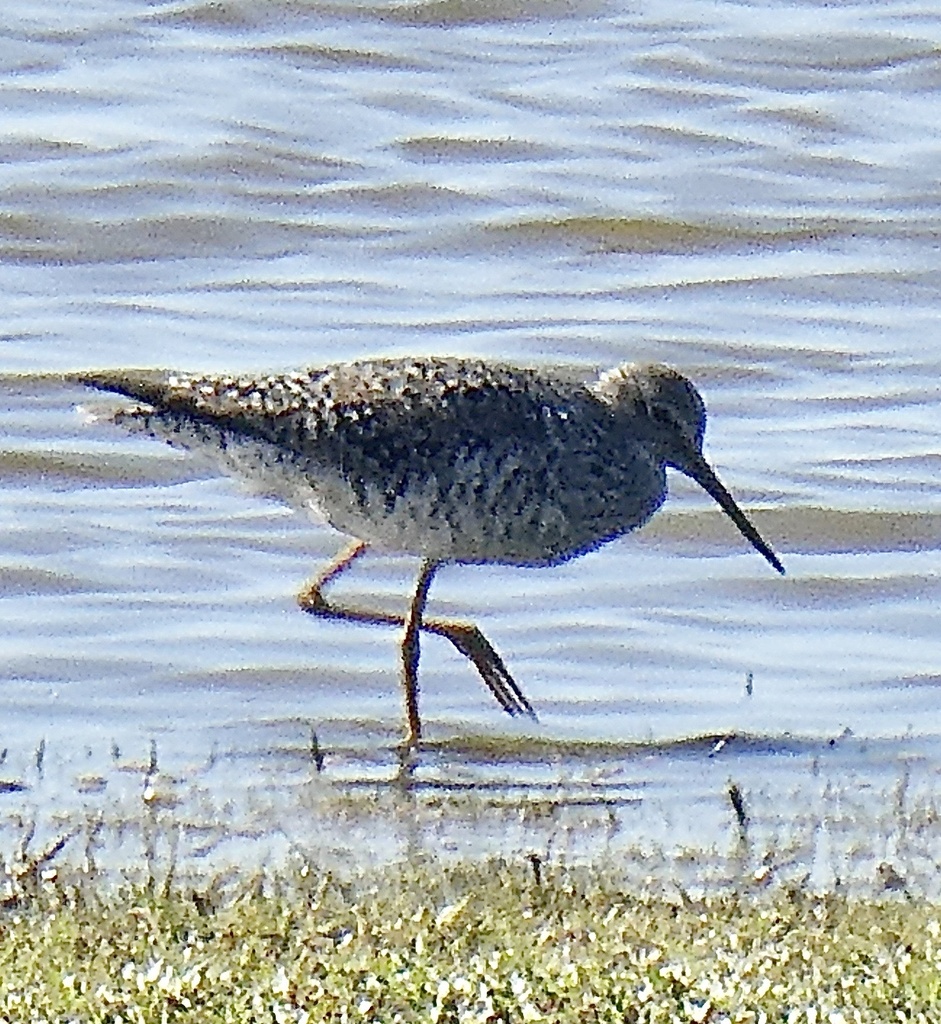
- Greater YellowlegsTringa melanoleuca
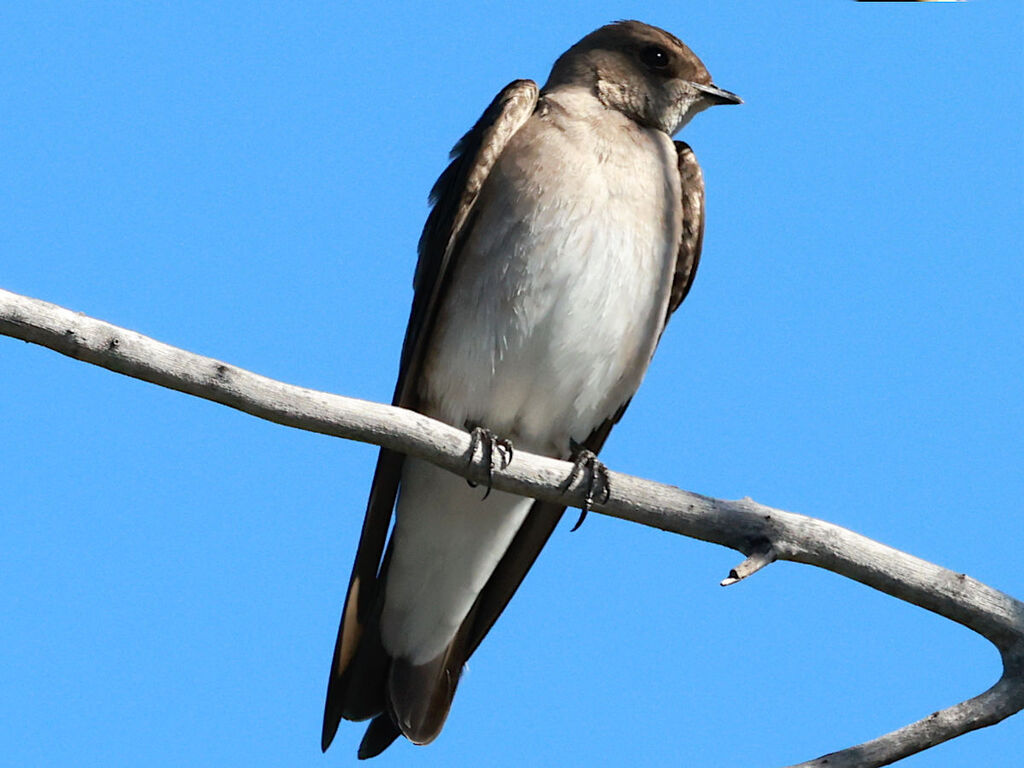
- Northern Rough-winged SwallowStelgidopteryx serripennis
- Spotted SandpiperActitis macularius
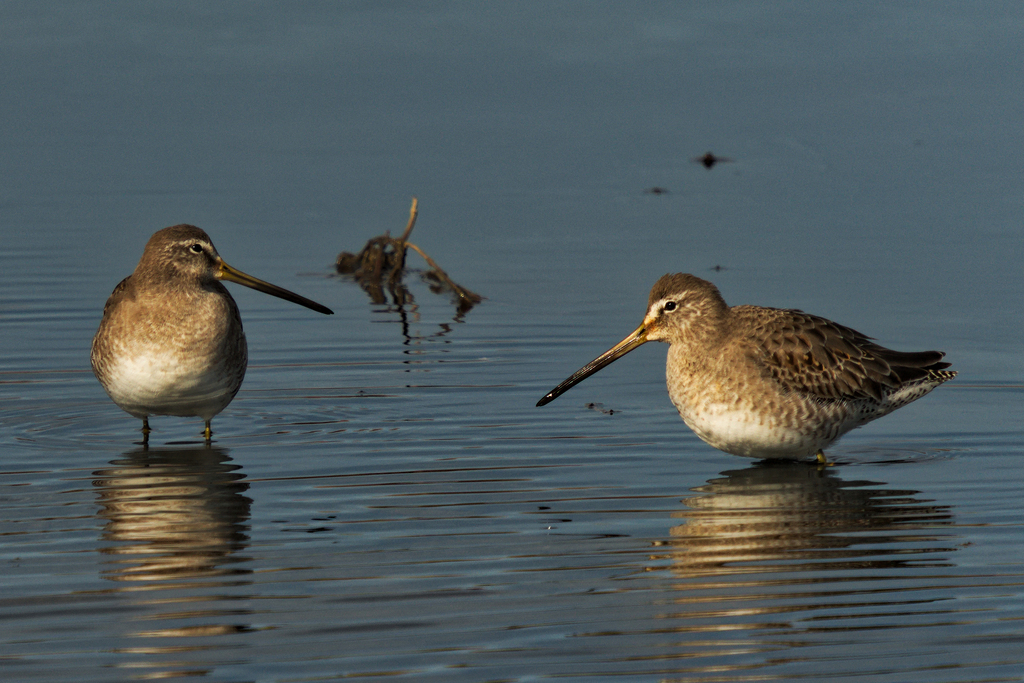
- Long-billed DowitcherLimnodromus scolopaceus
- Bank SwallowRiparia riparia
- SoraPorzana carolina
- Little Blue HeronEgretta caerulea


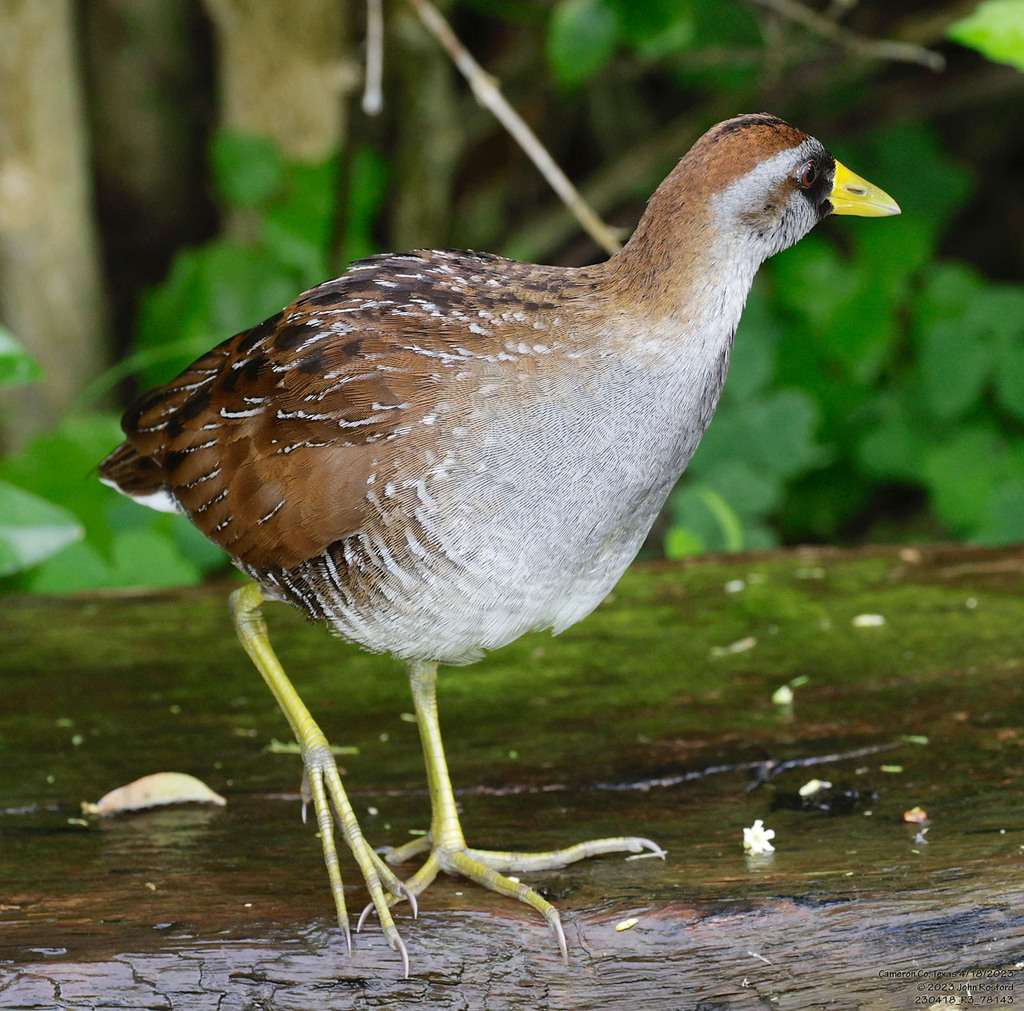
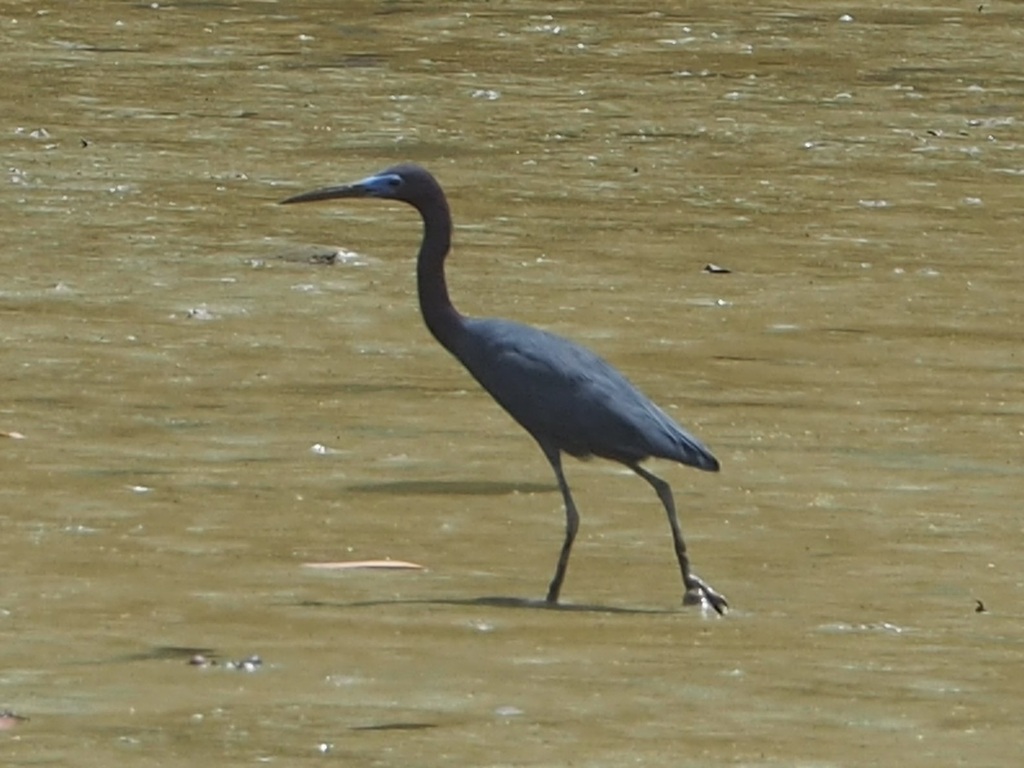
Widespread birds also seen here (32)
Found in many habitats here, so not listed above.
- American Crow
- American Goldfinch
- American Kestrel
- American Robin
- Black-crowned Night-heron
- Blue Grosbeak
- Chimney Swift
- Chipping Sparrow
- Common Nighthawk
- Common Yellowthroat
- Cooper's Hawk
- Eastern Kingbird
- Eastern Screech-owl
- Eurasian Collared-dove
- European Starling
- Fish Crow
- Great Crested Flycatcher
- Great Horned Owl
- Hooded Merganser
- Mourning Dove
- Northern Cardinal
- Northern Flicker
- Northern Mockingbird
- Purple Finch
- Red-shouldered Hawk
- Red-tailed Hawk
- Red-winged Blackbird
- Sharp-shinned Hawk
- Swallow-tailed Kite
- Tufted Titmouse
- Turkey Vulture
- Yellow-breasted Chat
Sources
- Schafale, Guide to the Natural Communities of North Carolina, Fourth Approximation (NC Natural Heritage Program, 2012) habitat description
- Weakley, Flora of the Southeastern United States (2025), Carolinas & Georgia edition, habitat text phone app
- NC Parks species accounts
- USDA Forest Service Fire Effects Information System (reviewed notes)
- USGS Gap Analysis Project habitat models (2001)
- USGS Gap Analysis Project range maps (2001)
- NatureServe Explorer ecological systems (CC BY 4.0)
Habitat classes are filed under these habitat types by reviewed matches; descriptions are short glosses.