

Habitat in Mississippi
Disturbed and introduced wetlands
Wet ground taken over by weedy or introduced plants after disturbance, such as common reed, Chinese tallow or tamarisk stands; the upland counterpart is roadsides, fields and disturbed ground. NatureServe
- Plants
- 26
- Birds
- 189
Plants
Plants that grow wild in this habitat in Mississippi. Not a planting list.
Most characteristic plants of this habitat 26
Natives first, plants found in fewer other habitats first.
- Slender FimbryFimbristylis autumnalis
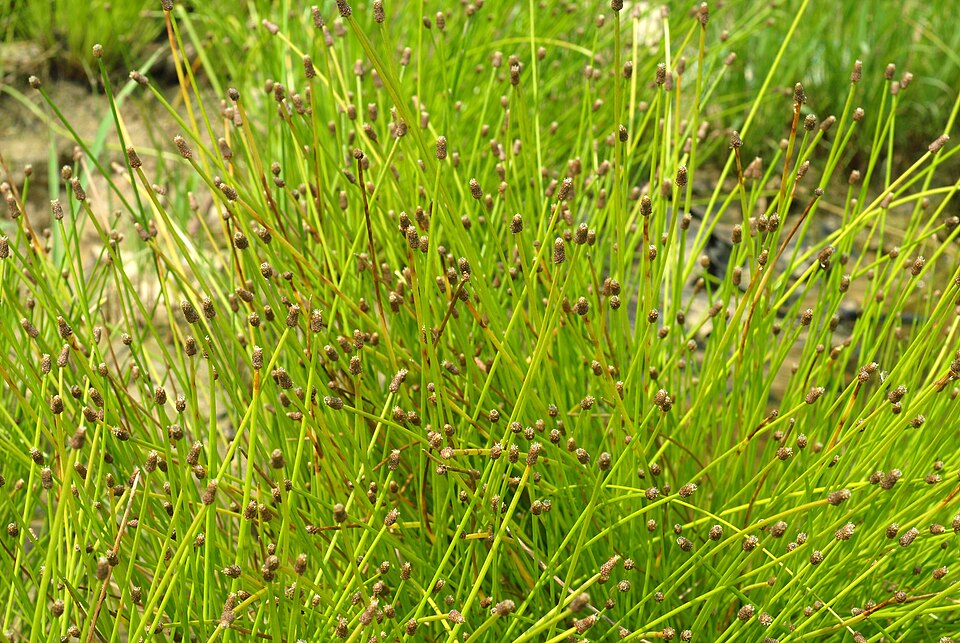
- Intermediate Spike RushEleocharis intermedia
- Purple SpikerushEleocharis atropurpurea
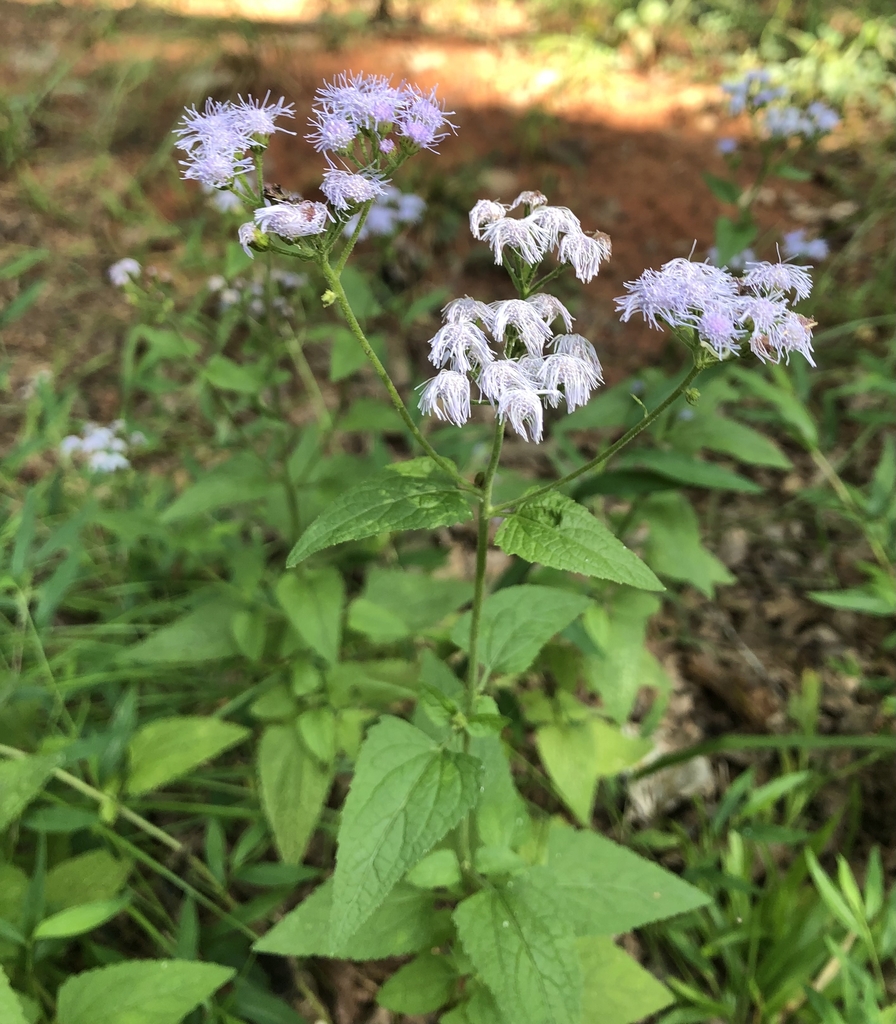
- Blue MistflowerConoclinium coelestinum
- BagpodGlottidium vesicarium
- Cyperus ochraceusCyperus ochraceus
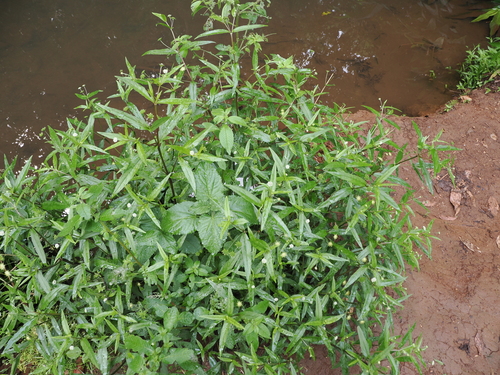
- False DaisyEclipta prostrata
- Blunt Spike RushEleocharis obtusa
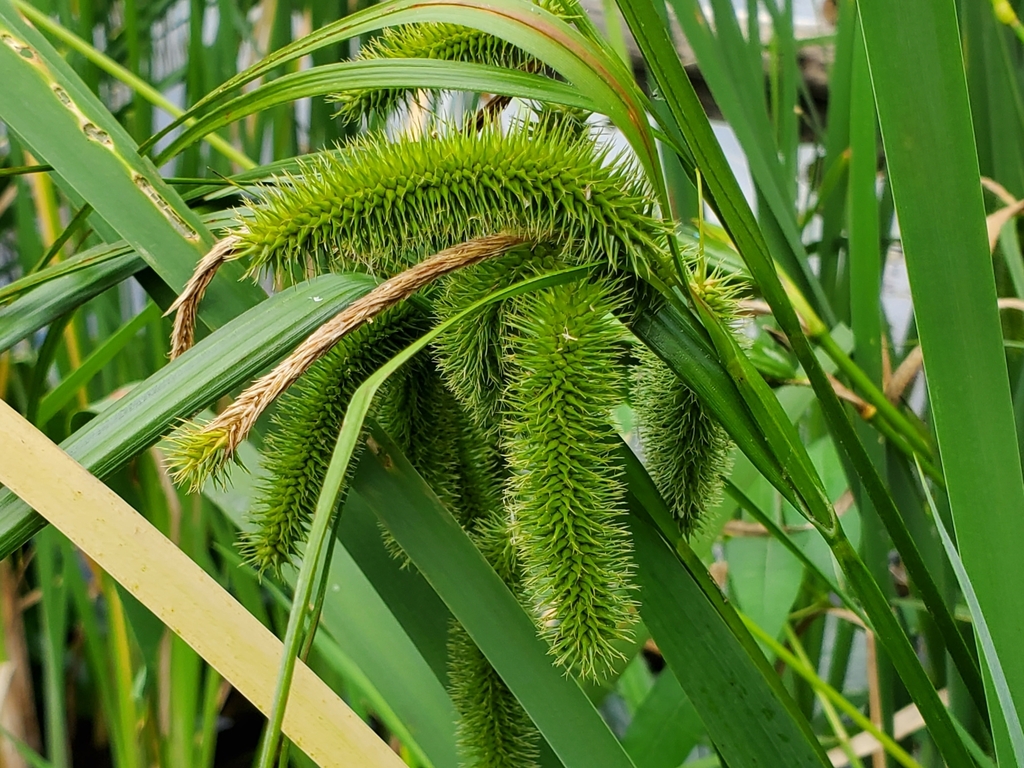
- Bristly SedgeCarex comosa
- Shortbeak BeaksedgeRhynchospora nitens
- Southern Marsh YellowcressRorippa teres
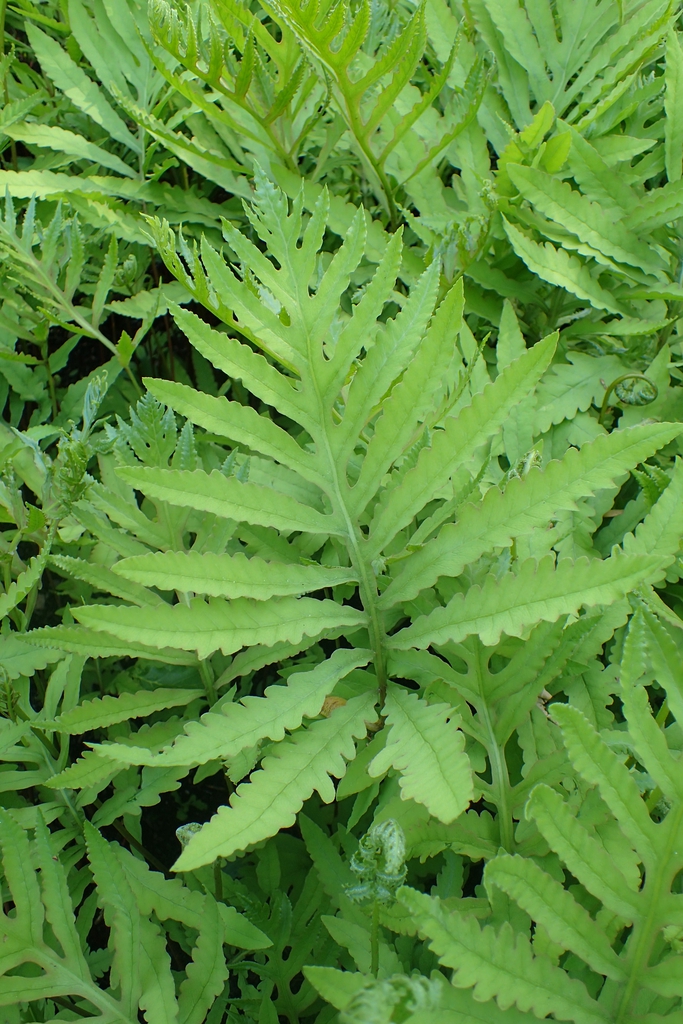
- Sensitive FernOnoclea sensibilis
- AxilflowerMecardonia acuminata var. acuminata
- Hairy BluestemAndropogon hirsutior
- Cuscuta gronovii var. gronoviiCuscuta gronovii var. gronovii
- Ditch FimbryFimbristylis schoenoides
- Tall FlatsedgeCyperus eragrostis
- Cyperus oxylepisCyperus oxylepis
- Cyperus sanguinolentusCyperus sanguinolentus
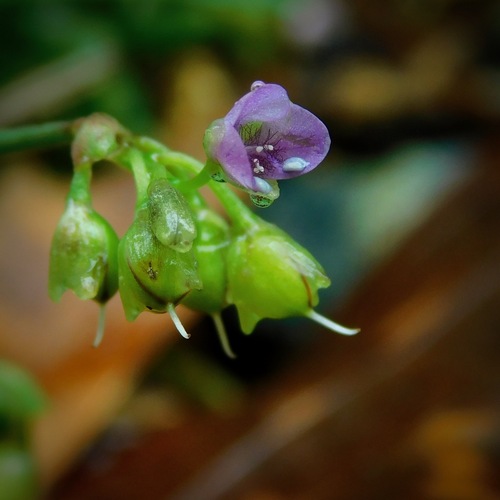
- Naked-stem DewflowerMurdannia nudiflora
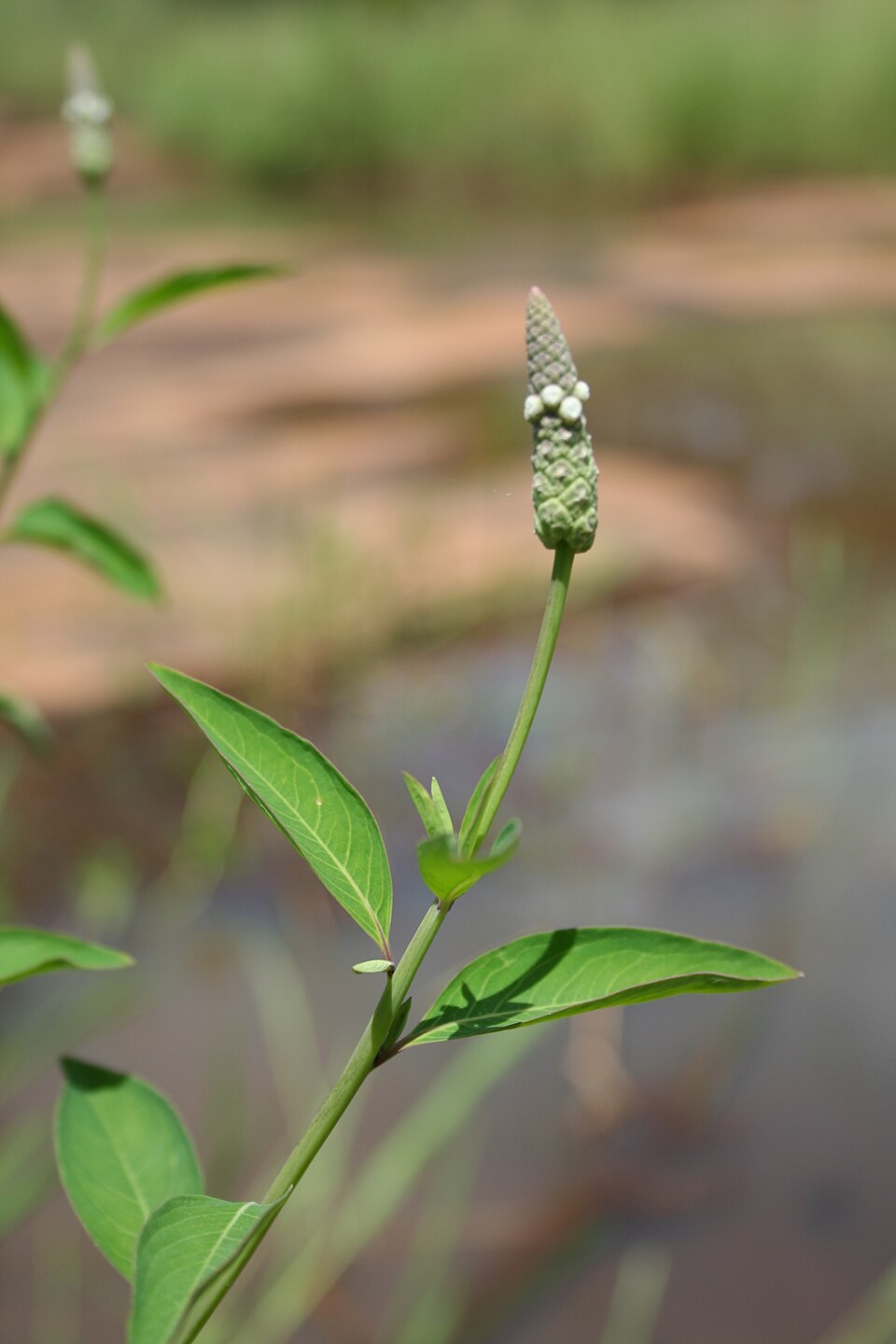
- Chicken-spikeSphenoclea zeylanica
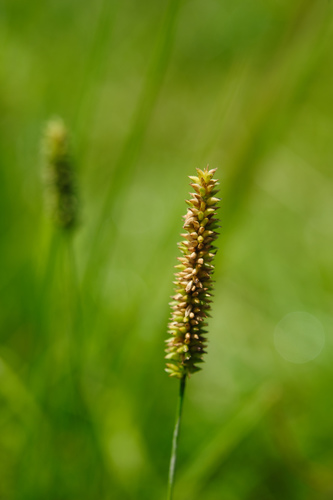
- Indian CupscaleSacciolepis indica
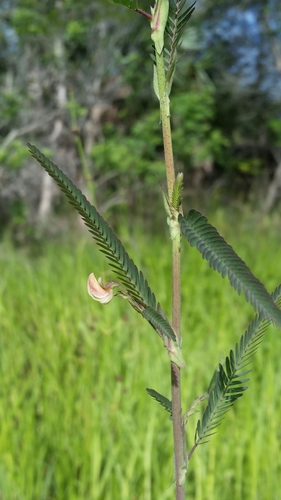
- Indian JointvetchAeschynomene indica
- Oklahoma SedgeCarex oklahomensis
- Tropical FlatsedgeCyperus surinamensis
- Ricefield FlatsedgeCyperus iria
Wildlife
Animals whose habitat model includes this habitat in Mississippi. Shared habitat, not food.
Most characteristic birds of this habitat 161
Ranked by how much of their habitat model this habitat is.
- Brown-headed CowbirdMolothrus ater
- Eastern PhoebeSayornis phoebe
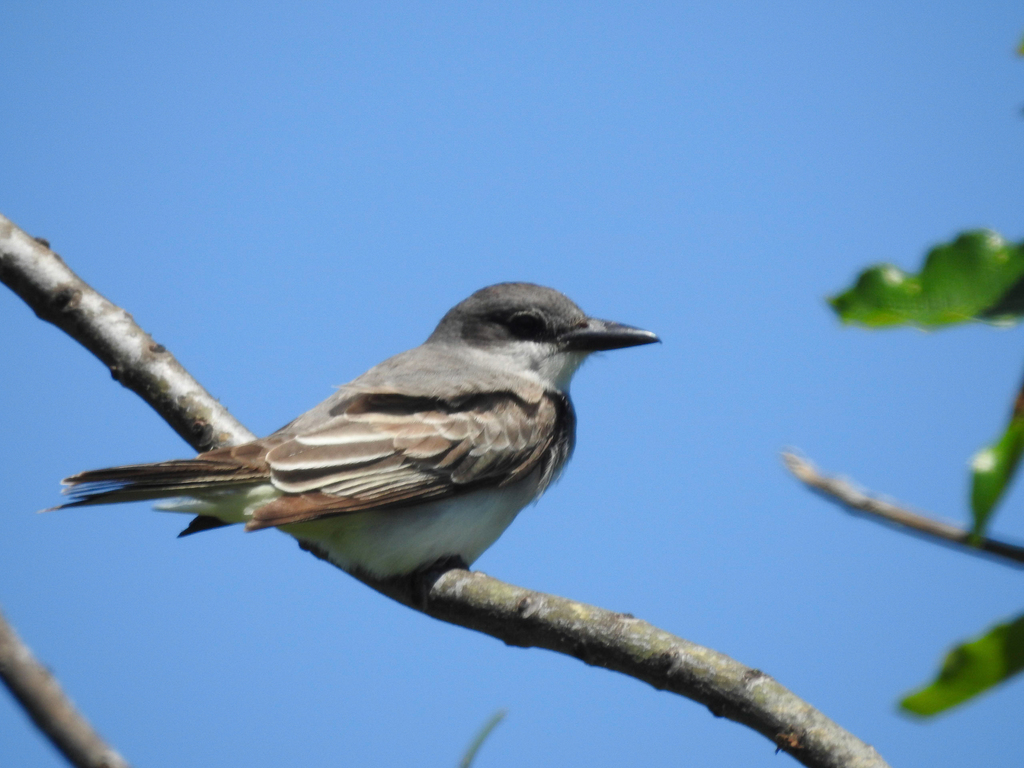
- Gray KingbirdTyrannus dominicensis
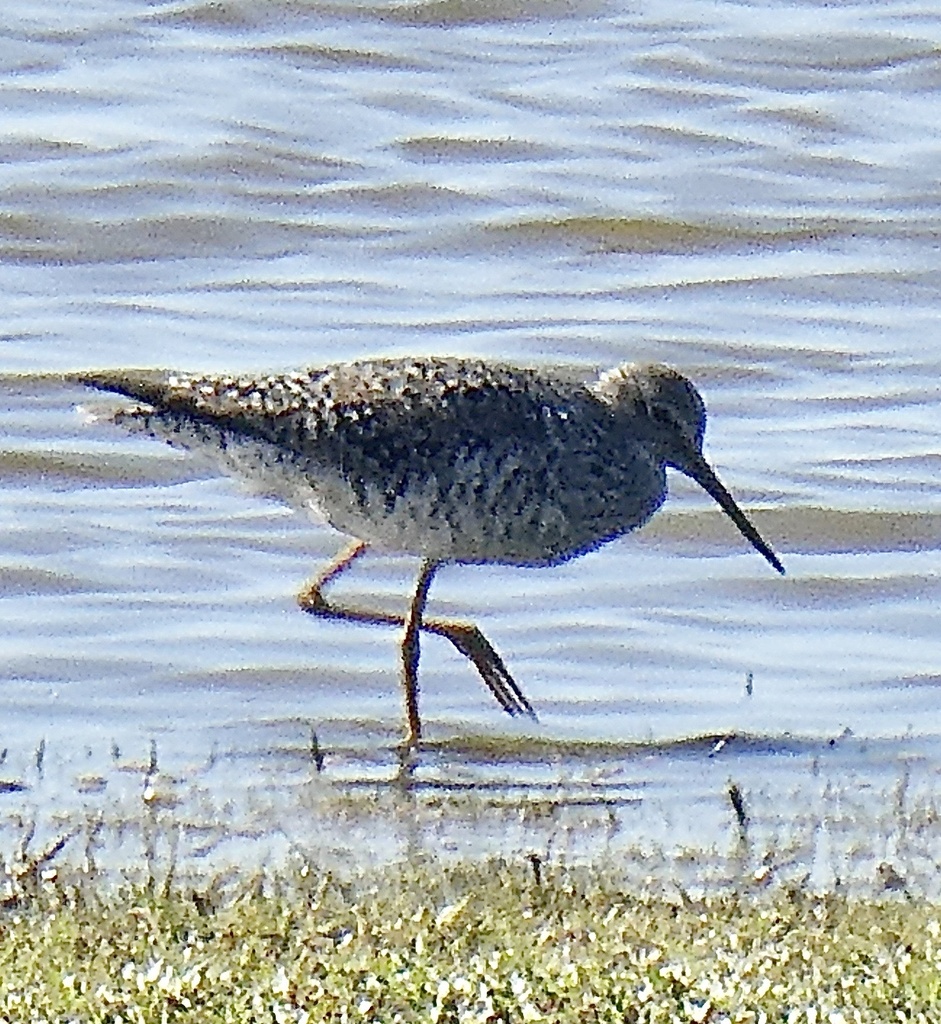
- Greater YellowlegsTringa melanoleuca
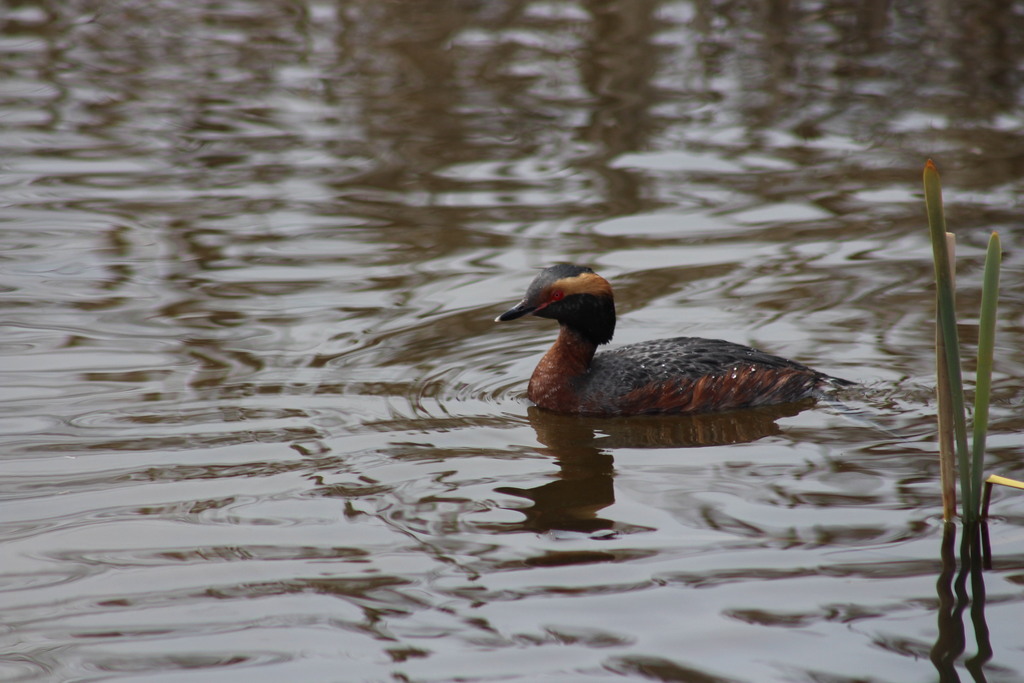
- Horned GrebePodiceps auritus
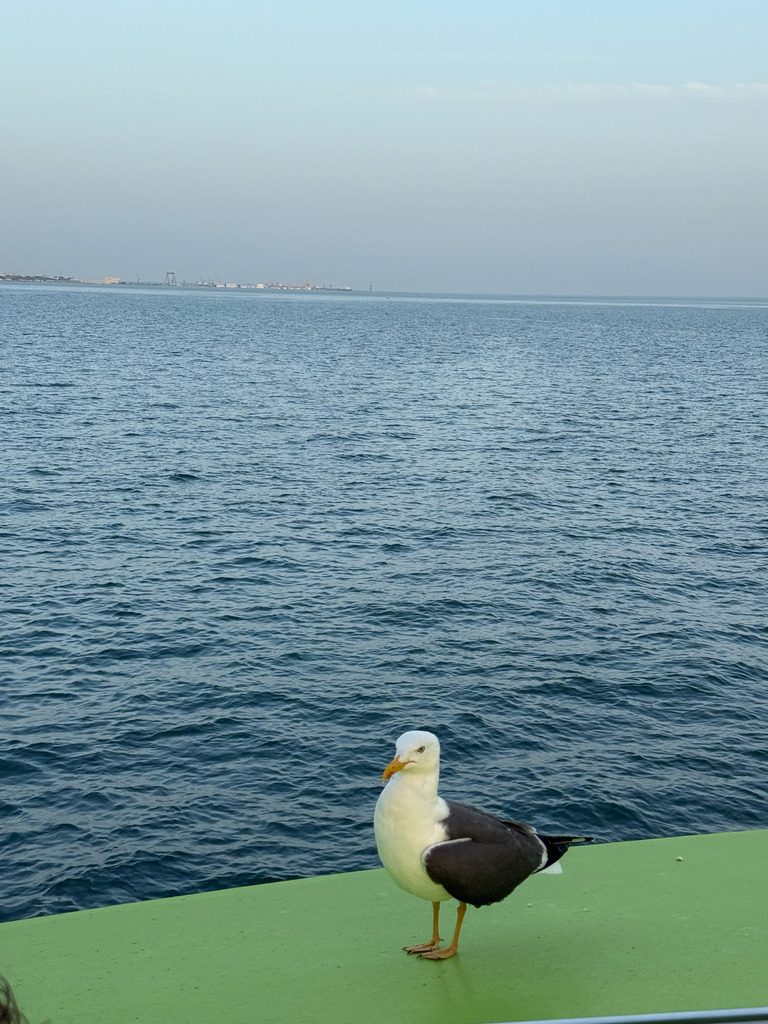
- Lesser Black-backed GullLarus fuscus
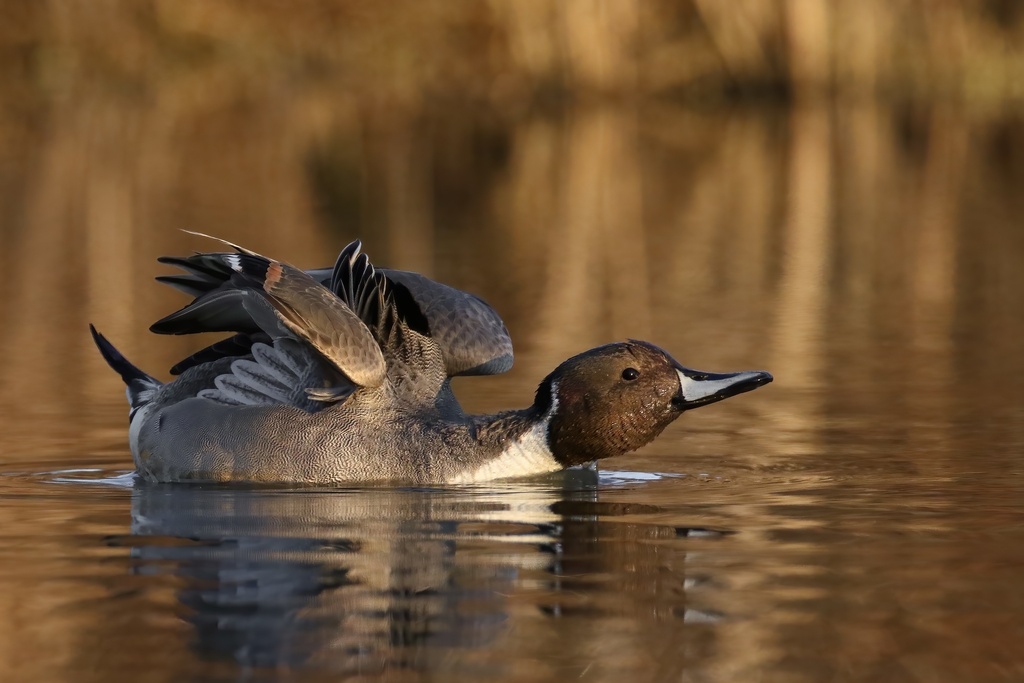
- Northern PintailAnas acuta
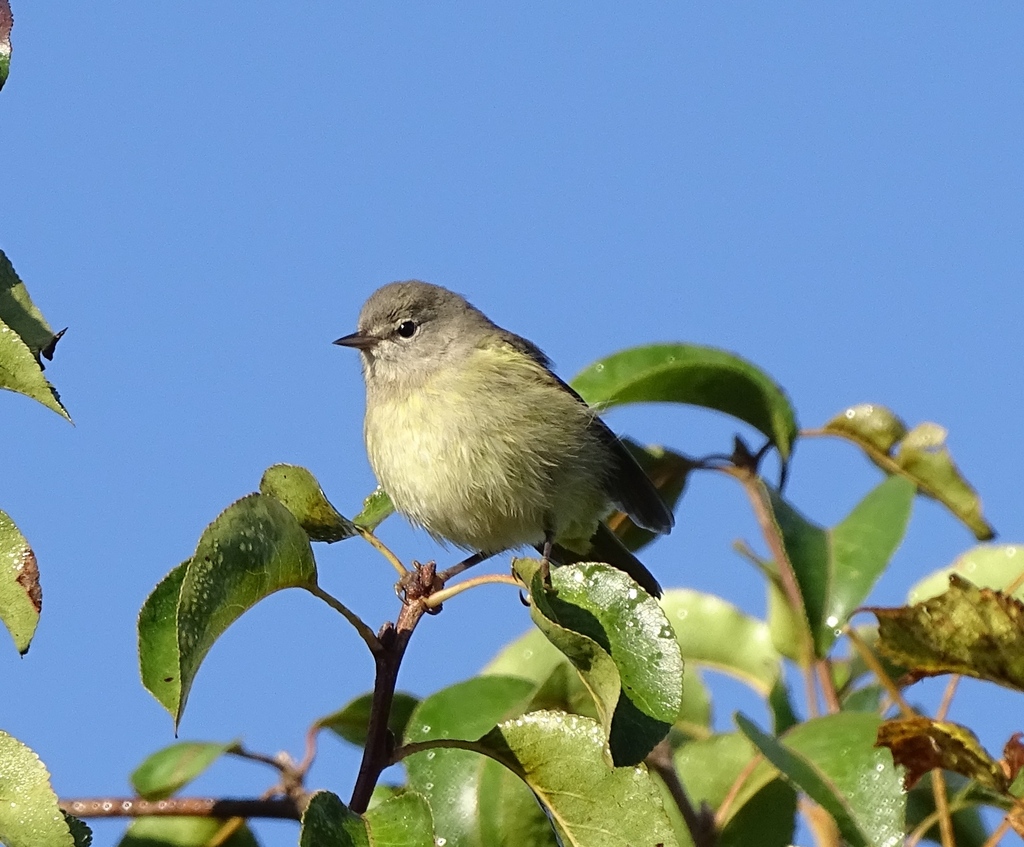
- Orange-crowned WarblerVermivora celata
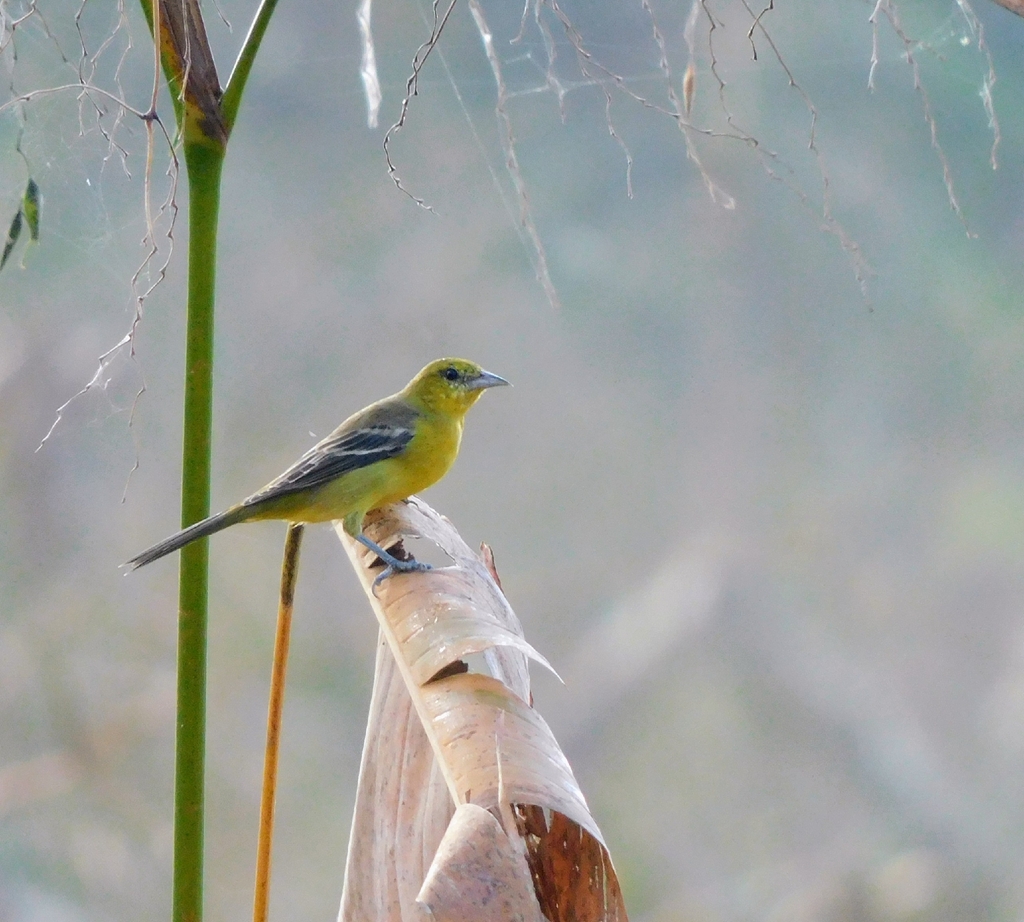
- Orchard OrioleIcterus spurius
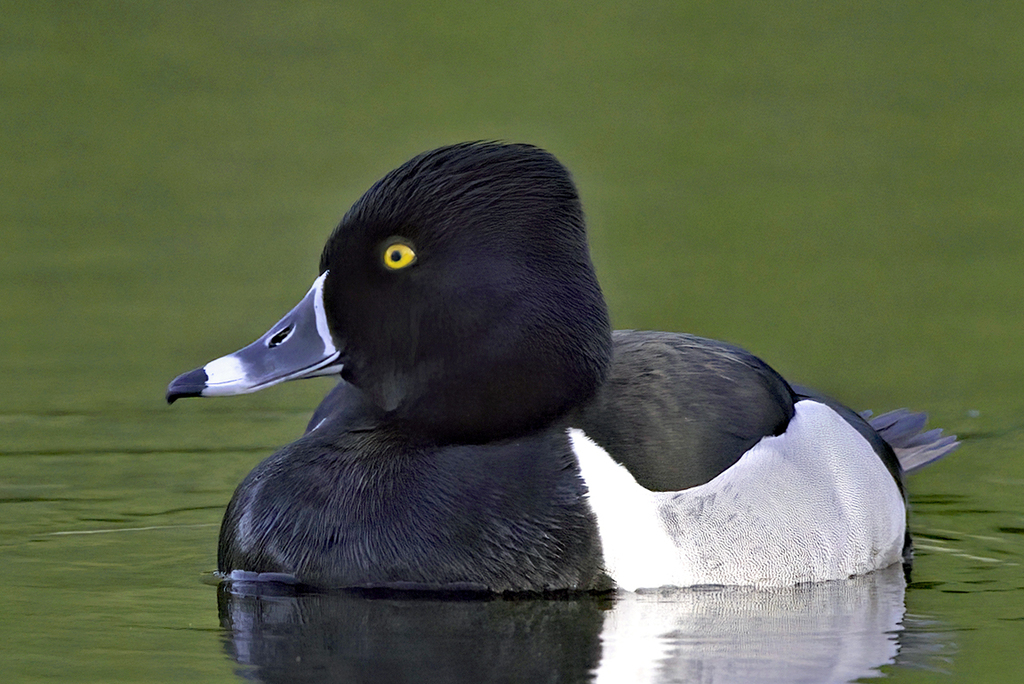
- Ring-necked DuckAythya collaris
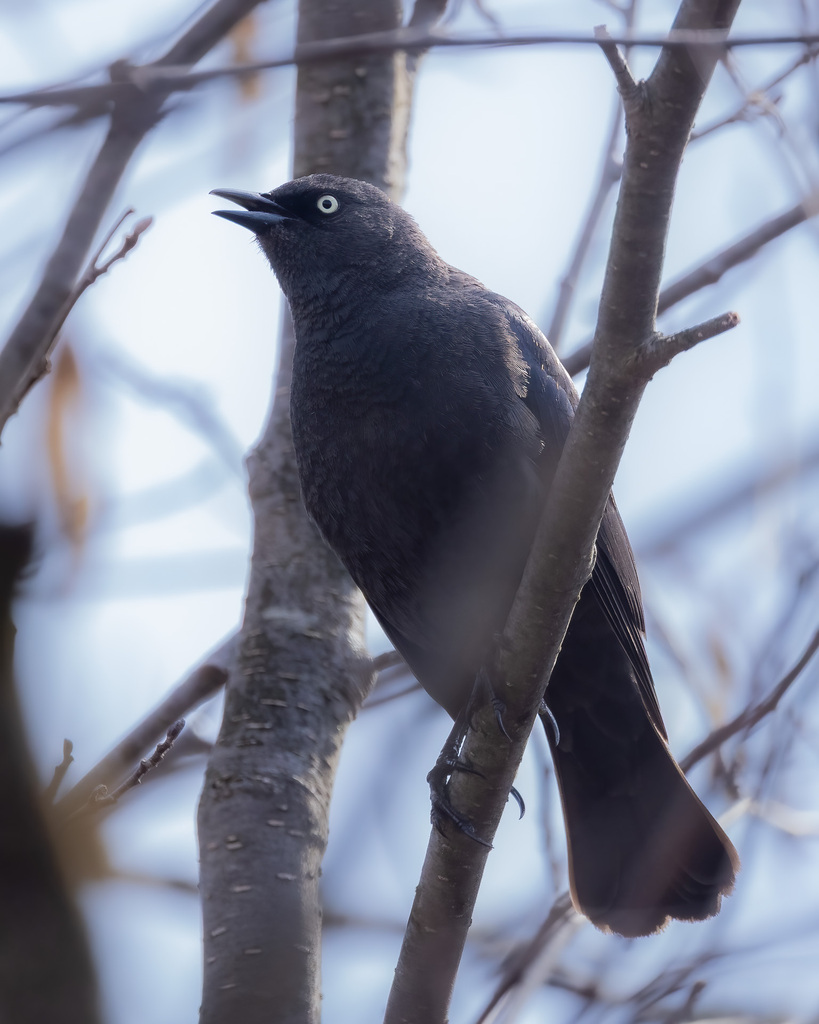
- Rusty BlackbirdEuphagus carolinus
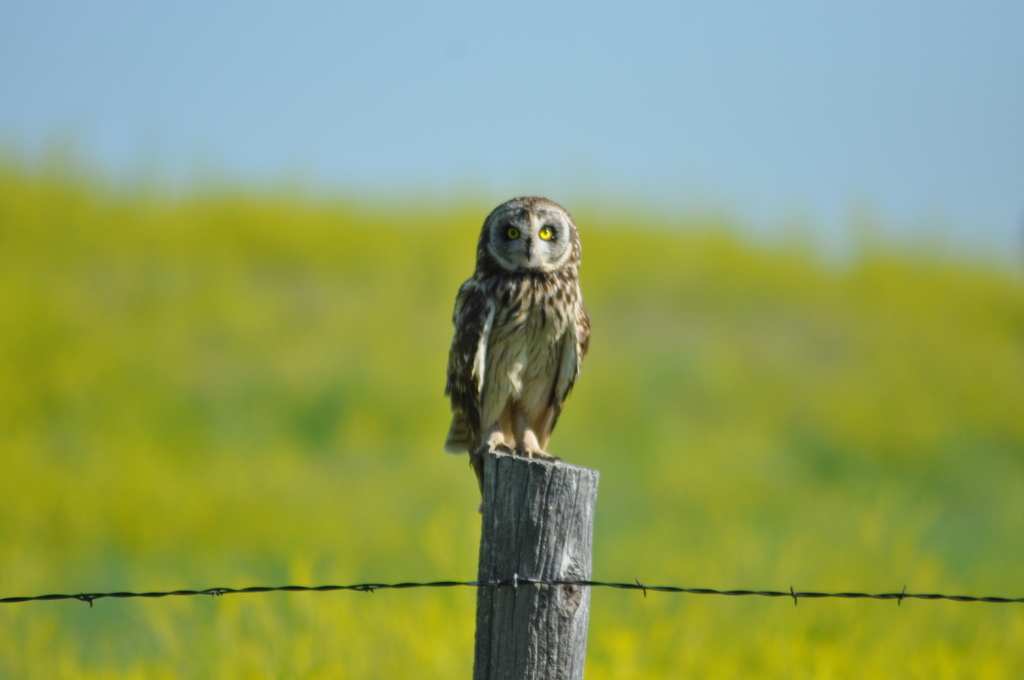
- Short-eared OwlAsio flammeus
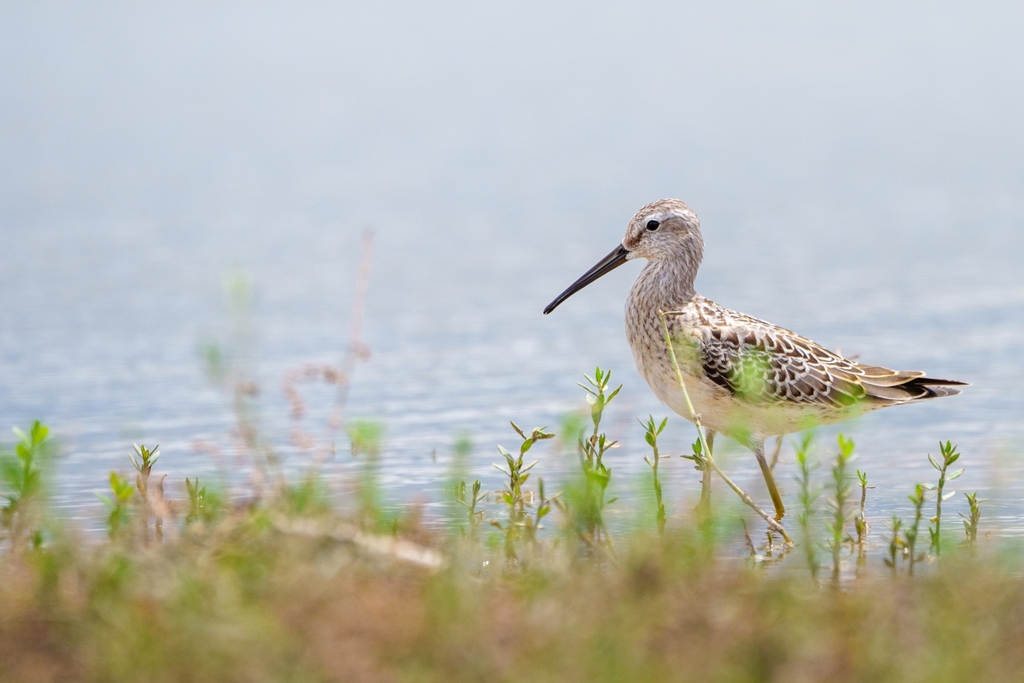
- Stilt SandpiperCalidris himantopus
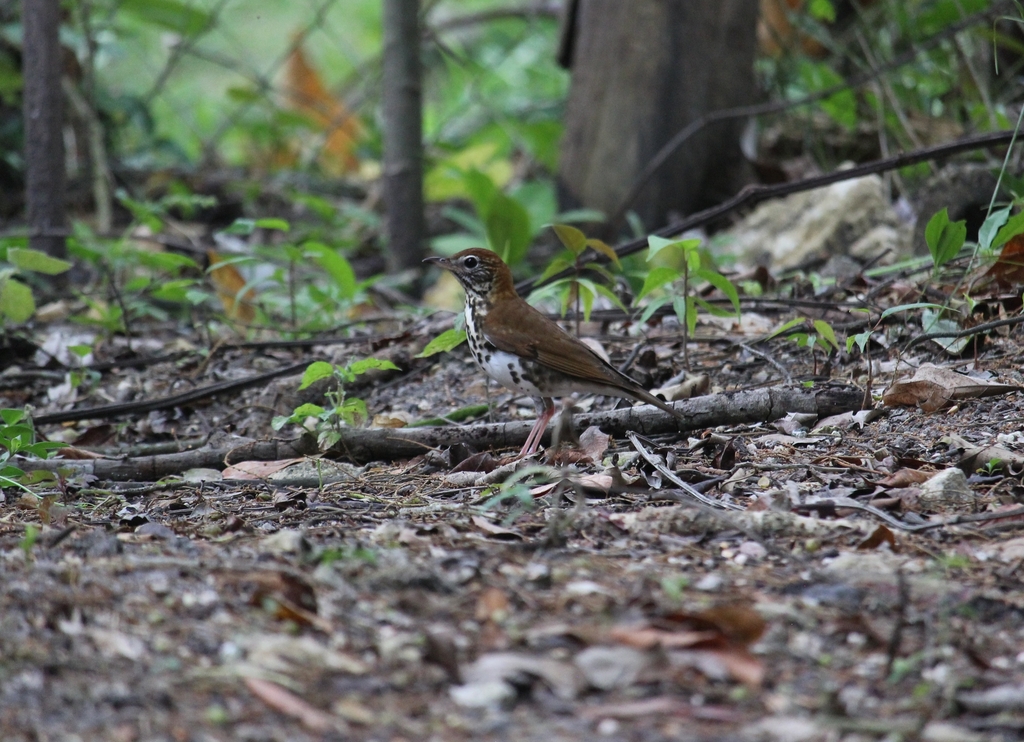
- Wood ThrushHylocichla mustelina
- American Black DuckAnas rubripes
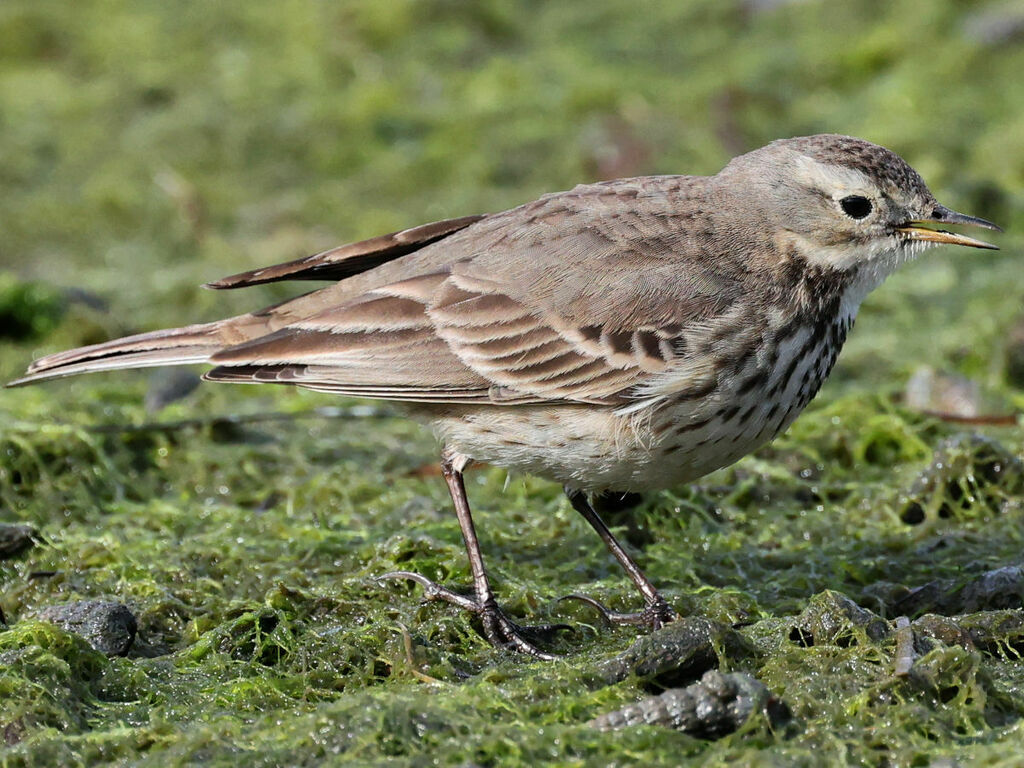
- American PipitAnthus rubescens
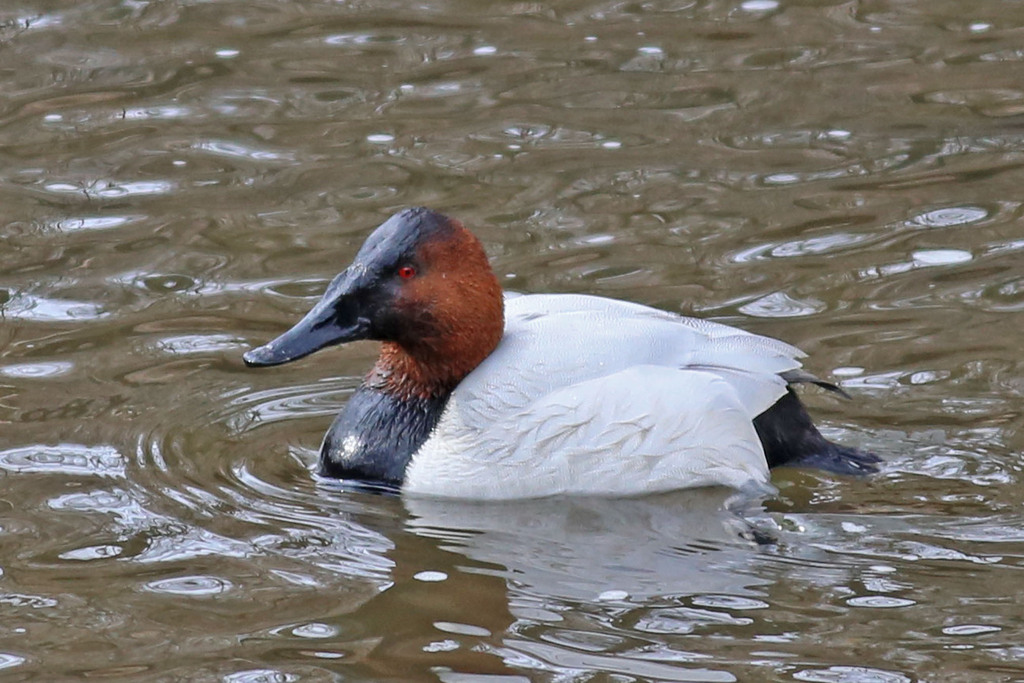
- CanvasbackAythya valisineria
- Green HeronButorides virescens
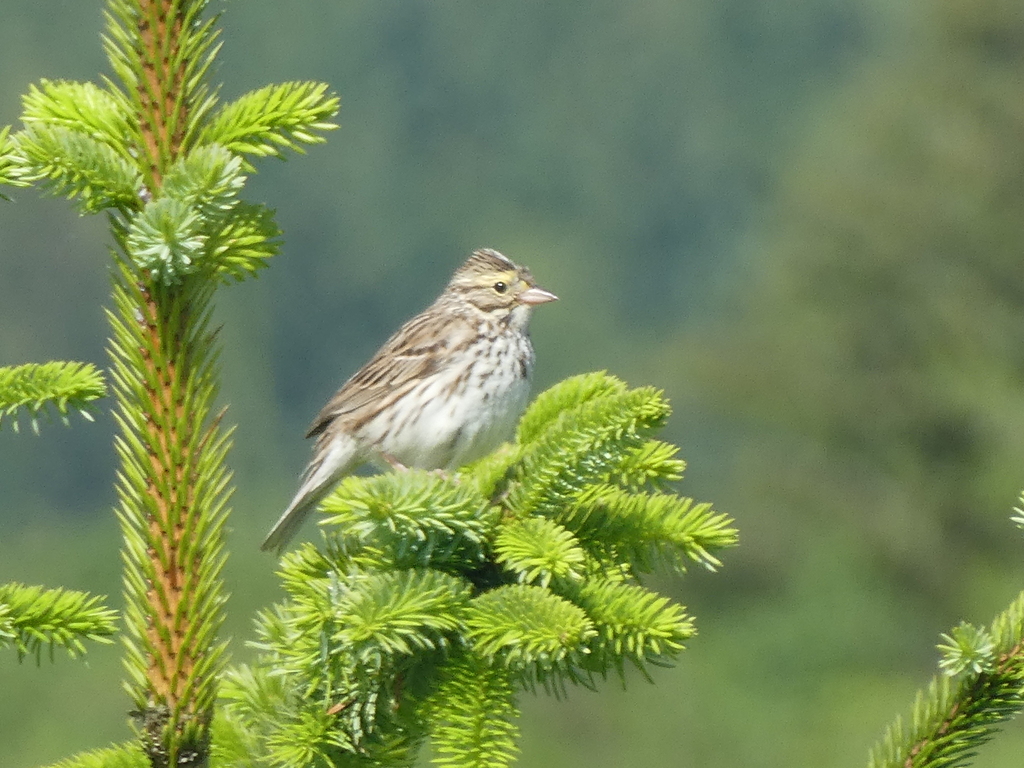
- Savannah SparrowPasserculus sandwichensis
- Spotted SandpiperActitis macularius
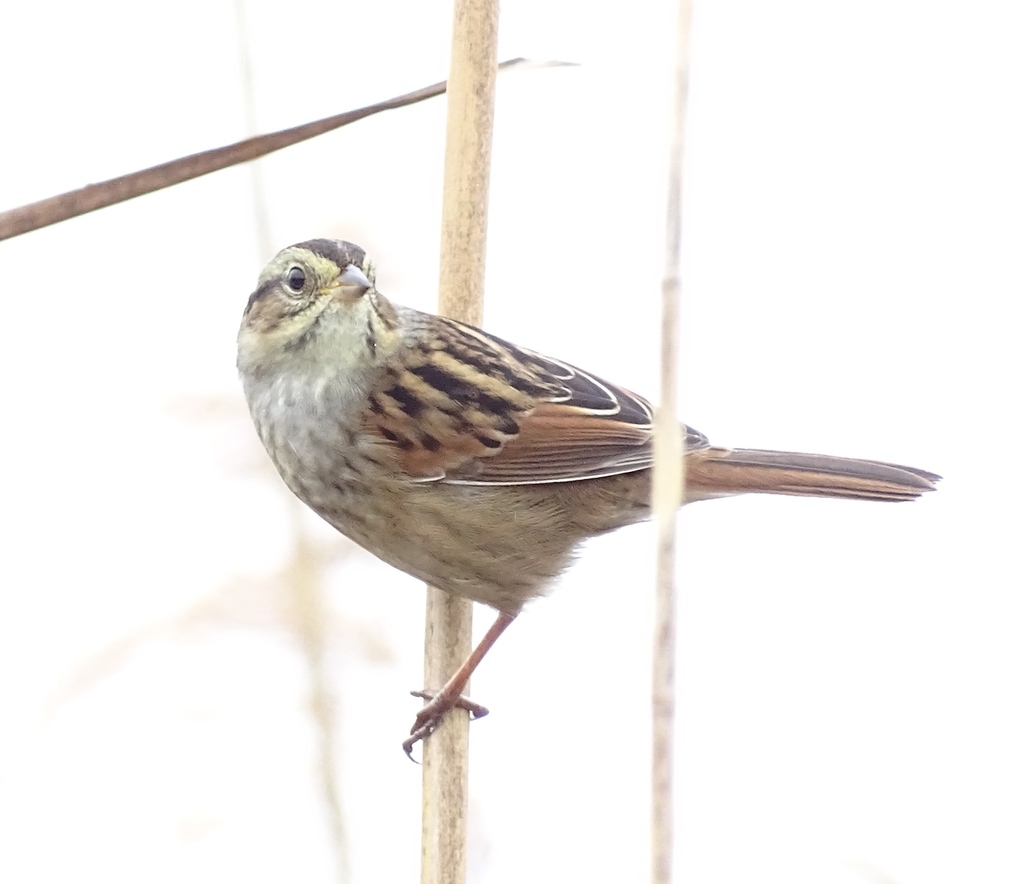
- Swamp SparrowMelospiza georgiana
- Tree SwallowTachycineta bicolor
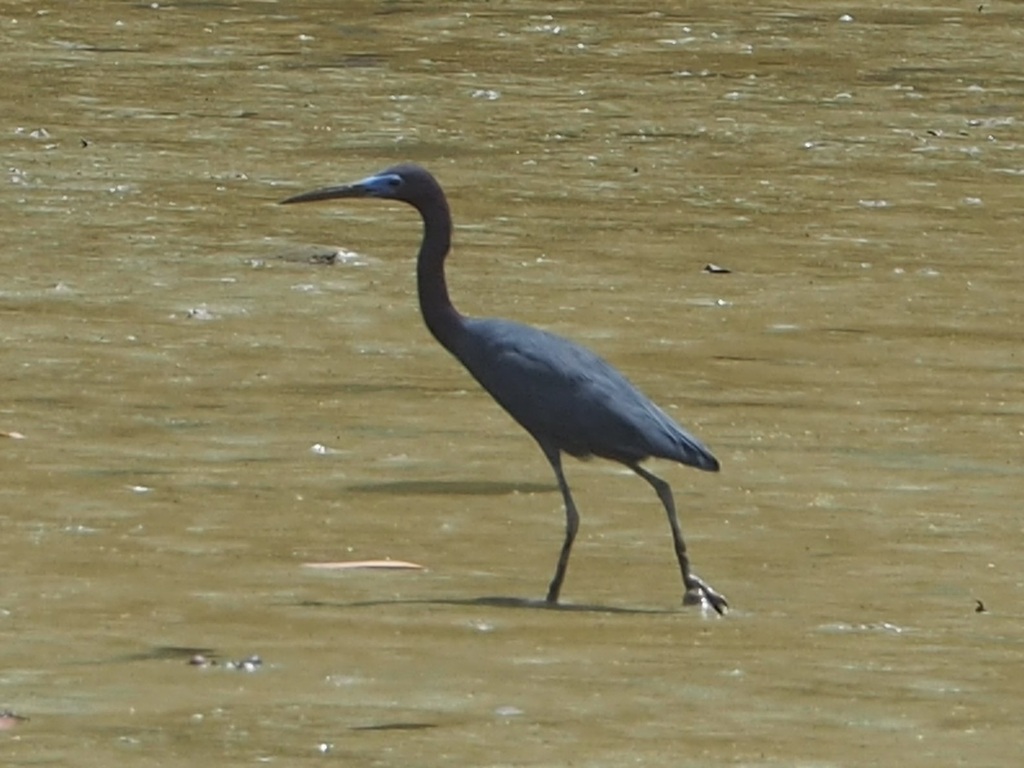
- Little Blue HeronEgretta caerulea
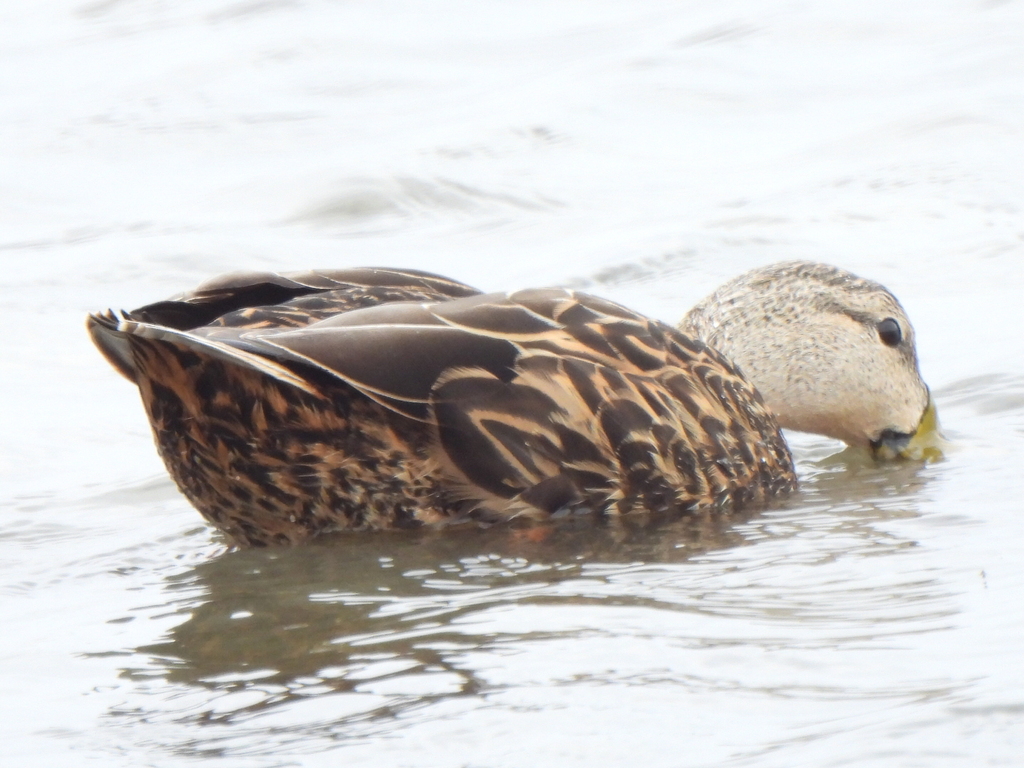
- Mottled DuckAnas fulvigula
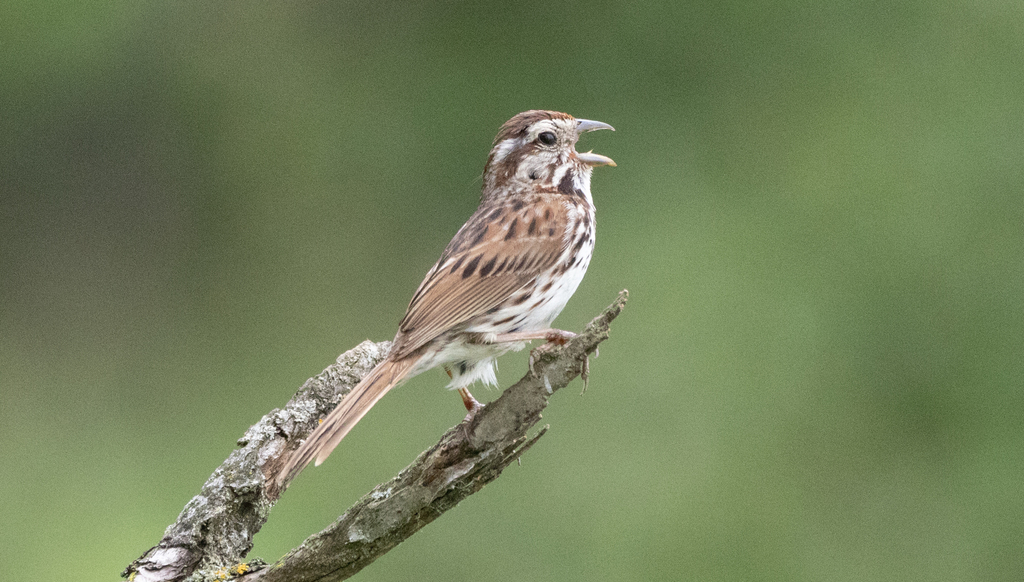
- Song SparrowMelospiza melodia
- White-eyed VireoVireo griseus
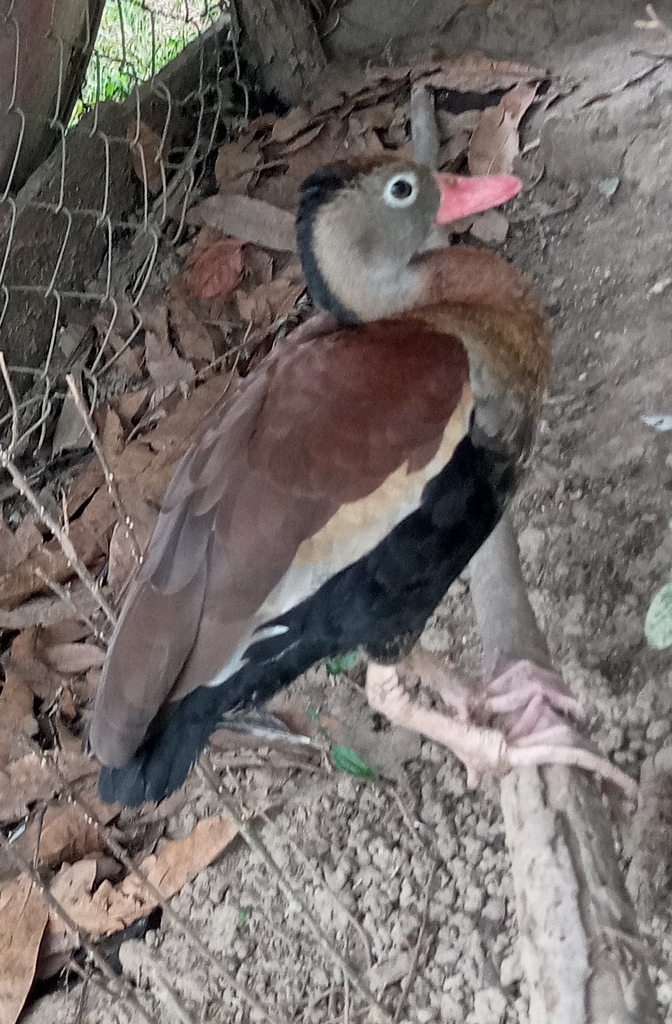
- Black-bellied Whistling-DuckDendrocygna autumnalis
- Eastern Wood-peweeContopus virens
- Hairy WoodpeckerPicoides villosus
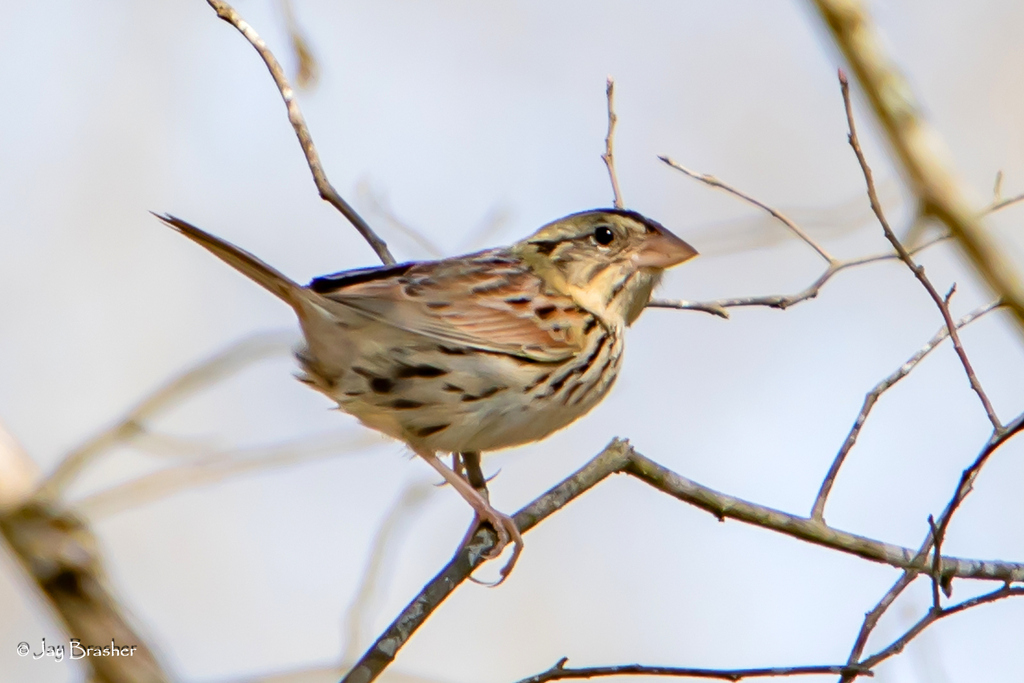
- Henslow's SparrowAmmodramus henslowii
- Indigo BuntingPasserina cyanea
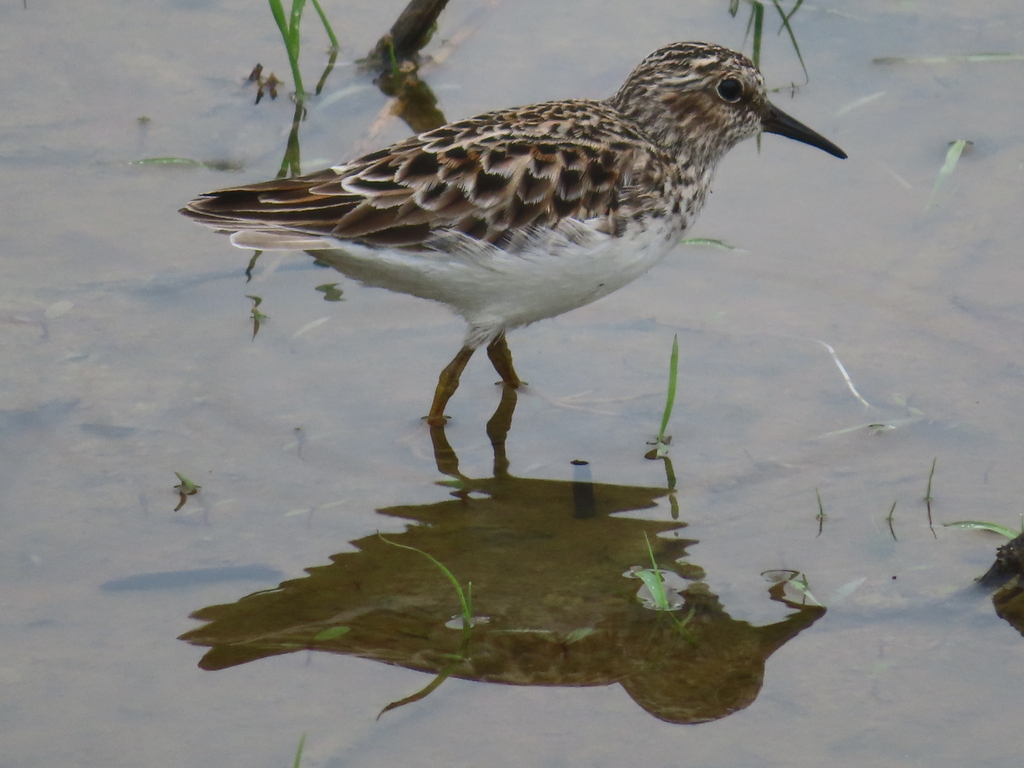
- Least SandpiperCalidris minutilla
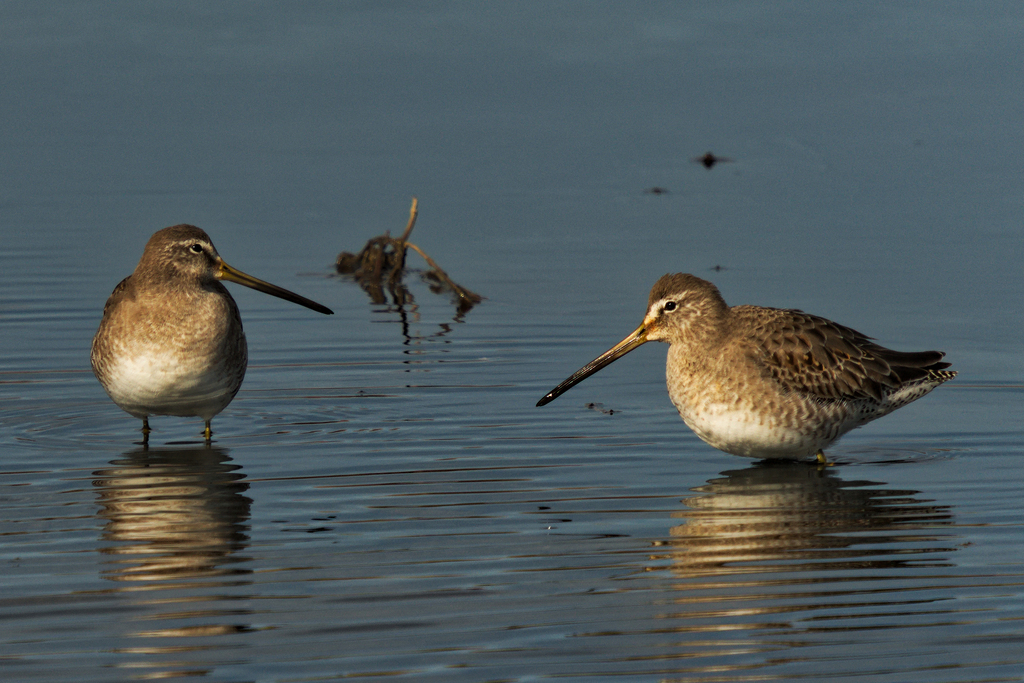
- Long-billed DowitcherLimnodromus scolopaceus
- Northern Rough-winged SwallowStelgidopteryx serripennis
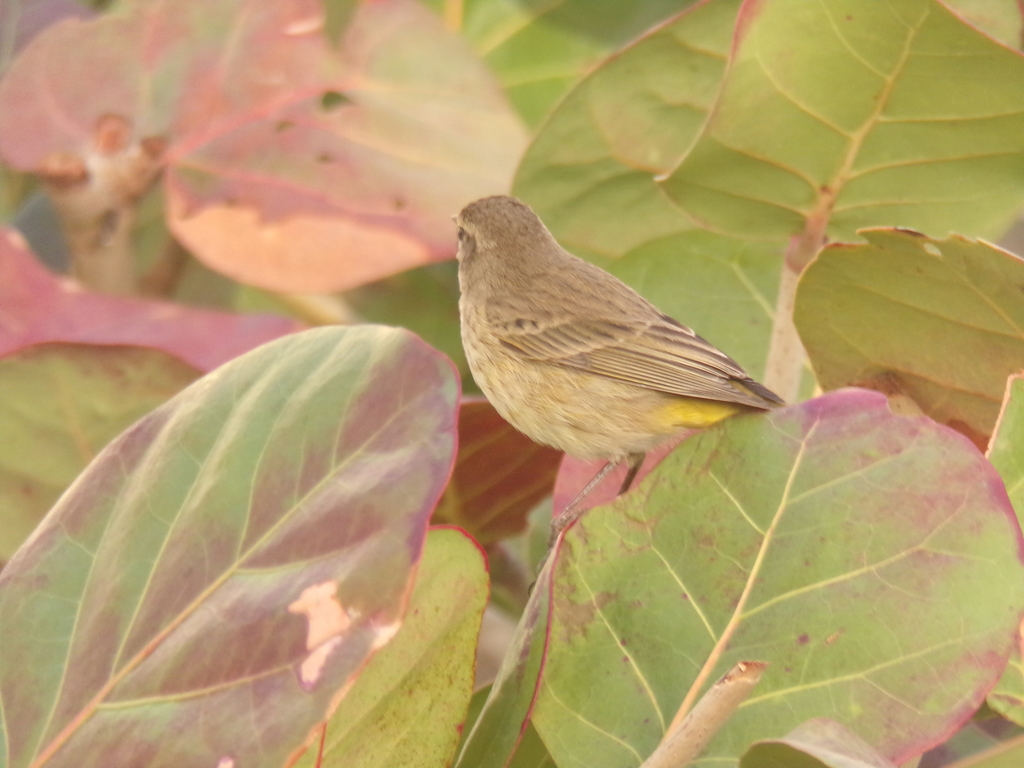
- Palm WarblerDendroica palmarum
- Red-bellied WoodpeckerMelanerpes carolinus
- Cedar WaxwingBombycilla cedrorum
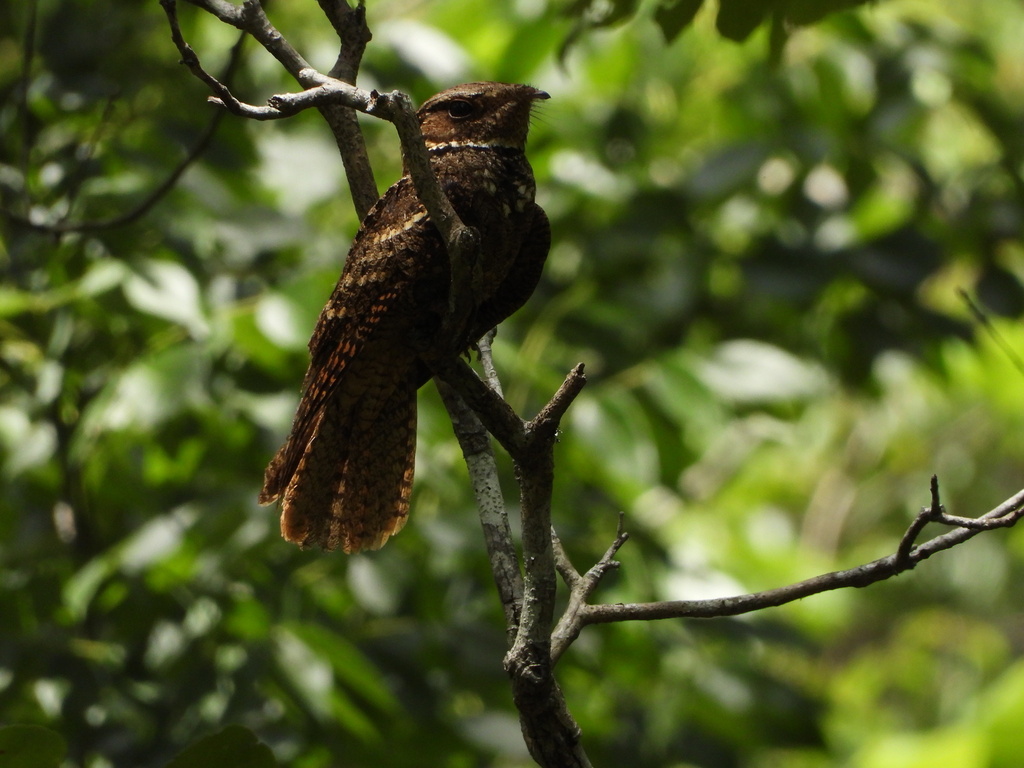
- Chuck-will's-widowCaprimulgus carolinensis
- Great Blue HeronArdea herodias
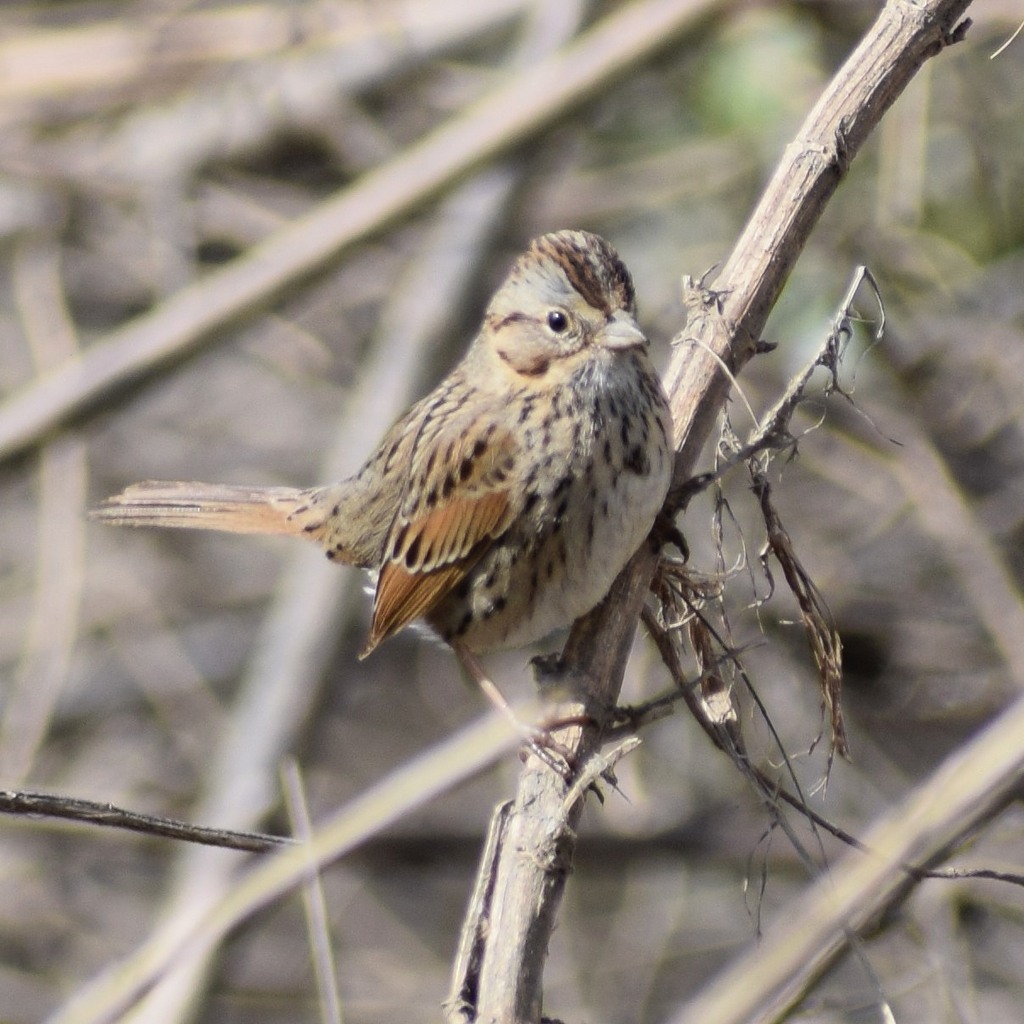
- Lincoln's SparrowMelospiza lincolnii
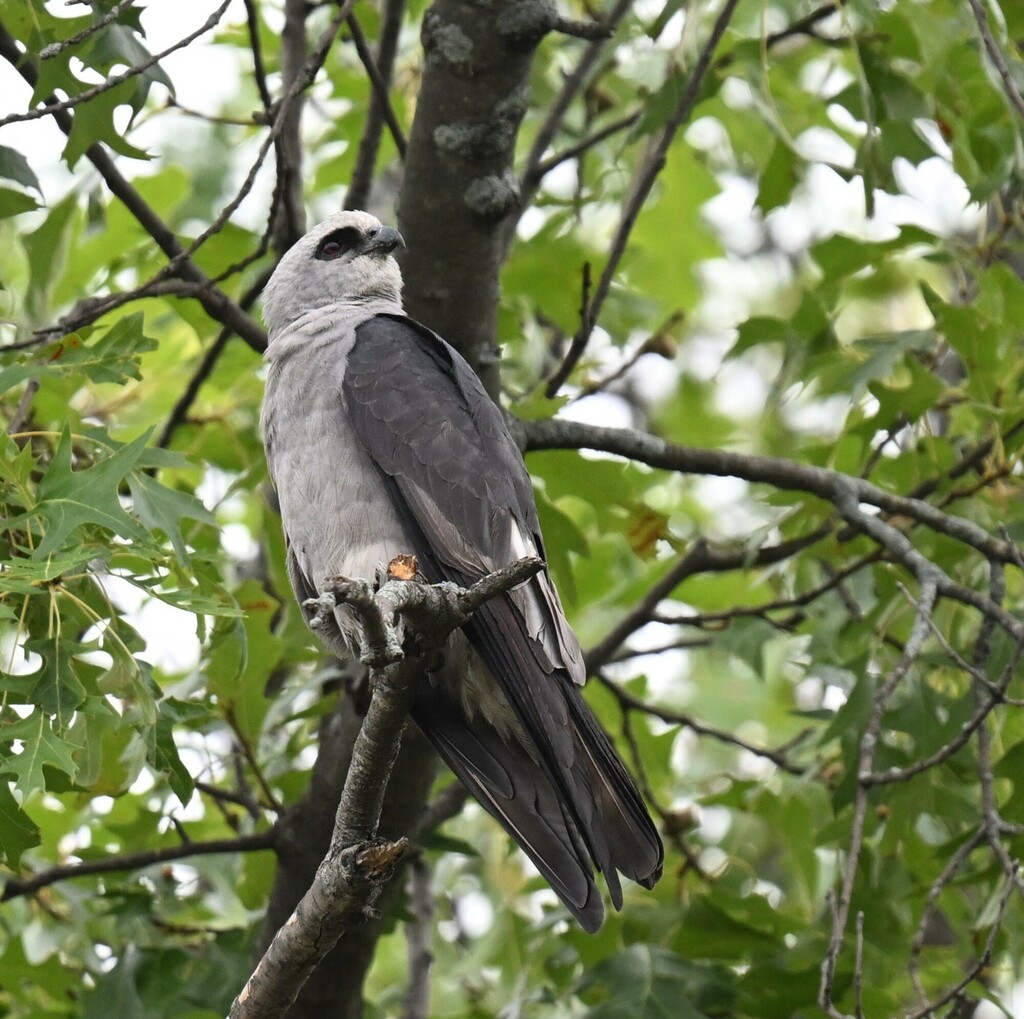
- Mississippi KiteIctinia mississippiensis
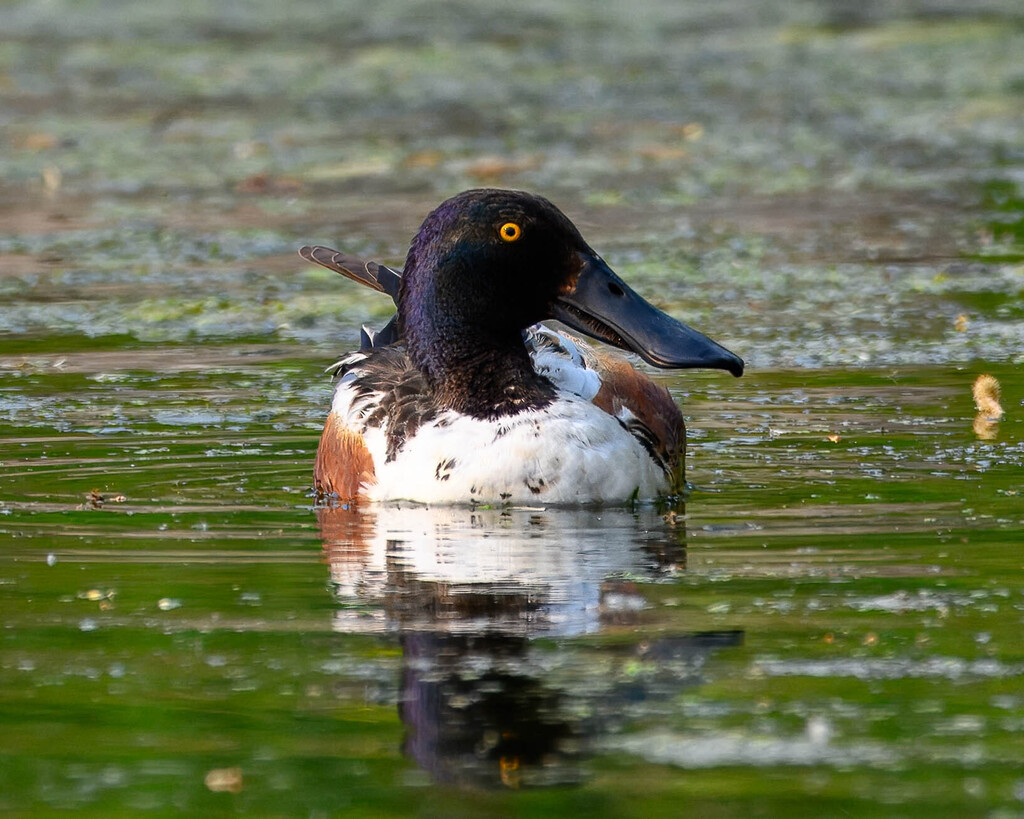
- Northern ShovelerAnas clypeata
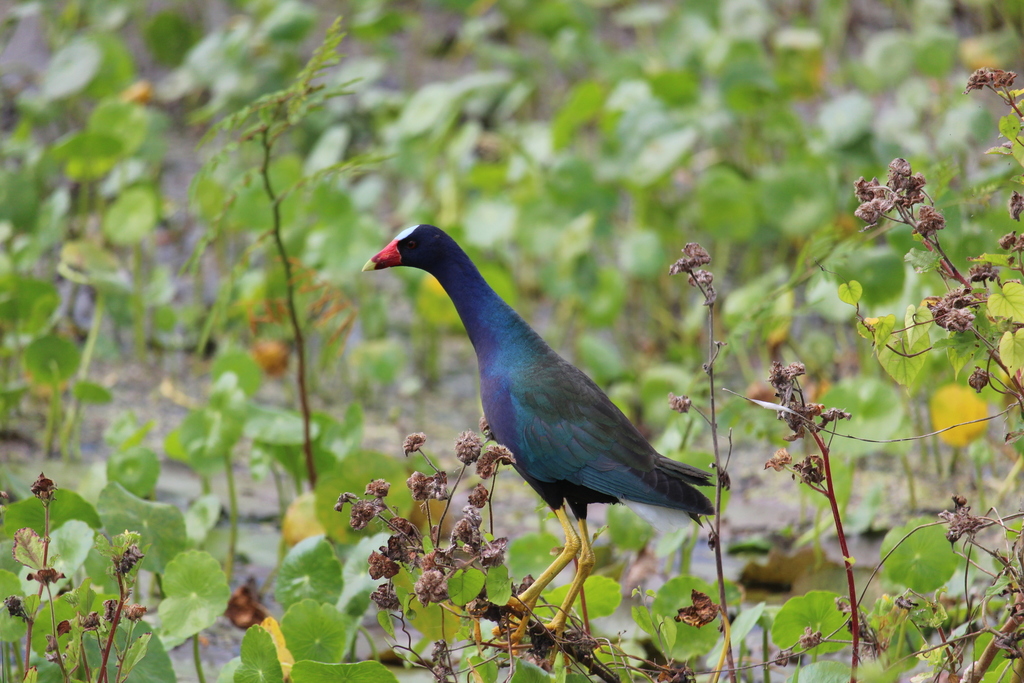
- Purple GallinulePorphyrio martinica
- Ruby-throated HummingbirdArchilochus colubris
- Yellow-bellied SapsuckerSphyrapicus varius
- Carolina WrenThryothorus ludovicianus
- Great EgretArdea alba
- Bank SwallowRiparia riparia



















Widespread birds also seen here (28)
Found in many habitats here, so not listed above.
- American Crow
- American Goldfinch
- American Kestrel
- American Robin
- Bald Eagle
- Belted Kingfisher
- Black-crowned Night-heron
- Chimney Swift
- Common Grackle
- Common Nighthawk
- Common Yellowthroat
- Cooper's Hawk
- Eastern Kingbird
- Eastern Screech-owl
- Eastern Towhee
- European Starling
- Fish Crow
- Great Crested Flycatcher
- Great Horned Owl
- Hooded Merganser
- Northern Cardinal
- Osprey
- Red-tailed Hawk
- Red-winged Blackbird
- Sharp-shinned Hawk
- Turkey Vulture
- Yellow-breasted Chat
- Yellow-crowned Night-heron
Sources
- NatureServe, ecological systems of the United States habitat description
- Weakley, Flora of the Southeastern United States (2025), Carolinas & Georgia edition, habitat text phone app
- NC Parks species accounts
- USDA Forest Service Fire Effects Information System (reviewed notes)
- USGS Gap Analysis Project habitat models (2001)
- USGS Gap Analysis Project range maps (2001)
- NatureServe Explorer ecological systems (CC BY 4.0)
Habitat classes are filed under these habitat types by reviewed matches; descriptions are short glosses.