

American Persimmon
Diospyros virginiana
Found in dry forests and woodlands, longleaf pine sandhills, prairies, disturbed places, floodplain and moist forests, fencerows, roadsides, other disturbed areas. Weakley, Flora of the Southeastern United States (2025), South Central edition What its natural habitat tells you
Native to Mississippi (estimated). How scores work Is it native here?
Profile 100%
- Height
- 30–80 feet
- Spread
- 20–35 feet
- Light
- Full sun, Partial shade
- Soil moisture
- Somewhat dry to moist
Space about 27.5 ft apart from its recorded spread. Enter your bed size for a count
Will it fit your yard?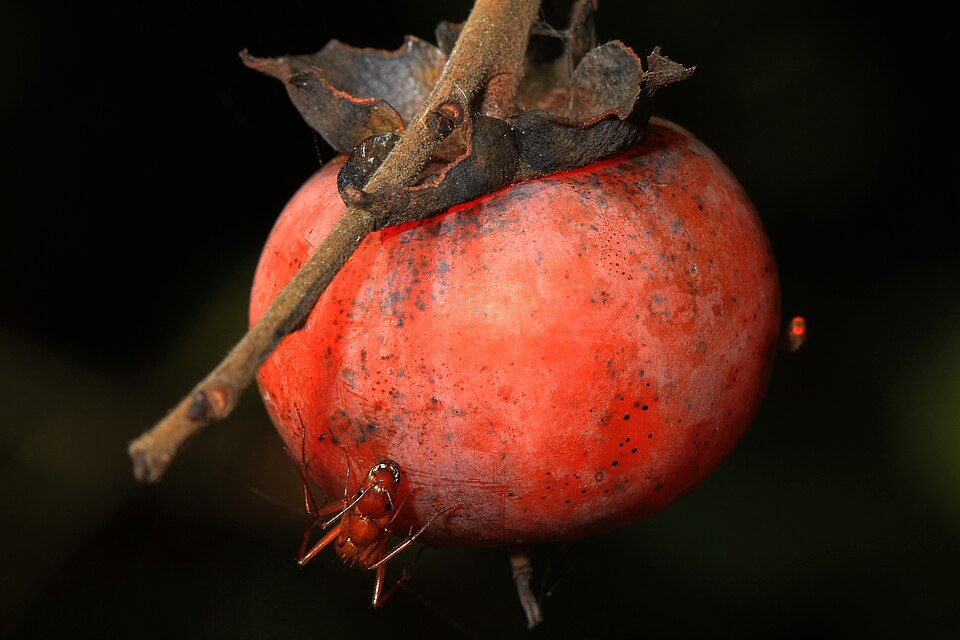
At a glance
- Life cycle
- Woody perennial
- Leaves
- Deciduous
- Bloom
- April to June
- Fruiting season
- Summer to winter
Recorded in 68 Mississippi counties.
Natural habitats
Places it grows wild. Not a planting requirement. Each habitat page lists the plants and wildlife also found there.
Forests and open woodlands on dry ridges and slopes, often oak or pine.
Forest or woodland where the source does not say how moist or dry.
Dry, deep-sand ridges with longleaf pine and turkey oak, kept open by fire.
Open, grass-dominated places kept open by fire, grazing or thin soil, from tallgrass prairie to Piedmont prairies.
Roadsides, fields and disturbed ground
Ground opened by people: roadsides, old fields, pastures, fencerows and lots.
Forests on moist but not wet ground, such as rich slopes and ravines.
Floodplain and bottomland forests
Forests on low ground beside rivers and streams that flood from time to time.
Also found with this plant
Wildlife whose habitat models include habitats this plant grows in, in Mississippi. Shared habitat, not food. 82 animals.
- White-breasted NuthatchSitta carolinensis
- Wild TurkeyMeleagris gallopavo
- Wood ThrushHylocichla mustelina
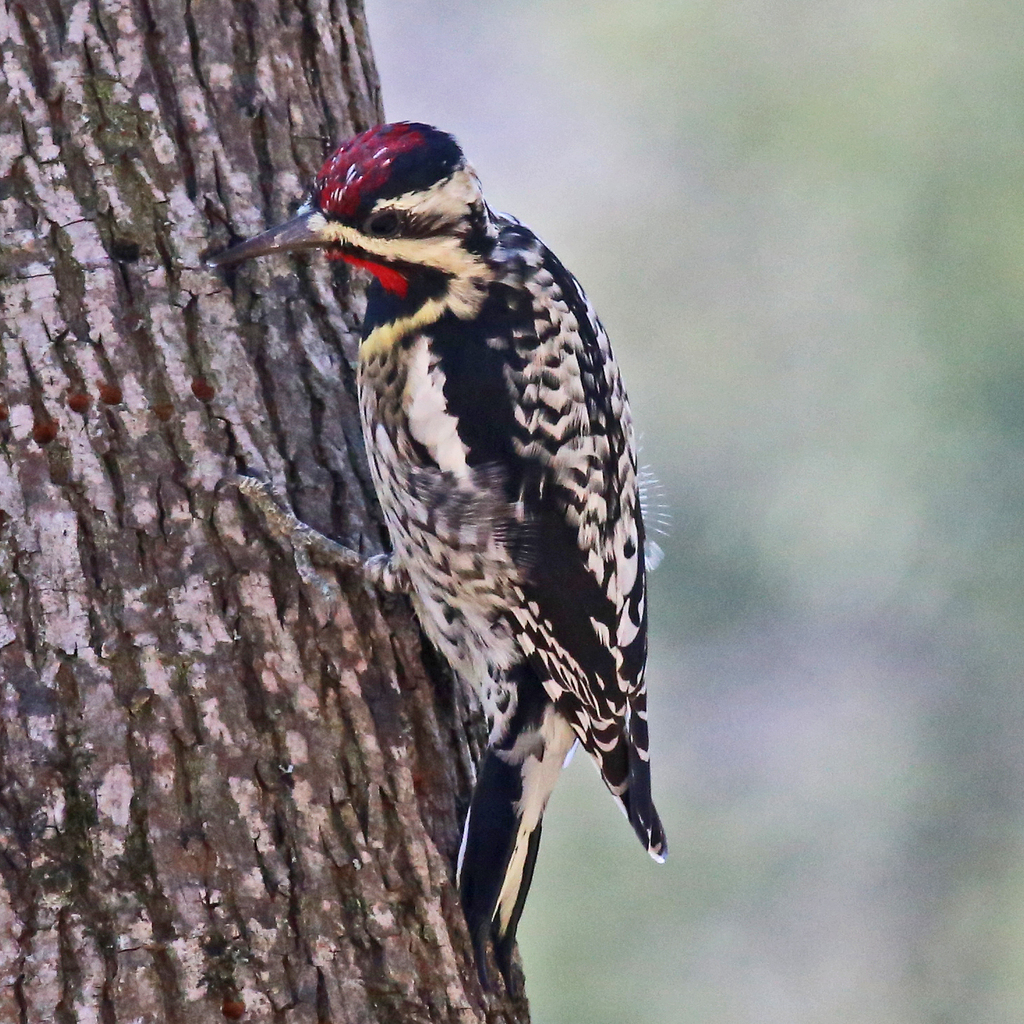
- Yellow-bellied SapsuckerSphyrapicus varius
- Yellow-billed CuckooCoccyzus americanus
- Acadian FlycatcherEmpidonax virescens
- American RedstartSetophaga ruticilla
- Barred OwlStrix varia
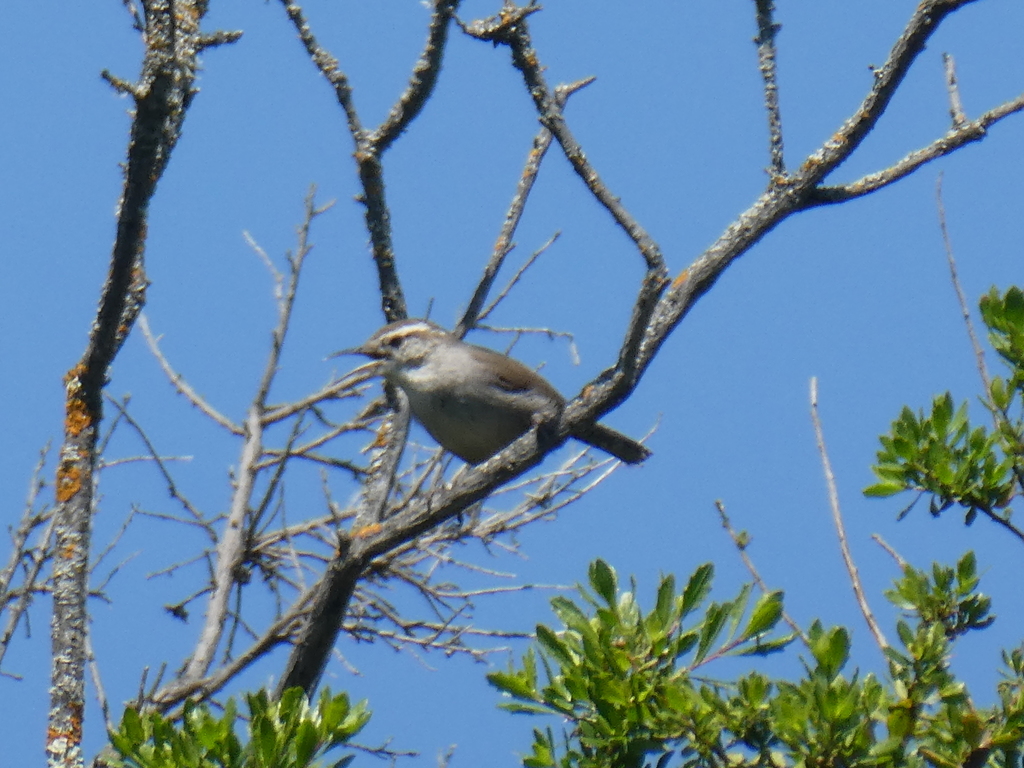
- Bewick's WrenThryomanes bewickii
- Brown ThrasherToxostoma rufum
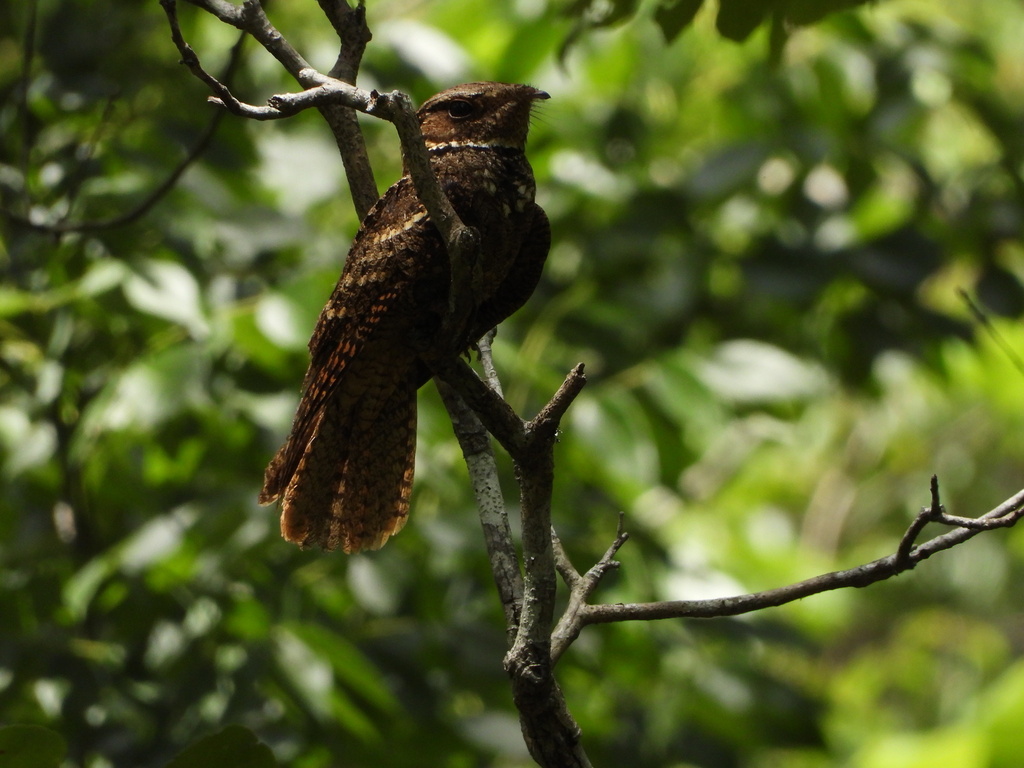
- Chuck-will's-widowCaprimulgus carolinensis
- Eastern BluebirdSialia sialis
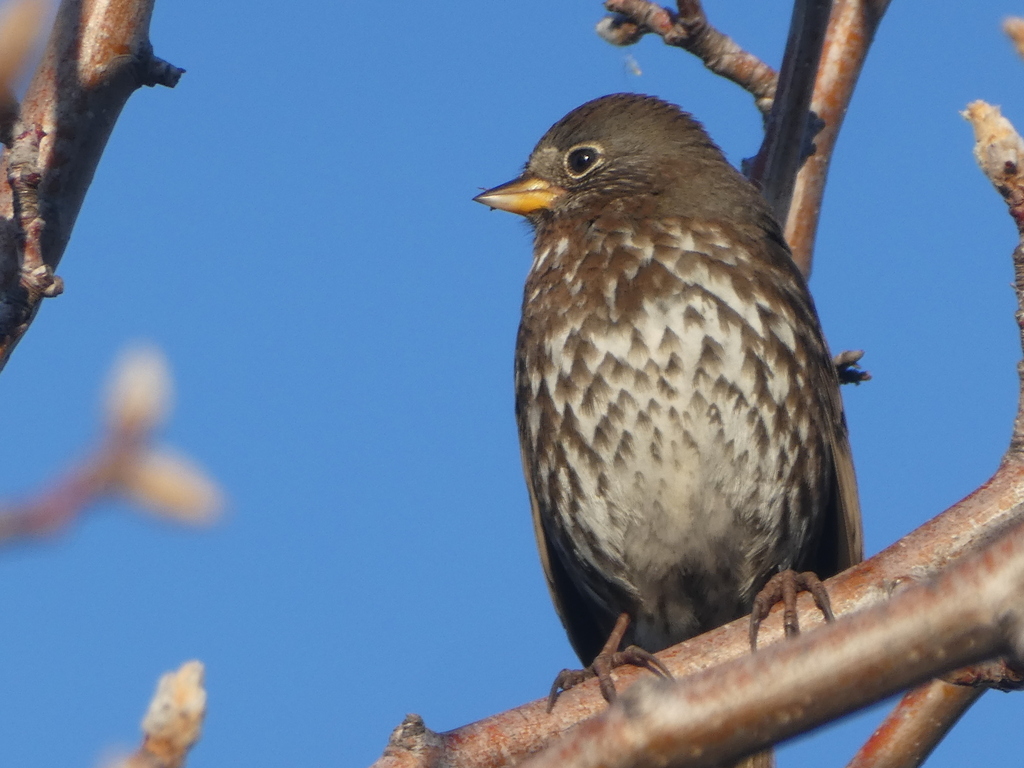
- Fox SparrowPasserella iliaca
- Hermit ThrushCatharus guttatus
- Hooded WarblerWilsonia citrina
- Lincoln's SparrowMelospiza lincolnii
- Orange-crowned WarblerVermivora celata
- Red-shouldered HawkButeo lineatus
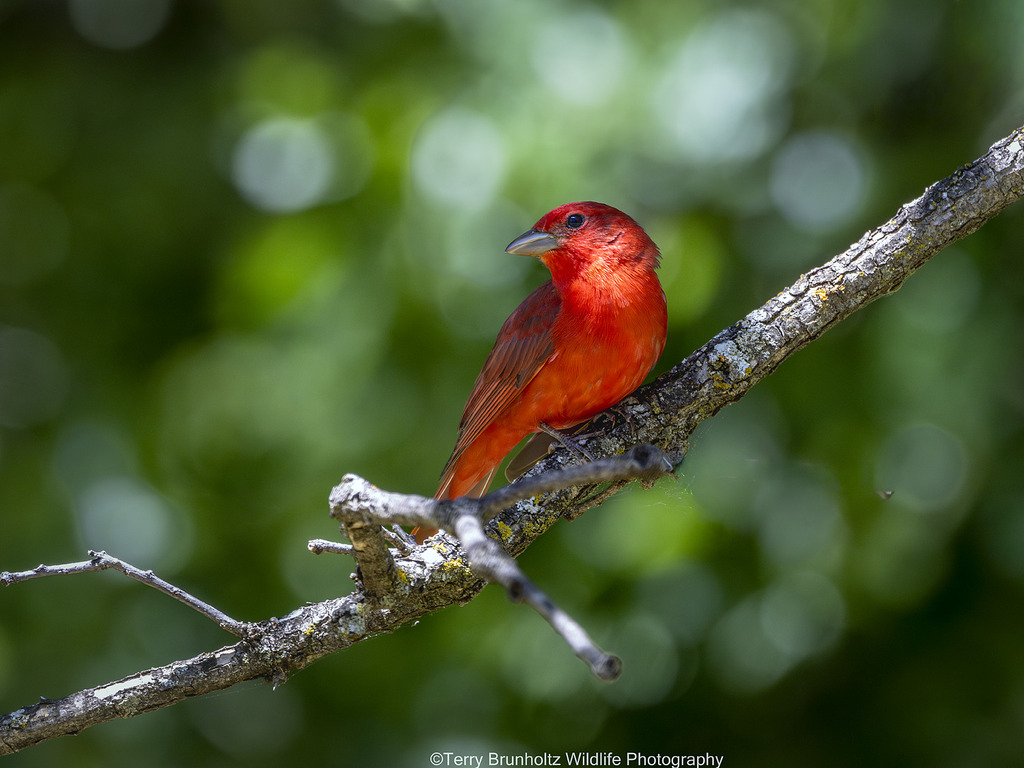
- Summer TanagerPiranga rubra
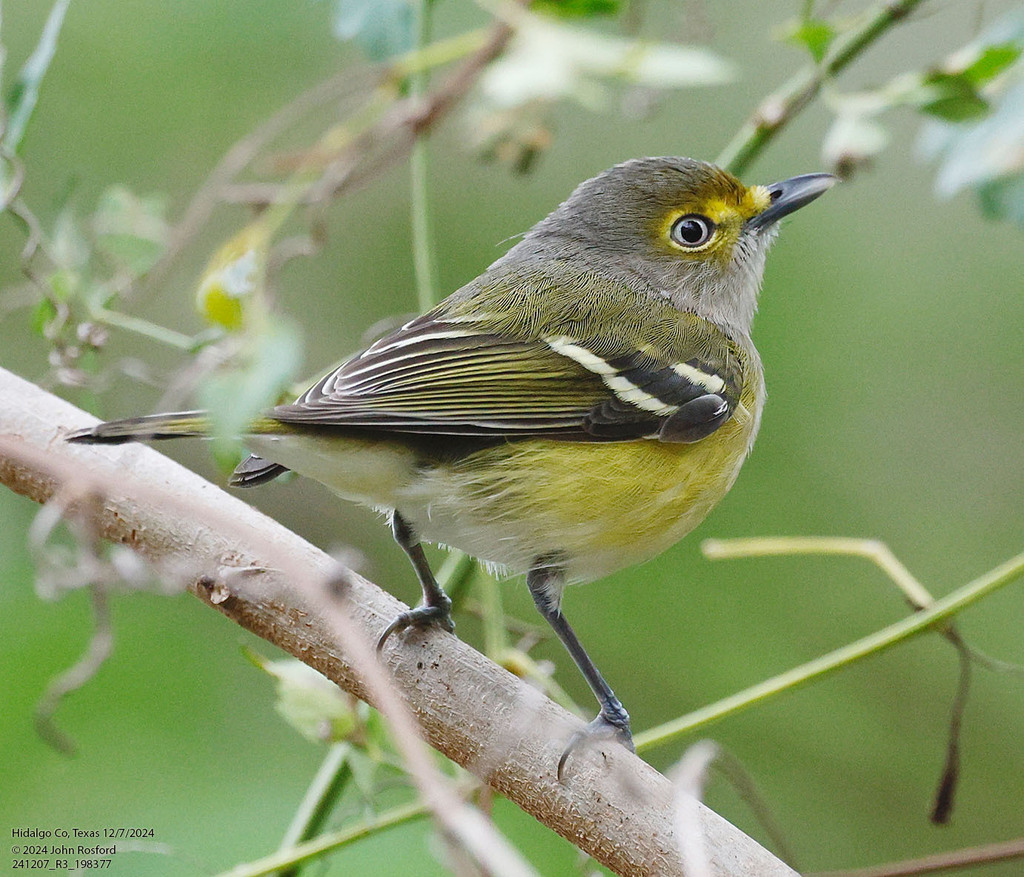
- White-eyed VireoVireo griseus
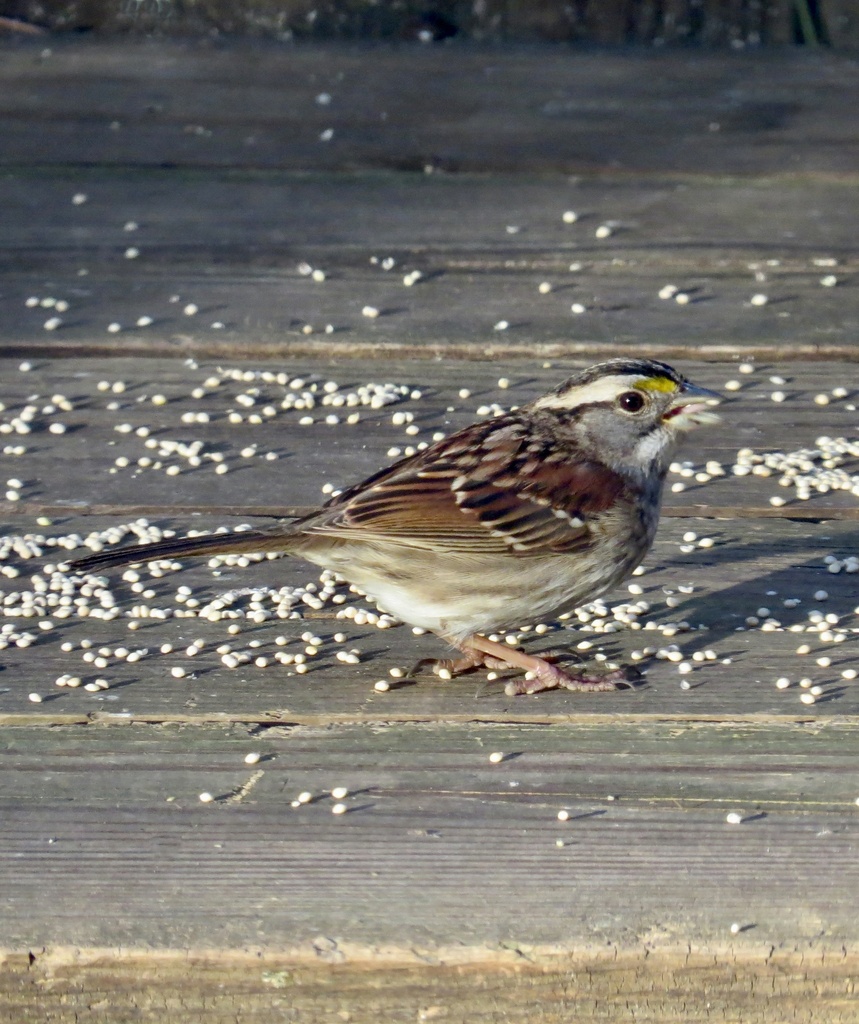
- White-throated SparrowZonotrichia albicollis
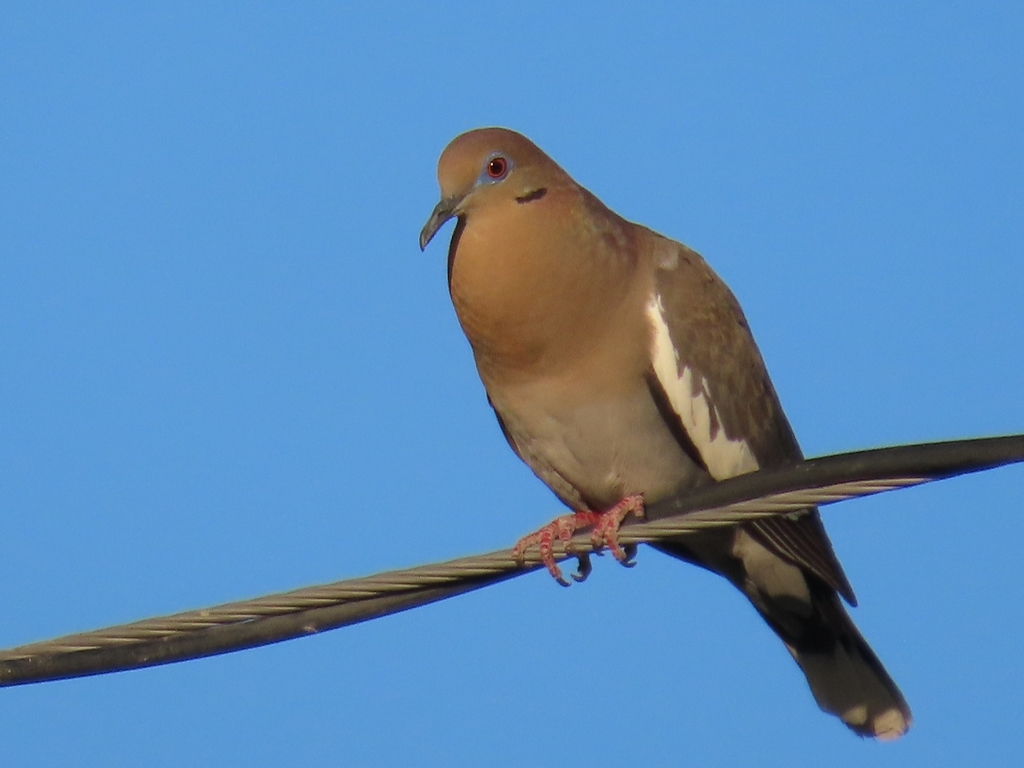
- White-winged DoveZenaida asiatica
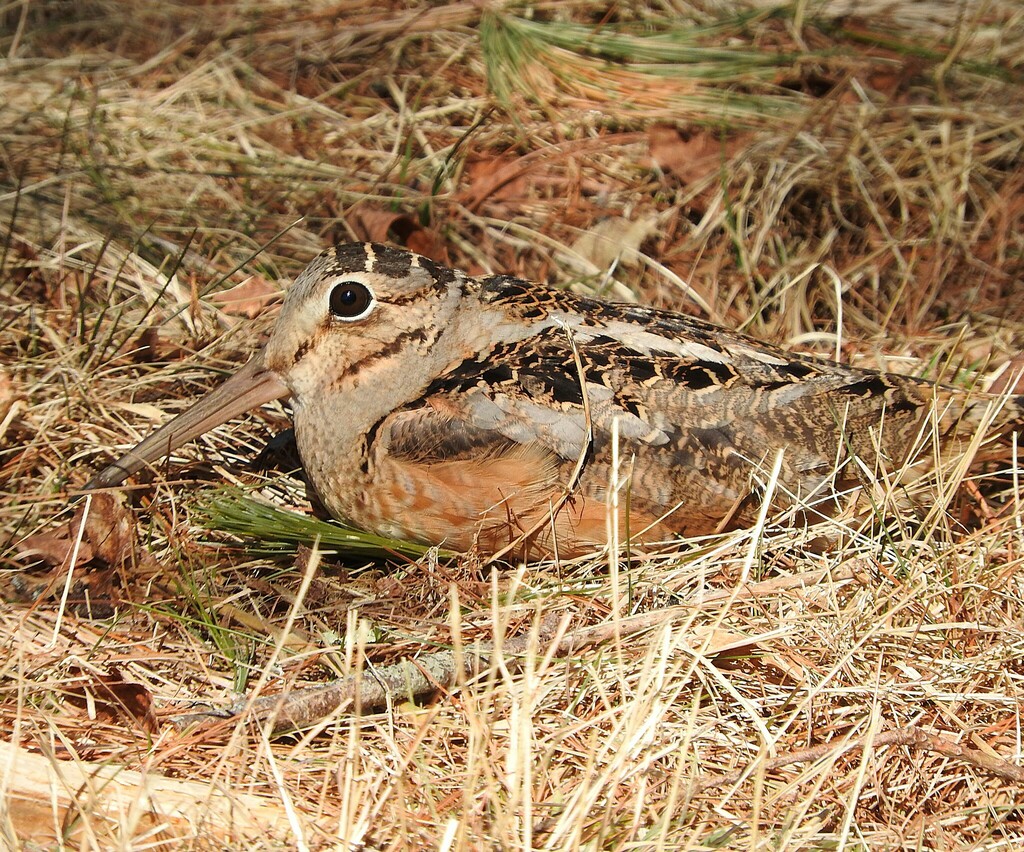
- American WoodcockScolopax minor
- Broad-winged HawkButeo platypterus















Widespread birds also seen here (33)
Found in many habitats here, so not listed above.
- American Crow
- American Goldfinch
- American Kestrel
- American Robin
- Bald Eagle
- Belted Kingfisher
- Black-crowned Night-heron
- Chimney Swift
- Common Grackle
- Common Nighthawk
- Common Yellowthroat
- Cooper's Hawk
- Eastern Kingbird
- Eastern Screech-owl
- Eastern Towhee
- Eurasian Collared-dove
- European Starling
- Fish Crow
- Great Crested Flycatcher
- Great Horned Owl
- Hooded Merganser
- Mourning Dove
- Northern Cardinal
- Northern Flicker
- Northern Mockingbird
- Osprey
- Red-tailed Hawk
- Red-winged Blackbird
- Sharp-shinned Hawk
- Turkey Vulture
- Yellow-breasted Chat
- Yellow-crowned Night-heron
- Yellow-rumped Warbler
Who uses this plant?
 57CaterpillarsGenus host records with ranges including MS
Genus host records with ranges including MS · Diospyros
- Actias lunaLuna Moth
- Citheronia regalisRegal Moth
- Acronicta longaLong-Winged Dagger, Darkish Dagger
- Adoneta spinuloidesPurple-Crested Slug
- Amyelois transitellaNavel Orangeworm
- Antepione thisoariaVariable Antepione
- Artace cribrariusDot-Lined White Moth
- Automeris ioIo Moth
- Callophrys henriciHenry's Elfin
- Callosamia prometheaPromethea Silkmoth, Promethea Moth
Show all 57
- Catocala piatrixThe Penitent, Penitent Underwing
- Cecrita guttivittaMaple Prominent, Saddled Prominent
- Cenopis reticulatanaReticulated Fruitworm Moth
- Clostera inclusaAngle-Lined Prominent, Poplar Tent Maker, Poplar Leaf-Tier
- Coelodasys unicornisUnicorn Caterpillar Moth
- Cossula magnificaPecan Carpenterworm Moth
- Cryptothelea gloveriiOrange Bagworm
- Dasychira leucophaeaPeppered Tussock Moth
- Eacles imperialisImperial Moth, Imperial Spiny Caterpillar
- Euchlaena marginariaOchre Euchlaena
- Euclea delphiniiSpiny Oak-Slug Moth
- Eumarozia malachitanaSculptured Moth
- Eupsilia cirripaleaFranclemont's Sallow
- Euzophera semifuneralisAmerican Plum Borer
- Exelis pyrolariaFine-Lined Gray
- Harrisimemna trisignataHarris's Three-Spot
- Hyalophora cecropiaCecropia Silkmoth, Cecropia Moth
- Hyphantria cuneaFall Webworm
- Hypocala andremonaHypocala Moth
- Hypsoropha hormosSmall Necklace Moth
- Hypsoropha monilisLarge Necklace Moth
- Iridopsis defectariaBrown-Shaded Gray, Willow Looper
- Iridopsis humariaSmall Purplish Gray
- Iridopsis larvariaBent-Line Gray
- Lochmaeus manteoVariable Oakleaf Caterpillar Moth
- Megalopyge crispataBlack-Waved Flannel Moth, Crinkled Flannel Moth
- Megalopyge opercularisSouthern Flannel Moth, Puss Caterpillar
- Metarranthis hypochrariaCommon Metarranthis
- Monoleuca semifasciaPin-Striped Vermilion Slug
- Natada nasoniNason's Slug Moth
- Oedemasia concinnaRed-Humped Caterpillar, Red-Humped Appleworm
- Oiketicus abbotiiAbbot's Bagworm Moth
- Orgyia leucostigmaWhite-Marked Tussock Moth
- Phobetron pitheciumHag Moth, Monkey Slug
- Platynota stultanaOmnivorous Leafroller
- Prolimacodes badiaSkiff Moth, Skiff Caterpillar
- Renia adspergillusSpeckled Renia
- Sannina uroceriformisPersimmon Root Borer
- Seirarctia echoEcho Moth
- Spodoptera frugiperdaFall Armyworm Moth
- Strymon melinusGray Hairstreak
- Synanthedon exitiosaPeachtree Borer Moth, Western Peachtree Borer
- Thyridopteryx ephemeraeformisEvergreen Bagworm Moth
- Tolype velledaLarge Tolype, Large Lappet Moth, Vellada Lappet Moth
- Vanessa virginiensisAmerican Lady, American Painted Lady
- Xylophanes tersaTersa Sphinx
- Coptodisca diospyriella
 4BeesSoutheastern regional records
Southeastern regional records · Diospyros
Individual names are not available yet.
Noori, Seltmann & Orr 2026, A curated and integrated dataset for exploring global bee-plant interactions (GloBI), Zenodo, CC BY 4.0 0Specialist beesPollen specialists
 3BirdsRecorded eating Diospyros in Mississippi
Diet records by plant genus, from studies across North America. Not a record from this state. Birds whose range includes Mississippi, most records first.
- Brown Thrasher2 diet records
- American RobinFruit. 1 diet record
- Eastern BluebirdFruit. 1 diet record
Direct food only. Caterpillars on host plants also feed nesting birds. NC Native Plant Society: butterfly gardening
Flies 2
- Syrphus americanus
- Syrphus ribesii
Flower visits · Carlinville, Illinois, USA
Adult butterflies / moths 1
- Euphyes verna
Flower visits · Carlinville, Illinois, USA
No records yet · Ants · Beetles · Other wasps · Other insects
Birds that eat Diospyros 3
Diet records by plant genus, from studies across North America. Not a record from this state. Avian Diet Database (Hurlbert Lab), CC0 1.0.
- Brown ThrasherToxostoma rufum
- American RobinTurdus migratorius
- Eastern BluebirdSialia sialis


Plant details
- Family
- Ebenaceae
- Hardiness
- Zones 4a–9b
- Soil pH
- Acidic to alkaline
- Flower color
- Yellow, green, orange or white
- Growth rate
- Slow
- Growth habit
- Single crown
- Foliage color
- Dark green
- Fruit begins
- Summer
- Fruit ends
- Winter
Safety has not been reviewed for this plant; check toxicity and thorns before planting.
Growing sources and scope
- Bloom · “April to June” · Weakley, Flora of the Southeastern United States (2025), Carolinas & Georgia edition (ranked first; USDA PLANTS differs) · Carolinas and Georgia
- Flower color · “Yellow, green, orange or white” · NC Extension Plant Toolbox (ranked first; USDA PLANTS differs)
- Foliage color · “Dark green” · USDA PLANTS · Nationwide species characteristics; local growing conditions may vary
- Fruit begins · “Summer” · USDA PLANTS · Nationwide species characteristics; local growing conditions may vary
- Fruit ends · “Winter” · USDA PLANTS · Nationwide species characteristics; local growing conditions may vary
- Growth habit · “Single crown” · USDA PLANTS · Nationwide species characteristics; local growing conditions may vary
- Growth rate · “Slow” · USDA PLANTS · Nationwide species characteristics; local growing conditions may vary
- Hardiness · “Zones 4a–9b” · NC Extension Plant Toolbox
- Height · “30–80 feet” · NC Extension Plant Toolbox (ranked first; USDA PLANTS differs)
- Leaves · “Deciduous” · NC Extension Plant Toolbox
- Life cycle · “Woody perennial” · NC Extension Plant Toolbox
- Light · “Full sun (6 or more hours of direct sunlight a day); Partial shade (direct sunlight only part of the day, 2-6 hours)” · NC Extension Plant Toolbox (ranked first; Tennessee Smart Yards, Virginia Cooperative Extension, Virginia DCR Piedmont, Virginia DCR Coastal Plain differ)
- Soil · “Moist; Occasionally dry” · NC Extension Plant Toolbox (ranked first; Tennessee Smart Yards, Virginia Cooperative Extension, Virginia DCR Piedmont, Virginia DCR Coastal Plain differ)
- Soil pH · “Acidic to alkaline” · NC Extension Plant Toolbox
- Spread · “20–35 feet” · NC Extension Plant Toolbox
Conservation status
| Mississippi rank | SNR |
|---|---|
| Global rank | G5 |
| MS status | Not verified |
| Federal status | Not verified |
Will it fit your yard?
Check this plant against your county, sun and soil moisture. Conditions are checked in your browser.
Sources
- Weakley, Flora of the Southeastern United States (2025), South Central edition
- USDA PLANTS
- Vascular Plants of North Carolina (NC Natural Heritage Program)
- Mississippi occurrence source
- Shropshire & Tallamy 2025, Lepidoptera of North America north of Mexico, ZooKeys 1261 (ODbL)
- Noori, Seltmann & Orr 2026, A curated and integrated dataset for exploring global bee-plant interactions (GloBI), Zenodo, CC BY 4.0
- Smith, Bachelder, Russell, Morales, Mosher & Seltmann 2024, Bee-Specialization-Modeling v0.6.1 (specialist host table compiled from J. Fowler's pollen specialist bee lists), Zenodo, CC BY 4.0
- Hurlbert, Olsen, Sawyer & Winner 2021, Avian Diet Database, Scientific Data 8: 260 (CC0)
- Narango, Tallamy & Shropshire 2020, Few keystone plant genera support the majority of Lepidoptera species, Nature Communications