

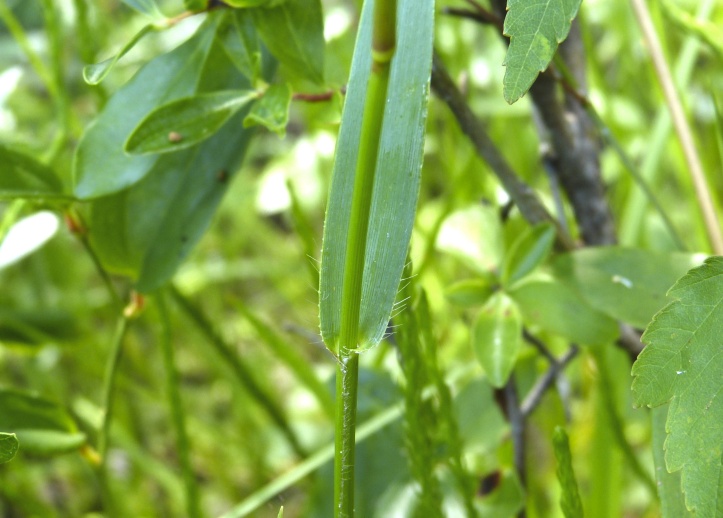
Erectleaf Witchgrass
Dichanthelium erectifolium
Found in limesink ponds, depression meadows, cypress savannas, pine savannas. Weakley, Flora of the Southeastern United States (2025), South Central edition What its natural habitat tells you
Native to Mississippi. How scores work Is it native here?
Profile 94%
- Height
- Up to about 2.5 feet
- Light
- Partial shade, Full sun
- Soil moisture
- Moist to wet
Rare or protected plant. Specialist conservation planting; excluded from routine garden suggestions. Plant caution source
Hidden from default planting suggestions. Wildlife value and native status remain unchanged.
At a glance
- Life cycle
- Perennial
- Bloom
- May to August
Not yet recorded · Spread · Leaves
Recorded in 7 Mississippi counties.
Natural habitats
Places it grows wild. Not a planting requirement. Each habitat page lists the plants and wildlife also found there.
Depression ponds and limesinks
Shallow ponds in Coastal Plain depressions, such as limesinks and the ponds in some Carolina bays, that rise and fall with the seasons.
Open, wet, grassy or sedgy ground that is not a bog.
Open, fire-kept longleaf pine stands over grasses and wildflowers on wet to moist sandy soil.
Also found with this plant
Wildlife whose habitat models include habitats this plant grows in, in Mississippi. Shared habitat, not food. 81 animals.
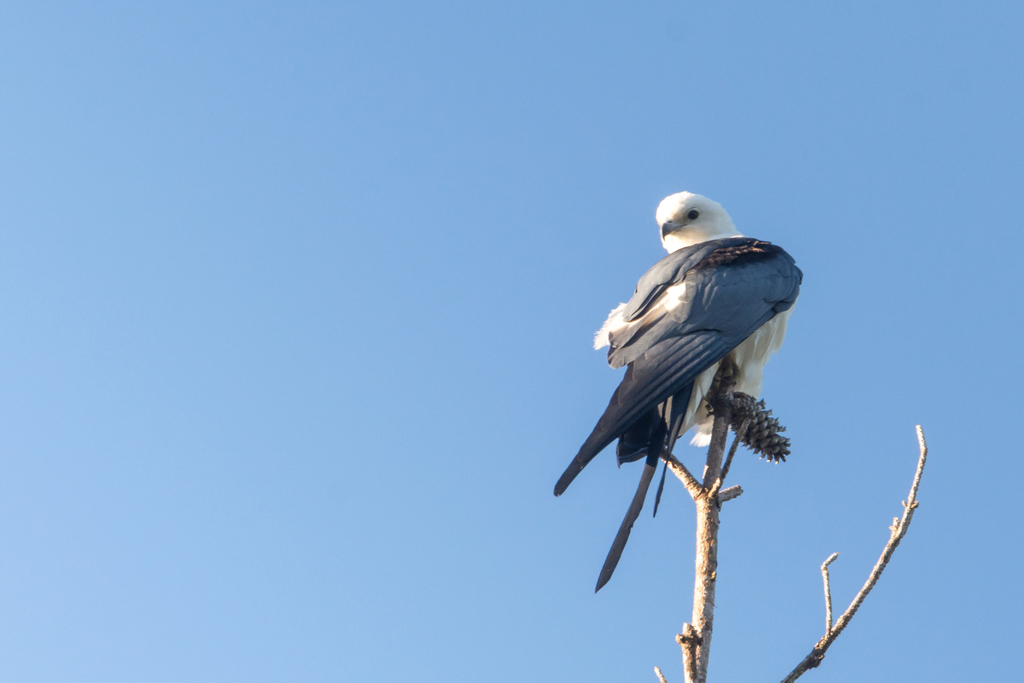
- Swallow-tailed KiteElanoides forficatus
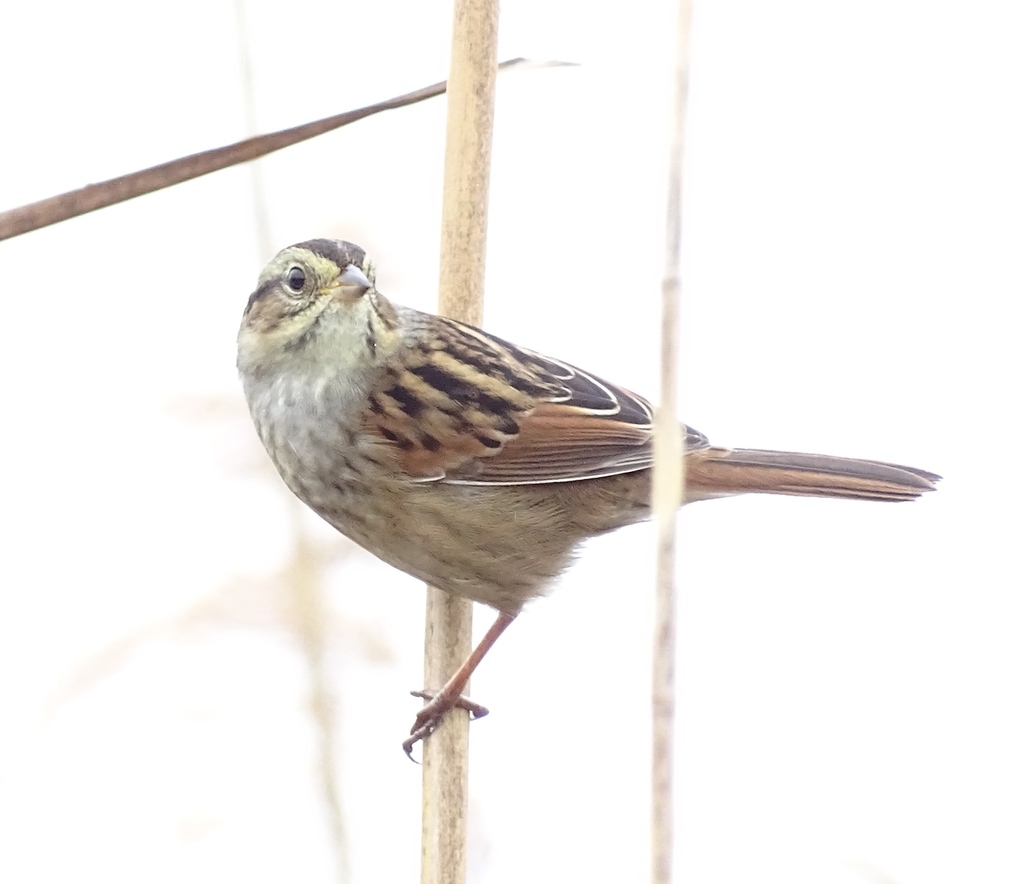
- Swamp SparrowMelospiza georgiana
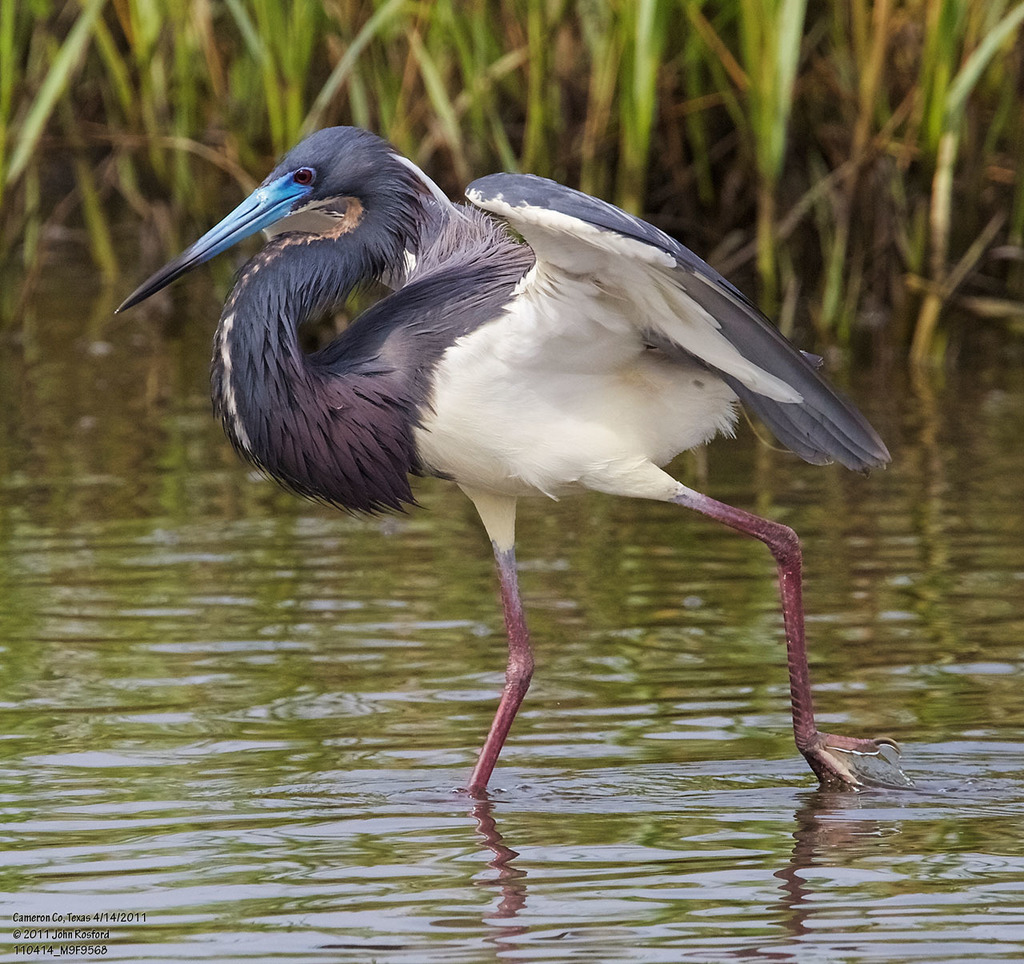
- Tricolored HeronEgretta tricolor
- Virginia RailRallus limicola
- Western SandpiperCalidris mauri
- White-faced IbisPlegadis chihi
- Wilson's PloverCharadrius wilsonia
- Wood StorkMycteria americana
- Yellow RailCoturnicops noveboracensis
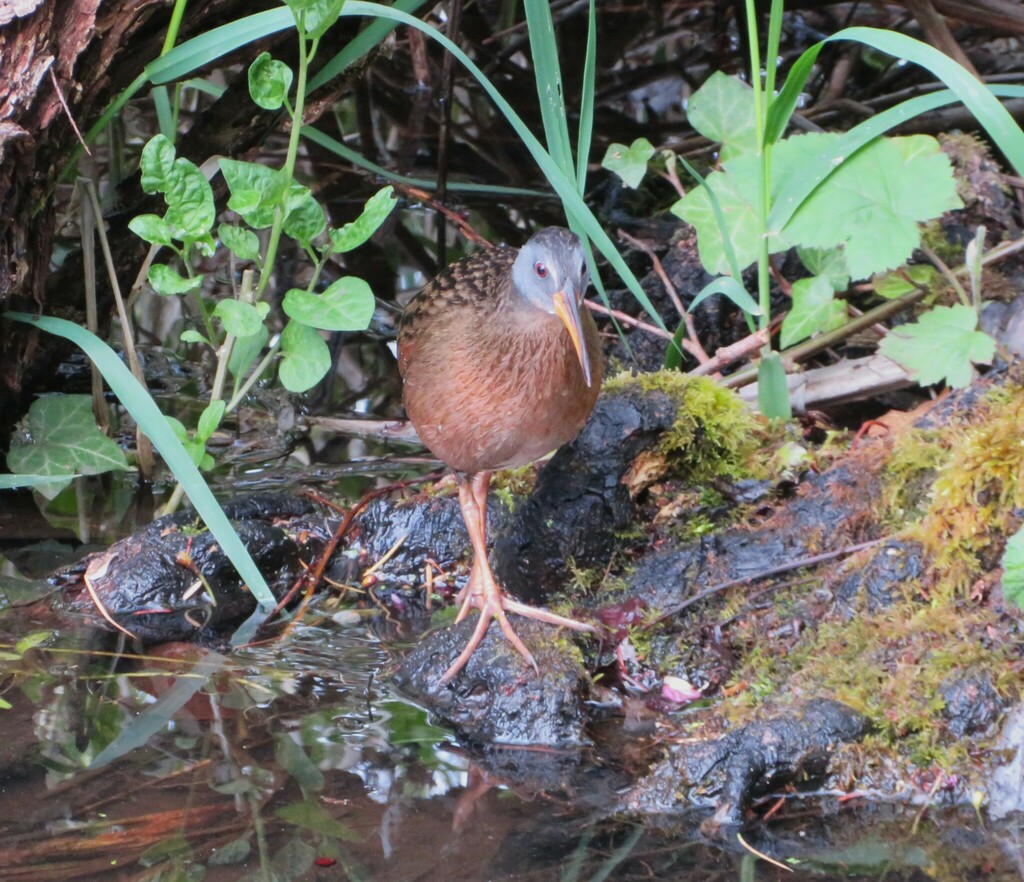
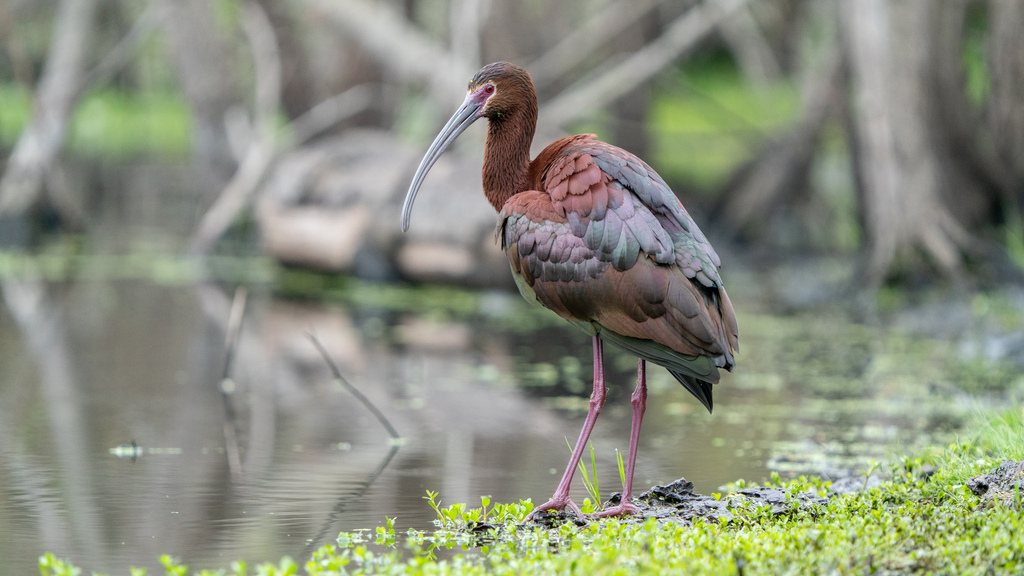
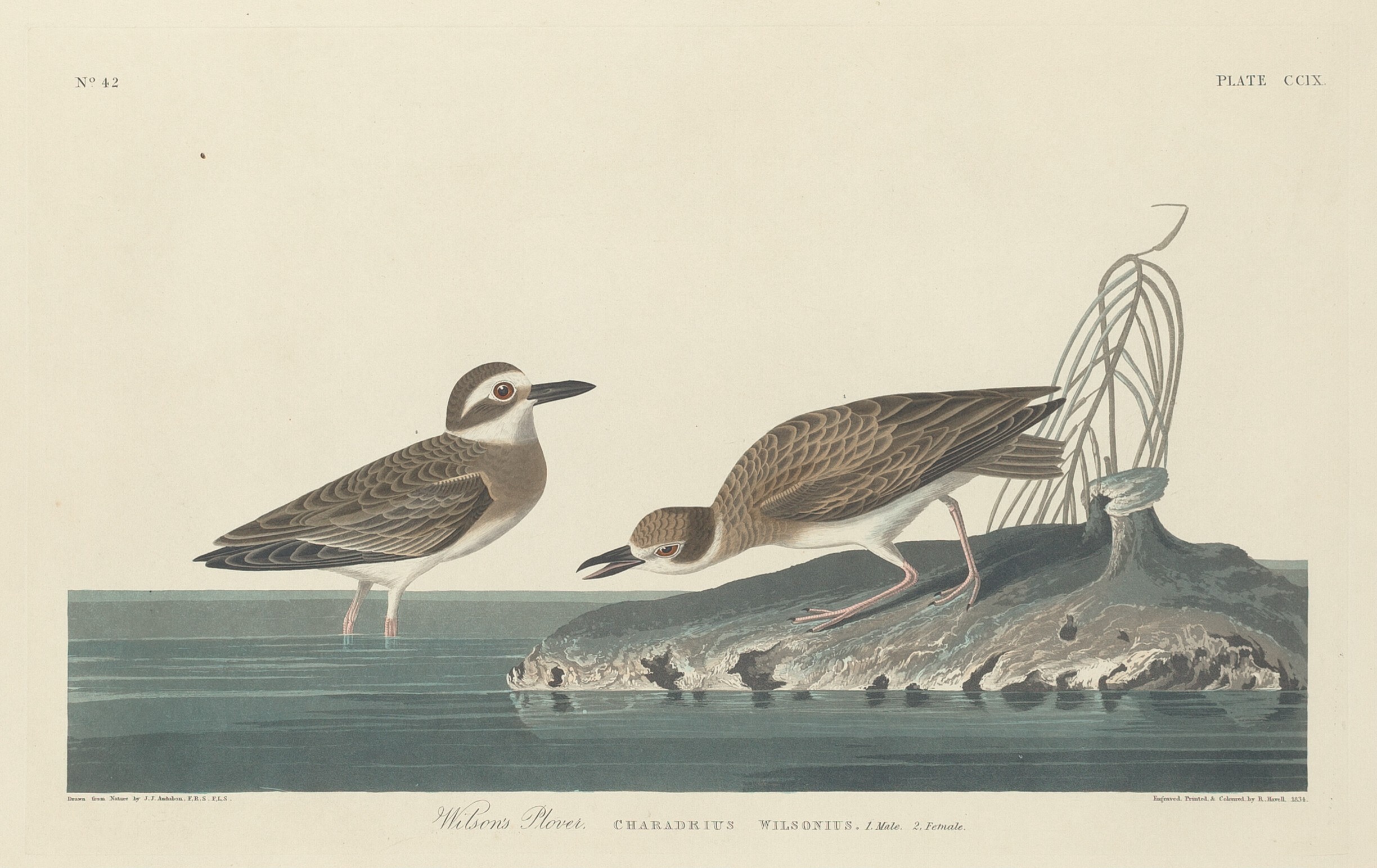
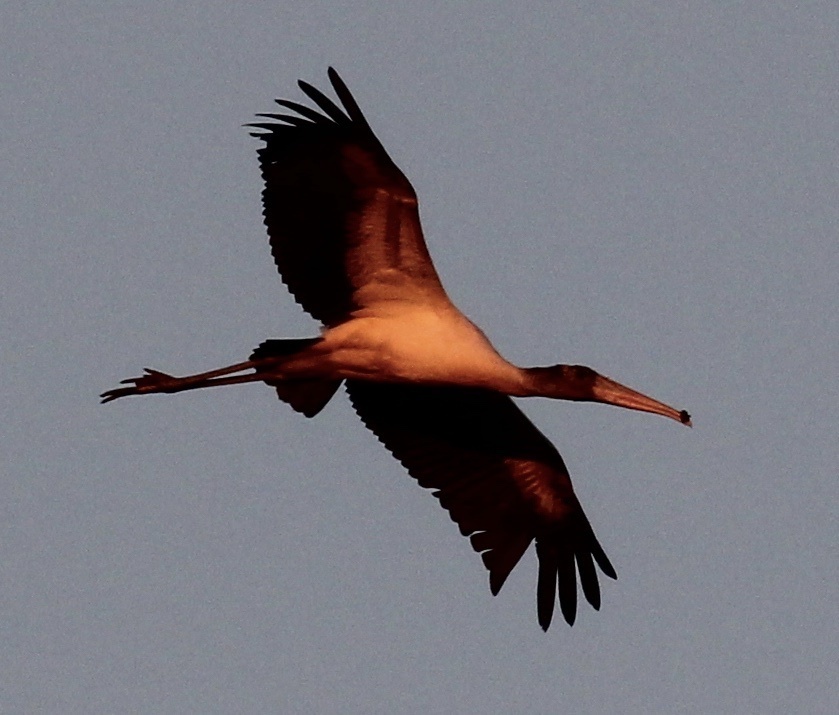
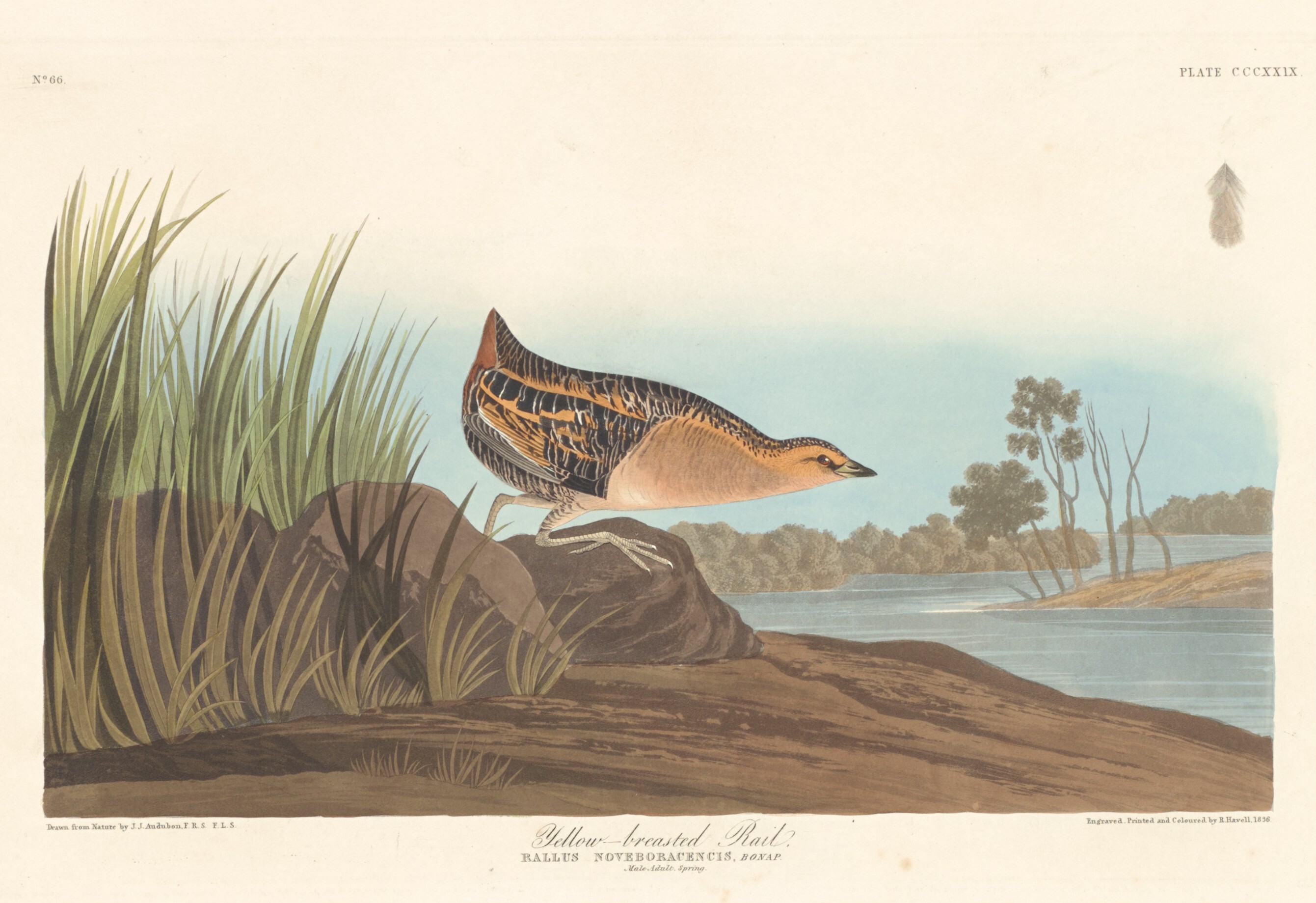
Widespread birds also seen here (22)
Found in many habitats here, so not listed above.
- American Crow
- Bald Eagle
- Belted Kingfisher
- Black-crowned Night-heron
- Chimney Swift
- Common Grackle
- Common Nighthawk
- Common Yellowthroat
- Cooper's Hawk
- Eastern Kingbird
- Eastern Towhee
- Fish Crow
- Great Horned Owl
- Hooded Merganser
- Osprey
- Red-tailed Hawk
- Red-winged Blackbird
- Sharp-shinned Hawk
- Turkey Vulture
- Yellow-breasted Chat
- Yellow-crowned Night-heron
- Yellow-rumped Warbler
Who uses this plant?
 25CaterpillarsGenus host records with ranges including MS
Genus host records with ranges including MS · Panicum
- Anatrytone loganDelaware Skipper, Logan Skipper, Black-Vein Skipper
- Ancyloxypha numitorLeast Skipper
- Dargida diffusaWheat Head Armywotm Moth
- Dargida rubripennisThe Pink-Streak
- Dichagyris acclivisSwitchgrass Dart, Inclined Dart
- Hesperia attalusDotted Skipper
- Hesperia leonardusLeonard's Skipper, Blazing Star Skipper, Pawnee Prairie Skipper, Pawnee Montane Skipper
- Hylephila phyleusFiery Skipper
- Hypena scabraGreen Cloverworm Bomolocha, Black Snout
- Lerema acciusClouded Skipper, Corn Leaf tier
Show all 25
- Lethe anthedonNorthern Pearly Eye
- Leucania adjutaAdjutant Wainscot
- Leucania linitaReed Wainscot, Linen Wainscot
- Lon hobomokHobomok Skipper
- Marimatha nigrofimbriaBlack-Bordered Lemon
- Mocis latipesSmall Mocis, Striped Grass Looper
- Mocis texanaTexas Mocis
- Mythimna unipunctaArmyworm Moth, White Speck
- Panoquina ocolaOcola Skipper, Long-Winged Skiiper
- Papaipema nebrisStalk Borer
- Poanes viatorBroad-Winged Skipper
- Polites egeremetNorthern Broken-Dash
- Polites themistoclesTawny-Edged Skipper
- Spodoptera frugiperdaFall Armyworm Moth
- Idioglossa miraculosa
 0BeesSoutheastern regional records
 0Specialist beesPollen specialists
 1BirdsRecorded eating Dichanthelium in Mississippi
Diet records by plant genus, from studies across North America. Not a record from this state. Birds whose range includes Mississippi, most records first.
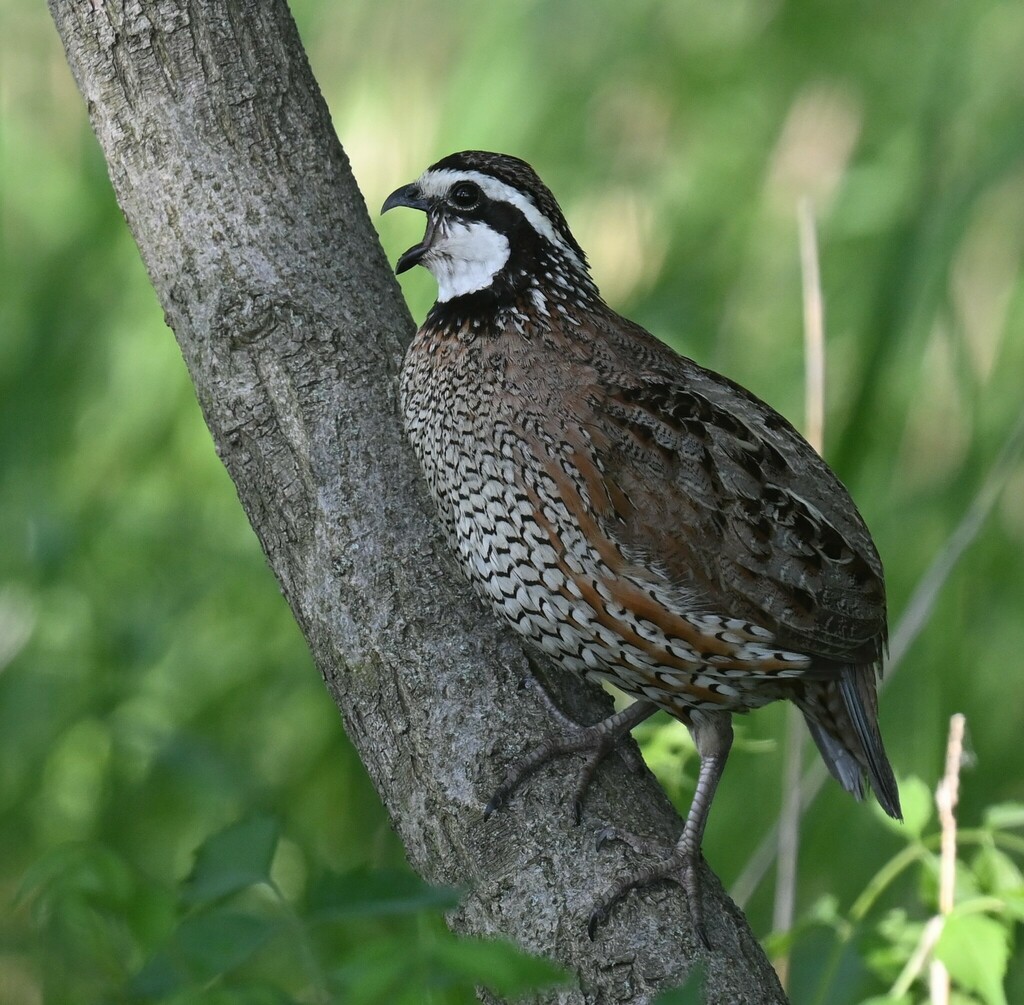
- Northern Bobwhite2 diet records
Direct food only. Caterpillars on host plants also feed nesting birds. NC Native Plant Society: butterfly gardening
No records yet · Ants · Beetles · Flies · Adult butterflies / moths · Other wasps · Other insects
Birds that eat Dichanthelium 1
Diet records by plant genus, from studies across North America. Not a record from this state. Avian Diet Database (Hurlbert Lab), CC0 1.0.
- Northern BobwhiteColinus virginianus
Plant details
- Family
- Poaceae
- Flower color
- Green or brown
Growing sources and scope
- Bloom · “May to August” · Weakley, Flora of the Southeastern United States (2025), Carolinas & Georgia edition · Carolinas and Georgia
- Flower color · “Green or brown” · Lady Bird Johnson Wildflower Center
- Height · “Up to about 2.5 feet” · Lady Bird Johnson Wildflower Center
- Life cycle · “Perennial” · Lady Bird Johnson Wildflower Center
- Light · “Partial shade; Full sun (documented habitat)” · Weakley, Flora of the Southeastern United States (2025), Carolinas & Georgia edition · Carolinas and Georgia
- Soil · “Moist; Wet (documented habitat)” · Weakley, Flora of the Southeastern United States (2025), Carolinas & Georgia edition · Carolinas and Georgia
Also known as
Panicum erectifolium; panicgrass
Conservation status
| Mississippi rank | S2 |
|---|---|
| Global rank | G4 |
| MS status | Not verified |
| Federal status | Not verified |
Will it fit your yard?
Check this plant against your county, sun and soil moisture. Conditions are checked in your browser.
Sources
- NatureServe Explorer
- USDA PLANTS
- Vascular Plants of North Carolina (NC Natural Heritage Program)
- Weakley, Flora of the Southeastern United States (2025), Carolinas & Georgia edition
- Mississippi occurrence source
- Shropshire & Tallamy 2025, Lepidoptera of North America north of Mexico, ZooKeys 1261 (ODbL)
- Noori, Seltmann & Orr 2026, A curated and integrated dataset for exploring global bee-plant interactions (GloBI), Zenodo, CC BY 4.0
- Smith, Bachelder, Russell, Morales, Mosher & Seltmann 2024, Bee-Specialization-Modeling v0.6.1 (specialist host table compiled from J. Fowler's pollen specialist bee lists), Zenodo, CC BY 4.0
- Hurlbert, Olsen, Sawyer & Winner 2021, Avian Diet Database, Scientific Data 8: 260 (CC0)
- Narango, Tallamy & Shropshire 2020, Few keystone plant genera support the majority of Lepidoptera species, Nature Communications