

Lambs Quarters
Chenopodium album
-30
Harmful
Native to Mississippi (estimated). How scores work Is it native here?
Profile 71%
- Height
- 1–6 feet
- Light
- Full sun, Partial shade
- Soil moisture
- Usually moist
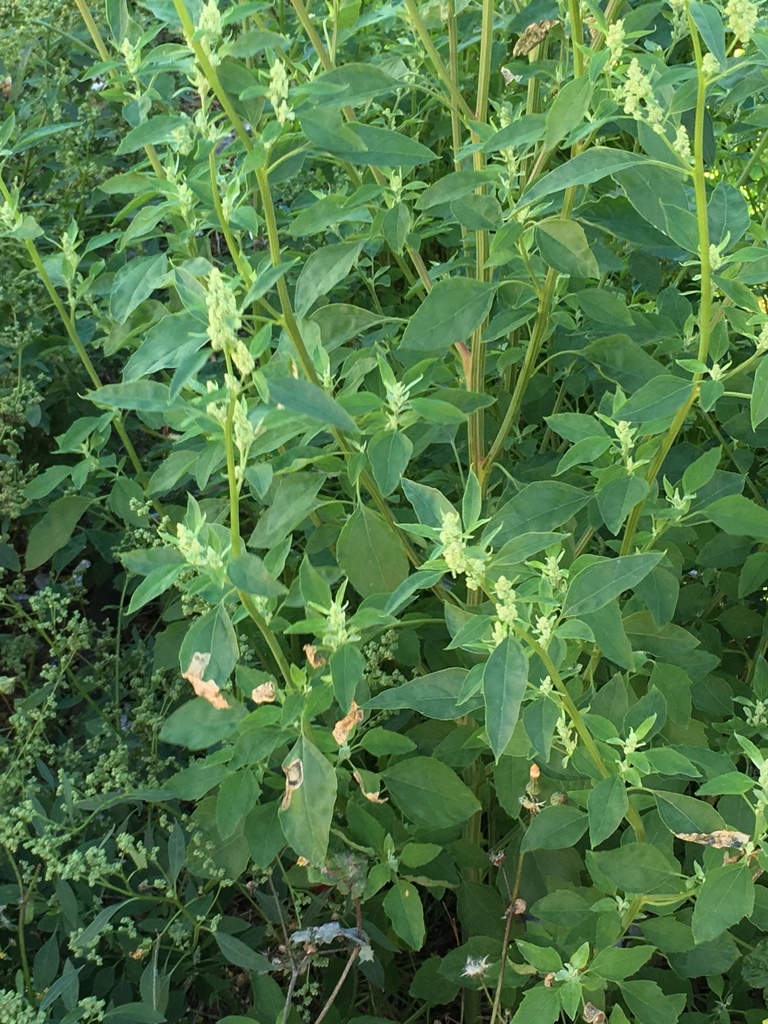
Do not plant. Listed invasive in Mississippi.
Plant this instead
Choose your county to list local plants first.
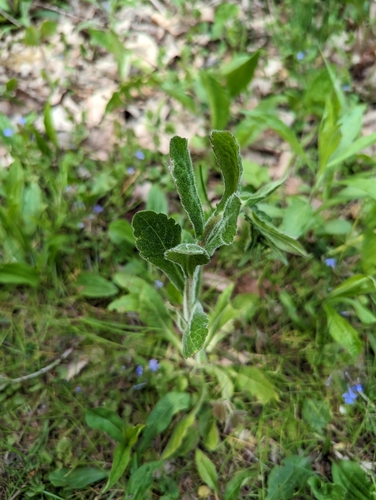
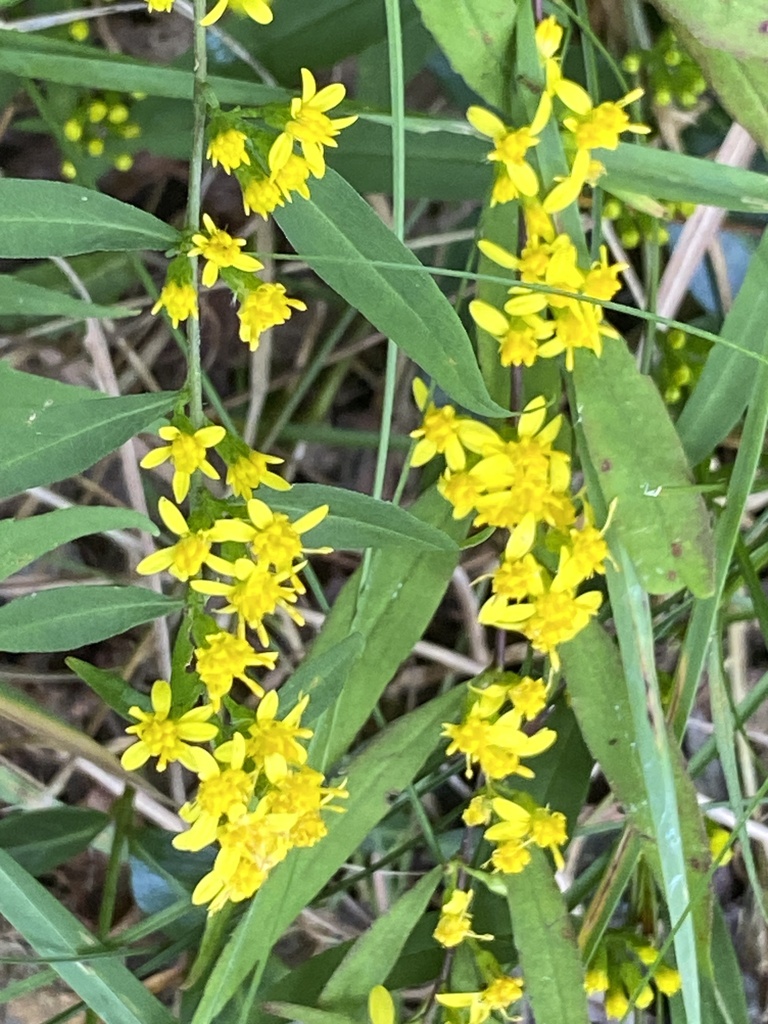
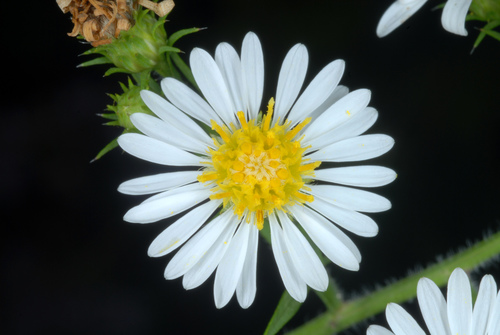
No recorded swaps for this county. Try the garden finder.
At a glance
- Life cycle
- Annual
- Leaves
- Deciduous
Not yet recorded · Spread · Bloom
Recorded in 21 Mississippi counties.
Ecological relationships
Who uses this plant?
 32CaterpillarsGenus host records with ranges including MS
Genus host records with ranges including MS · Chenopodium
- Achyra rantalisGarden Webworm Moth
- Amyna strictaEight-Spot Moth
- Apantesis argeArge Tiger Moth
- Apantesis naisNais Tiger Moth
- Apantesis partheniceParthenice Tiger Moth
- Autographa precationisCommon Looper Moth
- Blepharomastix ranalisHollow-Spotted Blepharomastix Moth
- Burnsius communisCommon Checkered-Skipper
- Cenopis reticulatanaReticulated Fruitworm Moth
- Chrysodeixis includensSoybean Looper Moth
Show all 32
- Emmelina monodactylaMorning-Glory Plume Moth
- Epiblema otiosanaBidens Borer Moth
- Epiblema strenuanaRagweed Borer
- Helicoverpa zeaCorn Earworm Moth
- Herpetogramma bipunctalisSouthern Beet Webworm, Two-Spotted Herpetogramma
- Hyles lineataWhite-Lined Sphinx
- Hyphantria cuneaFall Webworm
- Orgyia leucostigmaWhite-Marked Tussock Moth
- Papaipema nebrisStalk Borer
- Pholisora catullusCommon Sootywing
- Platynota stultanaOmnivorous Leafroller
- Rachiplusia ouGray Looper
- Spilosoma congruaAgreeable Tiger Moth
- Spilosoma virginicaVirginian Tiger Moth, Yellow Woolybear Moth, Yellow Bear
- Spodoptera eridaniaSouthern Armyworm Moth
- Spodoptera frugiperdaFall Armyworm Moth
- Spodoptera ornithogalliYellow-Striped Armyworm Moth, Cotton Cutworm
- Spoladea recurvalisHawaiian Beet Webworm
- Staphylus hayhurstiiHayhurst's Scallopwing, Scalloped Sooty Wing, Scalloped Sootywing
- Trichoplusia niNi Moth, Cabbage Looper Moth
- Vanessa carduiPainted Lady, Cosmopolite
- Virbia aurantiacaOrange Virbia, Orange Holomelina
 —BeesSoutheastern regional records
 —Specialist beesPollen specialists
 24BirdsRecorded genus food-resource interactions; not a state feeding claim
Recorded genus food-resource interactions; not a state feeding claim · Chenopodium
- Acanthis flammeaCommon Redpoll
- Agelaius phoeniceusRed-winged Blackbird
- Anthus rubescensAmerican Pipit
- Aythya collarisRing-necked Duck
- Calcarius lapponicusLapland Longspur
- Calcarius ornatusChestnut-collared Longspur
- Callipepla californicaCalifornia Quail
- Callipepla gambeliiGambel's Quail
- Euphagus cyanocephalusBrewer's Blackbird
- Mareca americanaAmerican Wigeon
Show all 24
- Meleagris gallopavoWild Turkey
- Melospiza melodiaSong Sparrow
- Melozone crissalisCalifornia Towhee
- Molothrus aterBrown-headed Cowbird
- Perdix perdixGray Partridge
- Plectrophenax nivalisSnow Bunting
- Pooecetes gramineusVesper Sparrow
- Rallus limicolaVirginia Rail
- Rhynchophanes mccowniiMcCown's Longspur
- Spinus psaltriaLesser Goldfinch
- Spizella breweriBrewer's Sparrow
- Vireo flavifronsYellow-throated Vireo
- Zenaida macrouraMourning Dove
- Zonotrichia leucophrysWhite-crowned Sparrow
Direct food only: birds recorded eating this genus across North America. Caterpillars on host plants also feed nesting birds. NC Native Plant Society: butterfly gardening
Growing and identification
Plant details
- Family
- Amaranthaceae
- Hardiness
- Zones 3a–10b
- Soil pH
- Acidic to alkaline
- Flower color
- Yellow, green or pink
What its natural habitat tells you
Safety has not been reviewed for this plant; check toxicity and thorns before planting.
Growing sources and scope
- Flower color · “Yellow, green or pink” · NC Extension Plant Toolbox (ranked first; Lady Bird Johnson Wildflower Center differs)
- Hardiness · “Zones 3a–10b” · NC Extension Plant Toolbox
- Height · “1–6 feet” · Minnesota Wildflowers
- Leaves · “Deciduous” · NC Extension Plant Toolbox
- Life cycle · “Annual” · NC Extension Plant Toolbox
- Light · “Full sun (6 or more hours of direct sunlight a day); Partial shade (direct sunlight only part of the day, 2-6 hours)” · NC Extension Plant Toolbox (ranked first; Lady Bird Johnson Wildflower Center differs)
- Soil · “Moist” · NC Extension Plant Toolbox (ranked first; Lady Bird Johnson Wildflower Center differs)
- Soil pH · “Acidic to alkaline” · NC Extension Plant Toolbox
Conservation status
| Mississippi rank | Not available |
|---|---|
| Global rank | G5 |
| MS status | Not verified |
| Federal status | Not verified |
Sources
- USDA PLANTS
- Vascular Plants of North Carolina (NC Natural Heritage Program)
- Mississippi occurrence source
- Shropshire & Tallamy 2025, Lepidoptera of North America north of Mexico, ZooKeys 1261 (ODbL)
- Noori, Seltmann & Orr 2026, A curated and integrated dataset for exploring global bee-plant interactions (GloBI), Zenodo, CC BY 4.0
- Smith, Bachelder, Russell, Morales, Mosher & Seltmann 2024, Bee-Specialization-Modeling v0.6.1 (specialist host table compiled from J. Fowler's pollen specialist bee lists), Zenodo, CC BY 4.0
- Hurlbert, Olsen, Sawyer & Winner 2021, Avian Diet Database, Scientific Data 8: 260 (CC0)
- Narango, Tallamy & Shropshire 2020, Few keystone plant genera support the majority of Lepidoptera species, Nature Communications