

Sugarberry
Celtis laevigata
In the Carolinas and Georgia, found in bottomland forests, especially on natural levees, upland calcareous forests and woodlands, shell middens. Weakley, Flora of the Southeastern United States (2025), Carolinas & Georgia edition What its natural habitat tells you
Native to Mississippi (estimated). How scores work Is it native here?
Profile 100%
- Height
- 50–70 feet
- Spread
- 30 feet–60 feet 8 inches
- Light
- Full sun, Partial shade
- Soil moisture
- Somewhat dry to moist
Space about 30 ft apart from its recorded spread. Enter your bed size for a count
Will it fit your yard?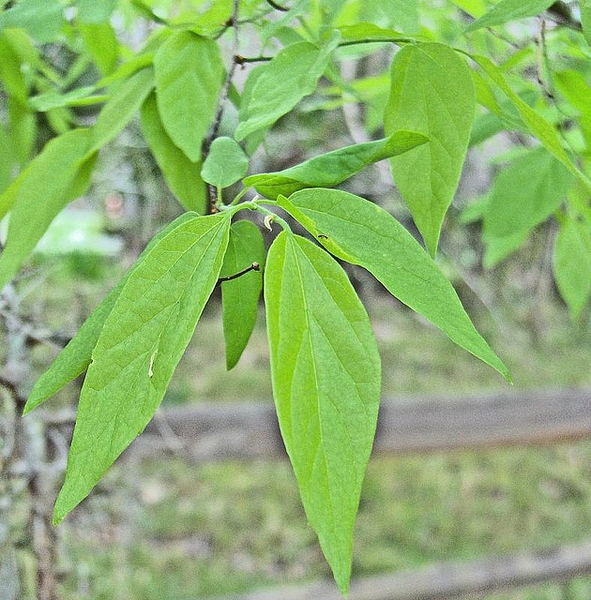
At a glance
- Life cycle
- Woody perennial
- Leaves
- Deciduous
- Bloom
- April to May
- Fruiting season
- August to October
Recorded in 60 Mississippi counties.
Natural habitats
Places it grows wild. Not a planting requirement. Each habitat page lists the plants and wildlife also found there.
Floodplain and bottomland forests
Forests on low ground beside rivers and streams that flood from time to time.
Forest or woodland where the source does not say how moist or dry.
Also found with this plant
Wildlife whose habitat models include habitats this plant grows in, in Mississippi. Shared habitat, not food. 107 animals.
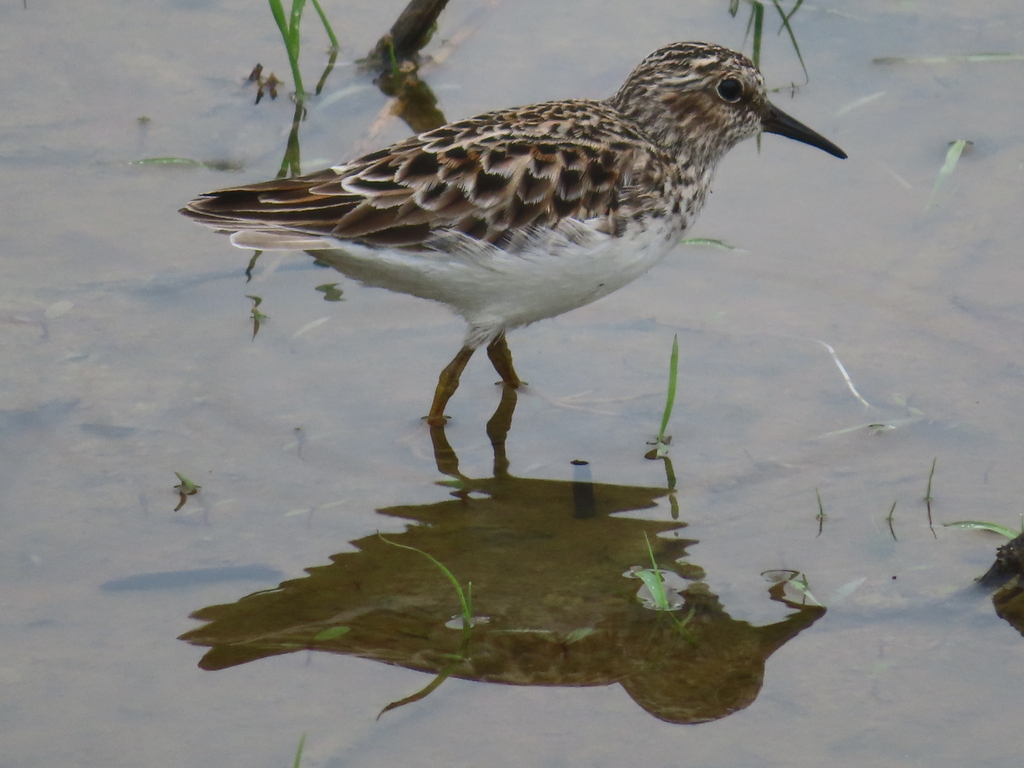
- Least SandpiperCalidris minutilla
- Lesser ScaupAythya affinis
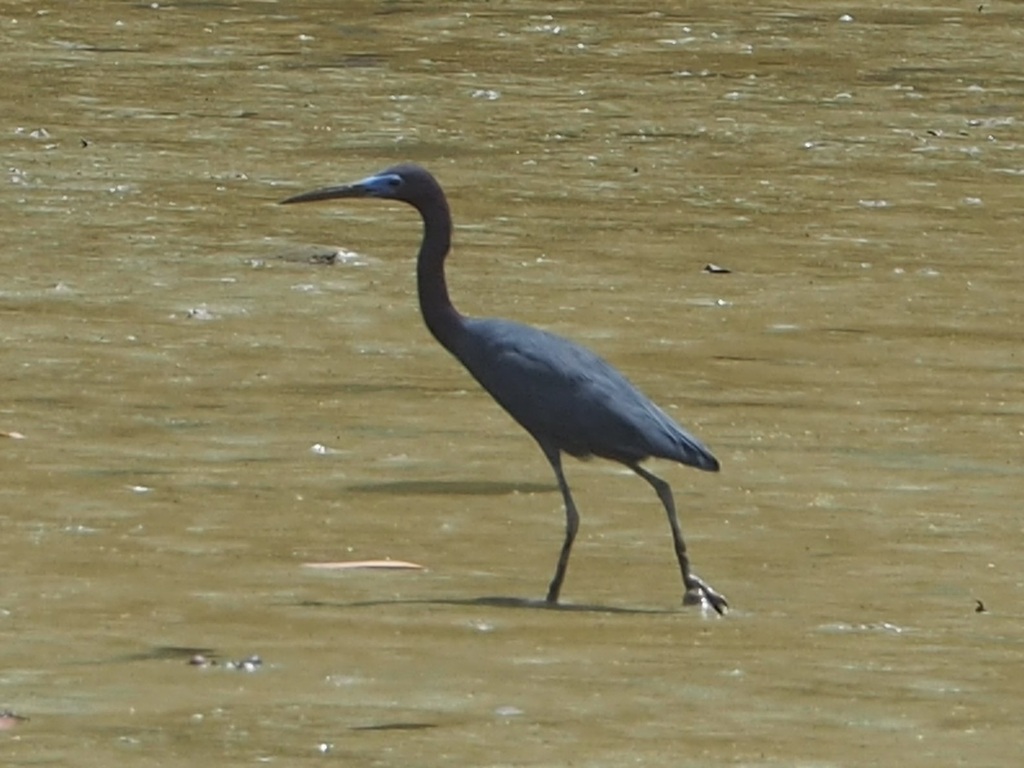
- Little Blue HeronEgretta caerulea
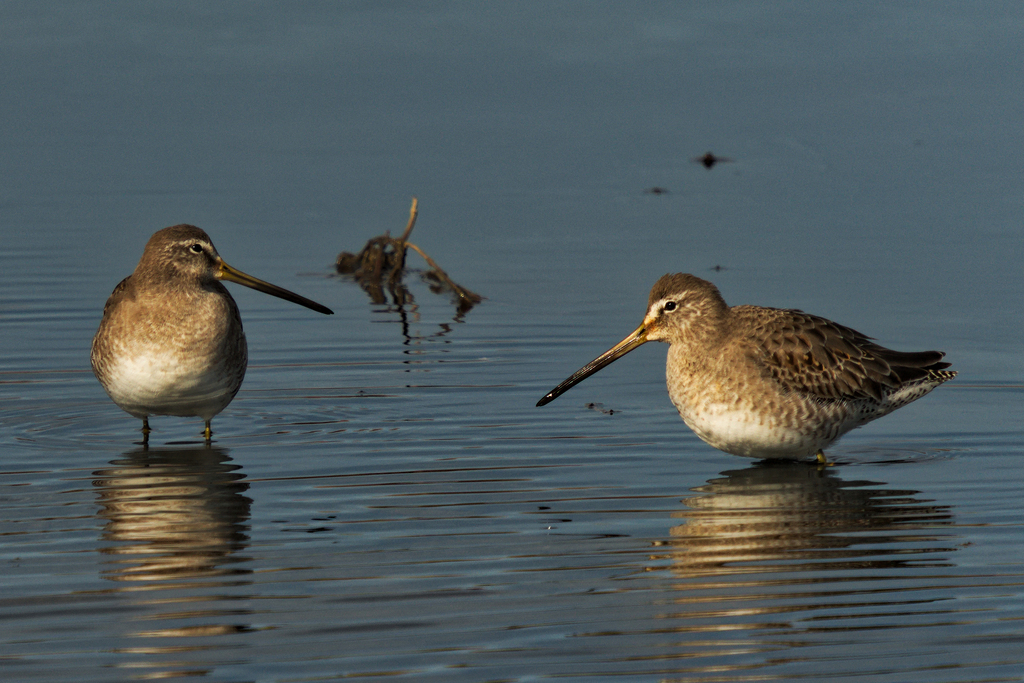
- Long-billed DowitcherLimnodromus scolopaceus
- MerlinFalco columbarius
- Mottled DuckAnas fulvigula
- Northern BobwhiteColinus virginianus
- Prairie WarblerDendroica discolor
- Seaside SparrowAmmodramus maritimus
- Willow FlycatcherEmpidonax traillii
- Wilson's PloverCharadrius wilsonia

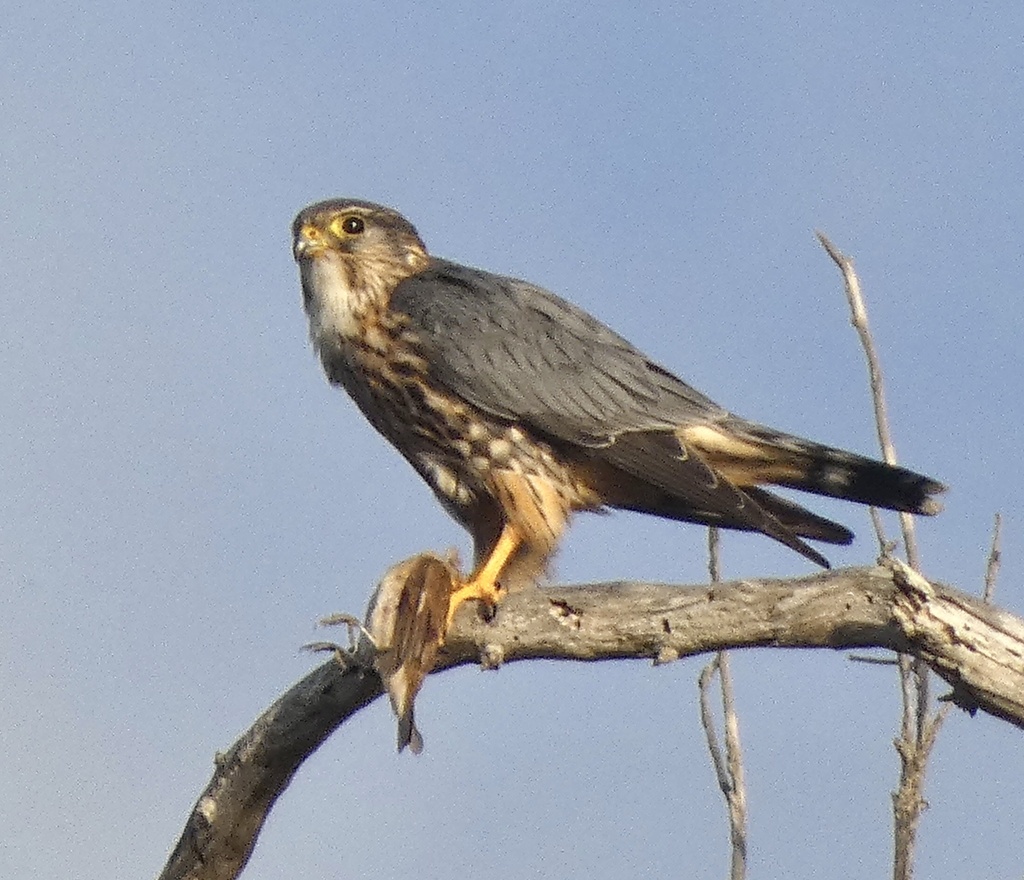
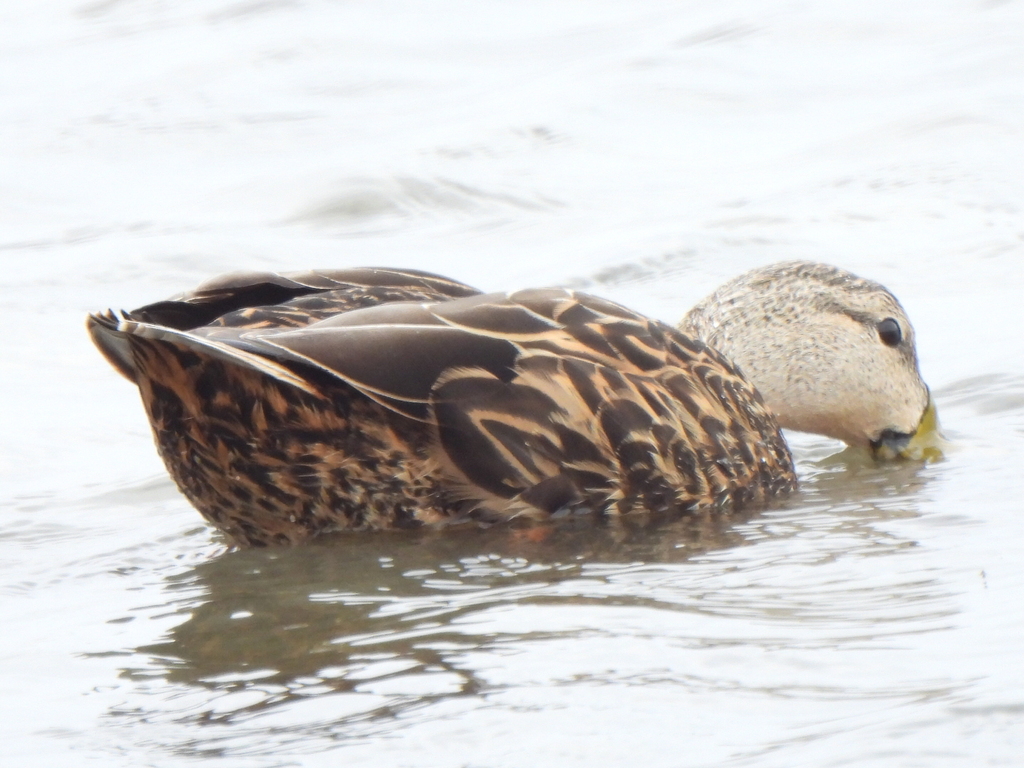


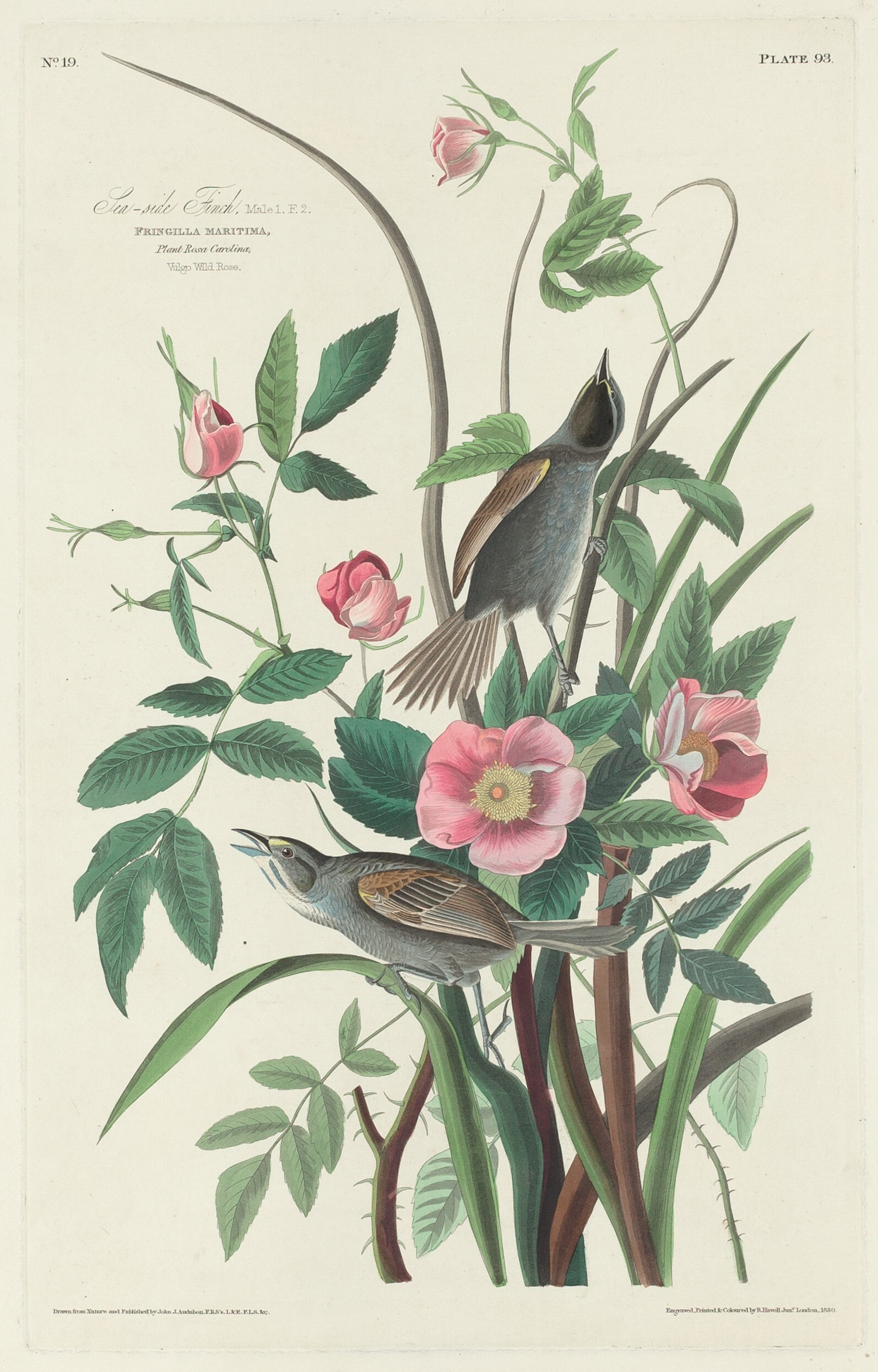
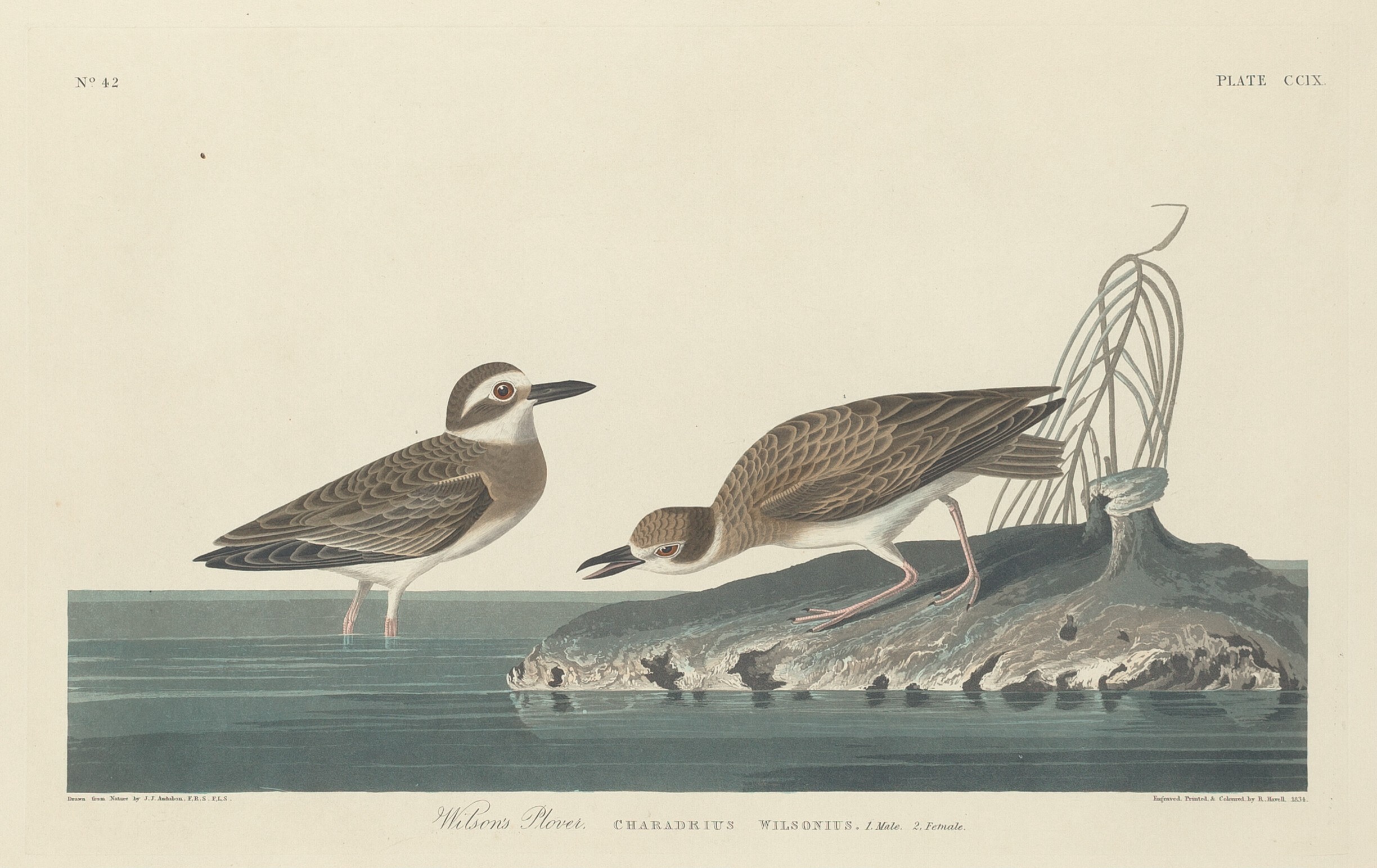
Widespread birds also seen here (44)
Found in many habitats here, so not listed above.
- American Crow
- American Goldfinch
- American Kestrel
- American Robin
- Bald Eagle
- Belted Kingfisher
- Black-crowned Night-heron
- Blue Grosbeak
- Carolina Chickadee
- Carolina Wren
- Cedar Waxwing
- Chimney Swift
- Chipping Sparrow
- Common Grackle
- Common Nighthawk
- Common Yellowthroat
- Cooper's Hawk
- Double-crested Cormorant
- Eastern Kingbird
- Eastern Screech-owl
- Eastern Towhee
- Eurasian Collared-dove
- European Starling
- Fish Crow
- Great Crested Flycatcher
- Great Horned Owl
- Hooded Merganser
- Mourning Dove
- Northern Cardinal
- Northern Flicker
- Northern Mockingbird
- Osprey
- Purple Finch
- Red-shouldered Hawk
- Red-tailed Hawk
- Red-winged Blackbird
- Sharp-shinned Hawk
- Swallow-tailed Kite
- Tufted Titmouse
- Turkey Vulture
- White-throated Sparrow
- Yellow-breasted Chat
- Yellow-crowned Night-heron
- Yellow-rumped Warbler
Who uses this plant?
 51CaterpillarsGenus host records with ranges including MS
Genus host records with ranges including MS · Celtis
- Asterocampa celtisHackberry Emperor
- Automeris ioIo Moth
- Nymphalis antiopaMourning Cloak
- Polygonia interrogationisQuestion Mark
- Acharia stimuleaSaddleback Caterpillar Moth
- Acronicta rubricomaRuddy Dagger, Hackberry Dagger
- Alsophila pometariaFall Cankerworm Moth
- Amphipyra pyramidoidesMiranda Underwing, Copper Underwing, Copper Amphipyra
- Asterocampa clytonTawny Emperor
- Catocala sordidaSordid Underwing
Show all 51
- Choristoneura rosaceanaOblique-Banded Leafroller Moth, Rosaceous Leaf Roller
- Cryptothelea gloveriiOrange Bagworm
- Digrammia continuataCurve-Lined Angle
- Ecdytolopha manaBicolored Ecdytolopha
- Euclea delphiniiSpiny Oak-Slug Moth
- Euplexia benesimilisAmerican Angle Shades
- Halysidota tessellarisBanded Tussock Moth, Pale Tiger Moth
- Hyalophora cecropiaCecropia Silkmoth, Cecropia Moth
- Hypena scabraGreen Cloverworm Bomolocha, Black Snout
- Hyphantria cuneaFall Webworm
- Isogona tenuisThin-Lined Owlet
- Isturgia dislocariaPale-Veined Isturgia, Pale-Veined Econista
- Kocakina fidelisIntractable Quaker, Green Fruitworm, Fourlined Green Fruitworm
- Libytheana carinentaAmerican Snout [subspecies: Eastern Snout Butterfly]
- Megalopyge crispataBlack-Waved Flannel Moth, Crinkled Flannel Moth
- Megalopyge opercularisSouthern Flannel Moth, Puss Caterpillar
- Megalopyge pyxidiferaYellow Flannel Moth
- Melanolophia canadariaCanadian Melanolphia, Variable Redmarked Looper
- Norape cretataWhite Flannel Moth
- Oiketicus abbotiiAbbot's Bagworm Moth
- Orgyia definitaDefinite Tussock Moth
- Orgyia leucostigmaWhite-Marked Tussock Moth
- Paleacrita vernataSpring Cankerworm Moth
- Phigalia strigatariaSmall Phigalia, Small Oak Looper
- Phyllodesma americanaLappet Moth, American Lappet Moth, Southern Lappet Moth
- Polygonia commaEastern Comma
- Prionoxystus robiniaeCarpenterworm Moth, Black Locust Borer, Cottonwood Borer
- Rifargia subrotataSmall Heterocampa
- Schizura ipomaeaeMorning-Glory Prominent, Checkered-Fringe Prominent
- Sciota celtidellaHackberry Leafroller
- Sciota rubrisparsellaRed-Splashed Leafroller
- Sericaglaea signataVariable Sallow
- Sparganothis pulcherrimanaBeautiful Sparganothis Moth
- Sphinx drupiferarumWild Cherry Sphinx
- Spodoptera frugiperdaFall Armyworm Moth
- Tallula watsoniWatson's Tallula
- Thyridopteryx ephemeraeformisEvergreen Bagworm Moth
- Automeris louisiana
- Epinotia celtisana
- Epinotia vertumnana
- Phyllonorycter celtifoliella
 0BeesSoutheastern regional records
 0Specialist beesPollen specialists
 13BirdsRecorded eating Celtis in Mississippi
Diet records by plant genus, from studies across North America. Not a record from this state. Birds whose range includes Mississippi, most records first.
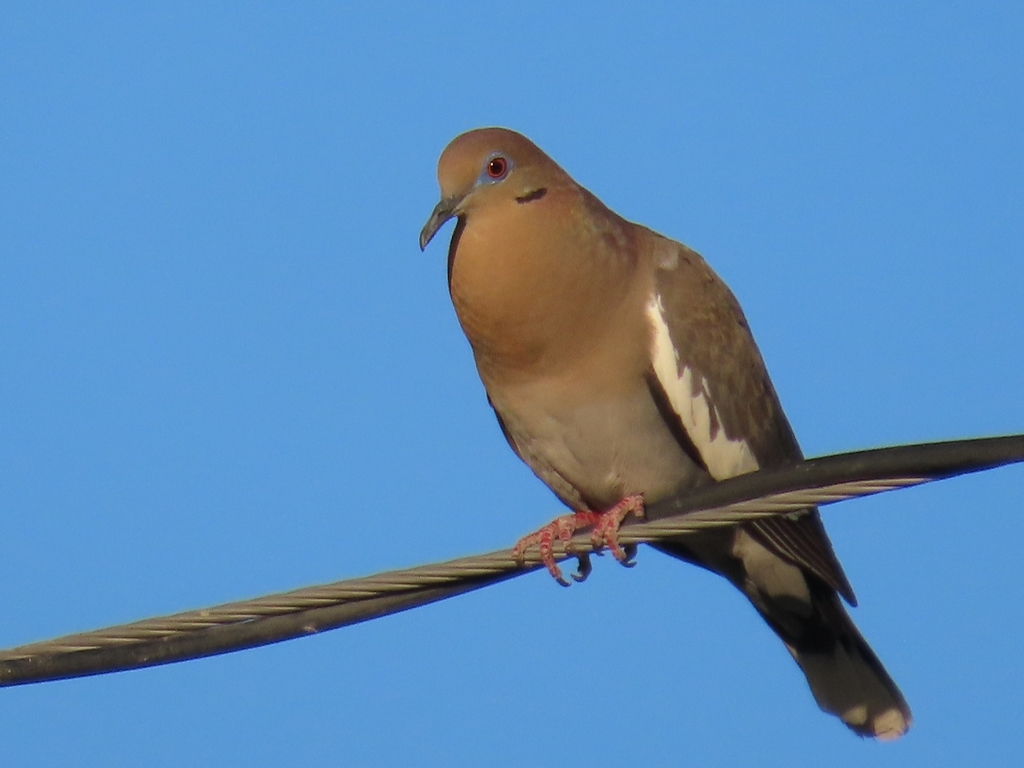
- White-winged Dove14 diet records
- American RobinFruit. 4 diet records
- Brown Thrasher4 diet records
- European Starling3 diet records
- Eastern BluebirdFruit. 2 diet records
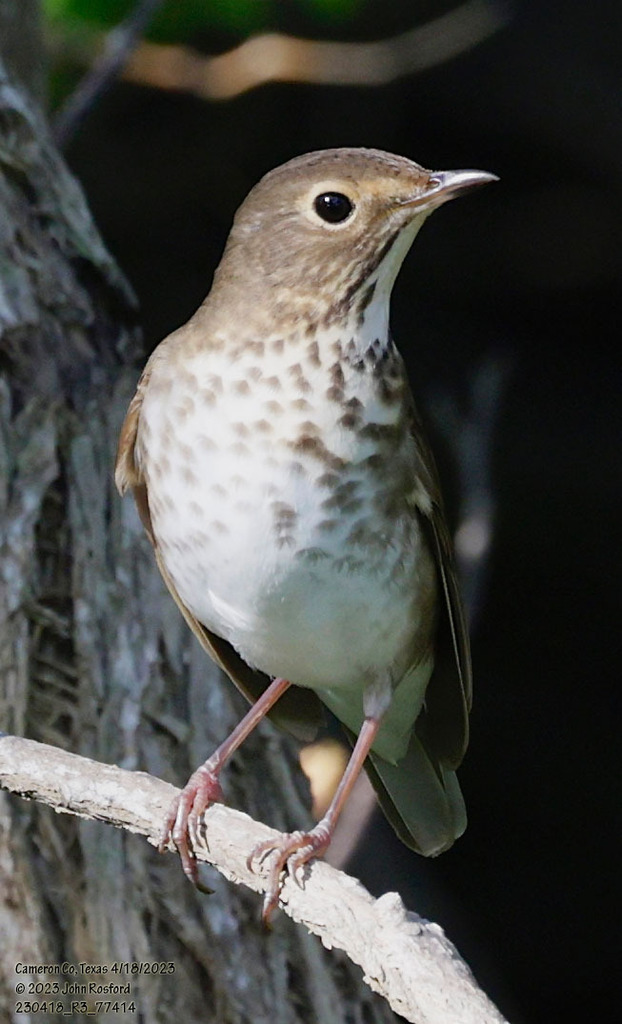
- Hermit ThrushFruit and seeds. 2 diet records
- Mourning Dove2 diet records
- Northern BobwhiteFruit. 2 diet records
- Northern CardinalFruit. 2 diet records
- American CrowSeeds. 1 diet record
Show all 13
- Red-bellied Woodpecker1 diet record
- Swainson's ThrushFruit and seeds. 1 diet record
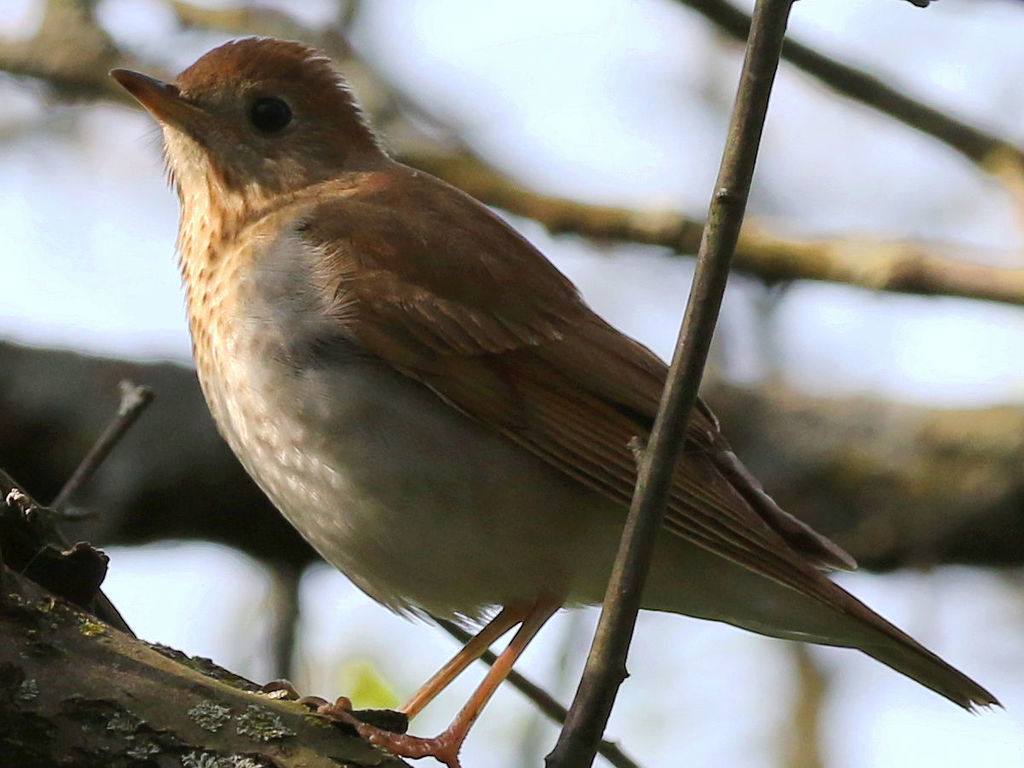
- VeeryFruit and seeds. 1 diet record
Direct food only. Caterpillars on host plants also feed nesting birds. NC Native Plant Society: butterfly gardening
No records yet · Ants · Beetles · Flies · Adult butterflies / moths · Other wasps · Other insects
Birds that eat Celtis 13
Diet records by plant genus, from studies across North America. Not a record from this state. Avian Diet Database (Hurlbert Lab), CC0 1.0.
- White-winged DoveZenaida asiatica
- American RobinTurdus migratorius
- Brown ThrasherToxostoma rufum
- European StarlingSturnus vulgaris
- Eastern BluebirdSialia sialis
- Hermit ThrushCatharus guttatus
- Mourning DoveZenaida macroura
- Northern BobwhiteColinus virginianus
- Northern CardinalCardinalis cardinalis
- American CrowCorvus brachyrhynchos
- Red-bellied WoodpeckerMelanerpes carolinus
- Swainson's ThrushCatharus ustulatus
- VeeryCatharus fuscescens









Plant details
- Family
- Cannabaceae
- Hardiness
- Zones 5a–10b
- Soil pH
- Acidic to alkaline
- Flower color
- Green or white
- Growth rate
- Moderate
- Growth habit
- Single stem
- Foliage color
- Green
- Fruit begins
- August
- Fruit ends
- October
Safety has not been reviewed for this plant; check toxicity and thorns before planting.
Growing sources and scope
- Bloom · “April to May” · Weakley, Flora of the Southeastern United States (2025), Carolinas & Georgia edition (ranked first; USDA PLANTS differs) · Carolinas and Georgia
- Flower color · “Green or white” · NC Extension Plant Toolbox (ranked first; USDA PLANTS differs)
- Foliage color · “Green” · USDA PLANTS · Nationwide species characteristics; local growing conditions may vary
- Fruit begins · “August” · Weakley, Flora of the Southeastern United States (2025), Carolinas & Georgia edition (ranked first; NC Extension Plant Toolbox, USDA PLANTS differ) · Carolinas and Georgia
- Fruit ends · “October” · Weakley, Flora of the Southeastern United States (2025), Carolinas & Georgia edition (ranked first; NC Extension Plant Toolbox, USDA PLANTS differ) · Carolinas and Georgia
- Growth habit · “Single stem” · USDA PLANTS · Nationwide species characteristics; local growing conditions may vary
- Growth rate · “Moderate” · USDA PLANTS · Nationwide species characteristics; local growing conditions may vary
- Hardiness · “Zones 5a–10b” · NC Extension Plant Toolbox
- Height · “50–70 feet” · NC Extension Plant Toolbox (ranked first; USDA PLANTS differs)
- Leaves · “Deciduous” · NC Extension Plant Toolbox
- Life cycle · “Woody perennial” · NC Extension Plant Toolbox
- Light · “Full sun (6 or more hours of direct sunlight a day); Partial shade (direct sunlight only part of the day, 2-6 hours)” · NC Extension Plant Toolbox
- Soil · “Moist; Occasionally dry” · NC Extension Plant Toolbox
- Soil pH · “Acidic to alkaline” · NC Extension Plant Toolbox
- Spread · “30 feet–60 feet 8 inches” · NC Extension Plant Toolbox
Also known as
Celtis iguanaea; Southern Hackberry; Southern Sugarberry
Conservation status
| Mississippi rank | Not available |
|---|---|
| Global rank | G5 |
| MS status | Not verified |
| Federal status | Not verified |
Will it fit your yard?
Check this plant against your county, sun and soil moisture. Conditions are checked in your browser.
Sources
- USDA PLANTS
- Vascular Plants of North Carolina (NC Natural Heritage Program)
- Weakley, Flora of the Southeastern United States (2025)
- Mississippi occurrence source
- Shropshire & Tallamy 2025, Lepidoptera of North America north of Mexico, ZooKeys 1261 (ODbL)
- Noori, Seltmann & Orr 2026, A curated and integrated dataset for exploring global bee-plant interactions (GloBI), Zenodo, CC BY 4.0
- Smith, Bachelder, Russell, Morales, Mosher & Seltmann 2024, Bee-Specialization-Modeling v0.6.1 (specialist host table compiled from J. Fowler's pollen specialist bee lists), Zenodo, CC BY 4.0
- Hurlbert, Olsen, Sawyer & Winner 2021, Avian Diet Database, Scientific Data 8: 260 (CC0)
- Narango, Tallamy & Shropshire 2020, Few keystone plant genera support the majority of Lepidoptera species, Nature Communications