

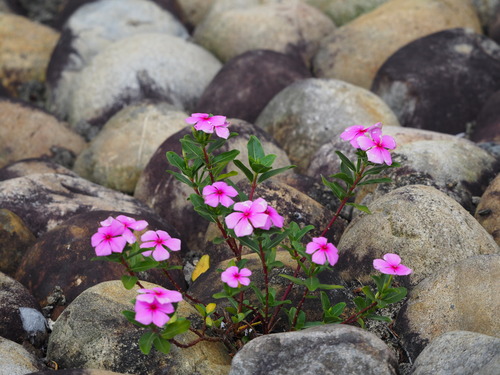
Madagascar Periwinkle
Catharanthus roseus
Found in disturbed areas, northwards only persistent after cultivation or as a waif or "throw-out" after cultivation. Weakley, Flora of the Southeastern United States (2025), South Central edition What its natural habitat tells you
Not native to Mississippi. How scores work Is it native here?
Profile 82%
- Height
- 6 inches–1.5 feet
- Spread
- 8–12 inches
- Light
- Dappled sunlight, Full sun, Partial shade
- Soil moisture
- Usually moist
Plant this instead
Choose your county to list local plants first.
No recorded swaps for this county. Try the garden finder.
At a glance
- Life cycle
- Annual or perennial
- Leaves
- Semi-evergreen
- Bloom
- May to October
Recorded in 3 Mississippi counties.
Natural habitats
Places it grows wild. Not a planting requirement. Each habitat page lists the plants and wildlife also found there.
Roadsides, fields and disturbed ground
Ground opened by people: roadsides, old fields, pastures, fencerows and lots.
Also found with this plant
Wildlife whose habitat models include habitats this plant grows in, in Mississippi. Shared habitat, not food. 79 animals.
- Great EgretArdea alba
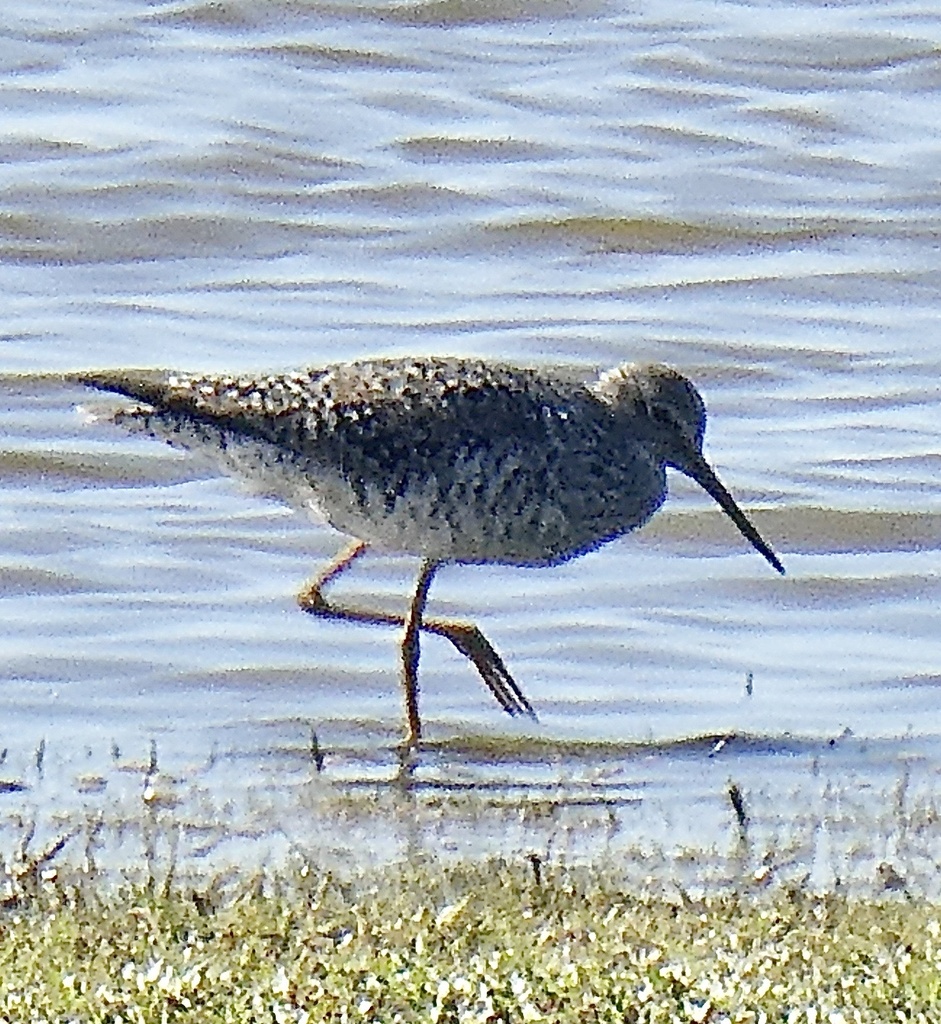
- Greater YellowlegsTringa melanoleuca
- Green HeronButorides virescens
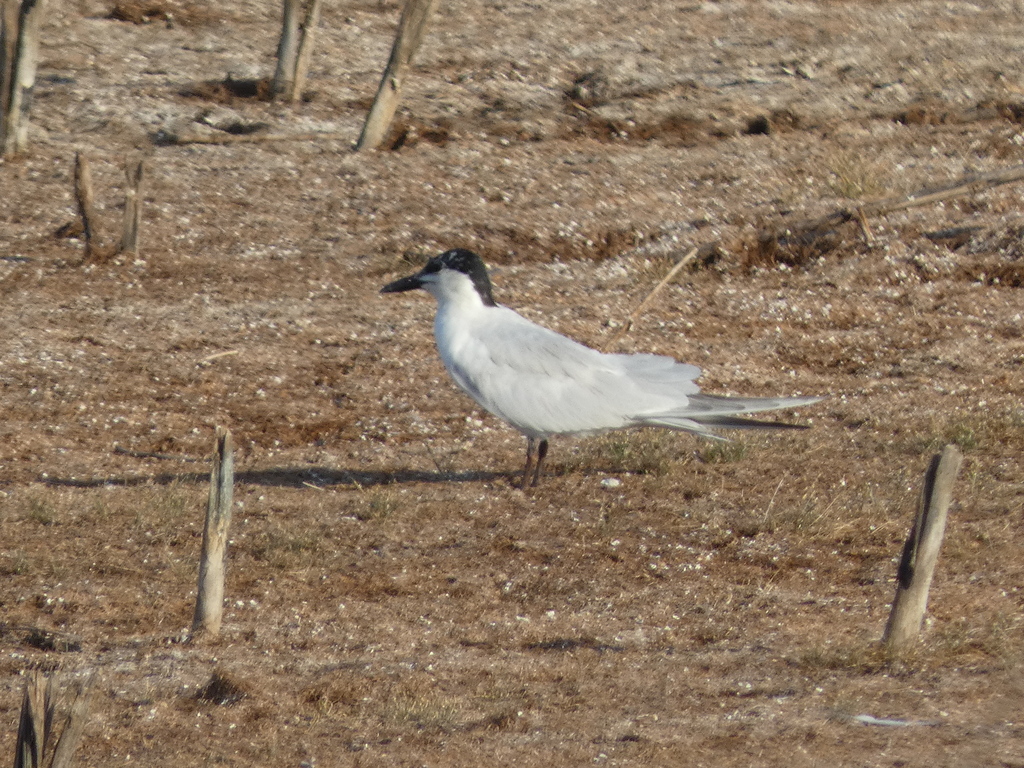
- Gull-billed TernGelochelidon nilotica
- Horned GrebePodiceps auritus
- KilldeerCharadrius vociferus
- King RailRallus elegans
- Le Conte's SparrowAmmodramus leconteii
- Least BitternIxobrychus exilis
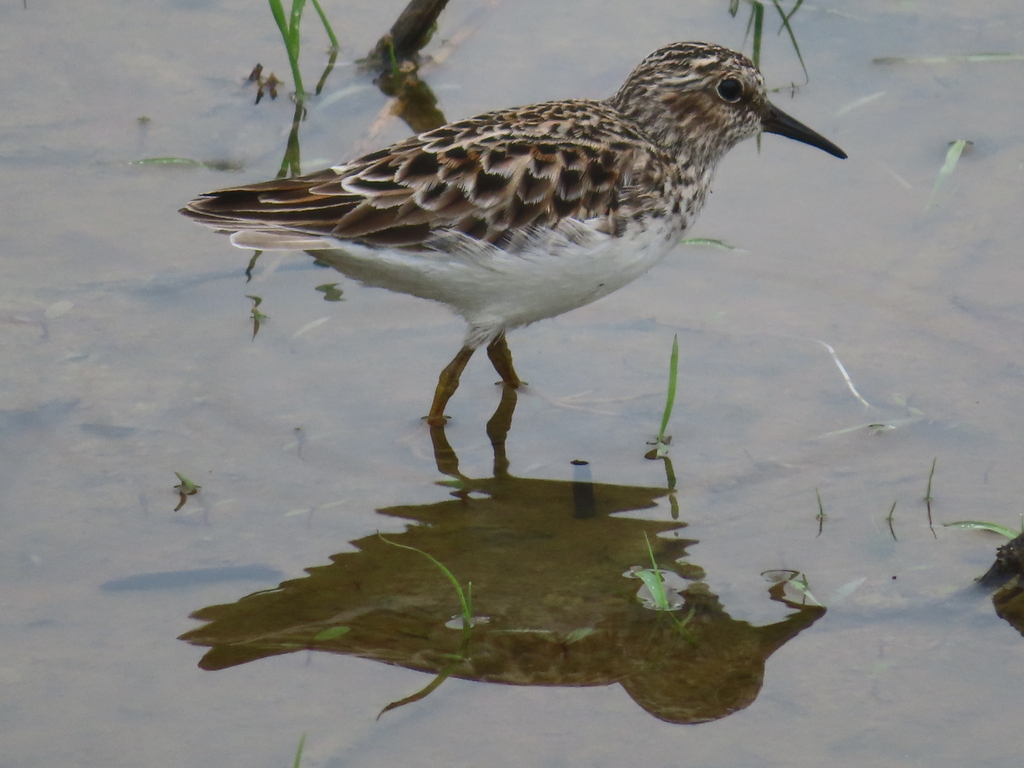
- Least SandpiperCalidris minutilla
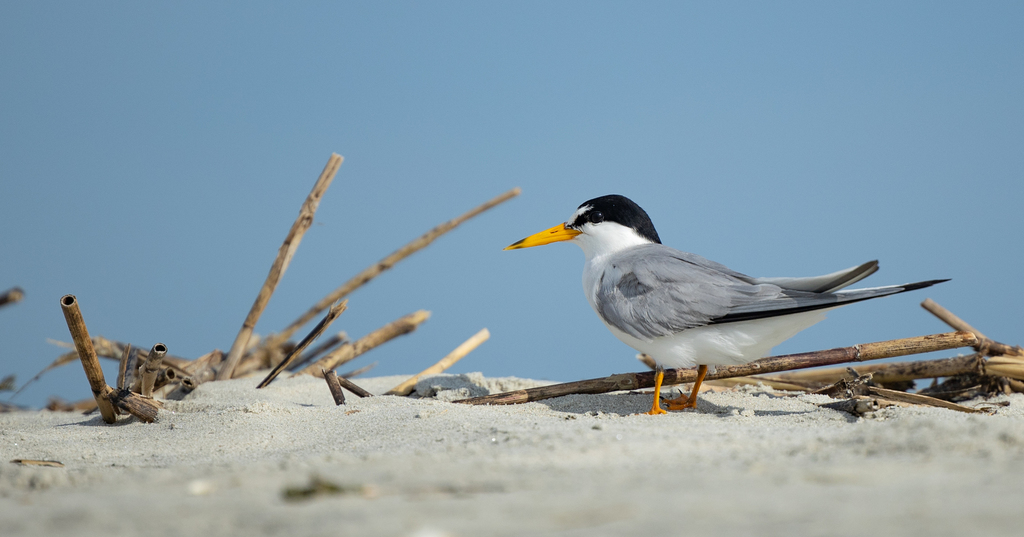
- Least TernSternula antillarum
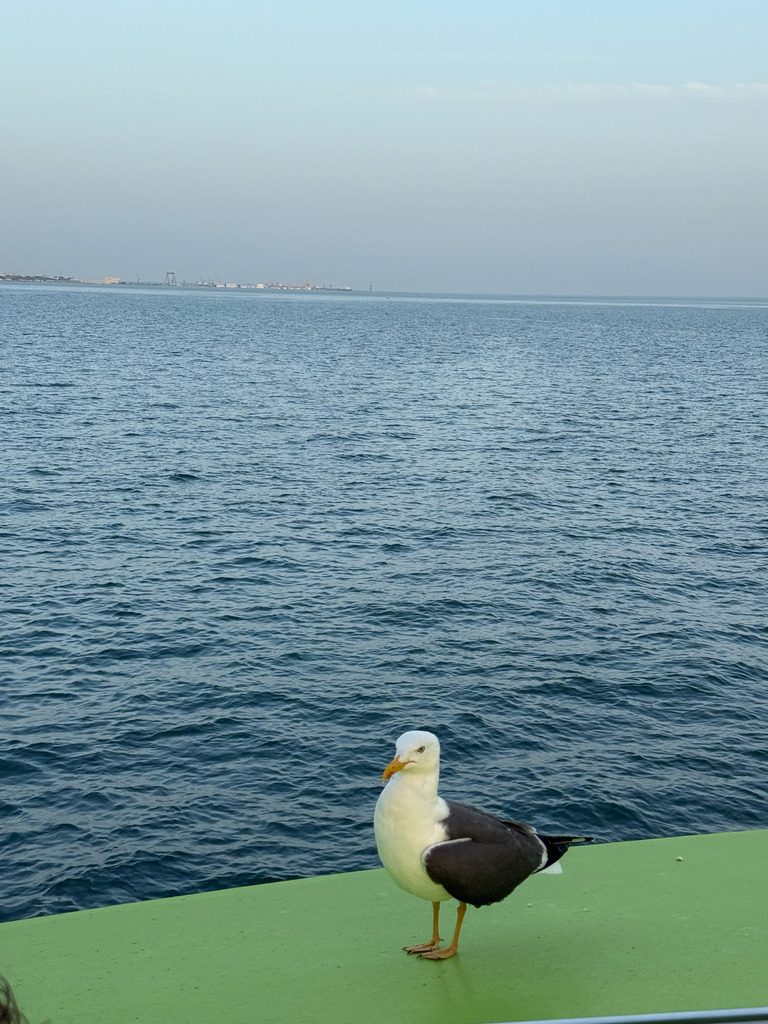
- Lesser Black-backed GullLarus fuscus
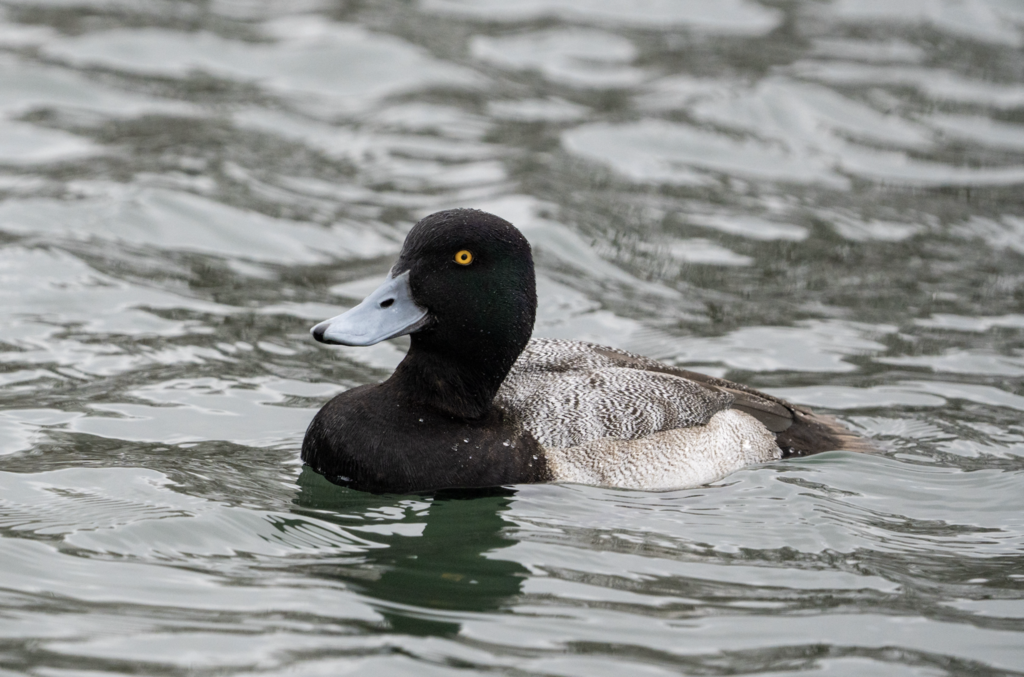
- Lesser ScaupAythya affinis
- Lesser YellowlegsTringa flavipes
- Little Blue HeronEgretta caerulea
- Little GullHydrocoloeus minutus
- Marsh WrenCistothorus palustris
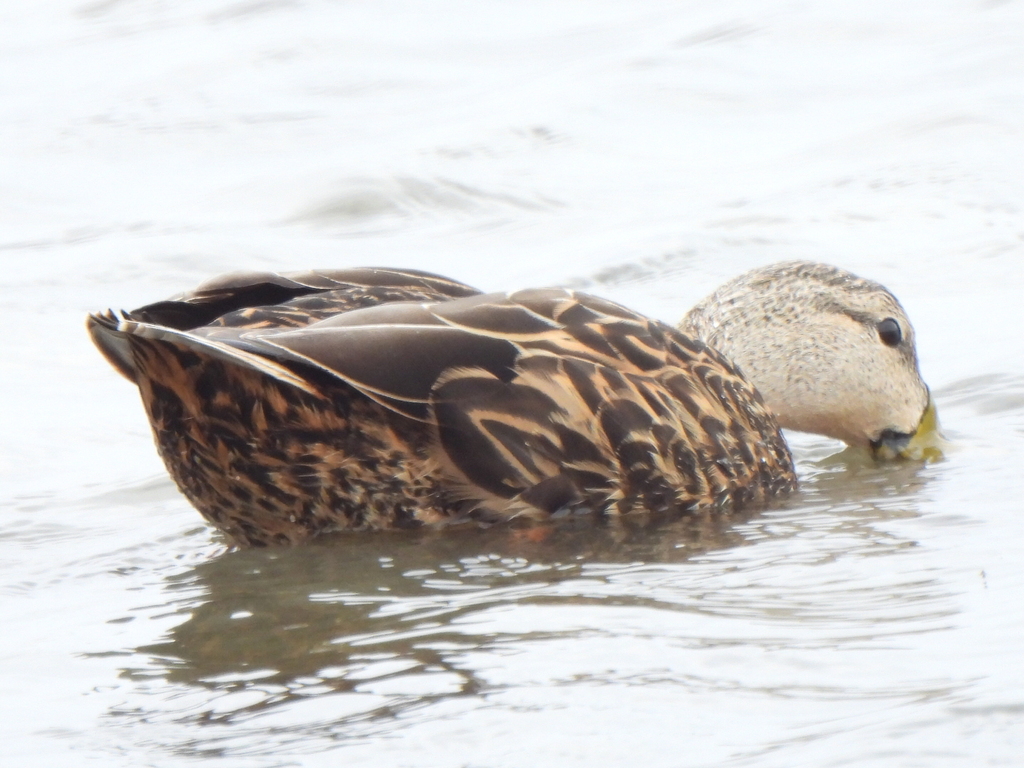
- Mottled DuckAnas fulvigula
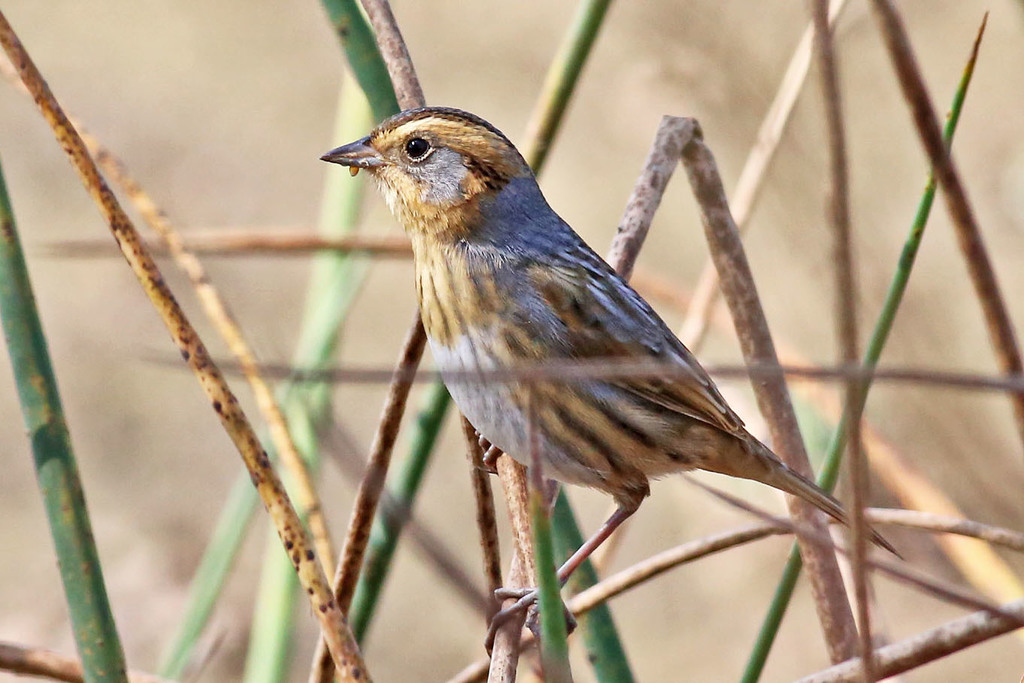
- Nelson's Sharp-tailed SparrowAmmodramus nelsoni
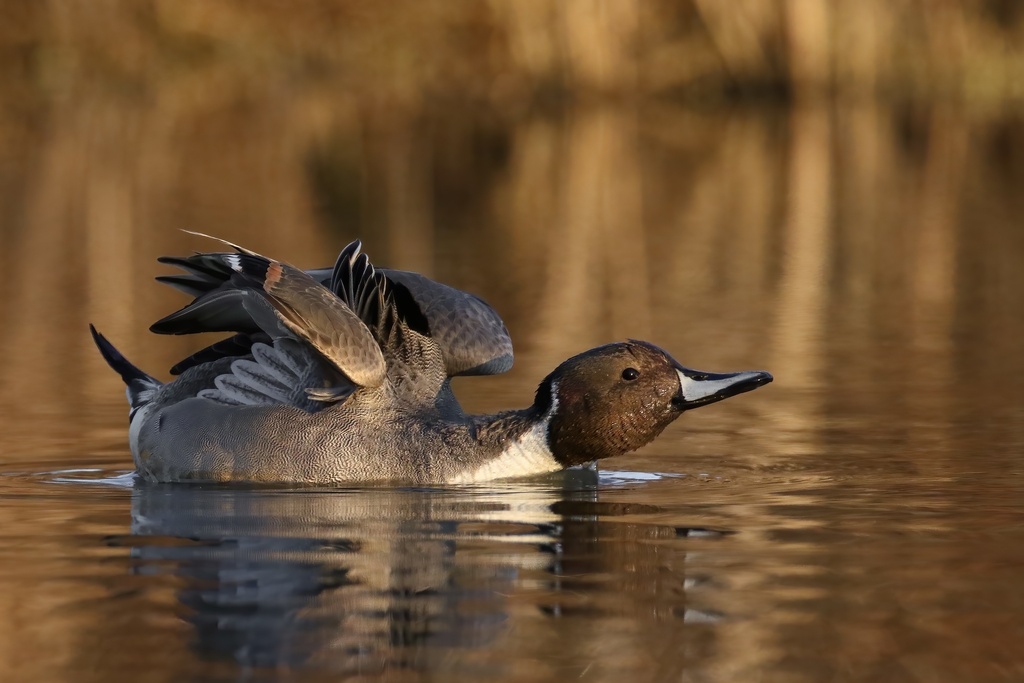
- Northern PintailAnas acuta
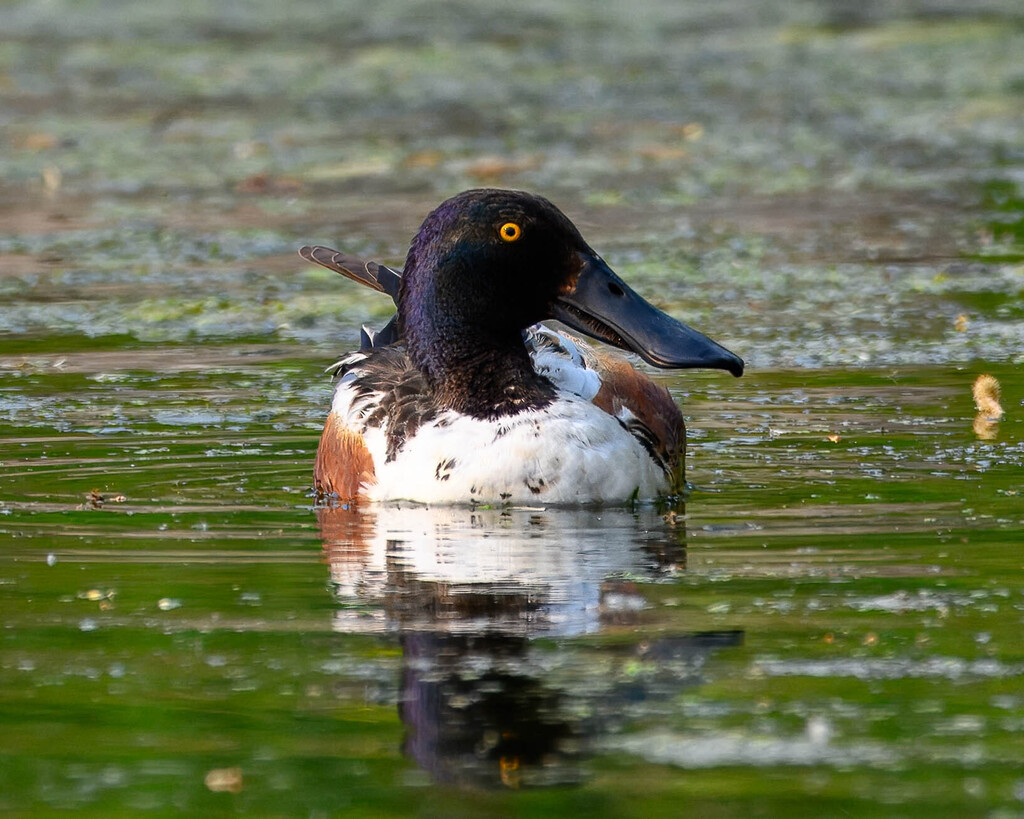
- Northern ShovelerAnas clypeata
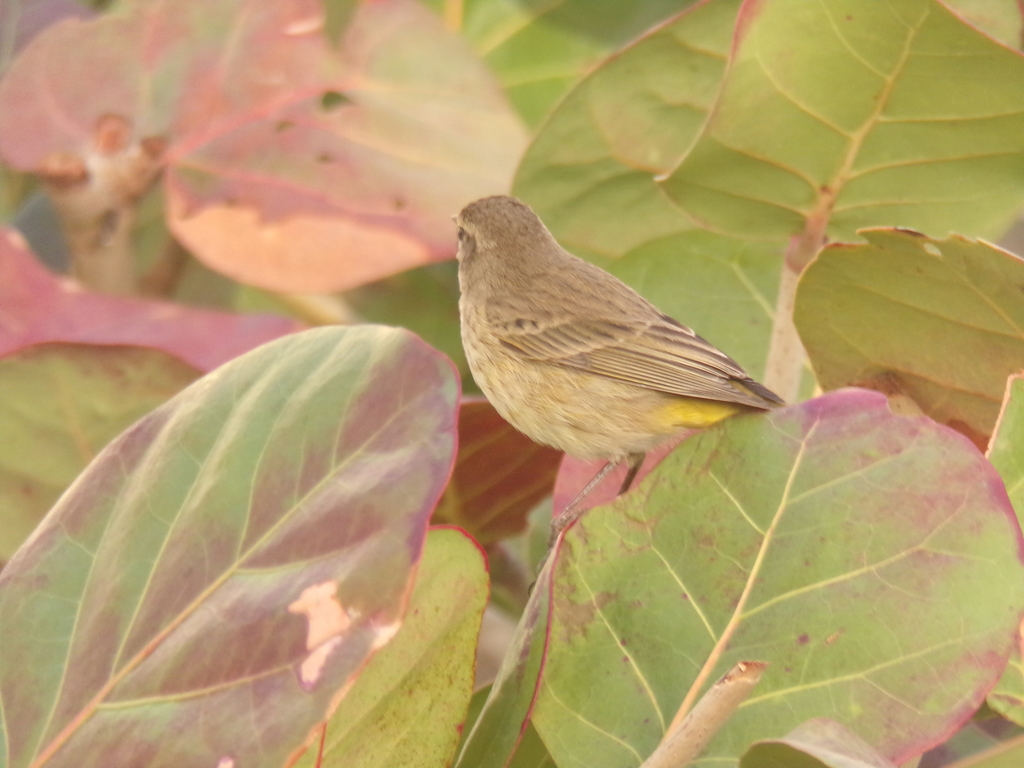
- Palm WarblerDendroica palmarum
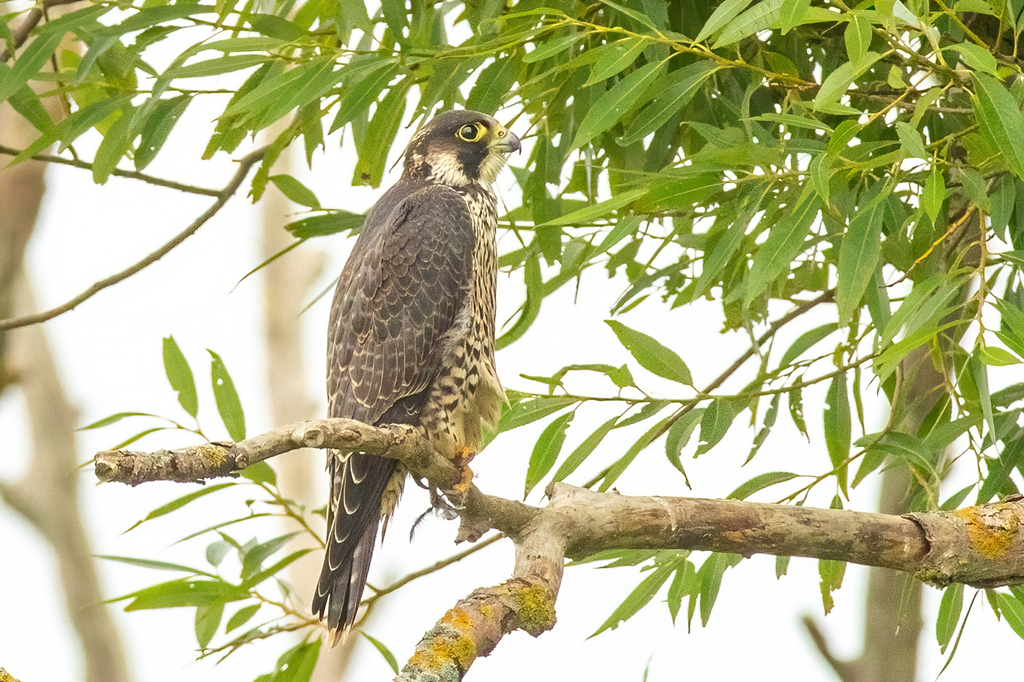
- Peregrine FalconFalco peregrinus
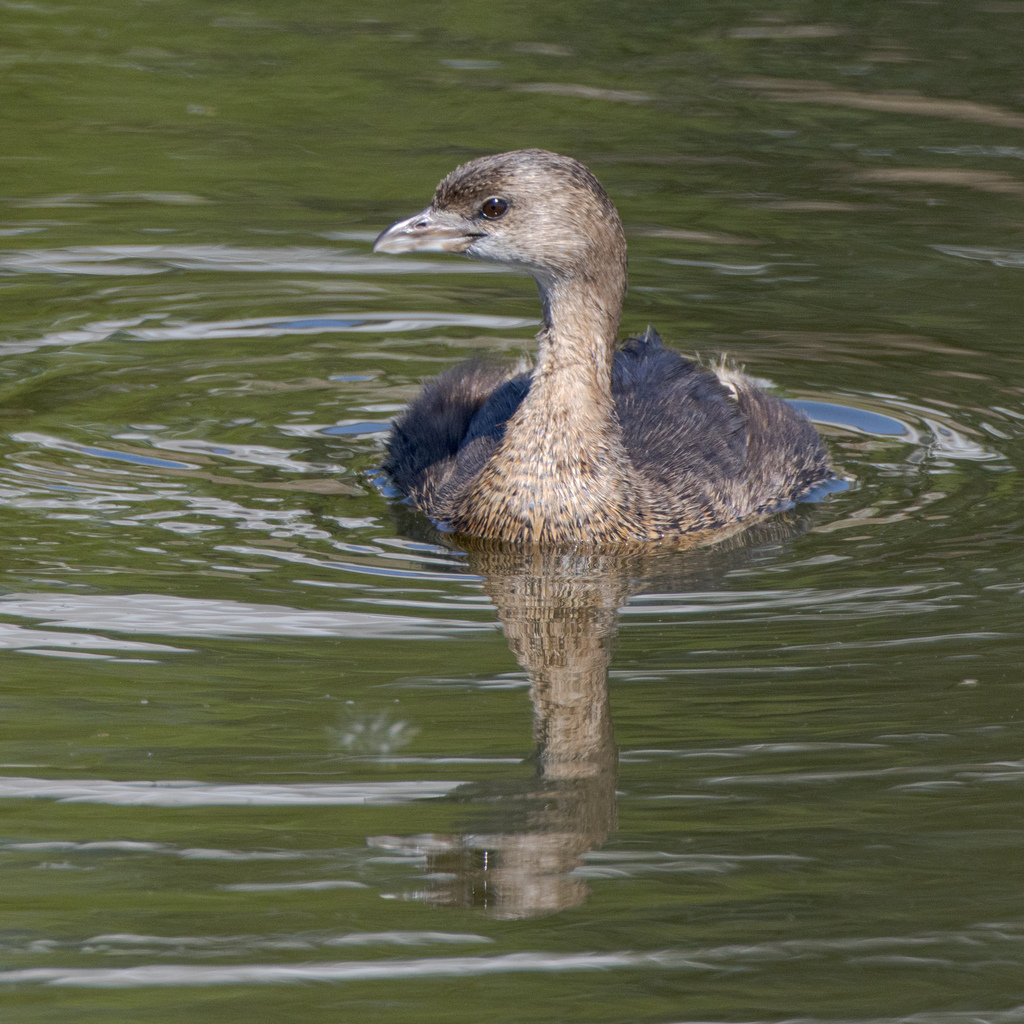
- Pied-billed GrebePodilymbus podiceps


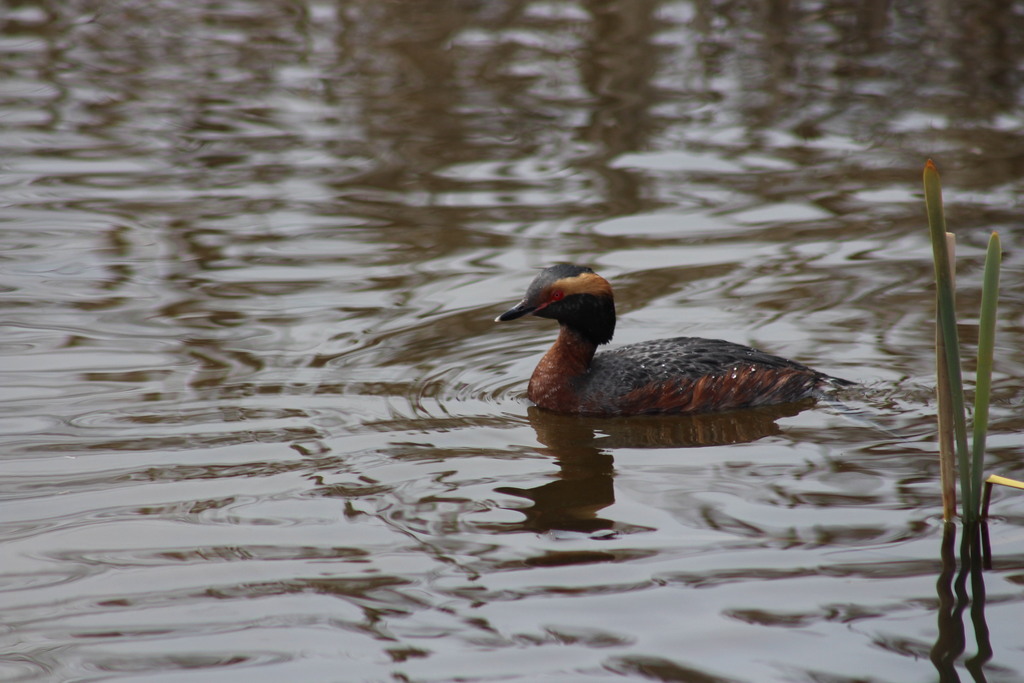
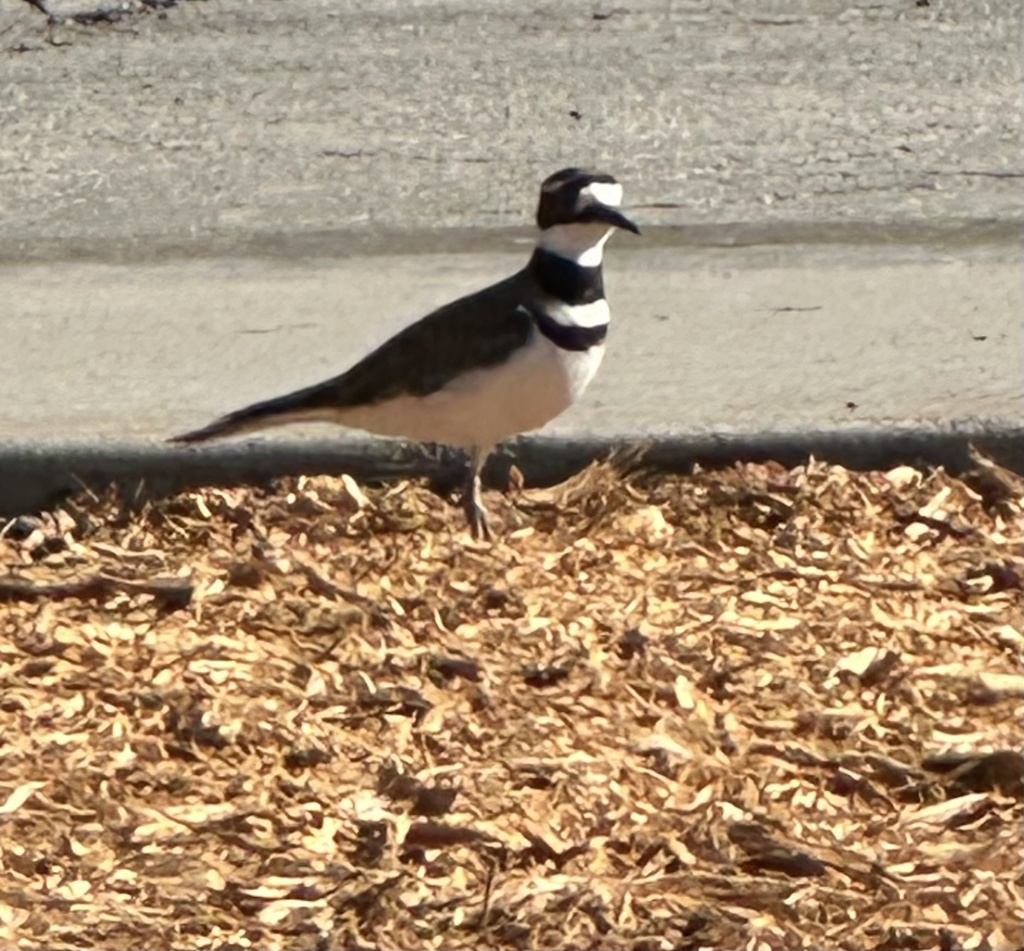
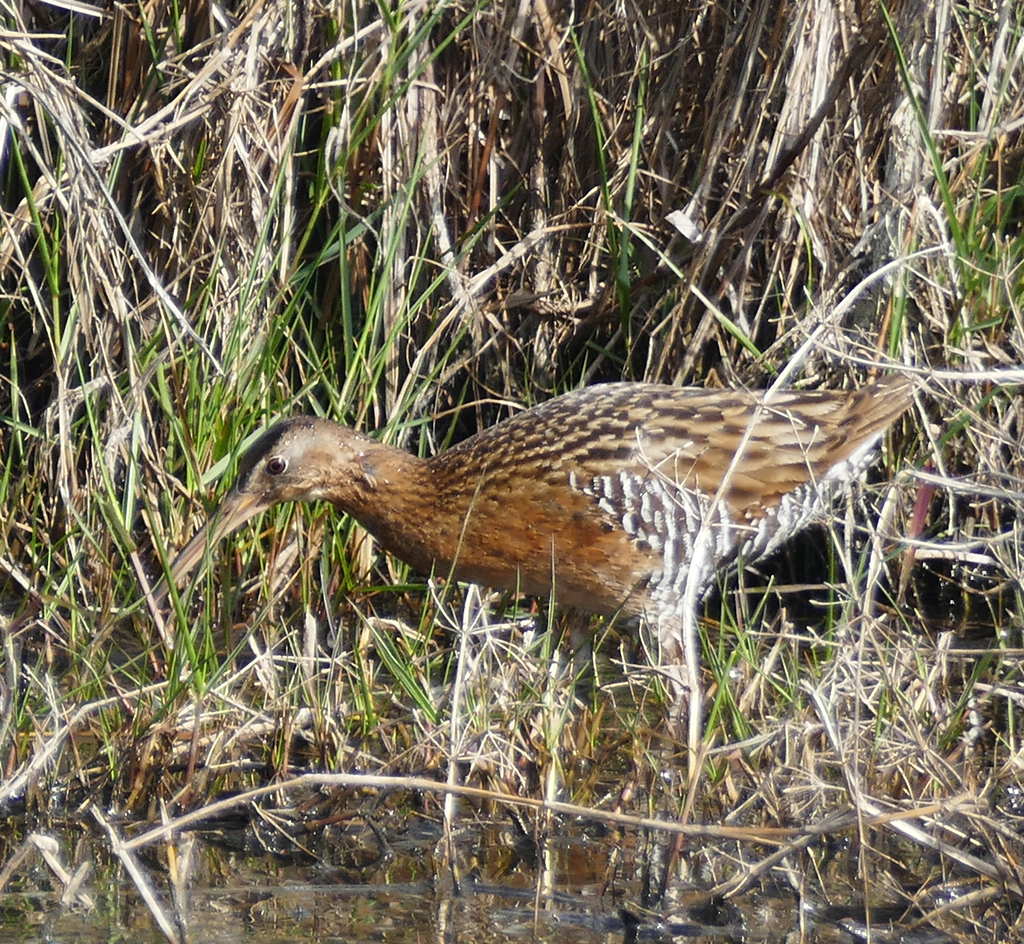
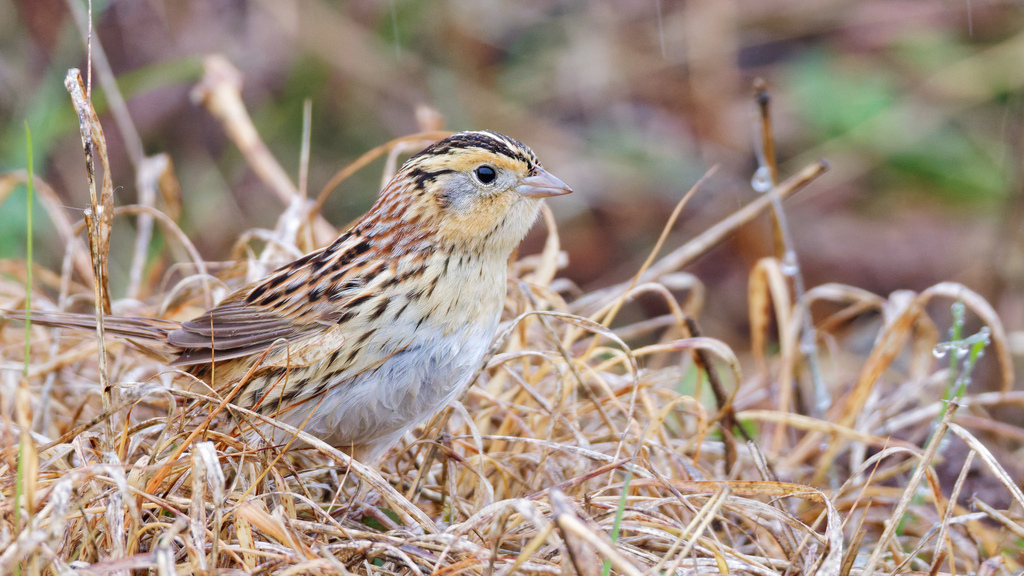

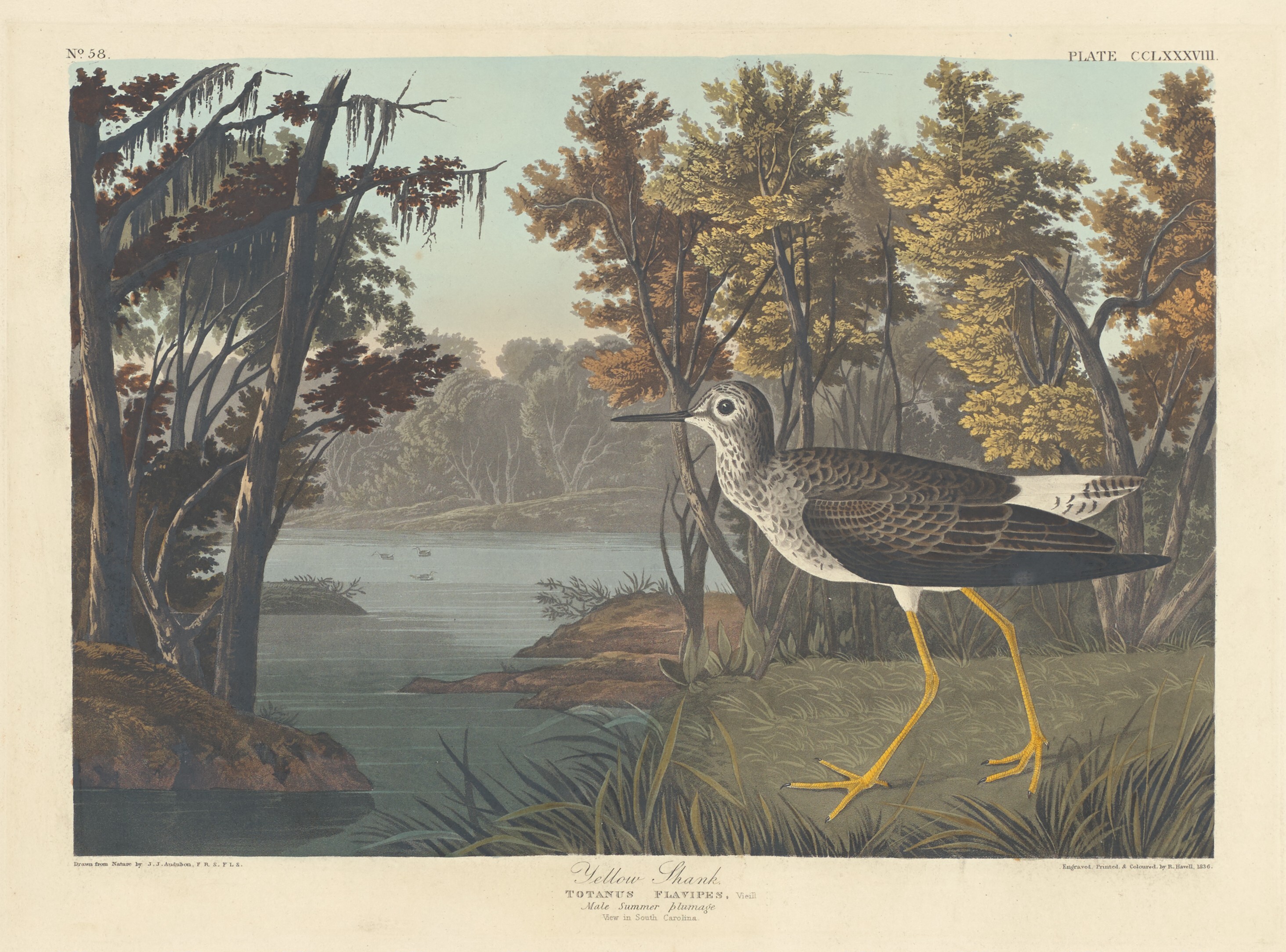
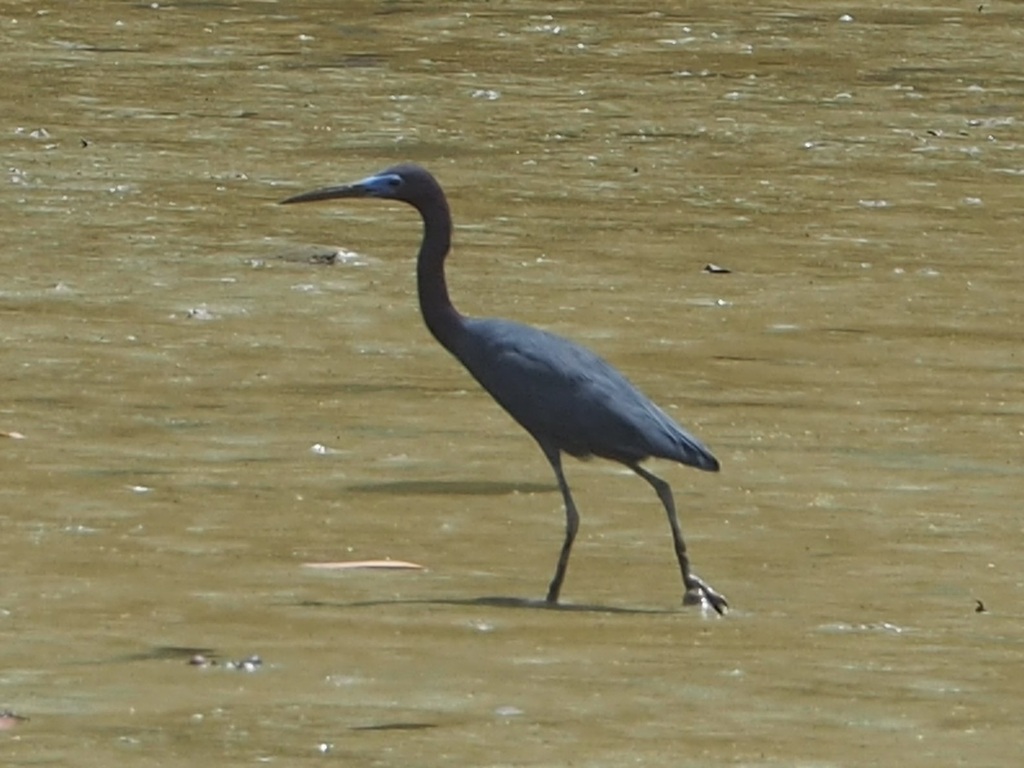
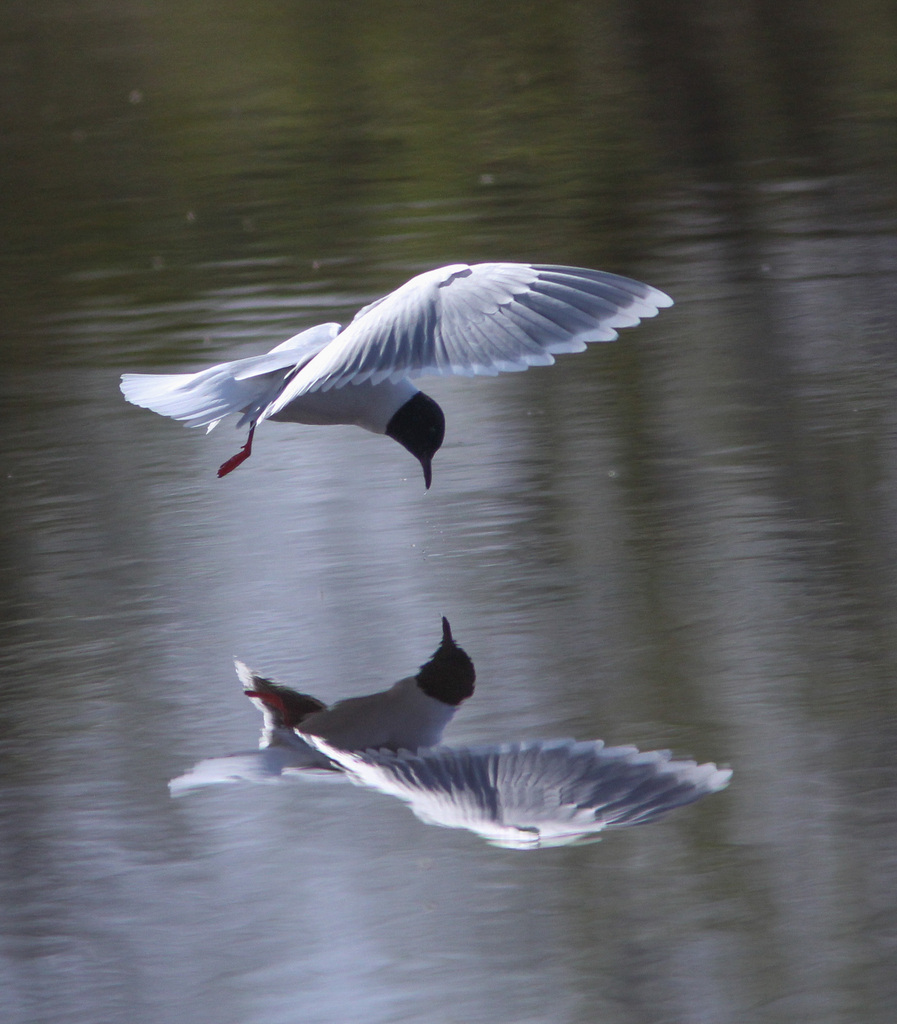
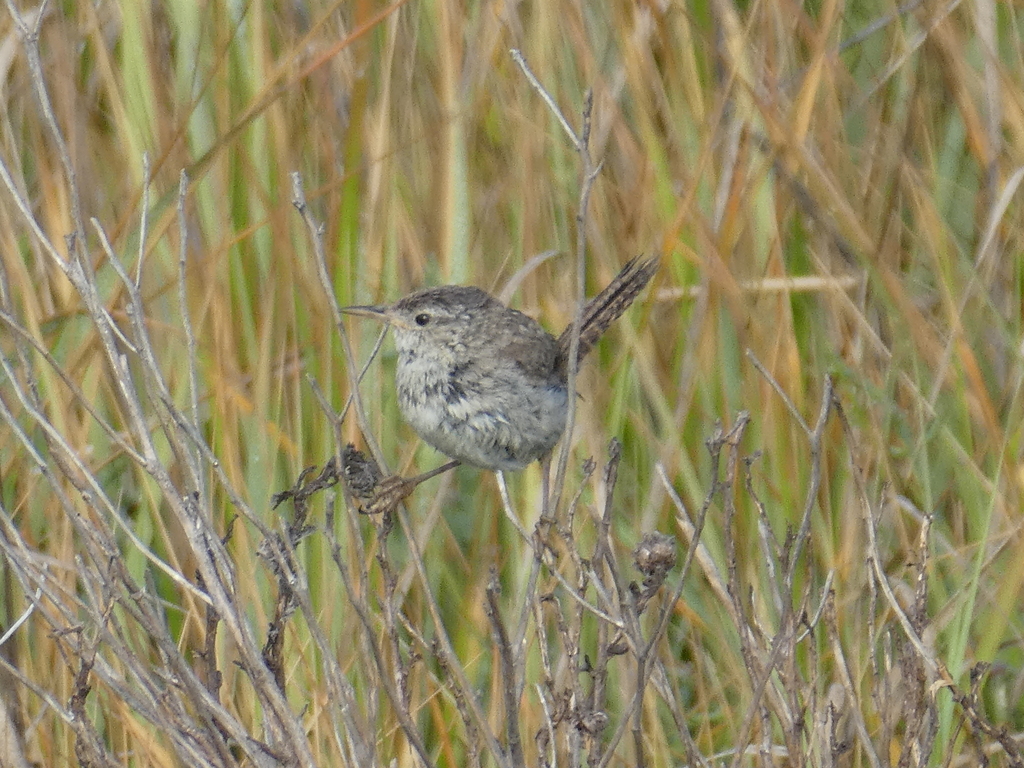
Widespread birds also seen here (24)
Found in many habitats here, so not listed above.
- American Crow
- Bald Eagle
- Belted Kingfisher
- Black-crowned Night-heron
- Chimney Swift
- Common Grackle
- Common Nighthawk
- Common Yellowthroat
- Cooper's Hawk
- Eastern Kingbird
- Eastern Towhee
- Fish Crow
- Great Horned Owl
- Hooded Merganser
- Osprey
- Red-shouldered Hawk
- Red-tailed Hawk
- Red-winged Blackbird
- Sharp-shinned Hawk
- Swallow-tailed Kite
- Turkey Vulture
- Yellow-breasted Chat
- Yellow-crowned Night-heron
- Yellow-rumped Warbler
Who uses this plant?
 2CaterpillarsGenus host records with ranges including MS
Genus host records with ranges including MS · Vinca
- Chloridea virescensTobacco Budworm Moth
- Epiblema discretivanaDescriminating Epiblema
 —BeesSoutheastern regional records
 —Specialist beesPollen specialists
 1BirdsRecorded genus food-resource interactions; not a state feeding claim
Recorded genus food-resource interactions; not a state feeding claim · Vinca
- Phalacrocorax auritusDouble-crested Cormorant
Direct food only: birds recorded eating this genus across North America. Caterpillars on host plants also feed nesting birds. NC Native Plant Society: butterfly gardening
Plant details
- Family
- Apocynaceae
- Hardiness
- Zones 10a–11b
- Soil pH
- Acidic
- Flower color
- Yellow, pink, purple or white
Safety has not been reviewed for this plant; check toxicity and thorns before planting.
Growing sources and scope
- Bloom · “May to October” · Weakley, Flora of the Southeastern United States (2025), Carolinas & Georgia edition · Carolinas and Georgia
- Flower color · “Yellow, pink, purple or white” · NC Extension Plant Toolbox
- Hardiness · “Zones 10a–11b” · NC Extension Plant Toolbox
- Height · “6 inches–1.5 feet” · NC Extension Plant Toolbox
- Leaves · “Semi-evergreen” · NC Extension Plant Toolbox
- Life cycle · “Annual or perennial” · NC Extension Plant Toolbox
- Light · “Dappled sunlight (shade through upper canopy all day); Full sun (6 or more hours of direct sunlight a day); Partial shade (direct sunlight only part of the day, 2-6 hours)” · NC Extension Plant Toolbox
- Soil · “Moist” · NC Extension Plant Toolbox
- Soil pH · “Acidic” · NC Extension Plant Toolbox
- Spread · “8–12 inches” · NC Extension Plant Toolbox
Also known as
Cayenne Jasmine; Church Flower; Rosy Periwinkle; Vinca rosea; periwinkle
Conservation status
| Mississippi rank | SNA |
|---|---|
| Global rank | GNR |
| MS status | Not verified |
| Federal status | Not verified |
Sources
- NatureServe Explorer
- USDA PLANTS
- Weakley, Flora of the Southeastern United States (2025), Carolinas & Georgia edition
- Mississippi occurrence source
- Shropshire & Tallamy 2025, Lepidoptera of North America north of Mexico, ZooKeys 1261 (ODbL)
- Noori, Seltmann & Orr 2026, A curated and integrated dataset for exploring global bee-plant interactions (GloBI), Zenodo, CC BY 4.0
- Smith, Bachelder, Russell, Morales, Mosher & Seltmann 2024, Bee-Specialization-Modeling v0.6.1 (specialist host table compiled from J. Fowler's pollen specialist bee lists), Zenodo, CC BY 4.0
- Hurlbert, Olsen, Sawyer & Winner 2021, Avian Diet Database, Scientific Data 8: 260 (CC0)
- Narango, Tallamy & Shropshire 2020, Few keystone plant genera support the majority of Lepidoptera species, Nature Communications