

Lanceleaf Ragweed
Ambrosia bidentata
Found in barrens, prairies, mafic and calcareous woodlands. Weakley, Flora of the Southeastern United States (2025), South Central edition What its natural habitat tells you
Native to Mississippi (estimated). How scores work Is it native here?
Profile 94%
- Height
- Up to about 3 feet
- Light
- Full sun
- Soil moisture
- Dry to moist
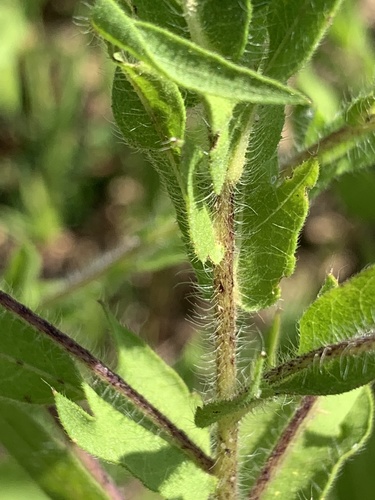
At a glance
- Life cycle
- Annual
- Bloom
- July to November
Not yet recorded · Spread · Leaves
Recorded in 15 Mississippi counties.
Natural habitats
Places it grows wild. Not a planting requirement. Each habitat page lists the plants and wildlife also found there.
Glades, barrens and outcrops on limestone
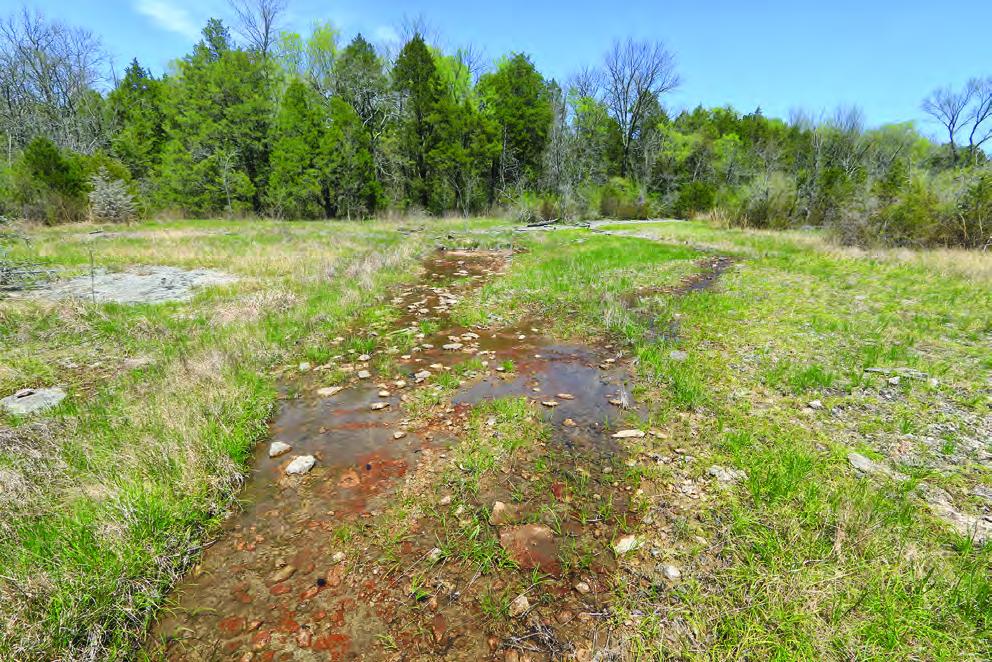
Glades, barrens and outcrops on mafic or serpentine rock
Open, thin-soil openings, outcrops and cliffs on dark, magnesium- or iron-rich rock such as serpentine, diabase or gabbro.
Open, grass-dominated places kept open by fire, grazing or thin soil, from tallgrass prairie to Piedmont prairies.
Forest or woodland where the source does not say how moist or dry.
Who uses this plant?
 59CaterpillarsGenus host records with ranges including MS
Genus host records with ranges including MS · Ambrosia
- Achyra rantalisGarden Webworm Moth
- Adaina ambrosiaeAmbrosia Plume Moth, Ragweed Plume Moth
- Argyrotaenia velutinanaRed-Banded Leafroller Moth, Jack Pine Tube Moth
- Azenia obtusaObtuse Yellow
- Caenurgina erechteaClover Looper Moth, Common Grass Moth, Forage Looper
- Carmenta texanaTexana Clearwing Moth
- Chionodes mediofuscellaBlack-Smudged Chionodes
- Chlorochlamys chloroleucariaBlackberry Looper Moth
- Chlosyne gorgoneGorgone Checkerspot
- Choristoneura rosaceanaOblique-Banded Leafroller Moth, Rosaceous Leaf Roller
Show all 59
- Condica sutorThe Cobbler, Cobbler Groundling
- Dichomeris juncidellaOrange-Dotted Dichomeris
- Dichomeris serrativittellaToothed Dichomeris
- Ephestiodes infimellaReddish Ephestiodes
- Epiblema otiosanaBidens Borer Moth
- Epiblema strenuanaRagweed Borer
- Eupithecia miserulataCommon Eupithacia, Common Pug
- Exelastis pumilioDwarf Plume Moth
- Helcystogramma chambersellaChambers' Twirler
- Hellinsia inquinatusBlack-Marked Plume Moth
- Herpetogramma bipunctalisSouthern Beet Webworm, Two-Spotted Herpetogramma
- Hypena scabraGreen Cloverworm Bomolocha, Black Snout
- Lascoria ambigualisAmbiguous Moth, Ambiguous Litter Moth
- Leptostales pannariaPannaria Wave
- Mythimna unipunctaArmyworm Moth, White Speck
- Ogdoconta cinereolaCommon Pinkband Groundling
- Ostrinia obumbratalisSmartweed Borer
- Papaipema cataphractaBurdock Border, Potato-Stalk Borer
- Papaipema nebrisStalk Borer
- Papaipema rutilaMayapple Borer
- Pelochrista cataclystianaSolidaga Eucosma, Solidaga Pelochrista
- Pholisora catullusCommon Sootywing
- Plagiomimicus pityochromusBlack-Barred Brown, Ragweed Seedcropper
- Platynota stultanaOmnivorous Leafroller
- Pleuroprucha insulsariaCommon Tan Wave
- Polygonia interrogationisQuestion Mark
- Ponometia candefactaOlive-Shaded Bird-Dropping Moth
- Ponometia erastrioidesSmall Bird-Dropping Moth
- Rachiplusia ouGray Looper
- Schinia gracilentaIva Flower Moth, Slender Flower Moth
- Schinia rivulosaRagweed Flower Moth
- Schinia thoreauiThoreau's Flower Moth
- Scopula inductataSoft-Lined Wave
- Sparganothis sulfureanaSparganothis Fruitworm Moth, Sulfur Leafroller, False Yellow-Head
- Spilosoma virginicaVirginian Tiger Moth, Yellow Woolybear Moth, Yellow Bear
- Spragueia guttataSpotted Spragueia
- Spragueia jaguaralisCounfounding Spragueia
- Spragueia leoCommon Spragueia
- Spragueia onagrusBlack-Dotted Spragueia
- Synchlora aerataWavy-Lined Emerald, Camouflaged Looper
- Synchlora frondariaSouthern Emerald
- Thyridopteryx ephemeraeformisEvergreen Bagworm Moth
- Tricholita signataSignate Quaker, Signate Groundcat
- Epiblema minutana
- Gnorimoschema saphirinella
- Hahncappsia marculenta
- Landryia impositella
- Paralobesia sambuci
- Paralobesia vernoniana
 2BeesSoutheastern regional records
Southeastern regional records · Ambrosia
Individual names are not available yet.
Noori, Seltmann & Orr 2026, A curated and integrated dataset for exploring global bee-plant interactions (GloBI), Zenodo, CC BY 4.0 0Specialist beesPollen specialists
 31BirdsRecorded genus food-resource interactions; not a state feeding claim
Recorded genus food-resource interactions; not a state feeding claim · Ambrosia
- Acanthis flammeaCommon Redpoll
- Agelaius phoeniceusRed-winged Blackbird
- Ammodramus savannarumGrasshopper Sparrow
- Anthus rubescensAmerican Pipit
- Anthus spragueiiSprague's Pipit
- Calcarius lapponicusLapland Longspur
- Calcarius pictusSmith's Longspur
- Cardinalis cardinalisNorthern Cardinal
- Colinus virginianusNorthern Bobwhite
- Columbina passerinaCommon Ground Dove
Show all 31
- Corvus brachyrhynchosAmerican Crow
- Dolichonyx oryzivorusBobolink
- Eremophila alpestrisHorned Lark
- Haemorhous mexicanusHouse Finch
- Junco hyemalisDark-eyed Junco
- Loxia curvirostraRed Crossbill
- Loxia leucopteraWhite-winged Crossbill
- Melospiza lincolniiLincoln's Sparrow
- Melospiza melodiaSong Sparrow
- Molothrus aterBrown-headed Cowbird
- Ortalis vetulaPlain Chachalaca
- Pinicola enucleatorPine Grosbeak
- Plectrophenax nivalisSnow Bunting
- Quiscalus quisculaCommon Grackle
- Rhynchophanes mccowniiMcCown's Longspur
- Sialia sialisEastern Bluebird
- Sturnus vulgarisEuropean Starling
- Turdus migratoriusAmerican Robin
- Tympanuchus phasianellusSharp-tailed Grouse
- Zenaida macrouraMourning Dove
- Zonotrichia querulaHarris's Sparrow
Direct food only: birds recorded eating this genus across North America. Caterpillars on host plants also feed nesting birds. NC Native Plant Society: butterfly gardening
No records yet · Ants · Beetles · Flies · Adult butterflies / moths · Other wasps · Other insects
Plant details
- Family
- Asteraceae
- Flower color
- Green
Safety has not been reviewed for this plant; check toxicity and thorns before planting.
Growing sources and scope
- Bloom · “July to November” · Weakley, Flora of the Southeastern United States (2025), Carolinas & Georgia edition · Carolinas and Georgia
- Flower color · “Green” · Lady Bird Johnson Wildflower Center
- Height · “Up to about 3 feet” · Lady Bird Johnson Wildflower Center
- Life cycle · “Annual” · Lady Bird Johnson Wildflower Center
- Light · “Full sun (documented habitat)” · Weakley, Flora of the Southeastern United States (2025), Carolinas & Georgia edition · Carolinas and Georgia
- primary_flower_color · “green” · Lady Bird Johnson Wildflower Center
- Soil · “Dry; Moist (documented habitat)” · Weakley, Flora of the Southeastern United States (2025), Carolinas & Georgia edition · Carolinas and Georgia
Also known as
Lance Leaf Ragweed
Conservation status
| Mississippi rank | SNR |
|---|---|
| Global rank | G5 |
| MS status | Not verified |
| Federal status | Not verified |
Will it fit your yard?
Check this plant against your county, sun and soil moisture. Conditions are checked in your browser.
Sources
- USDA PLANTS
- Vascular Plants of North Carolina (NC Natural Heritage Program)
- Weakley, Flora of the Southeastern United States (2025)
- Mississippi occurrence source
- Shropshire & Tallamy 2025, Lepidoptera of North America north of Mexico, ZooKeys 1261 (ODbL)
- Noori, Seltmann & Orr 2026, A curated and integrated dataset for exploring global bee-plant interactions (GloBI), Zenodo, CC BY 4.0
- Smith, Bachelder, Russell, Morales, Mosher & Seltmann 2024, Bee-Specialization-Modeling v0.6.1 (specialist host table compiled from J. Fowler's pollen specialist bee lists), Zenodo, CC BY 4.0
- Hurlbert, Olsen, Sawyer & Winner 2021, Avian Diet Database, Scientific Data 8: 260 (CC0)
- Narango, Tallamy & Shropshire 2020, Few keystone plant genera support the majority of Lepidoptera species, Nature Communications