

Bird
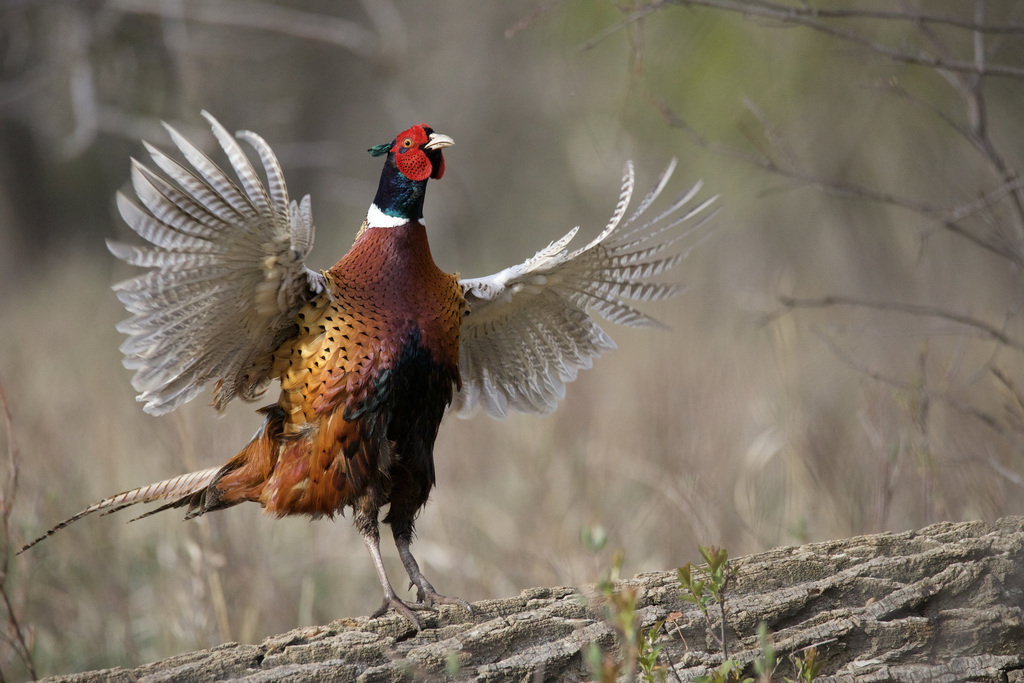
Ring-necked Pheasant
Phasianus colchicus
Lives in Louisiana all year and nests here. Found in 2 of 64 parishes, across 6 habitats.
- Here
- All year
- Nesting
- Nests here
- Range
- 2 of 64 parishes
- Habitats
- 6
At a glance
- Group
- Birds
- Here
- All year
- Nesting
- Nests here
- Range
- 2 of 64 parishes
- Habitats
- 6
- Habitat models
- Year-round
Where it lives
The places its habitat model includes. It is not found everywhere a habitat occurs.
Habitats in Louisiana 6
Each habitat page lists the plants and wildlife also found there.
Open, grass-dominated places kept open by fire, grazing or thin soil, from tallgrass prairie to Piedmont prairies.
Roadsides, fields and disturbed ground
Ground opened by people: roadsides, old fields, pastures, fencerows and lots.
Open sand of beaches, dunes and the hollows between them.
Coastal tidal marshes (salinity not stated)
Tidal marshes of the Atlantic and Gulf coasts where the source does not say whether the water is fresh, brackish or salt. A stated salinity files the marsh under freshwater tidal marshes or salt and brackish marshes instead.
Disturbed and introduced wetlands
Wet ground taken over by weedy or introduced plants after disturbance, such as common reed, Chinese tallow or tamarisk stands; the upland counterpart is roadsides, fields and disturbed ground.
Borders of forests, clearings and shrubby thickets.
Other habitats in its models (30)
Land cover, or classes with no habitat page in Louisiana.
- Western Great Plains Wooded Draw and Ravine Year-round, beside its main habitat.
- West Gulf Coastal Plain Catahoula Barrens Year-round.
- Central Mixedgrass Prairie Year-round.
- North-Central Interior Sand and Gravel Tallgrass Prairie Year-round.
- Central Tallgrass Prairie Year-round.
- Southern Blackland Tallgrass Prairie Year-round.
- Southeastern Great Plains Tallgrass Prairie Year-round.
- West Gulf Coastal Plain Northern Calcareous Prairie Year-round.
- Atlantic Coastal Plain Southern Dune and Maritime Grassland Year-round.
- Central and Upper Texas Coast Dune and Coastal Grassland Year-round.
- Harvested Forest - Grass/Forb Regeneration Year-round, beside its main habitat.
- Introduced Upland Vegetation - Forbland Year-round.
- Introduced Upland Vegetation - Annual Grassland Year-round.
- Introduced Upland Vegetation - Perennial Grassland Year-round.
- Modified/Managed Southern Tall Grassland Year-round.
- Atlantic Coastal Plain Central Salt and Brackish Tidal Marsh Year-round, beside its main habitat.
- Atlantic Coastal Plain Embayed Region Tidal Salt and Brackish Marsh Year-round, beside its main habitat.
- Atlantic Coastal Plain Northern Tidal Salt Marsh Year-round, beside its main habitat.
- Atlantic Coastal Plain Large Natural Lakeshore Year-round, beside its main habitat.
- Central Interior and Appalachian Shrub-Herbaceous Wetland Systems Year-round, beside its main habitat.
- Atlantic Coastal Plain Embayed Region Tidal Freshwater Marsh Year-round, beside its main habitat.
- Atlantic Coastal Plain Central Fresh-Oligohaline Tidal Marsh Year-round, beside its main habitat.
- East Gulf Coastal Plain Savanna and Wet Prairie Year-round, beside its main habitat.
- Texas Saline Coastal Prairie Year-round.
- Eastern Great Plains Wet Meadow, Prairie, and Marsh Year-round, beside its main habitat.
- Western Great Plains Depressional Wetland Systems Year-round, beside its main habitat.
- East Gulf Coastal Plain Southern Depression Pondshore Year-round, beside its main habitat.
- Atlantic Coastal Plain Depression Pondshore Year-round, beside its main habitat.
- South-Central Interior Large Floodplain - Herbaceous Modifier Year-round, beside its main habitat.
- Texas-Louisiana Coastal Prairie Slough Year-round, beside its main habitat.
Seasons in Louisiana
- Year-round: nests here, in 2 of 64 parishes.
Also found in this habitat
Plants 181
Plants named in NatureServe descriptions of these habitats that grow in Louisiana. Shared habitat, not food.
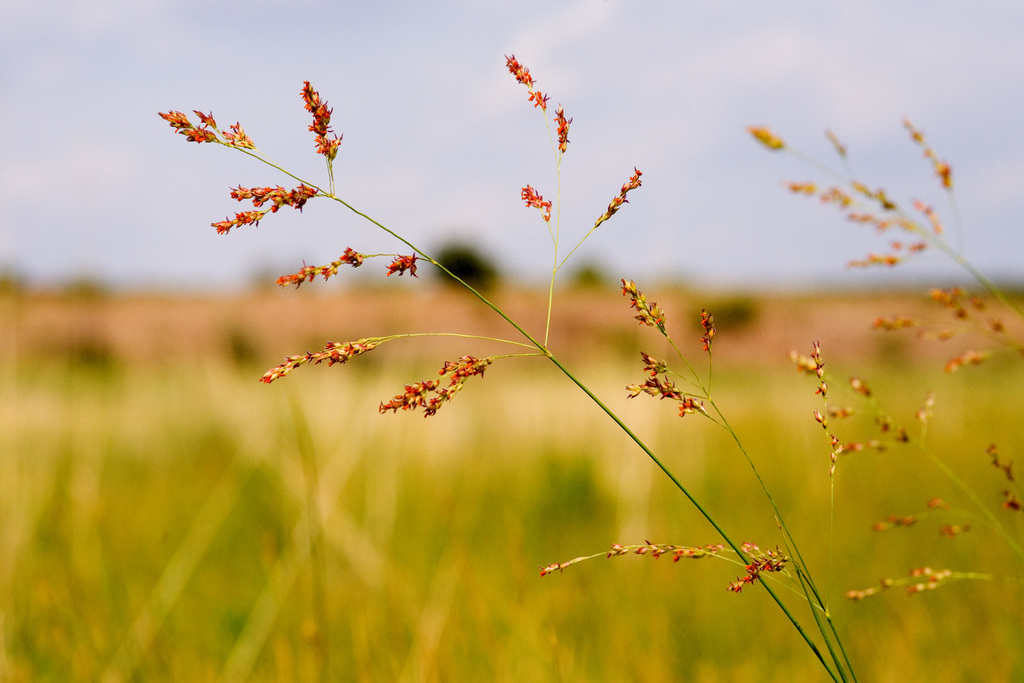
- Bushy BluestemAndropogon glomeratus
- SwitchgrassPanicum virgatum
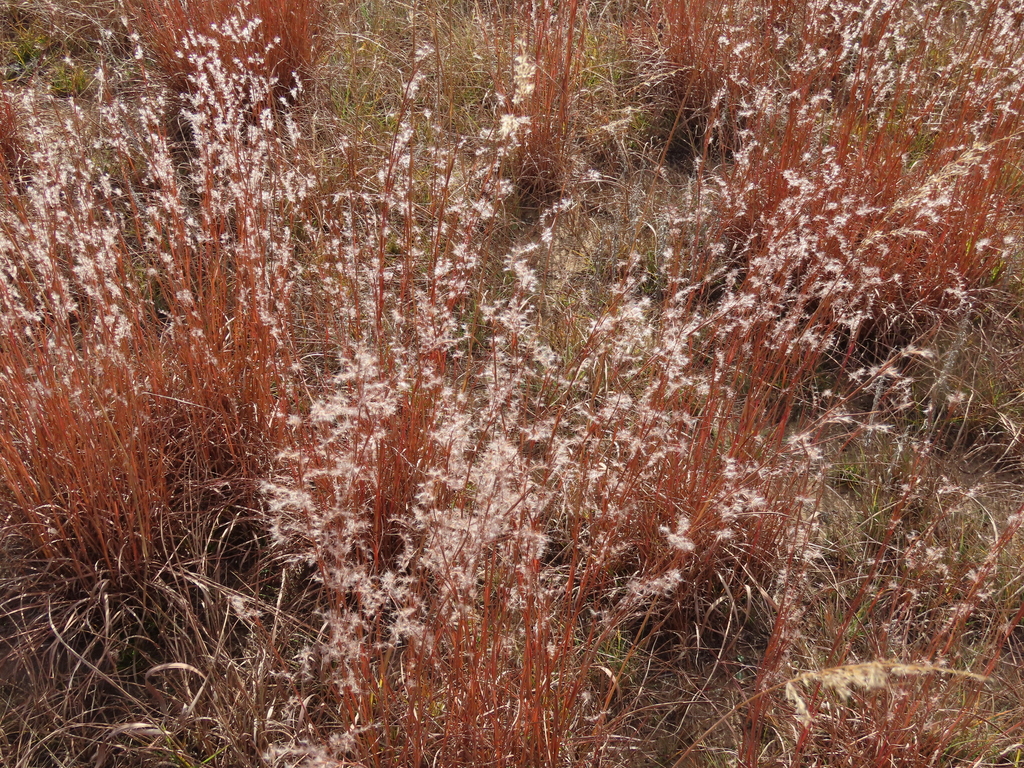
- Little BluestemSchizachyrium maritimum
- Amsonia ludovicianaAmsonia ludoviciana
- American BlueheartsBuchnera americana
- Little Tooth SedgeCarex microdonta
- Longleaf SpikegrassChasmanthium sessiliflorum
- Snow-on-the-prairieEuphorbia bicolor
- Hair-awn MuhlyMuhlenbergia capillaris
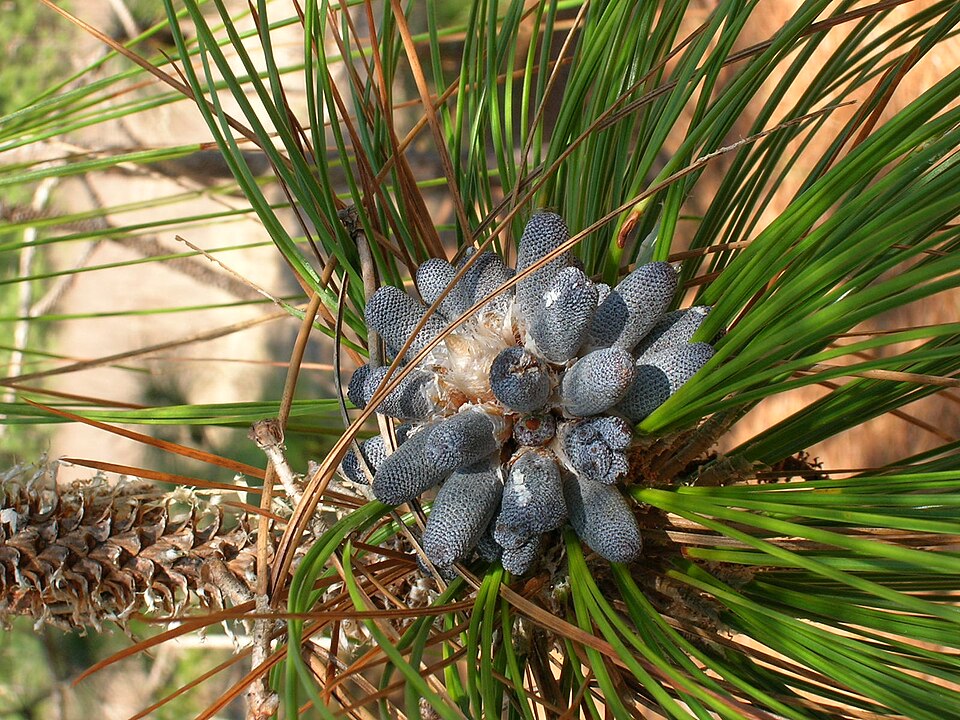
- Longleaf PinePinus palustris
- Spiked MedusaPteroglossaspis ecristata
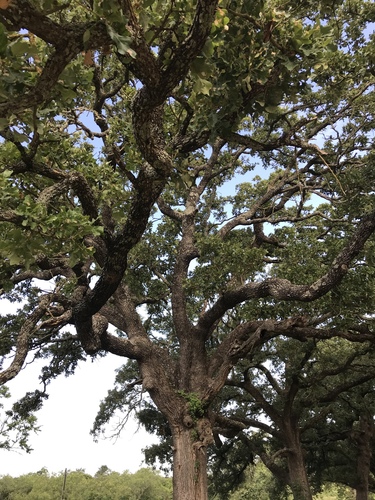
- Post OakQuercus stellata
- Yellow IndiangrassSorghastrum nutans
- Saltmeadow CordgrassSpartina patens
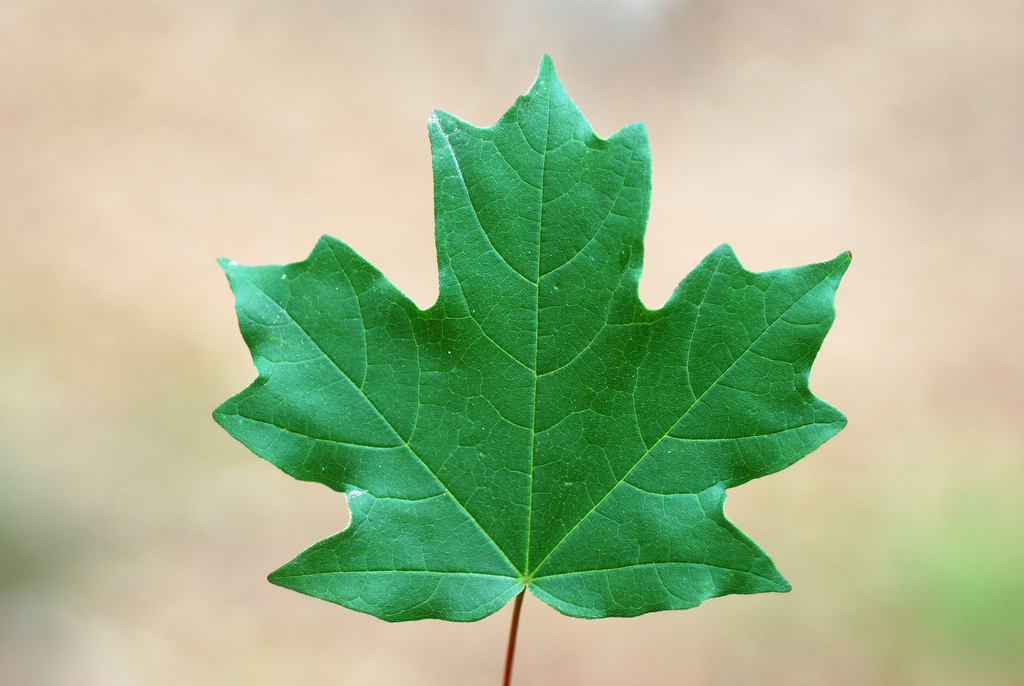
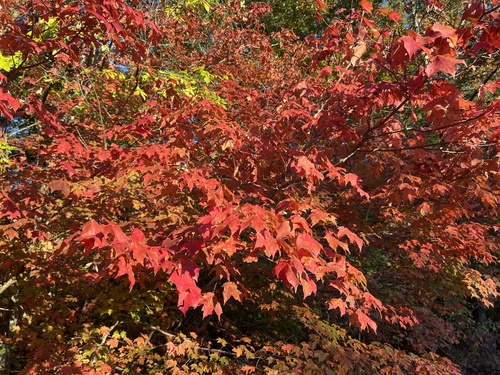
- Florida MapleAcer floridanum
- Chalk MapleAcer leucoderme
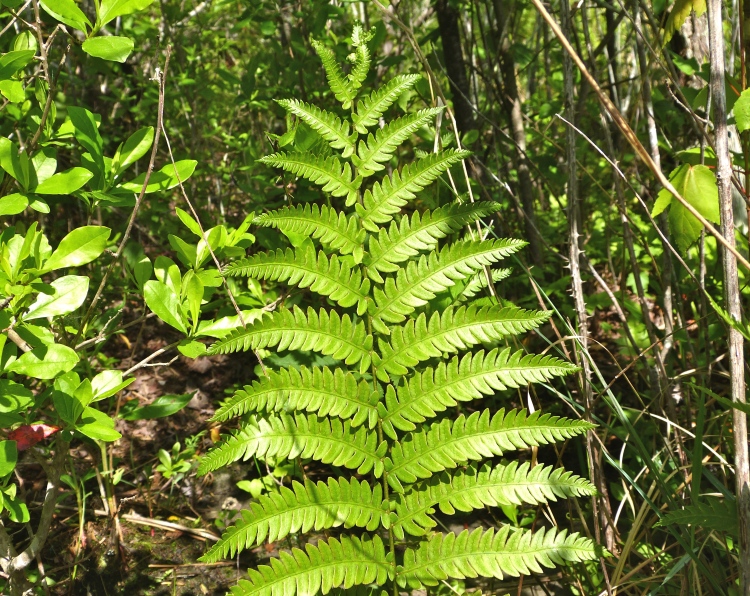
- Virginia Chain-fernAnchistea virginica
- Maritime BluestemAndropogon tenuispatheus
- Splitbeard BluestemAndropogon ternarius
- Churchmouse Three-awnAristida dichotoma
- Southeastern Slimspike Three-awnAristida longespica
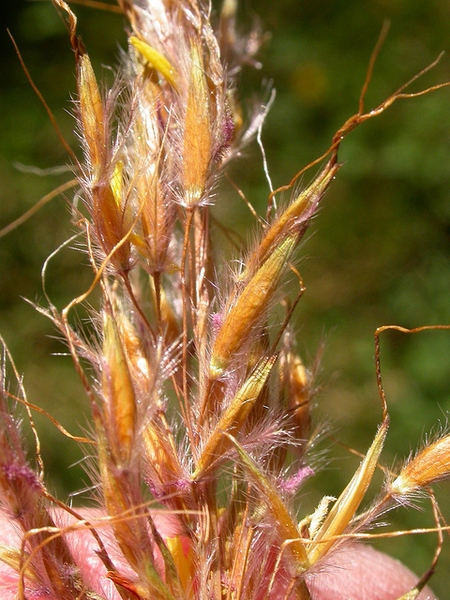
- Arrowfeather Three-awnAristida purpurascens
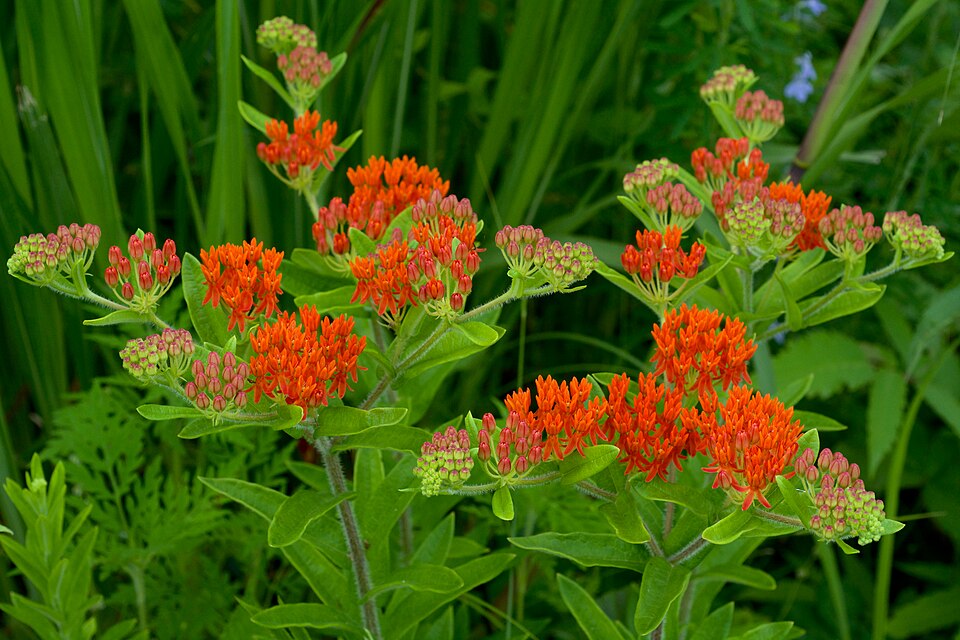
- Butterfly MilkweedAsclepias tuberosa
Wildlife 273
Other animals whose habitat models include the same habitats in Louisiana. Not sighting records.
- Eastern KingbirdTyrannus tyrannus
- European StarlingSturnus vulgaris
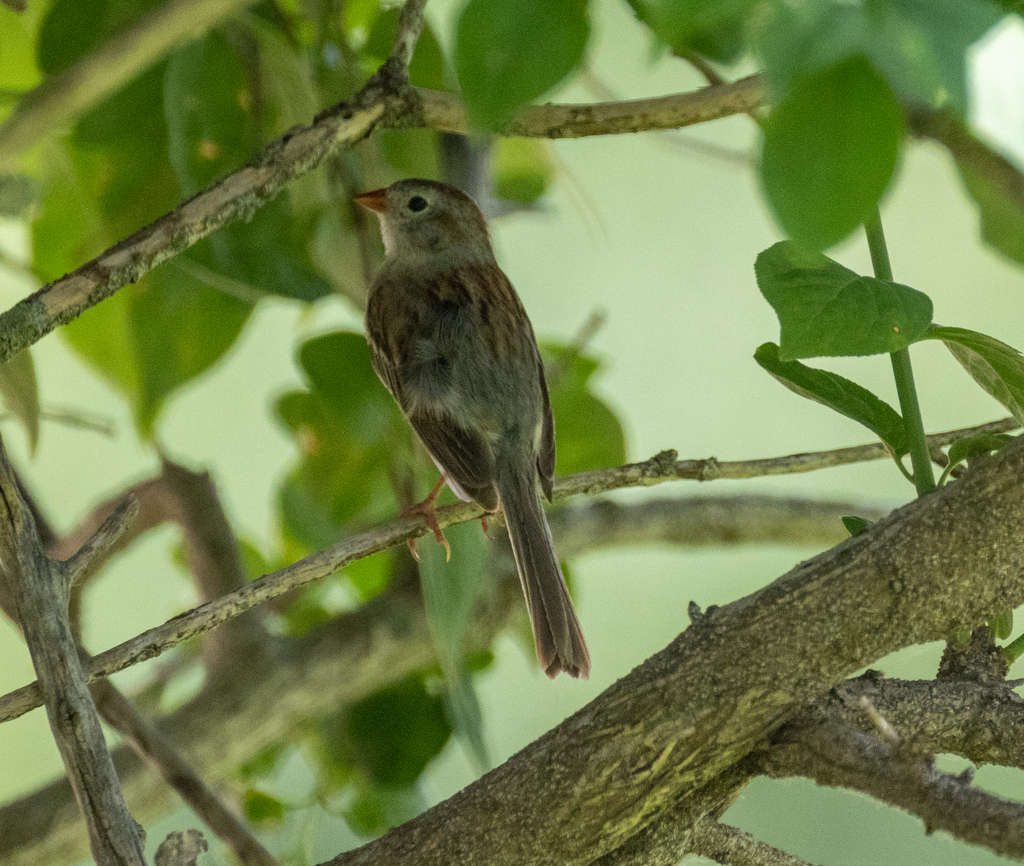
- Field SparrowSpizella pusilla
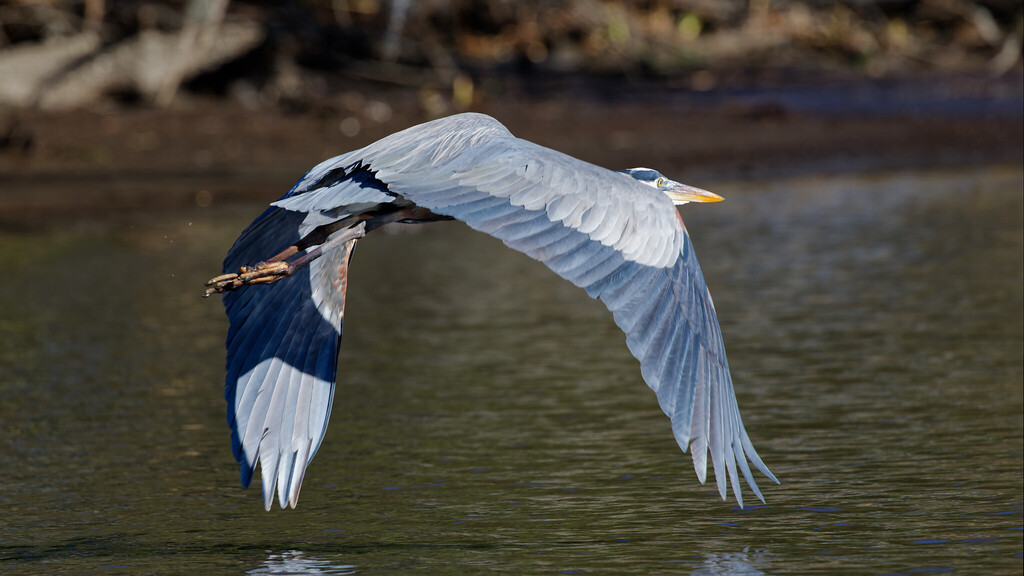
- Great Blue HeronArdea herodias
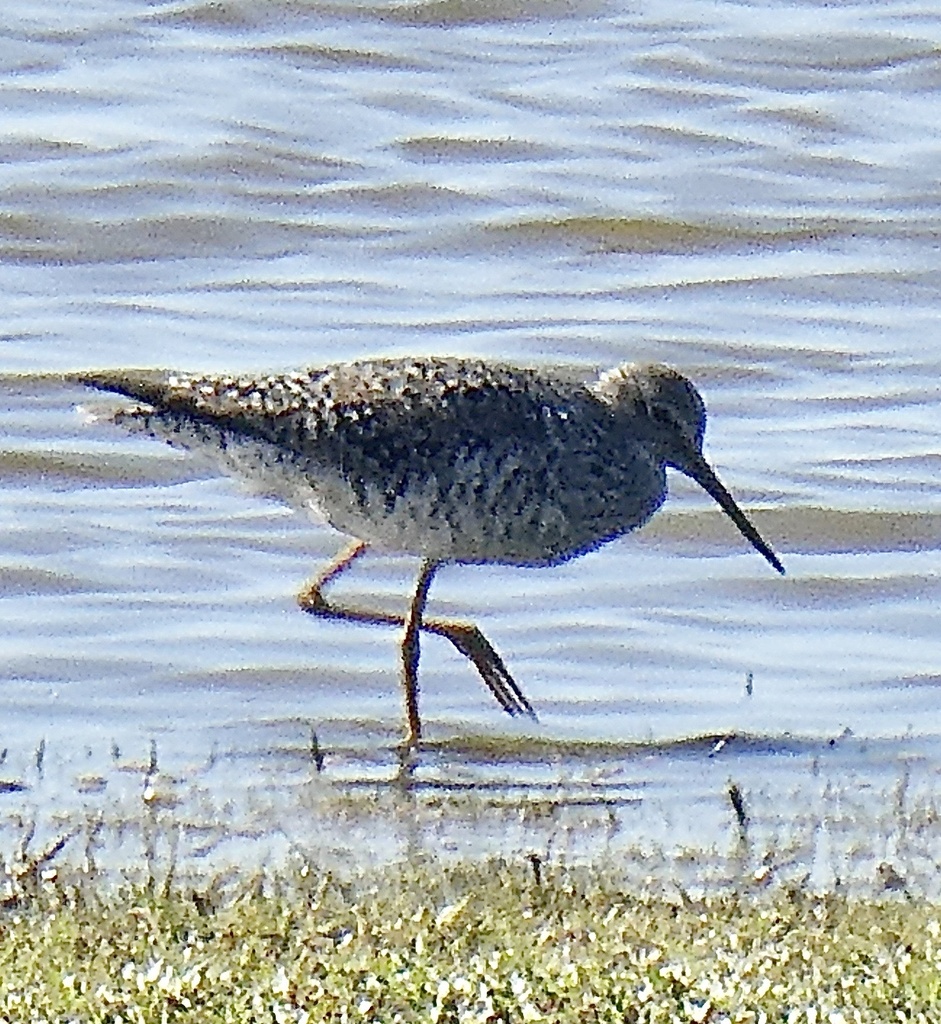
- Greater YellowlegsTringa melanoleuca
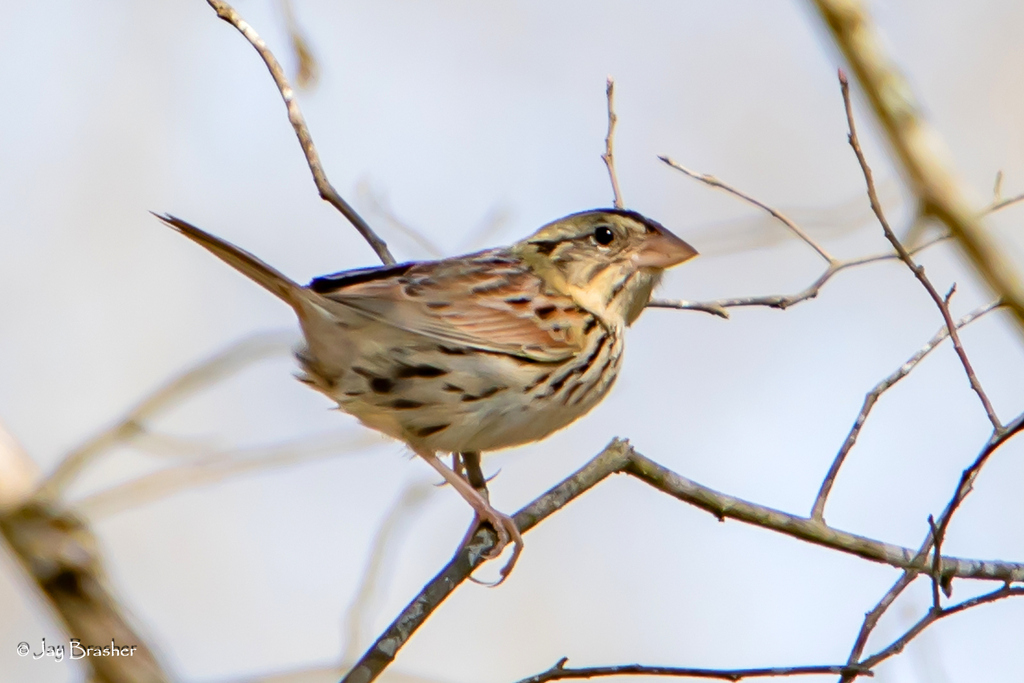
- Henslow's SparrowAmmodramus henslowii
- Indigo BuntingPasserina cyanea
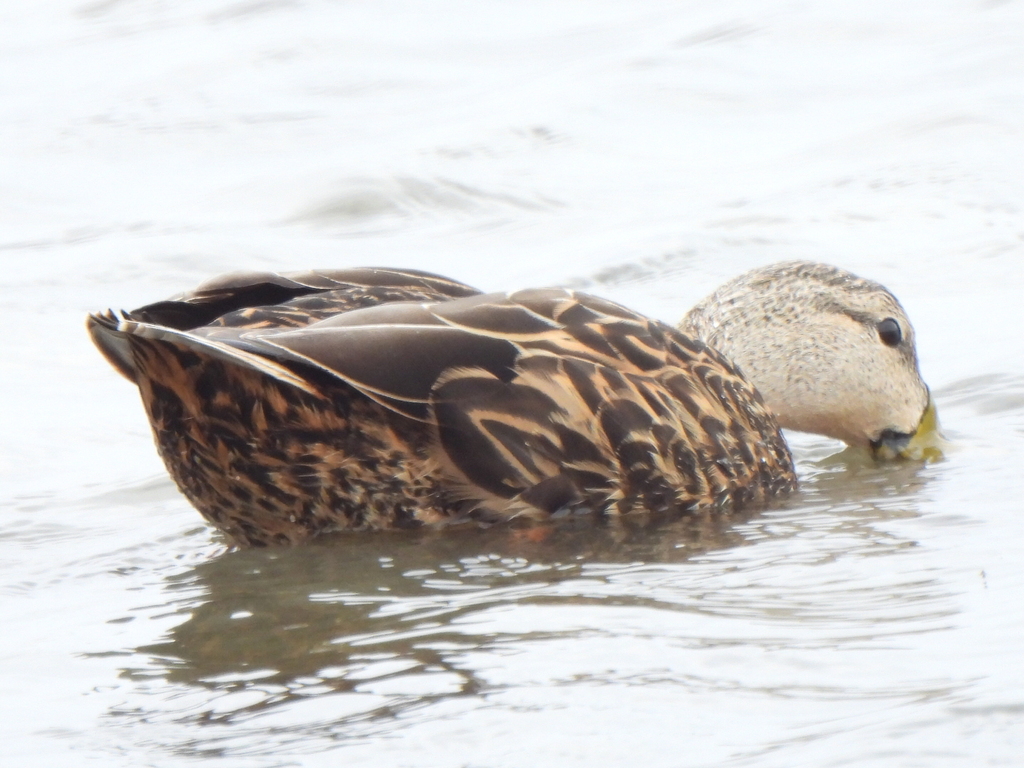
- Mottled DuckAnas fulvigula
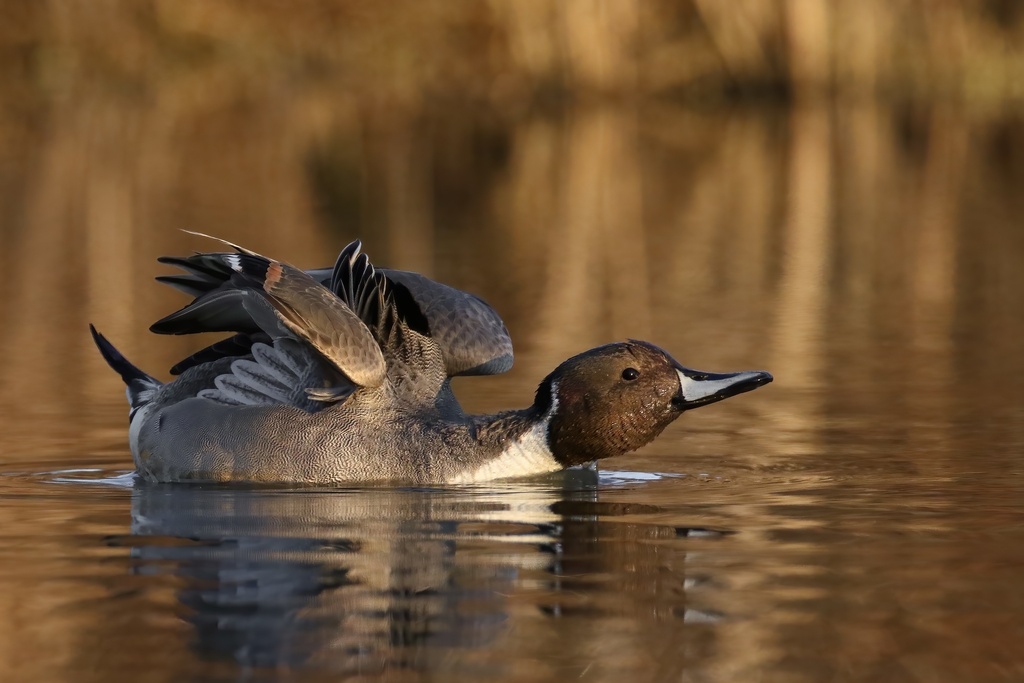
- Northern PintailAnas acuta
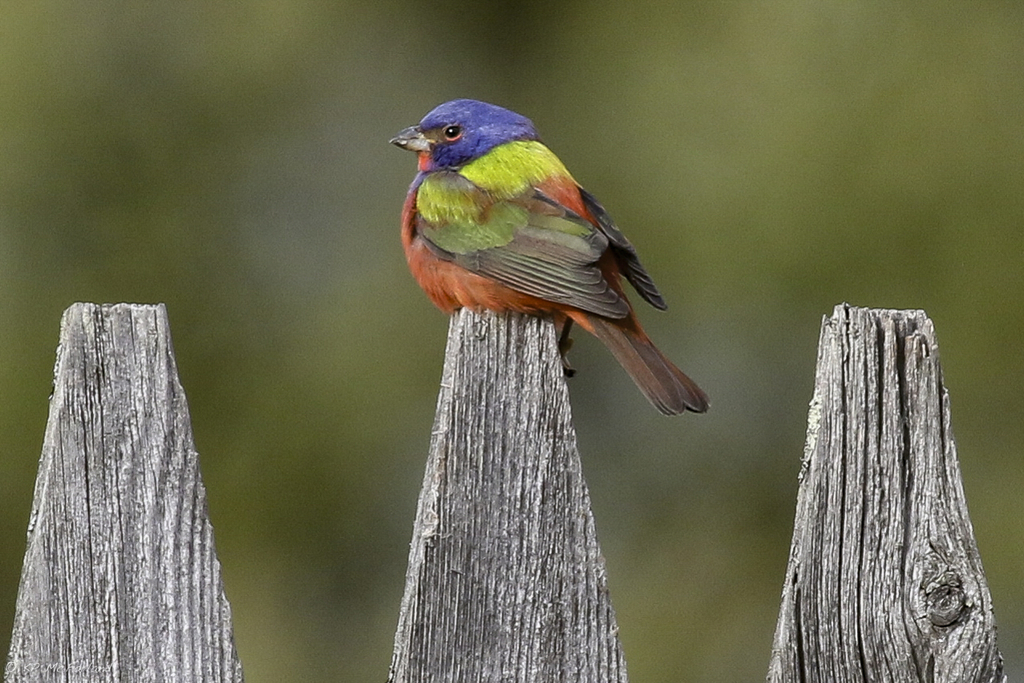
- Painted BuntingPasserina ciris
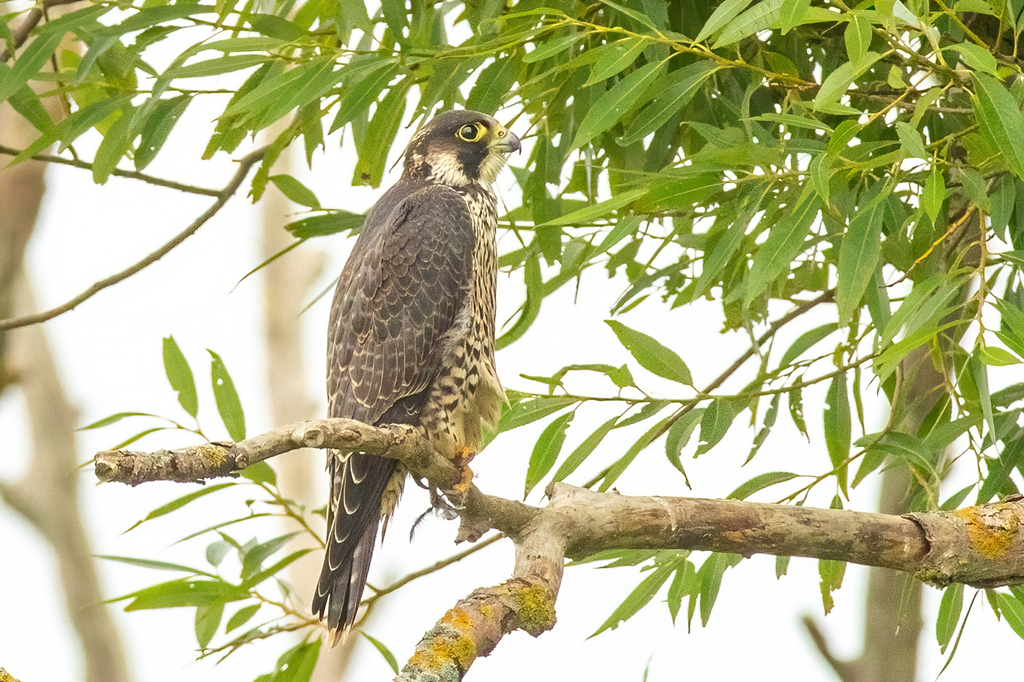
- Peregrine FalconFalco peregrinus
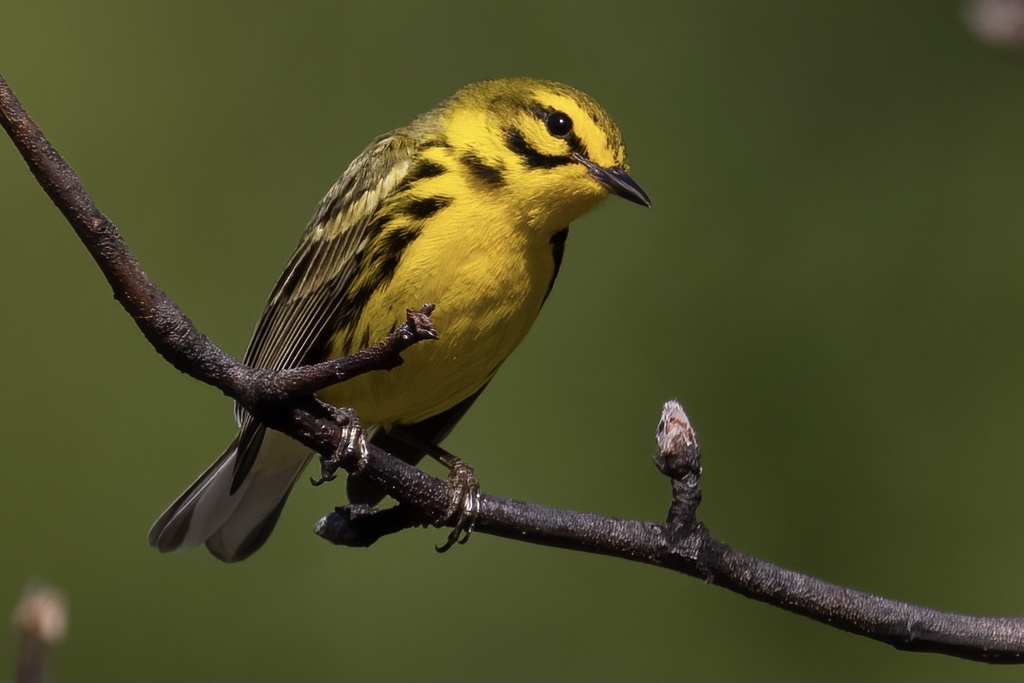
- Prairie WarblerDendroica discolor
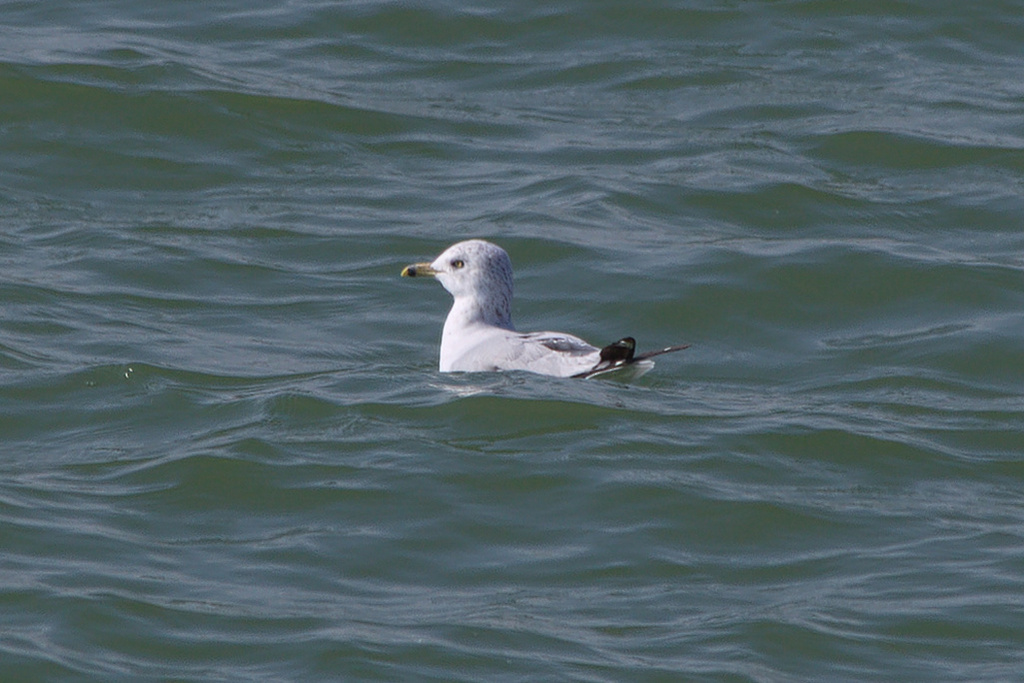
- Ring-billed GullLarus delawarensis
- SoraPorzana carolina
- Spotted SandpiperActitis macularius
- Tree SwallowTachycineta bicolor
- American Black DuckAnas rubripes
- American CrowCorvus brachyrhynchos
- American GoldfinchCarduelis tristis
- American KestrelFalco sparverius
- American PipitAnthus rubescens
- American RobinTurdus migratorius
- Barn SwallowHirundo rustica
- Belted KingfisherMegaceryle alcyon



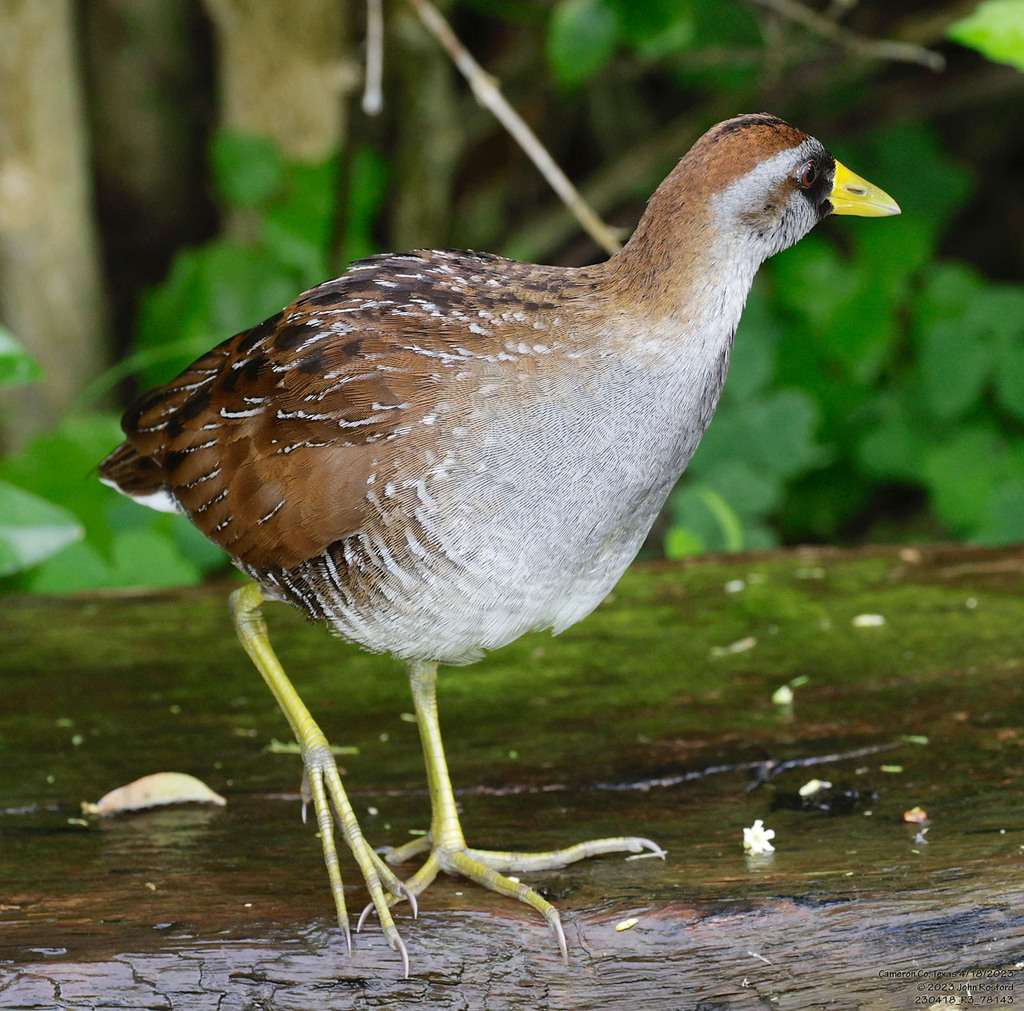






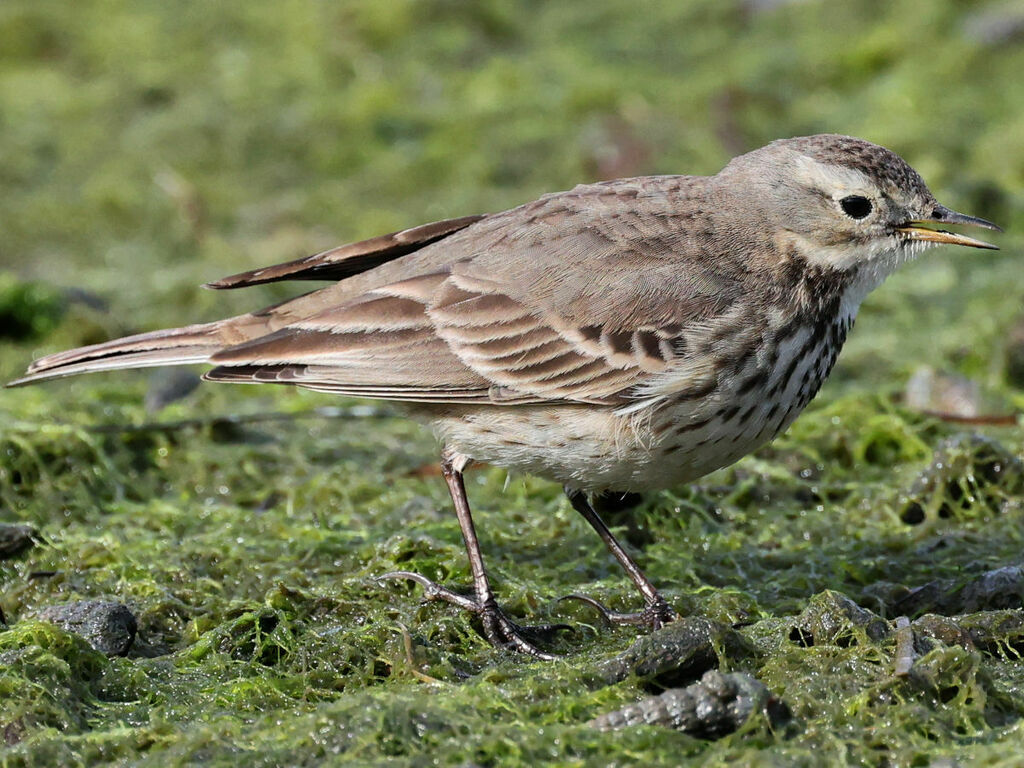

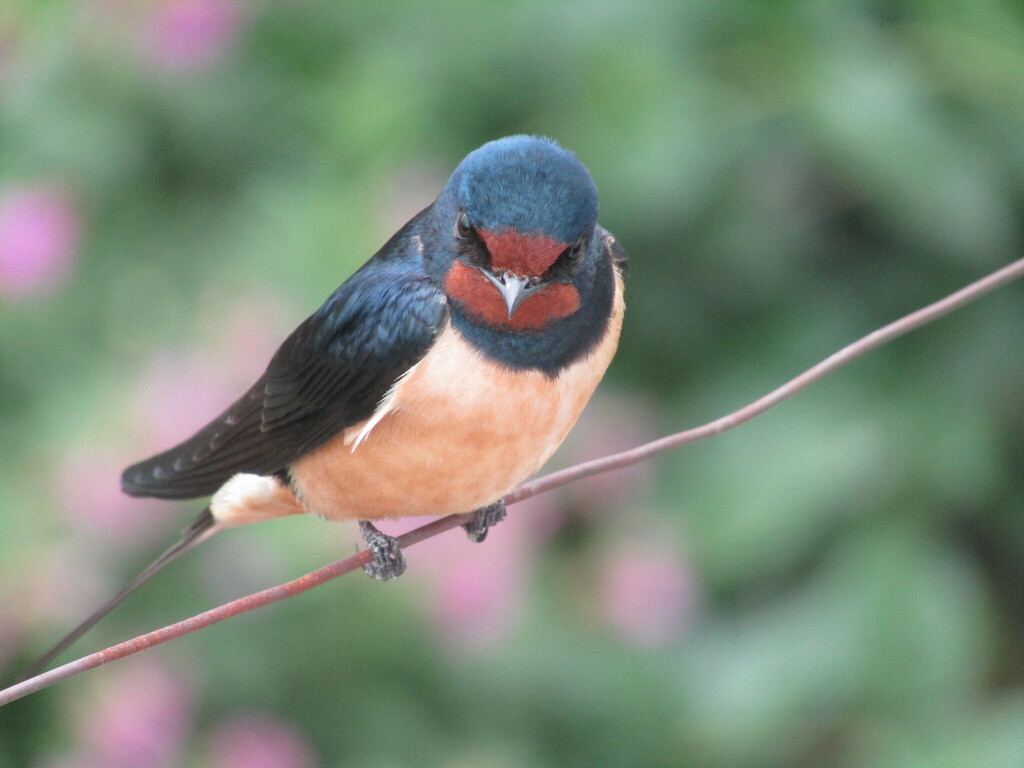

NatureServe Explorer, CC BY 4.0. USGS Gap Analysis Project habitat models.
Sources
- USGS Gap Analysis Project habitat models (2001)
- USGS GAP year-round habitat model for Ring-necked Pheasant Elevation up to 3,353 m
- USGS Gap Analysis Project range maps (2001), modeled by watershed; migratory gives no dates
- NatureServe Explorer (CC BY 4.0), habitat names
- US Census TIGER/Line counties
- Names follow the USGS Gap Analysis Project (2001)