

Bird
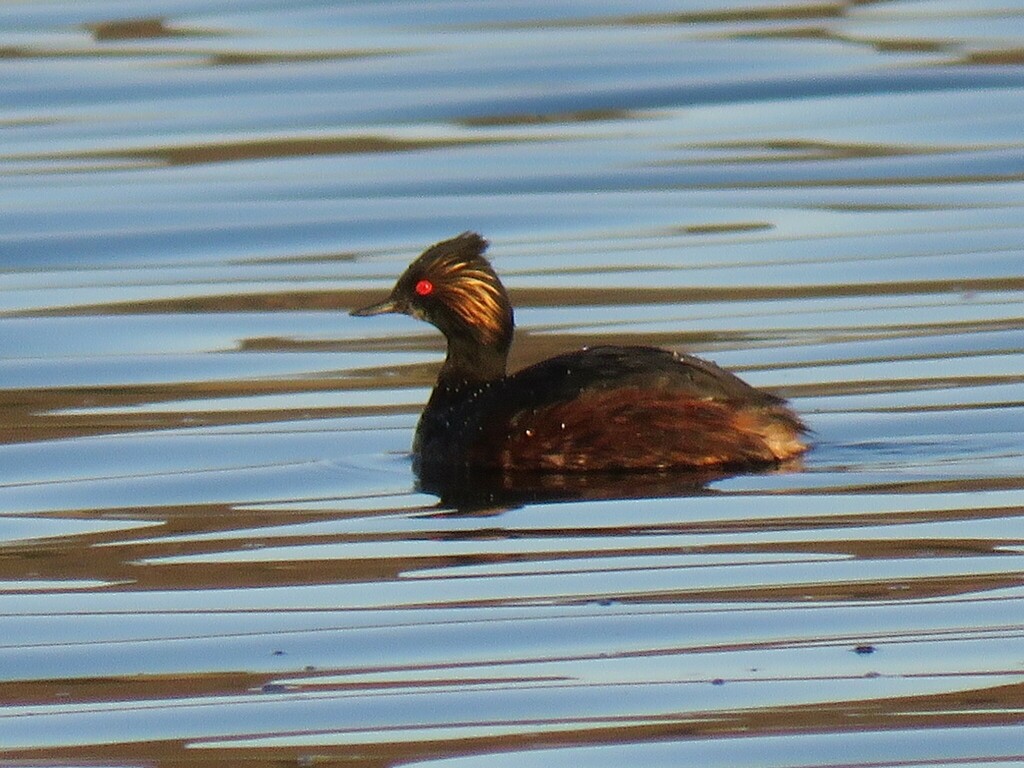
Eared Grebe
Podiceps nigricollis
A winter visitor to Louisiana, found in 41 of 64 parishes and 6 habitats.
- Here
- Winter
- Nesting
- Not known to nest here
- Range
- 41 of 64 parishes
- Habitats
- 6
At a glance
- Group
- Birds
- Here
- Winter
- Nesting
- Not known to nest here
- Range
- 41 of 64 parishes
- Habitats
- 6
- Habitat models
- Winter
Where it lives
The places its habitat model includes. It is not found everywhere a habitat occurs.
Habitats in Louisiana 6
Each habitat page lists the plants and wildlife also found there.
Open sand of beaches, dunes and the hollows between them.
Coastal tidal marshes (salinity not stated)
Tidal marshes of the Atlantic and Gulf coasts where the source does not say whether the water is fresh, brackish or salt. A stated salinity files the marsh under freshwater tidal marshes or salt and brackish marshes instead.
Disturbed and introduced wetlands
Wet ground taken over by weedy or introduced plants after disturbance, such as common reed, Chinese tallow or tamarisk stands; the upland counterpart is roadsides, fields and disturbed ground.
Flat, poorly drained uplands and terraces with oaks, sweetgum and sometimes loblolly pine, wet in winter and dry in summer, but neither a floodplain nor a swamp.
Still water and its edges: ponds, lakes, millponds and reservoirs.
Salt and brackish open water of sounds, bays and estuaries, with the mud and sand flats and seagrass beds that tides cover and uncover; the vegetated marsh is salt and brackish marshes.
Other habitats in its models (5)
Land cover, or classes with no habitat page in Louisiana.
- Open Water (Aquaculture) Winter.
- Unconsolidated Shore (Lake/River/Pond) Winter.
- Unconsolidated Shore Winter.
- Texas Coastal Bend Beach Winter.
- Central and Upper Texas Coast Dune and Coastal Grassland Winter.
Seasons in Louisiana
- Winter: does not nest here, in 41 of 64 parishes.
Also found in this habitat
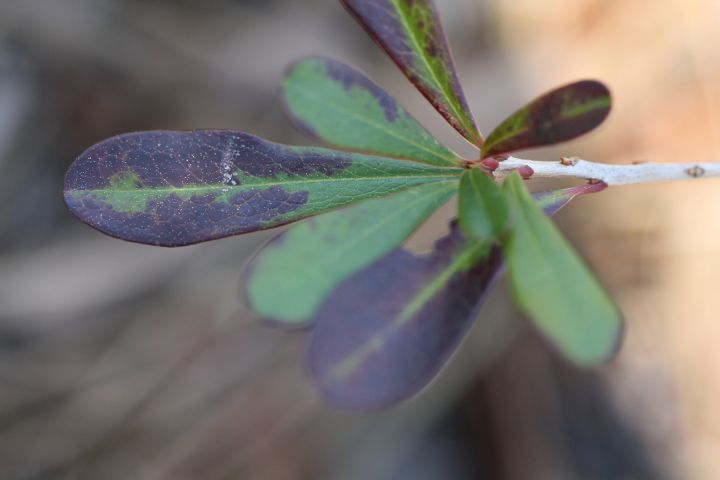
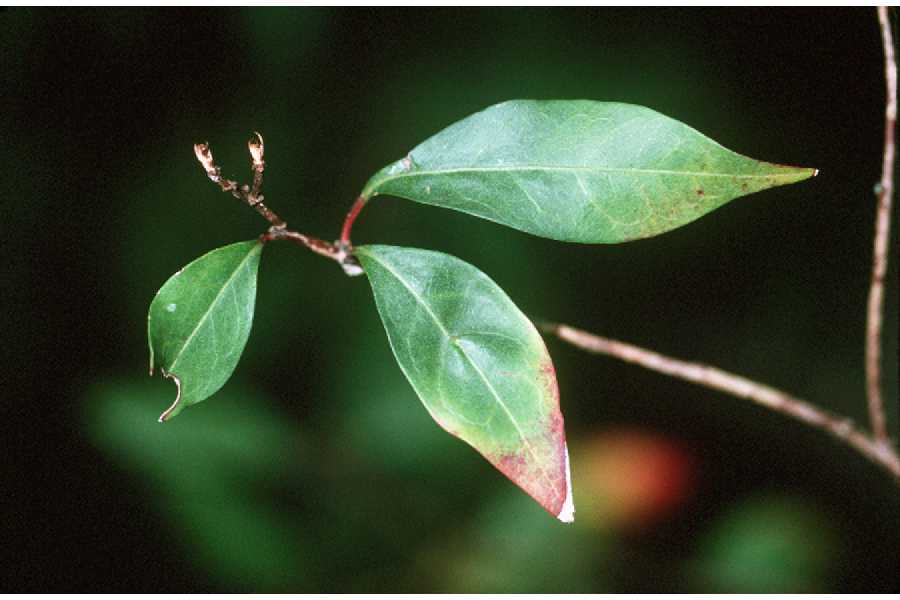
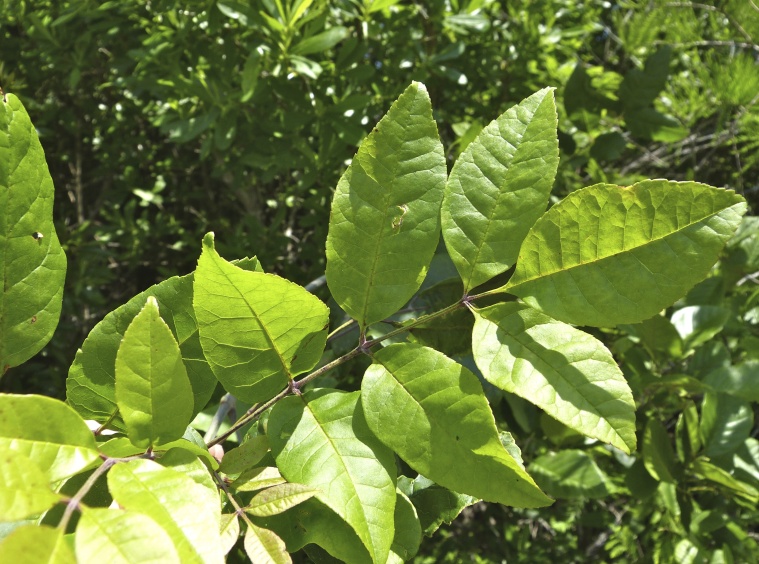
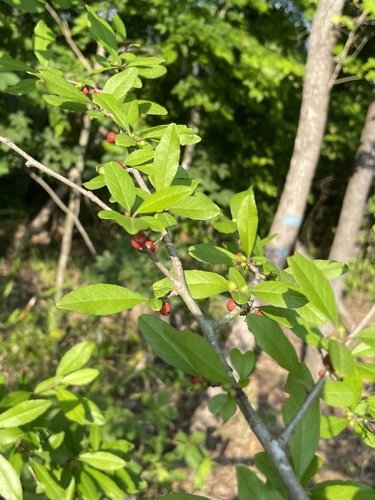
Plants 54
Plants named in NatureServe descriptions of these habitats that grow in Louisiana. Shared habitat, not food.
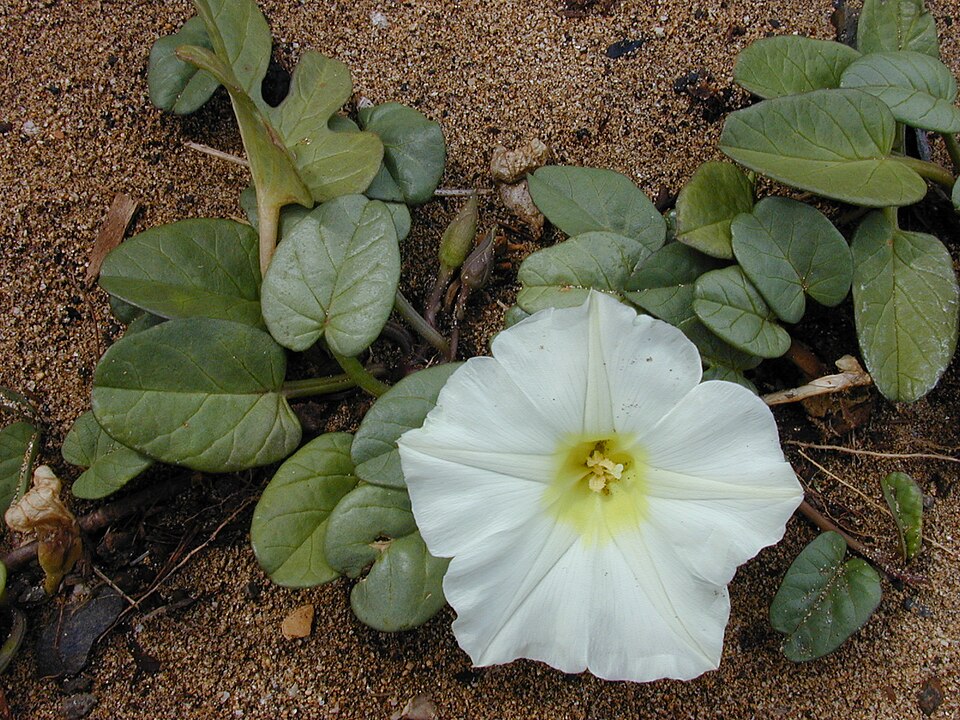
- Beach Morning-gloryIpomoea imperati
- Ipomoea pes-capraeIpomoea pes-caprae
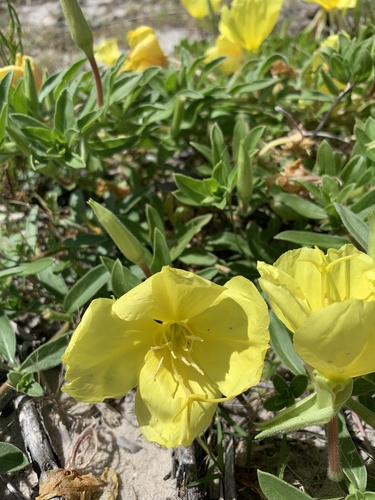
- Beach Evening-primroseOenothera drummondii
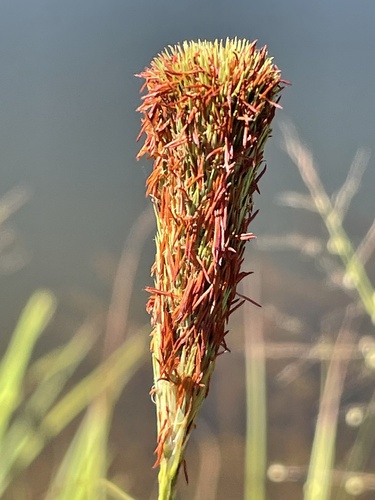
- Bitter PanicgrassPanicum amarum
- Gulfdune PaspalumPaspalum monostachyum
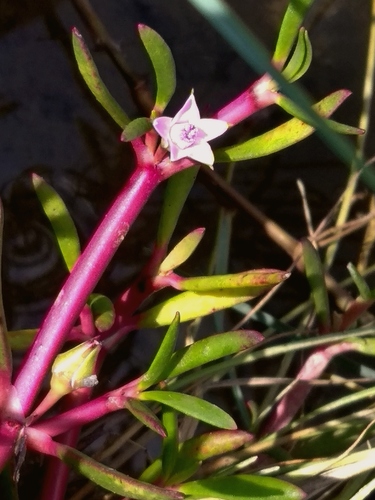
- Shoreline Sea-purslaneSesuvium portulacastrum
- Saltmeadow CordgrassSpartina patens
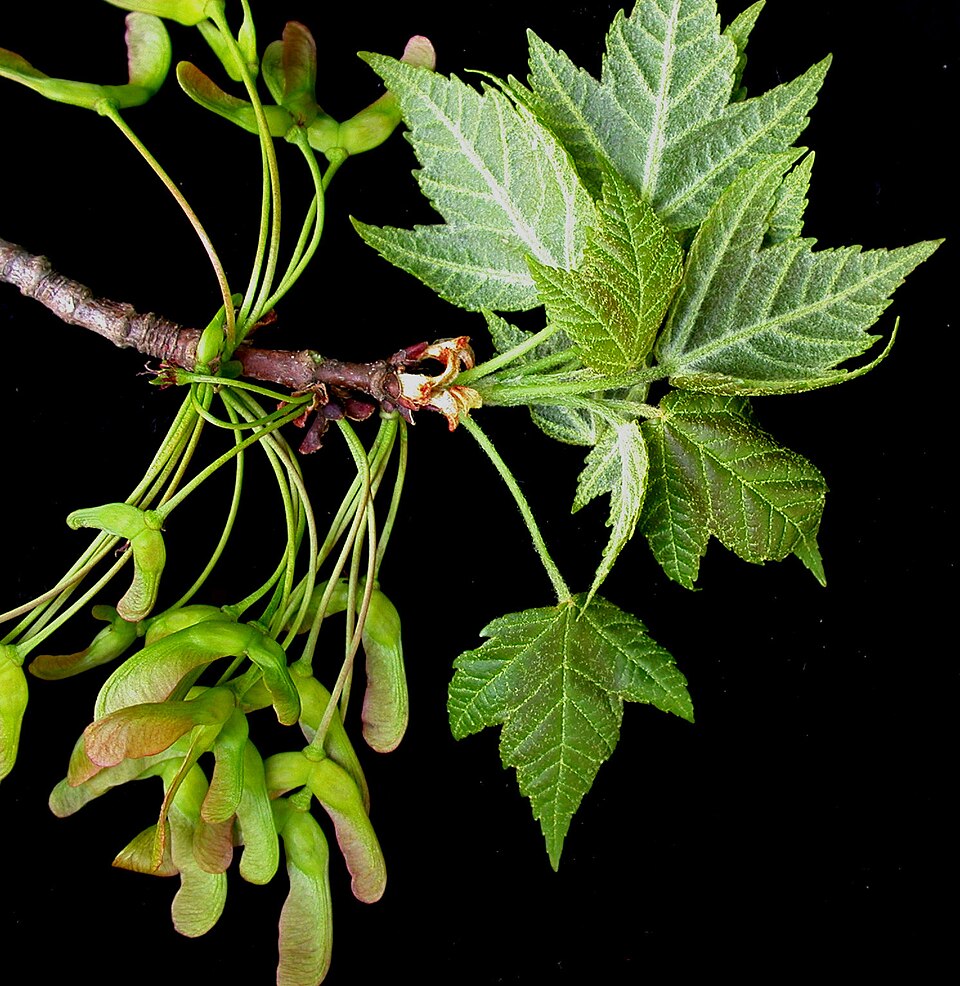
- Red MapleAcer rubrum
- False NettleBoehmeria cylindrica
- Southern Waxy SedgeCarex glaucescens
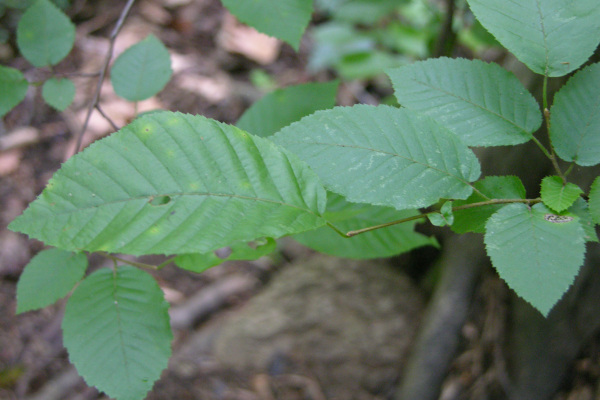
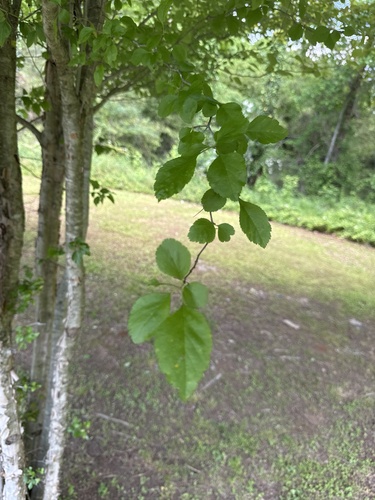
- American HornbeamCarpinus caroliniana
- Coastal SandspurCenchrus spinifex
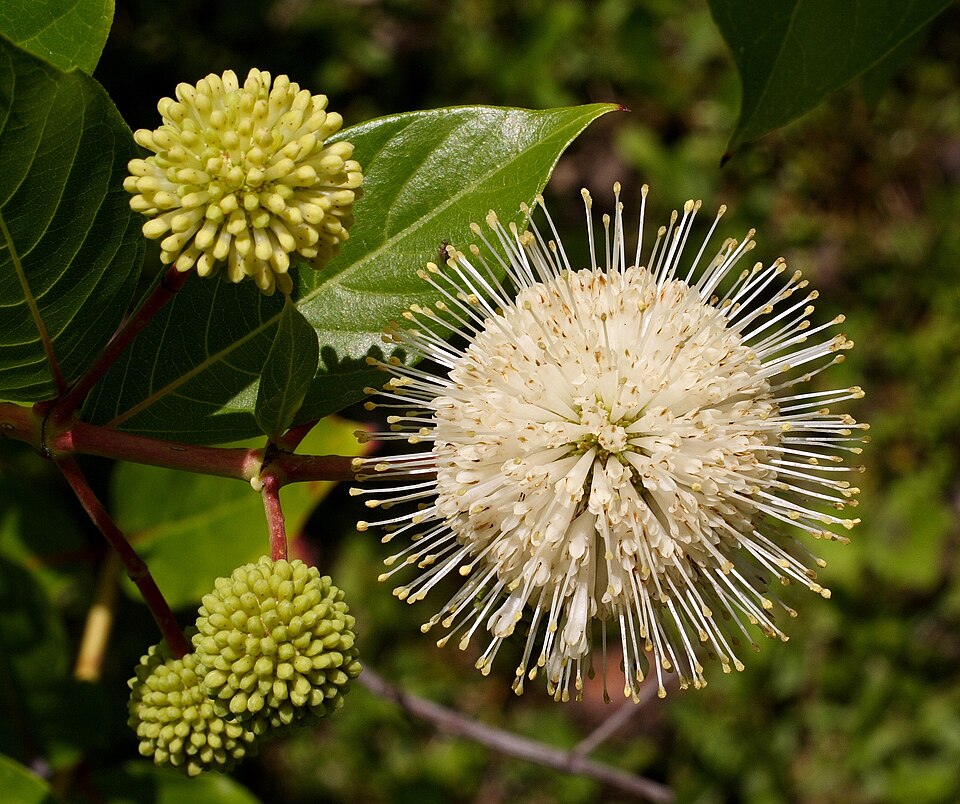
- ButtonbushCephalanthus occidentalis
- Slender SpikegrassChasmanthium laxum
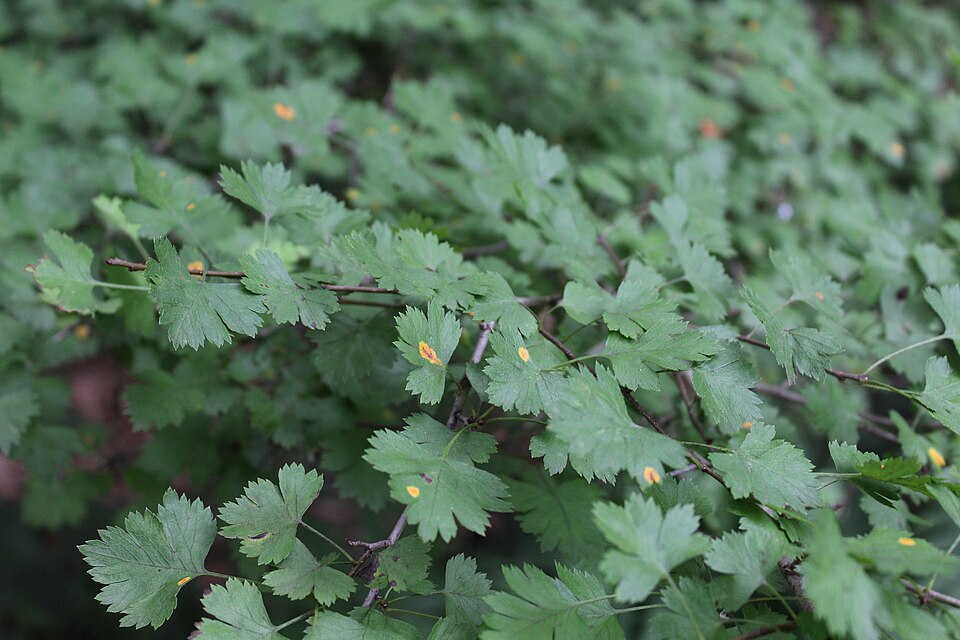
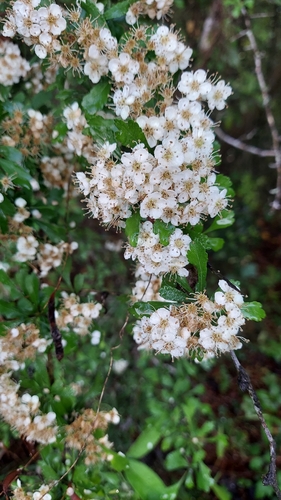
- Parsley HawthornCrataegus marshallii
- Littlehip HawthornCrataegus spathulata
- Green HawthornCrataegus viridis
- TitiCyrilla racemiflora
- Bosc's WitchgrassDichanthelium boscii
- Gulf Sebastian-bushDitrysinia fruticosa
- Carolina AshFraxinus caroliniana
- GeocarponGeocarpon minimum
- Possumhaw HollyIlex decidua
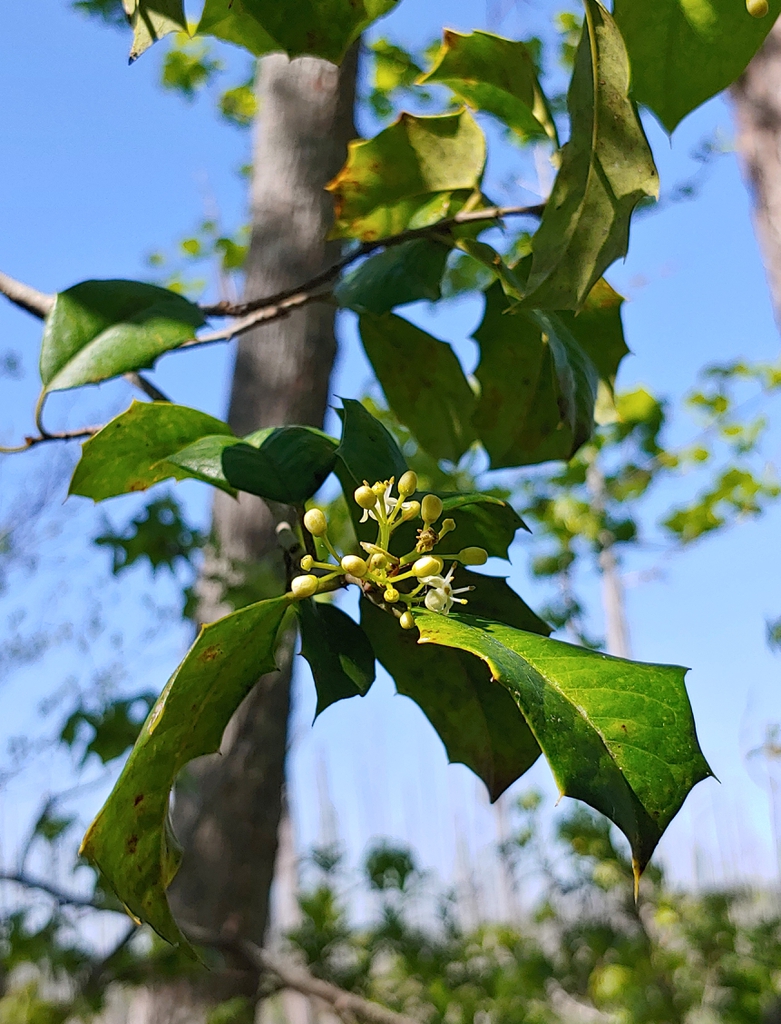
- American HollyIlex opaca
Wildlife 264
Other animals whose habitat models include the same habitats in Louisiana. Not sighting records.
- Ring-necked DuckAythya collaris
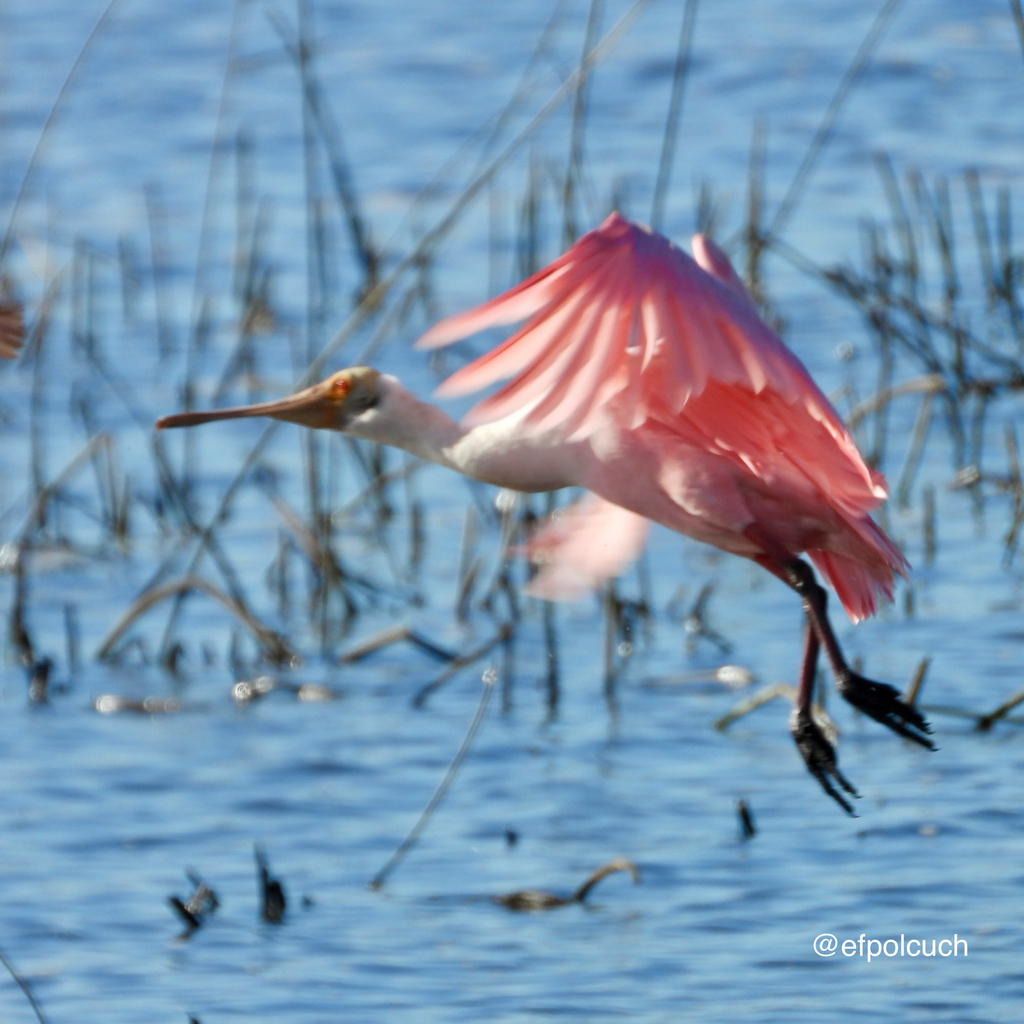
- Roseate SpoonbillPlatalea ajaja
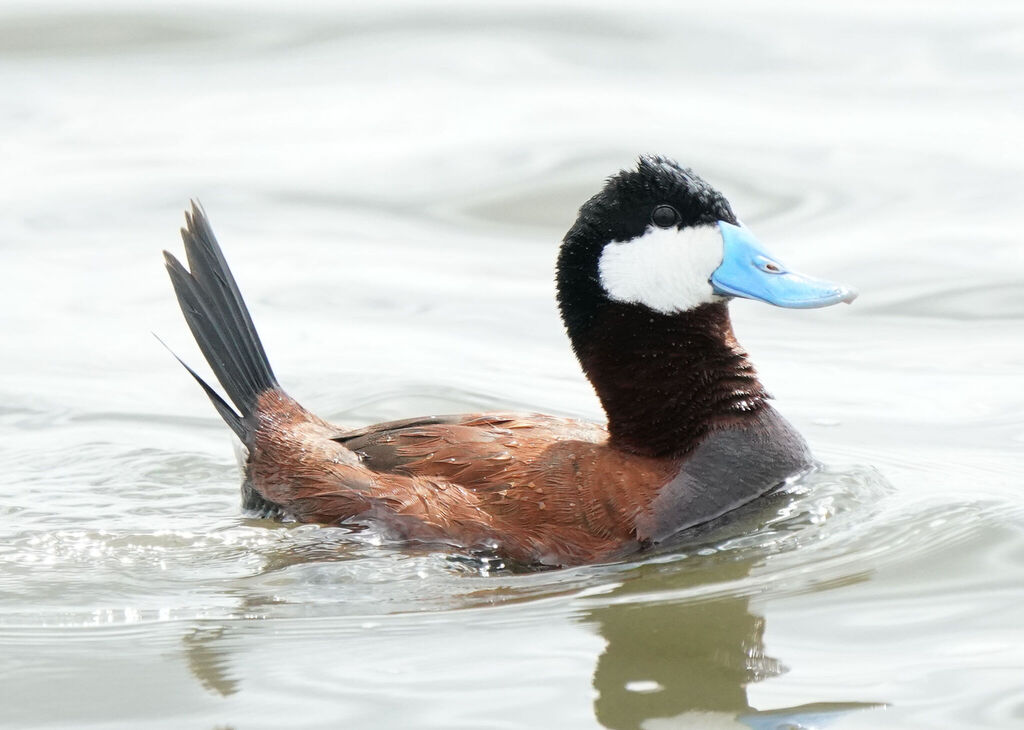
- Ruddy DuckOxyura jamaicensis
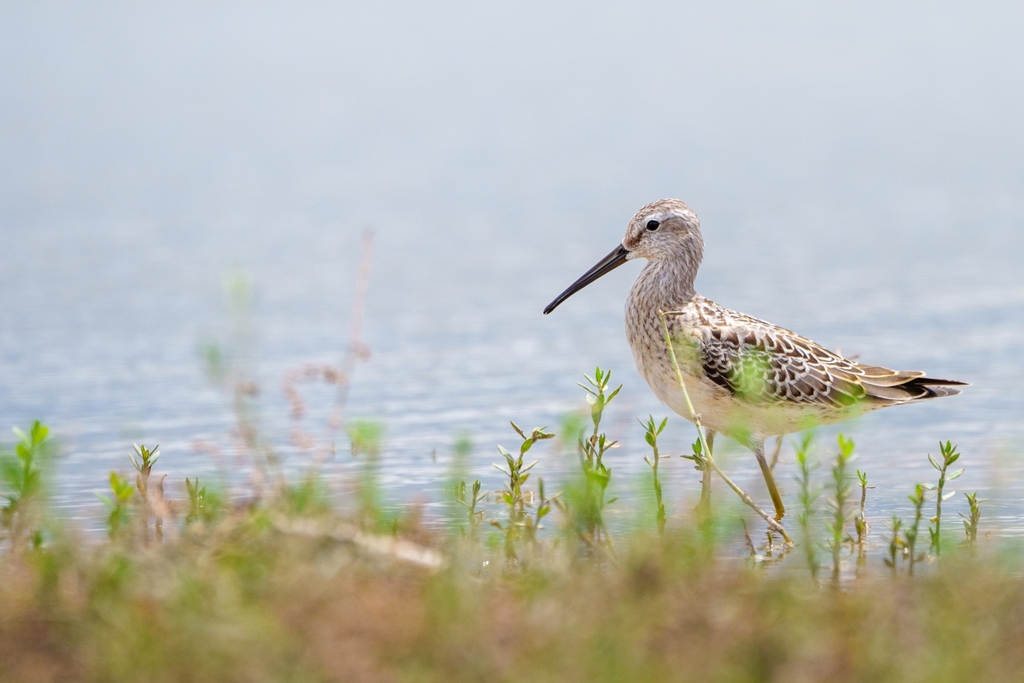
- Stilt SandpiperCalidris himantopus
- Surf ScoterMelanitta perspicillata
- White-faced IbisPlegadis chihi
- American OystercatcherHaematopus palliatus
- American White PelicanPelecanus erythrorhynchos
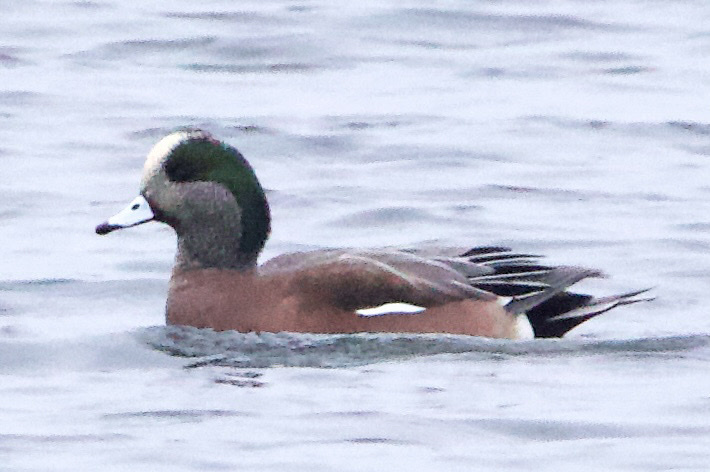
- American WigeonAnas americana
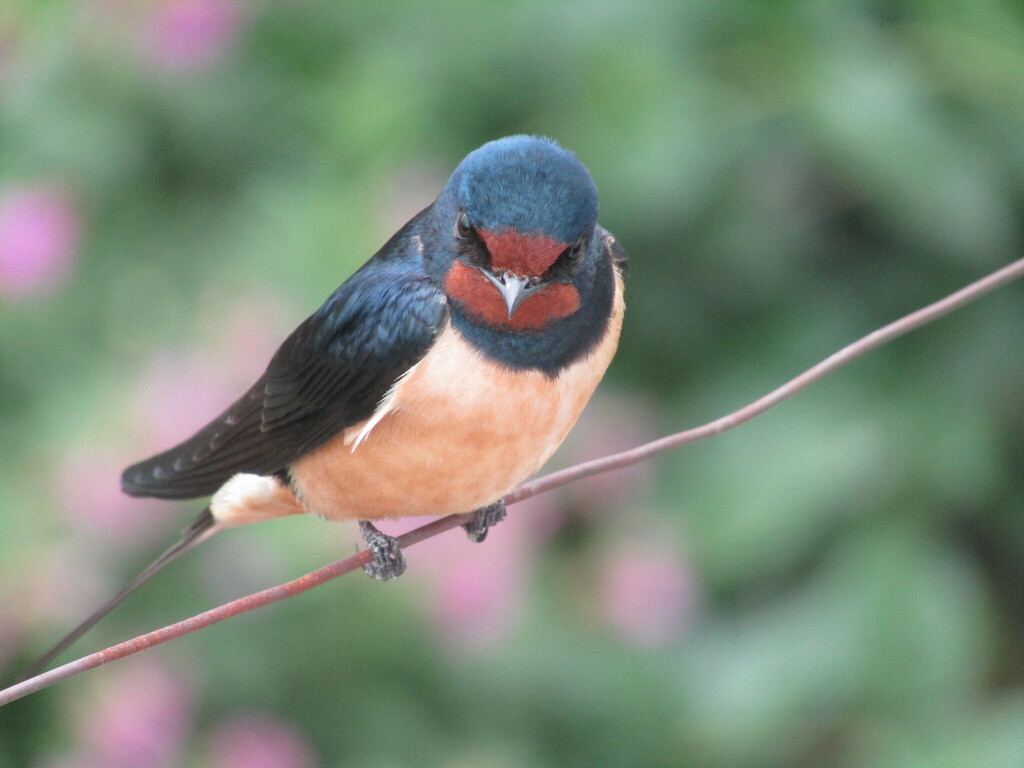
- Barn SwallowHirundo rustica
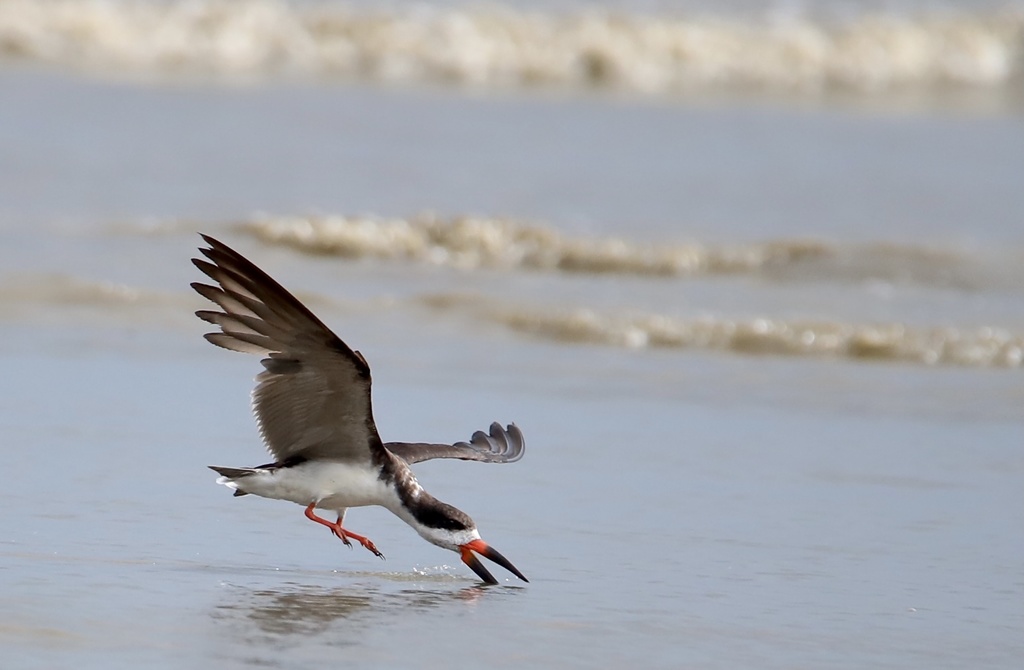
- Black SkimmerRynchops niger
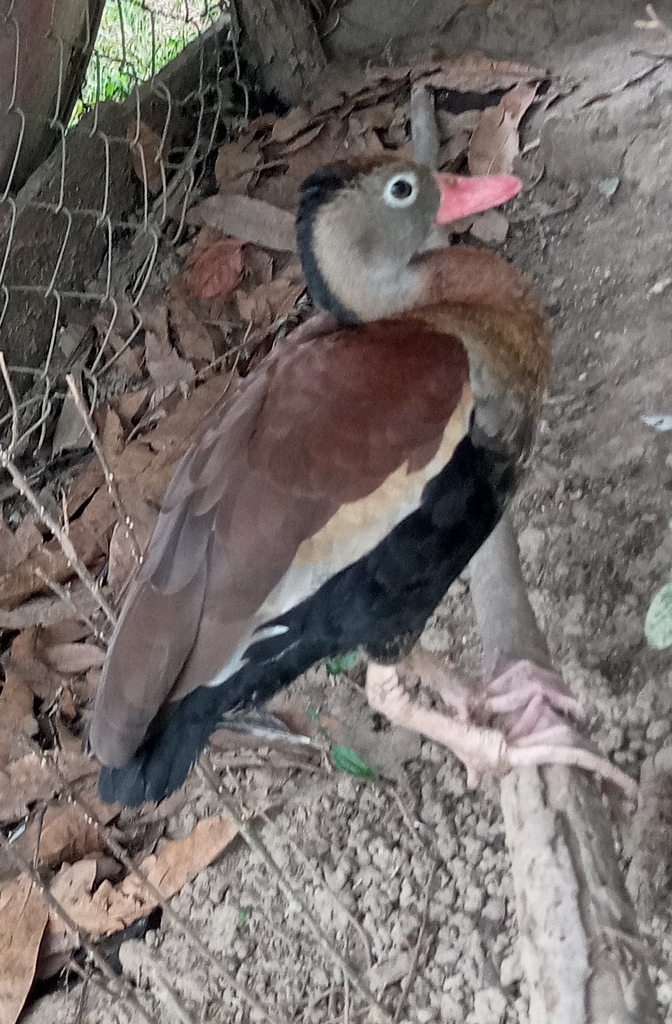
- Black-bellied Whistling-DuckDendrocygna autumnalis
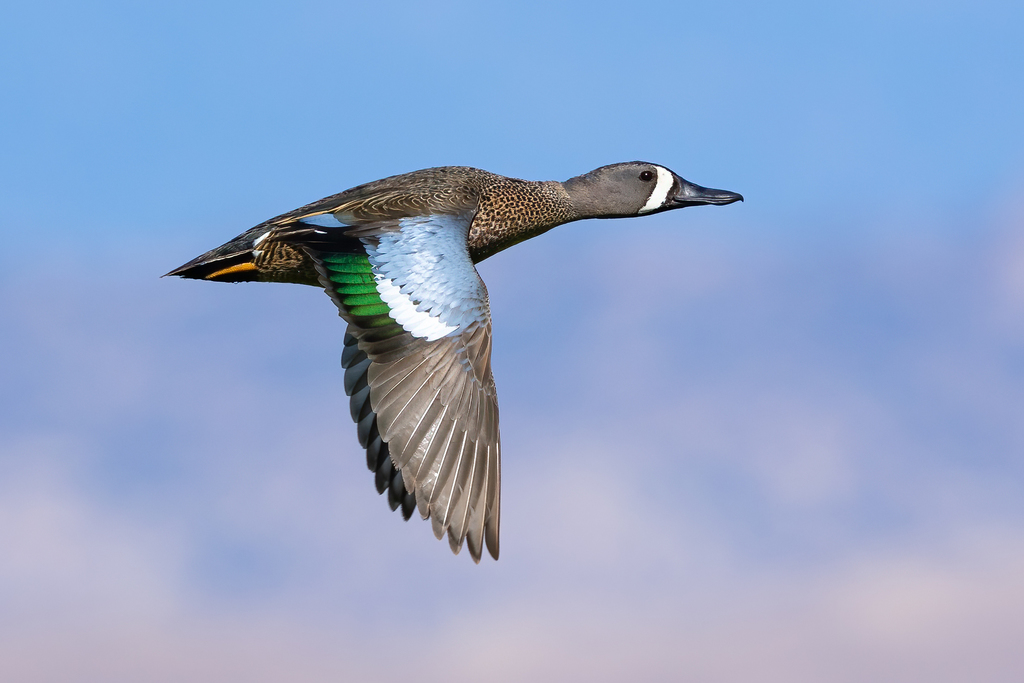
- Blue-winged TealAnas discors
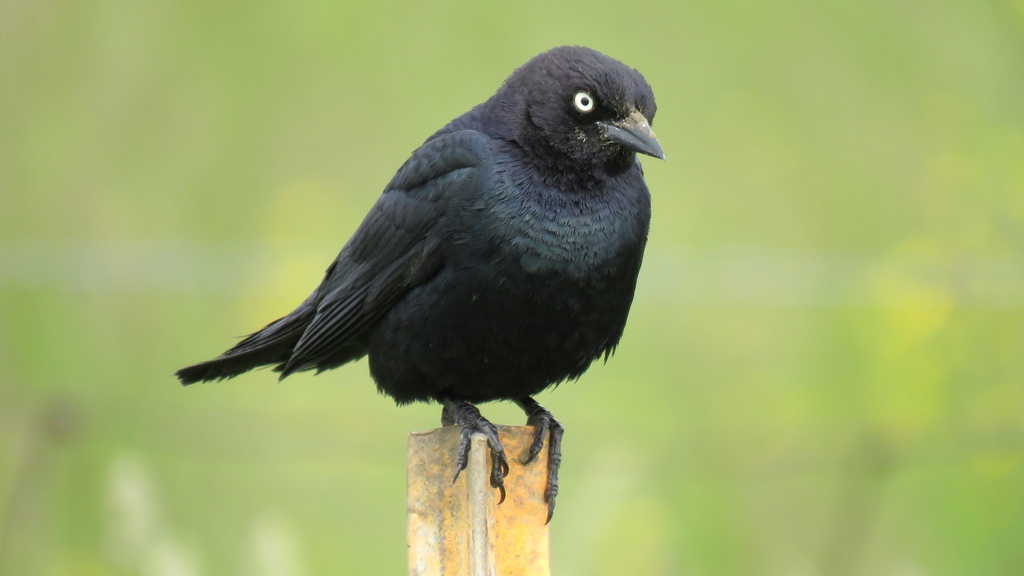
- Brewer's BlackbirdEuphagus cyanocephalus
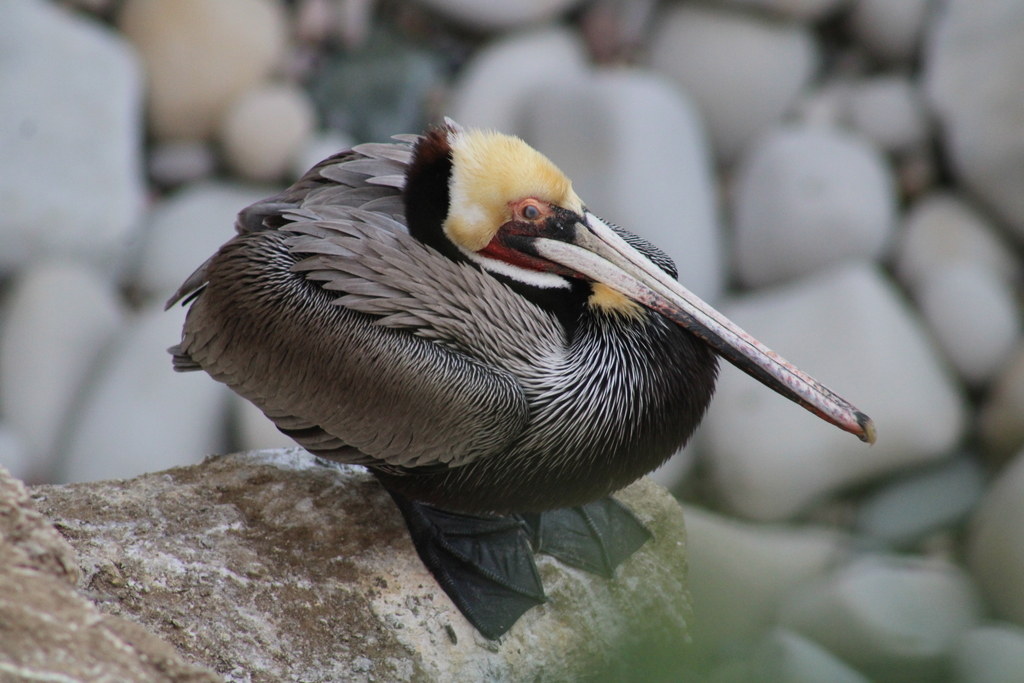
- Brown PelicanPelecanus occidentalis
- Cliff SwallowPetrochelidon pyrrhonota
- Common YellowthroatGeothlypis trichas
- Cooper's HawkAccipiter cooperii
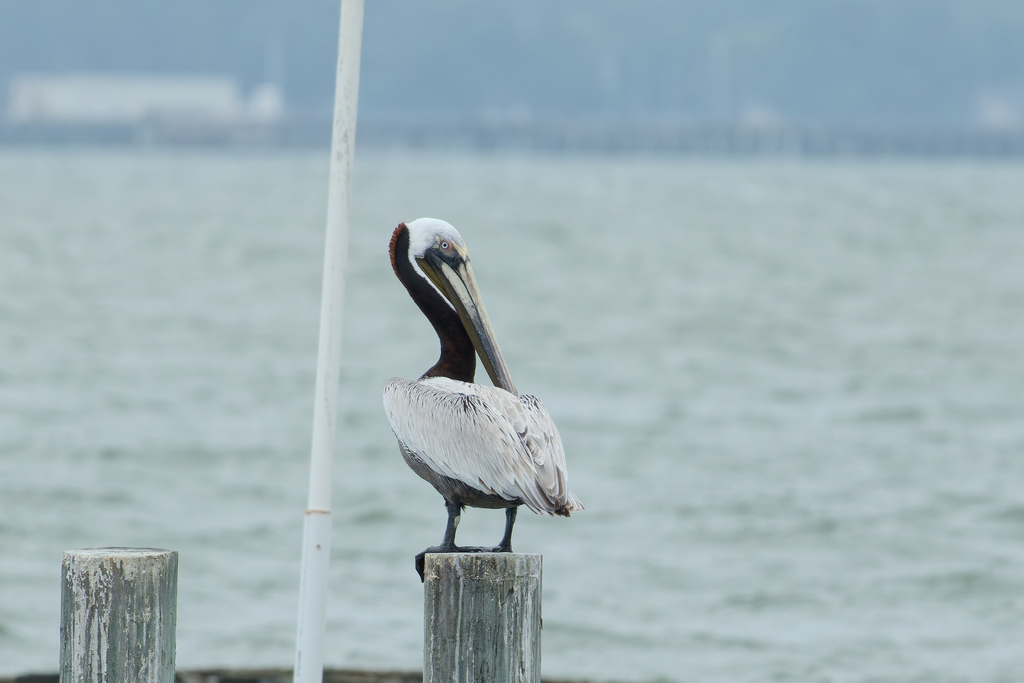
- Eastern Brown PelicanPelecanus occidentalis carolinensis
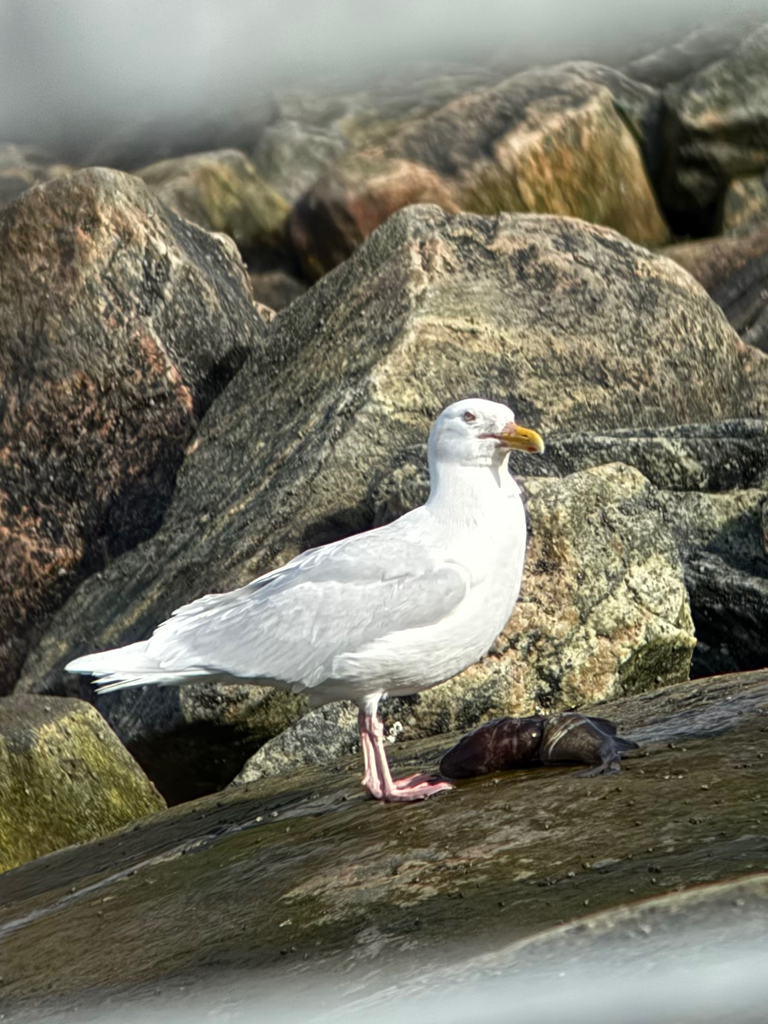
- Glaucous GullLarus hyperboreus
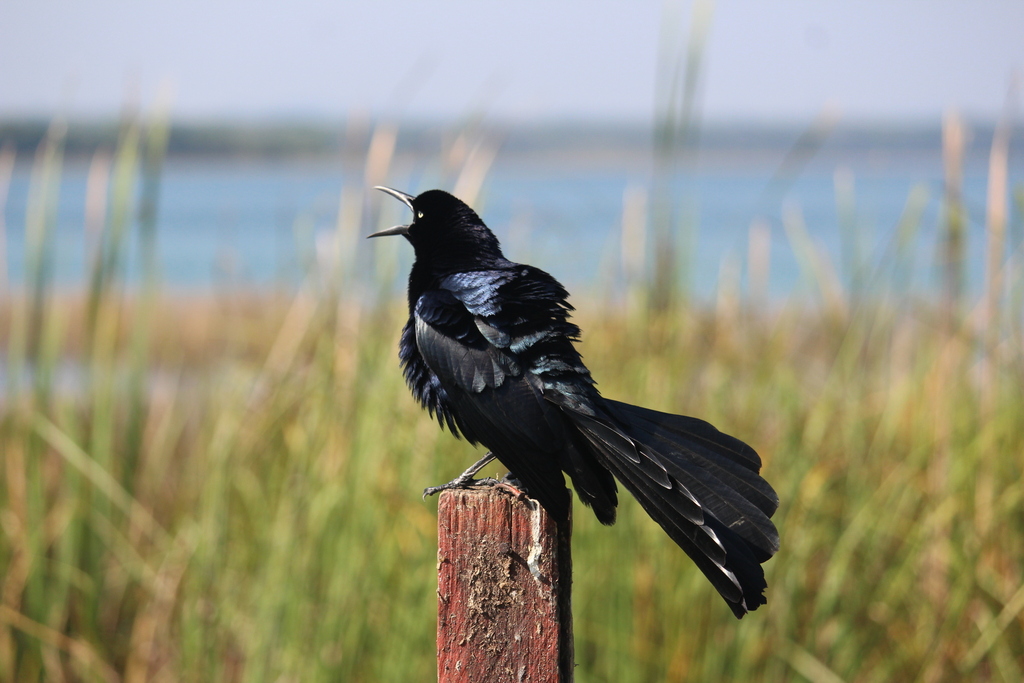
- Great-tailed GrackleQuiscalus mexicanus
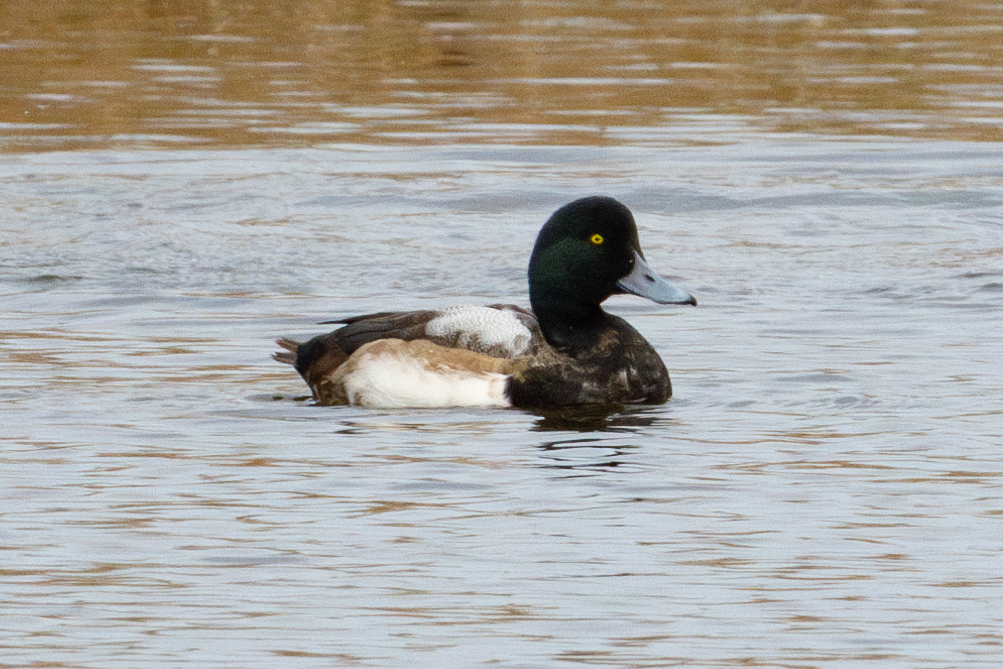
- Greater ScaupAythya marila
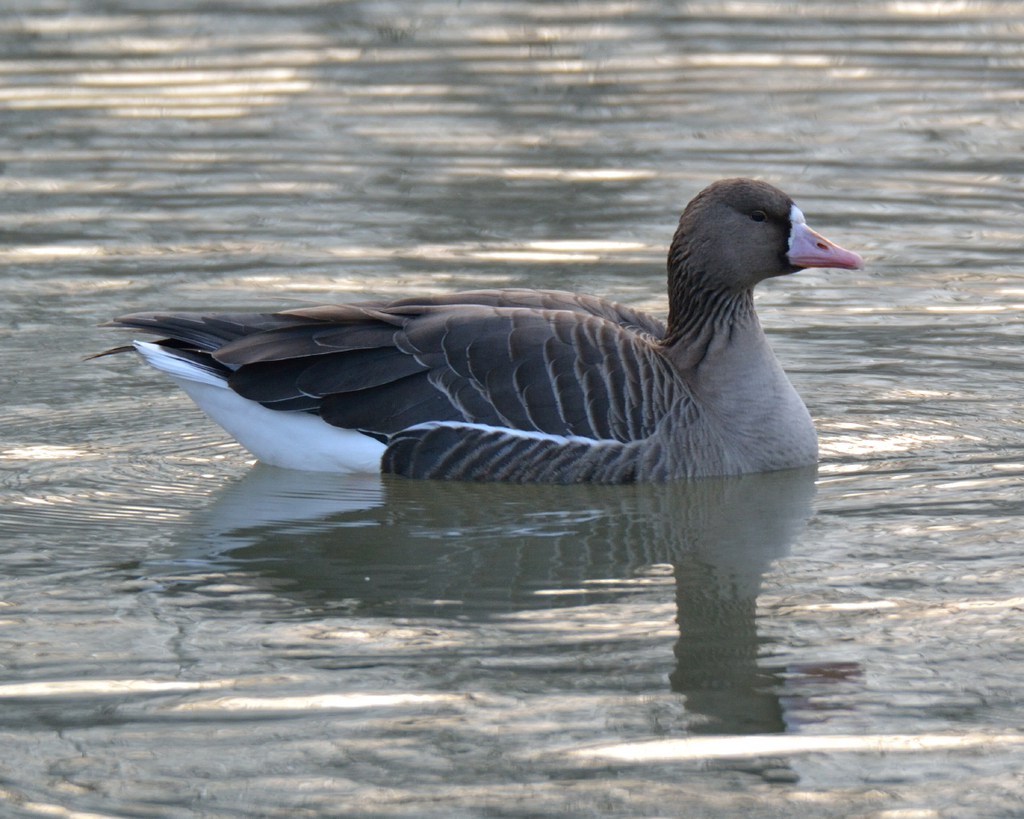
- Greater White-fronted GooseAnser albifrons
- Gull-billed TernGelochelidon nilotica

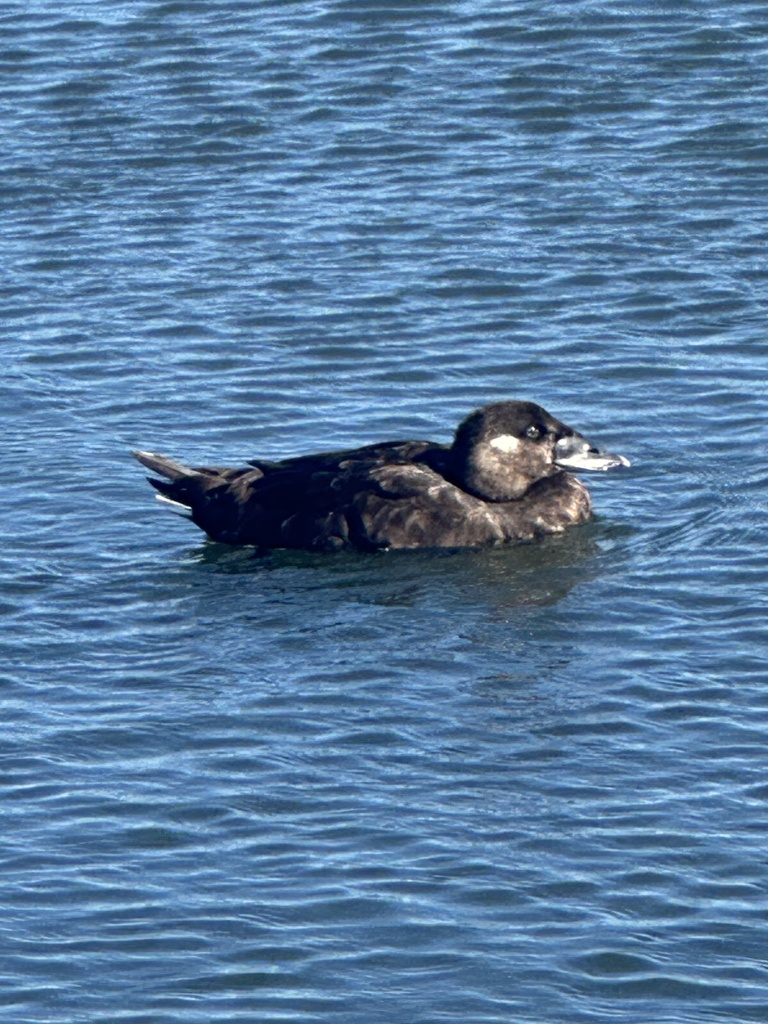
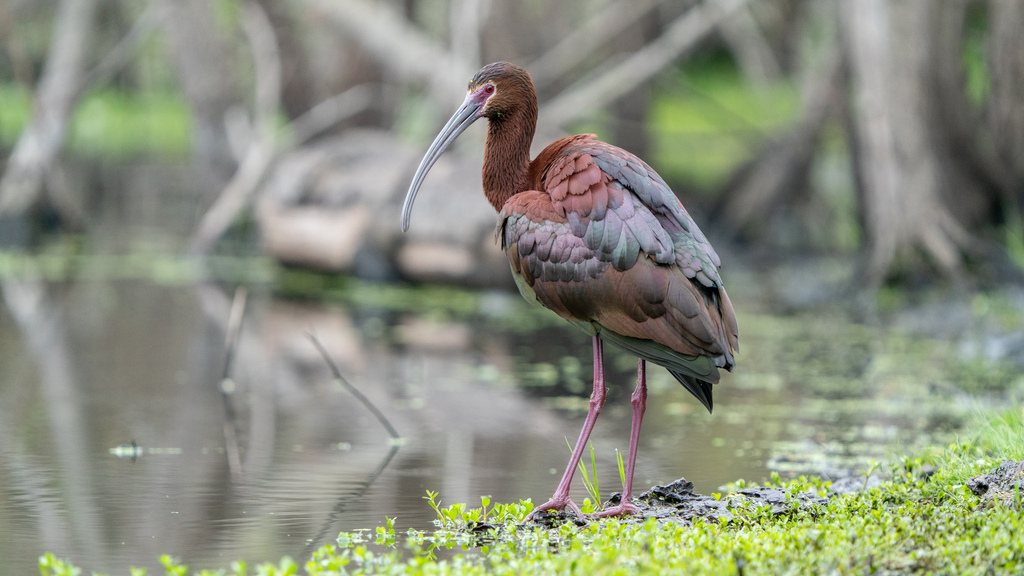
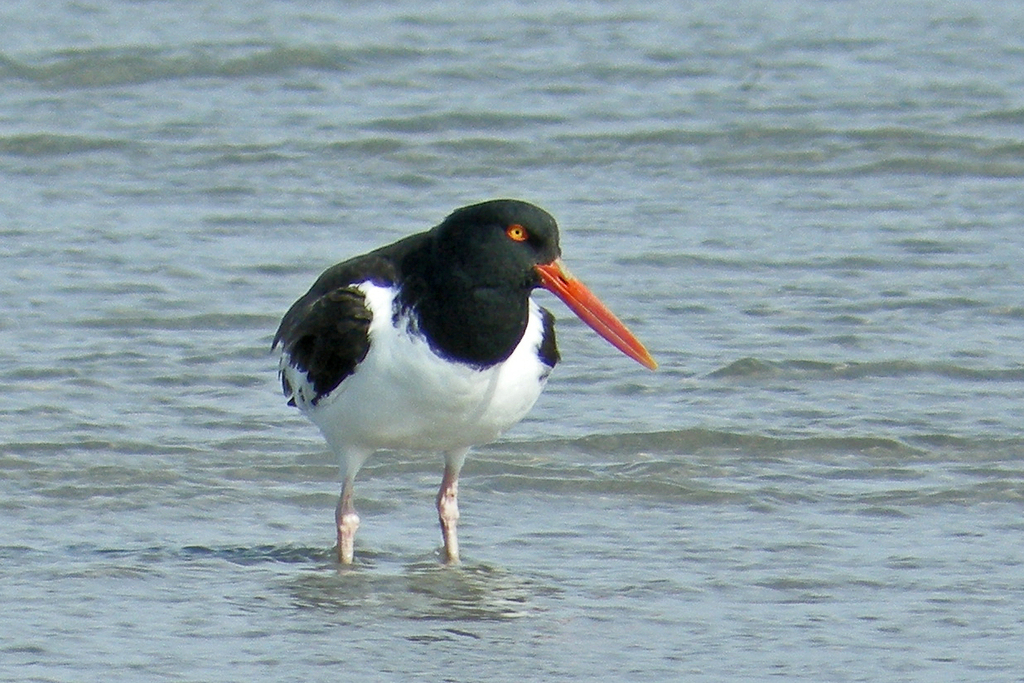
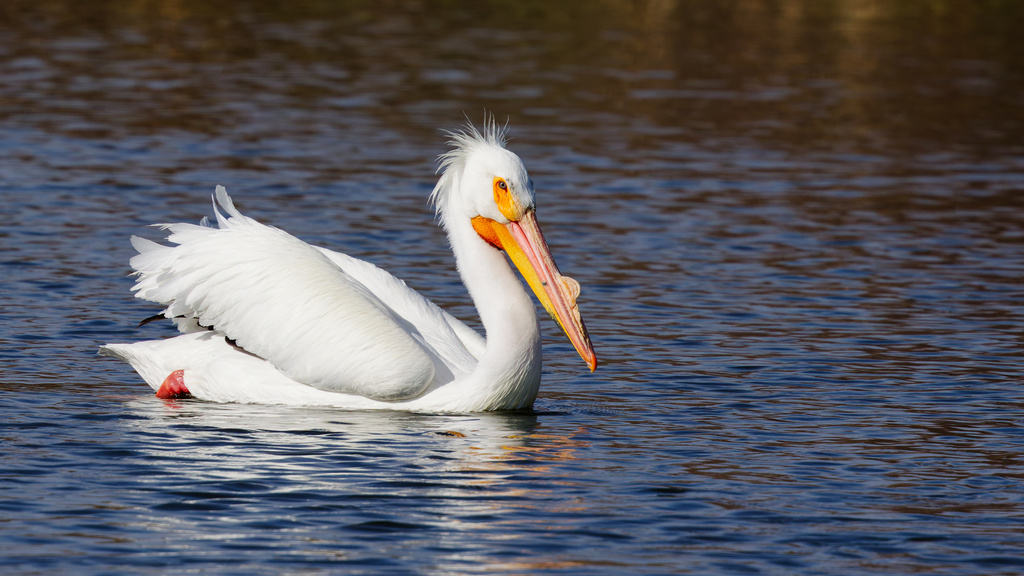



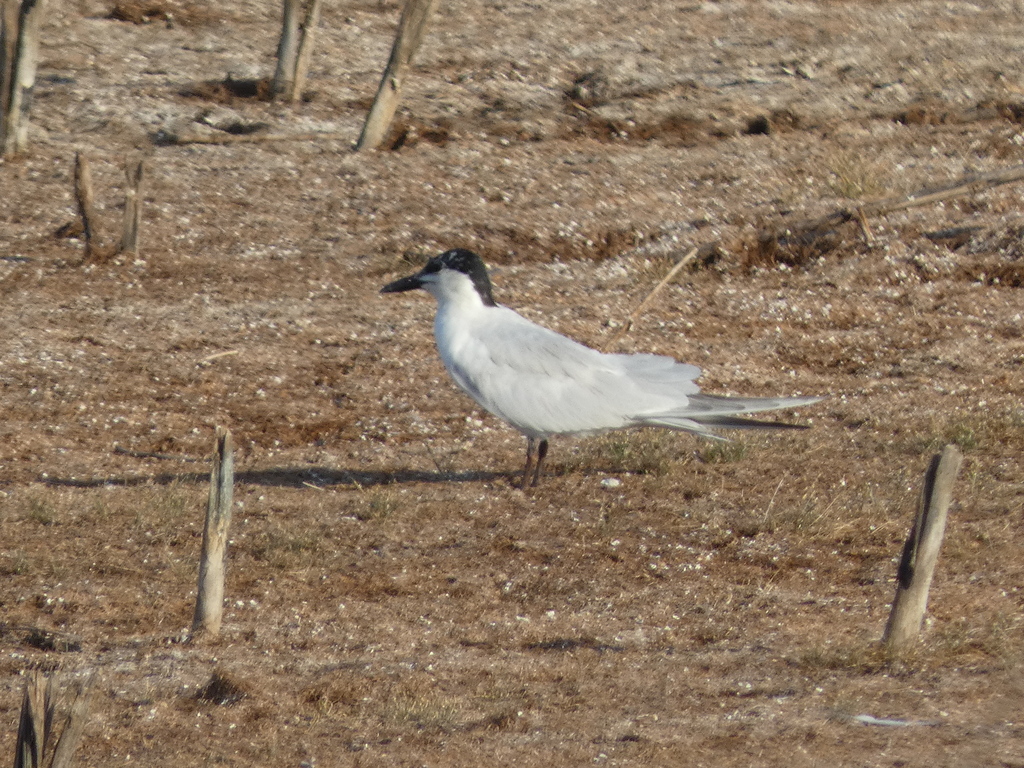
NatureServe Explorer, CC BY 4.0. USGS Gap Analysis Project habitat models.
Sources
- USGS Gap Analysis Project habitat models (2001)
- USGS GAP winter habitat model for Eared Grebe
- USGS Gap Analysis Project range maps (2001), modeled by watershed; migratory gives no dates
- NatureServe Explorer (CC BY 4.0), habitat names
- US Census TIGER/Line counties
- Names follow the USGS Gap Analysis Project (2001)