

Bird
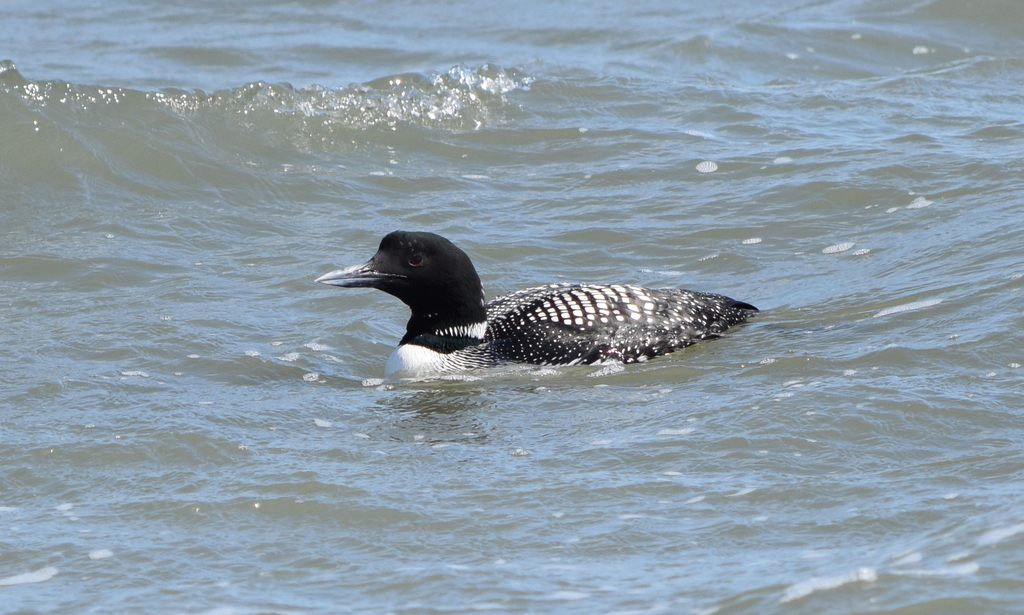
Common Loon
Gavia immer
A winter visitor to Louisiana, found in all 64 parishes and 5 habitats.
- Here
- Winter and on migration
- Nesting
- Not known to nest here
- Range
- All 64 parishes
- Habitats
- 5
At a glance
- Group
- Birds
- Here
- Winter and on migration
- Nesting
- Not known to nest here
- Range
- All 64 parishes
- Habitats
- 5
- Habitat models
- Winter
Where it lives
The places its habitat model includes. It is not found everywhere a habitat occurs.
Habitats in Louisiana 5
Each habitat page lists the plants and wildlife also found there.
Open sand of beaches, dunes and the hollows between them.
Coastal tidal marshes (salinity not stated)
Tidal marshes of the Atlantic and Gulf coasts where the source does not say whether the water is fresh, brackish or salt. A stated salinity files the marsh under freshwater tidal marshes or salt and brackish marshes instead.
Disturbed and introduced wetlands
Wet ground taken over by weedy or introduced plants after disturbance, such as common reed, Chinese tallow or tamarisk stands; the upland counterpart is roadsides, fields and disturbed ground.
Still water and its edges: ponds, lakes, millponds and reservoirs.
Salt and brackish open water of sounds, bays and estuaries, with the mud and sand flats and seagrass beds that tides cover and uncover; the vegetated marsh is salt and brackish marshes.
Other habitats in its models (20)
Land cover, or classes with no habitat page in Louisiana.
- Atlantic Coastal Plain Southern Beach Winter.
- Unconsolidated Shore (Lake/River/Pond) Winter.
- Unconsolidated Shore Winter.
- Southeast Florida Beach Winter.
- South Florida Shell Hash Beach Winter.
- Florida Panhandle Beach Vegetation Winter.
- Atlantic Coastal Plain Sea Island Beach Winter.
- Southwest Florida Beach Winter.
- Atlantic Coastal Plain Southern Dune and Maritime Grassland Winter.
- Southwest Florida Dune and Coastal Grassland Winter.
- East Gulf Coastal Plain Dune and Coastal Grassland Winter.
- Atlantic Coastal Plain Central Salt and Brackish Tidal Marsh Winter.
- Atlantic Coastal Plain Indian River Lagoon Tidal Marsh Winter.
- Atlantic Coastal Plain Embayed Region Tidal Salt and Brackish Marsh Winter.
- Atlantic Coastal Plain Embayed Region Tidal Freshwater Marsh Winter.
- Florida Big Bend Fresh-Oligohaline Tidal Marsh Winter.
- Atlantic Coastal Plain Northern Fresh and Oligohaline Tidal Marsh Winter.
- South Florida Bayhead Swamp Winter.
- Atlantic Coastal Plain Central Fresh-Oligohaline Tidal Marsh Winter.
- South Florida Freshwater Slough and Gator Hole Winter.
Seasons in Louisiana
- Migratory: does not nest here, in all 64 parishes.
- Winter: does not nest here, in 12 of 64 parishes.
Also found in this habitat
Wildlife 236
Other animals whose habitat models include the same habitats in Louisiana. Not sighting records.
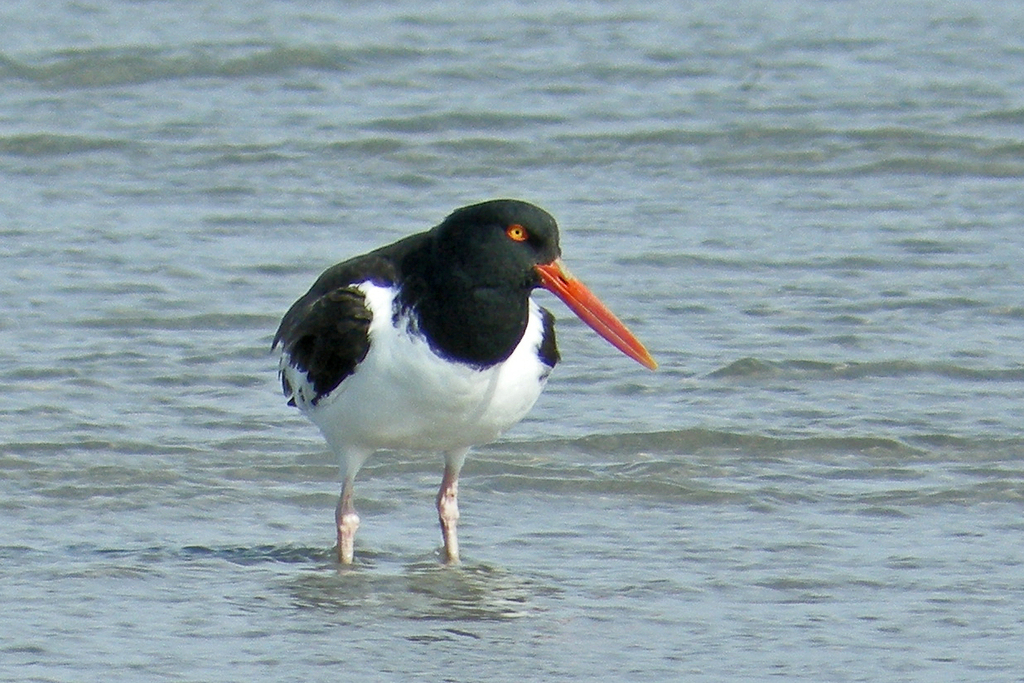
- American OystercatcherHaematopus palliatus
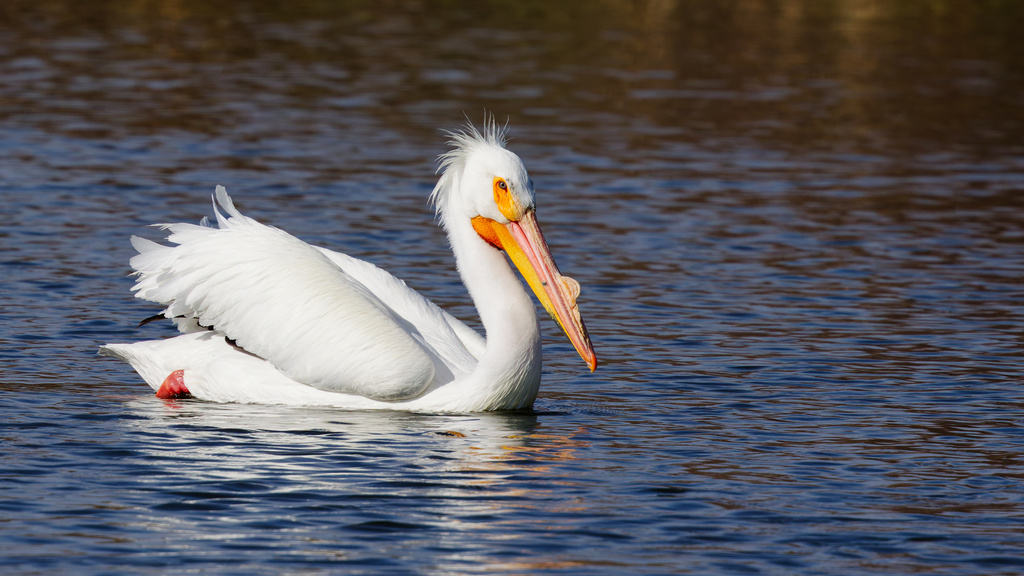
- American White PelicanPelecanus erythrorhynchos
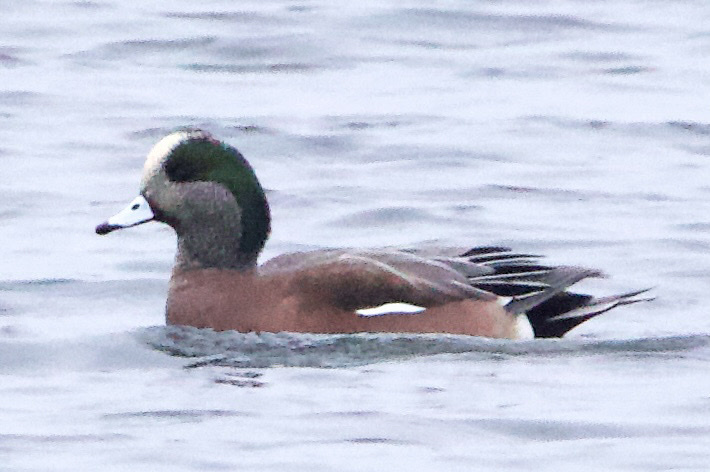
- American WigeonAnas americana
- Barn SwallowHirundo rustica
- Black SkimmerRynchops niger
- Blue-winged TealAnas discors
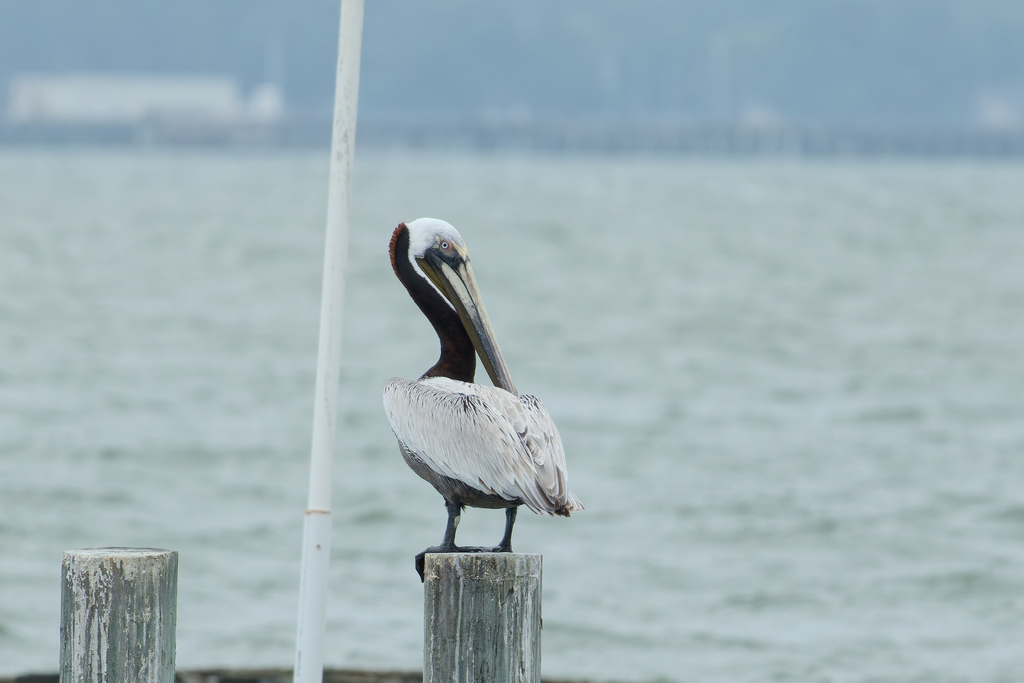
- Brown PelicanPelecanus occidentalis
- Chimney SwiftChaetura pelagica
- Double-crested CormorantPhalacrocorax auritus
- Eastern Brown PelicanPelecanus occidentalis carolinensis
- Eastern KingbirdTyrannus tyrannus
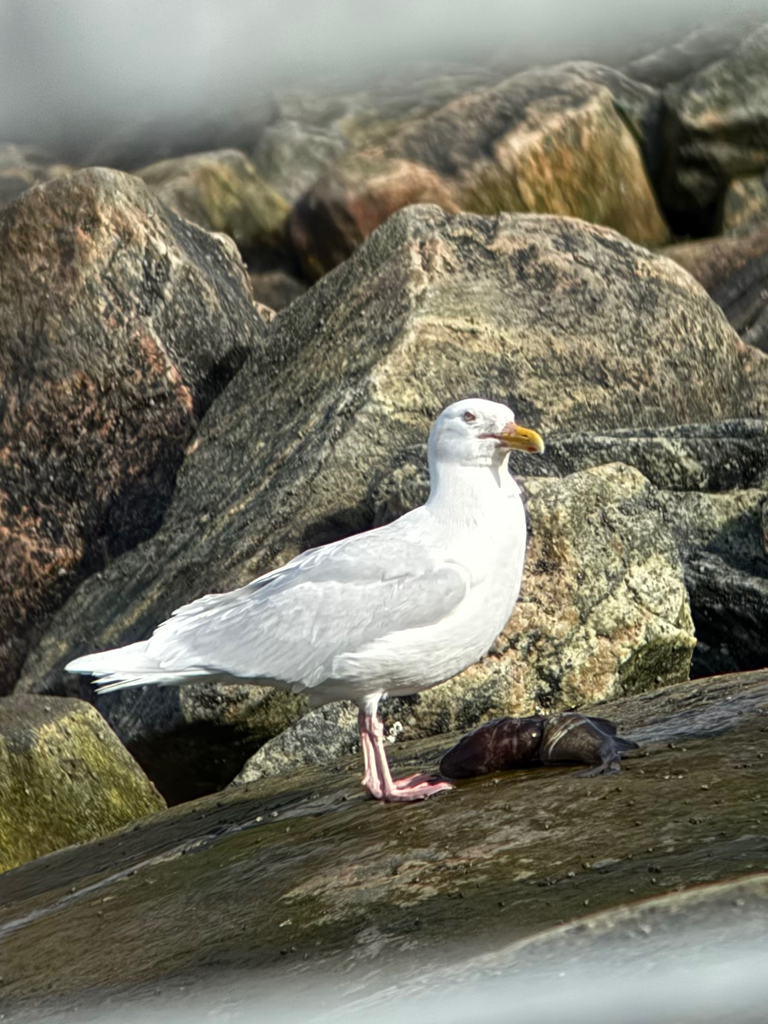
- Glaucous GullLarus hyperboreus
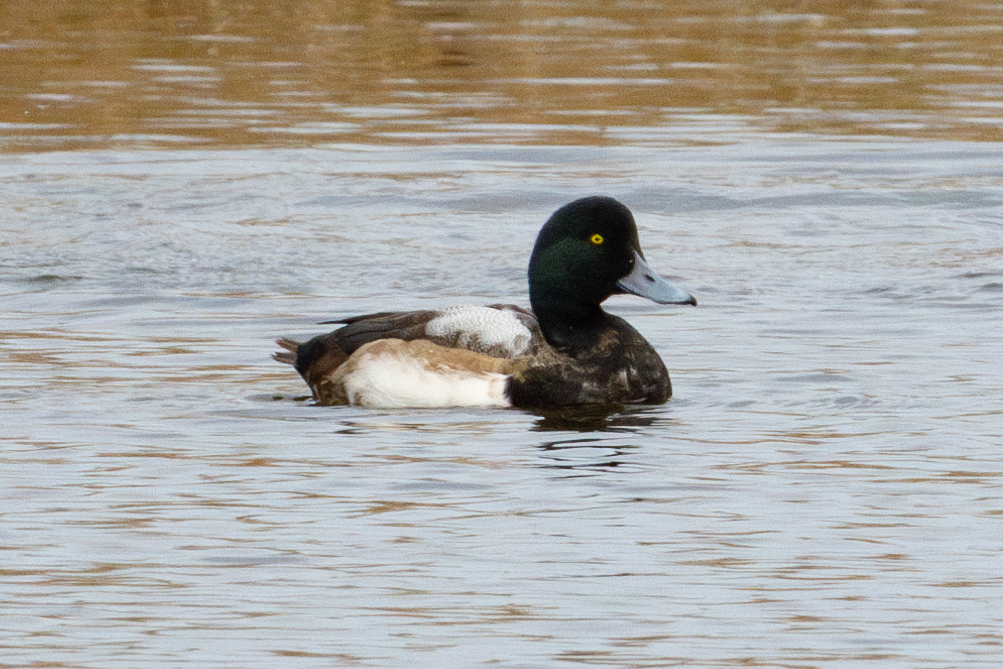
- Greater ScaupAythya marila
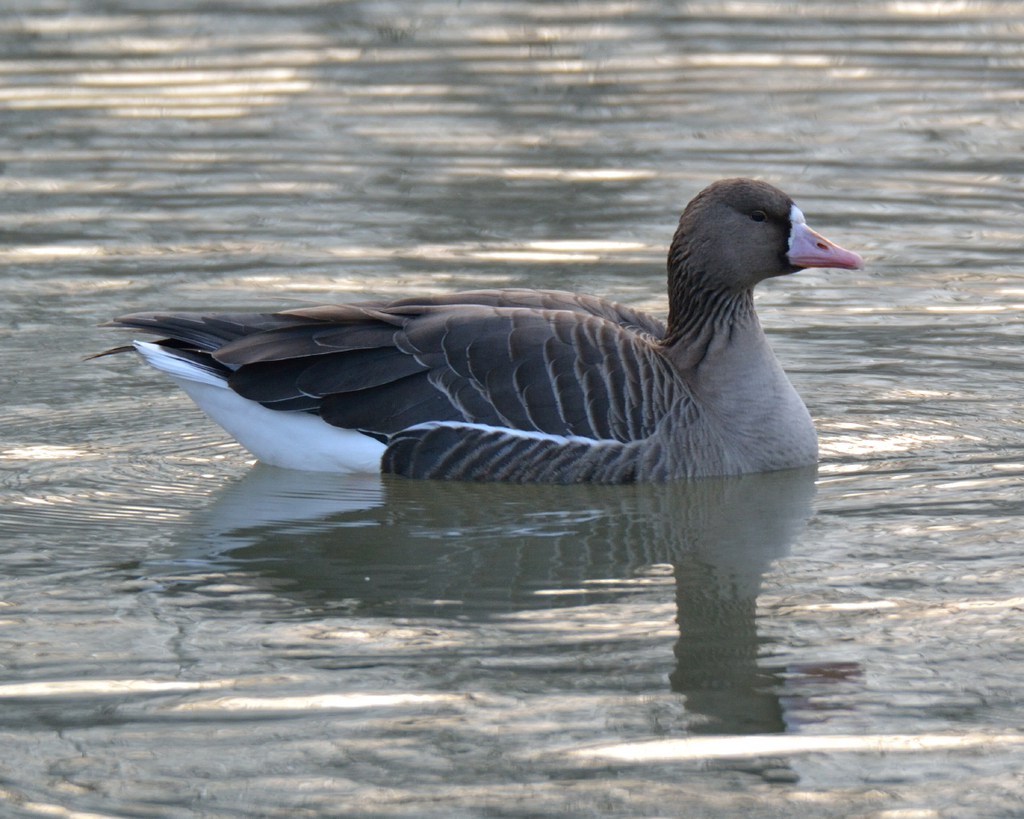
- Greater White-fronted GooseAnser albifrons
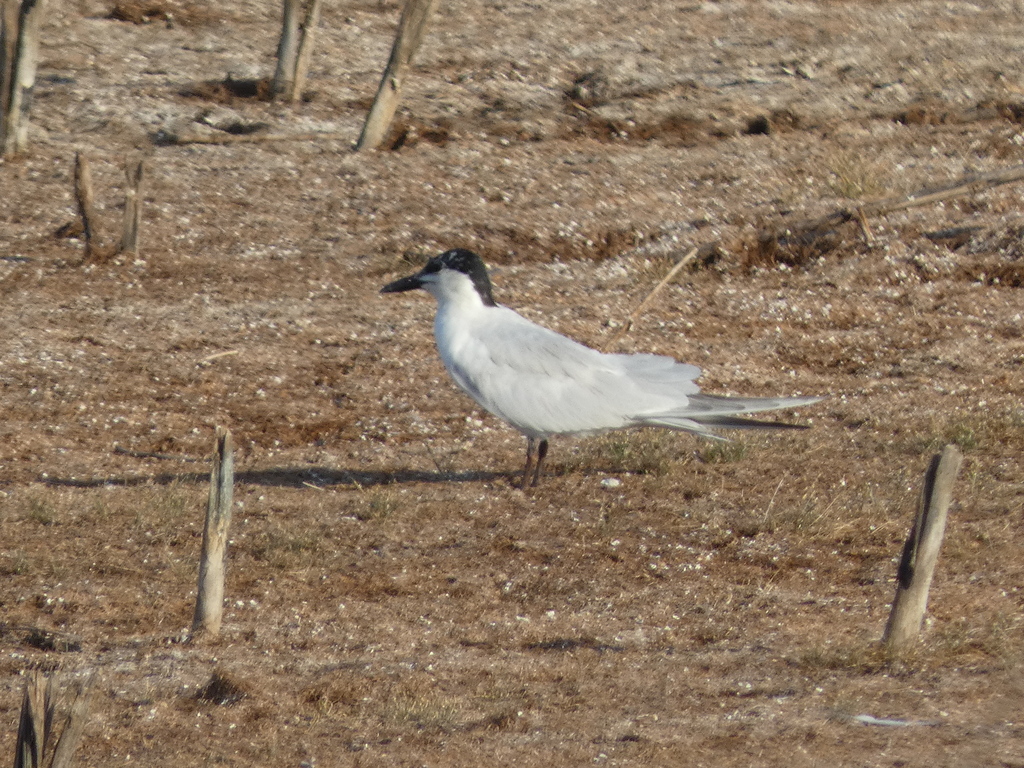
- Gull-billed TernGelochelidon nilotica
- Hooded MerganserLophodytes cucullatus
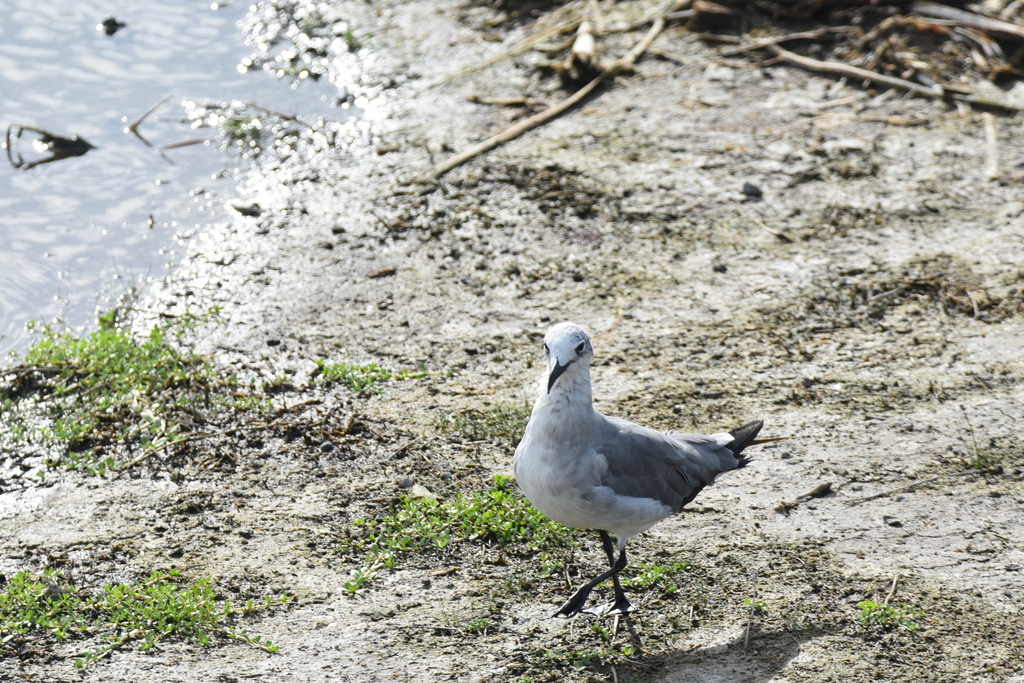
- Laughing GullLeucophaeus atricilla
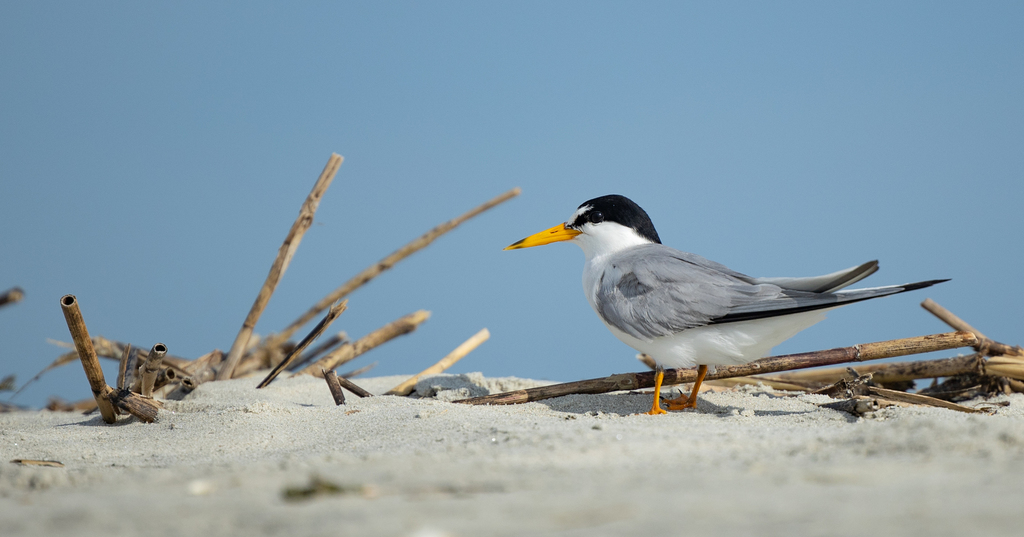
- Least TernSternula antillarum
- Lesser ScaupAythya affinis
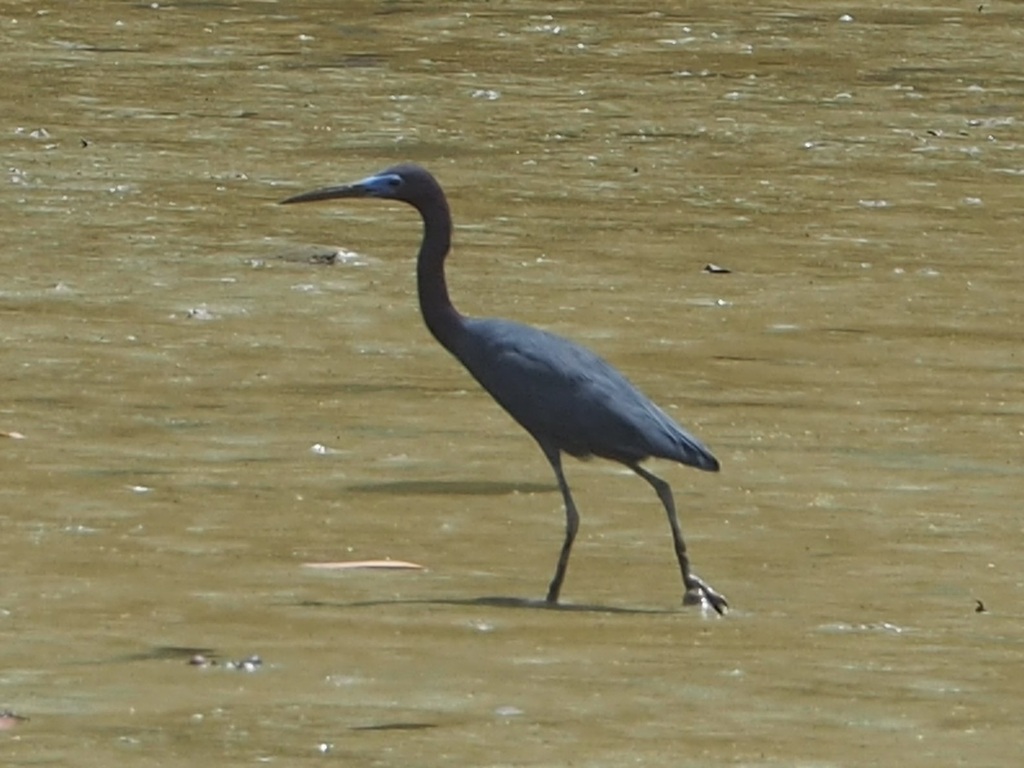
- Little Blue HeronEgretta caerulea
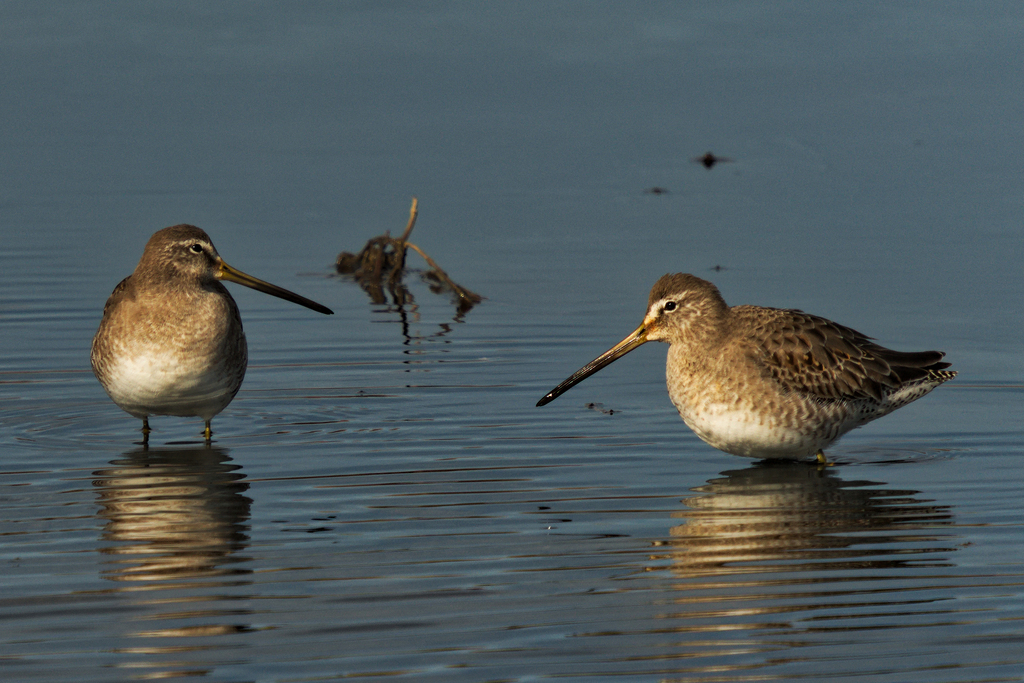
- Long-billed DowitcherLimnodromus scolopaceus
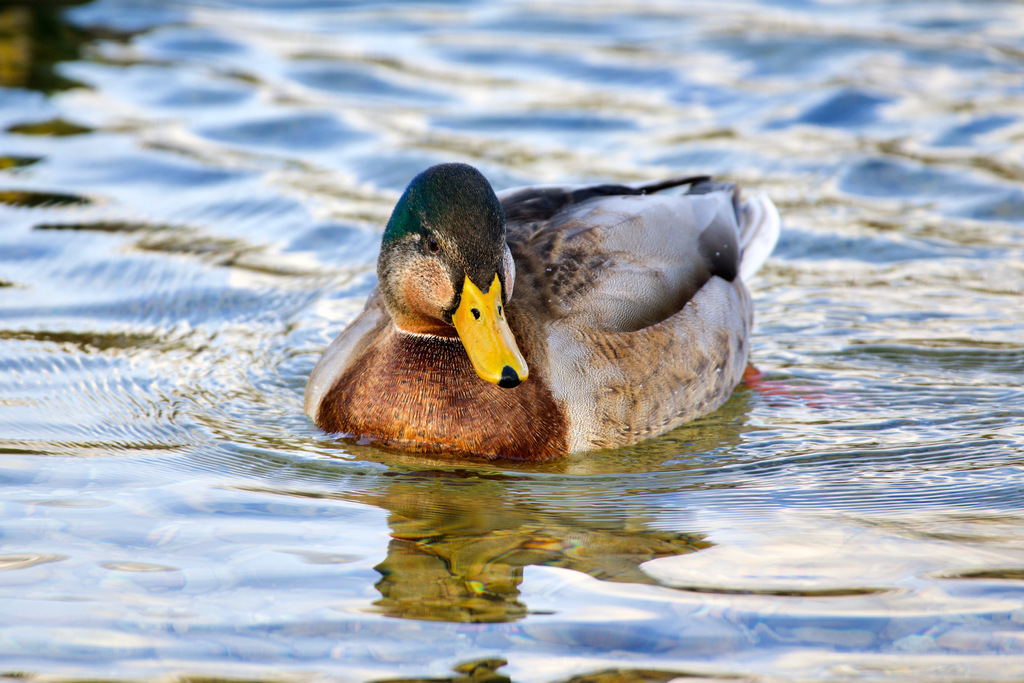
- MallardAnas platyrhynchos
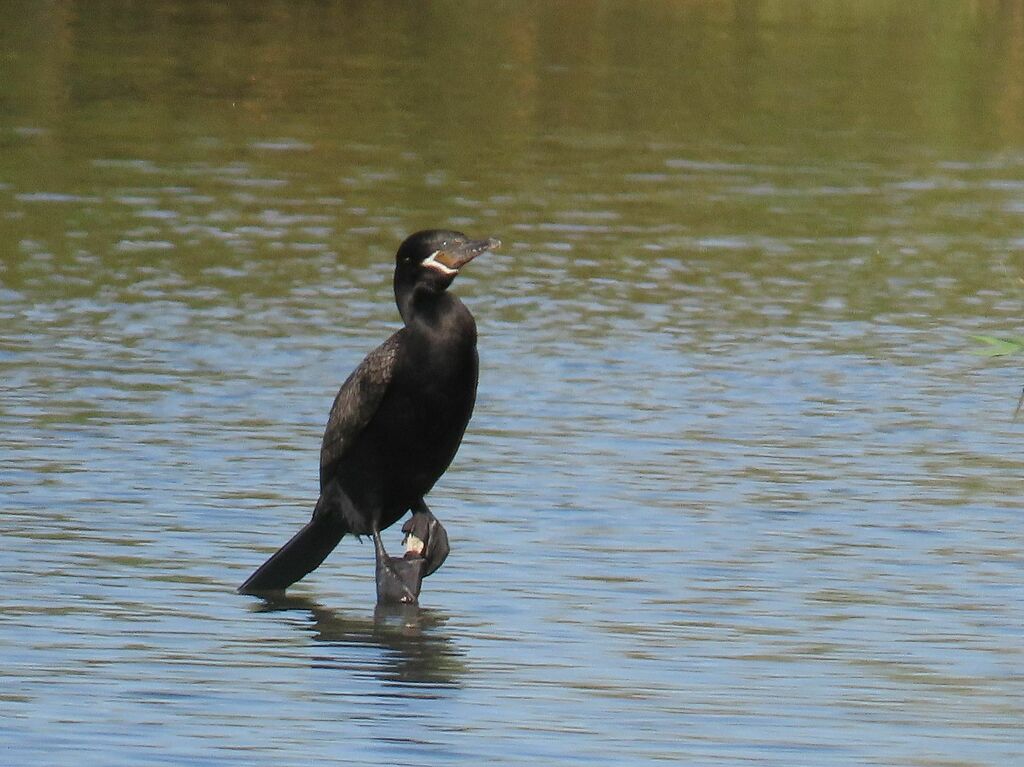
- Neotropic CormorantPhalacrocorax brasilianus
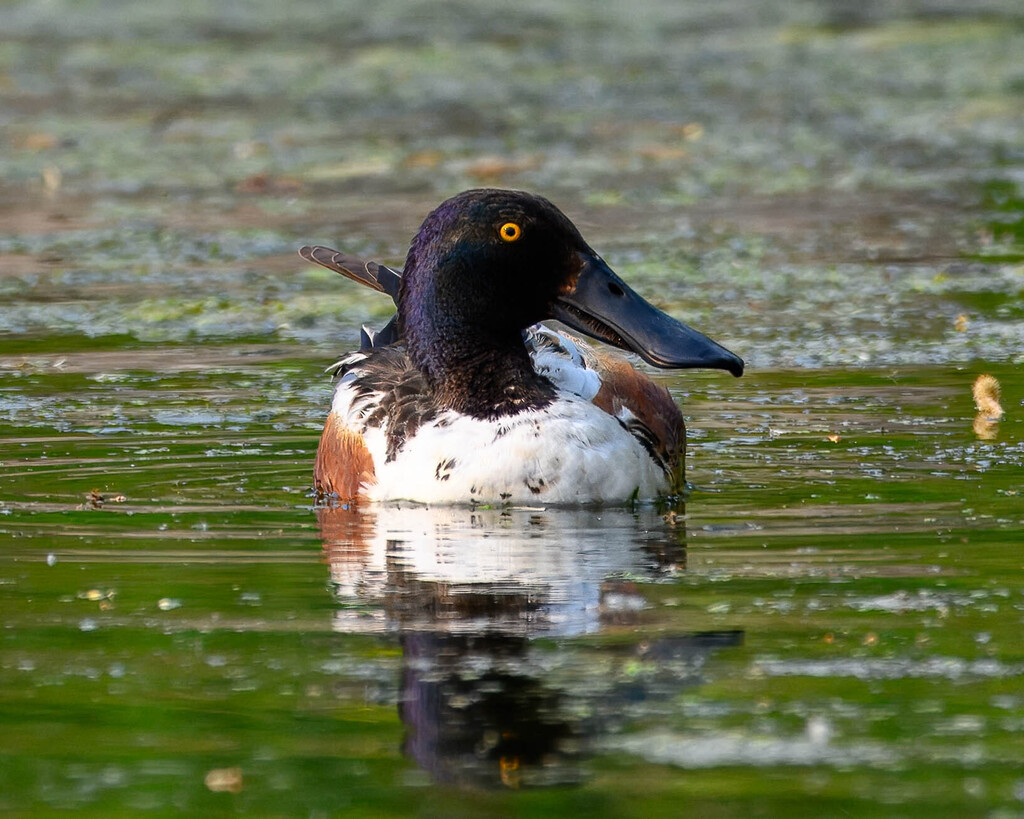
- Northern ShovelerAnas clypeata
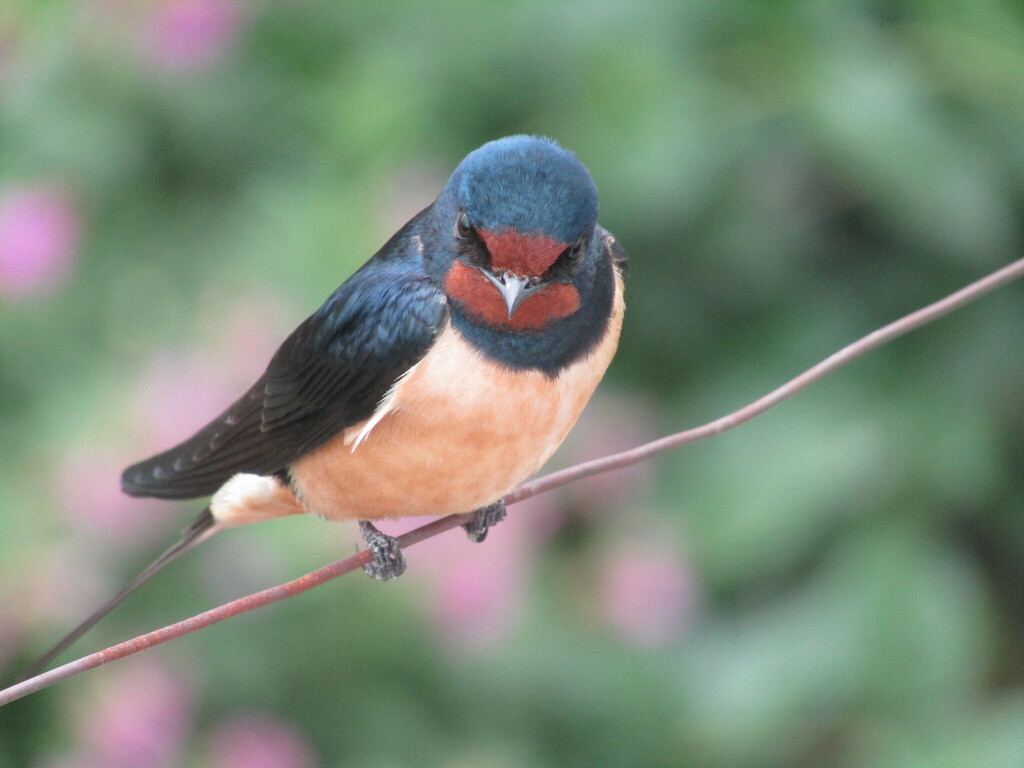
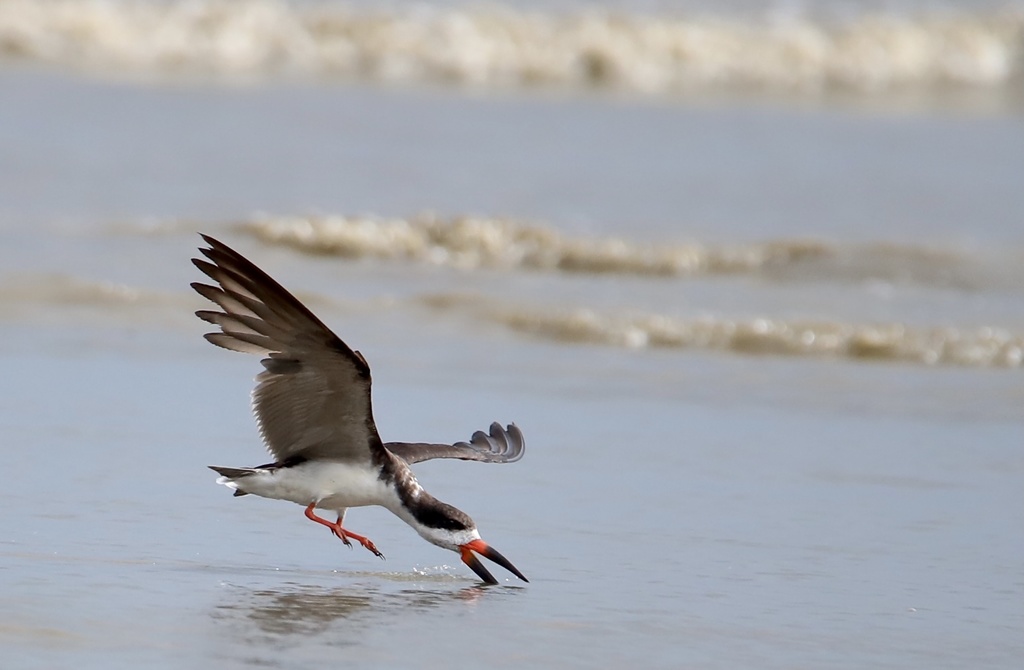
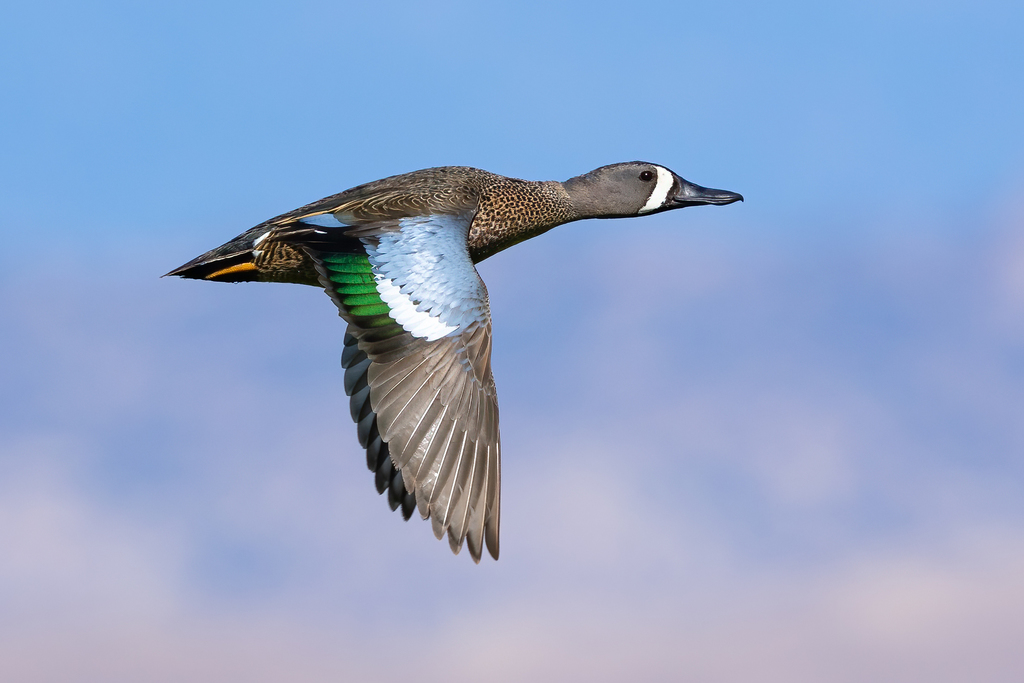
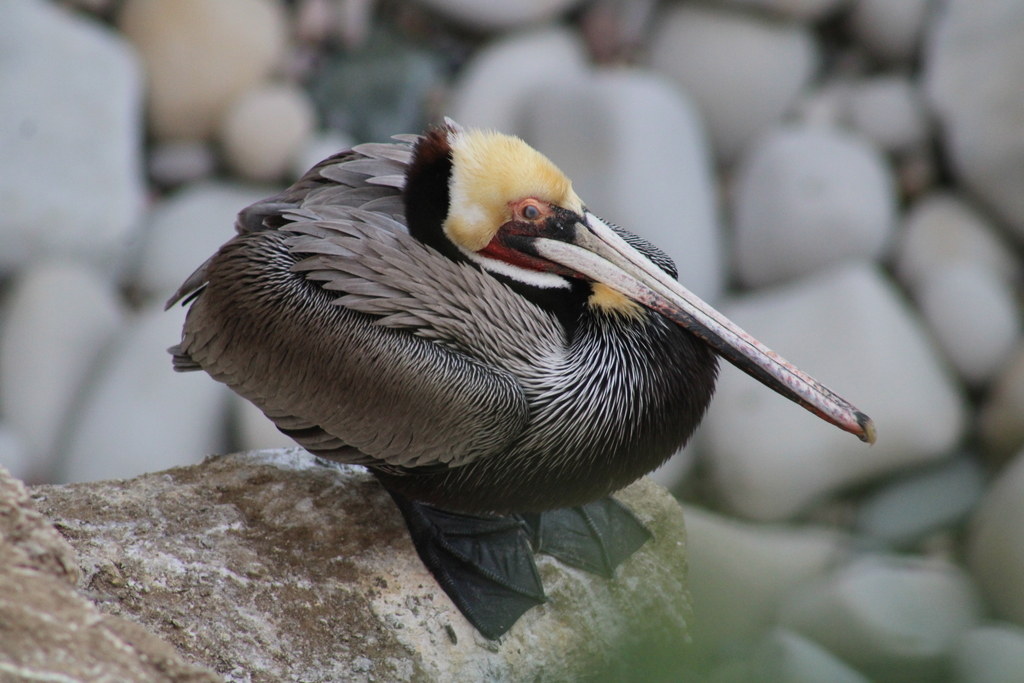





NatureServe Explorer, CC BY 4.0. USGS Gap Analysis Project habitat models.
Sources
- USGS Gap Analysis Project habitat models (2001)
- USGS GAP winter habitat model for Common Loon Slow streams only
- USGS Gap Analysis Project range maps (2001), modeled by watershed; migratory gives no dates
- NatureServe Explorer (CC BY 4.0), habitat names
- US Census TIGER/Line counties
- Names follow the USGS Gap Analysis Project (2001)