

Bird
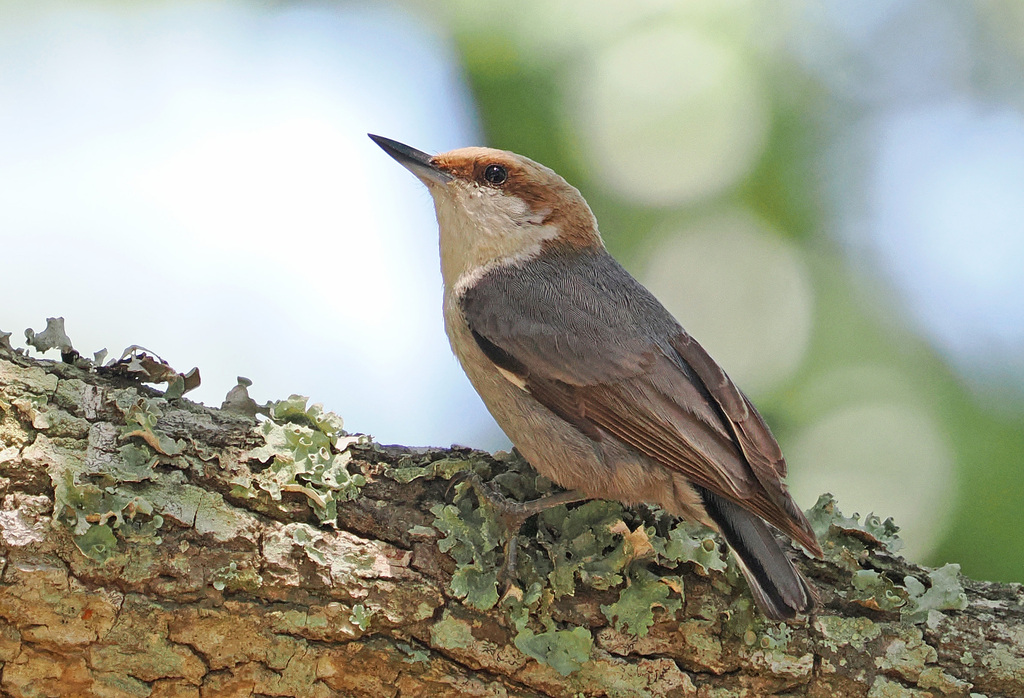
Brown-headed Nuthatch
Sitta pusilla
Lives in Louisiana all year and nests here. Found in all 64 parishes, across 4 habitats.
- Here
- All year
- Nesting
- Nests here
- Range
- All 64 parishes
- Habitats
- 4
At a glance
- Group
- Birds
- Here
- All year
- Nesting
- Nests here
- Range
- All 64 parishes
- Habitats
- 4
- Habitat models
- Year-round
Where it lives
The places its habitat model includes. It is not found everywhere a habitat occurs.
Habitats in Louisiana 4
Each habitat page lists the plants and wildlife also found there.
Flat, poorly drained uplands and terraces with oaks, sweetgum and sometimes loblolly pine, wet in winter and dry in summer, but neither a floodplain nor a swamp.
Flat, sandy Coastal Plain pine woodlands, wetter than sandhills and denser than savannas.
Open, fire-kept longleaf pine stands over grasses and wildflowers on wet to moist sandy soil.
Roadsides, fields and disturbed ground
Ground opened by people: roadsides, old fields, pastures, fencerows and lots.
Other habitats in its models (33)
Land cover, or classes with no habitat page in Louisiana.
- Developed, Low Intensity Year-round, beside its main habitat.
- East Gulf Coastal Plain Black Belt Calcareous Prairie and Woodland - Herbaceous Modifier Year-round.
- East Gulf Coastal Plain Maritime Forest Year-round.
- Atlantic Coastal Plain Southern Maritime Forest Year-round.
- Northeastern Interior Dry Oak Forest - Virginia/Pitch Pine Modifier Year-round.
- Southern Piedmont Dry Oak-(Pine) Forest - Loblolly Pine Modifier Year-round.
- East Gulf Coastal Plain Northern Dry Upland Hardwood Forest - Offsite Pine Modifier Year-round.
- Allegheny-Cumberland Dry Oak Forest and Woodland - Pine Modifier Year-round.
- Southern Ridge and Valley Dry Calcareous Forest - Pine modifier Year-round.
- East Gulf Coastal Plain Interior Shortleaf Pine-Oak Forest - Mixed Modifier Year-round.
- Southern Piedmont Dry Oak-(Pine) Forest - Mixed Modifier Year-round.
- Southern Piedmont Dry Oak-Heath Forest - Mixed Modifier Year-round.
- West Gulf Coastal Plain Upland Longleaf Pine Forest and Woodland Year-round.
- Southeastern Interior Longleaf Pine Woodland Year-round.
- Southern Piedmont Dry Oak-(Pine) Forest Year-round.
- Central Appalachian Oak and Pine Forest Year-round.
- West Gulf Coastal Plain Pine-Hardwood Forest Year-round.
- West Gulf Coastal Plain Sandhill Oak and Shortleaf Pine Forest and Woodland Year-round.
- Florida Longleaf Pine Sandhill - Open Understory Modifier Year-round.
- Florida Longleaf Pine Sandhill - Scrub/Shrub Understory Modifier Year-round.
- Atlantic Coastal Plain Fall-Line Sandhills Longleaf Pine Woodland - Loblolly Modifier Year-round.
- Atlantic Coastal Plain Fall-line Sandhills Longleaf Pine Woodland - Open Understory Modifier Year-round.
- Atlantic Coastal Plain Fall-line Sandhills Longleaf Pine Woodland - Scrub/Shrub Understory Modifier Year-round.
- East Gulf Coastal Plain Interior Upland Longleaf Pine Woodland - Loblolly Modifier Year-round.
- East Gulf Coastal Plain Interior Upland Longleaf Pine Woodland - Open Understory Modifier Year-round.
- East Gulf Coastal Plain Interior Upland Longleaf Pine Woodland - Scrub/Shrub Modifier Year-round.
- Atlantic Coastal Plain Upland Longleaf Pine Woodland Year-round.
- Southern Appalachian Low Mountain Pine Forest Year-round.
- East Gulf Coastal Plain Jackson Plain Dry Flatwoods - Open Understory Modifier Year-round.
- South Florida Pine Flatwoods Year-round.
- Central Atlantic Coastal Plain Wet Longleaf Pine Savanna and Flatwoods Year-round.
- Atlantic Coastal Plain Southern Wet Pine Savanna and Flatwoods Year-round.
- Central Florida Pine Flatwoods Year-round.
- The model distinguishes open pine habitat from nearby denser pine.
Seasons in Louisiana
- Year-round: nests here, in all 64 parishes.
Also found in this habitat
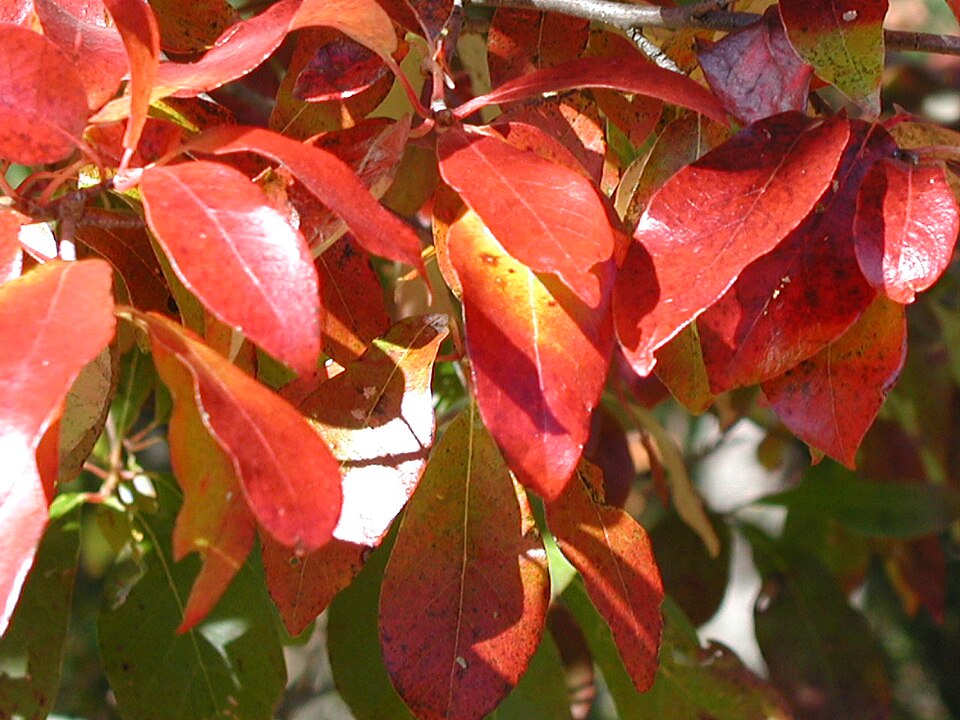
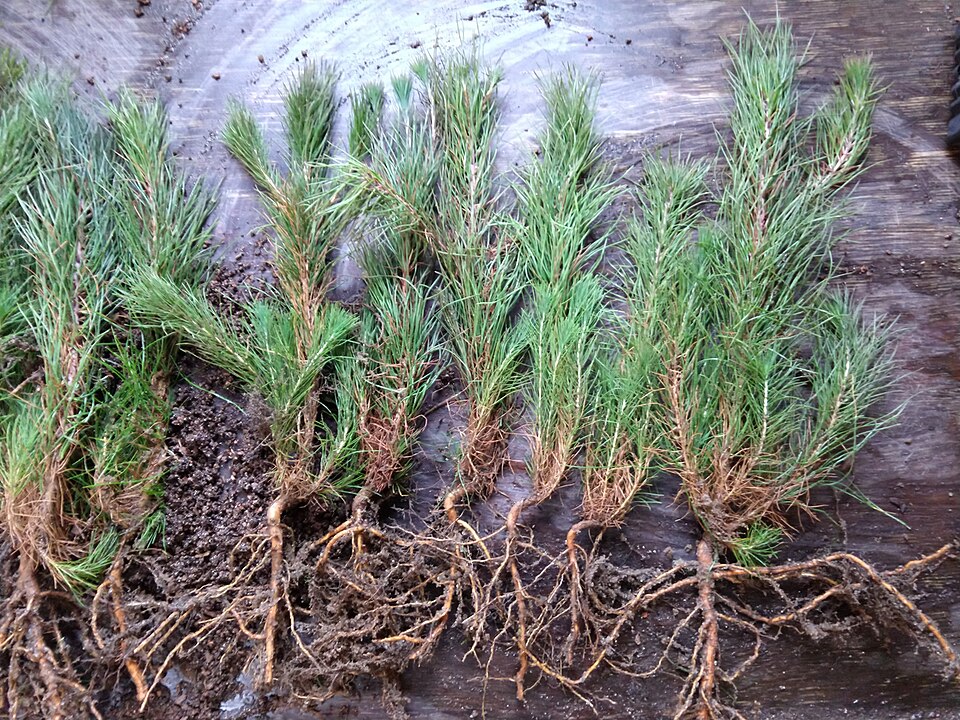
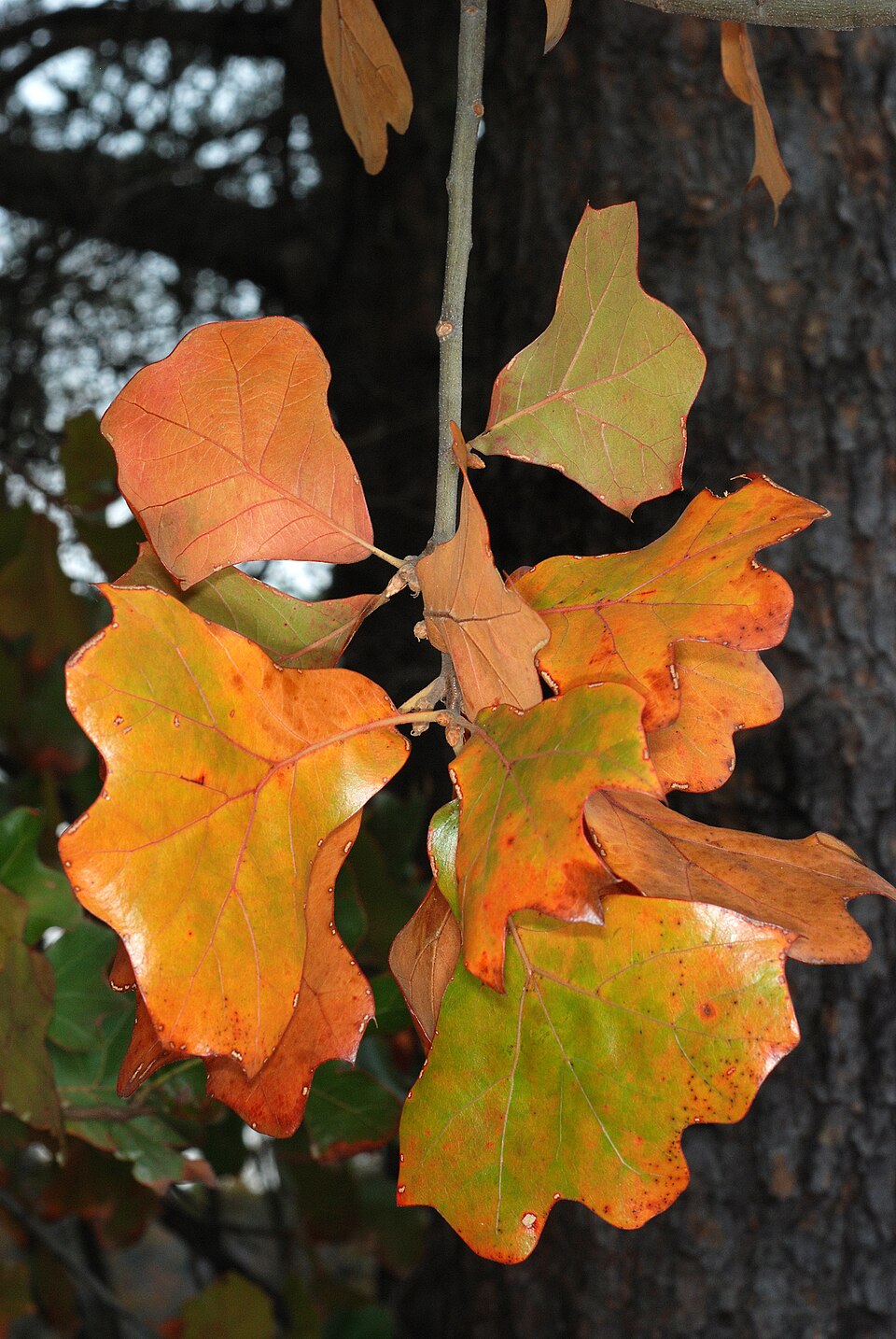
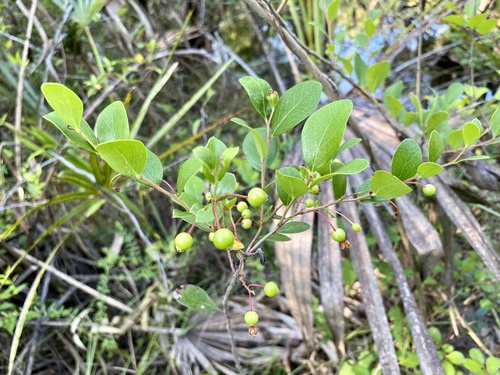
Plants 210
Plants named in NatureServe descriptions of these habitats that grow in Louisiana. Shared habitat, not food.
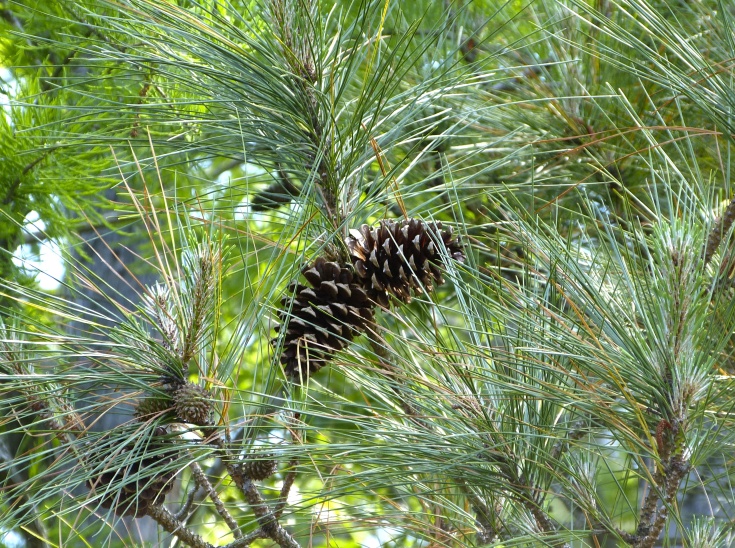
- Loblolly PinePinus taeda
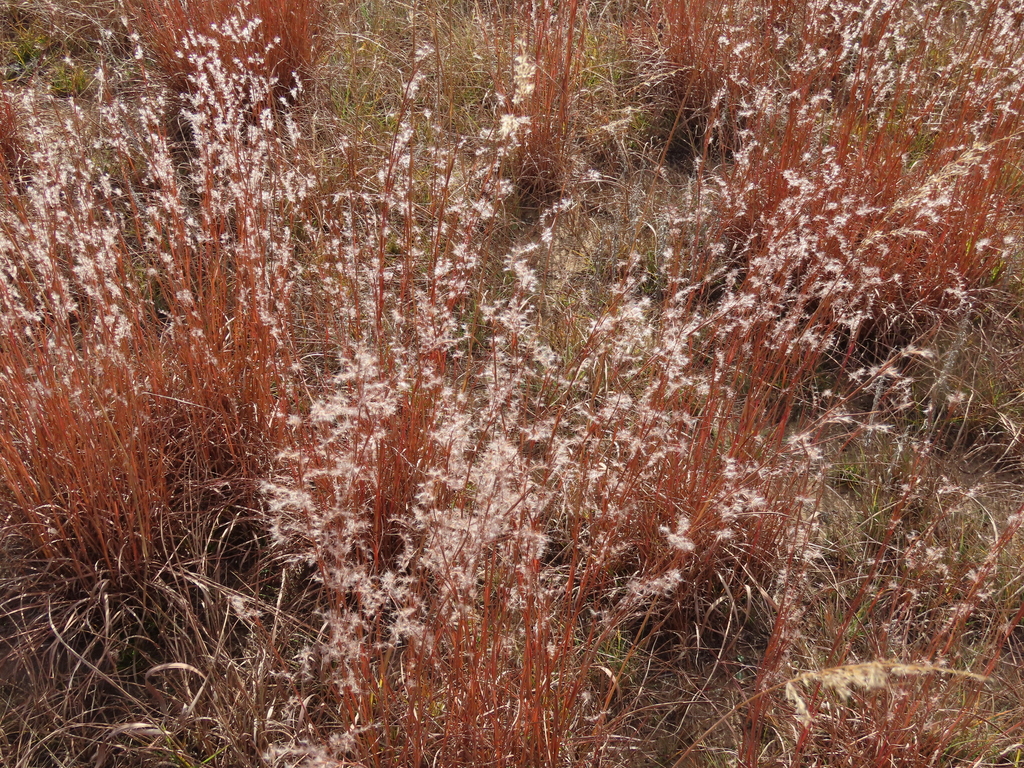
- Little BluestemSchizachyrium maritimum
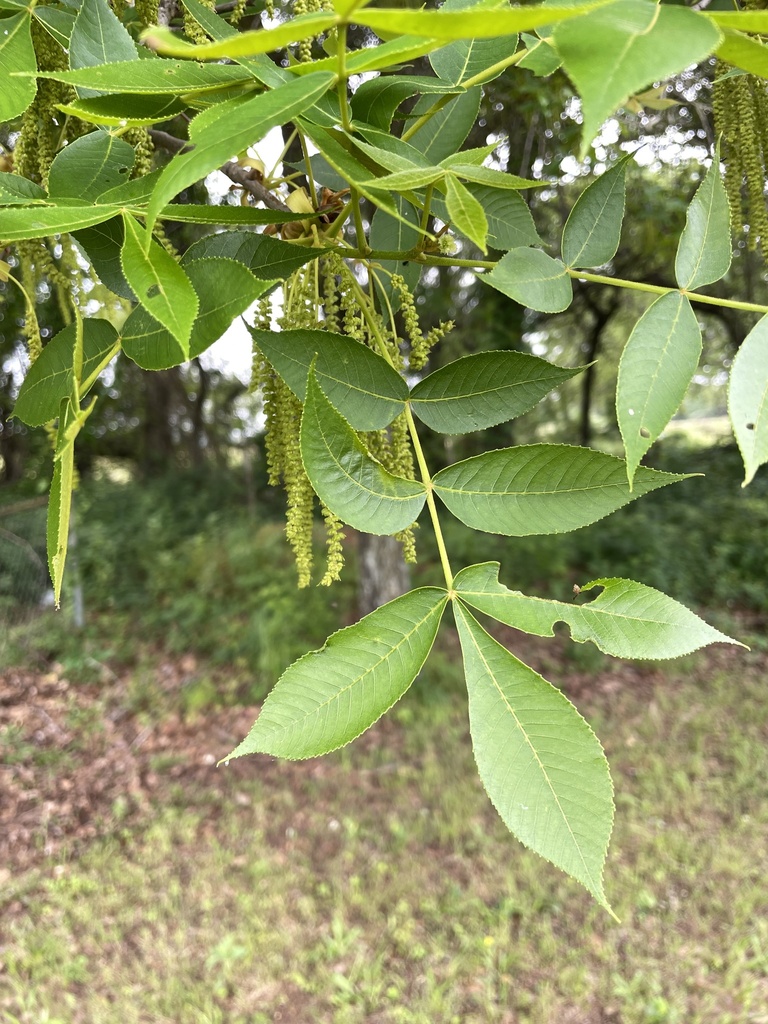
- Black HickoryCarya texana
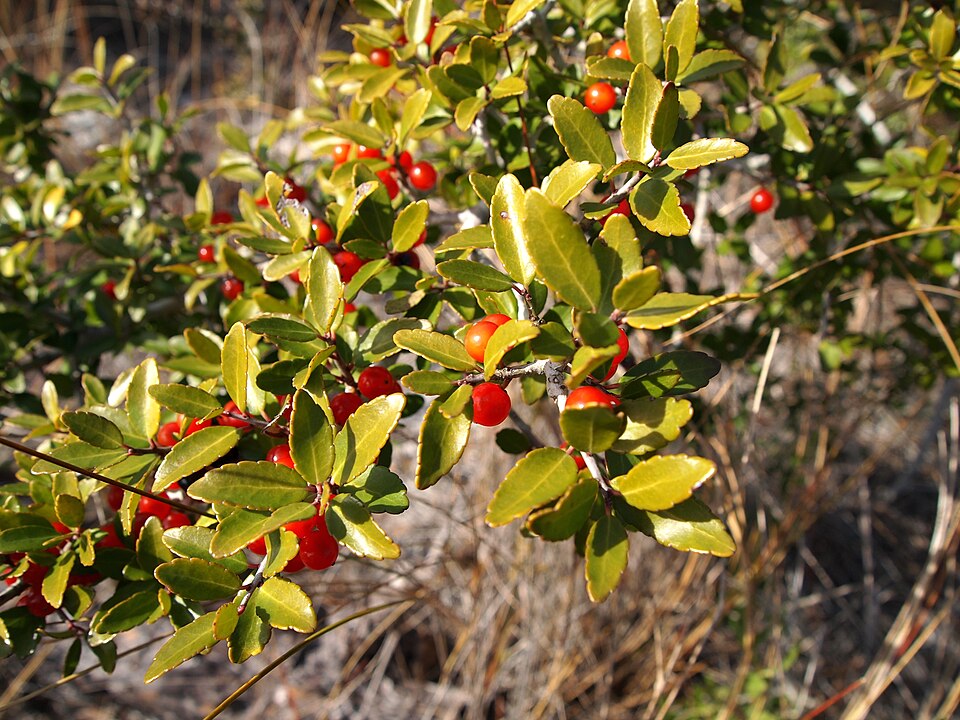
- Yaupon HollyIlex vomitoria
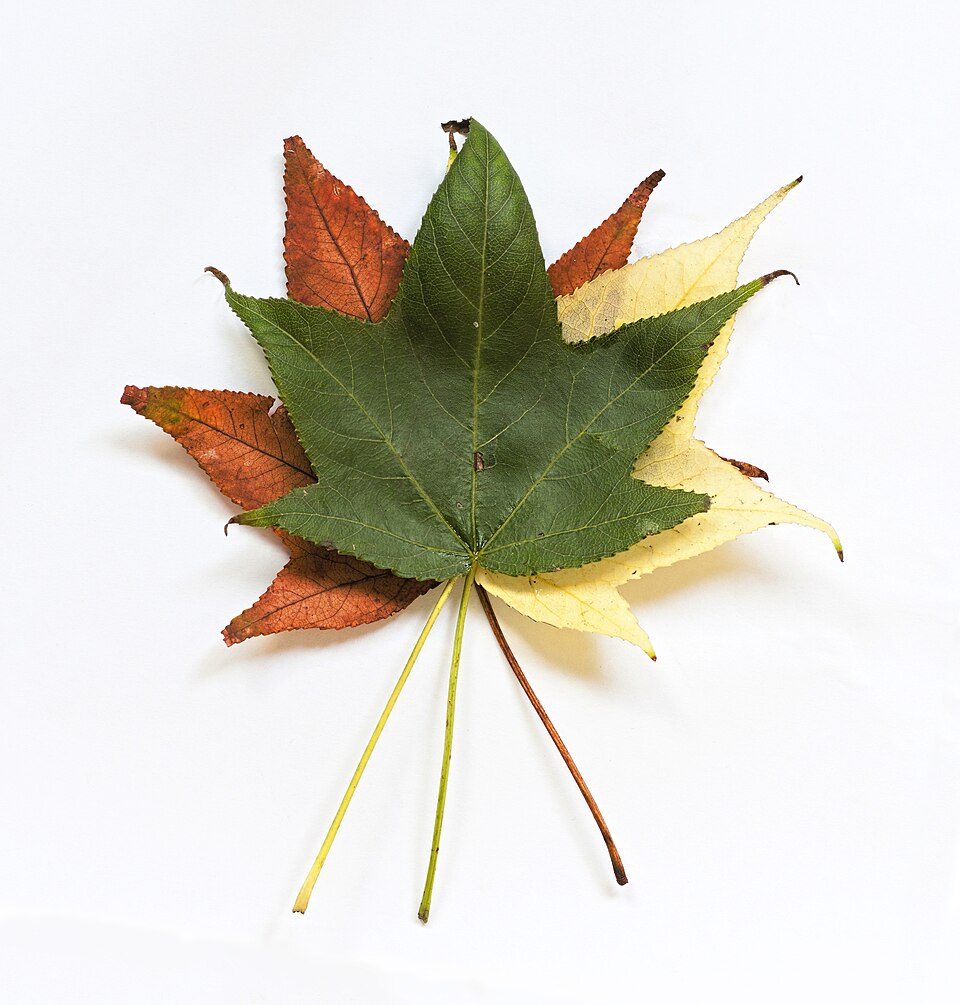
- SweetgumLiquidambar styraciflua
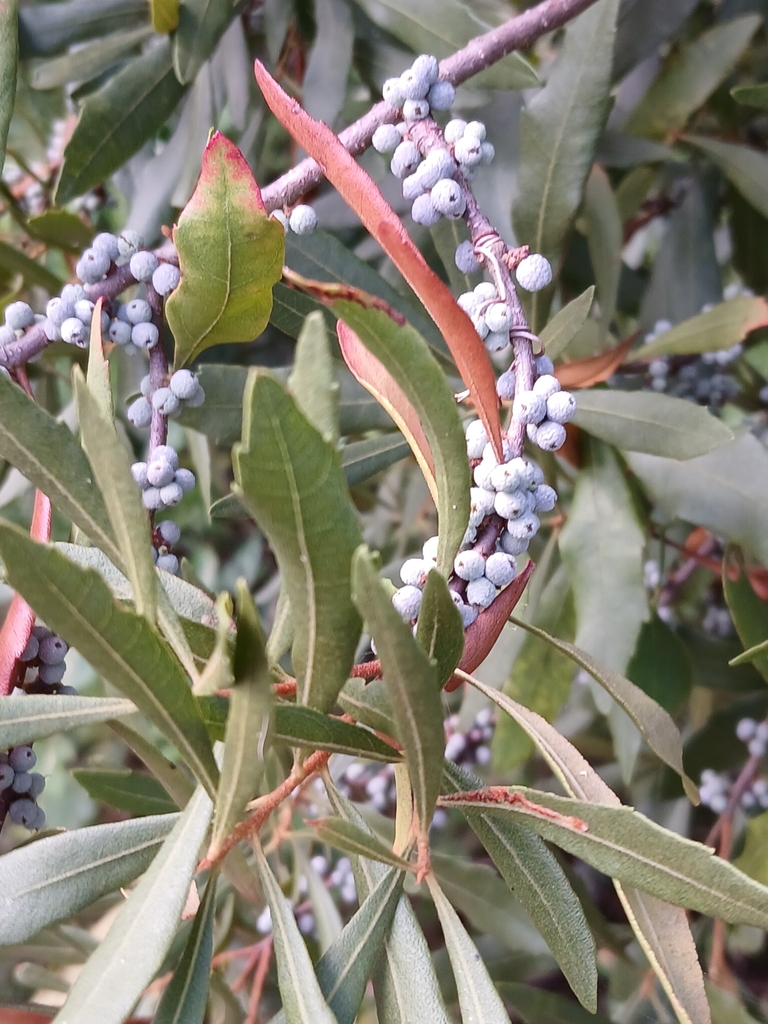
- Common WaxmyrtleMorella cerifera
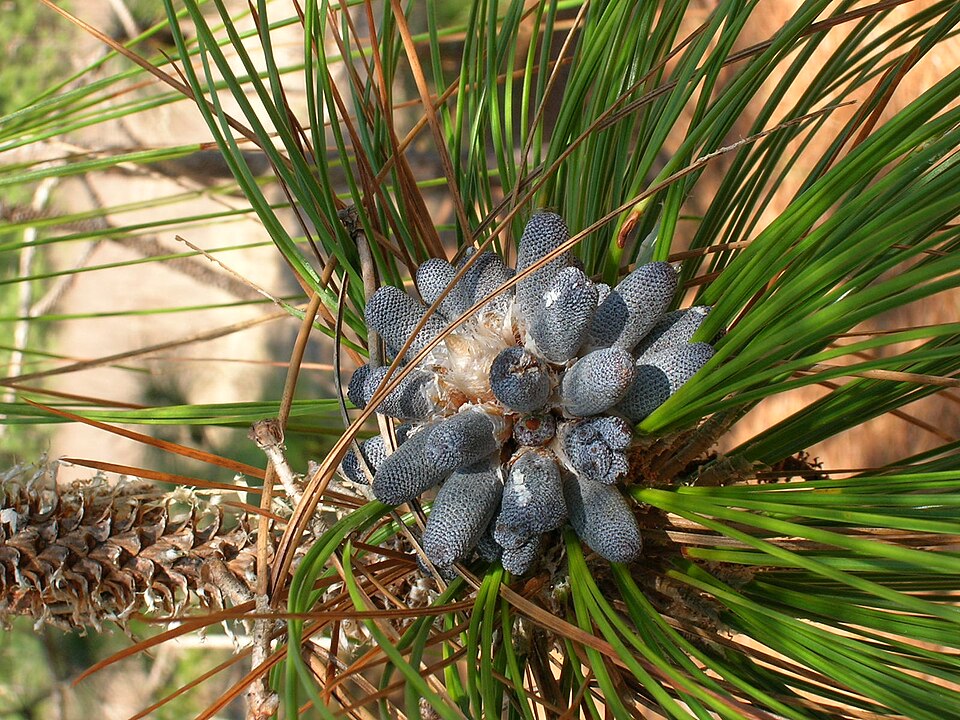
- Longleaf PinePinus palustris
- Post OakQuercus stellata
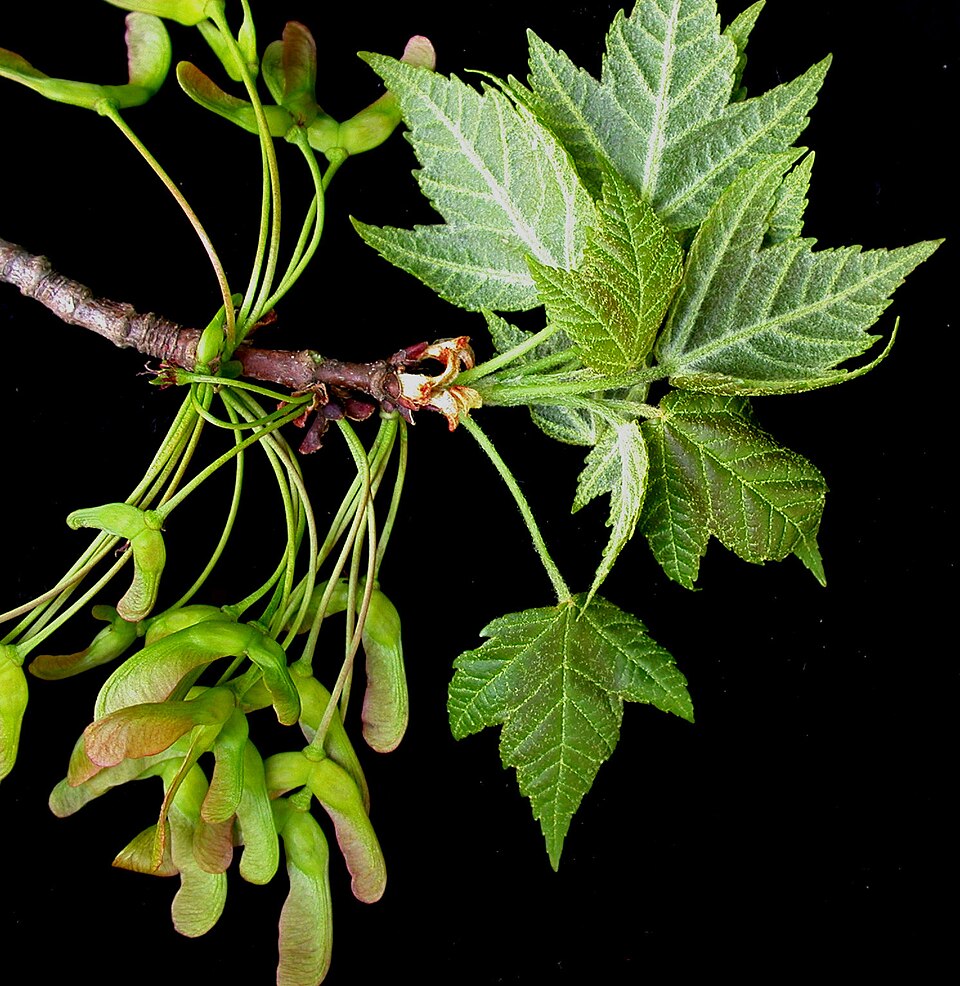
- Red MapleAcer rubrum
- Longleaf SpikegrassChasmanthium sessiliflorum
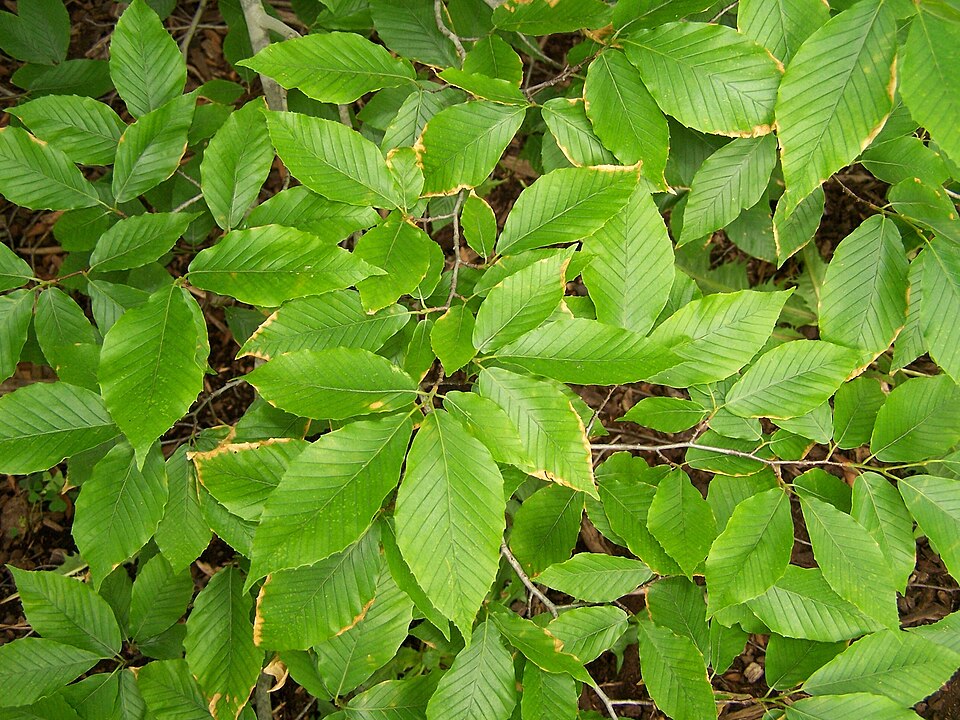
- American BeechFagus grandifolia
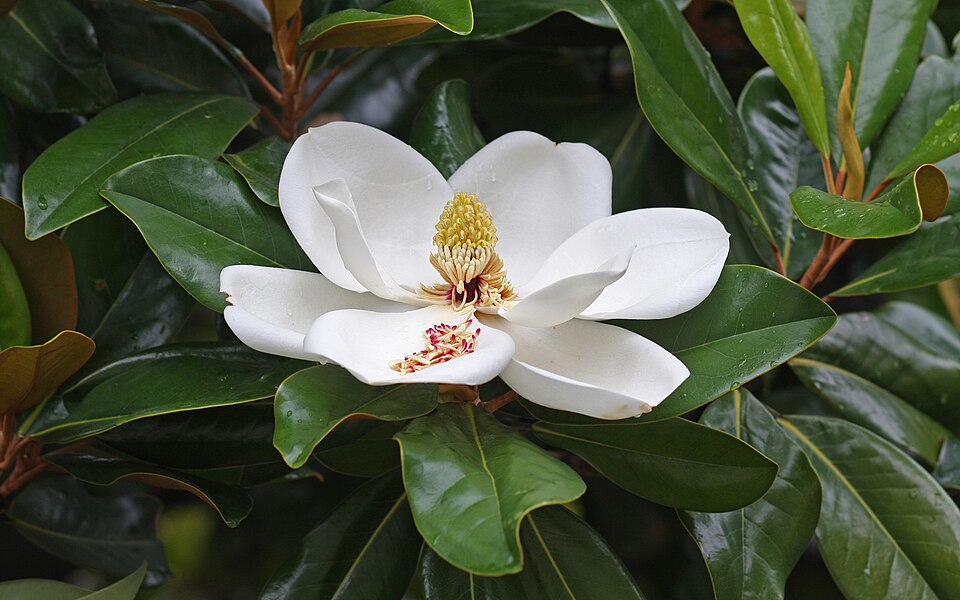
- Southern MagnoliaMagnolia grandiflora
- BlackgumNyssa sylvatica
- Shortleaf PinePinus echinata
- Blackjack OakQuercus marilandica
- SparkleberryVaccinium arboreum
- DeerberryVaccinium stamineum
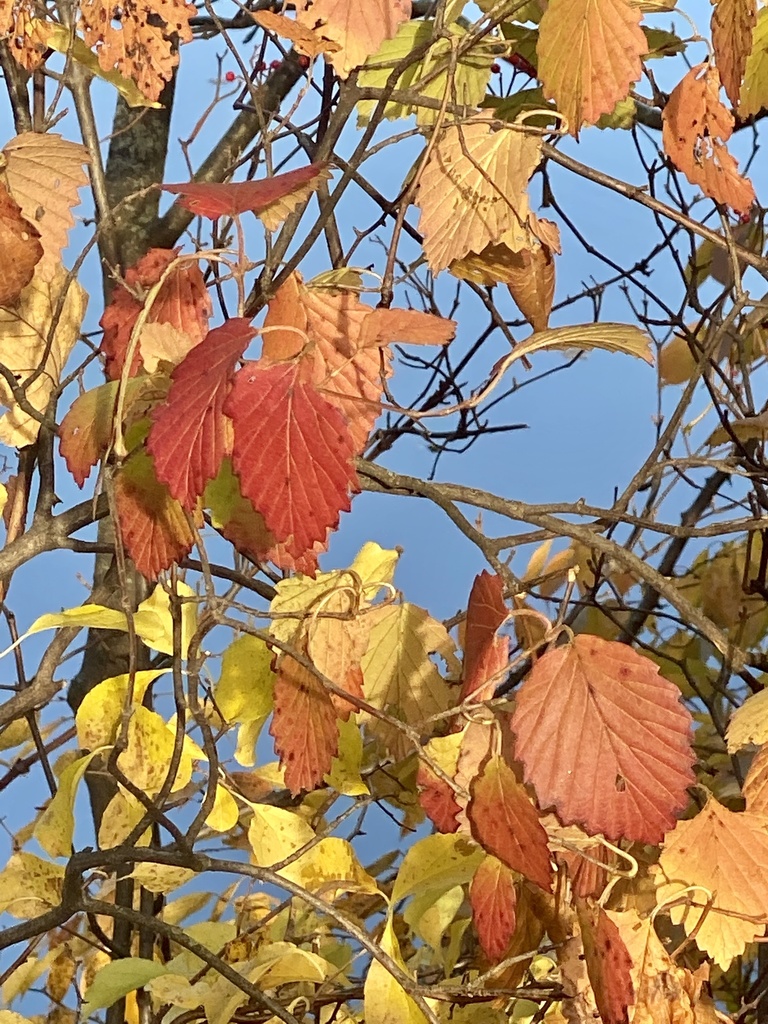
- Southern ArrowwoodViburnum dentatum
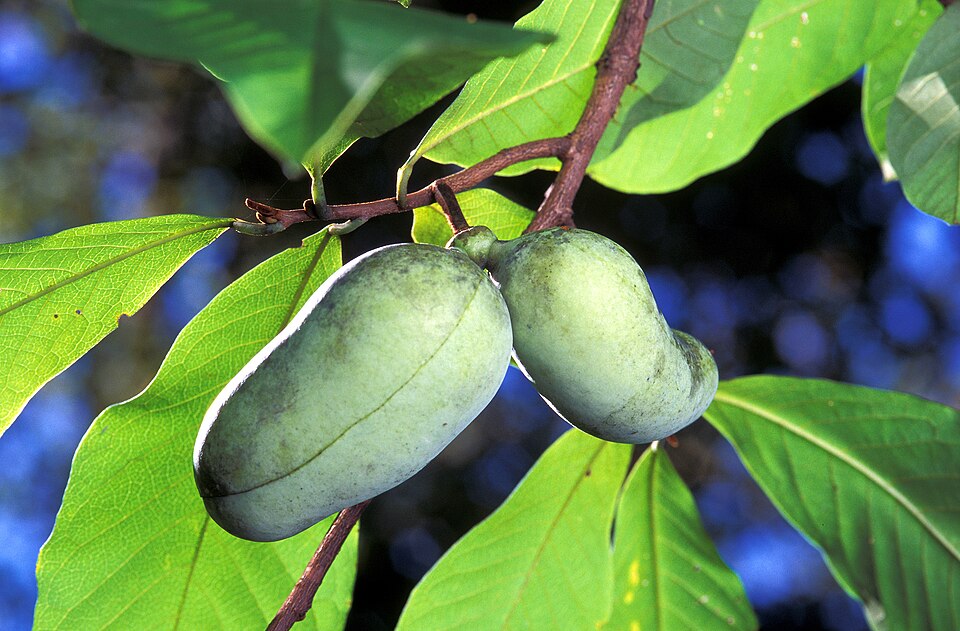
- Common PawpawAsimina triloba
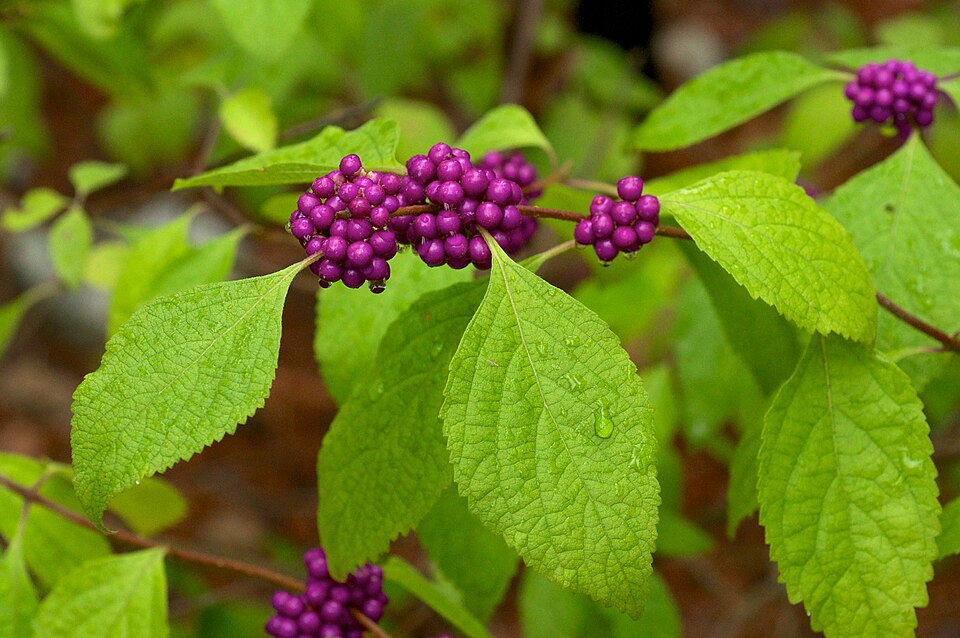
- American BeautyberryCallicarpa americana
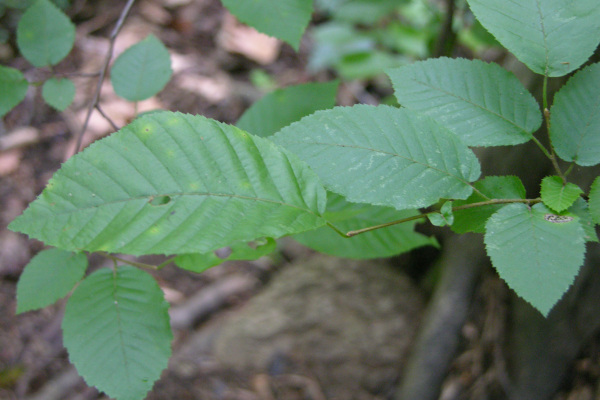
- American HornbeamCarpinus caroliniana
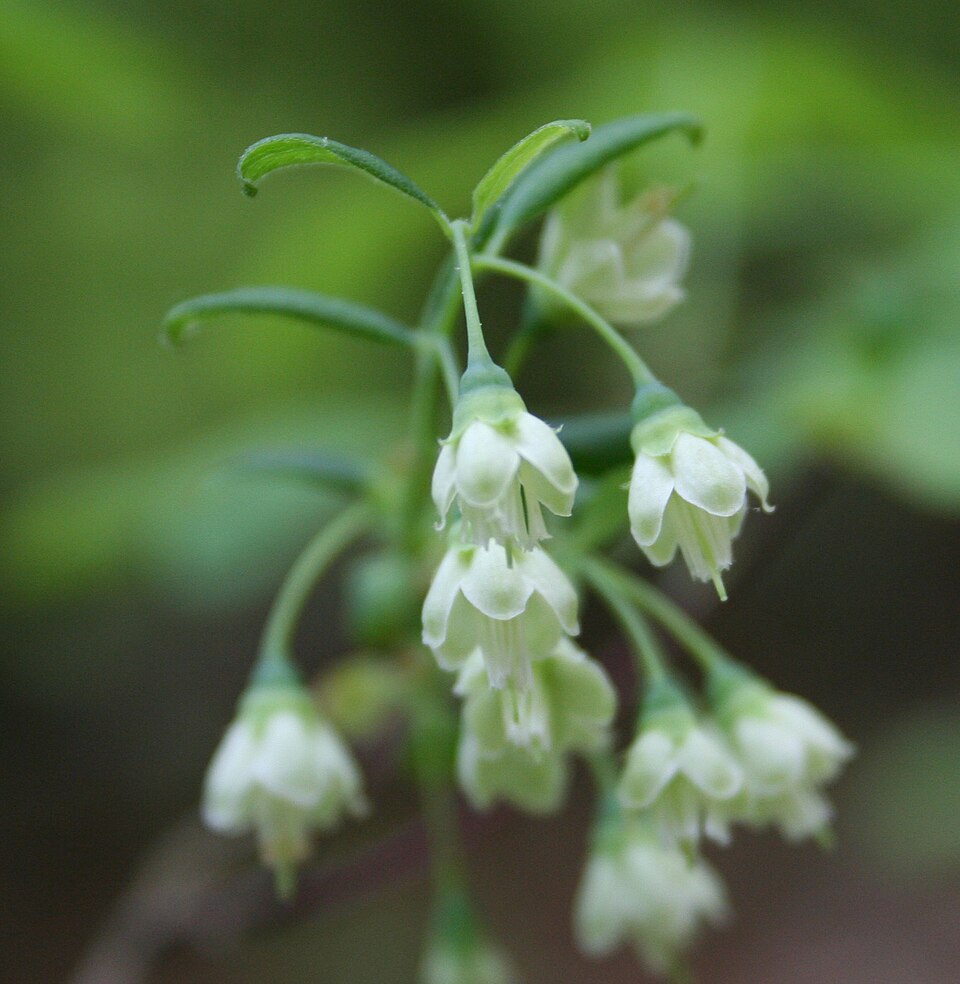
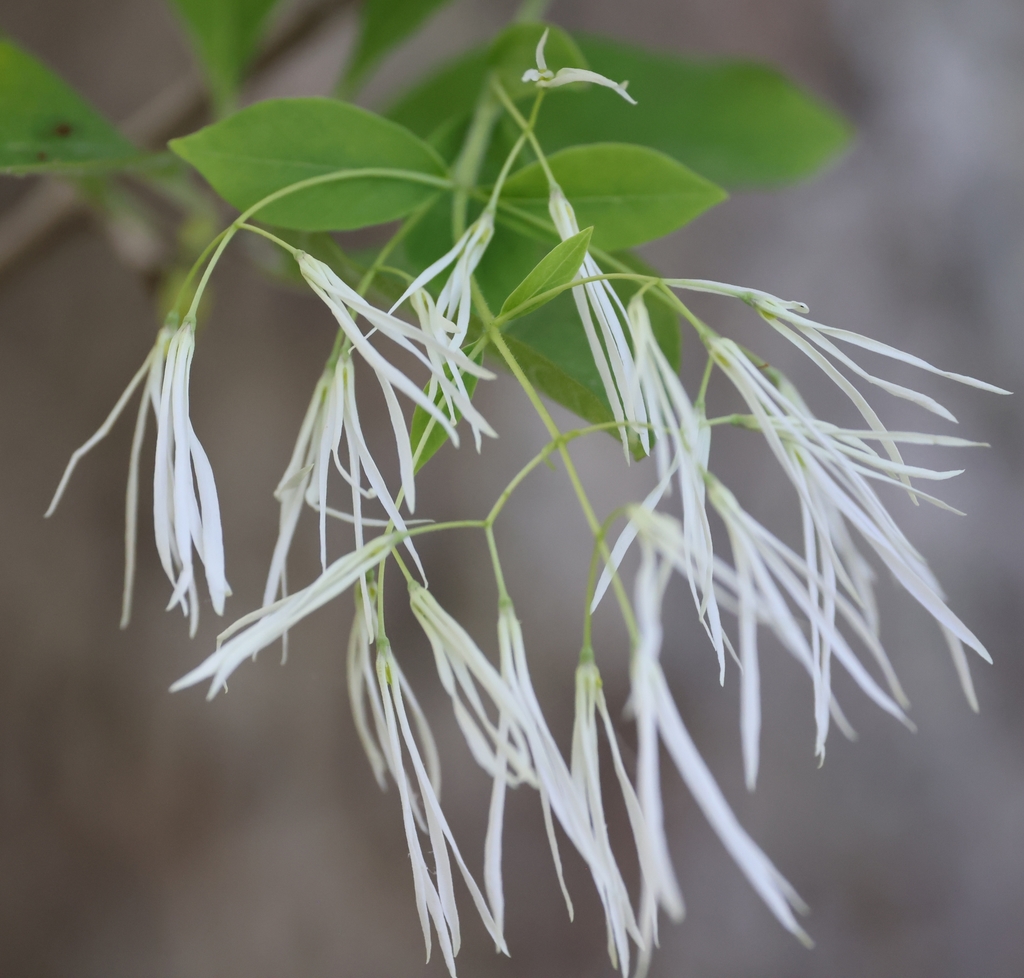
- FringetreeChionanthus virginicus
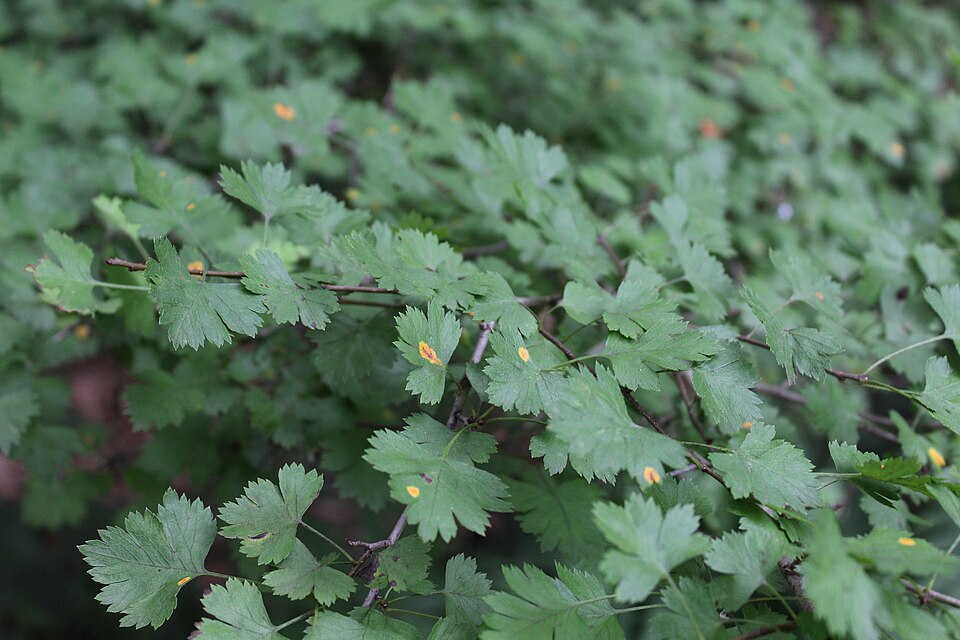
- Crataegus brachyacanthaCrataegus brachyacantha
- Parsley HawthornCrataegus marshallii
Wildlife 216
Other animals whose habitat models include the same habitats in Louisiana. Not sighting records.
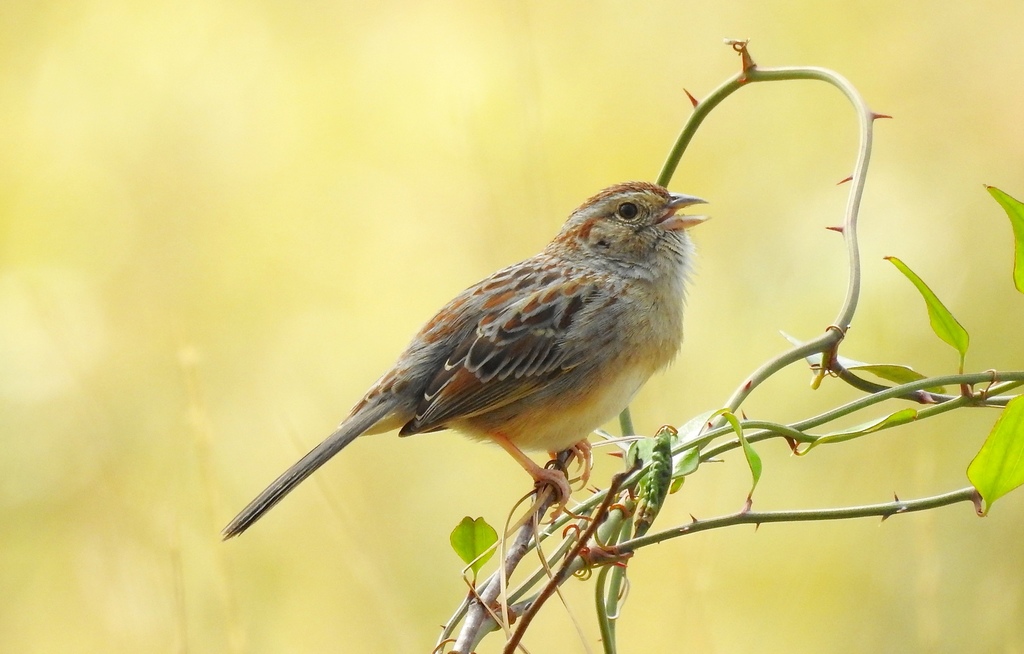
- Bachman's SparrowAimophila aestivalis
- Bald EagleHaliaeetus leucocephalus
- Barred OwlStrix varia
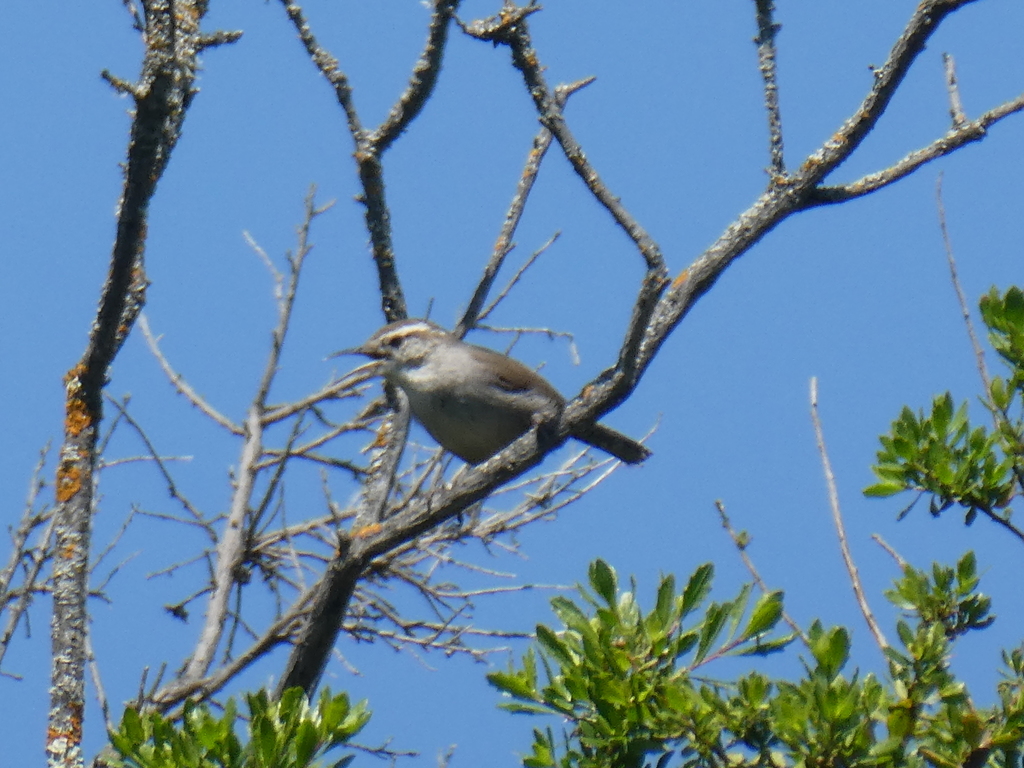
- Bewick's WrenThryomanes bewickii
- Black VultureCoragyps atratus
- Blue JayCyanocitta cristata
- Brown CreeperCerthia americana
- Carolina ChickadeePoecile carolinensis
- Carolina WrenThryothorus ludovicianus
- Common GrackleQuiscalus quiscula
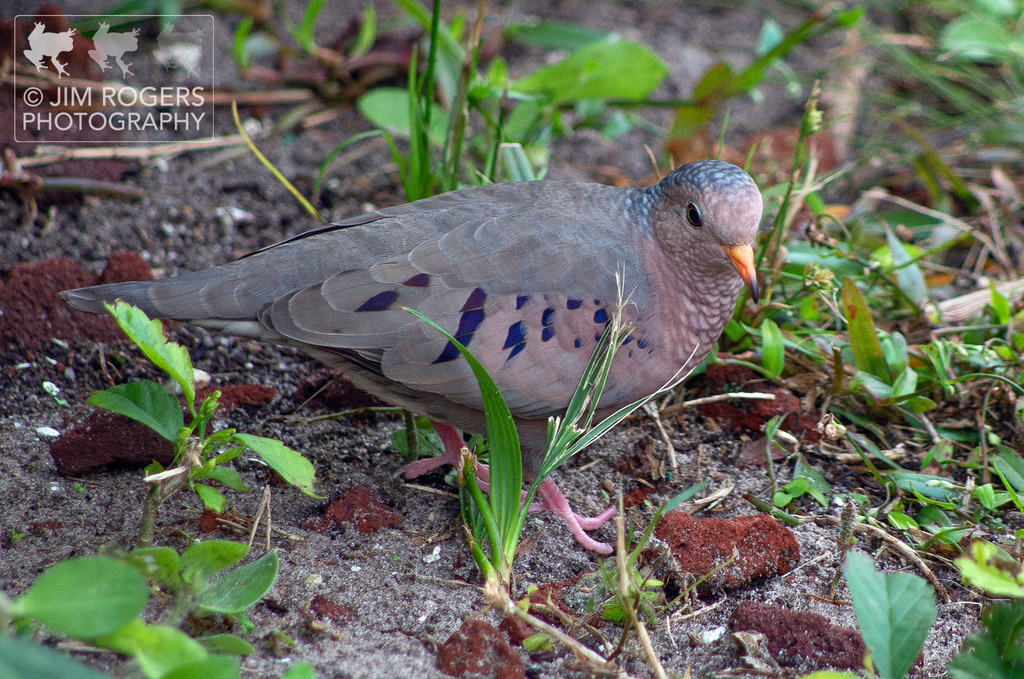
- Common Ground-doveColumbina passerina
- Common YellowthroatGeothlypis trichas
- Dark-eyed JuncoJunco hyemalis
- Double-crested CormorantPhalacrocorax auritus
- Downy WoodpeckerPicoides pubescens
- Eastern Screech-owlMegascops asio
- Eastern TowheePipilo erythrophthalmus
- Eastern Wood-peweeContopus virens
- Fish CrowCorvus ossifragus
- Golden-crowned KingletRegulus satrapa
- Great Crested FlycatcherMyiarchus crinitus
- Great EgretArdea alba
- Green HeronButorides virescens
- Hermit ThrushCatharus guttatus





















NatureServe Explorer, CC BY 4.0. USGS Gap Analysis Project habitat models.
Sources
- USGS Gap Analysis Project habitat models (2001)
- USGS GAP year-round habitat model for Brown-headed Nuthatch Elevation 0 to 762 m
- USGS Gap Analysis Project range maps (2001), modeled by watershed; migratory gives no dates
- NatureServe Explorer (CC BY 4.0), habitat names
- US Census TIGER/Line counties
- Names follow the USGS Gap Analysis Project (2001)