

Bird
Barred Owl
Strix varia
Lives in Louisiana all year and nests here. Found in all 64 parishes, across 6 habitats.
- Here
- All year
- Nesting
- Nests here
- Range
- All 64 parishes
- Habitats
- 6

At a glance
- Group
- Birds
- Here
- All year
- Nesting
- Nests here
- Range
- All 64 parishes
- Habitats
- 6
- Habitat models
- Year-round
Where it lives
The places its habitat model includes. It is not found everywhere a habitat occurs.
Habitats in Louisiana 6
Each habitat page lists the plants and wildlife also found there.
Floodplain and bottomland forests
Forests on low ground beside rivers and streams that flood from time to time.
Flat, poorly drained uplands and terraces with oaks, sweetgum and sometimes loblolly pine, wet in winter and dry in summer, but neither a floodplain nor a swamp.
Forests on moist but not wet ground, such as rich slopes and ravines.
Flat, sandy Coastal Plain pine woodlands, wetter than sandhills and denser than savannas.
Open, fire-kept longleaf pine stands over grasses and wildflowers on wet to moist sandy soil.
Forested wetlands with standing water much of the year, such as cypress and gum swamps.
Other habitats in its models (89)
Land cover, or classes with no habitat page in Louisiana.
- Central and Southern Appalachian Northern Hardwood Forest Year-round.
- East Gulf Coastal Plain Limestone Forest Year-round.
- East Gulf Coastal Plain Northern Loess Plain Oak-Hickory Upland - Hardwood Modifier Year-round.
- Northeastern Interior Dry Oak Forest-Hardwood Modifier Year-round.
- Northeastern Interior Dry Oak Forest - Mixed Modifier Year-round.
- Southern and Central Appalachian Oak Forest - Xeric Year-round.
- Northeastern Interior Dry-Mesic Oak Forest Year-round.
- Ozark-Ouachita Dry-Mesic Oak Forest Year-round.
- Southern Interior Low Plateau Dry-Mesic Oak Forest Year-round.
- East Gulf Coastal Plain Northern Dry Upland Hardwood Forest Year-round.
- North-Central Interior Dry-Mesic Oak Forest and Woodland Year-round.
- North-Central Interior Dry Oak Forest and Woodland Year-round.
- Ouachita Montane Oak Forest Year-round.
- North-Central Interior Beech-Maple Forest Year-round.
- North-Central Interior Maple-Basswood Forest Year-round.
- Southern and Central Appalachian Oak Forest Year-round.
- Allegheny-Cumberland Dry Oak Forest and Woodland - Hardwood Year-round.
- Central and Southern Appalachian Montane Oak Forest Year-round.
- East Gulf Coastal Plain Northern Loess Bluff Forest Year-round.
- Southern Coastal Plain Dry Upland Hardwood Forest Year-round.
- South Florida Hardwood Hammock Year-round.
- Atlantic Coastal Plain Dry and Dry-Mesic Oak Forest Year-round.
- Southern Piedmont Mesic Forest Year-round.
- East Gulf Coastal Plain Northern Mesic Hardwood Forest Year-round.
- Ozark-Ouachita Mesic Hardwood Forest Year-round.
- East Gulf Coastal Plain Interior Shortleaf Pine-Oak Forest - Hardwood Modifier Year-round.
- Southern Piedmont Dry Oak-(Pine) Forest - Hardwood Modifier Year-round.
- Northeastern Interior Dry Oak Forest - Virginia/Pitch Pine Modifier Year-round.
- Southern Piedmont Dry Oak-(Pine) Forest - Loblolly Pine Modifier Year-round.
- Allegheny-Cumberland Dry Oak Forest and Woodland - Pine Modifier Year-round.
- Southern Ridge and Valley Dry Calcareous Forest - Pine modifier Year-round.
- East Gulf Coastal Plain Interior Shortleaf Pine-Oak Forest - Mixed Modifier Year-round.
- Southern Piedmont Dry Oak-(Pine) Forest - Mixed Modifier Year-round.
- Southern Piedmont Dry Oak-Heath Forest - Mixed Modifier Year-round.
- Northern Atlantic Coastal Plain Dry Hardwood Forest Year-round.
- West Gulf Coastal Plain Upland Longleaf Pine Forest and Woodland Year-round.
- Southeastern Interior Longleaf Pine Woodland Year-round.
- Ozark-Ouachita Shortleaf Pine-Oak Forest and Woodland Year-round.
- Central Appalachian Oak and Pine Forest Year-round.
- Appalachian Hemlock-Hardwood Forest Year-round.
- West Gulf Coastal Plain Pine-Hardwood Forest Year-round.
- Southern Ridge and Valley Dry Calcareous Forest Year-round.
- Southern and Central Appalachian Cove Forest Year-round.
- South-Central Interior Mesophytic Forest Year-round.
- Atlantic Coastal Plain Mesic Hardwood and Mixed Forest Year-round.
- East Gulf Coastal Plain Interior Upland Longleaf Pine Woodland - Offsite Hardwood Modifier Year-round.
- Florida Longleaf Pine Sandhill - Open Understory Modifier Year-round.
- Atlantic Coastal Plain Fall-Line Sandhills Longleaf Pine Woodland - Loblolly Modifier Year-round.
- Atlantic Coastal Plain Fall-line Sandhills Longleaf Pine Woodland - Open Understory Modifier Year-round.
- East Gulf Coastal Plain Interior Upland Longleaf Pine Woodland - Loblolly Modifier Year-round.
- East Gulf Coastal Plain Interior Upland Longleaf Pine Woodland - Open Understory Modifier Year-round.
- Atlantic Coastal Plain Upland Longleaf Pine Woodland Year-round.
- Southern Appalachian Montane Pine Forest and Woodland Year-round.
- Southern Appalachian Low Mountain Pine Forest Year-round.
- Atlantic Coastal Plain Fall-line Sandhills Longleaf Pine Woodland - Offsite Hardwood Modifier Year-round.
- Southern Coastal Plain Nonriverine Basin Swamp - Okefenokee Taxodium Modifier Year-round.
- Southern Coastal Plain Nonriverine Basin Swamp - Okefenokee Bay/Gum Modifier Year-round.
- Southern Coastal Plain Nonriverine Basin Swamp - Okefenokee Pine Modifier Year-round.
- Southern Coastal Plain Nonriverine Basin Swamp - Okefenokee Clethra Modifier Year-round.
- Atlantic Coastal Plain Streamhead Seepage Swamp - Pocosin - and Baygall Year-round.
- Southern Coastal Plain Nonriverine Basin Swamp Year-round.
- Northern Atlantic Coastal Plain Basin Swamp and Wet Hardwood Forest Year-round.
- Atlantic Coastal Plain Nonriverine Swamp and Wet Hardwood Forest - Taxodium/Nyssa Modifier Year-round.
- Atlantic Coastal Plain Nonriverine Swamp and Wet Hardwood Forest - Oak Dominated Modifier Year-round.
- Atlantic Coastal Plain Clay-Based Carolina Bay Forested Wetland Year-round.
- South Florida Dwarf Cypress Savanna Year-round.
- South Florida Cypress Dome Year-round.
- Atlantic Coastal Plain Blackwater Stream Floodplain Forest - Forest Modifier Year-round.
- Central Appalachian Floodplain - Forest Modifier Year-round.
- Central Appalachian Riparian - Forest Modifier Year-round.
- East Gulf Coastal Plain Large River Floodplain Forest - Forest Modifier Year-round.
- South-Central Interior Large Floodplain - Forest Modifier Year-round.
- Southern Piedmont Large Floodplain Forest - Forest Modifier Year-round.
- East Gulf Coastal Plain Large River Floodplain Forest - Herbaceous Modifier Year-round.
- South-Central Interior Large Floodplain - Herbaceous Modifier Year-round.
- Western Great Plains Floodplain Systems Year-round.
- Western Great Plains Floodplain Year-round.
- Southern Coastal Plain Hydric Hammock Year-round.
- Southern Piedmont Small Floodplain and Riparian Forest Year-round.
- Atlantic Coastal Plain Small Brownwater River Floodplain Forest Year-round.
- Atlantic Coastal Plain Small Blackwater River Floodplain Forest Year-round.
- Atlantic Coastal Plain Brownwater Stream Floodplain Forest Year-round.
- South-Central Interior Small Stream and Riparian Year-round.
- East Gulf Coastal Plain Small Stream and River Floodplain Forest Year-round.
- Southern Coastal Plain Blackwater River Floodplain Forest Year-round.
- East Gulf Coastal Plain Jackson Plain Dry Flatwoods - Open Understory Modifier Year-round.
- East Gulf Coastal Plain Near-Coast Pine Flatwoods - Offsite Hardwood Modifier Year-round.
- Central Atlantic Coastal Plain Wet Longleaf Pine Savanna and Flatwoods Year-round.
- Atlantic Coastal Plain Southern Wet Pine Savanna and Flatwoods Year-round.
- The model selects forest interior beyond the immediate edge.
Seasons in Louisiana
- Year-round: nests here, in all 64 parishes.
Also found in this habitat
Plants 447
Plants named in NatureServe descriptions of these habitats that grow in Louisiana. Shared habitat, not food.
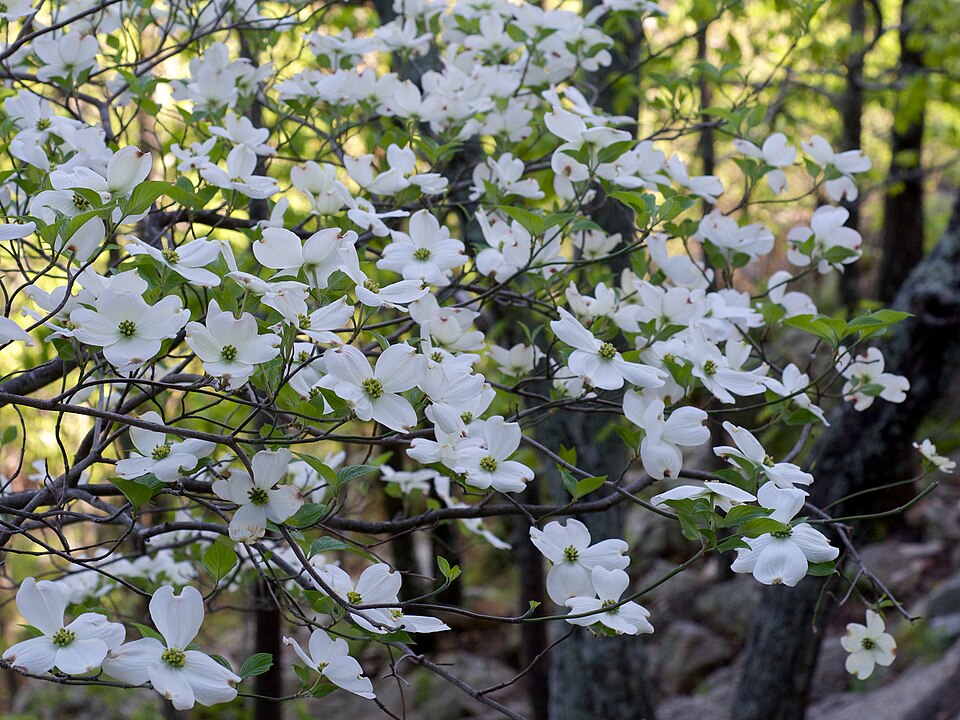
- Flowering DogwoodCornus florida
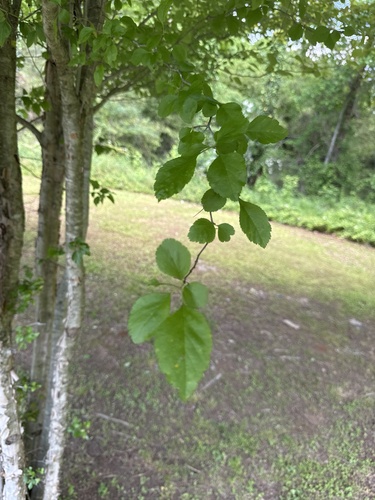
- Green HawthornCrataegus viridis
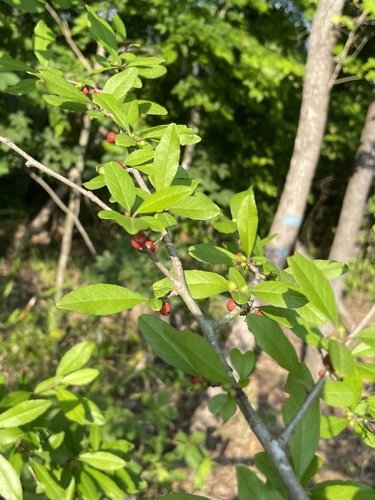
- Possumhaw HollyIlex decidua
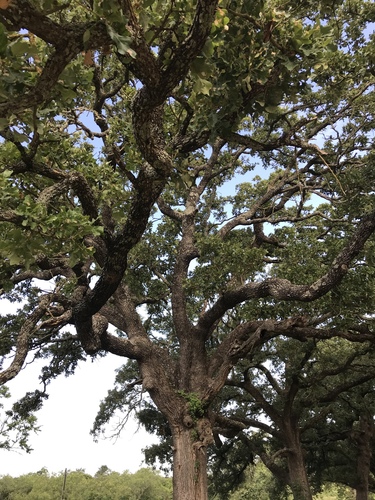
- Post OakQuercus stellata
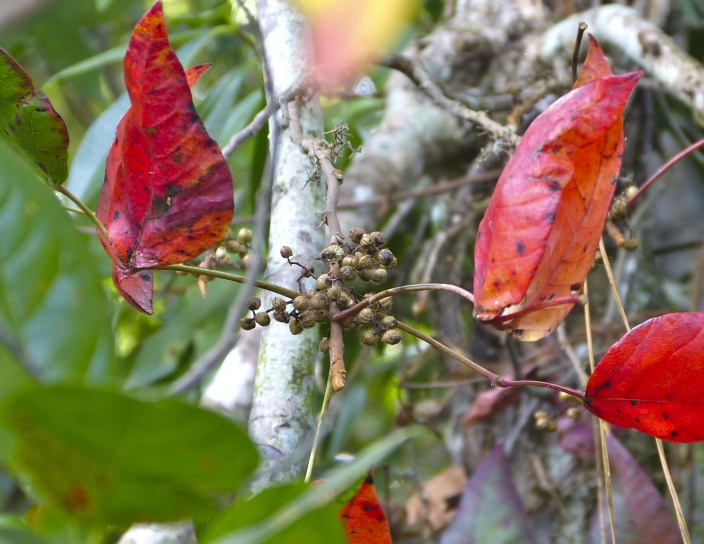
- Poison-ivyToxicodendron radicans
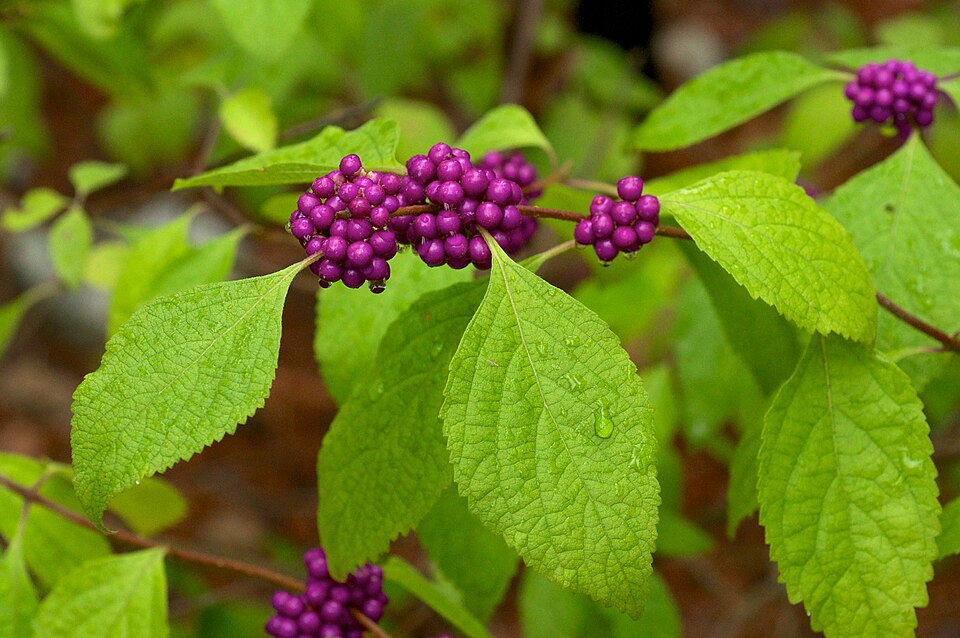
- American BeautyberryCallicarpa americana
- Southern Waxy SedgeCarex glaucescens
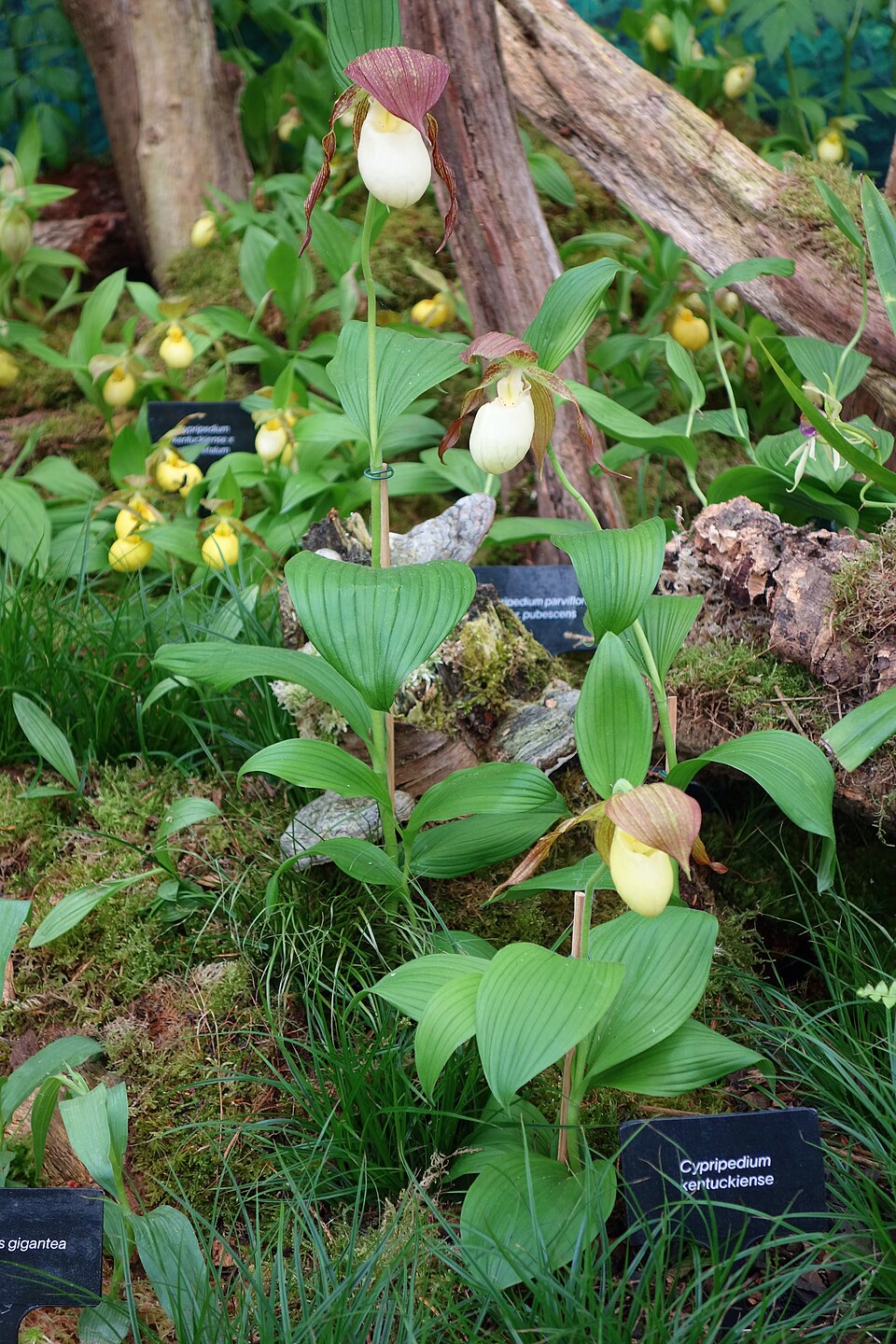
- Kentucky Ladys SlipperCypripedium kentuckiense
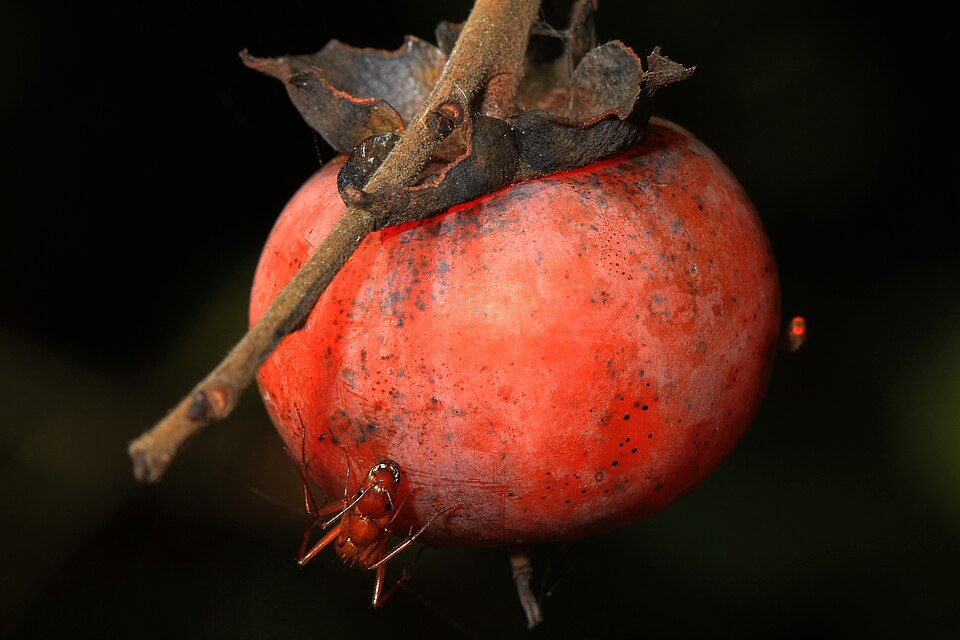
- American PersimmonDiospyros virginiana
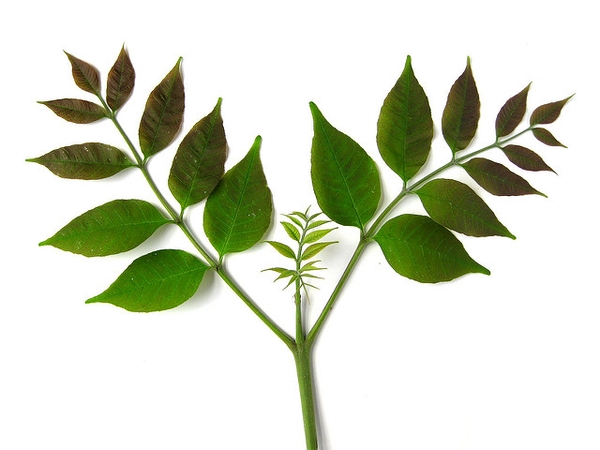
- White AshFraxinus americana
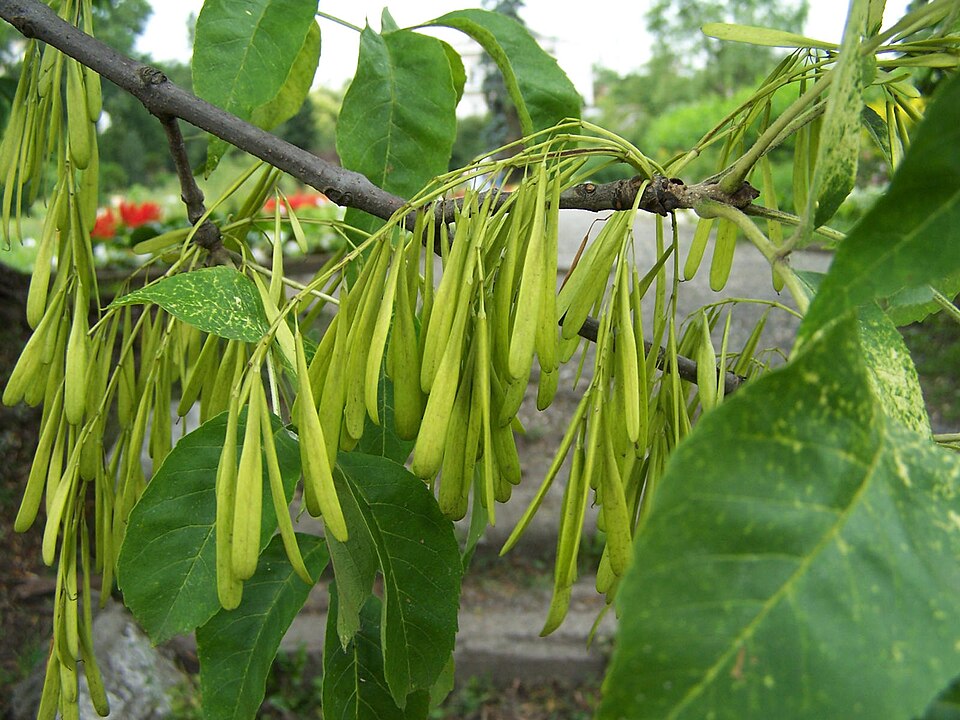
- Green AshFraxinus pennsylvanica
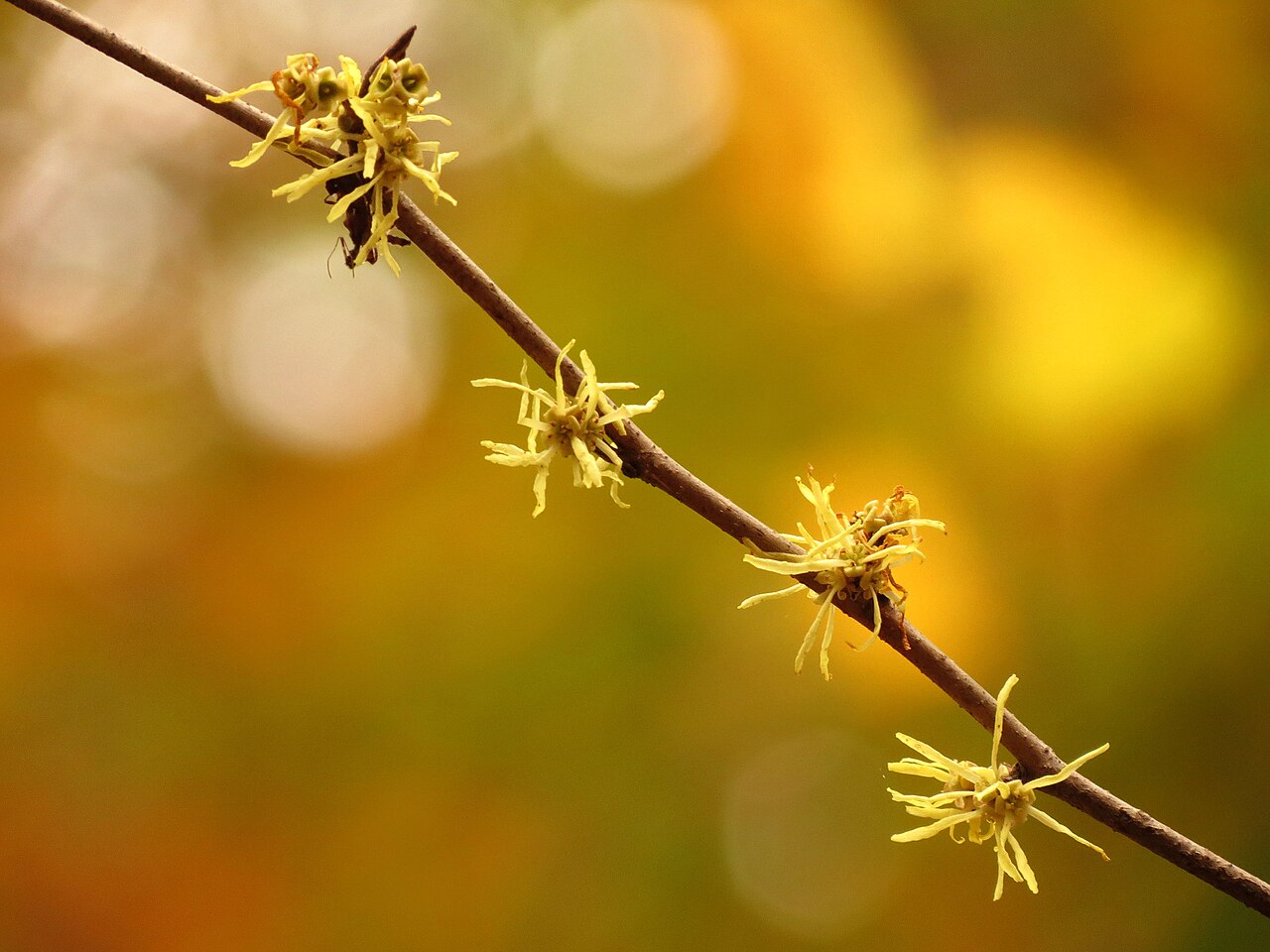
- American Witch-hazelHamamelis virginiana
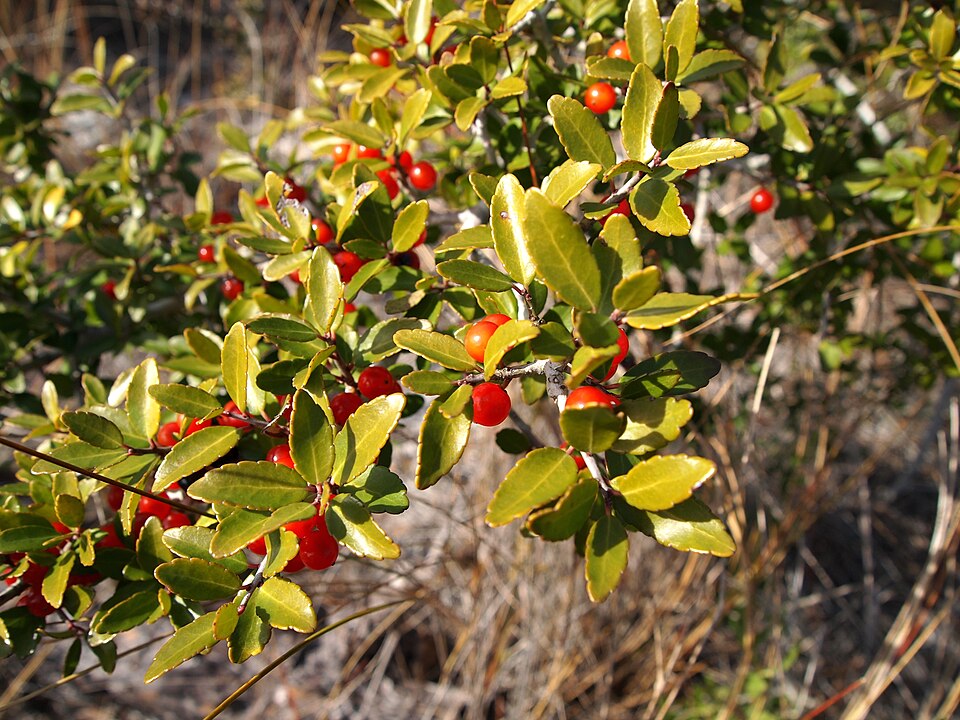
- Yaupon HollyIlex vomitoria
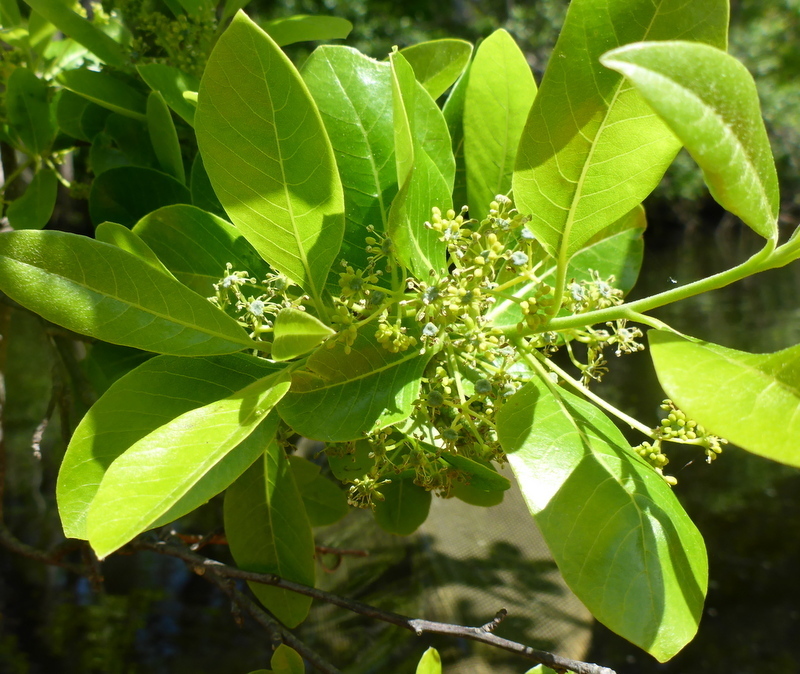
- Swamp TupeloNyssa biflora
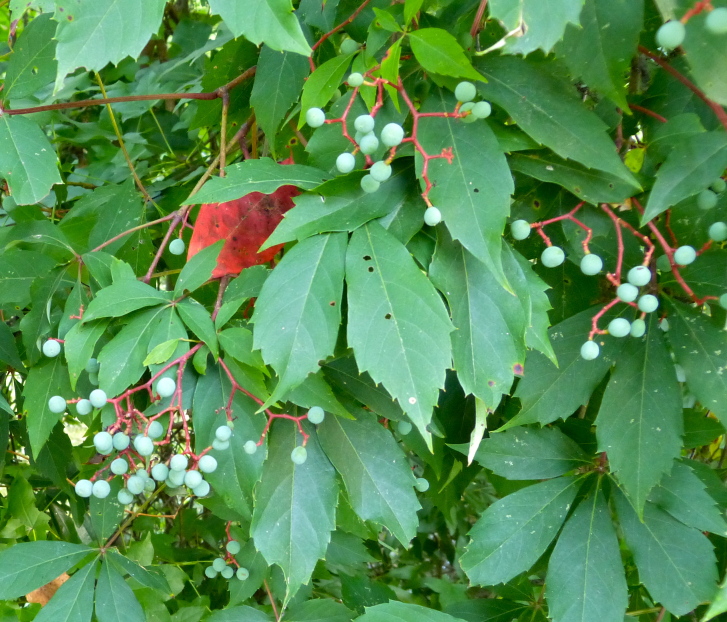
- Virginia CreeperParthenocissus quinquefolia
- Shortleaf PinePinus echinata
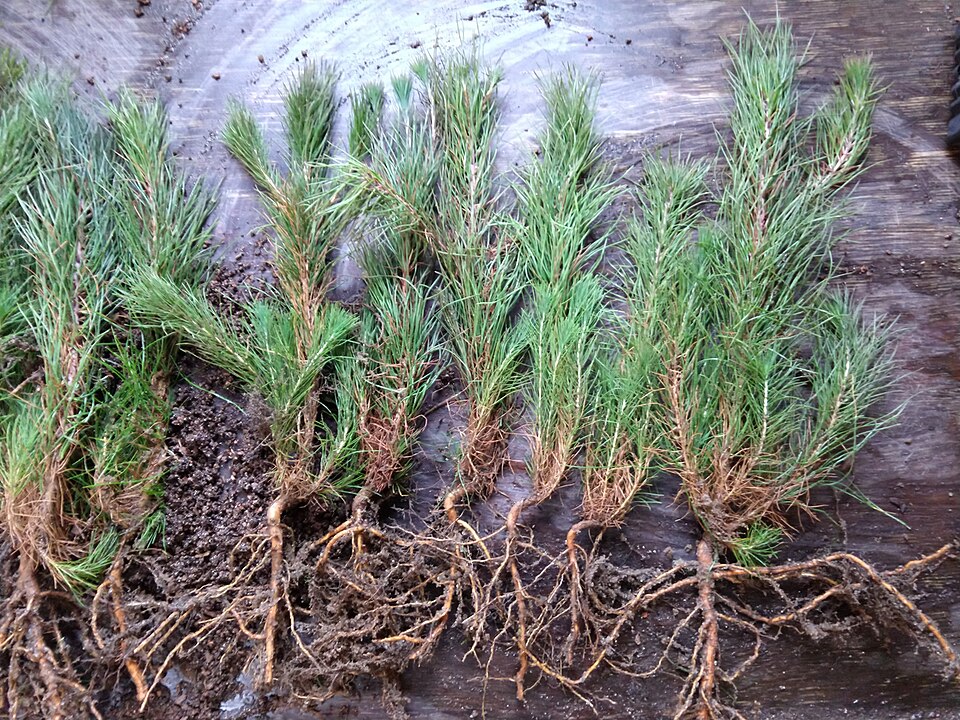
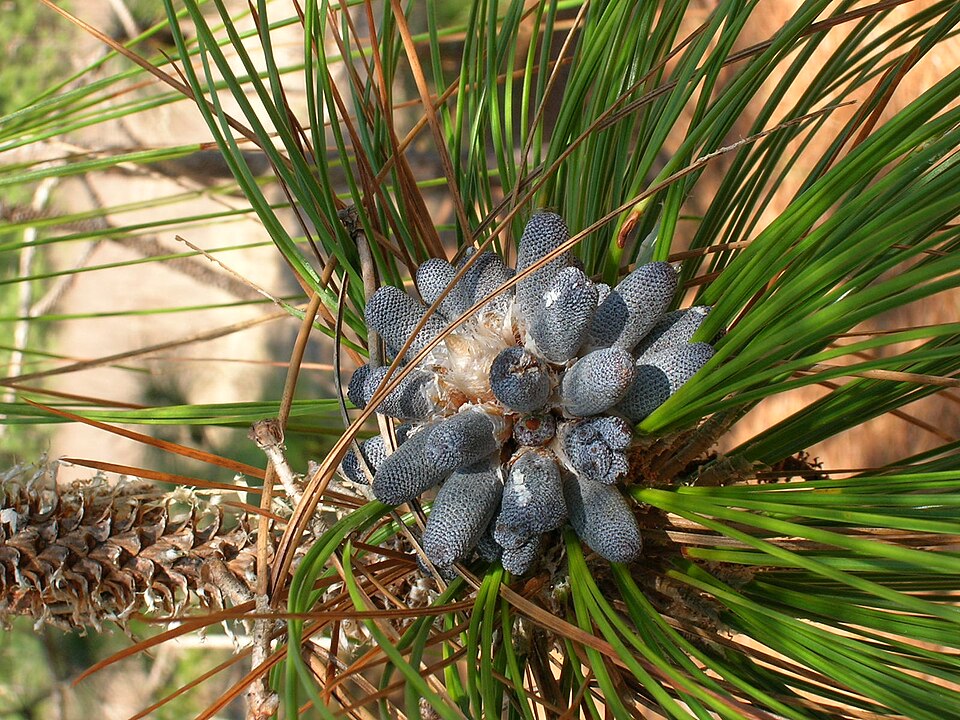
- Longleaf PinePinus palustris
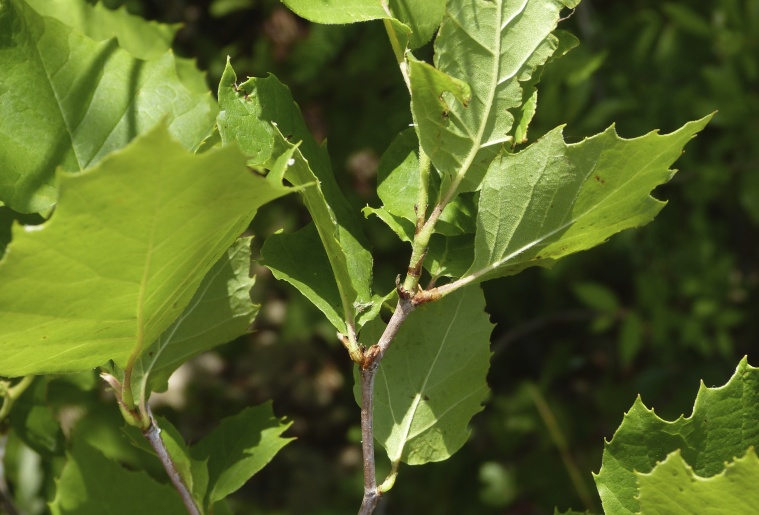
- American SycamorePlatanus occidentalis
- Barbed Rattlesnake RootPrenanthes barbata
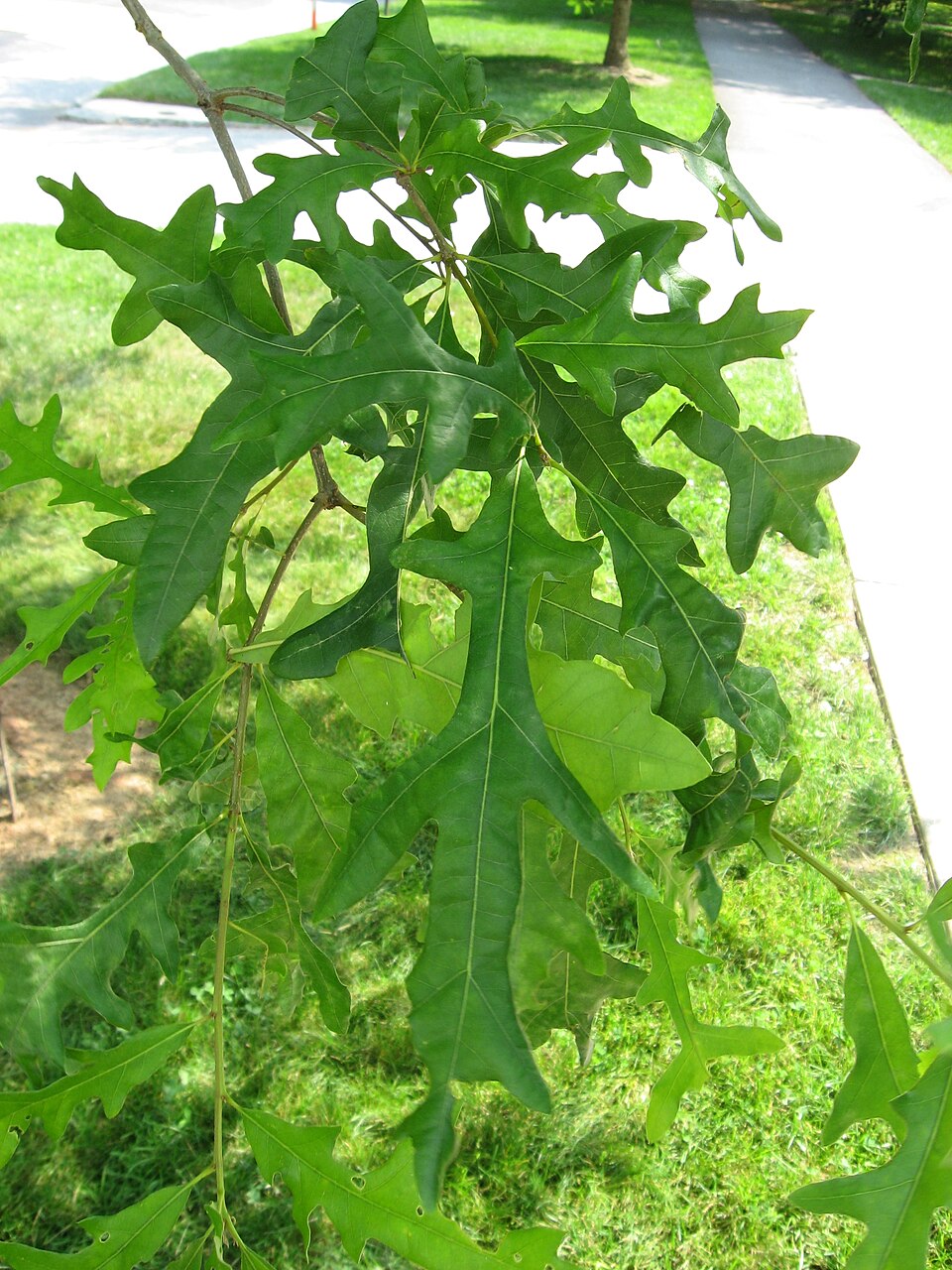
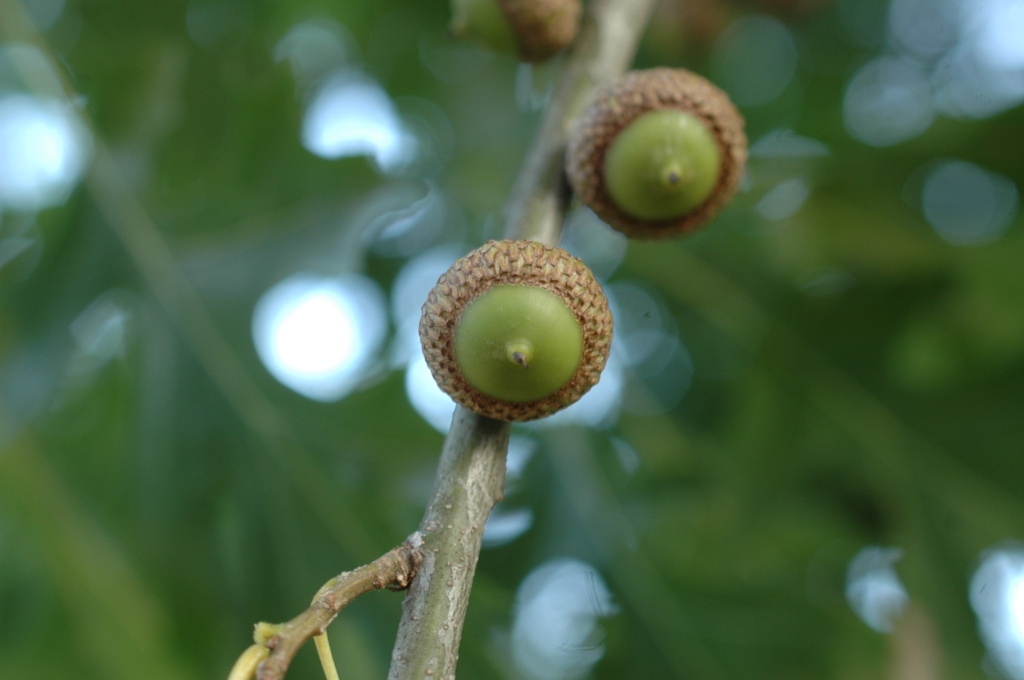
- Overcup OakQuercus lyrata
- Shumard OakQuercus shumardii
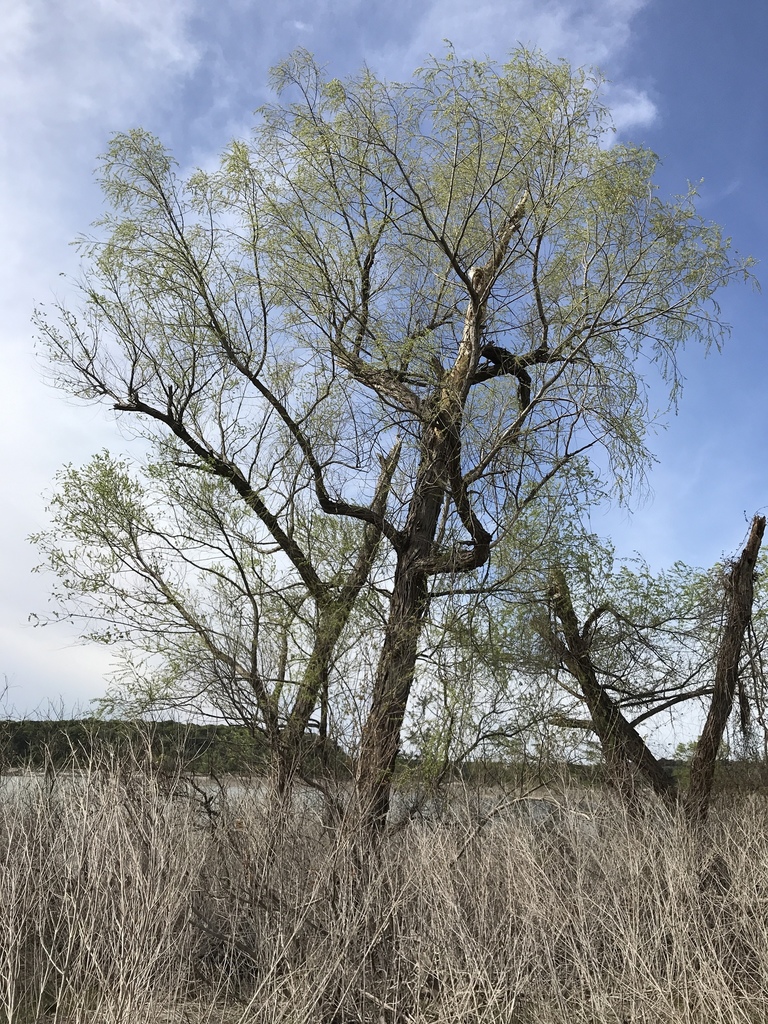
- Black WillowSalix nigra
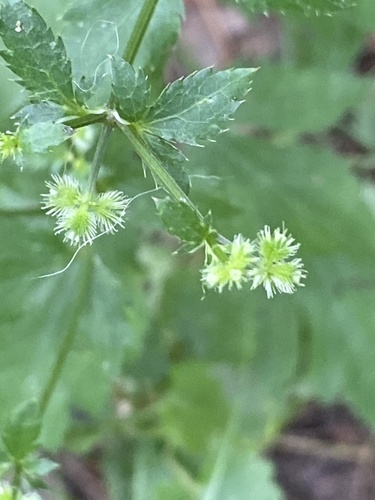
- Canadian Black-snakerootSanicula canadensis
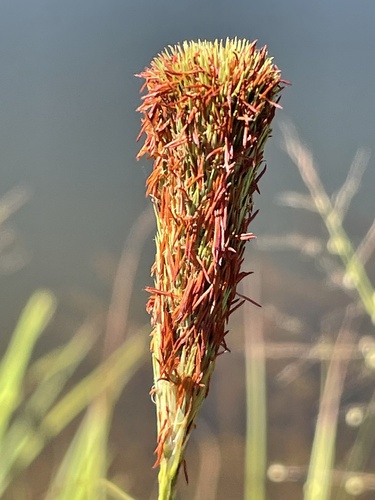
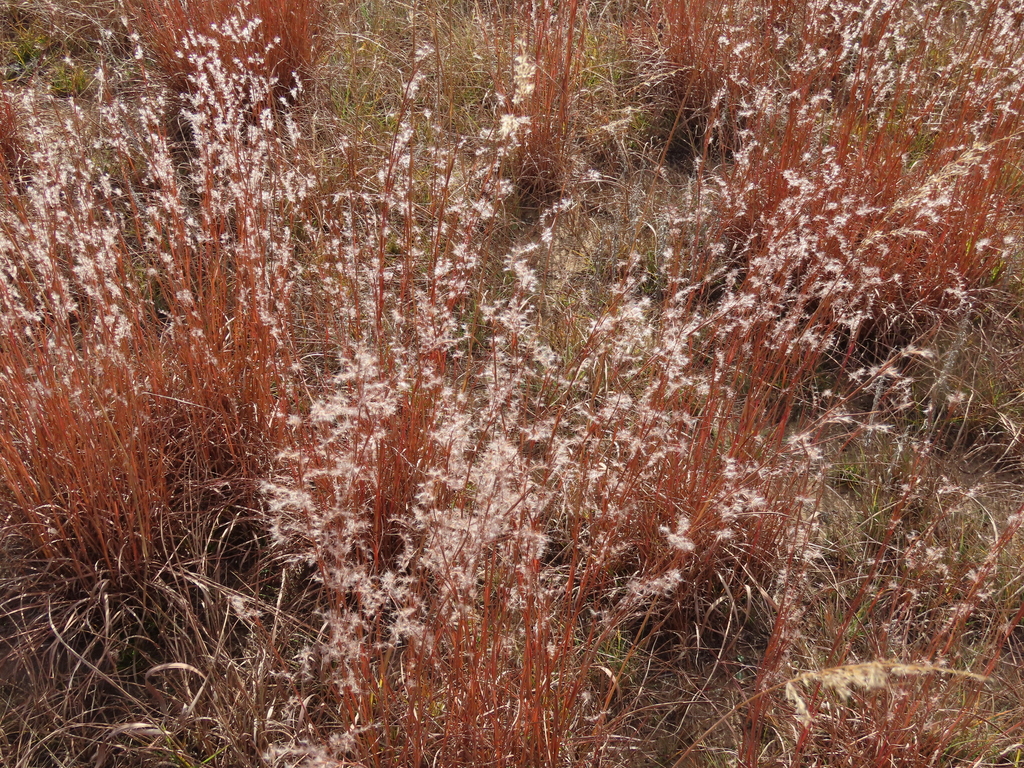
- Little BluestemSchizachyrium maritimum
Wildlife 193
Other animals whose habitat models include the same habitats in Louisiana. Not sighting records.
- American GoldfinchCarduelis tristis
- American KestrelFalco sparverius
- American RobinTurdus migratorius
- Bald EagleHaliaeetus leucocephalus
- Black-crowned Night-heronNycticorax nycticorax
- Blue GrosbeakPasserina caerulea
- Blue JayCyanocitta cristata
- Blue-gray GnatcatcherPolioptila caerulea
- Brown CreeperCerthia americana
- Cedar WaxwingBombycilla cedrorum
- Chimney SwiftChaetura pelagica
- Common NighthawkChordeiles minor
- Cooper's HawkAccipiter cooperii
- Double-crested CormorantPhalacrocorax auritus
- Downy WoodpeckerPicoides pubescens
- Eastern KingbirdTyrannus tyrannus
- Eastern Wood-peweeContopus virens
- Eurasian Collared-doveStreptopelia decaocto
- European StarlingSturnus vulgaris
- Golden-crowned KingletRegulus satrapa
- Great Horned OwlBubo virginianus
- Hermit ThrushCatharus guttatus
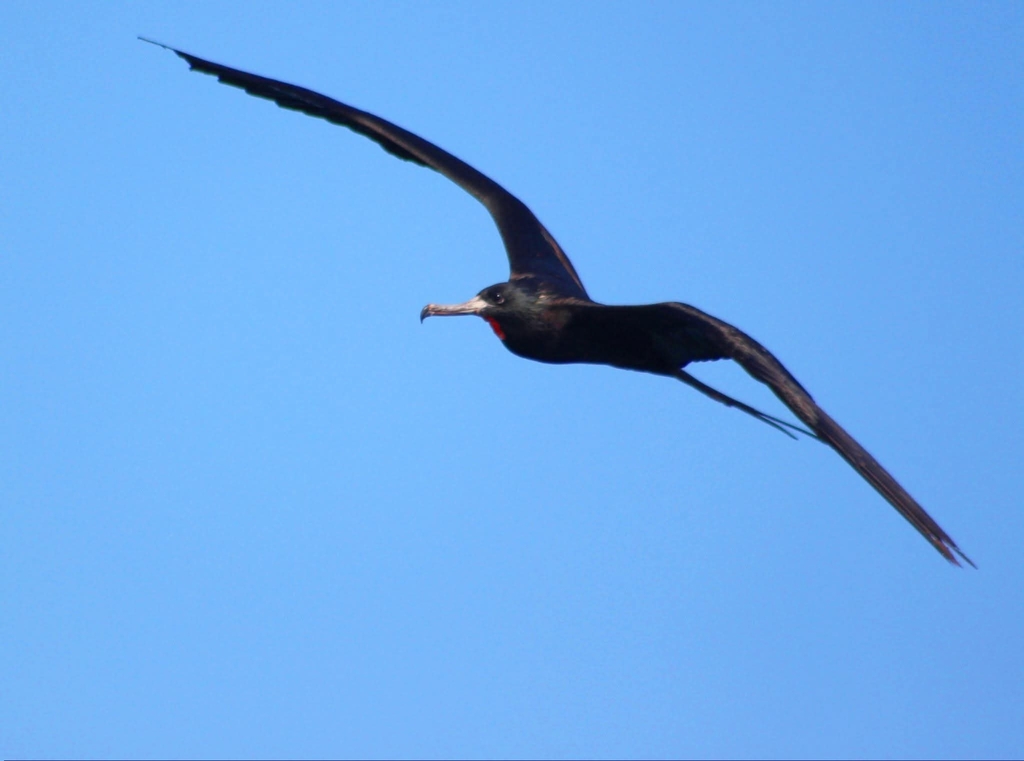
- Magnificent FrigatebirdFregata magnificens
- Mourning DoveZenaida macroura























NatureServe Explorer, CC BY 4.0. USGS Gap Analysis Project habitat models.
Sources
- USGS Gap Analysis Project habitat models (2001)
- USGS GAP year-round habitat model for Barred Owl Elevation -47 to 1,500 m. Uses forest interior
- USGS Gap Analysis Project range maps (2001), modeled by watershed; migratory gives no dates
- NatureServe Explorer (CC BY 4.0), habitat names
- US Census TIGER/Line counties
- Names follow the USGS Gap Analysis Project (2001)