

Southern Cattail
Typha domingensis
In the Carolinas and Georgia, found in brackish to nearly fresh waters of marshes and swamps, usually tidal. Weakley, Flora of the Southeastern United States (2025), Carolinas & Georgia edition What its natural habitat tells you
Native to Louisiana (estimated). How scores work Is it native here?
Profile 82%
- Height
- Up to about 12 feet
- Light
- Partial shade, Full sun
- Soil moisture
- Wet to standing water
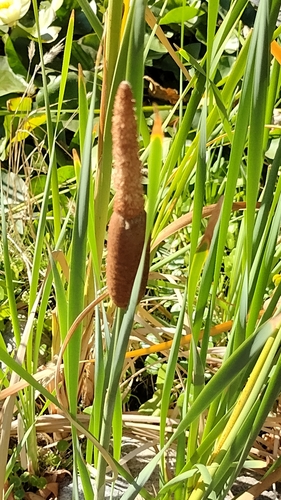
At a glance
- Life cycle
- Perennial
- Fruiting season
- July to November
Not yet recorded · Spread · Leaves · Bloom
Bloom: NC species account not read yet.
Spread and leaves: no source found yet.
This plant is missing most of its facts, so Quercus is looking them up in old botany books.
Recorded in 29 Louisiana parishes.
Natural habitats
Places it grows wild. Not a planting requirement. Each habitat page lists the plants and wildlife also found there.
Open, herb-covered wetlands with fresh, non-tidal water.
Forested wetlands with standing water much of the year, such as cypress and gum swamps.
Also found with this plant
Wildlife whose habitat models include habitats this plant grows in, in Louisiana. Shared habitat, not food. 107 animals.
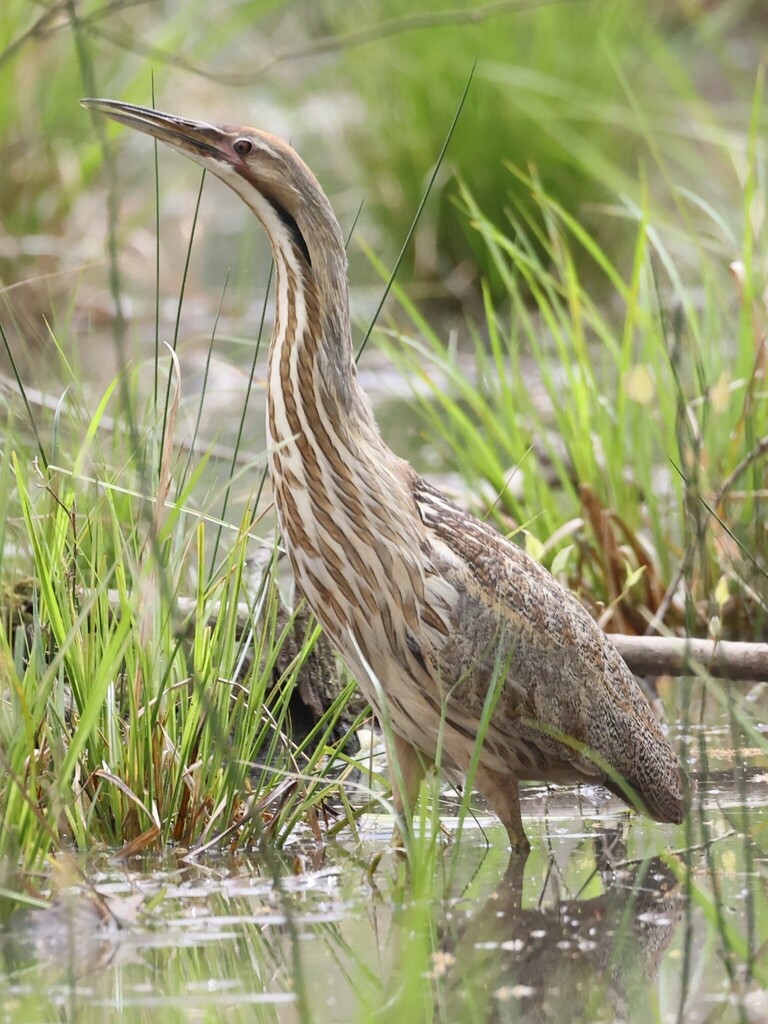
- American BitternBotaurus lentiginosus
- American Black DuckAnas rubripes
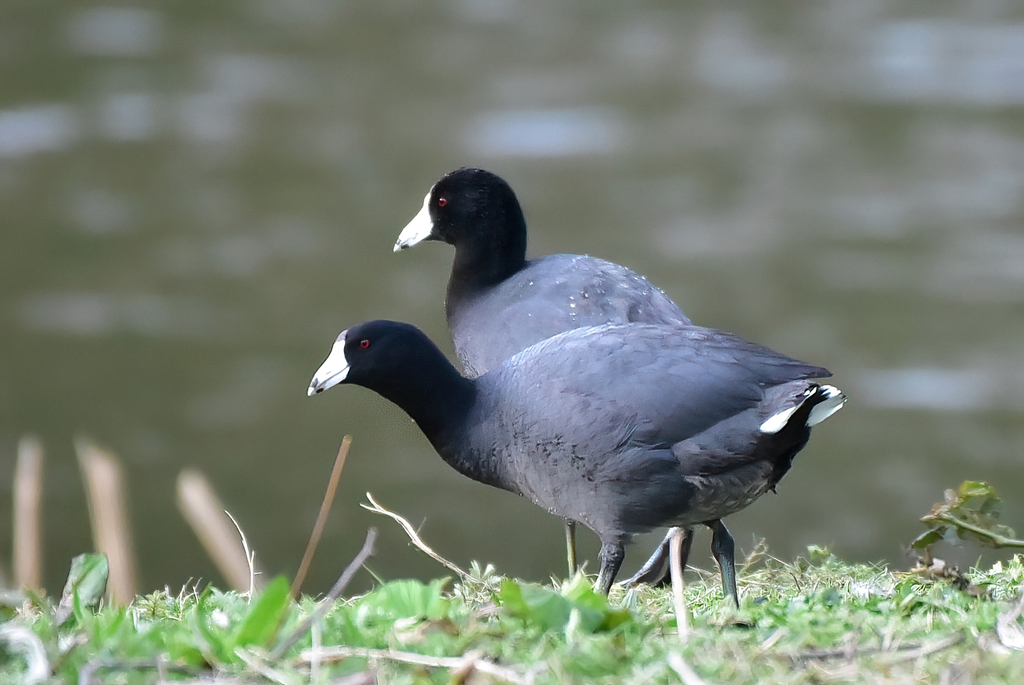
- American CootFulica americana
- American CrowCorvus brachyrhynchos
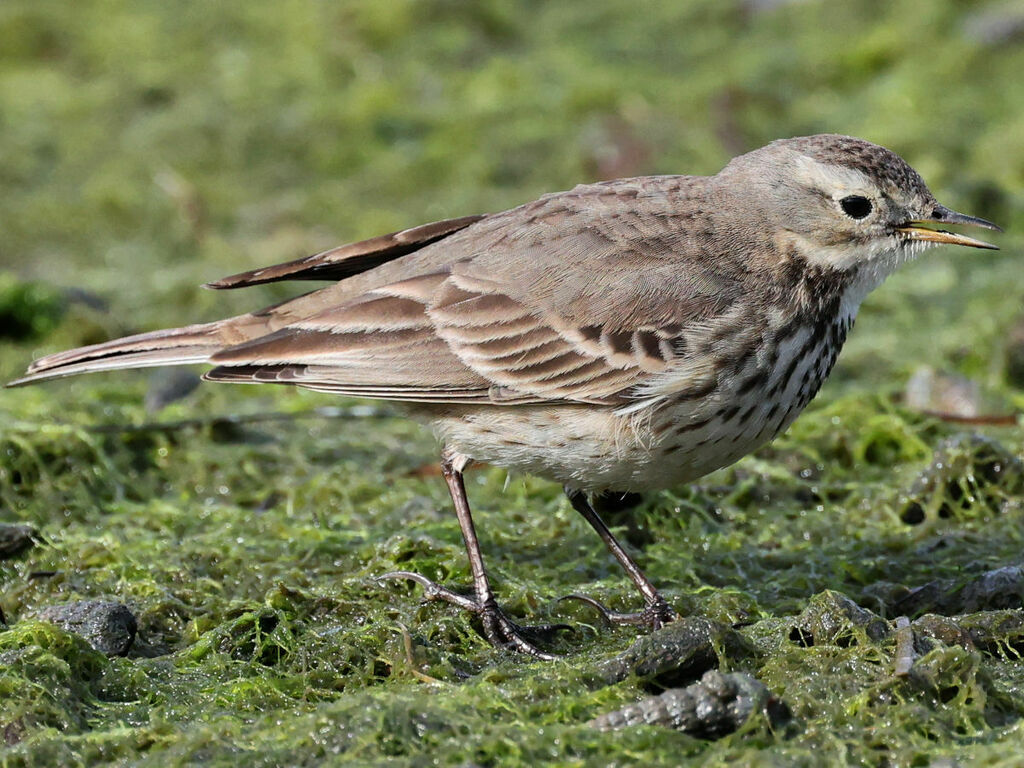
- American PipitAnthus rubescens
- American White PelicanPelecanus erythrorhynchos
- Bald EagleHaliaeetus leucocephalus
- Bank SwallowRiparia riparia
- Barn SwallowHirundo rustica
- Belted KingfisherMegaceryle alcyon
- Black RailLaterallus jamaicensis
- Black-bellied PloverPluvialis squatarola
- Black-crowned Night-heronNycticorax nycticorax
- Black-necked StiltHimantopus mexicanus
- Blue-winged TealAnas discors
- Boat-tailed GrackleQuiscalus major
- Bonaparte's GullChroicocephalus philadelphia
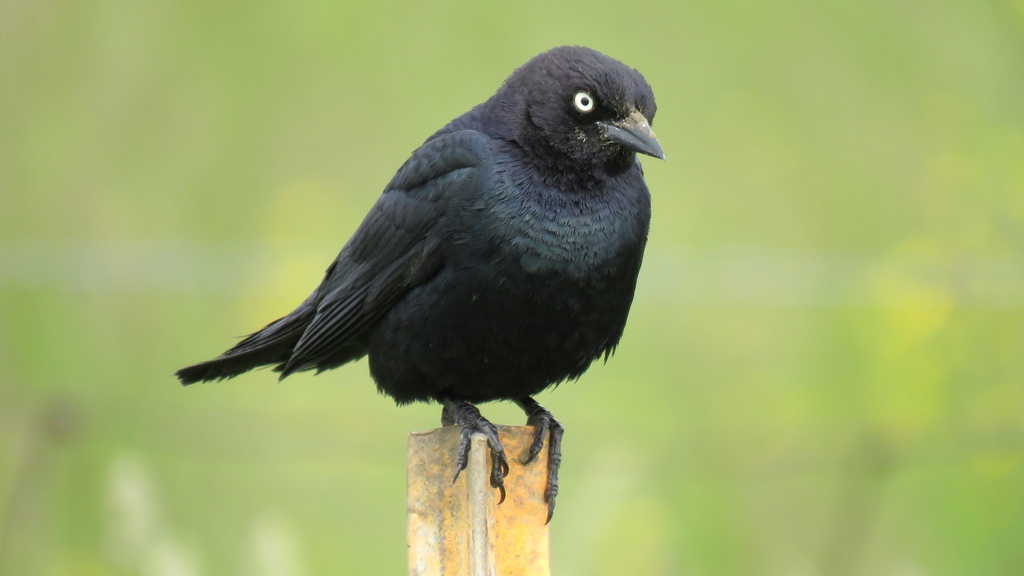
- Brewer's BlackbirdEuphagus cyanocephalus
- Canada GooseBranta canadensis
- CanvasbackAythya valisineria
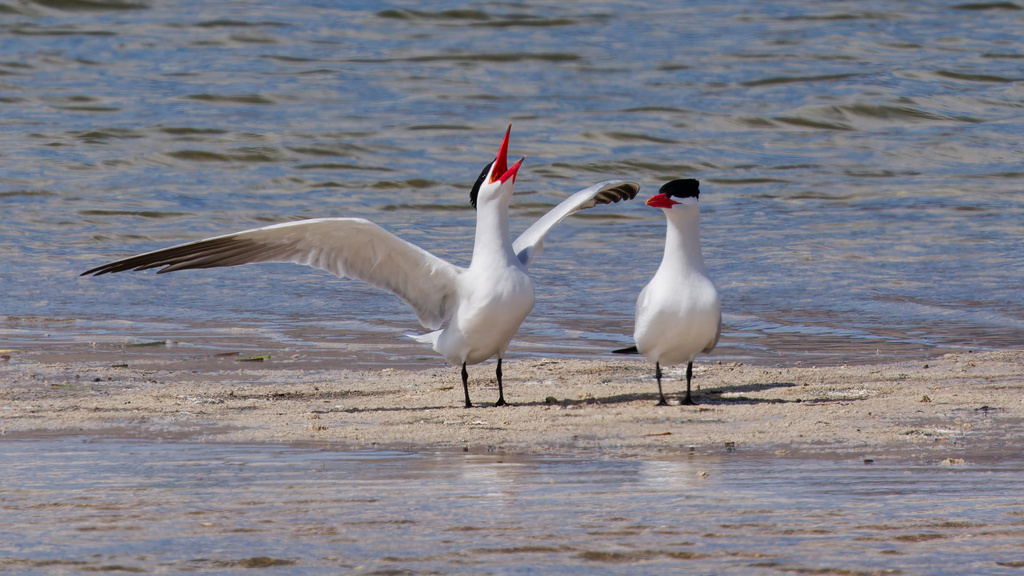
- Caspian TernHydroprogne caspia
- Chimney SwiftChaetura pelagica
- Common GrackleQuiscalus quiscula
- Common NighthawkChordeiles minor


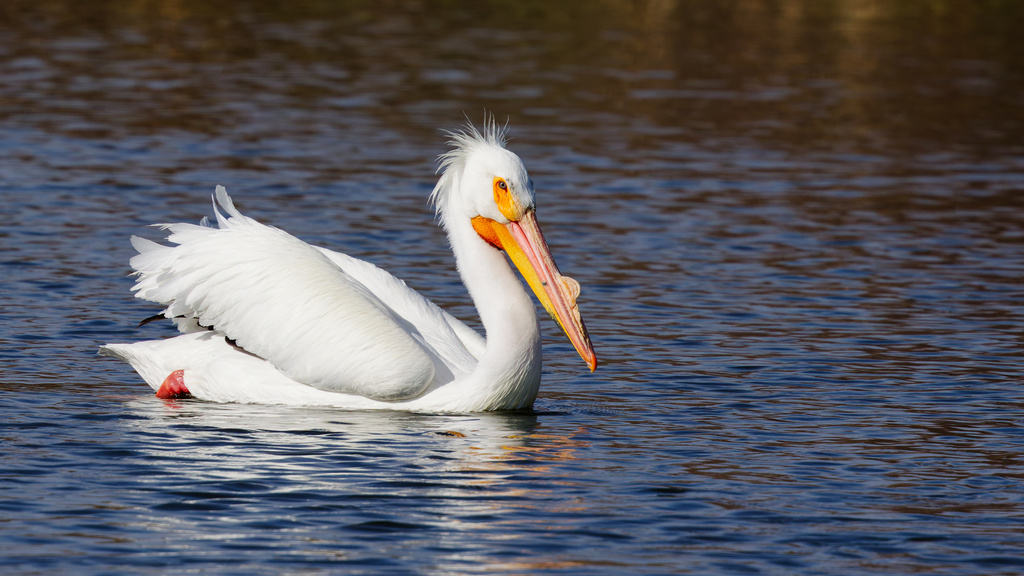


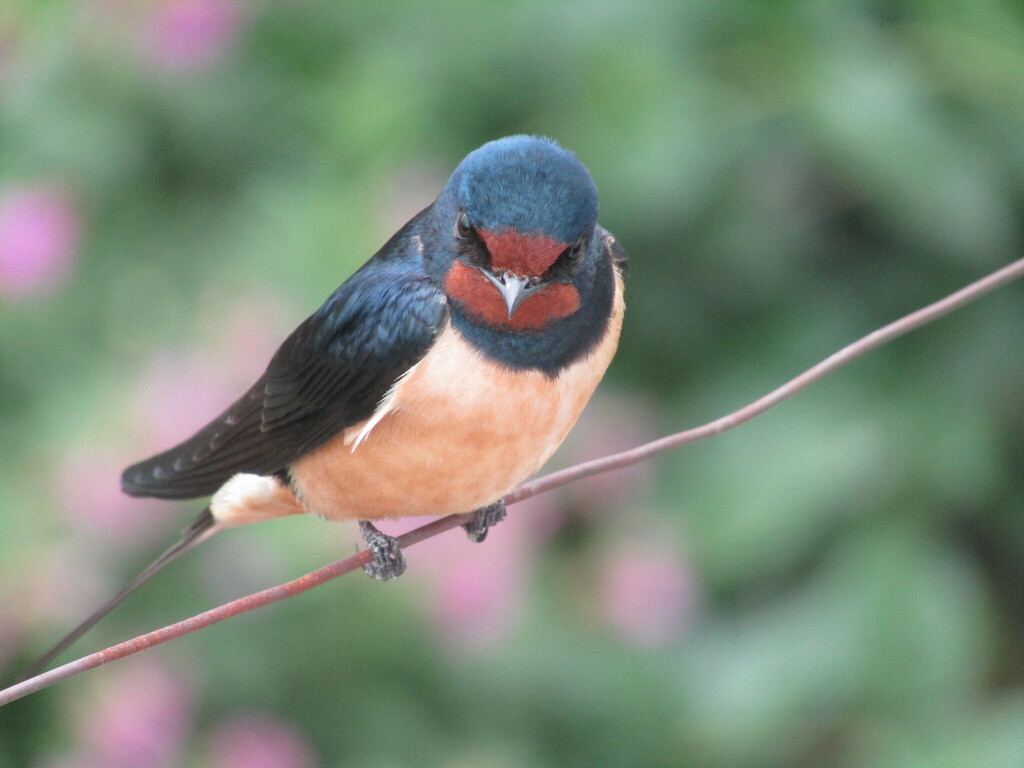

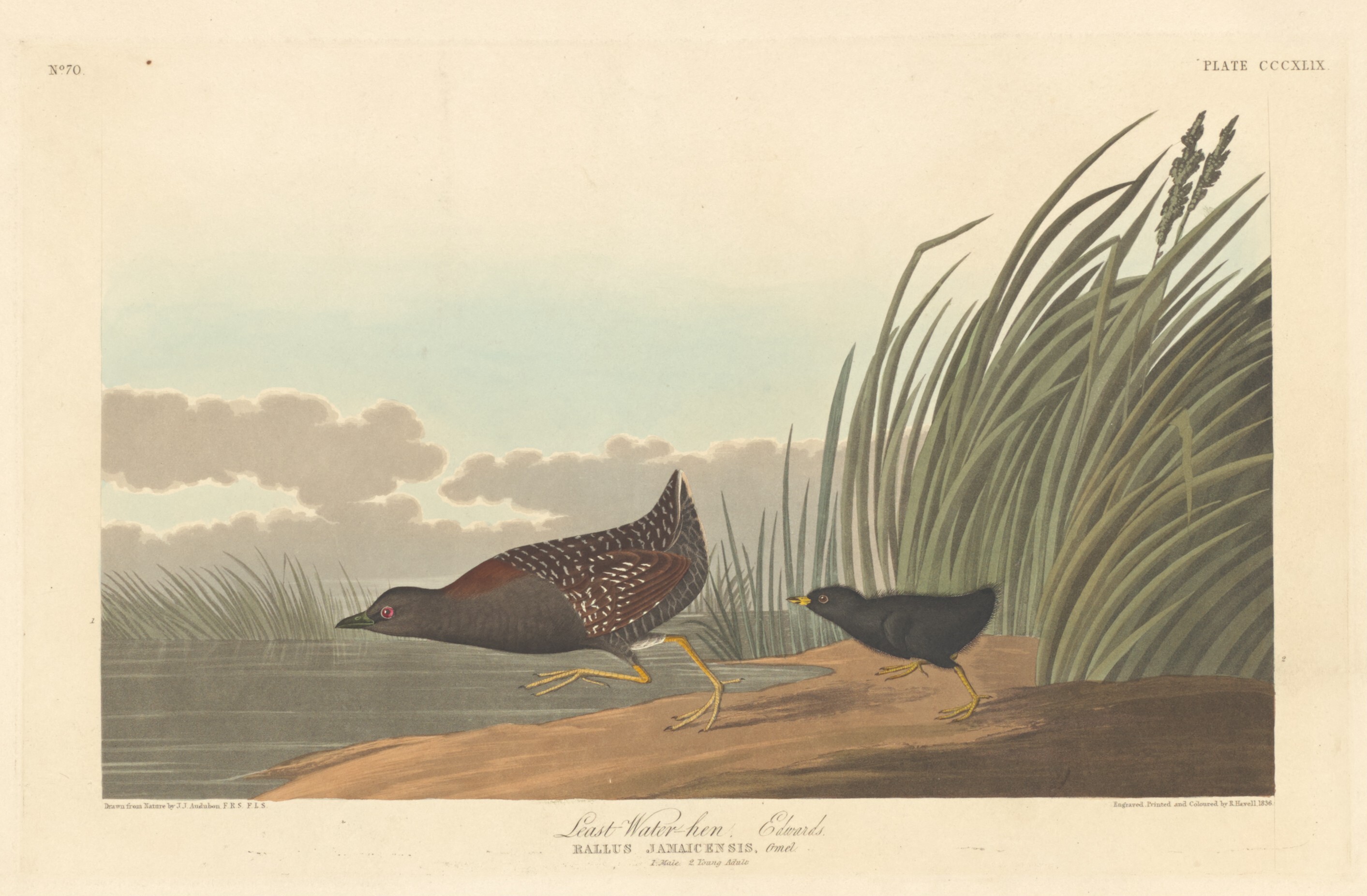
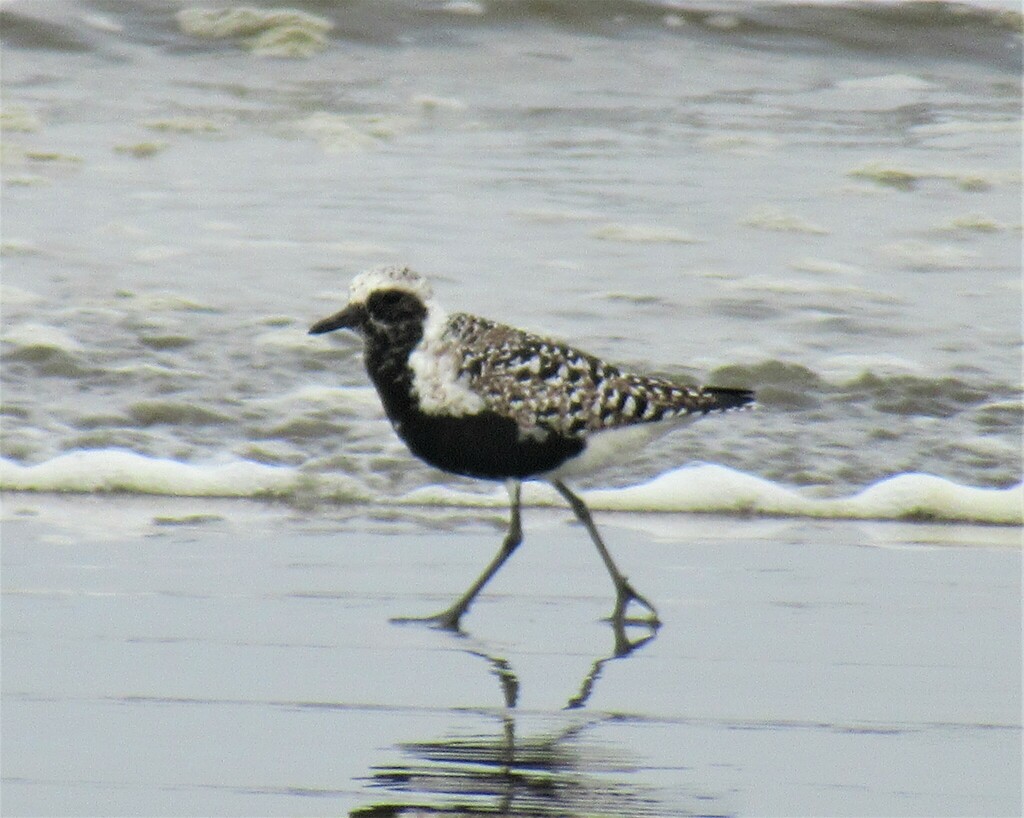

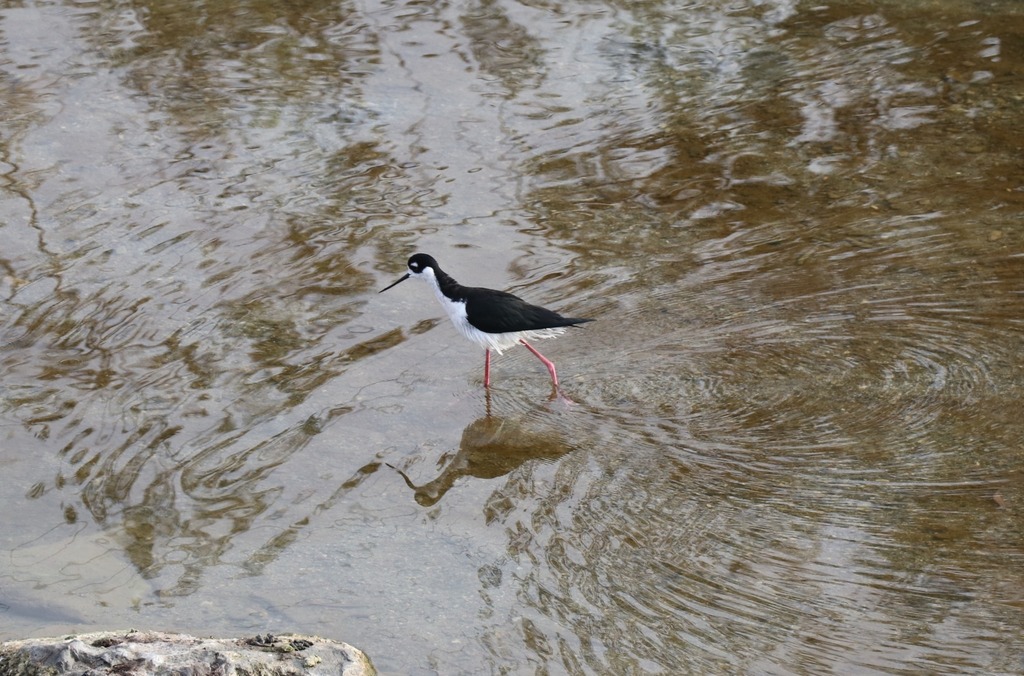
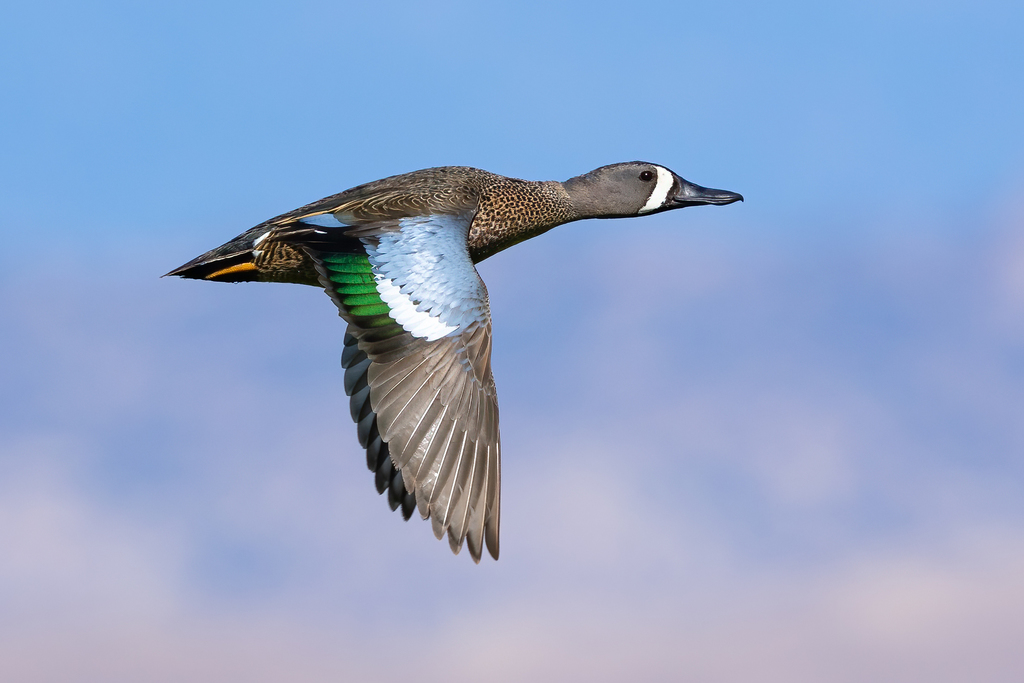
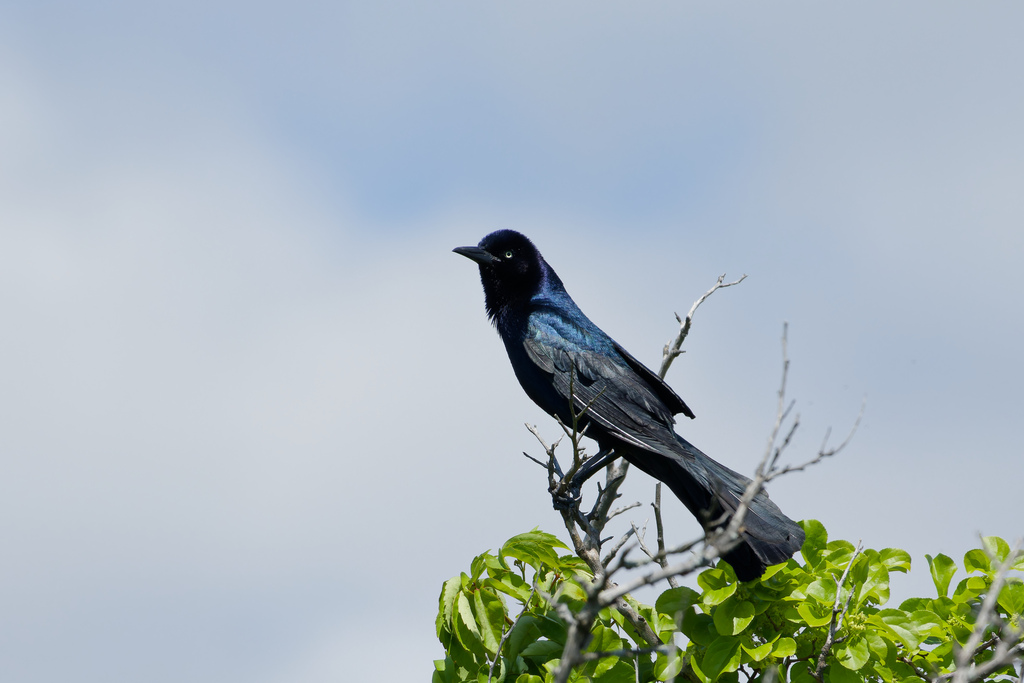
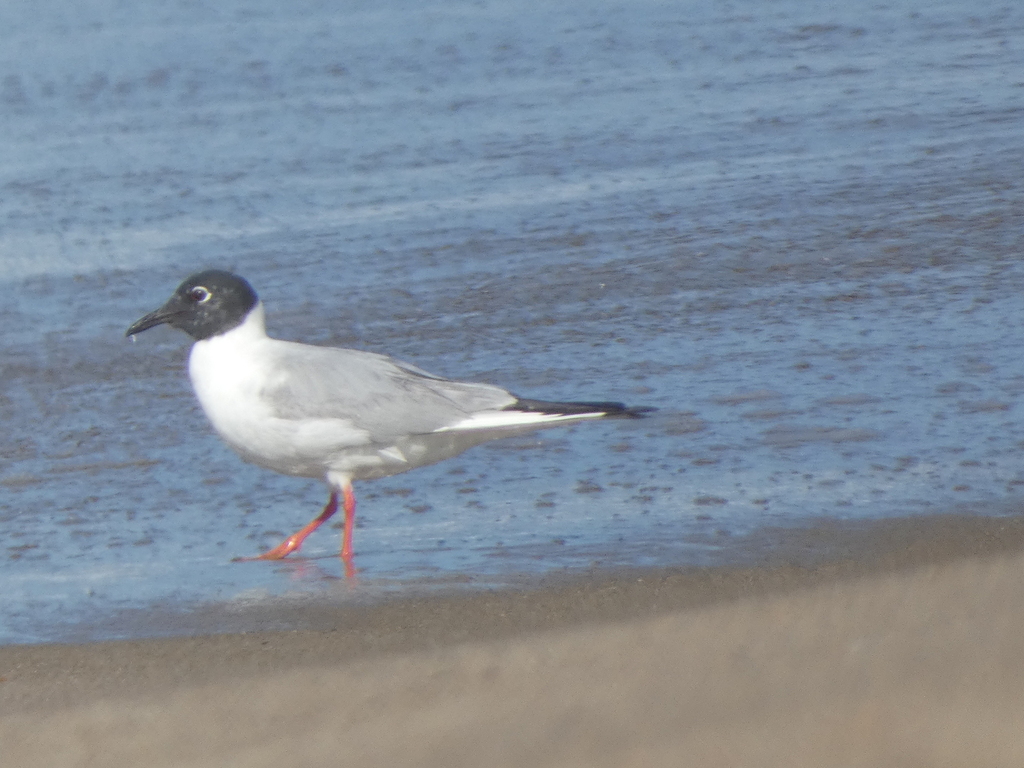





Who uses this plant?
 16CaterpillarsGenus host records with ranges including LA
Genus host records with ranges including LA · Typha
- Acronicta insularisHenry's Marsh Moth, Cattail Caterpillar
- Acronicta oblinitaSmeared Dagger
- Bellura densaPickerel Weed Border Moth, Pickerelweed Diver
- Bellura gortynoidesWhite-Tailed Diver
- Bellura obliquaCattail Border Moth, Cattail Diver
- Choristoneura obsoletanaObsolete Leafroller
- Choristoneura rosaceanaOblique-Banded Leafroller Moth, Rosaceous Leaf Roller
- Dicymolomia julianalisJulia's Dicymolomia
- Endothenia hebesanaVerbena Bud Moth
- Epiblema otiosanaBidens Borer Moth
Show all 16
- Globia oblongaOblong Sedge Borer Moth, Large Noagria
- Orthosia rubescensRuby Quaker
- Papaipema nebrisStalk Borer
- Bactra maiorina
- Bellura brehmei
- Chionodes rabula
 1BeesSoutheastern regional records
Southeastern regional records · Typha
Individual names are not available yet.
Noori, Seltmann & Orr 2026, A curated and integrated dataset for exploring global bee-plant interactions (GloBI), Zenodo, CC BY 4.0 0Specialist beesPollen specialists
 3BirdsRecorded genus food-resource interactions; not a state feeding claim
Recorded genus food-resource interactions; not a state feeding claim · Typha
- Fulica americanaAmerican Coot
- Gallinula galeataCommon Gallinule
- Mareca americanaAmerican Wigeon
Direct food only: birds recorded eating this genus across North America. Caterpillars on host plants also feed nesting birds. NC Native Plant Society: butterfly gardening
No records yet · Ants · Beetles · Flies · Adult butterflies / moths · Other wasps · Other insects
Plant details
- Family
- Typhaceae
- Flower color
- Brown
- Fruit begins
- July
- Fruit ends
- November
Safety has not been reviewed for this plant; check toxicity and thorns before planting.
Growing sources and scope
- Flower color · “Brown” · Lady Bird Johnson Wildflower Center
- Fruit begins · “July” · Weakley, Flora of the Southeastern United States (2025), Carolinas & Georgia edition · Carolinas and Georgia
- Fruit ends · “November” · Weakley, Flora of the Southeastern United States (2025), Carolinas & Georgia edition · Carolinas and Georgia
- Height · “Up to about 12 feet” · Lady Bird Johnson Wildflower Center
- Life cycle · “Perennial” · Lady Bird Johnson Wildflower Center
- Light · “Partial shade; Full sun (documented habitat)” · Weakley, Flora of the Southeastern United States (2025), Carolinas & Georgia edition · Carolinas and Georgia
- primary_flower_color · “brown” · Lady Bird Johnson Wildflower Center
- Soil · “Water; Wet (documented habitat)” · Weakley, Flora of the Southeastern United States (2025), Carolinas & Georgia edition · Carolinas and Georgia
Also known as
Southern Cat Tail
Conservation status
| Louisiana rank | Not available |
|---|---|
| Global rank | G4G5 |
| LA status | Not verified |
| Federal status | Not verified |
Will it fit your yard?
Check this plant against your county, sun and soil moisture. Conditions are checked in your browser.
Sources
- USDA PLANTS
- Vascular Plants of North Carolina (NC Natural Heritage Program)
- Weakley, Flora of the Southeastern United States (2025)
- Louisiana occurrence source
- Shropshire & Tallamy 2025, Lepidoptera of North America north of Mexico, ZooKeys 1261 (ODbL)
- Noori, Seltmann & Orr 2026, A curated and integrated dataset for exploring global bee-plant interactions (GloBI), Zenodo, CC BY 4.0
- Smith, Bachelder, Russell, Morales, Mosher & Seltmann 2024, Bee-Specialization-Modeling v0.6.1 (specialist host table compiled from J. Fowler's pollen specialist bee lists), Zenodo, CC BY 4.0
- Hurlbert, Olsen, Sawyer & Winner 2021, Avian Diet Database, Scientific Data 8: 260 (CC0)
- Narango, Tallamy & Shropshire 2020, Few keystone plant genera support the majority of Lepidoptera species, Nature Communications