

Bald Cypress
Taxodium distichum
In the Carolinas and Georgia, found in brownwater and blackwater swamps, usually in riverine situations, depressions in bottomland forests, lake margins, river banks, rarely in wooded seeps. Weakley, Flora of the Southeastern United States (2025), Carolinas & Georgia edition What its natural habitat tells you
Native to Louisiana (estimated). How scores work Is it native here?
Profile 100%
- Height
- 50–70 feet
- Spread
- 20–30 feet
- Light
- Full sun, Partial shade
- Soil moisture
- Usually moist
Space about 25 ft apart from its recorded spread. Enter your bed size for a count
Will it fit your yard?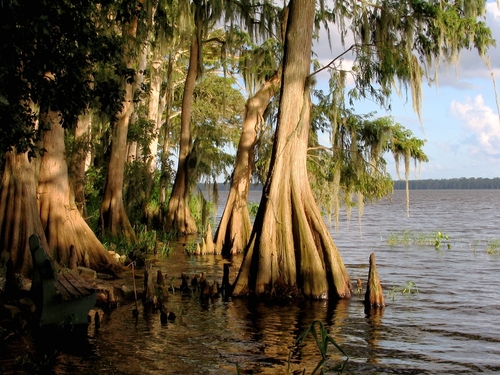
At a glance
- Life cycle
- Woody perennial
- Leaves
- Deciduous
- Bloom
- March to April
- Fruiting season
- October
Recorded in 61 Louisiana parishes.
Natural habitats
Places it grows wild. Not a planting requirement. Each habitat page lists the plants and wildlife also found there.
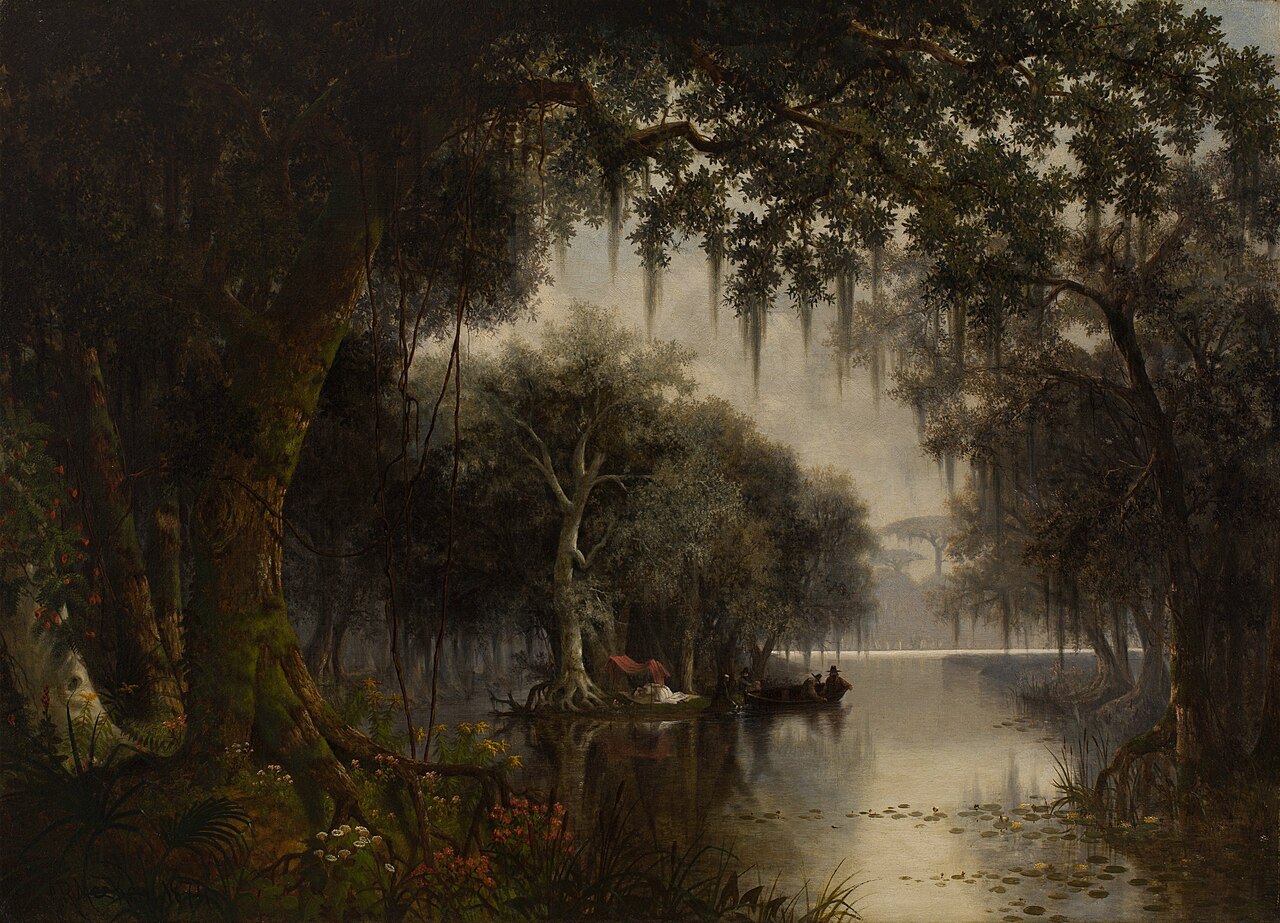
Floodplain and bottomland forests
Forests on low ground beside rivers and streams that flood from time to time.
Still water and its edges: ponds, lakes, millponds and reservoirs.
Streams, rivers and their banks
Flowing water and its banks, bars and rocky shoals.
Places where groundwater keeps the soil or rock wet, such as seepage slopes and spring runs.
Also found with this plant
Wildlife whose habitat models include habitats this plant grows in, in Louisiana. Shared habitat, not food. 135 animals.
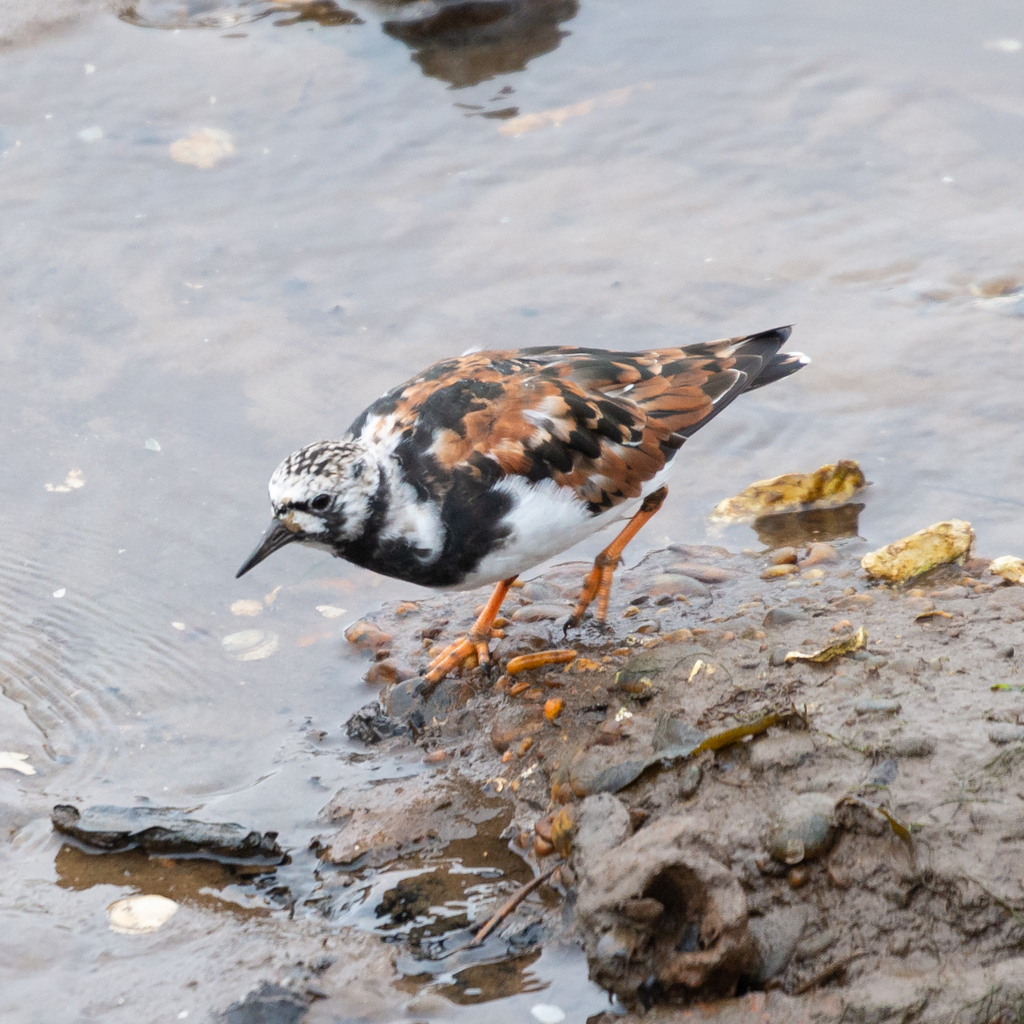
- Ruddy TurnstoneArenaria interpres
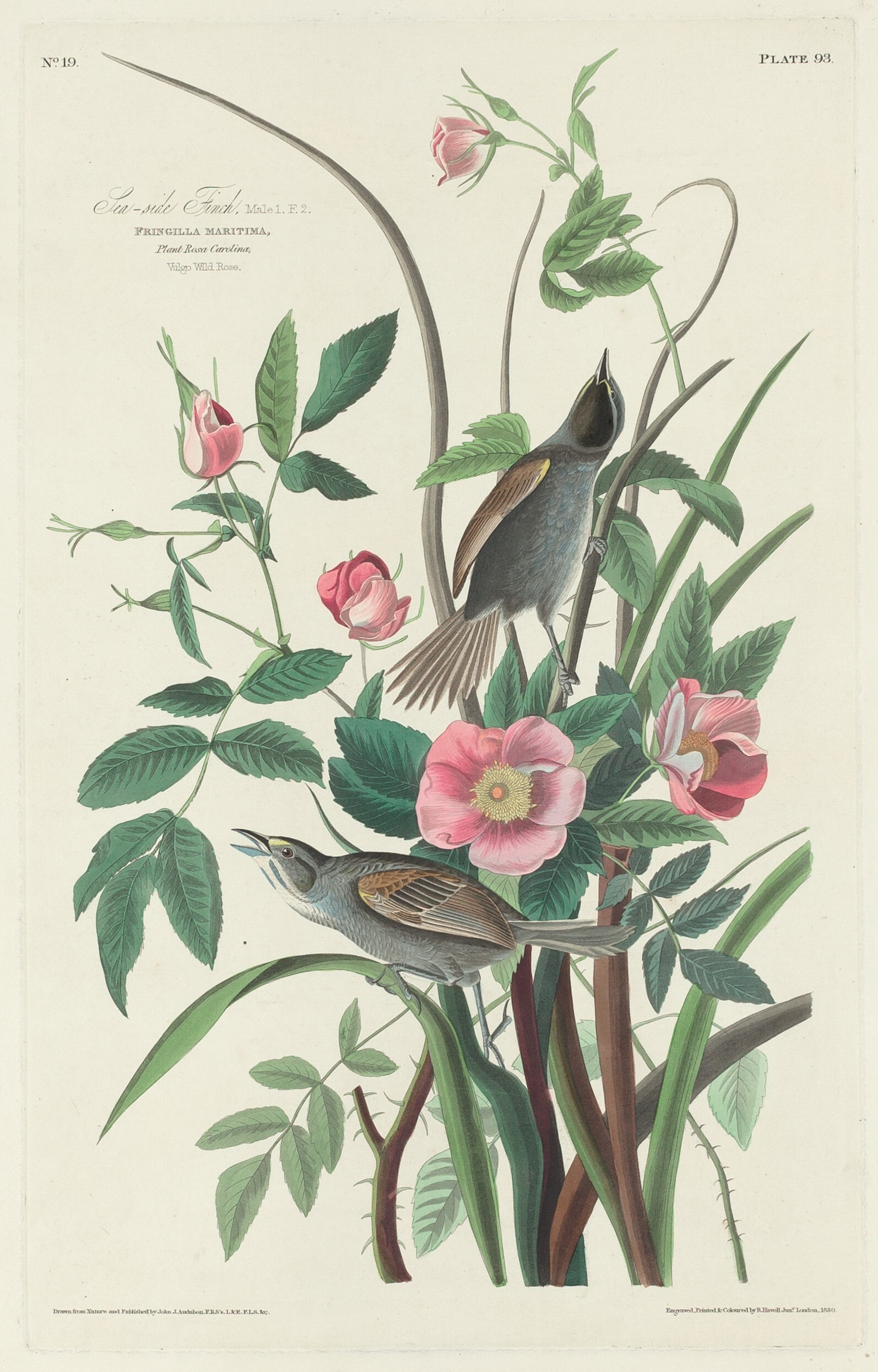
- Seaside SparrowAmmodramus maritimus
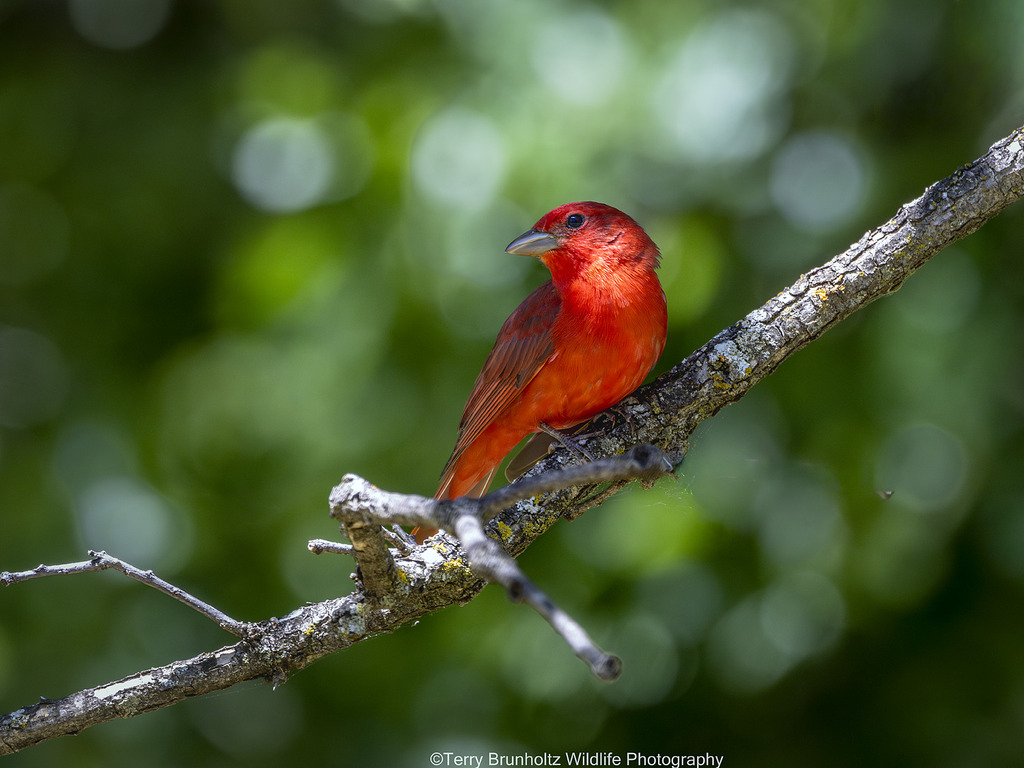
- Summer TanagerPiranga rubra
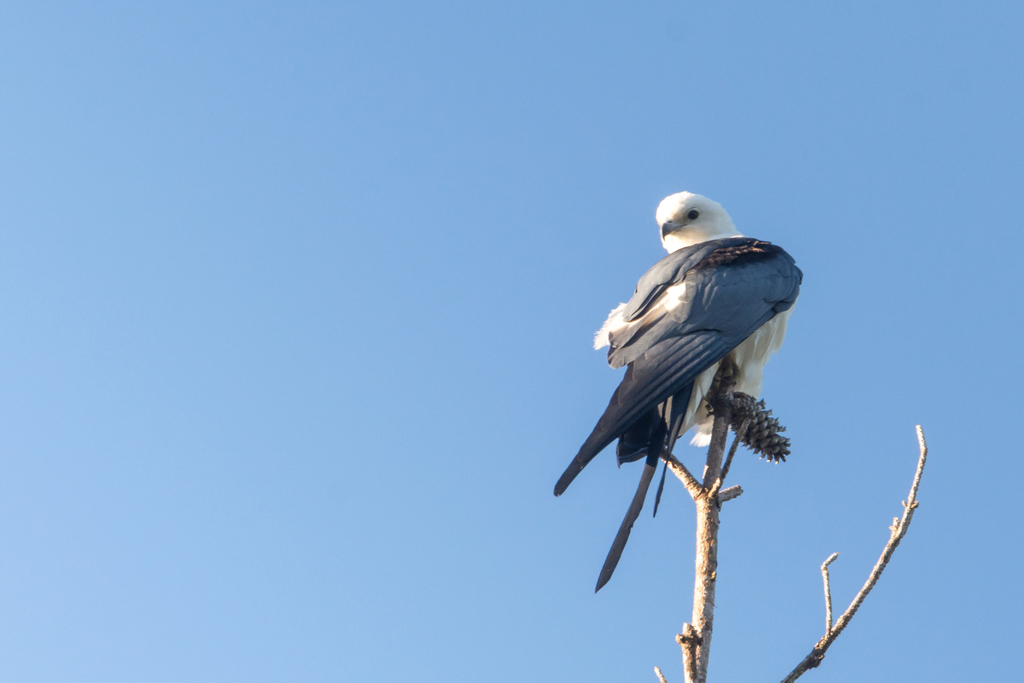
- Swallow-tailed KiteElanoides forficatus
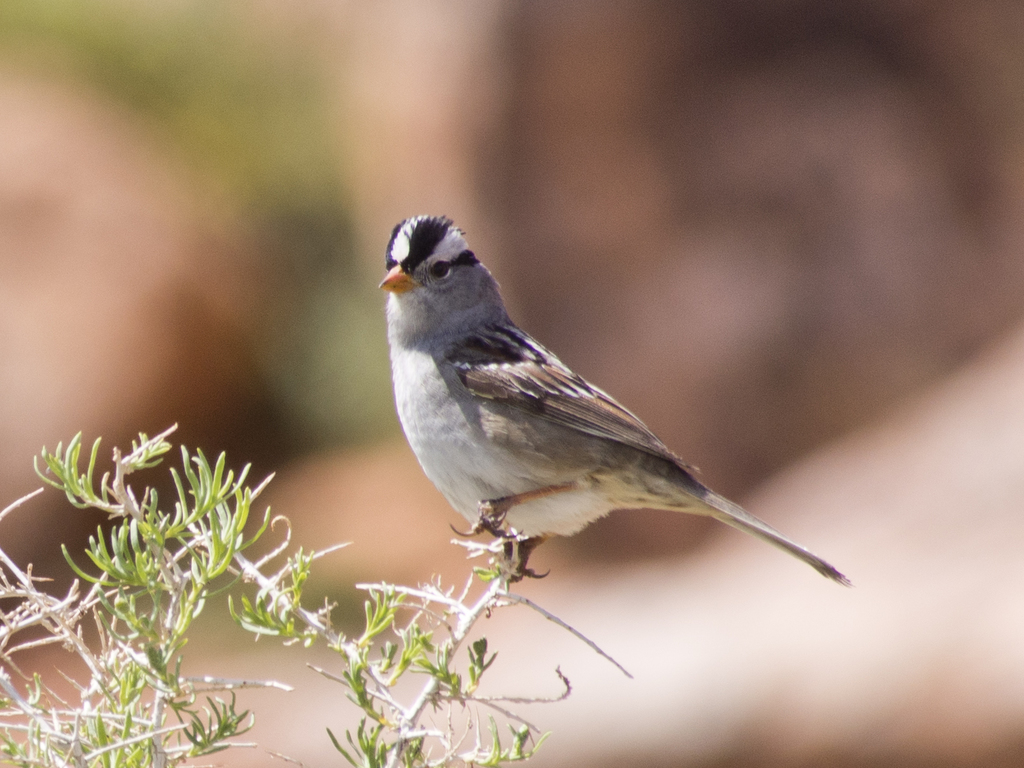
- White-crowned SparrowZonotrichia leucophrys
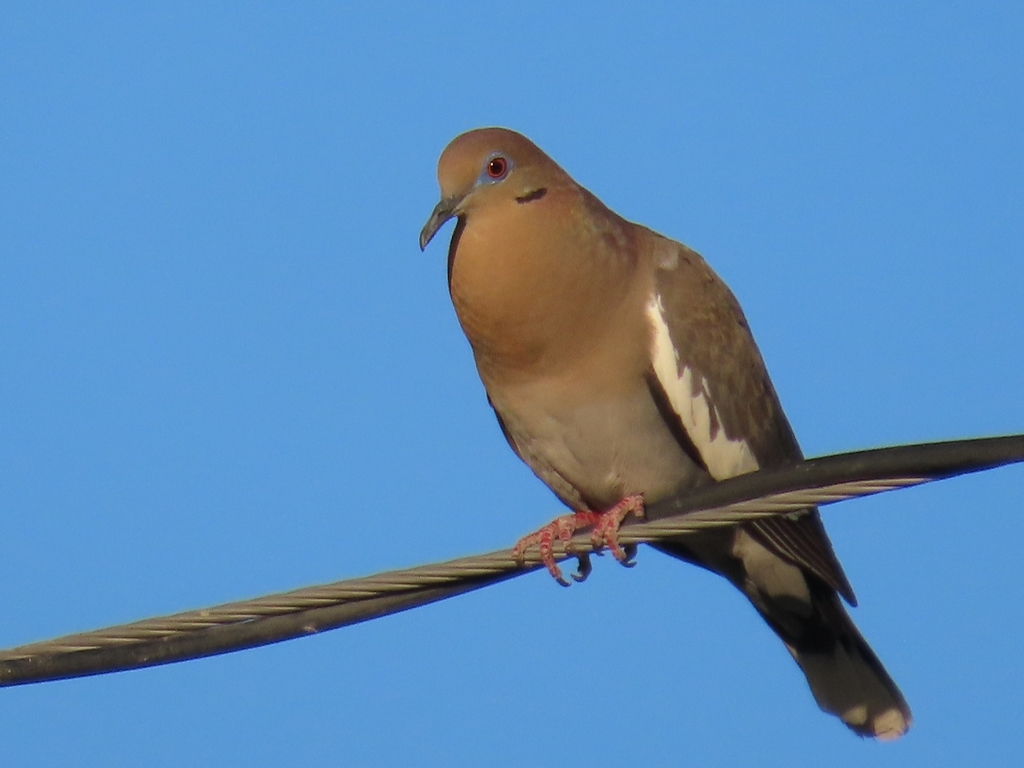
- White-winged DoveZenaida asiatica
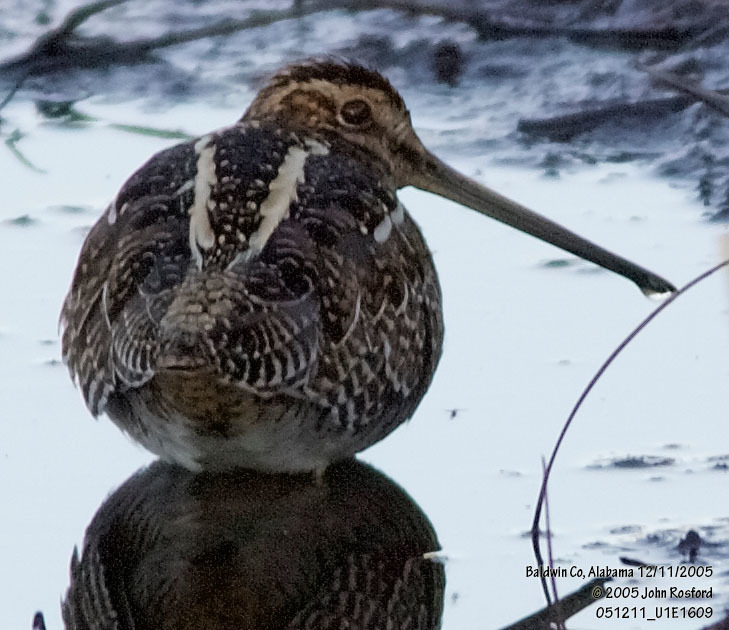
- Wilson's SnipeGallinago delicata
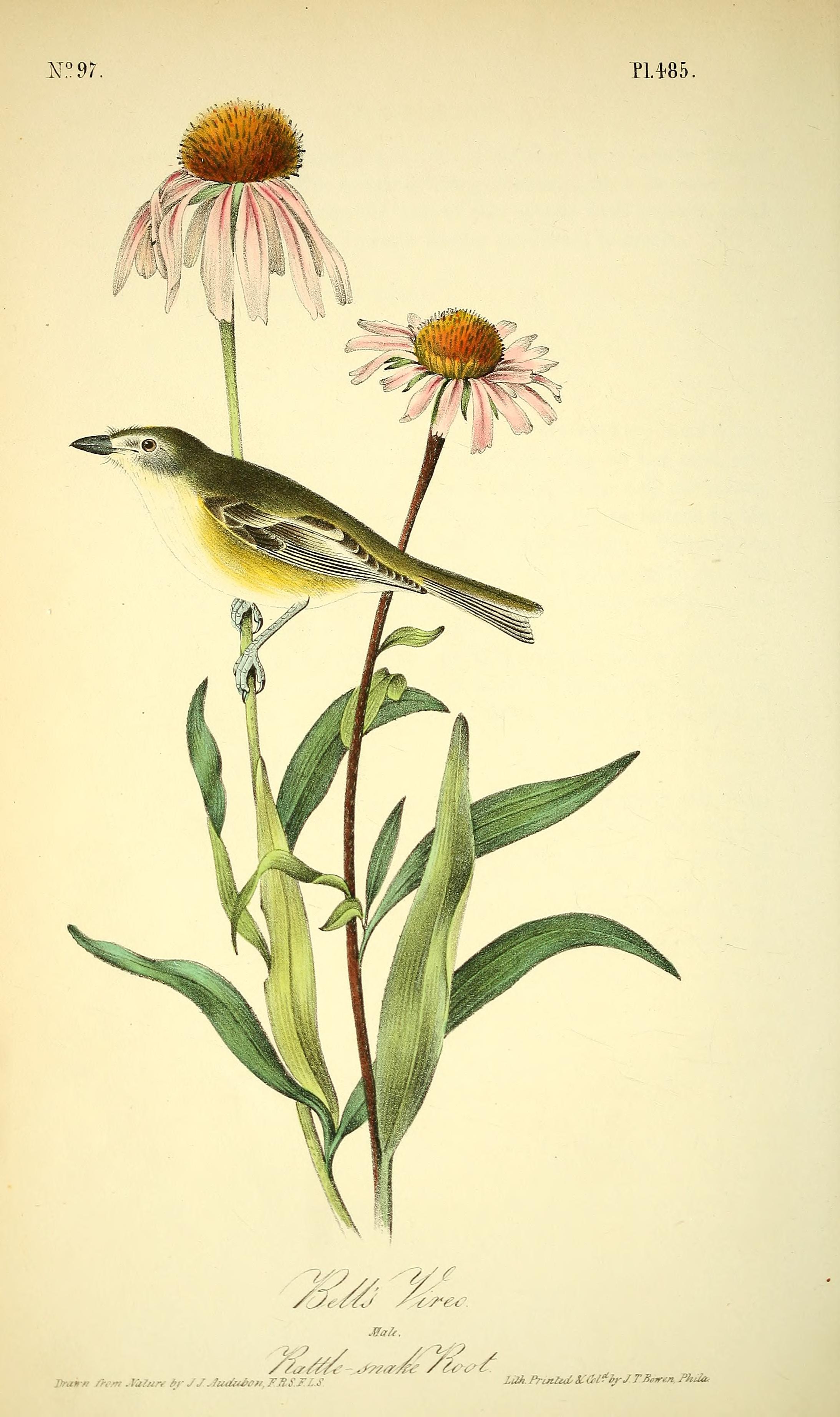
- Bell's VireoVireo bellii
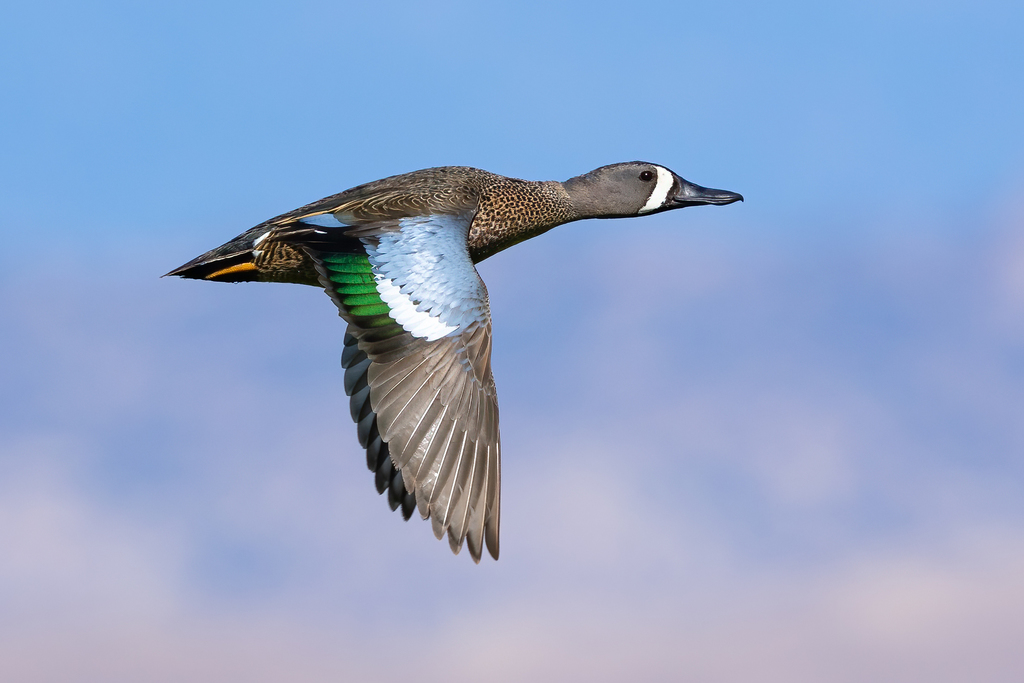
- Blue-winged TealAnas discors
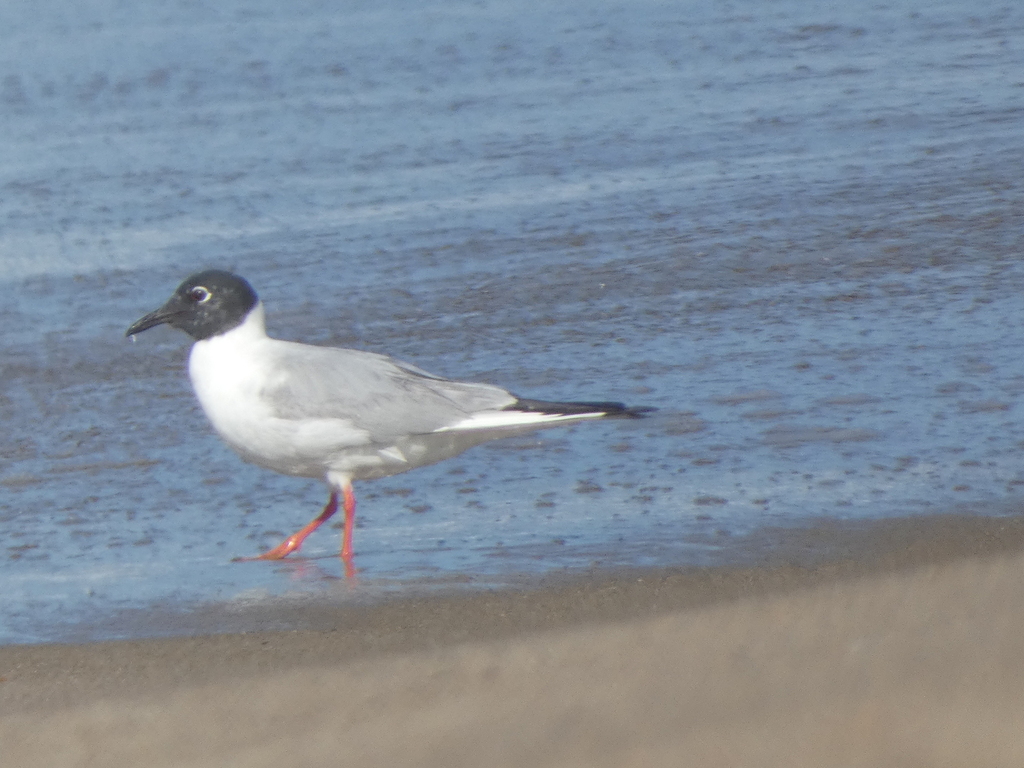
- Bonaparte's GullChroicocephalus philadelphia
- Brown ThrasherToxostoma rufum
- Brown-headed CowbirdMolothrus ater
- Carolina WrenThryothorus ludovicianus
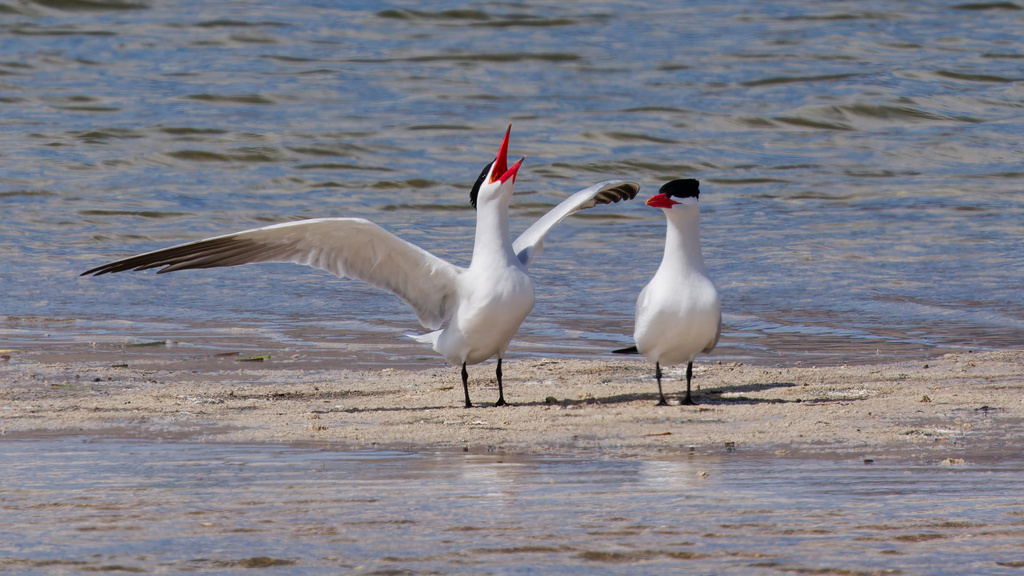
- Caspian TernHydroprogne caspia
- Dark-eyed JuncoJunco hyemalis
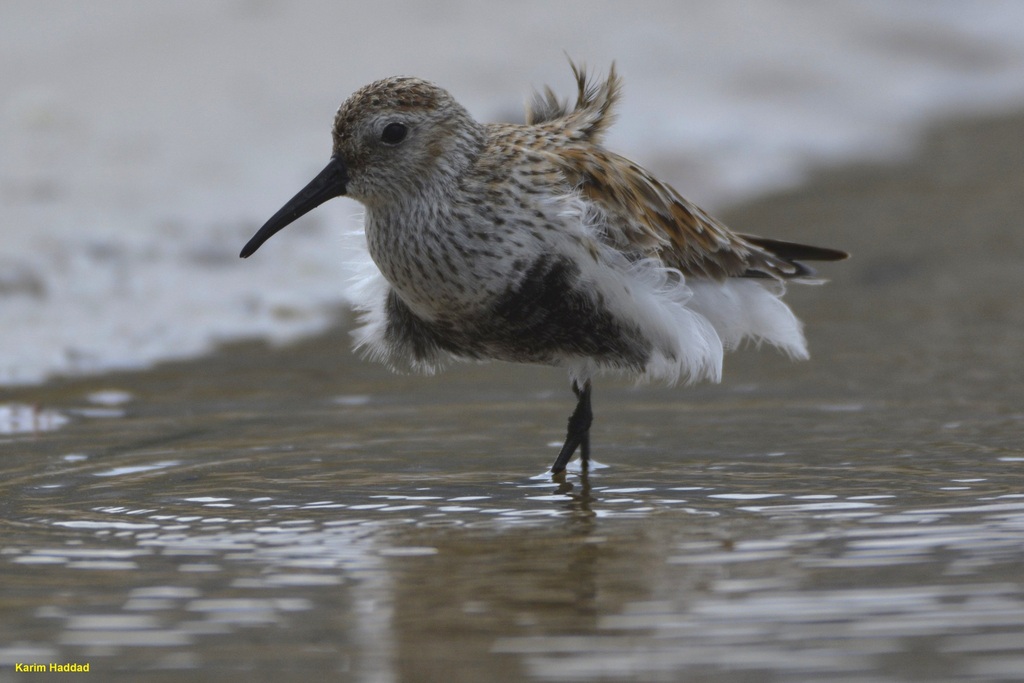
- DunlinCalidris alpina
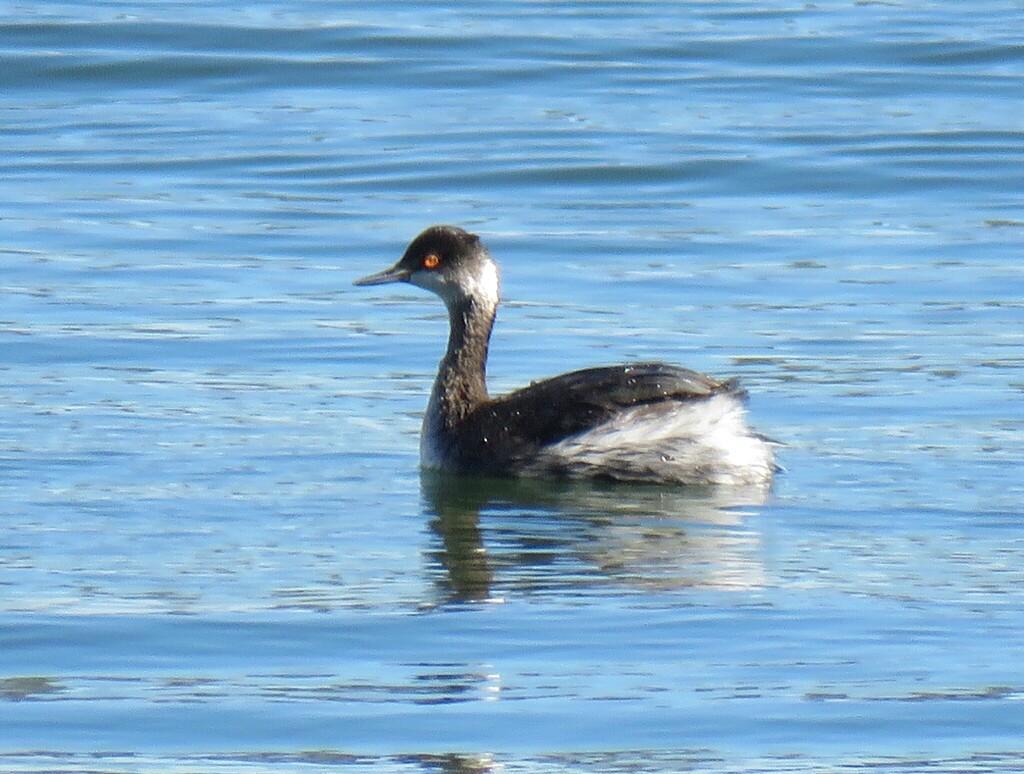
- Eared GrebePodiceps nigricollis
- Eastern TowheePipilo erythrophthalmus
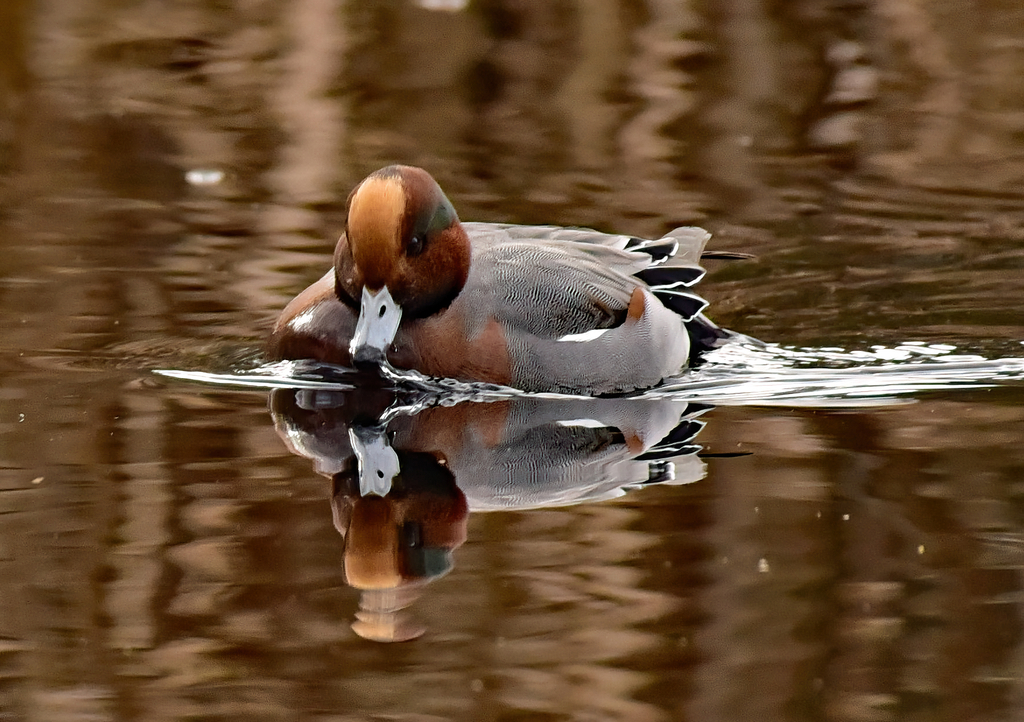
- Eurasian WigeonAnas penelope
- GadwallAnas strepera
- Glossy IbisPlegadis falcinellus
- Great Crested FlycatcherMyiarchus crinitus
- Greater White-fronted GooseAnser albifrons
- Greater YellowlegsTringa melanoleuca





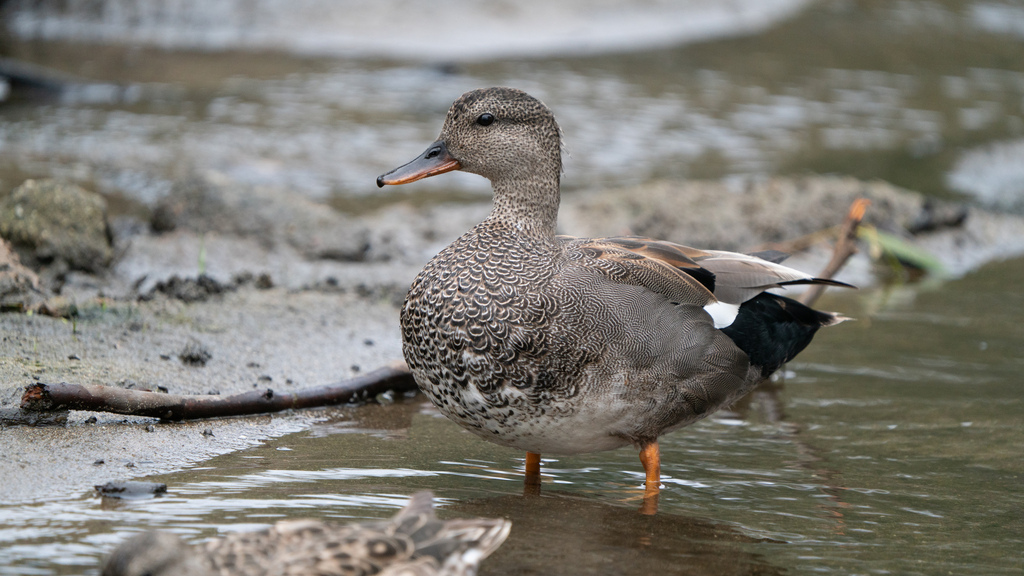
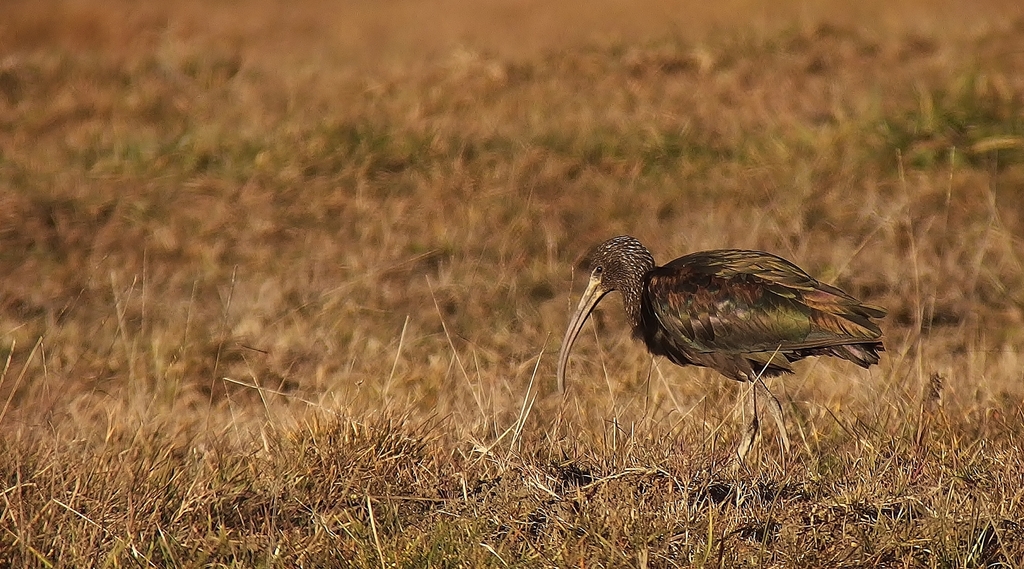

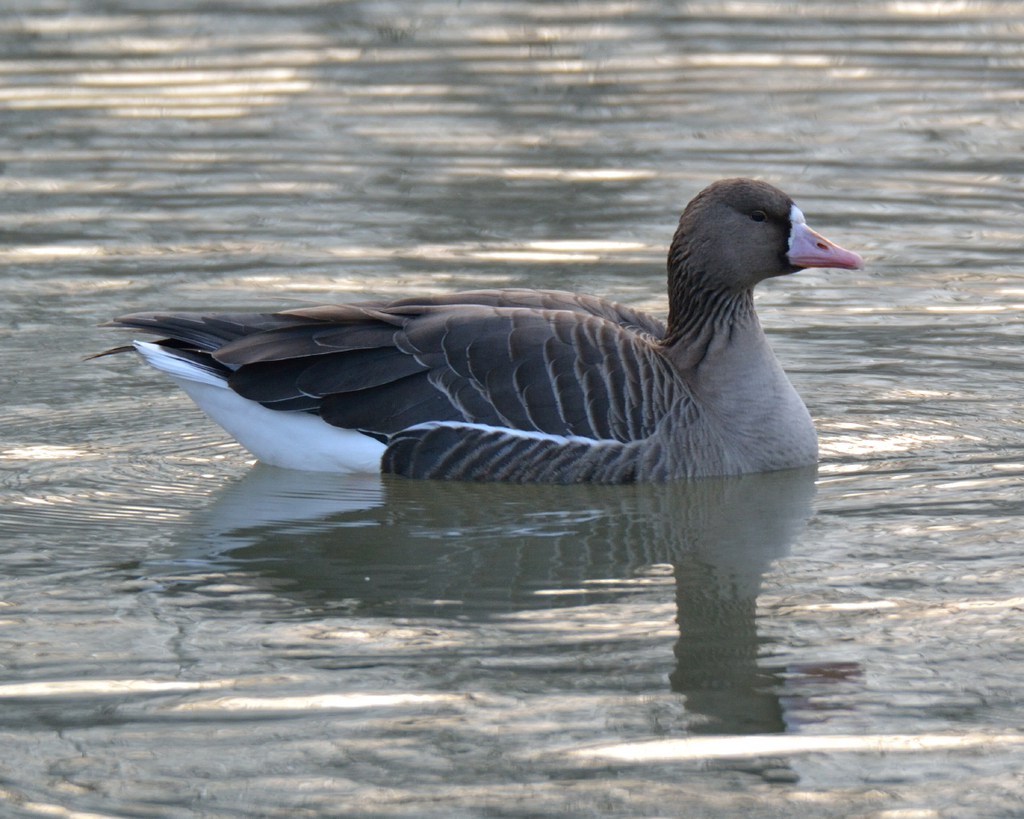
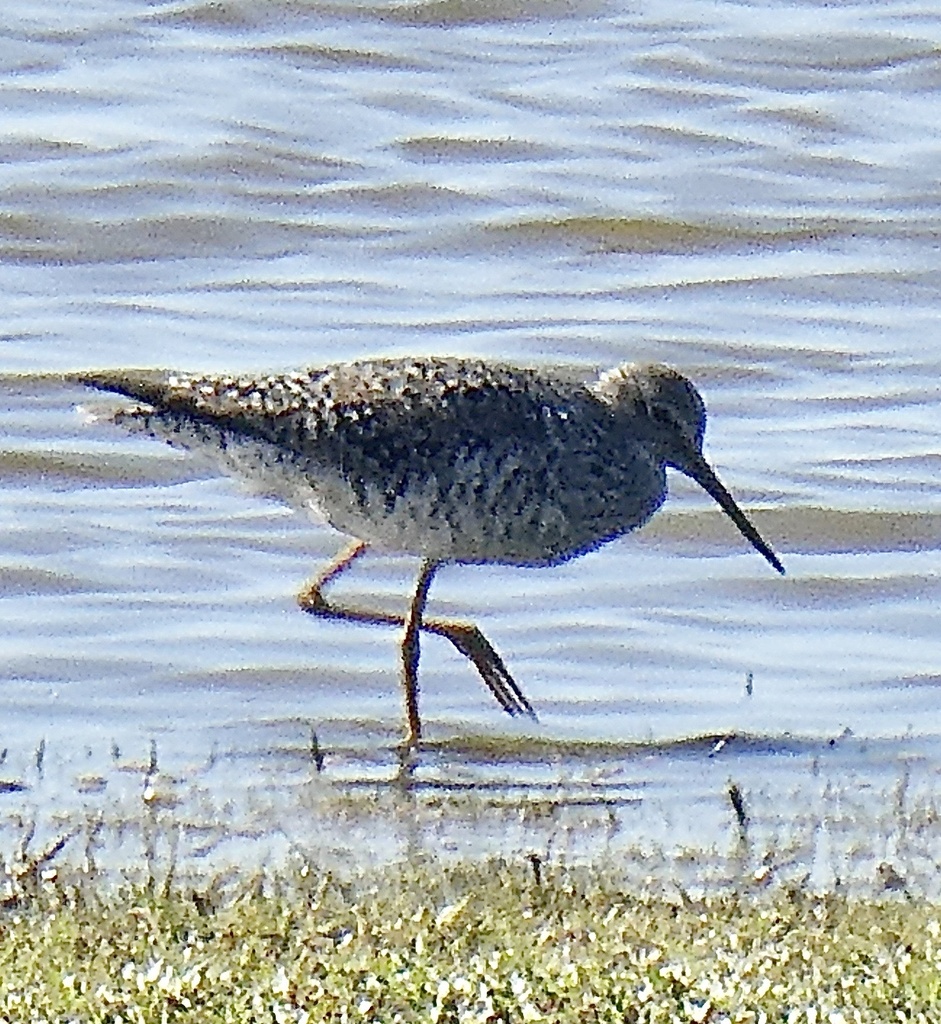
Widespread birds also seen here (34)
Found in many habitats here, so not listed above.
- American Goldfinch
- American Kestrel
- American Robin
- Bald Eagle
- Black-crowned Night-heron
- Blue Grosbeak
- Blue-gray Gnatcatcher
- Canada Goose
- Cedar Waxwing
- Chimney Swift
- Common Nighthawk
- Common Yellowthroat
- Cooper's Hawk
- Double-crested Cormorant
- Eastern Kingbird
- European Starling
- Great Egret
- Great Horned Owl
- Mourning Dove
- Northern Cardinal
- Northern Flicker
- Northern Mockingbird
- Osprey
- Pine Siskin
- Purple Finch
- Red-tailed Hawk
- Red-winged Blackbird
- Sharp-shinned Hawk
- Tree Swallow
- Turkey Vulture
- White-throated Sparrow
- Yellow-breasted Chat
- Yellow-crowned Night-heron
- Yellow-rumped Warbler
Who uses this plant?
 18CaterpillarsGenus host records with ranges including LA
Genus host records with ranges including LA · Taxodium
- Archips goyeranaBaldcypress Leafroller
- Chloropteryx tepperariaAngled-Winged Emerald
- Cutina albopunctellaGray Cypress Looper
- Cutina distinctaDistinguisged Cypress Owlet
- Dasychira dominickariaDominick's Tussock Moth
- Datana ministraYellow-Necked Caterpillar Moth
- Dioryctria pygmaeellaBald Cypress Coneworm
- Eacles imperialisImperial Moth, Imperial Spiny Caterpillar
- Hyalophora cecropiaCecropia Silkmoth, Cecropia Moth
- Iridopsis pergracilisCypress Gray, Black-Shouldered Gray
Show all 18
- Isoparce cupressiBald Cypress Sphinx
- Lithophane abitaBald Cypress Pinion
- Macaria aequiferariaWoody Angle
- Orgyia detritaLive Oak Tussock Moth, Fir Tussock Moth
- Palthis angulalisDark-Spotted Palthis
- Perimede erransellaGray Perimede
- Synchlora frondariaSouthern Emerald
- Thyridopteryx ephemeraeformisEvergreen Bagworm Moth
 0BeesSoutheastern regional records
 0Specialist beesPollen specialists
 2BirdsRecorded eating Taxodium in Louisiana
Diet records by plant genus, from studies across North America. Not a record from this state. Birds whose range includes Louisiana, most records first.
- Wild TurkeySeeds. 7 diet records
- Wood DuckSeeds. 2 diet records
Direct food only. Caterpillars on host plants also feed nesting birds. NC Native Plant Society: butterfly gardening
No records yet · Ants · Beetles · Flies · Adult butterflies / moths · Other wasps · Other insects
Birds that eat Taxodium 2
Diet records by plant genus, from studies across North America. Not a record from this state. Avian Diet Database (Hurlbert Lab), CC0 1.0.
- Wild TurkeyMeleagris gallopavo
- Wood DuckAix sponsa



Plant details
- Family
- Cupressaceae
- Hardiness
- Zones 4a–9b
- Soil pH
- Acidic
- Flower color
- Purple
- Growth rate
- Rapid
- Growth habit
- Single stem
- Foliage color
- Green
- Fruit begins
- October
- Fruit ends
- October
Safety has not been reviewed for this plant; check toxicity and thorns before planting.
Growing sources and scope
- Bloom · “March to April” · Weakley, Flora of the Southeastern United States (2025), Carolinas & Georgia edition (ranked first; USDA PLANTS differs) · Carolinas and Georgia
- Flower color · “Purple” · NC Extension Plant Toolbox
- Foliage color · “Green” · USDA PLANTS · Nationwide species characteristics; local growing conditions may vary
- Fruit begins · “October” · Weakley, Flora of the Southeastern United States (2025), Carolinas & Georgia edition (ranked first; USDA PLANTS differs) · Carolinas and Georgia
- Fruit ends · “October” · Weakley, Flora of the Southeastern United States (2025), Carolinas & Georgia edition (ranked first; USDA PLANTS differs) · Carolinas and Georgia
- Growth habit · “Single stem” · USDA PLANTS · Nationwide species characteristics; local growing conditions may vary
- Growth rate · “Rapid” · USDA PLANTS · Nationwide species characteristics; local growing conditions may vary
- Hardiness · “Zones 4a–9b” · NC Extension Plant Toolbox
- Height · “50–70 feet” · NC Extension Plant Toolbox (ranked first; USDA PLANTS differs)
- Leaves · “Deciduous” · NC Extension Plant Toolbox
- Life cycle · “Woody perennial” · NC Extension Plant Toolbox
- Light · “Full sun (6 or more hours of direct sunlight a day); Partial shade (direct sunlight only part of the day, 2-6 hours)” · NC Extension Plant Toolbox (ranked first; Tennessee Smart Yards, Virginia DCR Coastal Plain differ)
- Soil · “Moist; Occasionally wet” · NC Extension Plant Toolbox (ranked first; Tennessee Smart Yards, Virginia DCR Coastal Plain differ)
- Soil pH · “Acidic” · NC Extension Plant Toolbox
- Spread · “20–30 feet” · NC Extension Plant Toolbox
Conservation status
| Louisiana rank | SNR |
|---|---|
| Global rank | G5 |
| LA status | Not verified |
| Federal status | Not verified |
Will it fit your yard?
Check this plant against your county, sun and soil moisture. Conditions are checked in your browser.
Sources
- USDA PLANTS
- Vascular Plants of North Carolina (NC Natural Heritage Program)
- Weakley, Flora of the Southeastern United States (2025)
- Louisiana occurrence source
- Shropshire & Tallamy 2025, Lepidoptera of North America north of Mexico, ZooKeys 1261 (ODbL)
- Noori, Seltmann & Orr 2026, A curated and integrated dataset for exploring global bee-plant interactions (GloBI), Zenodo, CC BY 4.0
- Smith, Bachelder, Russell, Morales, Mosher & Seltmann 2024, Bee-Specialization-Modeling v0.6.1 (specialist host table compiled from J. Fowler's pollen specialist bee lists), Zenodo, CC BY 4.0
- Hurlbert, Olsen, Sawyer & Winner 2021, Avian Diet Database, Scientific Data 8: 260 (CC0)
- Narango, Tallamy & Shropshire 2020, Few keystone plant genera support the majority of Lepidoptera species, Nature Communications