

Smut-grass
Sporobolus indicus
In the Carolinas and Georgia, found in low prairies and swales, roadsides, lawns, disturbed situations. Weakley, Flora of the Southeastern United States (2025), Carolinas & Georgia edition What its natural habitat tells you
Native status: sources disagree, under review. How scores work Is it native here?
Profile 65%
- Height
- Up to about 4 feet
- Light
- Full sun
- Soil moisture
- Dry to moist
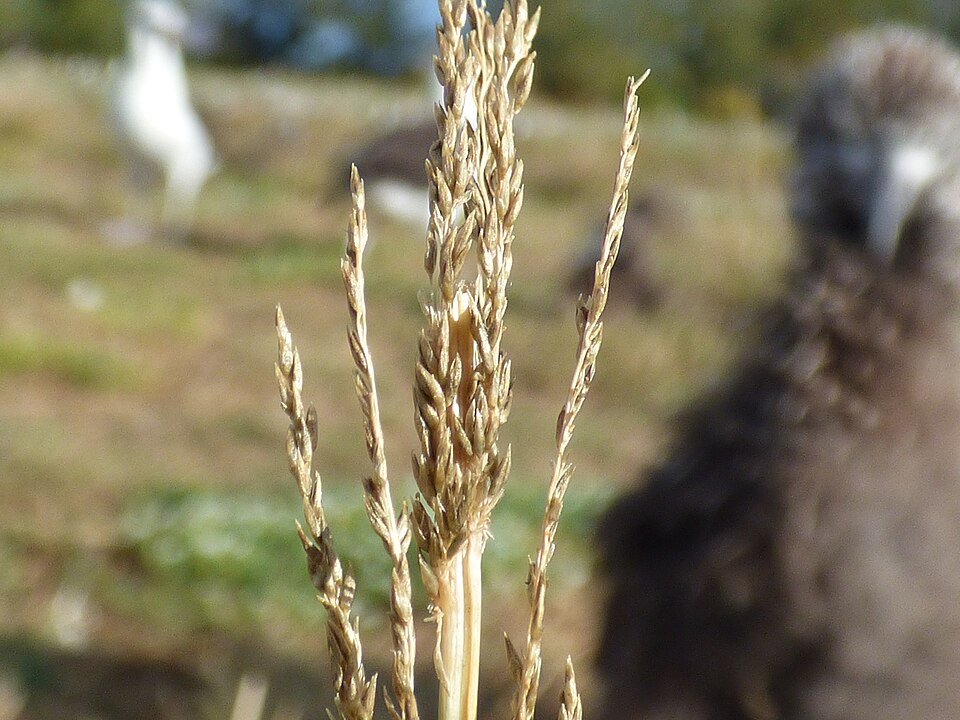
At a glance
- Life cycle
- Annual or perennial
Not yet recorded · Spread · Leaves · Bloom
This plant is missing most of its facts, so Quercus is looking them up in old botany books.
Recorded in 60 Louisiana parishes.
Natural habitats
Places it grows wild. Not a planting requirement. Each habitat page lists the plants and wildlife also found there.
Open, grass-dominated places kept open by fire, grazing or thin soil, from tallgrass prairie to Piedmont prairies.
Roadsides, fields and disturbed ground
Ground opened by people: roadsides, old fields, pastures, fencerows and lots.
Also found with this plant
Wildlife whose habitat models include habitats this plant grows in, in Louisiana. Shared habitat, not food. 72 animals.
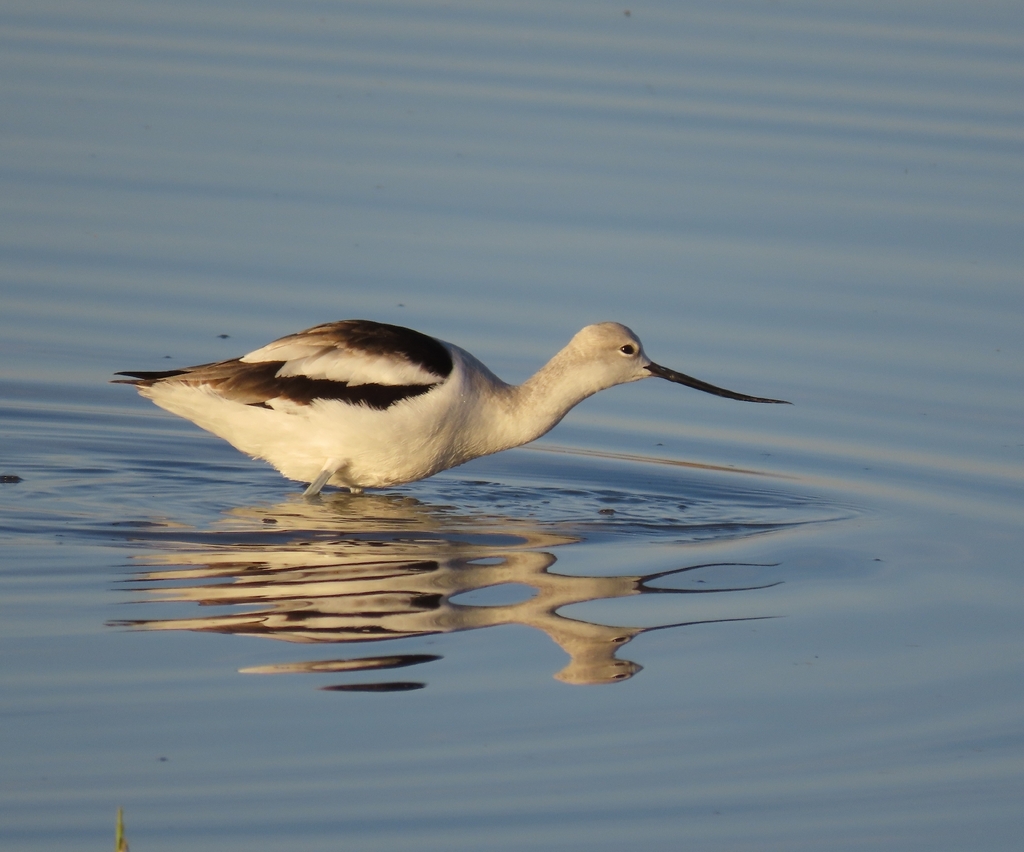
- American AvocetRecurvirostra americana
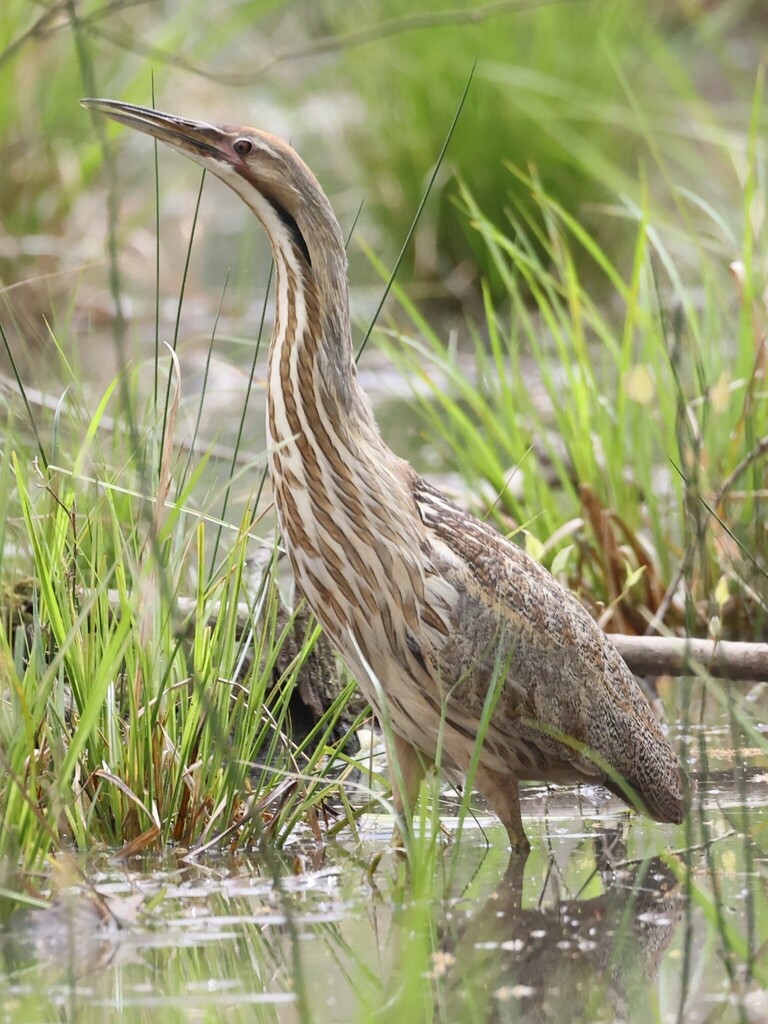
- American BitternBotaurus lentiginosus
- American KestrelFalco sparverius
- American RobinTurdus migratorius
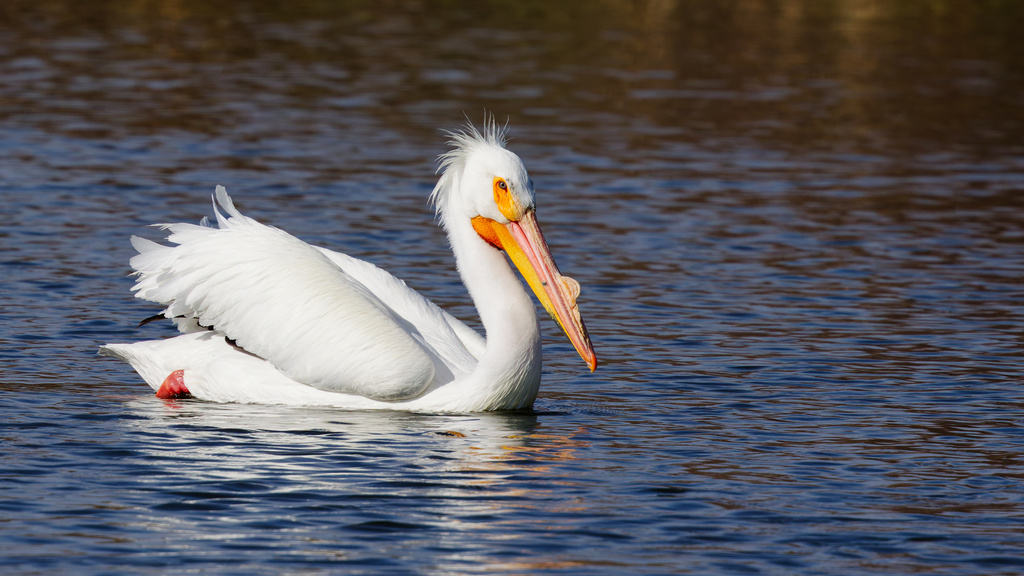
- American White PelicanPelecanus erythrorhynchos
- American WoodcockScolopax minor
- Bank SwallowRiparia riparia
- Black-bellied PloverPluvialis squatarola
- Black-crowned Night-heronNycticorax nycticorax
- Bonaparte's GullChroicocephalus philadelphia
- Brewer's BlackbirdEuphagus cyanocephalus
- Canada GooseBranta canadensis
- Chimney SwiftChaetura pelagica
- Chipping SparrowSpizella passerina
- Cliff SwallowPetrochelidon pyrrhonota
- Common Ground-doveColumbina passerina
- Common NighthawkChordeiles minor
- Common YellowthroatGeothlypis trichas
- Cooper's HawkAccipiter cooperii
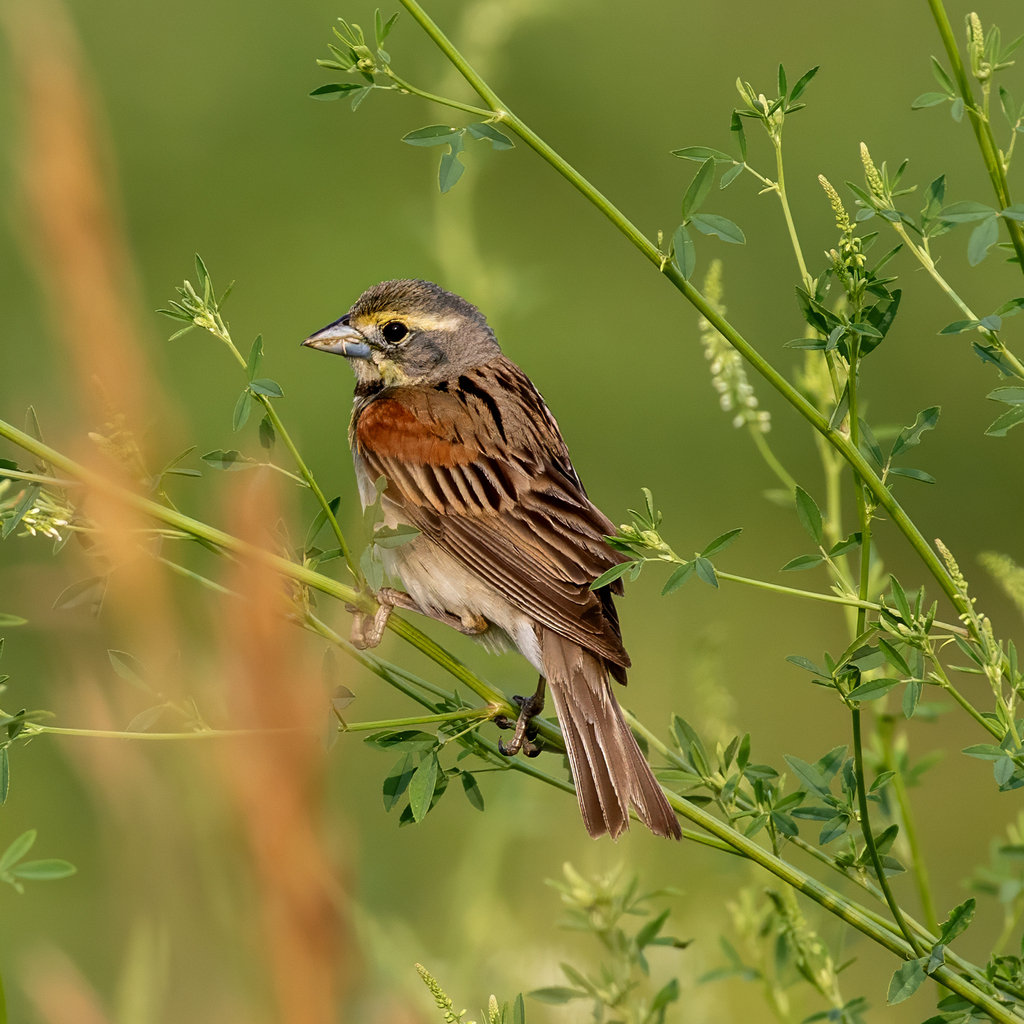
- DickcisselSpiza americana
- Eastern KingbirdTyrannus tyrannus
- Eurasian Collared-doveStreptopelia decaocto
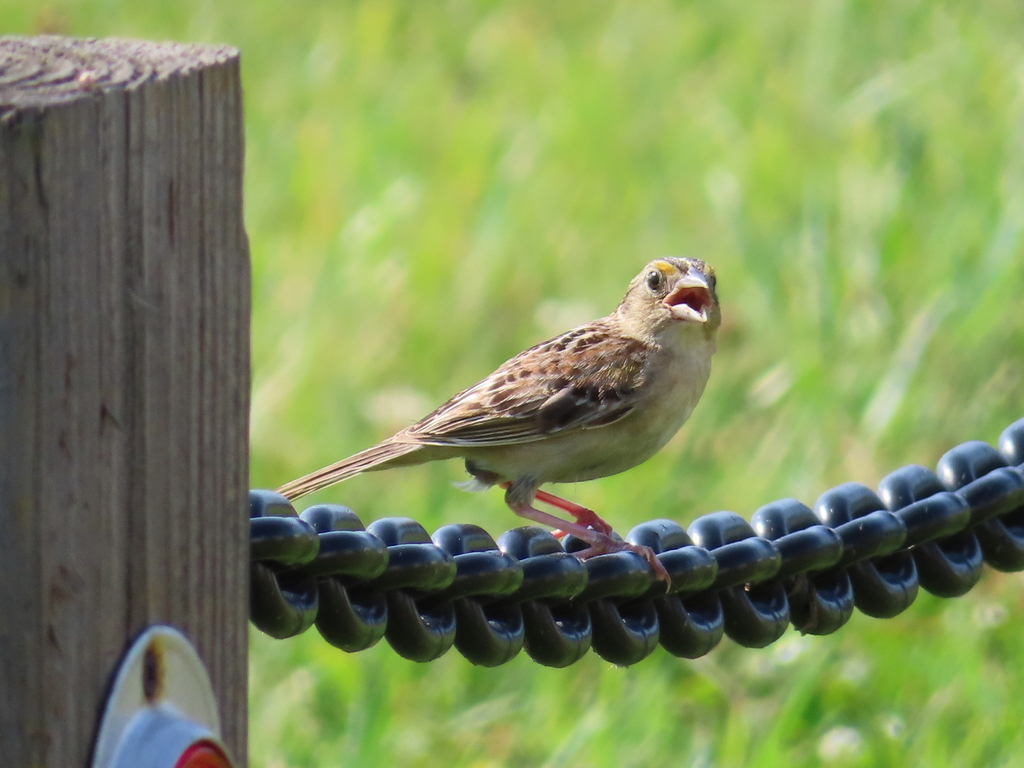
- Grasshopper SparrowAmmodramus savannarum
- Great Blue HeronArdea herodias




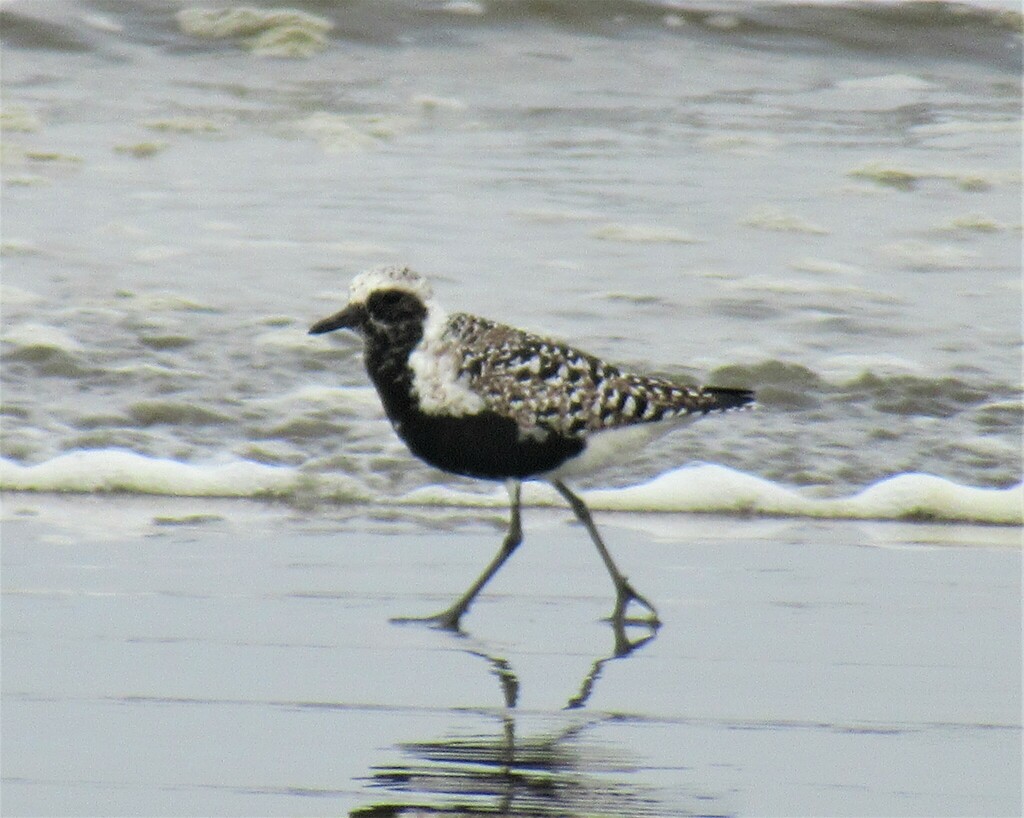

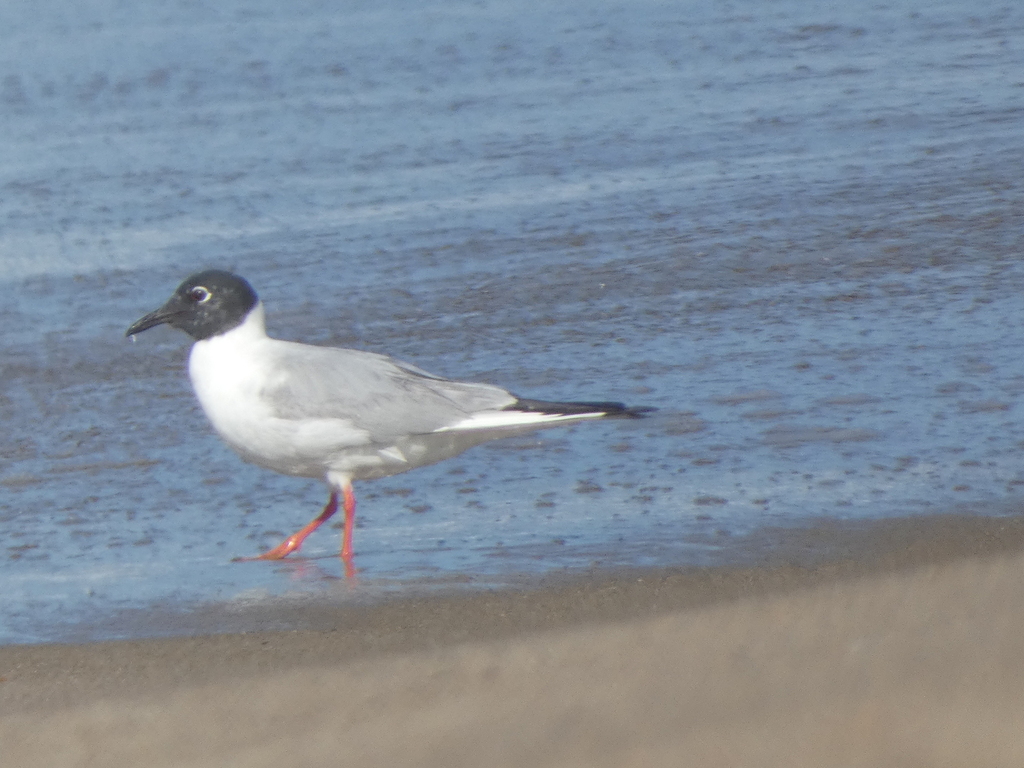
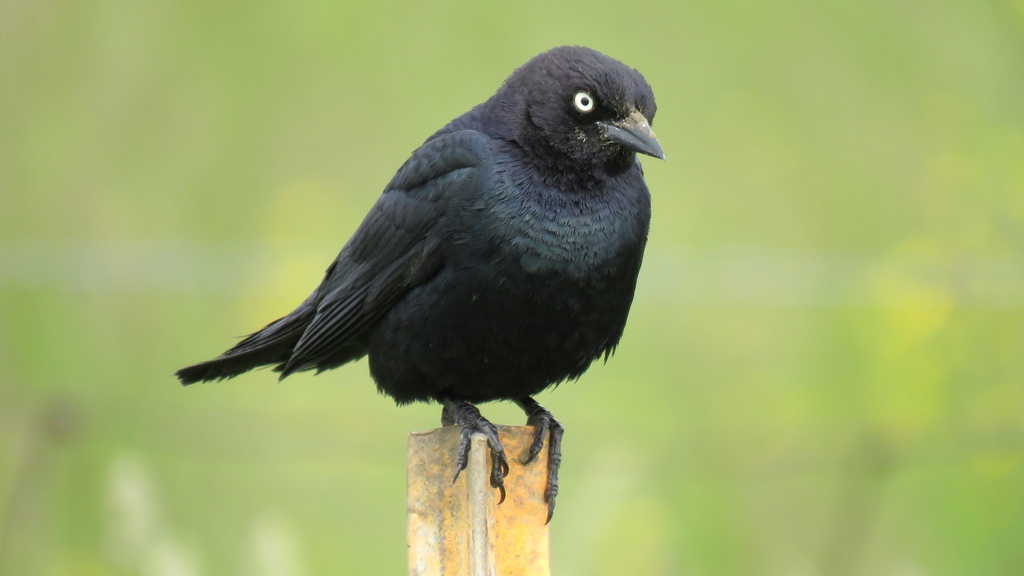




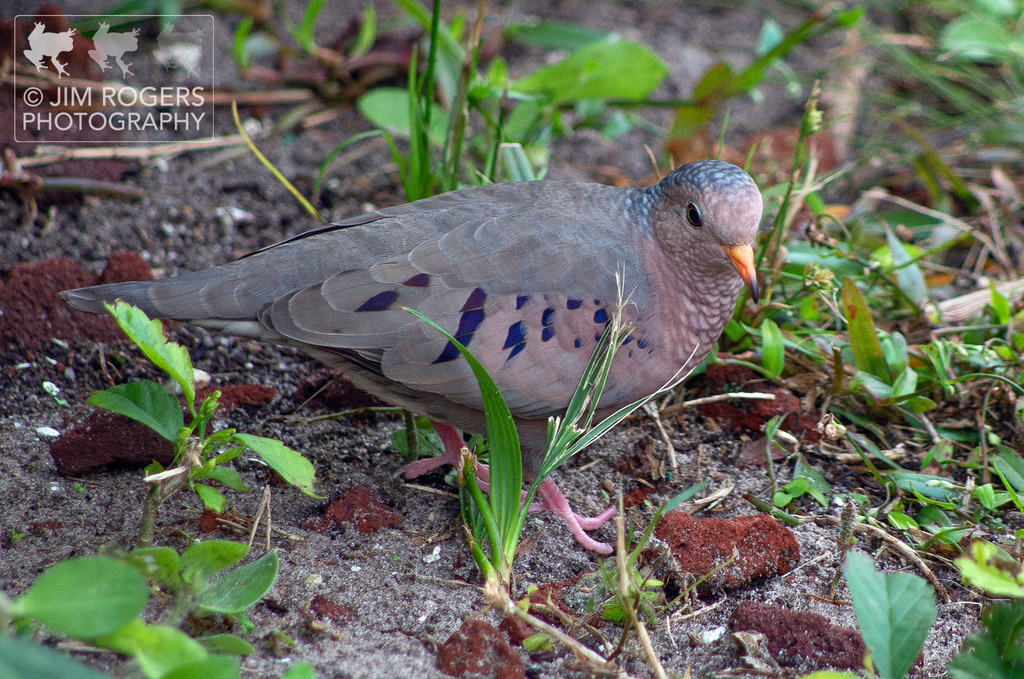







Who uses this plant?
 3CaterpillarsGenus host records with ranges including LA
Genus host records with ranges including LA · Sporobolus
- Hesperia leonardusLeonard's Skipper, Blazing Star Skipper, Pawnee Prairie Skipper, Pawnee Montane Skipper
- Panoquina panoquinoidesObscure Skipper, Beach Skipper
- Spodoptera frugiperdaFall Armyworm Moth
 —BeesSoutheastern regional records
 —Specialist beesPollen specialists
 10BirdsRecorded genus food-resource interactions; not a state feeding claim
Recorded genus food-resource interactions; not a state feeding claim · Sporobolus
- Agelaius phoeniceusRed-winged Blackbird
- Ammospiza leconteiiLeConte's Sparrow
- Calcarius ornatusChestnut-collared Longspur
- Calcarius pictusSmith's Longspur
- Catharus fuscescensVeery
- Euphagus cyanocephalusBrewer's Blackbird
- Meleagris gallopavoWild Turkey
- Molothrus aterBrown-headed Cowbird
- Plectrophenax nivalisSnow Bunting
- Pooecetes gramineusVesper Sparrow
Direct food only: birds recorded eating this genus across North America. Caterpillars on host plants also feed nesting birds. NC Native Plant Society: butterfly gardening
Plant details
- Family
- Poaceae
- Flower color
- White or green
Safety has not been reviewed for this plant; check toxicity and thorns before planting.
Growing sources and scope
- Flower color · “White or green” · Lady Bird Johnson Wildflower Center
- Height · “Up to about 4 feet” · Lady Bird Johnson Wildflower Center
- Life cycle · “Annual or perennial” · Lady Bird Johnson Wildflower Center
- Light · “Full sun (documented habitat)” · Weakley, Flora of the Southeastern United States (2025), Carolinas & Georgia edition · Carolinas and Georgia
- Soil · “Dry; Moist (documented habitat)” · Weakley, Flora of the Southeastern United States (2025), Carolinas & Georgia edition · Carolinas and Georgia
Also known as
Smut Grass Dropseed; Smut grass; Sporobolus poiretii
Conservation status
| Louisiana rank | SNA |
|---|---|
| Global rank | G5 |
| LA status | Not verified |
| Federal status | Not verified |
Will it fit your yard?
Check this plant against your county, sun and soil moisture. Conditions are checked in your browser.
Sources
- NatureServe Explorer
- USDA PLANTS
- Weakley, Flora of the Southeastern United States (2025)
- Louisiana occurrence source
- Shropshire & Tallamy 2025, Lepidoptera of North America north of Mexico, ZooKeys 1261 (ODbL)
- Noori, Seltmann & Orr 2026, A curated and integrated dataset for exploring global bee-plant interactions (GloBI), Zenodo, CC BY 4.0
- Smith, Bachelder, Russell, Morales, Mosher & Seltmann 2024, Bee-Specialization-Modeling v0.6.1 (specialist host table compiled from J. Fowler's pollen specialist bee lists), Zenodo, CC BY 4.0
- Hurlbert, Olsen, Sawyer & Winner 2021, Avian Diet Database, Scientific Data 8: 260 (CC0)
- Narango, Tallamy & Shropshire 2020, Few keystone plant genera support the majority of Lepidoptera species, Nature Communications