

Johnson Grass
Sorghum halepense
In the Carolinas and Georgia, found in fields, pastures, roadsides, waste places, cultivated fields. A serious weed, difficult to eradicate. Weakley, Flora of the Southeastern United States (2025), Carolinas & Georgia edition What its natural habitat tells you
Not native to Louisiana. How scores work Is it native here?
Profile 76%
- Height
- About 3.5 feet
- Light
- Full sun
- Soil moisture
- Somewhat dry to moist
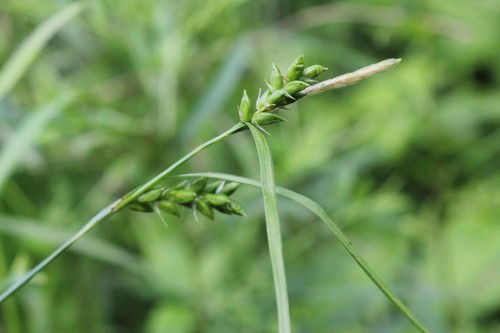
No photograph yet. Looking for an old drawing…
Do not plant. Listed invasive in Louisiana.
Plant this instead
Choose your county to list local plants first.
No recorded swaps for this county. Try the garden finder.
At a glance
- Life cycle
- Perennial
- Bloom
- April to December
- Fruiting season
- Summer to fall
Not yet recorded · Spread · Leaves
Recorded in 59 Louisiana parishes.
Natural habitats
Places it grows wild. Not a planting requirement. Each habitat page lists the plants and wildlife also found there.
Roadsides, fields and disturbed ground
Ground opened by people: roadsides, old fields, pastures, fencerows and lots.
Also found with this plant
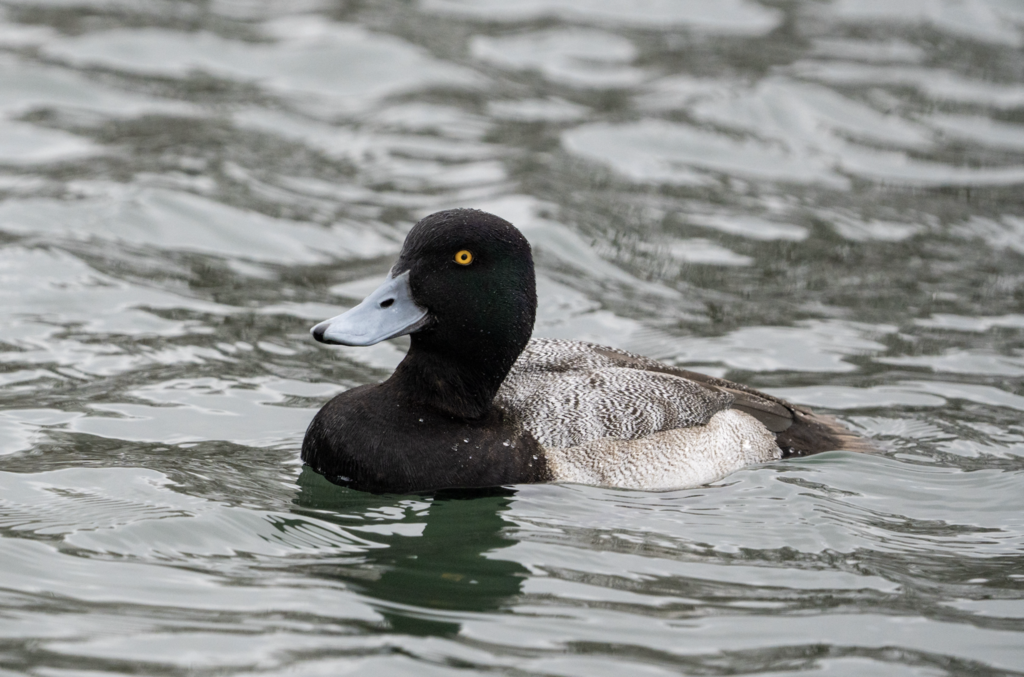
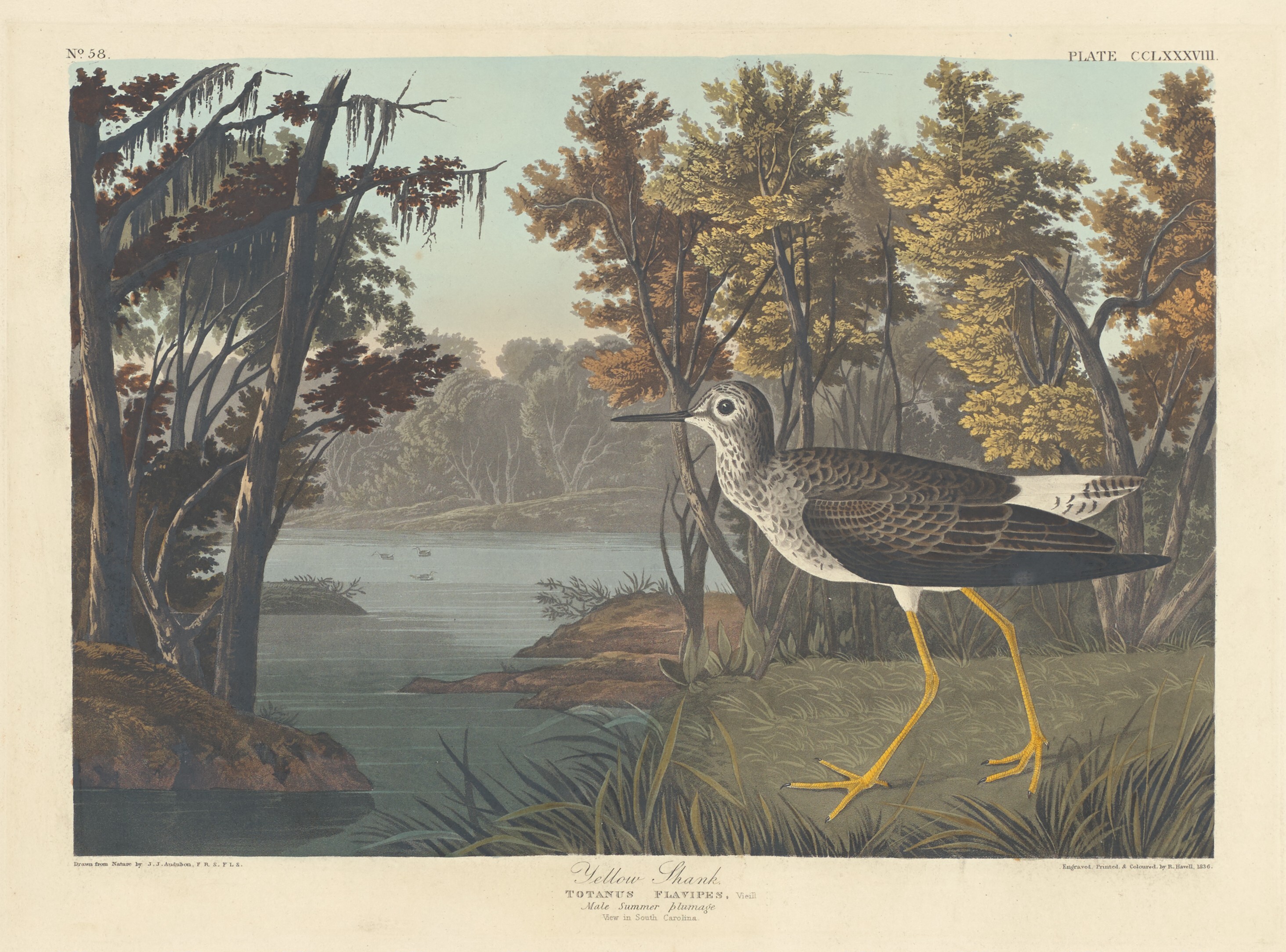
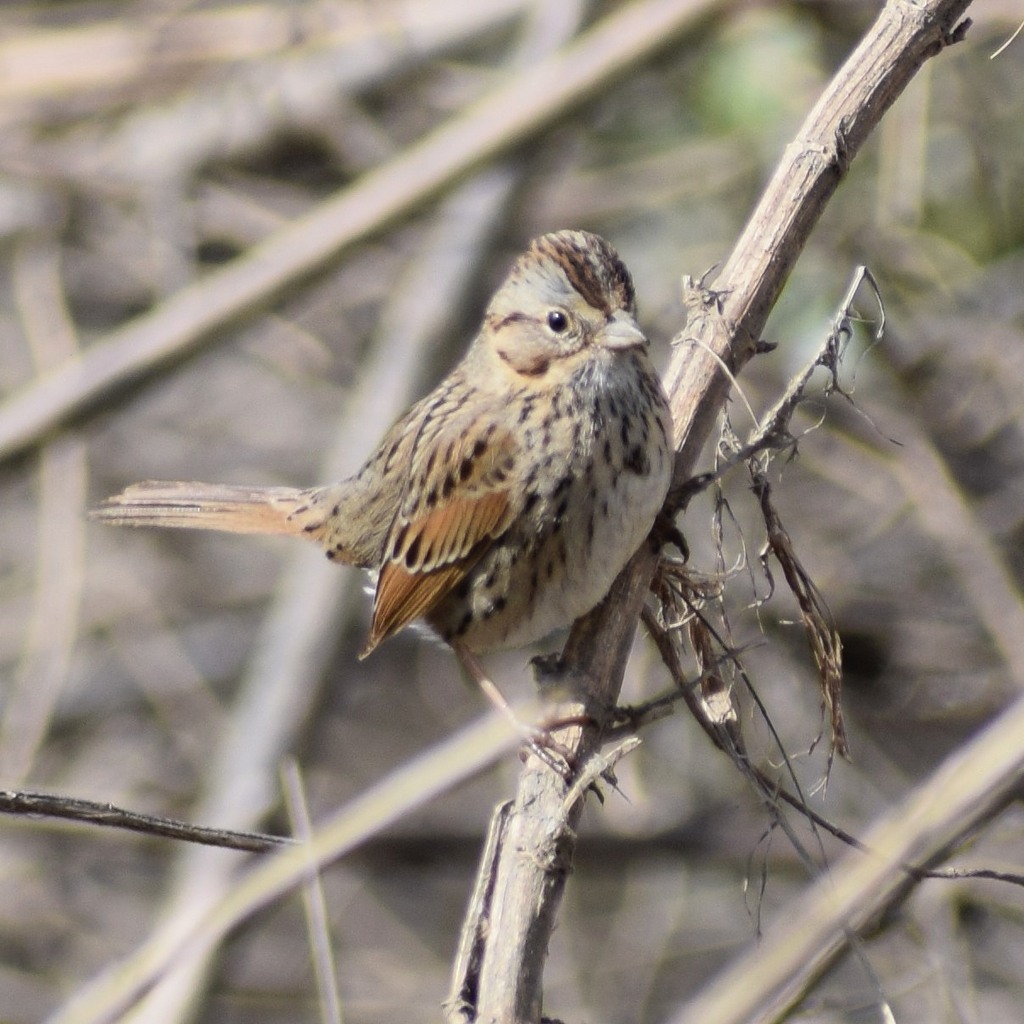
Wildlife whose habitat models include habitats this plant grows in, in Louisiana. Shared habitat, not food. 89 animals.
- Chipping SparrowSpizella passerina
- Cliff SwallowPetrochelidon pyrrhonota
- Common NighthawkChordeiles minor
- Cooper's HawkAccipiter cooperii
- Double-crested CormorantPhalacrocorax auritus
- Downy WoodpeckerPicoides pubescens
- Eastern BluebirdSialia sialis
- Eastern KingbirdTyrannus tyrannus
- Eastern PhoebeSayornis phoebe
- Eastern Wood-peweeContopus virens
- European StarlingSturnus vulgaris
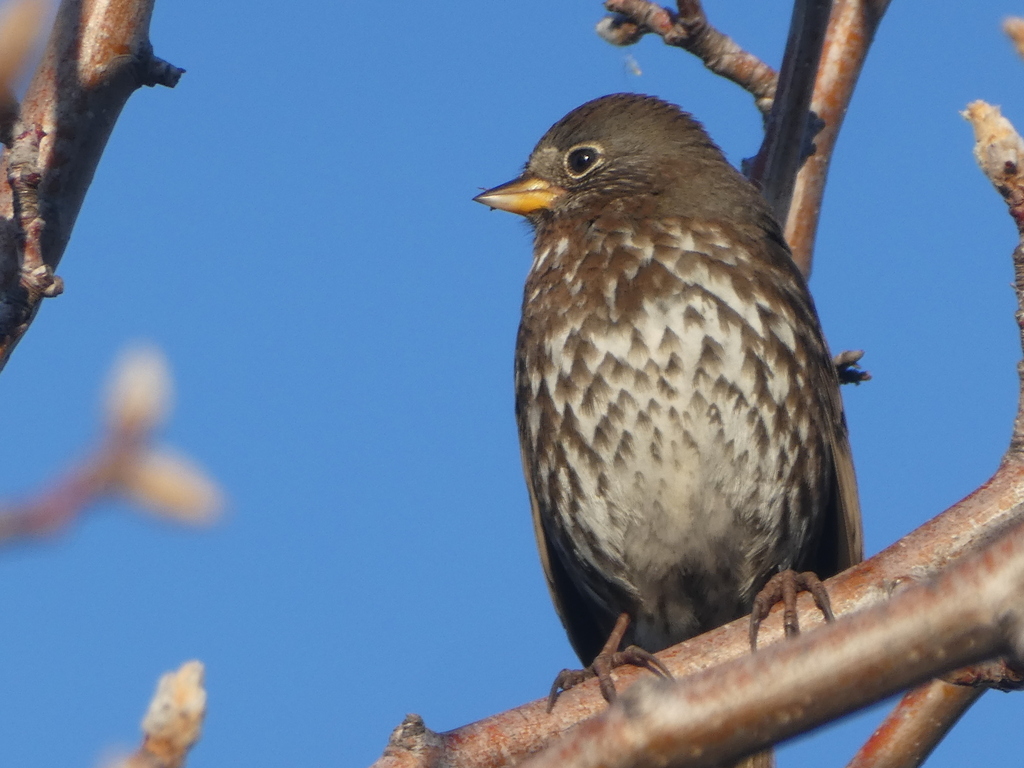
- Fox SparrowPasserella iliaca
- Golden-crowned KingletRegulus satrapa
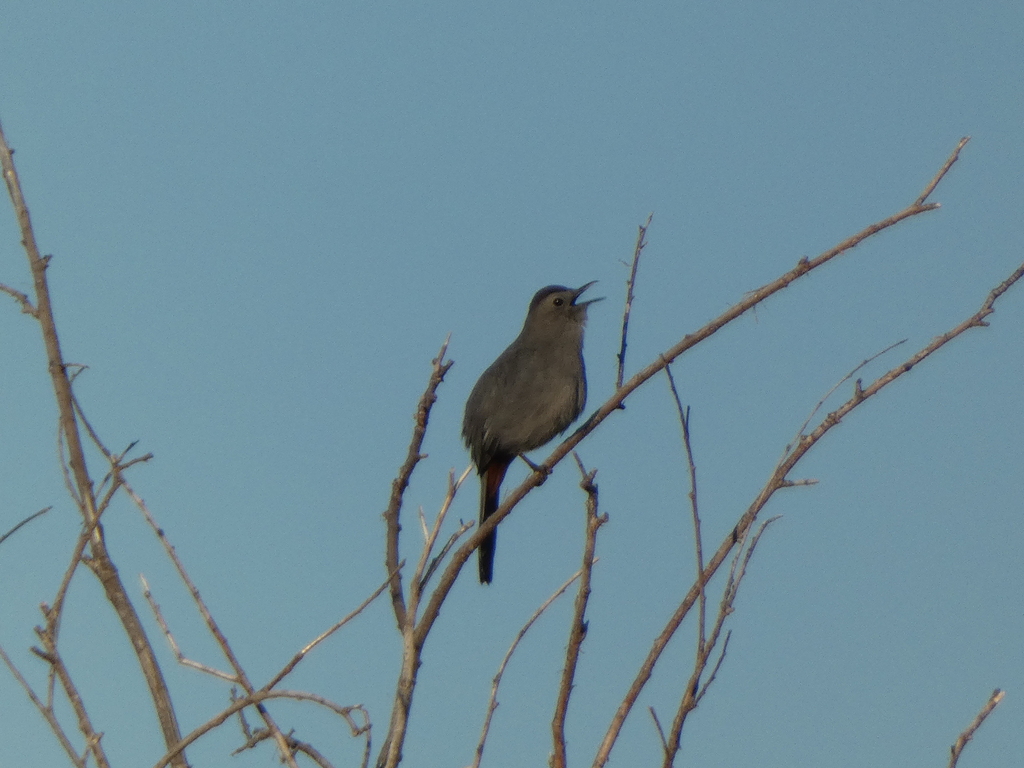
- Gray CatbirdDumetella carolinensis
- Great Blue HeronArdea herodias
- Great EgretArdea alba
- Great Horned OwlBubo virginianus
- Hairy WoodpeckerPicoides villosus
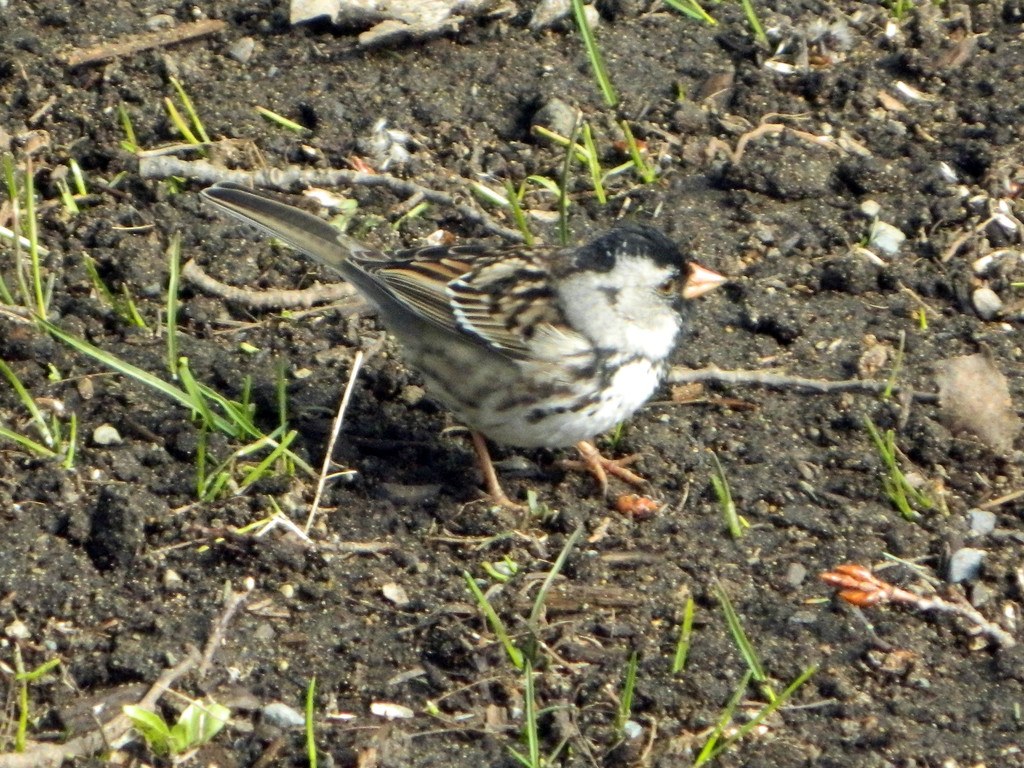
- Harris's SparrowZonotrichia querula
- Indigo BuntingPasserina cyanea
- Kentucky WarblerOporornis formosus
- Lesser ScaupAythya affinis
- Lesser YellowlegsTringa flavipes
- Lincoln's SparrowMelospiza lincolnii


















Who uses this plant?
 32CaterpillarsGenus host records with ranges including LA
Genus host records with ranges including LA · Sorghum
- Achyra rantalisGarden Webworm Moth
- Acronicta insularisHenry's Marsh Moth, Cattail Caterpillar
- Agrotis ipsilonIpsilon Dart, Black Cutworm, Greasy Cutworm
- Agrotis malefidaRascal Dart, Pale-Sided Cut-Worm, Shagreened Cut-Worm
- Amblyscirtes hegonPepper and Salt Skipper
- Anatrachyntis badiaFlorida Pink Scavanger Caterpillar
- Anatrachyntis rileyiPink Scavanger Caterpillar
- Dargida diffusaWheat Head Armywotm Moth
- Diatraea crambidoidesSouthern Cornstalk Borer
- Dicymolomia julianalisJulia's Dicymolomia
Show all 32
- Elasmopalpus lignosellaLesser Cornstalk Borer
- Feltia repletaReplete Dart
- Helicoverpa zeaCorn Earworm Moth
- Lerema acciusClouded Skipper, Corn Leaf tier
- Lerodea eufalaEufala Skipper, Gray Skipper, Rice Leafroller
- Leucania subpunctataWhite-Dotted Wainscot, Forage Armyworm
- Metaponpneumata rogenhoferiMetaponpneumata Moth, Rogenhofer's Sallow
- Mocis disseveransYellow Mocis
- Mocis latipesSmall Mocis, Striped Grass Looper
- Mythimna unipunctaArmyworm Moth, White Speck
- Nastra lherminierSwarthy Skipper
- Nola cereellaSorghum Cutworm, Sorghum Webworm Moth, Sorgham Webworm Moth
- Papaipema nebrisStalk Borer
- Platynota rostranaOmnivorous Platynota
- Platynota stultanaOmnivorous Leafroller
- Pleuroprucha insulsariaCommon Tan Wave
- Spodoptera albulaWhite-Spotted Armyworm, Gray-Streaked Armyworm
- Spodoptera eridaniaSouthern Armyworm Moth
- Spodoptera frugiperdaFall Armyworm Moth
- Astala confederata
- Blastobasis graminea
- Phidotricha erigens
 —BeesSoutheastern regional records
 —Specialist beesPollen specialists
 23BirdsRecorded genus food-resource interactions; not a state feeding claim
Recorded genus food-resource interactions; not a state feeding claim · Sorghum
- Agelaius phoeniceusRed-winged Blackbird
- Anser caerulescensSnow Goose
- Antigone canadensisSandhill Crane
- Branta canadensisCanada Goose
- Callipepla gambeliiGambel's Quail
- Cardinalis cardinalisNorthern Cardinal
- Colinus virginianusNorthern Bobwhite
- Columba liviaRock Pigeon
- Columbina passerinaCommon Ground Dove
- Corvus brachyrhynchosAmerican Crow
Show all 23
- Corvus cryptoleucusChihuahuan Raven
- Cyrtonyx montezumaeMontezuma Quail
- Dendrocygna autumnalisBlack-bellied Whistling-Duck
- Euphagus cyanocephalusBrewer's Blackbird
- Molothrus aterBrown-headed Cowbird
- Passer domesticusHouse Sparrow
- Quiscalus majorBoat-tailed Grackle
- Quiscalus mexicanusGreat-tailed Grackle
- Quiscalus quisculaCommon Grackle
- Tympanuchus pallidicinctusLesser Prairie-Chicken
- Zenaida asiaticaWhite-winged Dove
- Zenaida macrouraMourning Dove
- Zonotrichia leucophrysWhite-crowned Sparrow
Direct food only: birds recorded eating this genus across North America. Caterpillars on host plants also feed nesting birds. NC Native Plant Society: butterfly gardening
Plant details
- Family
- Poaceae
- Hardiness
- Zones 6a–10b
- Soil pH
- Acidic to alkaline
- Flower color
- Brown/copper
- Growth rate
- Rapid
- Growth habit
- Spreads by rhizomes
- Foliage color
- Green
- Fruit begins
- Summer
- Fruit ends
- Fall
Safety has not been reviewed for this plant; check toxicity and thorns before planting.
Growing sources and scope
- Bloom · “April to December” · Weakley, Flora of the Southeastern United States (2025), Carolinas & Georgia edition (ranked first; USDA PLANTS differs) · Carolinas and Georgia
- Flower color · “Brown/copper” · NC Extension Plant Toolbox (ranked first; USDA PLANTS differs)
- Foliage color · “Green” · USDA PLANTS · Nationwide species characteristics; local growing conditions may vary
- Fruit begins · “Summer” · USDA PLANTS · Nationwide species characteristics; local growing conditions may vary
- Fruit ends · “Fall” · USDA PLANTS · Nationwide species characteristics; local growing conditions may vary
- Growth habit · “Spreads by rhizomes” · USDA PLANTS · Nationwide species characteristics; local growing conditions may vary
- Growth rate · “Rapid” · USDA PLANTS · Nationwide species characteristics; local growing conditions may vary
- Hardiness · “Zones 6a–10b” · NC Extension Plant Toolbox
- Height · “About 3.5 feet” · USDA PLANTS · Nationwide species characteristics; local growing conditions may vary
- Life cycle · “Perennial” · NC Extension Plant Toolbox
- Light · “Full sun (6 or more hours of direct sunlight a day)” · NC Extension Plant Toolbox
- Soil · “Moist; Occasionally dry” · NC Extension Plant Toolbox
- Soil pH · “Acidic to alkaline” · NC Extension Plant Toolbox
Conservation status
| Louisiana rank | SNA |
|---|---|
| Global rank | GNR |
| LA status | Not verified |
| Federal status | Not verified |
Sources
- NatureServe Explorer
- USDA PLANTS
- Weakley, Flora of the Southeastern United States (2025), Carolinas & Georgia edition
- Louisiana occurrence source
- Shropshire & Tallamy 2025, Lepidoptera of North America north of Mexico, ZooKeys 1261 (ODbL)
- Noori, Seltmann & Orr 2026, A curated and integrated dataset for exploring global bee-plant interactions (GloBI), Zenodo, CC BY 4.0
- Smith, Bachelder, Russell, Morales, Mosher & Seltmann 2024, Bee-Specialization-Modeling v0.6.1 (specialist host table compiled from J. Fowler's pollen specialist bee lists), Zenodo, CC BY 4.0
- Hurlbert, Olsen, Sawyer & Winner 2021, Avian Diet Database, Scientific Data 8: 260 (CC0)
- Narango, Tallamy & Shropshire 2020, Few keystone plant genera support the majority of Lepidoptera species, Nature Communications