

Compass Plant
Silphium laciniatum
Native to Louisiana. How scores work Is it native here?
Profile 94%
- Height
- 5–9 feet
- Spread
- 1.5–3 feet
- Light
- Full sun
- Soil moisture
- Dry to moist
Space about 2 ft apart from its recorded spread, about 25 per 100 sq ft. Enter your bed size for a count
Will it fit your yard?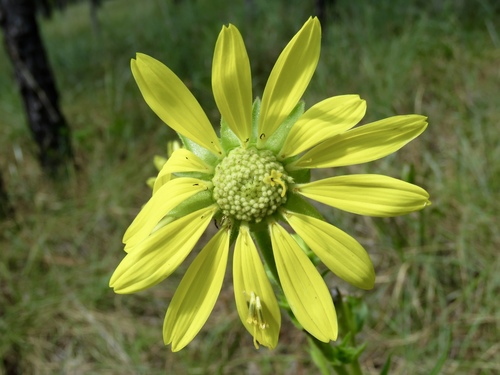
At a glance
- Life cycle
- Perennial
- Bloom
- June to September
Not yet recorded · Leaves
Recorded in 19 Louisiana parishes.
Also found with this plant
Wildlife whose habitat models include habitats this plant grows in, in Louisiana. Shared habitat, not food. 87 animals.
- Ruby-throated HummingbirdArchilochus colubris
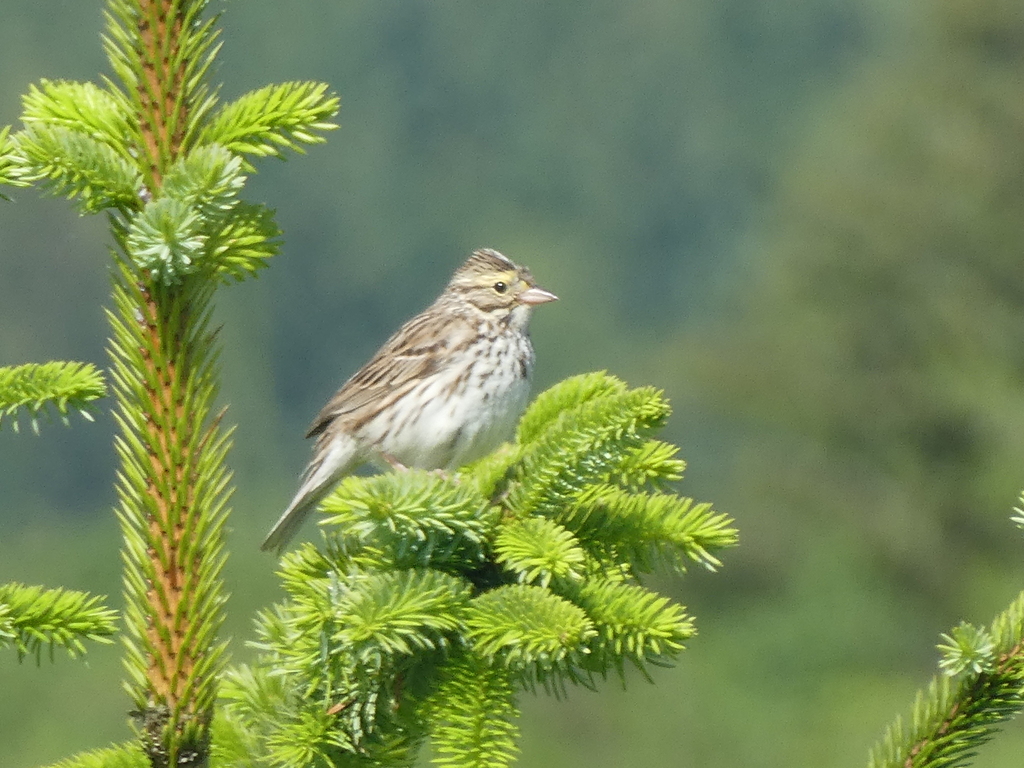
- Savannah SparrowPasserculus sandwichensis
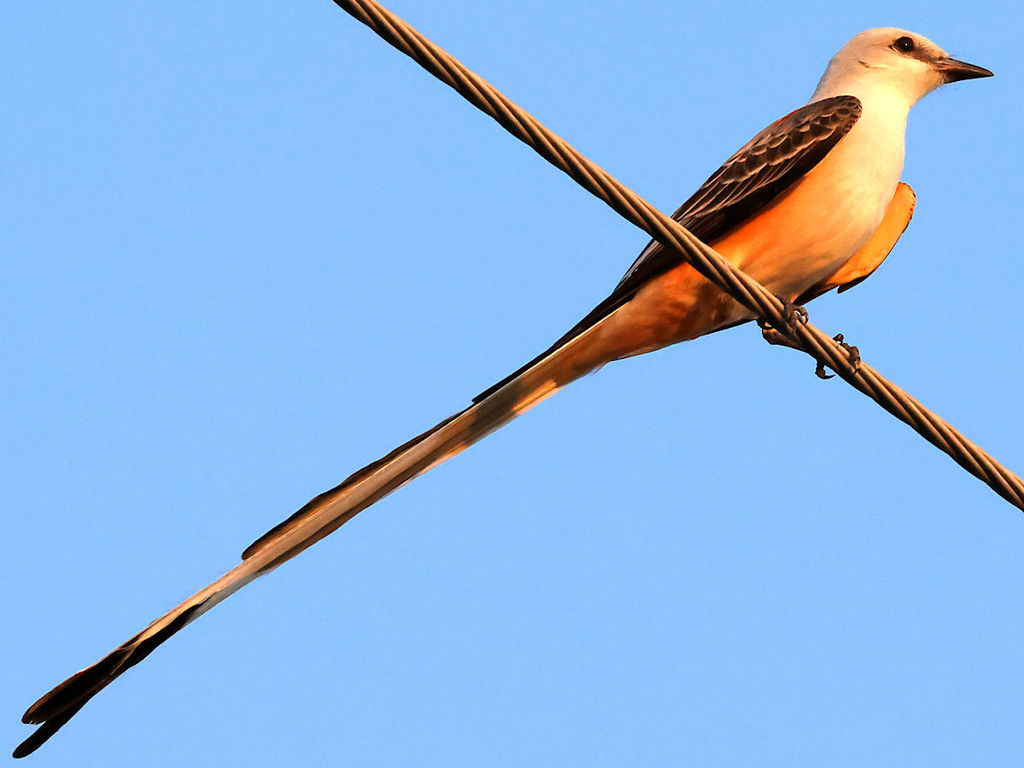
- Scissor-tailed FlycatcherTyrannus forficatus
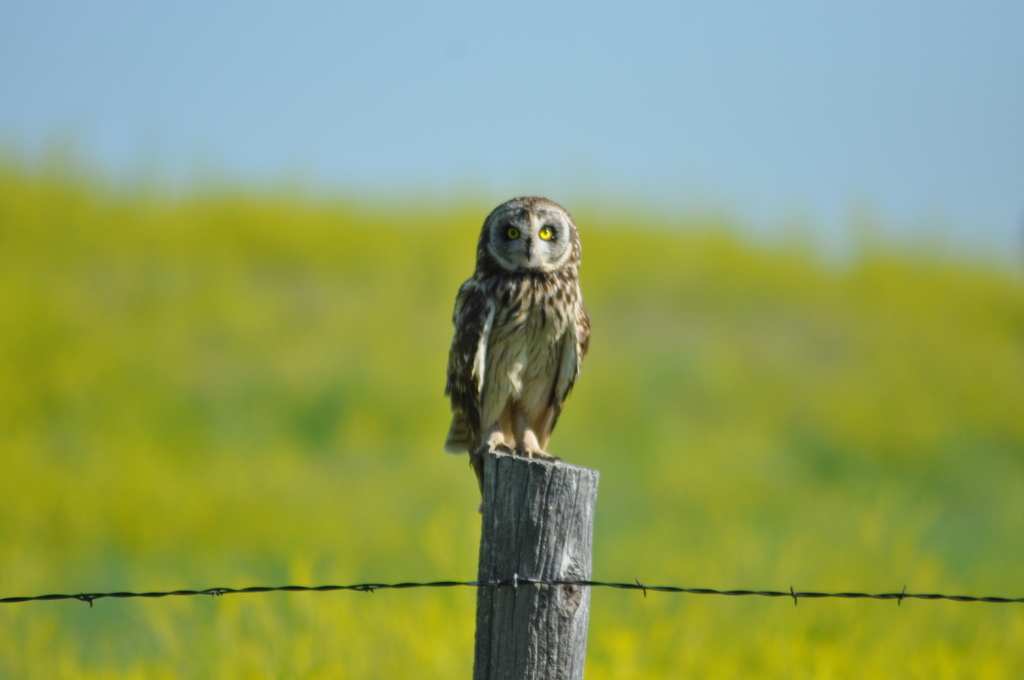
- Short-eared OwlAsio flammeus
- Spotted SandpiperActitis macularius
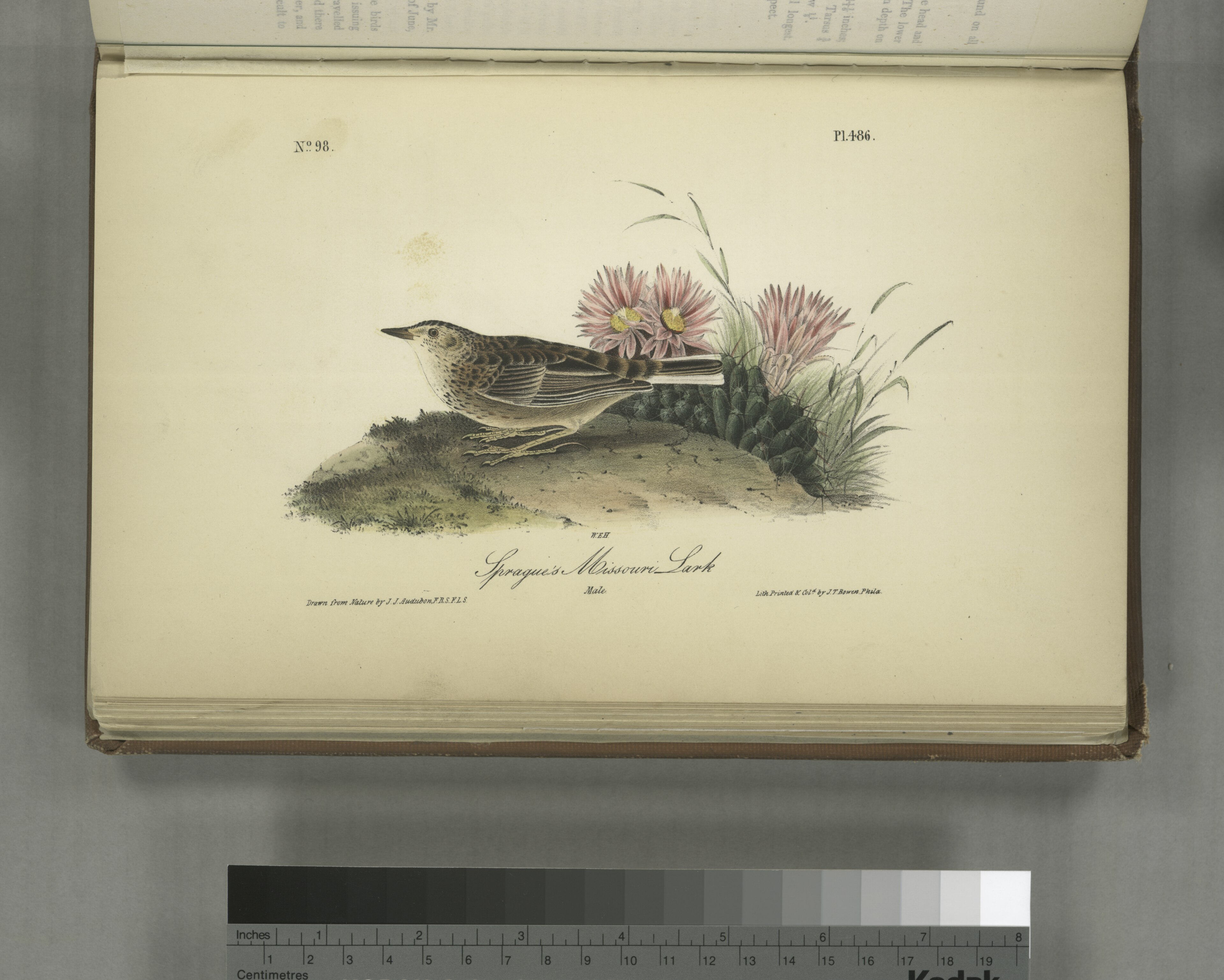
- Sprague's PipitAnthus spragueii
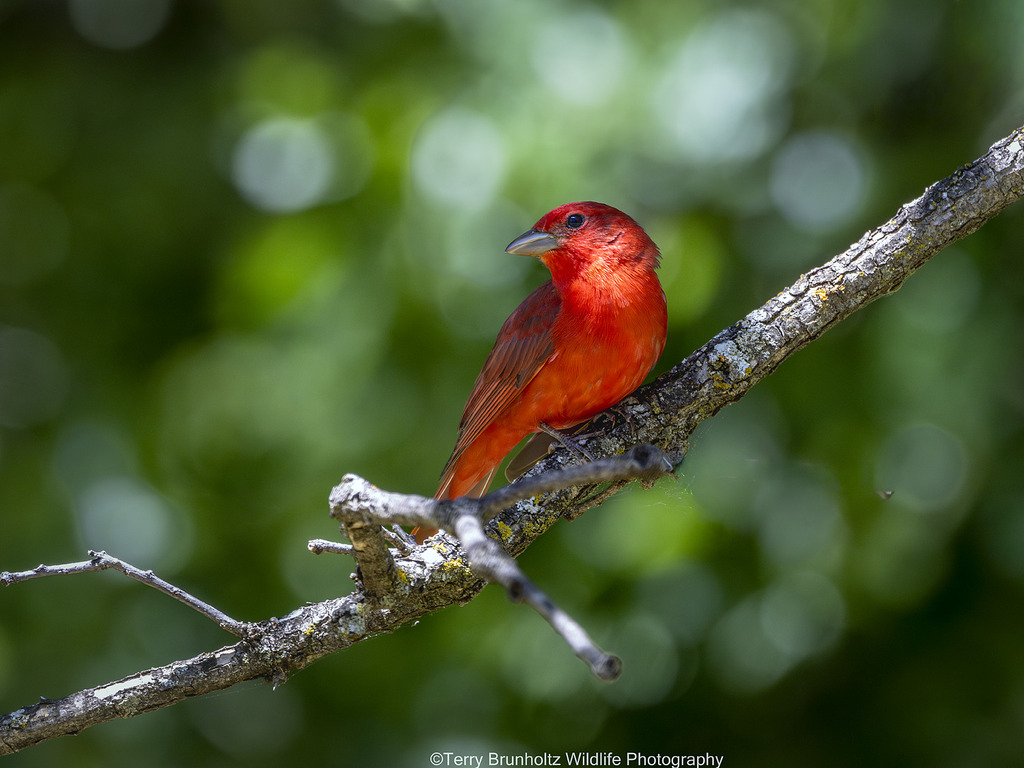
- Summer TanagerPiranga rubra
- Tree SwallowTachycineta bicolor
- Tufted TitmouseBaeolophus bicolor
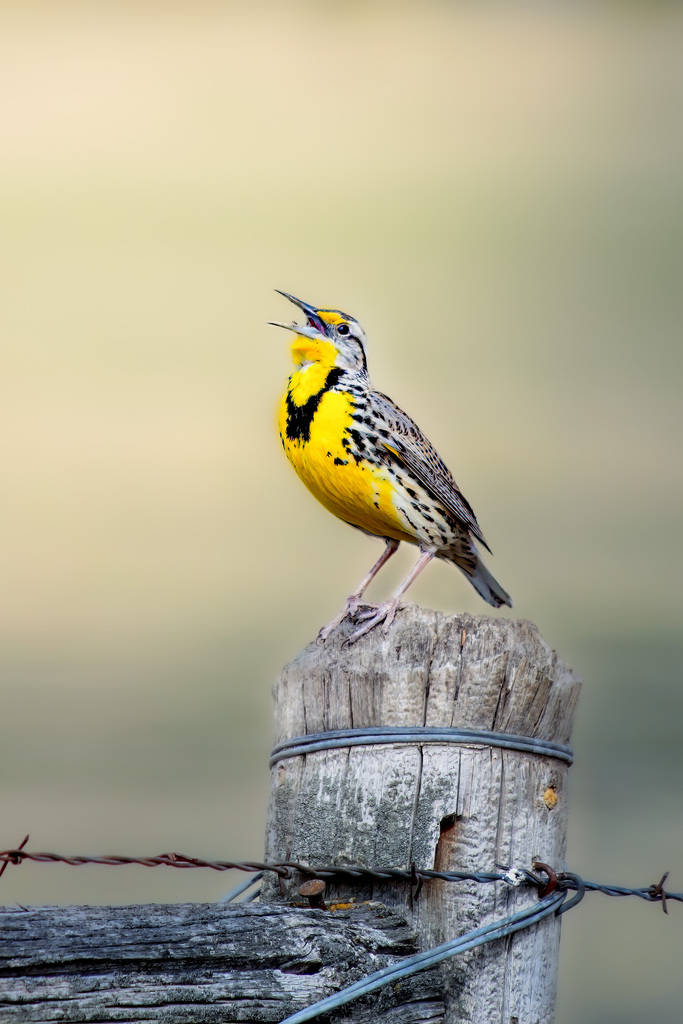
- Western MeadowlarkSturnella neglecta
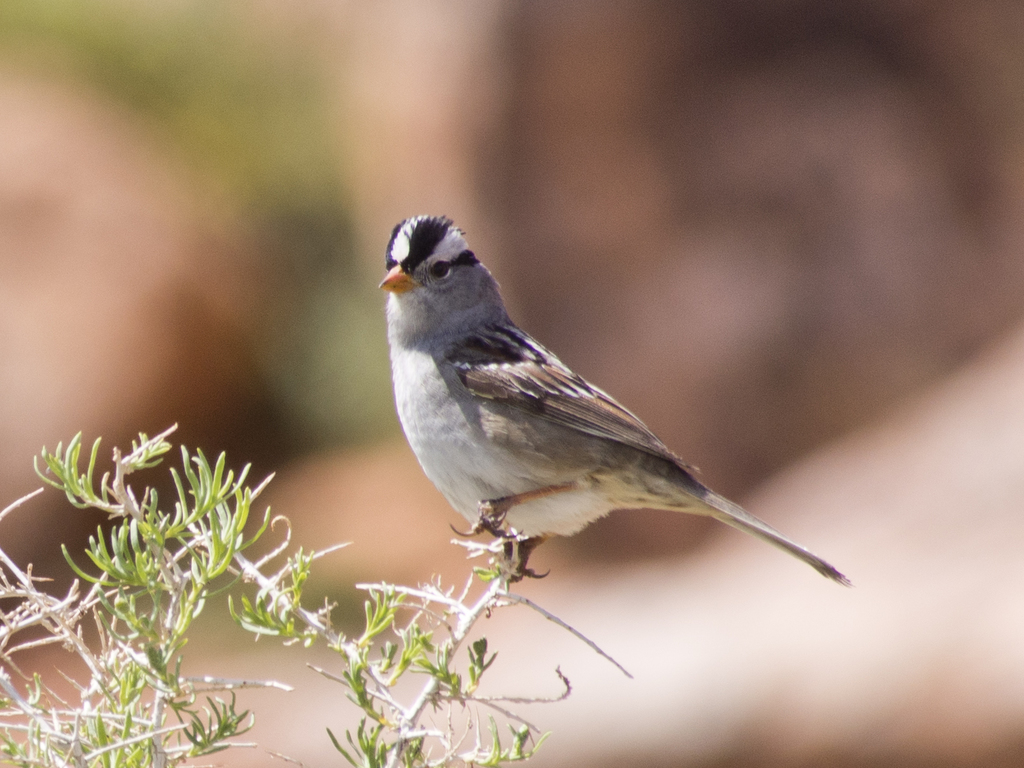
- White-crowned SparrowZonotrichia leucophrys
- White-throated SparrowZonotrichia albicollis
- Yellow-bellied SapsuckerSphyrapicus varius
- Yellow-rumped WarblerDendroica coronata
- Yellow-throated WarblerDendroica dominica




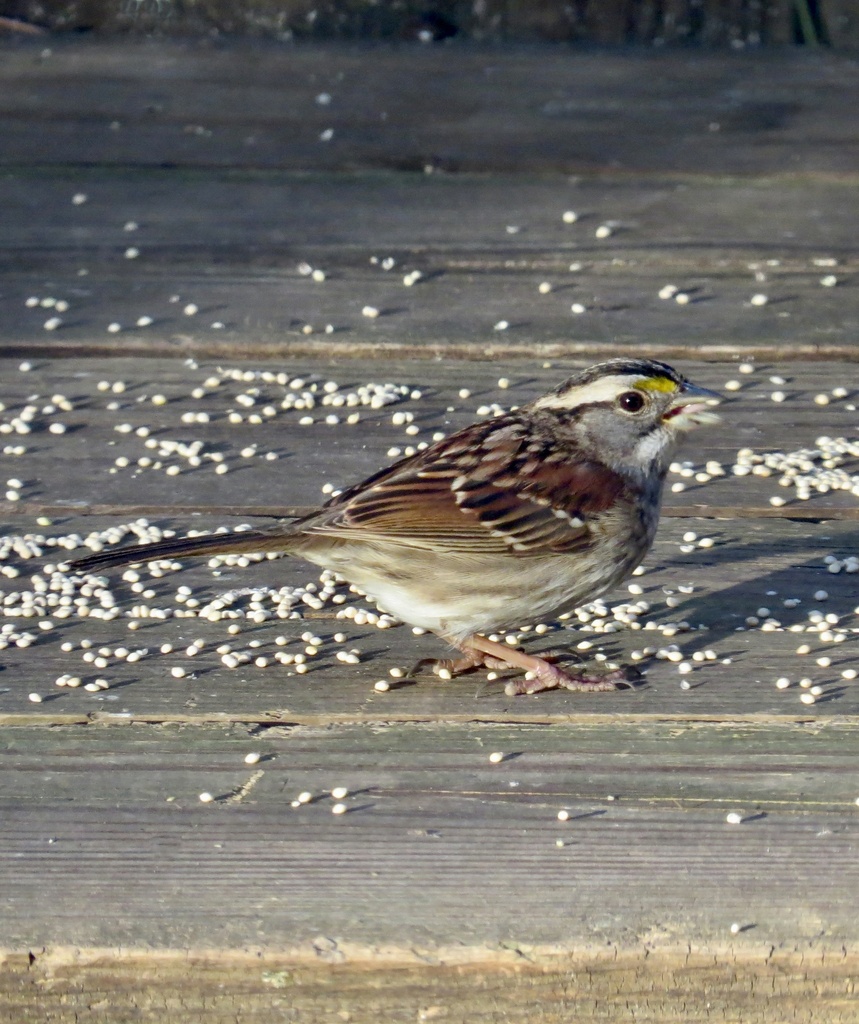
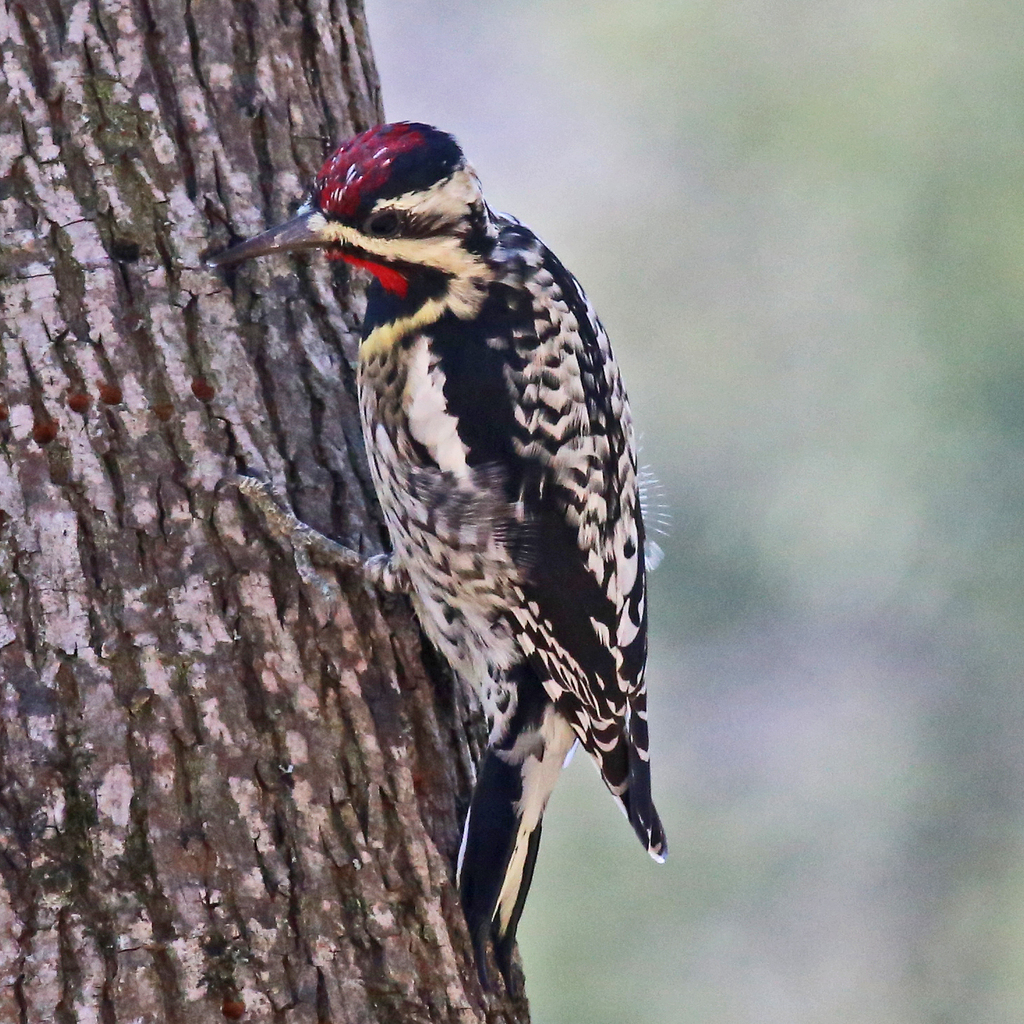

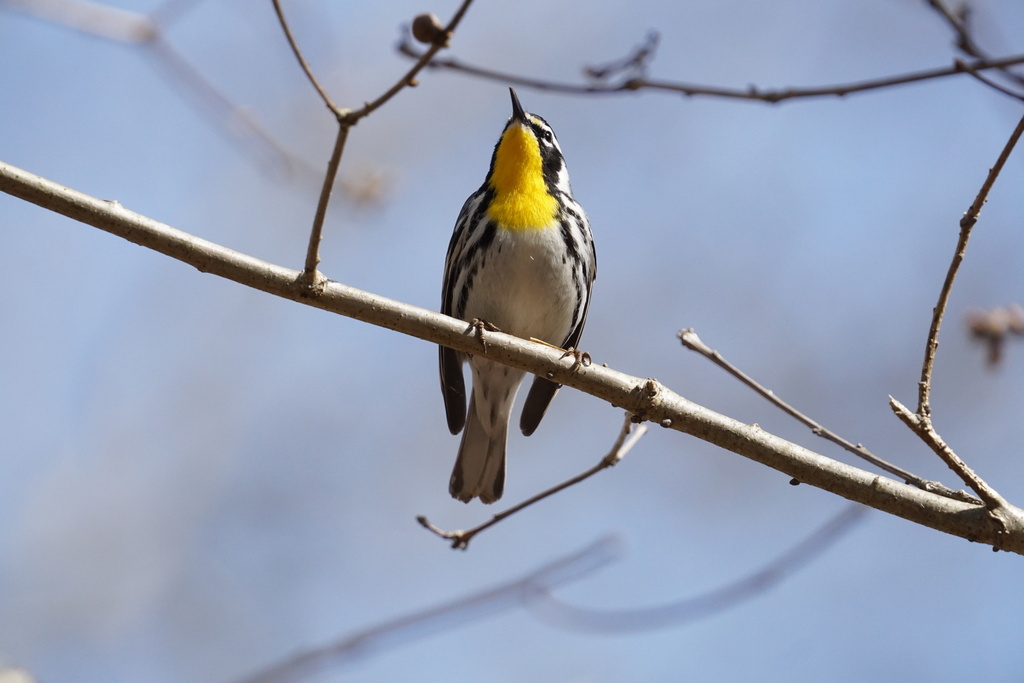
Widespread birds also seen here (17)
Found in many habitats here, so not listed above.
Who uses this plant?
 3CaterpillarsGenus host records with ranges including LA
Genus host records with ranges including LA · Silphium
- Eucosma giganteanaGiant Eucosma
- Papaipema baptisiaeWild Indigo Borer, Indigo Stem Borer
- Papaipema nebrisStalk Borer
 36BeesSoutheastern regional records
Southeastern regional records · Silphium
Individual names are not available yet.
Noori, Seltmann & Orr 2026, A curated and integrated dataset for exploring global bee-plant interactions (GloBI), Zenodo, CC BY 4.0 7Specialist beesPollen specialists
Pollen specialists · Silphium
- Dianthidium curvatum
- Dieunomia heteropoda
- Megachile parallela
- Melissodes dentiventris
- Melissodes vernoniae
- Melissodes wheeleri
- Paranthidium jugatorium
 —BirdsRecorded genus food-resource interactions; not a state feeding claim
No records yet · Ants · Beetles · Flies · Adult butterflies / moths · Other wasps · Other insects
Plant details
- Family
- Asteraceae
- Hardiness
- Zones 3–8
- Flower color
- Yellow
What its natural habitat tells you
Safety has not been reviewed for this plant; check toxicity and thorns before planting.
Growing sources and scope
- Bloom · “June to September” · Prairie Moon 2026 Cultural Guide · Nursery cultural guide; height in flower; moisture categories retained as printed
- Flower color · “Yellow” · Prairie Moon 2026 Cultural Guide · Nursery cultural guide; height in flower; moisture categories retained as printed
- Hardiness · “Zones 3–8” · Missouri Botanical Garden Plant Finder
- Height · “5–9 feet” · Tennessee Smart Yards (ranked first; Minnesota Wildflowers, Prairie Moon 2026 Cultural Guide differ) · Published Tennessee growing guidance; exact cached scientific heading
- Life cycle · “Perennial” · Minnesota Wildflowers
- Light · “Full sun” · Tennessee Smart Yards (ranked first; Prairie Moon 2026 Cultural Guide differs) · Published Tennessee growing guidance; exact cached scientific heading
- primary_flower_color · “yellow” · Prairie Moon 2026 Cultural Guide
- Soil · “moderately wet to dry” · Tennessee Smart Yards (ranked first; Missouri Botanical Garden Plant Finder, Prairie Moon 2026 Cultural Guide differ) · Published Tennessee growing guidance; exact cached scientific heading
- Spread · “1.5–3 feet” · Missouri Botanical Garden Plant Finder
Conservation status
| Louisiana rank | SNR |
|---|---|
| Global rank | Not available |
| LA status | Not verified |
| Federal status | Not verified |
Will it fit your yard?
Check this plant against your county, sun and soil moisture. Conditions are checked in your browser.
Sources
- Weakley, Flora of the Southeastern United States (2025), South Central edition
- Louisiana occurrence source
- Shropshire & Tallamy 2025, Lepidoptera of North America north of Mexico, ZooKeys 1261 (ODbL)
- Noori, Seltmann & Orr 2026, A curated and integrated dataset for exploring global bee-plant interactions (GloBI), Zenodo, CC BY 4.0
- Smith, Bachelder, Russell, Morales, Mosher & Seltmann 2024, Bee-Specialization-Modeling v0.6.1 (specialist host table compiled from J. Fowler's pollen specialist bee lists), Zenodo, CC BY 4.0
- Hurlbert, Olsen, Sawyer & Winner 2021, Avian Diet Database, Scientific Data 8: 260 (CC0)
- Narango, Tallamy & Shropshire 2020, Few keystone plant genera support the majority of Lepidoptera species, Nature Communications