

Little Bluestem
Schizachyrium maritimum
Native to Louisiana (estimated). How scores work Is it native here?
Profile 100%
- Height
- 2–4 feet
- Spread
- 1.5–3 feet
- Light
- Full sun
- Soil moisture
- Somewhat dry to moist
Space about 2 ft apart from its recorded spread, about 25 per 100 sq ft. Enter your bed size for a count
Will it fit your yard?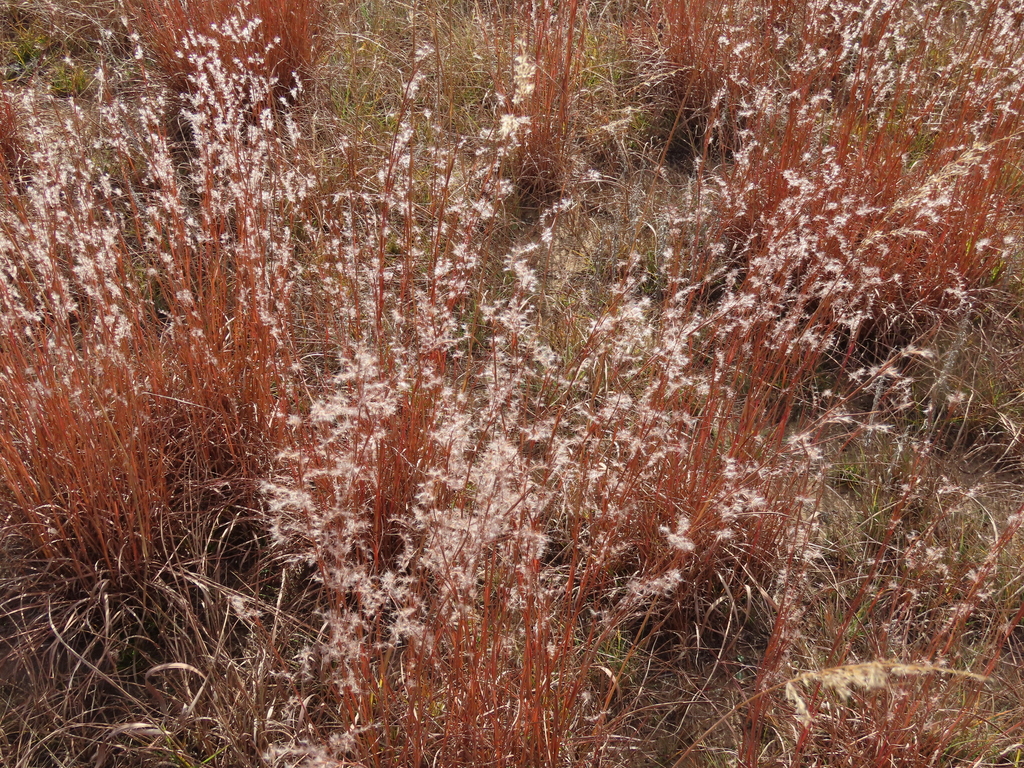
At a glance
- Life cycle
- Perennial
- Leaves
- Deciduous
- Bloom
- Summer
- Fruiting season
- Summer to fall
Recorded in 33 Louisiana parishes.
Also found with this plant
Wildlife whose habitat models include habitats this plant grows in, in Louisiana. Shared habitat, not food. 147 animals.
- Pine SiskinCarduelis pinus
- Purple FinchCarpodacus purpureus
- Hermit ThrushCatharus guttatus
- Northern CardinalCardinalis cardinalis
- Prairie WarblerDendroica discolor
- Red-headed WoodpeckerMelanerpes erythrocephalus
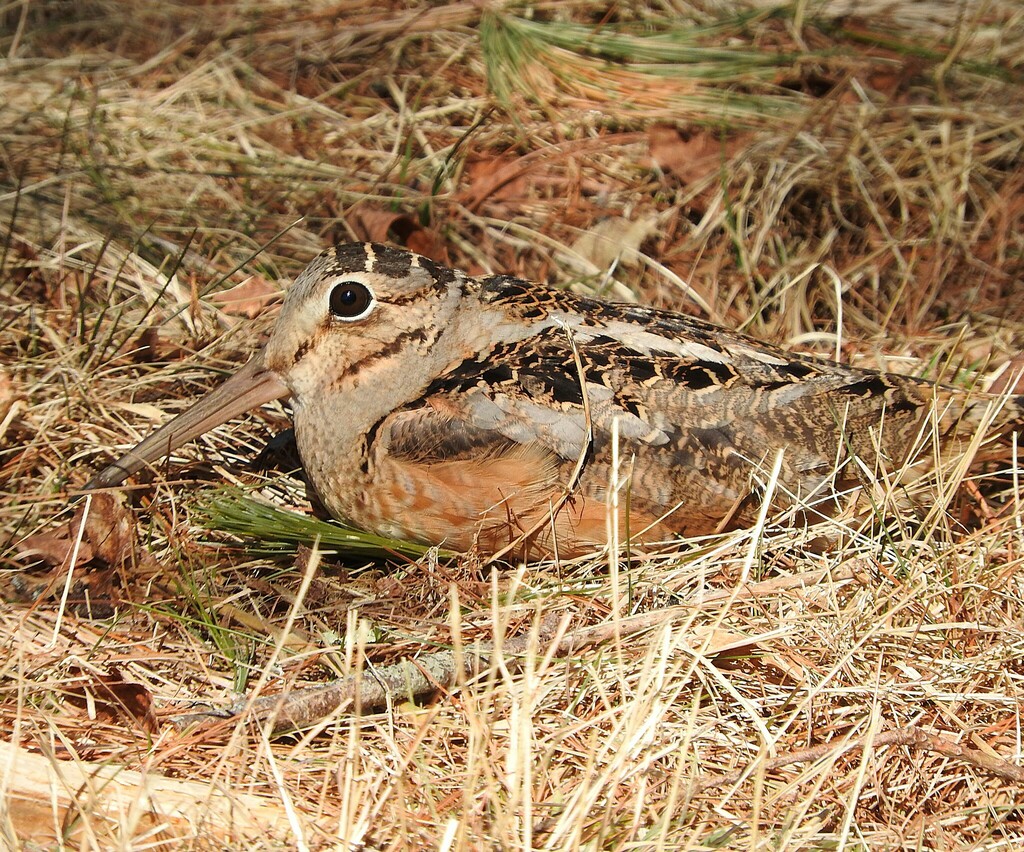
- American WoodcockScolopax minor
- Blue JayCyanocitta cristata
- Brown CreeperCerthia americana
- Cedar WaxwingBombycilla cedrorum
- Double-crested CormorantPhalacrocorax auritus
- Downy WoodpeckerPicoides pubescens
- Golden-crowned KingletRegulus satrapa
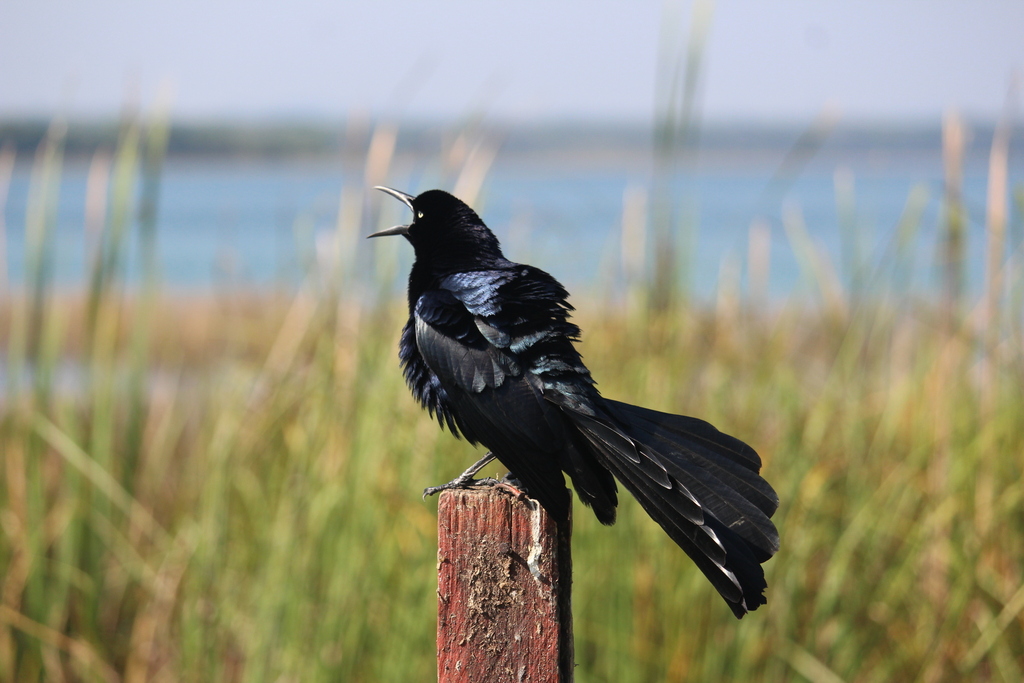
- Great-tailed GrackleQuiscalus mexicanus
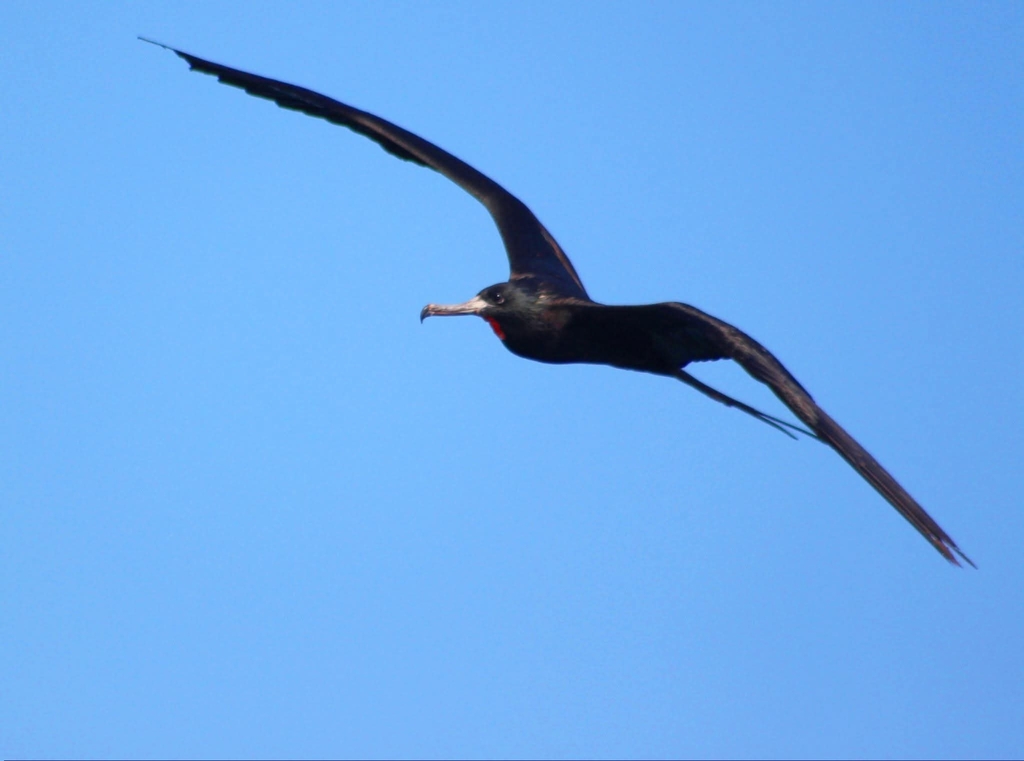
- Magnificent FrigatebirdFregata magnificens
- OspreyPandion haliaetus
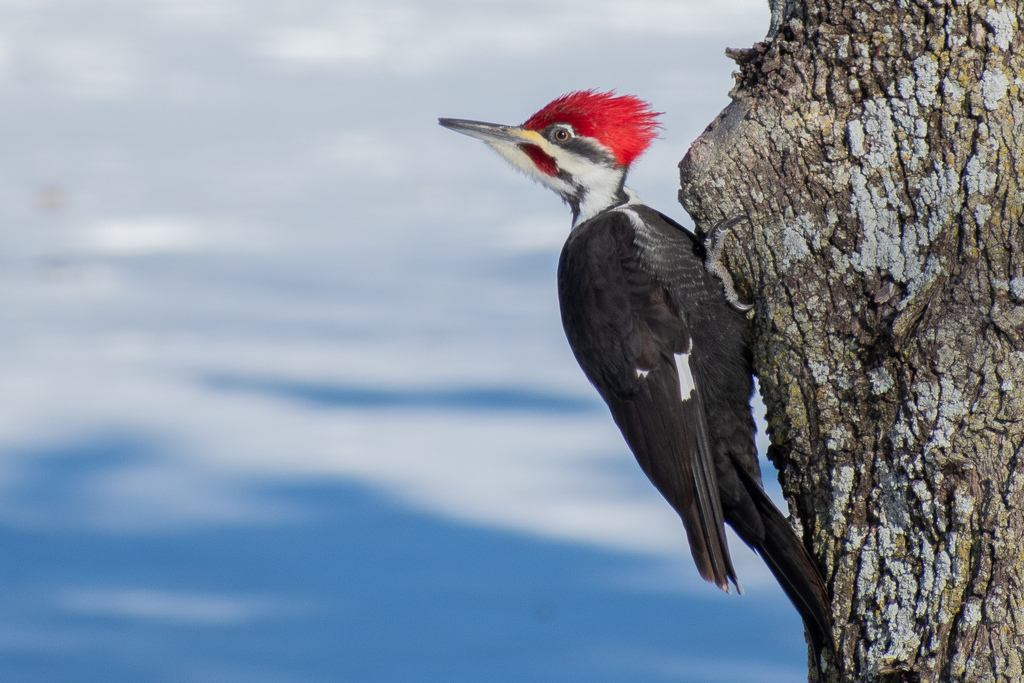
- Pileated WoodpeckerDryocopus pileatus
- Ruby-crowned KingletRegulus calendula
- Tufted TitmouseBaeolophus bicolor
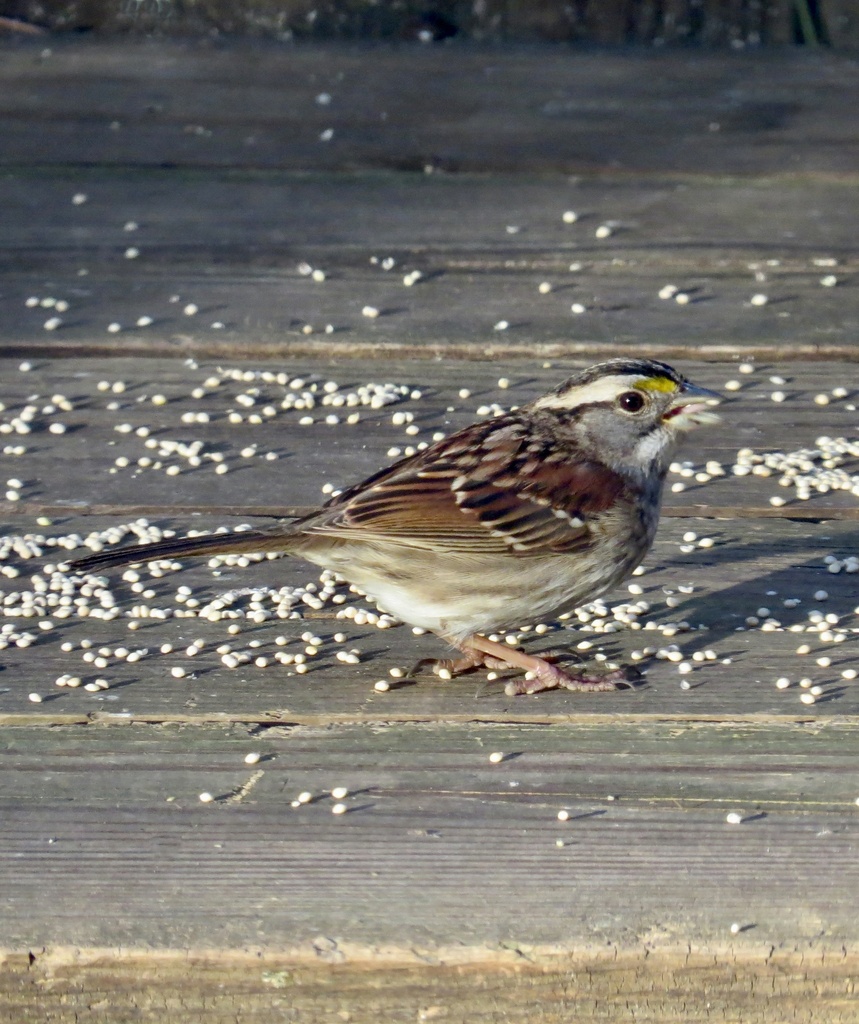
- White-throated SparrowZonotrichia albicollis
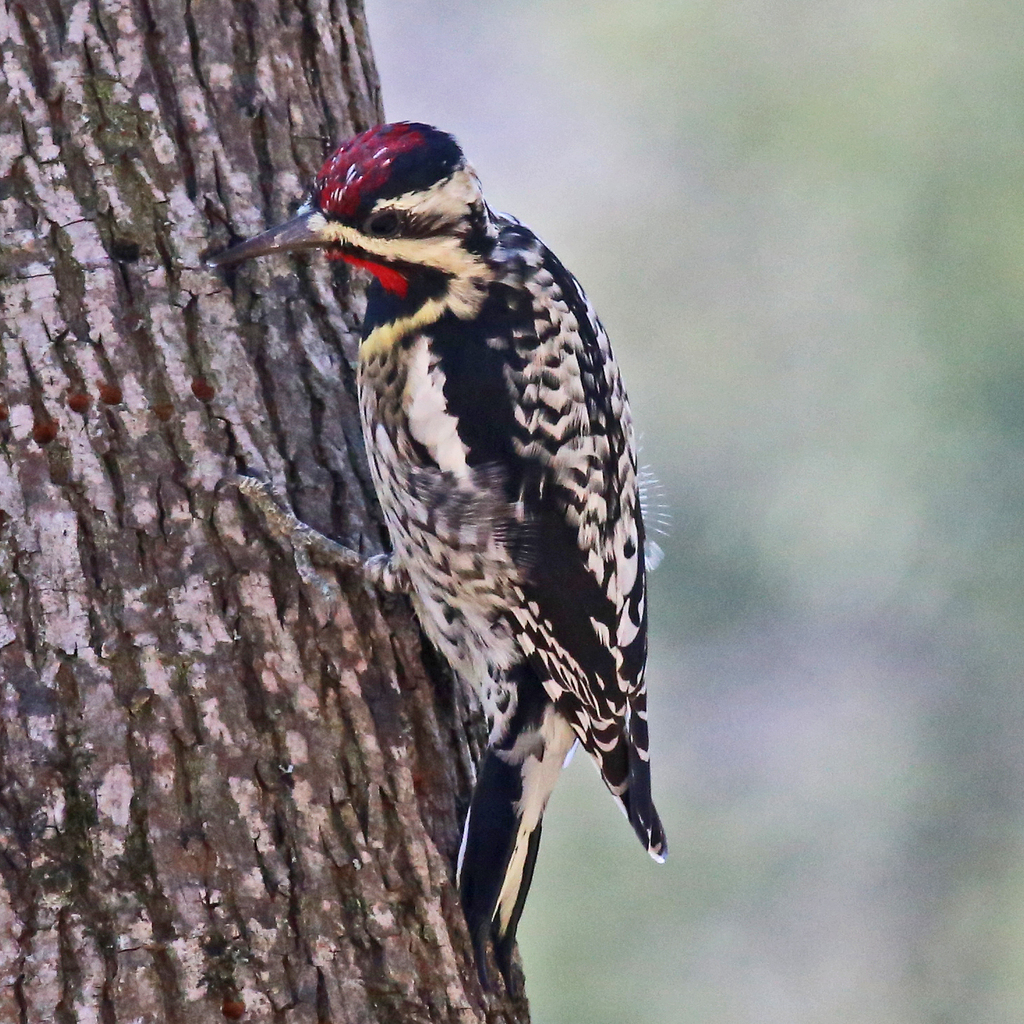
- Yellow-bellied SapsuckerSphyrapicus varius
- Yellow-rumped WarblerDendroica coronata
- Bald EagleHaliaeetus leucocephalus
- Black-and-White WarblerMniotilta varia


















Who uses this plant?
 16CaterpillarsGenus host records with ranges including LA
Genus host records with ranges including LA · Andropogon
- Agrotis gladiariaSwordsman Dart, Clay-Backed Cut-Worm
- Amblyscirtes alternataDusky Roadside-Skipper, Least Florida Skipper, Dusky Little Skipper;
- Anatrytone loganDelaware Skipper, Logan Skipper, Black-Vein Skipper
- Atrytone byssusByssus Skipper, Golden Skipper
- Atrytonopsis hiannaDusted Skipper
- Cercyonis pegalaCommon Wood Nymph
- Dargida diffusaWheat Head Armywotm Moth
- Hesperia meteaCobweb Skipper
- Lacinipolia meditataThe Thinker
- Lerema acciusClouded Skipper, Corn Leaf tier
Show all 16
- Limochores origenesCrossline Skipper
- Meropleon ambifuscaNewman's Borer, Newman's Brocade
- Mocis texanaTexas Mocis
- Nastra lherminierSwarthy Skipper
- Oligoria maculataTwin-Spot Skipper
- Spodoptera frugiperdaFall Armyworm Moth
 1BeesSoutheastern regional records
Southeastern regional records · Andropogon
Individual names are not available yet.
Noori, Seltmann & Orr 2026, A curated and integrated dataset for exploring global bee-plant interactions (GloBI), Zenodo, CC BY 4.0 0Specialist beesPollen specialists
 4BirdsRecorded genus food-resource interactions; not a state feeding claim
Recorded genus food-resource interactions; not a state feeding claim · Andropogon
- Agelaius phoeniceusRed-winged Blackbird
- Ammospiza leconteiiLeConte's Sparrow
- Meleagris gallopavoWild Turkey
- Molothrus aterBrown-headed Cowbird
Direct food only: birds recorded eating this genus across North America. Caterpillars on host plants also feed nesting birds. NC Native Plant Society: butterfly gardening
No records yet · Ants · Beetles · Flies · Adult butterflies / moths · Other wasps · Other insects
Plant details
- Family
- Poaceae
- Hardiness
- Zones 3a–9b
- Soil pH
- Acidic to alkaline
- Flower color
- Purple
- Growth rate
- Moderate
- Growth habit
- Grows in clumps
- Foliage color
- Gray-green
- Fruit begins
- Summer
- Fruit ends
- Fall
What its natural habitat tells you
Safety has not been reviewed for this plant; check toxicity and thorns before planting.
Growing sources and scope
- Bloom · “Summer” · USDA PLANTS · Nationwide species characteristics; local growing conditions may vary
- Flower color · “Purple” · NC Extension Plant Toolbox (ranked first; USDA PLANTS differs)
- Foliage color · “Gray-green” · USDA PLANTS · Nationwide species characteristics; local growing conditions may vary
- Fruit begins · “Summer” · NC Extension Plant Toolbox · Species profile fruit display season; not a local ripening date
- Fruit ends · “Fall” · NC Extension Plant Toolbox · Species profile fruit display season; not a local ripening date
- Growth habit · “Grows in clumps” · USDA PLANTS · Nationwide species characteristics; local growing conditions may vary
- Growth rate · “Moderate” · USDA PLANTS · Nationwide species characteristics; local growing conditions may vary
- Hardiness · “Zones 3a–9b” · NC Extension Plant Toolbox
- Height · “2–4 feet” · NC Extension Plant Toolbox (ranked first; USDA PLANTS differs)
- Leaves · “Deciduous” · NC Extension Plant Toolbox
- Life cycle · “Perennial” · NC Extension Plant Toolbox
- Light · “Full sun (6 or more hours of direct sunlight a day)” · NC Extension Plant Toolbox (ranked first; Virginia DCR Piedmont, Virginia DCR Coastal Plain differ)
- Soil · “Moist; Occasionally dry” · NC Extension Plant Toolbox (ranked first; Virginia DCR Piedmont, Virginia DCR Coastal Plain differ)
- Soil pH · “Acidic to alkaline” · NC Extension Plant Toolbox
- Spread · “1.5–3 feet” · NC Extension Plant Toolbox
Also known as
Little Blue Stem; Schizachyrium maritimum; bluestem
Conservation status
| Louisiana rank | SNR |
|---|---|
| Global rank | G5 |
| LA status | Not verified |
| Federal status | Not verified |
Will it fit your yard?
Check this plant against your county, sun and soil moisture. Conditions are checked in your browser.
Sources
- USDA PLANTS
- Vascular Plants of North Carolina (NC Natural Heritage Program)
- Weakley, Flora of the Southeastern United States (2025)
- Louisiana occurrence source
- Shropshire & Tallamy 2025, Lepidoptera of North America north of Mexico, ZooKeys 1261 (ODbL)
- Noori, Seltmann & Orr 2026, A curated and integrated dataset for exploring global bee-plant interactions (GloBI), Zenodo, CC BY 4.0
- Smith, Bachelder, Russell, Morales, Mosher & Seltmann 2024, Bee-Specialization-Modeling v0.6.1 (specialist host table compiled from J. Fowler's pollen specialist bee lists), Zenodo, CC BY 4.0
- Hurlbert, Olsen, Sawyer & Winner 2021, Avian Diet Database, Scientific Data 8: 260 (CC0)
- Narango, Tallamy & Shropshire 2020, Few keystone plant genera support the majority of Lepidoptera species, Nature Communications