

Multiflora Rose
Rosa multiflora
In the Carolinas and Georgia, found in pastures, thickets, bottomlands, upland forests, bogs. Weakley, Flora of the Southeastern United States (2025), Carolinas & Georgia edition What its natural habitat tells you
Not native to Louisiana. How scores work Is it native here?
Profile 76%
- Height
- 10–15 feet
- Spread
- 14–15 feet
- Light
- Full sun, Partial shade
- Soil moisture
- Dry to wet
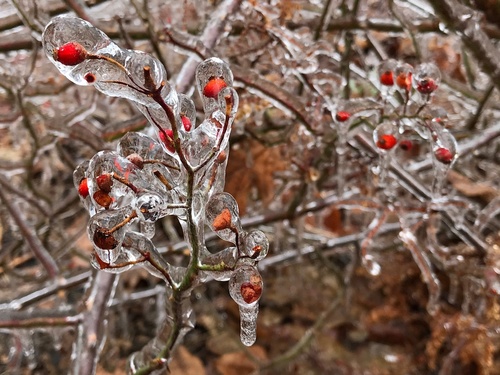
Do not plant. Listed invasive in Louisiana.
At a glance
- Life cycle
- Woody perennial
- Bloom
- May to June
- Fruiting season
- September to October
Not yet recorded · Leaves
Recorded in 28 Louisiana parishes.
Natural habitats
Places it grows wild. Not a planting requirement. Each habitat page lists the plants and wildlife also found there.
Roadsides, fields and disturbed ground
Ground opened by people: roadsides, old fields, pastures, fencerows and lots.
Borders of forests, clearings and shrubby thickets.
Floodplain and bottomland forests
Forests on low ground beside rivers and streams that flood from time to time.
Forest or woodland where the source does not say how moist or dry.
Also found with this plant
Wildlife whose habitat models include habitats this plant grows in, in Louisiana. Shared habitat, not food. 82 animals.
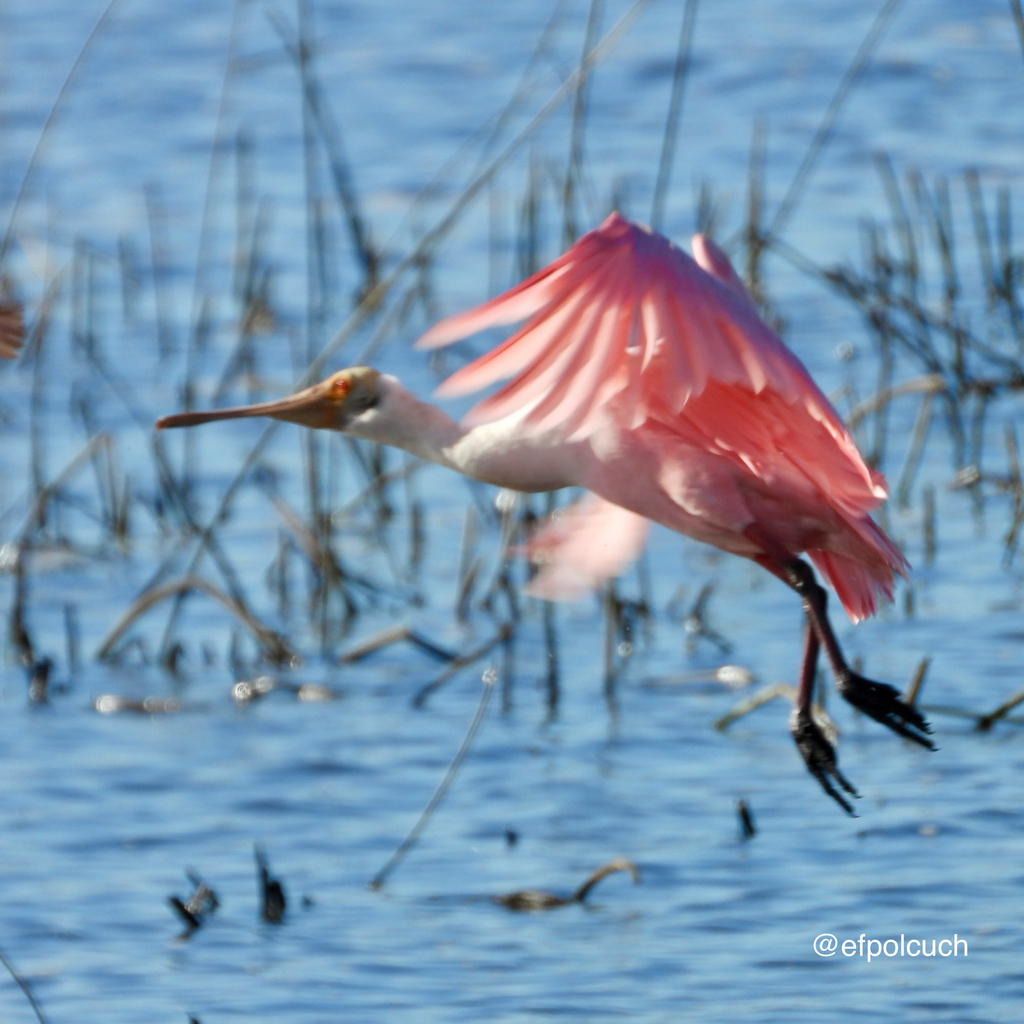
- Roseate SpoonbillPlatalea ajaja
- Ruby-throated HummingbirdArchilochus colubris
- Rusty BlackbirdEuphagus carolinus
- Snowy EgretEgretta thula
- Spotted SandpiperActitis macularius
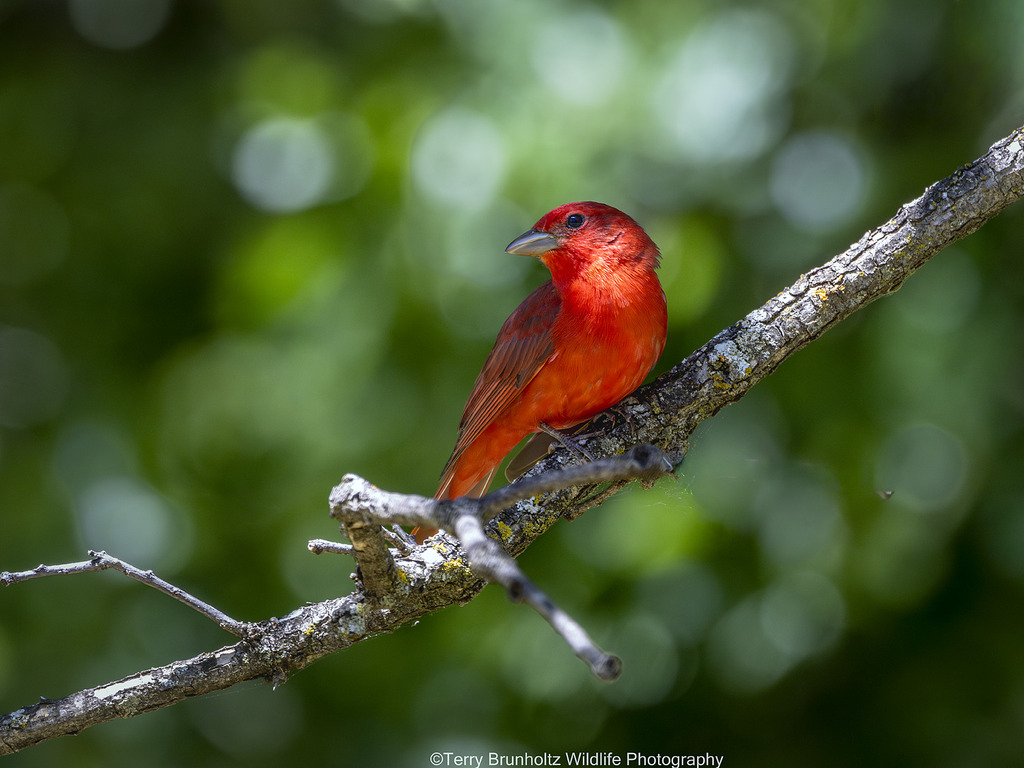
- Summer TanagerPiranga rubra
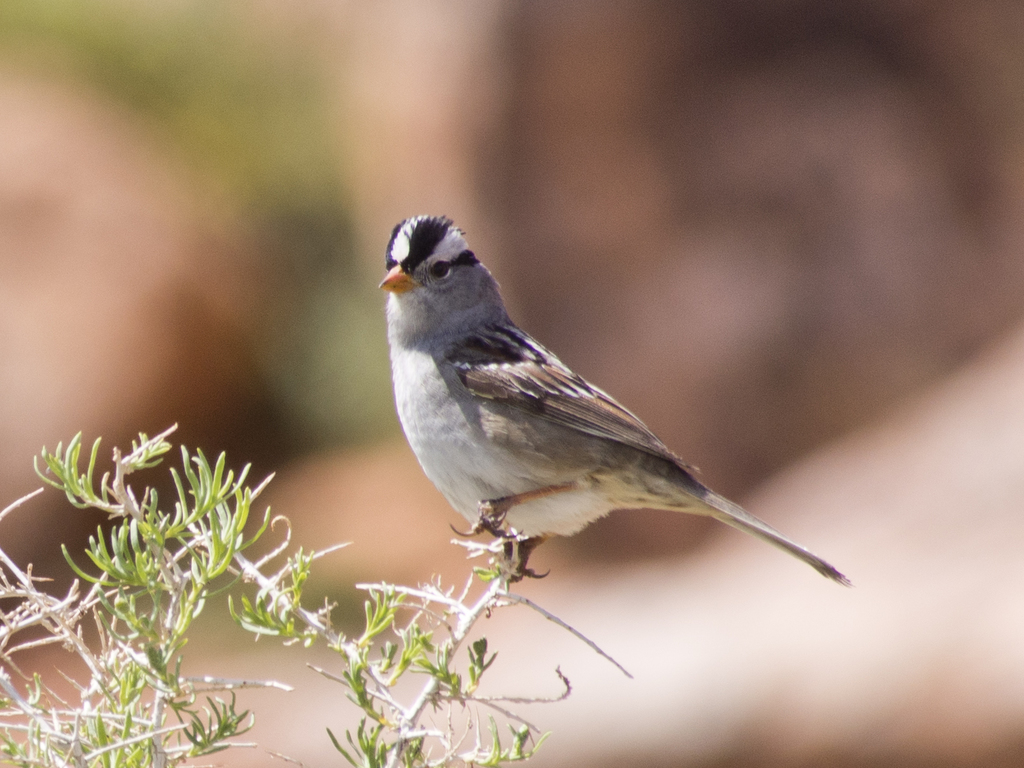
- White-crowned SparrowZonotrichia leucophrys
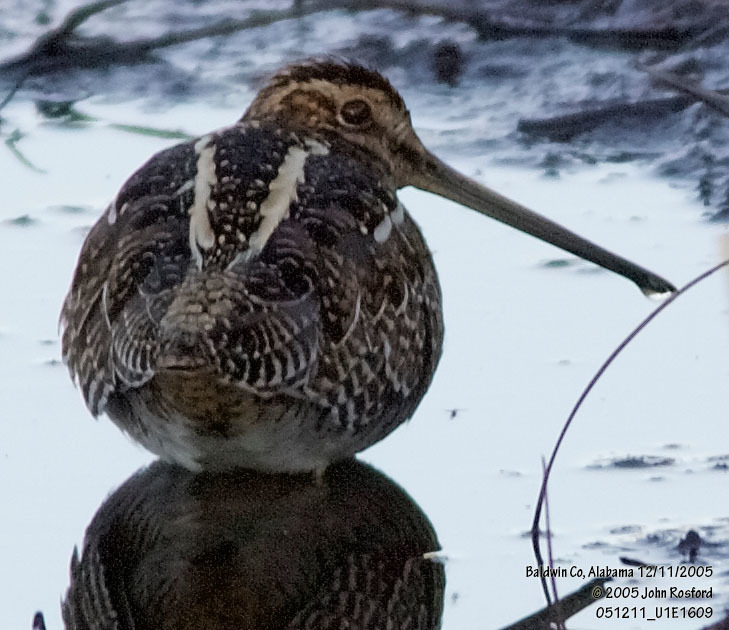
- Wilson's SnipeGallinago delicata
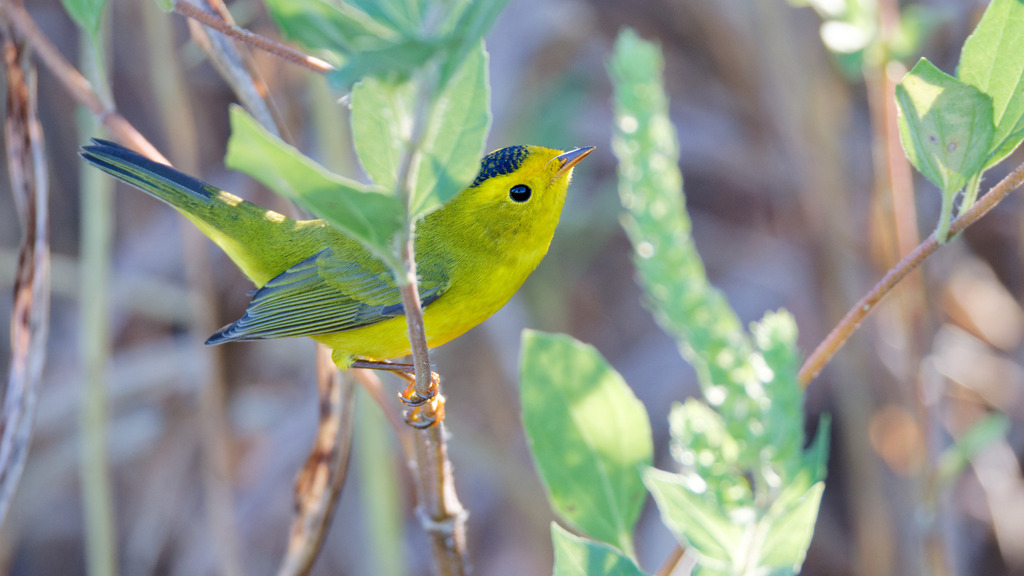
- Wilson's WarblerWilsonia pusilla
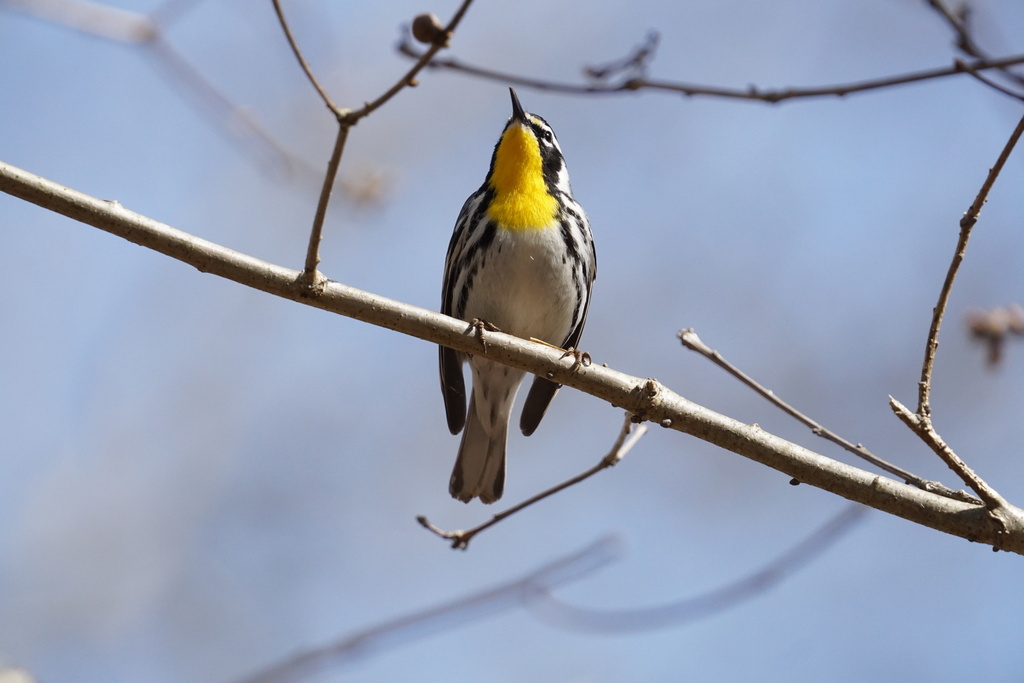
- Yellow-throated WarblerDendroica dominica




Widespread birds also seen here (33)
Found in many habitats here, so not listed above.
- American Goldfinch
- American Robin
- Bald Eagle
- Black-crowned Night-heron
- Blue Grosbeak
- Blue-gray Gnatcatcher
- Canada Goose
- Cedar Waxwing
- Chimney Swift
- Common Nighthawk
- Common Yellowthroat
- Cooper's Hawk
- Double-crested Cormorant
- Eastern Kingbird
- European Starling
- Great Egret
- Great Horned Owl
- Mourning Dove
- Northern Cardinal
- Northern Flicker
- Northern Mockingbird
- Osprey
- Pine Siskin
- Purple Finch
- Red-tailed Hawk
- Red-winged Blackbird
- Sharp-shinned Hawk
- Tree Swallow
- Turkey Vulture
- White-throated Sparrow
- Yellow-breasted Chat
- Yellow-crowned Night-heron
- Yellow-rumped Warbler
Who uses this plant?
 85CaterpillarsGenus host records with ranges including LA
Genus host records with ranges including LA · Rosa
- Acharia stimuleaSaddleback Caterpillar Moth
- Achyra rantalisGarden Webworm Moth
- Acleris semipurpuranaOak Leaf Shredder, Oak Leaftier, Oak Leafshredder
- Acrobasis indigenellaLeaf Crumpler
- Acronicta clarescensClear Dagger
- Acronicta impletaYellow-Haired Dagger
- Acronicta longaLong-Winged Dagger, Darkish Dagger
- Amphipyra pyramidoidesMiranda Underwing, Copper Underwing, Copper Amphipyra
- Ancylis floridanaStrawberry Leafroller
- Antheraea polyphemusPolyphemus Moth
Show all 85
- Archips argyrospilaFruit-Tree Leafroller Moth
- Argyrotaenia ivanaIvana Leafroller Moth
- Argyrotaenia velutinanaRed-Banded Leafroller Moth, Jack Pine Tube Moth
- Artace cribrariusDot-Lined White Moth
- Automeris ioIo Moth
- Cenopis pettitanaMaple-Basswood Leafroller Moth
- Cenopis reticulatanaReticulated Fruitworm Moth
- Cerma cerinthaTufted Bird-Dropping Moth, Cherry Agate
- Chloridea subflexaSubflexus Straw, Groundcherry Sun Moth
- Chloridea virescensTobacco Budworm Moth
- Choristoneura rosaceanaOblique-Banded Leafroller Moth, Rosaceous Leaf Roller
- Clepsis virescanaGreeenish Apple Moth
- Coelodasys unicornisUnicorn Caterpillar Moth
- Coptotriche aeneaBlackberry Leafminer Moth
- Cryptothelea gloveriiOrange Bagworm
- Datana ministraYellow-Necked Caterpillar Moth
- Derrima stellataPink Star
- Eacles imperialisImperial Moth, Imperial Spiny Caterpillar
- Ectropis crepusculariaThe Small Engrailed, Saddleback Looper
- Erannis tiliariaLinden Looper Moth, Western Winter Moth, Lime Looper
- Euchlaena obtusariaObtuse Euchlaena
- Eulithis diversilineataLesser Grapevine Looper Moth
- Glena cognatariaBlueberry Gray
- Grapholita packardiCherry Fruit Worm
- Helicoverpa zeaCorn Earworm Moth
- Hyalophora cecropiaCecropia Silkmoth, Cecropia Moth
- Hylephila phyleusFiery Skipper
- Hyles lineataWhite-Lined Sphinx
- Hypagyrtis unipunctataOne-Spotted Variant
- Hyphantria cuneaFall Webworm
- Limenitis arthemisBanded Purple, Red-Spotted Admiral
- Lithophane antennataAshen Pinion
- Lytrosis unitariaCommon Lytrosis
- Malacosoma americanaEastern Tent Caterpillar
- Malacosoma disstriaForest Tent Caterpillar
- Megalopyge opercularisSouthern Flannel Moth, Puss Caterpillar
- Metaxaglaea semitariaFootpath Sallow
- Moodna ostrinellaDarker Moodna
- Morrisonia confusaConfused Woodgrain
- Nadata gibbosaWhite-Dotted Prominent
- Nematocampa resistariaFilament Bearer, Horned Spanworm Moth
- Nymphalis antiopaMourning Cloak
- Oedemasia concinnaRed-Humped Caterpillar, Red-Humped Appleworm
- Oedemasia leptinoidesBlack-Blotched Schizura
- Oedemasia semirufescensRed-Washed Prominent
- Oiketicus abbotiiAbbot's Bagworm Moth
- Orgyia leucostigmaWhite-Marked Tussock Moth
- Orthosia hibisciSpeckled Green Fruitworm Moth, Speckled Green Quaker
- Oxydia vesuliaSpurge Spanworm Moth
- Paleacrita vernataSpring Cankerworm Moth
- Pandemis limitataThree-Lined Leafroller Moth
- Paonias excaecataBlinded Sphinx, Blind Eyed Sphinx
- Papaipema nebrisStalk Borer
- Parasa indeterminaStinging Rose Caterpillar Moth, Rose Slug Caterpillar
- Phigalia titeaThe Half-Wing Geometer, Spiney Looper, Eastern Oak Looper
- Platynota flavedanaBlack-Shaded Platynota
- Platynota rostranaOmnivorous Platynota
- Platynota stultanaOmnivorous Leafroller
- Probole amicariaFriendly Probole
- Prolimacodes badiaSkiff Moth, Skiff Caterpillar
- Proteoteras moffatianaMaple Bud Borer, Maple Shoot Borer
- Pseudothyatira cymatophoroidesTufted Thyatirid
- Pyrrhia ciliscaAmerican Bordered Sallow, Noble Sun Moth
- Schizura ipomaeaeMorning-Glory Prominent, Checkered-Fringe Prominent
- Spodoptera eridaniaSouthern Armyworm Moth
- Spodoptera frugiperdaFall Armyworm Moth
- Spodoptera latifasciaOrange-Striped Armyworm, Velvet Armyworm Moth
- Spodoptera ornithogalliYellow-Striped Armyworm Moth, Cotton Cutworm
- Strymon melinusGray Hairstreak
- Thyridopteryx ephemeraeformisEvergreen Bagworm Moth
- Udea rubigalisCelery Leaftier
- Zale lunataLunate Zale
- Cenopis saracana
- Menesta tortriciformella
- Xenotemna pallorana
 —BeesSoutheastern regional records
 —Specialist beesPollen specialists
 8BirdsRecorded eating Rosa in Louisiana
Diet records by plant genus, from studies across North America. Not a record from this state. Birds whose range includes Louisiana, most records first.
- Wild Turkey2 diet records
- Eastern BluebirdFruit. 1 diet record
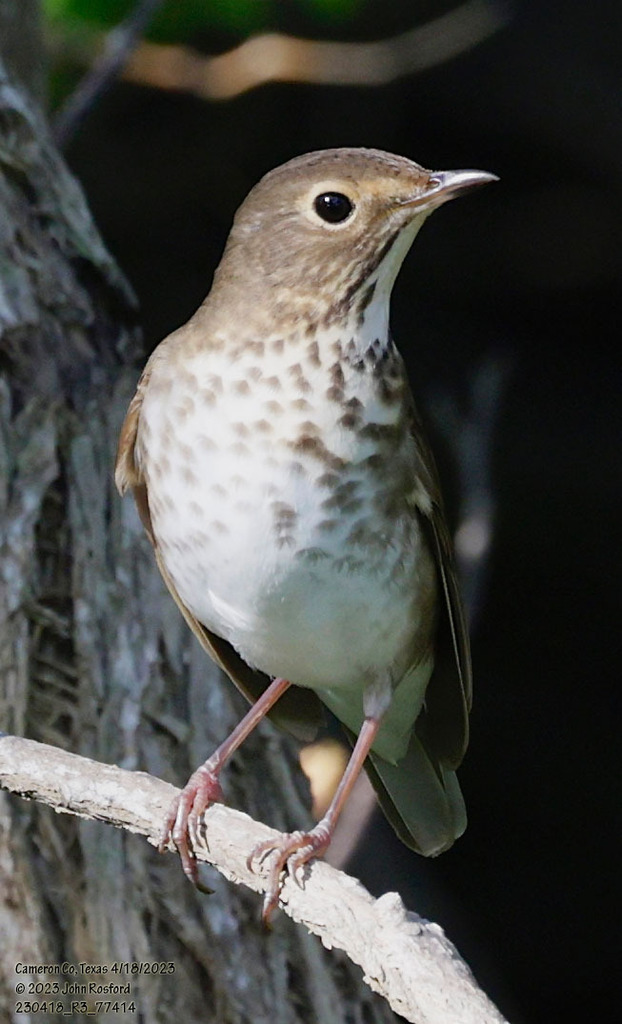
- Hermit ThrushFruit and seeds. 1 diet record
- Northern CardinalFruit. 1 diet record
- Northern Mockingbird1 diet record
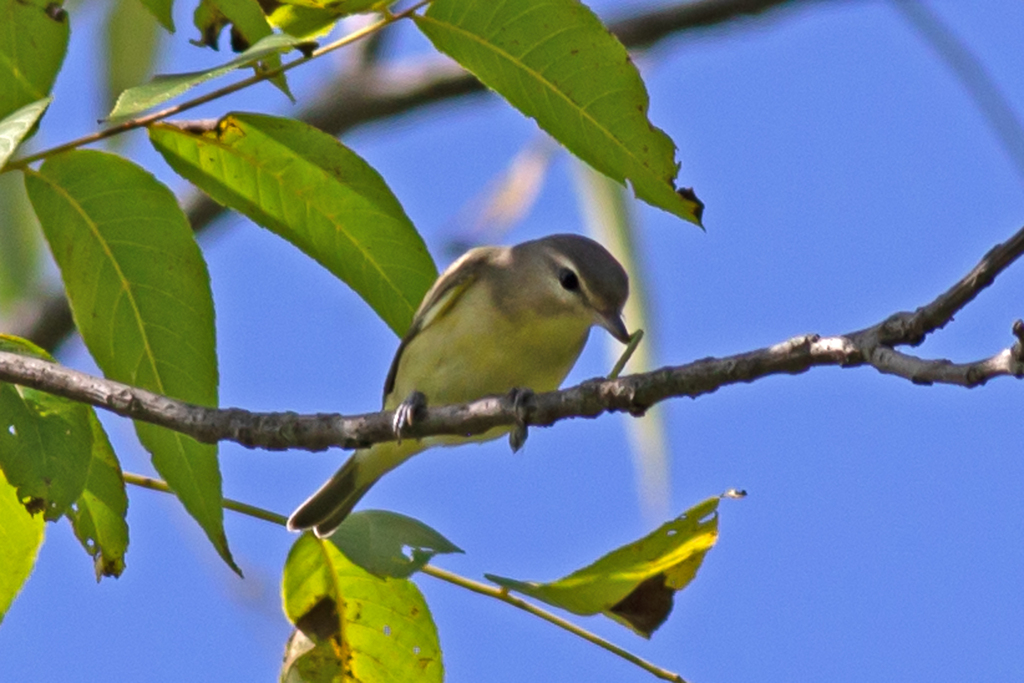
- Philadelphia Vireo1 diet record
- Swainson's ThrushFruit and seeds. 1 diet record
- Wood ThrushFruit and seeds. 1 diet record
Direct food only. Caterpillars on host plants also feed nesting birds. NC Native Plant Society: butterfly gardening
Birds that eat Rosa 8
Diet records by plant genus, from studies across North America. Not a record from this state. Avian Diet Database (Hurlbert Lab), CC0 1.0.
- Wild TurkeyMeleagris gallopavo
- Eastern BluebirdSialia sialis
- Hermit ThrushCatharus guttatus
- Northern CardinalCardinalis cardinalis
- Northern MockingbirdMimus polyglottos
- Philadelphia VireoVireo philadelphicus
- Swainson's ThrushCatharus ustulatus
- Wood ThrushHylocichla mustelina






Plant details
- Family
- Rosaceae
- Flower color
- Pink or white
- Fruit begins
- September
- Fruit ends
- October
Safety has not been reviewed for this plant; check toxicity and thorns before planting.
Growing sources and scope
- Bloom · “May to June” · Weakley, Flora of the Southeastern United States (2025), Carolinas & Georgia edition · Carolinas and Georgia
- Flower color · “Pink or white” · NC Extension Plant Toolbox
- Fruit begins · “September” · Weakley, Flora of the Southeastern United States (2025), Carolinas & Georgia edition · Carolinas and Georgia
- Fruit ends · “October” · Weakley, Flora of the Southeastern United States (2025), Carolinas & Georgia edition · Carolinas and Georgia
- Height · “10–15 feet” · NC Extension Plant Toolbox (ranked first; Fire Effects Information System: Rosa multiflora, Minnesota Wildflowers differ)
- Life cycle · “Woody perennial” · NC Extension Plant Toolbox
- Light · “Full sun (6 or more hours of direct sunlight a day); Partial shade (direct sunlight only part of the day, 2-6 hours)” · NC Extension Plant Toolbox
- Soil · “Dry; Moist; Wet (documented habitat)” · Weakley, Flora of the Southeastern United States (2025), Carolinas & Georgia edition · Carolinas and Georgia
- Spread · “14–15 feet” · NC Extension Plant Toolbox
Conservation status
| Louisiana rank | SNA |
|---|---|
| Global rank | GNR |
| LA status | Not verified |
| Federal status | Not verified |
Native alternatives
Find natives for your gardenSources
- NatureServe Explorer
- USDA PLANTS
- Weakley, Flora of the Southeastern United States (2025), Carolinas & Georgia edition
- Louisiana occurrence source
- Shropshire & Tallamy 2025, Lepidoptera of North America north of Mexico, ZooKeys 1261 (ODbL)
- Noori, Seltmann & Orr 2026, A curated and integrated dataset for exploring global bee-plant interactions (GloBI), Zenodo, CC BY 4.0
- Smith, Bachelder, Russell, Morales, Mosher & Seltmann 2024, Bee-Specialization-Modeling v0.6.1 (specialist host table compiled from J. Fowler's pollen specialist bee lists), Zenodo, CC BY 4.0
- Hurlbert, Olsen, Sawyer & Winner 2021, Avian Diet Database, Scientific Data 8: 260 (CC0)
- Narango, Tallamy & Shropshire 2020, Few keystone plant genera support the majority of Lepidoptera species, Nature Communications