

Shortbeak Beaksedge
Rhynchospora nitens
In the Carolinas and Georgia, found in wet pine savannas, limesink (doline) ponds, ditches, disturbed wet areas, often weedy. Weakley, Flora of the Southeastern United States (2025), Carolinas & Georgia edition What its natural habitat tells you
Native to Louisiana. How scores work Is it native here?
Profile 88%
- Height
- Up to about 3 feet
- Light
- Full sun
- Soil moisture
- Moist to wet
No photograph yet. Looking for an old drawing…
At a glance
- Life cycle
- Annual or perennial
- Bloom
- July to August
Not yet recorded · Spread · Leaves
Recorded in 7 Louisiana parishes.
Natural habitats
Places it grows wild. Not a planting requirement. Each habitat page lists the plants and wildlife also found there.
Open, fire-kept longleaf pine stands over grasses and wildflowers on wet to moist sandy soil.
Still water and its edges: ponds, lakes, millponds and reservoirs.
Roadsides, fields and disturbed ground
Ground opened by people: roadsides, old fields, pastures, fencerows and lots.
Disturbed and introduced wetlands
Wet ground taken over by weedy or introduced plants after disturbance, such as common reed, Chinese tallow or tamarisk stands; the upland counterpart is roadsides, fields and disturbed ground.
Also found with this plant
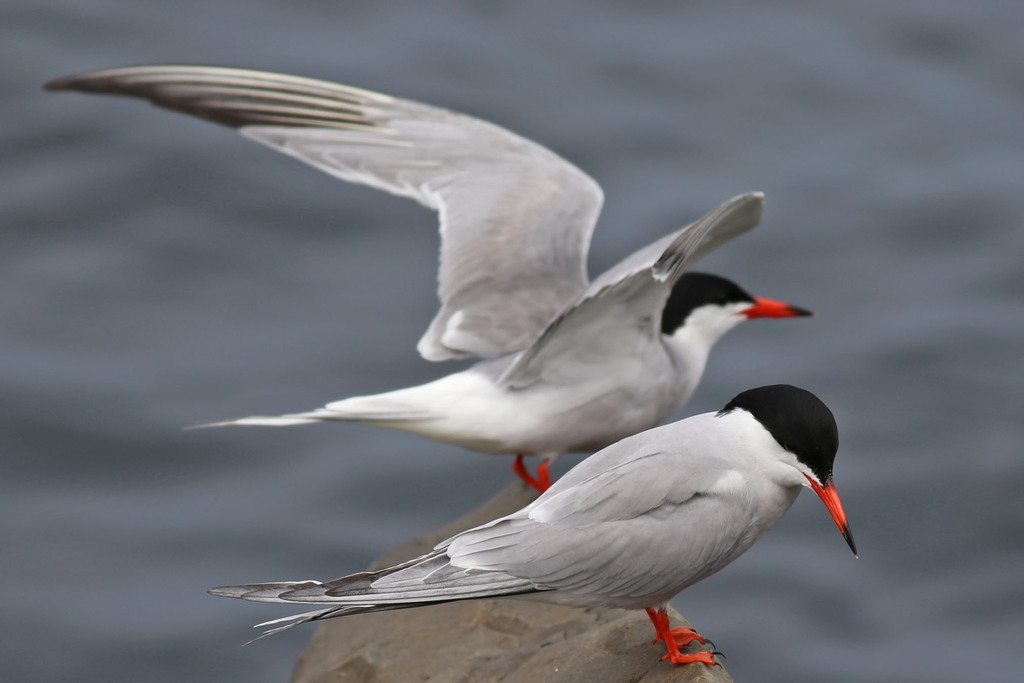
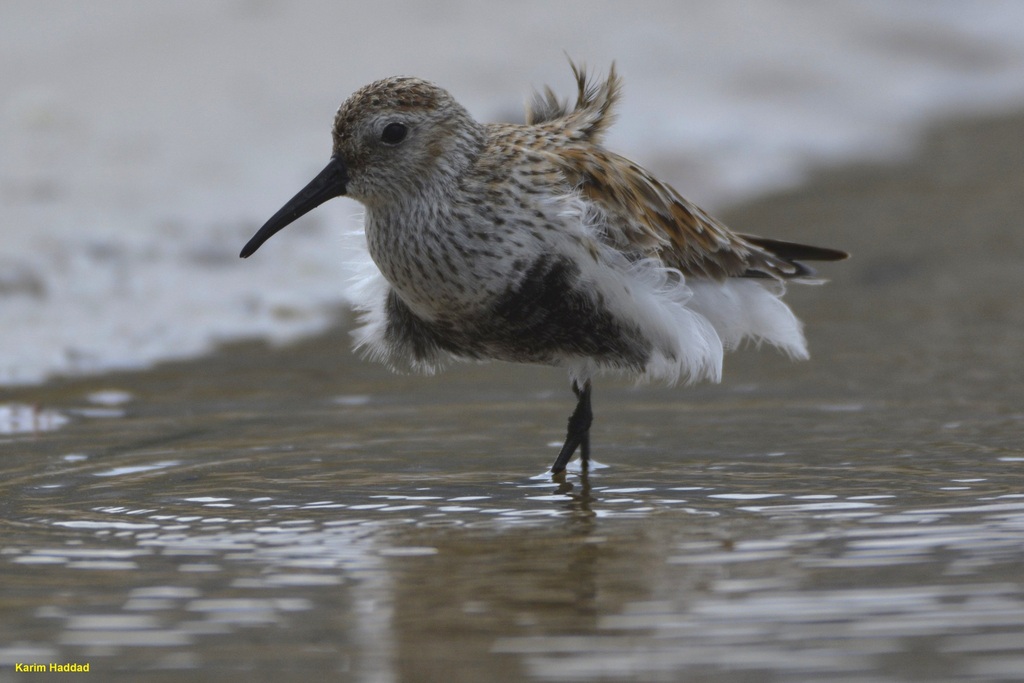
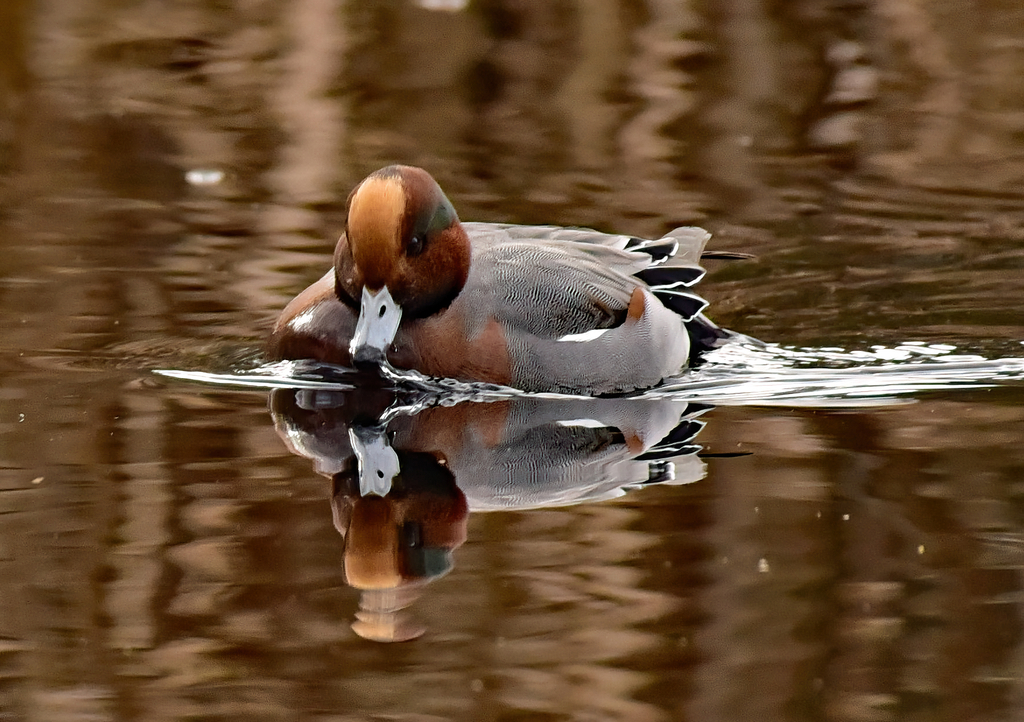
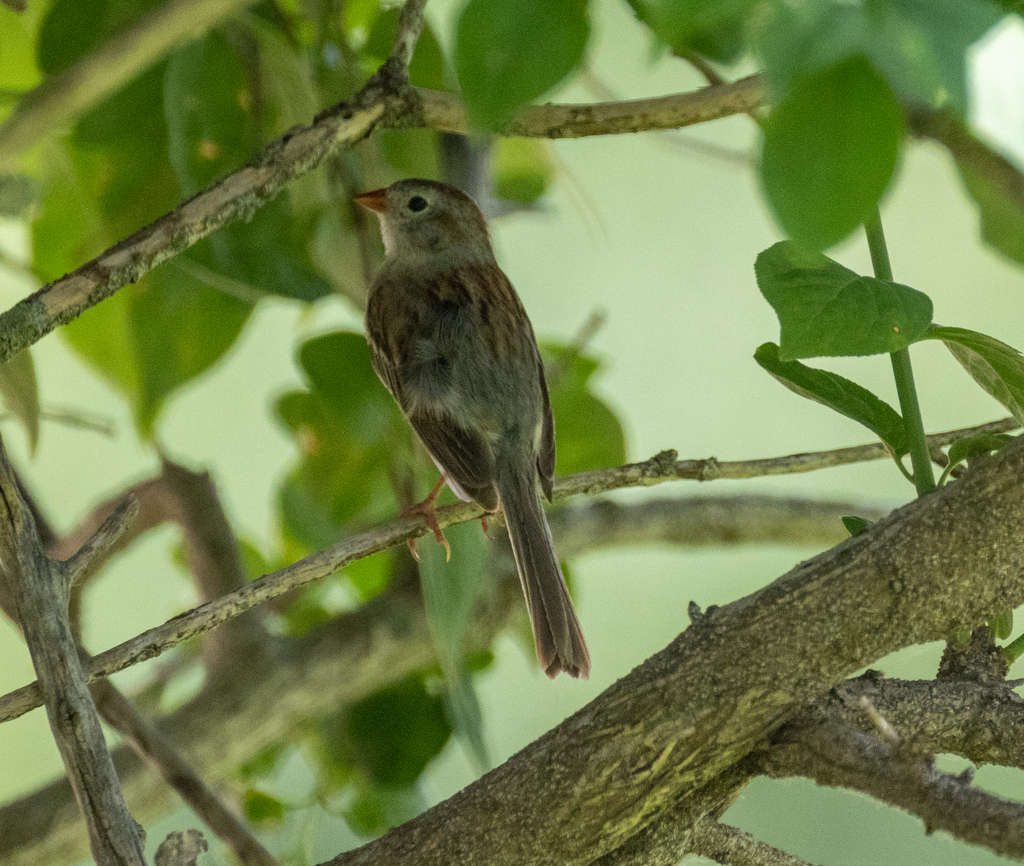
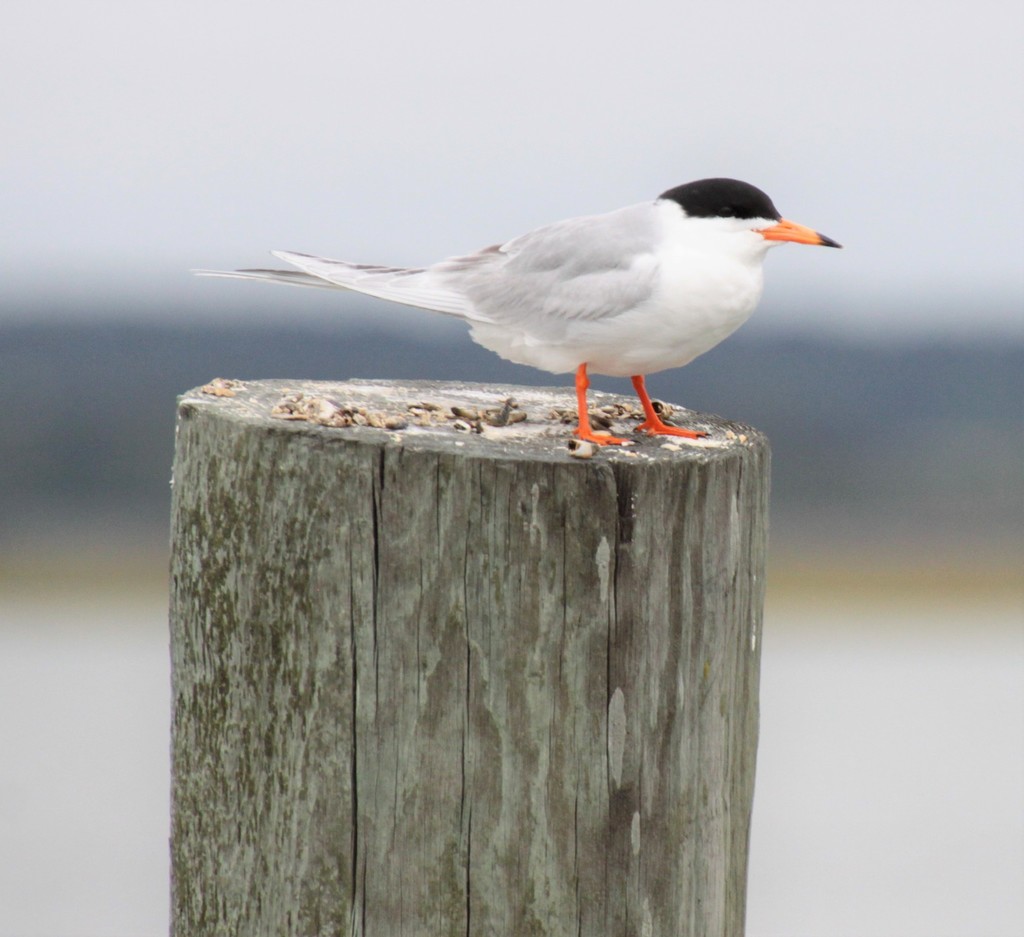
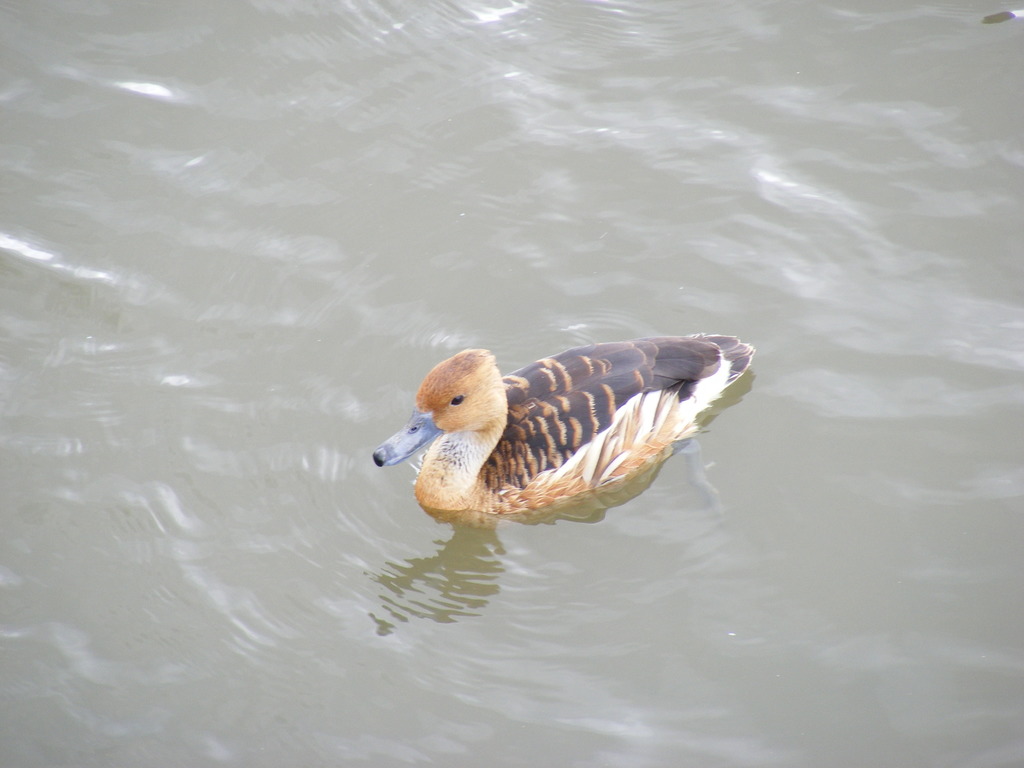
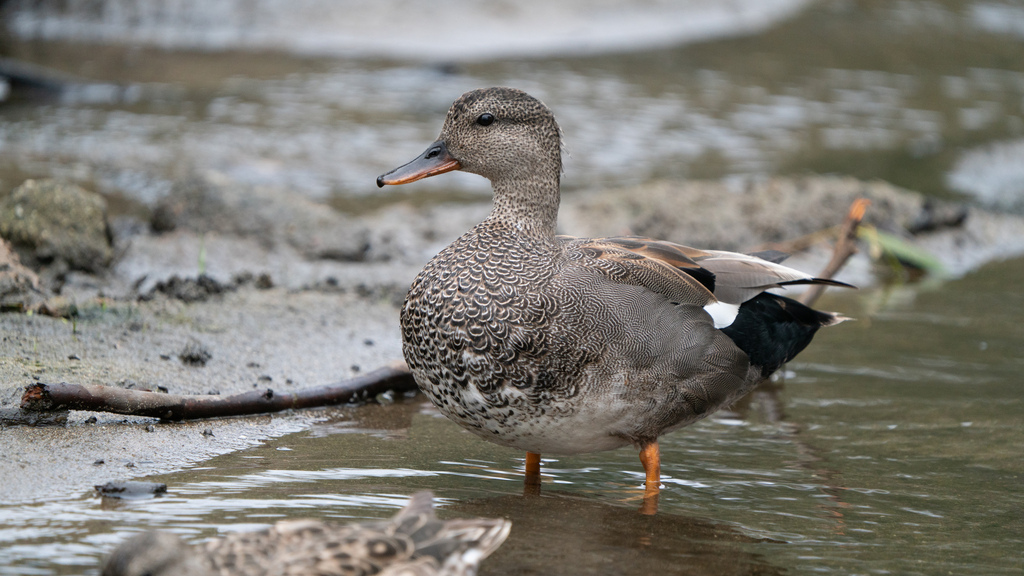
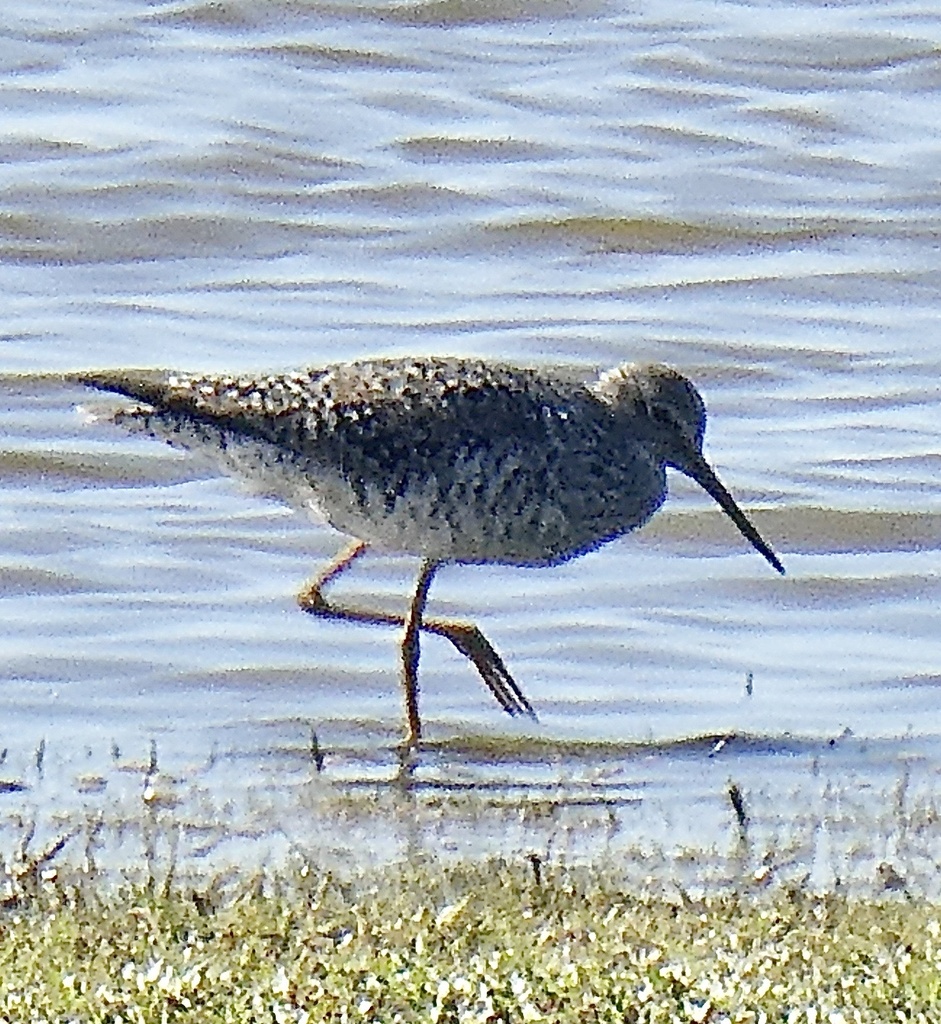
Wildlife whose habitat models include habitats this plant grows in, in Louisiana. Shared habitat, not food. 107 animals.
- Common TernSterna hirundo
- Common YellowthroatGeothlypis trichas
- Cooper's HawkAccipiter cooperii
- DunlinCalidris alpina
- Eastern KingbirdTyrannus tyrannus
- Eastern TowheePipilo erythrophthalmus
- Eurasian WigeonAnas penelope
- Field SparrowSpizella pusilla
- Fish CrowCorvus ossifragus
- Forster's TernSterna forsteri
- Fulvous Whistling-duckDendrocygna bicolor
- GadwallAnas strepera
- Great Blue HeronArdea herodias
- Great EgretArdea alba
- Great Horned OwlBubo virginianus
- Greater YellowlegsTringa melanoleuca
- Green HeronButorides virescens
- Gull-billed TernGelochelidon nilotica
- Hooded MerganserLophodytes cucullatus
- Horned GrebePodiceps auritus
- KilldeerCharadrius vociferus
- King RailRallus elegans
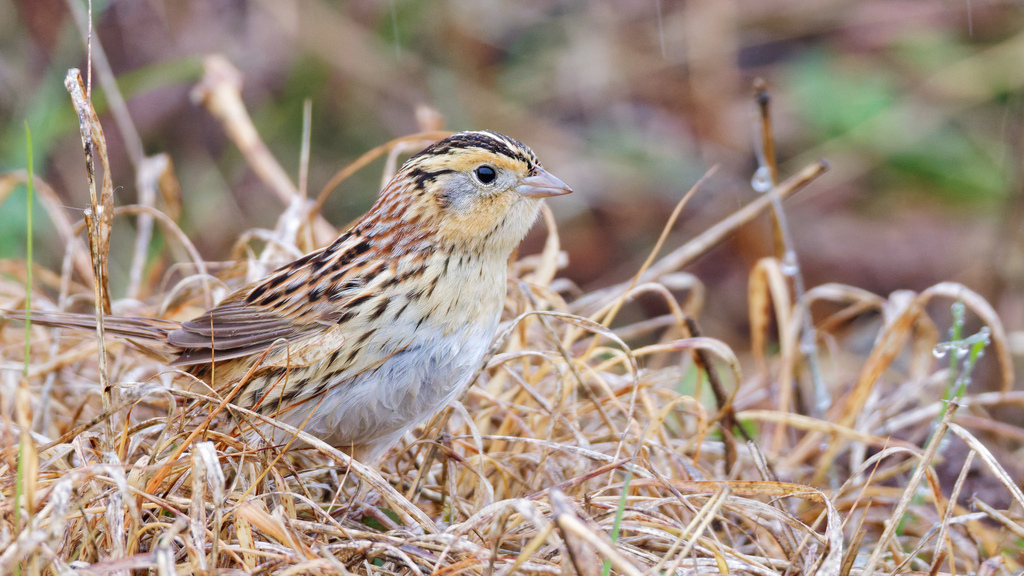
- Le Conte's SparrowAmmodramus leconteii
- Least BitternIxobrychus exilis









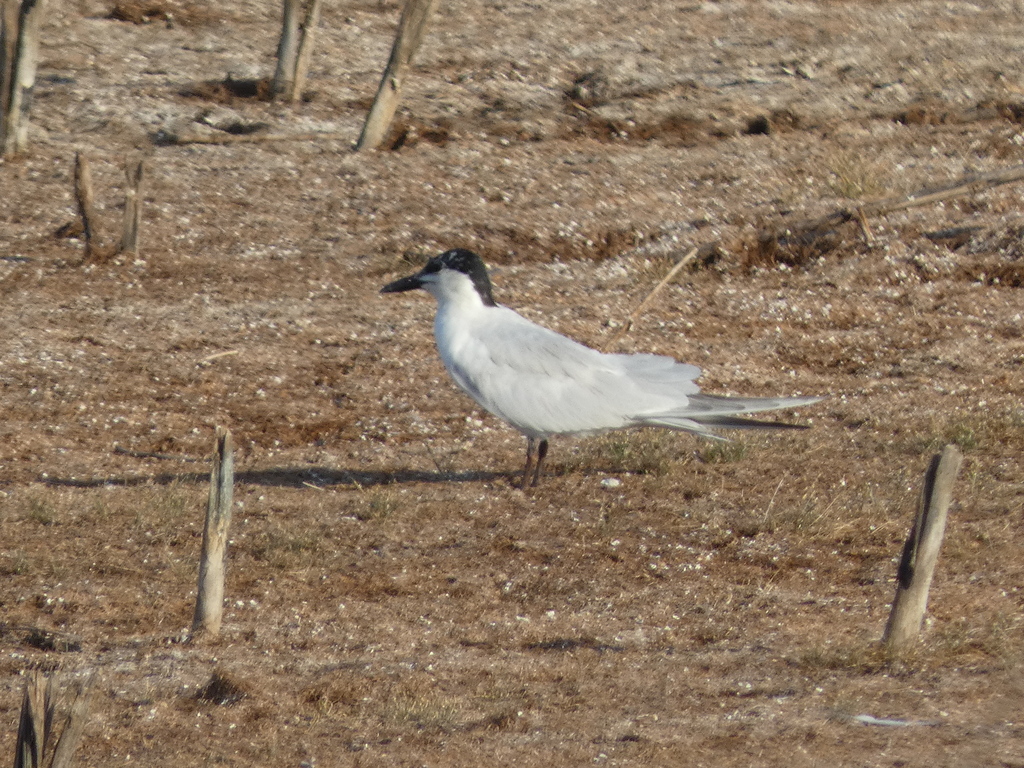

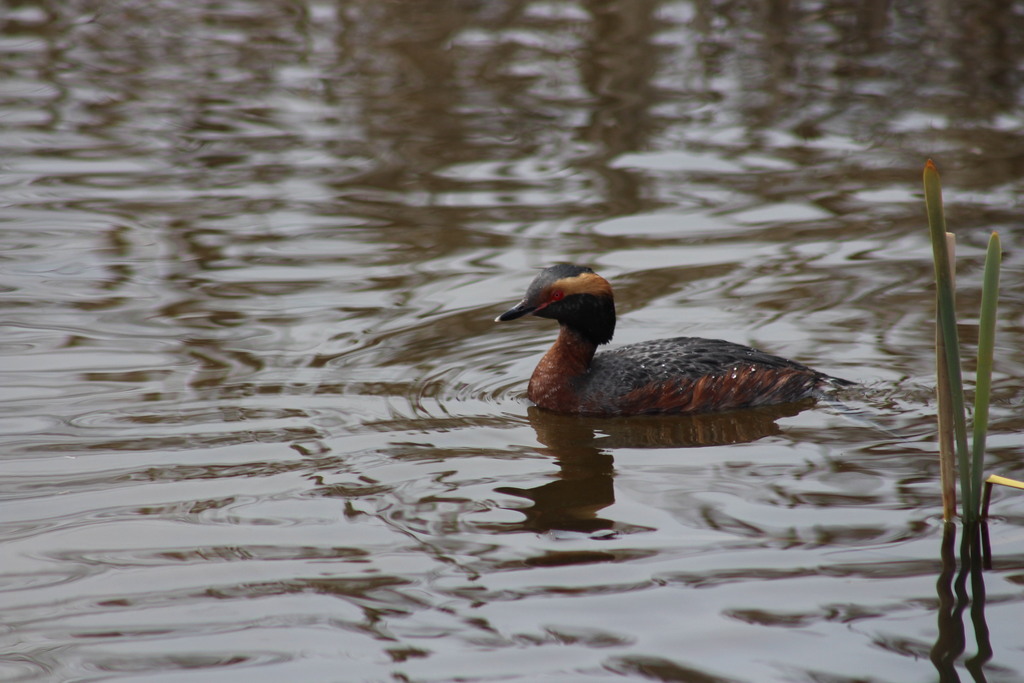
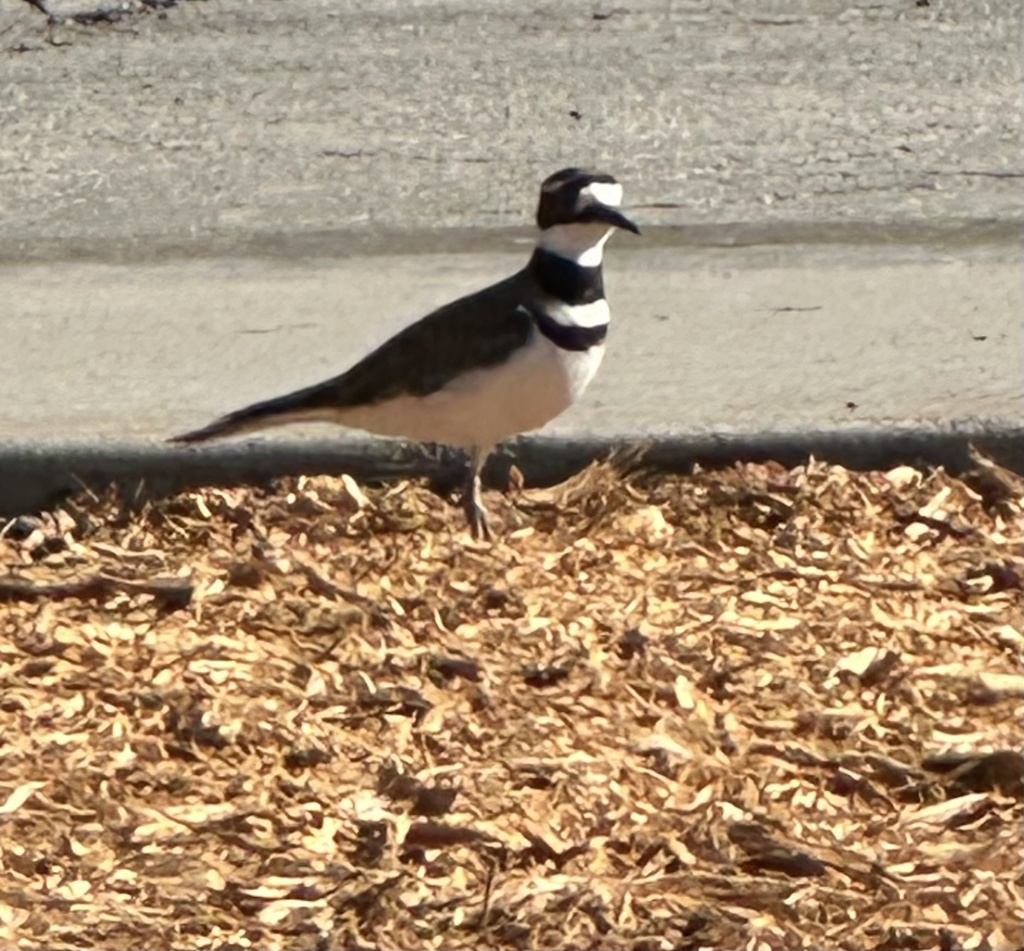
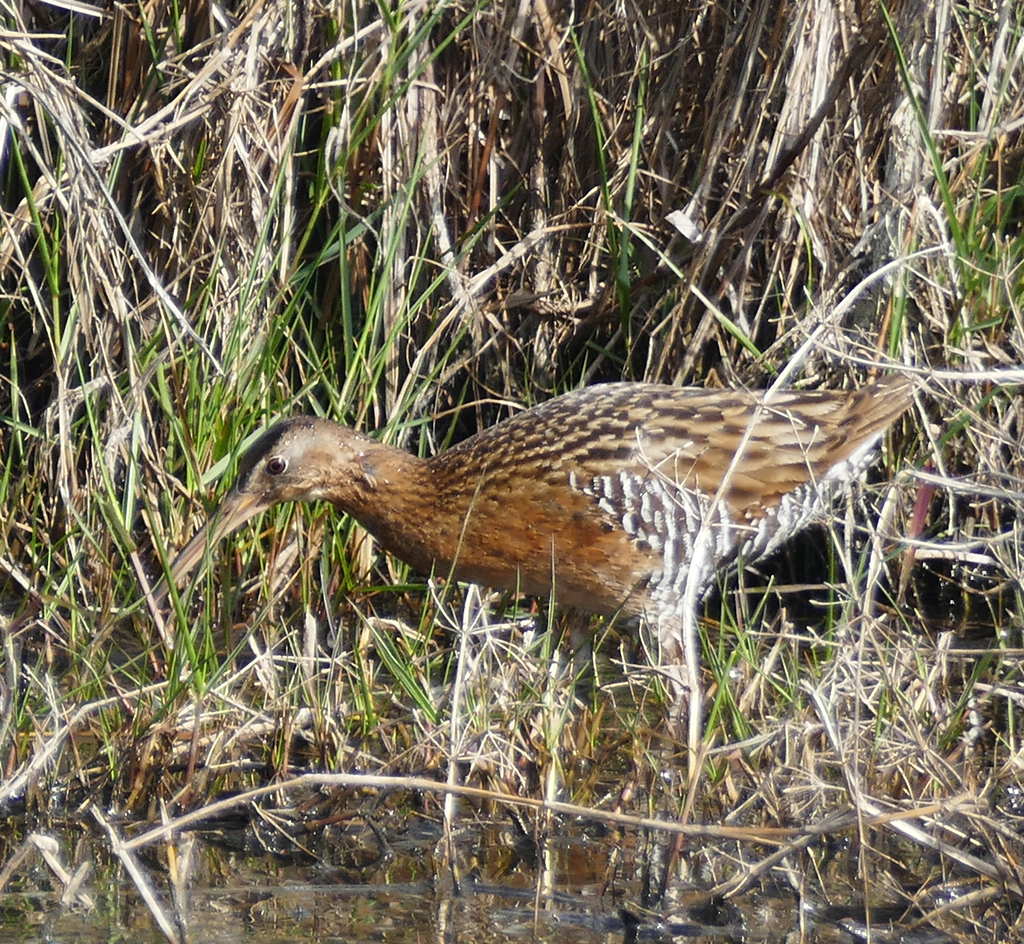

Who uses this plant?
 3CaterpillarsGenus host records with ranges including LA
Genus host records with ranges including LA · Rhynchospora
- Euphyes dukesiDukes' Skipper
- Lethe appalachiaAppalachian Brown, Appalachian Eyed Brown
- Synchlora frondariaSouthern Emerald
 4BeesSoutheastern regional records
Southeastern regional records · Rhynchospora
Individual names are not available yet.
Noori, Seltmann & Orr 2026, A curated and integrated dataset for exploring global bee-plant interactions (GloBI), Zenodo, CC BY 4.0 0Specialist beesPollen specialists
 5BirdsRecorded genus food-resource interactions; not a state feeding claim
Recorded genus food-resource interactions; not a state feeding claim · Rhynchospora
- Dendrocygna bicolorFulvous Whistling-Duck
- Lagopus lagopusWillow Ptarmigan
- Meleagris gallopavoWild Turkey
- Rallus elegansKing Rail
- Tyrannus tyrannusEastern Kingbird
Direct food only: birds recorded eating this genus across North America. Caterpillars on host plants also feed nesting birds. NC Native Plant Society: butterfly gardening
No records yet · Ants · Beetles · Flies · Adult butterflies / moths · Other wasps · Other insects
Plant details
- Family
- Cyperaceae
- Flower color
- Green or brown
Safety has not been reviewed for this plant; check toxicity and thorns before planting.
Growing sources and scope
- Bloom · “July to August” · Weakley, Flora of the Southeastern United States (2025), Carolinas & Georgia edition · Carolinas and Georgia
- Flower color · “Green or brown” · Lady Bird Johnson Wildflower Center
- Height · “Up to about 3 feet” · Lady Bird Johnson Wildflower Center
- Life cycle · “Annual or perennial” · Lady Bird Johnson Wildflower Center
- Light · “Full sun (documented habitat)” · Weakley, Flora of the Southeastern United States (2025), Carolinas & Georgia edition · Carolinas and Georgia
- Soil · “Moist; Wet (documented habitat)” · Weakley, Flora of the Southeastern United States (2025), Carolinas & Georgia edition · Carolinas and Georgia
Also known as
Psilocarya nitens
Conservation status
| Louisiana rank | S3 |
|---|---|
| Global rank | G4 |
| LA status | Not verified |
| Federal status | Not verified |
Will it fit your yard?
Check this plant against your county, sun and soil moisture. Conditions are checked in your browser.
Sources
- NatureServe Explorer
- USDA PLANTS
- Vascular Plants of North Carolina (NC Natural Heritage Program)
- Weakley, Flora of the Southeastern United States (2025)
- Louisiana occurrence source
- Shropshire & Tallamy 2025, Lepidoptera of North America north of Mexico, ZooKeys 1261 (ODbL)
- Noori, Seltmann & Orr 2026, A curated and integrated dataset for exploring global bee-plant interactions (GloBI), Zenodo, CC BY 4.0
- Smith, Bachelder, Russell, Morales, Mosher & Seltmann 2024, Bee-Specialization-Modeling v0.6.1 (specialist host table compiled from J. Fowler's pollen specialist bee lists), Zenodo, CC BY 4.0
- Hurlbert, Olsen, Sawyer & Winner 2021, Avian Diet Database, Scientific Data 8: 260 (CC0)
- Narango, Tallamy & Shropshire 2020, Few keystone plant genera support the majority of Lepidoptera species, Nature Communications