

Globular Prairie Cone Flower
Ratibida pinnata
In the Carolinas and Georgia, found in glades, barrens and outcrops on limestone; glades, barrens and outcrops on mafic or serpentine rock; oak savannas and openings; prairies and grasslands. Weakley, Flora of the Southeastern United States (2025), Carolinas & Georgia edition What its natural habitat tells you
Native to Louisiana. How scores work Is it native here?
Profile 88%
- Height
- 3–5 feet
- Spread
- 1.5–2 feet
- Light
- Full sun, Partial shade
- Soil moisture
- Somewhat dry to moist
Space about 2 ft apart from its recorded spread, about 25 per 100 sq ft. Enter your bed size for a count
Will it fit your yard?No photograph yet. Looking for an old drawing…
Rare or protected plant. Specialist conservation planting; excluded from routine garden suggestions. Plant caution source
Hidden from default planting suggestions. Wildlife value and native status remain unchanged.
At a glance
- Life cycle
- Perennial
- Bloom
- July to September
Not yet recorded · Leaves
Recorded in 6 Louisiana parishes.
Natural habitats
Places it grows wild. Not a planting requirement. Each habitat page lists the plants and wildlife also found there.
Glades, barrens and outcrops on limestone
Open, thin-soil openings and rock on limestone, dolomite or other lime-rich rock, including cedar glades.
Glades, barrens and outcrops on mafic or serpentine rock
Open, thin-soil openings, outcrops and cliffs on dark, magnesium- or iron-rich rock such as serpentine, diabase or gabbro.
Open-grown oaks over grass and wildflowers, kept open by fire or thin soil; not the treeless prairies or the Coastal Plain's pine savannas.
Open, grass-dominated places kept open by fire, grazing or thin soil, from tallgrass prairie to Piedmont prairies.
Also found with this plant
Wildlife whose habitat models include habitats this plant grows in, in Louisiana. Shared habitat, not food. 67 animals.
- Great Horned OwlBubo virginianus
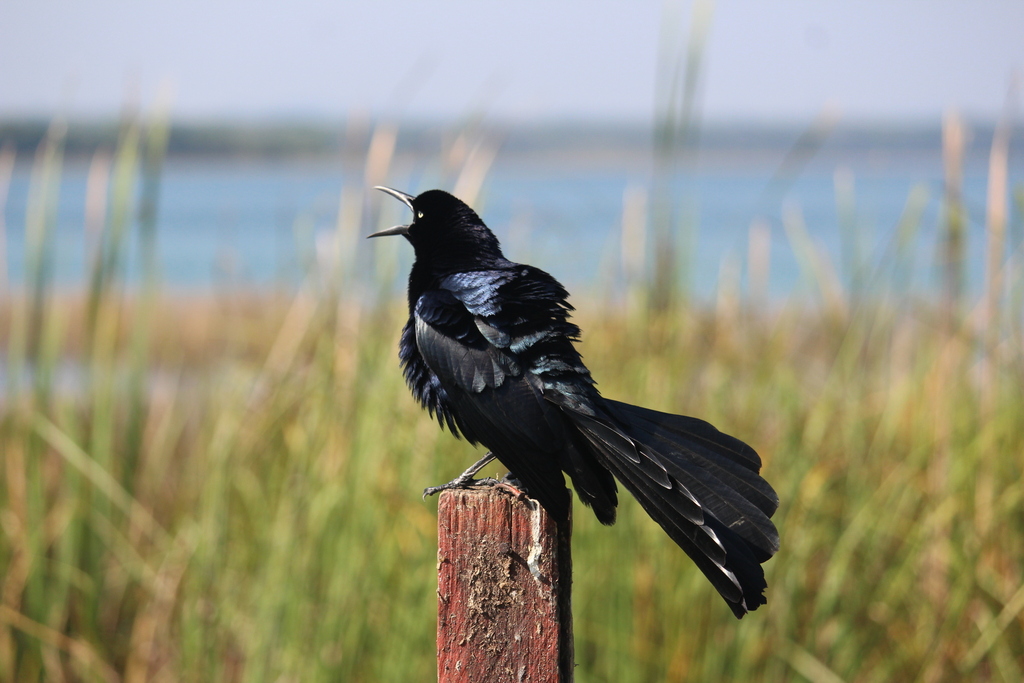
- Great-tailed GrackleQuiscalus mexicanus
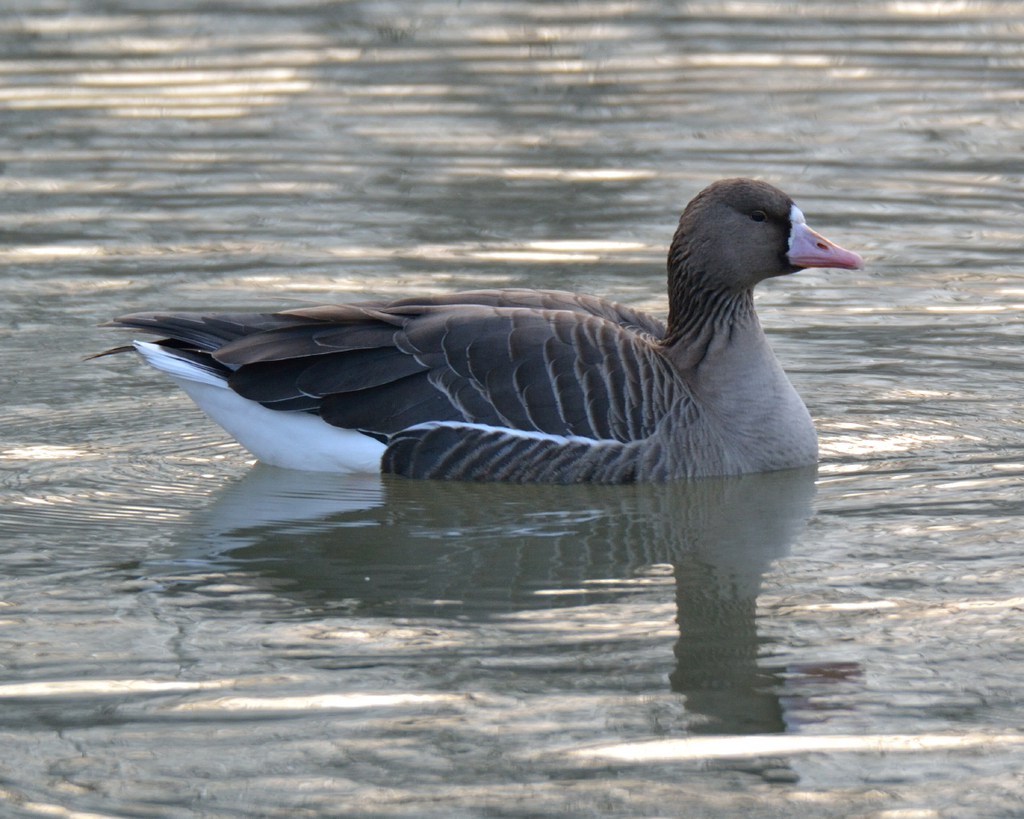
- Greater White-fronted GooseAnser albifrons
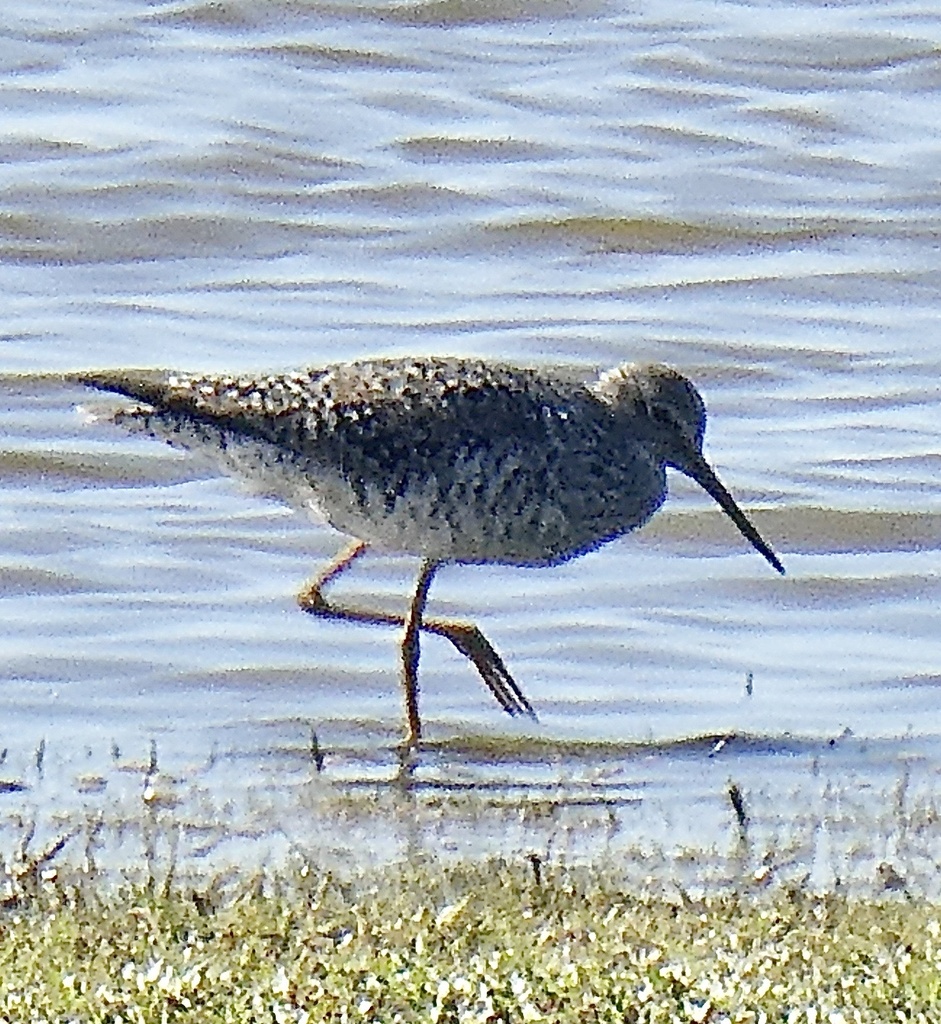
- Greater YellowlegsTringa melanoleuca
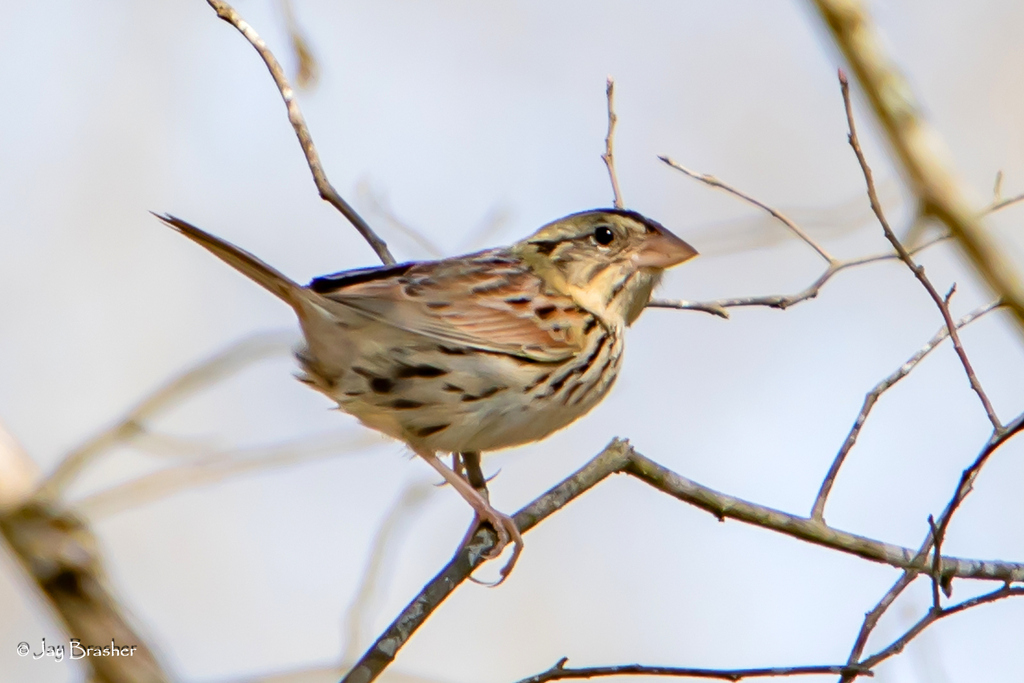
- Henslow's SparrowAmmodramus henslowii
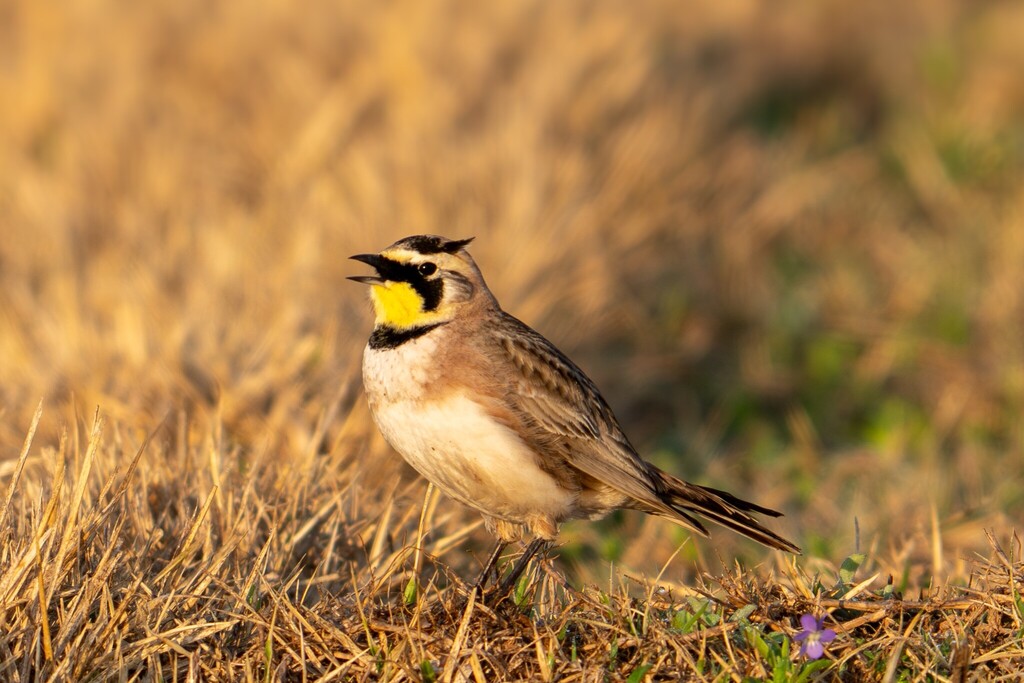
- Horned LarkEremophila alpestris
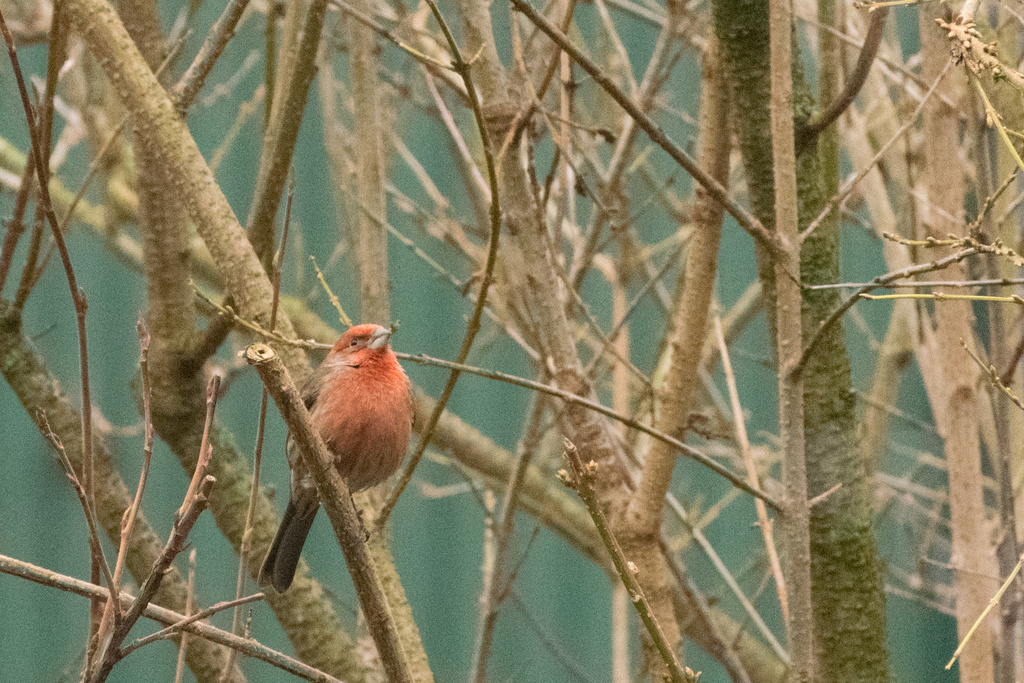
- House FinchCarpodacus mexicanus
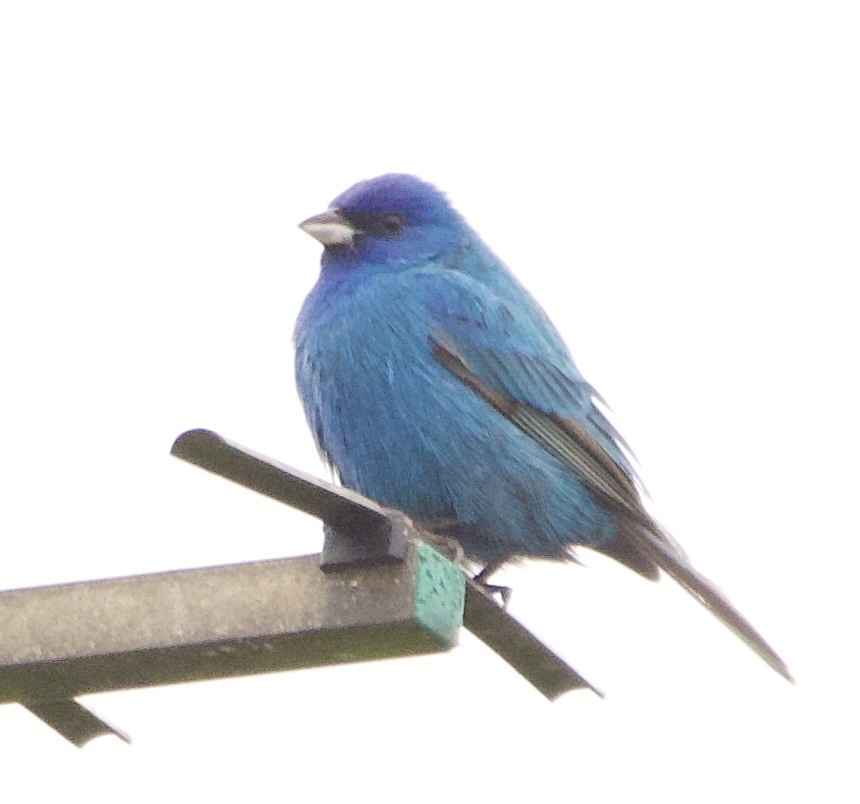
- Indigo BuntingPasserina cyanea
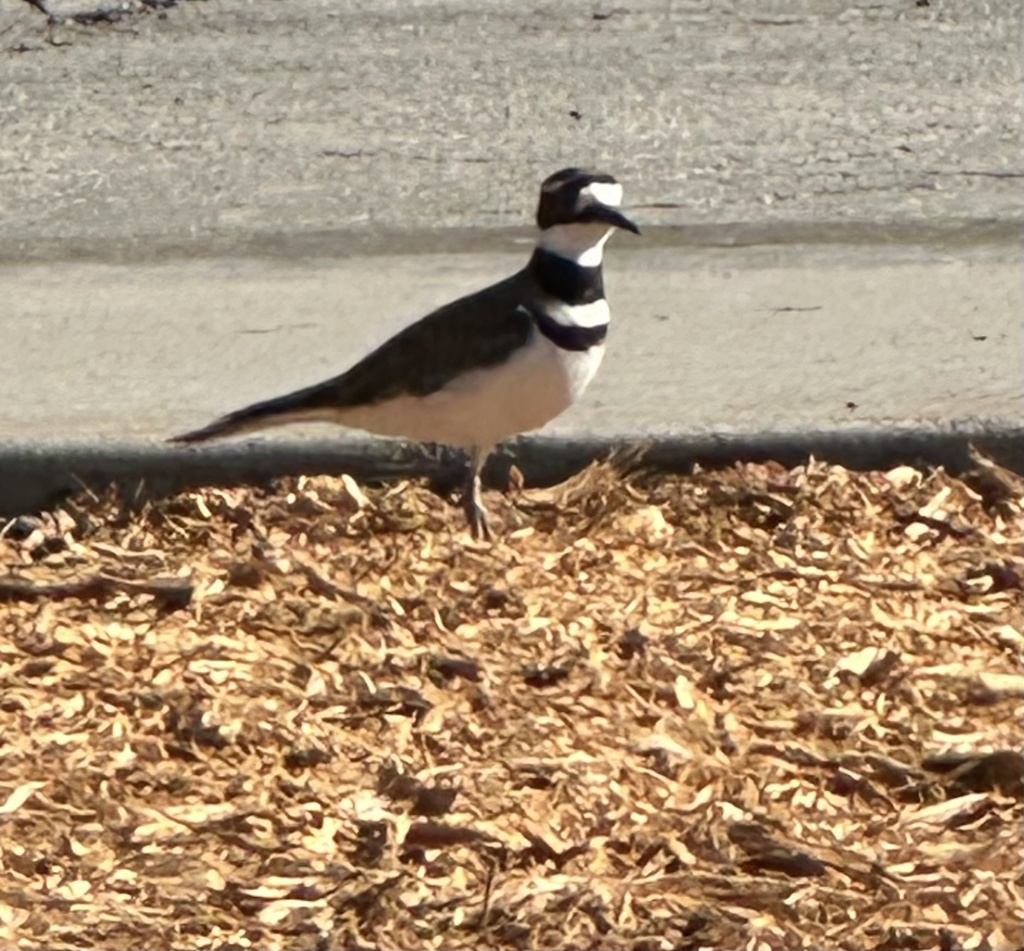
- KilldeerCharadrius vociferus
- Lapland LongspurCalcarius lapponicus
- Lark SparrowChondestes grammacus
- Le Conte's SparrowAmmodramus leconteii
- Little GullHydrocoloeus minutus
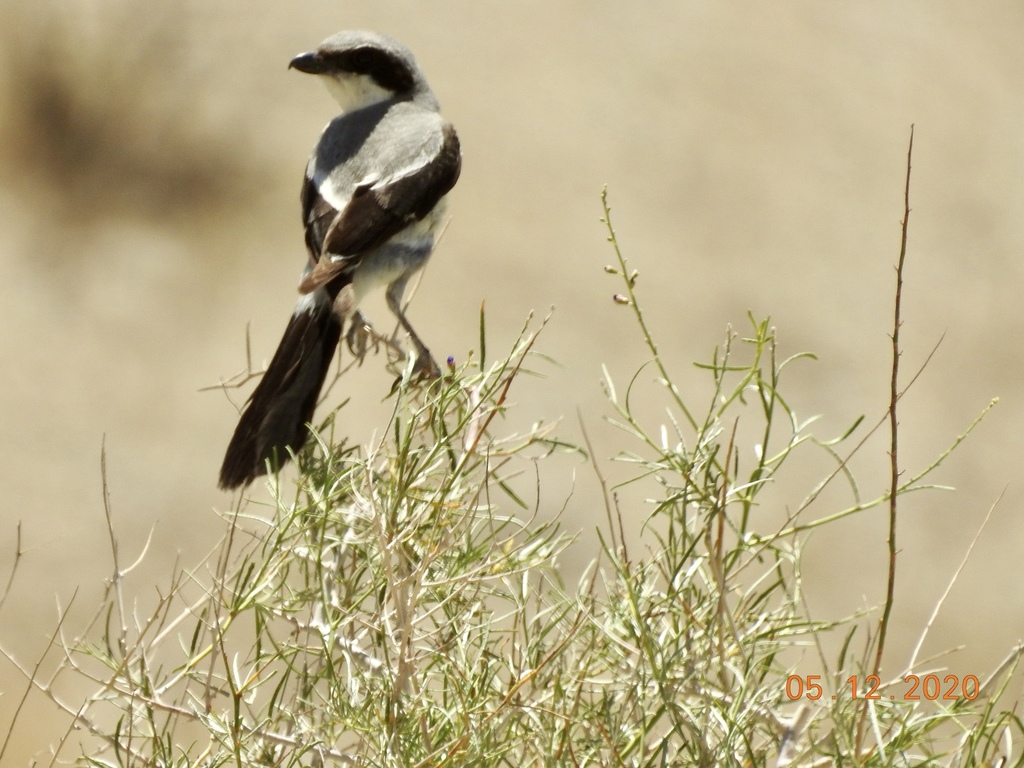
- Loggerhead ShrikeLanius ludovicianus
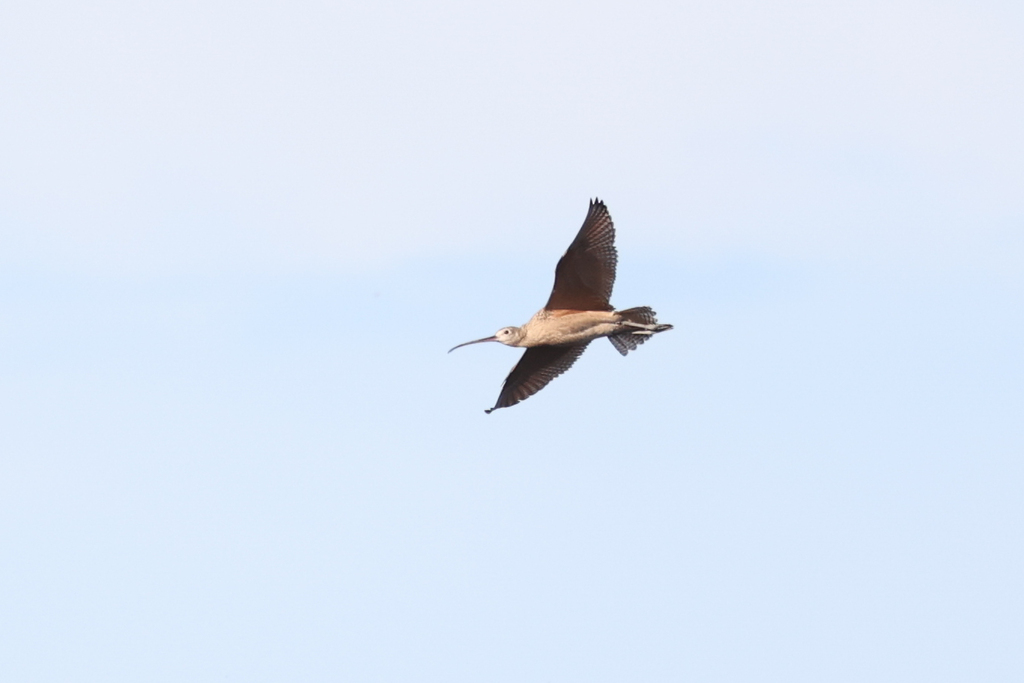
- Long-billed CurlewNumenius americanus
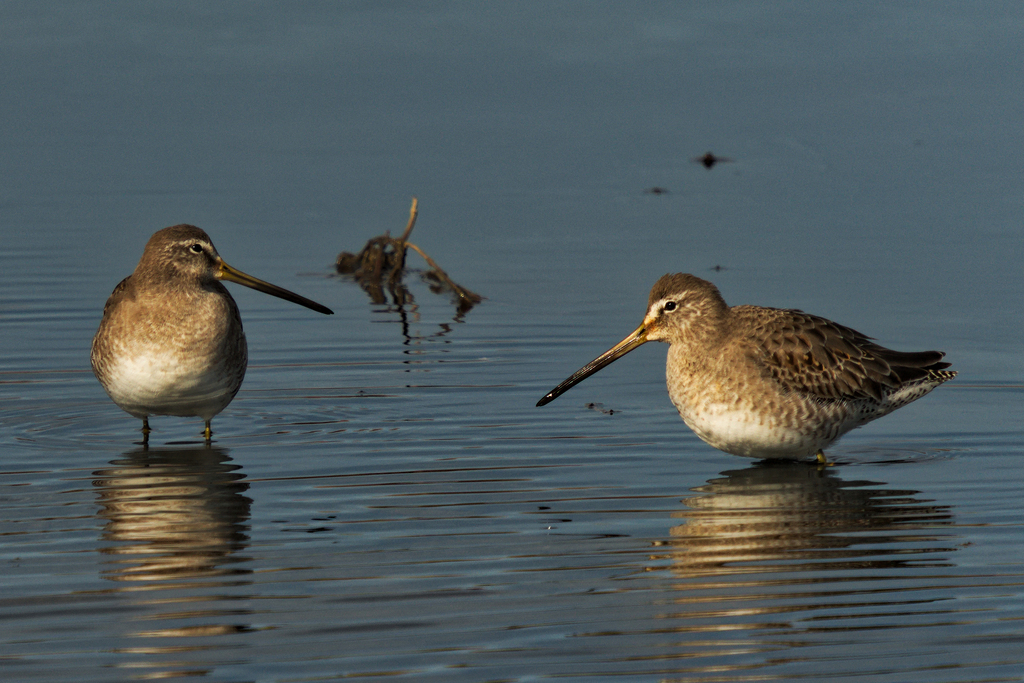
- Long-billed DowitcherLimnodromus scolopaceus
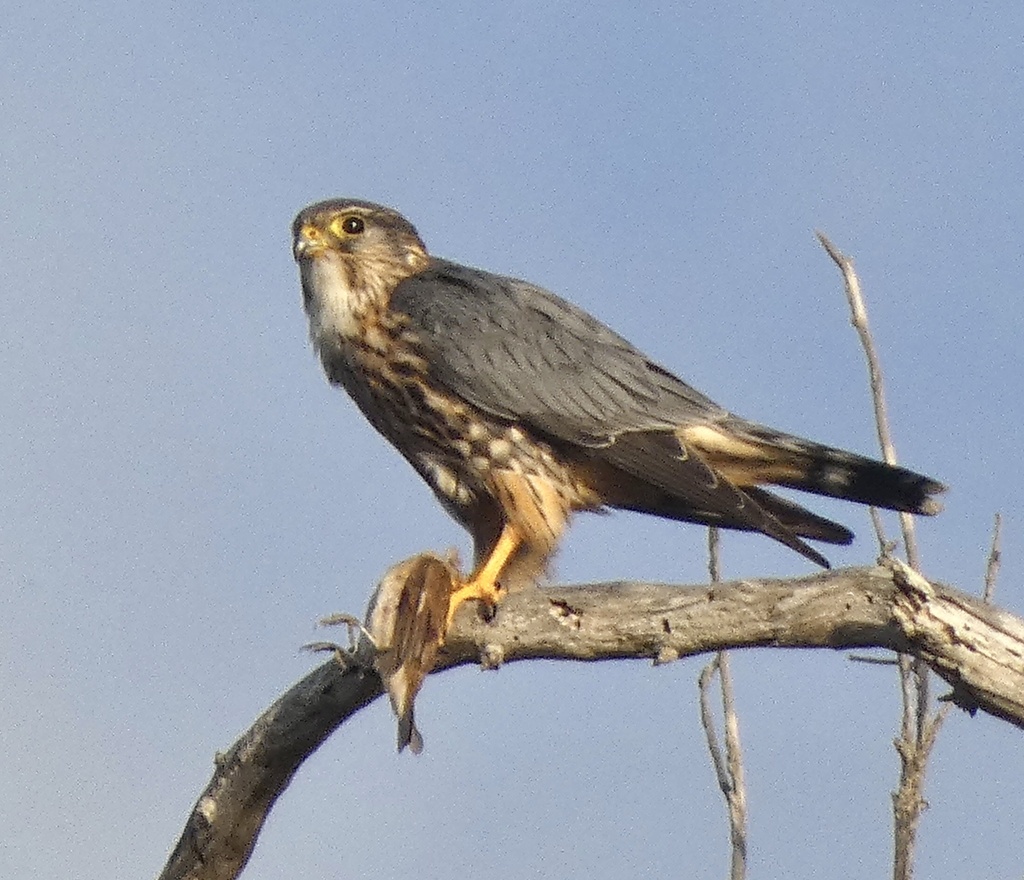
- MerlinFalco columbarius
- Mourning DoveZenaida macroura
- Northern BobwhiteColinus virginianus
- Northern FlickerColaptes auratus
- Northern MockingbirdMimus polyglottos
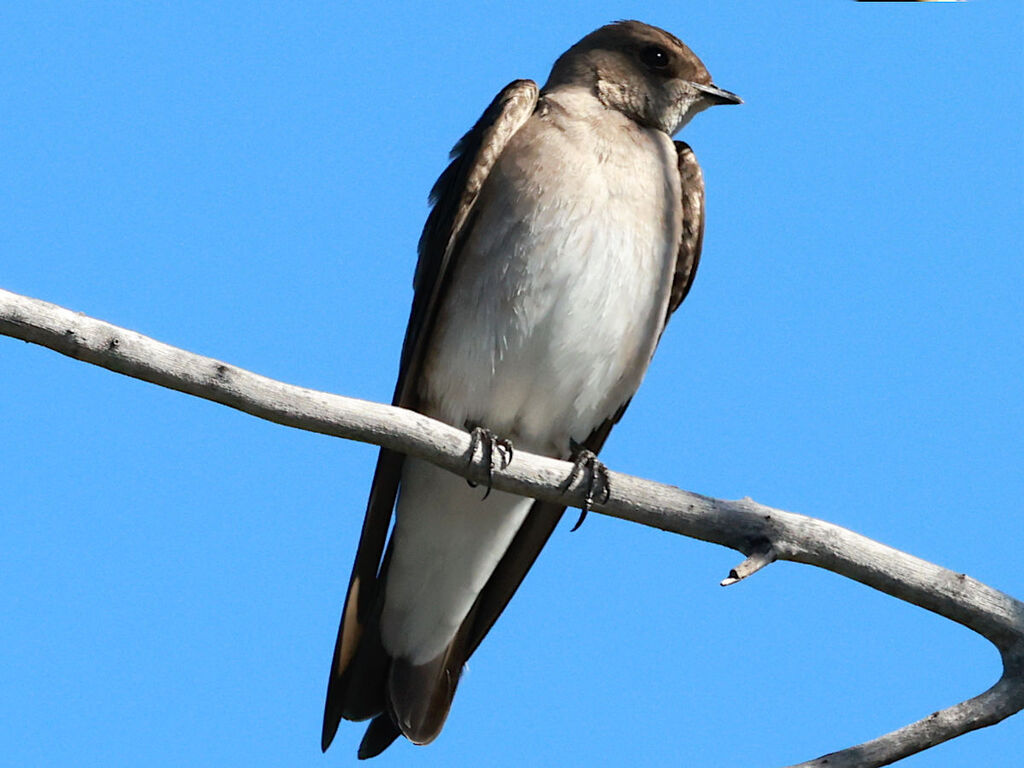
- Northern Rough-winged SwallowStelgidopteryx serripennis
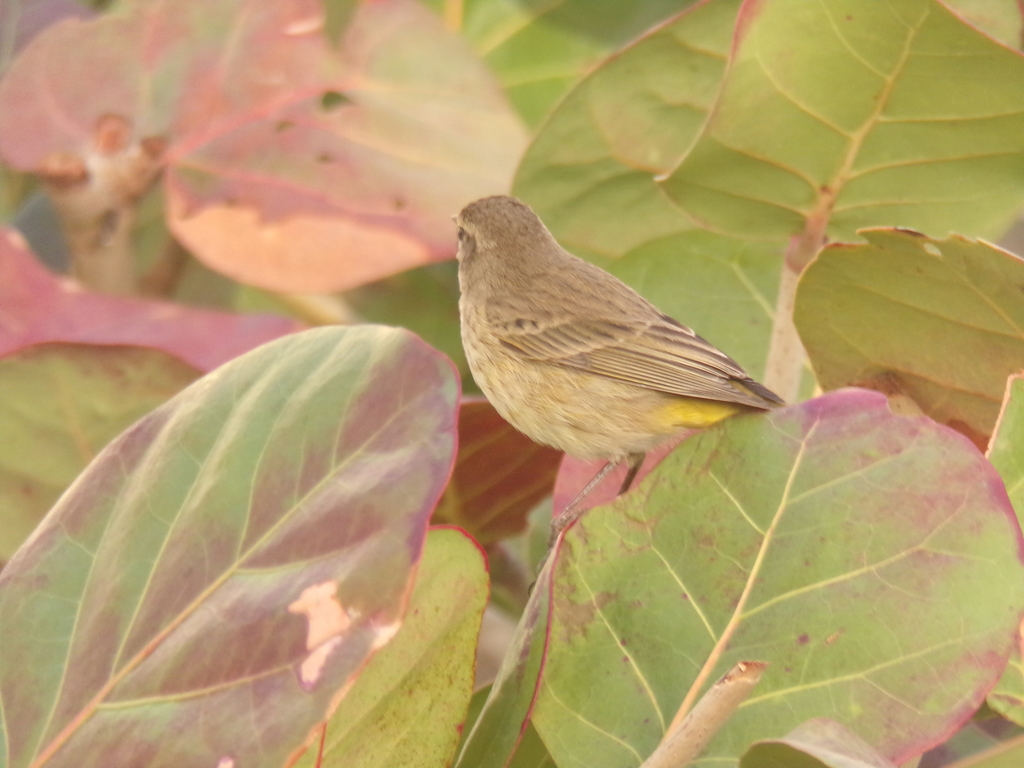
- Palm WarblerDendroica palmarum
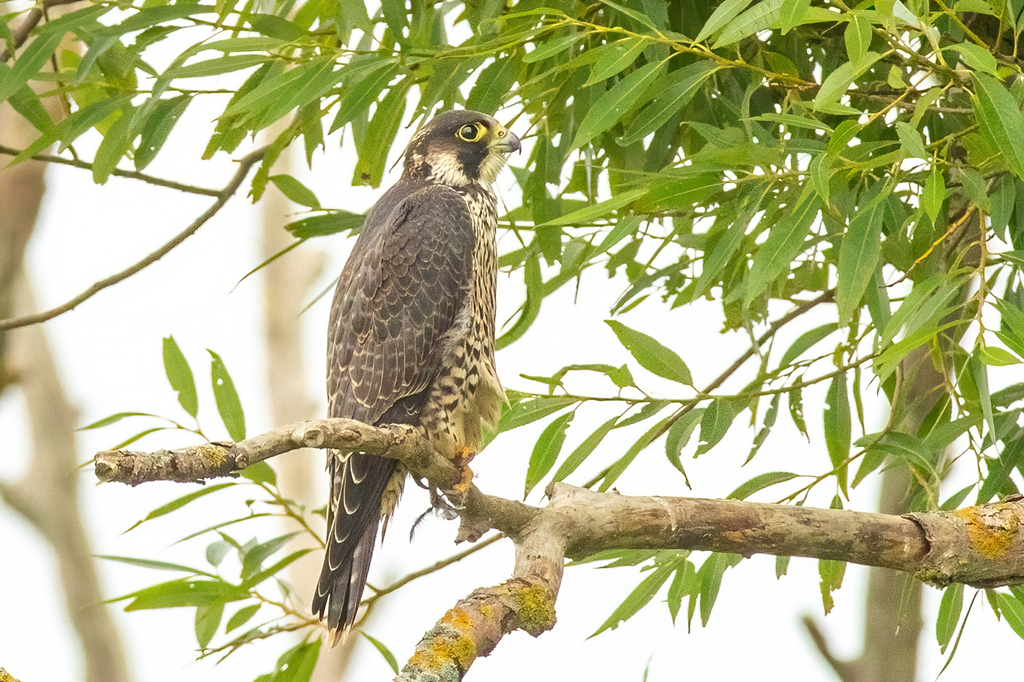
- Peregrine FalconFalco peregrinus

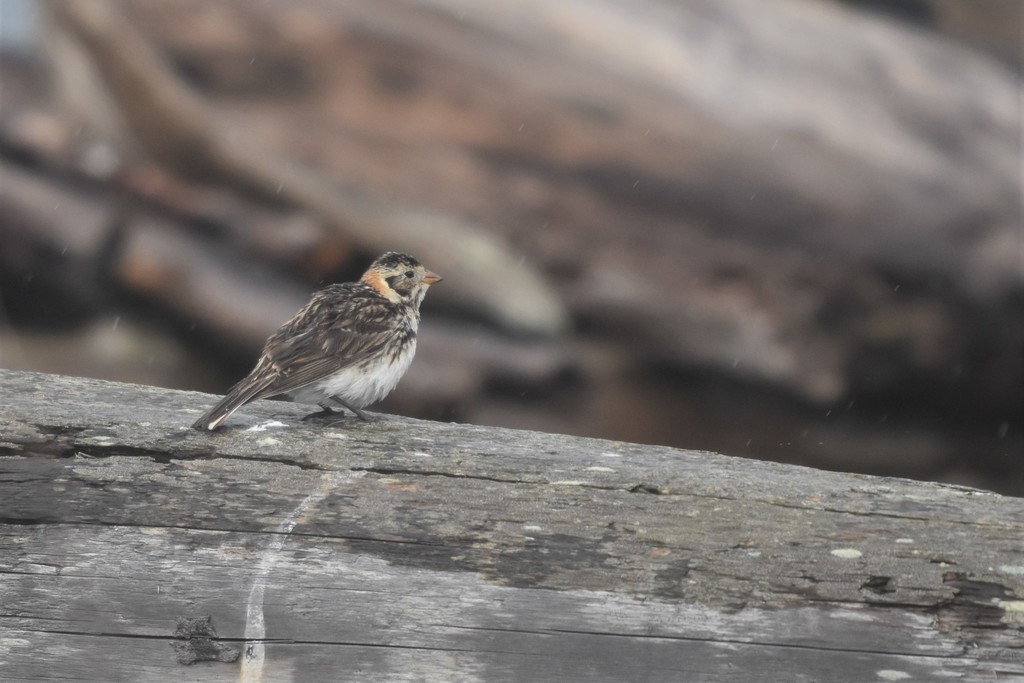
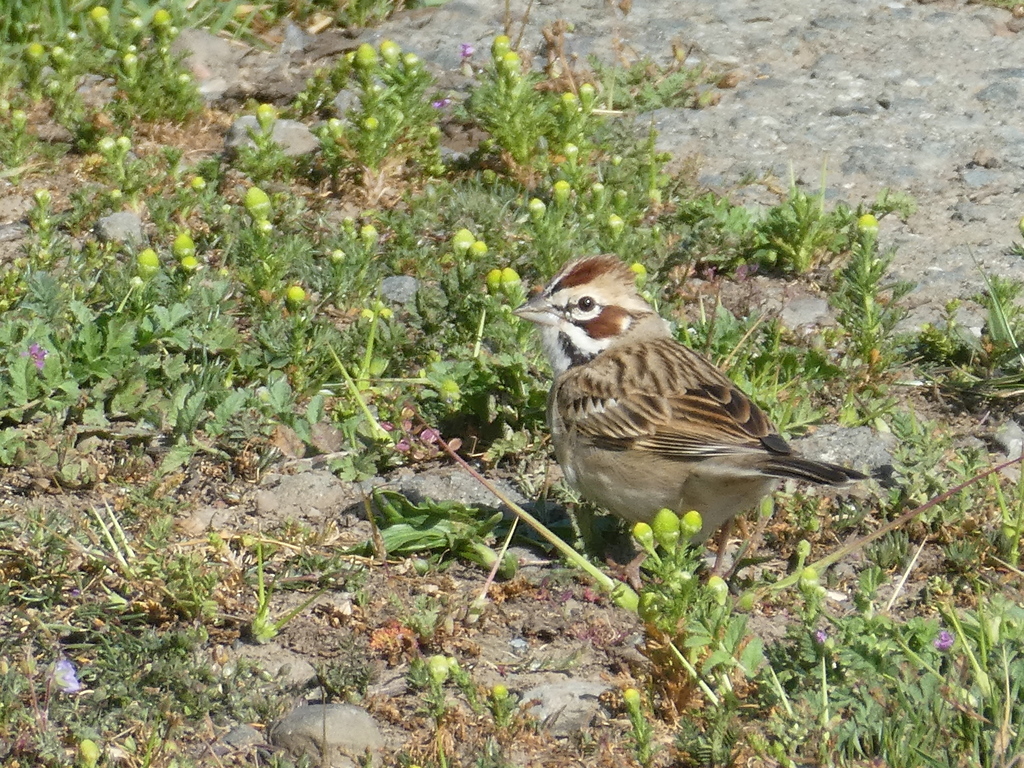
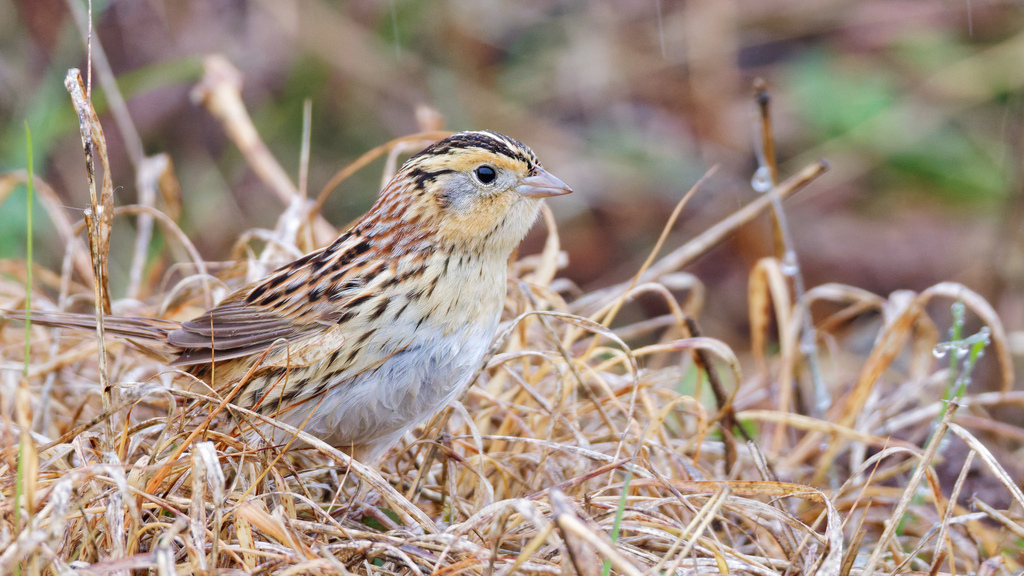
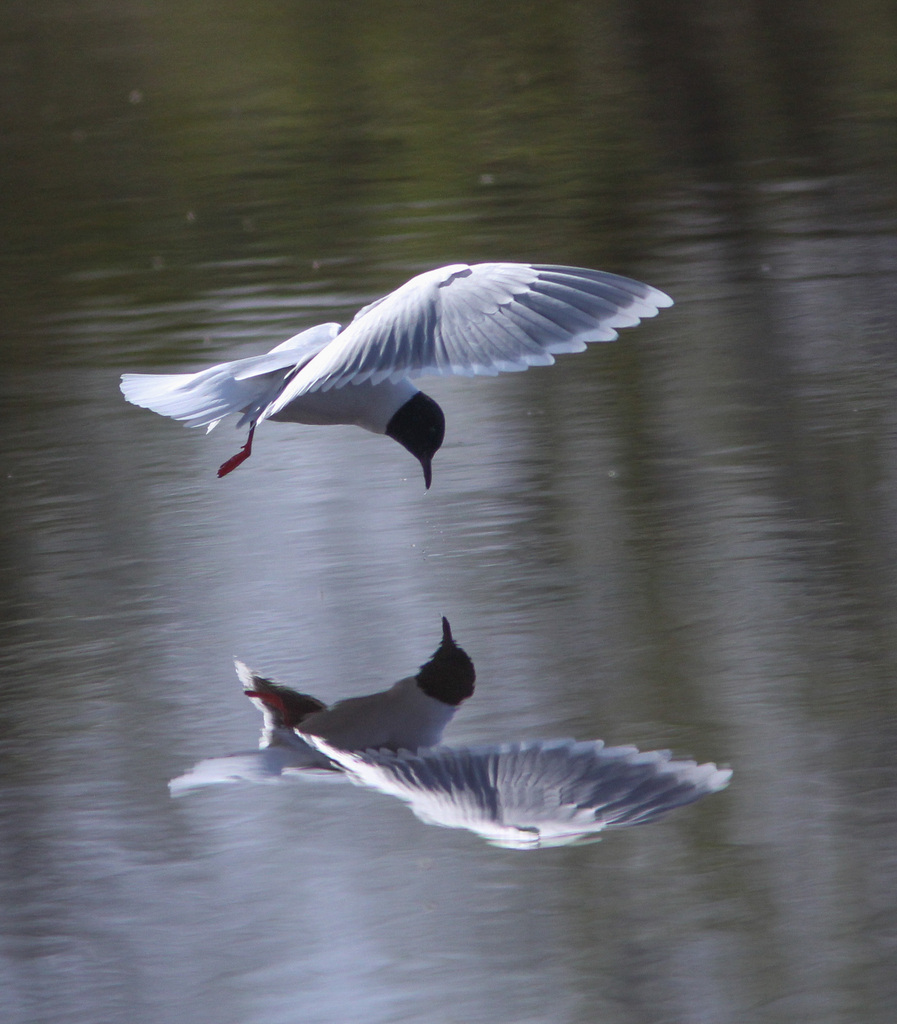




Who uses this plant?
 3CaterpillarsGenus host records with ranges including LA
Genus host records with ranges including LA · Ratibida
- Homoeosoma electellaSunflower Moth
- Papaipema nebrisStalk Borer
- Epiblema iowana
 19BeesSoutheastern regional records
Southeastern regional records · Ratibida
Individual names are not available yet.
Noori, Seltmann & Orr 2026, A curated and integrated dataset for exploring global bee-plant interactions (GloBI), Zenodo, CC BY 4.0 11Specialist beesPollen specialists
Pollen specialists · Ratibida
- Andrena rudbeckiae
- Andrena runcinatae
- Andrena sitiliae
- Colletes birkmanni
- Colletes rufocinctus
- Diadasia enavata
- Megachile parallela
- Melissodes subillatus
- Melissodes trinodis
- Melissodes wheeleri
Show all 11
- Protandrena albitarsis
 1BirdsRecorded genus food-resource interactions; not a state feeding claim
Recorded genus food-resource interactions; not a state feeding claim · Ratibida
- Ortalis vetulaPlain Chachalaca
Direct food only: birds recorded eating this genus across North America. Caterpillars on host plants also feed nesting birds. NC Native Plant Society: butterfly gardening
No records yet · Ants · Beetles · Flies · Adult butterflies / moths · Other wasps · Other insects
Plant details
- Family
- Asteraceae
- Hardiness
- Zones 3a–8b
- Flower color
- Yellow
Growing sources and scope
- Bloom · “July to September” · Prairie Moon 2026 Cultural Guide · Nursery cultural guide; height in flower; moisture categories retained as printed
- Flower color · “Yellow” · NC Extension Plant Toolbox
- Hardiness · “Zones 3a–8b” · NC Extension Plant Toolbox (ranked first; Missouri Botanical Garden Plant Finder differs)
- Height · “3–5 feet” · Tennessee Smart Yards (ranked first; Minnesota Wildflowers, Prairie Moon 2026 Cultural Guide differ) · Published Tennessee growing guidance; exact cached scientific heading
- Life cycle · “Perennial” · NC Extension Plant Toolbox
- Light · “Full sun (6 or more hours of direct sunlight a day); Partial shade (direct sunlight only part of the day, 2-6 hours)” · NC Extension Plant Toolbox (ranked first; Tennessee Smart Yards, Missouri Botanical Garden Plant Finder, Prairie Moon 2026 Cultural Guide differ)
- primary_flower_color · “yellow” · Prairie Moon 2026 Cultural Guide
- Soil · “Moist; Occasionally dry” · NC Extension Plant Toolbox (ranked first; Tennessee Smart Yards, Missouri Botanical Garden Plant Finder, Prairie Moon 2026 Cultural Guide differ)
- Spread · “1.5–2 feet” · Missouri Botanical Garden Plant Finder
Also known as
Grey Headed Cone Flower
Conservation status
| Louisiana rank | S2 |
|---|---|
| Global rank | Not available |
| LA status | Not verified |
| Federal status | Not verified |
Will it fit your yard?
Check this plant against your county, sun and soil moisture. Conditions are checked in your browser.
Growing cautions
- Spreads slowly. Spreads slowly by re-seeding. Tennessee Smart Yards
For planning only; these do not change the score or Fit.
Sources
- NatureServe Explorer
- Weakley, Flora of the Southeastern United States (2025), Carolinas & Georgia edition
- Louisiana occurrence source
- Shropshire & Tallamy 2025, Lepidoptera of North America north of Mexico, ZooKeys 1261 (ODbL)
- Noori, Seltmann & Orr 2026, A curated and integrated dataset for exploring global bee-plant interactions (GloBI), Zenodo, CC BY 4.0
- Smith, Bachelder, Russell, Morales, Mosher & Seltmann 2024, Bee-Specialization-Modeling v0.6.1 (specialist host table compiled from J. Fowler's pollen specialist bee lists), Zenodo, CC BY 4.0
- Hurlbert, Olsen, Sawyer & Winner 2021, Avian Diet Database, Scientific Data 8: 260 (CC0)
- Narango, Tallamy & Shropshire 2020, Few keystone plant genera support the majority of Lepidoptera species, Nature Communications