

Curly Pondweed
Potamogeton crispus
In the Carolinas and Georgia, found in ponds, lakes, and streams, often in calcareous waters. Weakley, Flora of the Southeastern United States (2025), Carolinas & Georgia edition What its natural habitat tells you
Not native to Louisiana. How scores work Is it native here?
Profile 76%
- Height
- 1–5 feet
- Light
- Partial shade, Full sun
- Soil moisture
- Standing water
No photograph yet. Looking for an old drawing…
Do not plant. Listed invasive in Louisiana.
Plant this instead
Choose your county to list local plants first.
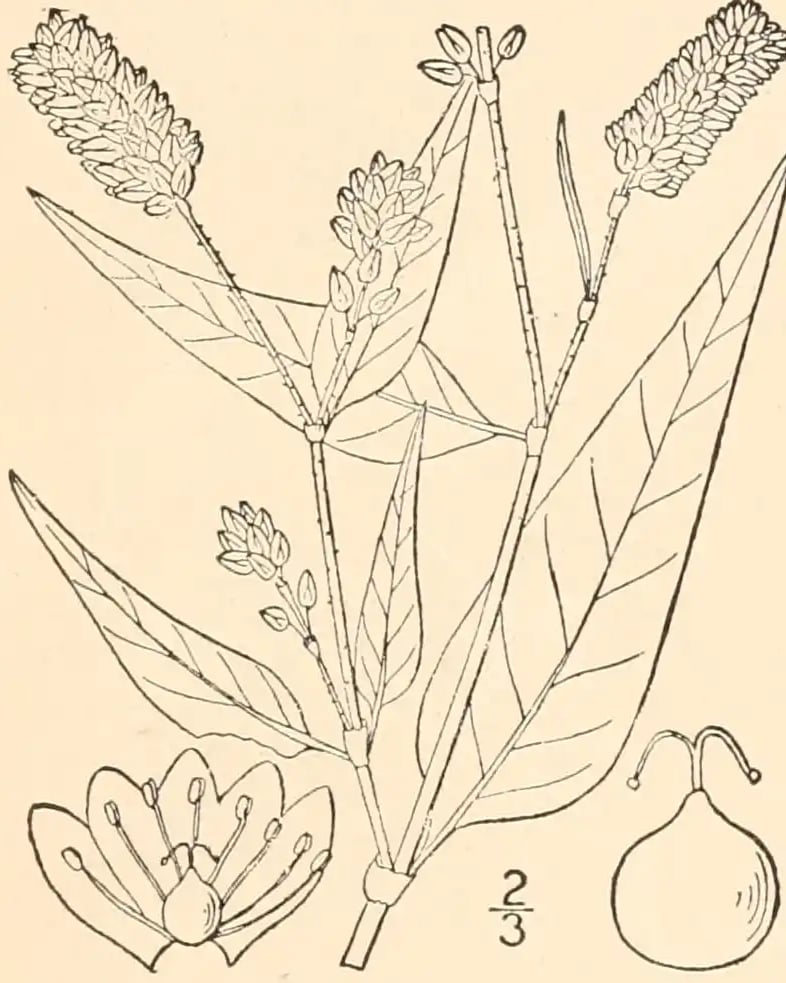
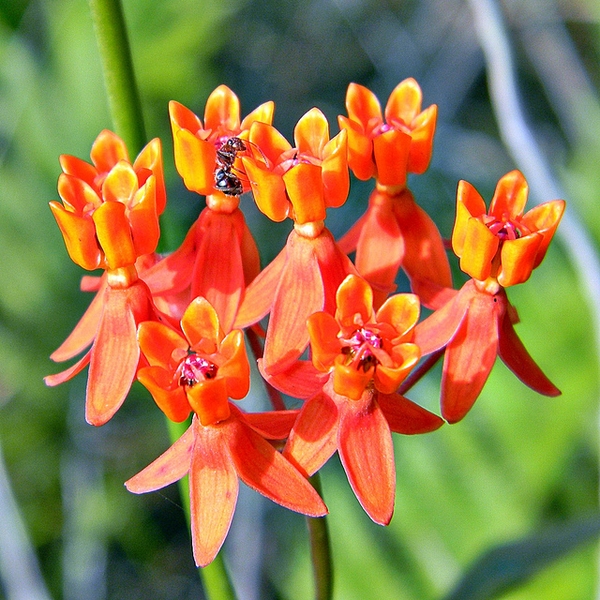
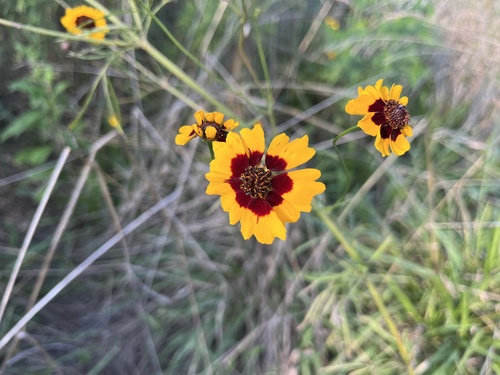
No recorded swaps for this county. Try the garden finder.
At a glance
- Life cycle
- Perennial
- Bloom
- Mid spring
- Fruiting season
- Spring to summer
Not yet recorded · Spread · Leaves
Recorded in 6 Louisiana parishes.
Natural habitats
Places it grows wild. Not a planting requirement. Each habitat page lists the plants and wildlife also found there.
Still water and its edges: ponds, lakes, millponds and reservoirs.
Streams, rivers and their banks
Flowing water and its banks, bars and rocky shoals.
Also found with this plant
Wildlife whose habitat models include habitats this plant grows in, in Louisiana. Shared habitat, not food. 78 animals.
- Wood DuckAix sponsa
- Wood ThrushHylocichla mustelina
- Yellow-bellied SapsuckerSphyrapicus varius
- Yellow-billed CuckooCoccyzus americanus
- Yellow-crowned Night-heronNyctanassa violacea
- Yellow-rumped WarblerDendroica coronata






Widespread birds also seen here (16)
Found in many habitats here, so not listed above.
Who uses this plant?
 6CaterpillarsGenus host records with ranges including LA
Genus host records with ranges including LA · Potamogeton
- Elophila gyralisWaterlily Borer Moth
- Elophila obliteralisWaterlily Leafcutter Moth
- Parapoynx allionealisWatermilfoil Leafcutter, Bladderwort Casemaker
- Parapoynx badiusalisChestnut-Marked Pondweed Moth
- Parapoynx obscuralisObscure Pondweed Moth
- Parapoynx seminealisFloating-Heart Waterlilly Moth, Waterlily Casebearer
 —BeesSoutheastern regional records
 —Specialist beesPollen specialists
 17BirdsRecorded eating Potamogeton in Louisiana
Diet records by plant genus, from studies across North America. Not a record from this state. Birds whose range includes Louisiana, most records first.
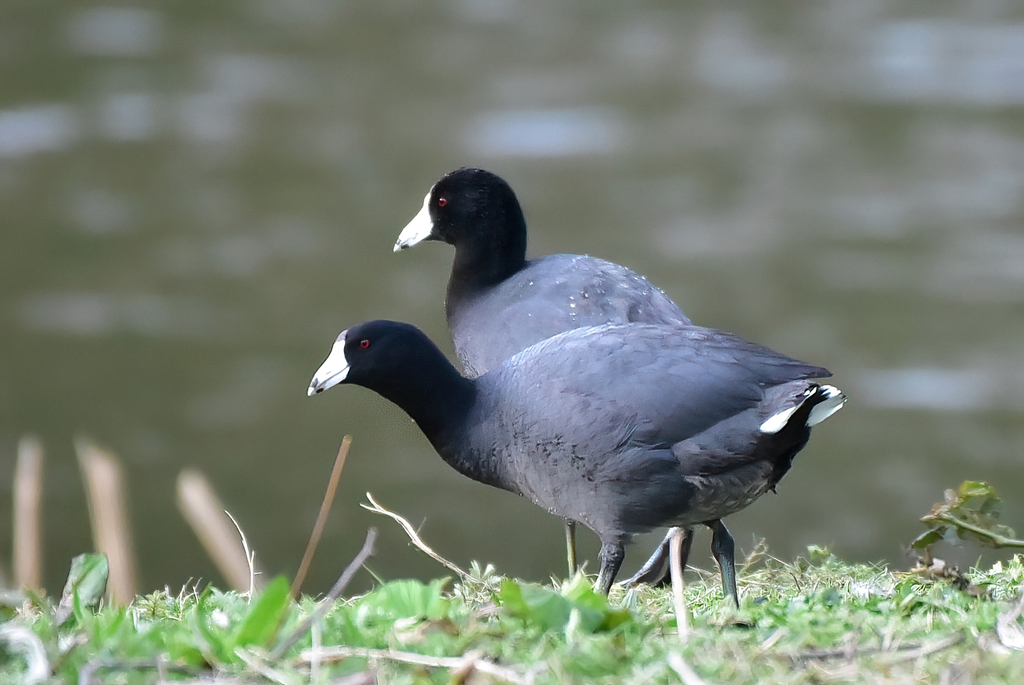
- American CootSeeds. 10 diet records
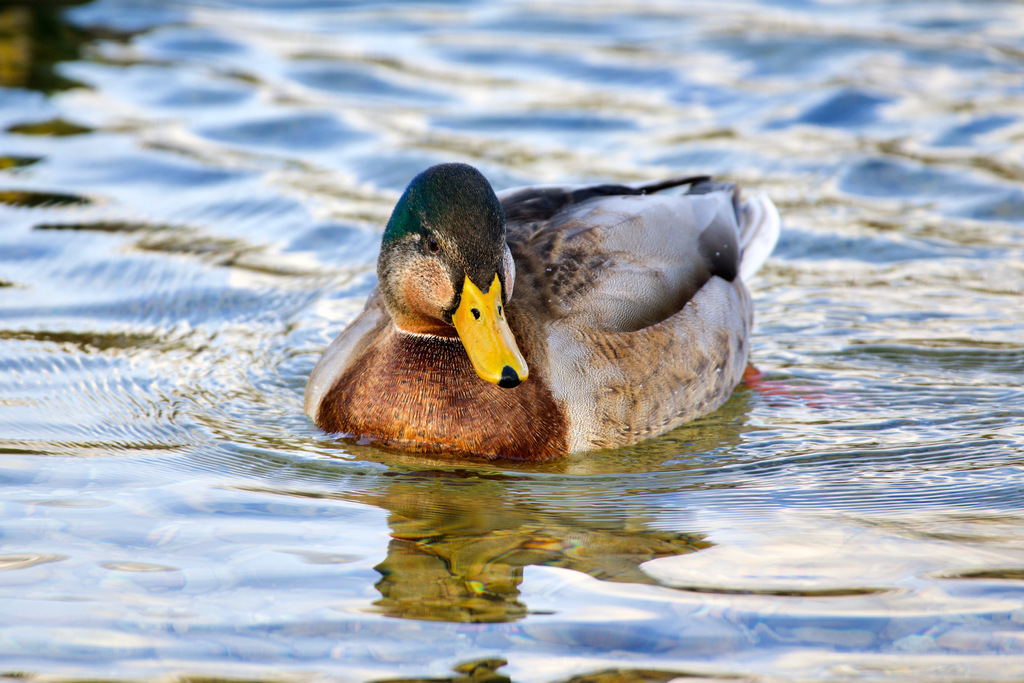
- MallardSeeds and leaves. 9 diet records
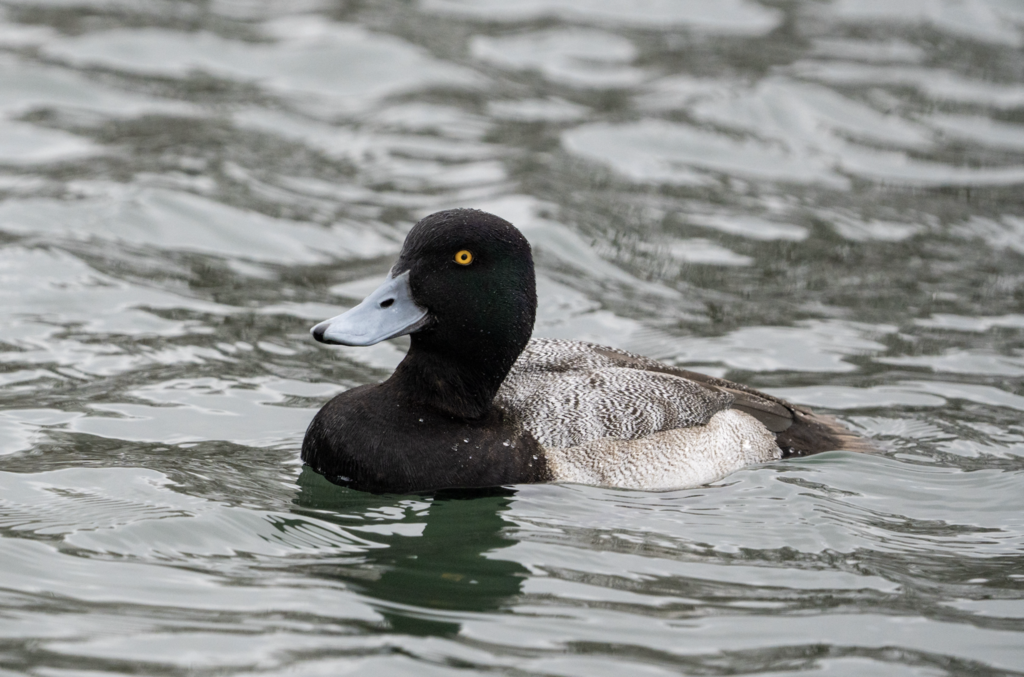
- Lesser ScaupSeeds and leaves. 5 diet records
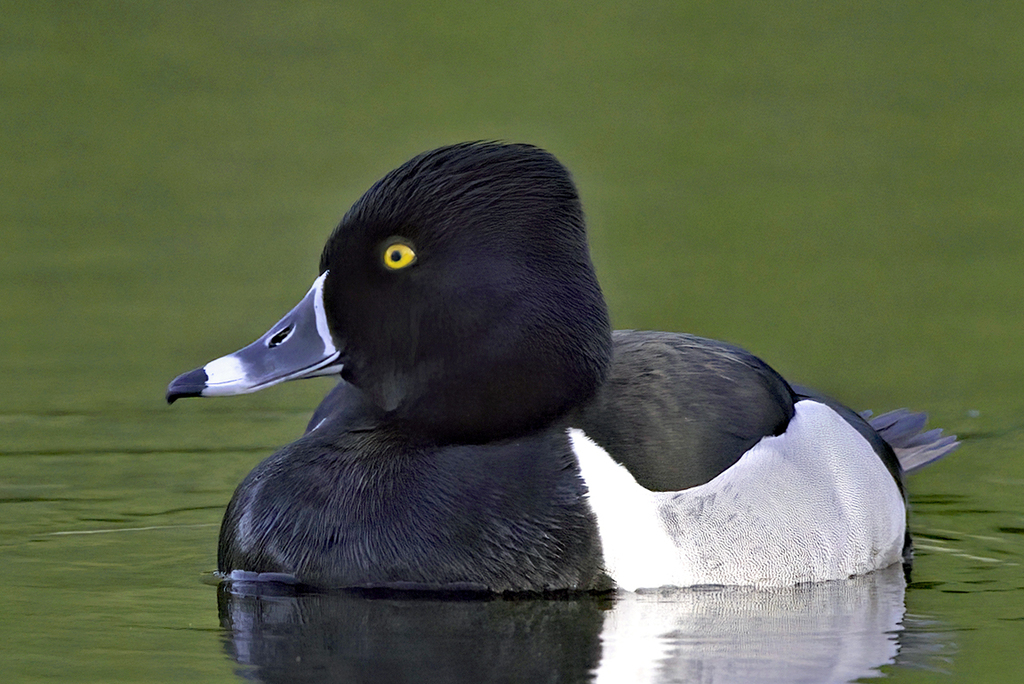
- Ring-necked DuckSeeds. 5 diet records
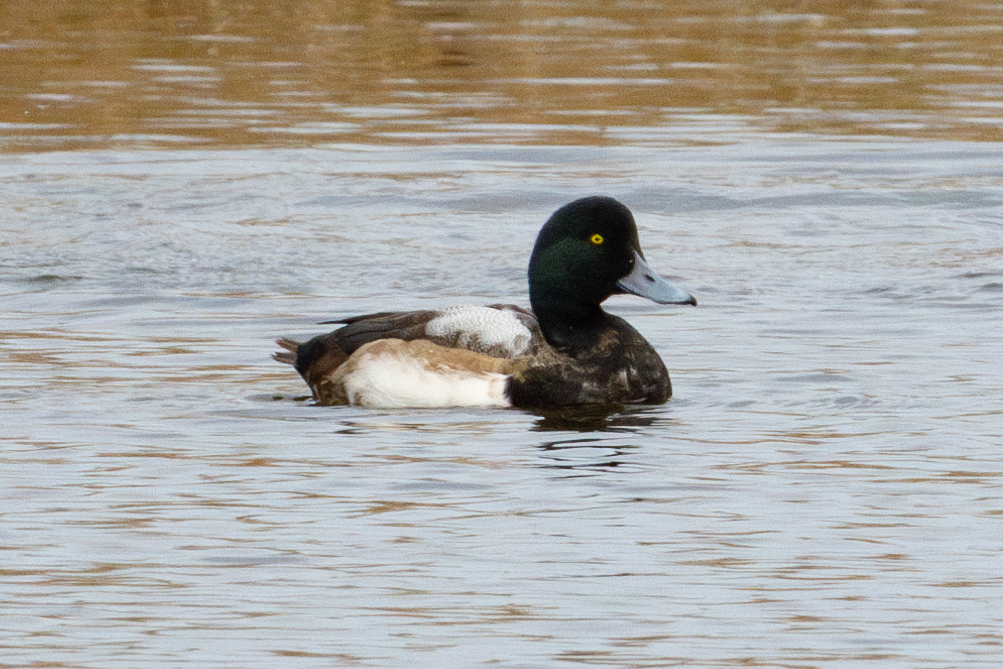
- Greater Scaup4 diet records
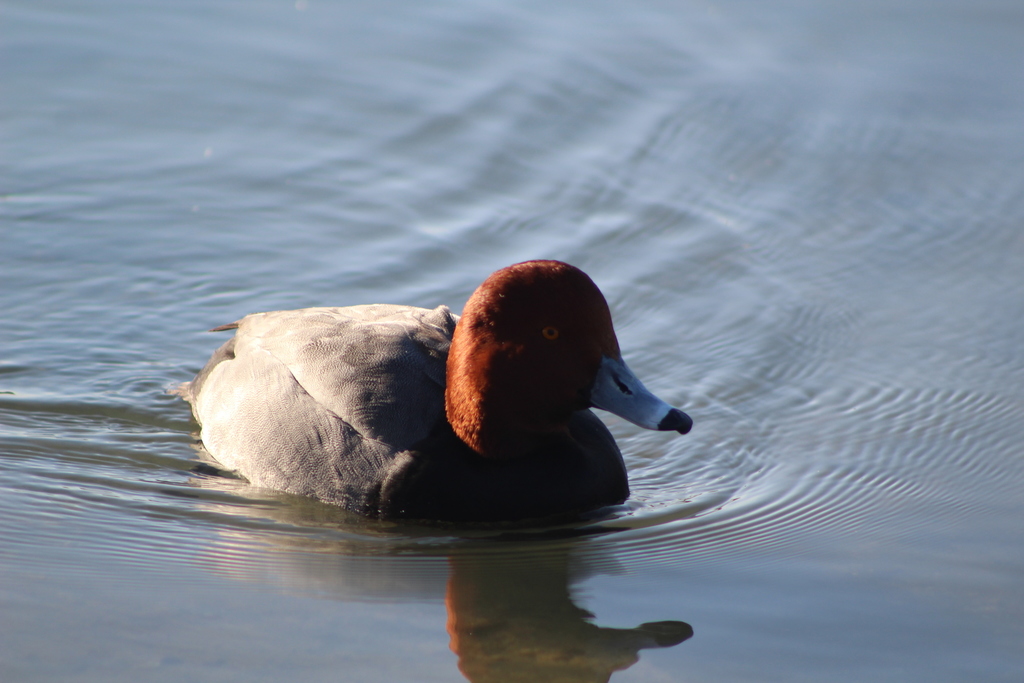
- RedheadFlowers and leaves. 3 diet records
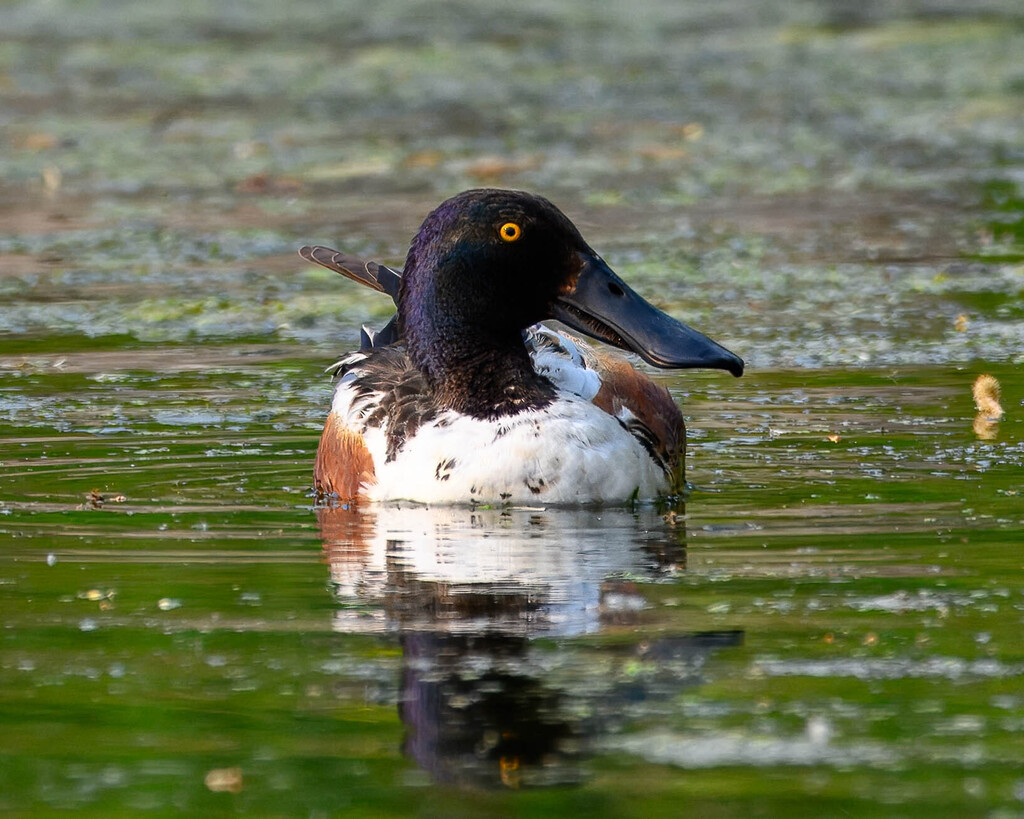
- Northern ShovelerLeaves and seeds. 3 diet records
- Wood DuckLeaves. 3 diet records
- CanvasbackSeeds. 2 diet records
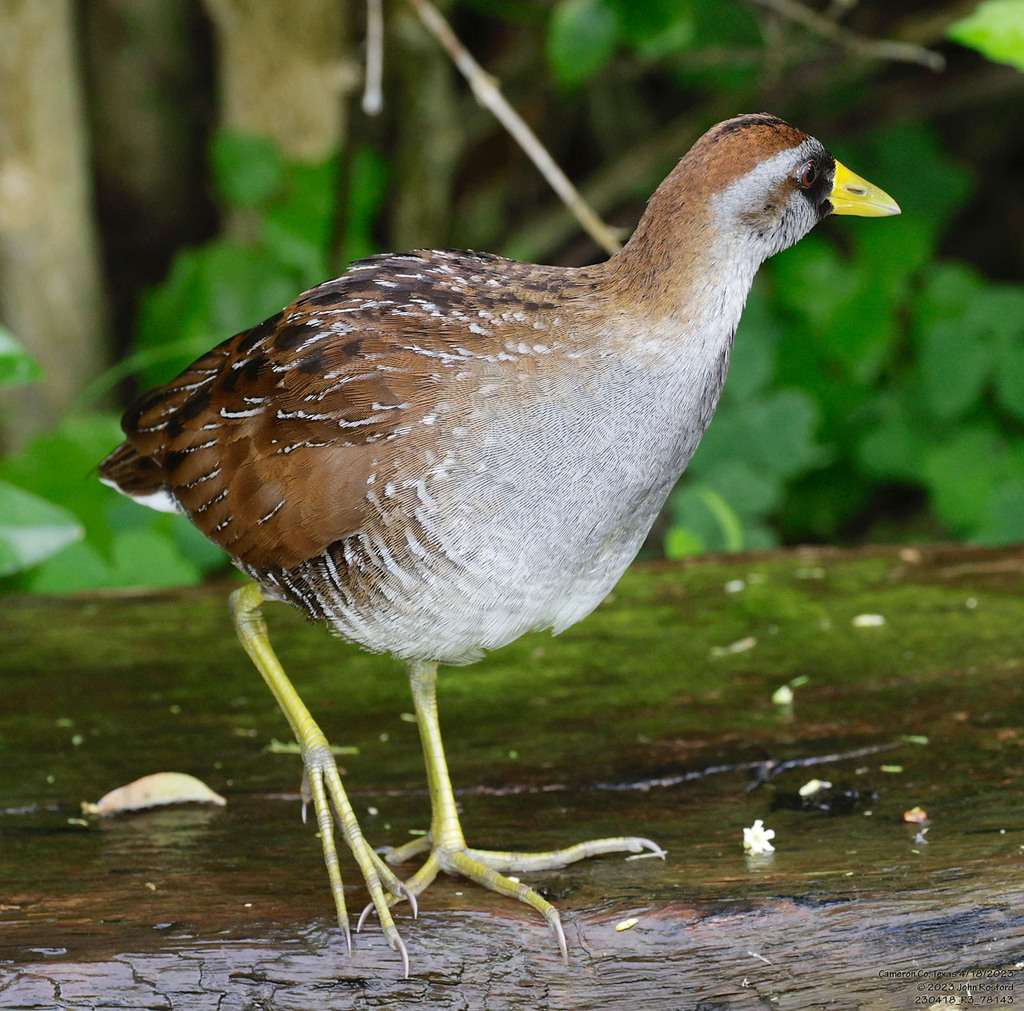
- SoraLeaves. 2 diet records
Show all 17
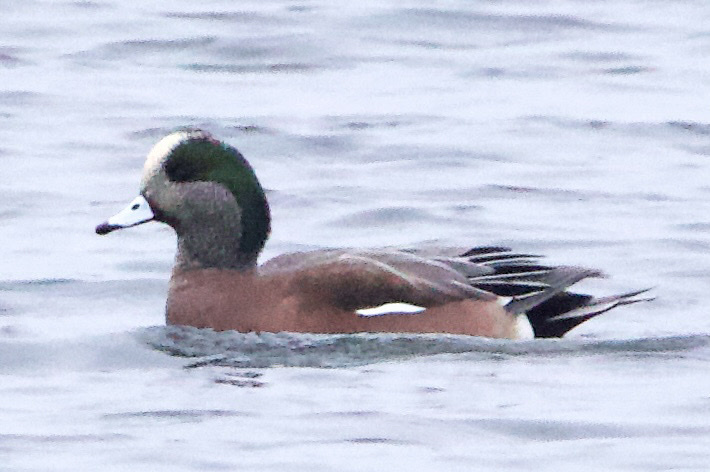
- American Wigeon1 diet record
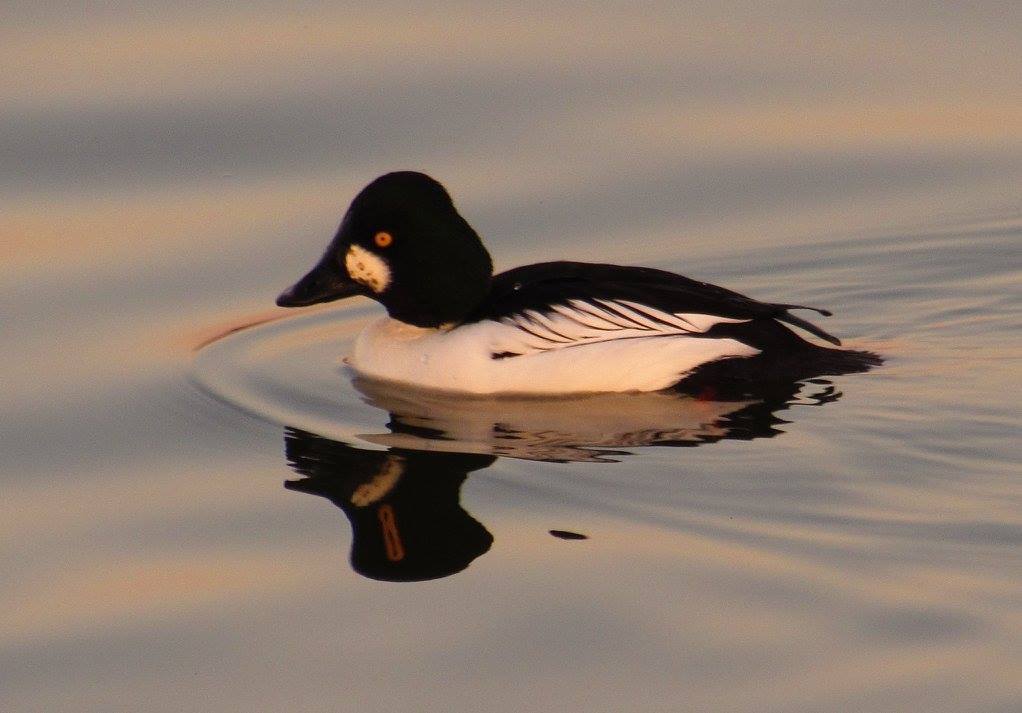
- Common GoldeneyeSeeds. 1 diet record
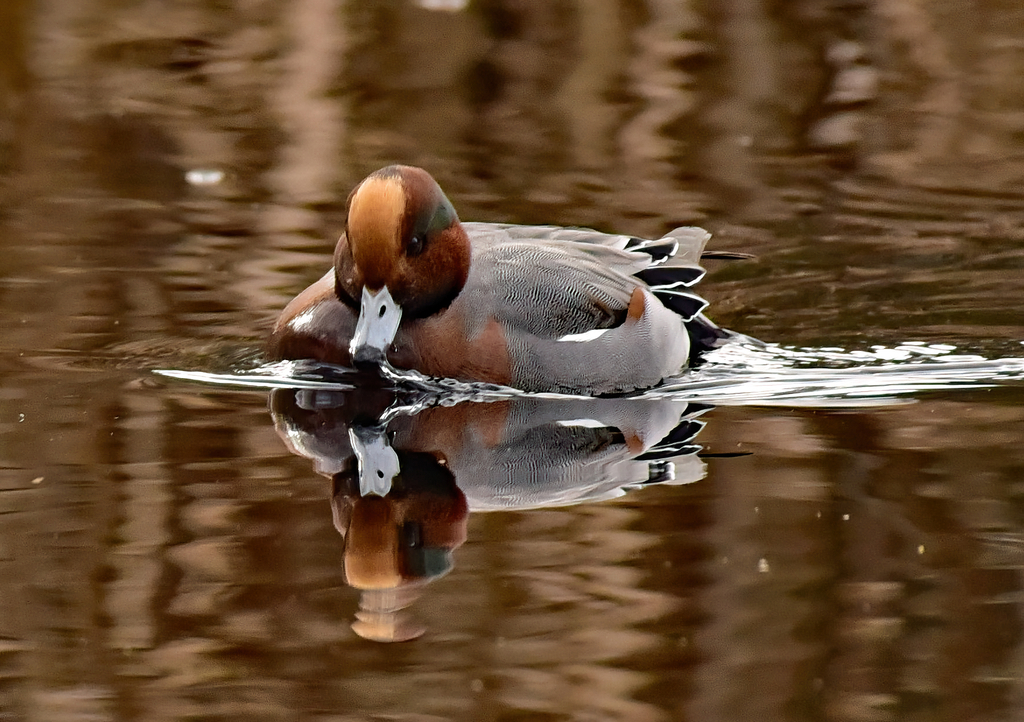
- Eurasian Wigeon1 diet record
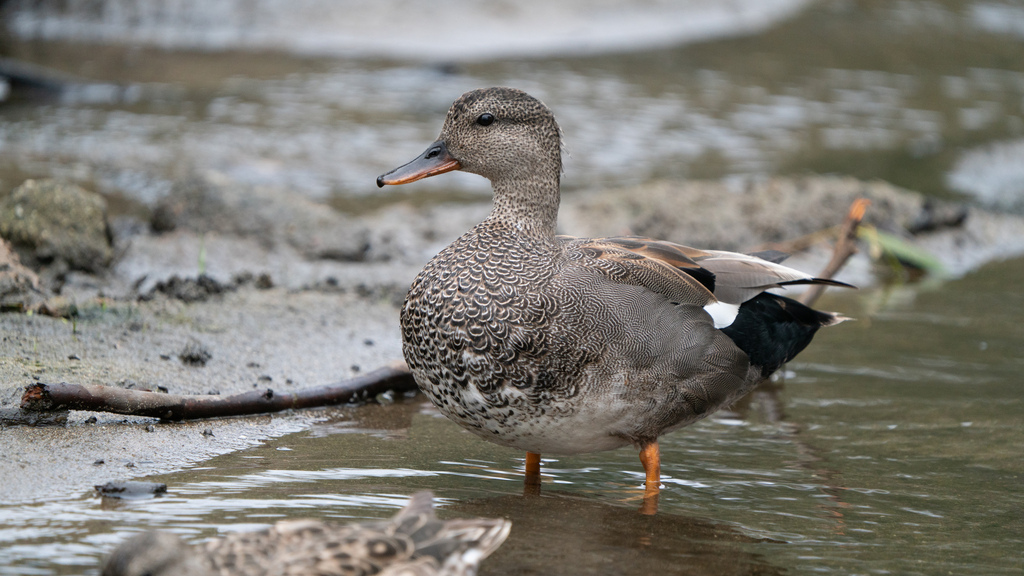
- GadwallLeaves. 1 diet record
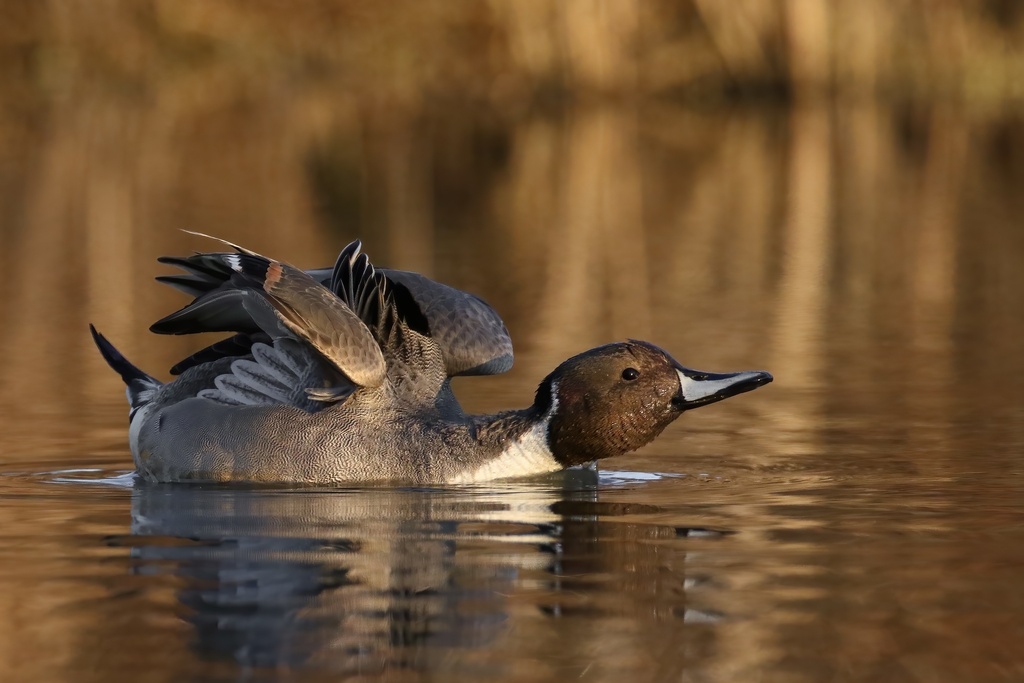
- Northern PintailRoots. 1 diet record
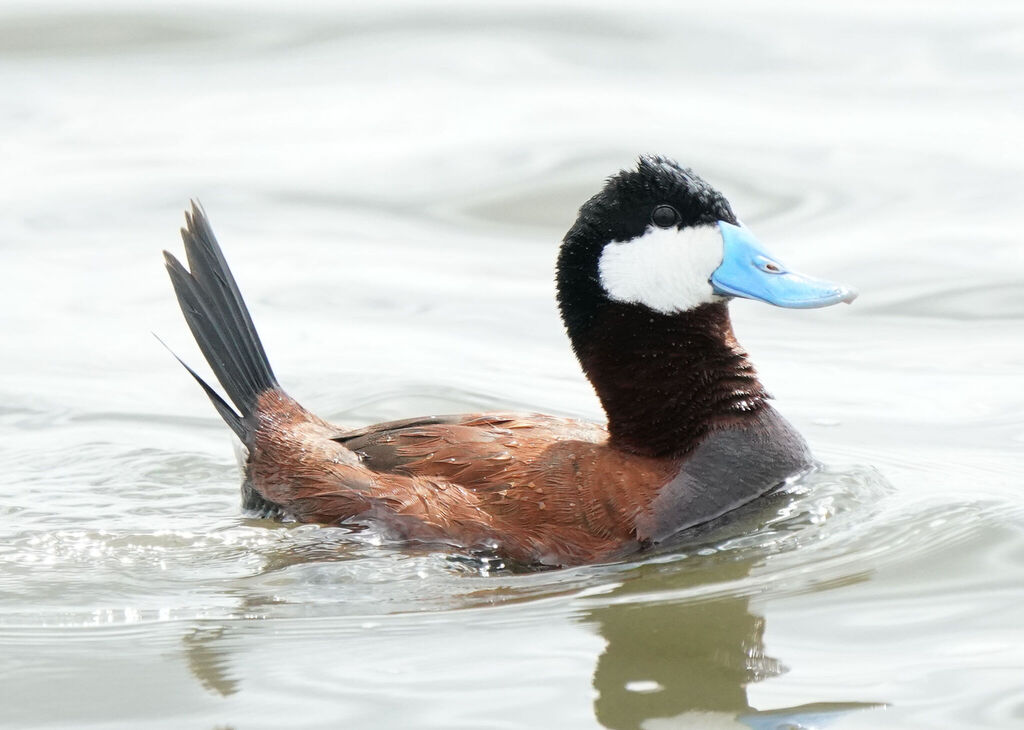
- Ruddy DuckSeeds. 1 diet record
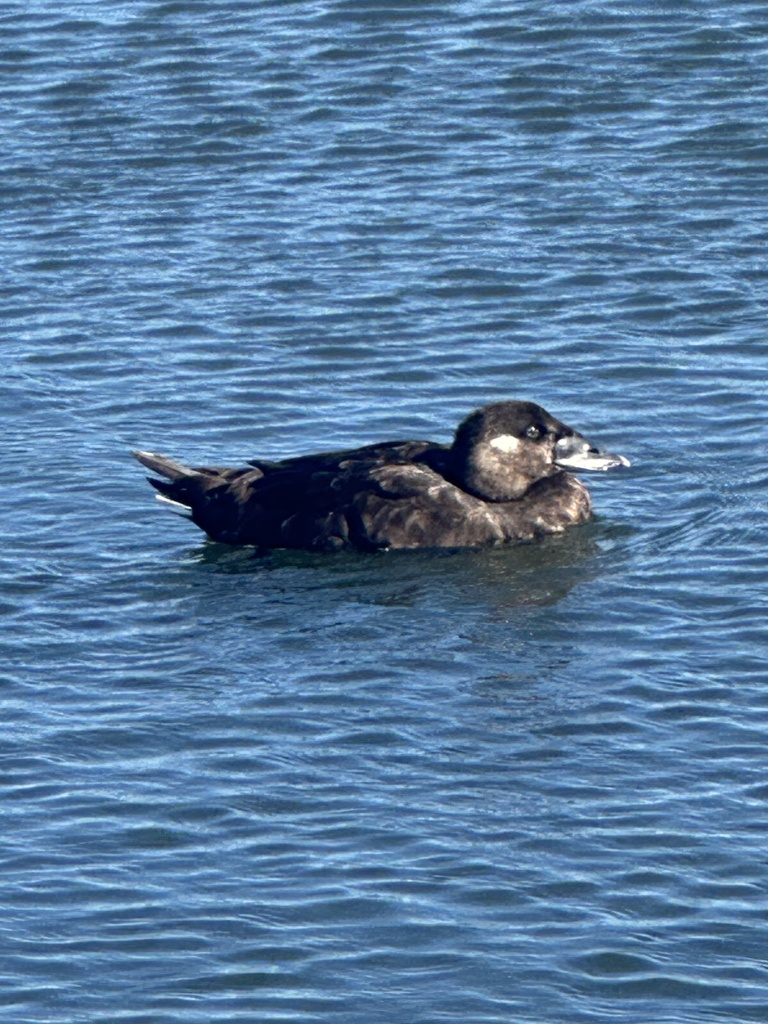
- Surf Scoter1 diet record
Direct food only. Caterpillars on host plants also feed nesting birds. NC Native Plant Society: butterfly gardening
Birds that eat Potamogeton 17
Diet records by plant genus, from studies across North America. Not a record from this state. Avian Diet Database (Hurlbert Lab), CC0 1.0.
- American CootFulica americana
- MallardAnas platyrhynchos
- Lesser ScaupAythya affinis
- Ring-necked DuckAythya collaris
- Greater ScaupAythya marila
- RedheadAythya americana
- Northern ShovelerAnas clypeata
- Wood DuckAix sponsa
- CanvasbackAythya valisineria
- SoraPorzana carolina
- American WigeonAnas americana
- Common GoldeneyeBucephala clangula
- Eurasian WigeonAnas penelope
- GadwallAnas strepera
- Northern PintailAnas acuta
- Ruddy DuckOxyura jamaicensis
- Surf ScoterMelanitta perspicillata

Plant details
- Family
- Potamogetonaceae
- Flower color
- Green
- Growth rate
- Rapid
- Growth habit
- Single crown
- Foliage color
- Red
- Fruit begins
- Spring
- Fruit ends
- Summer
Safety has not been reviewed for this plant; check toxicity and thorns before planting.
Growing sources and scope
- Bloom · “Mid spring” · USDA PLANTS · Nationwide species characteristics; local growing conditions may vary
- Flower color · “Green” · USDA PLANTS · Nationwide species characteristics; local growing conditions may vary
- Foliage color · “Red” · USDA PLANTS · Nationwide species characteristics; local growing conditions may vary
- Fruit begins · “Spring” · USDA PLANTS · Nationwide species characteristics; local growing conditions may vary
- Fruit ends · “Summer” · USDA PLANTS · Nationwide species characteristics; local growing conditions may vary
- Growth habit · “Single crown” · USDA PLANTS · Nationwide species characteristics; local growing conditions may vary
- Growth rate · “Rapid” · USDA PLANTS · Nationwide species characteristics; local growing conditions may vary
- Height · “1–5 feet” · Minnesota Wildflowers
- Life cycle · “Perennial” · Minnesota Wildflowers
- Light · “Partial shade; Full sun (documented habitat)” · Weakley, Flora of the Southeastern United States (2025), Carolinas & Georgia edition · Carolinas and Georgia
- primary_flower_color · “green” · USDA PLANTS
- Soil · “Water (documented habitat)” · Weakley, Flora of the Southeastern United States (2025), Carolinas & Georgia edition · Carolinas and Georgia
Also known as
Curly Pond Weed
Conservation status
| Louisiana rank | SNA |
|---|---|
| Global rank | G5 |
| LA status | Not verified |
| Federal status | Not verified |
Sources
- NatureServe Explorer
- USDA PLANTS
- Weakley, Flora of the Southeastern United States (2025)
- Louisiana occurrence source
- Shropshire & Tallamy 2025, Lepidoptera of North America north of Mexico, ZooKeys 1261 (ODbL)
- Noori, Seltmann & Orr 2026, A curated and integrated dataset for exploring global bee-plant interactions (GloBI), Zenodo, CC BY 4.0
- Smith, Bachelder, Russell, Morales, Mosher & Seltmann 2024, Bee-Specialization-Modeling v0.6.1 (specialist host table compiled from J. Fowler's pollen specialist bee lists), Zenodo, CC BY 4.0
- Hurlbert, Olsen, Sawyer & Winner 2021, Avian Diet Database, Scientific Data 8: 260 (CC0)
- Narango, Tallamy & Shropshire 2020, Few keystone plant genera support the majority of Lepidoptera species, Nature Communications