

Prairie Parsley
Polytaenia nuttallii
5
Modest
Native to Louisiana. How scores work Is it native here?
Profile 76%
- Height
- 2 feet
- Light
- Full to part sun
- Soil moisture
- Dry to somewhat dry
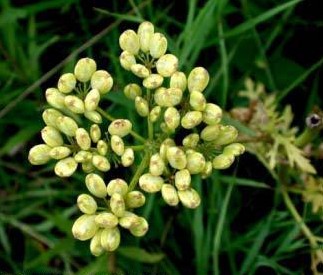
Rare or protected plant. Specialist conservation planting; excluded from routine garden suggestions. Plant caution source
Hidden from default planting suggestions. Wildlife value and native status remain unchanged.
At a glance
- Life cycle
- Biennial or perennial
- Bloom
- June
JFMAMJJASOND
Not yet recorded · Spread · Leaves
Recorded in 13 Louisiana parishes.
Also found with this plant
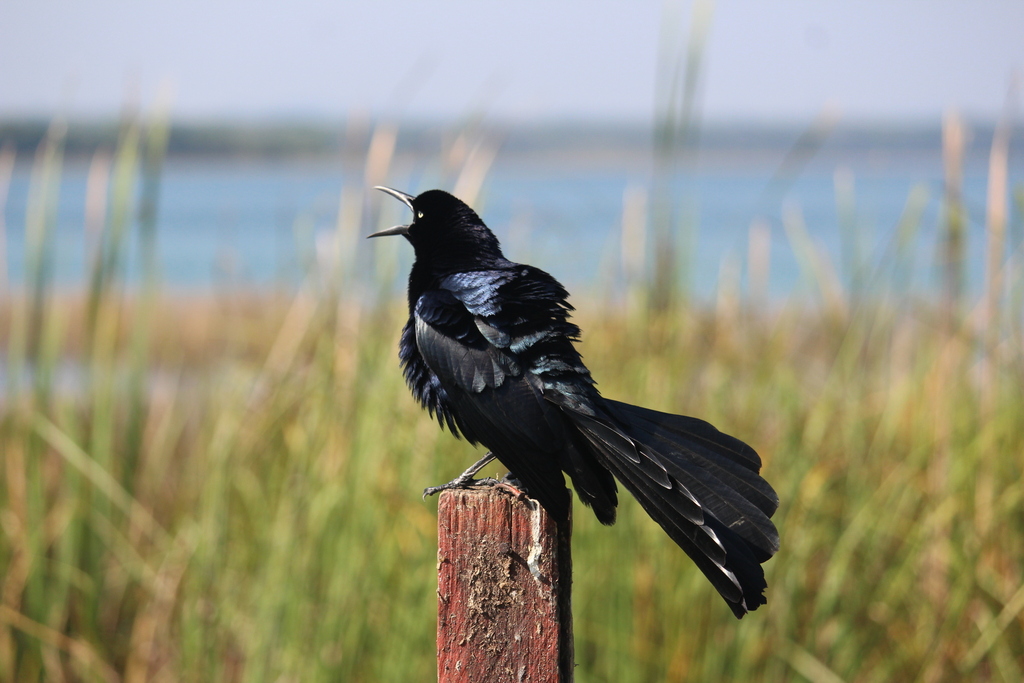
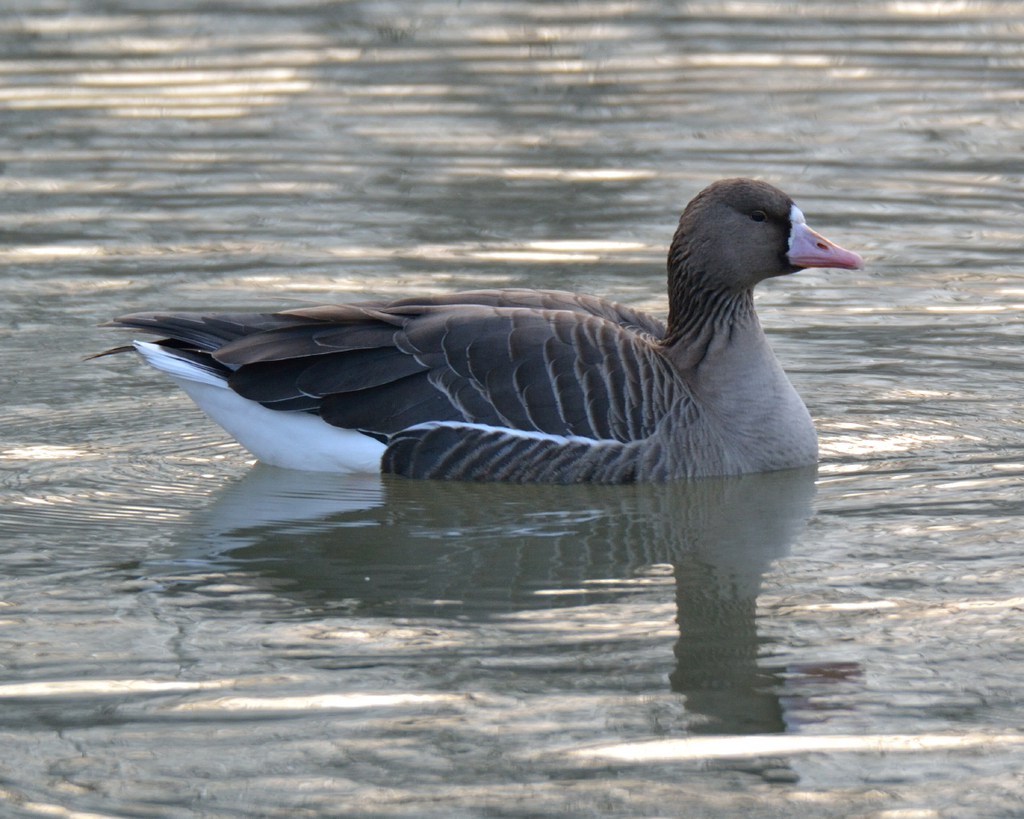
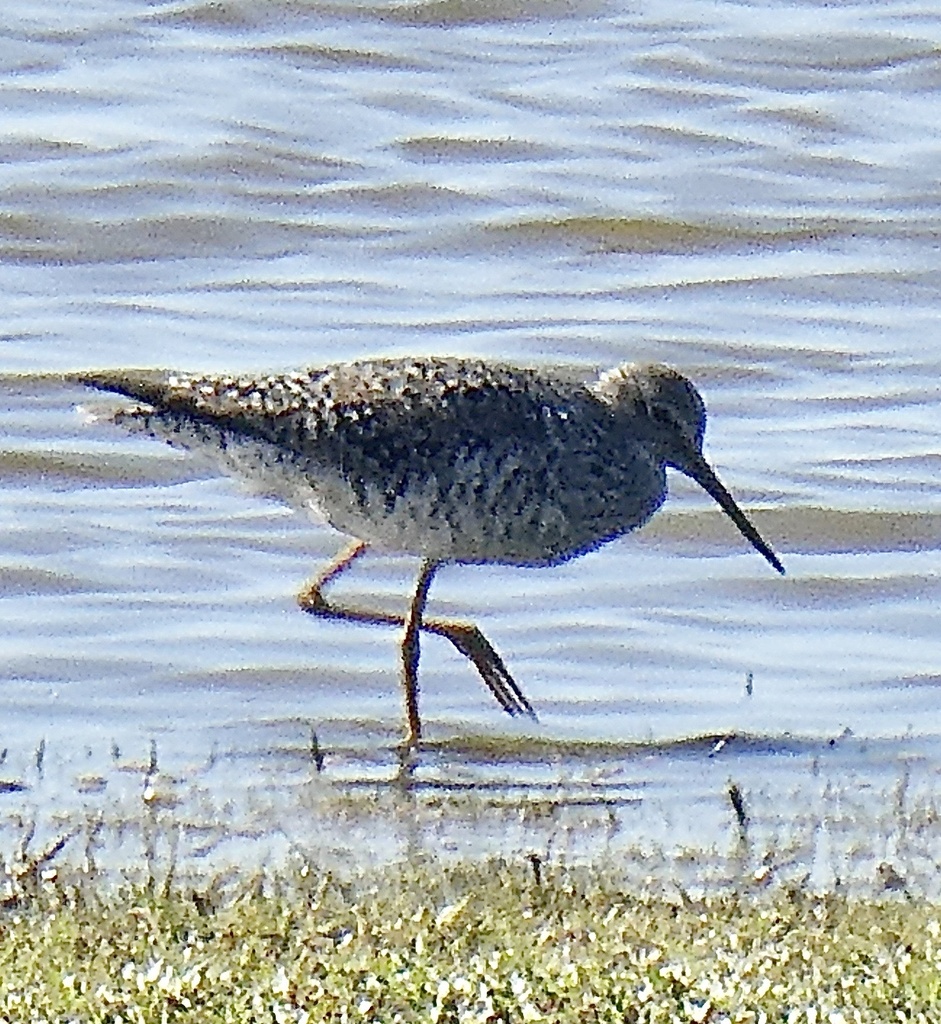
Wildlife whose habitat models include habitats this plant grows in, in Louisiana. Shared habitat, not food. 67 animals.
- Great Horned OwlBubo virginianus
- Great-tailed GrackleQuiscalus mexicanus
- Greater White-fronted GooseAnser albifrons
- Greater YellowlegsTringa melanoleuca
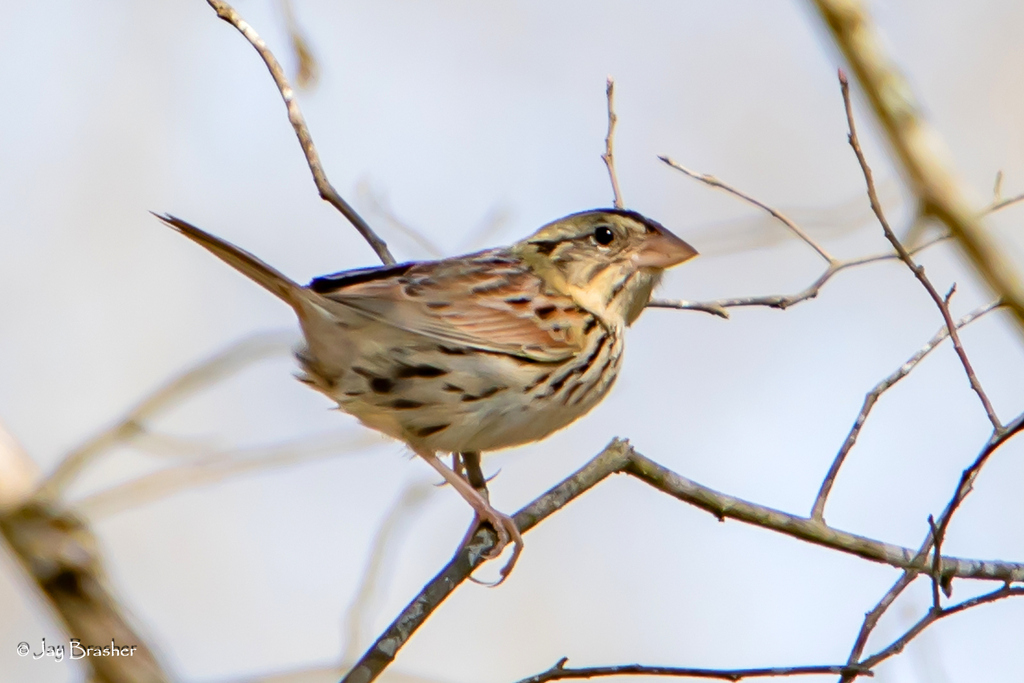
- Henslow's SparrowAmmodramus henslowii
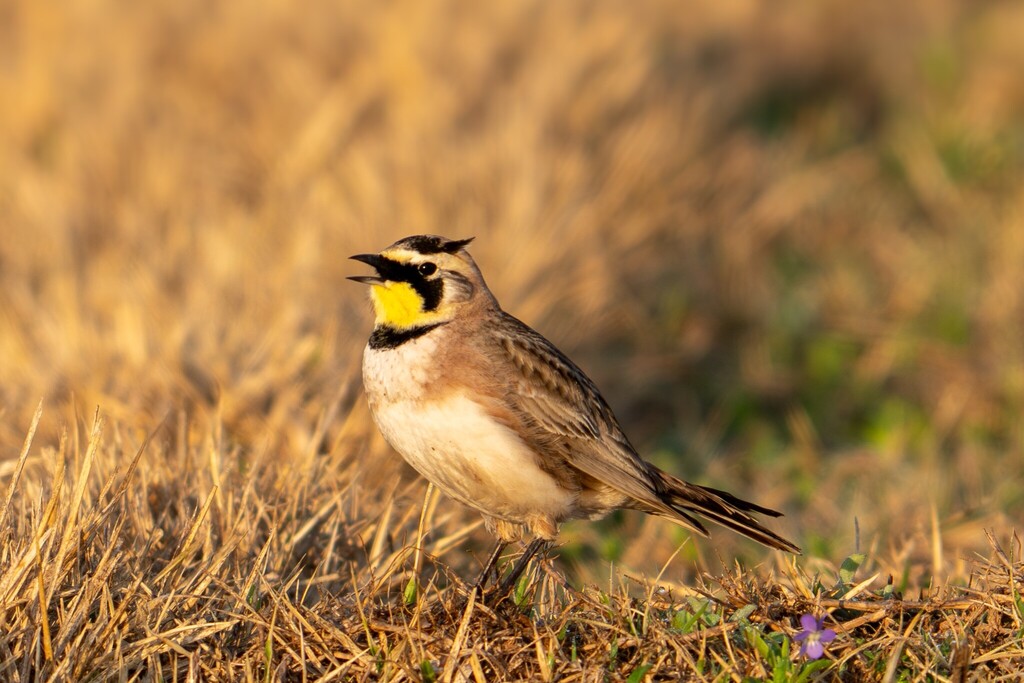
- Horned LarkEremophila alpestris
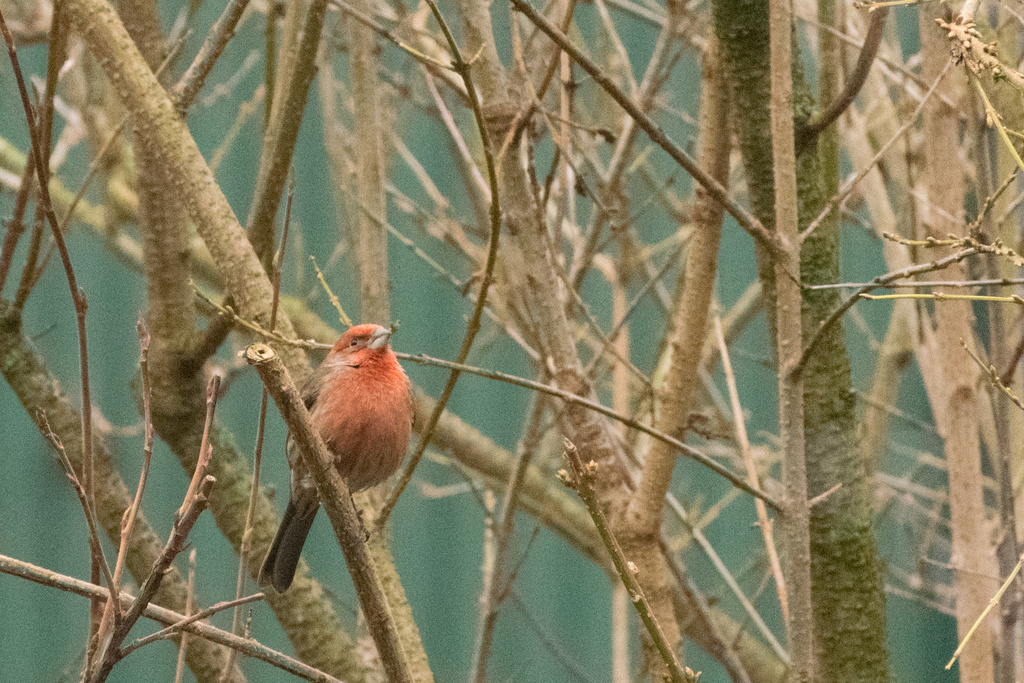
- House FinchCarpodacus mexicanus
- Indigo BuntingPasserina cyanea
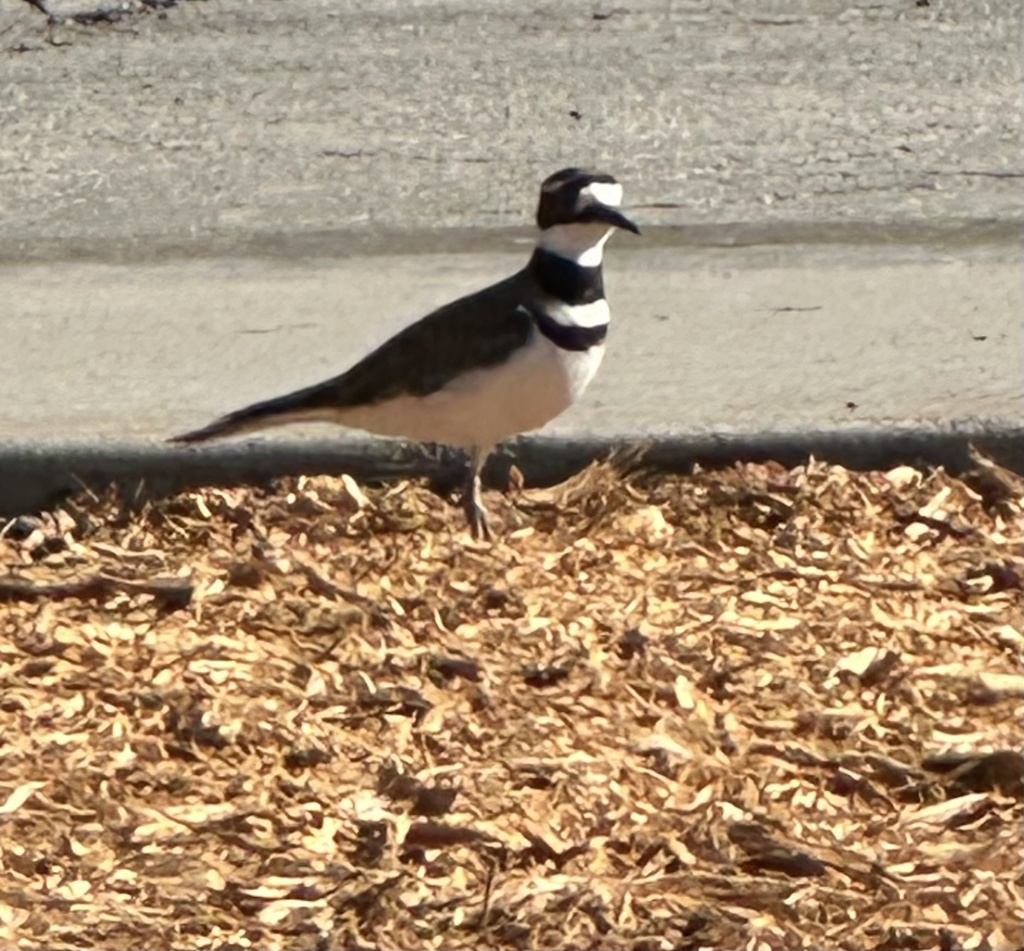
- KilldeerCharadrius vociferus
- Lapland LongspurCalcarius lapponicus
- Lark SparrowChondestes grammacus
- Le Conte's SparrowAmmodramus leconteii
- Little GullHydrocoloeus minutus
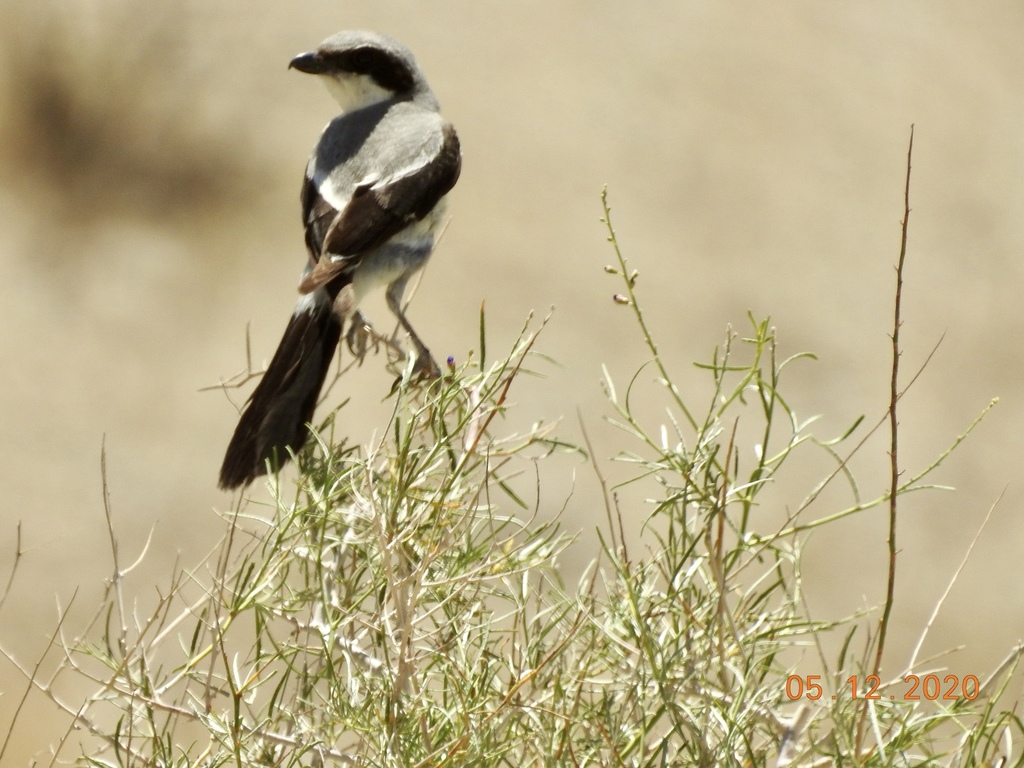
- Loggerhead ShrikeLanius ludovicianus
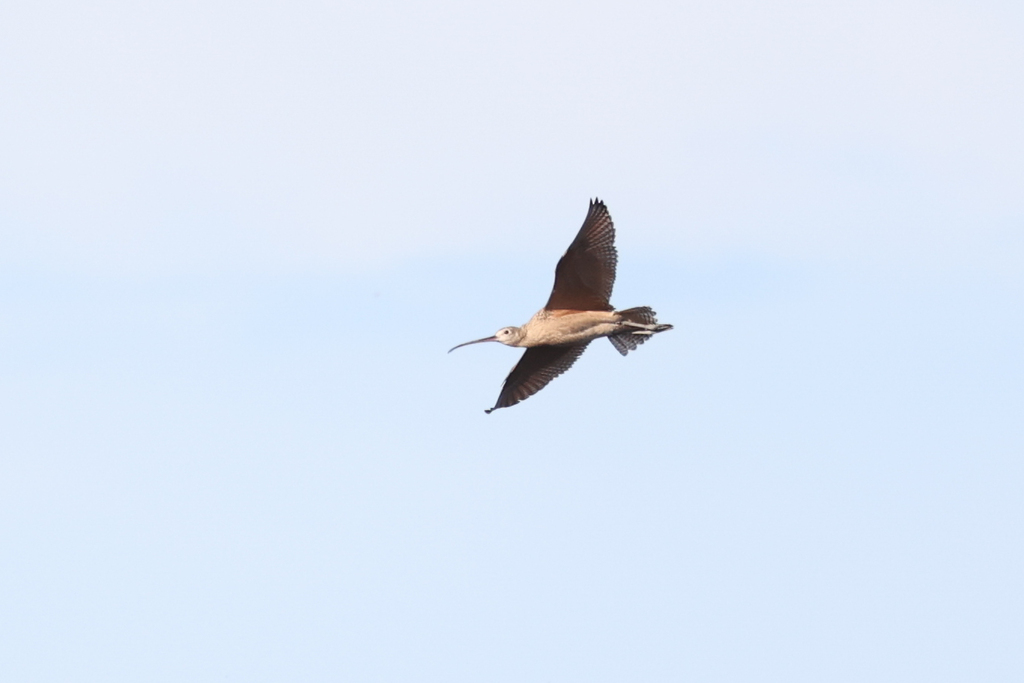
- Long-billed CurlewNumenius americanus
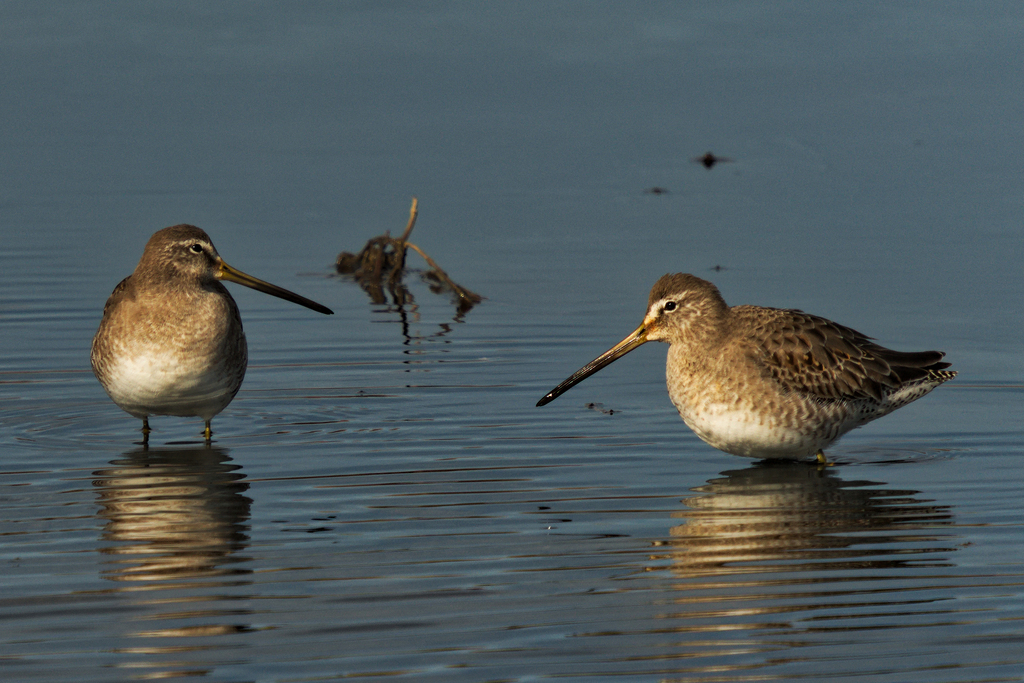
- Long-billed DowitcherLimnodromus scolopaceus
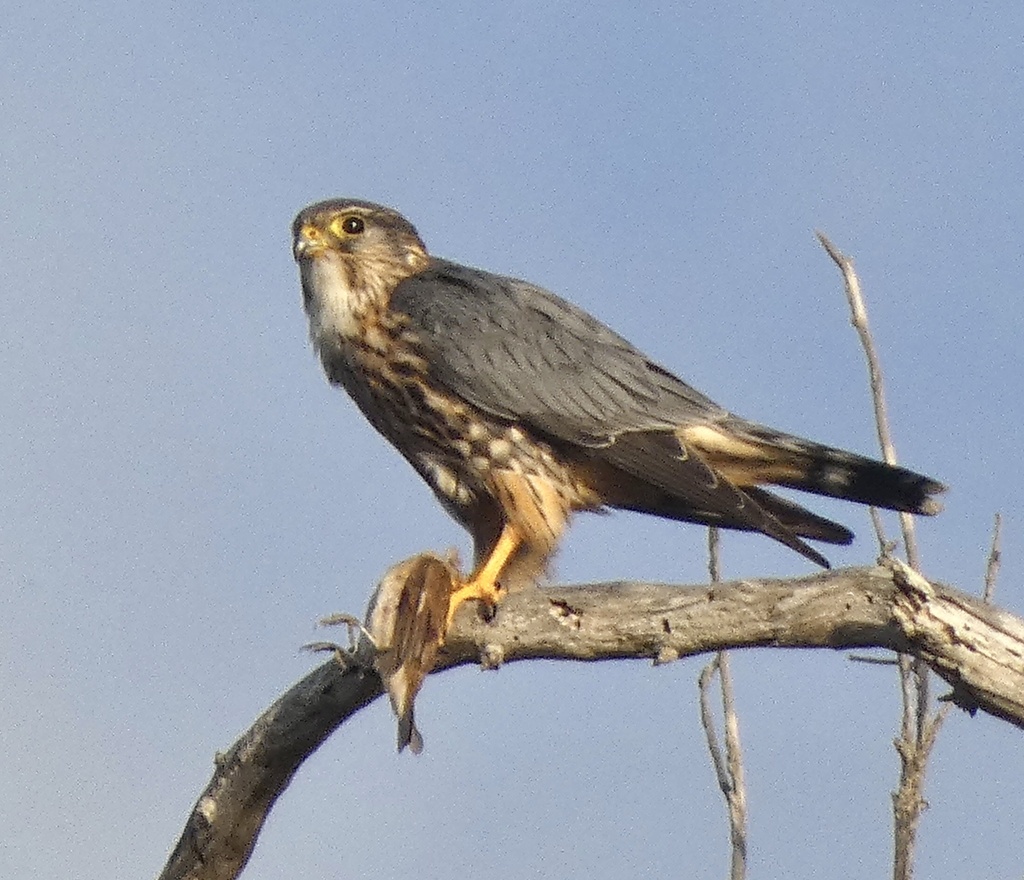
- MerlinFalco columbarius
- Mourning DoveZenaida macroura
- Northern BobwhiteColinus virginianus
- Northern FlickerColaptes auratus
- Northern MockingbirdMimus polyglottos
- Northern Rough-winged SwallowStelgidopteryx serripennis
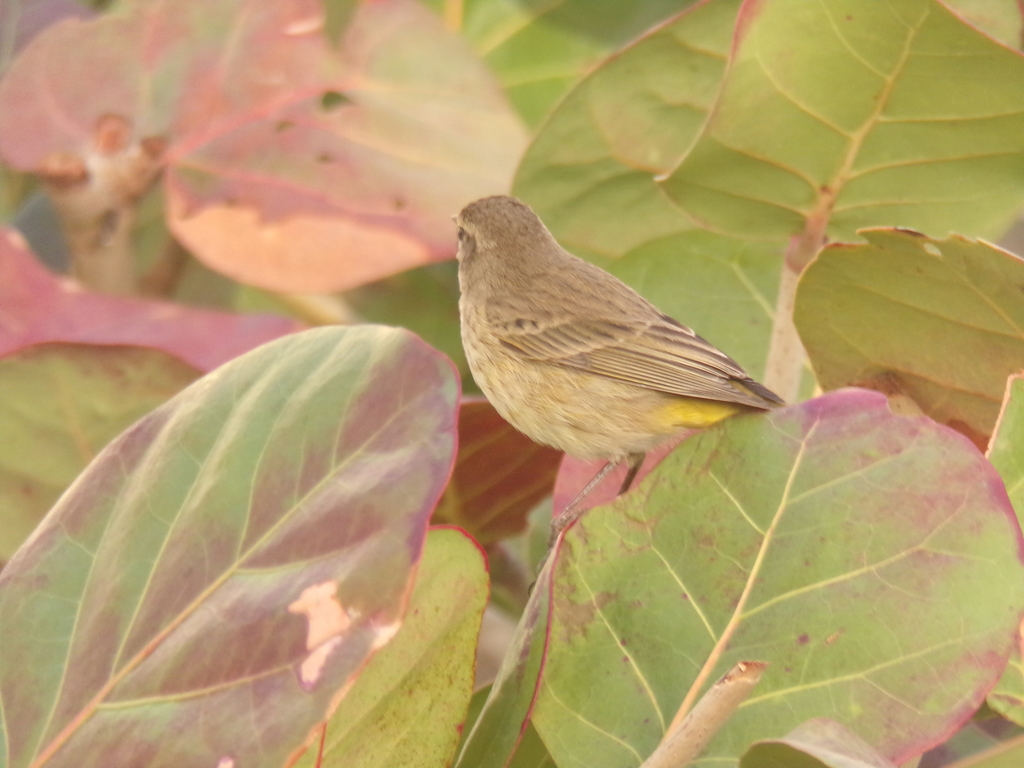
- Palm WarblerDendroica palmarum
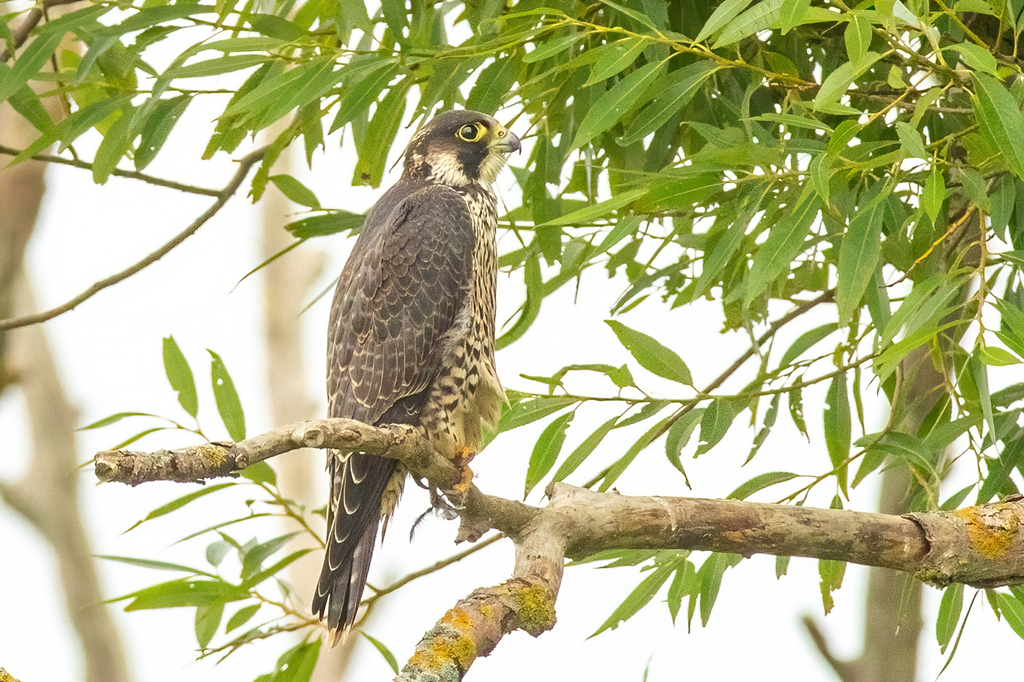
- Peregrine FalconFalco peregrinus


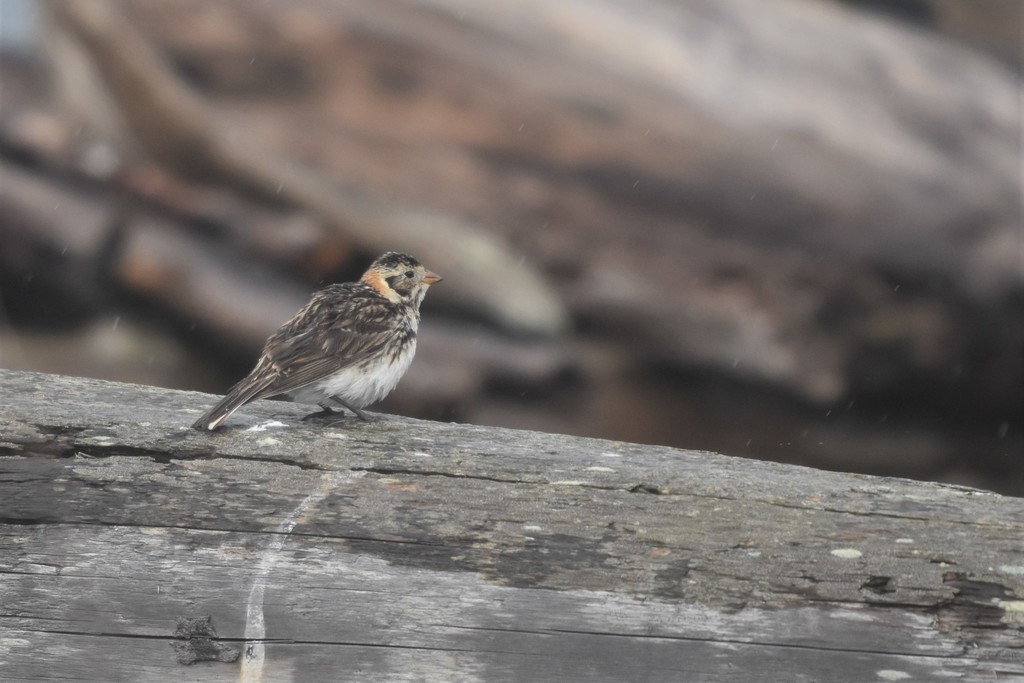
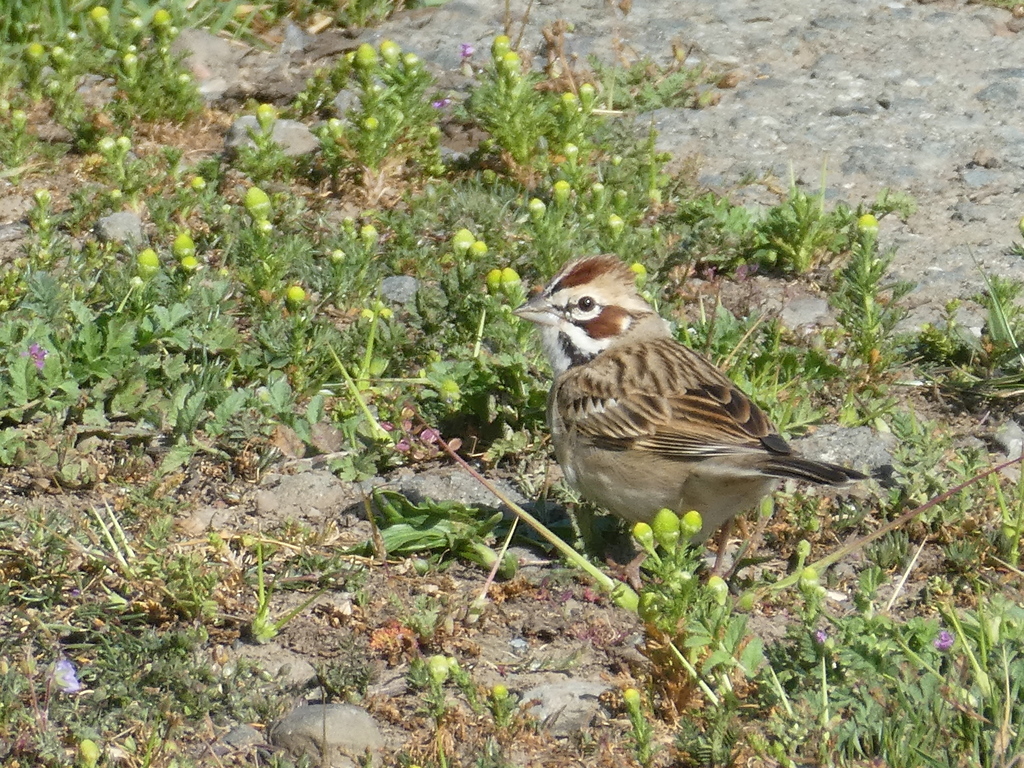
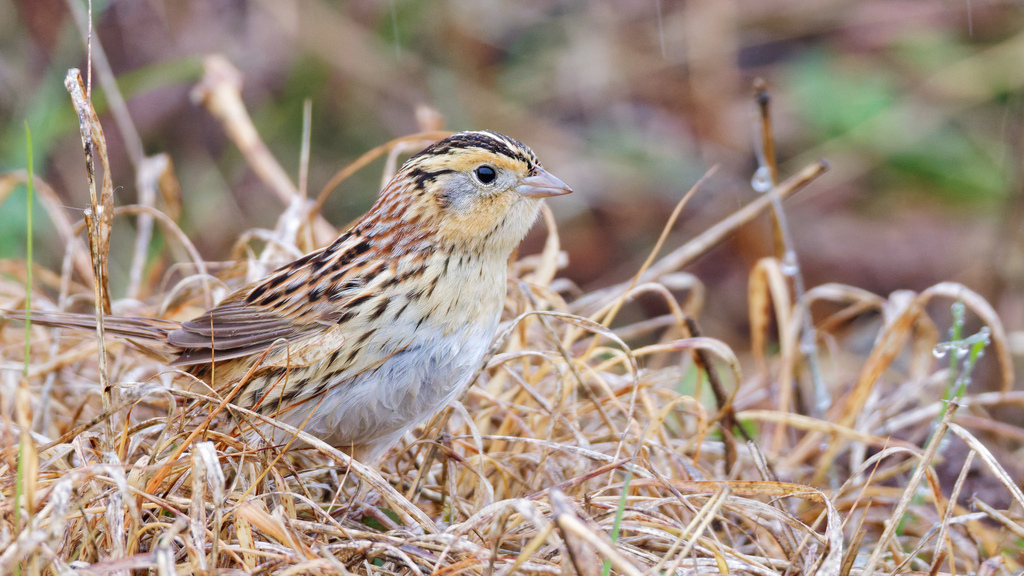
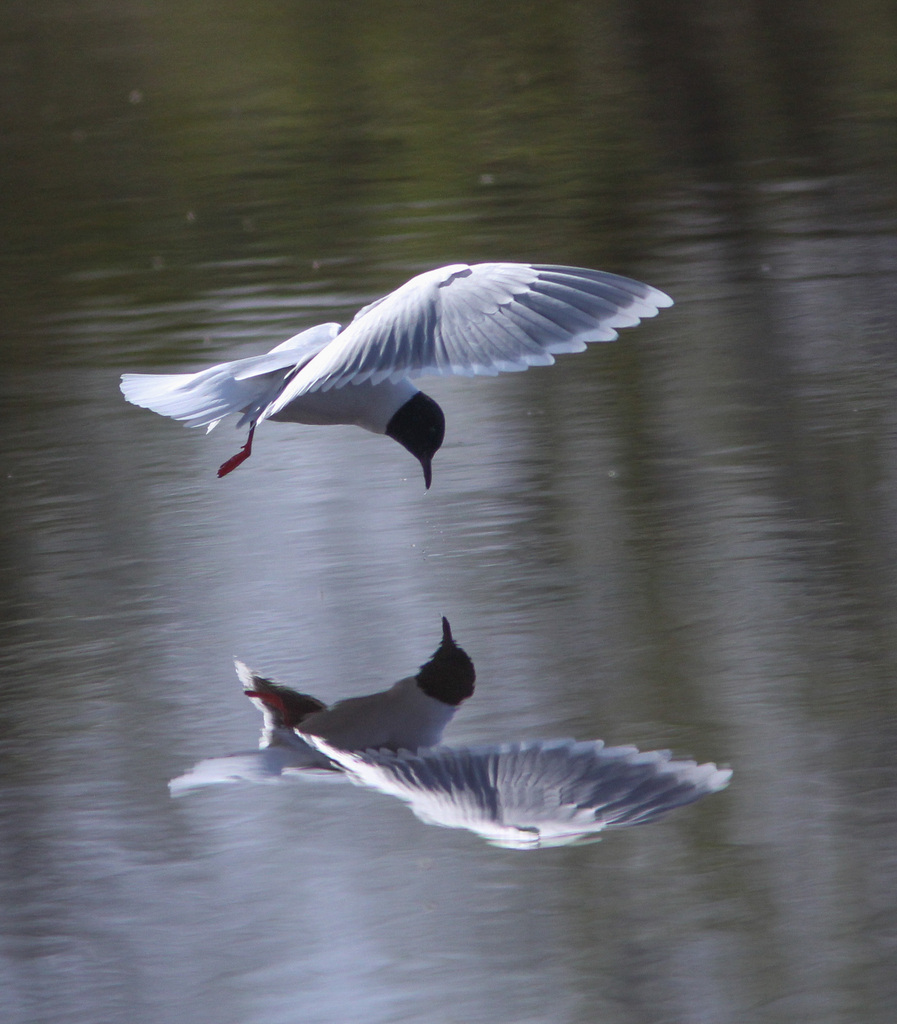






Ecological relationships
Who uses this plant?
 0CaterpillarsGenus host records with ranges including LA
 0BeesSoutheastern regional records
 0Specialist beesPollen specialists
 —BirdsRecorded genus food-resource interactions; not a state feeding claim
No records yet · Ants · Beetles · Flies · Adult butterflies / moths · Other wasps · Other insects
Growing and identification
Plant details
- Family
- Apiaceae
- Flower color
- Yellow
What its natural habitat tells you
Growing sources and scope
- Bloom · “June” · Prairie Moon 2026 Cultural Guide · Nursery cultural guide; height in flower; moisture categories retained as printed
- Flower color · “Yellow” · Prairie Moon 2026 Cultural Guide · Nursery cultural guide; height in flower; moisture categories retained as printed
- Height · “2 feet” · Tennessee Smart Yards (ranked first; Minnesota Wildflowers, Prairie Moon 2026 Cultural Guide differ) · Published Tennessee growing guidance; exact cached scientific heading
- Life cycle · “Biennial or perennial” · Minnesota Wildflowers
- Light · “Full to part sun” · Tennessee Smart Yards (ranked first; Prairie Moon 2026 Cultural Guide differs) · Published Tennessee growing guidance; exact cached scientific heading
- primary_flower_color · “yellow” · Prairie Moon 2026 Cultural Guide
- Soil · “moderately dry to dry” · Tennessee Smart Yards (ranked first; Prairie Moon 2026 Cultural Guide differs) · Published Tennessee growing guidance; exact cached scientific heading
Conservation status
| Louisiana rank | S2 |
|---|---|
| Global rank | Not available |
| LA status | Not verified |
| Federal status | Not verified |
In your garden
Will it fit your yard?
Check this plant against your county, sun and soil moisture. Conditions are checked in your browser.
Choose a county to begin.
Sources
- Weakley, Flora of the Southeastern United States (2025), South Central edition
- NatureServe Explorer
- Louisiana occurrence source
- Shropshire & Tallamy 2025, Lepidoptera of North America north of Mexico, ZooKeys 1261 (ODbL)
- Noori, Seltmann & Orr 2026, A curated and integrated dataset for exploring global bee-plant interactions (GloBI), Zenodo, CC BY 4.0
- Smith, Bachelder, Russell, Morales, Mosher & Seltmann 2024, Bee-Specialization-Modeling v0.6.1 (specialist host table compiled from J. Fowler's pollen specialist bee lists), Zenodo, CC BY 4.0
- Hurlbert, Olsen, Sawyer & Winner 2021, Avian Diet Database, Scientific Data 8: 260 (CC0)
- Narango, Tallamy & Shropshire 2020, Few keystone plant genera support the majority of Lepidoptera species, Nature Communications