

Two-flower Melicgrass
Melica mutica
In the Carolinas and Georgia, found in dry to moist forests and woodlands, including coastal fringe and maritime forests. Weakley, Flora of the Southeastern United States (2025), Carolinas & Georgia edition What its natural habitat tells you
Native to Louisiana (estimated). How scores work Is it native here?
Profile 71%
- Height
- Up to about 3 feet
- Light
- Partial shade, Full shade, Full sun
- Soil moisture
- Dry to moist
No photograph yet. Looking for an old drawing…
At a glance
- Life cycle
- Perennial
- Bloom
- April to June
Not yet recorded · Spread · Leaves
Recorded in 37 Louisiana parishes.
Natural habitats
Places it grows wild. Not a planting requirement. Each habitat page lists the plants and wildlife also found there.
Forests and open woodlands on dry ridges and slopes, often oak or pine.
Forests on moist but not wet ground, such as rich slopes and ravines.
Forest or woodland where the source does not say how moist or dry.
Salt-pruned forests and shrub thickets behind coastal dunes.
Also found with this plant
Wildlife whose habitat models include habitats this plant grows in, in Louisiana. Shared habitat, not food. 67 animals.
- Great Horned OwlBubo virginianus
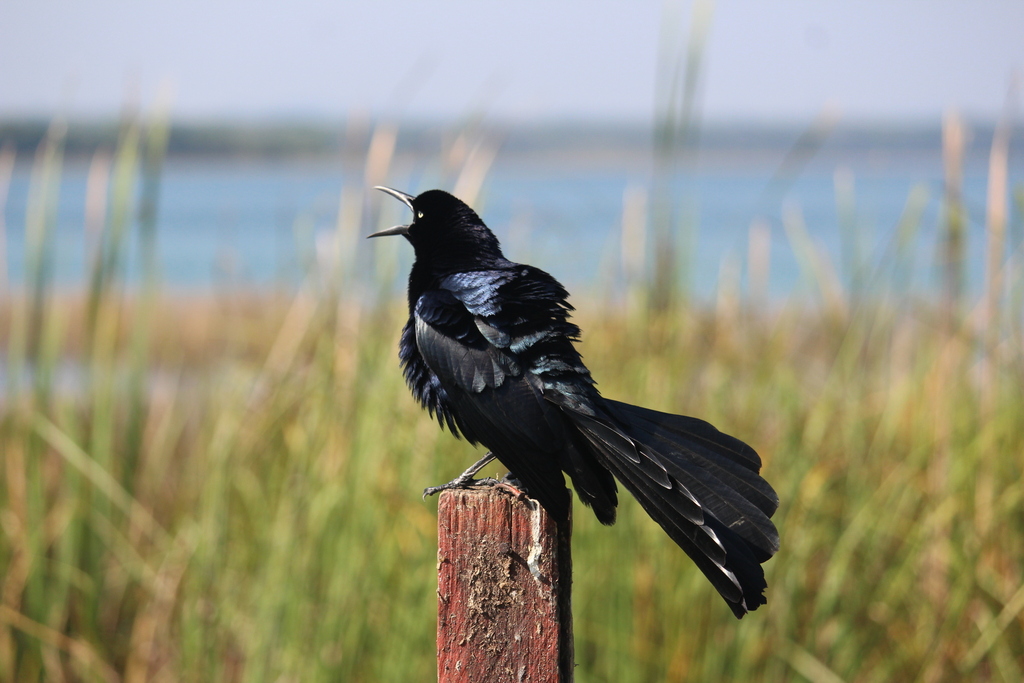
- Great-tailed GrackleQuiscalus mexicanus
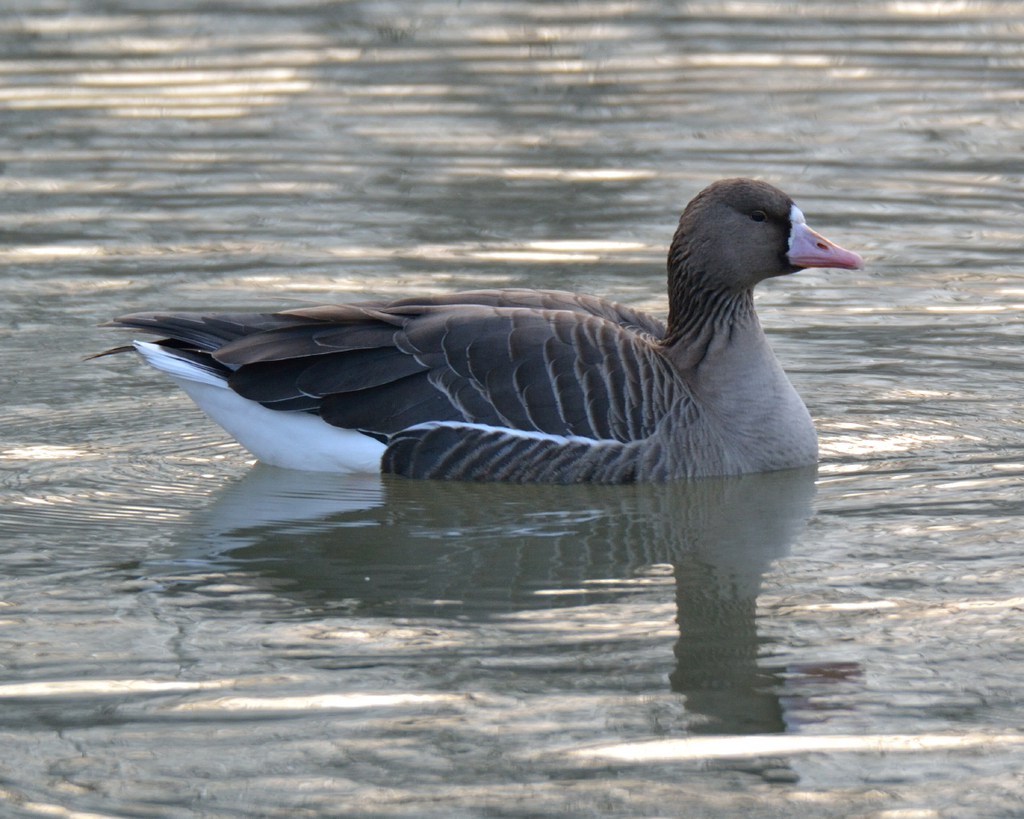
- Greater White-fronted GooseAnser albifrons
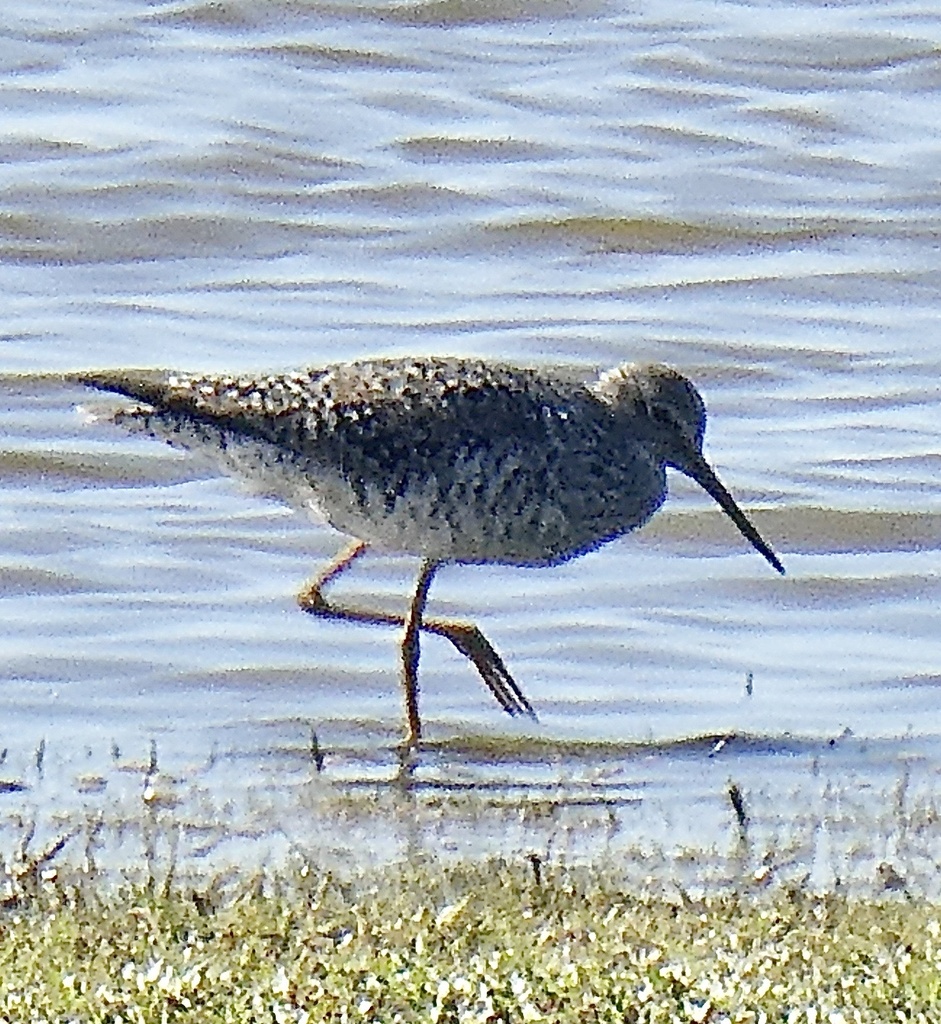
- Greater YellowlegsTringa melanoleuca
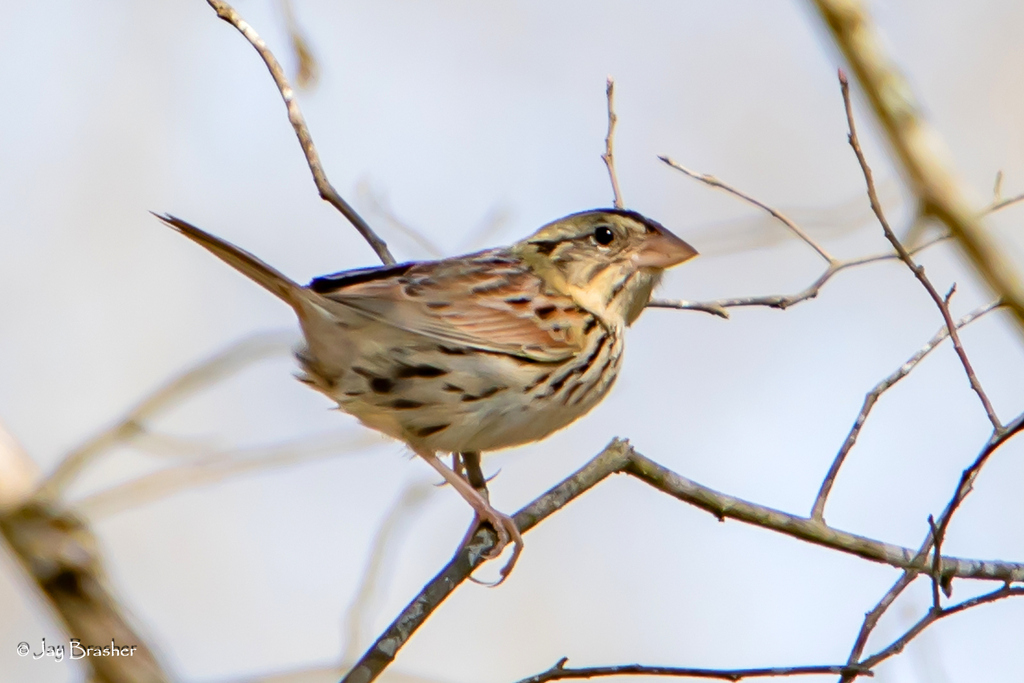
- Henslow's SparrowAmmodramus henslowii
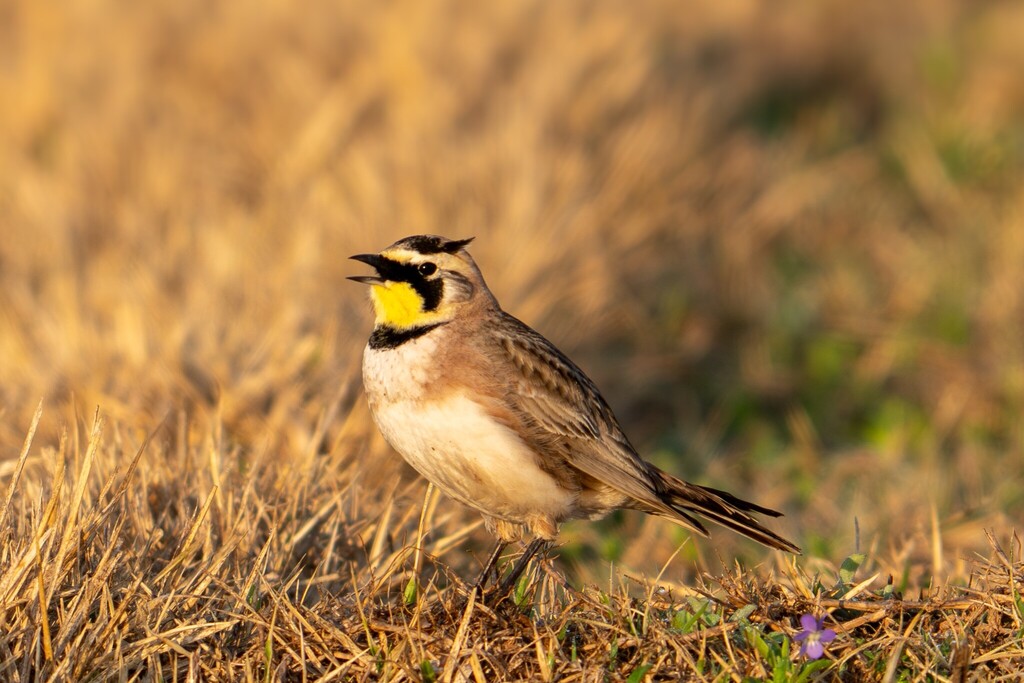
- Horned LarkEremophila alpestris
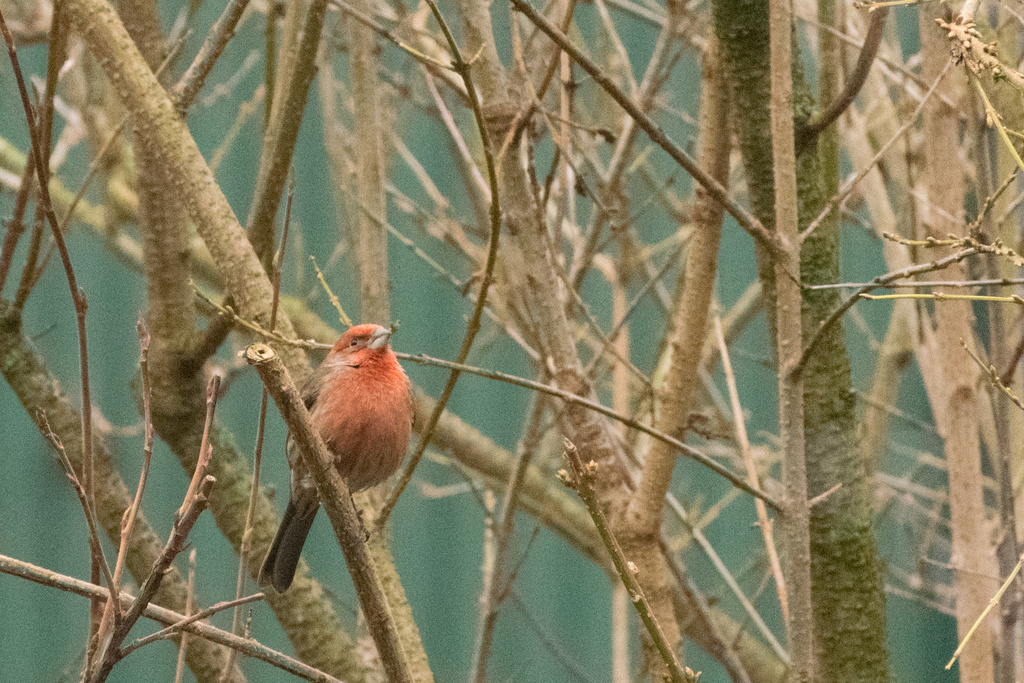
- House FinchCarpodacus mexicanus
- Indigo BuntingPasserina cyanea
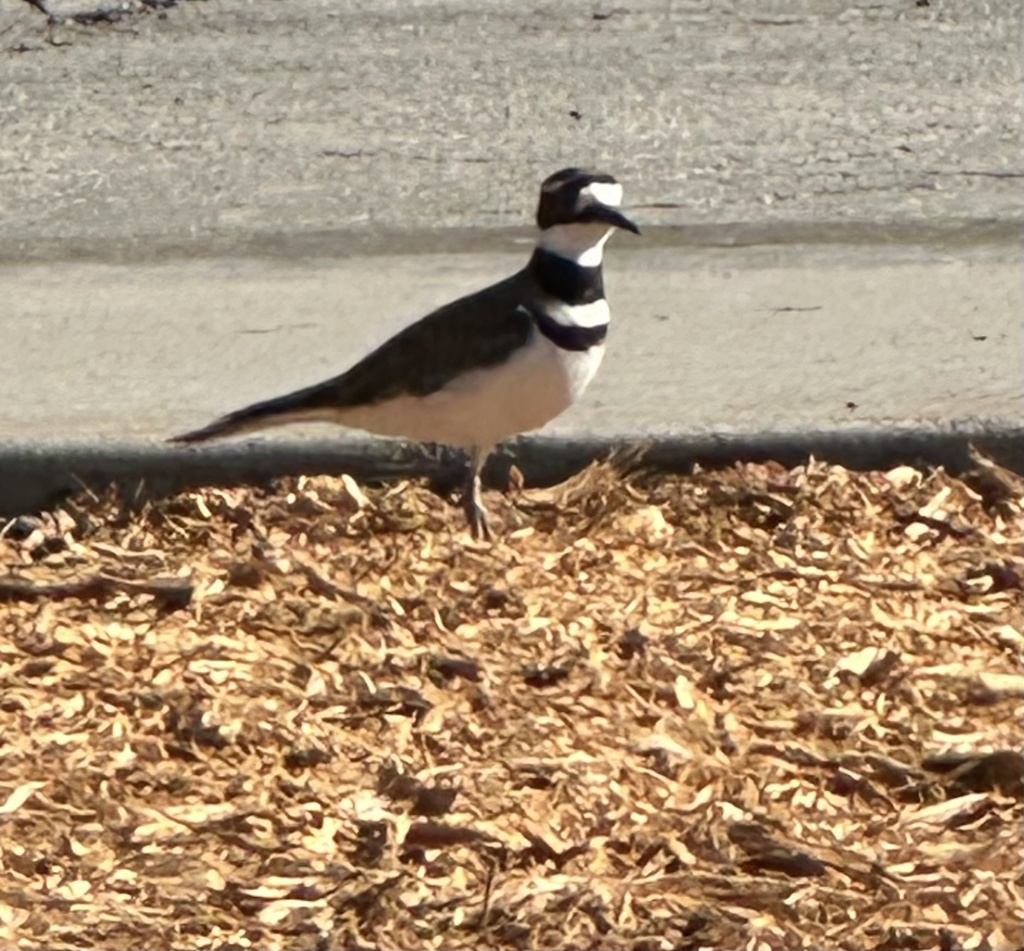
- KilldeerCharadrius vociferus
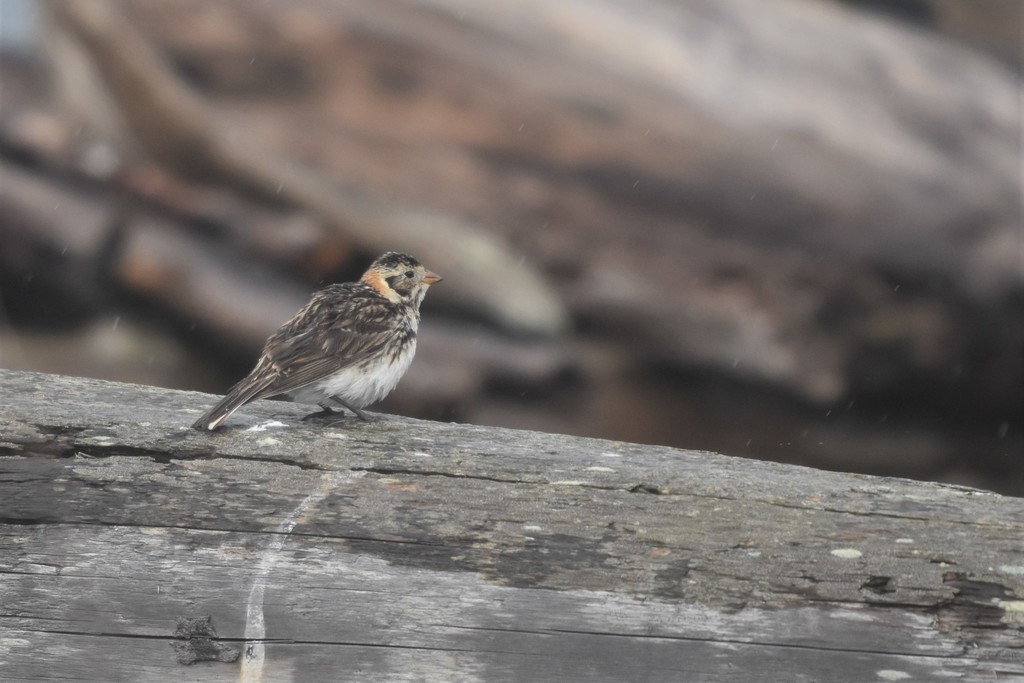
- Lapland LongspurCalcarius lapponicus
- Lark SparrowChondestes grammacus
- Le Conte's SparrowAmmodramus leconteii
- Little GullHydrocoloeus minutus
- Loggerhead ShrikeLanius ludovicianus
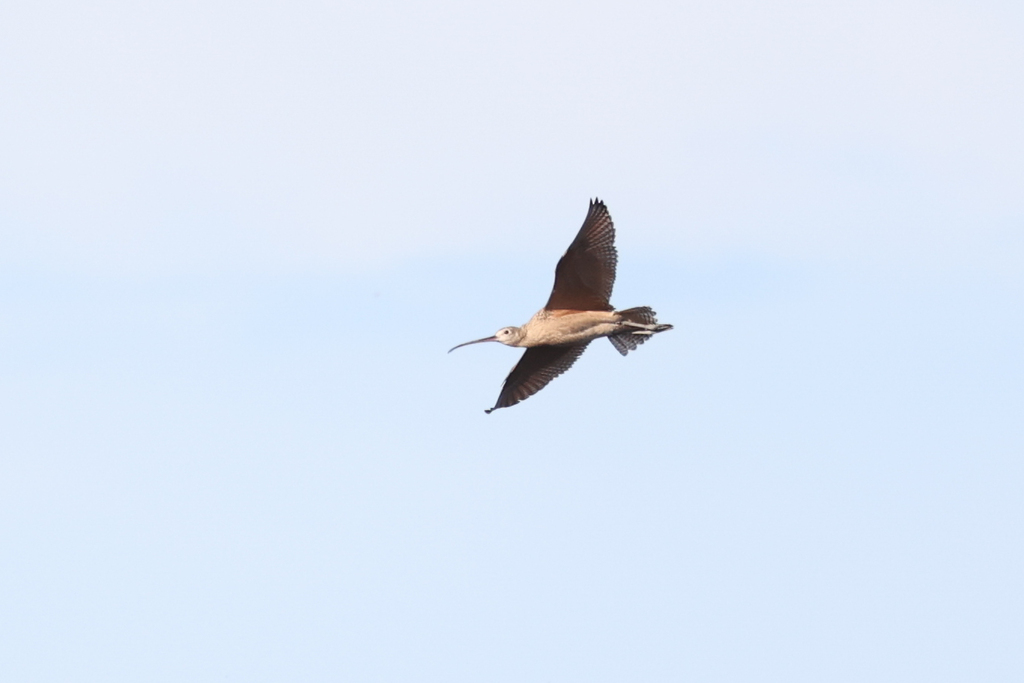
- Long-billed CurlewNumenius americanus
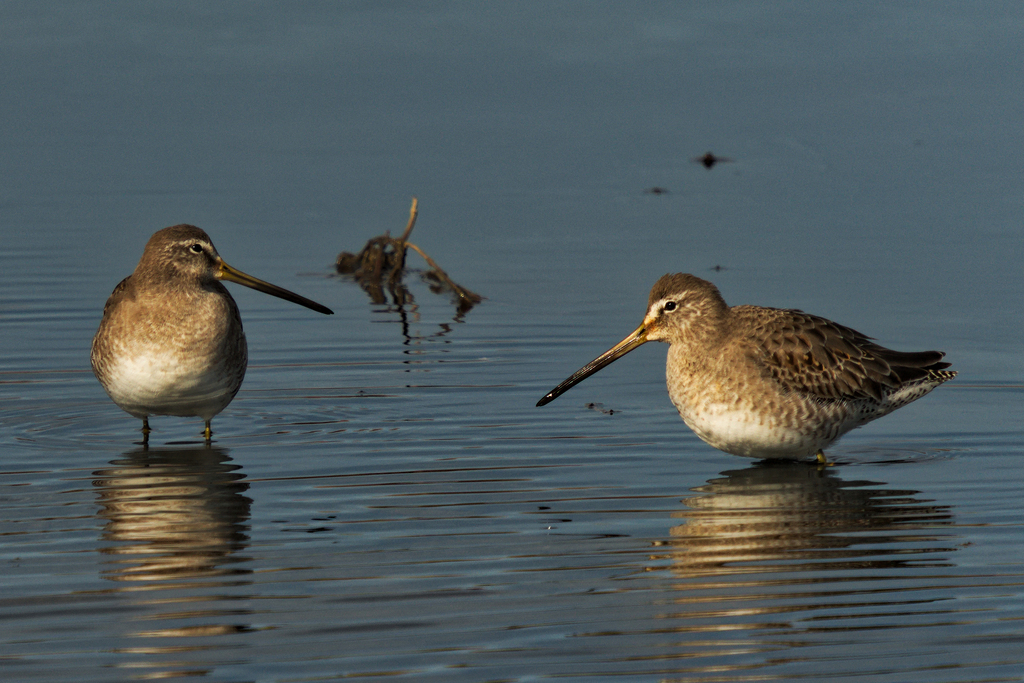
- Long-billed DowitcherLimnodromus scolopaceus
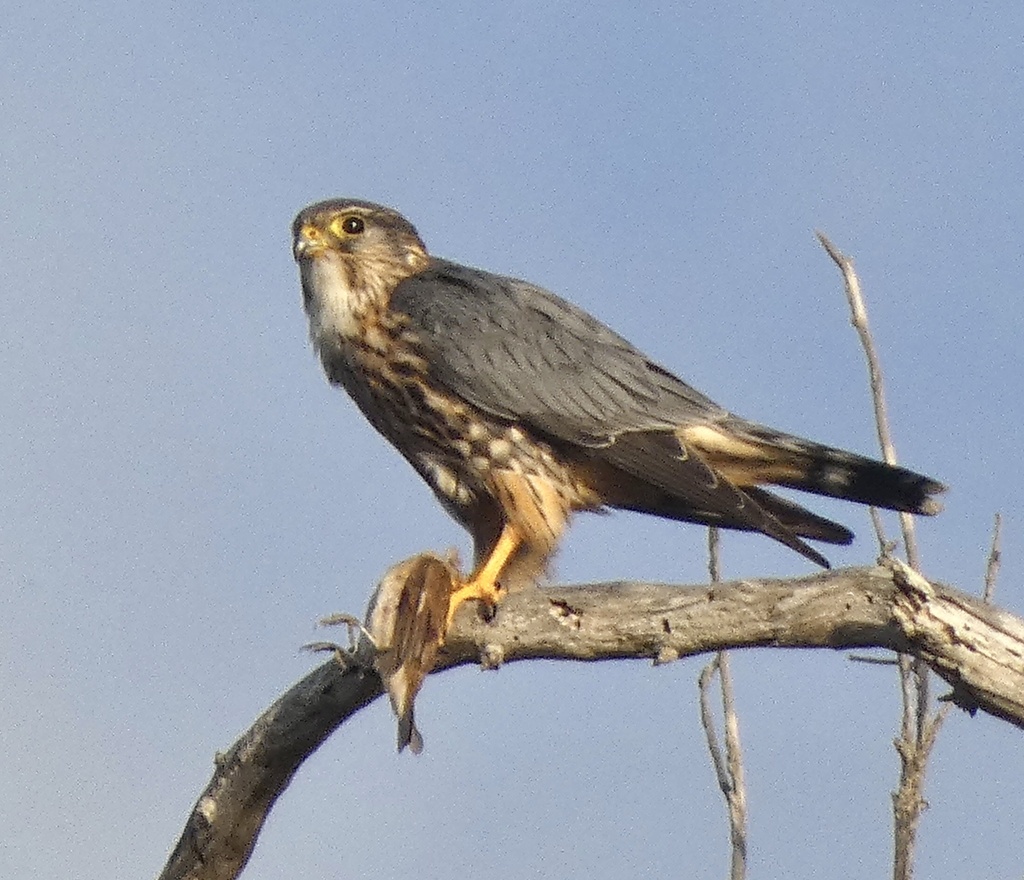
- MerlinFalco columbarius
- Mourning DoveZenaida macroura
- Northern BobwhiteColinus virginianus
- Northern FlickerColaptes auratus
- Northern MockingbirdMimus polyglottos
- Northern Rough-winged SwallowStelgidopteryx serripennis
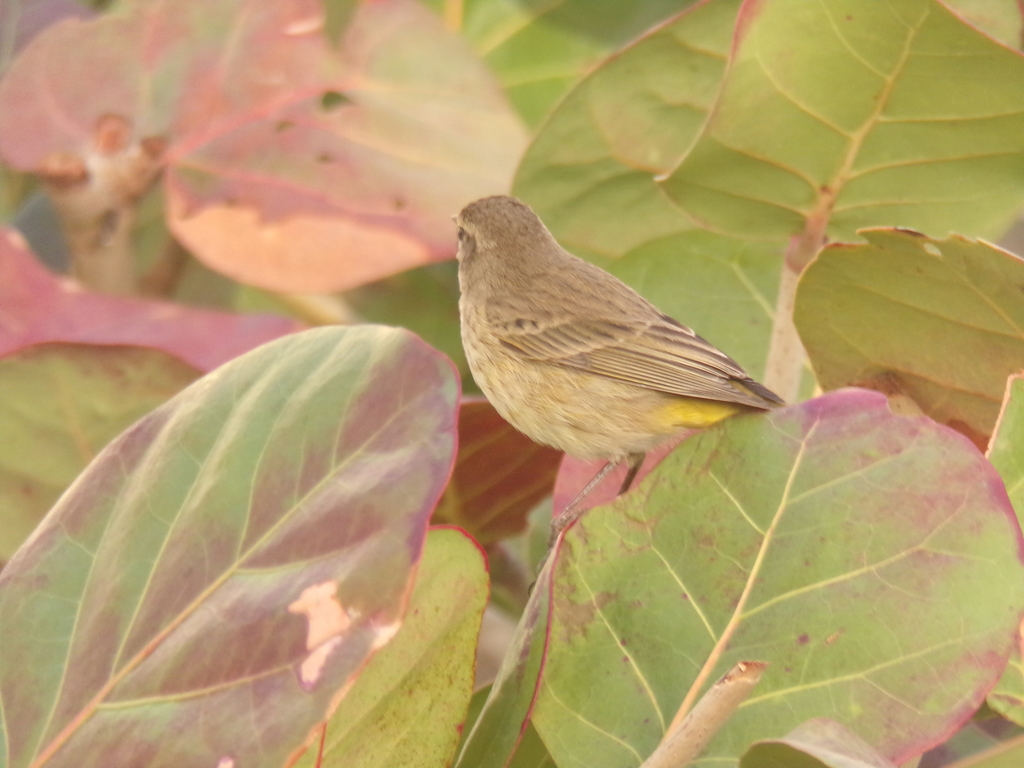
- Palm WarblerDendroica palmarum
- Peregrine FalconFalco peregrinus


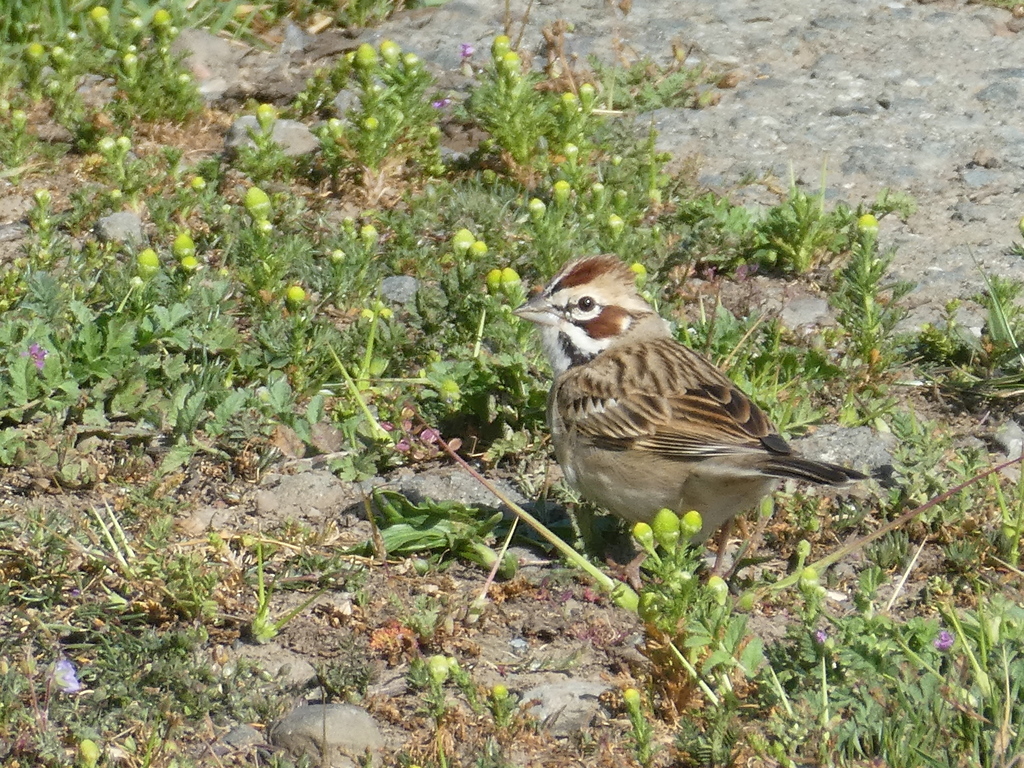
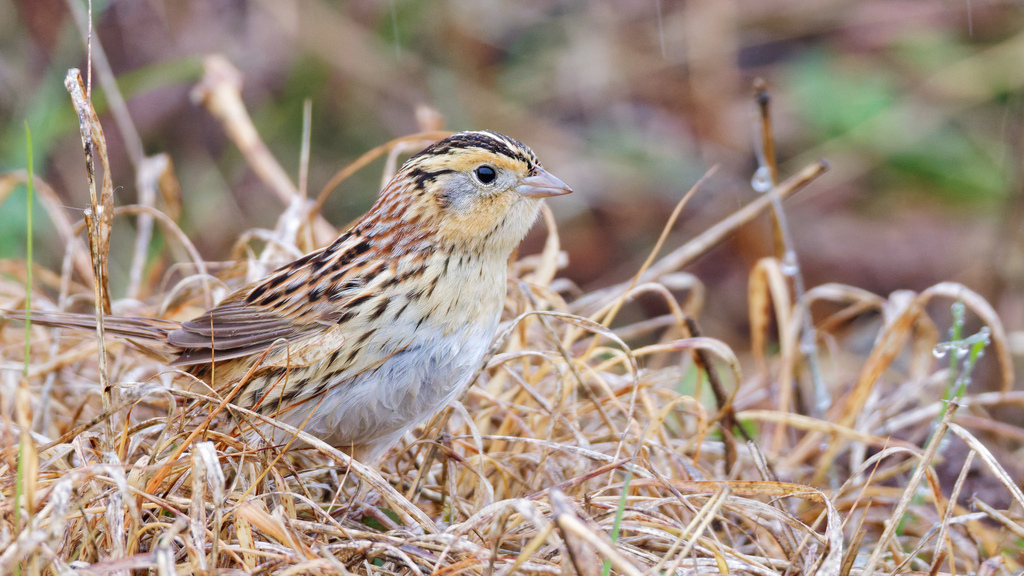
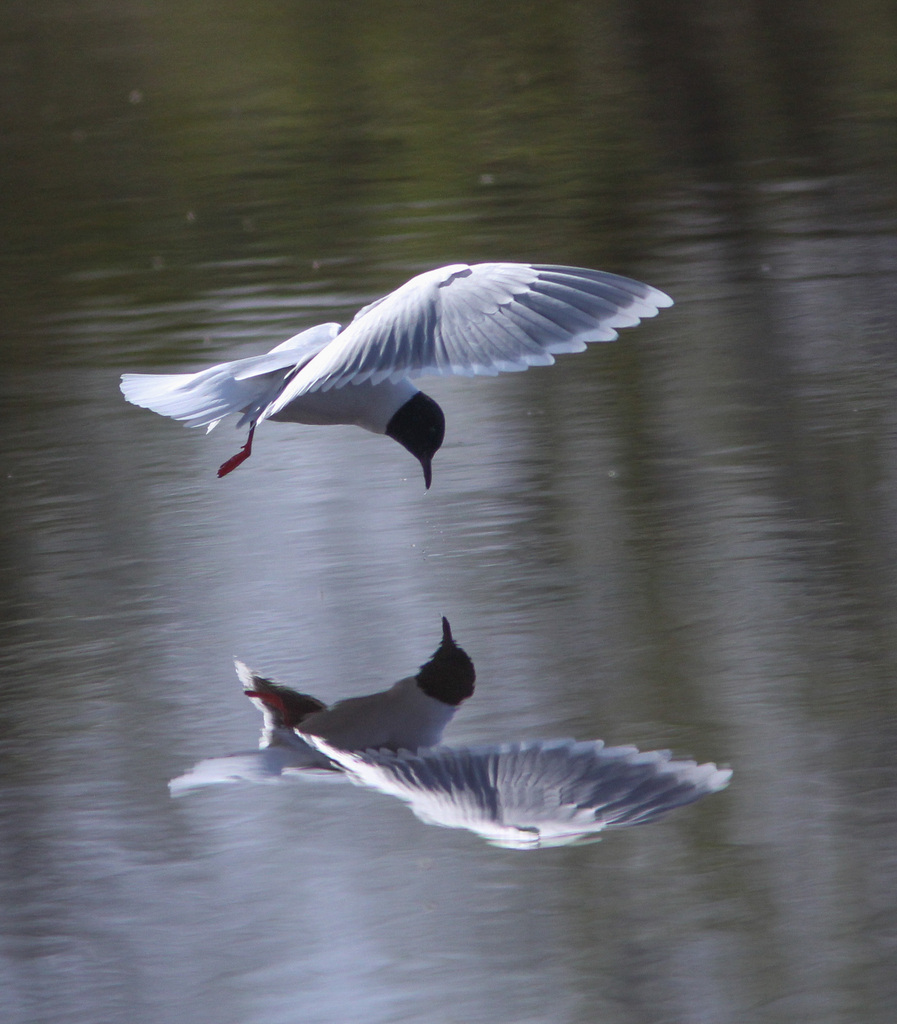
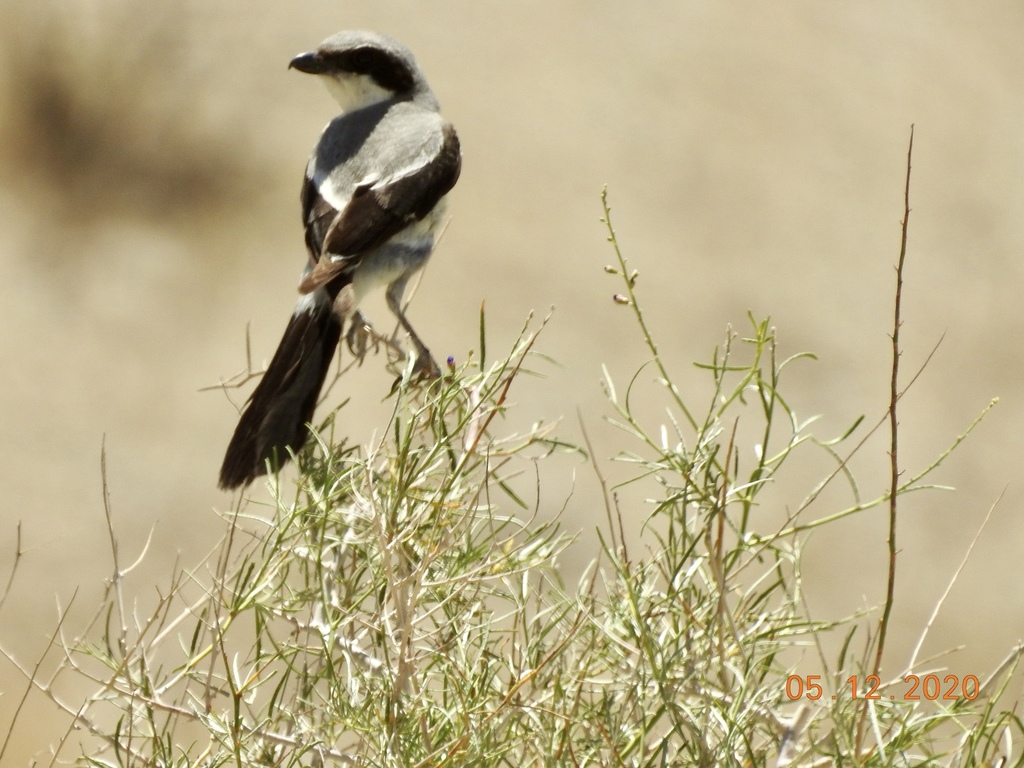





Who uses this plant?
 0CaterpillarsGenus host records with ranges including LA
 0BeesSoutheastern regional records
 0Specialist beesPollen specialists
 —BirdsRecorded genus food-resource interactions; not a state feeding claim
No records yet · Ants · Beetles · Flies · Adult butterflies / moths · Other wasps · Other insects
Plant details
- Family
- Poaceae
- Flower color
- Yellow, green or brown
Safety has not been reviewed for this plant; check toxicity and thorns before planting.
Growing sources and scope
- Bloom · “April to June” · Weakley, Flora of the Southeastern United States (2025), Carolinas & Georgia edition · Carolinas and Georgia
- Flower color · “Yellow, green or brown” · Lady Bird Johnson Wildflower Center
- Height · “Up to about 3 feet” · Lady Bird Johnson Wildflower Center
- Life cycle · “Perennial” · Lady Bird Johnson Wildflower Center
- Light · “Partial shade; Full shade; Full sun (documented habitat)” · Weakley, Flora of the Southeastern United States (2025), Carolinas & Georgia edition · Carolinas and Georgia
- Soil · “Dry; Moist (documented habitat)” · Weakley, Flora of the Southeastern United States (2025), Carolinas & Georgia edition · Carolinas and Georgia
Also known as
Two Flower Melic Grass; Two flower Melicgrass
Conservation status
| Louisiana rank | SNR |
|---|---|
| Global rank | G5 |
| LA status | Not verified |
| Federal status | Not verified |
Will it fit your yard?
Check this plant against your county, sun and soil moisture. Conditions are checked in your browser.
Sources
- USDA PLANTS
- Vascular Plants of North Carolina (NC Natural Heritage Program)
- Weakley, Flora of the Southeastern United States (2025)
- Louisiana occurrence source
- Shropshire & Tallamy 2025, Lepidoptera of North America north of Mexico, ZooKeys 1261 (ODbL)
- Noori, Seltmann & Orr 2026, A curated and integrated dataset for exploring global bee-plant interactions (GloBI), Zenodo, CC BY 4.0
- Smith, Bachelder, Russell, Morales, Mosher & Seltmann 2024, Bee-Specialization-Modeling v0.6.1 (specialist host table compiled from J. Fowler's pollen specialist bee lists), Zenodo, CC BY 4.0
- Hurlbert, Olsen, Sawyer & Winner 2021, Avian Diet Database, Scientific Data 8: 260 (CC0)
- Narango, Tallamy & Shropshire 2020, Few keystone plant genera support the majority of Lepidoptera species, Nature Communications