

Copper Iris
Iris fulva
Native to Louisiana (estimated). How scores work Is it native here?
Profile 100%
- Height
- 3–5 feet
- Spread
- 1–2 feet
- Light
- Full to part sun
- Soil moisture
- Average to wet
Space about 1.5 ft apart from its recorded spread, about 44 per 100 sq ft. Enter your bed size for a count
Will it fit your yard?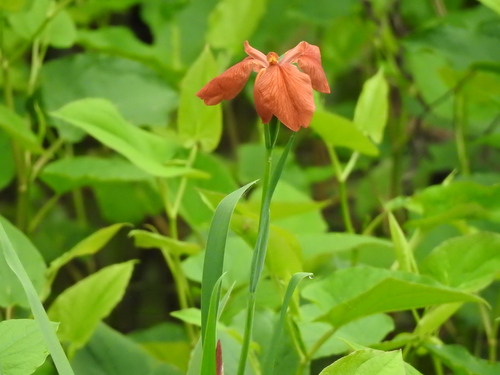
At a glance
- Bloom
- Mid spring
- Fruiting season
- Spring to summer
Not yet recorded · Life cycle · Leaves
Recorded in 36 Louisiana parishes.
Also found with this plant
Wildlife whose habitat models include habitats this plant grows in, in Louisiana. Shared habitat, not food. 123 animals.
- Chipping SparrowSpizella passerina
- DunlinCalidris alpina
- Eastern BluebirdSialia sialis
- Eastern PhoebeSayornis phoebe
- Eastern Screech-owlMegascops asio
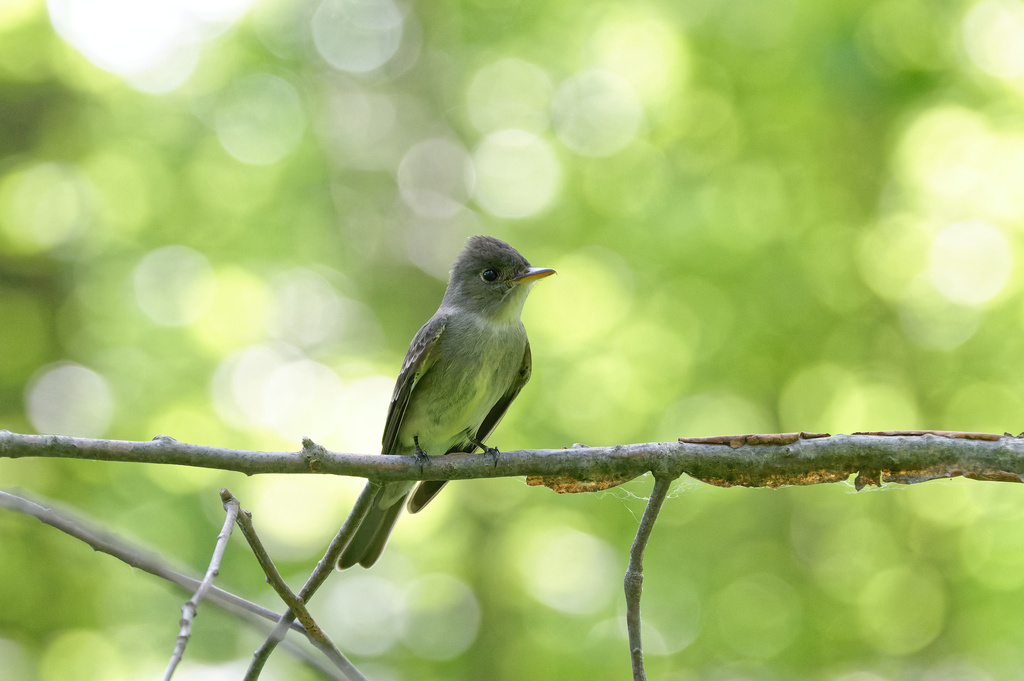
- Eastern Wood-peweeContopus virens
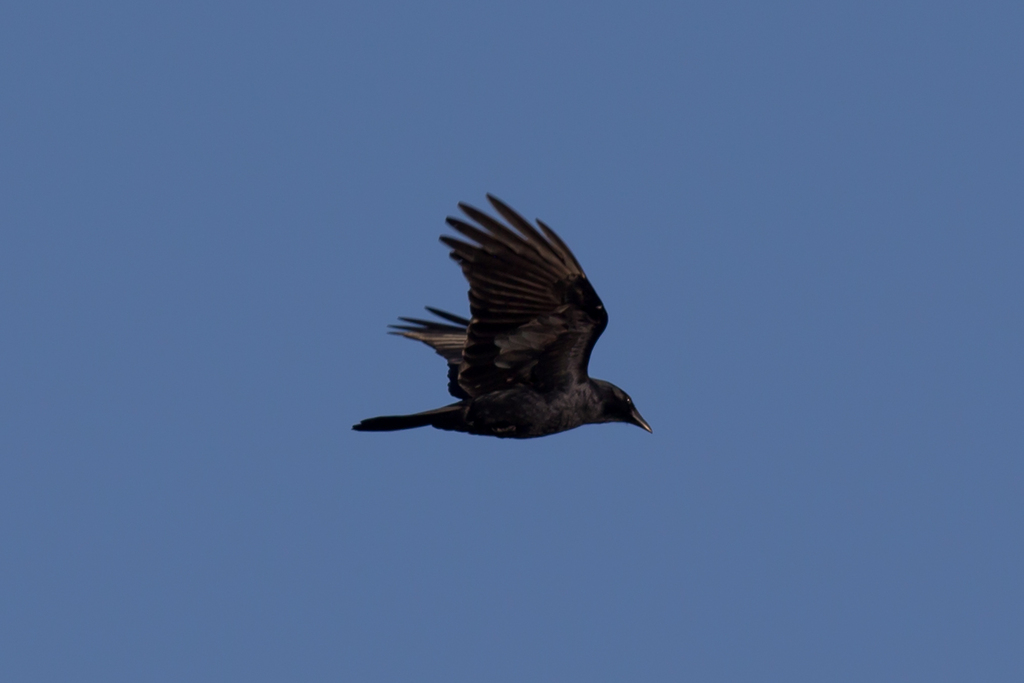
- Fish CrowCorvus ossifragus
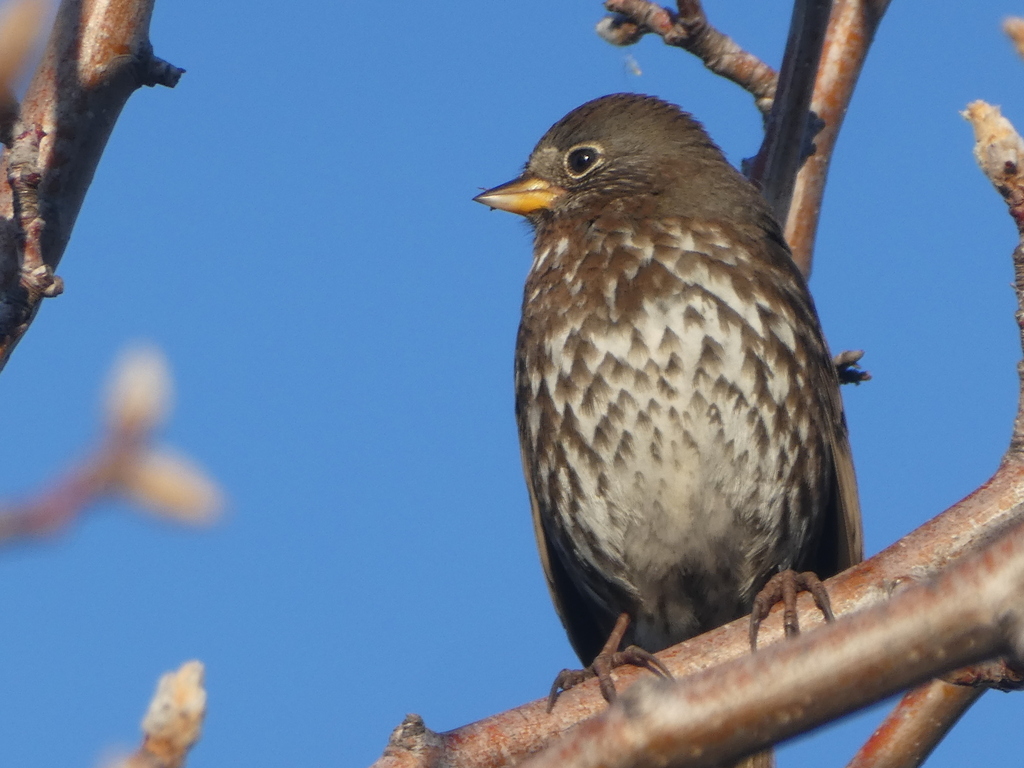
- Fox SparrowPasserella iliaca
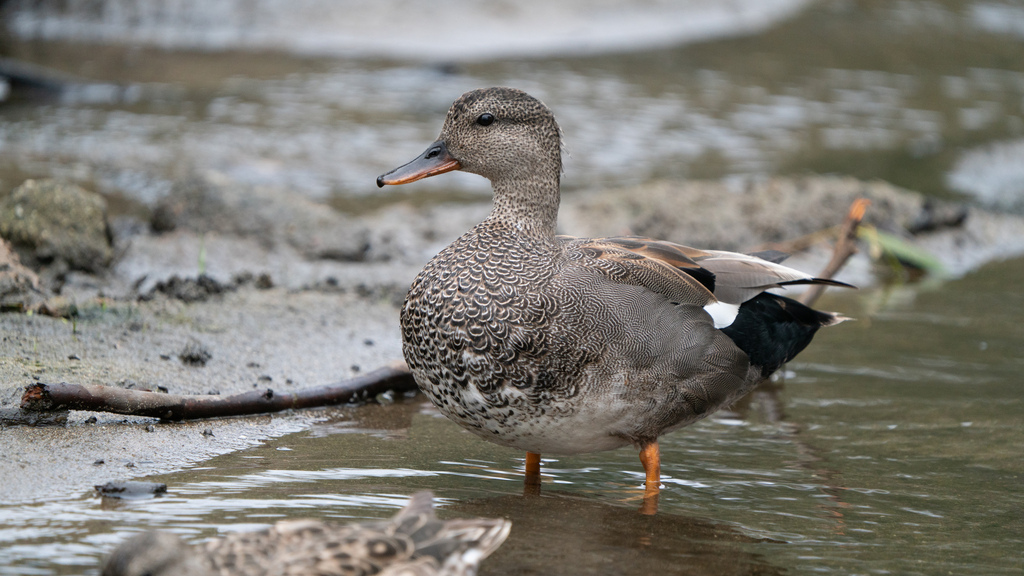
- GadwallAnas strepera
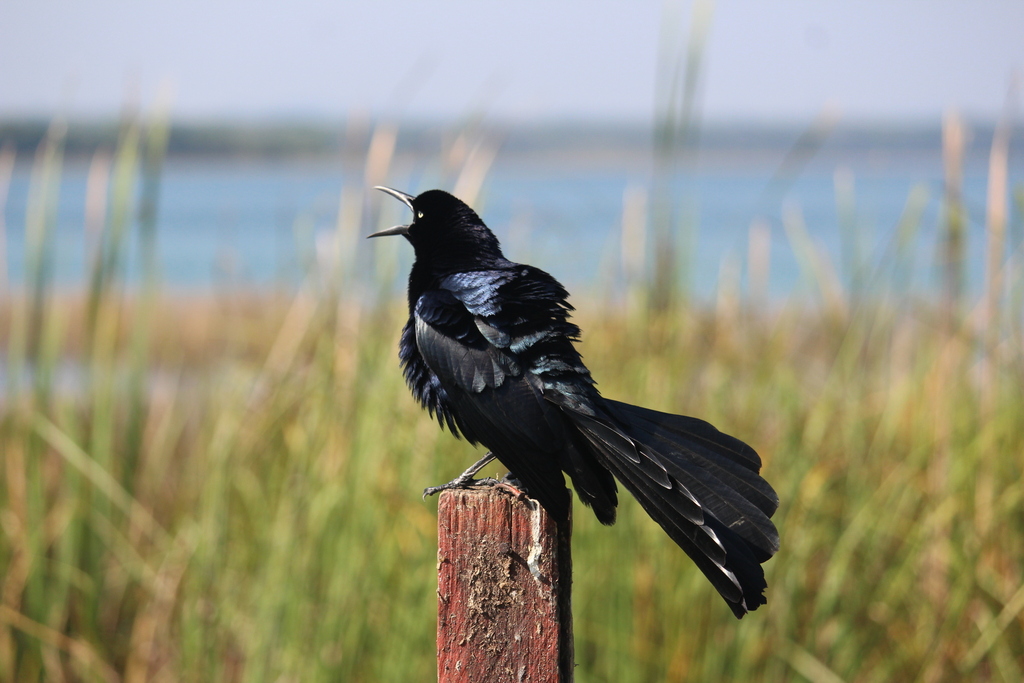
- Great-tailed GrackleQuiscalus mexicanus
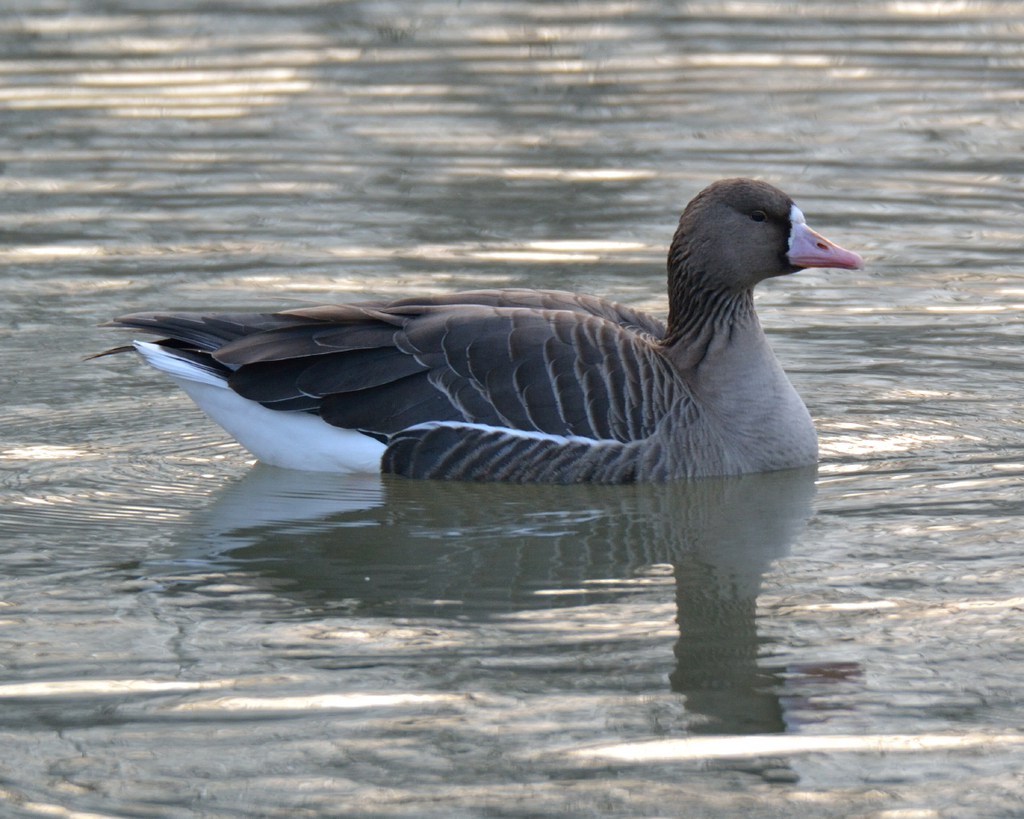
- Greater White-fronted GooseAnser albifrons
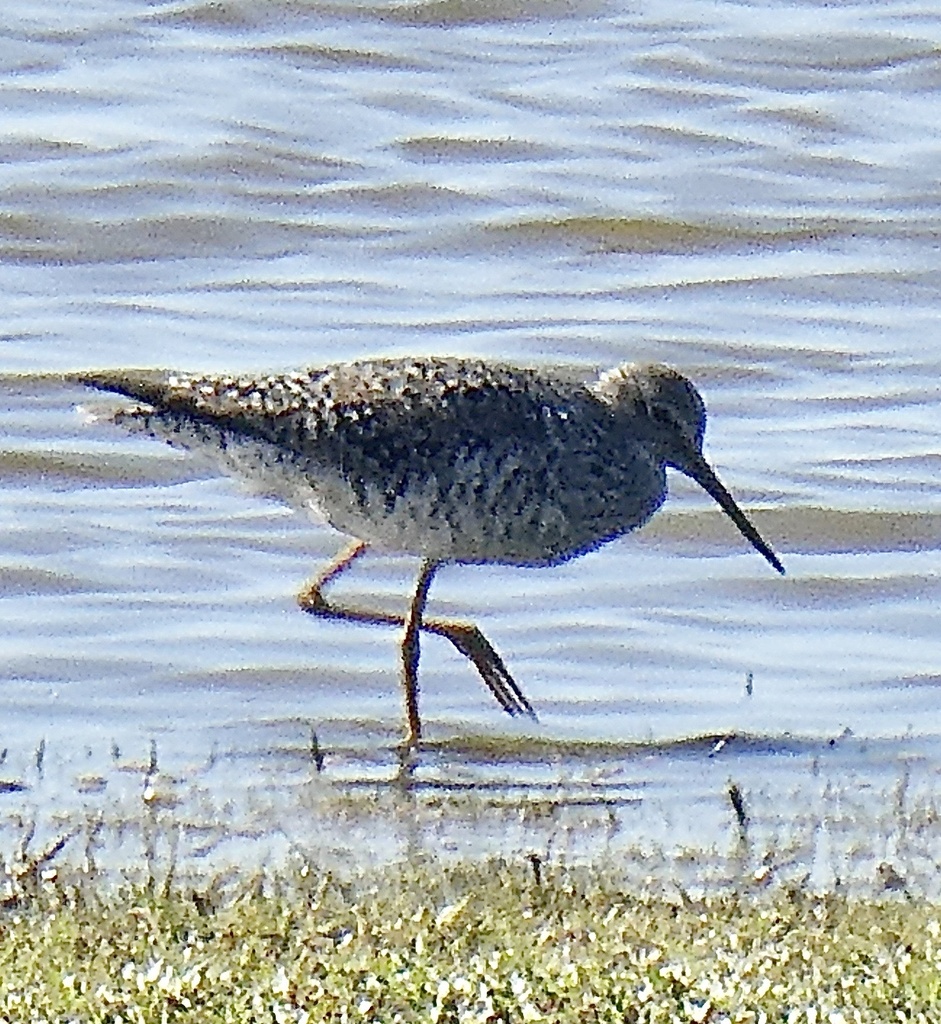
- Greater YellowlegsTringa melanoleuca
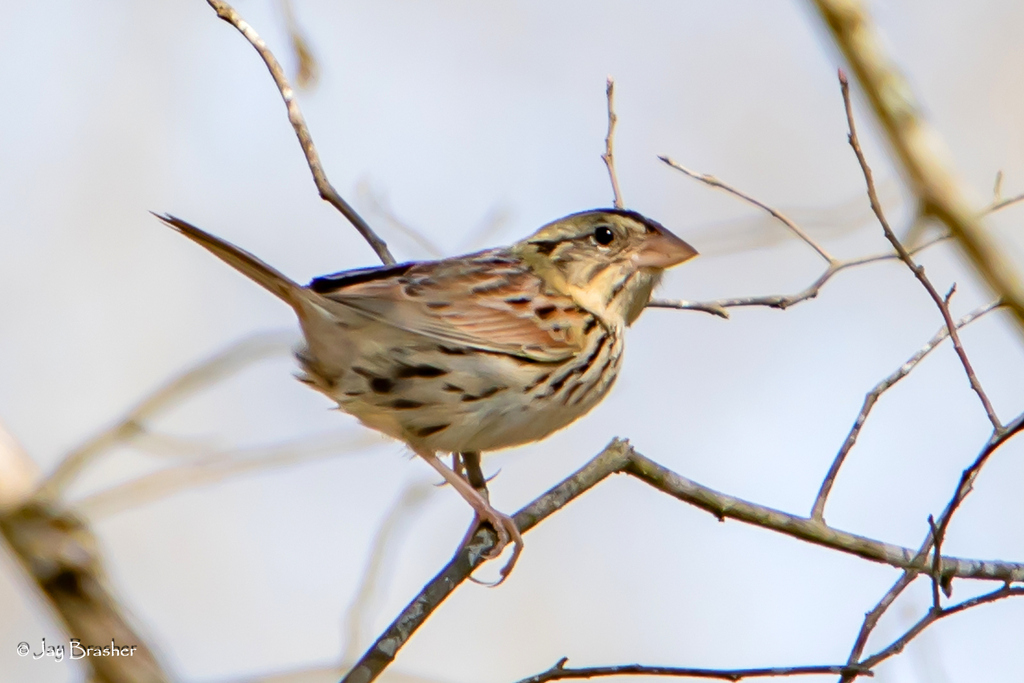
- Henslow's SparrowAmmodramus henslowii
- Hooded WarblerWilsonia citrina
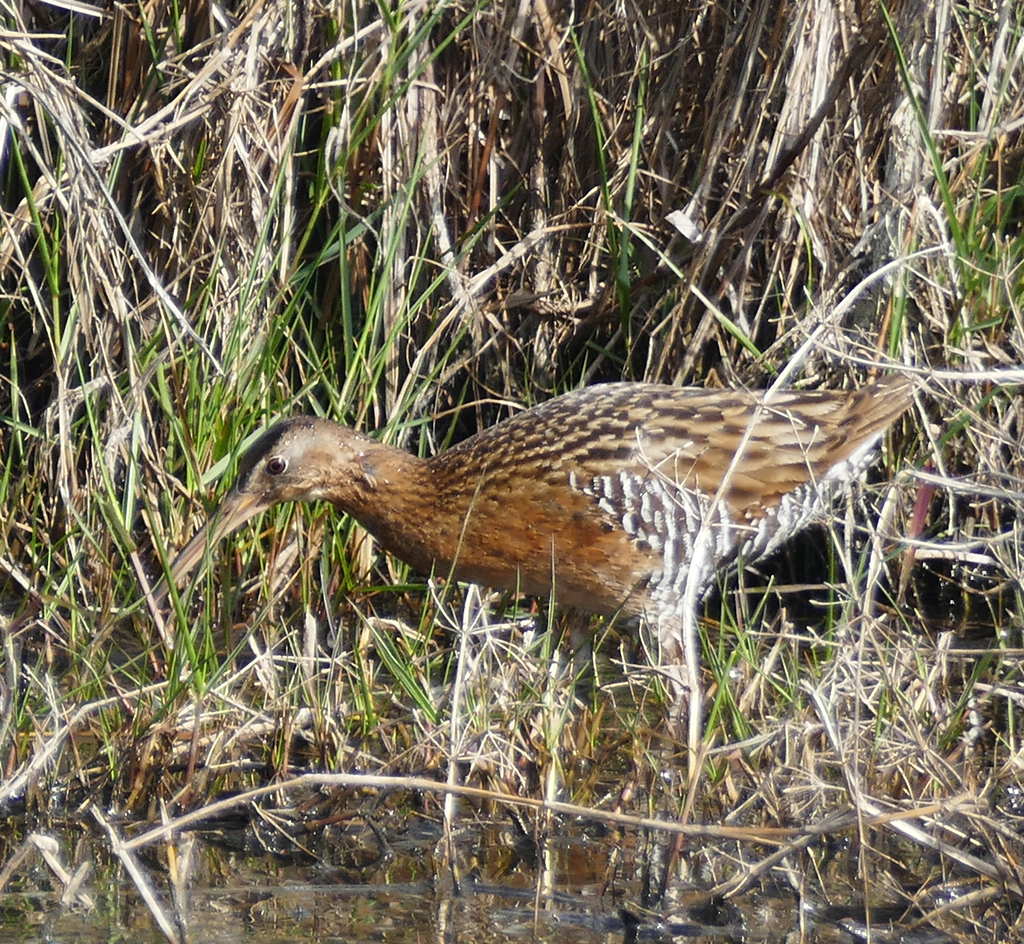
- King RailRallus elegans
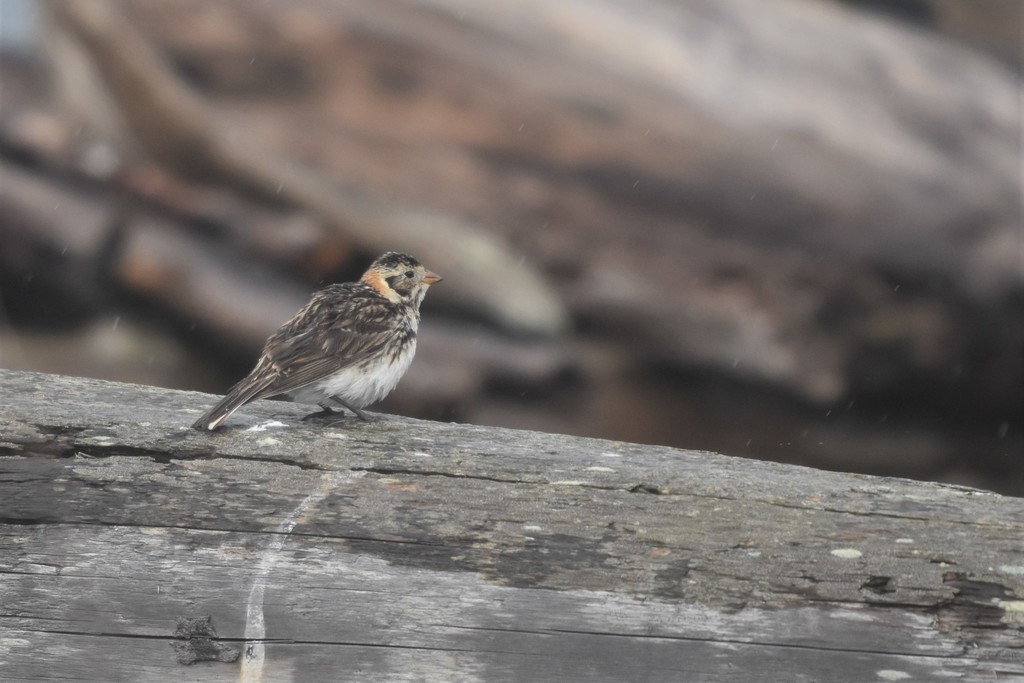
- Lapland LongspurCalcarius lapponicus
- Lesser Black-backed GullLarus fuscus
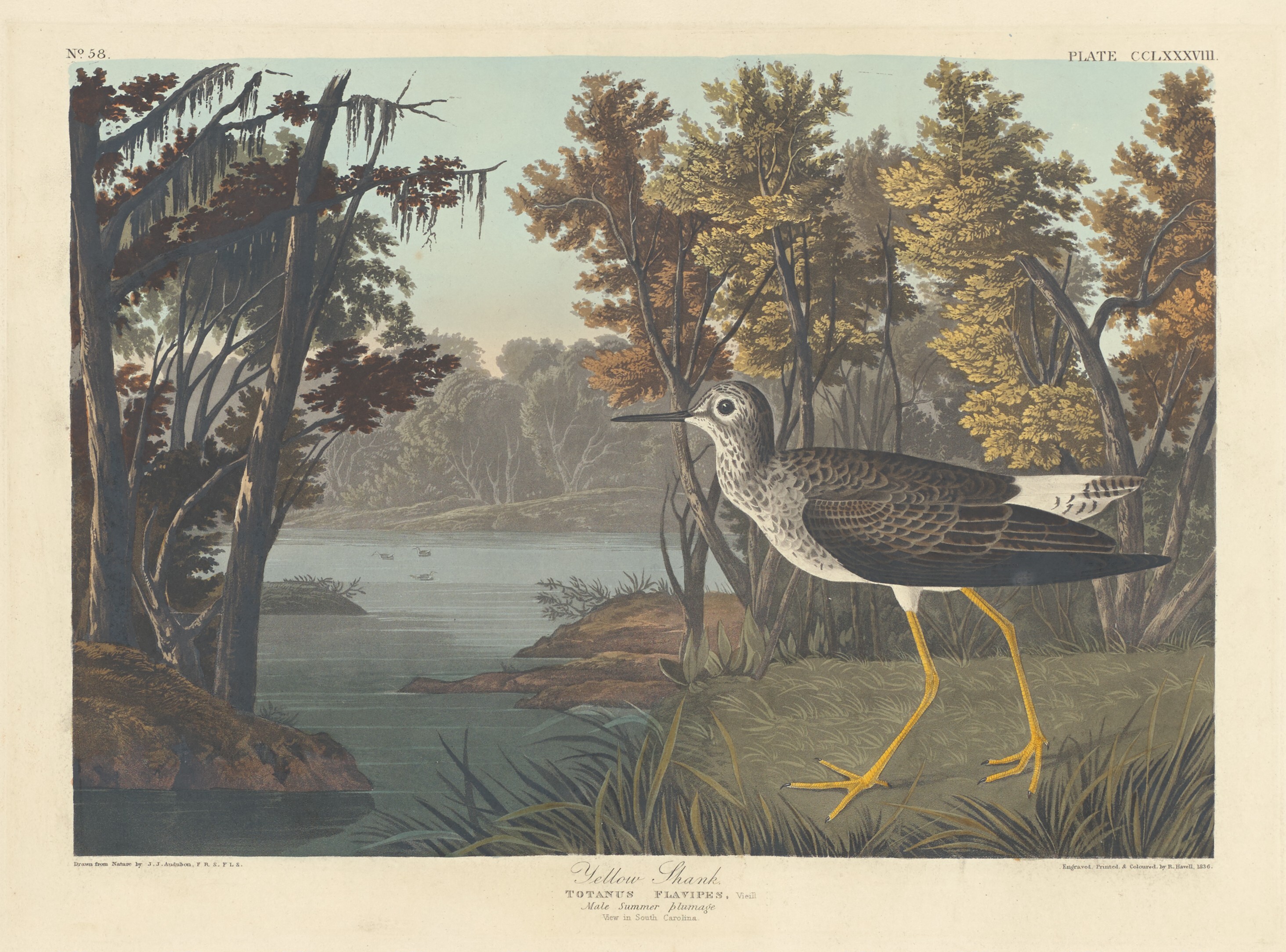
- Lesser YellowlegsTringa flavipes
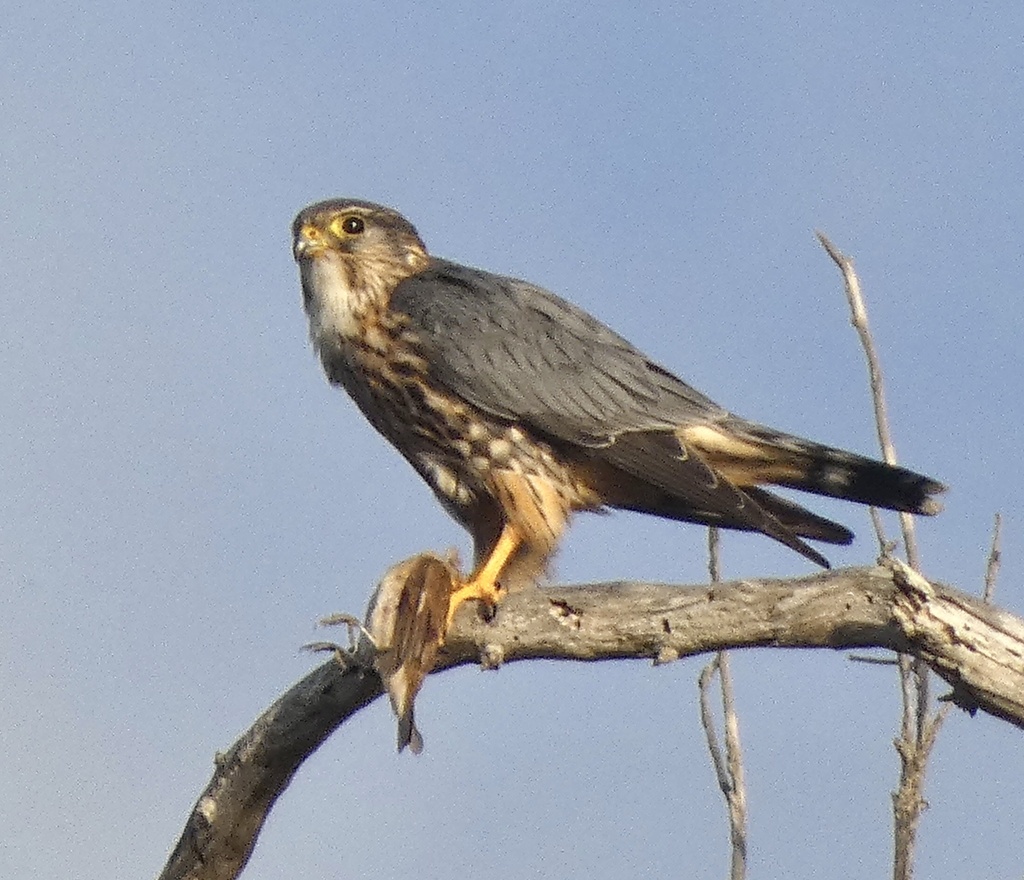
- MerlinFalco columbarius
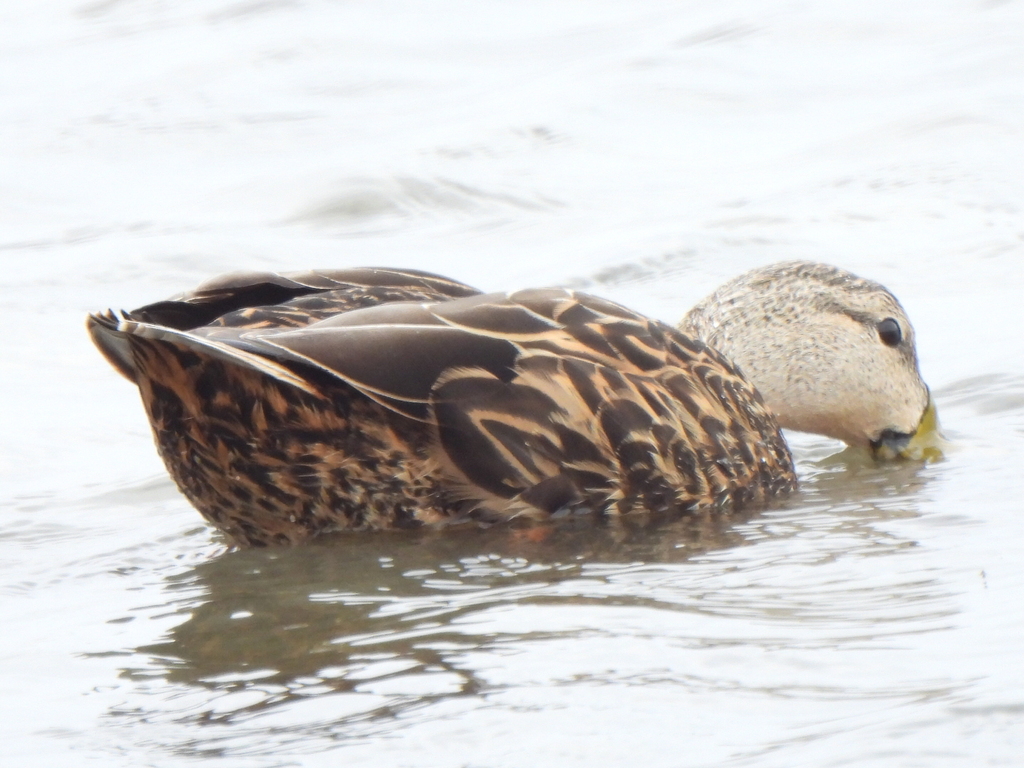
- Mottled DuckAnas fulvigula
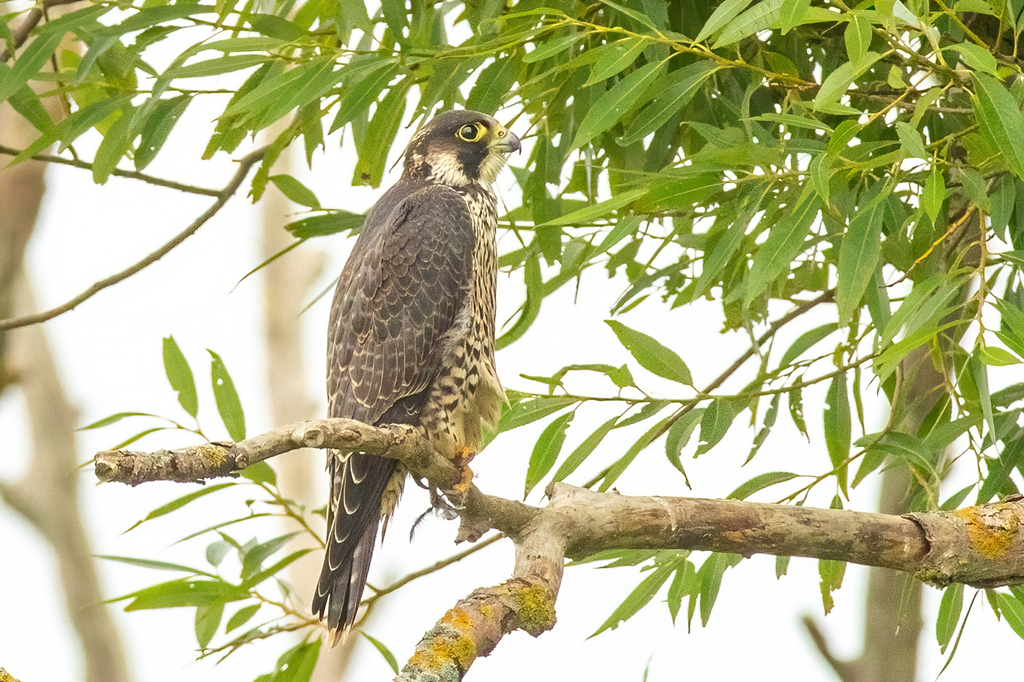
- Peregrine FalconFalco peregrinus
- Ruby-throated HummingbirdArchilochus colubris
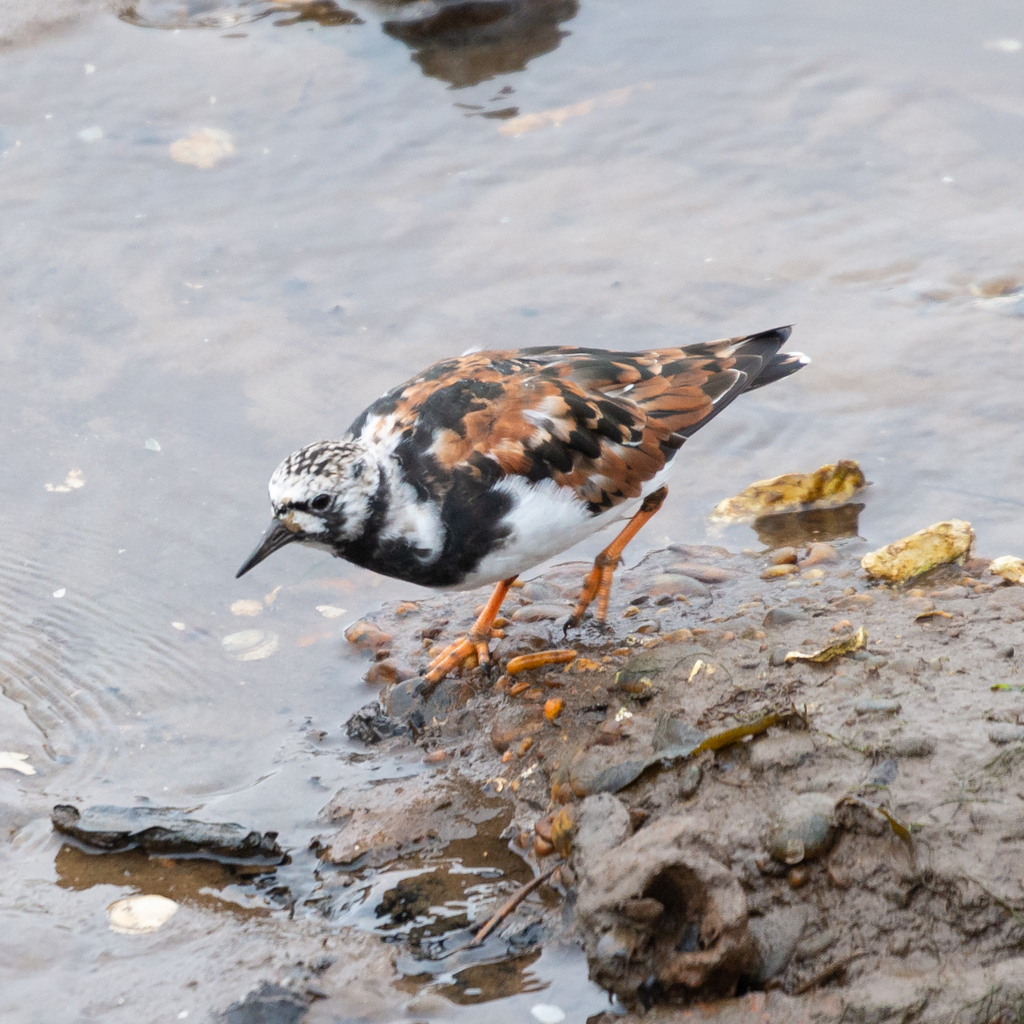
- Ruddy TurnstoneArenaria interpres
- Summer TanagerPiranga rubra








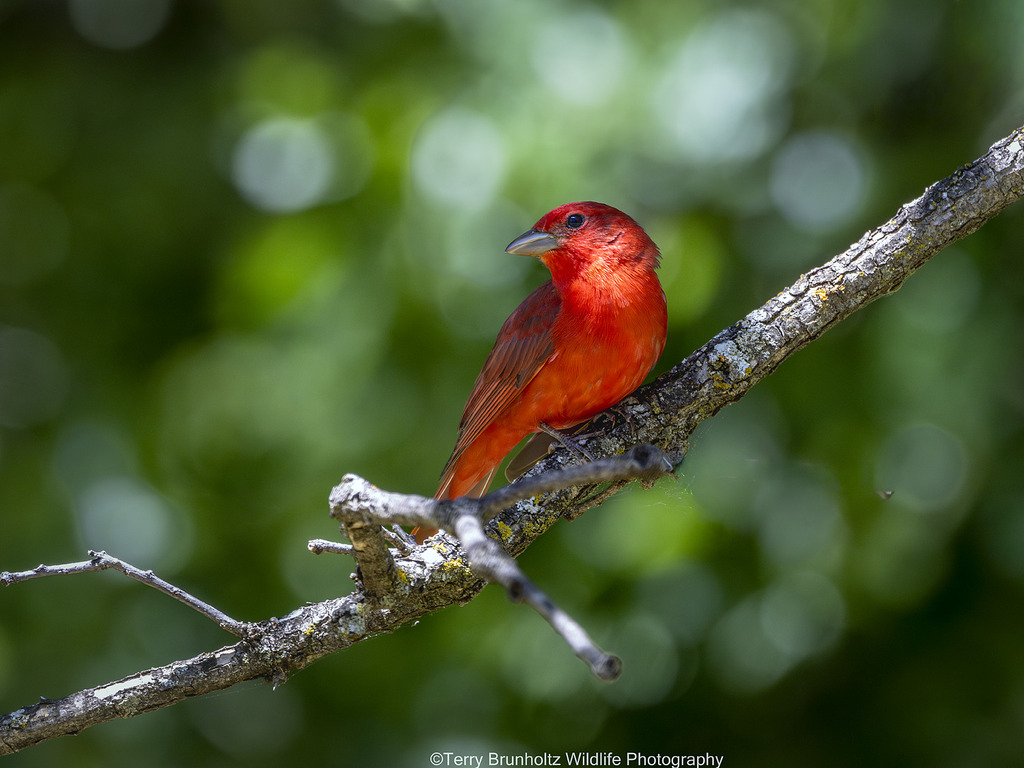
Widespread birds also seen here (17)
Found in many habitats here, so not listed above.
Who uses this plant?
 7CaterpillarsGenus host records with ranges including LA
Genus host records with ranges including LA · Iris
- Endothenia hebesanaVerbena Bud Moth
- Moodna ostrinellaDarker Moodna
- Orgyia leucostigmaWhite-Marked Tussock Moth
- Papaipema cataphractaBurdock Border, Potato-Stalk Borer
- Papaipema nebrisStalk Borer
- Thyridopteryx ephemeraeformisEvergreen Bagworm Moth
- Xanthopastis regnatrixConvict Caterpillar, Spanish Quaker, Spanish Moth
 15BeesSoutheastern regional records
Southeastern regional records · Iris
Individual names are not available yet.
Noori, Seltmann & Orr 2026, A curated and integrated dataset for exploring global bee-plant interactions (GloBI), Zenodo, CC BY 4.0 0Specialist beesPollen specialists
 1BirdsRecorded eating Iris in Louisiana
Diet records by plant genus, from studies across North America. Not a record from this state. Birds whose range includes Louisiana, most records first.
- Wild Turkey4 diet records
Direct food only. Caterpillars on host plants also feed nesting birds. NC Native Plant Society: butterfly gardening
No records yet · Ants · Beetles · Flies · Adult butterflies / moths · Other wasps · Other insects
Birds that eat Iris 1
Diet records by plant genus, from studies across North America. Not a record from this state. Avian Diet Database (Hurlbert Lab), CC0 1.0.
- Wild TurkeyMeleagris gallopavo

Plant details
- Family
- Iridaceae
- Hardiness
- Zones 5–9
- Flower color
- Red
- Growth rate
- Moderate
- Growth habit
- Spreads by rhizomes
- Foliage color
- Green
- Fruit begins
- Spring
- Fruit ends
- Summer
What its natural habitat tells you
Safety has not been reviewed for this plant; check toxicity and thorns before planting.
Growing sources and scope
- Bloom · “Mid spring” · USDA PLANTS · Nationwide species characteristics; local growing conditions may vary
- Flower color · “Red” · USDA PLANTS · Nationwide species characteristics; local growing conditions may vary
- Foliage color · “Green” · USDA PLANTS · Nationwide species characteristics; local growing conditions may vary
- Fruit begins · “Spring” · USDA PLANTS · Nationwide species characteristics; local growing conditions may vary
- Fruit ends · “Summer” · USDA PLANTS · Nationwide species characteristics; local growing conditions may vary
- Growth habit · “Spreads by rhizomes” · USDA PLANTS · Nationwide species characteristics; local growing conditions may vary
- Growth rate · “Moderate” · USDA PLANTS · Nationwide species characteristics; local growing conditions may vary
- Hardiness · “Zones 5–9” · Missouri Botanical Garden Plant Finder
- Height · “3–5 feet” · Tennessee Smart Yards (ranked first; USDA PLANTS, Missouri Botanical Garden Plant Finder differ) · Published Tennessee growing guidance; exact cached scientific heading
- Light · “Full to part sun” · Tennessee Smart Yards (ranked first; Missouri Botanical Garden Plant Finder differs) · Published Tennessee growing guidance; exact cached scientific heading
- primary_flower_color · “red” · USDA PLANTS
- Soil · “wet to medium” · Tennessee Smart Yards (ranked first; Missouri Botanical Garden Plant Finder differs) · Published Tennessee growing guidance; exact cached scientific heading
- Spread · “1–2 feet” · Missouri Botanical Garden Plant Finder
Conservation status
| Louisiana rank | SNR |
|---|---|
| Global rank | G5 |
| LA status | Not verified |
| Federal status | Not verified |
Will it fit your yard?
Check this plant against your county, sun and soil moisture. Conditions are checked in your browser.
Growing cautions
- Spreads by rhizomes. Spreads by rhizomes at a moderate rate. Tennessee Smart Yards
For planning only; these do not change the score or Fit.
Sources
- USDA PLANTS
- Weakley, Flora of the Southeastern United States (2025)
- Louisiana occurrence source
- Shropshire & Tallamy 2025, Lepidoptera of North America north of Mexico, ZooKeys 1261 (ODbL)
- Noori, Seltmann & Orr 2026, A curated and integrated dataset for exploring global bee-plant interactions (GloBI), Zenodo, CC BY 4.0
- Smith, Bachelder, Russell, Morales, Mosher & Seltmann 2024, Bee-Specialization-Modeling v0.6.1 (specialist host table compiled from J. Fowler's pollen specialist bee lists), Zenodo, CC BY 4.0
- Hurlbert, Olsen, Sawyer & Winner 2021, Avian Diet Database, Scientific Data 8: 260 (CC0)
- Narango, Tallamy & Shropshire 2020, Few keystone plant genera support the majority of Lepidoptera species, Nature Communications