

Yaupon Holly
Ilex vomitoria
In the Carolinas and Georgia, found in maritime forests, other dry sandy forests, shrublands, and disturbed areas. Weakley, Flora of the Southeastern United States (2025), Carolinas & Georgia edition What its natural habitat tells you
Native to Louisiana (estimated). How scores work Is it native here?
Profile 100%
- Height
- 10–20.5 feet
- Spread
- 8–12 feet
- Light
- Deep shade, Full sun, Partial shade
- Soil moisture
- Somewhat dry to moist
Space about 10 ft apart from its recorded spread. Enter your bed size for a count
Will it fit your yard?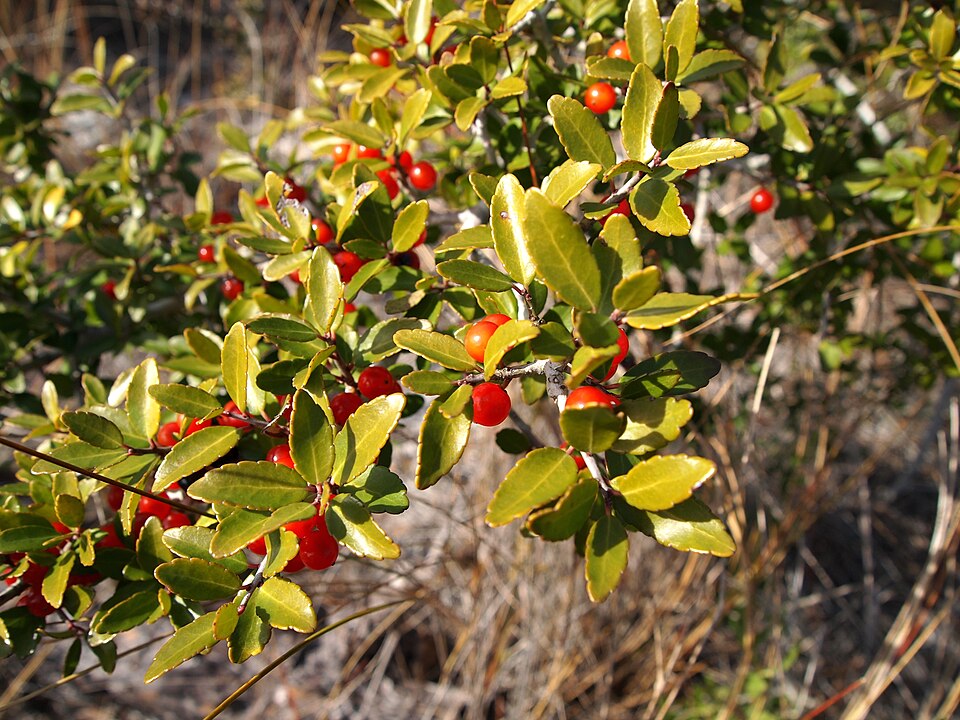
At a glance
- Life cycle
- Woody perennial
- Leaves
- Evergreen
- Bloom
- March to May
- Fruiting season
- October to November
Recorded in 53 Louisiana parishes.
Natural habitats
Places it grows wild. Not a planting requirement. Each habitat page lists the plants and wildlife also found there.
Salt-pruned forests and shrub thickets behind coastal dunes.
Forest or woodland where the source does not say how moist or dry.
Roadsides, fields and disturbed ground
Ground opened by people: roadsides, old fields, pastures, fencerows and lots.
Also found with this plant
Wildlife whose habitat models include habitats this plant grows in, in Louisiana. Shared habitat, not food. 121 animals.
- Red-bellied WoodpeckerMelanerpes carolinus
- Ruby-throated HummingbirdArchilochus colubris
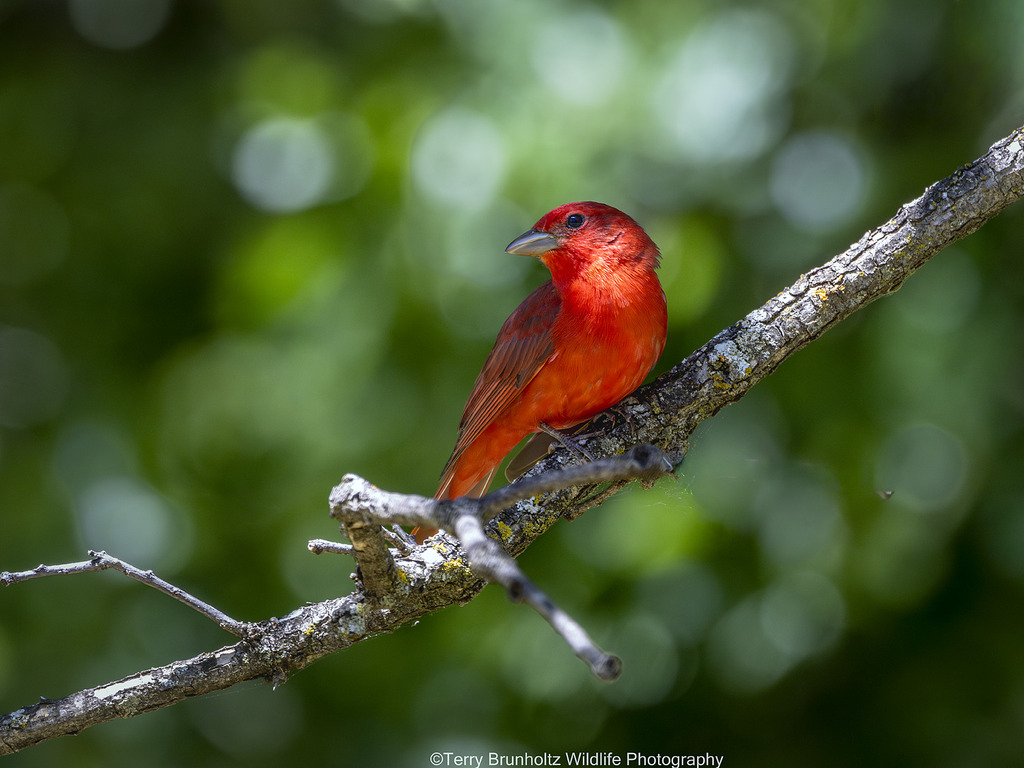
- Summer TanagerPiranga rubra
- American WoodcockScolopax minor
- Blue-headed VireoVireo solitarius
- Common YellowthroatGeothlypis trichas
- Eastern Wood-peweeContopus virens
- Northern BobwhiteColinus virginianus
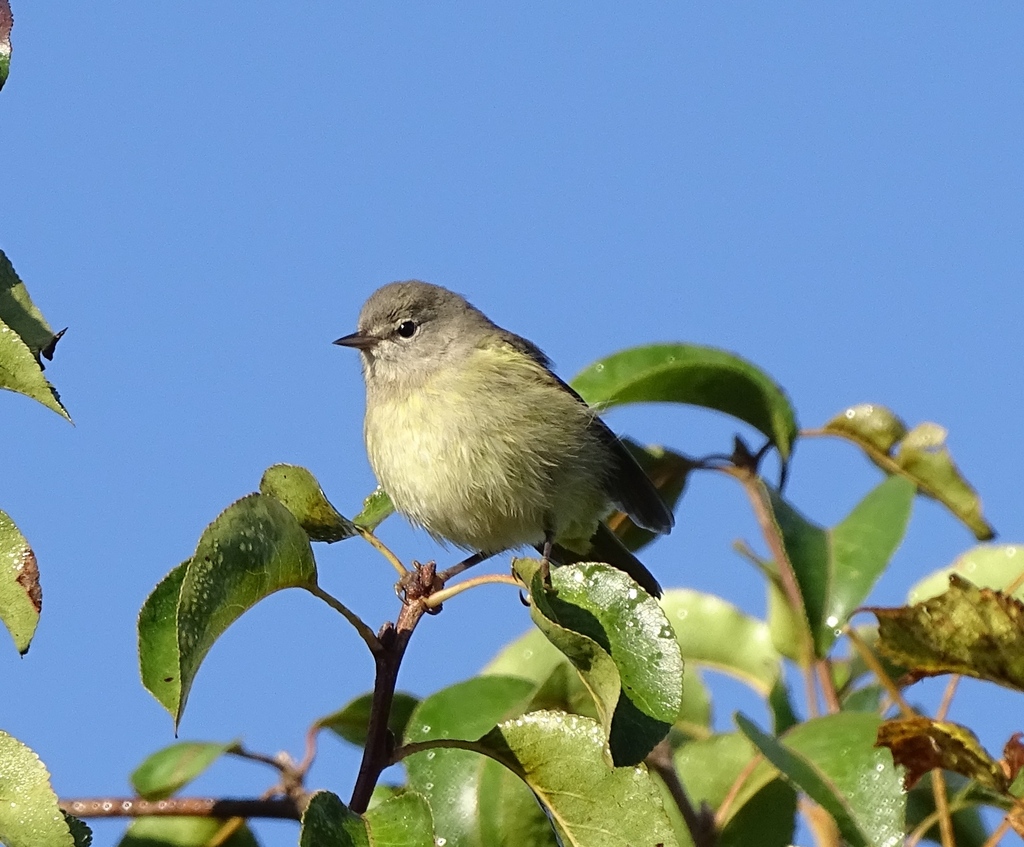
- Orange-crowned WarblerVermivora celata
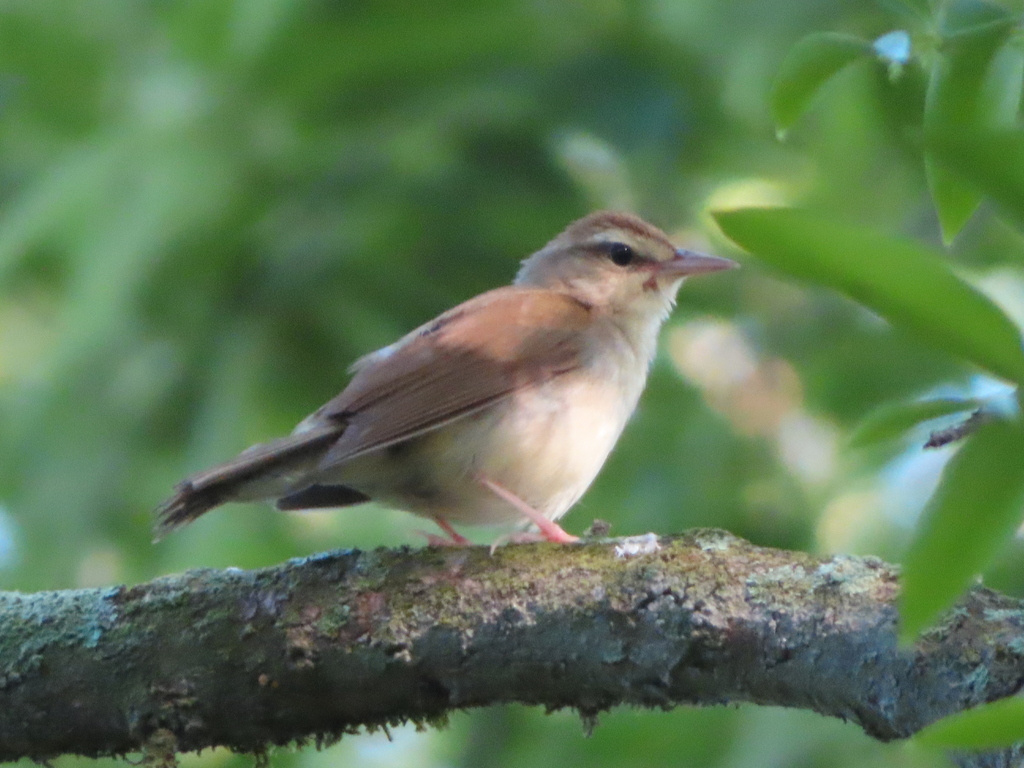
- Swainson's WarblerLimnothlypis swainsonii
- White-breasted NuthatchSitta carolinensis
- White-winged DoveZenaida asiatica
- Yellow-billed CuckooCoccyzus americanus
- Barred OwlStrix varia
- Brown-headed NuthatchSitta pusilla
- Great-tailed GrackleQuiscalus mexicanus
- OvenbirdSeiurus aurocapilla
- Pine WarblerDendroica pinus
- Prairie WarblerDendroica discolor
- Red-cockaded WoodpeckerPicoides borealis
- White-crowned SparrowZonotrichia leucophrys
- White-eyed VireoVireo griseus
- Brewer's BlackbirdEuphagus cyanocephalus
- Carolina ChickadeePoecile carolinensis








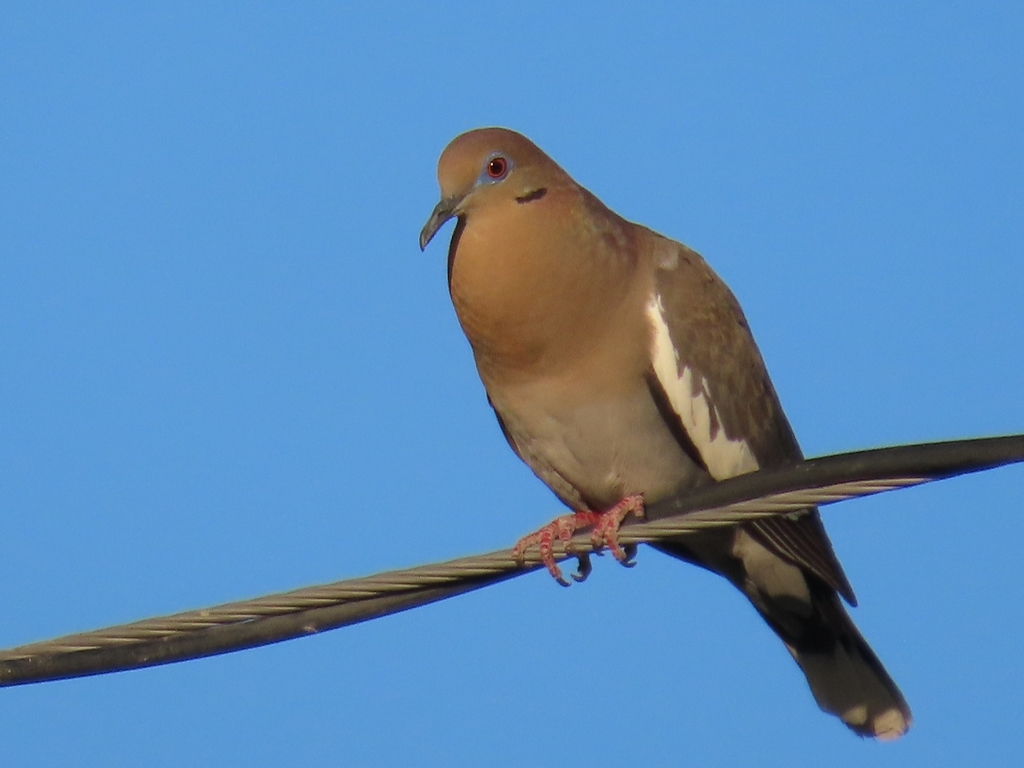


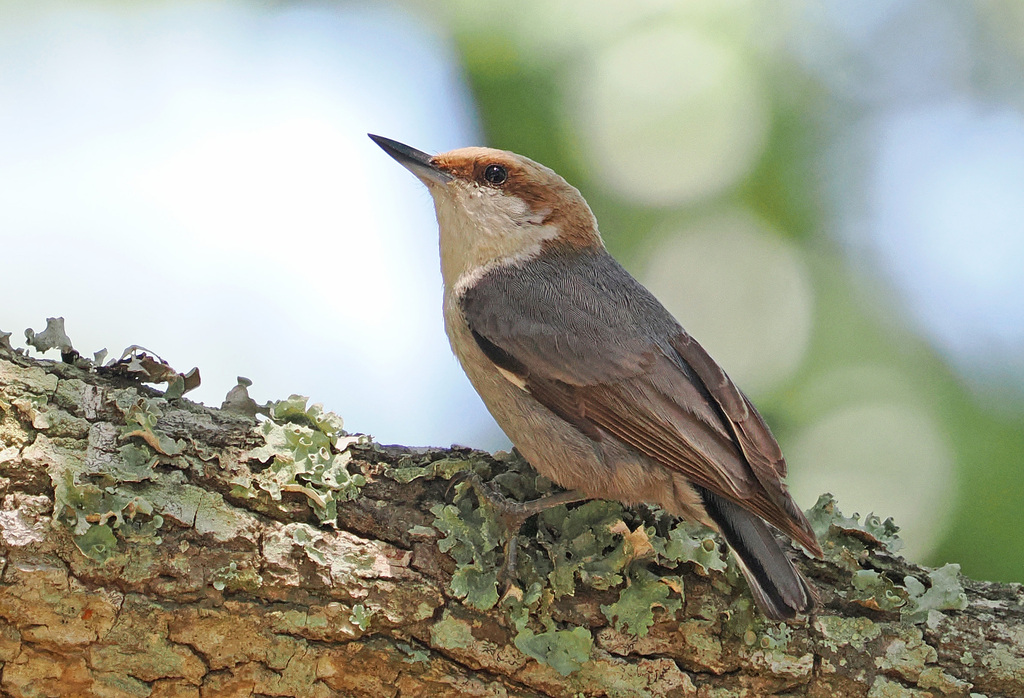
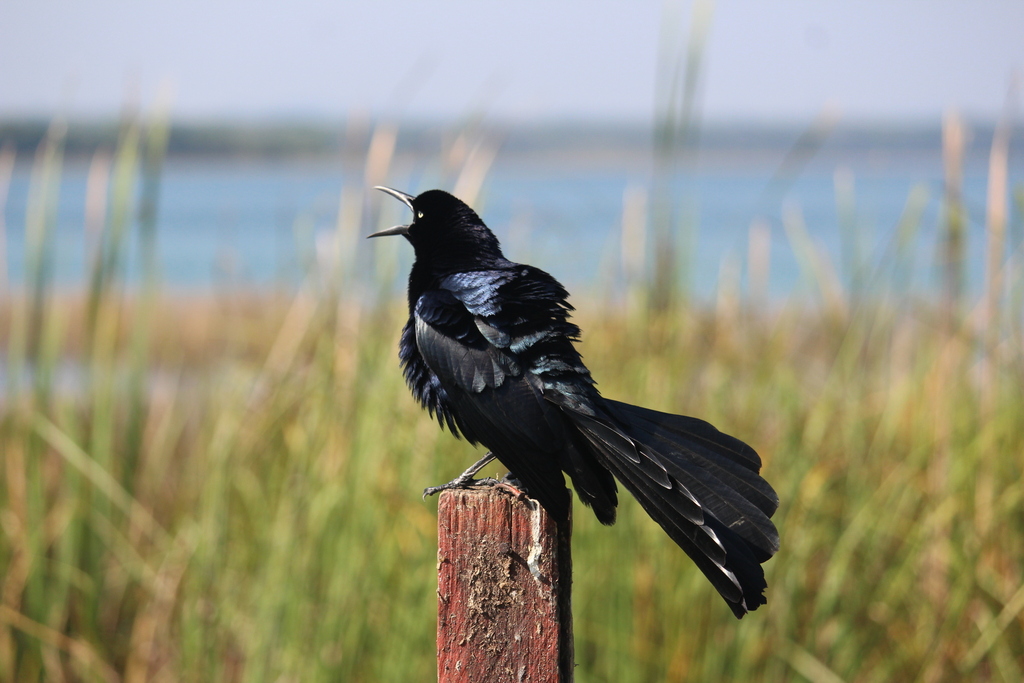

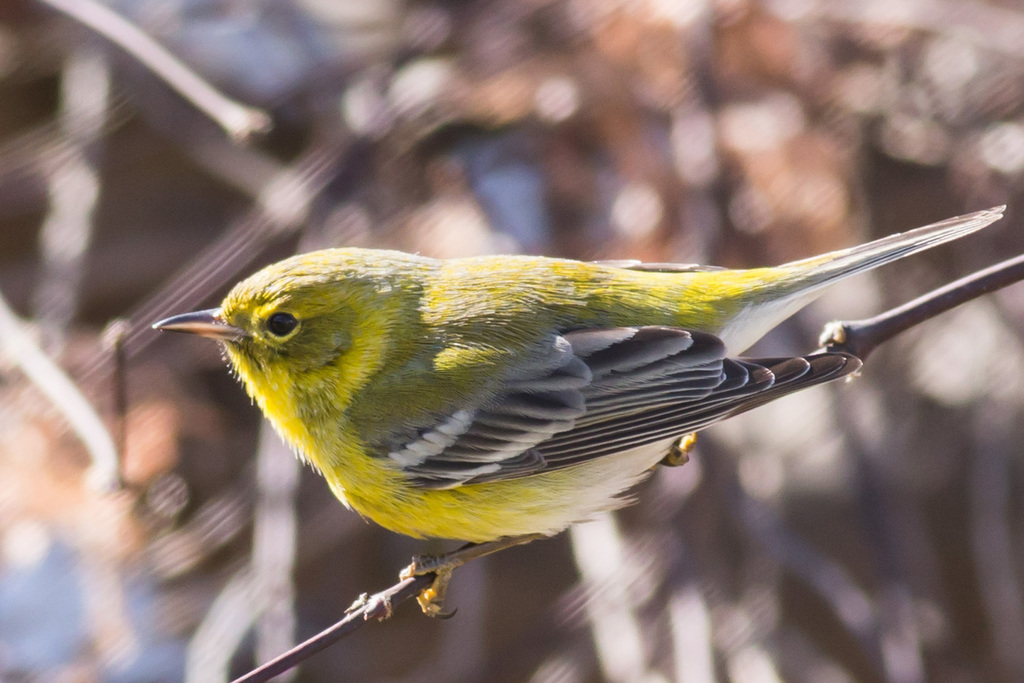
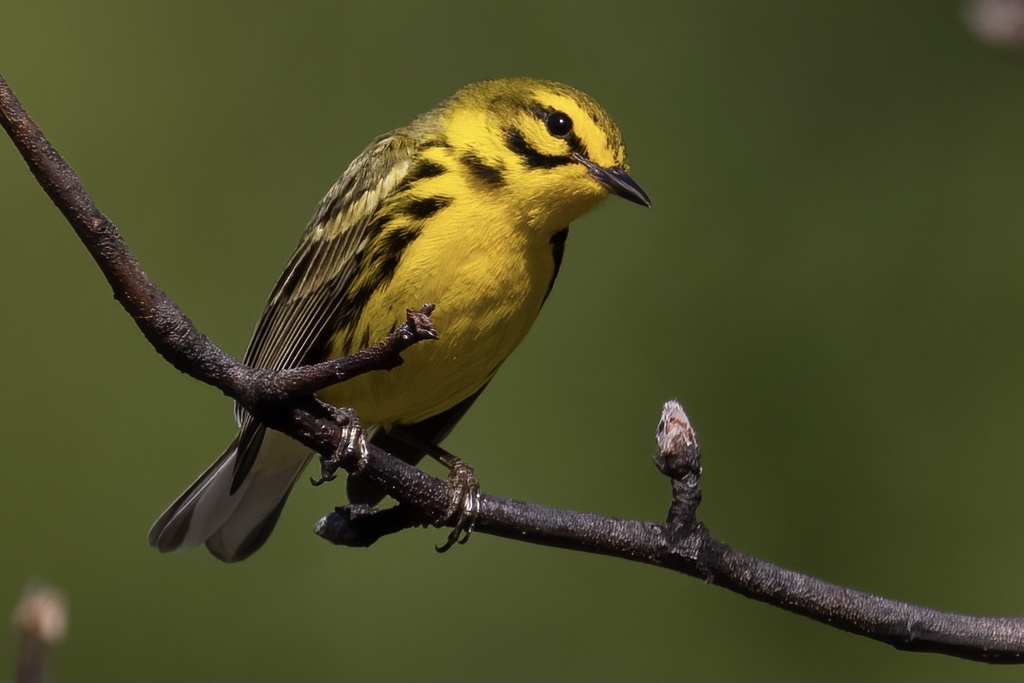
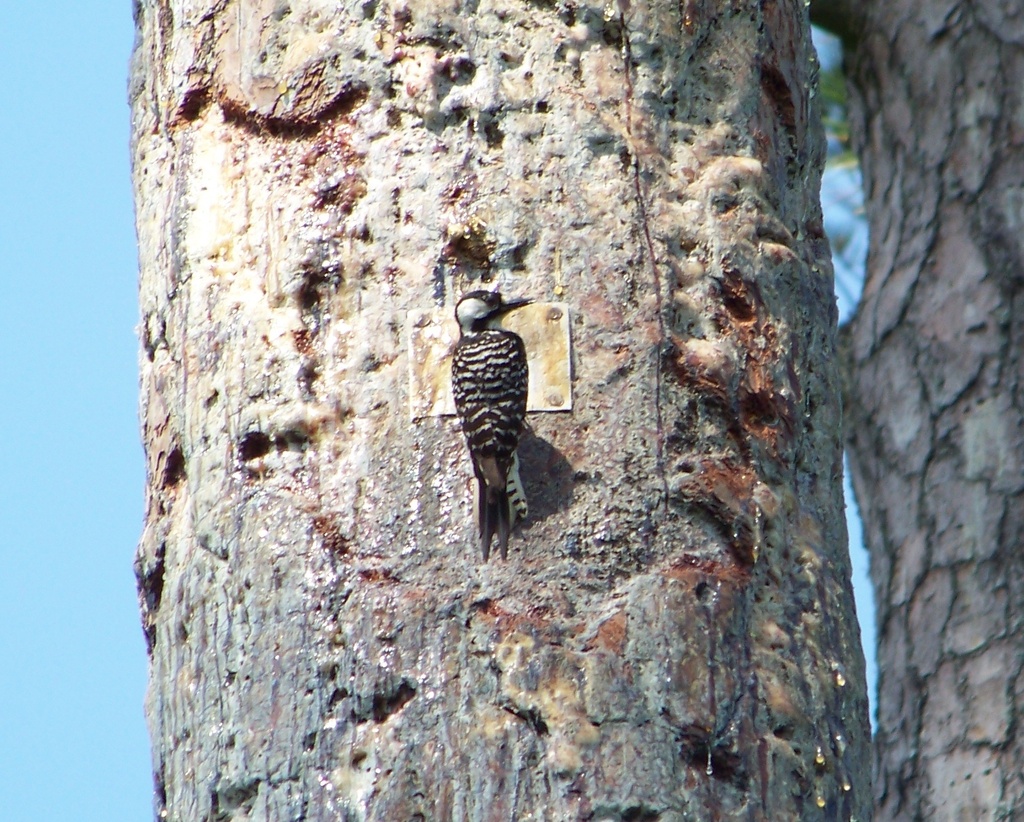
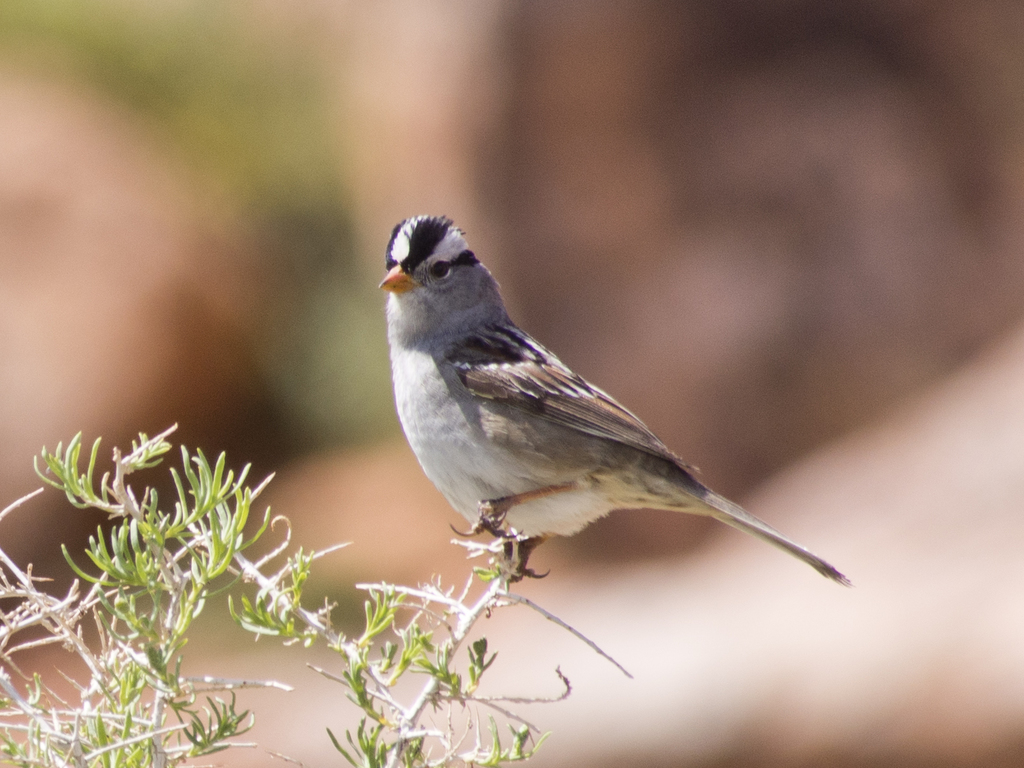

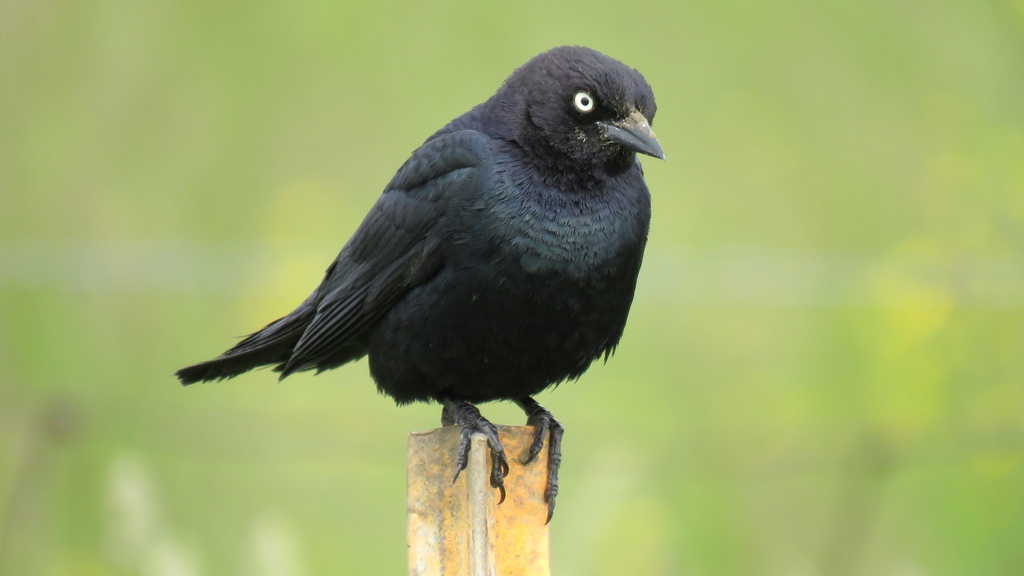


Who uses this plant?
 48CaterpillarsGenus host records with ranges including LA
Genus host records with ranges including LA · Ilex
- Acharia stimuleaSaddleback Caterpillar Moth
- Anavitrinella pampinariaCommon Gray, Cranberry Spanworm
- Antheraea polyphemusPolyphemus Moth
- Apatelodes torrefactaSpotted Apatelodes
- Argyrotaenia velutinanaRed-Banded Leafroller Moth, Jack Pine Tube Moth
- Automeris ioIo Moth
- Callophrys henriciHenry's Elfin
- Cecrita biundataWavy-Lined Heterocampa
- Cenopis reticulatanaReticulated Fruitworm Moth
- Choristoneura rosaceanaOblique-Banded Leafroller Moth, Rosaceous Leaf Roller
Show all 48
- Coelodasys unicornisUnicorn Caterpillar Moth
- Dolba hyloeusPawpaw Sphinx
- Egira alternansAlternate Woodling
- Ennomos magnariaMaple Spanworm Moth, Notchwing Geometer
- Episemasia solitariaSolitary Ruddy
- Episimus tyriusMaple Tip Borer
- Euclea delphiniiSpiny Oak-Slug Moth
- Eupithecia miserulataCommon Eupithacia, Common Pug
- Feltia subterraneaSubterranean Dart, Granulate Cutworm
- Haematopis gratariaChickweed Geometer
- Harrisimemna trisignataHarris's Three-Spot
- Herpetogramma pertextalisBold-Feathered Grass Moth
- Herpetogramma thestealisZigzag Herpetogramma, Subtle-Feathered Grass Moth
- Hyphantria cuneaFall Webworm
- Ilexia intractataBlack-Dotted Ruddy, Holly Looper
- Larisa subsolanaDark-Based Larisa
- Lascoria ambigualisAmbiguous Moth, Ambiguous Litter Moth
- Lithophane viridipallensPale Green Pinion
- Malacosoma disstriaForest Tent Caterpillar
- Manduca rusticaRustic Sphinx
- Megalopyge opercularisSouthern Flannel Moth, Puss Caterpillar
- Metaxaglaea violaceaHolly Sallow
- Morrisonia confusaConfused Woodgrain
- Oiketicus abbotiiAbbot's Bagworm Moth
- Orgyia leucostigmaWhite-Marked Tussock Moth
- Orthosia alurinaGray Quaker
- Orthosia rubescensRuby Quaker
- Papilio palamedesPalamedes Swallowtail
- Platynota rostranaOmnivorous Platynota
- Prolimacodes badiaSkiff Moth, Skiff Caterpillar
- Protoboarmia porcelariaPorcelain Gray, Dashedlined Looper
- Psilocorsis cryptolechiellaBlack-Fringed Leaftier
- Rhopobota dietzianaWinterberry Moth
- Schizura ipomaeaeMorning-Glory Prominent, Checkered-Fringe Prominent
- Sphinx kalmiaeFawn Sphinx, Laurel Sphinx
- Spodoptera frugiperdaFall Armyworm Moth
- Synanthedon kathyaeHolly Clearwing Borer
- Thyridopteryx ephemeraeformisEvergreen Bagworm Moth
 35BeesSoutheastern regional records
Southeastern regional records · Ilex
Individual names are not available yet.
Noori, Seltmann & Orr 2026, A curated and integrated dataset for exploring global bee-plant interactions (GloBI), Zenodo, CC BY 4.0 3Specialist beesPollen specialists
Pollen specialists · Ilex
- Colletes banksi
- Colletes brimleyi
- Perdita floridensis
 11BirdsRecorded genus food-resource interactions; not a state feeding claim
Recorded genus food-resource interactions; not a state feeding claim · Ilex
- Hylocichla mustelinaWood Thrush
- Sialia sialisEastern Bluebird
- Turdus migratoriusAmerican Robin
- Bonasa umbellusRuffed Grouse
- Catharus fuscescensVeery
- Catharus guttatusHermit Thrush
- Catharus minimus/bicknelliGray-cheeked/Bicknell's Thrush
- Catharus ustulatusSwainson's Thrush
- Meleagris gallopavoWild Turkey
- Sturnus vulgarisEuropean Starling
Show all 11
- Vireo griseusWhite-eyed Vireo
Direct food only: birds recorded eating this genus across North America. Caterpillars on host plants also feed nesting birds. NC Native Plant Society: butterfly gardening
No records yet · Ants · Beetles · Flies · Adult butterflies / moths · Other wasps · Other insects
Plant details
- Family
- Aquifoliaceae
- Hardiness
- Zones 7a–9b
- Soil pH
- Acidic to alkaline
- Flower color
- Green or white
- Growth rate
- Slow
- Growth habit
- Several stems
- Foliage color
- Green
- Fruit begins
- October
- Fruit ends
- November
Safety has not been reviewed for this plant; check toxicity and thorns before planting.
Growing sources and scope
- Bloom · “March to May” · Weakley, Flora of the Southeastern United States (2025), Carolinas & Georgia edition (ranked first; USDA PLANTS differs) · Carolinas and Georgia
- Flower color · “Green or white” · NC Extension Plant Toolbox (ranked first; USDA PLANTS, Lady Bird Johnson Wildflower Center differ)
- Foliage color · “Green” · USDA PLANTS · Nationwide species characteristics; local growing conditions may vary
- Fruit begins · “October” · Weakley, Flora of the Southeastern United States (2025), Carolinas & Georgia edition · Carolinas and Georgia
- Fruit ends · “November” · Weakley, Flora of the Southeastern United States (2025), Carolinas & Georgia edition · Carolinas and Georgia
- Growth habit · “Several stems” · USDA PLANTS · Nationwide species characteristics; local growing conditions may vary
- Growth rate · “Slow” · USDA PLANTS · Nationwide species characteristics; local growing conditions may vary
- Hardiness · “Zones 7a–9b” · NC Extension Plant Toolbox
- Height · “10–20.5 feet” · NC Extension Plant Toolbox (ranked first; USDA PLANTS differs)
- Leaves · “Evergreen” · NC Extension Plant Toolbox
- Life cycle · “Woody perennial” · NC Extension Plant Toolbox (ranked first; Lady Bird Johnson Wildflower Center differs)
- Light · “Deep shade (less than 2 hours to no direct sunlight); Full sun (6 or more hours of direct sunlight a day); Partial shade (direct sunlight only part of the day, 2-6 hours)” · NC Extension Plant Toolbox (ranked first; Virginia DCR Coastal Plain, Lady Bird Johnson Wildflower Center differ)
- Soil · “Moist; Occasionally dry; Occasionally wet” · NC Extension Plant Toolbox (ranked first; Tennessee Smart Yards, Virginia DCR Coastal Plain, Lady Bird Johnson Wildflower Center differ)
- Soil pH · “Acidic to alkaline” · NC Extension Plant Toolbox
- Spread · “8–12 feet” · NC Extension Plant Toolbox
Also known as
Yaupon
Conservation status
| Louisiana rank | SNR |
|---|---|
| Global rank | G5 |
| LA status | Not verified |
| Federal status | Not verified |
Will it fit your yard?
Check this plant against your county, sun and soil moisture. Conditions are checked in your browser.
Growing cautions
- Suckers and forms colonies. Forms thickets unless suckers are removed. NC State Extension Plant Toolbox
For planning only; these do not change the score or Fit.
Sources
- USDA PLANTS
- Vascular Plants of North Carolina (NC Natural Heritage Program)
- Weakley, Flora of the Southeastern United States (2025)
- Louisiana occurrence source
- Shropshire & Tallamy 2025, Lepidoptera of North America north of Mexico, ZooKeys 1261 (ODbL)
- Noori, Seltmann & Orr 2026, A curated and integrated dataset for exploring global bee-plant interactions (GloBI), Zenodo, CC BY 4.0
- Smith, Bachelder, Russell, Morales, Mosher & Seltmann 2024, Bee-Specialization-Modeling v0.6.1 (specialist host table compiled from J. Fowler's pollen specialist bee lists), Zenodo, CC BY 4.0
- Hurlbert, Olsen, Sawyer & Winner 2021, Avian Diet Database, Scientific Data 8: 260 (CC0)
- Narango, Tallamy & Shropshire 2020, Few keystone plant genera support the majority of Lepidoptera species, Nature Communications