

Narrowleaf Gumweed
Grindelia lanceolata
In the Carolinas and Georgia, found in limestone glades, limestone barrens, Black Belt chalk outcrops; also disturbed areas (roadsides, railroad beds, waste areas around wool-combing mills). Weakley, Flora of the Southeastern United States (2025), Carolinas & Georgia edition What its natural habitat tells you
Native to Louisiana. How scores work Is it native here?
Profile 94%
- Height
- Up to about 5 feet
- Spread
- 1.5–2 feet
- Light
- Full sun
- Soil moisture
- Dry to moist
Space about 2 ft apart from its recorded spread, about 25 per 100 sq ft. Enter your bed size for a count
Will it fit your yard?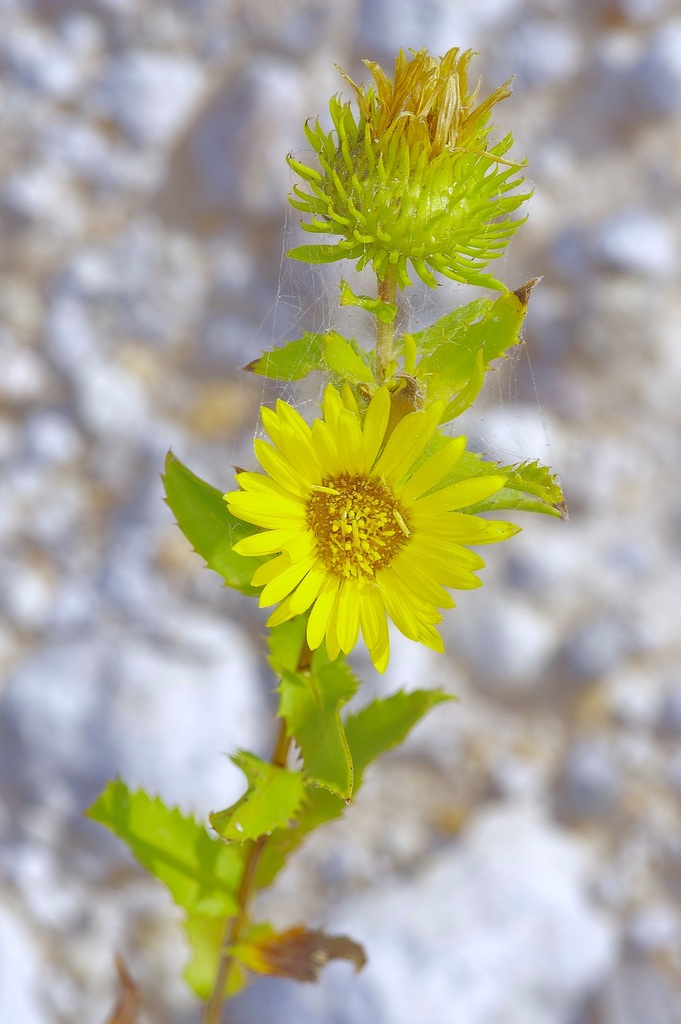
Rare or protected plant. Specialist conservation planting; excluded from routine garden suggestions. Plant caution source
Hidden from default planting suggestions. Wildlife value and native status remain unchanged.
At a glance
- Life cycle
- Biennial or perennial
- Bloom
- June to September
Not yet recorded · Leaves
Recorded in 1 Louisiana parish.
Natural habitats
Places it grows wild. Not a planting requirement. Each habitat page lists the plants and wildlife also found there.
Glades, barrens and outcrops on limestone
Open, thin-soil openings and rock on limestone, dolomite or other lime-rich rock, including cedar glades.
Cliffs, ledges and rocky summits
Cliffs, ledges, rock outcrops, talus and rocky summits where the source does not name the rock. A named rock files the place under its own glade or outcrop type instead.
Roadsides, fields and disturbed ground
Ground opened by people: roadsides, old fields, pastures, fencerows and lots.
Also found with this plant
Wildlife whose habitat models include habitats this plant grows in, in Louisiana. Shared habitat, not food. 67 animals.
- Pine SiskinCarduelis pinus
- Prairie WarblerDendroica discolor
- Purple FinchCarpodacus purpureus
- Red-headed WoodpeckerMelanerpes erythrocephalus
- Red-tailed HawkButeo jamaicensis
- Red-winged BlackbirdAgelaius phoeniceus
- Ring-necked PheasantPhasianus colchicus
- Ross's GooseChen rossii
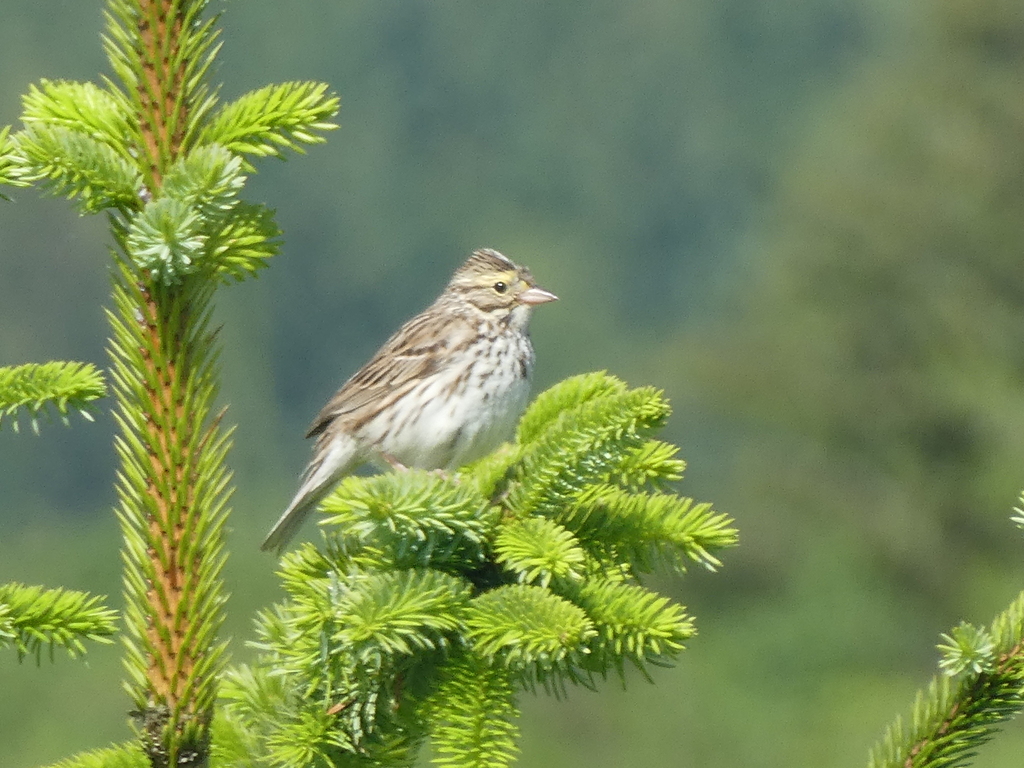
- Savannah SparrowPasserculus sandwichensis
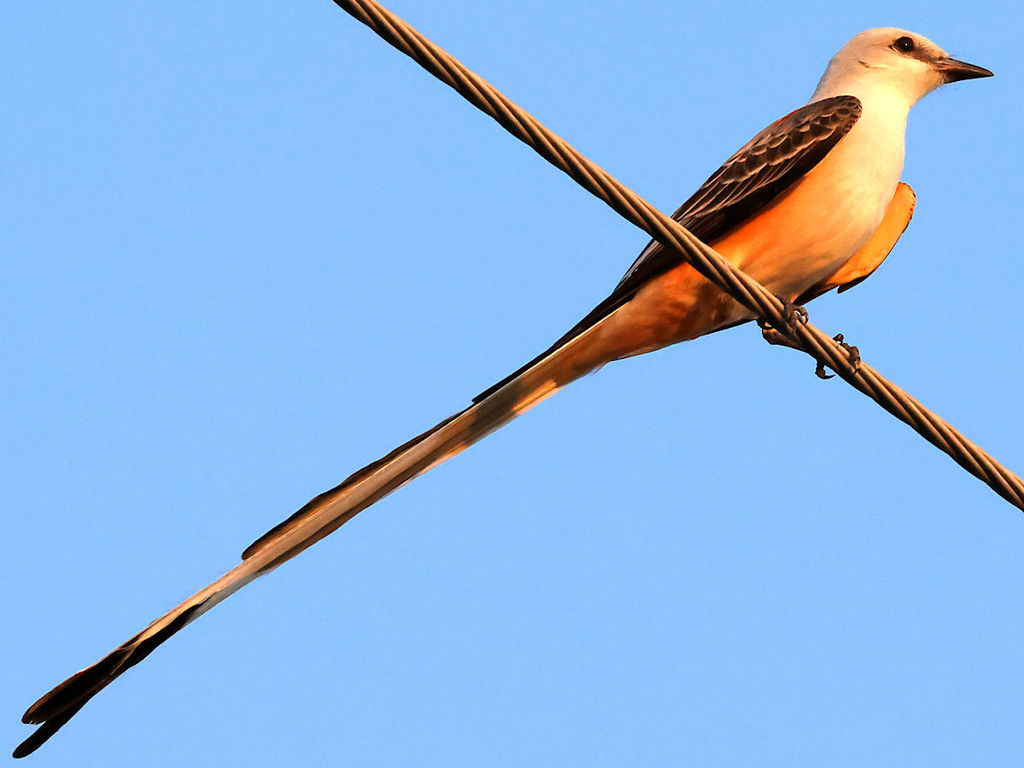
- Scissor-tailed FlycatcherTyrannus forficatus
- Sharp-shinned HawkAccipiter striatus
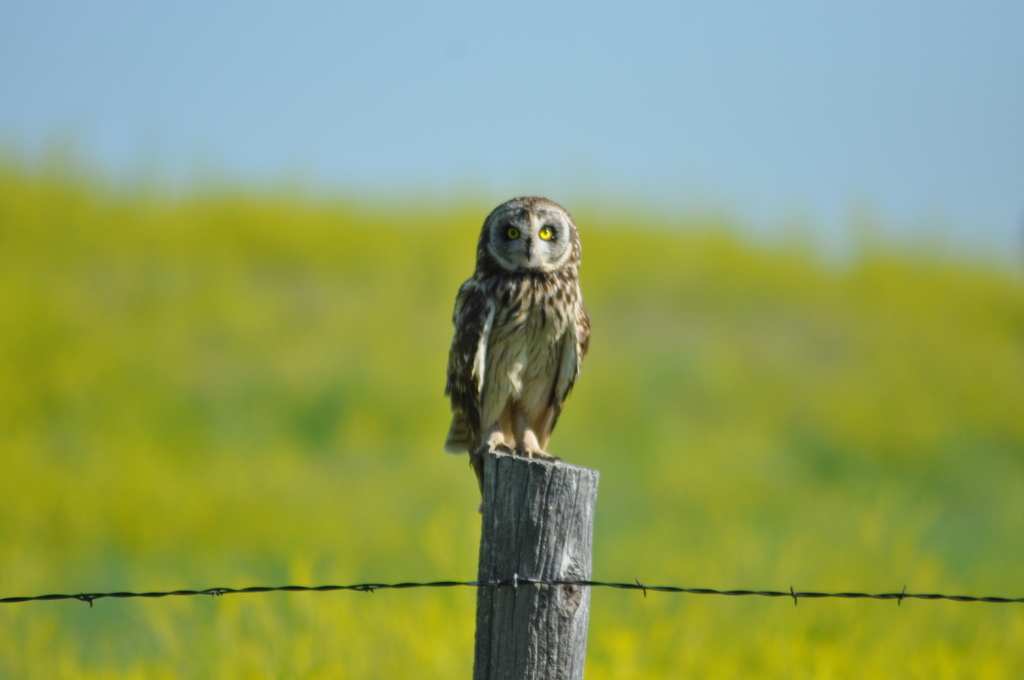
- Short-eared OwlAsio flammeus
- Spotted SandpiperActitis macularius
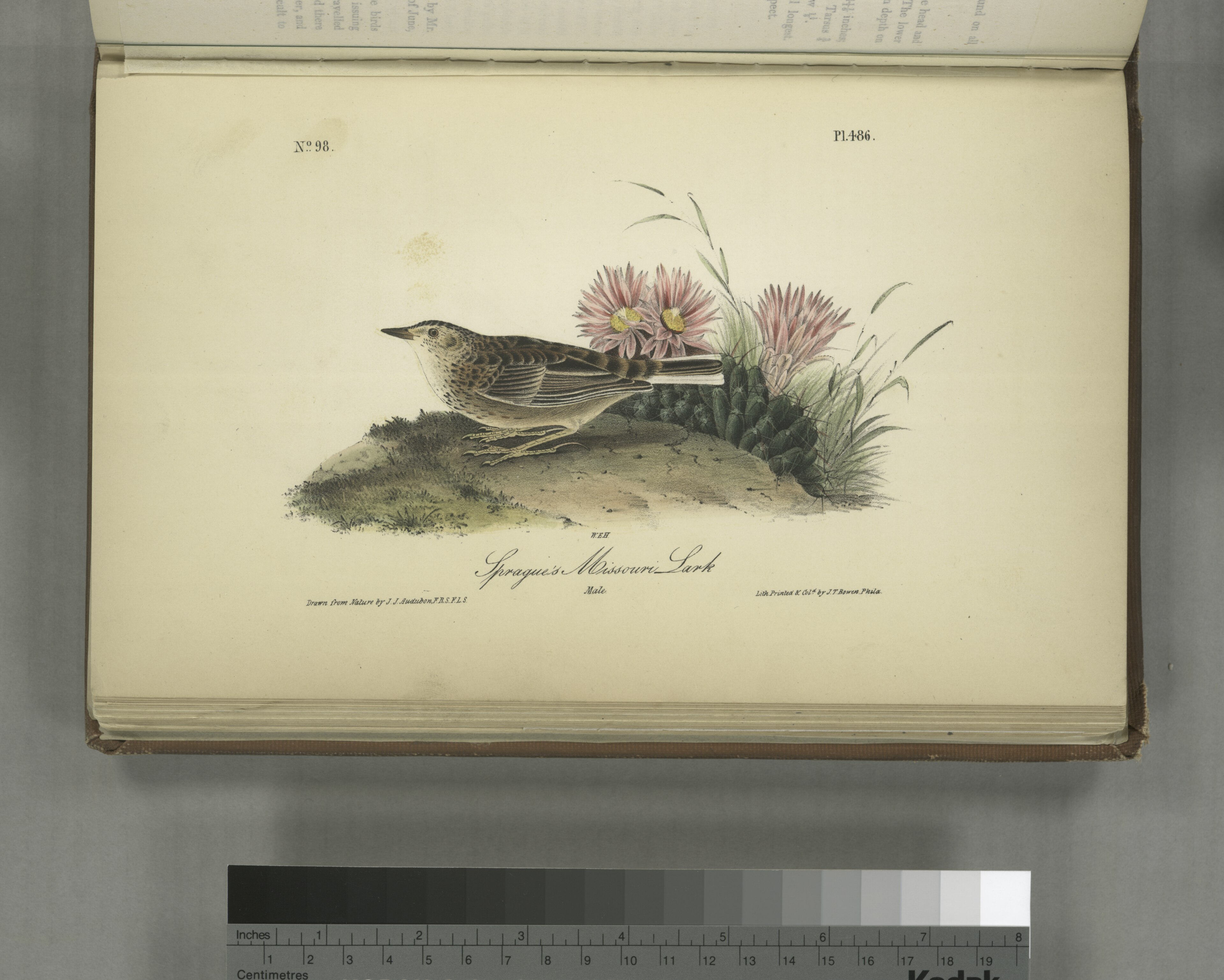
- Sprague's PipitAnthus spragueii
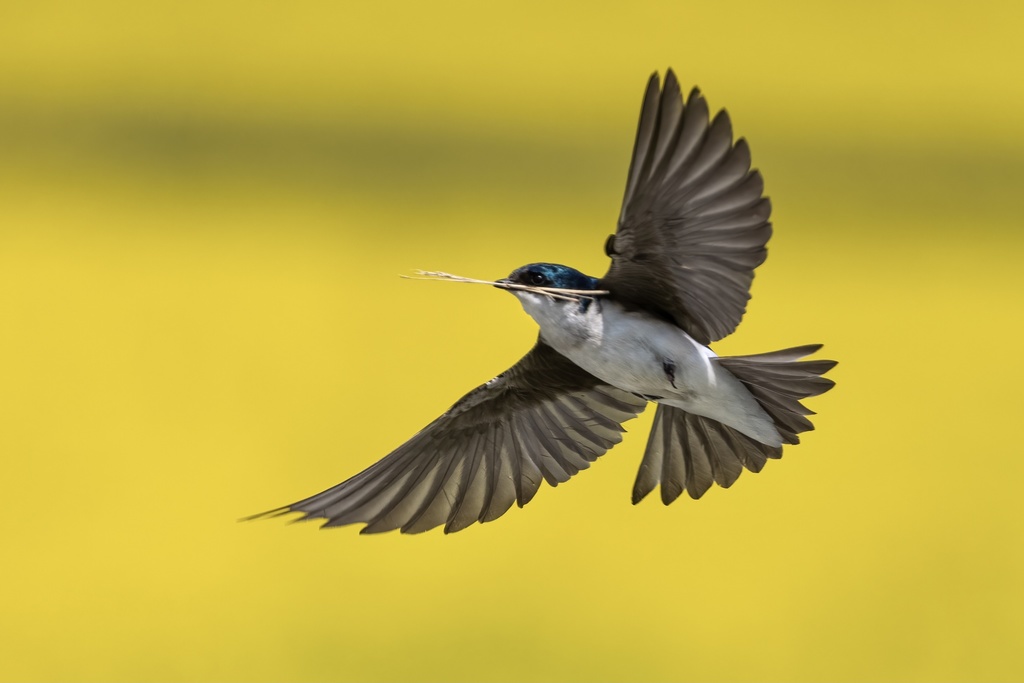
- Tree SwallowTachycineta bicolor
- Turkey VultureCathartes aura
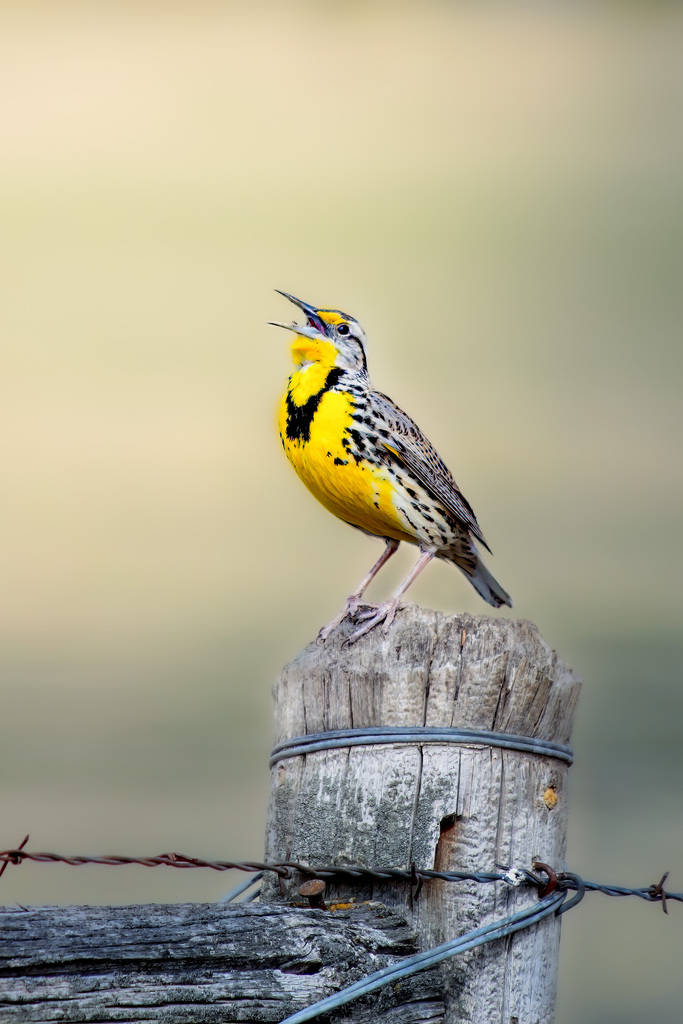
- Western MeadowlarkSturnella neglecta
- Wild TurkeyMeleagris gallopavo
- Yellow-breasted ChatIcteria virens

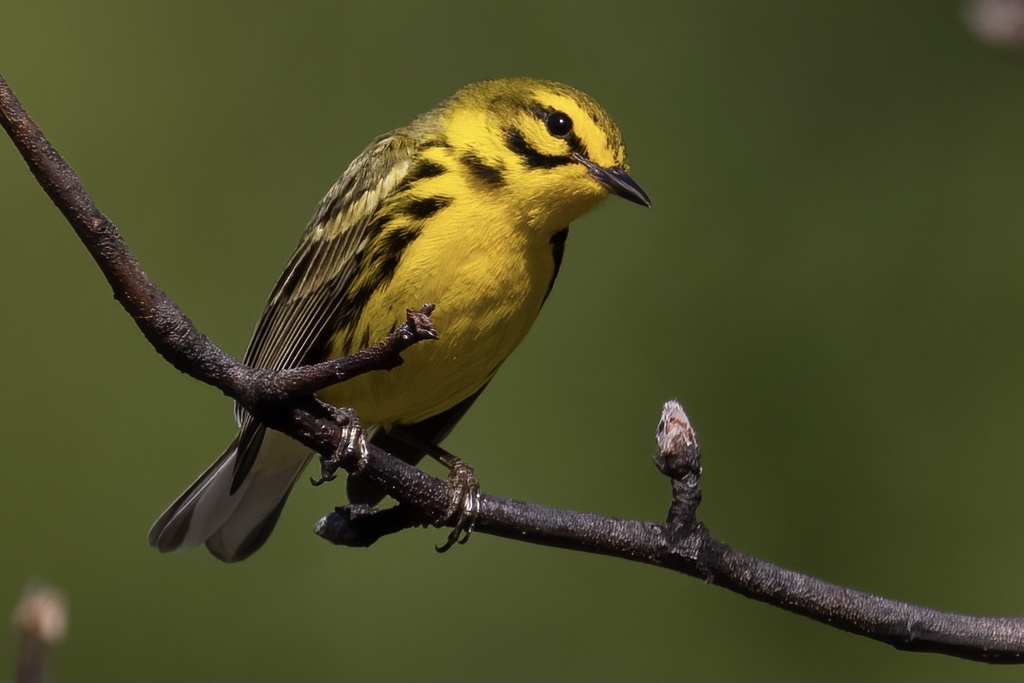




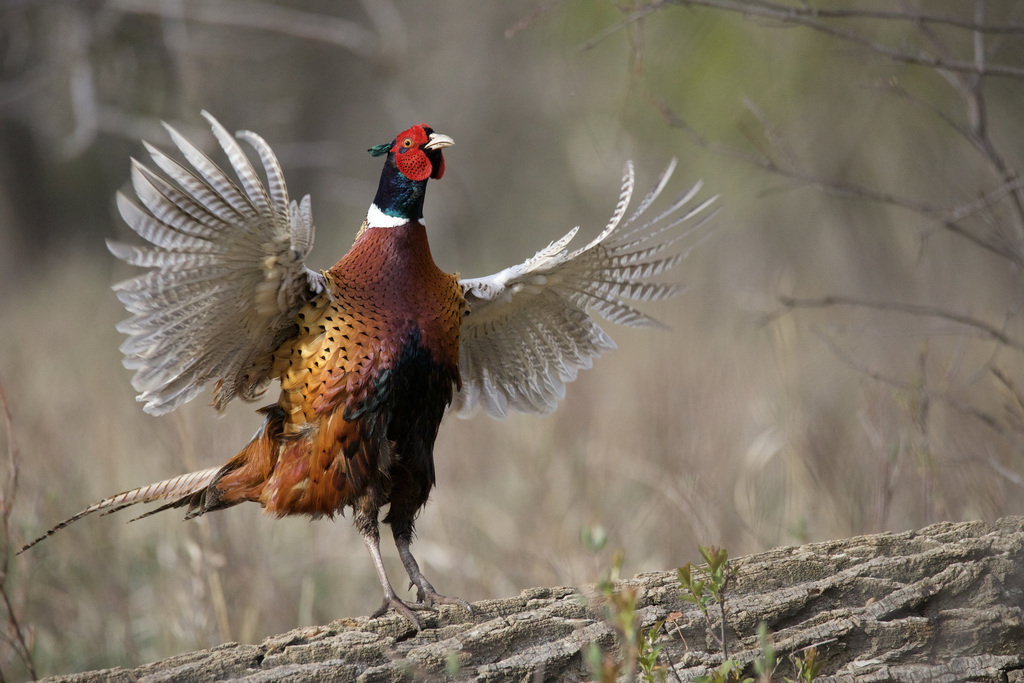
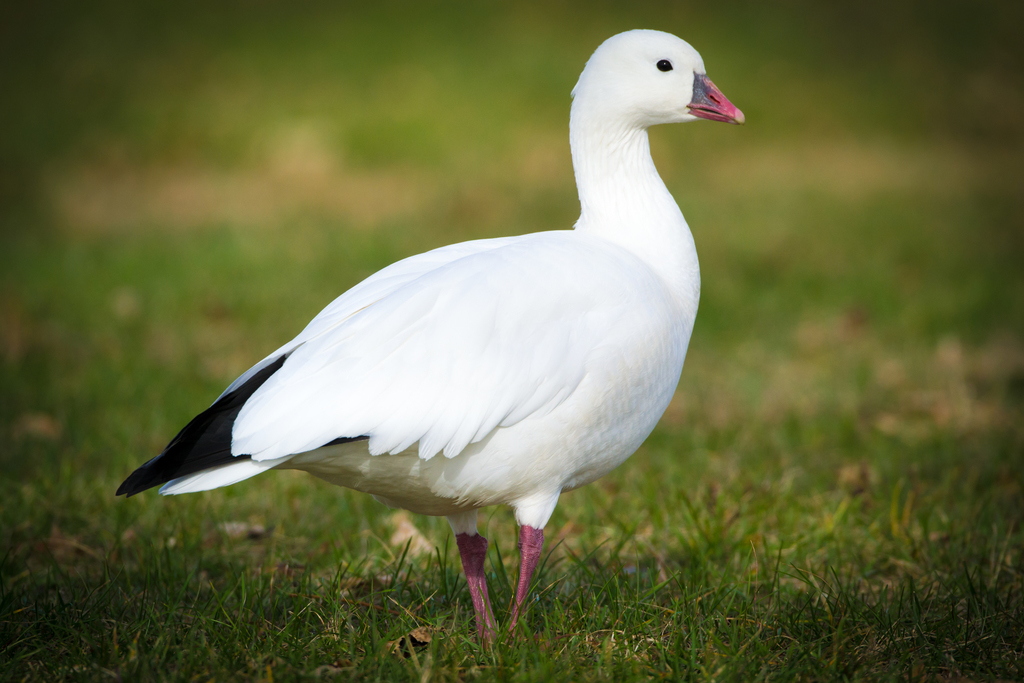





Who uses this plant?
 4CaterpillarsGenus host records with ranges including LA
Genus host records with ranges including LA · Grindelia
- Feltia jaculiferaDingy Cutworm
- Heliothis phloxiphagaSpotted Straw Sun Moth, Darker Spotted Straw Moth
- Homoeosoma electellaSunflower Moth
- Platynota stultanaOmnivorous Leafroller
 1BeesSoutheastern regional records
Southeastern regional records · Grindelia
Individual names are not available yet.
Noori, Seltmann & Orr 2026, A curated and integrated dataset for exploring global bee-plant interactions (GloBI), Zenodo, CC BY 4.0 29Specialist beesPollen specialists
Pollen specialists · Grindelia
- Andrena canadensis
- Andrena chromotricha
- Andrena hirticincta
- Andrena runcinatae
- Ashmeadiella bucconis
- Calliopsis coloradensis
- Colletes rufocinctus
- Dianthidium simile
- Dieunomia nevadensis
- Megachile parallela
Show all 29
- Melissodes confusus
- Melissodes coreopsis
- Melissodes druriellus
- Melissodes lutulentus
- Melissodes menuachus
- Melissodes pallidisignatus
- Melissodes subagilis
- Melissodes trinodis
- Melissodes wheeleri
- Perdita albipennis
- Perdita bruneri
- Perdita ignota
- Perdita perpulchra
- Perdita prionopsidis
- Perdita swenki
- Perdita xanthismae
- Protandrena aestivalis
- Protandrena piercei
- Protandrena simulans
 2BirdsRecorded genus food-resource interactions; not a state feeding claim
Recorded genus food-resource interactions; not a state feeding claim · Grindelia
- Callipepla californicaCalifornia Quail
- Centrocercus urophasianusGreater Sage-Grouse
Direct food only: birds recorded eating this genus across North America. Caterpillars on host plants also feed nesting birds. NC Native Plant Society: butterfly gardening
No records yet · Ants · Beetles · Flies · Adult butterflies / moths · Other wasps · Other insects
Plant details
- Family
- Asteraceae
- Hardiness
- Zones 4–8
- Flower color
- Yellow
Growing sources and scope
- Bloom · “June to September” · Weakley, Flora of the Southeastern United States (2025), Carolinas & Georgia edition · Carolinas and Georgia
- Flower color · “Yellow” · Lady Bird Johnson Wildflower Center
- Hardiness · “Zones 4–8” · Missouri Botanical Garden Plant Finder
- Height · “Up to about 5 feet” · Lady Bird Johnson Wildflower Center (ranked first; Missouri Botanical Garden Plant Finder differs)
- Life cycle · “Biennial or perennial” · Lady Bird Johnson Wildflower Center
- Light · “Full sun (documented habitat)” · Weakley, Flora of the Southeastern United States (2025), Carolinas & Georgia edition · Carolinas and Georgia
- primary_flower_color · “yellow” · Lady Bird Johnson Wildflower Center
- Soil · “Dry; Moist (documented habitat)” · Weakley, Flora of the Southeastern United States (2025), Carolinas & Georgia edition · Carolinas and Georgia
- Spread · “1.5–2 feet” · Missouri Botanical Garden Plant Finder
Conservation status
| Louisiana rank | S1 |
|---|---|
| Global rank | G4 |
| LA status | Not verified |
| Federal status | Not verified |
Will it fit your yard?
Check this plant against your county, sun and soil moisture. Conditions are checked in your browser.
Sources
- NatureServe Explorer
- USDA PLANTS
- Weakley, Flora of the Southeastern United States (2025)
- Louisiana occurrence source
- Shropshire & Tallamy 2025, Lepidoptera of North America north of Mexico, ZooKeys 1261 (ODbL)
- Noori, Seltmann & Orr 2026, A curated and integrated dataset for exploring global bee-plant interactions (GloBI), Zenodo, CC BY 4.0
- Smith, Bachelder, Russell, Morales, Mosher & Seltmann 2024, Bee-Specialization-Modeling v0.6.1 (specialist host table compiled from J. Fowler's pollen specialist bee lists), Zenodo, CC BY 4.0
- Hurlbert, Olsen, Sawyer & Winner 2021, Avian Diet Database, Scientific Data 8: 260 (CC0)
- Narango, Tallamy & Shropshire 2020, Few keystone plant genera support the majority of Lepidoptera species, Nature Communications