

Dwarf Huckleberry
Gaylussacia dumosa
In the Carolinas and Georgia, found in longleaf pine sandhills, pine flatwoods, other dry to moist, acidic forests and woodlands. Weakley, Flora of the Southeastern United States (2025), Carolinas & Georgia edition What its natural habitat tells you
Native to Louisiana (estimated). How scores work Is it native here?
Profile 100%
- Height
- 1–2 feet
- Spread
- 1–3 feet
- Light
- Full sun, Partial shade
- Soil moisture
- Somewhat dry to moist
Space about 2 ft apart from its recorded spread, about 25 per 100 sq ft. Enter your bed size for a count
Will it fit your yard?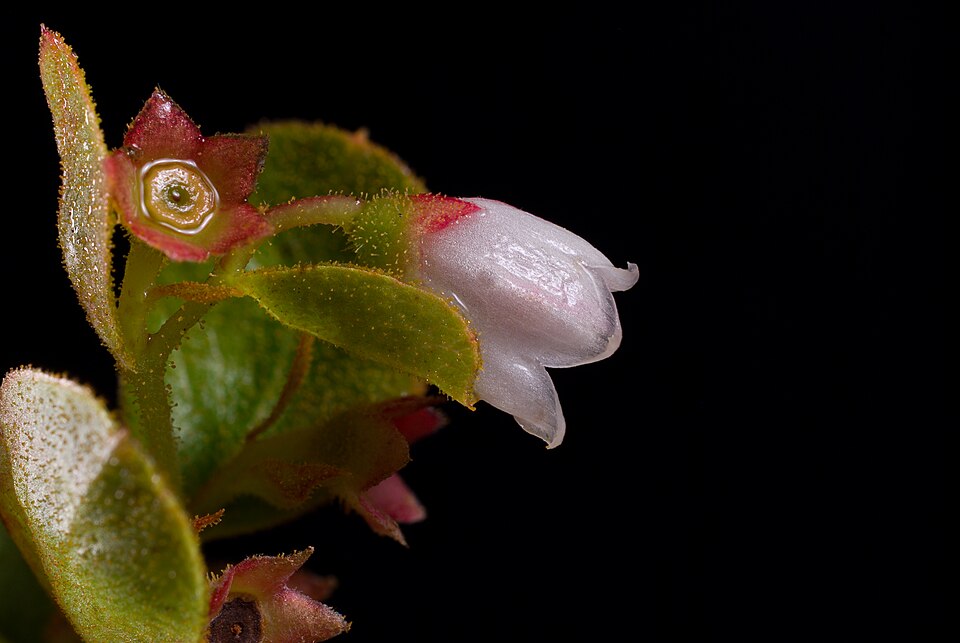
At a glance
- Life cycle
- Woody perennial
- Leaves
- Deciduous
- Bloom
- Late spring
- Fruiting season
- June to October
Recorded in 4 Louisiana parishes.
Natural habitats
Places it grows wild. Not a planting requirement. Each habitat page lists the plants and wildlife also found there.
Dry, deep-sand ridges with longleaf pine and turkey oak, kept open by fire.
Flat, sandy Coastal Plain pine woodlands, wetter than sandhills and denser than savannas.
Forest or woodland where the source does not say how moist or dry.
Also found with this plant
Wildlife whose habitat models include habitats this plant grows in, in Louisiana. Shared habitat, not food. 50 animals.
- Yellow-rumped WarblerDendroica coronata
- Yellow-throated WarblerDendroica dominica


Widespread birds also seen here (17)
Found in many habitats here, so not listed above.
Who uses this plant?
 28CaterpillarsGenus host records with ranges including LA
Genus host records with ranges including LA · Gaylussacia
- Acrobasis vacciniiCranberry Fruitworm
- Amorbia humerosanaWhite-Lined Leafroller Moth
- Antaeotricha leucillanaWell-Marked Leaf Tier, Pale Gray Bird-Dropping Moth
- Antheraea polyphemusPolyphemus Moth
- Archips purpuranaOmnivorous Leafroller Moth
- Callophrys augustinusThe Brown Elfin
- Callophrys henriciHenry's Elfin
- Cameraria hamadryadellaSolitary Oak Leafminer Moth
- Choristoneura obsoletanaObsolete Leafroller
- Clepsis peritanaGarden Tortrix
Show all 28
- Cyclophora myrtariaWaxmyrtle Wave
- Darapsa choerilusAzalea Sphinx
- Datana drexeliiDrexel's Datana
- Euplexia benesimilisAmerican Angle Shades
- Hyalophora cecropiaCecropia Silkmoth, Cecropia Moth
- Limenitis archippusViceroy
- Lithacodes fasciolaYellow-Shouldered Slug
- Megalopyge crispataBlack-Waved Flannel Moth, Crinkled Flannel Moth
- Melanomma auricinctariaGold-Lined Melanomma
- Morrisonia confusaConfused Woodgrain
- Prionapteryx nebuliferaClouded Veneer Moth
- Scopula limboundataLarge Lace-Border
- Sphinx kalmiaeFawn Sphinx, Laurel Sphinx
- Strepsicrates smithianaBayberry Leaftier
- Thyridopteryx ephemeraeformisEvergreen Bagworm Moth
- Xestia dilucidaDull Reddish Dart, Reddish Heath Dart
- Zomaria interruptolineanaBroken-Lined Zomaria
- Tallula atrifascialis
 4BeesSoutheastern regional records
Southeastern regional records · Gaylussacia
Individual names are not available yet.
Noori, Seltmann & Orr 2026, A curated and integrated dataset for exploring global bee-plant interactions (GloBI), Zenodo, CC BY 4.0 3Specialist beesPollen specialists
Pollen specialists · Gaylussacia
- Andrena bradleyi
- Andrena carolina
- Colletes validus
 6BirdsRecorded eating Gaylussacia in Louisiana
Diet records by plant genus, from studies across North America. Not a record from this state. Birds whose range includes Louisiana, most records first.
- American RobinFruit. 1 diet record
- Eastern BluebirdFruit. 1 diet record
- Eastern KingbirdFruit. 1 diet record
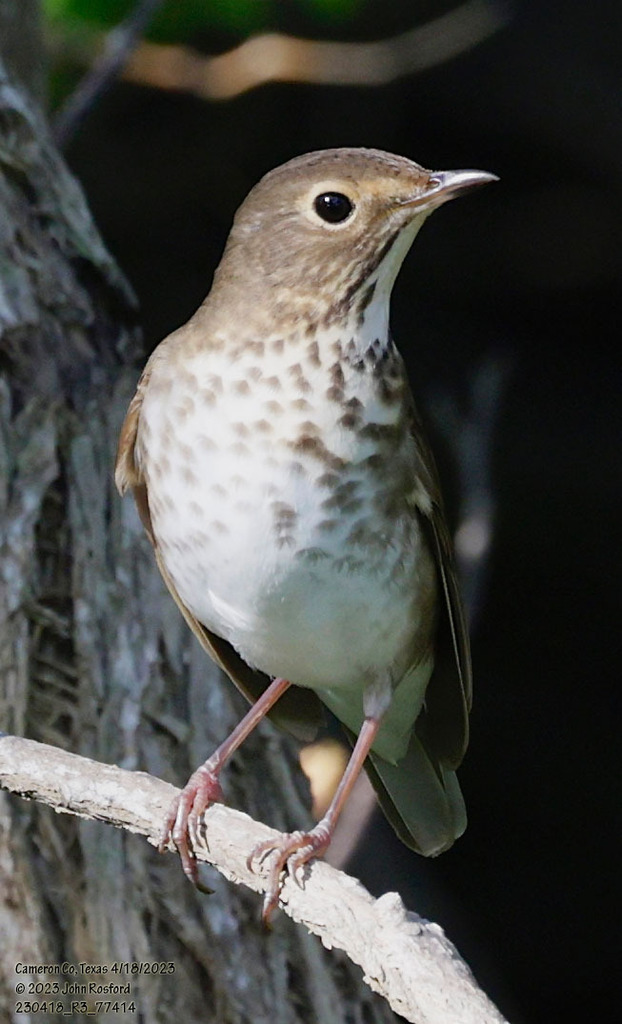
- Hermit ThrushFruit and seeds. 1 diet record
- Swainson's ThrushFruit and seeds. 1 diet record
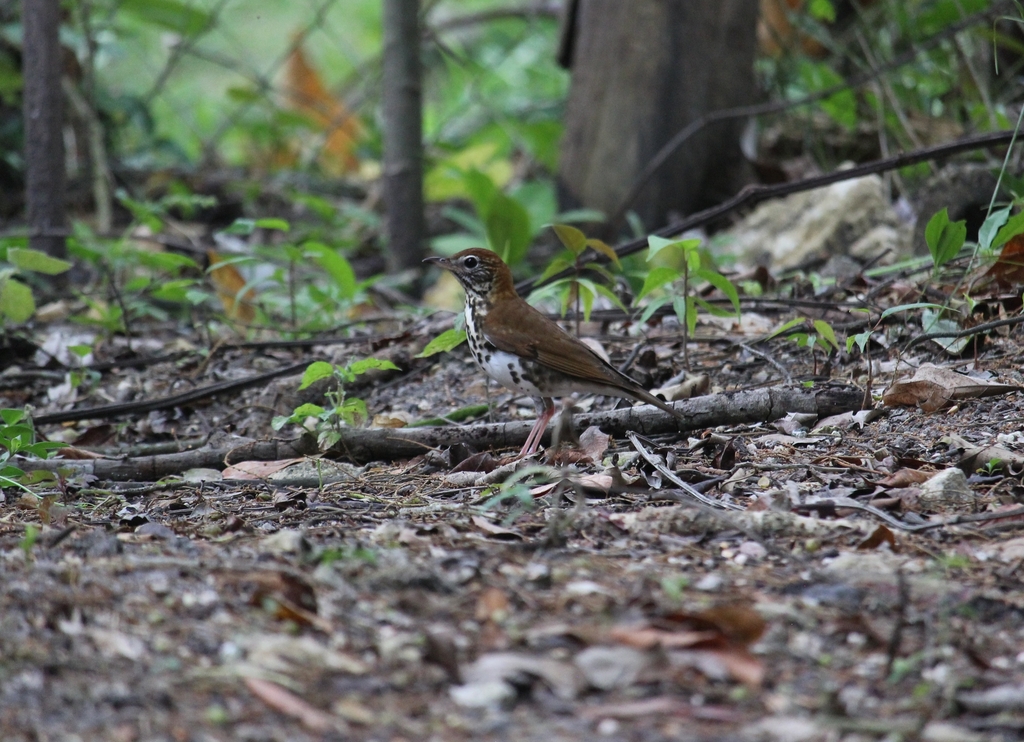
- Wood ThrushFruit and seeds. 1 diet record
Direct food only. Caterpillars on host plants also feed nesting birds. NC Native Plant Society: butterfly gardening
 1AntsRecorded seed interactions
- Pogonomyrmex badius
Pogonomyrmex badius: Seed predation.
No records yet · Beetles · Flies · Adult butterflies / moths · Other wasps · Other insects
Birds that eat Gaylussacia 6
Diet records by plant genus, from studies across North America. Not a record from this state. Avian Diet Database (Hurlbert Lab), CC0 1.0.
- American RobinTurdus migratorius
- Eastern BluebirdSialia sialis
- Eastern KingbirdTyrannus tyrannus
- Hermit ThrushCatharus guttatus
- Swainson's ThrushCatharus ustulatus
- Wood ThrushHylocichla mustelina





Plant details
- Family
- Ericaceae
- Hardiness
- Zones 5a–10a
- Soil pH
- Acidic
- Flower color
- Cream, pink or white
- Growth rate
- Slow
- Growth habit
- Spreads by rhizomes
- Foliage color
- Green
- Fruit begins
- June
- Fruit ends
- October
Safety has not been reviewed for this plant; check toxicity and thorns before planting.
Growing sources and scope
- Bloom · “Late spring” · USDA PLANTS · Nationwide species characteristics; local growing conditions may vary
- Flower color · “Cream, pink or white” · NC Extension Plant Toolbox (ranked first; USDA PLANTS, Lady Bird Johnson Wildflower Center differ)
- Foliage color · “Green” · USDA PLANTS · Nationwide species characteristics; local growing conditions may vary
- Fruit begins · “June” · Weakley, Flora of the Southeastern United States (2025), Carolinas & Georgia edition (ranked first; USDA PLANTS differs) · Carolinas and Georgia
- Fruit ends · “October” · Weakley, Flora of the Southeastern United States (2025), Carolinas & Georgia edition (ranked first; USDA PLANTS differs) · Carolinas and Georgia
- Growth habit · “Spreads by rhizomes” · USDA PLANTS · Nationwide species characteristics; local growing conditions may vary
- Growth rate · “Slow” · USDA PLANTS · Nationwide species characteristics; local growing conditions may vary
- Hardiness · “Zones 5a–10a” · NC Extension Plant Toolbox
- Height · “1–2 feet” · NC Extension Plant Toolbox (ranked first; USDA PLANTS, Lady Bird Johnson Wildflower Center differ)
- Leaves · “Deciduous” · NC Extension Plant Toolbox
- Life cycle · “Woody perennial” · NC Extension Plant Toolbox (ranked first; Lady Bird Johnson Wildflower Center differs)
- Light · “Full sun (6 or more hours of direct sunlight a day); Partial shade (direct sunlight only part of the day, 2-6 hours)” · NC Extension Plant Toolbox (ranked first; Lady Bird Johnson Wildflower Center differs)
- Soil · “Moist; Occasionally dry” · NC Extension Plant Toolbox
- Soil pH · “Acidic” · NC Extension Plant Toolbox
- Spread · “1–3 feet” · NC Extension Plant Toolbox
Conservation status
| Louisiana rank | SNR |
|---|---|
| Global rank | G5 |
| LA status | Not verified |
| Federal status | Not verified |
Will it fit your yard?
Check this plant against your county, sun and soil moisture. Conditions are checked in your browser.
Growing cautions
- Spreads by rhizomes. USDA PLANTS lists its growth form as rhizomatous. USDA PLANTS
For planning only; these do not change the score or Fit.
Sources
- USDA PLANTS
- Vascular Plants of North Carolina (NC Natural Heritage Program)
- Weakley, Flora of the Southeastern United States (2025)
- Louisiana occurrence source
- Shropshire & Tallamy 2025, Lepidoptera of North America north of Mexico, ZooKeys 1261 (ODbL)
- Noori, Seltmann & Orr 2026, A curated and integrated dataset for exploring global bee-plant interactions (GloBI), Zenodo, CC BY 4.0
- Smith, Bachelder, Russell, Morales, Mosher & Seltmann 2024, Bee-Specialization-Modeling v0.6.1 (specialist host table compiled from J. Fowler's pollen specialist bee lists), Zenodo, CC BY 4.0
- Hurlbert, Olsen, Sawyer & Winner 2021, Avian Diet Database, Scientific Data 8: 260 (CC0)
- Narango, Tallamy & Shropshire 2020, Few keystone plant genera support the majority of Lepidoptera species, Nature Communications