

Pumpkin Ash
Fraxinus profunda
In the Carolinas and Georgia, found in swamps; floodplain and bottomland forests. Weakley, Flora of the Southeastern United States (2025), Carolinas & Georgia edition What its natural habitat tells you
Native to Louisiana. How scores work Is it native here?
Profile 94%
- Height
- 60–80 feet
- Spread
- 30–50 feet
- Light
- Full sun
- Soil moisture
- Usually moist
Space about 30 ft apart from its recorded spread. Enter your bed size for a count
Will it fit your yard?No photograph yet. Looking for an old drawing…
At a glance
- Life cycle
- Woody perennial
- Leaves
- Deciduous
- Bloom
- April to May
- Fruiting season
- August to October
Recorded in 28 Louisiana parishes.
Natural habitats
Places it grows wild. Not a planting requirement. Each habitat page lists the plants and wildlife also found there.
Forested wetlands with standing water much of the year, such as cypress and gum swamps.
Floodplain and bottomland forests
Forests on low ground beside rivers and streams that flood from time to time.
Also found with this plant
Wildlife whose habitat models include habitats this plant grows in, in Louisiana. Shared habitat, not food. 165 animals.
- Bald EagleHaliaeetus leucocephalus
- Belted KingfisherMegaceryle alcyon
- Black-and-White WarblerMniotilta varia
- Black-crowned Night-heronNycticorax nycticorax
- Blue JayCyanocitta cristata
- Blue-gray GnatcatcherPolioptila caerulea
- Blue-headed VireoVireo solitarius
- Brown CreeperCerthia americana
- Canada GooseBranta canadensis
- Cedar WaxwingBombycilla cedrorum
- Chimney SwiftChaetura pelagica
- Common NighthawkChordeiles minor
- Cooper's HawkAccipiter cooperii
- Double-crested CormorantPhalacrocorax auritus
- Downy WoodpeckerPicoides pubescens
- Eastern KingbirdTyrannus tyrannus
- European StarlingSturnus vulgaris
- Golden-crowned KingletRegulus satrapa
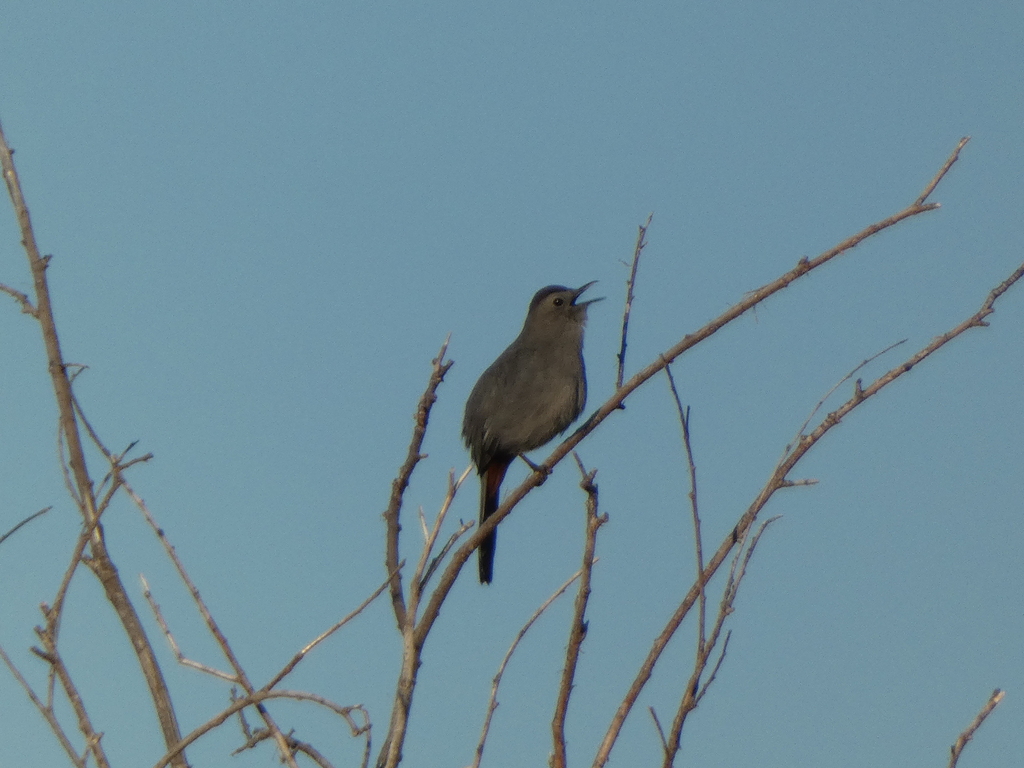
- Gray CatbirdDumetella carolinensis
- Great Blue HeronArdea herodias
- Great EgretArdea alba
- Great Horned OwlBubo virginianus
- Green HeronButorides virescens
- Hairy WoodpeckerPicoides villosus























Who uses this plant?
 100CaterpillarsGenus host records with ranges including LA
Genus host records with ranges including LA · Fraxinus
- Callosamia prometheaPromethea Moth
- Papilio glaucusEastern Tiger Swallowtail
- Abagrotis alternataGreater Red Dart, Mottled Grey Cutworm
- Achatia distinctaDistinct Quaker
- Acrobasis caryivorellaPecan Nursery Casemaker, Hickory Shoot Moth
- Acronicta americanaAmerican Dagger
- Acronicta impletaYellow-Haired Dagger
- Acronicta interruptaInterrupted Dagger
- Alsophila pometariaFall Cankerworm Moth
- Amorbia humerosanaWhite-Lined Leafroller Moth
Show all 100
- Amphipyra glabellaSmooth Amphipyra
- Amphipyra pyramidoidesMiranda Underwing, Copper Underwing, Copper Amphipyra
- Anavitrinella pampinariaCommon Gray, Cranberry Spanworm
- Antaeotricha leucillanaWell-Marked Leaf Tier, Pale Gray Bird-Dropping Moth
- Antheraea polyphemusPolyphemus Moth
- Apatelodes torrefactaSpotted Apatelodes
- Archips argyrospilaFruit-Tree Leafroller Moth
- Archips purpuranaOmnivorous Leafroller Moth
- Archips semiferanusOak Leafroller Moth
- Arogalea cristifasciellaStripe-Backed Moth, White Stripe-Backed Moth
- Automeris ioIo Moth
- Baileya dormitansSleeping Baileya
- Catocala piatrixThe Penitent, Penitent Underwing
- Cecrita guttivittaMaple Prominent, Saddled Prominent
- Cenopis diluticostanaSpring Dead-Leaf Roller Moth, Oak Cenopis
- Cenopis reticulatanaReticulated Fruitworm Moth
- Ceratomia amyntorElm Sphinx
- Ceratomia undulosaWaved Sphinx
- Choristoneura rosaceanaOblique-Banded Leafroller Moth, Rosaceous Leaf Roller
- Citheronia regalisRoyal Walnut Moth, Hickory Horned Devil
- Copivaleria groteiGrote's Sallow
- Datana ministraYellow-Necked Caterpillar Moth
- Ectropis crepusculariaThe Small Engrailed, Saddleback Looper
- Ennomos magnariaMaple Spanworm Moth, Notchwing Geometer
- Ennomos subsignariaElm Spanworm Moth
- Erannis tiliariaLinden Looper Moth, Western Winter Moth, Lime Looper
- Euchlaena marginariaOchre Euchlaena
- Euclea delphiniiSpiny Oak-Slug Moth
- Euphydryas phaetonThe Baltimore, The Black Checker
- Eutrapela clematariaCurved-Tooth Geometer, Purplish Brown Looper
- Euzophera semifuneralisAmerican Plum Borer
- Halysidota tessellarisBanded Tussock Moth, Pale Tiger Moth
- Haploa colonaColona Moth
- Harrisimemna trisignataHarris's Three-Spot
- Hyalophora cecropiaCecropia Silkmoth, Cecropia Moth
- Hypagyrtis unipunctataOne-Spotted Variant
- Hyphantria cuneaFall Webworm
- Iridopsis ephyrariaPale-Winged Gray
- Iridopsis humariaSmall Purplish Gray
- Lambdina fervidariaCurve-Lined Looper Moth
- Lithophane antennataAshen Pinion
- Lithophane bethuneiBethune's Pinion
- Lomographa vestaliataWhite Spring Moth
- Lycia ypsilonWoolly Gray
- Malacosoma americanaEastern Tent Caterpillar
- Malacosoma disstriaForest Tent Caterpillar
- Manduca rusticaRustic Sphinx
- Megalopyge opercularisSouthern Flannel Moth, Puss Caterpillar
- Melanolophia canadariaCanadian Melanolphia, Variable Redmarked Looper
- Melanolophia signatariaSignate Melanolphia
- Morrisonia confusaConfused Woodgrain
- Nadata gibbosaWhite-Dotted Prominent
- Nematocampa resistariaFilament Bearer, Horned Spanworm Moth
- Nemoria mimosariaWhite-Fringed Emerald
- Nymphalis antiopaMourning Cloak
- Oedemasia concinnaRed-Humped Caterpillar, Red-Humped Appleworm
- Olceclostera angelicaThe Angel
- Orgyia definitaDefinite Tussock Moth
- Orgyia leucostigmaWhite-Marked Tussock Moth
- Orthosia hibisciSpeckled Green Fruitworm Moth, Speckled Green Quaker
- Paleacrita vernataSpring Cankerworm Moth
- Palpita magniferalisSplendid Palpita
- Palthis angulalisDark-Spotted Palthis
- Paonias excaecataBlinded Sphinx, Blind Eyed Sphinx
- Papaipema furcataAsh-Tip Borer
- Papaipema nebrisStalk Borer
- Papilio cresphontesEastern Giant Swallowtail
- Paranthrene asilipennisOak Stump Borer Moth, Oak Borer
- Phaeoura quernariaOak Beauty Moth
- Phigalia titeaThe Half-Wing Geometer, Spiney Looper, Eastern Oak Looper
- Phobetron pitheciumHag Moth, Monkey Slug
- Plagodis fervidariaFervid Plagodis
- Platynota idaeusalisTufted Apple-Bud Moth
- Podosesia aureocinctaBanded Ash Clearwing
- Podosesia syringaeLilac Borer Moth, Ash Borer
- Prionoxystus macmurtreiLittle Carpenterworm, Lesser Oak Carpenter Worm
- Prionoxystus robiniaeCarpenterworm Moth, Black Locust Borer, Cottonwood Borer
- Probole amicariaFriendly Probole
- Protoboarmia porcelariaPorcelain Gray, Dashedlined Looper
- Psaphida styracisFawn Sallow
- Satyrium calanusBanded Hairstreak, Falacer Hairstreak
- Satyrium liparopsStriped Hairstreak
- Schizura ipomaeaeMorning-Glory Prominent, Checkered-Fringe Prominent
- Sericaglaea signataVariable Sallow
- Smerinthus jamaicensisTwin-Spotted Sphinx
- Sphinx franckiiFranck's Sphinx
- Sphinx kalmiaeFawn Sphinx, Laurel Sphinx
- Spilosoma virginicaVirginian Tiger Moth, Yellow Woolybear Moth, Yellow Bear
- Thyridopteryx ephemeraeformisEvergreen Bagworm Moth
- Tolype velledaLarge Tolype, Large Lappet Moth, Vellada Lappet Moth
 4BeesSoutheastern regional records
Southeastern regional records · Fraxinus
Individual names are not available yet.
Noori, Seltmann & Orr 2026, A curated and integrated dataset for exploring global bee-plant interactions (GloBI), Zenodo, CC BY 4.0 0Specialist beesPollen specialists
 3BirdsRecorded genus food-resource interactions; not a state feeding claim
Recorded genus food-resource interactions; not a state feeding claim · Fraxinus
- Coccothraustes vespertinusEvening Grosbeak
- Ortalis vetulaPlain Chachalaca
- Pinicola enucleatorPine Grosbeak
Direct food only: birds recorded eating this genus across North America. Caterpillars on host plants also feed nesting birds. NC Native Plant Society: butterfly gardening
No records yet · Ants · Beetles · Flies · Adult butterflies / moths · Other wasps · Other insects
Plant details
- Family
- Oleaceae
- Hardiness
- Zones 5a–9b
- Flower color
- Brown/copper, green, purple or white
- Growth rate
- Rapid
- Growth habit
- Single stem
- Foliage color
- Green
- Fruit begins
- August
- Fruit ends
- October
Safety has not been reviewed for this plant; check toxicity and thorns before planting.
Growing sources and scope
- Bloom · “April to May” · Weakley, Flora of the Southeastern United States (2025), Carolinas & Georgia edition (ranked first; USDA PLANTS differs) · Carolinas and Georgia
- Flower color · “Brown/copper, green, purple or white” · NC Extension Plant Toolbox (ranked first; USDA PLANTS differs)
- Foliage color · “Green” · USDA PLANTS · Nationwide species characteristics; local growing conditions may vary
- Fruit begins · “August” · Weakley, Flora of the Southeastern United States (2025), Carolinas & Georgia edition (ranked first; USDA PLANTS differs) · Carolinas and Georgia
- Fruit ends · “October” · Weakley, Flora of the Southeastern United States (2025), Carolinas & Georgia edition (ranked first; USDA PLANTS differs) · Carolinas and Georgia
- Growth habit · “Single stem” · USDA PLANTS · Nationwide species characteristics; local growing conditions may vary
- Growth rate · “Rapid” · USDA PLANTS · Nationwide species characteristics; local growing conditions may vary
- Hardiness · “Zones 5a–9b” · NC Extension Plant Toolbox
- Height · “60–80 feet” · NC Extension Plant Toolbox (ranked first; USDA PLANTS differs)
- Leaves · “Deciduous” · NC Extension Plant Toolbox
- Life cycle · “Woody perennial” · NC Extension Plant Toolbox
- Light · “Full sun (6 or more hours of direct sunlight a day)” · NC Extension Plant Toolbox
- Soil · “Moist; Occasionally wet” · NC Extension Plant Toolbox
- Spread · “30–50 feet” · NC Extension Plant Toolbox
Also known as
Fraxinus tomentosa
Conservation status
| Louisiana rank | SNR |
|---|---|
| Global rank | G4 |
| LA status | Not verified |
| Federal status | Not verified |
Will it fit your yard?
Check this plant against your county, sun and soil moisture. Conditions are checked in your browser.
Sources
- Weakley, Flora of the Southeastern United States (2025), South Central edition
- USDA PLANTS
- Vascular Plants of North Carolina (NC Natural Heritage Program)
- Louisiana occurrence source
- Shropshire & Tallamy 2025, Lepidoptera of North America north of Mexico, ZooKeys 1261 (ODbL)
- Noori, Seltmann & Orr 2026, A curated and integrated dataset for exploring global bee-plant interactions (GloBI), Zenodo, CC BY 4.0
- Smith, Bachelder, Russell, Morales, Mosher & Seltmann 2024, Bee-Specialization-Modeling v0.6.1 (specialist host table compiled from J. Fowler's pollen specialist bee lists), Zenodo, CC BY 4.0
- Hurlbert, Olsen, Sawyer & Winner 2021, Avian Diet Database, Scientific Data 8: 260 (CC0)
- Narango, Tallamy & Shropshire 2020, Few keystone plant genera support the majority of Lepidoptera species, Nature Communications