

Bosc's Witchgrass
Dichanthelium boscii
In the Carolinas and Georgia, found in forests and woodlands; dry forests and woodlands; roadsides, fields and disturbed ground; moist forests; floodplain and bottomland forests. Weakley, Flora of the Southeastern United States (2025), Carolinas & Georgia edition What its natural habitat tells you
Native to Louisiana (estimated). How scores work Is it native here?
Profile 88%
- Height
- Up to about 2.5 feet
- Light
- Partial shade, Full shade, Full sun
- Soil moisture
- Dry to moist
No photograph yet. Looking for an old drawing…
At a glance
- Life cycle
- Perennial
- Bloom
- April to September
Not yet recorded · Spread · Leaves
Recorded in 34 Louisiana parishes.
Natural habitats
Places it grows wild. Not a planting requirement. Each habitat page lists the plants and wildlife also found there.
Forest or woodland where the source does not say how moist or dry.
Forests and open woodlands on dry ridges and slopes, often oak or pine.
Roadsides, fields and disturbed ground
Ground opened by people: roadsides, old fields, pastures, fencerows and lots.
Forests on moist but not wet ground, such as rich slopes and ravines.
Floodplain and bottomland forests
Forests on low ground beside rivers and streams that flood from time to time.
Also found with this plant
Wildlife whose habitat models include habitats this plant grows in, in Louisiana. Shared habitat, not food. 81 animals.
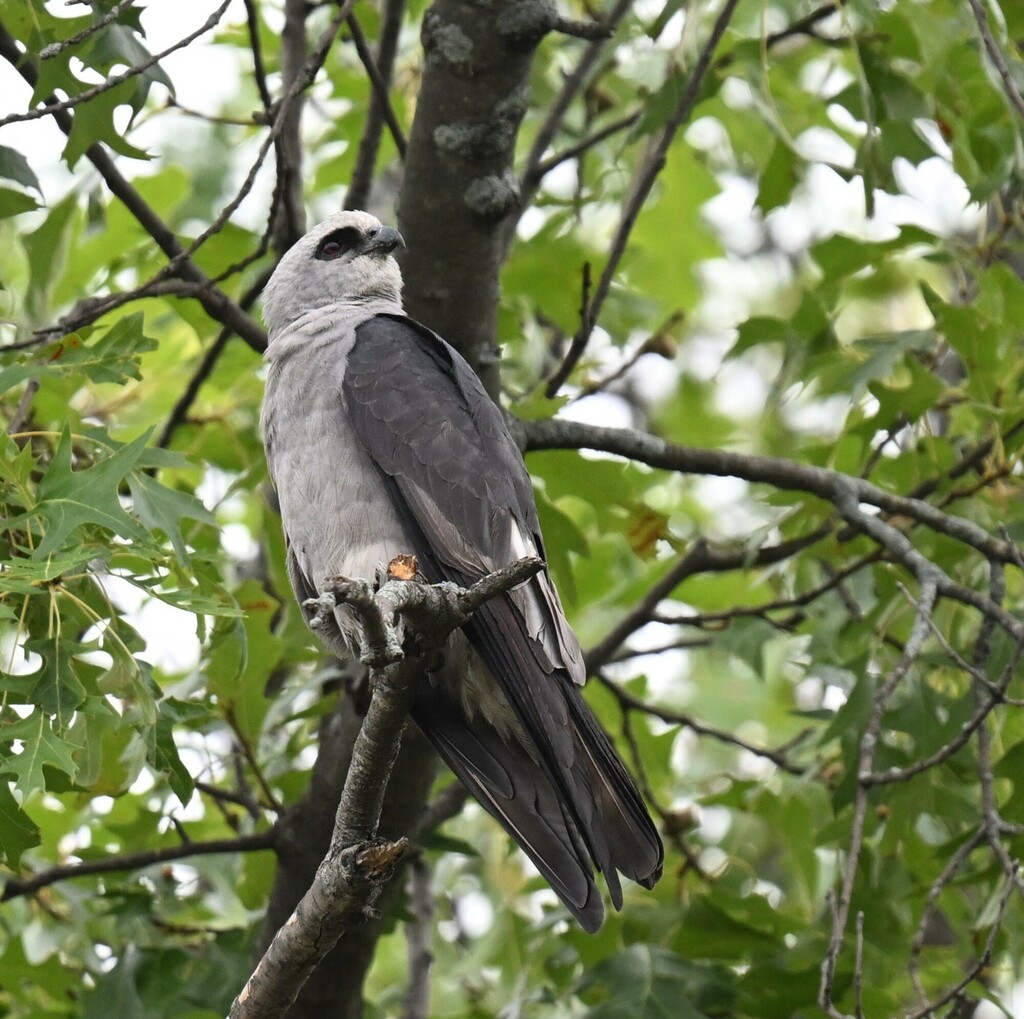
- Mississippi KiteIctinia mississippiensis
- Mourning DoveZenaida macroura
- Northern FlickerColaptes auratus
- Pileated WoodpeckerDryocopus pileatus
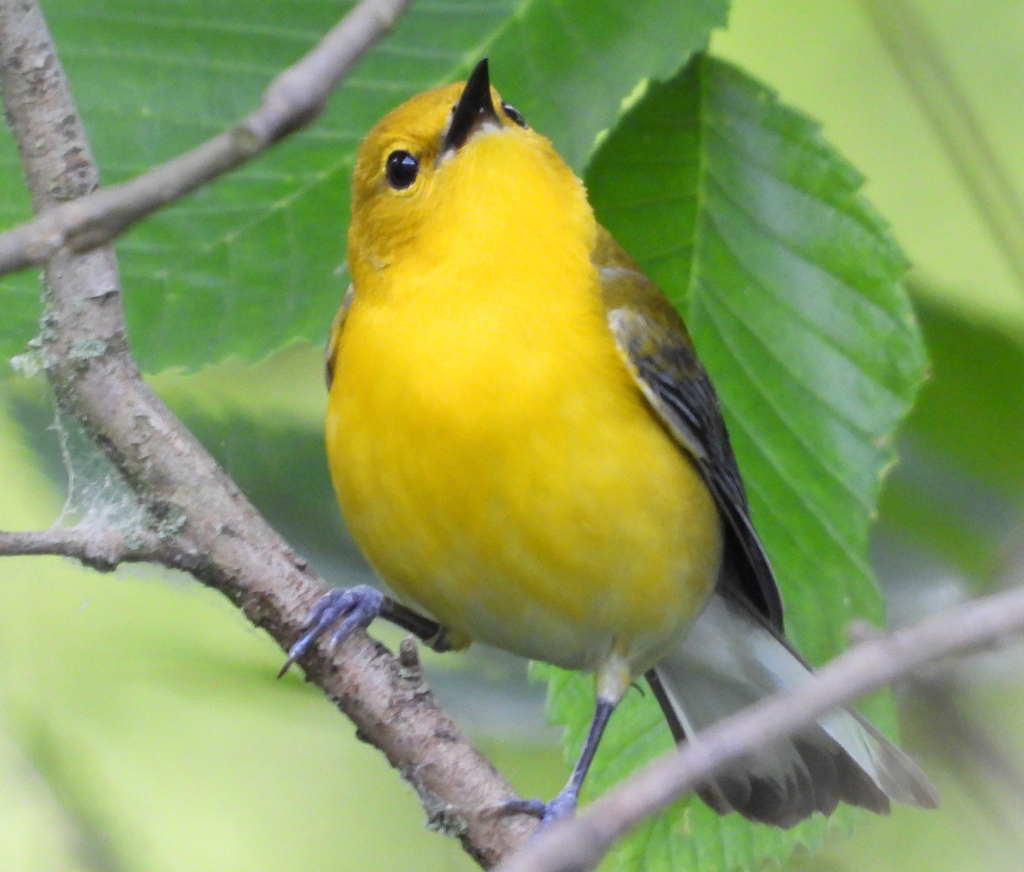
- Prothonotary WarblerProtonotaria citrea
- Purple FinchCarpodacus purpureus
- Red-headed WoodpeckerMelanerpes erythrocephalus
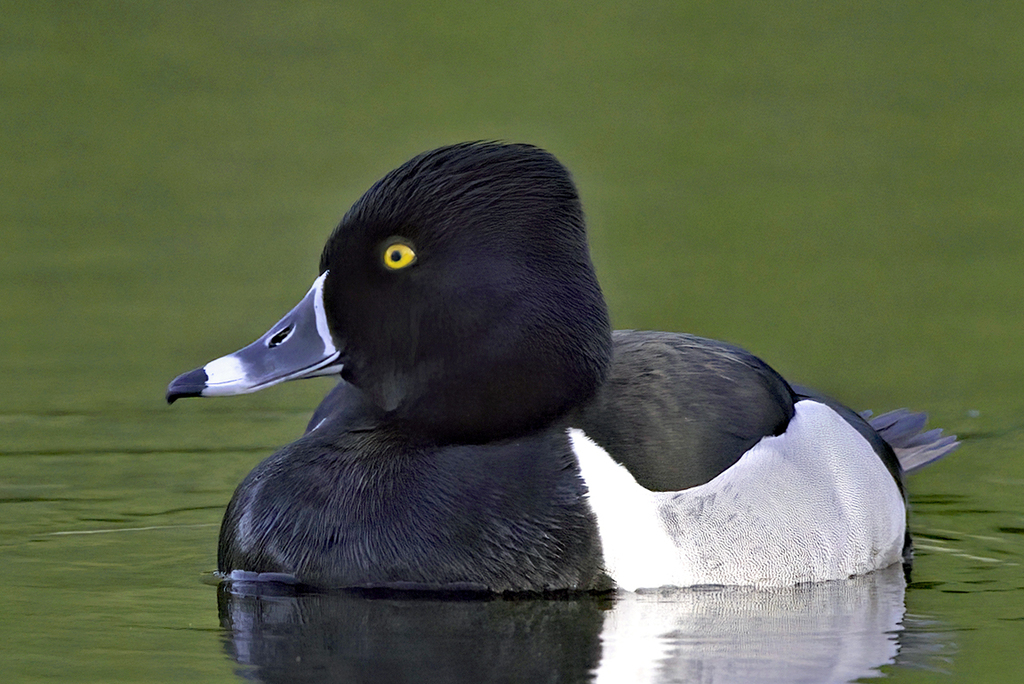
- Ring-necked DuckAythya collaris
- Ruby-crowned KingletRegulus calendula
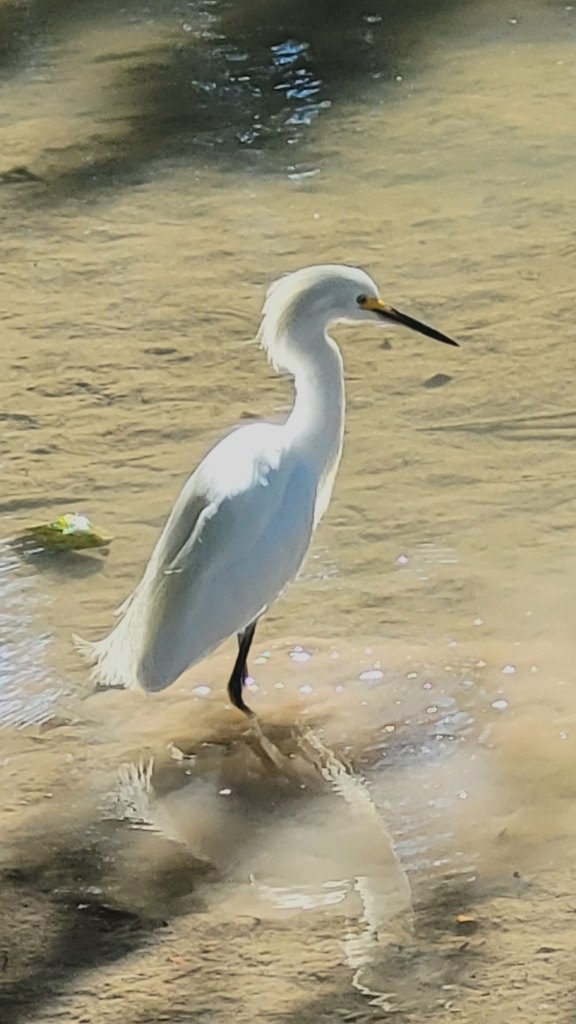
- Snowy EgretEgretta thula
- Swainson's WarblerLimnothlypis swainsonii
- Tufted TitmouseBaeolophus bicolor
- White-throated SparrowZonotrichia albicollis
- Wild TurkeyMeleagris gallopavo
- Wilson's WarblerWilsonia pusilla
- Wood DuckAix sponsa
- Wood ThrushHylocichla mustelina
- Yellow-bellied SapsuckerSphyrapicus varius
- Yellow-billed CuckooCoccyzus americanus
- Yellow-crowned Night-heronNyctanassa violacea
- Yellow-rumped WarblerDendroica coronata
- American Black DuckAnas rubripes
- American CootFulica americana
- American WoodcockScolopax minor






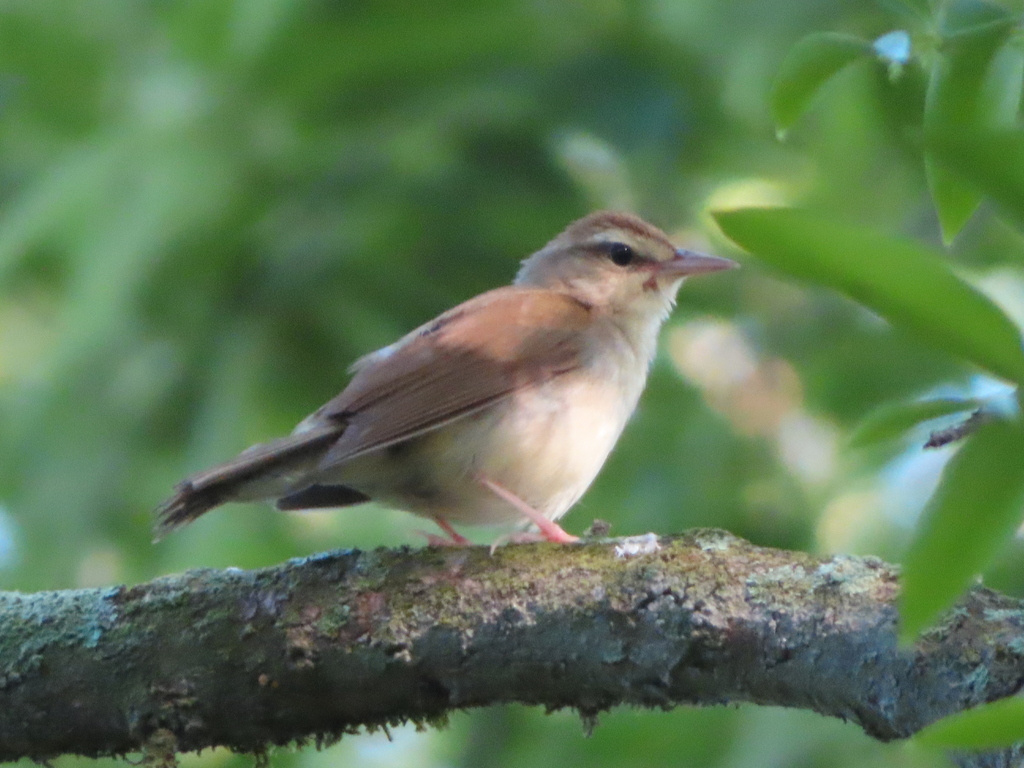



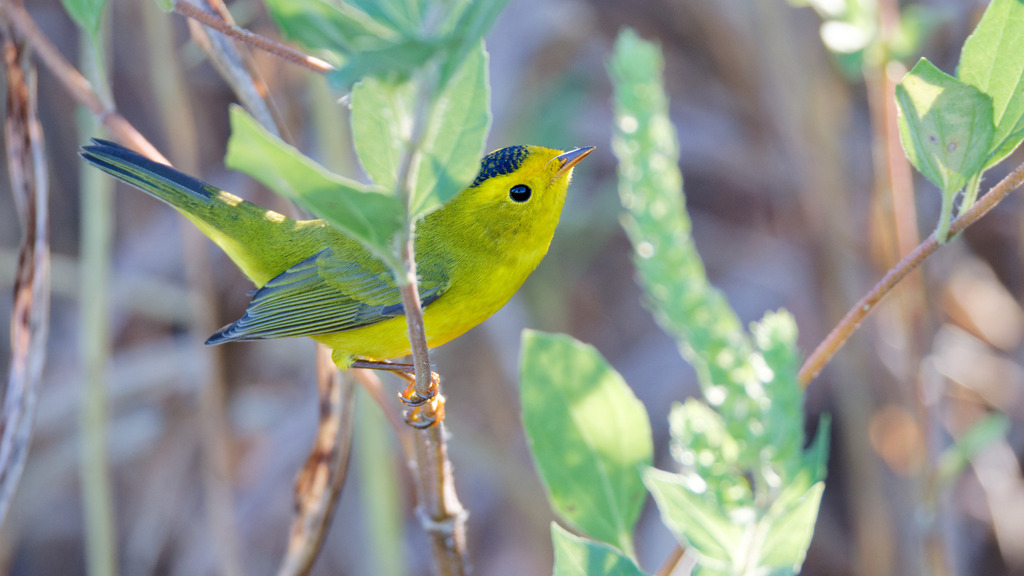

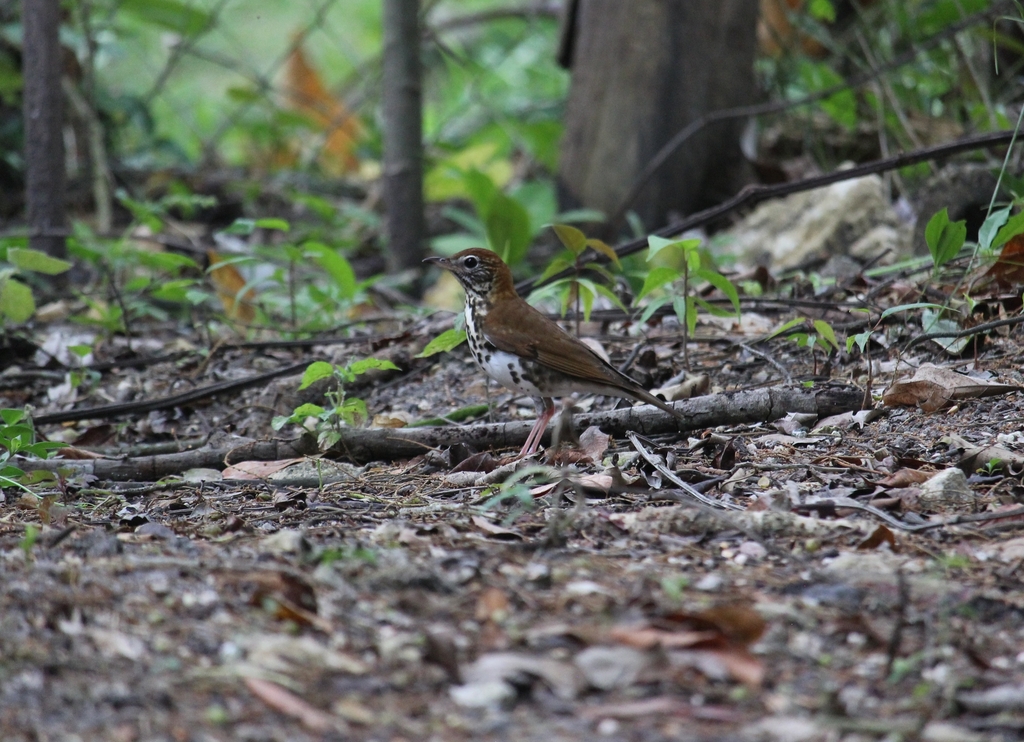


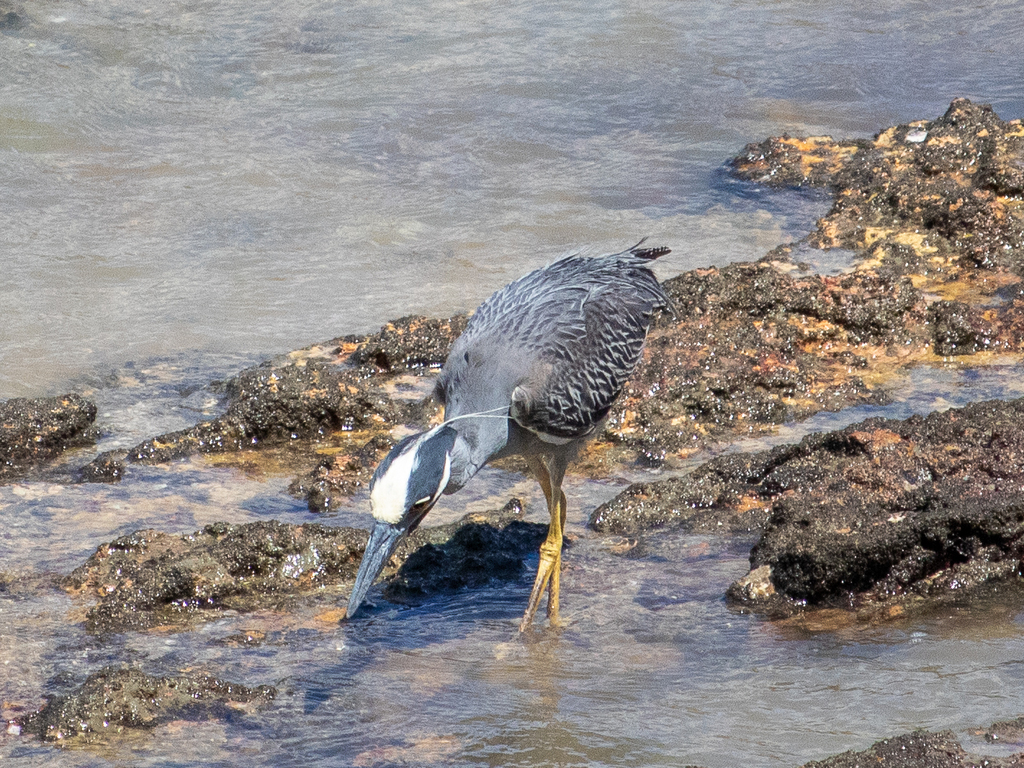


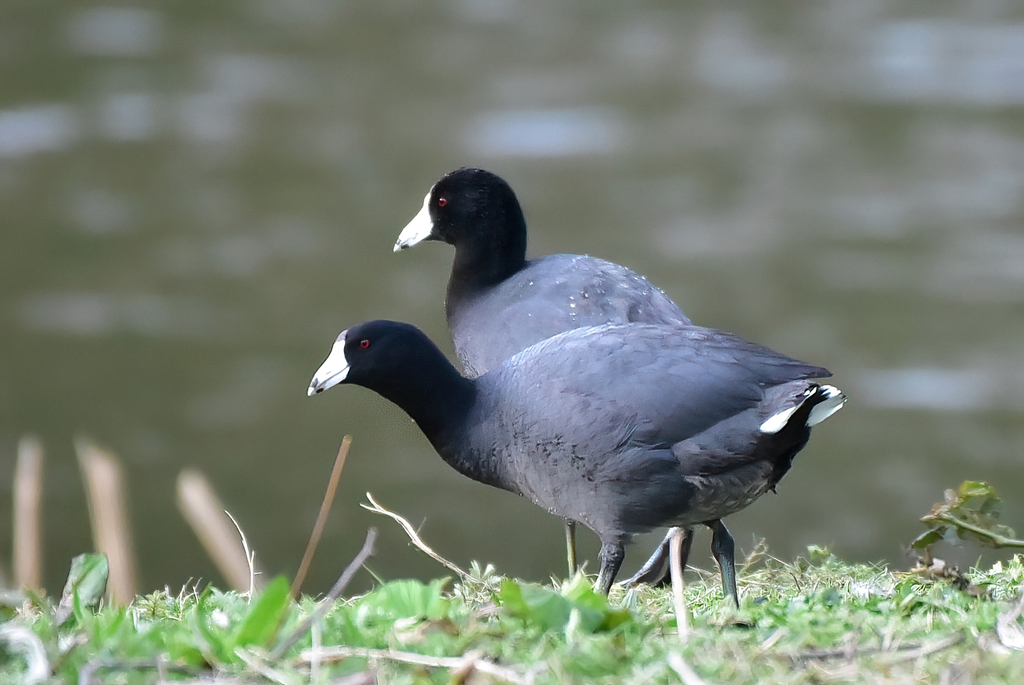

Widespread birds also seen here (17)
Found in many habitats here, so not listed above.
Who uses this plant?
 22CaterpillarsGenus host records with ranges including LA
Genus host records with ranges including LA · Panicum
- Anatrytone loganDelaware Skipper, Logan Skipper, Black-Vein Skipper
- Ancyloxypha numitorLeast Skipper
- Dargida diffusaWheat Head Armywotm Moth
- Dargida rubripennisThe Pink-Streak
- Hesperia attalusDotted Skipper
- Hesperia leonardusLeonard's Skipper, Blazing Star Skipper, Pawnee Prairie Skipper, Pawnee Montane Skipper
- Hylephila phyleusFiery Skipper
- Hypena scabraGreen Cloverworm Bomolocha, Black Snout
- Lerema acciusClouded Skipper, Corn Leaf tier
- Leucania adjutaAdjutant Wainscot
Show all 22
- Leucania linitaReed Wainscot, Linen Wainscot
- Marimatha nigrofimbriaBlack-Bordered Lemon
- Mocis latipesSmall Mocis, Striped Grass Looper
- Mocis texanaTexas Mocis
- Mythimna unipunctaArmyworm Moth, White Speck
- Panoquina ocolaOcola Skipper, Long-Winged Skiiper
- Papaipema nebrisStalk Borer
- Poanes viatorBroad-Winged Skipper
- Polites egeremetNorthern Broken-Dash
- Polites themistoclesTawny-Edged Skipper
- Spodoptera frugiperdaFall Armyworm Moth
- Idioglossa miraculosa
 0BeesSoutheastern regional records
 0Specialist beesPollen specialists
 1BirdsRecorded eating Dichanthelium in Louisiana
Diet records by plant genus, from studies across North America. Not a record from this state. Birds whose range includes Louisiana, most records first.
- Northern Bobwhite2 diet records
Direct food only. Caterpillars on host plants also feed nesting birds. NC Native Plant Society: butterfly gardening
No records yet · Ants · Beetles · Flies · Adult butterflies / moths · Other wasps · Other insects
Birds that eat Dichanthelium 1
Diet records by plant genus, from studies across North America. Not a record from this state. Avian Diet Database (Hurlbert Lab), CC0 1.0.
- Northern BobwhiteColinus virginianus

Plant details
- Family
- Poaceae
- Flower color
- Green or brown
Safety has not been reviewed for this plant; check toxicity and thorns before planting.
Growing sources and scope
- Bloom · “April to September” · Weakley, Flora of the Southeastern United States (2025), Carolinas & Georgia edition · Carolinas and Georgia
- Flower color · “Green or brown” · Lady Bird Johnson Wildflower Center
- Height · “Up to about 2.5 feet” · Lady Bird Johnson Wildflower Center
- Life cycle · “Perennial” · Lady Bird Johnson Wildflower Center
- Light · “Partial shade; Full shade; Full sun (documented habitat)” · Weakley, Flora of the Southeastern United States (2025), Carolinas & Georgia edition · Carolinas and Georgia
- Soil · “Dry; Moist (documented habitat)” · Weakley, Flora of the Southeastern United States (2025), Carolinas & Georgia edition · Carolinas and Georgia
Also known as
Boscs Panic Grass; Boscs Witch Grass; Panicum boscii; panicgrass
Conservation status
| Louisiana rank | SNR |
|---|---|
| Global rank | G5 |
| LA status | Not verified |
| Federal status | Not verified |
Will it fit your yard?
Check this plant against your county, sun and soil moisture. Conditions are checked in your browser.
Sources
- USDA PLANTS
- Vascular Plants of North Carolina (NC Natural Heritage Program)
- Weakley, Flora of the Southeastern United States (2025)
- Louisiana occurrence source
- Shropshire & Tallamy 2025, Lepidoptera of North America north of Mexico, ZooKeys 1261 (ODbL)
- Noori, Seltmann & Orr 2026, A curated and integrated dataset for exploring global bee-plant interactions (GloBI), Zenodo, CC BY 4.0
- Smith, Bachelder, Russell, Morales, Mosher & Seltmann 2024, Bee-Specialization-Modeling v0.6.1 (specialist host table compiled from J. Fowler's pollen specialist bee lists), Zenodo, CC BY 4.0
- Hurlbert, Olsen, Sawyer & Winner 2021, Avian Diet Database, Scientific Data 8: 260 (CC0)
- Narango, Tallamy & Shropshire 2020, Few keystone plant genera support the majority of Lepidoptera species, Nature Communications