

Kentucky Ladys Slipper
Cypripedium kentuckiense
In the Carolinas and Georgia, found in sandy ravine bottoms and springhead seeps along small streams. Weakley, Flora of the Southeastern United States (2025), Carolinas & Georgia edition What its natural habitat tells you
Native to Louisiana. How scores work Is it native here?
Profile 94%
- Height
- Up to about 3 feet
- Light
- Partial shade, Full shade
- Soil moisture
- Moist to wet
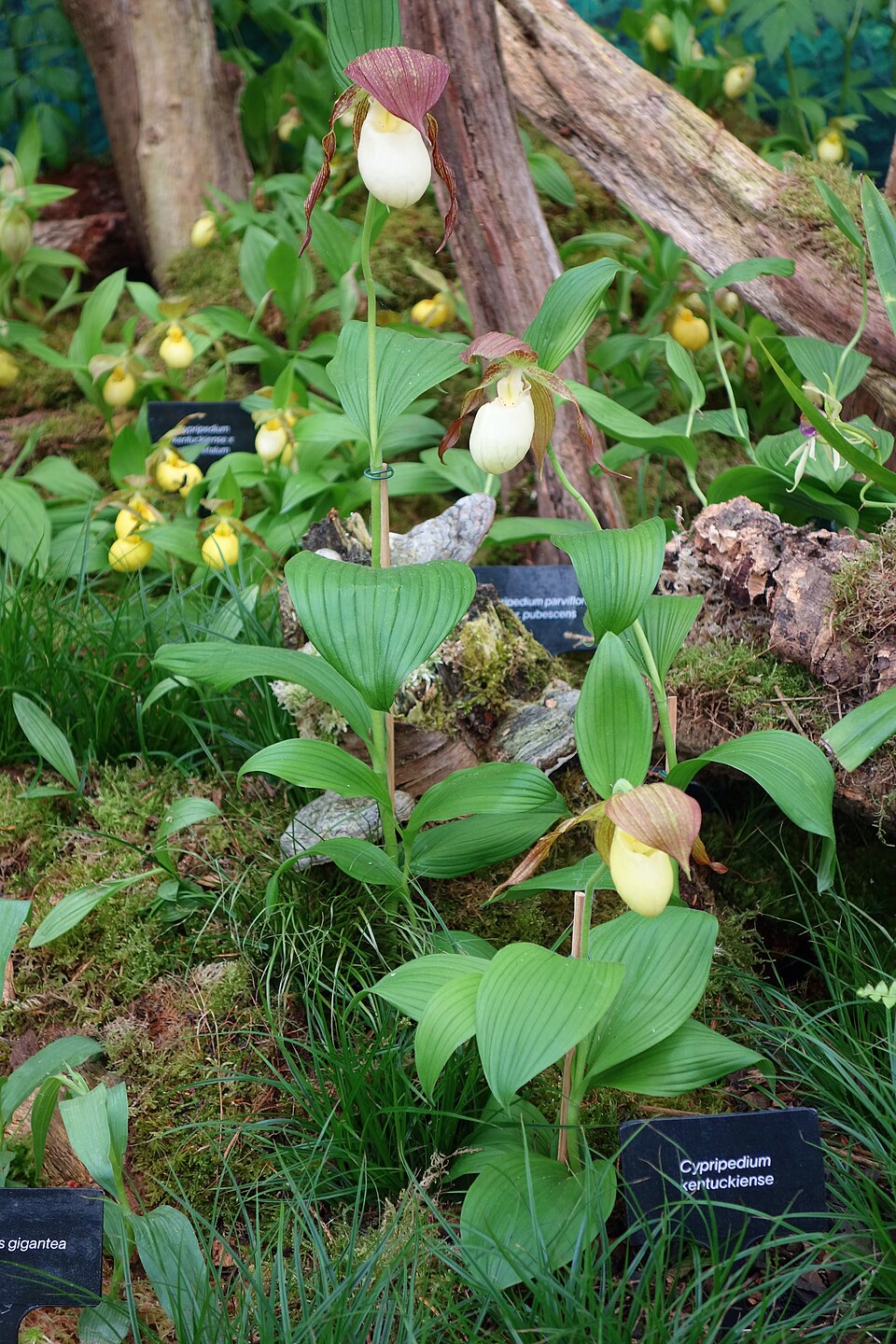
Rare or protected plant. Specialist conservation planting; excluded from routine garden suggestions. Plant caution source
Hidden from default planting suggestions. Wildlife value and native status remain unchanged.
At a glance
- Life cycle
- Perennial
- Bloom
- April to May
- Fruiting season
- June to August
Not yet recorded · Spread · Leaves
Recorded in 4 Louisiana parishes.
Natural habitats
Places it grows wild. Not a planting requirement. Each habitat page lists the plants and wildlife also found there.
Streams, rivers and their banks
Flowing water and its banks, bars and rocky shoals.
Places where groundwater keeps the soil or rock wet, such as seepage slopes and spring runs.
Also found with this plant
Wildlife whose habitat models include habitats this plant grows in, in Louisiana. Shared habitat, not food. 75 animals.
- Yellow-billed CuckooCoccyzus americanus
- Carolina ChickadeePoecile carolinensis
- Gray CatbirdDumetella carolinensis
- Hairy WoodpeckerPicoides villosus
- Hermit ThrushCatharus guttatus
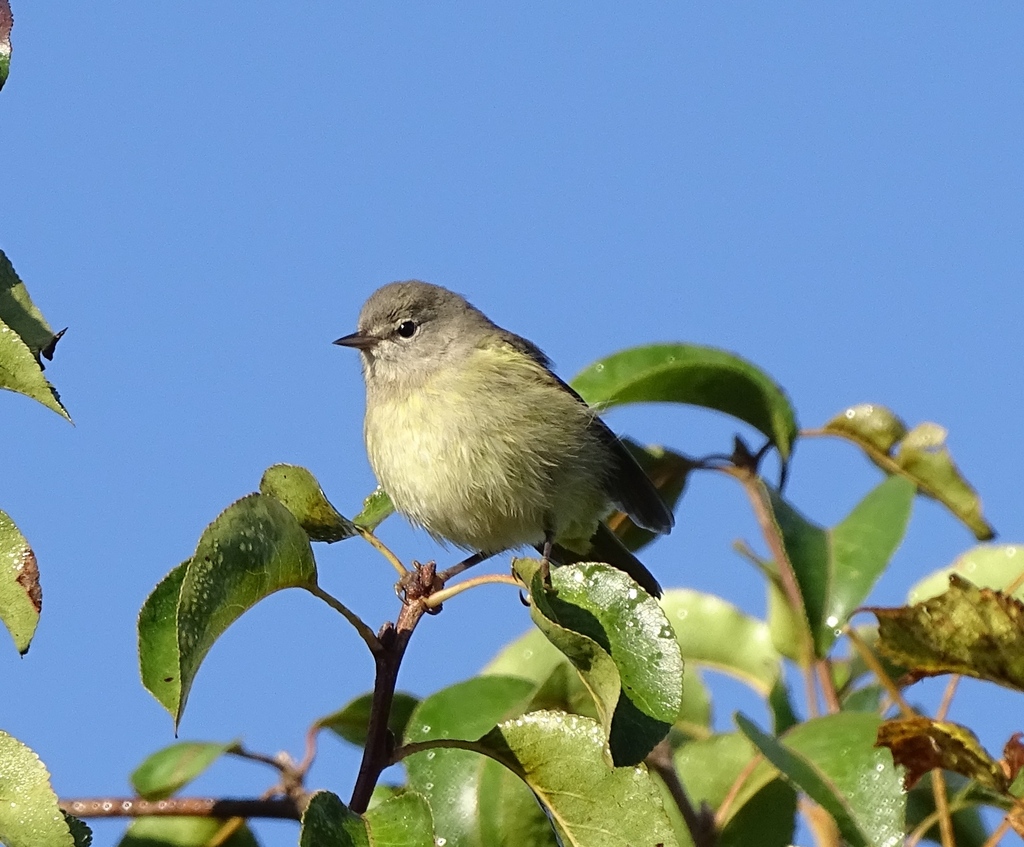
- Orange-crowned WarblerVermivora celata
- OvenbirdSeiurus aurocapilla
- Red-headed WoodpeckerMelanerpes erythrocephalus
- White-eyed VireoVireo griseus
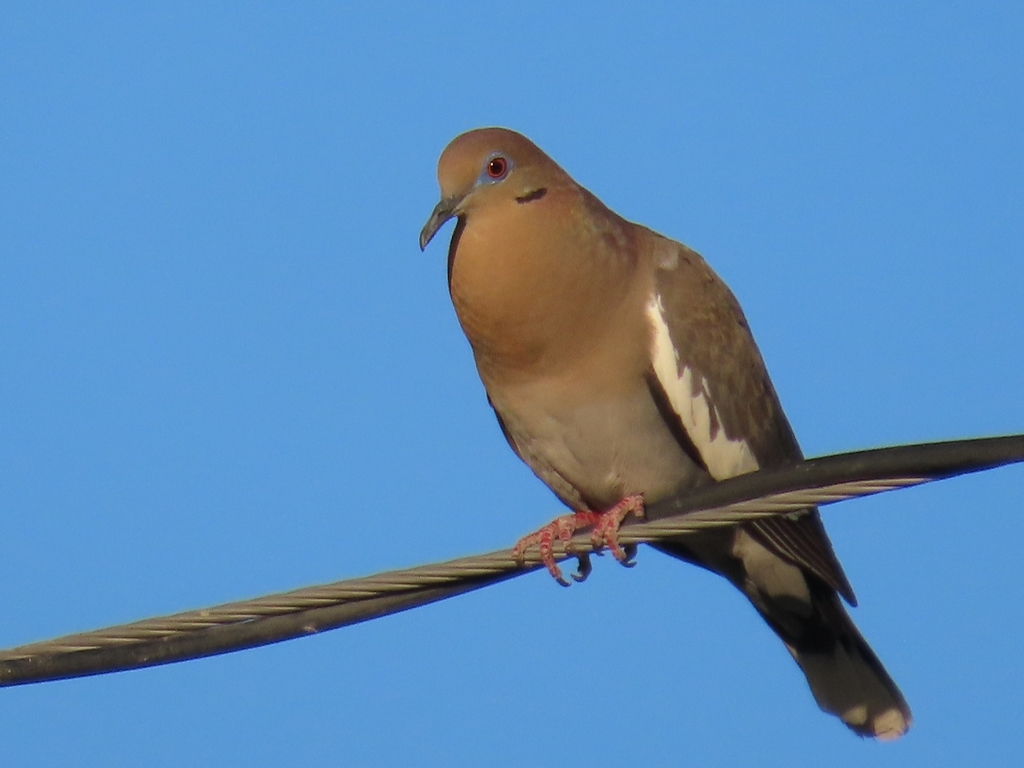
- White-winged DoveZenaida asiatica
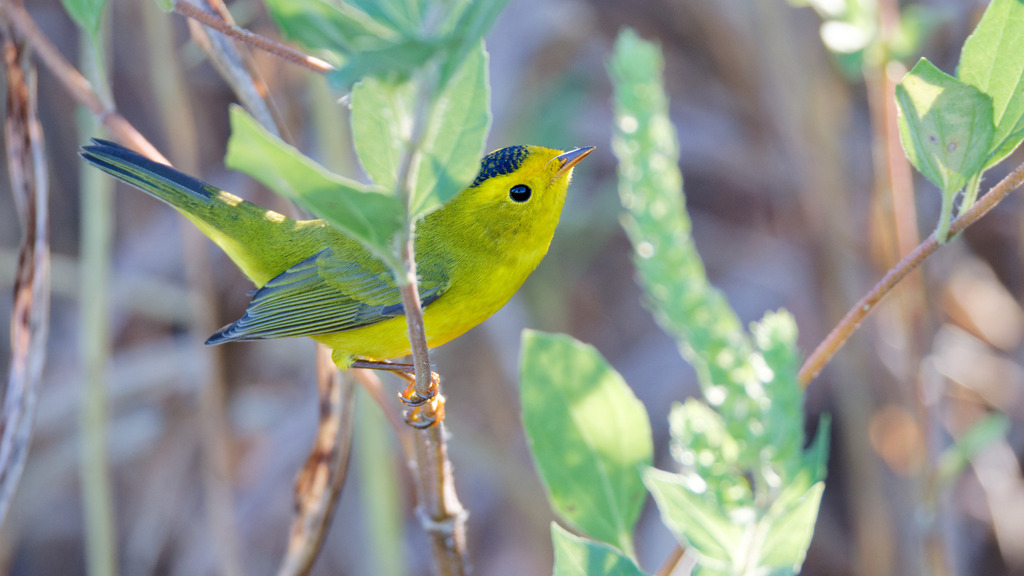
- Wilson's WarblerWilsonia pusilla
- Acadian FlycatcherEmpidonax virescens
- Broad-winged HawkButeo platypterus
- Brown-headed NuthatchSitta pusilla
- Cliff SwallowPetrochelidon pyrrhonota
- Fox SparrowPasserella iliaca
- Harris's SparrowZonotrichia querula
- Kentucky WarblerOporornis formosus
- Louisiana WaterthrushSeiurus motacilla
- Northern BobwhiteColinus virginianus
- Pine WarblerDendroica pinus
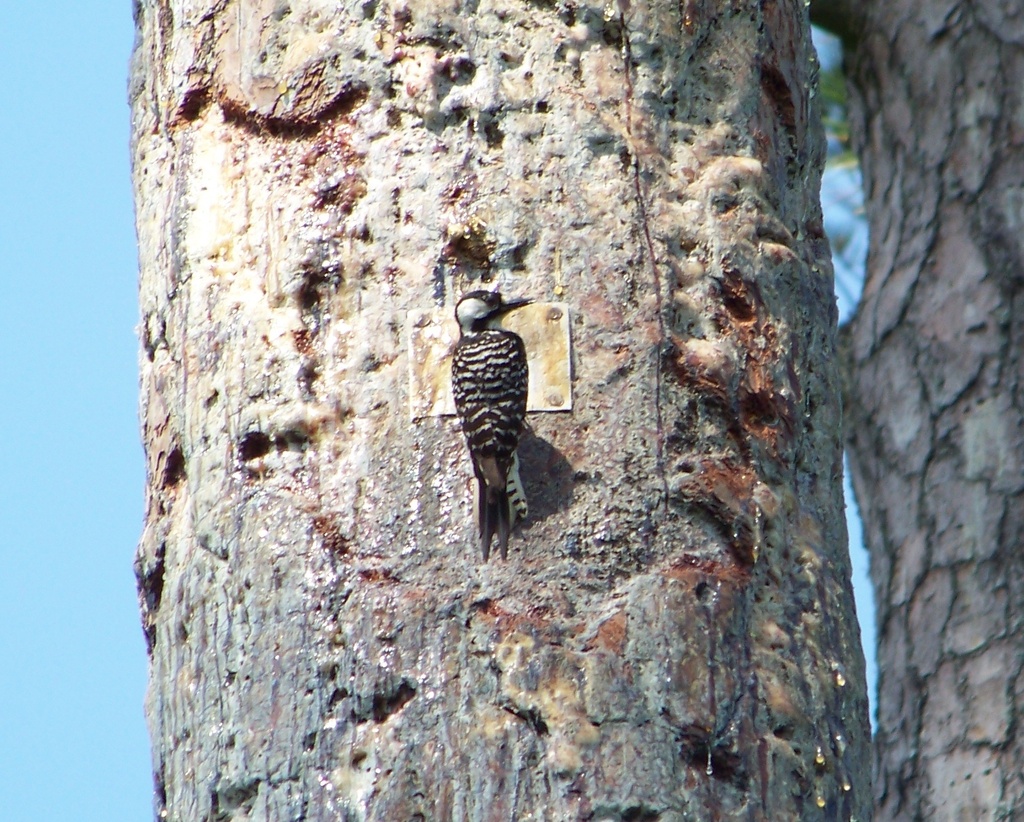
- Red-cockaded WoodpeckerPicoides borealis
- Rusty BlackbirdEuphagus carolinus
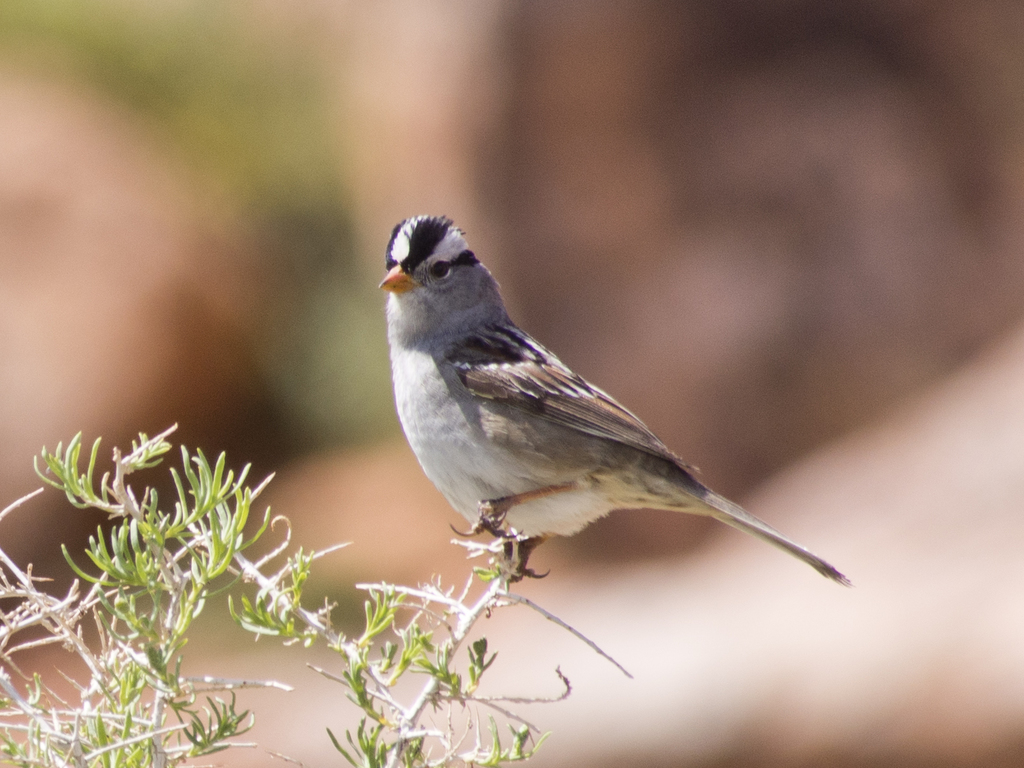
- White-crowned SparrowZonotrichia leucophrys










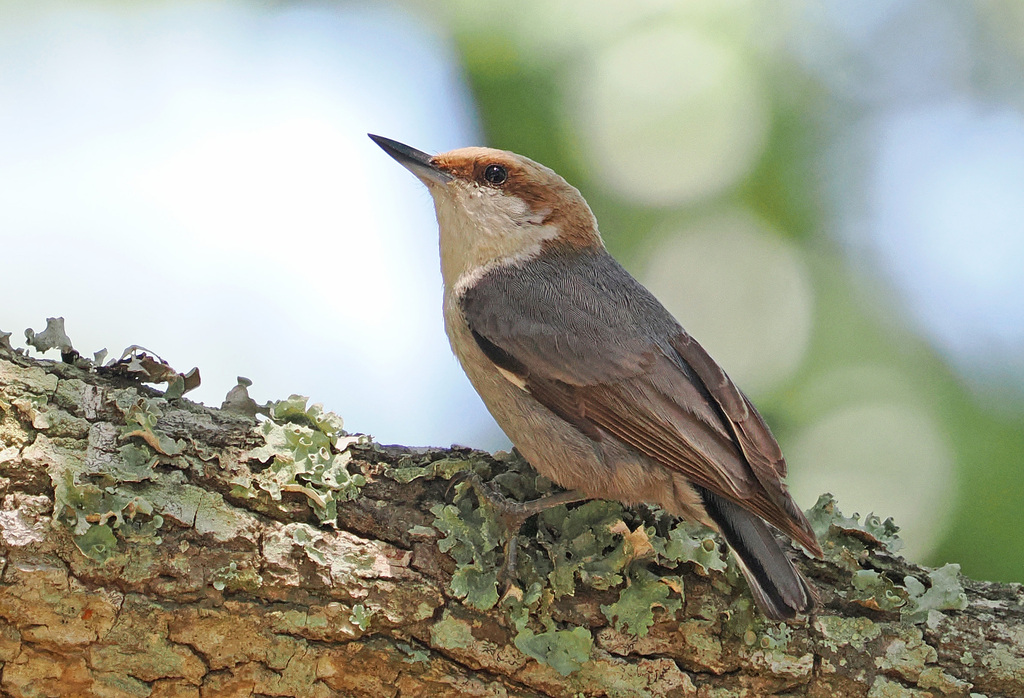

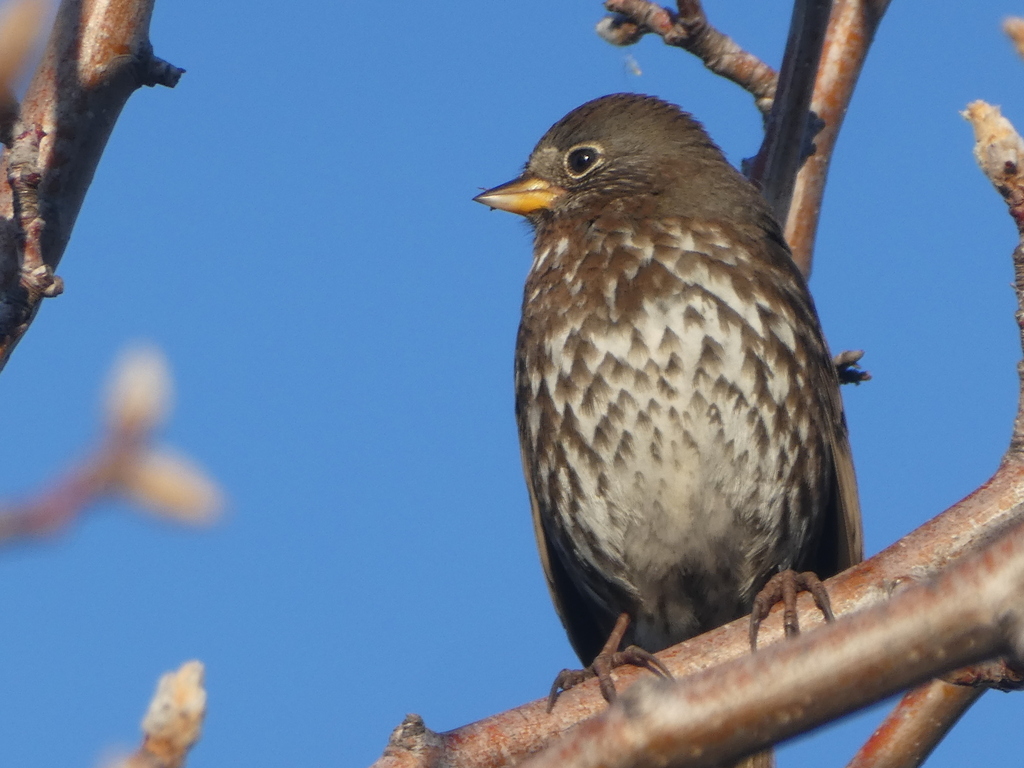
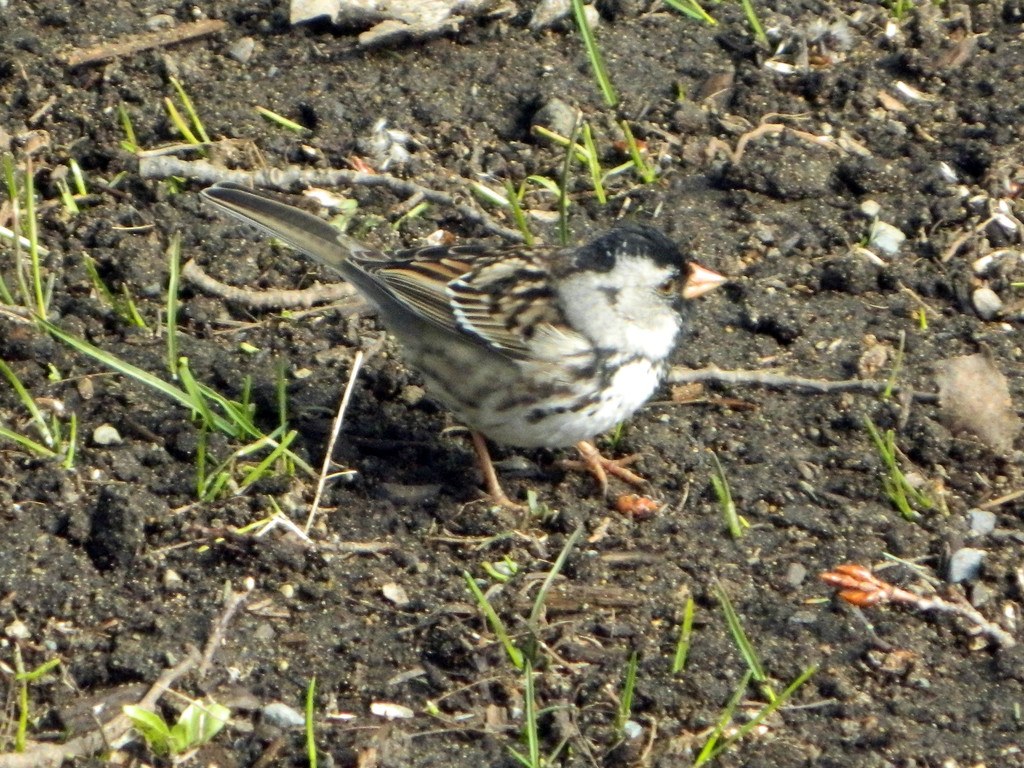



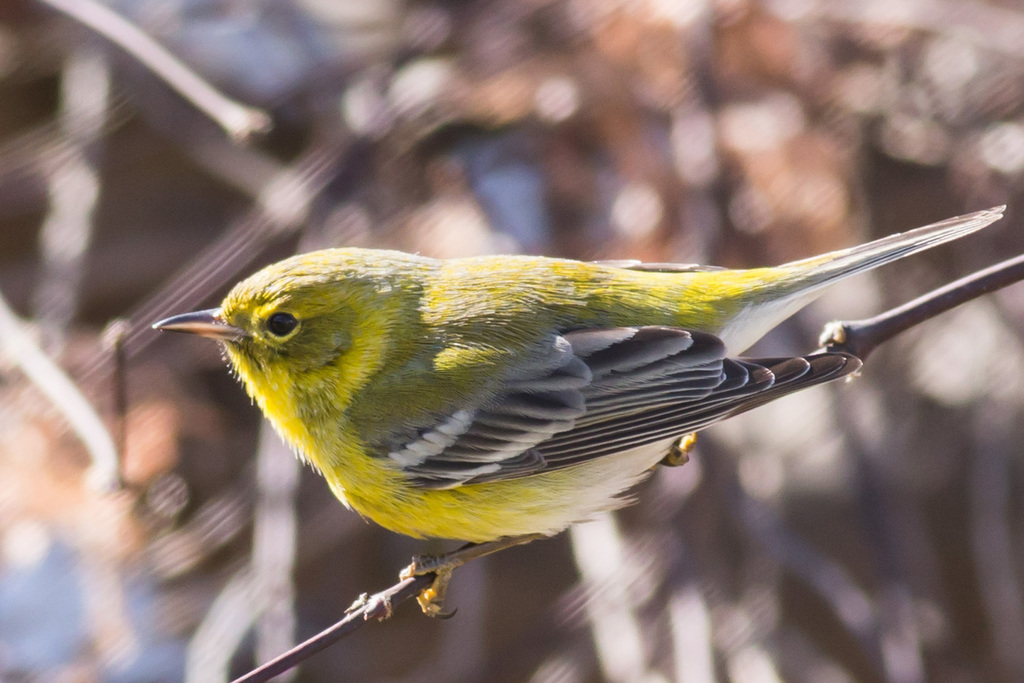


Widespread birds also seen here (33)
Found in many habitats here, so not listed above.
- American Goldfinch
- American Kestrel
- American Robin
- Bald Eagle
- Black-crowned Night-heron
- Blue Grosbeak
- Blue-gray Gnatcatcher
- Canada Goose
- Cedar Waxwing
- Chimney Swift
- Common Nighthawk
- Common Yellowthroat
- Cooper's Hawk
- Double-crested Cormorant
- Eastern Kingbird
- European Starling
- Great Egret
- Great Horned Owl
- Mourning Dove
- Northern Cardinal
- Northern Flicker
- Northern Mockingbird
- Osprey
- Pine Siskin
- Purple Finch
- Red-tailed Hawk
- Red-winged Blackbird
- Sharp-shinned Hawk
- Turkey Vulture
- White-throated Sparrow
- Yellow-breasted Chat
- Yellow-crowned Night-heron
- Yellow-rumped Warbler
Who uses this plant?
 1CaterpillarsGenus host records with ranges including LA
Genus host records with ranges including LA · Cypripedium
- Cenopis reticulatanaReticulated Fruitworm Moth
 7BeesSoutheastern regional records
Southeastern regional records · Cypripedium
Individual names are not available yet.
Noori, Seltmann & Orr 2026, A curated and integrated dataset for exploring global bee-plant interactions (GloBI), Zenodo, CC BY 4.0 0Specialist beesPollen specialists
 —BirdsRecorded genus food-resource interactions; not a state feeding claim
No records yet · Ants · Beetles · Flies · Adult butterflies / moths · Other wasps · Other insects
Plant details
- Family
- Orchidaceae
- Flower color
- White, red, yellow or brown
- Fruit begins
- June
- Fruit ends
- August
Growing sources and scope
- Bloom · “April to May” · Weakley, Flora of the Southeastern United States (2025), Carolinas & Georgia edition · Carolinas and Georgia
- Flower color · “White, red, yellow or brown” · Lady Bird Johnson Wildflower Center
- Fruit begins · “June” · Weakley, Flora of the Southeastern United States (2025), Carolinas & Georgia edition · Carolinas and Georgia
- Fruit ends · “August” · Weakley, Flora of the Southeastern United States (2025), Carolinas & Georgia edition · Carolinas and Georgia
- Height · “Up to about 3 feet” · Lady Bird Johnson Wildflower Center
- Life cycle · “Perennial” · Lady Bird Johnson Wildflower Center
- Light · “Partial shade; Full shade (documented habitat)” · Weakley, Flora of the Southeastern United States (2025), Carolinas & Georgia edition · Carolinas and Georgia
- Soil · “Moist; Wet (documented habitat)” · Weakley, Flora of the Southeastern United States (2025), Carolinas & Georgia edition · Carolinas and Georgia
Also known as
Kentucky Moccasin Flower
Conservation status
| Louisiana rank | S1 |
|---|---|
| Global rank | Not available |
| LA status | Not verified |
| Federal status | Not verified |
Will it fit your yard?
Check this plant against your county, sun and soil moisture. Conditions are checked in your browser.
Sources
- Weakley, Flora of the Southeastern United States (2025), South Central edition
- NatureServe Explorer
- Louisiana occurrence source
- Shropshire & Tallamy 2025, Lepidoptera of North America north of Mexico, ZooKeys 1261 (ODbL)
- Noori, Seltmann & Orr 2026, A curated and integrated dataset for exploring global bee-plant interactions (GloBI), Zenodo, CC BY 4.0
- Smith, Bachelder, Russell, Morales, Mosher & Seltmann 2024, Bee-Specialization-Modeling v0.6.1 (specialist host table compiled from J. Fowler's pollen specialist bee lists), Zenodo, CC BY 4.0
- Hurlbert, Olsen, Sawyer & Winner 2021, Avian Diet Database, Scientific Data 8: 260 (CC0)
- Narango, Tallamy & Shropshire 2020, Few keystone plant genera support the majority of Lepidoptera species, Nature Communications