

Longleaf Spikegrass
Chasmanthium sessiliflorum
Native to Louisiana (estimated). How scores work Is it native here?
Profile 94%
- Height
- About 5 feet
- Light
- 4 or more hours of direct sun
- Soil moisture
- Dry to moist
No photograph yet. Looking for an old drawing…
At a glance
- Bloom
- Late summer
- Fruiting season
- Summer to fall
Not yet recorded · Spread · Life cycle · Leaves
Recorded in 39 Louisiana parishes.
Also found with this plant
Wildlife whose habitat models include habitats this plant grows in, in Louisiana. Shared habitat, not food. 152 animals.
- Ring-necked DuckAythya collaris
- Ross's GooseChen rossii
- Song SparrowMelospiza melodia
- Sprague's PipitAnthus spragueii
- Swallow-tailed KiteElanoides forficatus
- Swamp SparrowMelospiza georgiana
- Western MeadowlarkSturnella neglecta
- Worm-eating WarblerHelmitheros vermivorum

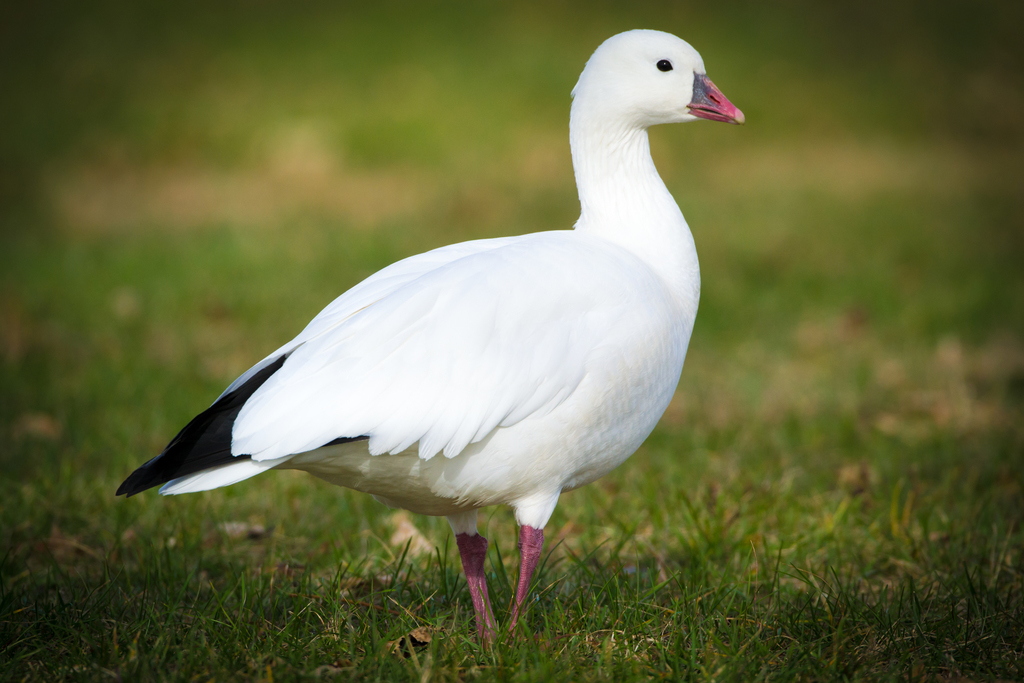

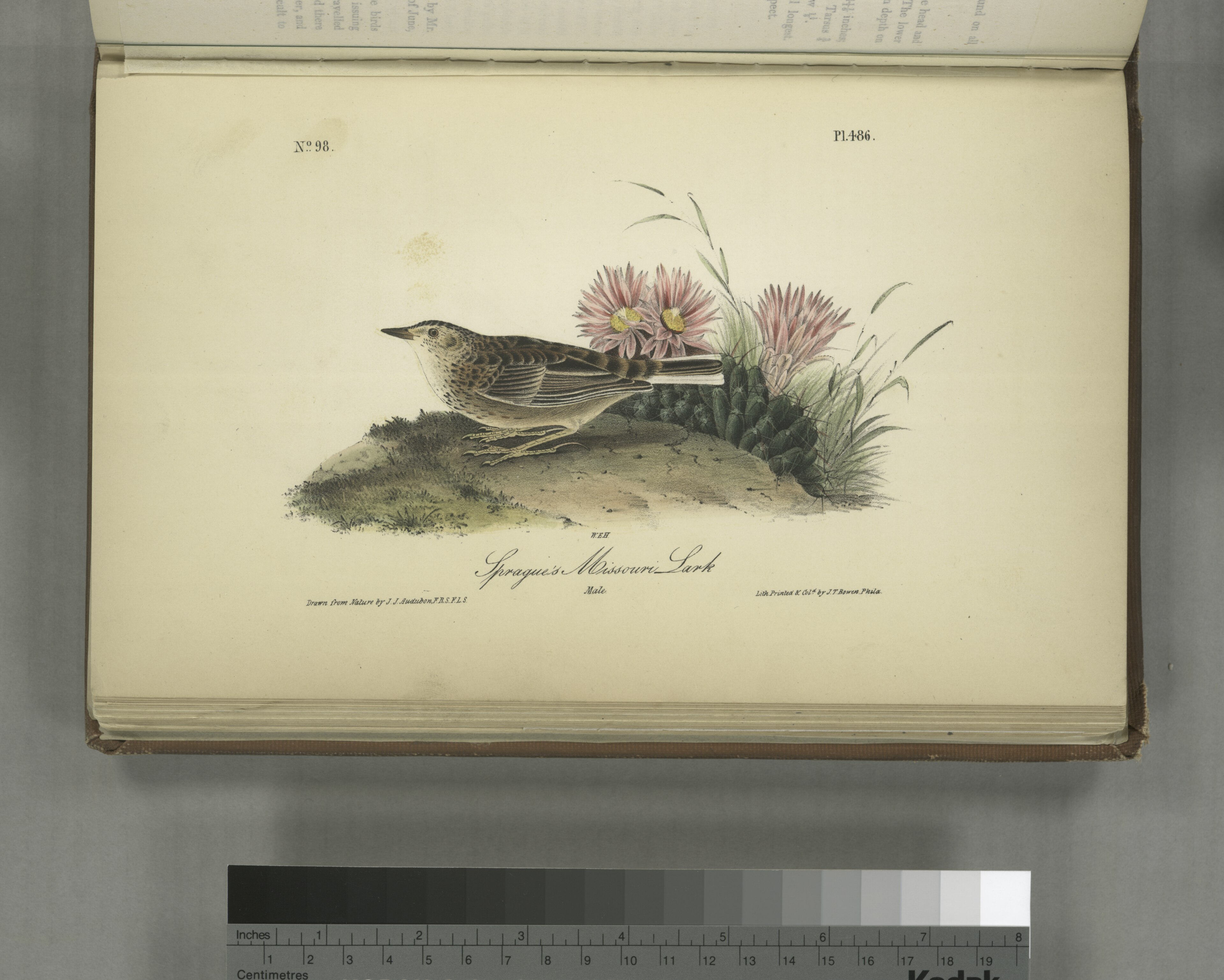
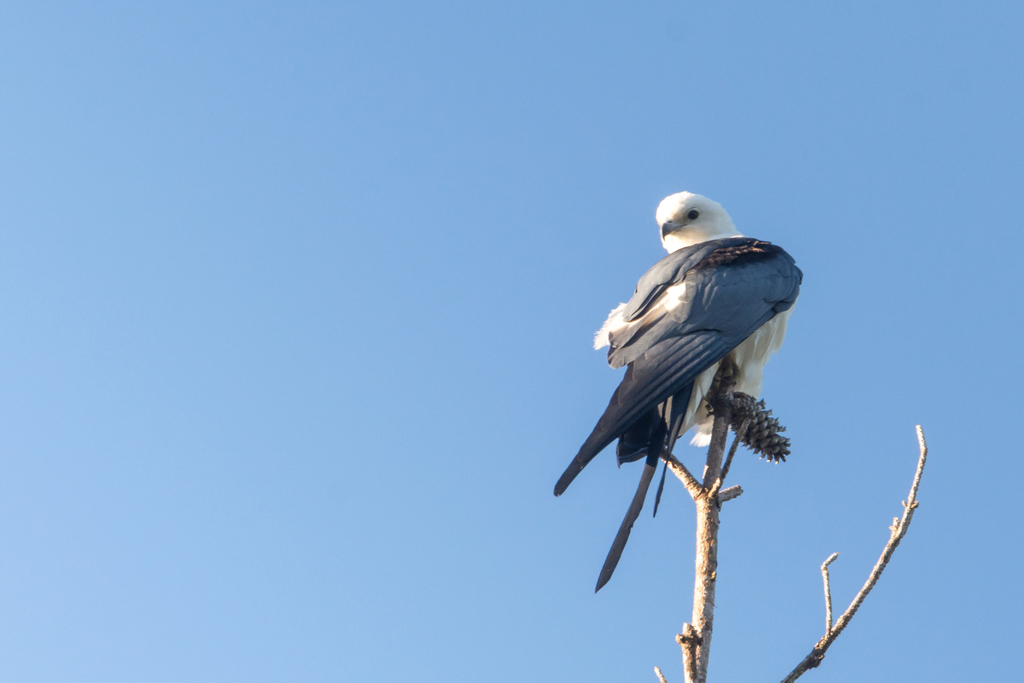
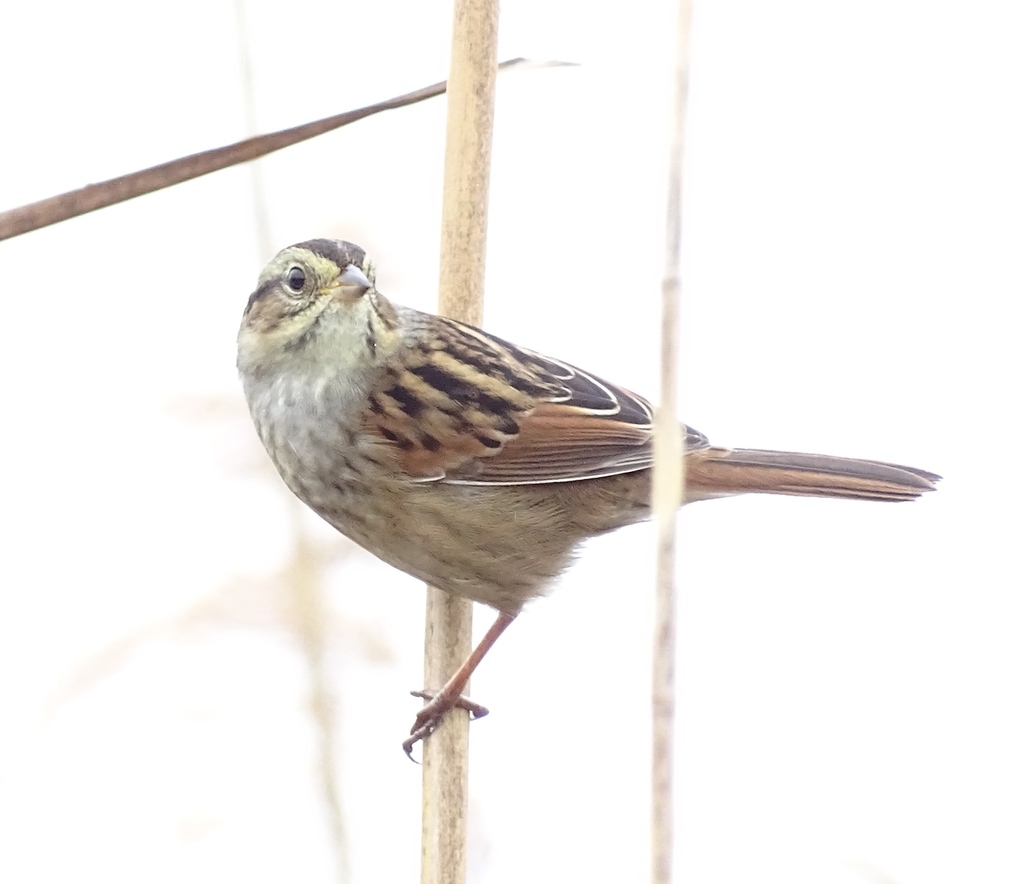
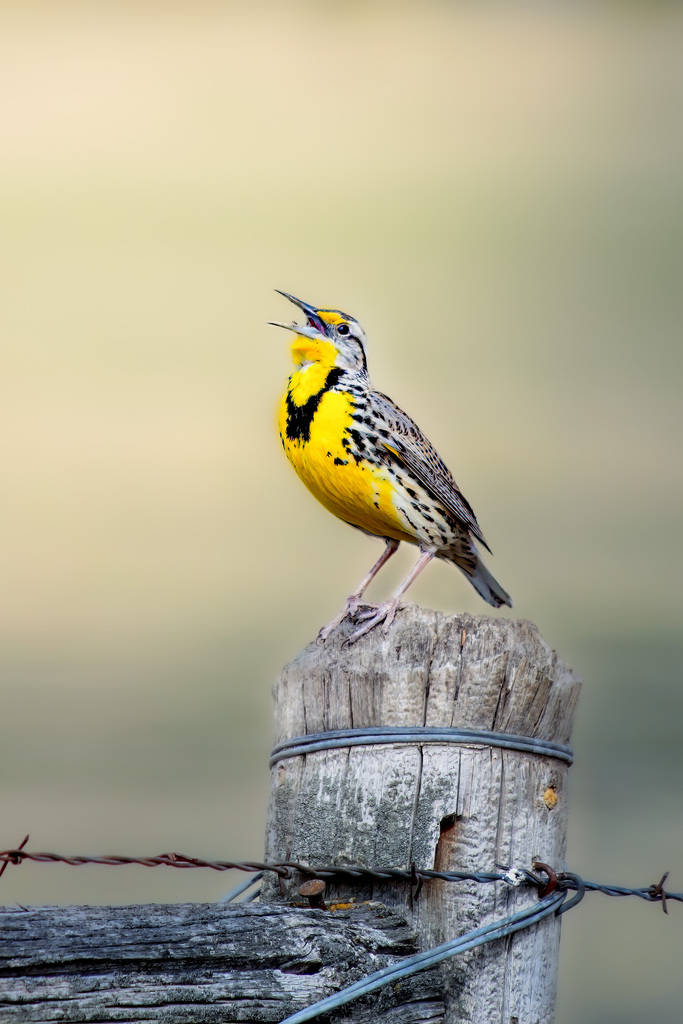
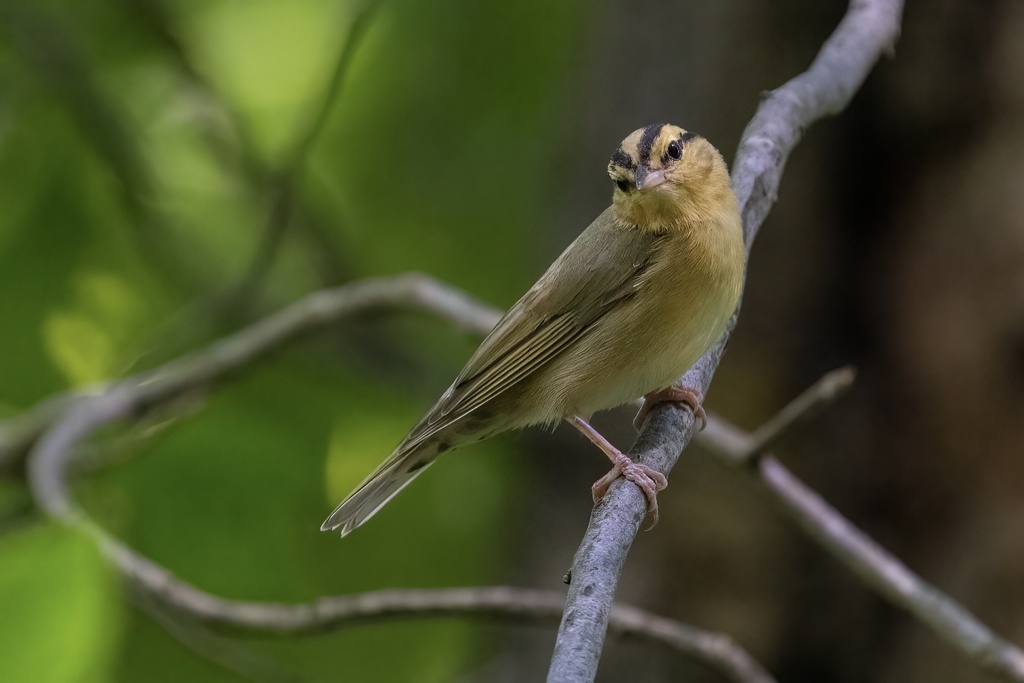
Widespread birds also seen here (17)
Found in many habitats here, so not listed above.
Who uses this plant?
 6CaterpillarsGenus host records with ranges including LA
Genus host records with ranges including LA · Chasmanthium
- Amblyscirtes hegonPepper and Salt Skipper
- Amblyscirtes vialisCommon Roadside-Skipper, Black Little Skipper
- Atrytone byssusByssus Skipper, Golden Skipper
- Cyllopsis gemmaGemmed Satyr
- Lerema acciusClouded Skipper, Corn Leaf tier
- Lon zabulonZabulon Skipper
 1BeesSoutheastern regional records
Southeastern regional records · Chasmanthium
Individual names are not available yet.
Noori, Seltmann & Orr 2026, A curated and integrated dataset for exploring global bee-plant interactions (GloBI), Zenodo, CC BY 4.0 0Specialist beesPollen specialists
 —BirdsRecorded genus food-resource interactions; not a state feeding claim
No records yet · Ants · Beetles · Flies · Adult butterflies / moths · Other wasps · Other insects
Plant details
- Family
- Poaceae
- Flower color
- Yellow
- Growth rate
- Moderate
- Growth habit
- Spreads by rhizomes
- Foliage color
- Green
- Fruit begins
- Summer
- Fruit ends
- Fall
What its natural habitat tells you
Safety has not been reviewed for this plant; check toxicity and thorns before planting.
Growing sources and scope
- Bloom · “Late summer” · USDA PLANTS · Nationwide species characteristics; local growing conditions may vary
- Flower color · “Yellow” · USDA PLANTS · Nationwide species characteristics; local growing conditions may vary
- Foliage color · “Green” · USDA PLANTS · Nationwide species characteristics; local growing conditions may vary
- Fruit begins · “Summer” · USDA PLANTS · Nationwide species characteristics; local growing conditions may vary
- Fruit ends · “Fall” · USDA PLANTS · Nationwide species characteristics; local growing conditions may vary
- Growth habit · “Spreads by rhizomes” · USDA PLANTS · Nationwide species characteristics; local growing conditions may vary
- Growth rate · “Moderate” · USDA PLANTS · Nationwide species characteristics; local growing conditions may vary
- Height · “About 5 feet” · USDA PLANTS · Nationwide species characteristics; local growing conditions may vary
Also known as
Longleaf Spike Grass; Longleaf Woodoats; Uniola sessilifolia; oats
Conservation status
| Louisiana rank | SNR |
|---|---|
| Global rank | G5 |
| LA status | Not verified |
| Federal status | Not verified |
Will it fit your yard?
Check this plant against your county, sun and soil moisture. Conditions are checked in your browser.
Growing cautions
- Spreads by rhizomes. USDA PLANTS lists its growth form as rhizomatous. USDA PLANTS
For planning only; these do not change the score or Fit.
Sources
- USDA PLANTS
- Vascular Plants of North Carolina (NC Natural Heritage Program)
- Weakley, Flora of the Southeastern United States (2025)
- Louisiana occurrence source
- Shropshire & Tallamy 2025, Lepidoptera of North America north of Mexico, ZooKeys 1261 (ODbL)
- Noori, Seltmann & Orr 2026, A curated and integrated dataset for exploring global bee-plant interactions (GloBI), Zenodo, CC BY 4.0
- Smith, Bachelder, Russell, Morales, Mosher & Seltmann 2024, Bee-Specialization-Modeling v0.6.1 (specialist host table compiled from J. Fowler's pollen specialist bee lists), Zenodo, CC BY 4.0
- Hurlbert, Olsen, Sawyer & Winner 2021, Avian Diet Database, Scientific Data 8: 260 (CC0)
- Narango, Tallamy & Shropshire 2020, Few keystone plant genera support the majority of Lepidoptera species, Nature Communications