

American Beautyberry
Callicarpa americana
In the Carolinas and Georgia, found in hammocks, other forests (especially with sandy or rocky soils), maritime forests (the main habitat northward), pine flatwoods, disturbed areas. Weakley, Flora of the Southeastern United States (2025), Carolinas & Georgia edition What its natural habitat tells you
Native to Louisiana (estimated). How scores work Is it native here?
Profile 100%
- Height
- 3–8 feet
- Spread
- 3–6 feet
- Light
- Full sun, Partial shade
- Soil moisture
- Somewhat dry to moist
Space about 4.5 ft apart from its recorded spread, about 5 per 100 sq ft. Enter your bed size for a count
Will it fit your yard?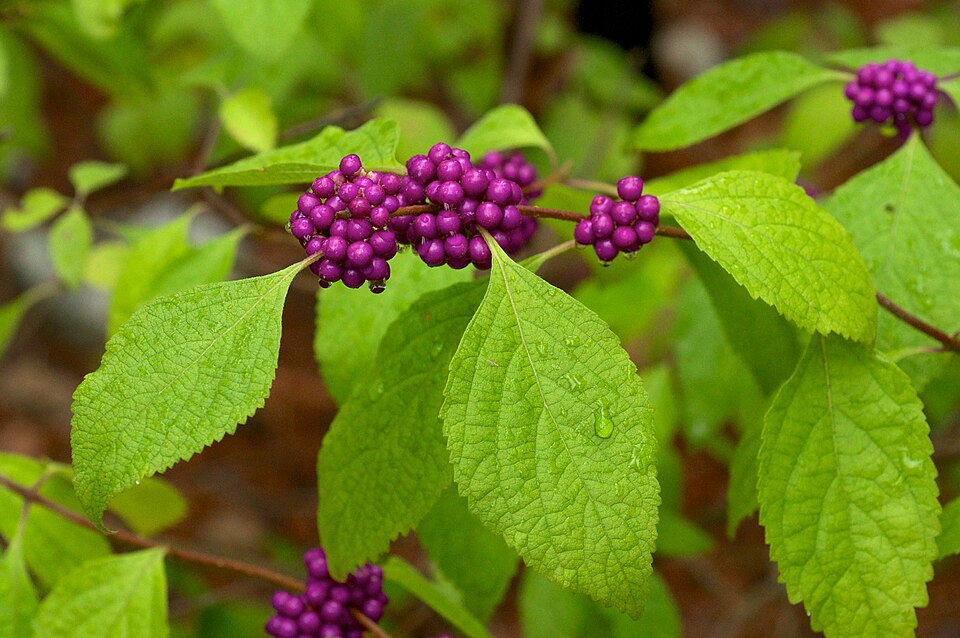
At a glance
- Life cycle
- Woody perennial
- Leaves
- Deciduous
- Bloom
- Early summer
- Fruiting season
- Summer to fall
Recorded in 55 Louisiana parishes.
Natural habitats
Places it grows wild. Not a planting requirement. Each habitat page lists the plants and wildlife also found there.
Forest or woodland where the source does not say how moist or dry.
Flat, sandy Coastal Plain pine woodlands, wetter than sandhills and denser than savannas.
Roadsides, fields and disturbed ground
Ground opened by people: roadsides, old fields, pastures, fencerows and lots.
Also found with this plant
Wildlife whose habitat models include habitats this plant grows in, in Louisiana. Shared habitat, not food. 90 animals.
- Broad-winged HawkButeo platypterus
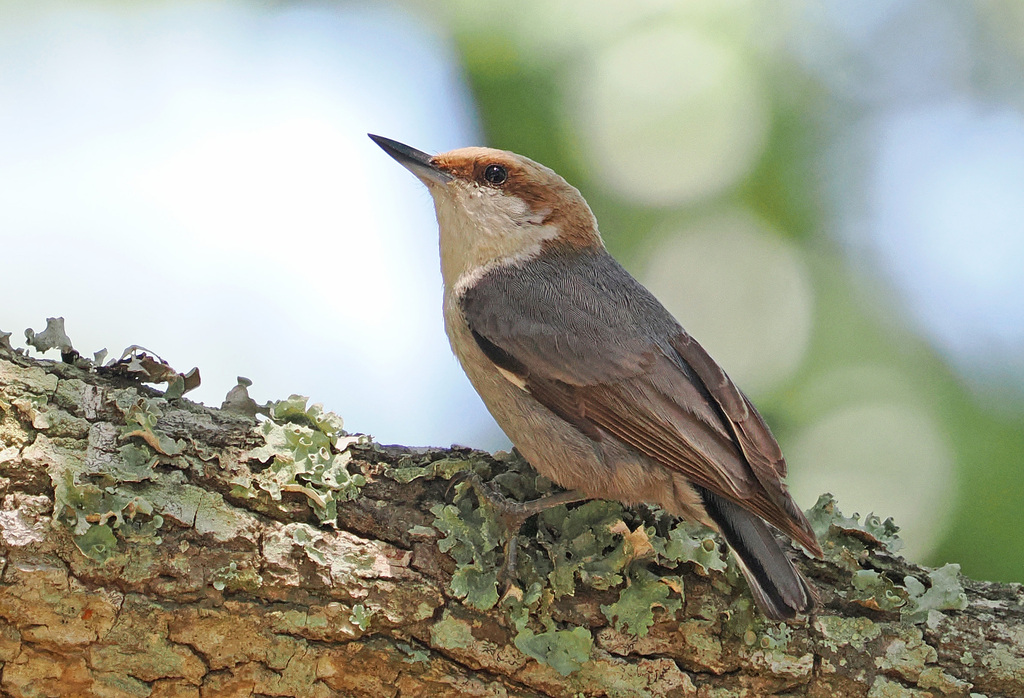
- Brown-headed NuthatchSitta pusilla
- Eurasian Collared-doveStreptopelia decaocto
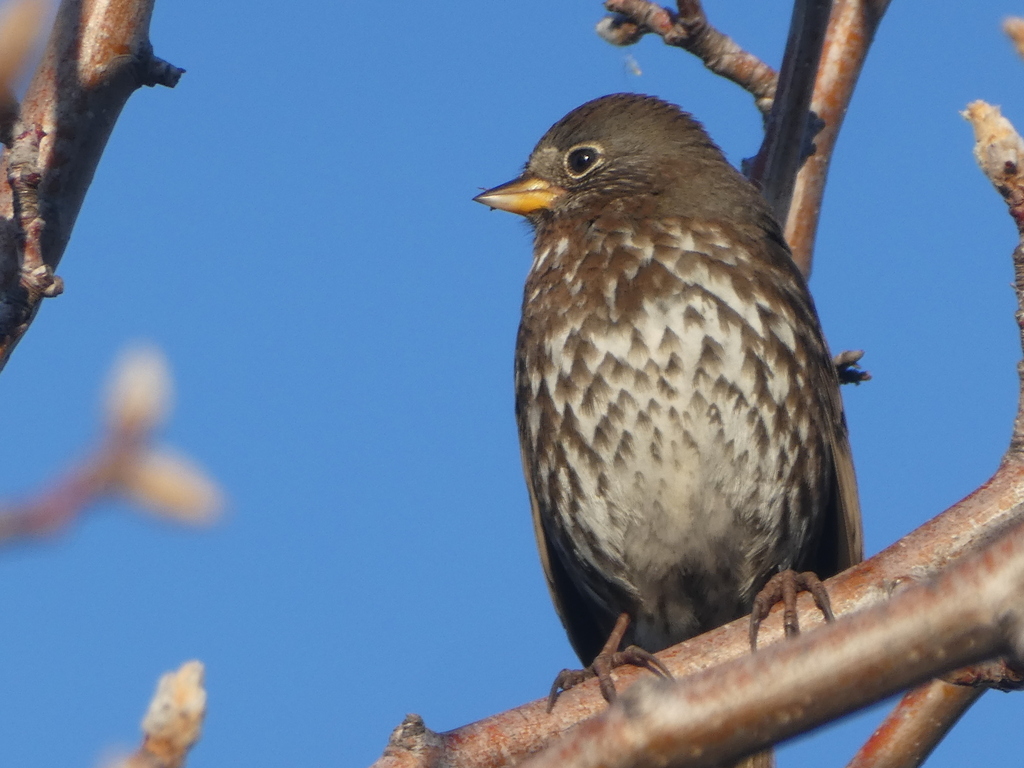
- Fox SparrowPasserella iliaca
- Hooded WarblerWilsonia citrina
- Kentucky WarblerOporornis formosus
- Louisiana WaterthrushSeiurus motacilla
- Northern BobwhiteColinus virginianus
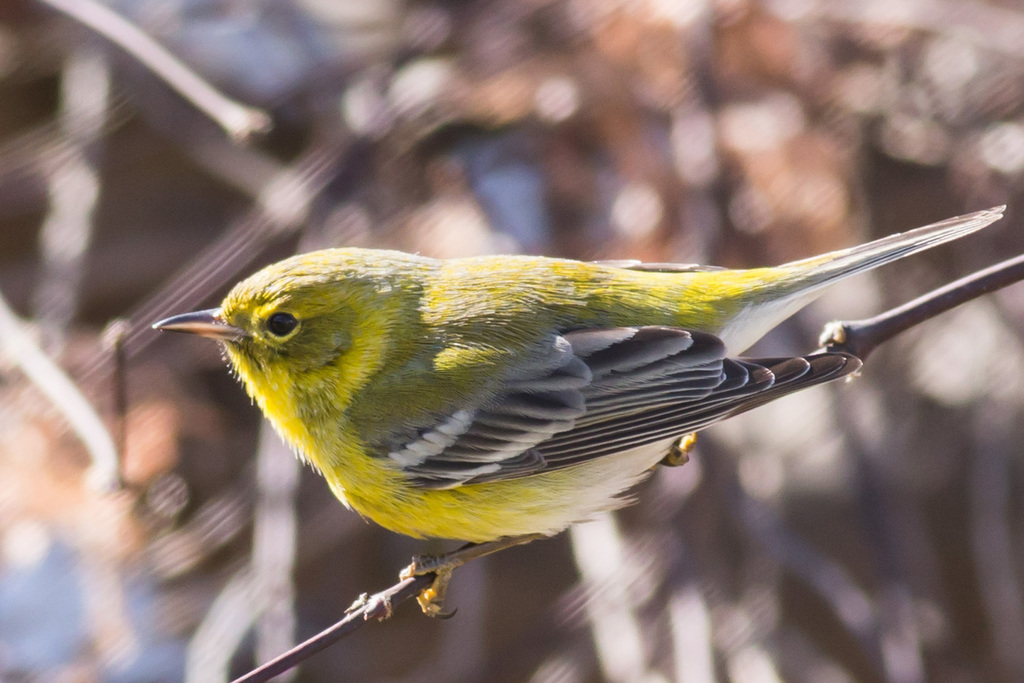
- Pine WarblerDendroica pinus
- Red-cockaded WoodpeckerPicoides borealis
- Rusty BlackbirdEuphagus carolinus
- Scarlet TanagerPiranga olivacea
- Wilson's WarblerWilsonia pusilla
- Wood ThrushHylocichla mustelina
- American CrowCorvus brachyrhynchos
- American RedstartSetophaga ruticilla
- Baltimore OrioleIcterus galbula
- Bewick's WrenThryomanes bewickii
- Black VultureCoragyps atratus
- Brown ThrasherToxostoma rufum
- Buff-bellied HummingbirdAmazilia yucatanensis
- Carolina WrenThryothorus ludovicianus
- Chuck-will's-widowCaprimulgus carolinensis
- Cliff SwallowPetrochelidon pyrrhonota






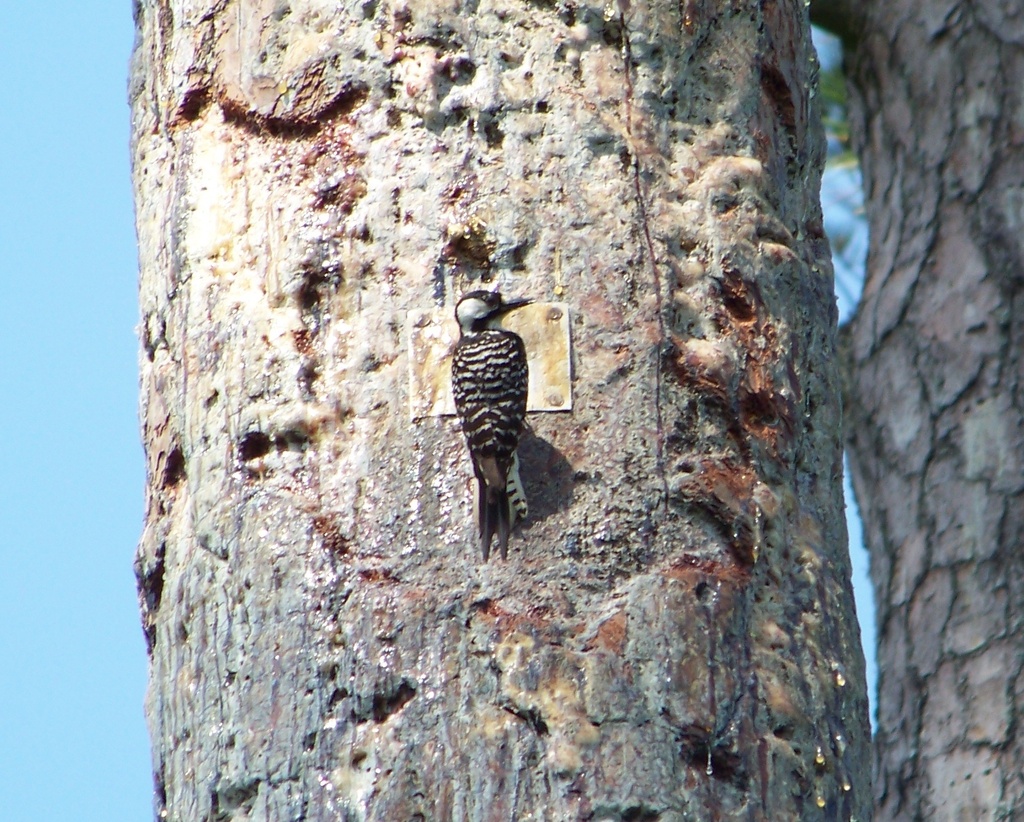

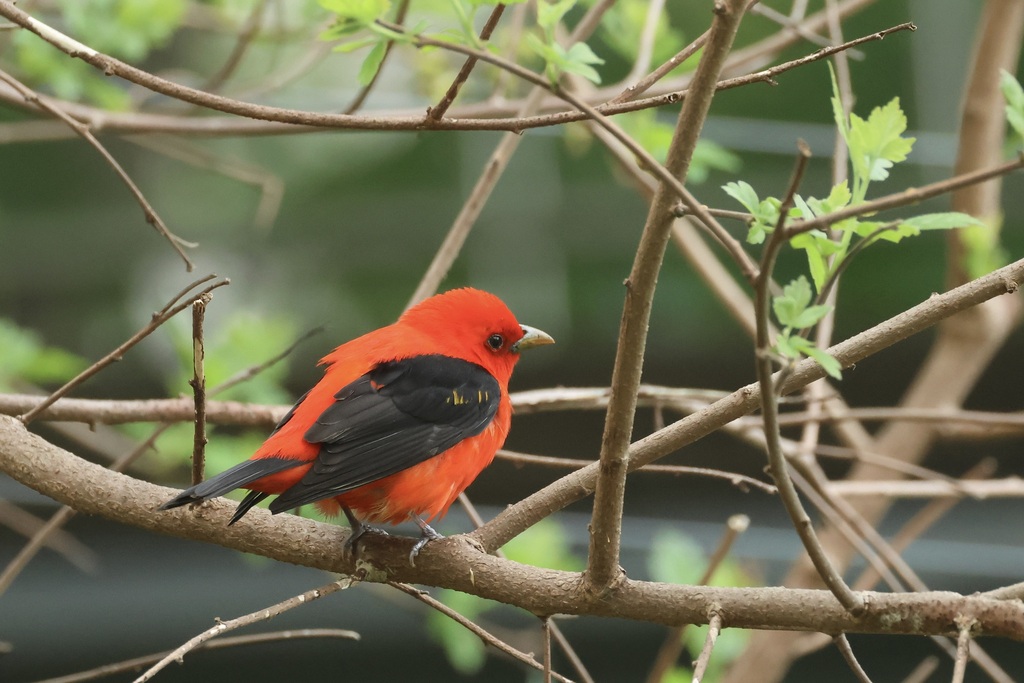
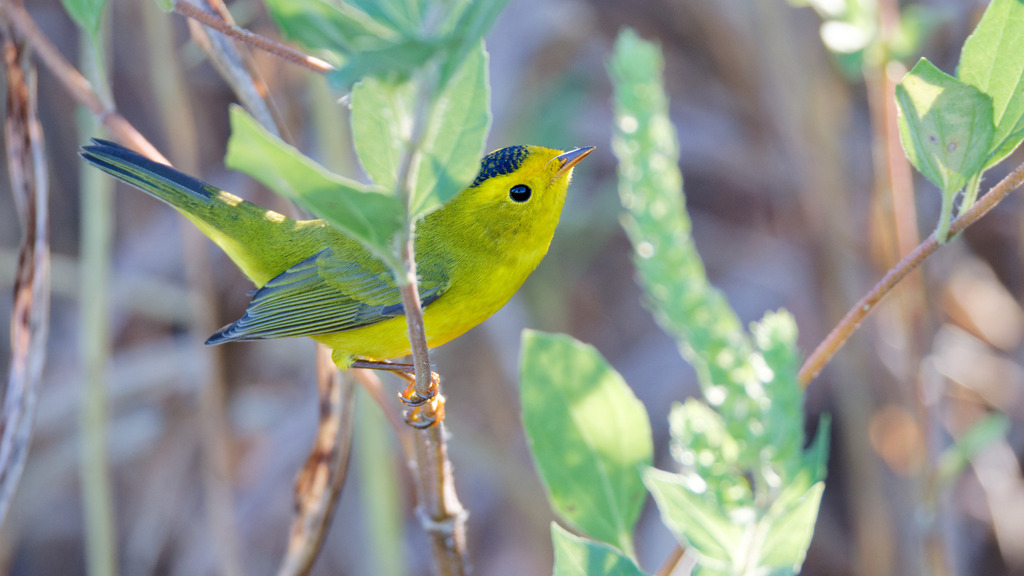




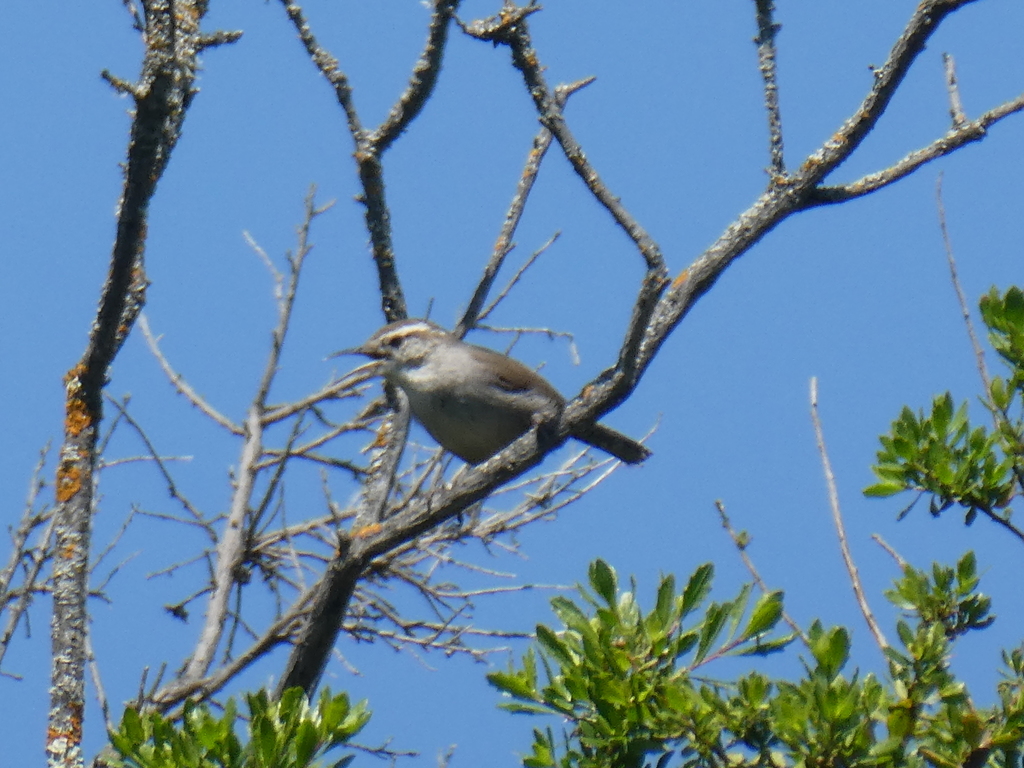


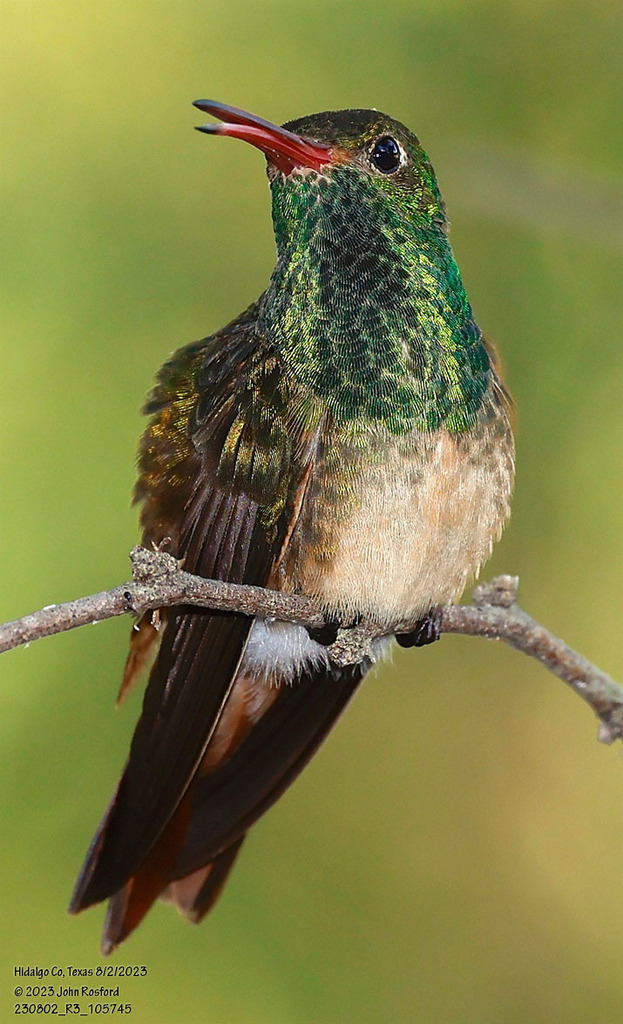

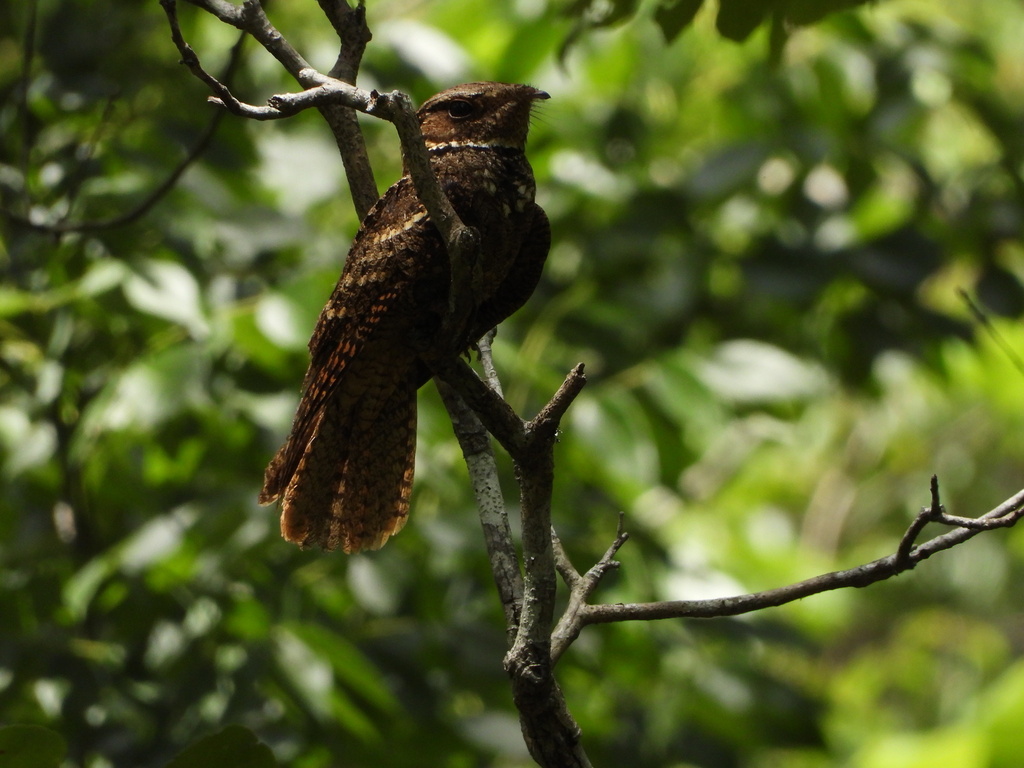

Widespread birds also seen here (17)
Found in many habitats here, so not listed above.
Who uses this plant?
 2CaterpillarsGenus host records with ranges including LA
Genus host records with ranges including LA · Callicarpa
- Anavitrinella pampinariaCommon Gray, Cranberry Spanworm
- Manduca rusticaRustic Sphinx
 10BeesSoutheastern regional records
Southeastern regional records · Callicarpa
Individual names are not available yet.
Noori, Seltmann & Orr 2026, A curated and integrated dataset for exploring global bee-plant interactions (GloBI), Zenodo, CC BY 4.0 0Specialist beesPollen specialists
 2BirdsRecorded eating Callicarpa in Louisiana
Diet records by plant genus, from studies across North America. Not a record from this state. Birds whose range includes Louisiana, most records first.
- Wild Turkey4 diet records
- Wood ThrushFruit and seeds. 1 diet record
Direct food only. Caterpillars on host plants also feed nesting birds. NC Native Plant Society: butterfly gardening
No records yet · Ants · Beetles · Flies · Adult butterflies / moths · Other wasps · Other insects
Birds that eat Callicarpa 2
Diet records by plant genus, from studies across North America. Not a record from this state. Avian Diet Database (Hurlbert Lab), CC0 1.0.
- Wild TurkeyMeleagris gallopavo
- Wood ThrushHylocichla mustelina


Plant details
- Family
- Lamiaceae
- Hardiness
- Zones 6a–10b
- Soil pH
- Acidic to alkaline
- Flower color
- Blue, pink, purple or white
- Growth rate
- Moderate
- Growth habit
- Several stems
- Foliage color
- Green
- Fruit begins
- Summer
- Fruit ends
- Fall
Safety has not been reviewed for this plant; check toxicity and thorns before planting.
Growing sources and scope
- Bloom · “Early summer” · USDA PLANTS · Nationwide species characteristics; local growing conditions may vary
- Flower color · “Blue, pink, purple or white” · NC Extension Plant Toolbox (ranked first; USDA PLANTS differs)
- Foliage color · “Green” · USDA PLANTS · Nationwide species characteristics; local growing conditions may vary
- Fruit begins · “Summer” · USDA PLANTS · Nationwide species characteristics; local growing conditions may vary
- Fruit ends · “Fall” · USDA PLANTS · Nationwide species characteristics; local growing conditions may vary
- Growth habit · “Several stems” · USDA PLANTS · Nationwide species characteristics; local growing conditions may vary
- Growth rate · “Moderate” · USDA PLANTS · Nationwide species characteristics; local growing conditions may vary
- Hardiness · “Zones 6a–10b” · NC Extension Plant Toolbox
- Height · “3–8 feet” · NC Extension Plant Toolbox (ranked first; USDA PLANTS differs)
- Leaves · “Deciduous” · NC Extension Plant Toolbox
- Life cycle · “Woody perennial” · NC Extension Plant Toolbox
- Light · “Full sun (6 or more hours of direct sunlight a day); Partial shade (direct sunlight only part of the day, 2-6 hours)” · NC Extension Plant Toolbox (ranked first; Tennessee Smart Yards, Virginia DCR Coastal Plain differ)
- Soil · “Moist; Occasionally dry” · NC Extension Plant Toolbox (ranked first; Tennessee Smart Yards, Virginia DCR Coastal Plain differ)
- Soil pH · “Acidic to alkaline” · NC Extension Plant Toolbox
- Spread · “3–6 feet” · NC Extension Plant Toolbox
Conservation status
| Louisiana rank | SNR |
|---|---|
| Global rank | G5 |
| LA status | Not verified |
| Federal status | Not verified |
Will it fit your yard?
Check this plant against your county, sun and soil moisture. Conditions are checked in your browser.
Sources
- USDA PLANTS
- Vascular Plants of North Carolina (NC Natural Heritage Program)
- Weakley, Flora of the Southeastern United States (2025)
- Louisiana occurrence source
- Shropshire & Tallamy 2025, Lepidoptera of North America north of Mexico, ZooKeys 1261 (ODbL)
- Noori, Seltmann & Orr 2026, A curated and integrated dataset for exploring global bee-plant interactions (GloBI), Zenodo, CC BY 4.0
- Smith, Bachelder, Russell, Morales, Mosher & Seltmann 2024, Bee-Specialization-Modeling v0.6.1 (specialist host table compiled from J. Fowler's pollen specialist bee lists), Zenodo, CC BY 4.0
- Hurlbert, Olsen, Sawyer & Winner 2021, Avian Diet Database, Scientific Data 8: 260 (CC0)
- Narango, Tallamy & Shropshire 2020, Few keystone plant genera support the majority of Lepidoptera species, Nature Communications