Plant this instead
Choose your county to list local plants first.
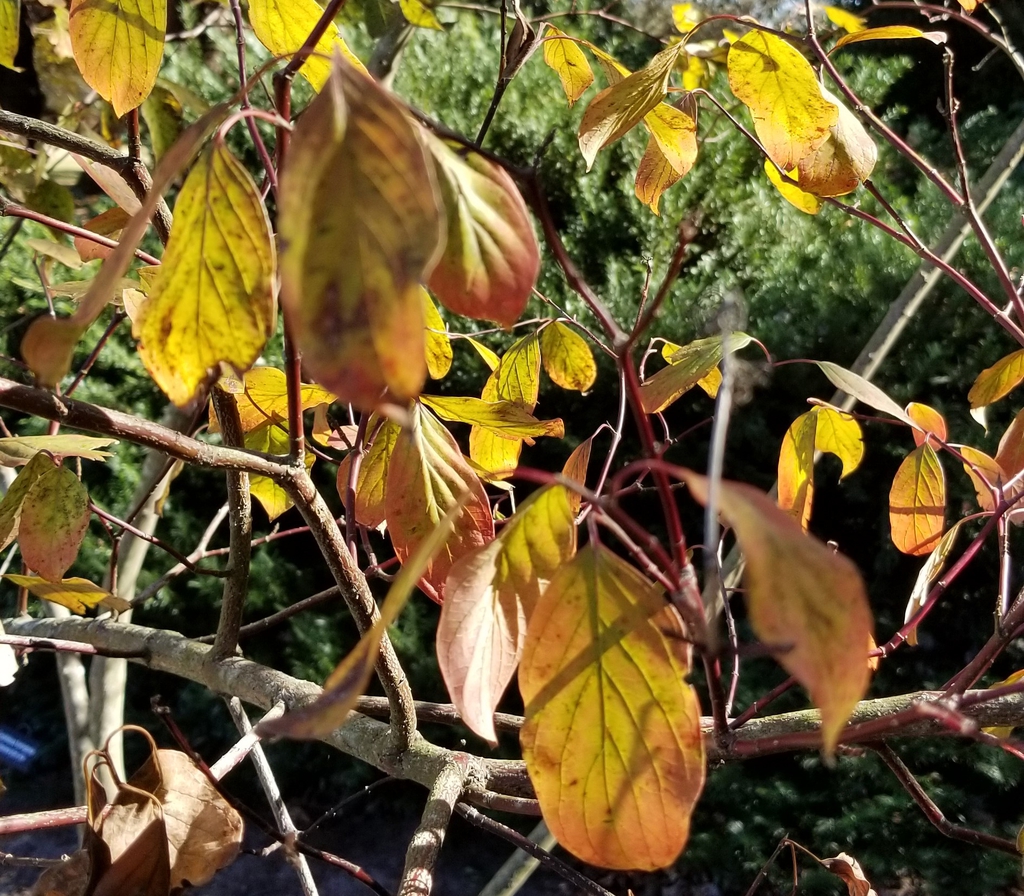
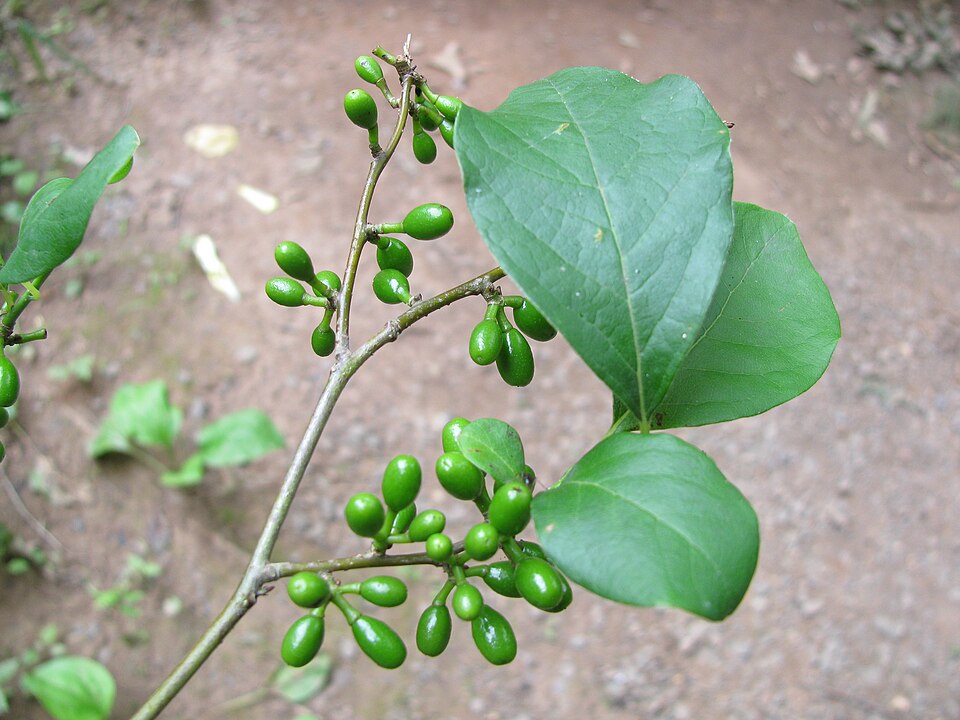
No recorded swaps for this county. Try the garden finder.
Photographs are not available yet.
Ecological relationships
Who uses this plant?
 30CaterpillarsGenus host records with ranges including KY
Genus host records with ranges including KY · Syringa
- Acronicta oblinitaSmeared Dagger
- Amphipyra pyramidoidesMiranda Underwing, Copper Underwing, Copper Amphipyra
- Anania tertialisCrowned Anania, Crowned Phlyctaenia
- Callosamia prometheaPromethea Silkmoth, Promethea Moth
- Cenopis diluticostanaSpring Dead-Leaf Roller Moth, Oak Cenopis
- Ceratomia undulosaWaved Sphinx
- Choristoneura rosaceanaOblique-Banded Leafroller Moth, Rosaceous Leaf Roller
- Citheronia regalisRoyal Walnut Moth, Hickory Horned Devil
- Ennomos magnariaMaple Spanworm Moth, Notchwing Geometer
- Harrisimemna trisignataHarris's Three-Spot
Show all 30
- Hyalophora cecropiaCecropia Silkmoth, Cecropia Moth
- Hyles lineataWhite-Lined Sphinx
- Hyphantria cuneaFall Webworm
- Machimia tentoriferellaGold-Striped Leaftier Moth
- Manduca jasminearumAsh Sphinx
- Manduca rusticaRustic Sphinx
- Olceclostera angelicaThe Angel
- Orgyia leucostigmaWhite-Marked Tussock Moth
- Paonias myopsSmall-Eyed Sphinx
- Papilio glaucusEastern Tiger Swallowtail
- Papilio troilusSpicebush Swallowtail
- Paratrea plebejaPlebeian Sphinx, Trumpet Vine Sphinx
- Podosesia syringaeLilac Borer Moth, Ash Borer
- Pyrrharctia isabellaIsabella Tiger Moth, Banded Woolybear
- Sphinx chersisGreat Ash Sphinx
- Sphinx drupiferarumWild Cherry Sphinx
- Sphinx kalmiaeFawn Sphinx, Laurel Sphinx
- Spilosoma virginicaVirginian Tiger Moth, Yellow Woolybear Moth, Yellow Bear
- Thyridopteryx ephemeraeformisEvergreen Bagworm Moth
- Tolype velledaLarge Tolype, Large Lappet Moth, Vellada Lappet Moth
 —BeesSoutheastern regional records
 —Specialist beesPollen specialists
 —BirdsRecorded genus food-resource interactions; not a state feeding claim
Growing and identification
Plant details
- Family
- Oleaceae
- Hardiness
- Zones 3a–7a
- Soil pH
- Neutral to alkaline
- Flower color
- Blue, cream, pink, purple or white
Safety has not been reviewed for this plant; check toxicity and thorns before planting.
Growing sources and scope
- Bloom · “Late spring” · USDA PLANTS via EOL TraitBank · Nationwide approximate species characteristics; tolerance categories do not specify sun hours or moisture requirements
- Flower color · “Blue, cream, pink, purple or white” · NC Extension Plant Toolbox
- Hardiness · “Zones 3a–7a” · NC Extension Plant Toolbox
- Height · “8–16 feet” · NC Extension Plant Toolbox
- Leaves · “Deciduous” · NC Extension Plant Toolbox
- Life cycle · “Perennial” · NC Extension Plant Toolbox
- Light · “Full sun (6 or more hours of direct sunlight a day); Partial shade (direct sunlight only part of the day, 2-6 hours)” · NC Extension Plant Toolbox
- Soil · “Moist” · NC Extension Plant Toolbox
- Soil pH · “Neutral to alkaline” · NC Extension Plant Toolbox
- Spread · “6–12 feet” · NC Extension Plant Toolbox
Also known as
Common Lilac; Lilac
Conservation status
| Kentucky rank | SNA |
|---|---|
| Global rank | Not available |
| KY status | Not verified |
| Federal status | Not verified |
Sources
- tnky_atlas
- Shropshire & Tallamy 2025, Lepidoptera of North America north of Mexico, ZooKeys 1261 (ODbL)
- Noori, Seltmann & Orr 2026, A curated and integrated dataset for exploring global bee-plant interactions (GloBI), Zenodo, CC BY 4.0
- Smith, Bachelder, Russell, Morales, Mosher & Seltmann 2024, Bee-Specialization-Modeling v0.6.1 (specialist host table compiled from J. Fowler's pollen specialist bee lists), Zenodo, CC BY 4.0
- Hurlbert, Olsen, Sawyer & Winner 2021, Avian Diet Database, Scientific Data 8: 260 (CC0)
- Narango, Tallamy & Shropshire 2020, Few keystone plant genera support the majority of Lepidoptera species, Nature Communications