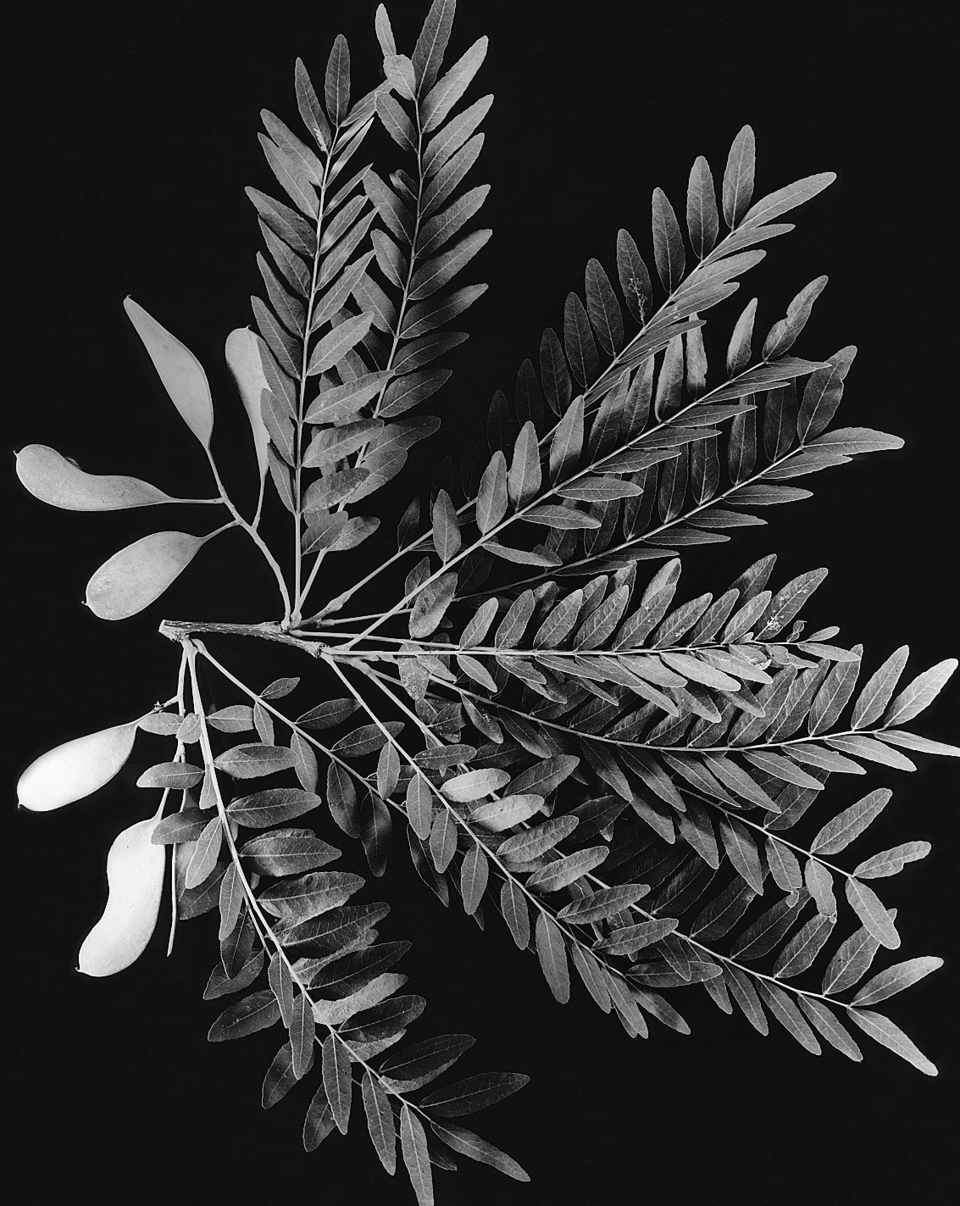

Ecological relationships
Who uses this plant?
 47CaterpillarsGenus host records with ranges including KY
Genus host records with ranges including KY · Gleditsia
- Epargyreus clarusSilver-spotted Skipper
- Achatia distinctaDistinct Quaker
- Agonopterix robiniellaFour-Dotted Agonopterix Moth, Locust Leaffolder
- Amyelois transitellaNavel Orangeworm
- Anavitrinella pampinariaCommon Gray, Cranberry Spanworm
- Antheraea polyphemusPolyphemus Moth
- Automeris ioIo Moth
- Biston betulariaSalt-and-Pepper Geometer, Cleft-Headed Looper
- Catocala clintoniiClinton's Underwing
- Catocala illectaMagdalen Underwing
Show all 47
- Catocala innubensThe Betrothed
- Catocala minutaLittle Underwing
- Coelodasys unicornisUnicorn Caterpillar Moth
- Datana ministraYellow-Necked Caterpillar Moth
- Digrammia ocellinataFaint-Spotted Angle
- Eacles imperialisImperial Moth, Imperial Spiny Caterpillar
- Erannis tiliariaLinden Looper Moth, Western Winter Moth, Lime Looper
- Halysidota tessellarisBanded Tussock Moth, Pale Tiger Moth
- Heliomata cycladataCommon Spring Moth, Stout Locust Looper
- Heteropacha rileyanaRiley's Lappet Moth
- Hyalophora cecropiaCecropia Silkmoth, Cecropia Moth
- Hyphantria cuneaFall Webworm
- Kocakina fidelisIntractable Quaker, Green Fruitworm, Fourlined Green Fruitworm
- Lithacodes fasciolaYellow-Shouldered Slug
- Lophocampa maculataSpotted Tussock Moth, Yellow-Spotted Tiger Moth
- Machimia tentoriferellaGold-Striped Leaftier Moth
- Melanolophia canadariaCanadian Melanolphia, Variable Redmarked Looper
- Mellilla xanthometataOrange Wing
- Orgyia leucostigmaWhite-Marked Tussock Moth
- Paleacrita vernataSpring Cankerworm Moth
- Pandemis lamprosanaWoodgrain Leafroller
- Pococera asperatellaMaple Webworm
- Rudenia leguminanaBlack-Tipped Rudenia Moth
- Schizura ipomaeaeMorning-Glory Prominent, Checkered-Fringe Prominent
- Sparganothis sulfureanaSparganothis Fruitworm Moth, Sulfur Leafroller, False Yellow-Head
- Spiloloma lunilineaMoon-Lined Moth
- Syssphinx bicolorHoney Locust Moth
- Syssphinx bisectaBisected Honey Locust Moth
- Thyridopteryx ephemeraeformisEvergreen Bagworm Moth
- Tlascala reductellaTlascala Moth, Honey Locust Leafroller
- Uresiphita reversalisGenista Caterpillar, Genista Cbroom Moth
- Zale undularisBlack Zale
- Agnippe biscolorella
- Periploca gleditschiaeella
- Pococera humerella
- Sinoe robiniella
- Theisoa pallidochrella
 —BeesSoutheastern regional records
 —Specialist beesPollen specialists
 —BirdsRecorded genus food-resource interactions; not a state feeding claim
Growing and identification
Plant details
- Family
- Fabaceae
Safety has not been reviewed for this plant; check toxicity and thorns before planting.
Growing sources and scope
- Bloom · “Mid summer” · USDA PLANTS via EOL TraitBank · Nationwide approximate species characteristics; tolerance categories do not specify sun hours or moisture requirements
- Height · “About 40 feet” · USDA PLANTS via EOL TraitBank · Nationwide approximate species characteristics; tolerance categories do not specify sun hours or moisture requirements
- Light · “Partial shade; Full shade; Full sun (documented habitat)” · FloraQuest: Carolinas, Georgia (Southeastern Flora Team) · Carolinas and Georgia
- Soil · “Moist; Wet (documented habitat)” · FloraQuest: Carolinas, Georgia (Southeastern Flora Team) · Carolinas and Georgia
Also known as
Water Locust
Conservation status
| Kentucky rank | S3? |
|---|---|
| Global rank | Not available |
| KY status | Not verified |
| Federal status | Not verified |
In your garden
Will it fit your spot?
Check this plant against your county, sun and soil moisture. Conditions are checked in your browser.
Choose a county to begin.
Sources
- tnky_atlas
- Shropshire & Tallamy 2025, Lepidoptera of North America north of Mexico, ZooKeys 1261 (ODbL)
- Noori, Seltmann & Orr 2026, A curated and integrated dataset for exploring global bee-plant interactions (GloBI), Zenodo, CC BY 4.0
- Smith, Bachelder, Russell, Morales, Mosher & Seltmann 2024, Bee-Specialization-Modeling v0.6.1 (specialist host table compiled from J. Fowler's pollen specialist bee lists), Zenodo, CC BY 4.0
- Hurlbert, Olsen, Sawyer & Winner 2021, Avian Diet Database, Scientific Data 8: 260 (CC0)
- Narango, Tallamy & Shropshire 2020, Few keystone plant genera support the majority of Lepidoptera species, Nature Communications