Plant this instead
Choose your county to list local plants first.
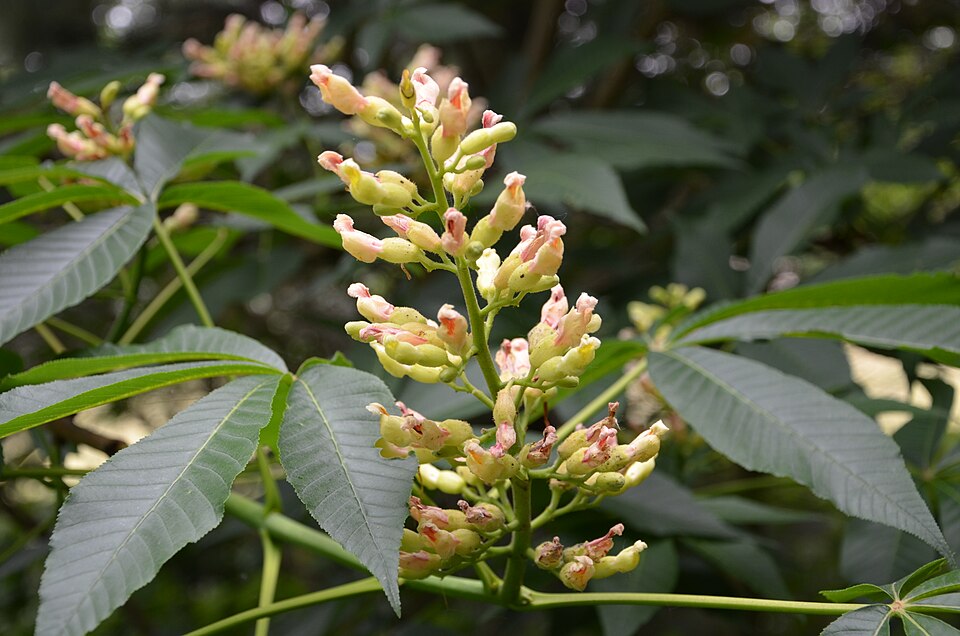
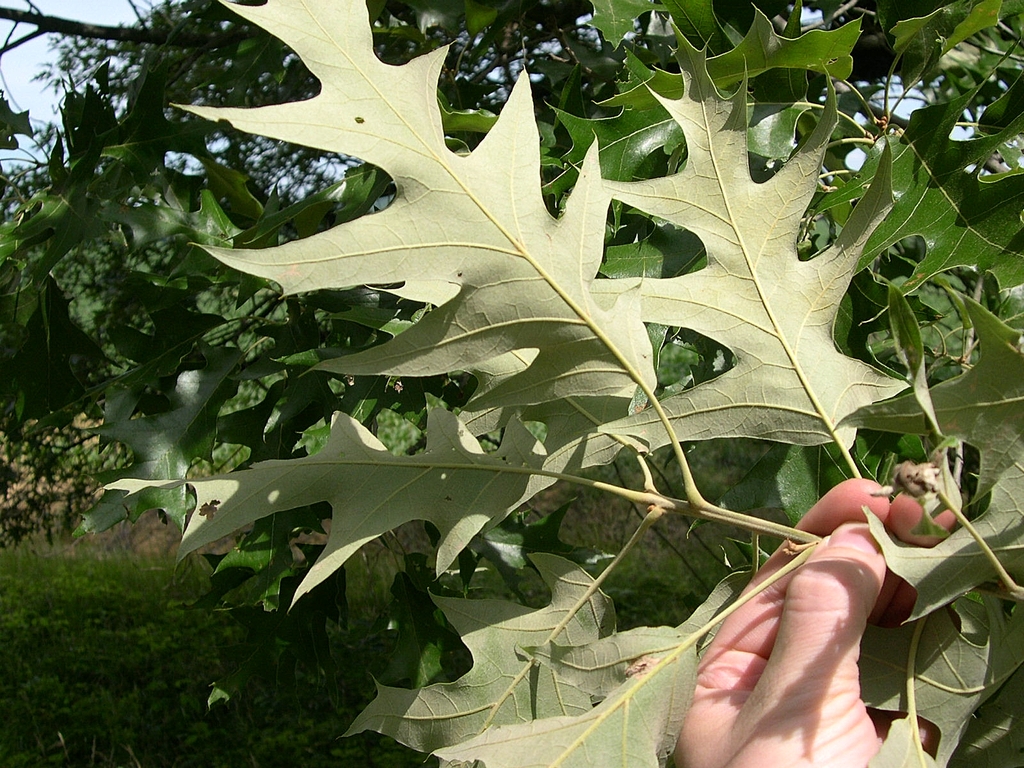
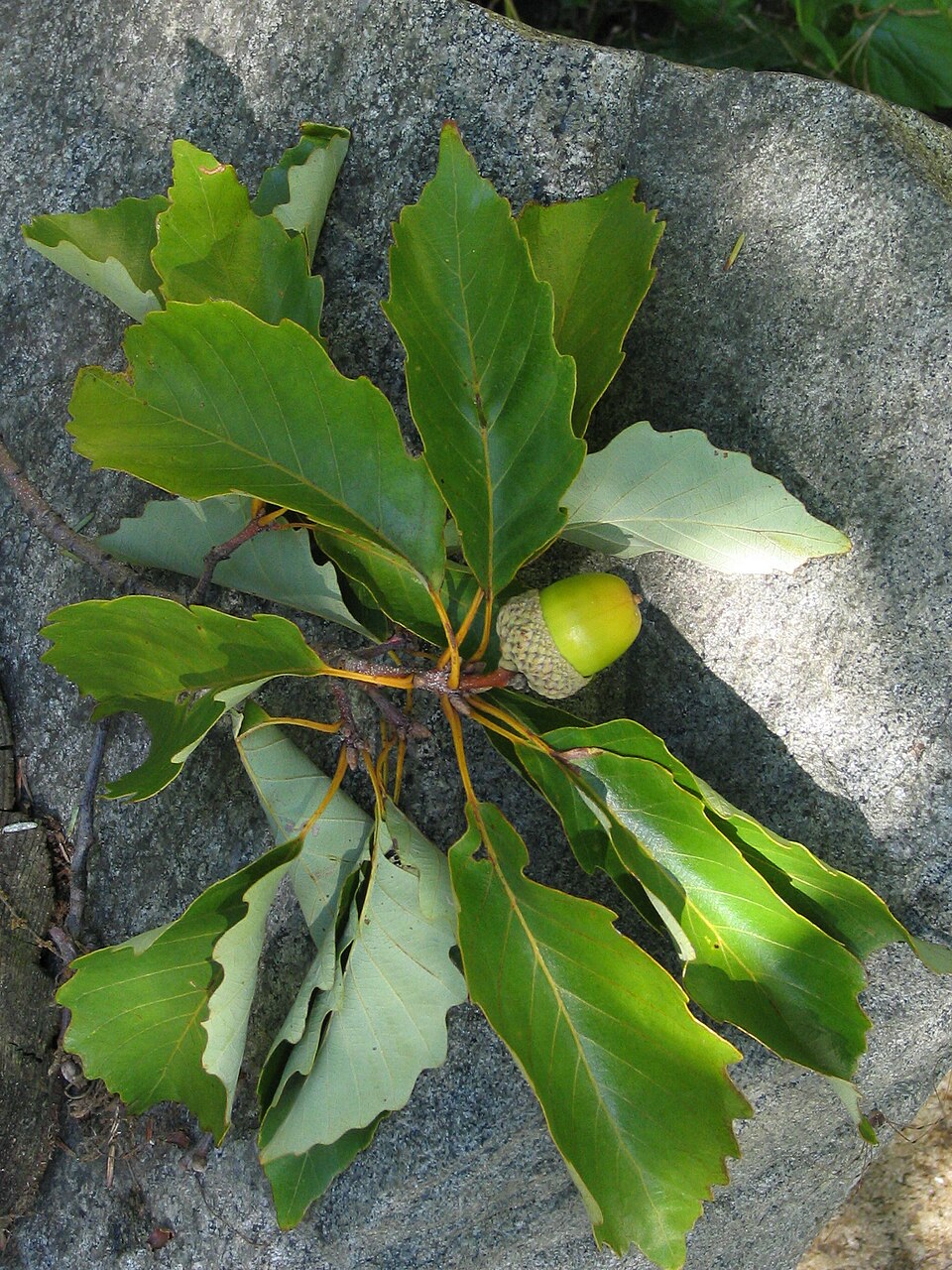
No recorded swaps for this county. Try the garden finder.
Photographs are not available yet.
Ecological relationships
Who uses this plant?
 40CaterpillarsGenus host records with ranges including KY
Genus host records with ranges including KY · Aesculus
- Achatia distinctaDistinct Quaker
- Acronicta americanaAmerican Dagger
- Actias lunaLuna Moth
- Amyelois transitellaNavel Orangeworm
- Antheraea polyphemusPolyphemus Moth
- Archips argyrospilaFruit-Tree Leafroller Moth
- Archips rileyanaSouthern Ugly-Nest Caterpillar Moth
- Cecrita biundataWavy-Lined Heterocampa
- Cecrita guttivittaMaple Prominent, Saddled Prominent
- Celypha nr.Celypha Moth
Show all 40
- Choristoneura rosaceanaOblique-Banded Leafroller Moth, Rosaceous Leaf Roller
- Eacles imperialisImperial Moth, Imperial Spiny Caterpillar
- Egira alternansAlternate Woodling
- Ennomos subsignariaElm Spanworm Moth
- Epiglaea declivaSloping Sallow
- Halysidota tessellarisBanded Tussock Moth, Pale Tiger Moth
- Hyalophora cecropiaCecropia Silkmoth, Cecropia Moth
- Hyphantria cuneaFall Webworm
- Isa textulaCrowned Slug
- Lithophane antennataAshen Pinion
- Lithophane baileyiBailey's Pinion
- Lithophane groteiGrote's Pinion, Green Fruit Worm
- Lithophane joannisBuckeye Pinion
- Lophocampa caryaeHickory Tussock Moth, Hickory Tiger Moth
- Morrisonia confusaConfused Woodgrain
- Nematocampa resistariaFilament Bearer, Horned Spanworm Moth
- Orgyia leucostigmaWhite-Marked Tussock Moth
- Orthosia hibisciSpeckled Green Fruitworm Moth, Speckled Green Quaker
- Proteoteras aesculanaMaple Seed Caterpillar, Maple Twig Borer
- Psaphida rolandiRoland's Sallow
- Pseudexentera spolianaBare-Patched Leafroller
- Thyridopteryx ephemeraeformisEvergreen Bagworm Moth
- Trigrammia quadrinotariaFour-Spotted Angle
- Cameraria aesculisella
- Olethreutes appalachiana
- Olethreutes hippocastanum
- Olethreutes monetiferanum
- Olethreutes ochrosuffusanum
- Olethreutes sciotana
- Stigmella apicialbella
 —BeesSoutheastern regional records
 —Specialist beesPollen specialists
 —BirdsRecorded genus food-resource interactions; not a state feeding claim
Growing and identification
Plant details
- Family
- Sapindaceae
- Hardiness
- Zones 4a–7b
- Flower color
- Yellow, red or white
Safety has not been reviewed for this plant; check toxicity and thorns before planting.
Growing sources and scope
- Flower color · “Yellow, red or white” · NC Extension Plant Toolbox
- Hardiness · “Zones 4a–7b” · NC Extension Plant Toolbox
- Height · “50–75 feet” · NC Extension Plant Toolbox
- Leaves · “Deciduous” · NC Extension Plant Toolbox
- Life cycle · “Woody perennial” · NC Extension Plant Toolbox
- Light · “Full sun (6 or more hours of direct sunlight a day); Partial shade (direct sunlight only part of the day, 2-6 hours)” · NC Extension Plant Toolbox
- Soil · “Dry; Moist (documented habitat)” · FloraQuest: Carolinas, Georgia (Southeastern Flora Team) · Carolinas and Georgia
- Spread · “40–70 feet” · NC Extension Plant Toolbox
Also known as
European Horsechestnut
Conservation status
| Kentucky rank | Not available |
|---|---|
| Global rank | GNR |
| KY status | Not verified |
| Federal status | Not verified |
Sources
- tnky_atlas
- usda
- Shropshire & Tallamy 2025, Lepidoptera of North America north of Mexico, ZooKeys 1261 (ODbL)
- Noori, Seltmann & Orr 2026, A curated and integrated dataset for exploring global bee-plant interactions (GloBI), Zenodo, CC BY 4.0
- Smith, Bachelder, Russell, Morales, Mosher & Seltmann 2024, Bee-Specialization-Modeling v0.6.1 (specialist host table compiled from J. Fowler's pollen specialist bee lists), Zenodo, CC BY 4.0
- Hurlbert, Olsen, Sawyer & Winner 2021, Avian Diet Database, Scientific Data 8: 260 (CC0)
- Narango, Tallamy & Shropshire 2020, Few keystone plant genera support the majority of Lepidoptera species, Nature Communications