

Bird
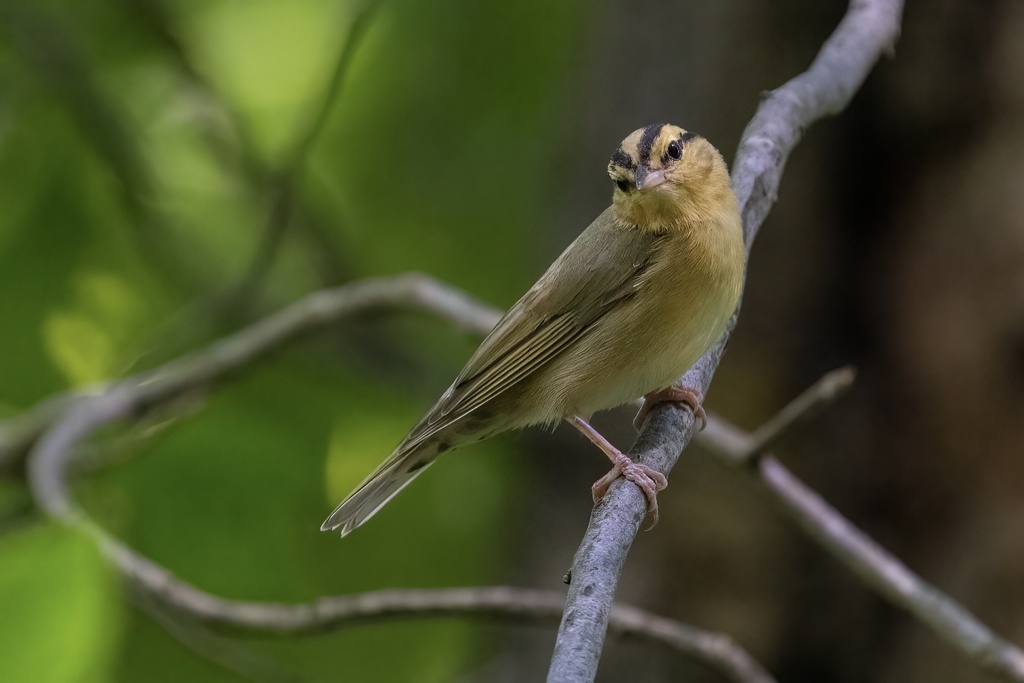
Worm-eating Warbler
Helmitheros vermivorum
A summer resident that nests in Florida. Found in all 67 counties, across 4 habitats.
- Here
- Summer and on migration
- Nesting
- Nests here
- Range
- All 67 counties
- Habitats
- 4
At a glance
- Group
- Birds
- Here
- Summer and on migration
- Nesting
- Nests here
- Range
- All 67 counties
- Habitats
- 4
- Habitat models
- Summer
Where it lives
The places its habitat model includes. It is not found everywhere a habitat occurs.
Habitats in Florida 4
Each habitat page lists the plants and wildlife also found there.
Disturbed and introduced wetlands
Wet ground taken over by weedy or introduced plants after disturbance, such as common reed, Chinese tallow or tamarisk stands; the upland counterpart is roadsides, fields and disturbed ground.
Forests and open woodlands on dry ridges and slopes, often oak or pine.
Floodplain and bottomland forests
Forests on low ground beside rivers and streams that flood from time to time.
Forests on moist but not wet ground, such as rich slopes and ravines.
Other habitats in its models (43)
Land cover, or classes with no habitat page in Florida.
- Central and Southern Appalachian Northern Hardwood Forest Summer.
- East Gulf Coastal Plain Limestone Forest Summer.
- East Gulf Coastal Plain Northern Loess Plain Oak-Hickory Upland - Hardwood Modifier Summer.
- Northeastern Interior Dry Oak Forest-Hardwood Modifier Summer.
- Northeastern Interior Dry Oak Forest - Mixed Modifier Summer.
- Southern and Central Appalachian Oak Forest - Xeric Summer.
- Northeastern Interior Dry-Mesic Oak Forest Summer.
- Southern Interior Low Plateau Dry-Mesic Oak Forest Summer.
- East Gulf Coastal Plain Northern Dry Upland Hardwood Forest Summer.
- Southern and Central Appalachian Oak Forest Summer.
- Allegheny-Cumberland Dry Oak Forest and Woodland - Hardwood Summer.
- Central and Southern Appalachian Montane Oak Forest Summer.
- East Gulf Coastal Plain Northern Loess Bluff Forest Summer.
- East Gulf Coastal Plain Southern Loess Bluff Forest Summer.
- Atlantic Coastal Plain Dry and Dry-Mesic Oak Forest Summer.
- Southern Piedmont Mesic Forest Summer.
- East Gulf Coastal Plain Northern Mesic Hardwood Forest Summer.
- Ozark-Ouachita Mesic Hardwood Forest Summer.
- East Gulf Coastal Plain Interior Shortleaf Pine-Oak Forest - Hardwood Modifier Summer.
- Southern Piedmont Dry Oak-(Pine) Forest - Hardwood Modifier Summer.
- East Gulf Coastal Plain Interior Shortleaf Pine-Oak Forest - Mixed Modifier Summer.
- Southern Piedmont Dry Oak-(Pine) Forest - Mixed Modifier Summer.
- Southern Piedmont Dry Oak-Heath Forest - Mixed Modifier Summer.
- Northern Atlantic Coastal Plain Dry Hardwood Forest Summer.
- Central Appalachian Oak and Pine Forest Summer.
- Appalachian Hemlock-Hardwood Forest Summer.
- Southern Ridge and Valley Dry Calcareous Forest Summer.
- Southern and Central Appalachian Cove Forest Summer.
- South-Central Interior Mesophytic Forest Summer.
- Atlantic Coastal Plain Mesic Hardwood and Mixed Forest Summer.
- Southern Appalachian Montane Pine Forest and Woodland Summer.
- Northern Atlantic Coastal Plain Basin Swamp and Wet Hardwood Forest Summer.
- Atlantic Coastal Plain Nonriverine Swamp and Wet Hardwood Forest - Taxodium/Nyssa Modifier Summer.
- Atlantic Coastal Plain Nonriverine Swamp and Wet Hardwood Forest - Oak Dominated Modifier Summer.
- Central Appalachian Riparian - Forest Modifier Summer.
- Central Interior and Appalachian Floodplain Systems Summer.
- Central Interior and Appalachian Riparian Systems Summer.
- Southern Piedmont Small Floodplain and Riparian Forest Summer.
- Atlantic Coastal Plain Small Brownwater River Floodplain Forest Summer.
- Atlantic Coastal Plain Brownwater Stream Floodplain Forest Summer.
- South-Central Interior Small Stream and Riparian Summer.
- Mississippi River Floodplain and Riparian Forest Summer.
- Ozark-Ouachita Riparian Summer.
Seasons in Florida
- Migratory: does not nest here, in all 67 counties.
- Summer: nests here, in 4 of 67 counties.
Also found in this habitat
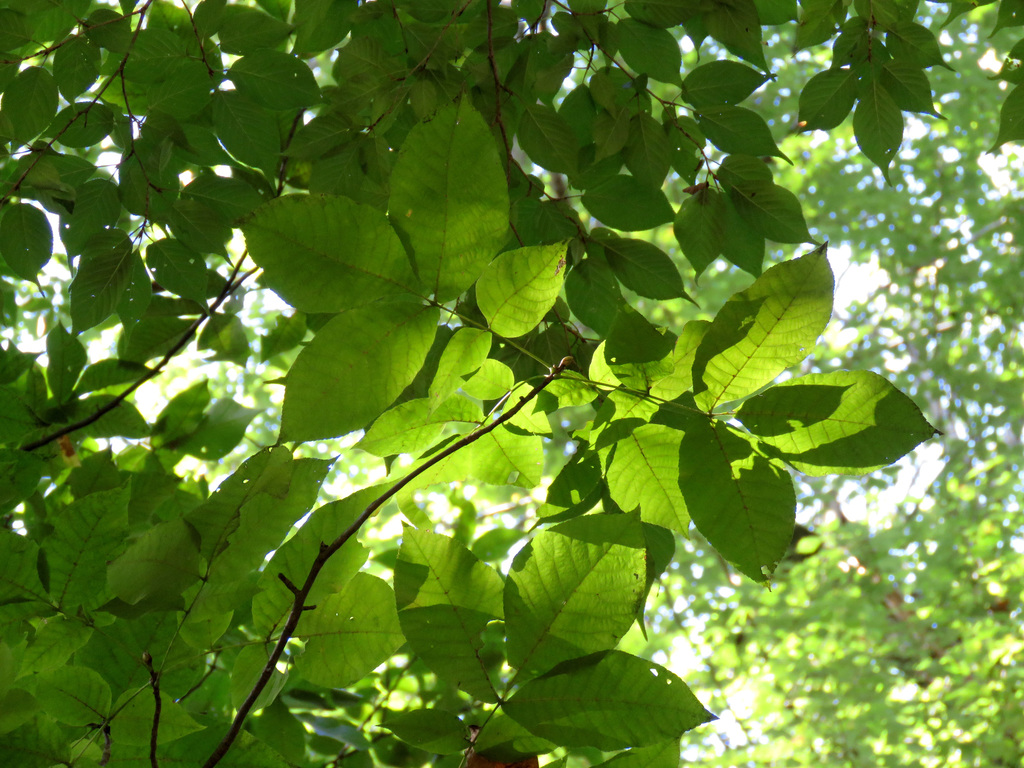
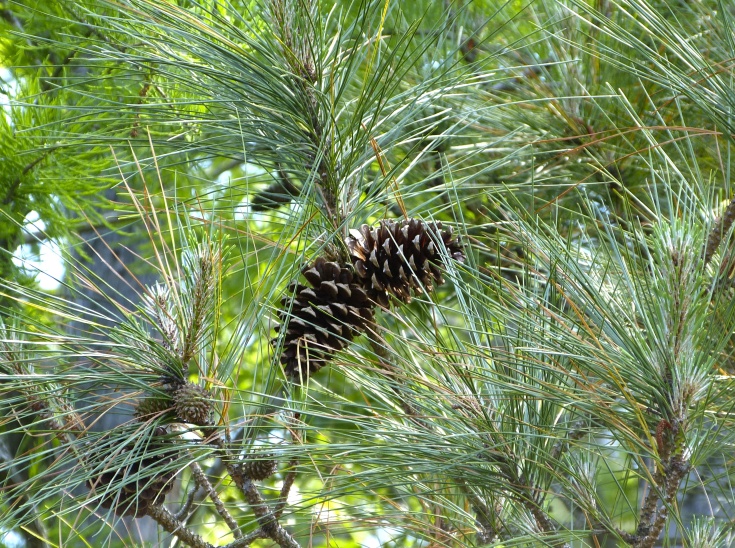
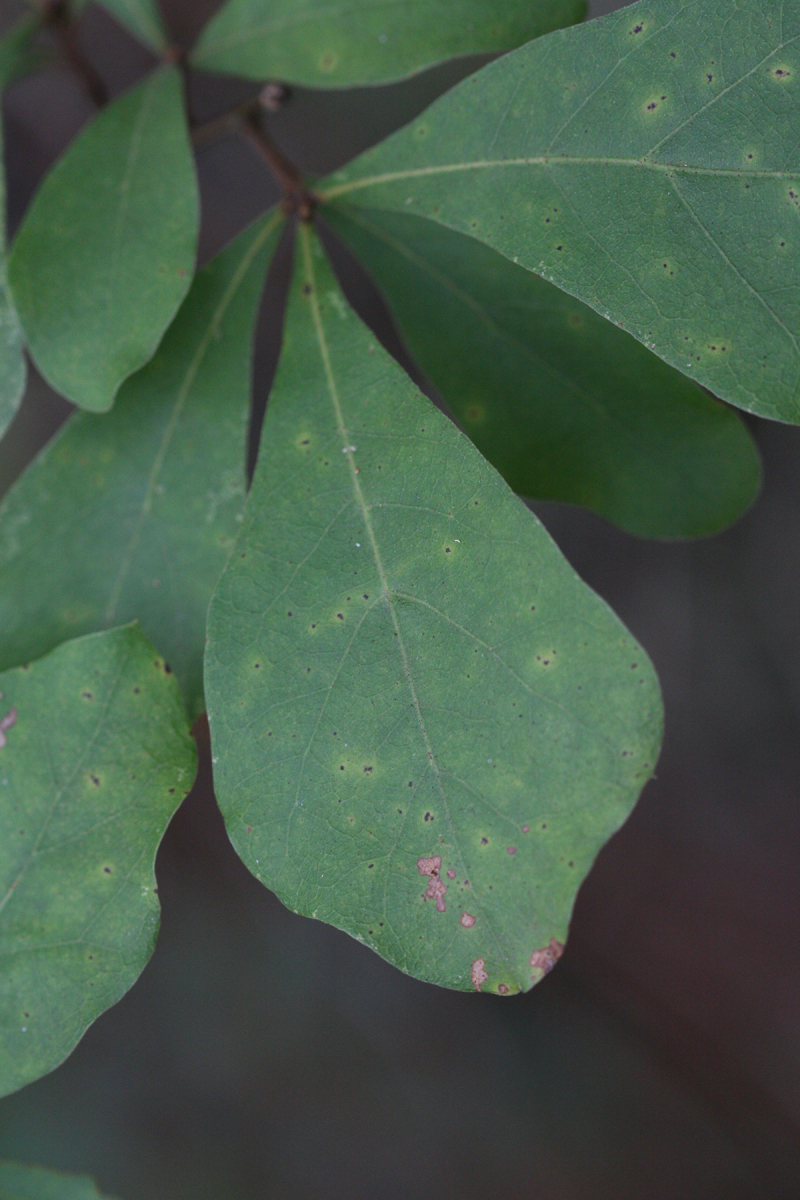
Plants 281
Plants named in NatureServe descriptions of these habitats that grow in Florida. Shared habitat, not food.
- Pignut HickoryCarya glabra
- Spruce Pine; Walters Pine; Cedar PinePinus glabra
- Loblolly PinePinus taeda
- Water OakQuercus nigra
- Serenoa repensSerenoa repens
- Giant CaneArundinaria gigantea
- False NettleBoehmeria cylindrica
- Longleaf SpikegrassChasmanthium sessiliflorum
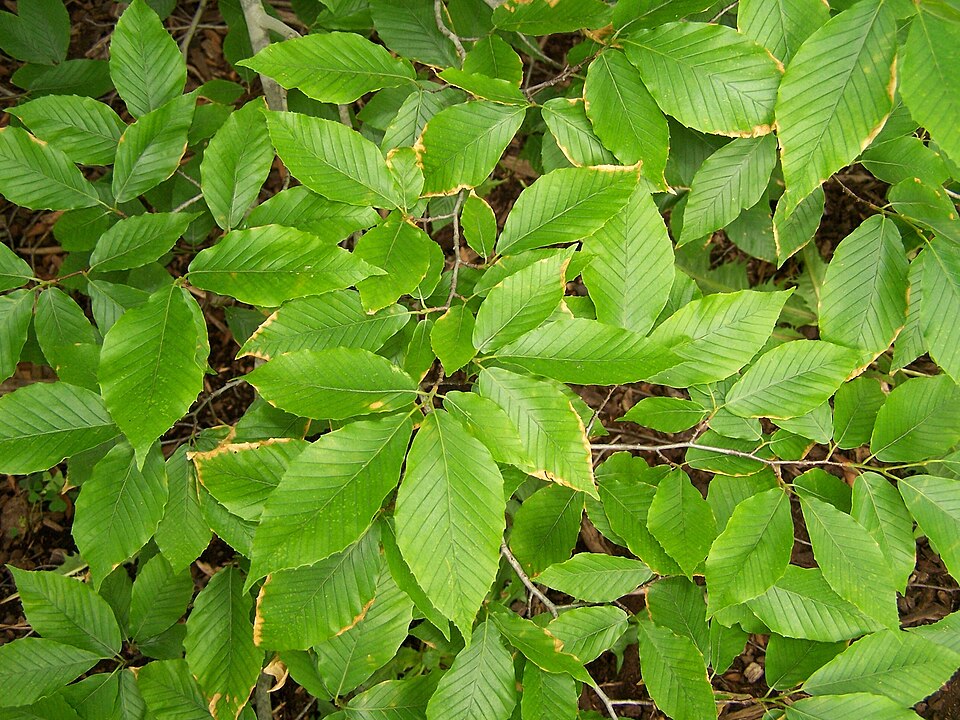
- American BeechFagus grandifolia
- Virginia SweetspireItea virginica
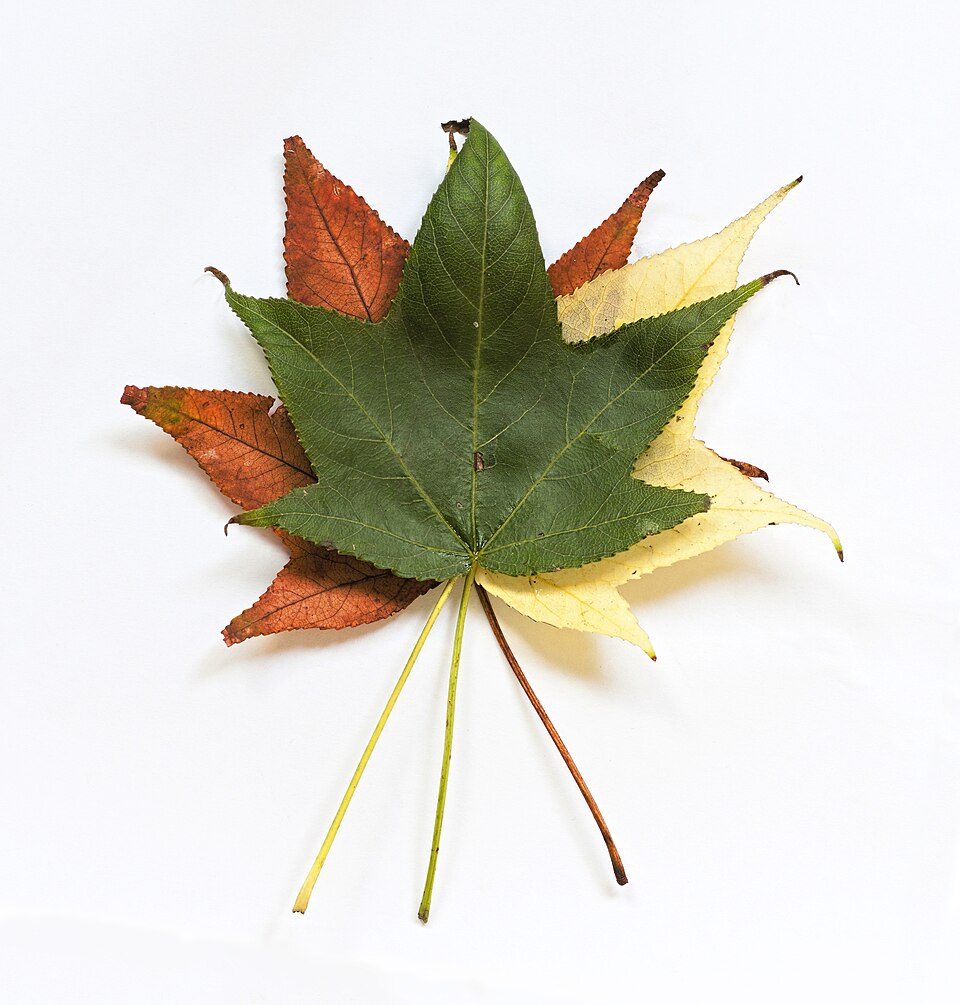
- SweetgumLiquidambar styraciflua
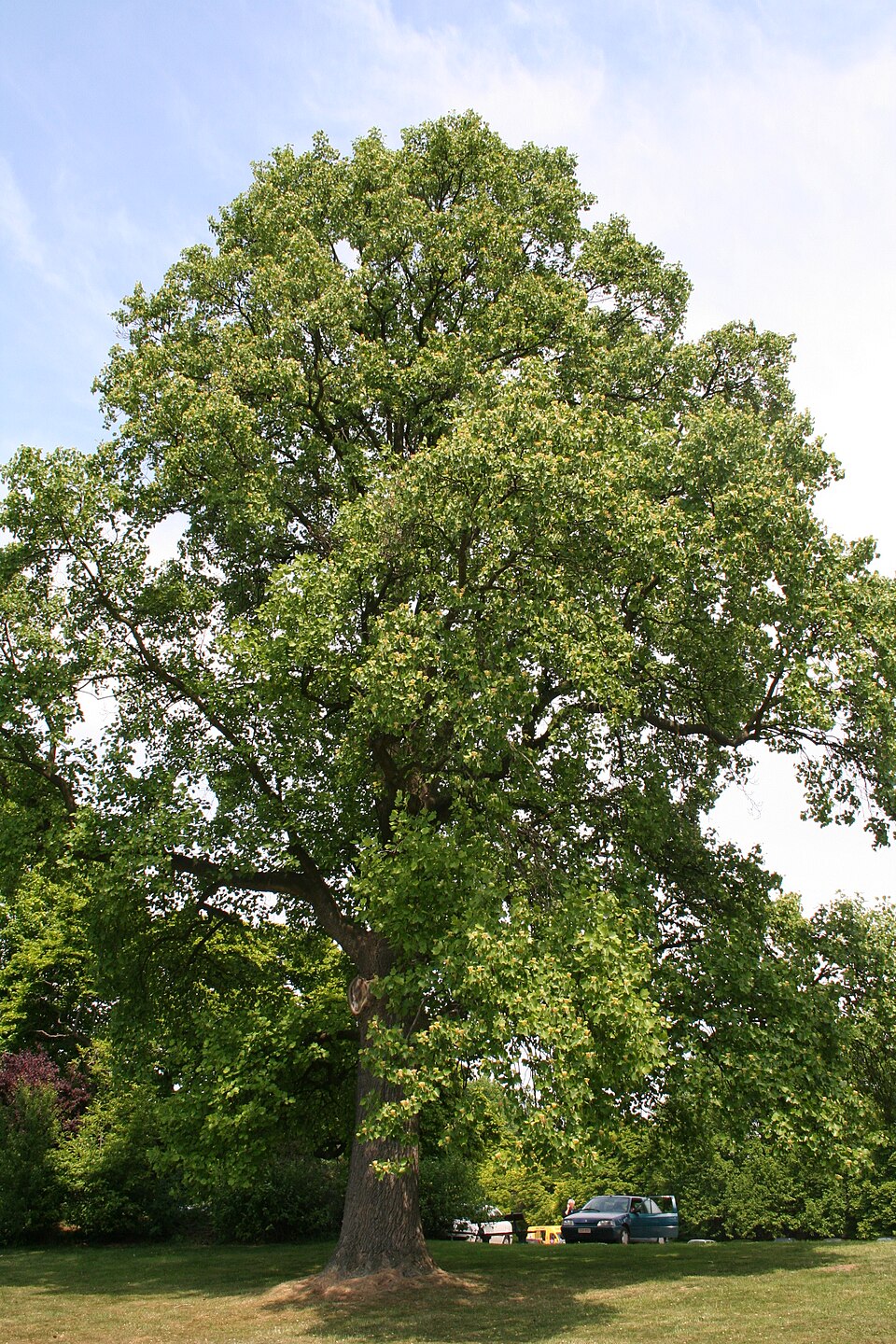
- TuliptreeLiriodendron tulipifera
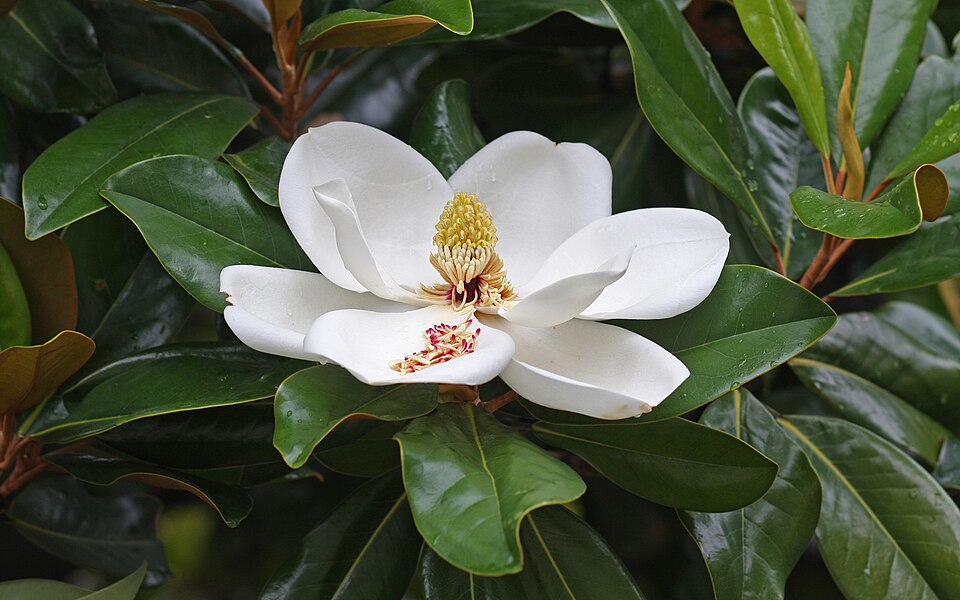
- Southern MagnoliaMagnolia grandiflora
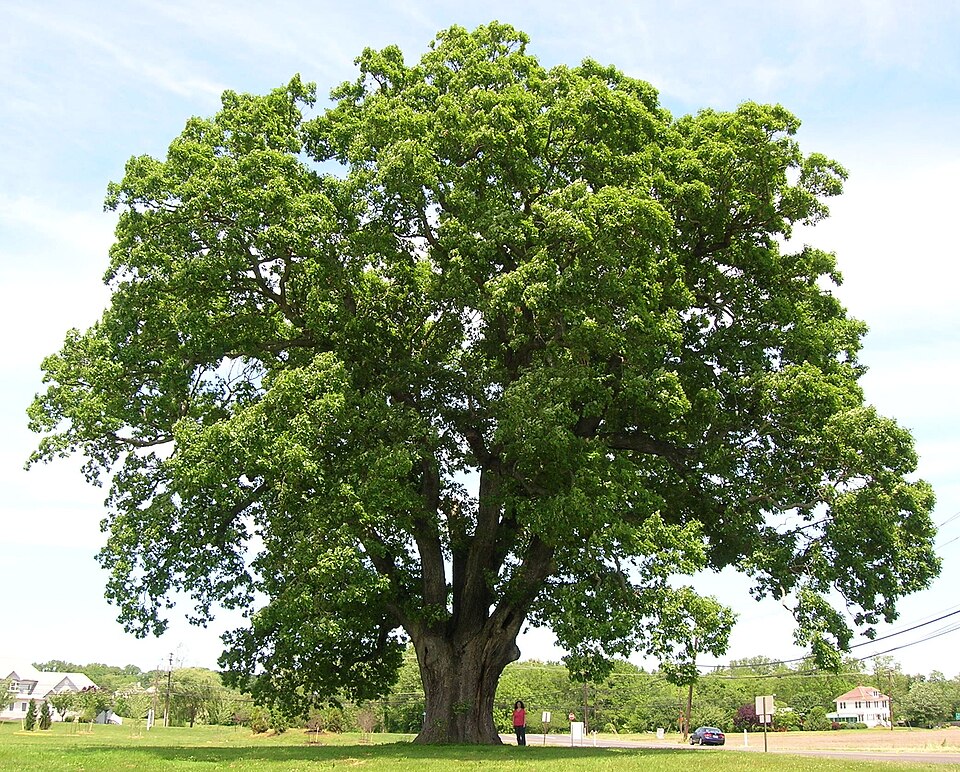
- White OakQuercus alba
- Laurel OakQuercus laurifolia
- Dwarf PalmettoSabal minor
- Poison-ivyToxicodendron radicans
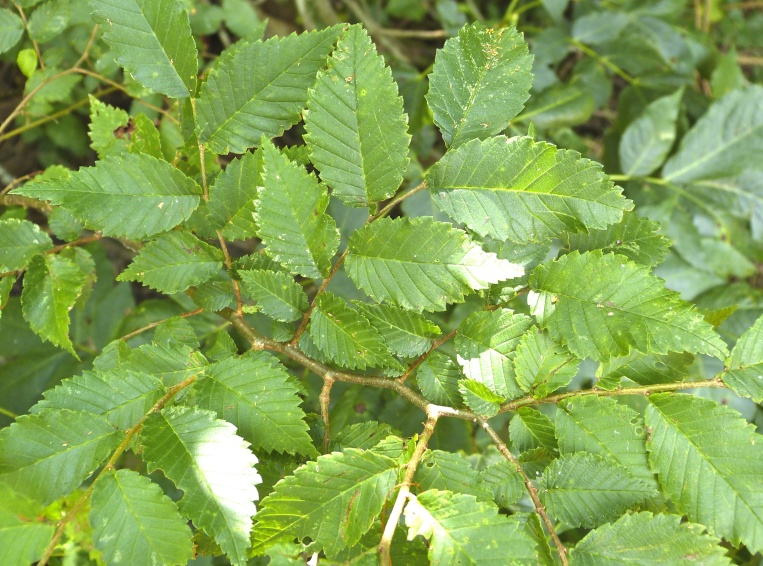
- American ElmUlmus americana
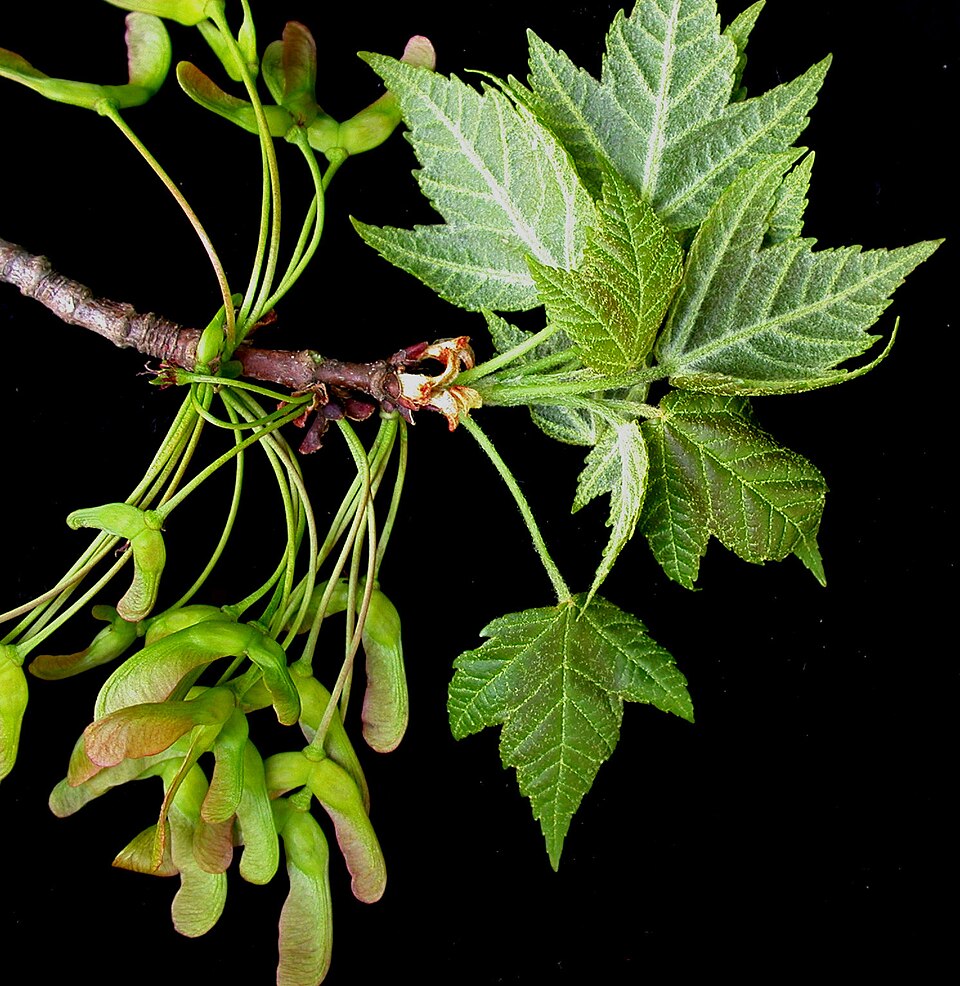
- Red MapleAcer rubrum
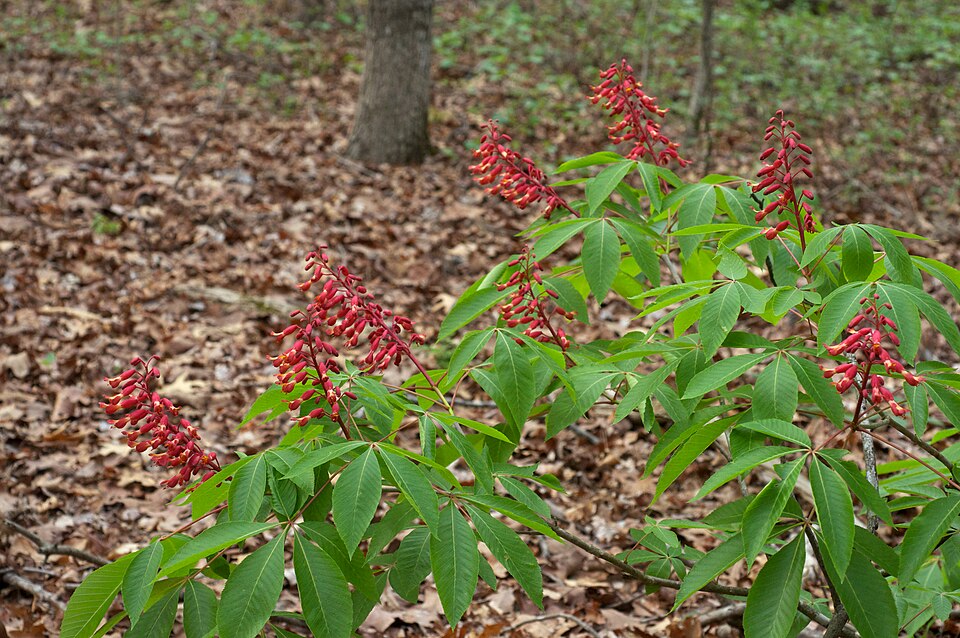
- Red BuckeyeAesculus pavia
- Apteria aphyllaApteria aphylla
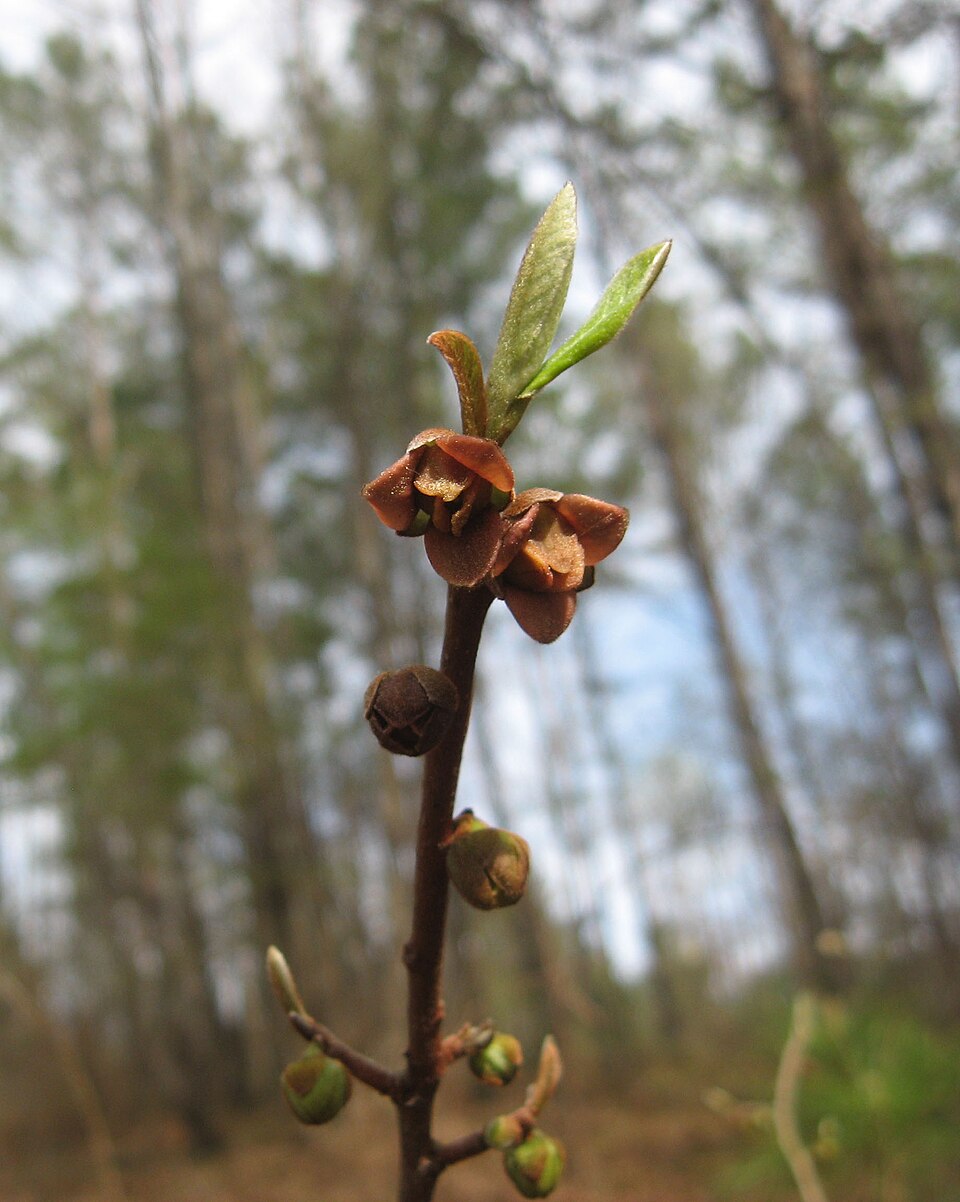
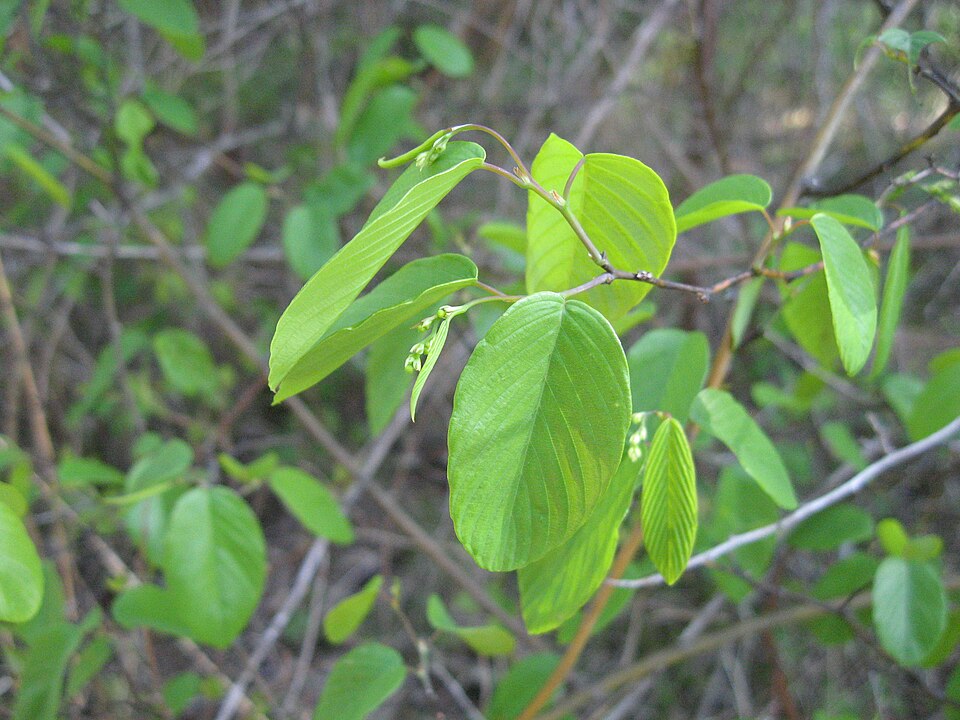
- Dwarf PawpawAsimina parviflora
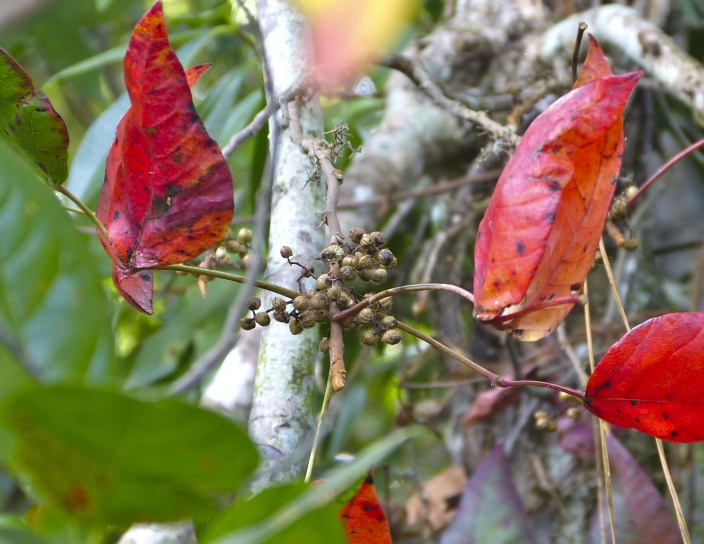
- SupplejackBerchemia scandens
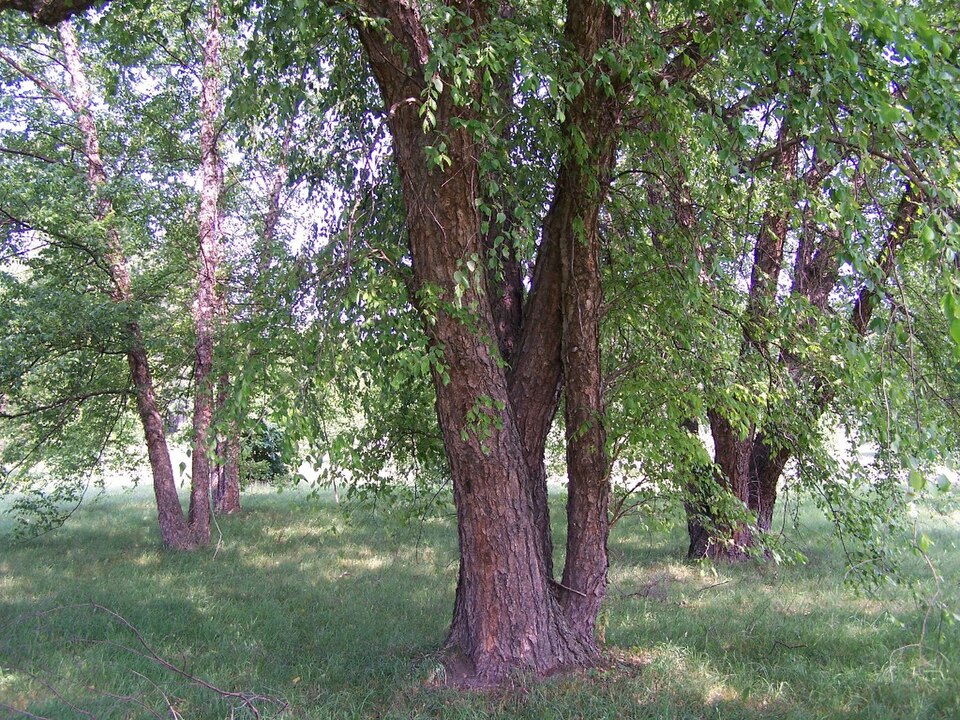
- River BirchBetula nigra
Wildlife 239
Other animals whose habitat models include the same habitats in Florida. Not sighting records.
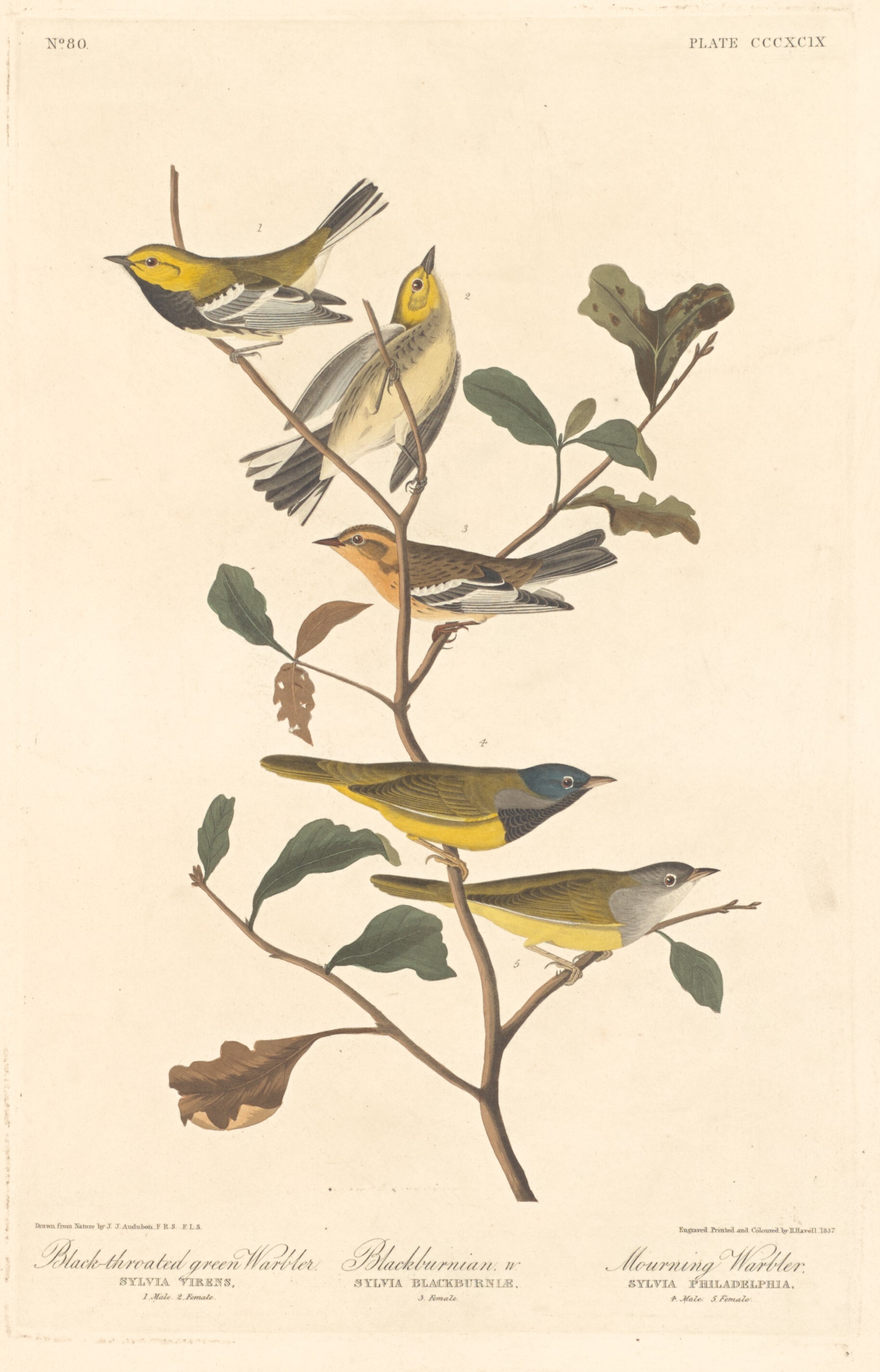
- Black-throated Green WarblerDendroica virens
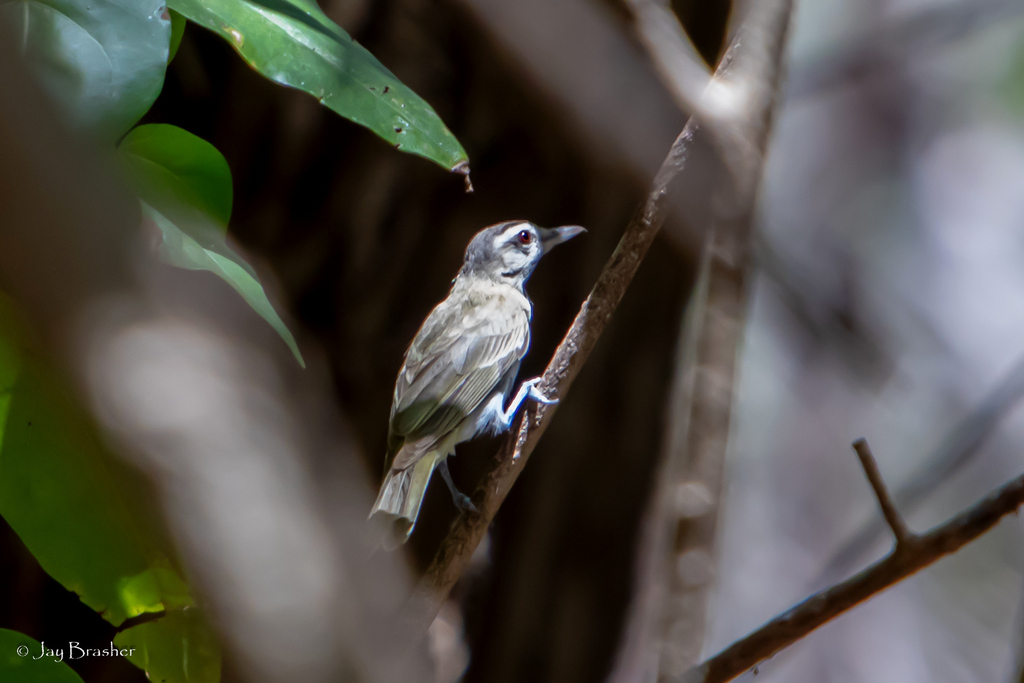
- Black-whiskered VireoVireo altiloquus
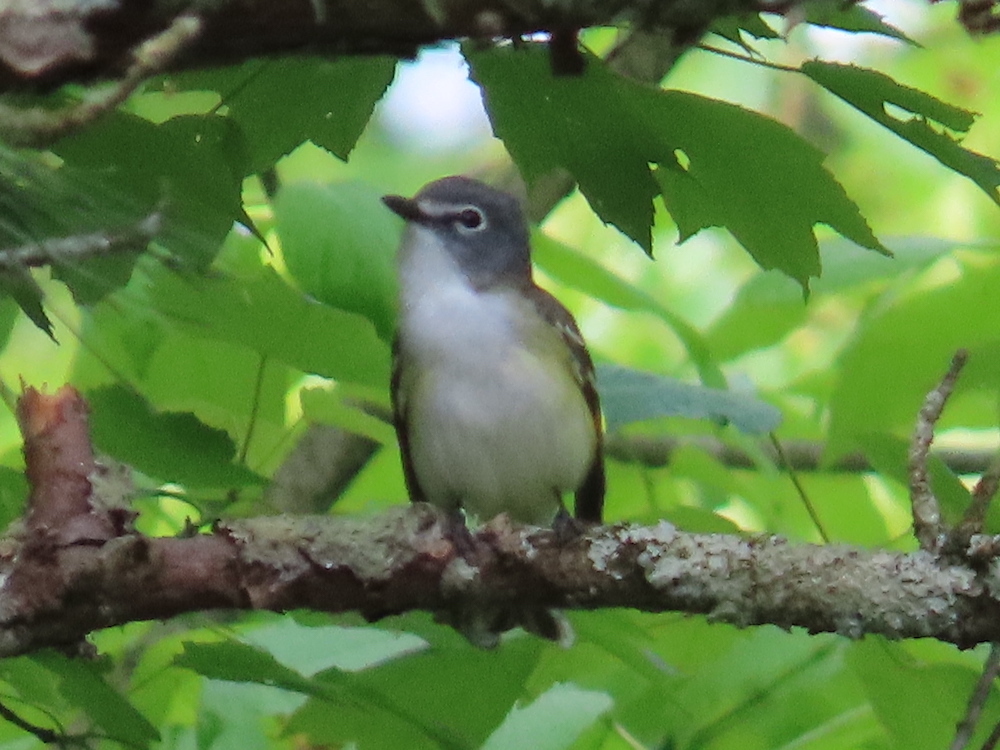
- Blue-headed VireoVireo solitarius
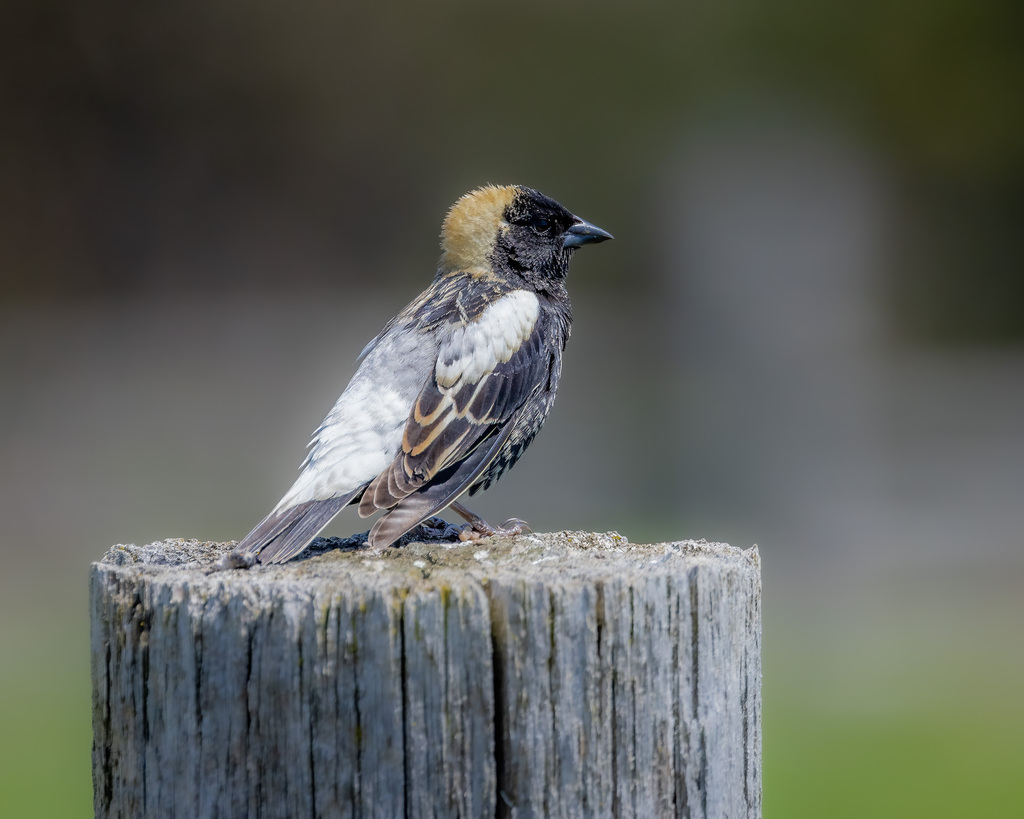
- BobolinkDolichonyx oryzivorus
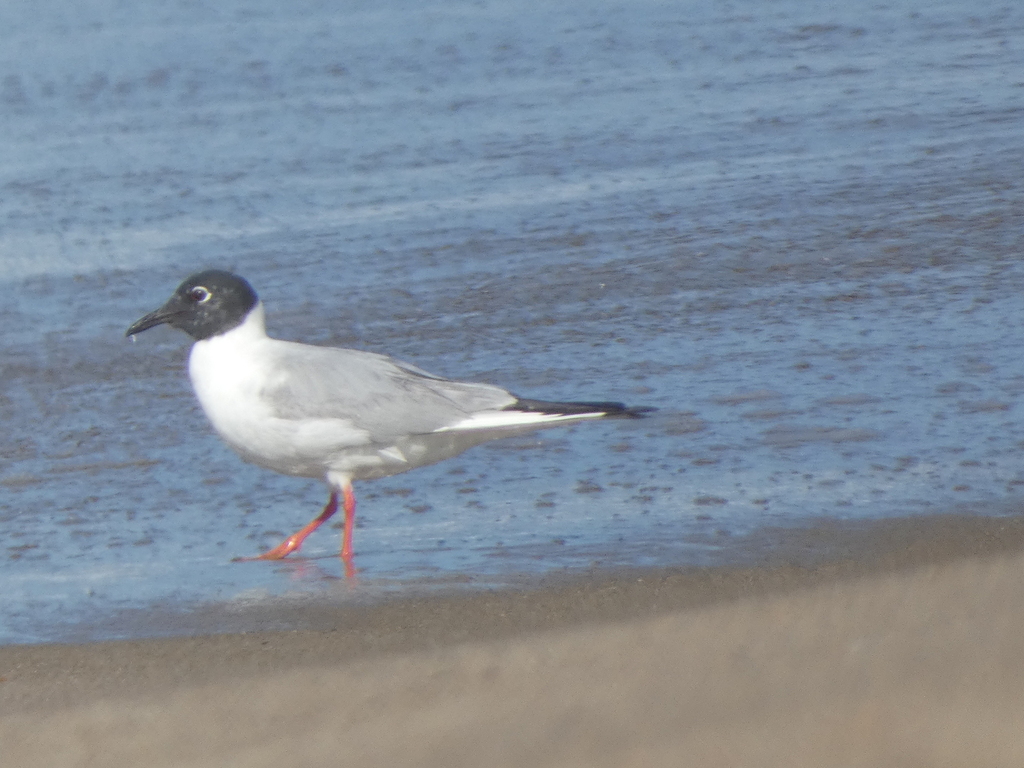
- Bonaparte's GullChroicocephalus philadelphia
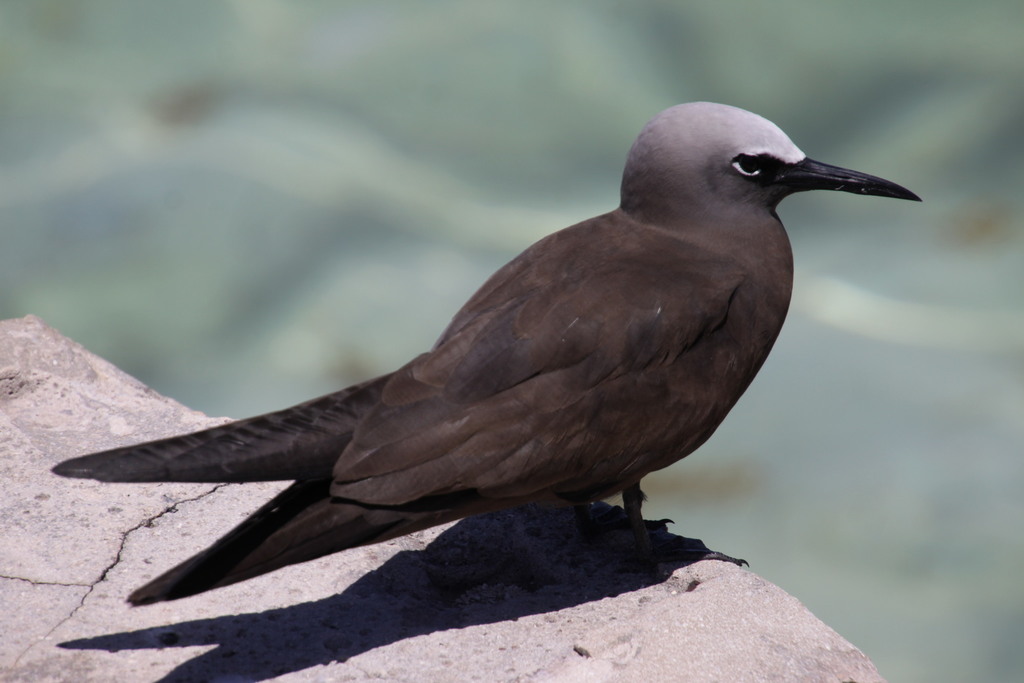
- Brown NoddyAnous stolidus
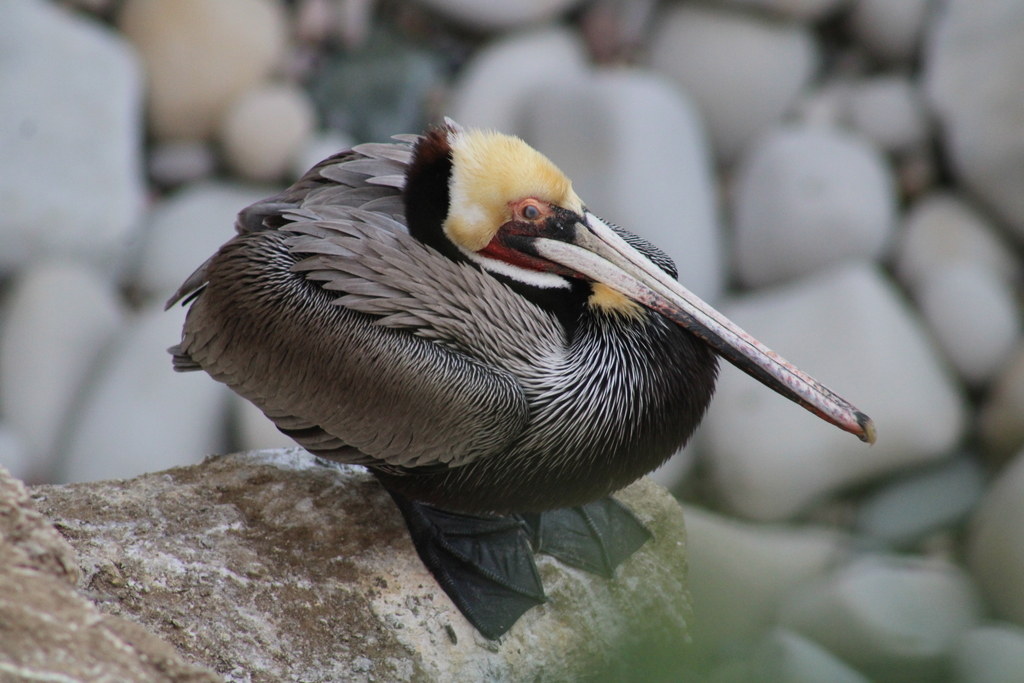
- Brown PelicanPelecanus occidentalis
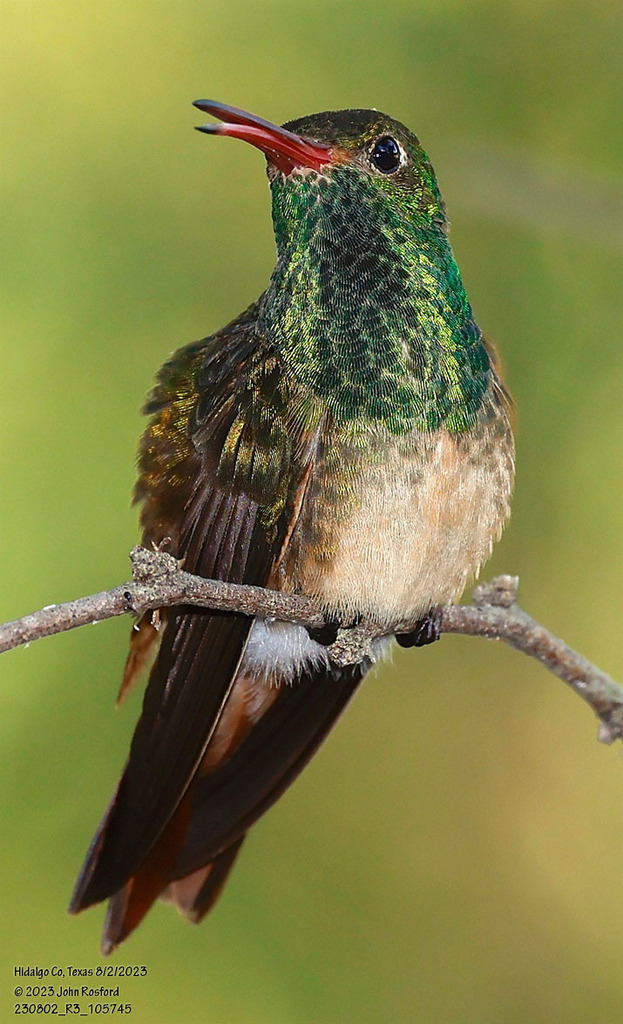
- Buff-bellied HummingbirdAmazilia yucatanensis
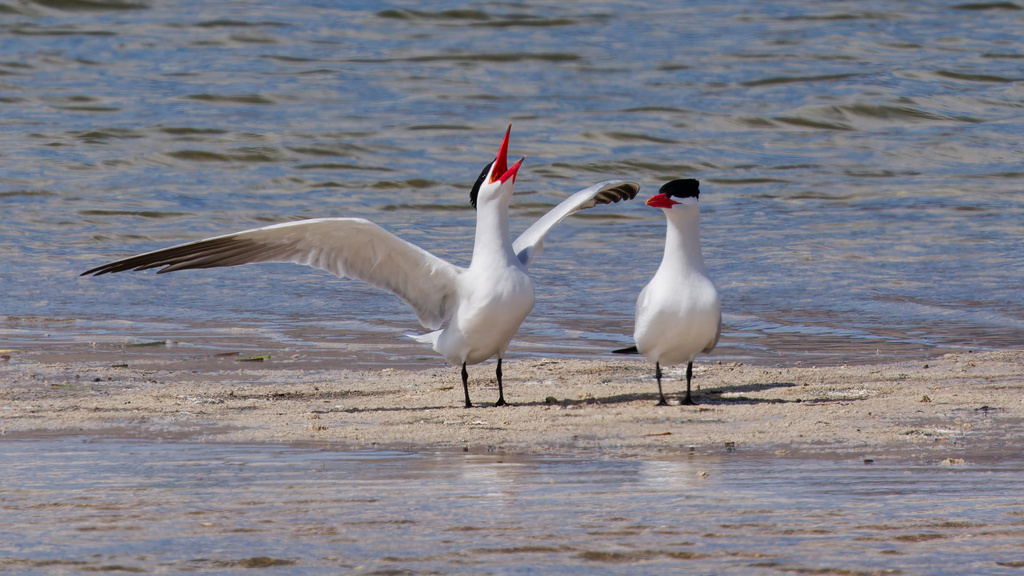
- Caspian TernHydroprogne caspia
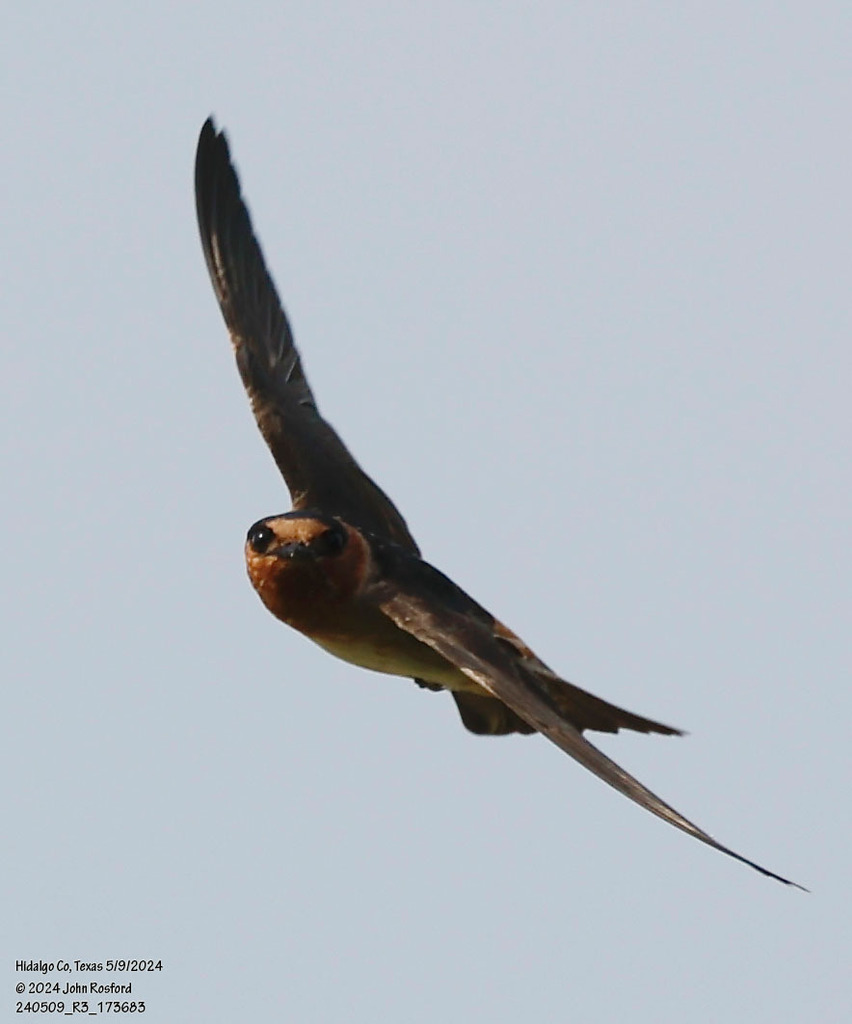
- Cave SwallowPetrochelidon fulva
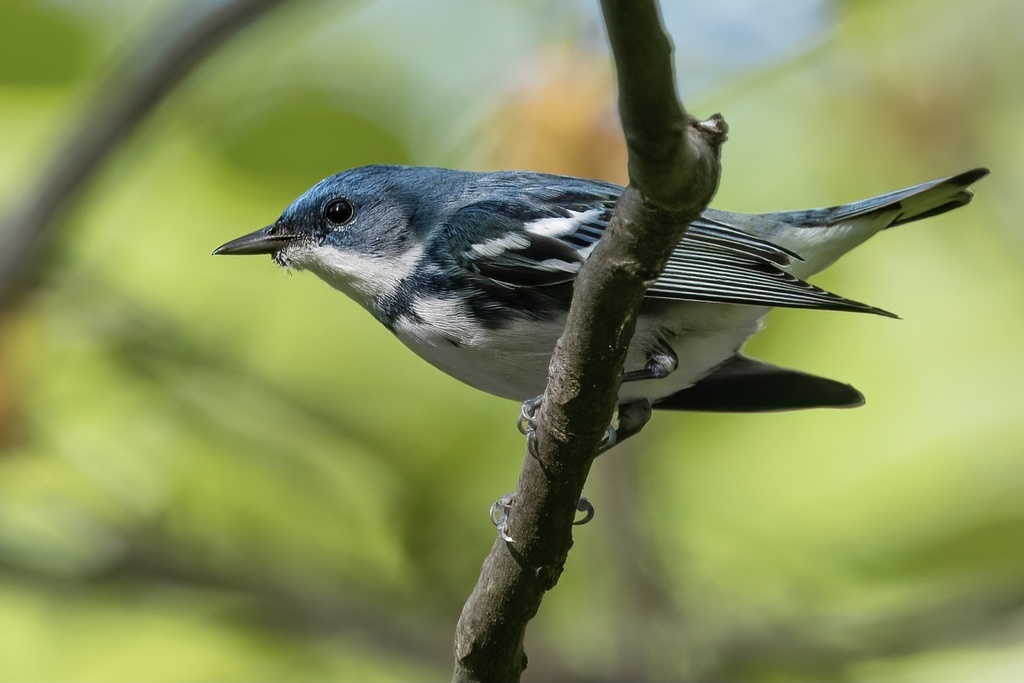
- Cerulean WarblerDendroica cerulea
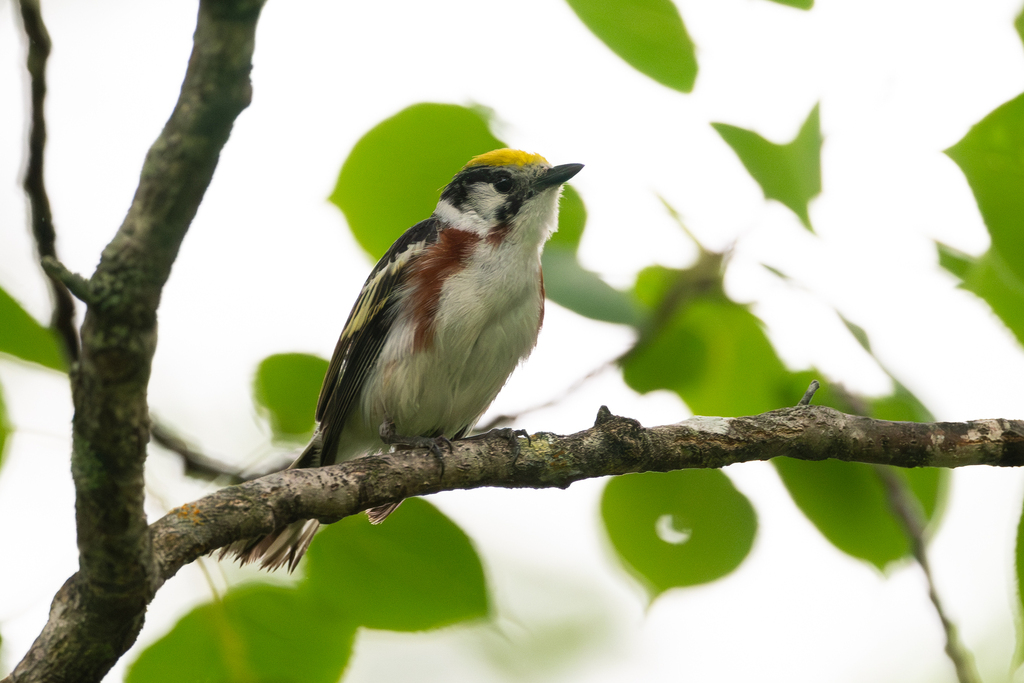
- Chestnut-sided WarblerDendroica pensylvanica
- Cliff SwallowPetrochelidon pyrrhonota
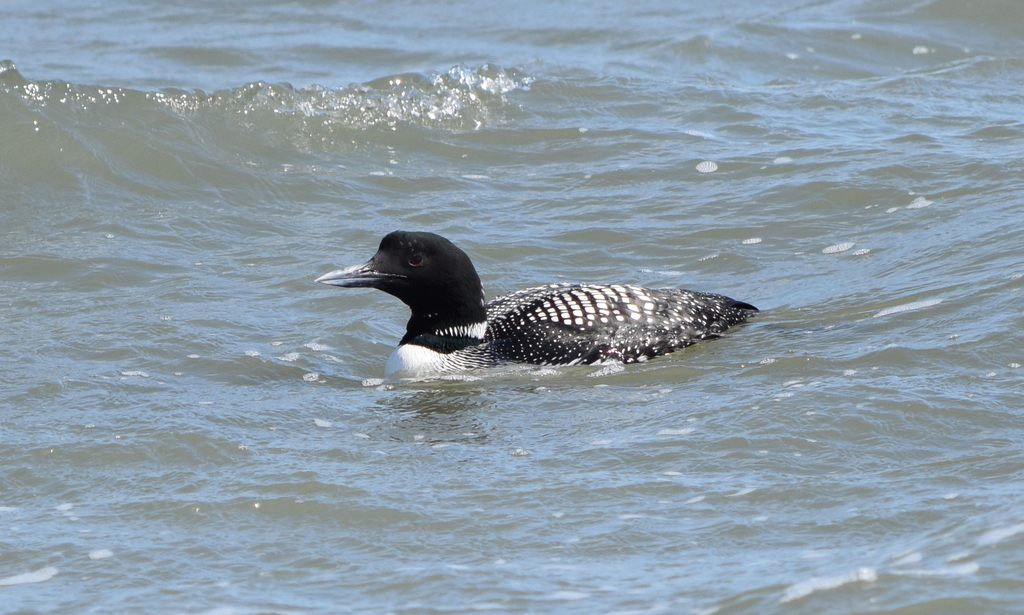
- Common LoonGavia immer
- Common TernSterna hirundo
- Dark-eyed JuncoJunco hyemalis
- DickcisselSpiza americana
- DunlinCalidris alpina
- Eastern Brown PelicanPelecanus occidentalis carolinensis
- Eurasian Collared-doveStreptopelia decaocto
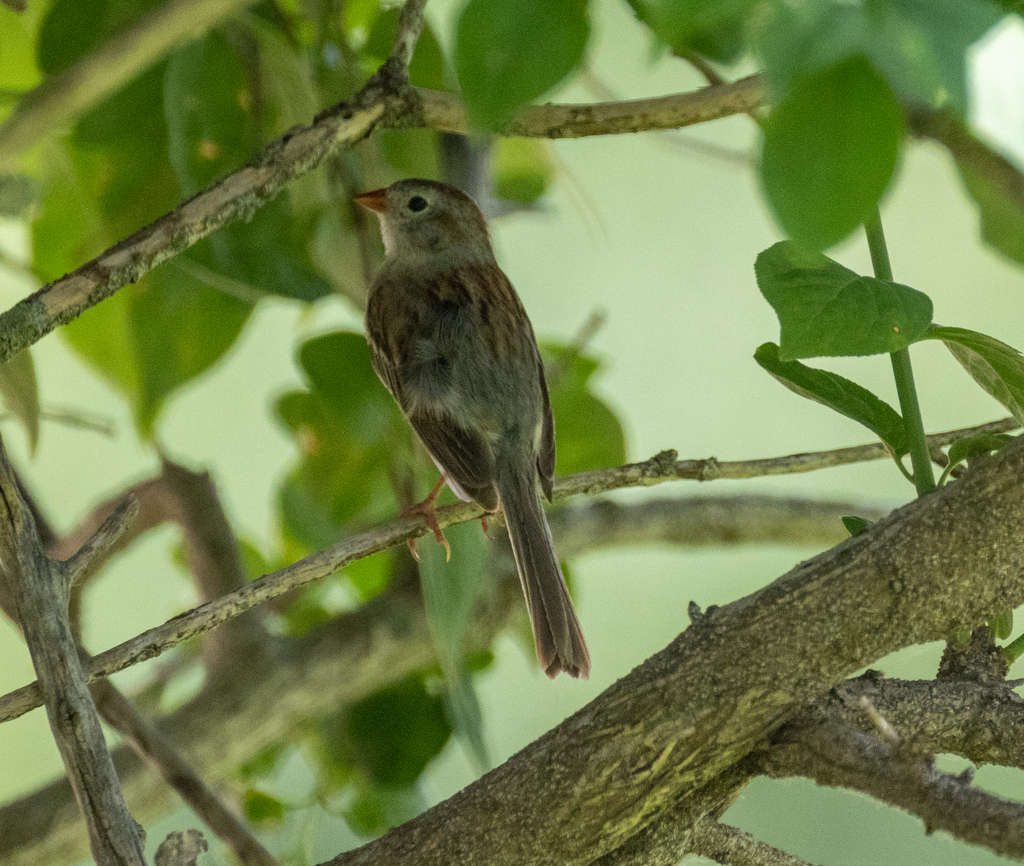
- Field SparrowSpizella pusilla
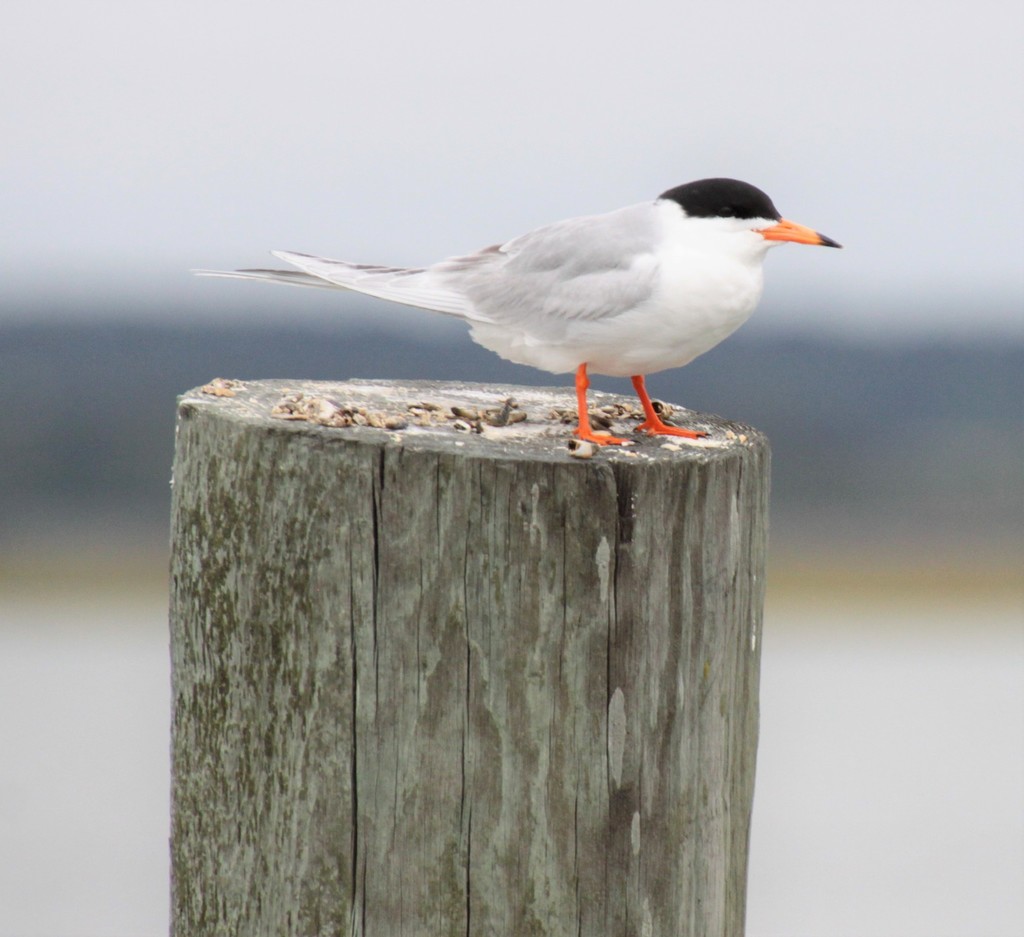
- Forster's TernSterna forsteri
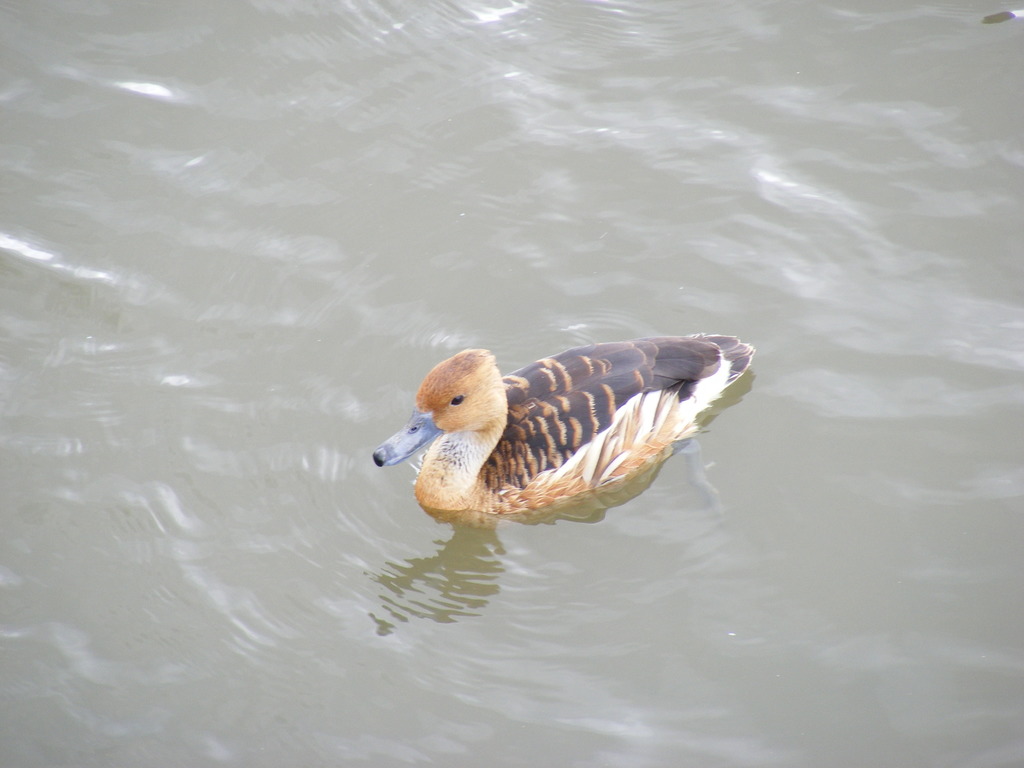
- Fulvous Whistling-duckDendrocygna bicolor
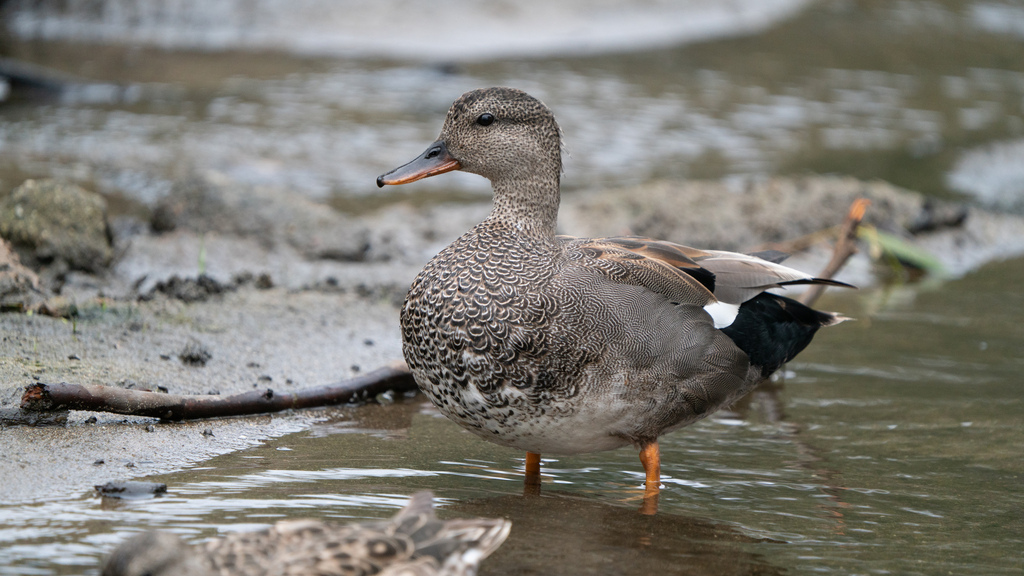
- GadwallAnas strepera

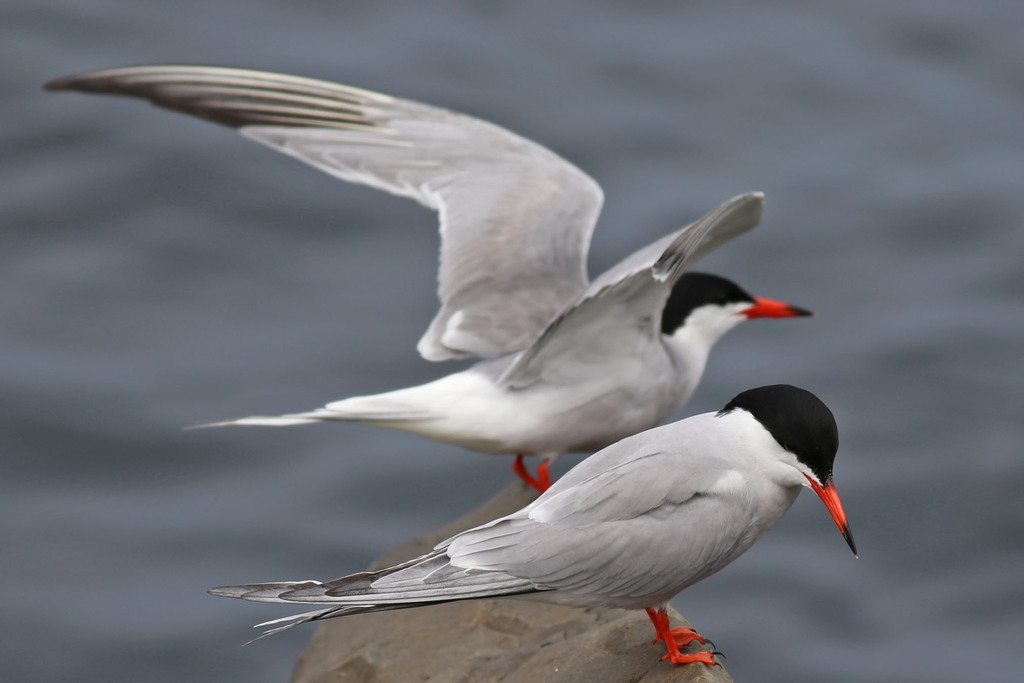

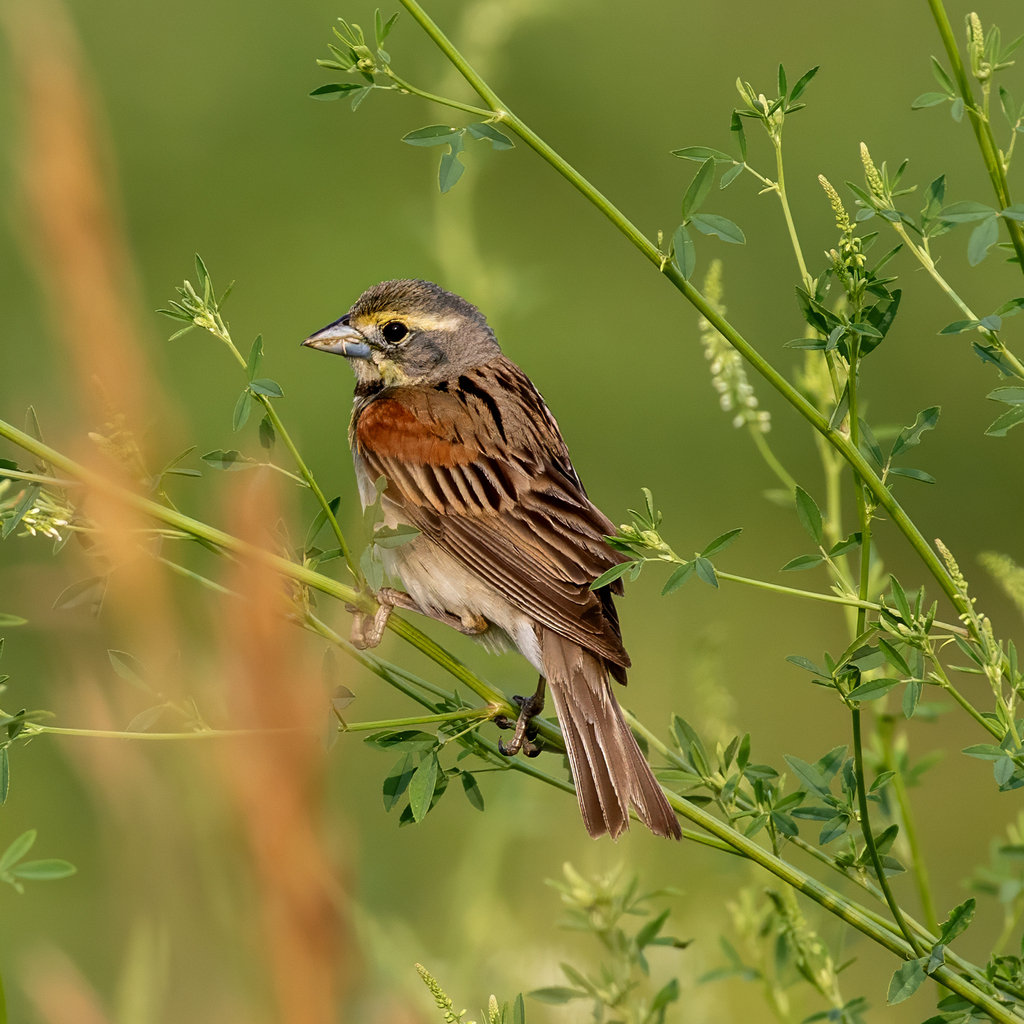
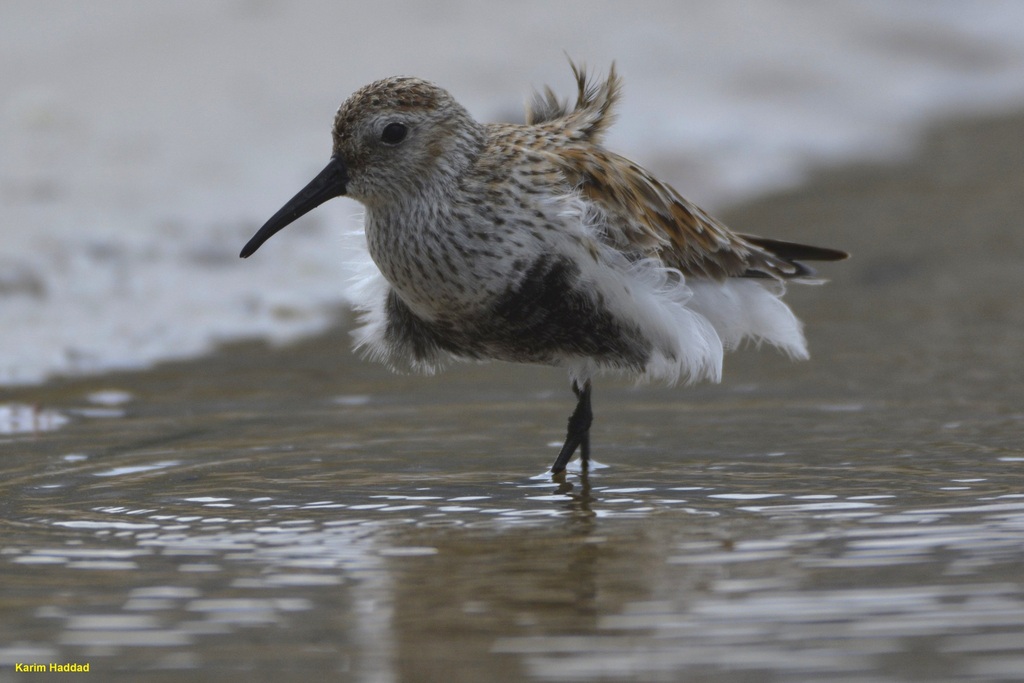
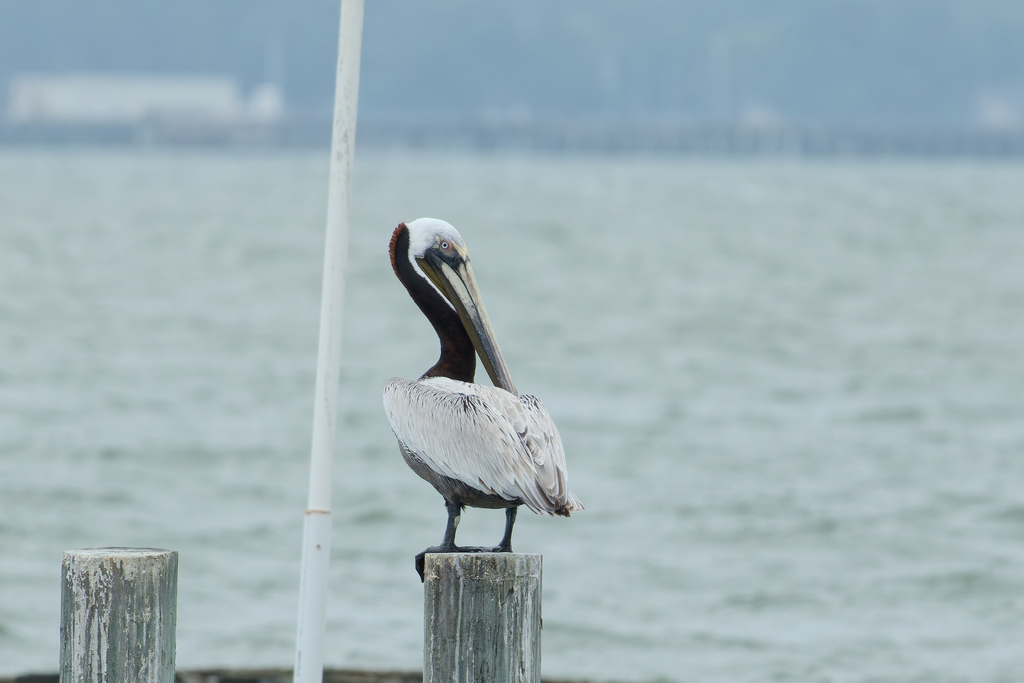

NatureServe Explorer, CC BY 4.0. USGS Gap Analysis Project habitat models.
Sources
- USGS Gap Analysis Project habitat models (2001)
- USGS GAP summer habitat model for Worm-eating Warbler
- USGS Gap Analysis Project range maps (2001), modeled by watershed; migratory gives no dates
- NatureServe Explorer (CC BY 4.0), habitat names
- US Census TIGER/Line counties
- Names follow the USGS Gap Analysis Project (2001)