

Bird
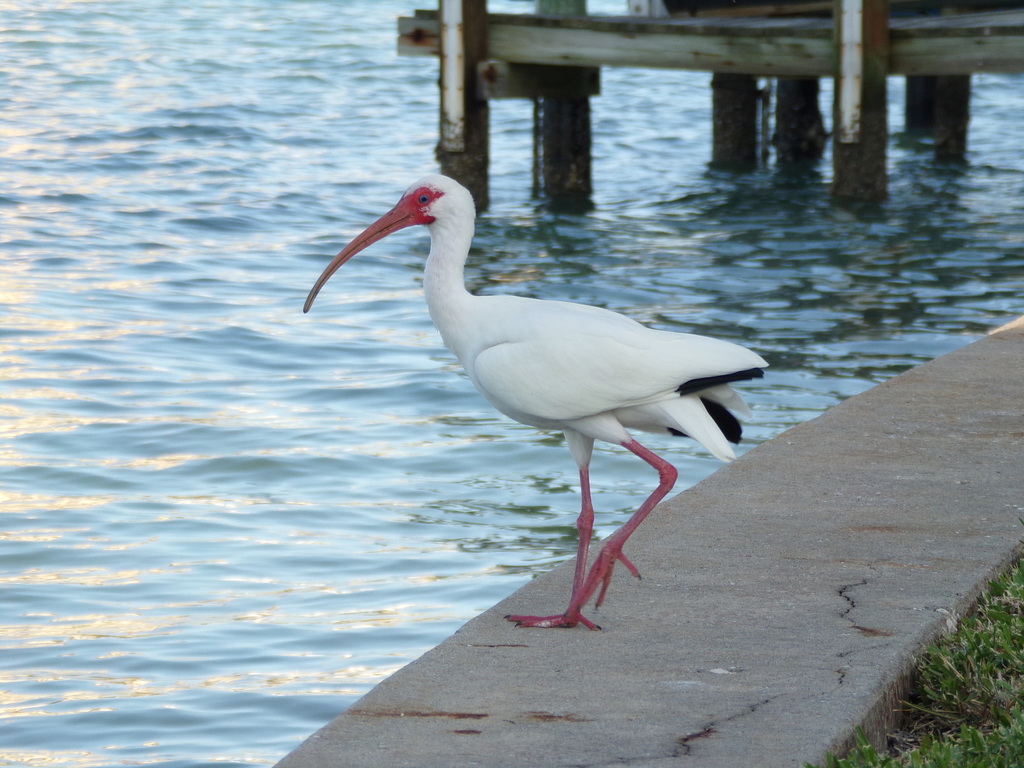
White Ibis
Eudocimus albus
Lives in Florida all year and nests here. Found in all 67 counties, across 14 habitats.
- Here
- All year
- Nesting
- Nests here
- Range
- All 67 counties
- Habitats
- 14
At a glance
- Group
- Birds
- Here
- All year
- Nesting
- Nests here
- Range
- All 67 counties
- Habitats
- 14
- Habitat models
- Summer, Winter
Where it lives
The places its habitat model includes. It is not found everywhere a habitat occurs.
Habitats in Florida 14
Each habitat page lists the plants and wildlife also found there.


Open sand of beaches, dunes and the hollows between them.
Dense, evergreen groves of live oak, magnolia and other hardwoods in the southern Coastal Plain, from dry oak domes to wet hydric hammocks and south Florida's tropical hammocks; salt-shaped maritime hammocks are maritime forests.
Open, wet, seepage-fed bogs of the Coastal Plain and Sandhills, often with pitcher plants.
Coastal tidal marshes (salinity not stated)
Tidal marshes of the Atlantic and Gulf coasts where the source does not say whether the water is fresh, brackish or salt. A stated salinity files the marsh under freshwater tidal marshes or salt and brackish marshes instead.
Depression ponds and limesinks
Shallow ponds in Coastal Plain depressions, such as limesinks and the ponds in some Carolina bays, that rise and fall with the seasons.
Marshes along tidal rivers where the water is fresh but rises and falls with the tide.
Tidal forests and thickets of red, black and white mangrove along sheltered tropical and subtropical shores.
Salt-pruned forests and shrub thickets behind coastal dunes.
Dense evergreen shrub wetlands and bay forests on wet, acid peat of the Coastal Plain.
Coastal marshes flooded by salty or brackish tides.
Salt and brackish open water of sounds, bays and estuaries, with the mud and sand flats and seagrass beds that tides cover and uncover; the vegetated marsh is salt and brackish marshes.
Other habitats in its models (28)
Land cover, or classes with no habitat page in Florida.
- Open Water (Aquaculture) Summer and winter.
- Unconsolidated Shore (Lake/River/Pond) Summer and winter.
- Unconsolidated Shore Summer and winter.
- Mississippi Delta Maritime Forest Summer and winter, only within 1,000 m of water.
- Atlantic Coastal Plain Central Maritime Forest Summer and winter, only within 1,000 m of water.
- Texas-Louisiana Coastal Prairie Summer and winter, only within 1,000 m of water.
- Atlantic Coastal Plain Embayed Region Tidal Salt and Brackish Marsh Summer and winter.
- Atlantic Coastal Plain Northern Tidal Salt Marsh Summer and winter.
- Southern Coastal Plain Nonriverine Basin Swamp - Okefenokee Pine Modifier Summer and winter.
- Atlantic Coastal Plain Clay-Based Carolina Bay Herbaceous Wetland Summer and winter.
- Atlantic Coastal Plain Peatland Pocosin Summer and winter.
- West Gulf Coastal Plain Seepage Swamp and Baygall Summer and winter.
- Atlantic Coastal Plain Embayed Region Tidal Freshwater Marsh Summer and winter.
- Atlantic Coastal Plain Northern Fresh and Oligohaline Tidal Marsh Summer and winter.
- West Gulf Coastal Plain Near-Coast Large River Swamp Summer and winter.
- Northern Atlantic Coastal Plain Basin Swamp and Wet Hardwood Forest Summer and winter.
- Atlantic Coastal Plain Nonriverine Swamp and Wet Hardwood Forest - Taxodium/Nyssa Modifier Summer and winter.
- Atlantic Coastal Plain Nonriverine Swamp and Wet Hardwood Forest - Oak Dominated Modifier Summer and winter.
- Atlantic Coastal Plain Clay-Based Carolina Bay Forested Wetland Summer and winter.
- Texas Saline Coastal Prairie Summer and winter.
- East Gulf Coastal Plain Southern Depression Pondshore Summer and winter.
- Mississippi River Bottomland Depression Summer and winter.
- South Florida Freshwater Slough and Gator Hole Summer and winter.
- East Gulf Coastal Plain Large River Floodplain Forest - Herbaceous Modifier Summer and winter.
- South-Central Interior Large Floodplain - Herbaceous Modifier Summer and winter.
- Mississippi River Riparian Forest Summer and winter.
- Mississippi River Low Floodplain (Bottomland) Forest Summer and winter.
- Texas-Louisiana Coastal Prairie Slough Summer and winter.
Seasons in Florida
- Year-round: nests here, in all 67 counties.
Also found in this habitat
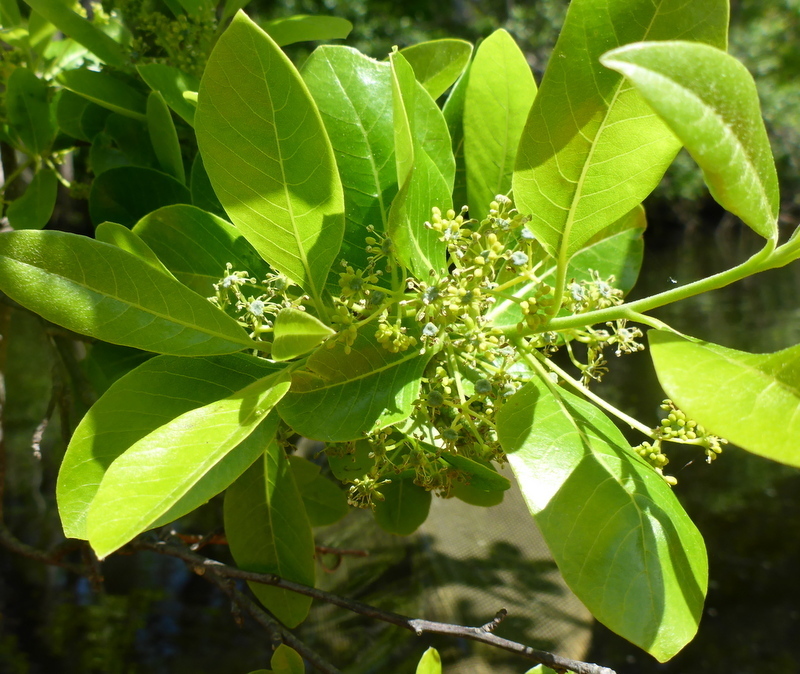
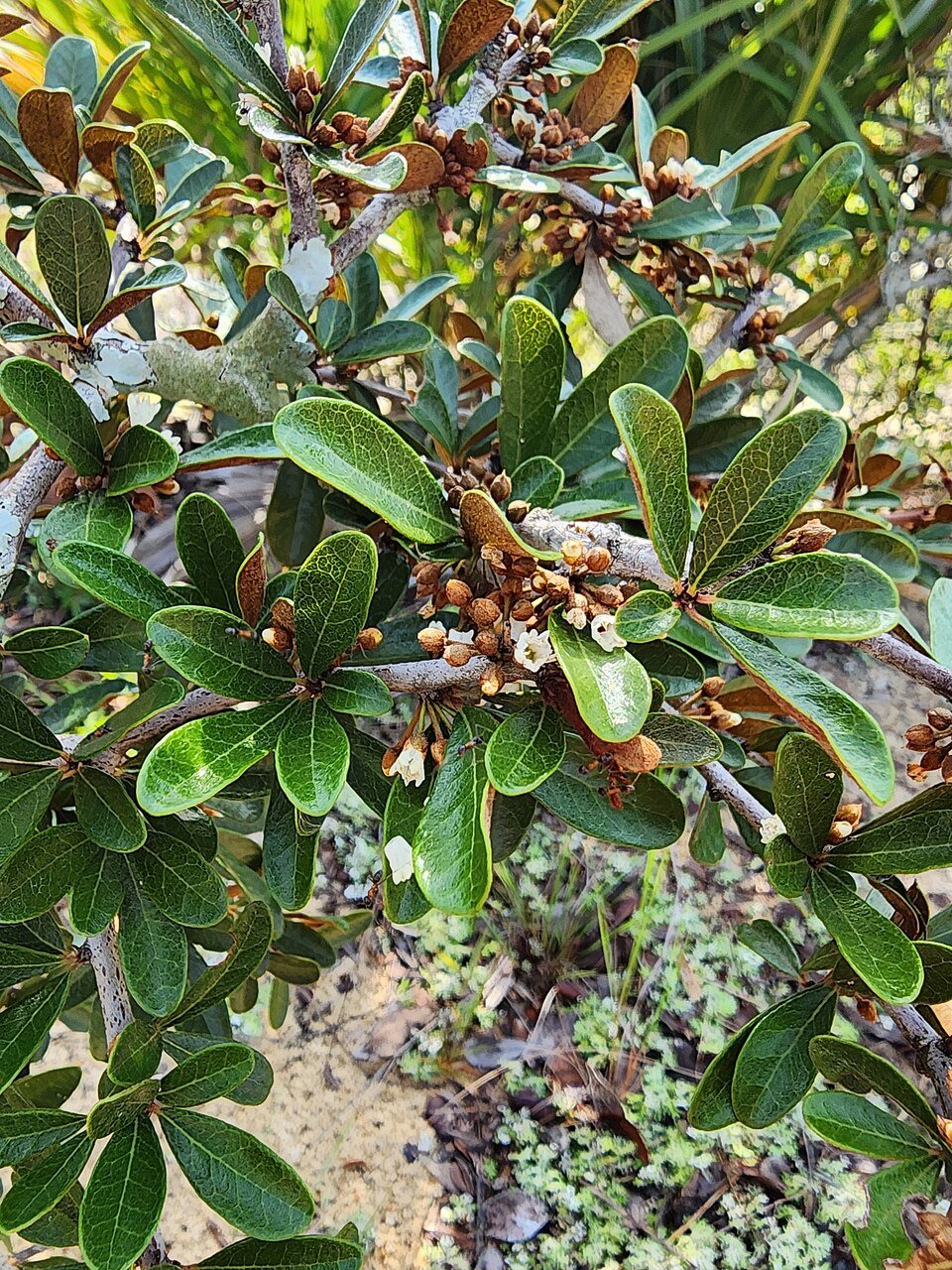
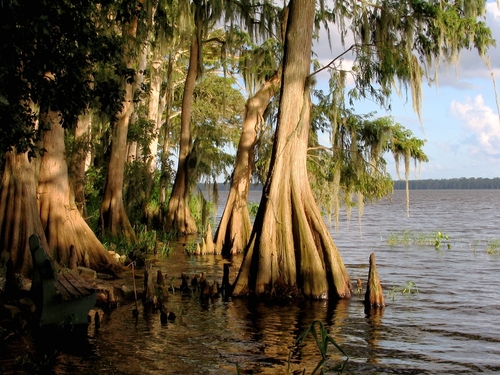
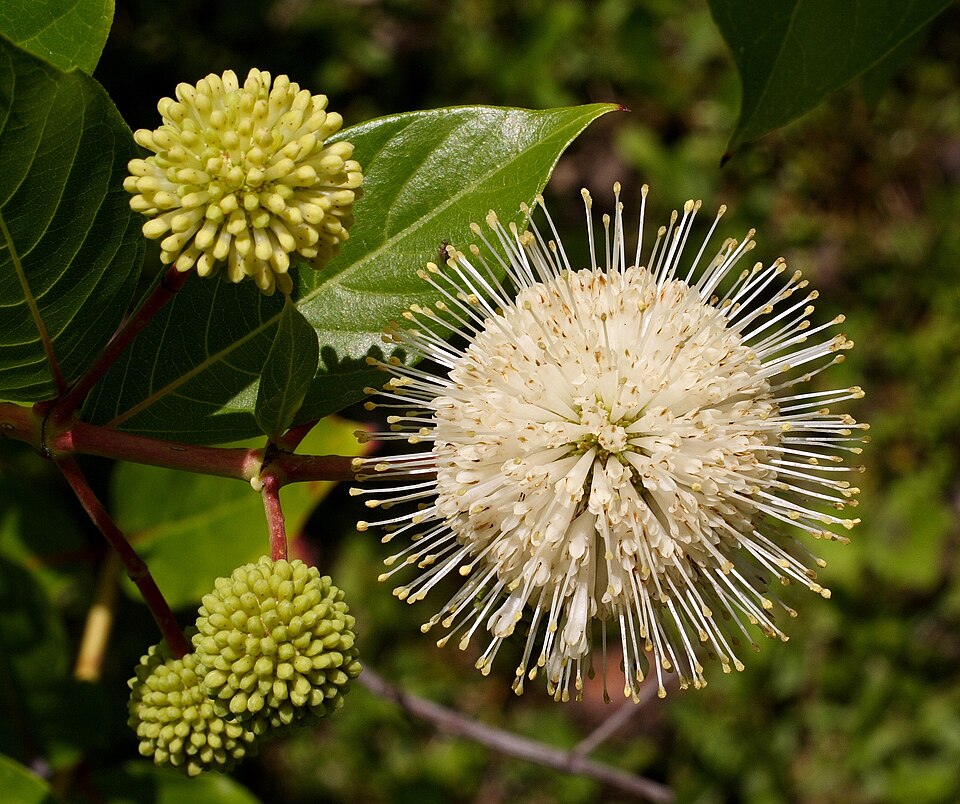
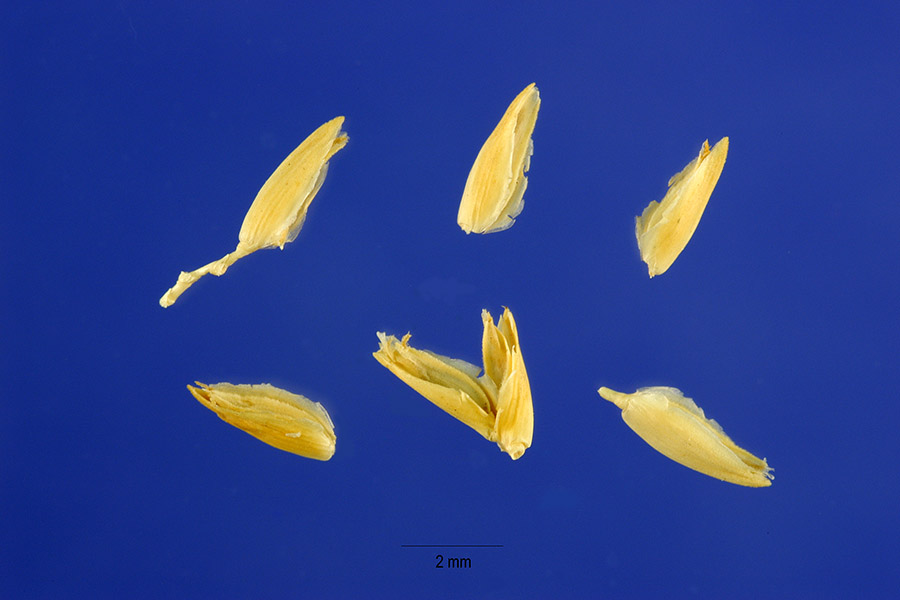
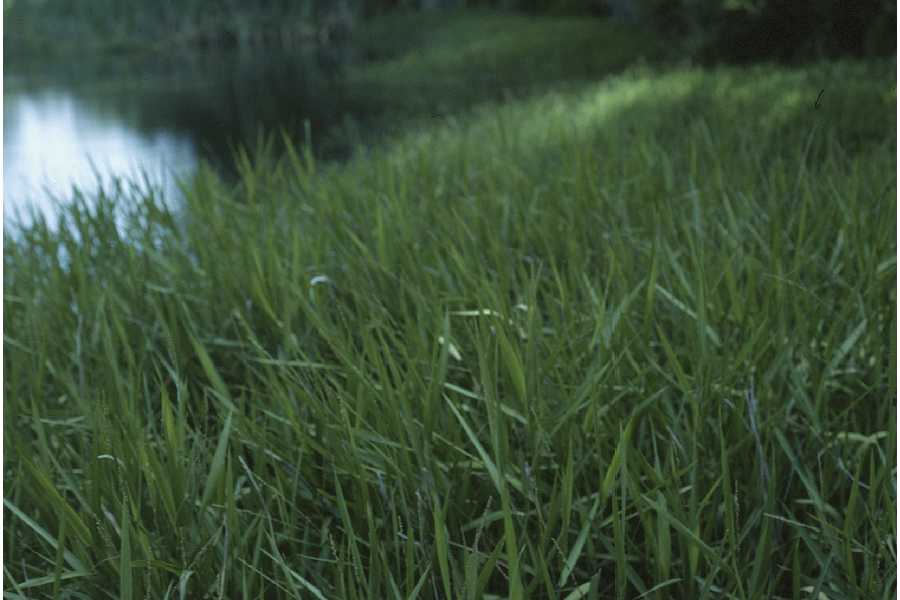
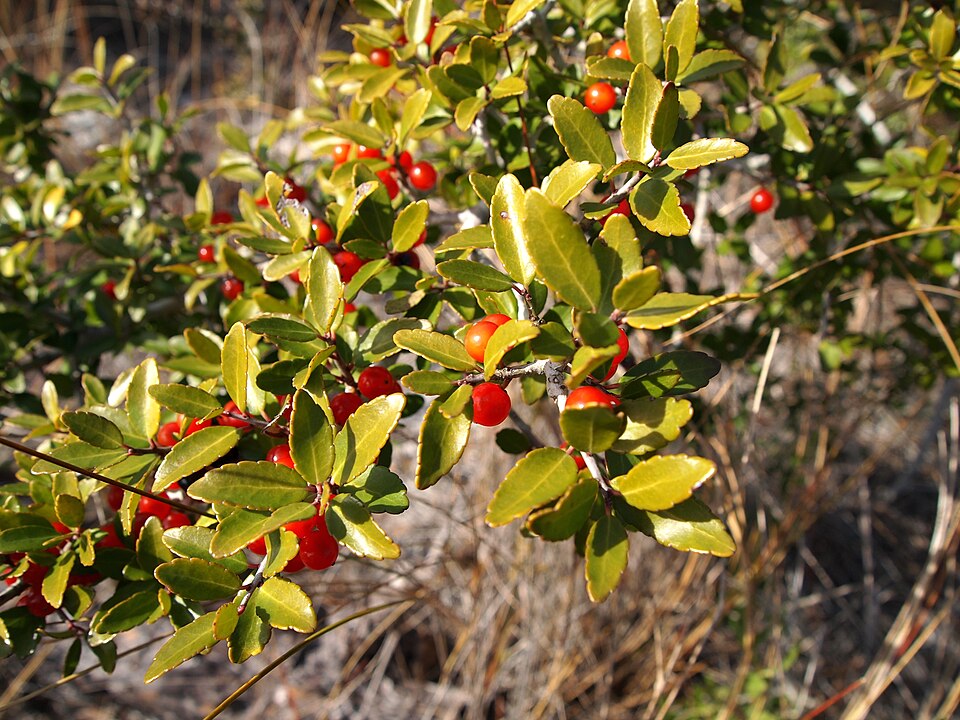
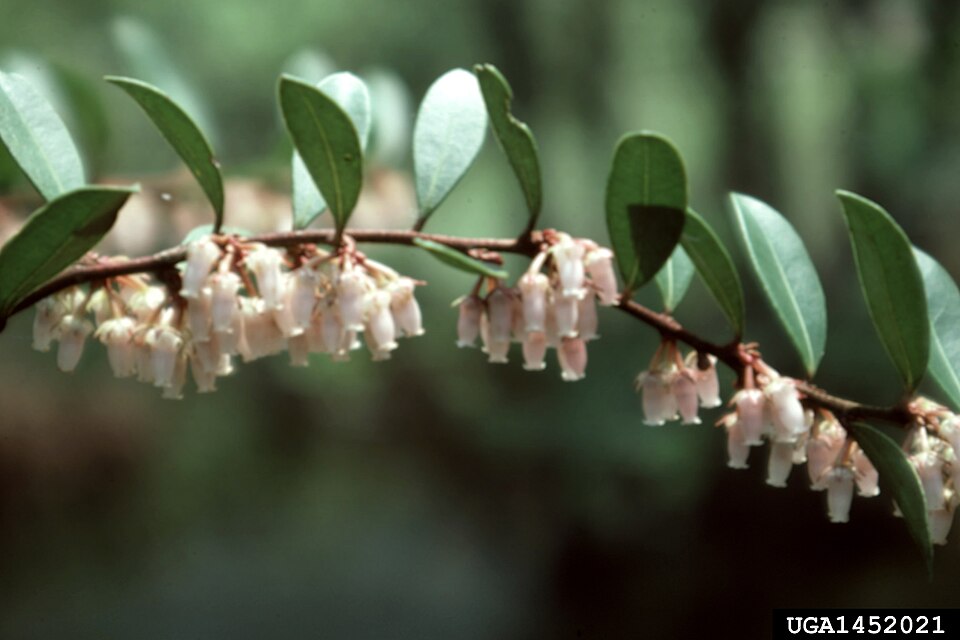
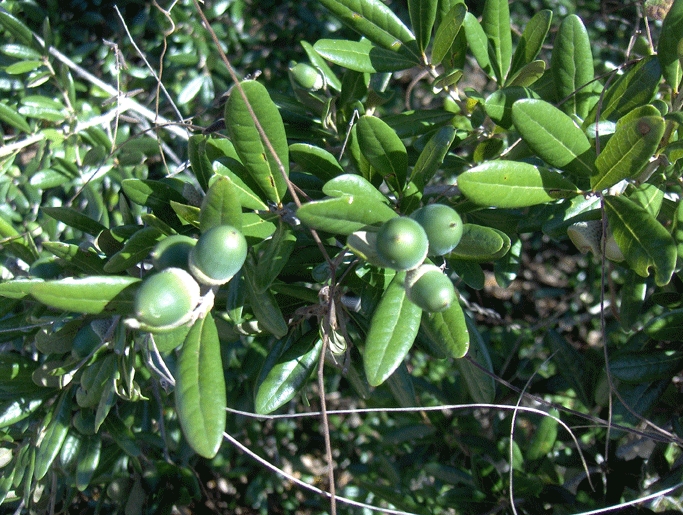
Plants 460
Plants named in NatureServe descriptions of these habitats that grow in Florida. Shared habitat, not food.
- Cabbage PalmettoSabal palmetto
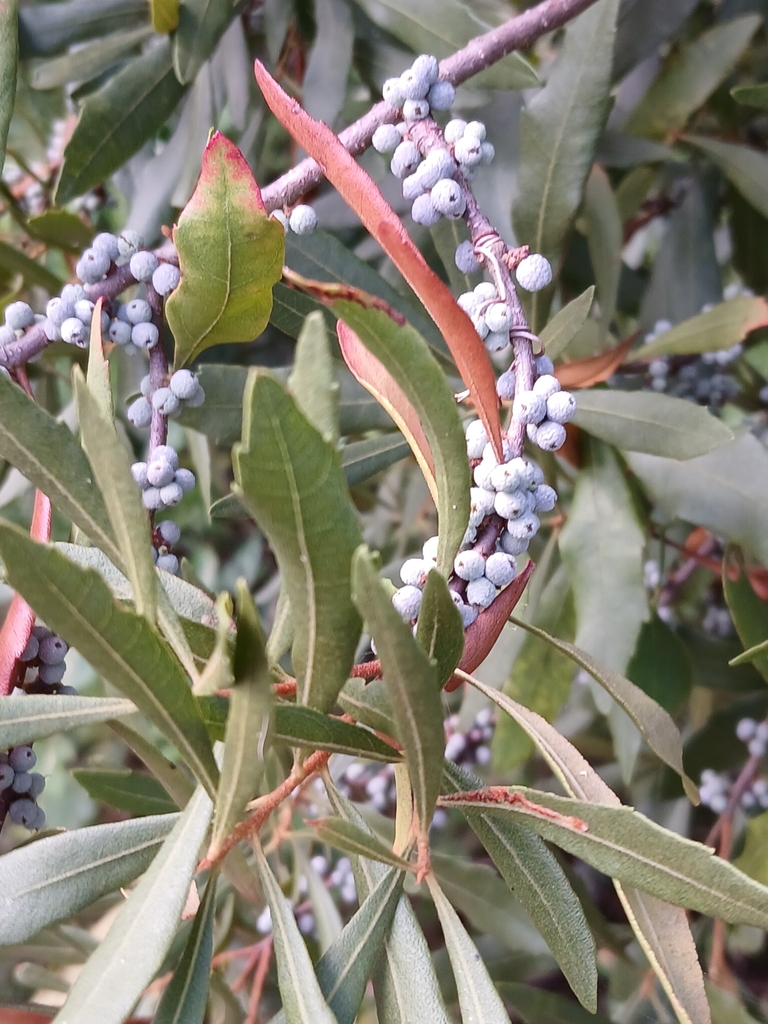
- Common WaxmyrtleMorella cerifera
- Serenoa repensSerenoa repens
- Tropical WaxweedCuphea aspera
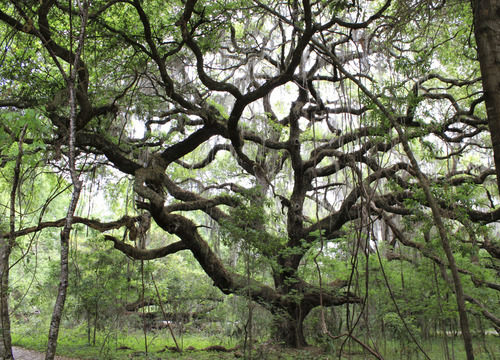
- Live OakQuercus virginiana
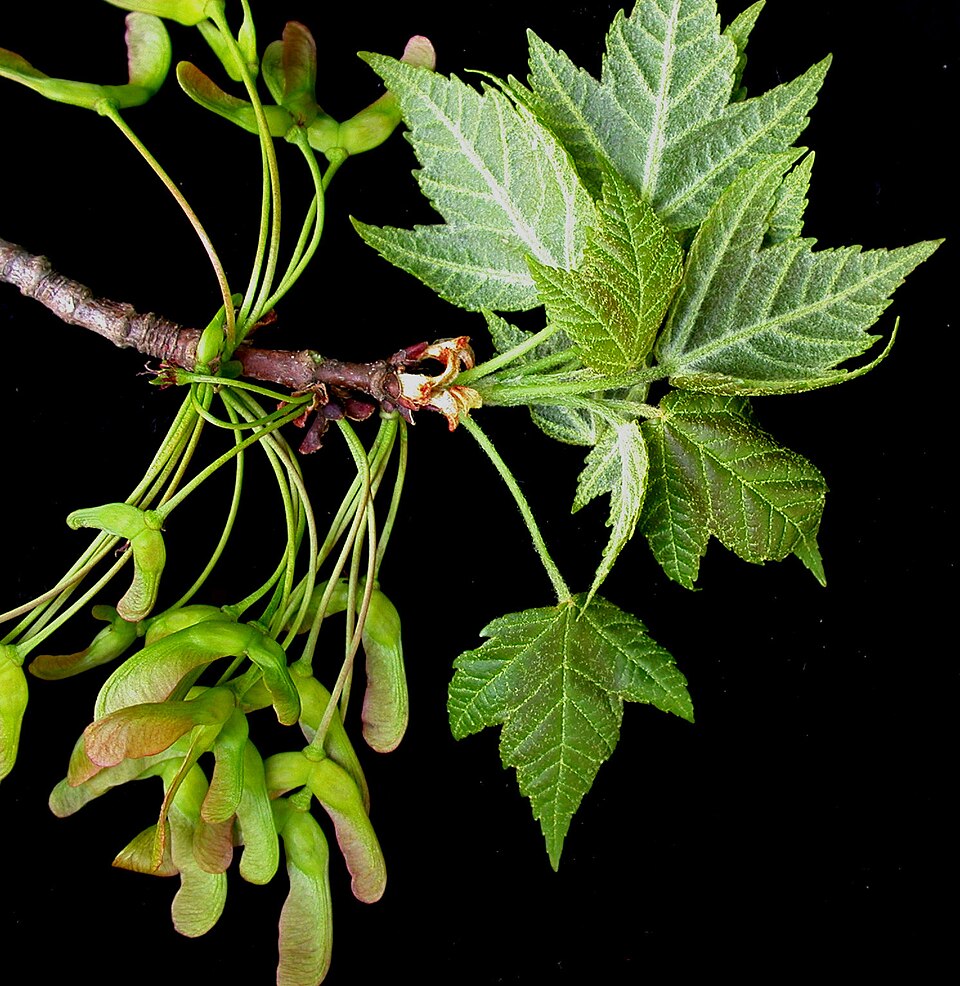
- Red MapleAcer rubrum
- Black NeedlerushJuncus roemerianus
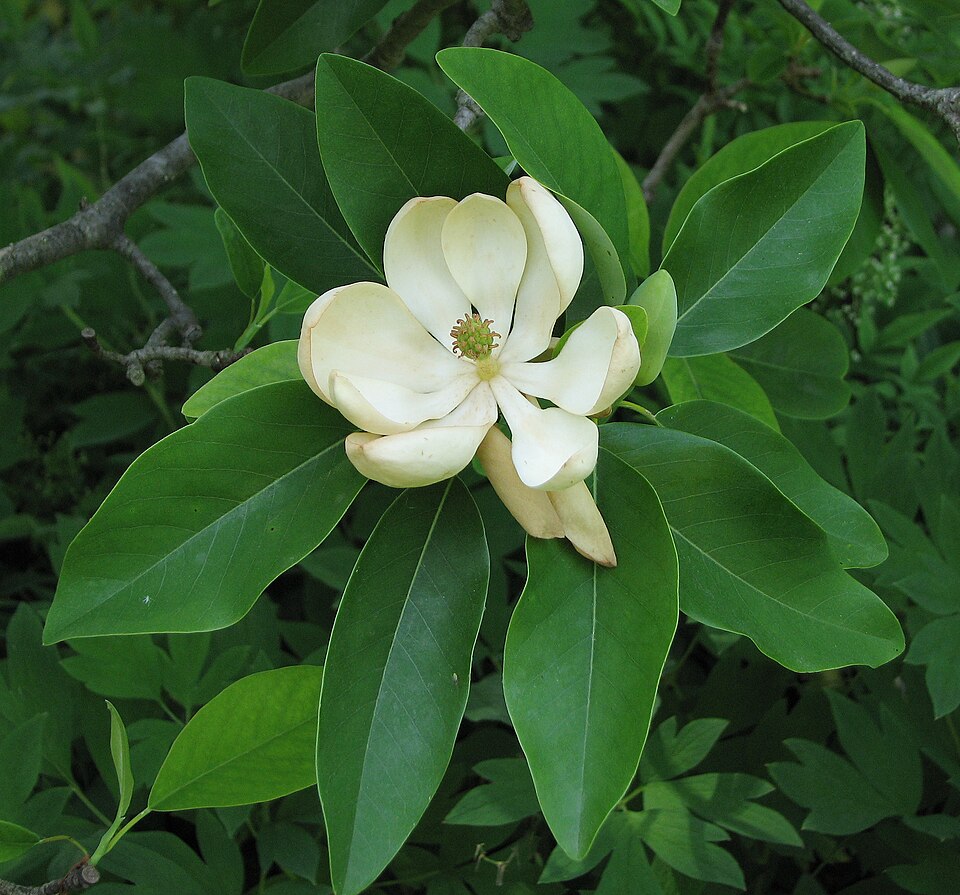
- Sweetbay MagnoliaMagnolia virginiana
- Swamp RedbayPersea palustris
- Pond CypressTaxodium ascendens
- TitiCyrilla racemiflora
- Swamp TupeloNyssa biflora
- Violet ButterwortPinguicula ionantha
- Tough BumeliaSideroxylon tenax
- Bald CypressTaxodium distichum
- Acroporium smalliiAcroporium smallii
- Asclepias viridulaAsclepias viridula
- ButtonbushCephalanthus occidentalis
- Seashore SaltgrassDistichlis spicata
- MaidencaneHymenachne hemitomon
- Yaupon HollyIlex vomitoria
- PondberryLindera melissifolia
- Shining FetterbushLyonia lucida
- Sand Live OakQuercus geminata
Wildlife 260
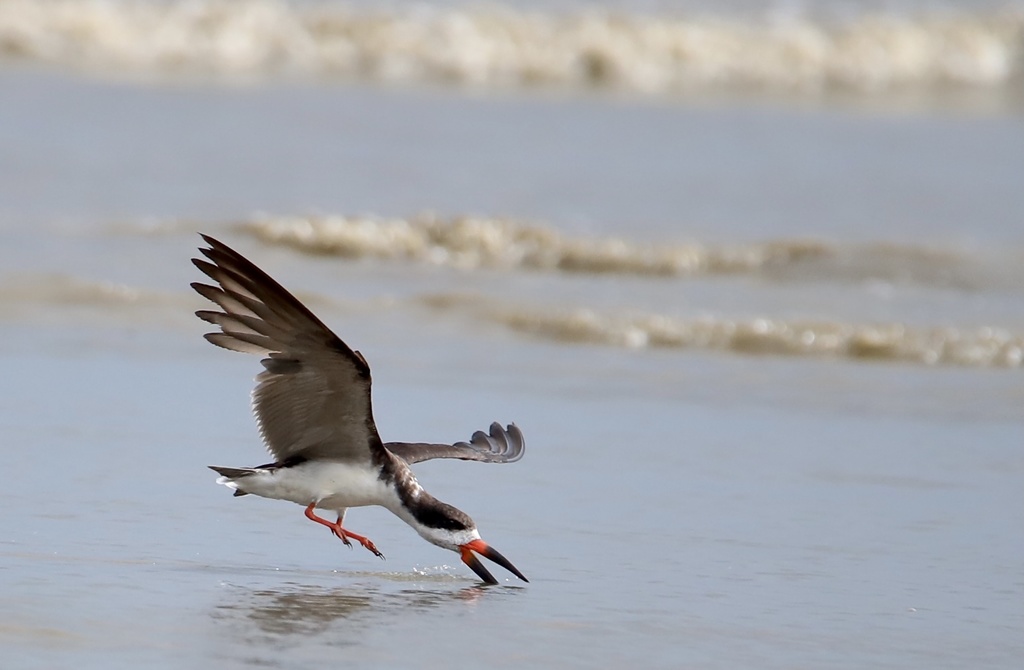
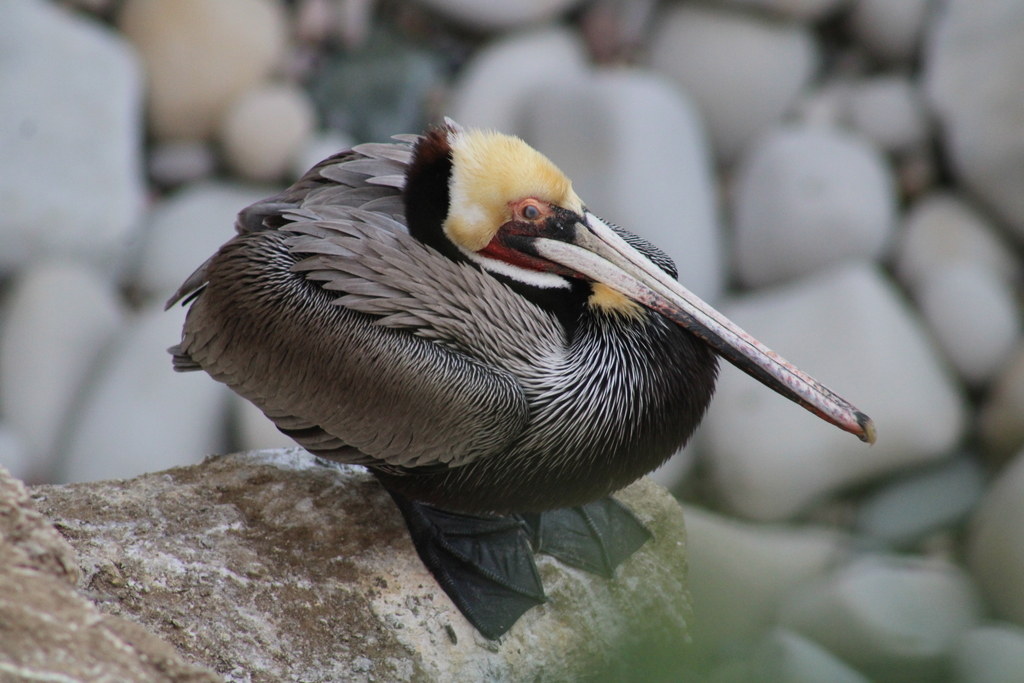
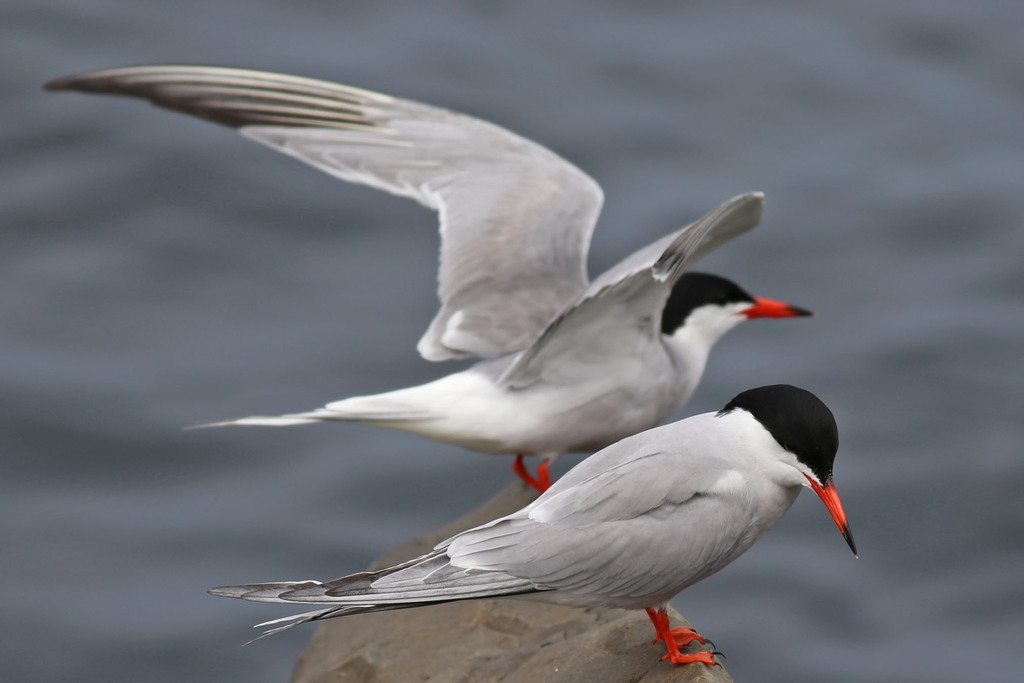
Other animals whose habitat models include the same habitats in Florida. Not sighting records.
- Black SkimmerRynchops niger
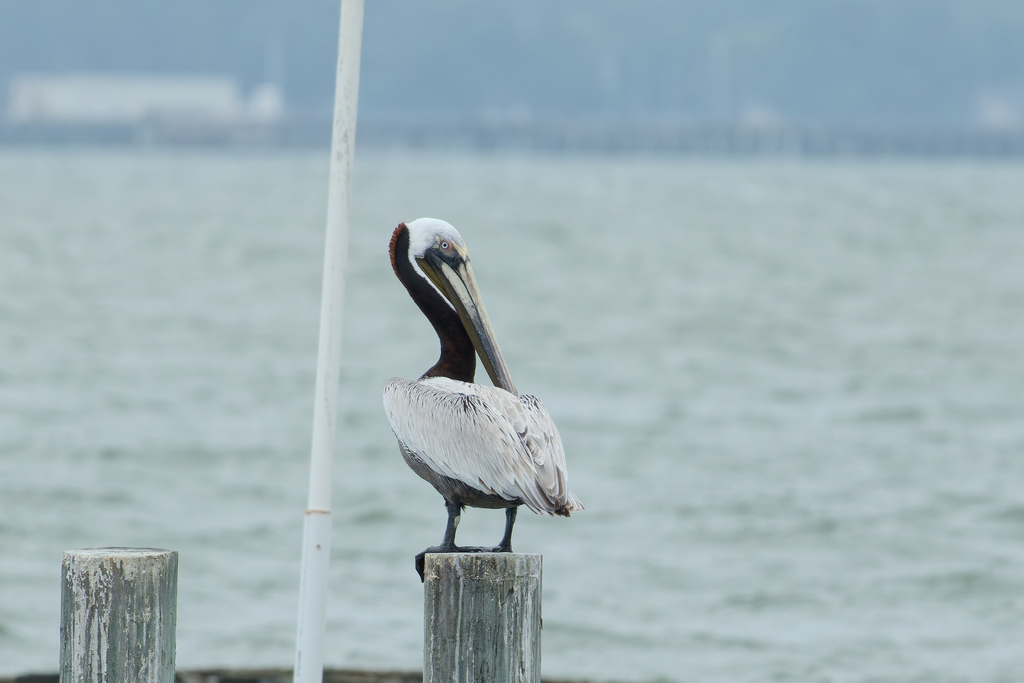
- Brown PelicanPelecanus occidentalis
- Common TernSterna hirundo
- Eastern Brown PelicanPelecanus occidentalis carolinensis
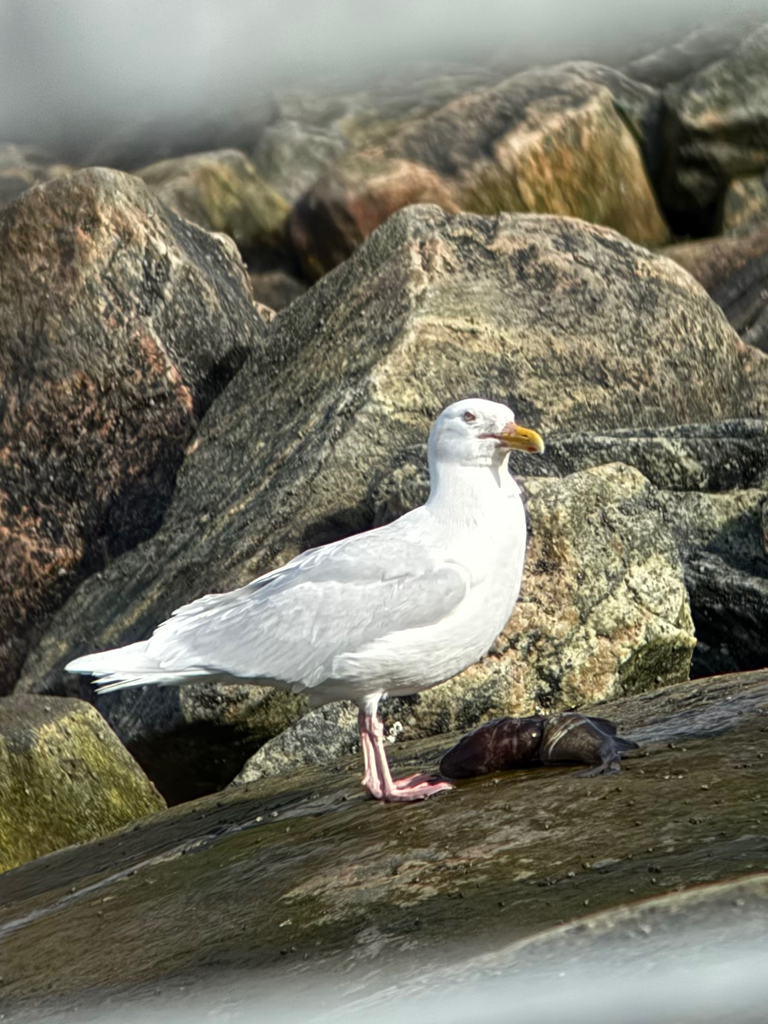
- Glaucous GullLarus hyperboreus
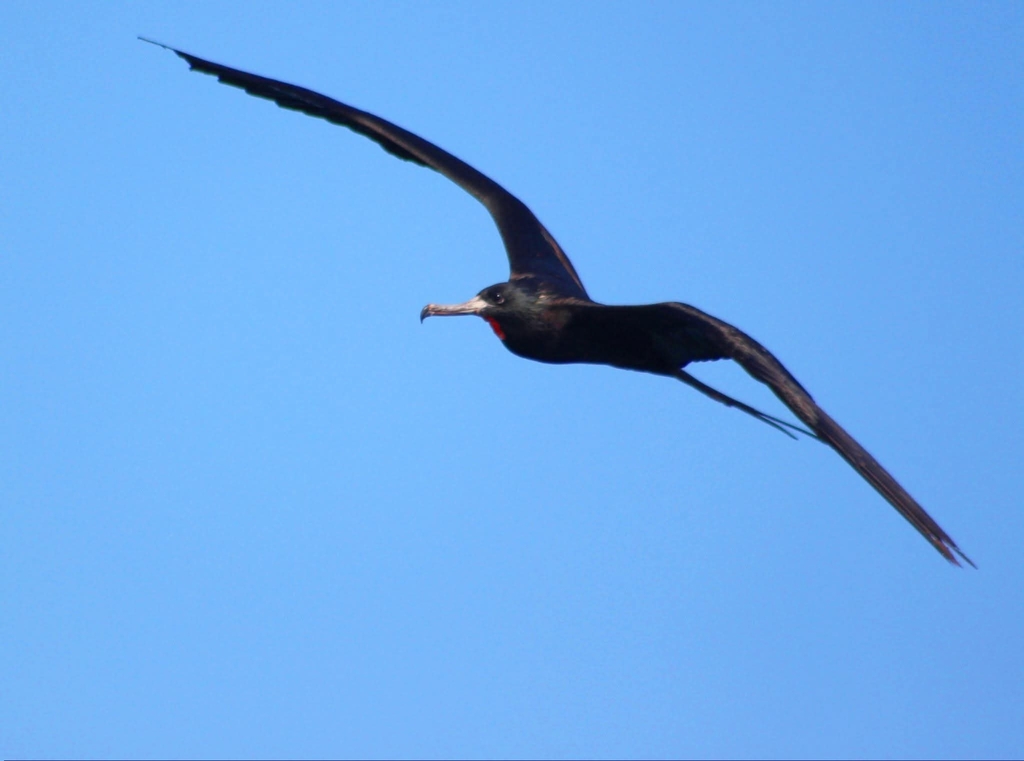
- Magnificent FrigatebirdFregata magnificens
- Northern ParulaParula americana
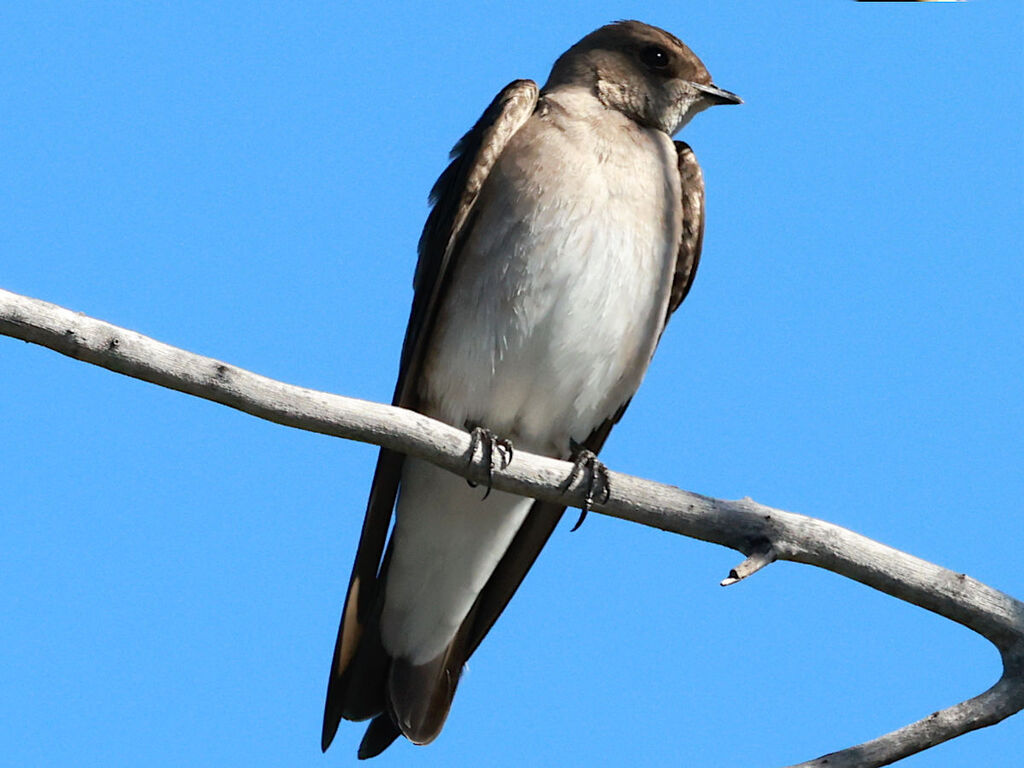
- Northern Rough-winged SwallowStelgidopteryx serripennis
- Piping PloverCharadrius melodus
- Purple FinchCarpodacus purpureus
- Red-throated LoonGavia stellata
- Saltmarsh Sharp-tailed SparrowAmmodramus caudacutus
- Shiny CowbirdMolothrus bonariensis
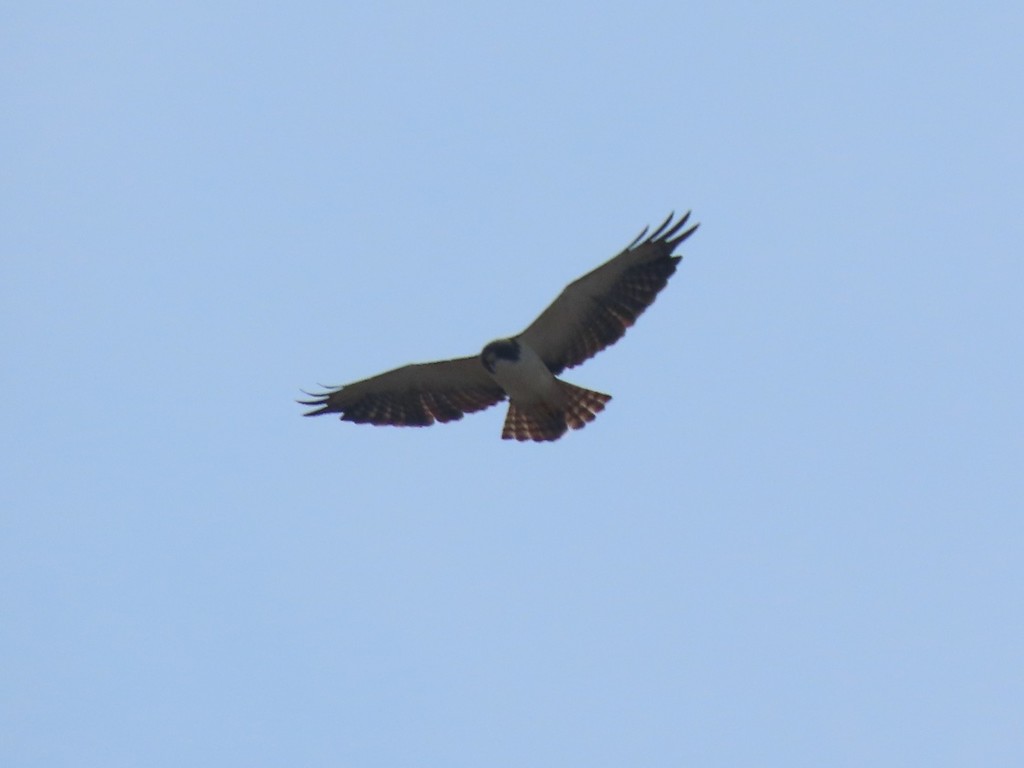
- Short-tailed HawkButeo brachyurus
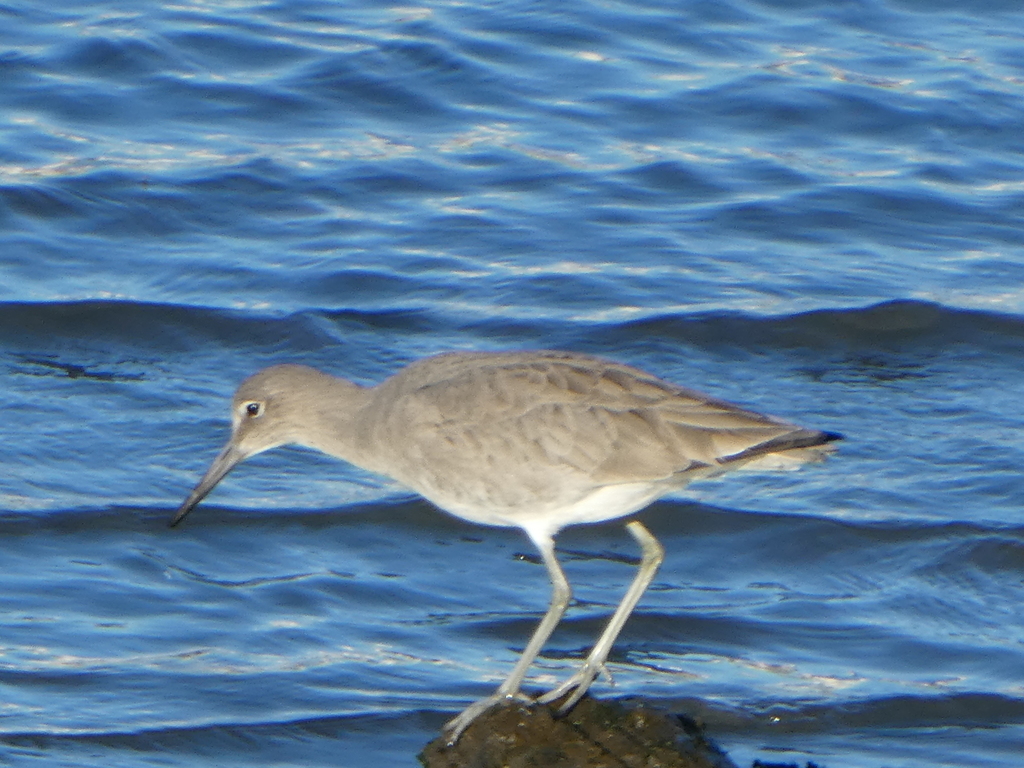
- WilletTringa semipalmata
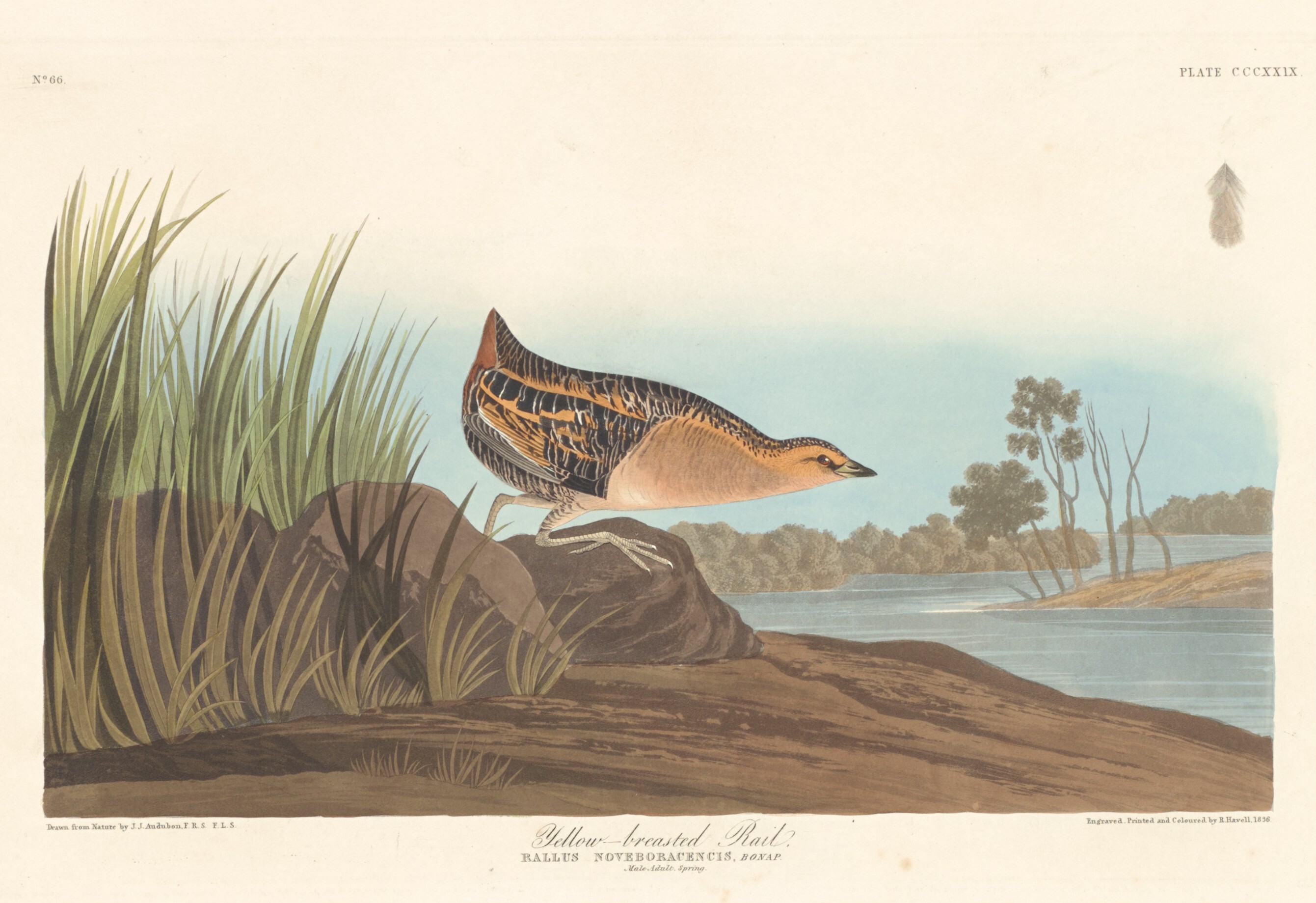
- Yellow RailCoturnicops noveboracensis
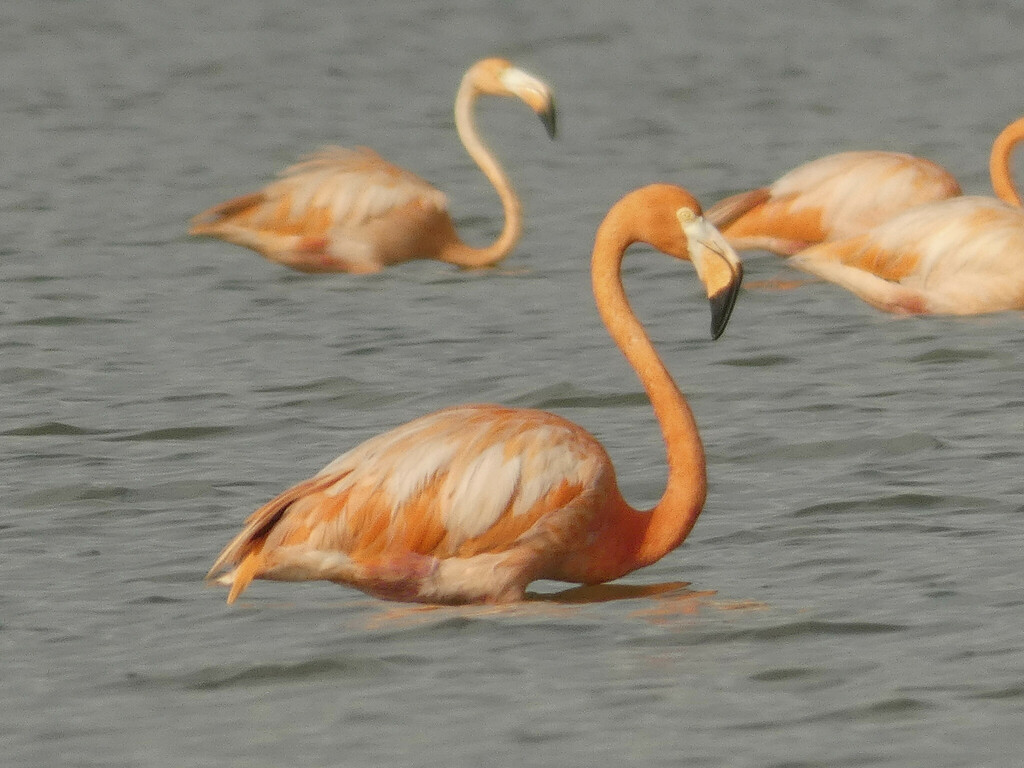
- American FlamingoPhoenicopterus ruber
- American OystercatcherHaematopus palliatus
- American RedstartSetophaga ruticilla
- Barn SwallowHirundo rustica
- Black VultureCoragyps atratus
- Black-and-White WarblerMniotilta varia
- Brewer's BlackbirdEuphagus cyanocephalus
- Carolina WrenThryothorus ludovicianus

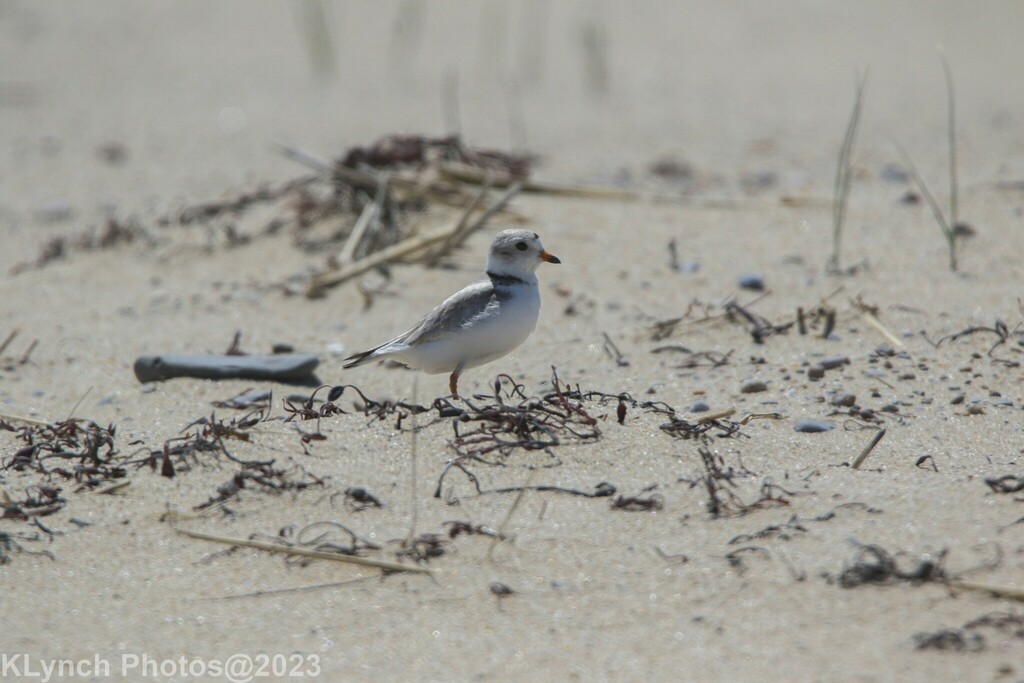

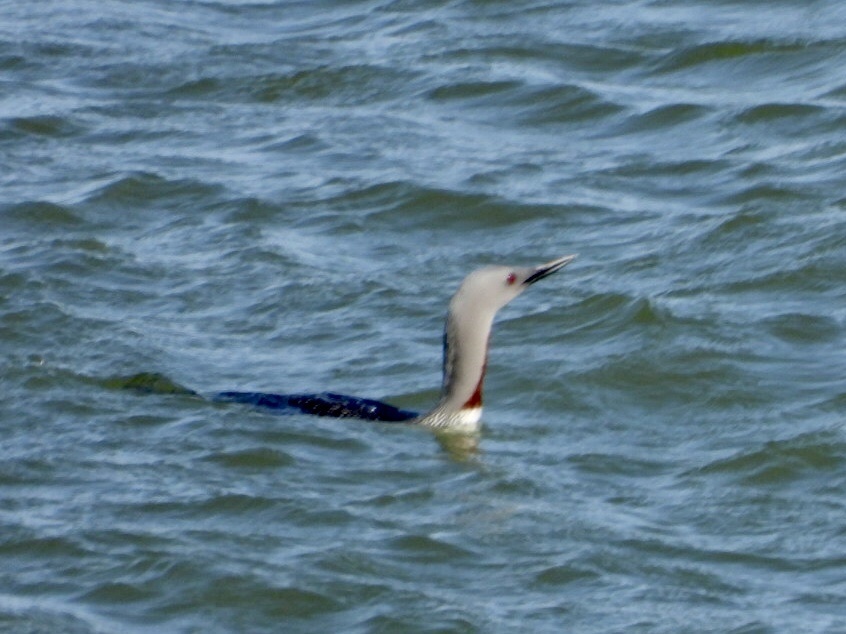
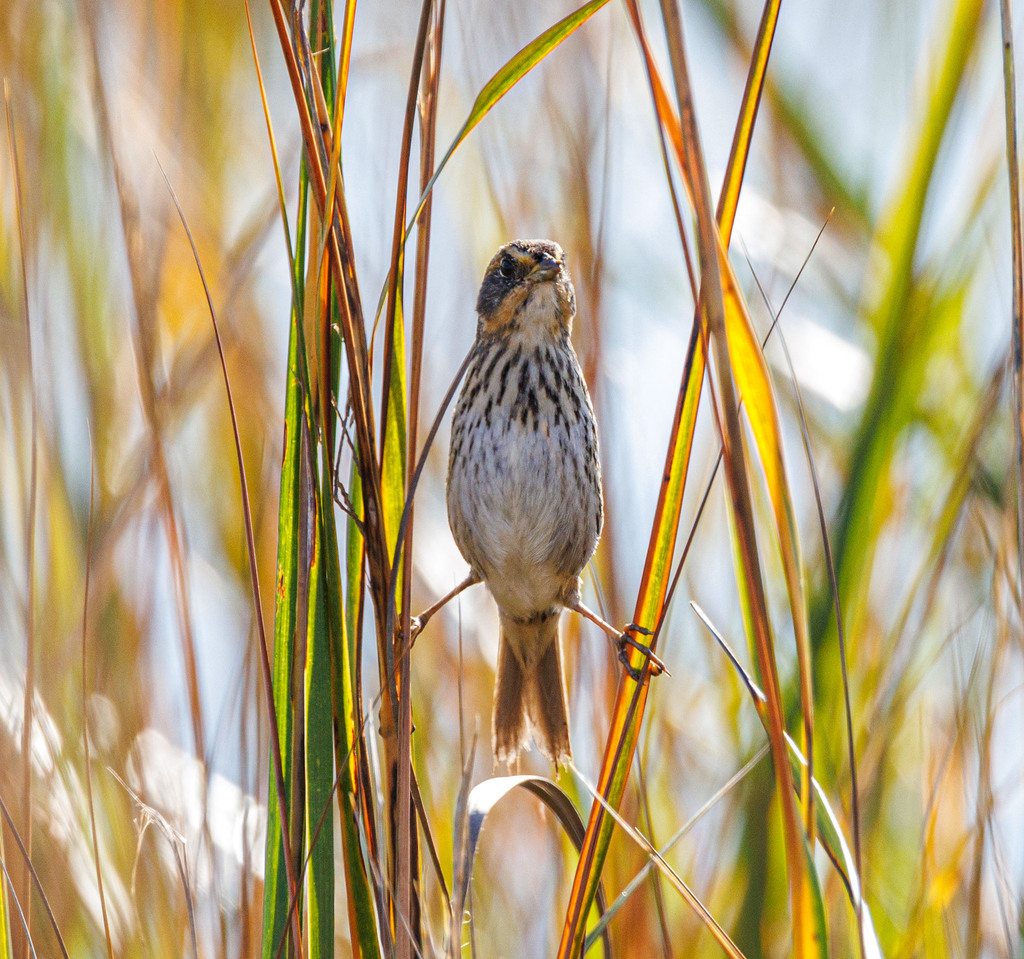
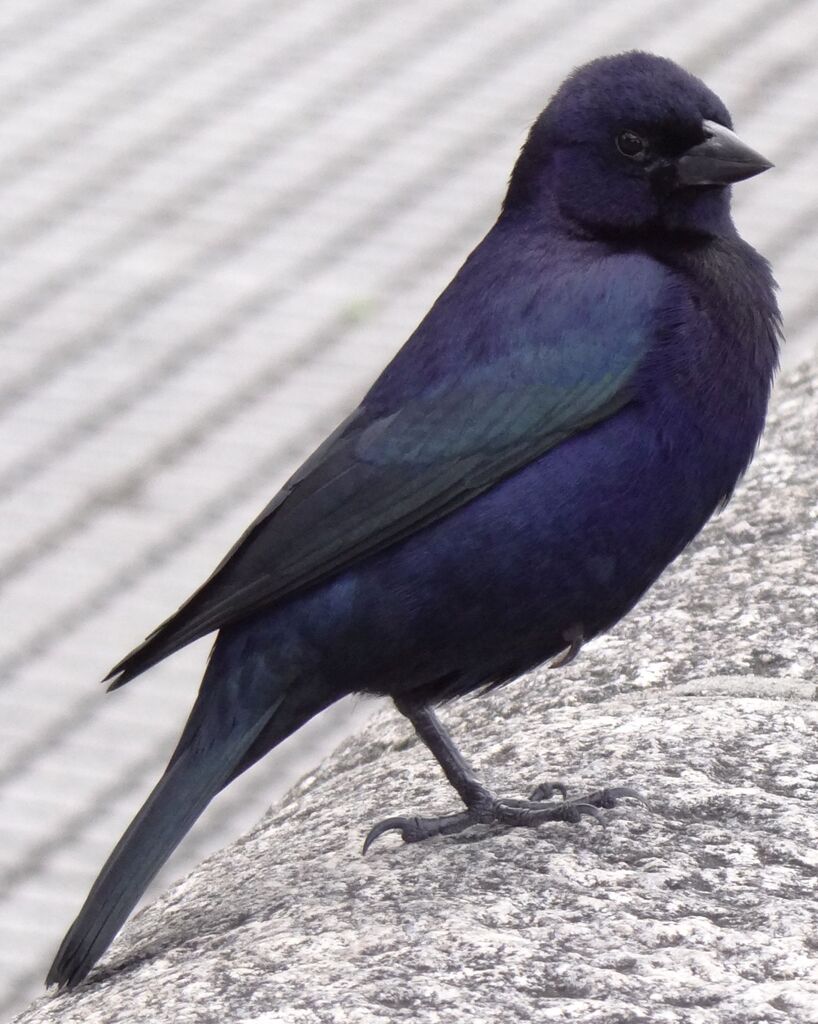
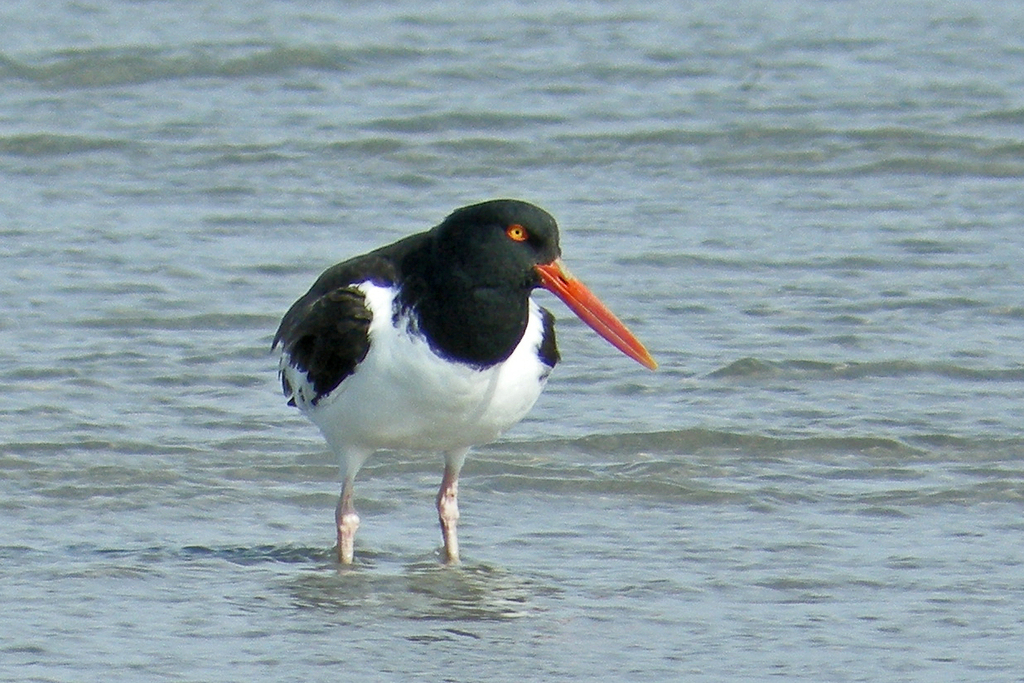

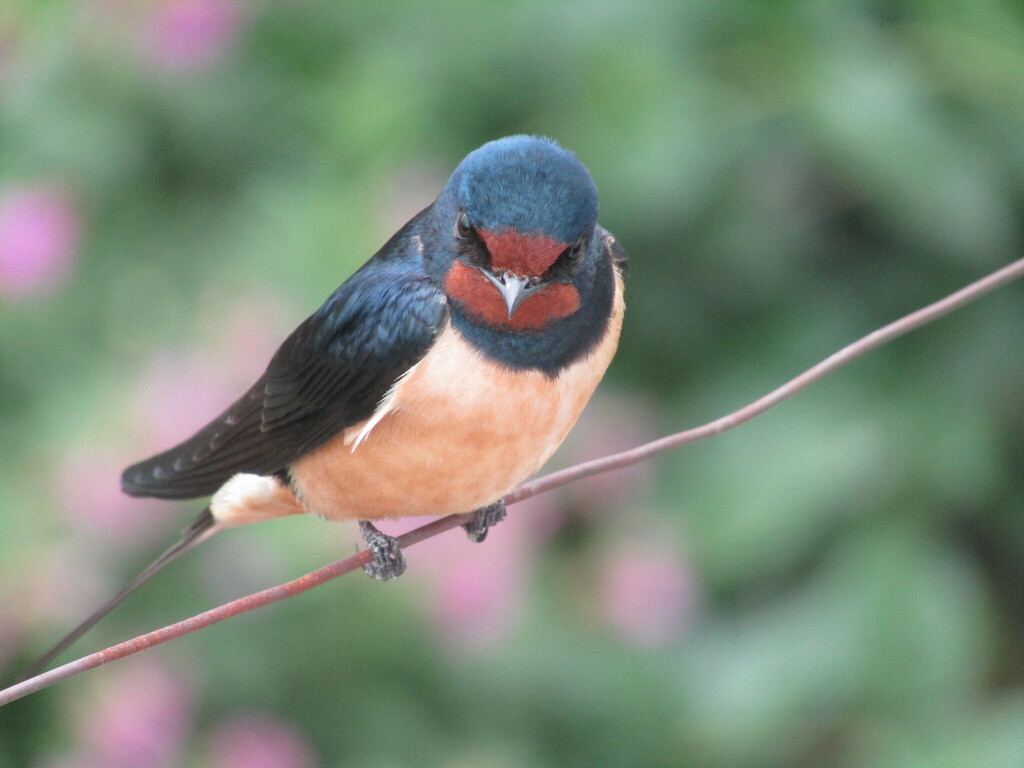
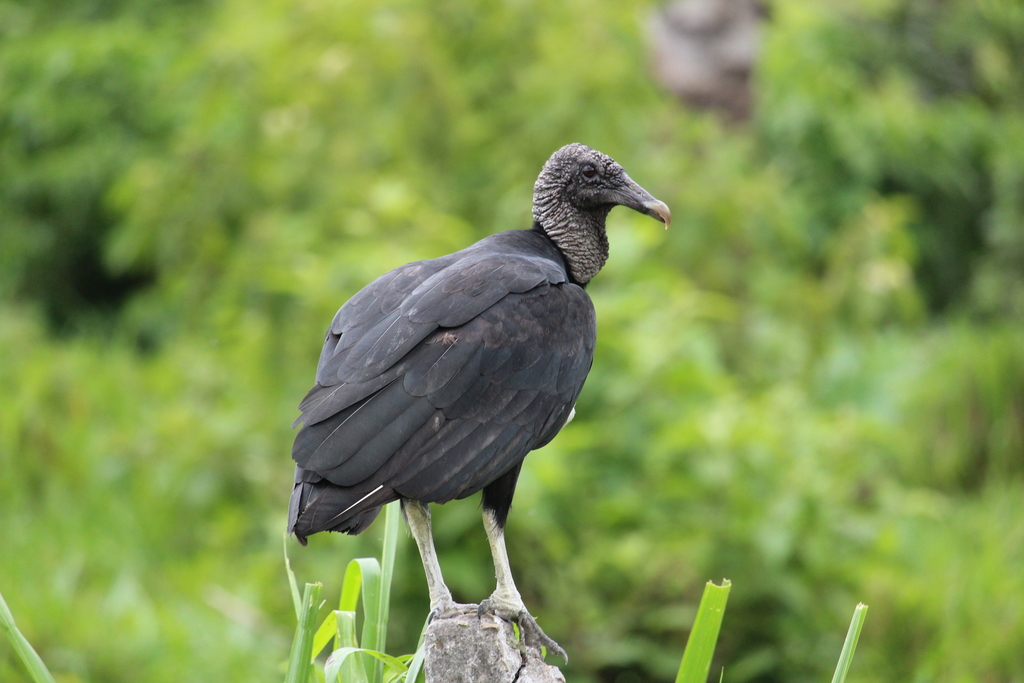

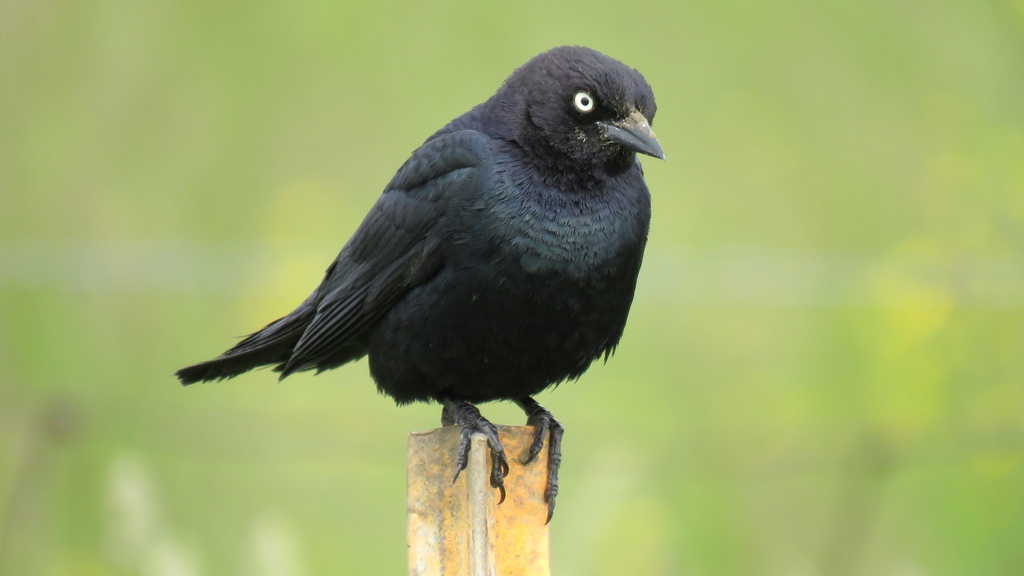

NatureServe Explorer, CC BY 4.0. USGS Gap Analysis Project habitat models.
Sources
- USGS Gap Analysis Project habitat models (2001)
- USGS GAP winter habitat model for White Ibis
- USGS Gap Analysis Project range maps (2001), modeled by watershed; migratory gives no dates
- NatureServe Explorer (CC BY 4.0), habitat names
- US Census TIGER/Line counties
- Names follow the USGS Gap Analysis Project (2001)