

Bird
Western Sandpiper
Calidris mauri
A winter visitor to Florida, found in all 67 counties and 6 habitats.
- Here
- Winter
- Nesting
- Not known to nest here
- Range
- All 67 counties
- Habitats
- 6
Photograph not available yet.
At a glance
- Group
- Birds
- Here
- Winter
- Nesting
- Not known to nest here
- Range
- All 67 counties
- Habitats
- 6
- Habitat models
- Winter
Where it lives
The places its habitat model includes. It is not found everywhere a habitat occurs.
Habitats in Florida 6
Each habitat page lists the plants and wildlife also found there.

Open sand of beaches, dunes and the hollows between them.
Depression ponds and limesinks
Shallow ponds in Coastal Plain depressions, such as limesinks and the ponds in some Carolina bays, that rise and fall with the seasons.
Disturbed and introduced wetlands
Wet ground taken over by weedy or introduced plants after disturbance, such as common reed, Chinese tallow or tamarisk stands; the upland counterpart is roadsides, fields and disturbed ground.
Open, fire-kept longleaf pine stands over grasses and wildflowers on wet to moist sandy soil.
Salt and brackish open water of sounds, bays and estuaries, with the mud and sand flats and seagrass beds that tides cover and uncover; the vegetated marsh is salt and brackish marshes.
Other habitats in its models (11)
Land cover, or classes with no habitat page in Florida.
- Open Water (Aquaculture) Winter.
- Unconsolidated Shore (Lake/River/Pond) Winter.
- Unconsolidated Shore Winter.
- Upper Texas Coast Beach Winter.
- Louisiana Beach Winter.
- Texas Coastal Bend Beach Winter.
- Atlantic Coastal Plain Xeric River Dune Winter.
- South Florida Wet Marl Prairie Winter.
- East Gulf Coastal Plain Southern Depression Pondshore Winter.
- South Florida Freshwater Slough and Gator Hole Winter.
- South-Central Interior Large Floodplain - Herbaceous Modifier Winter.
Seasons in Florida
- Winter: does not nest here, in all 67 counties.
Also found in this habitat
Plants 226
Plants named in NatureServe descriptions of these habitats that grow in Florida. Shared habitat, not food.
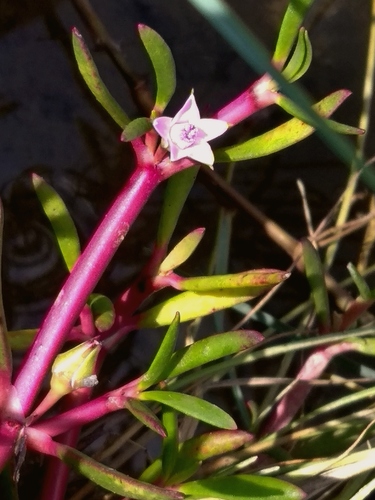
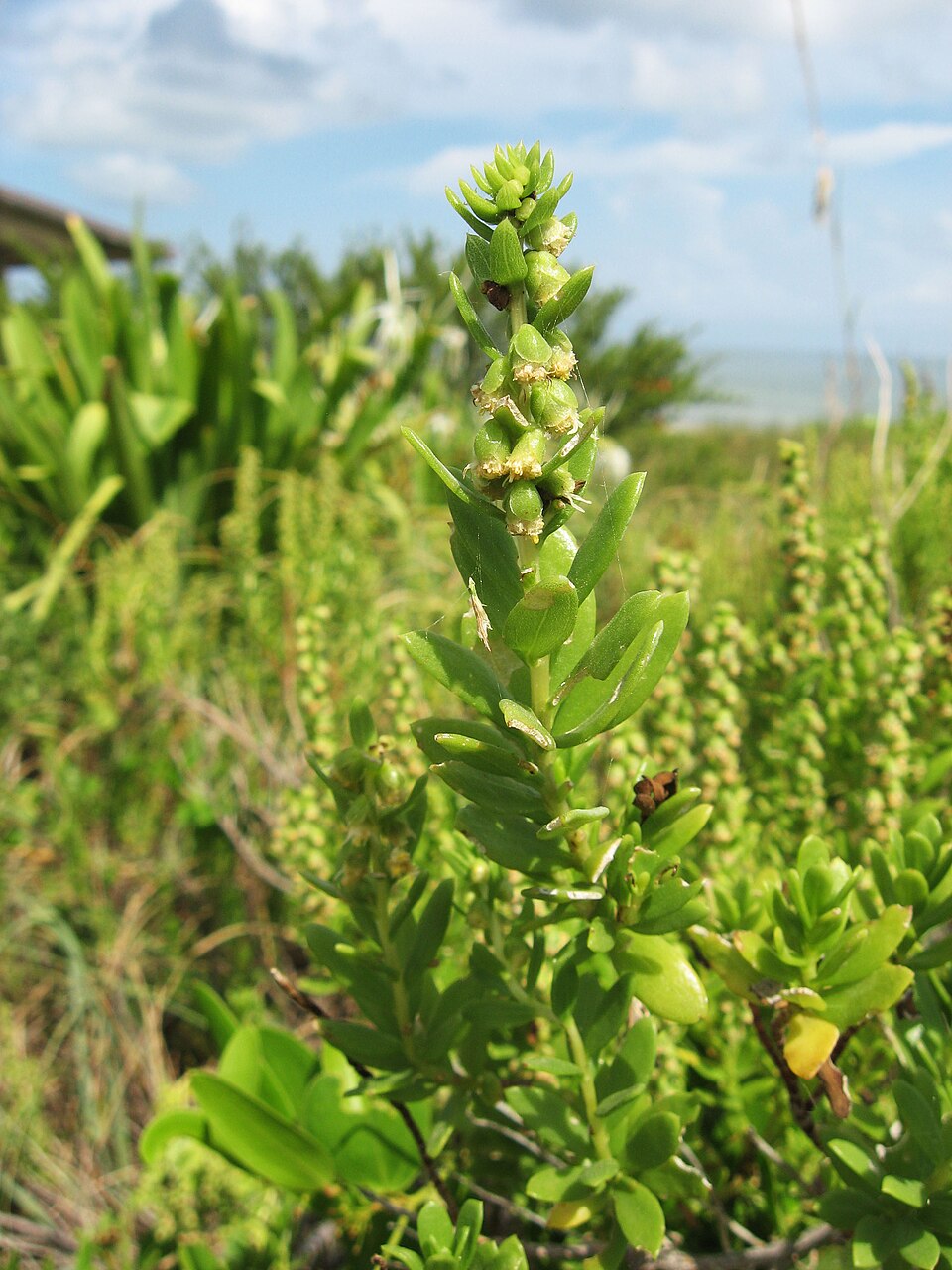
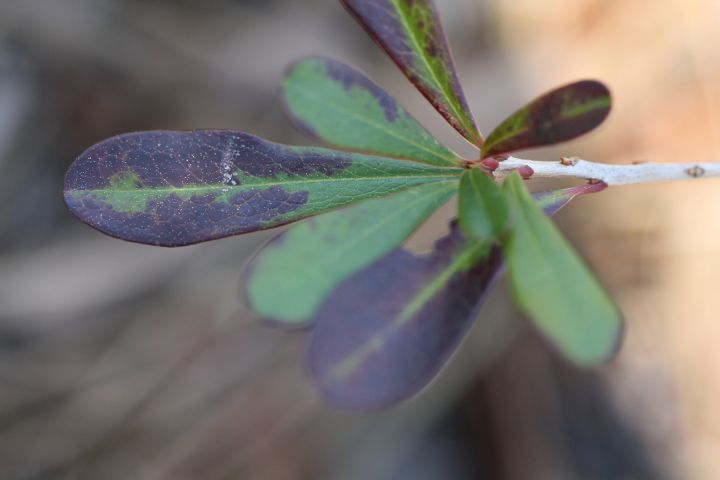
- Shoreline Sea-purslaneSesuvium portulacastrum
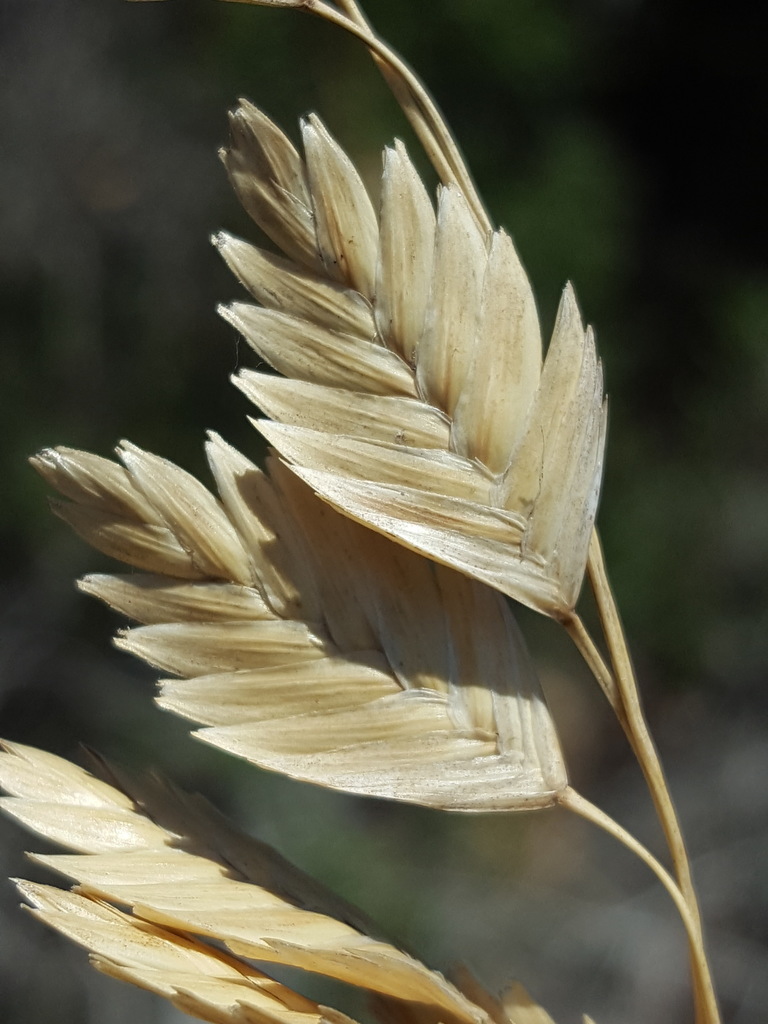
- Sea OatsUniola paniculata
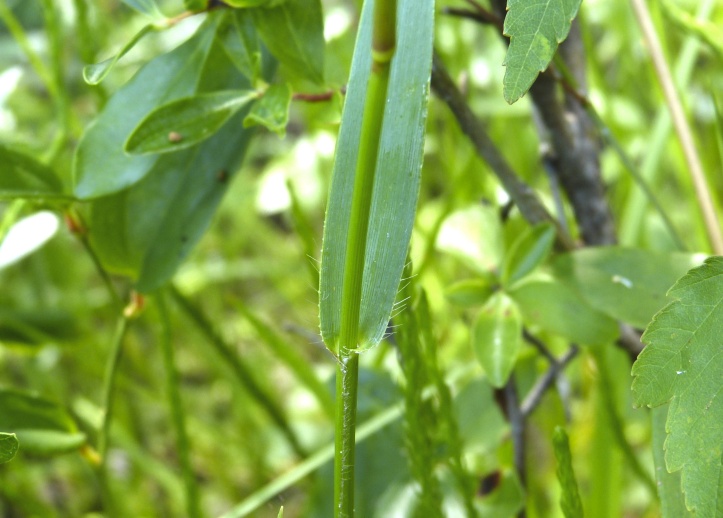
- Erectleaf WitchgrassDichanthelium erectifolium
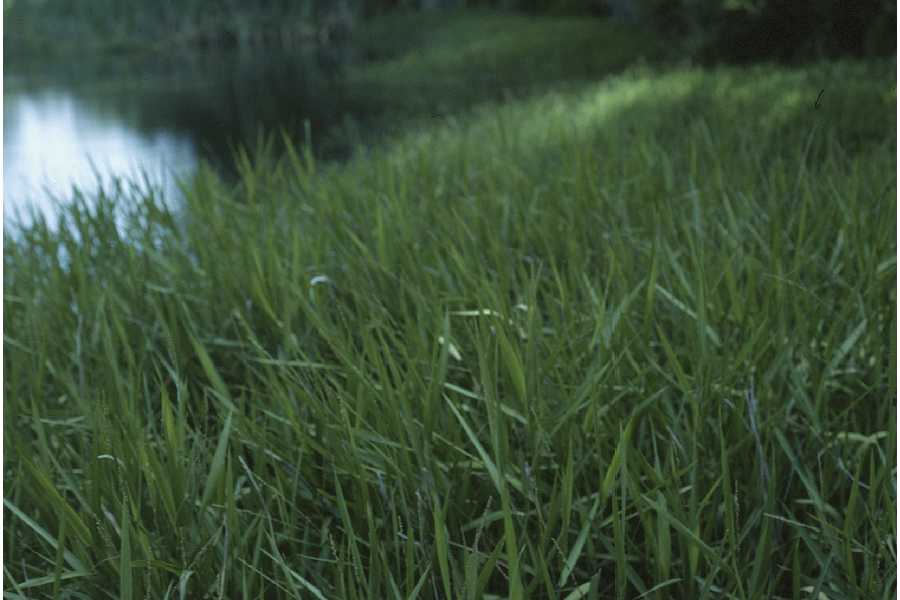
- MaidencaneHymenachne hemitomon
- Dune Marsh-elderIva imbricata
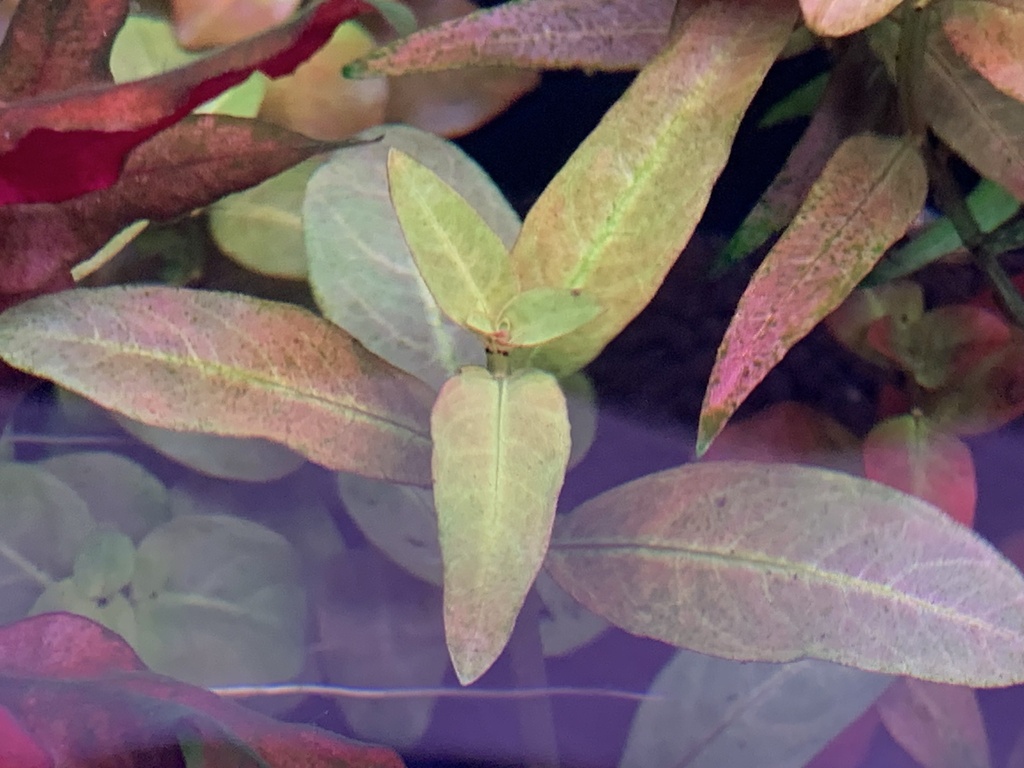
- Curtiss' PrimrosewillowLudwigia curtissii
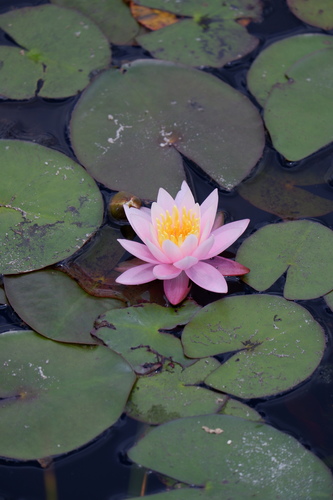
- Fragrant Water-lilyNymphaea odorata
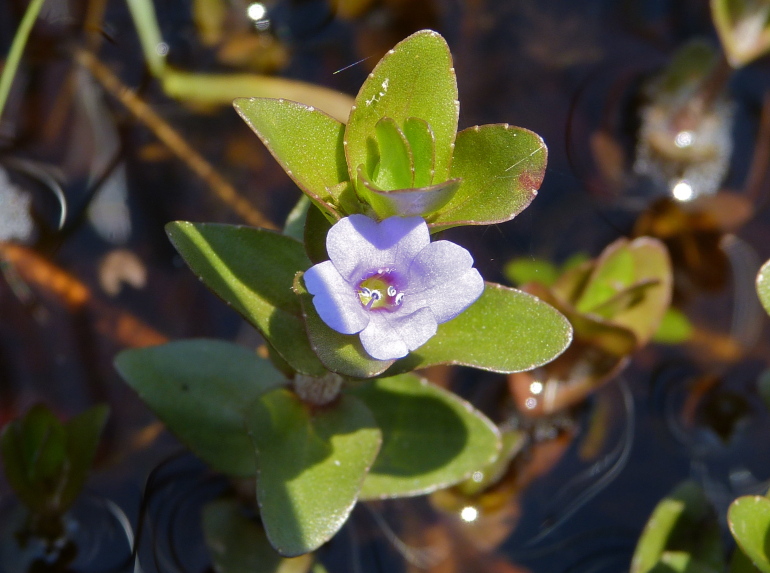
- Blue Water-hyssopBacopa caroliniana
- Coastal SearocketCakile lanceolata
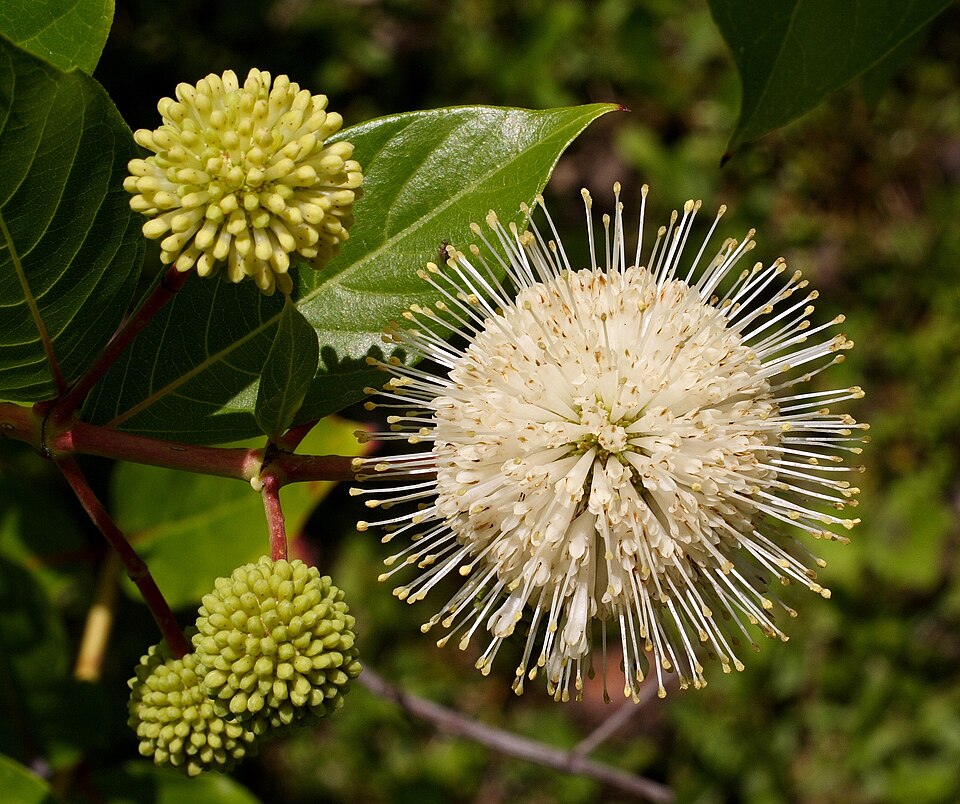
- ButtonbushCephalanthus occidentalis
- Coelorachis tuberculosaCoelorachis tuberculosa
- TitiCyrilla racemiflora
- Semaphore ThoroughwortEupatorium mikanioides
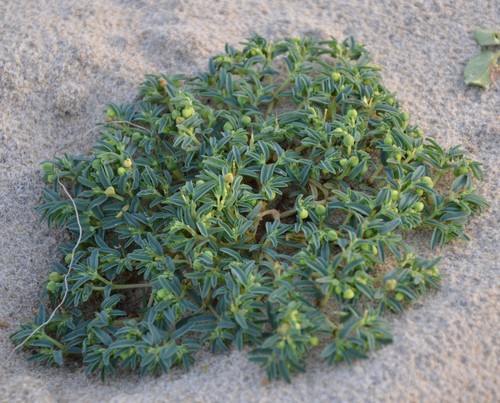
- Northern Seaside SpurgeEuphorbia polygonifolia
- Telephus SpurgeEuphorbia telephioides
- Fuirena scirpoideaFuirena scirpoidea
- Small's BogbuttonLachnocaulon minus
- PondspiceLitsea aestivalis
- Lanceleaf SeedboxLudwigia lanceolata
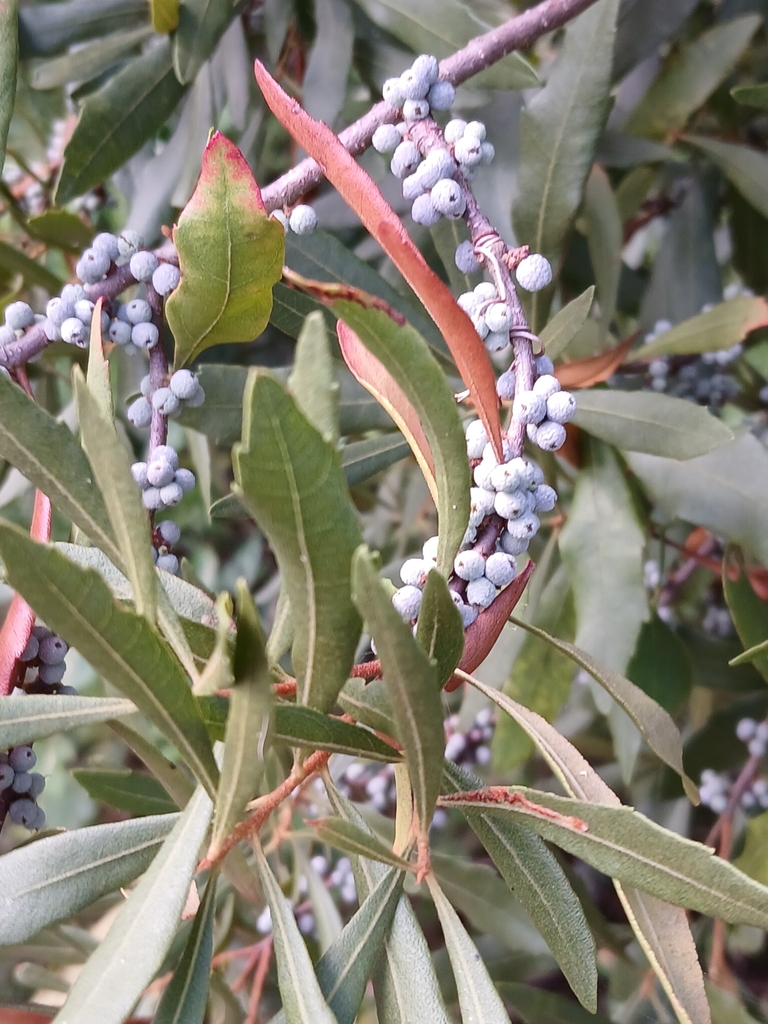
- Common WaxmyrtleMorella cerifera
- Muhlenbergia capillaris var. filipesMuhlenbergia capillaris var. filipes
- Burrowing Four-o'clockOkenia hypogaea
- Violet ButterwortPinguicula ionantha
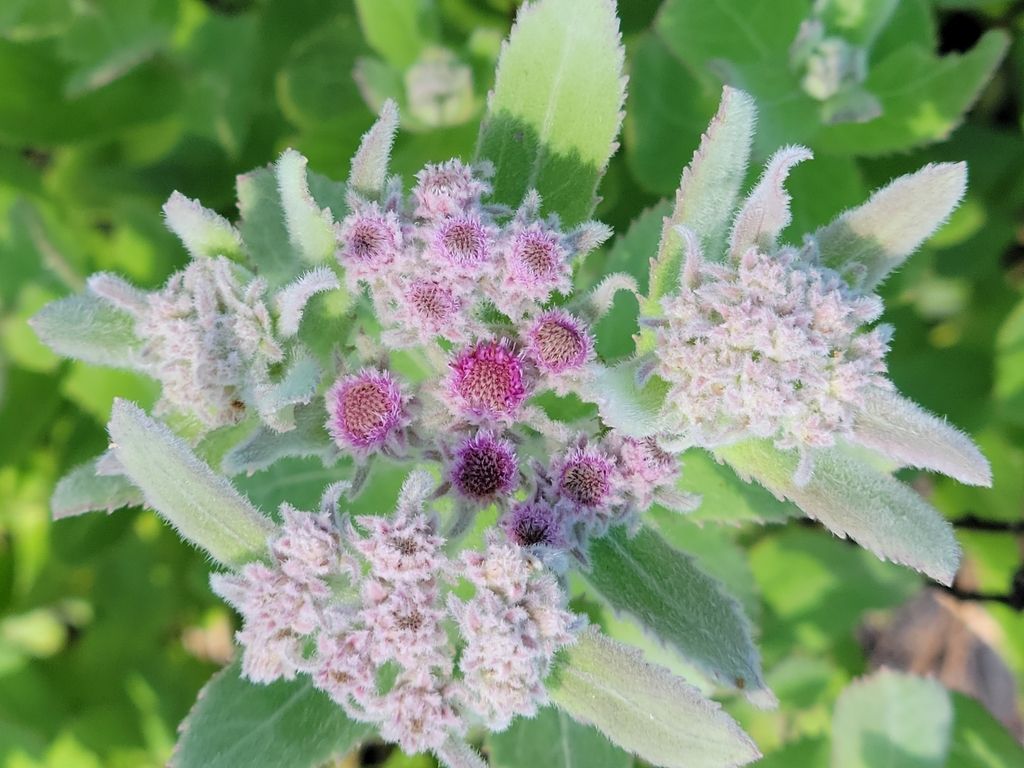
- Rosy CamphorweedPluchea baccharis
Wildlife 268
Other animals whose habitat models include the same habitats in Florida. Not sighting records.
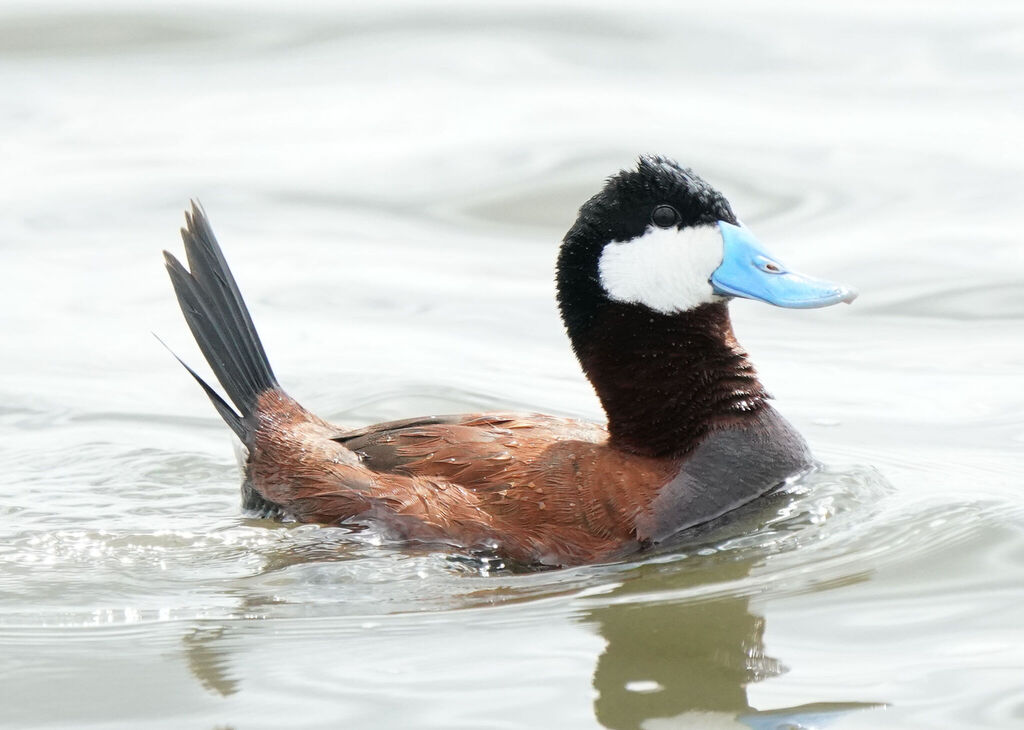
- Ruddy DuckOxyura jamaicensis
- Rusty BlackbirdEuphagus carolinus
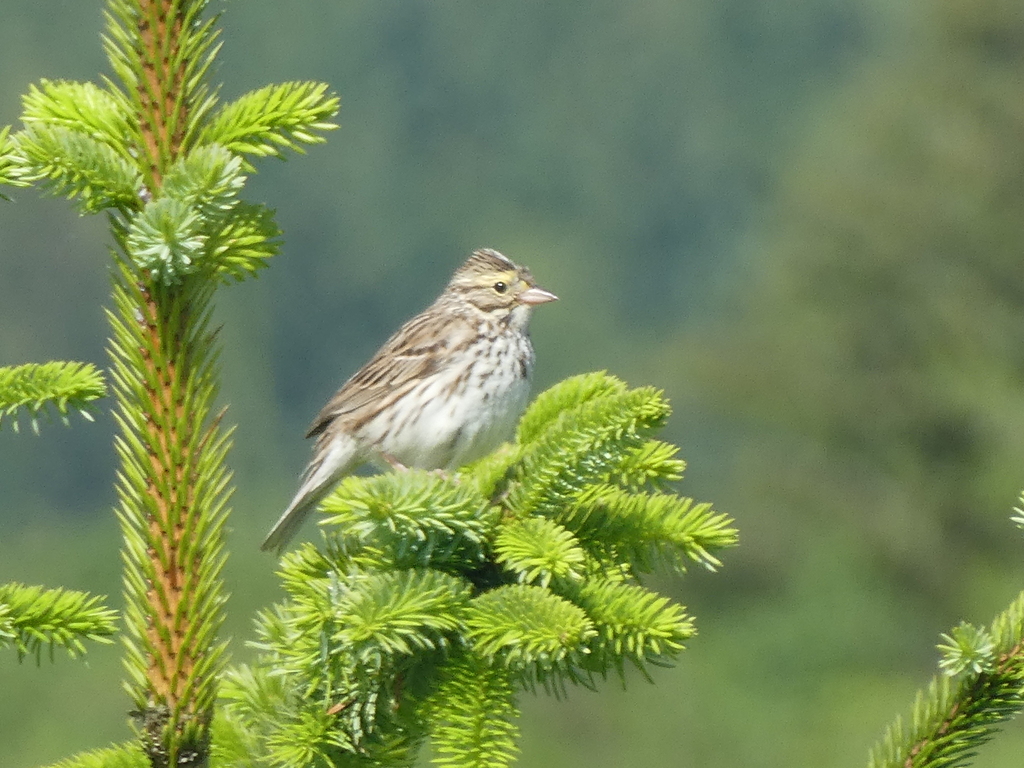
- Savannah SparrowPasserculus sandwichensis
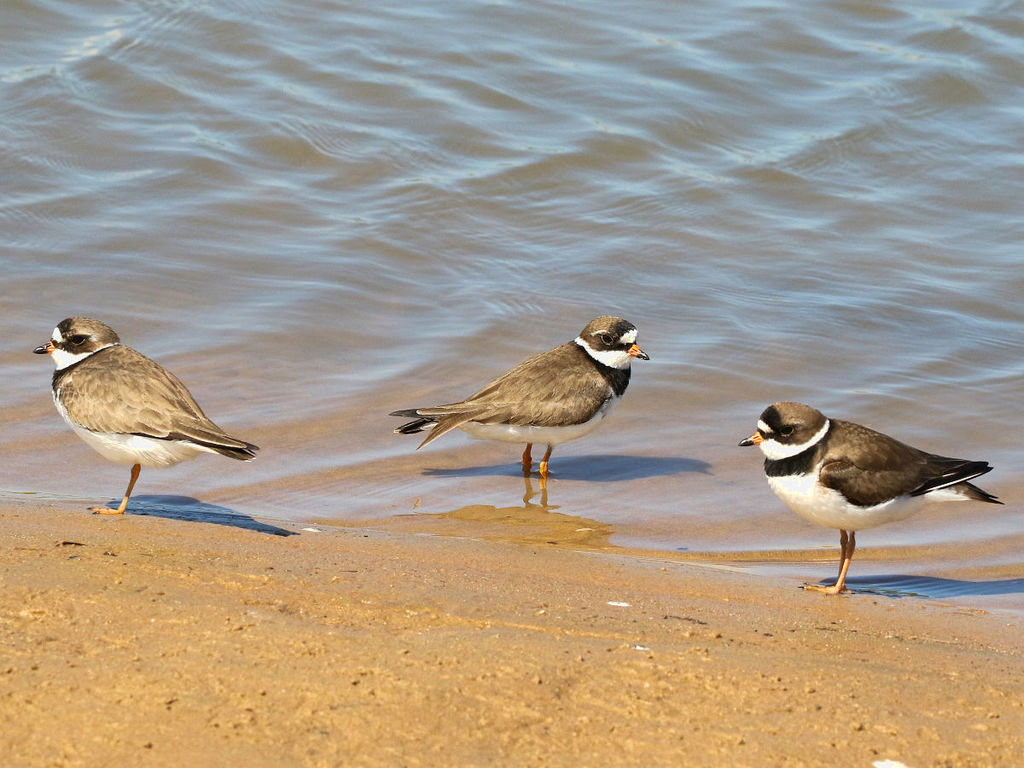
- Semipalmated PloverCharadrius semipalmatus
- Sharp-shinned HawkAccipiter striatus
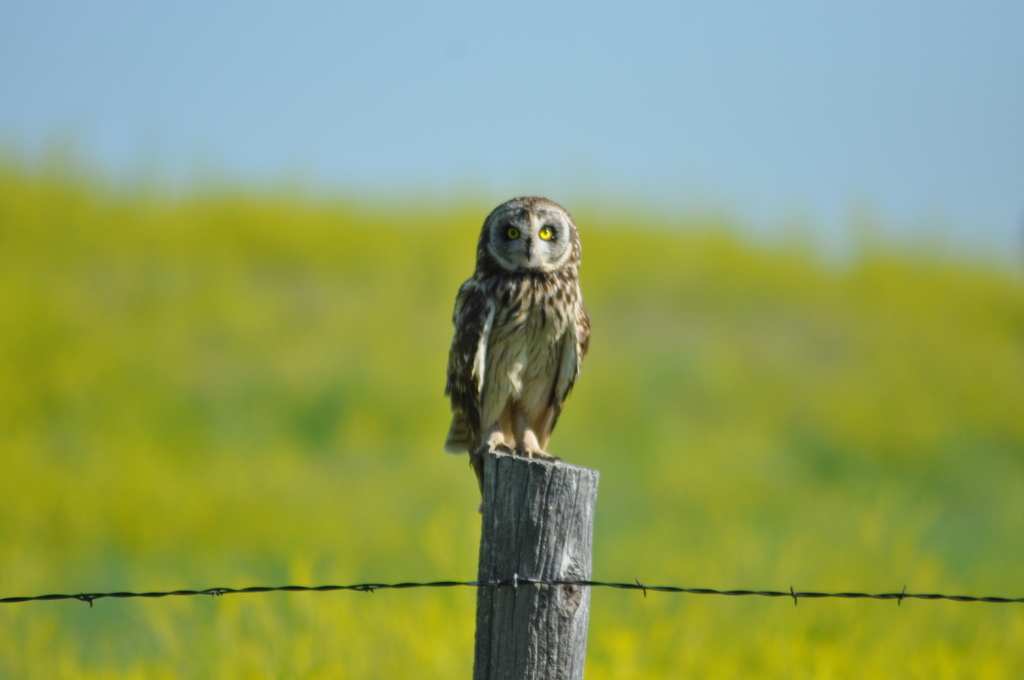
- Short-eared OwlAsio flammeus
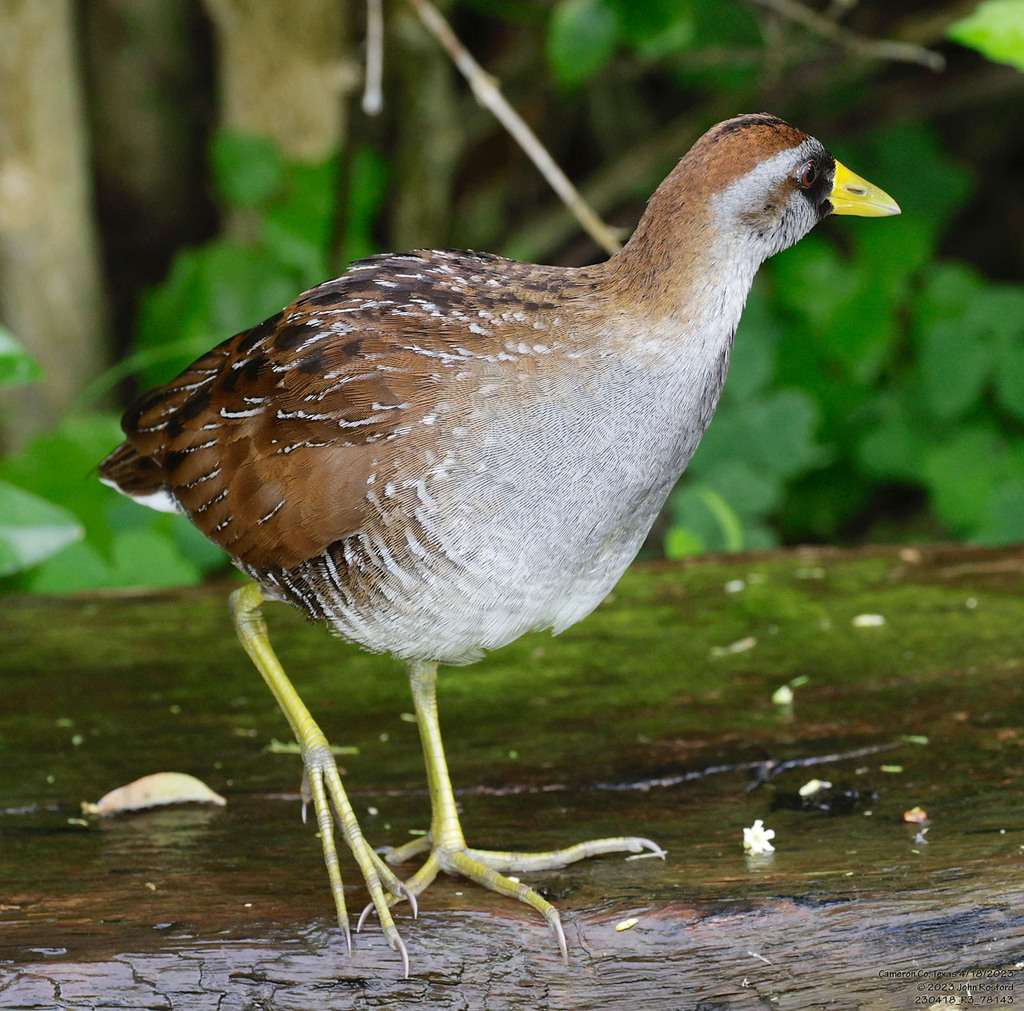
- SoraPorzana carolina
- Spotted SandpiperActitis macularius
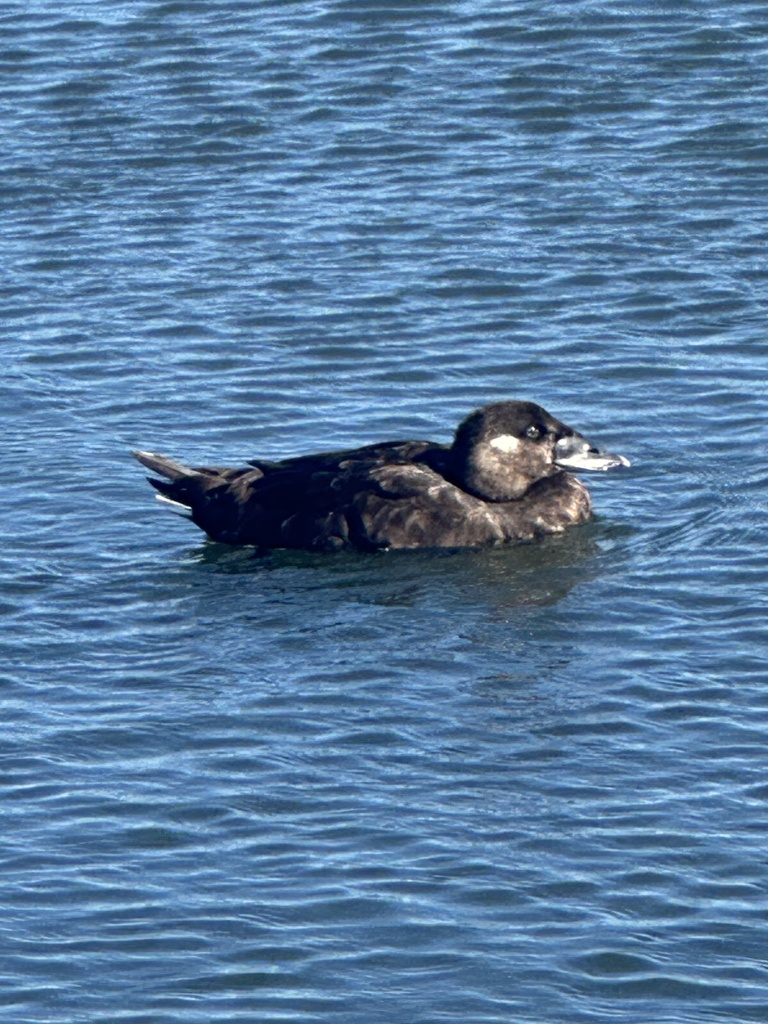
- Surf ScoterMelanitta perspicillata
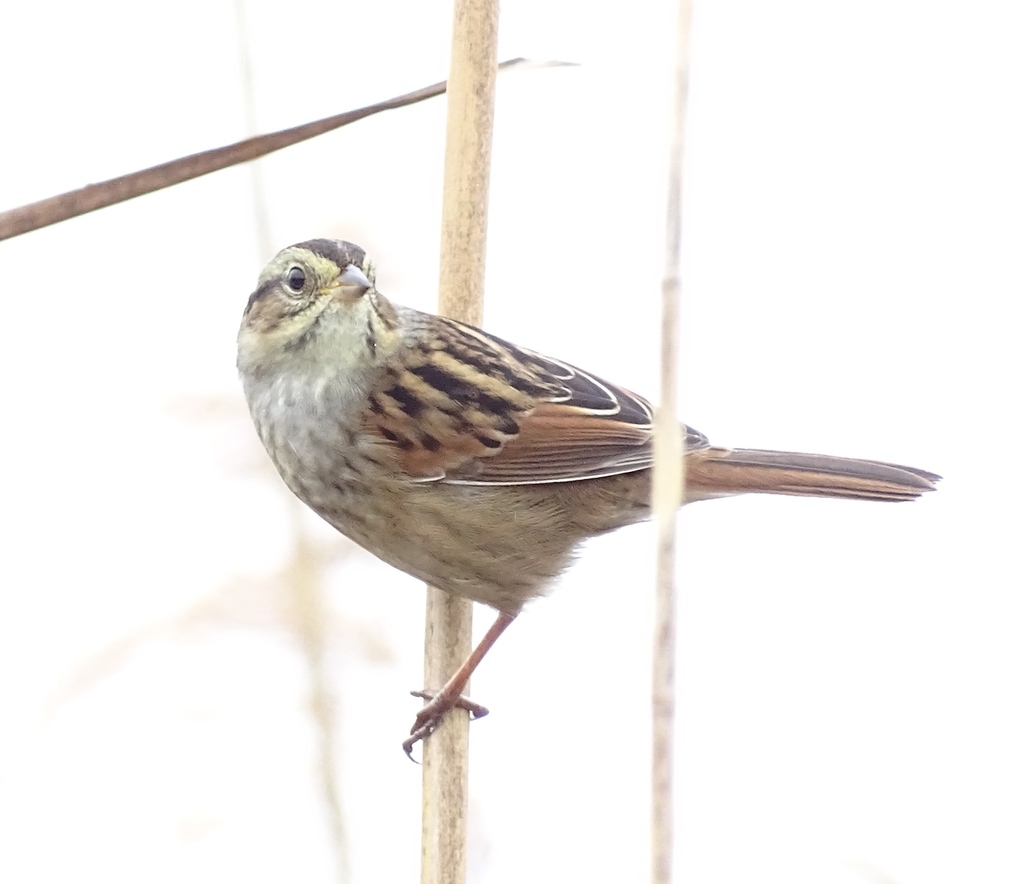
- Swamp SparrowMelospiza georgiana
- Turkey VultureCathartes aura
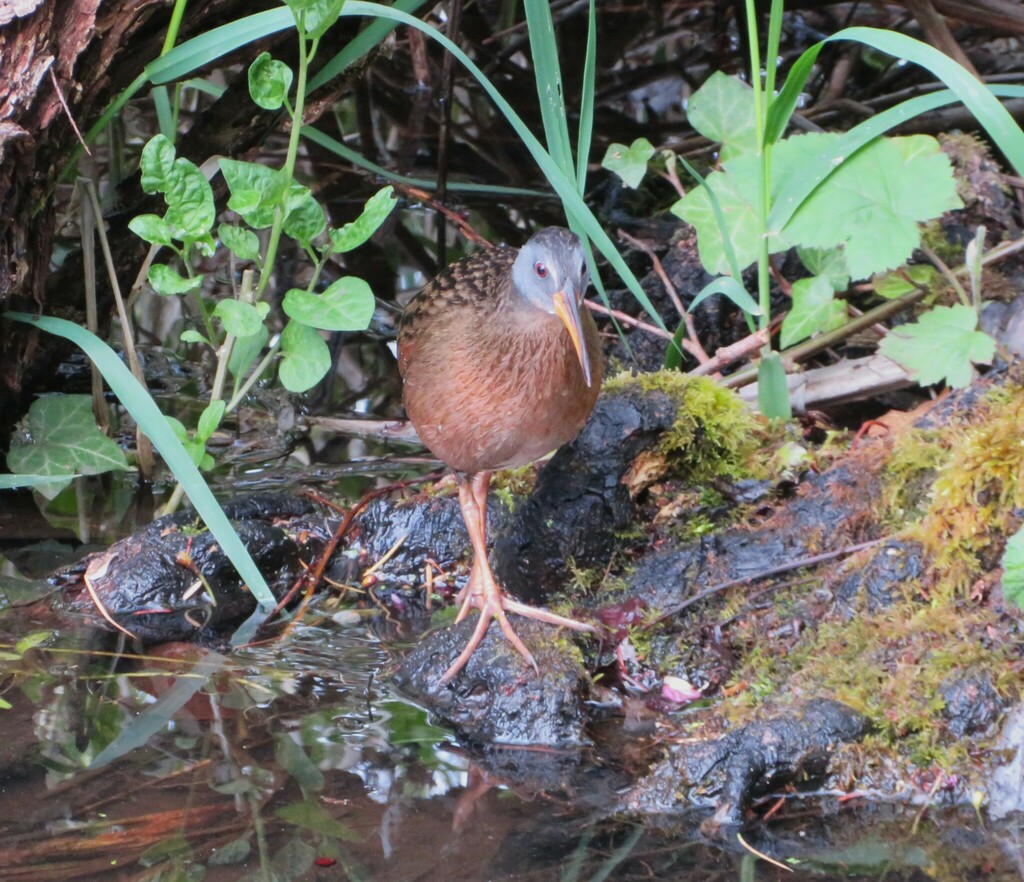
- Virginia RailRallus limicola
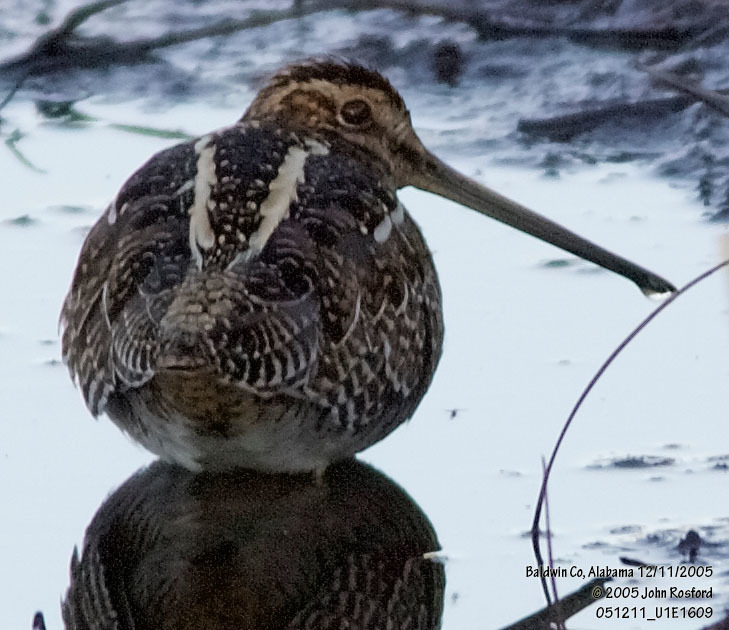
- Wilson's SnipeGallinago delicata
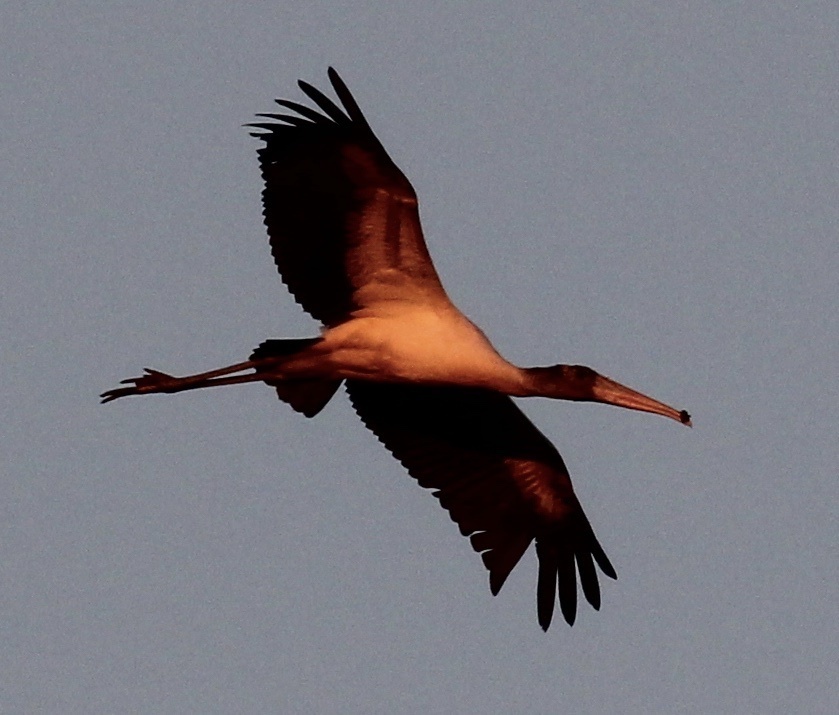
- Wood StorkMycteria americana
- Yellow-breasted ChatIcteria virens
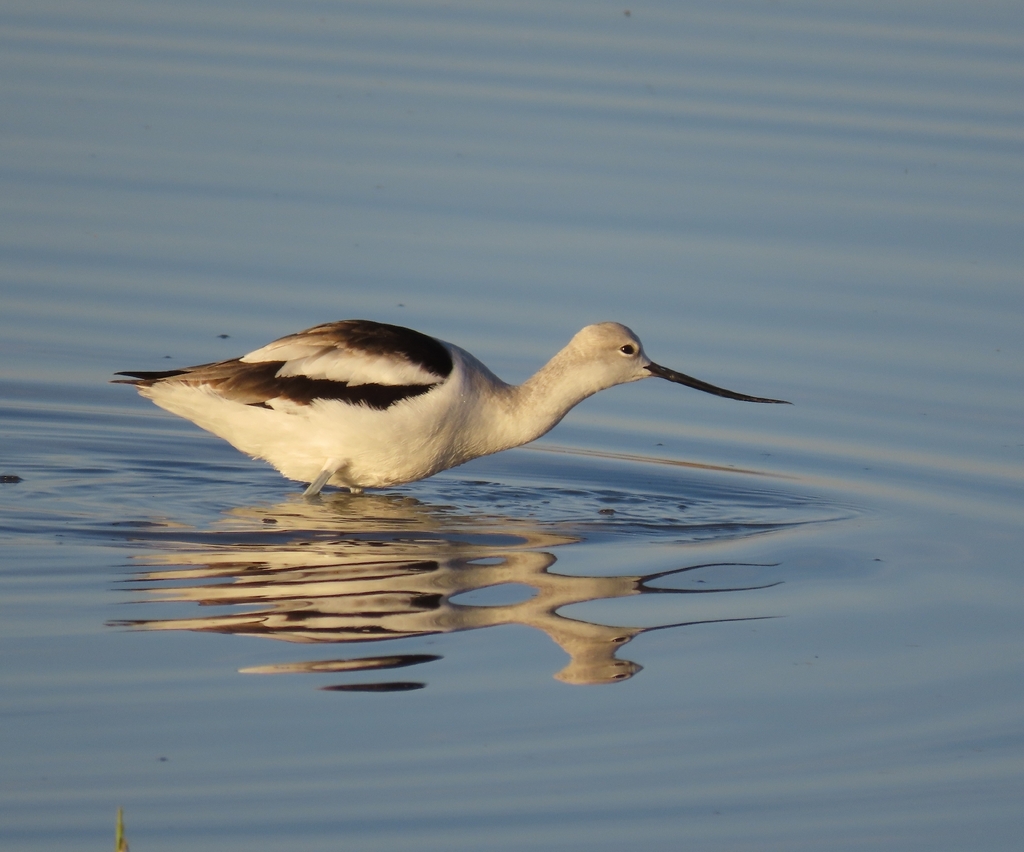
- American AvocetRecurvirostra americana
- American GoldfinchCarduelis tristis
- American RobinTurdus migratorius
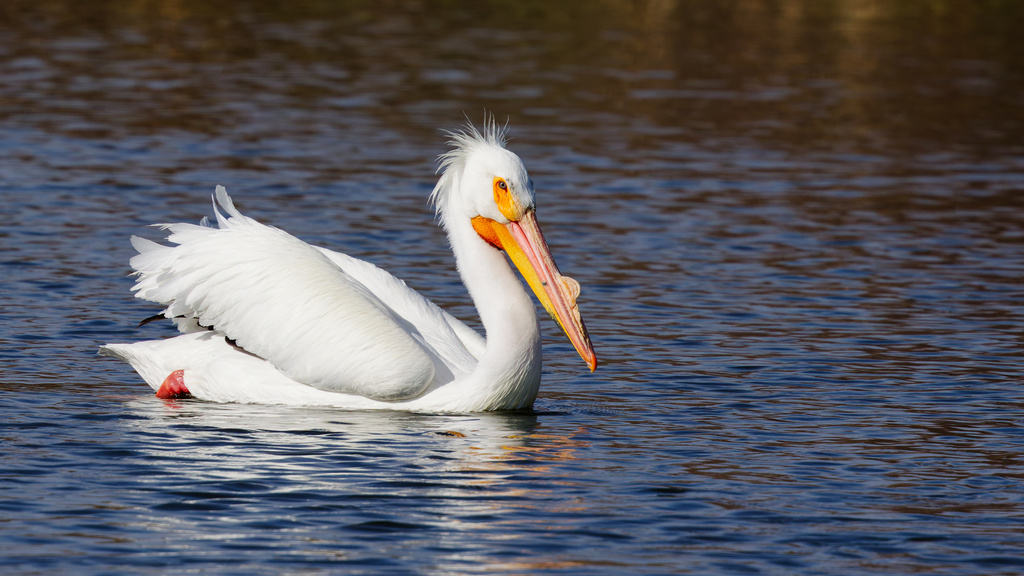
- American White PelicanPelecanus erythrorhynchos
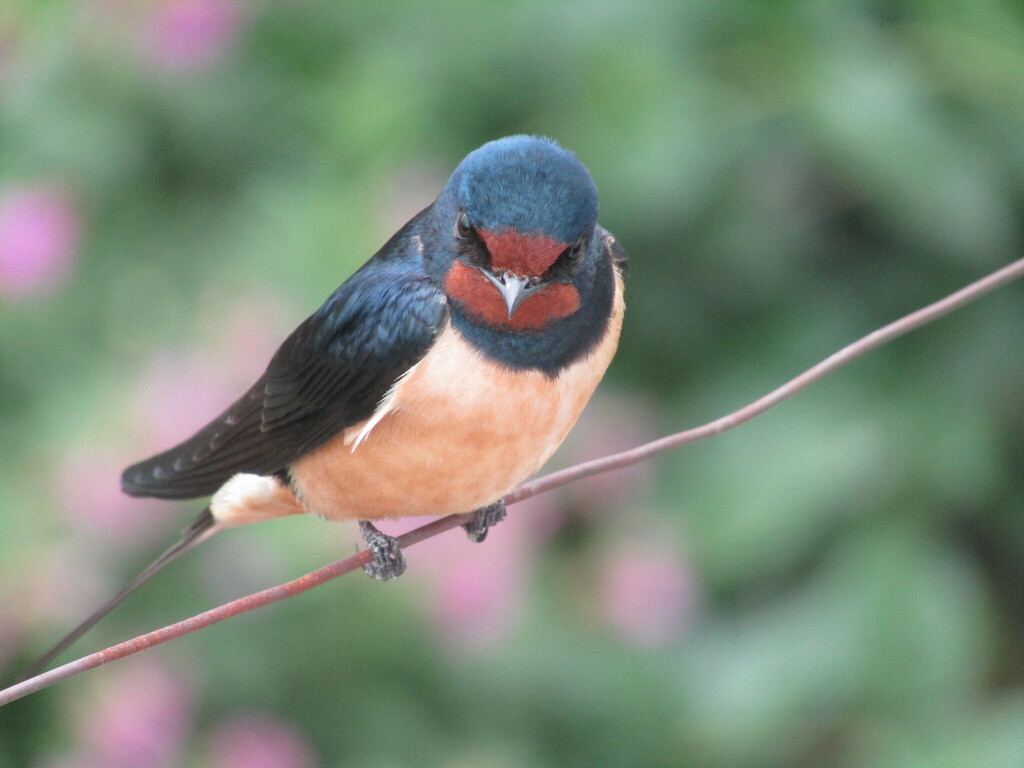
- Barn SwallowHirundo rustica
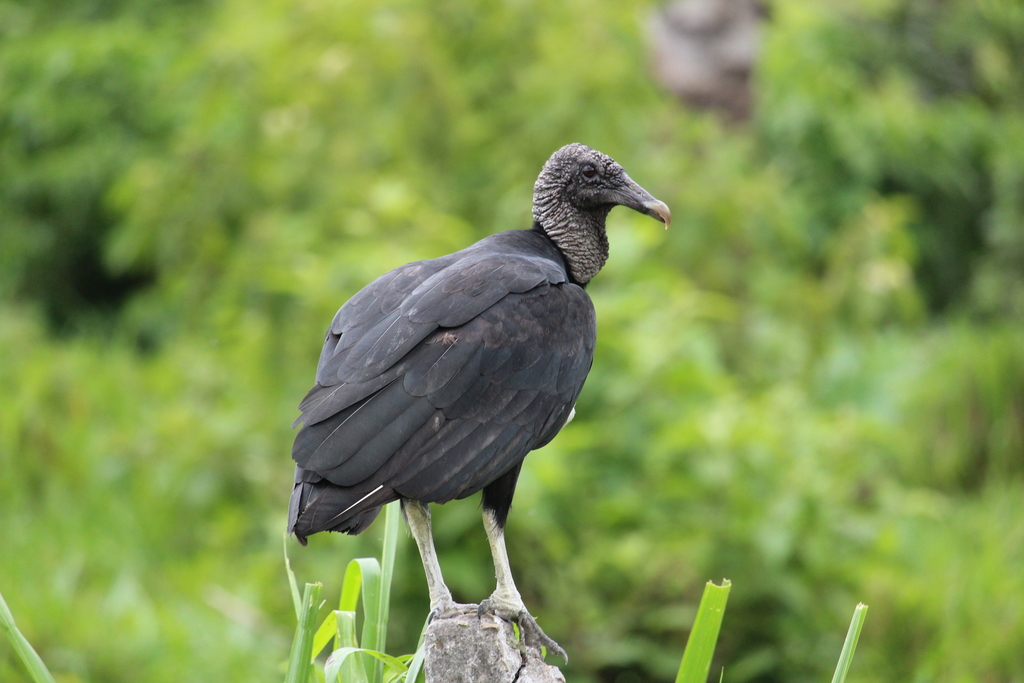
- Black VultureCoragyps atratus
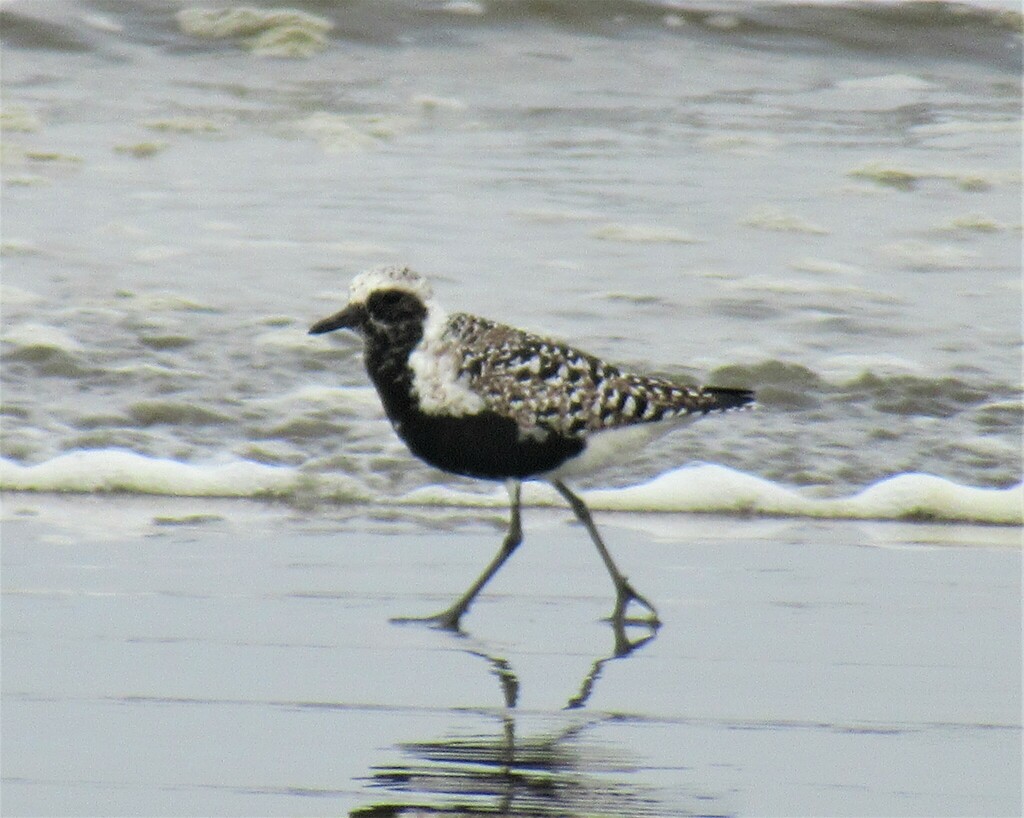
- Black-bellied PloverPluvialis squatarola
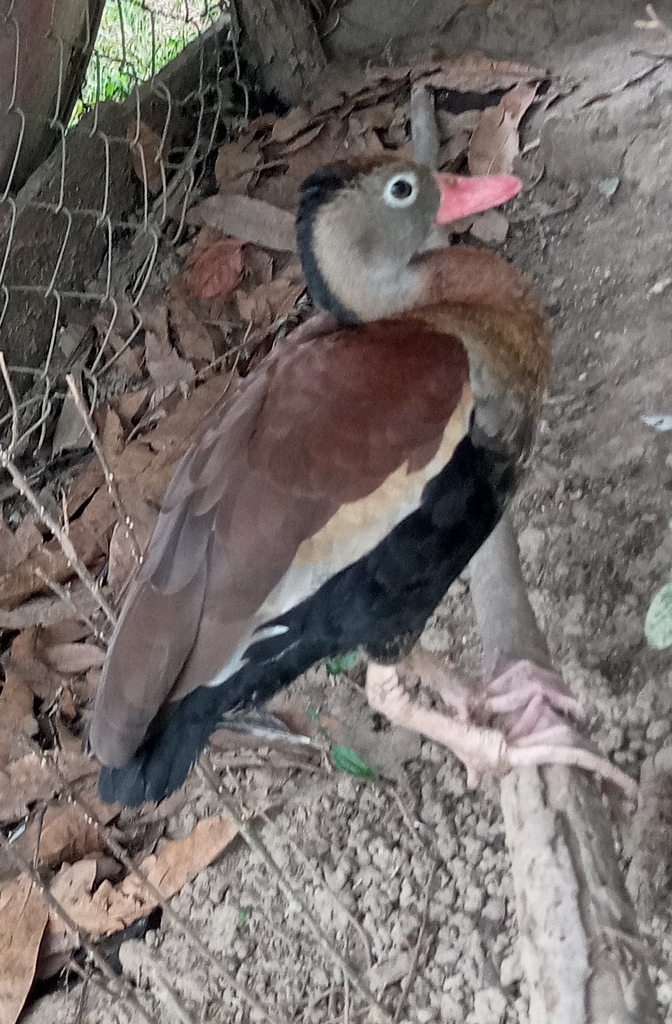
- Black-bellied Whistling-DuckDendrocygna autumnalis
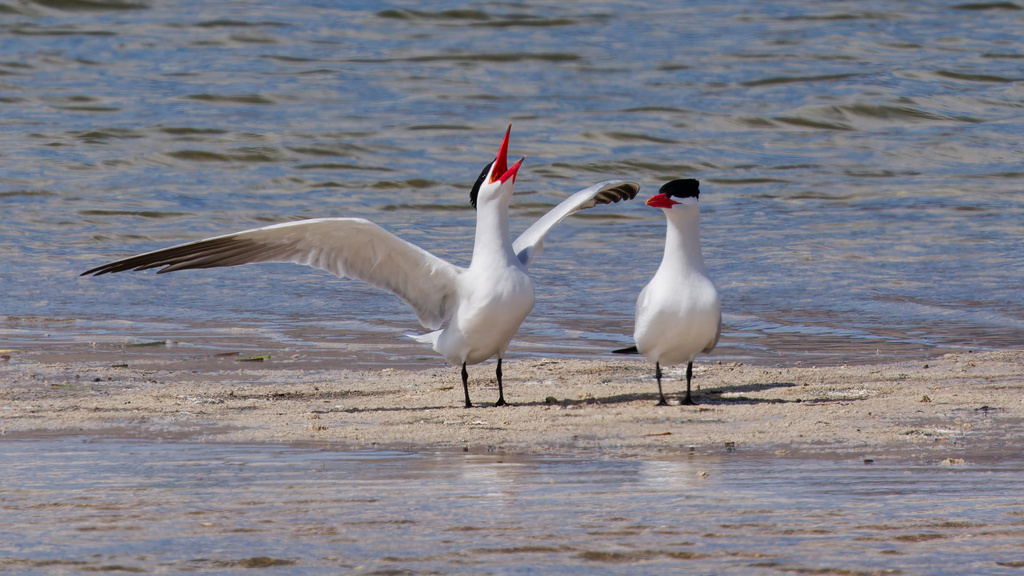
- Caspian TernHydroprogne caspia







NatureServe Explorer, CC BY 4.0. USGS Gap Analysis Project habitat models.
Sources
- USGS Gap Analysis Project habitat models (2001)
- USGS GAP winter habitat model for Western Sandpiper
- USGS Gap Analysis Project range maps (2001), modeled by watershed; migratory gives no dates
- NatureServe Explorer (CC BY 4.0), habitat names
- US Census TIGER/Line counties
- Names follow the USGS Gap Analysis Project (2001)