

Bird
Red-shouldered Hawk
Buteo lineatus
Lives in Florida all year and nests here. Found in all 67 counties, across 18 habitats.
- Here
- All year
- Nesting
- Nests here
- Range
- All 67 counties
- Habitats
- 18

At a glance
- Group
- Birds
- Here
- All year
- Nesting
- Nests here
- Range
- All 67 counties
- Habitats
- 18
- Habitat models
- Year-round
Where it lives
The places its habitat model includes. It is not found everywhere a habitat occurs.
Habitats in Florida 18
Each habitat page lists the plants and wildlife also found there.
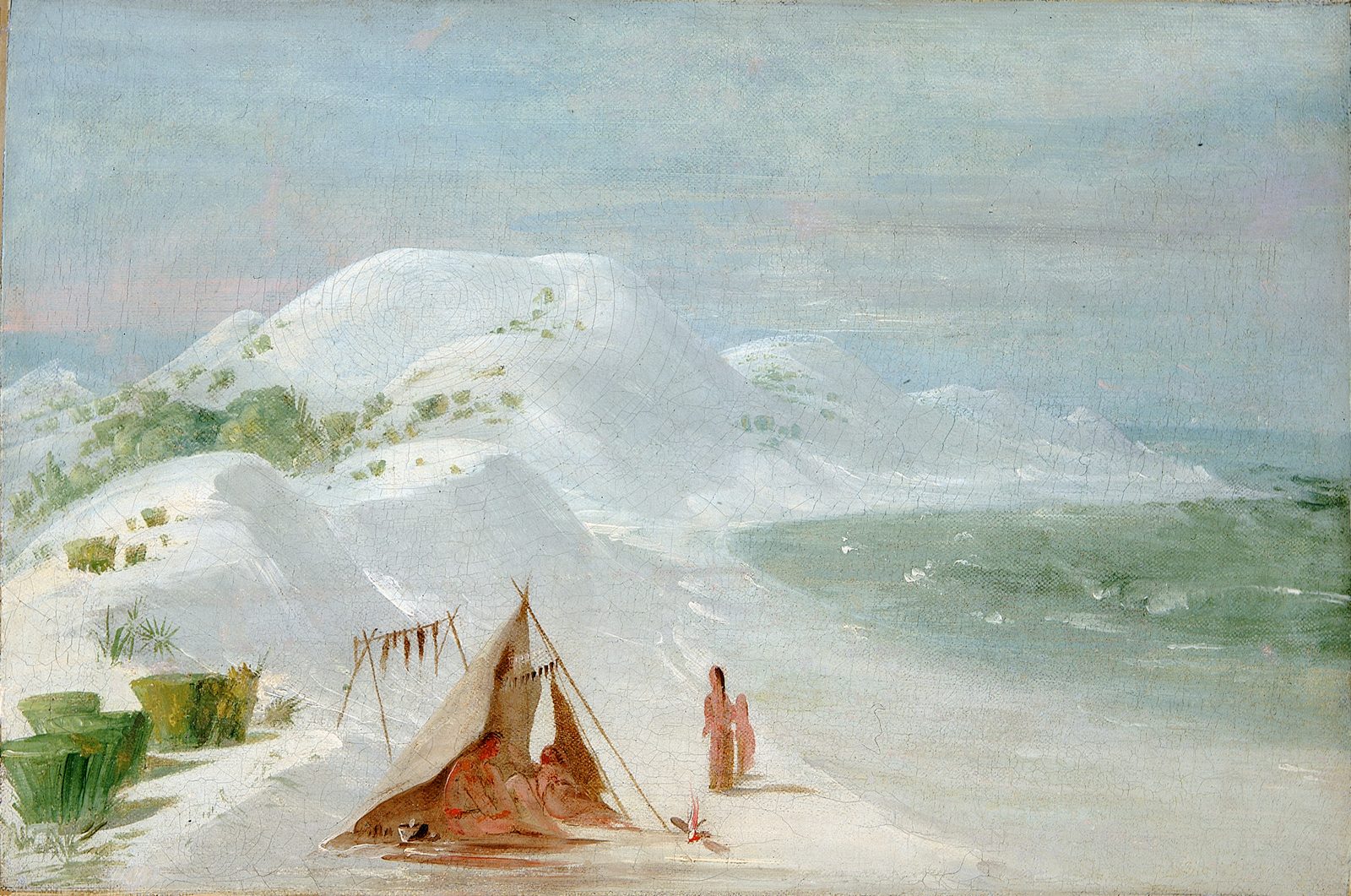
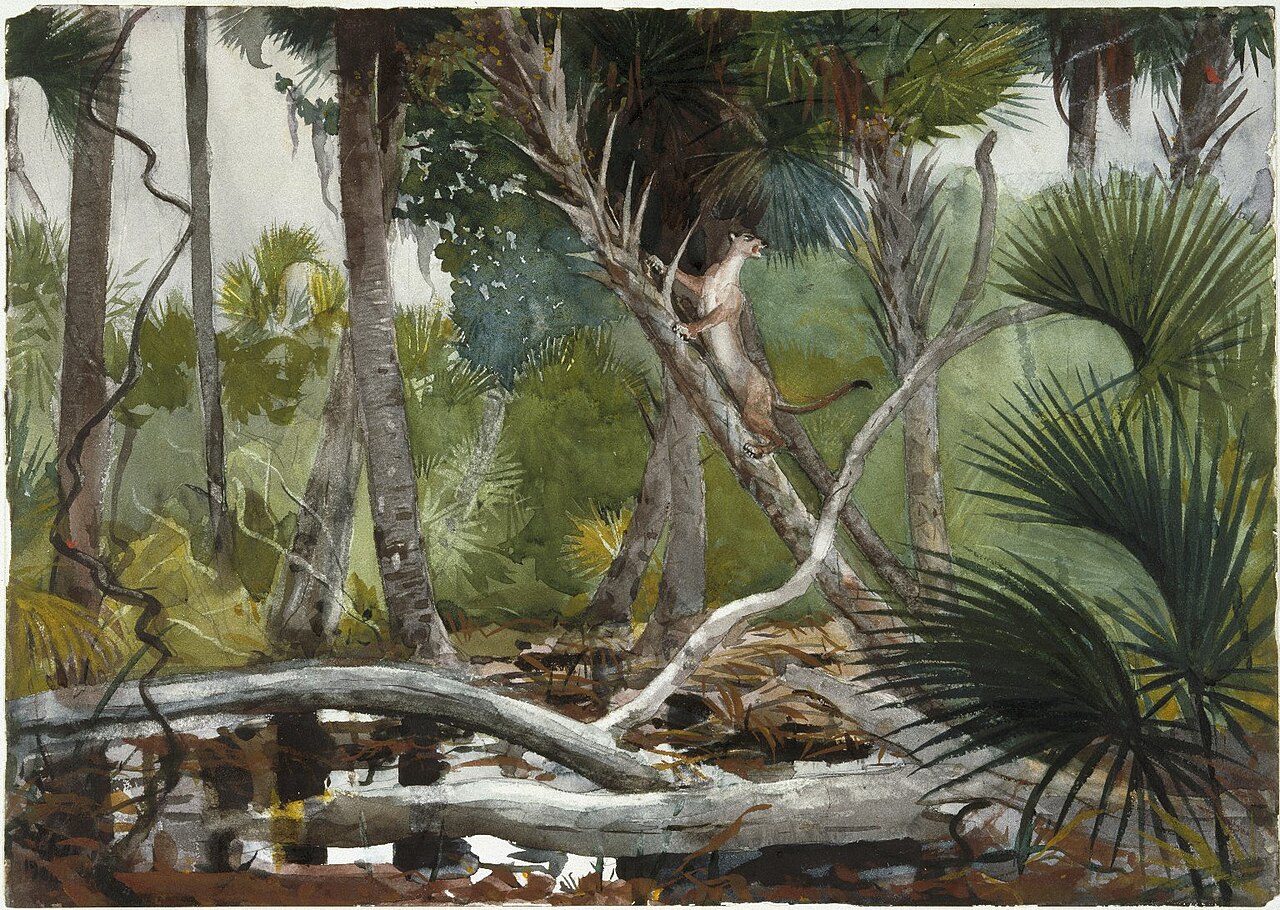
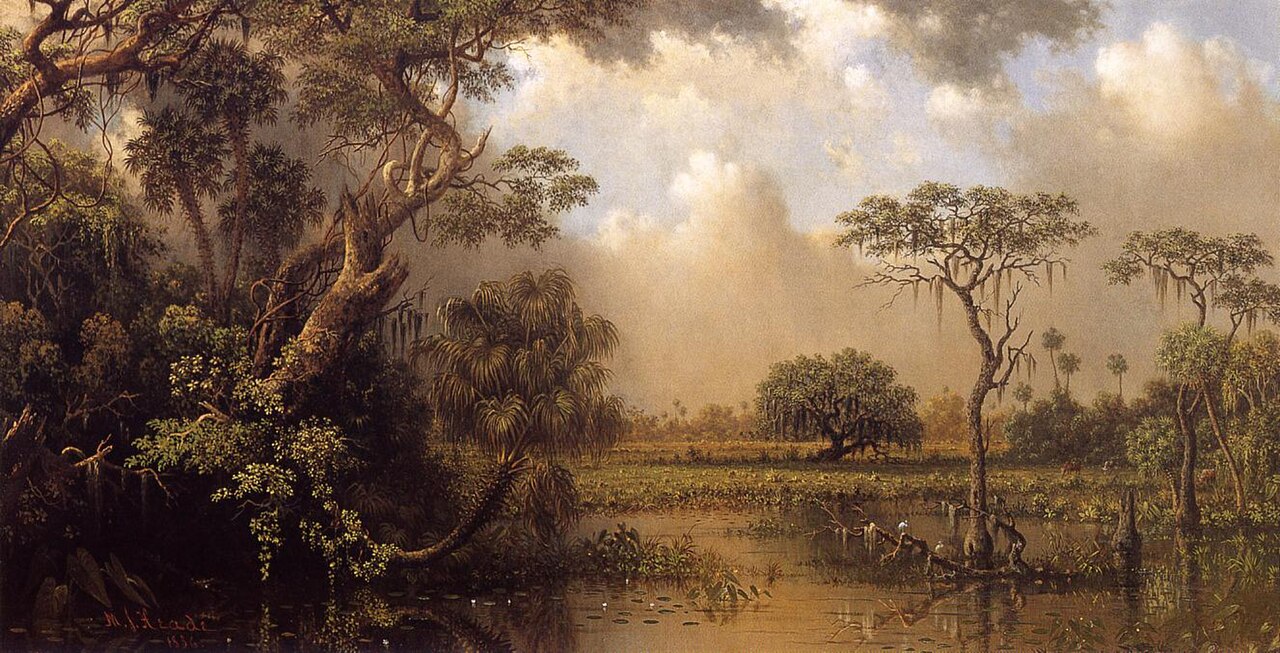
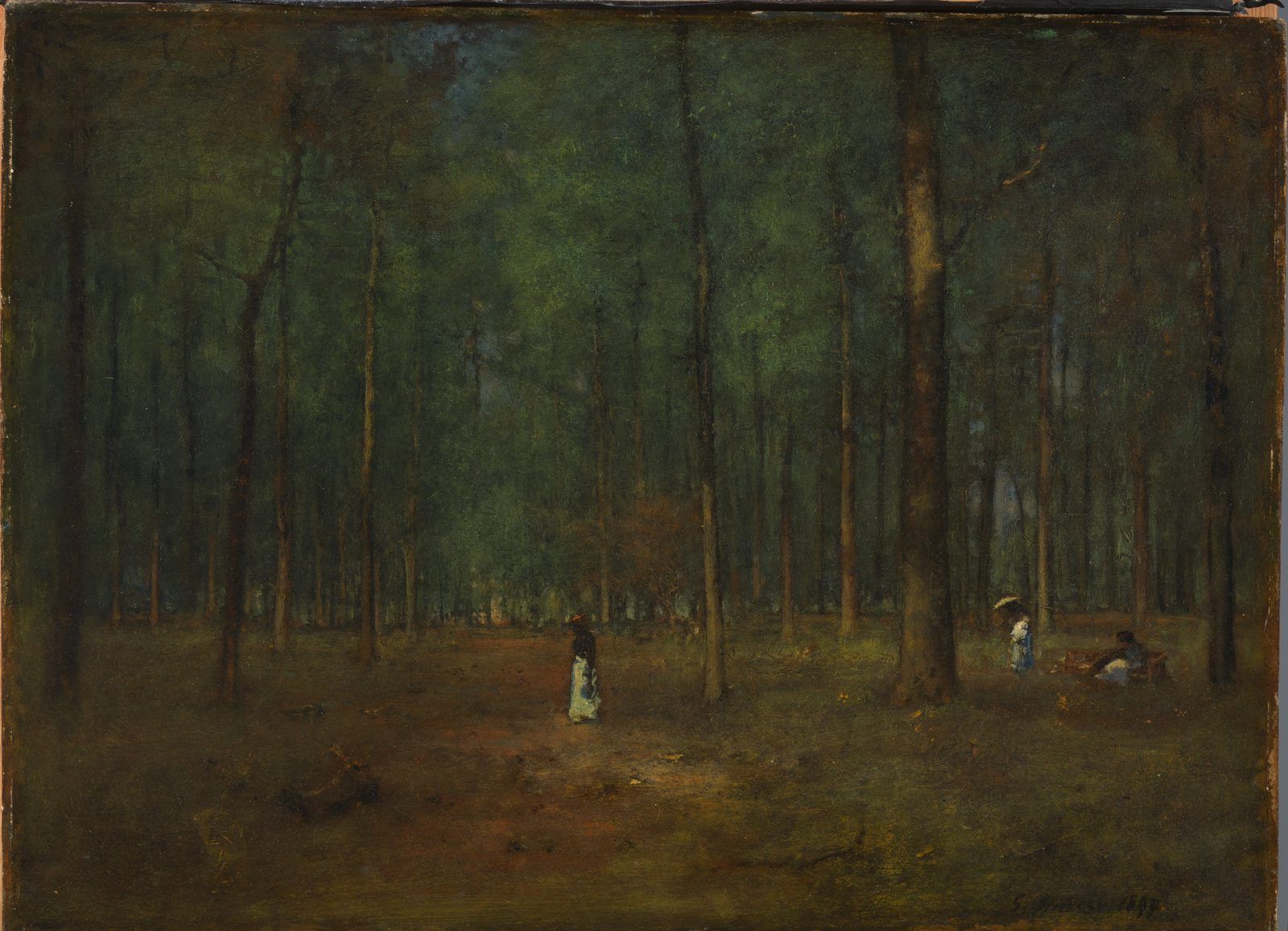
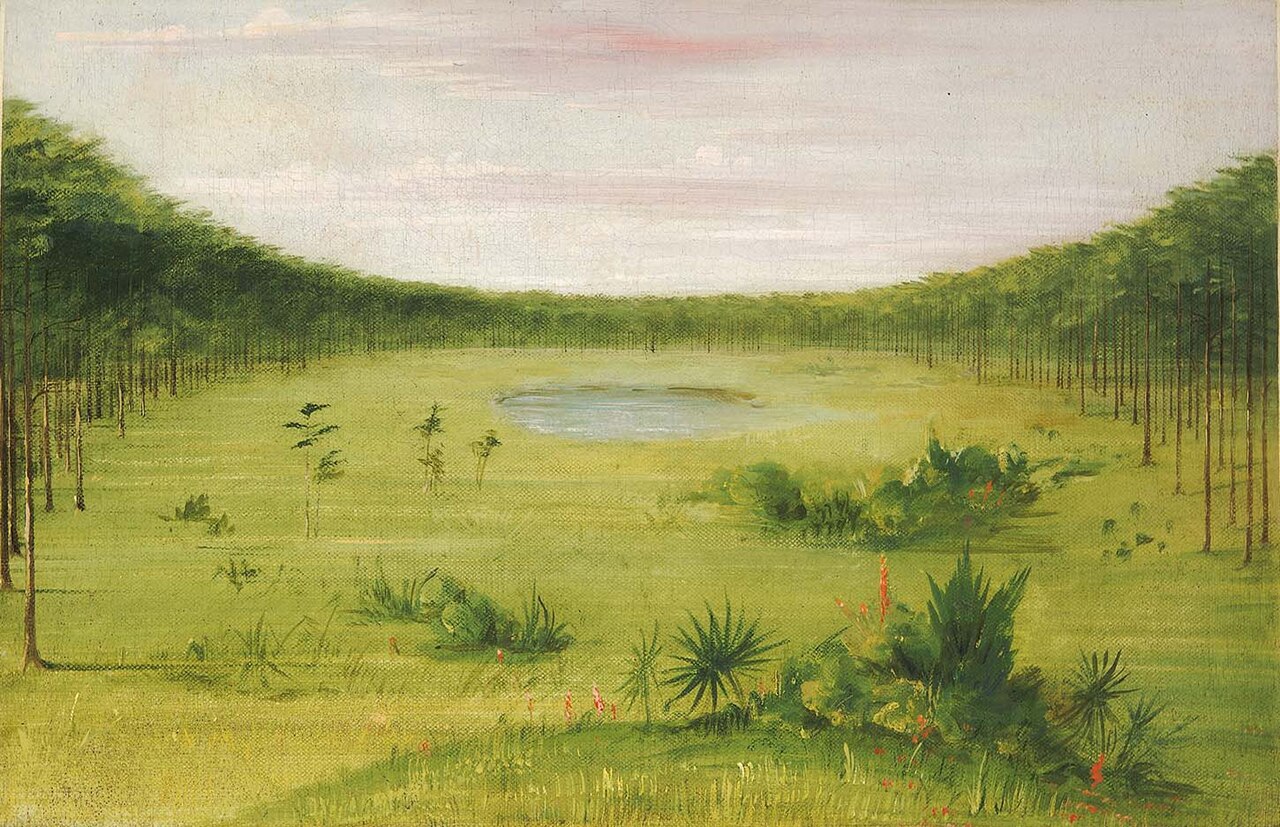
Open, wet, seepage-fed bogs of the Coastal Plain and Sandhills, often with pitcher plants.
Depression ponds and limesinks
Shallow ponds in Coastal Plain depressions, such as limesinks and the ponds in some Carolina bays, that rise and fall with the seasons.
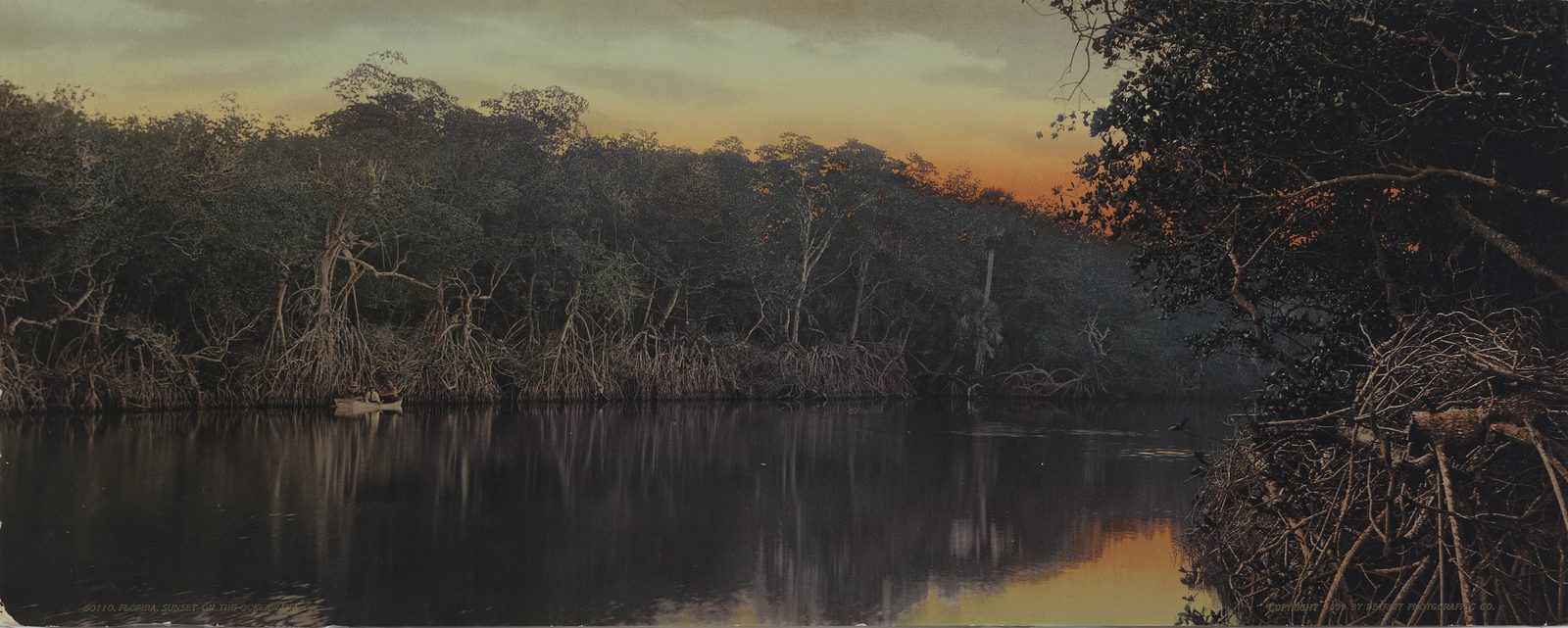
Floodplain and bottomland forests
Forests on low ground beside rivers and streams that flood from time to time.
Marshes along tidal rivers where the water is fresh but rises and falls with the tide.
Salt-pruned forests and shrub thickets behind coastal dunes.
Dense evergreen shrub wetlands and bay forests on wet, acid peat of the Coastal Plain.
Coastal marshes flooded by salty or brackish tides.
Borders of forests, clearings and shrubby thickets.
Forests on moist but not wet ground, such as rich slopes and ravines.
Open, grass-dominated places kept open by fire, grazing or thin soil, from tallgrass prairie to Piedmont prairies.
Roadsides, fields and disturbed ground
Ground opened by people: roadsides, old fields, pastures, fencerows and lots.
Tree plantations and managed pine
Planted or intensively managed stands of pine or hardwoods grown for timber; a land use rather than a natural community.
Other habitats in its models (59)
Land cover, or classes with no habitat page in Florida. Those recorded in Florida first, the rest by region.
In Florida 5
- Central Florida Herbaceous Seep Year-round.
- South Florida Dwarf Cypress Savanna Year-round.
- South Florida Freshwater Slough and Gator Hole Year-round.
- South Florida Pine Rockland Year-round, only within 1,000 m of water.
- South Florida Wet Marl Prairie Year-round.
Elsewhere in the South (23)
- Atlantic Coastal Plain Brownwater Stream Floodplain Forest Year-round.
- Atlantic Coastal Plain Central Maritime Forest Year-round, only within 1,000 m of water.
- Atlantic Coastal Plain Embayed Region Tidal Freshwater Marsh Year-round.
- Atlantic Coastal Plain Mesic Hardwood and Mixed Forest Year-round, only within 1,000 m of water.
- Atlantic Coastal Plain Peatland Pocosin Year-round.
- Atlantic Coastal Plain Small Brownwater River Floodplain Forest Year-round.
- Central Atlantic Coastal Plain Wet Longleaf Pine Savanna and Flatwoods Year-round.
- East Gulf Coastal Plain Northern Loess Bluff Forest Year-round, only within 1,000 m of water.
- East Gulf Coastal Plain Northern Mesic Hardwood Forest Year-round, only within 1,000 m of water.
- East Gulf Coastal Plain Southern Loblolly-Hardwood Flatwoods Year-round, only within 1,000 m of water.
- East Gulf Coastal Plain Southern Loess Bluff Forest Year-round, only within 1,000 m of water.
- Lower Mississippi River Dune Woodland and Forest Year-round.
- Mississippi River Low Floodplain (Bottomland) Forest Year-round.
- Mississippi River Riparian Forest Year-round.
- Nashville Basin Limestone Glade Year-round, only within 1,000 m of water.
- South-Central Interior / Upper Coastal Plain Flatwoods Year-round, only within 1,000 m of water.
- South-Central Interior / Upper Coastal Plain Wet Flatwoods Year-round.
- South-Central Interior Mesophytic Forest Year-round, only within 1,000 m of water.
- South-Central Interior Small Stream and Riparian Year-round.
- Southern and Central Appalachian Bog and Fen Year-round.
- Southern and Central Appalachian Cove Forest Year-round, only within 1,000 m of water.
- Southern Piedmont Mesic Forest Year-round, only within 1,000 m of water.
- Southern Piedmont Small Floodplain and Riparian Forest Year-round.
Northeast (6)
- Appalachian Hemlock-Hardwood Forest Year-round, only within 1,000 m of water.
- Atlantic Coastal Plain Northern Fresh and Oligohaline Tidal Marsh Year-round.
- Atlantic Coastal Plain Northern Maritime Forest Year-round, only within 1,000 m of water.
- Central Appalachian Oak and Pine Forest Year-round, only within 1,000 m of water.
- Northern Atlantic Coastal Plain Basin Swamp and Wet Hardwood Forest Year-round.
- Northern Atlantic Coastal Plain Dune and Swale Year-round.
Land cover and other classes (25)
- Atlantic Coastal Plain Clay-Based Carolina Bay Forested Wetland Year-round.
- Atlantic Coastal Plain Clay-Based Carolina Bay Herbaceous Wetland Year-round.
- Atlantic Coastal Plain Nonriverine Swamp and Wet Hardwood Forest - Oak Dominated Modifier Year-round.
- Atlantic Coastal Plain Nonriverine Swamp and Wet Hardwood Forest - Taxodium/Nyssa Modifier Year-round.
- Central Appalachian Floodplain - Forest Modifier Year-round.
- Central Appalachian Riparian - Forest Modifier Year-round.
- Developed, Low Intensity Year-round, only within 1,000 m of water.
- East Gulf Coastal Plain Black Belt Calcareous Prairie and Woodland - Herbaceous Modifier Year-round, only within 1,000 m of water.
- East Gulf Coastal Plain Black Belt Calcareous Prairie and Woodland - Woodland Modifier Year-round, only within 1,000 m of water.
- East Gulf Coastal Plain Interior Shortleaf Pine-Oak Forest - Mixed Modifier Year-round, only within 1,000 m of water.
- East Gulf Coastal Plain Jackson Plain Dry Flatwoods - Open Understory Modifier Year-round, only within 1,000 m of water.
- East Gulf Coastal Plain Jackson Prairie and Woodland Year-round, only within 1,000 m of water.
- East Gulf Coastal Plain Large River Floodplain Forest - Herbaceous Modifier Year-round.
- East Gulf Coastal Plain Near-Coast Pine Flatwoods - Offsite Hardwood Modifier Year-round, only within 1,000 m of water.
- East Gulf Coastal Plain Southern Depression Pondshore Year-round.
- Eastern Highland Rim Prairie and Barrens - Dry Modifier Year-round, only within 1,000 m of water.
- Harvested Forest - Grass/Forb Regeneration Year-round, only within 1,000 m of water.
- Lower Mississippi River Bottomland Depressions - Forest Modifier Year-round.
- Northeastern Interior Dry Oak Forest - Mixed Modifier Year-round, only within 1,000 m of water.
- South-Central Interior Large Floodplain - Forest Modifier Year-round.
- South-Central Interior Large Floodplain - Herbaceous Modifier Year-round.
- Southern Piedmont Dry Oak-(Pine) Forest - Mixed Modifier Year-round, only within 1,000 m of water.
- Southern Piedmont Large Floodplain Forest - Forest Modifier Year-round.
- Southern Piedmont/Ridge and Valley Upland Depression Swamp Year-round.
- Unconsolidated Shore Year-round.
Seasons in Florida
- Year-round: nests here, in all 67 counties.
Also found in this habitat
Plants 822
Plants named in NatureServe descriptions of these habitats that grow in Florida. Shared habitat, not food.
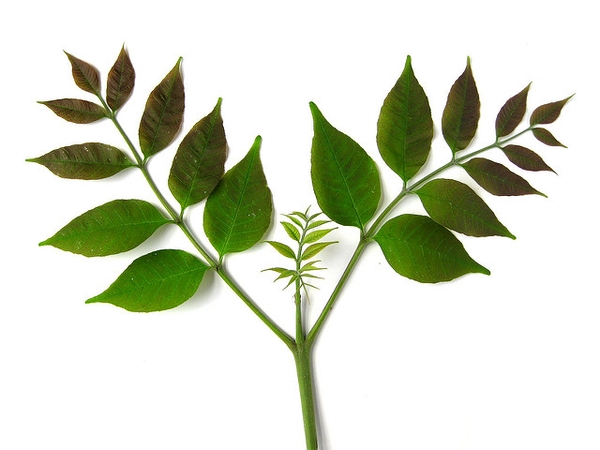
- White AshFraxinus americana
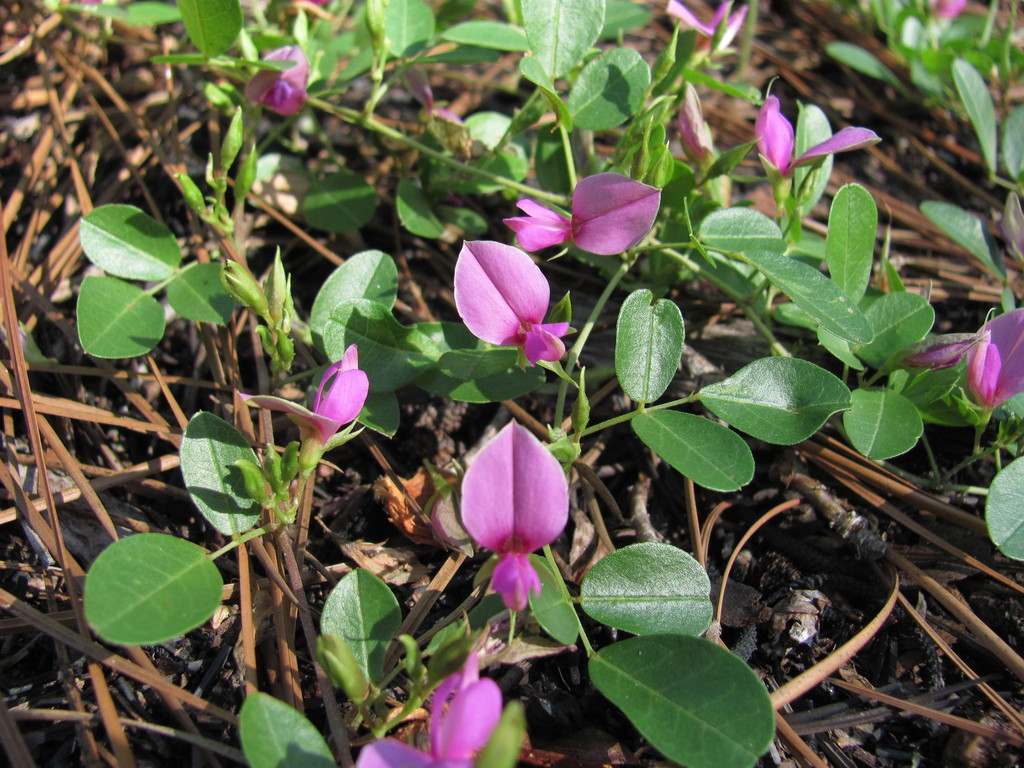
- Littleleaf MilkpeaGalactia minor
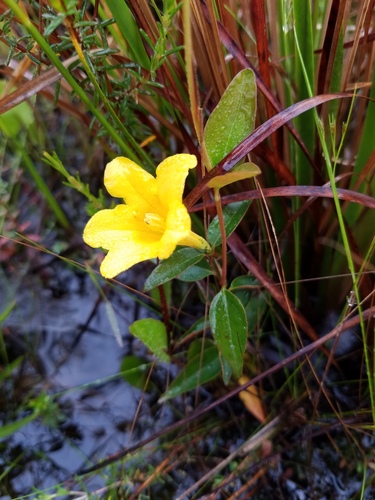
- Swamp JessamineGelsemium rankinii
- Wiregrass GentianGentiana pennelliana
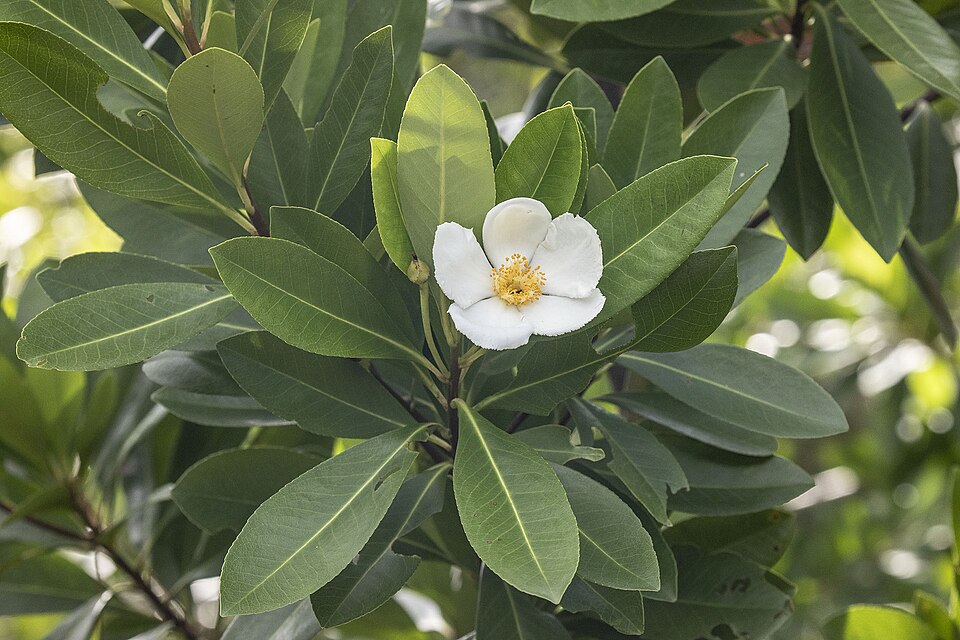
- Loblolly BayGordonia lasianthus
- BeeftreeGuapira discolor
- Water-spider OrchidHabenaria repens
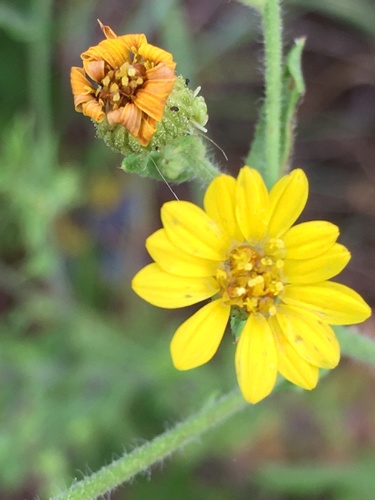
- CamphorweedHeterotheca subaxillaris
- Mangrove SpiderlilyHymenocallis latifolia
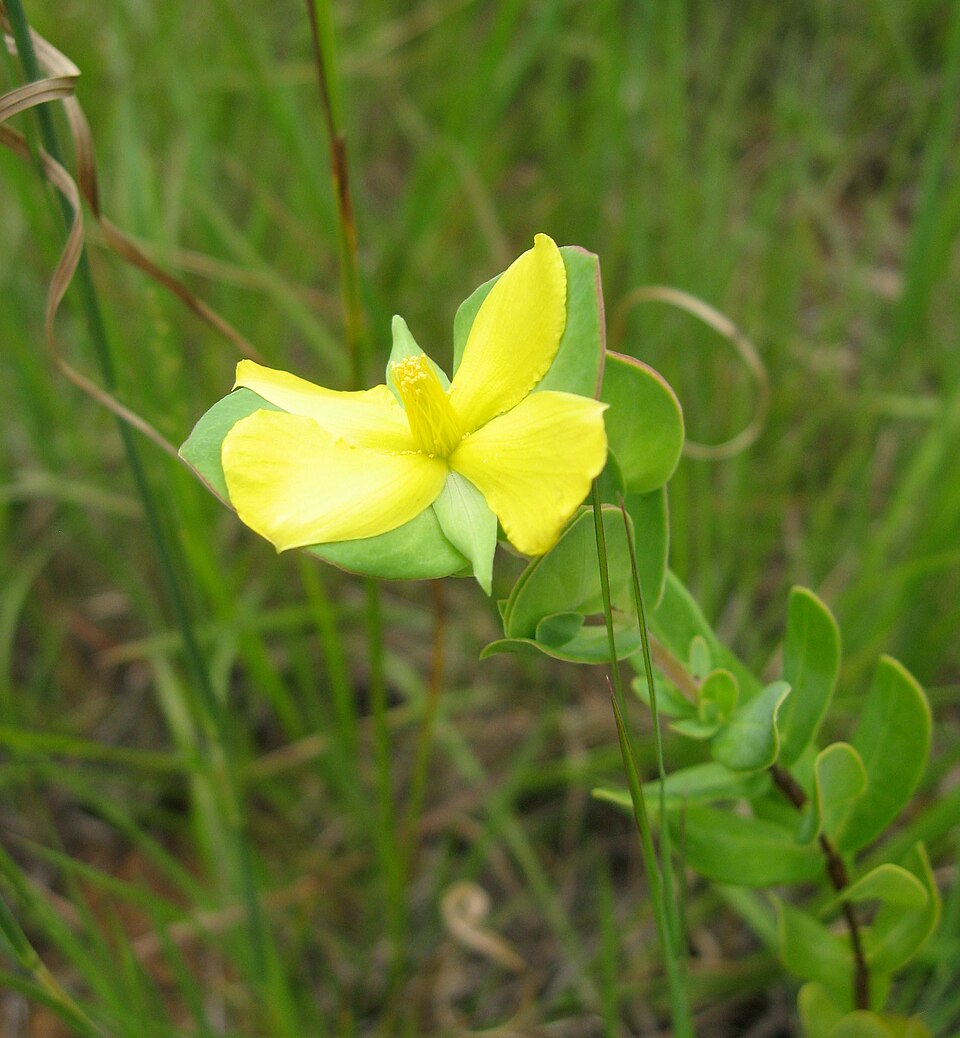
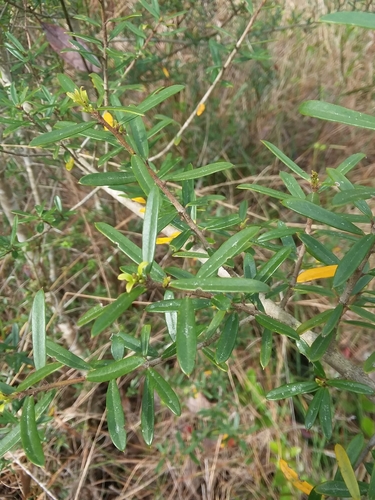
- Hypericum brachyphyllumHypericum brachyphyllum
- St. Peter's-wortHypericum crux-andreae
- Myrtle HollyIlex cassine var. myrtifolia
- Illicium floridanumIllicium floridanum
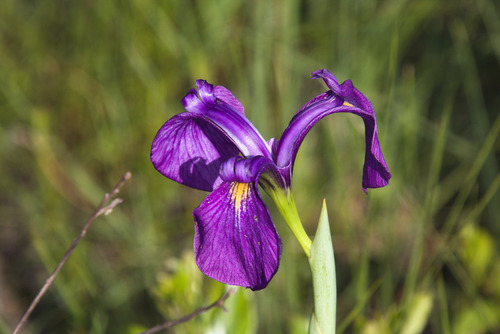
- Savanna IrisIris tridentata
- Winter QuillwortIsoetes hyemalis
- Justicia angustaJusticia angusta
- Justicia crassifoliaJusticia crassifolia
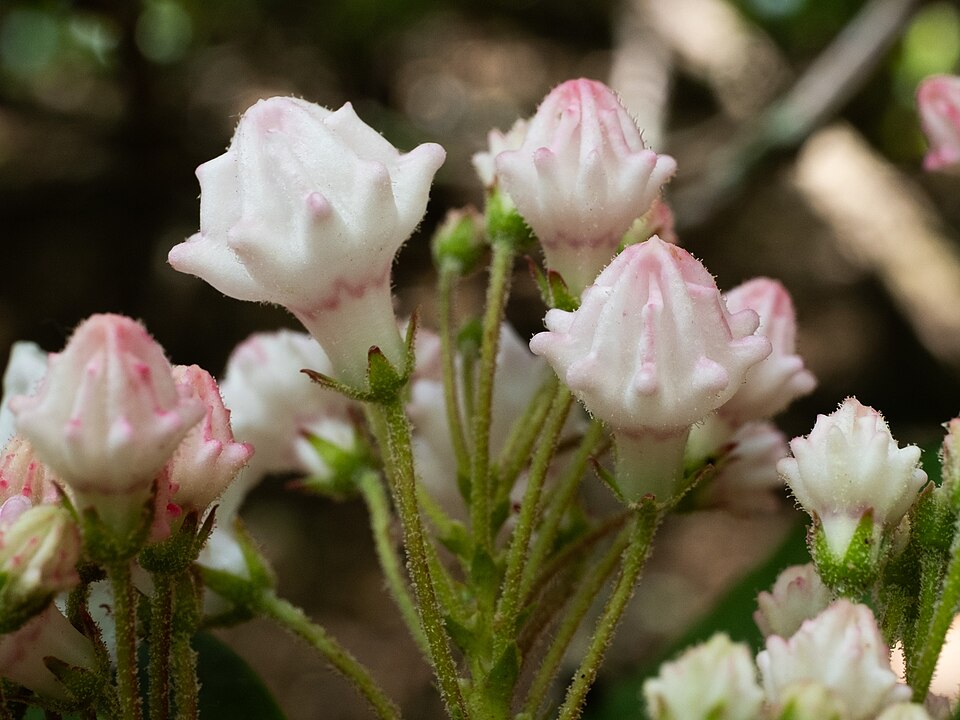
- Mountain LaurelKalmia latifolia
- Black IronwoodKrugiodendron ferreum
- Pineland BogbuttonsLachnocaulon digynum
- ButtonsageLantana involucrata
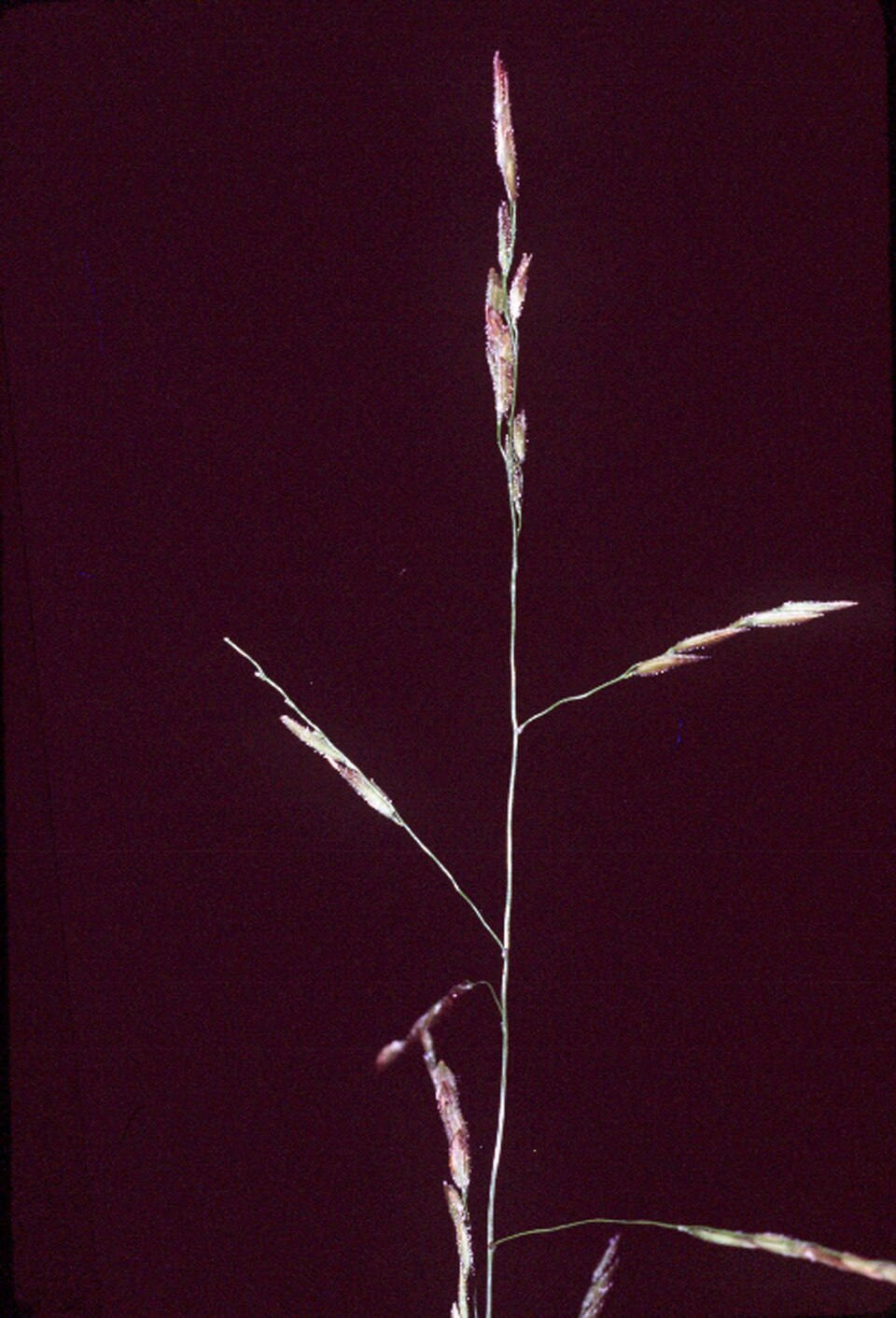
- Catchfly CutgrassLeersia lenticularis
- White CutgrassLeersia virginica
Wildlife 285
Other animals whose habitat models include the same habitats in Florida. Not sighting records.
- American CrowCorvus brachyrhynchos
- Cooper's HawkAccipiter cooperii
- Great Horned OwlBubo virginianus
- Northern CardinalCardinalis cardinalis
- Red-tailed HawkButeo jamaicensis
- Red-winged BlackbirdAgelaius phoeniceus
- Sharp-shinned HawkAccipiter striatus
- Turkey VultureCathartes aura
- Yellow-breasted ChatIcteria virens
- Common GrackleQuiscalus quiscula
- Common NighthawkChordeiles minor
- Common YellowthroatGeothlypis trichas
- Eastern KingbirdTyrannus tyrannus
- European StarlingSturnus vulgaris
- Fish CrowCorvus ossifragus
- Northern MockingbirdMimus polyglottos
- American GoldfinchCarduelis tristis
- Chimney SwiftChaetura pelagica
- Black-crowned Night-heronNycticorax nycticorax
- Mourning DoveZenaida macroura
- Northern FlickerColaptes auratus
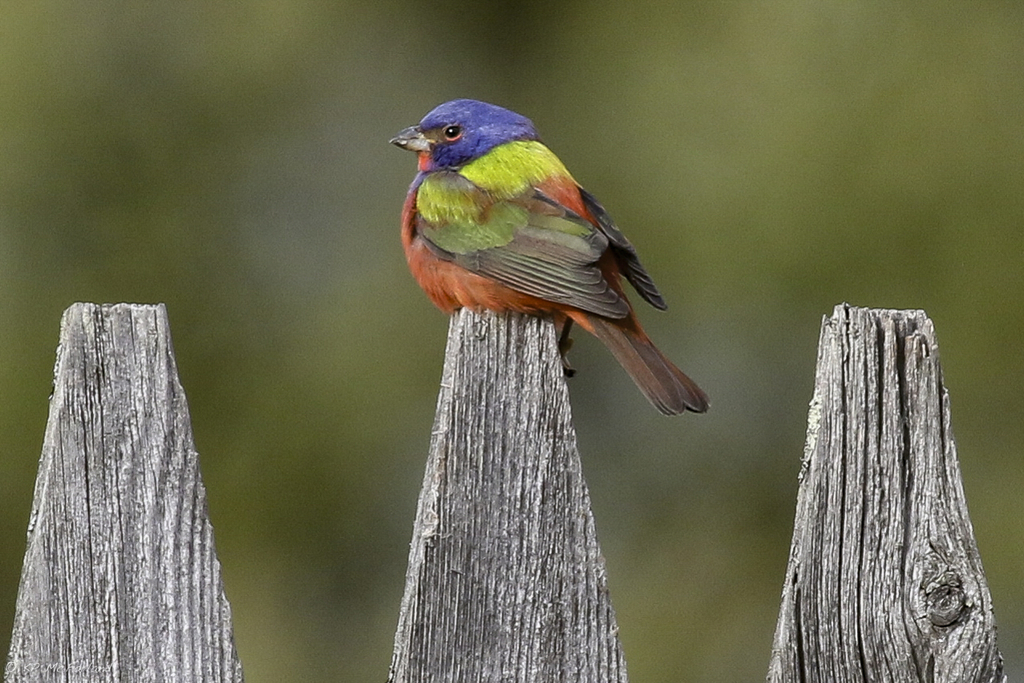
- Painted BuntingPasserina ciris
- Spotted SandpiperActitis macularius
- Yellow-rumped WarblerDendroica coronata

























NatureServe Explorer, CC BY 4.0. USGS Gap Analysis Project habitat models.
Sources
- USGS Gap Analysis Project habitat models (2001)
- USGS GAP year-round habitat model for Red-shouldered Hawk
- USGS Gap Analysis Project range maps (2001), modeled by watershed; migratory gives no dates
- NatureServe Explorer (CC BY 4.0), habitat names
- US Census TIGER/Line counties
- Names follow the USGS Gap Analysis Project (2001)