

Bird
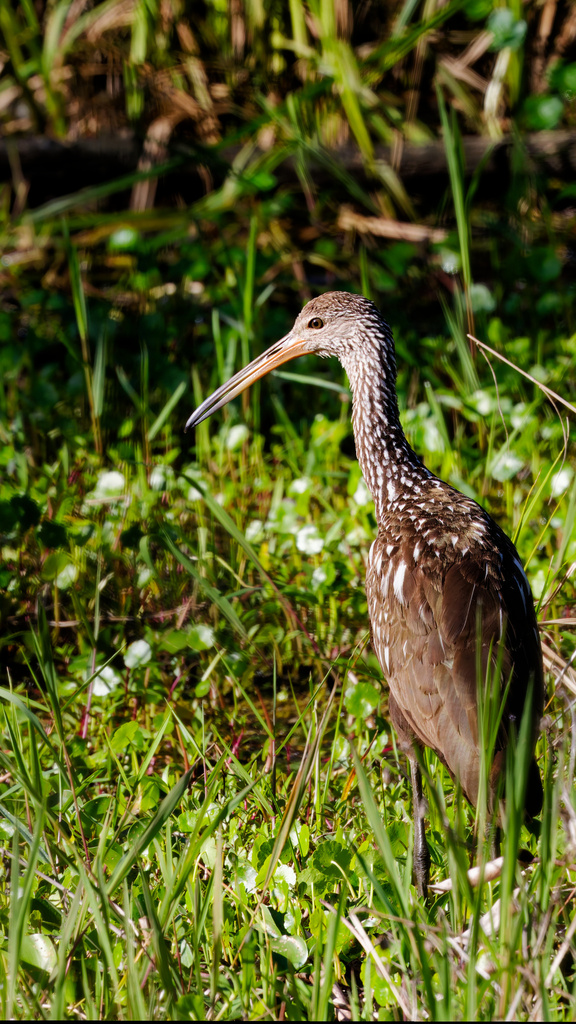
Limpkin
Aramus guarauna
Lives in Florida all year and nests here. Found in 63 of 67 counties, across 14 habitats.
- Here
- All year
- Nesting
- Nests here
- Range
- 63 of 67 counties
- Habitats
- 14
At a glance
- Group
- Birds
- Here
- All year
- Nesting
- Nests here
- Range
- 63 of 67 counties
- Habitats
- 14
- Habitat models
- Year-round
Where it lives
The places its habitat model includes. It is not found everywhere a habitat occurs.
Habitats in Florida 14
Each habitat page lists the plants and wildlife also found there.


Open sand of beaches, dunes and the hollows between them.
Dense, evergreen groves of live oak, magnolia and other hardwoods in the southern Coastal Plain, from dry oak domes to wet hydric hammocks and south Florida's tropical hammocks; salt-shaped maritime hammocks are maritime forests.
Open, wet, seepage-fed bogs of the Coastal Plain and Sandhills, often with pitcher plants.
Disturbed and introduced wetlands
Wet ground taken over by weedy or introduced plants after disturbance, such as common reed, Chinese tallow or tamarisk stands; the upland counterpart is roadsides, fields and disturbed ground.
Floodplain and bottomland forests
Forests on low ground beside rivers and streams that flood from time to time.
Marshes along tidal rivers where the water is fresh but rises and falls with the tide.
Tidal forests and thickets of red, black and white mangrove along sheltered tropical and subtropical shores.
Flat, sandy Coastal Plain pine woodlands, wetter than sandhills and denser than savannas.
Open, fire-kept longleaf pine stands over grasses and wildflowers on wet to moist sandy soil.
Dense evergreen shrub wetlands and bay forests on wet, acid peat of the Coastal Plain.
Roadsides, fields and disturbed ground
Ground opened by people: roadsides, old fields, pastures, fencerows and lots.
Other habitats in its models (20)
Land cover, or classes with no habitat page in Florida.
- Developed, Low Intensity Year-round, only within 250 m of water.
- Unconsolidated Shore (Lake/River/Pond) Year-round.
- Unconsolidated Shore Year-round.
- Introduced Upland Vegetation - Perennial Grassland and Forbland Year-round, only within 250 m of water.
- Atlantic Coastal Plain Embayed Region Tidal Salt and Brackish Marsh Year-round.
- Southern Coastal Plain Nonriverine Basin Swamp - Okefenokee Clethra Modifier Year-round.
- Atlantic Coastal Plain Clay-Based Carolina Bay Herbaceous Wetland Year-round.
- Atlantic Coastal Plain Embayed Region Tidal Freshwater Marsh Year-round.
- Central Florida Herbaceous Seep Year-round.
- Atlantic Coastal Plain Northern Fresh and Oligohaline Tidal Marsh Year-round.
- Atlantic Coastal Plain Nonriverine Swamp and Wet Hardwood Forest - Taxodium/Nyssa Modifier Year-round.
- Atlantic Coastal Plain Nonriverine Swamp and Wet Hardwood Forest - Oak Dominated Modifier Year-round.
- South Florida Dwarf Cypress Savanna Year-round.
- South Florida Wet Marl Prairie Year-round.
- East Gulf Coastal Plain Southern Depression Pondshore Year-round.
- South Florida Freshwater Slough and Gator Hole Year-round.
- East Gulf Coastal Plain Large River Floodplain Forest - Herbaceous Modifier Year-round.
- Atlantic Coastal Plain Small Brownwater River Floodplain Forest Year-round.
- Atlantic Coastal Plain Brownwater Stream Floodplain Forest Year-round.
- Central Atlantic Coastal Plain Wet Longleaf Pine Savanna and Flatwoods Year-round.
Seasons in Florida
- Year-round: nests here, in 63 of 67 counties.
Also found in this habitat
Plants 618
Plants named in NatureServe descriptions of these habitats that grow in Florida. Shared habitat, not food.
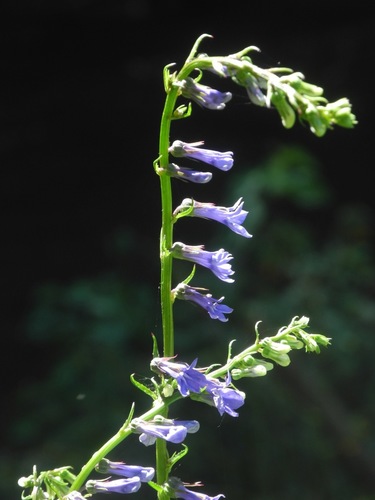
- Southern LobeliaLobelia amoena
- Golden-crestLophiola aurea
- Lopholejeunea nigricansLopholejeunea nigricans
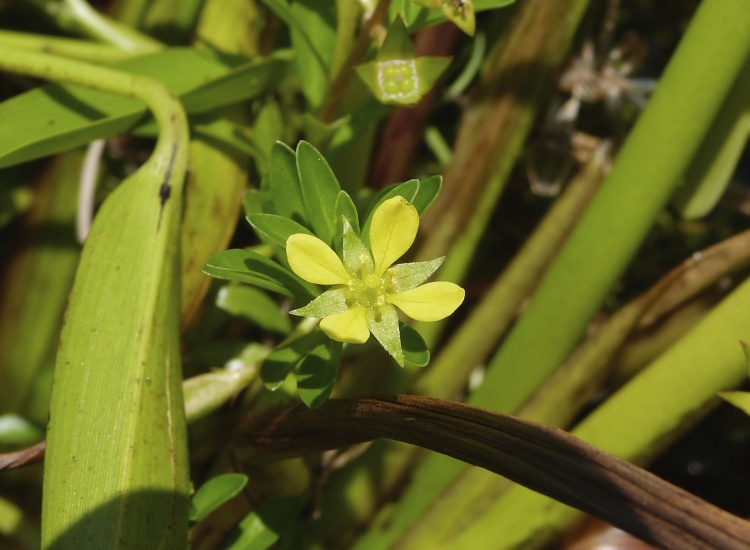
- Long Beach SeedboxLudwigia brevipes
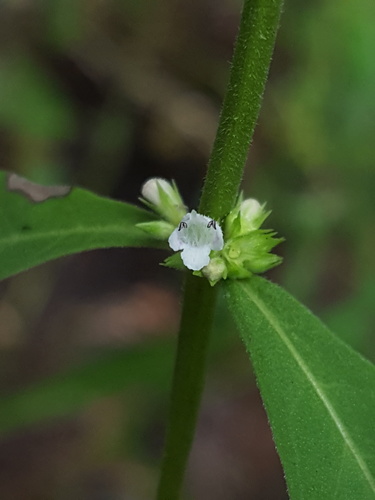
- Taperleaf BugleweedLycopus rubellus
- Lyonia ferrugineaLyonia ferruginea
- Lyonia fruticosaLyonia fruticosa
- Florida MilkvineMatelea floridana
- Florida PoisontreeMetopium toxiferum
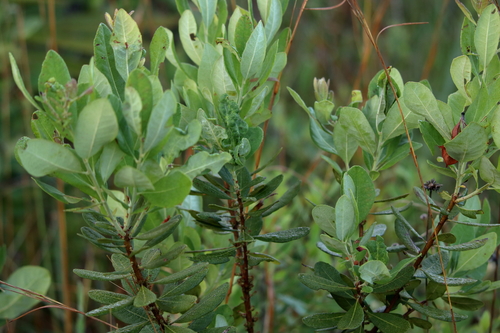
- Southern BayberryMorella caroliniensis
- Morella inodoraMorella inodora
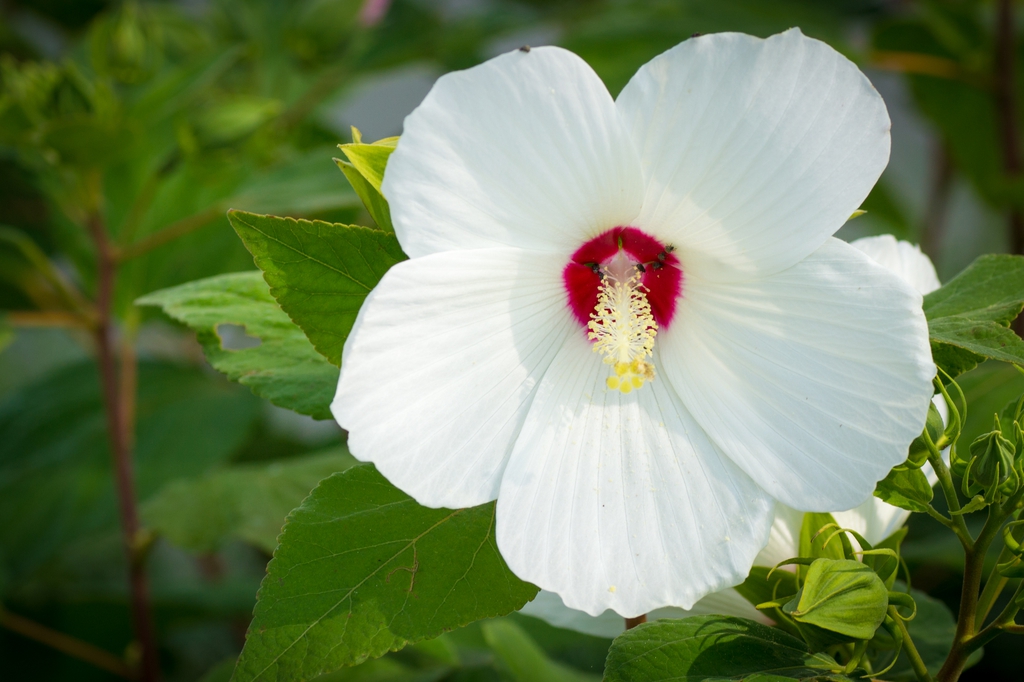
- Swamp RosemallowMuenchhusia moscheutos subsp. moscheutos
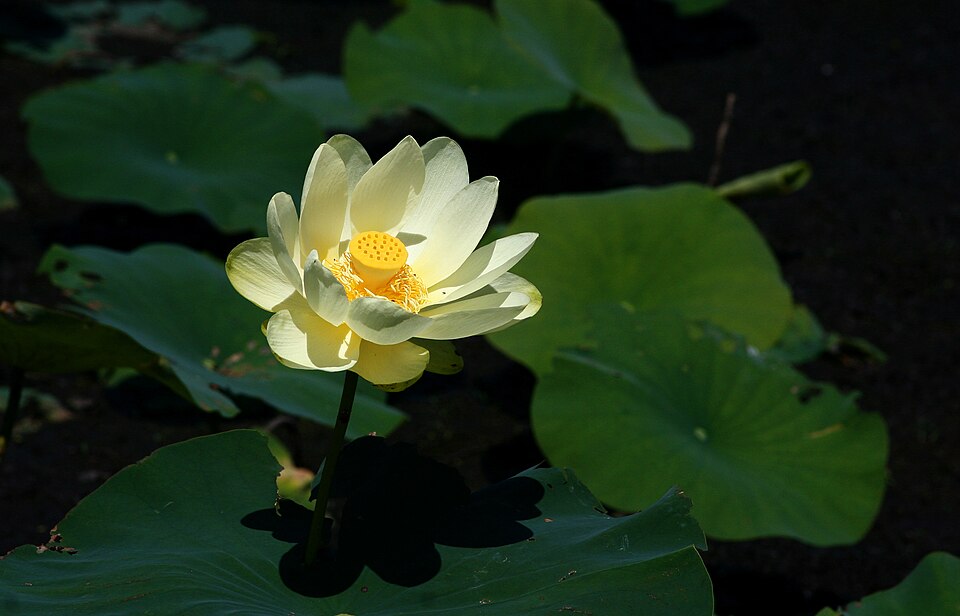
- American LotusNelumbo lutea
- Celestial LilyNemastylis floridana
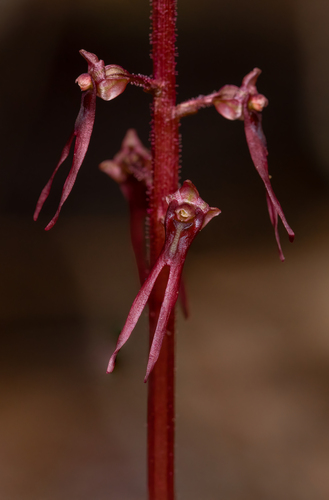
- Southern TwaybladeNeottia bifolia
- Sword FernNephrolepis exaltata
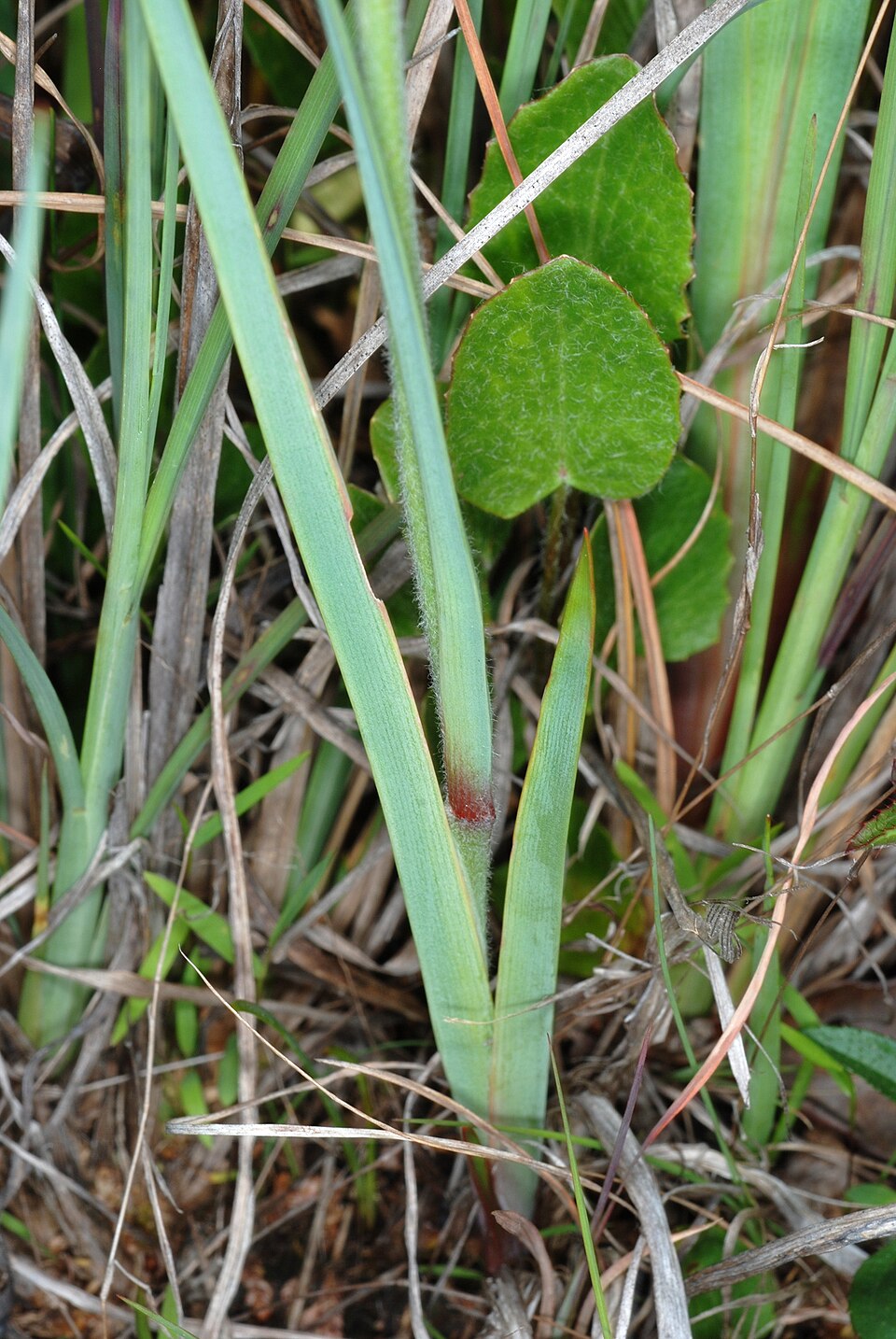
- Florida BeargrassNolina atopocarpa
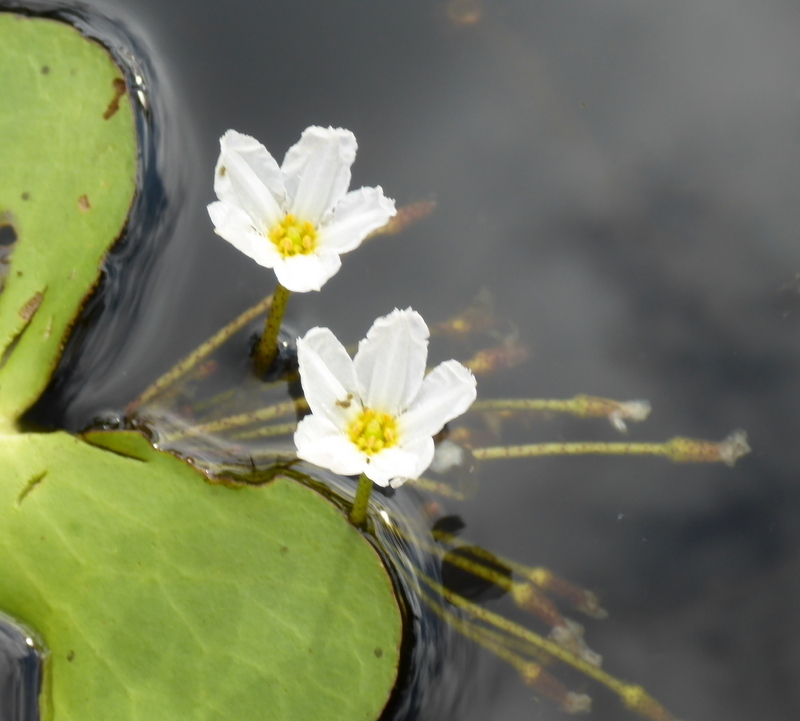
- Big Floating-heartNymphoides aquatica
- Nyssa ogecheNyssa ogeche
- Savanna CowbaneOxypolis ternata
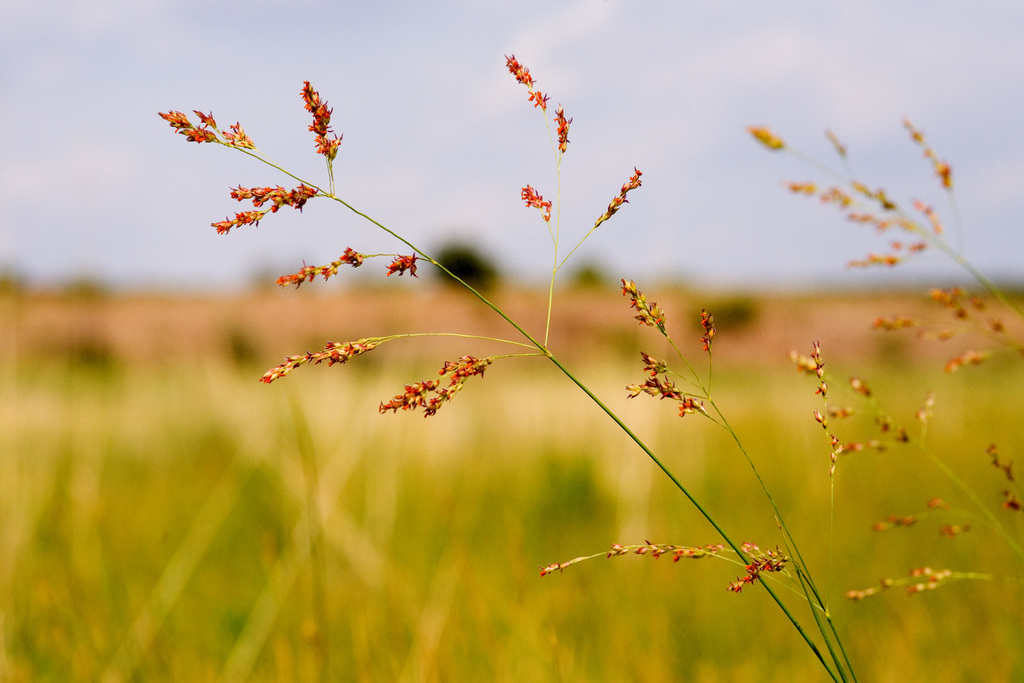
- SwitchgrassPanicum virgatum
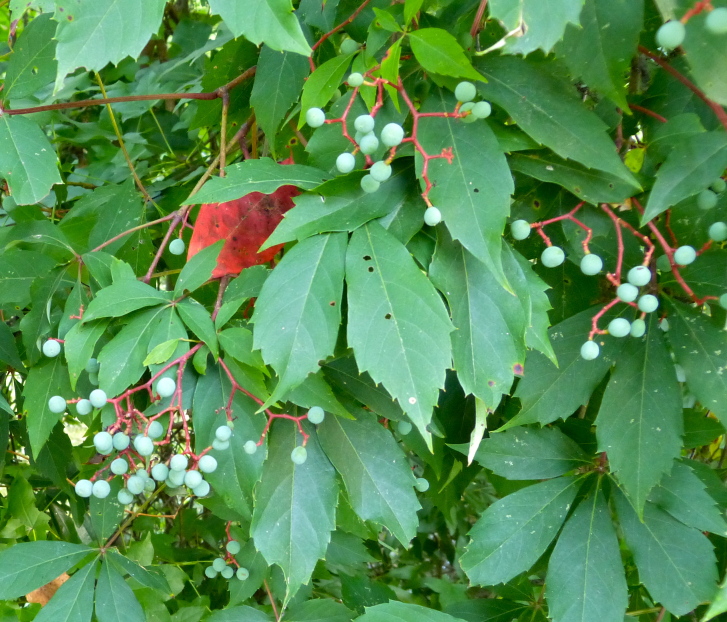
- Virginia CreeperParthenocissus quinquefolia
- Godfrey's False DragonheadPhysostegia godfreyi
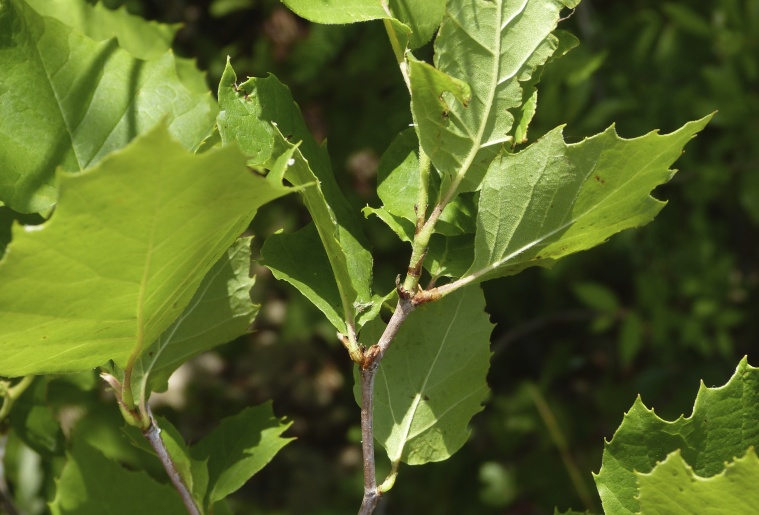
- American SycamorePlatanus occidentalis
Wildlife 287
Other animals whose habitat models include the same habitats in Florida. Not sighting records.
- American Black DuckAnas rubripes
- American CrowCorvus brachyrhynchos
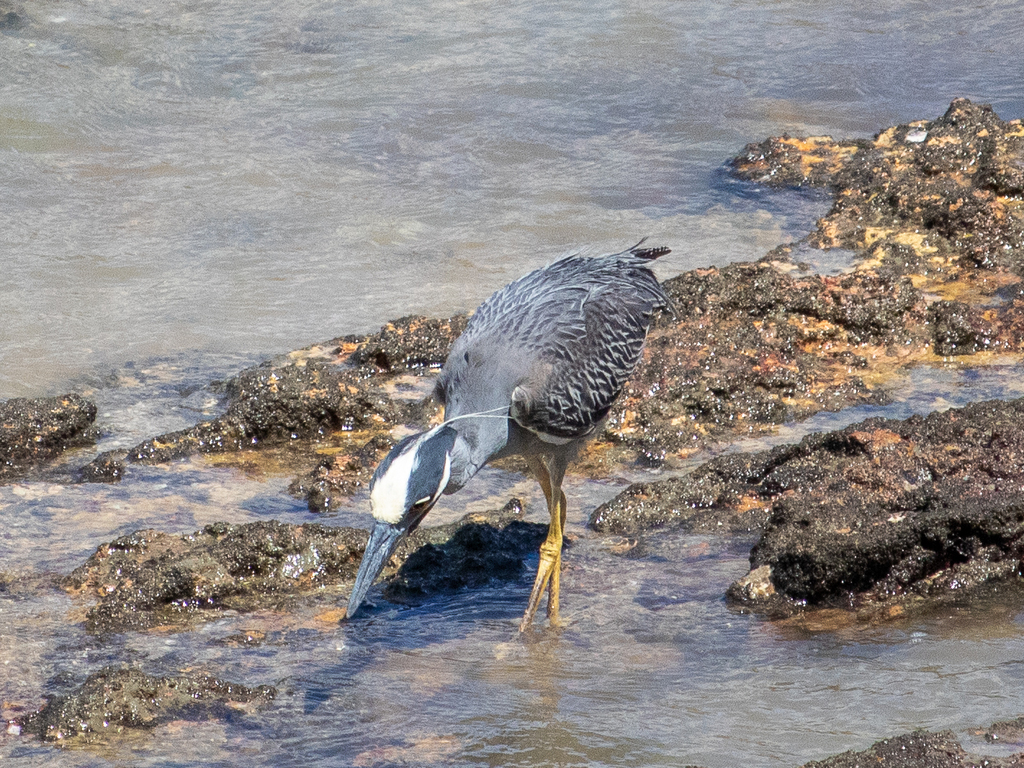
- Black-crowned Night-heronNycticorax nycticorax
- Common YellowthroatGeothlypis trichas
- Cooper's HawkAccipiter cooperii
- Fish CrowCorvus ossifragus
- Northern CardinalCardinalis cardinalis
- Red-tailed HawkButeo jamaicensis
- Red-winged BlackbirdAgelaius phoeniceus
- Sharp-shinned HawkAccipiter striatus
- Turkey VultureCathartes aura
- Yellow-crowned Night-heronNyctanassa violacea
- Chimney SwiftChaetura pelagica
- Common GrackleQuiscalus quiscula
- Common NighthawkChordeiles minor
- Eastern KingbirdTyrannus tyrannus
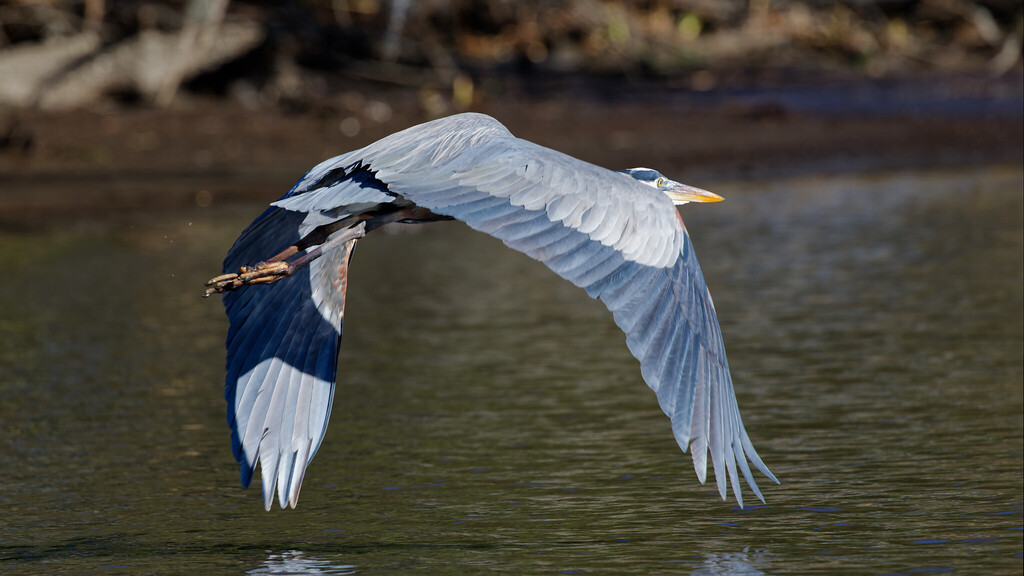
- Great Blue HeronArdea herodias
- Great EgretArdea alba
- Great Horned OwlBubo virginianus
- Green HeronButorides virescens
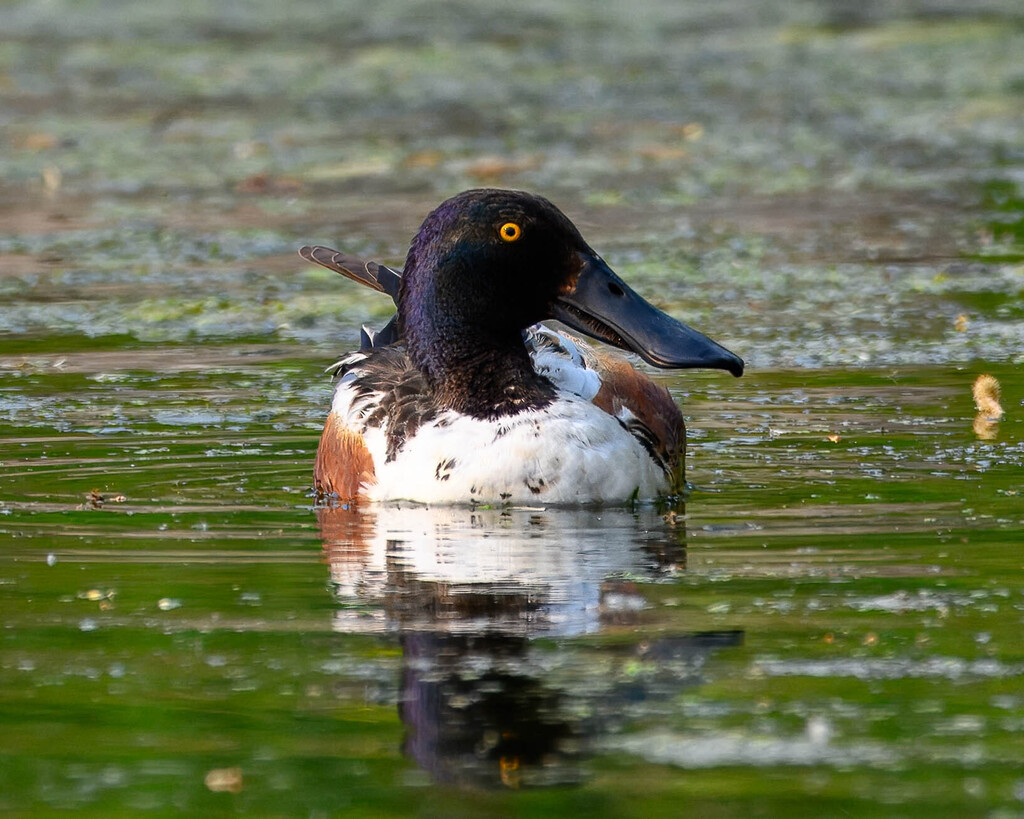
- Northern ShovelerAnas clypeata
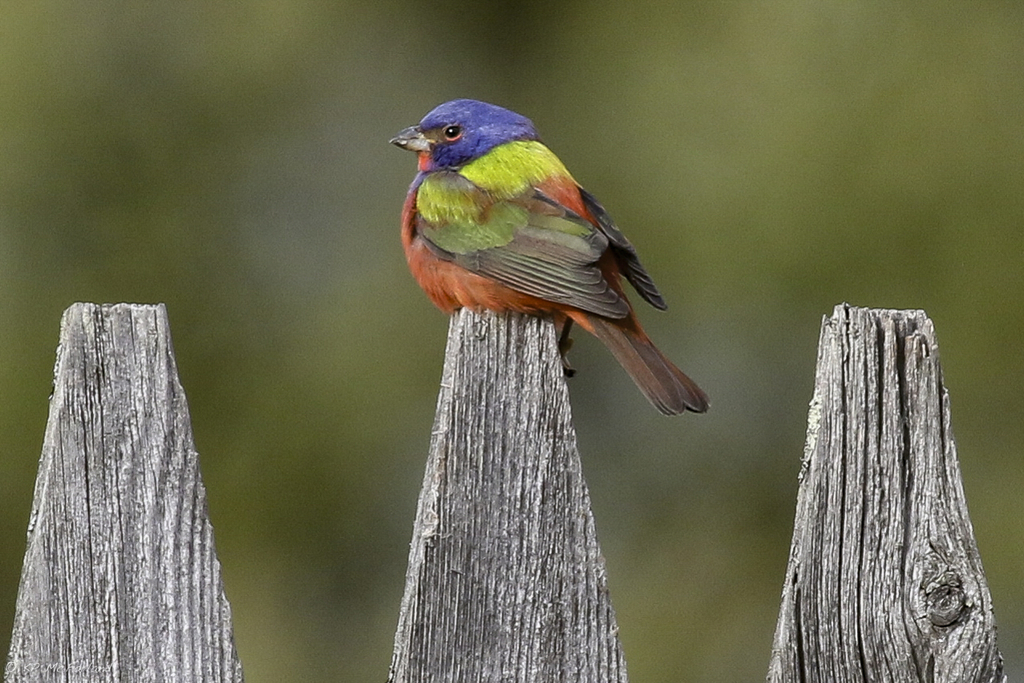
- Painted BuntingPasserina ciris
- Snowy EgretEgretta thula
- Spotted SandpiperActitis macularius




















NatureServe Explorer, CC BY 4.0. USGS Gap Analysis Project habitat models.
Sources
- USGS Gap Analysis Project habitat models (2001)
- USGS GAP year-round habitat model for Limpkin
- USGS Gap Analysis Project range maps (2001), modeled by watershed; migratory gives no dates
- NatureServe Explorer (CC BY 4.0), habitat names
- US Census TIGER/Line counties
- Names follow the USGS Gap Analysis Project (2001)