

Bird
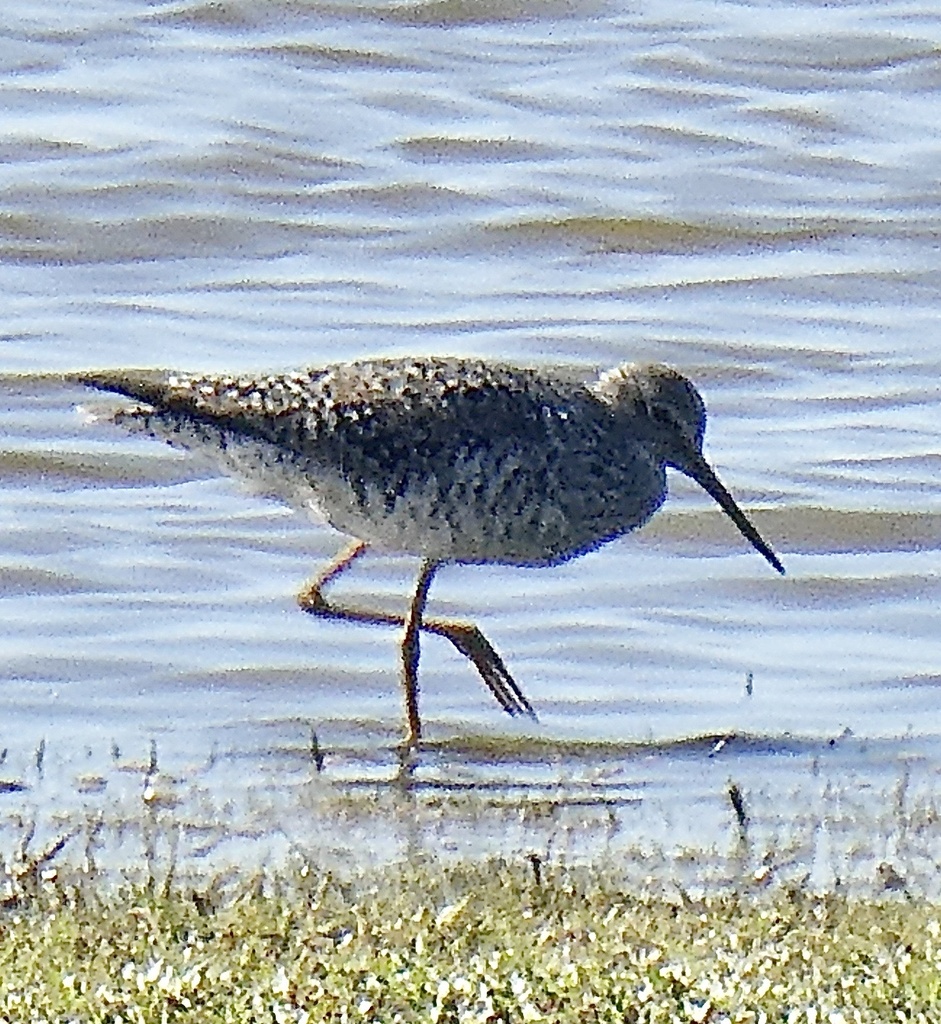
Greater Yellowlegs
Tringa melanoleuca
A winter visitor to Florida, found in all 67 counties and 13 habitats.
- Here
- Winter and on migration
- Nesting
- Not known to nest here
- Range
- All 67 counties
- Habitats
- 13
At a glance
- Group
- Birds
- Here
- Winter and on migration
- Nesting
- Not known to nest here
- Range
- All 67 counties
- Habitats
- 13
- Habitat models
- Winter
Where it lives
The places its habitat model includes. It is not found everywhere a habitat occurs.
Habitats in Florida 13
Each habitat page lists the plants and wildlife also found there.

Open sand of beaches, dunes and the hollows between them.
Open, wet, seepage-fed bogs of the Coastal Plain and Sandhills, often with pitcher plants.
Coastal tidal marshes (salinity not stated)
Tidal marshes of the Atlantic and Gulf coasts where the source does not say whether the water is fresh, brackish or salt. A stated salinity files the marsh under freshwater tidal marshes or salt and brackish marshes instead.
Depression ponds and limesinks
Shallow ponds in Coastal Plain depressions, such as limesinks and the ponds in some Carolina bays, that rise and fall with the seasons.
Disturbed and introduced wetlands
Wet ground taken over by weedy or introduced plants after disturbance, such as common reed, Chinese tallow or tamarisk stands; the upland counterpart is roadsides, fields and disturbed ground.
Marshes along tidal rivers where the water is fresh but rises and falls with the tide.
Coastal marshes flooded by salty or brackish tides.
Salt and brackish open water of sounds, bays and estuaries, with the mud and sand flats and seagrass beds that tides cover and uncover; the vegetated marsh is salt and brackish marshes.
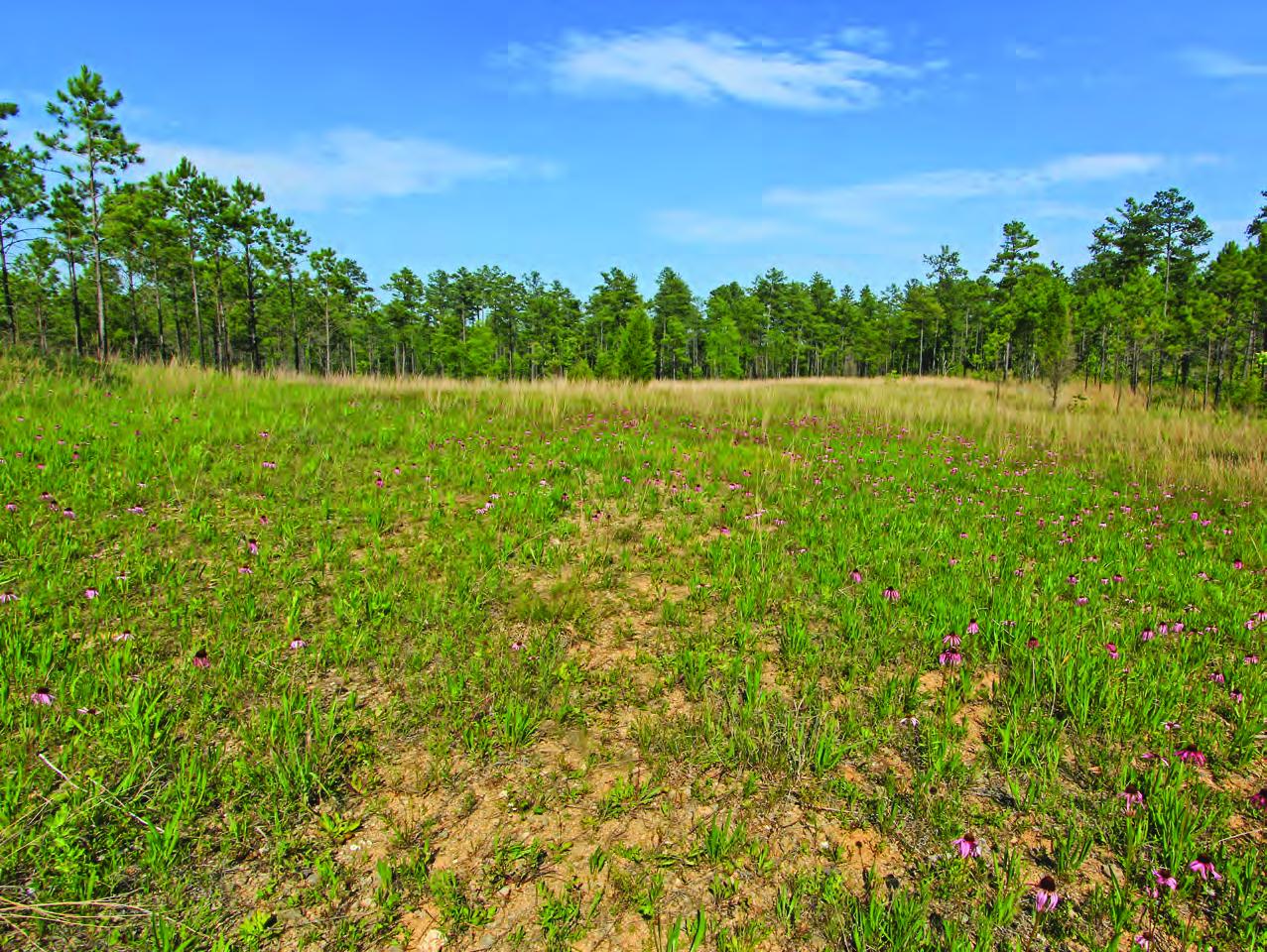
Roadsides, fields and disturbed ground
Ground opened by people: roadsides, old fields, pastures, fencerows and lots.
Other habitats in its models (40)
Land cover, or classes with no habitat page in Florida.
- Developed, Low Intensity Winter, only within 120 m of water.
- Open Water (Aquaculture) Winter.
- Unconsolidated Shore (Lake/River/Pond) Winter.
- Unconsolidated Shore Winter.
- Upper Texas Coast Beach Winter.
- Louisiana Beach Winter.
- Texas Coastal Bend Beach Winter.
- East Gulf Coastal Plain Dry Chalk Bluff Winter, only within 120 m of water.
- East Gulf Coastal Plain Black Belt Calcareous Prairie and Woodland - Herbaceous Modifier Winter, only within 120 m of water.
- West Gulf Coastal Plain Catahoula Barrens Winter, only within 120 m of water.
- West Gulf Coastal Plain Nepheline Syenite Glade Winter, only within 120 m of water.
- Atlantic Coastal Plain Xeric River Dune Winter.
- West Gulf Coastal Plain Northern Calcareous Prairie Winter, only within 120 m of water.
- West Gulf Coastal Plain Southern Calcareous Prairie Winter, only within 120 m of water.
- East Gulf Coastal Plain Jackson Prairie and Woodland Winter, only within 120 m of water.
- Tamaulipan Savanna Grassland Winter, only within 120 m of water.
- Tamaulipan Clay Grassland Winter, only within 120 m of water.
- South Texas Sand Sheet Grassland Winter, only within 120 m of water.
- Texas-Louisiana Coastal Prairie Winter, only within 120 m of water.
- Central and Upper Texas Coast Dune and Coastal Grassland Winter.
- South Texas Lomas Winter, only within 120 m of water.
- South Texas Dune and Coastal Grassland Winter.
- Recently Logged Areas Winter, only within 120 m of water.
- Harvested Forest - Grass/Forb Regeneration Winter, only within 120 m of water.
- Recently Burned Winter, only within 120 m of water.
- Recently Burned Forest Winter, only within 120 m of water.
- Recently Burned Grassland Winter, only within 120 m of water.
- Introduced Upland Vegetation - Forbland Winter, only within 120 m of water.
- Introduced Upland Vegetation - Annual Grassland Winter, only within 120 m of water.
- Introduced Upland Vegetation - Perennial Grassland Winter, only within 120 m of water.
- Introduced Upland Vegetation - Perennial Grassland and Forbland Winter, only within 120 m of water.
- Modified/Managed Southern Tall Grassland Winter, only within 120 m of water.
- Atlantic Coastal Plain Clay-Based Carolina Bay Herbaceous Wetland Winter.
- Central Florida Herbaceous Seep Winter.
- Texas Saline Coastal Prairie Winter.
- East Gulf Coastal Plain Southern Depression Pondshore Winter.
- Tamaulipan Floodplain Winter.
- Tamaulipan Riparian Systems Winter.
- West Gulf Coastal Plain Large River Floodplain Forest Winter.
- Texas-Louisiana Coastal Prairie Slough Winter.
Seasons in Florida
- Migratory: does not nest here, in 13 of 67 counties.
- Winter: does not nest here, in all 67 counties.
Also found in this habitat
Plants 306
Plants named in NatureServe descriptions of these habitats that grow in Florida. Shared habitat, not food.
- Marsh BristlegrassSetaria parviflora
- Sideroxylon thorneiSideroxylon thornei
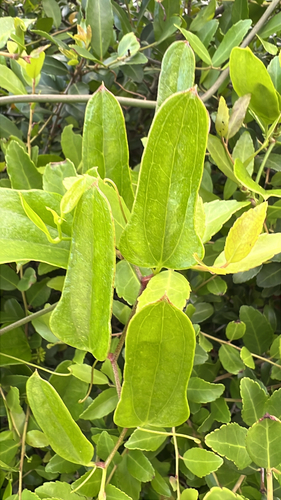
- Earleaf GreenbrierSmilax auriculata
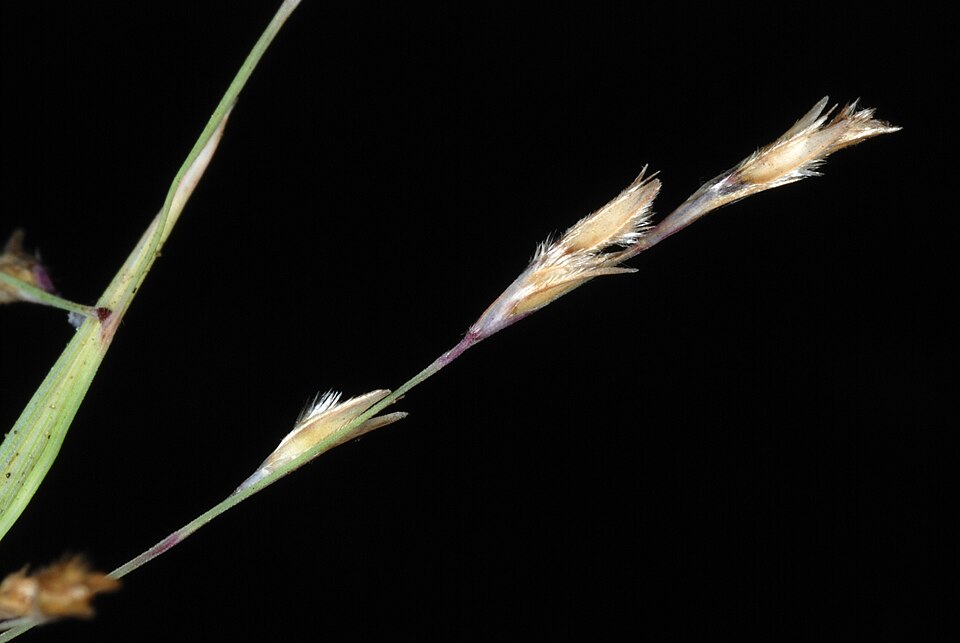
- Sorghastrum secundumSorghastrum secundum
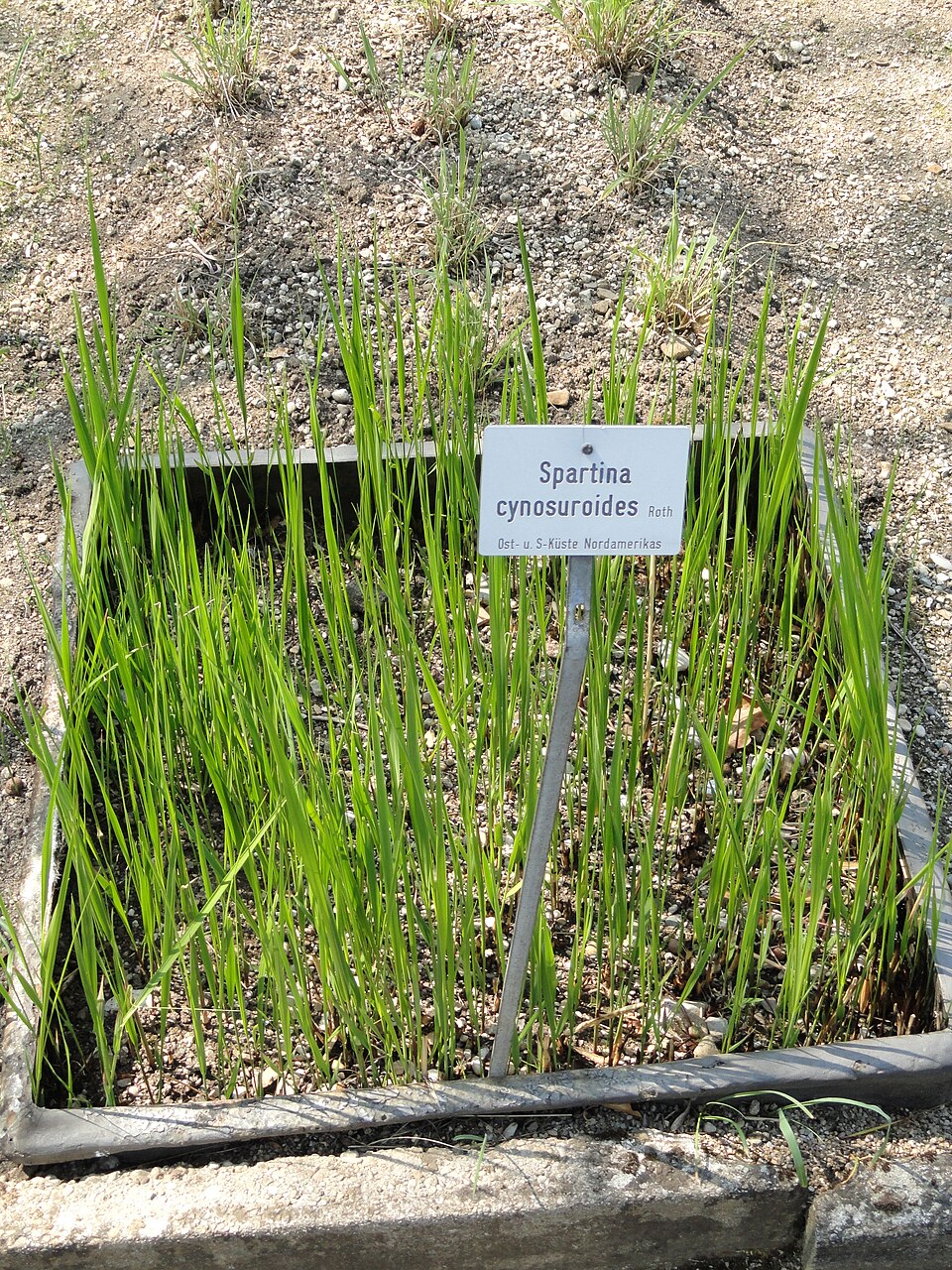
- Big CordgrassSpartina cynosuroides
- Sphagnum cuspidatumSphagnum cuspidatum
- Florida PinkrootSpigelia loganioides
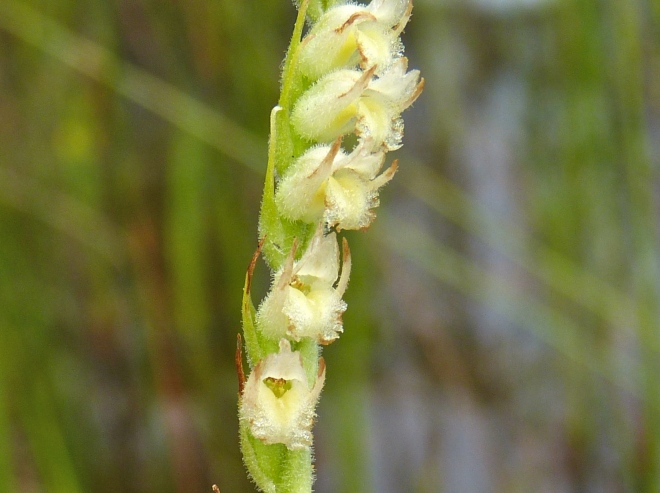
- Florida Ladies'-tressesSpiranthes floridana
- Lacelip Ladies'-tressesSpiranthes laciniata
- Stillingia aquaticaStillingia aquatica
- Savannah AsterSymphyotrichum chapmanii
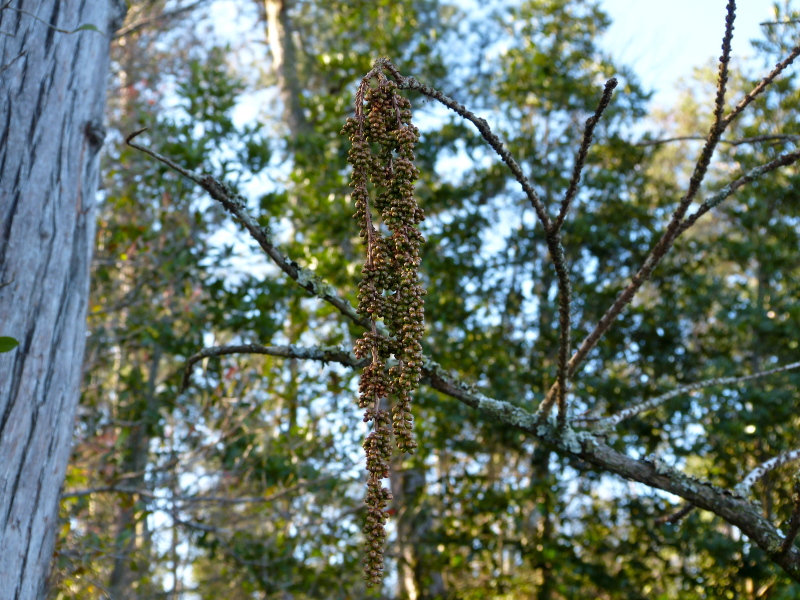
- Pond CypressTaxodium ascendens
- Small-leaved Meadow-rueThalictrum macrostylum
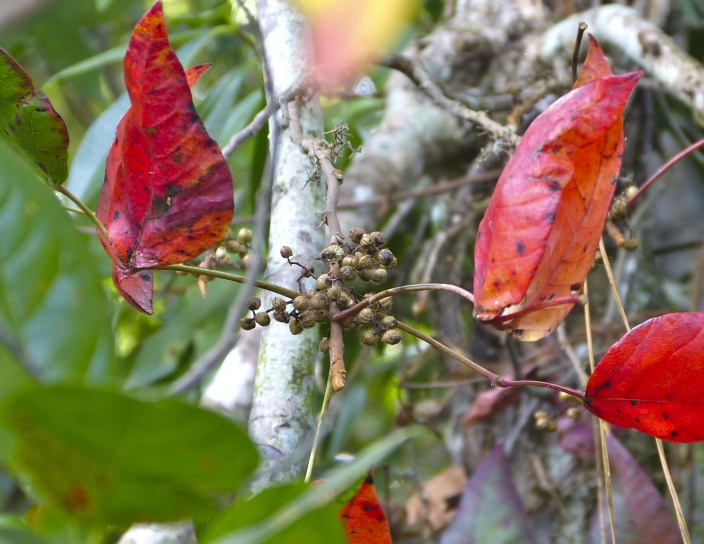
- Poison-ivyToxicodendron radicans
- Purple SandgrassTriplasis purpurea
- Broadleaf CattailTypha latifolia
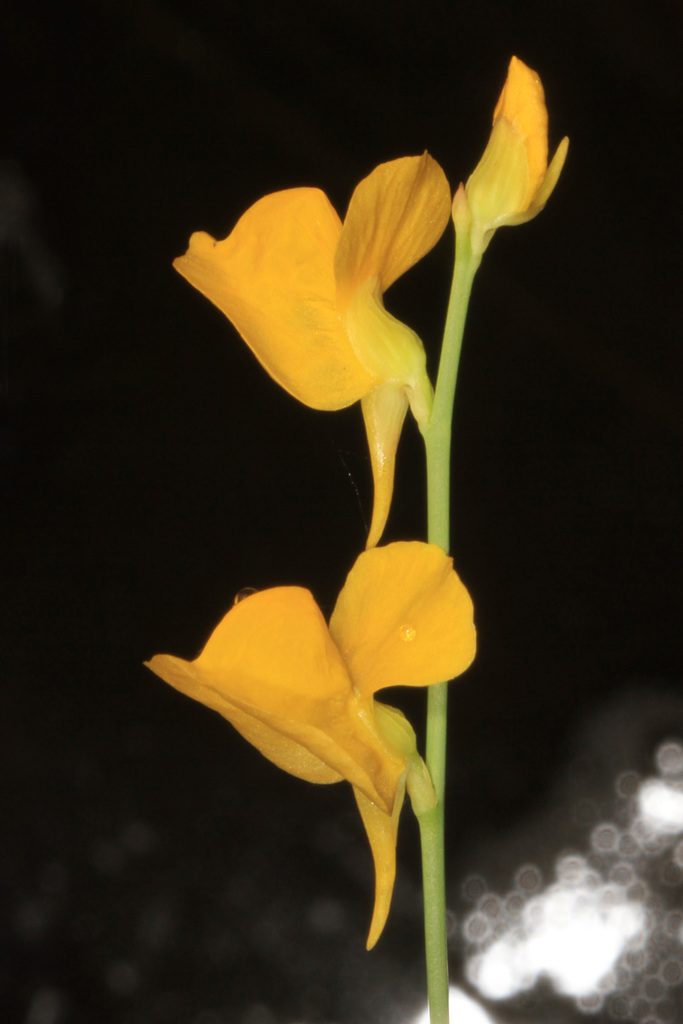
- Horned BladderwortUtricularia cornuta
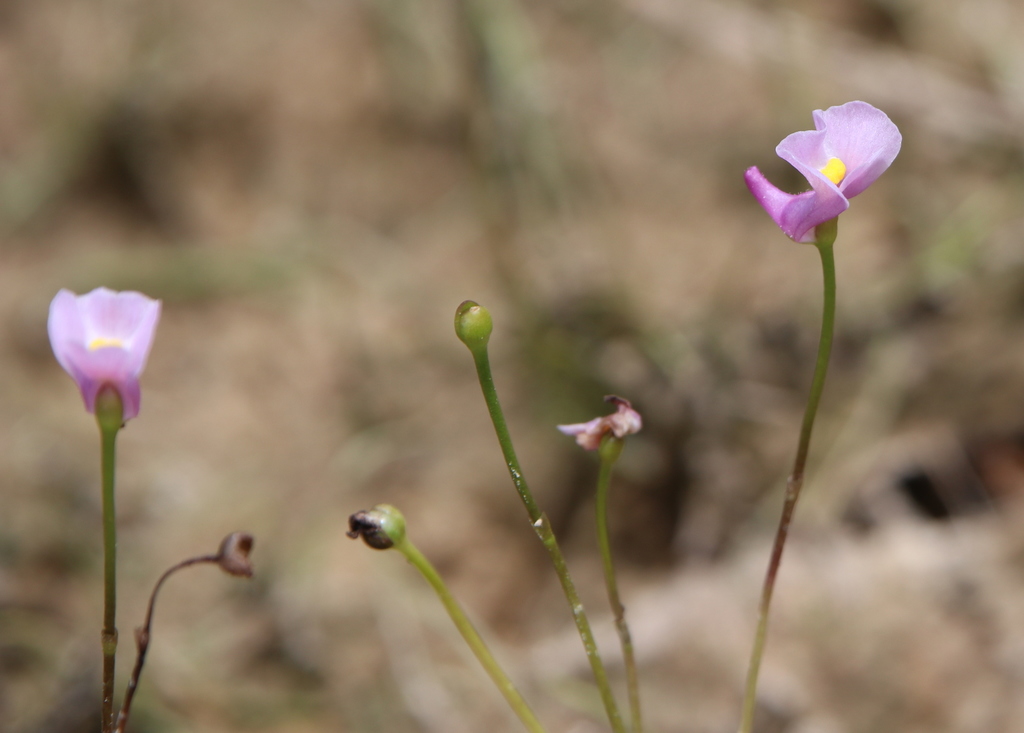
- Lavender BladderwortUtricularia resupinata
- Vaccinium darrowiiVaccinium darrowii
- Vaccinium myrsinitesVaccinium myrsinites
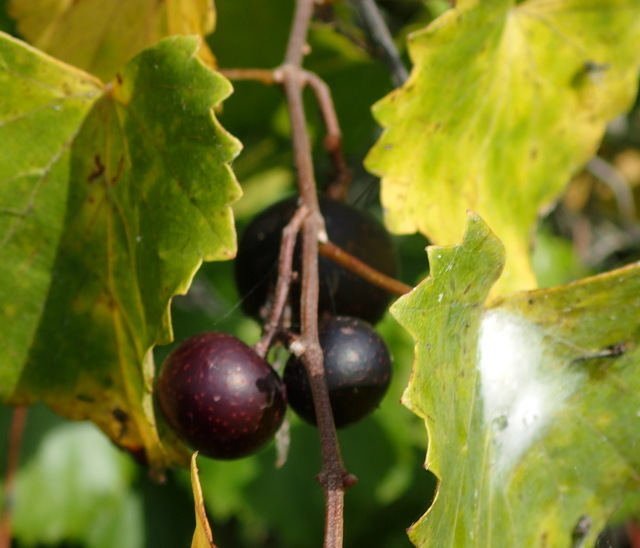
- MuscadineVitis rotundifolia
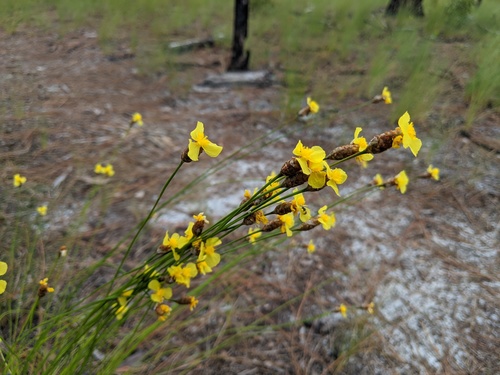
- Carolina Yellow-eyed-grassXyris caroliniana
- Xyris drummondiiXyris drummondii
- Fringed Yellow-eyed-grassXyris fimbriata
Wildlife 286
Other animals whose habitat models include the same habitats in Florida. Not sighting records.
- Great Horned OwlBubo virginianus
- Tree SwallowTachycineta bicolor
- American Black DuckAnas rubripes
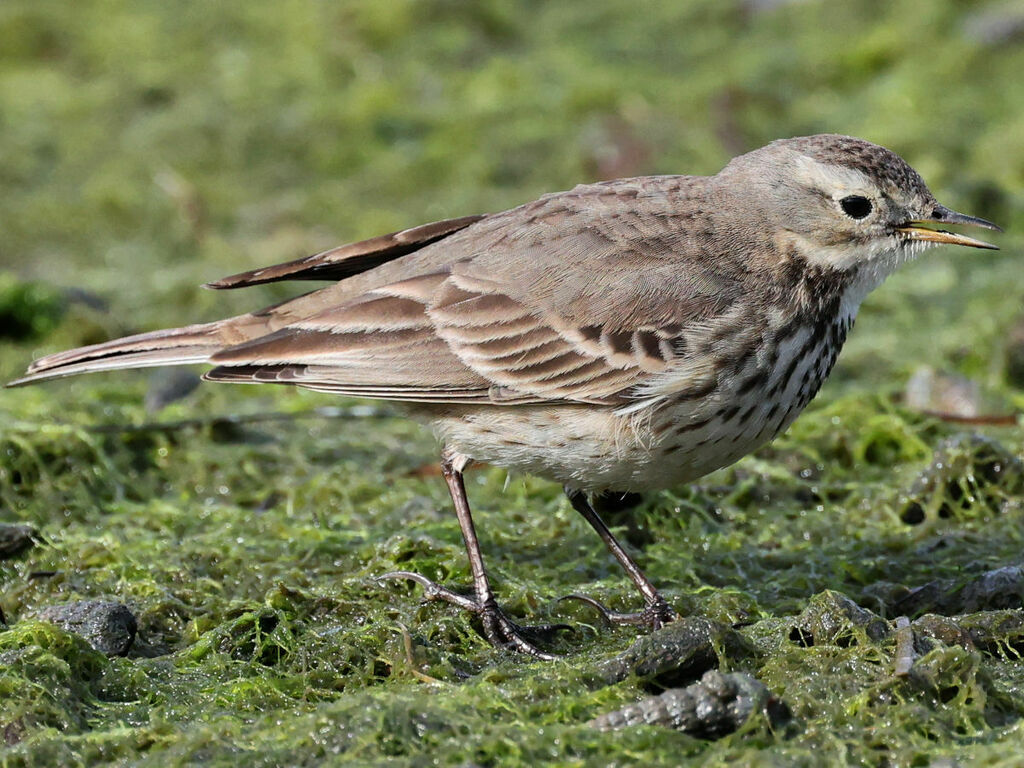
- American PipitAnthus rubescens
- Bank SwallowRiparia riparia
- Black-crowned Night-heronNycticorax nycticorax
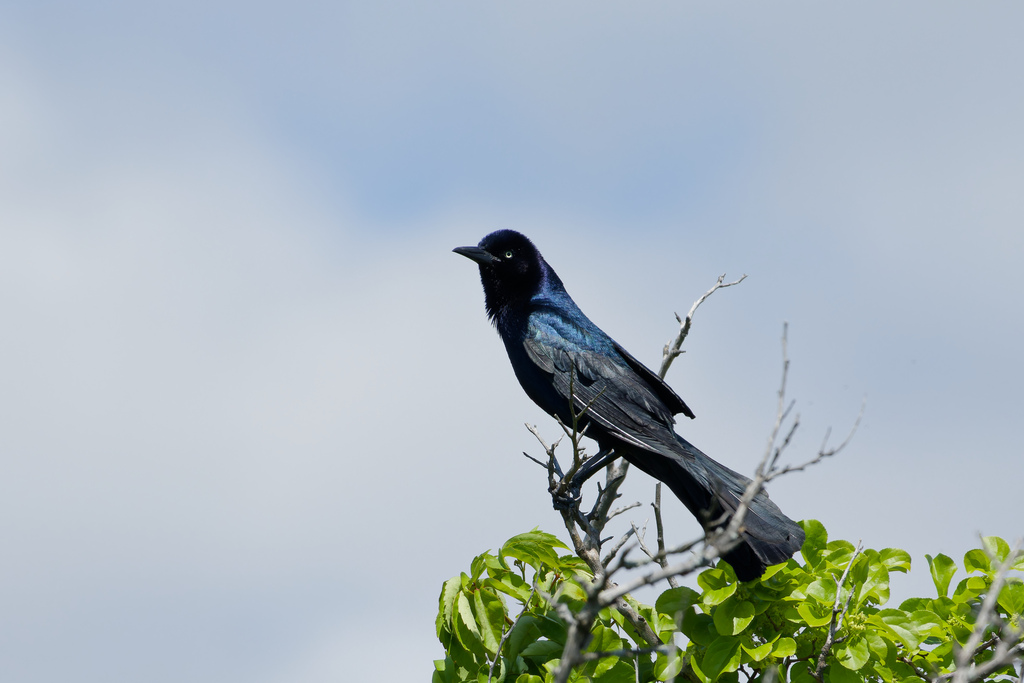
- Boat-tailed GrackleQuiscalus major
- Canada GooseBranta canadensis
- Chimney SwiftChaetura pelagica
- Common NighthawkChordeiles minor
- Cooper's HawkAccipiter cooperii
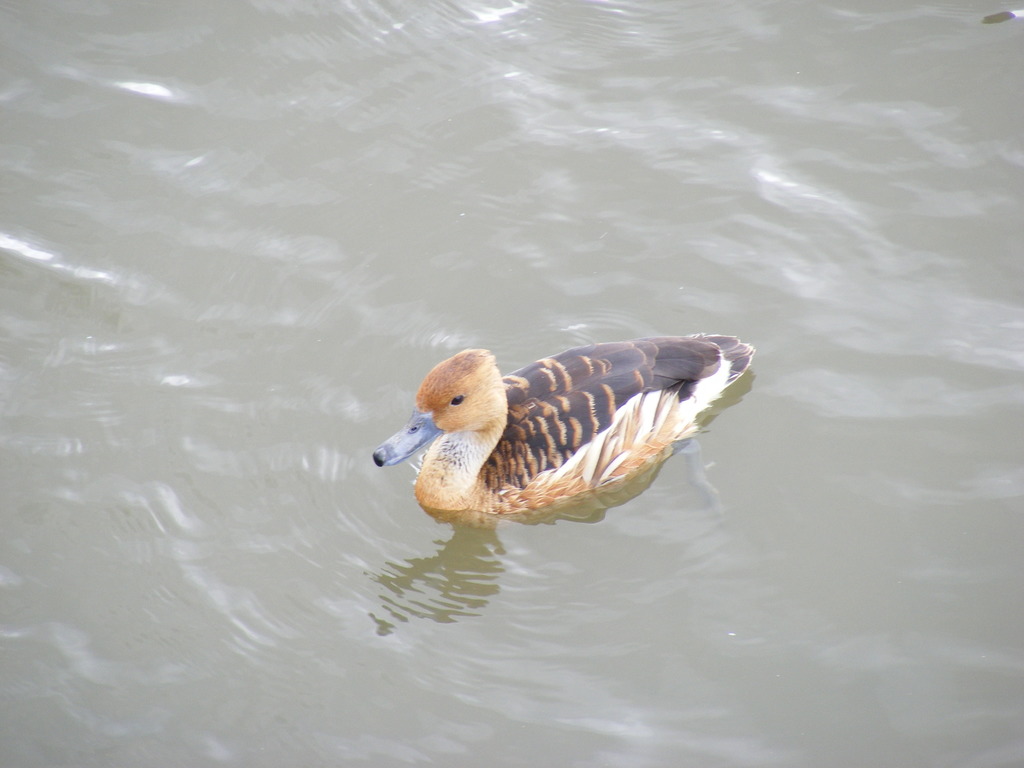
- Fulvous Whistling-duckDendrocygna bicolor
- Great Blue HeronArdea herodias
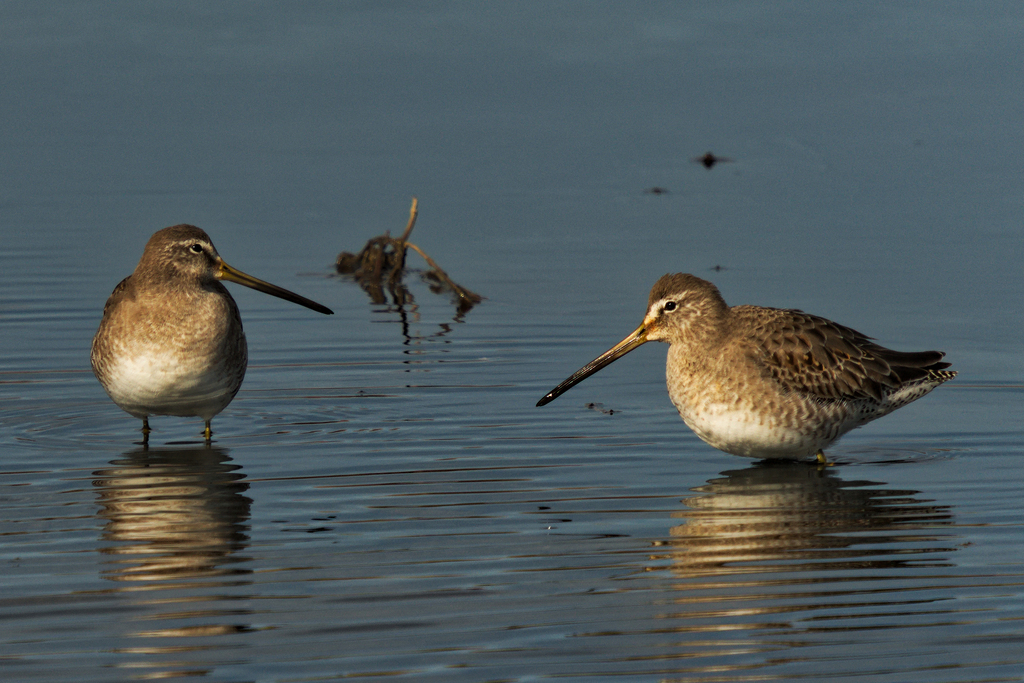
- Long-billed DowitcherLimnodromus scolopaceus
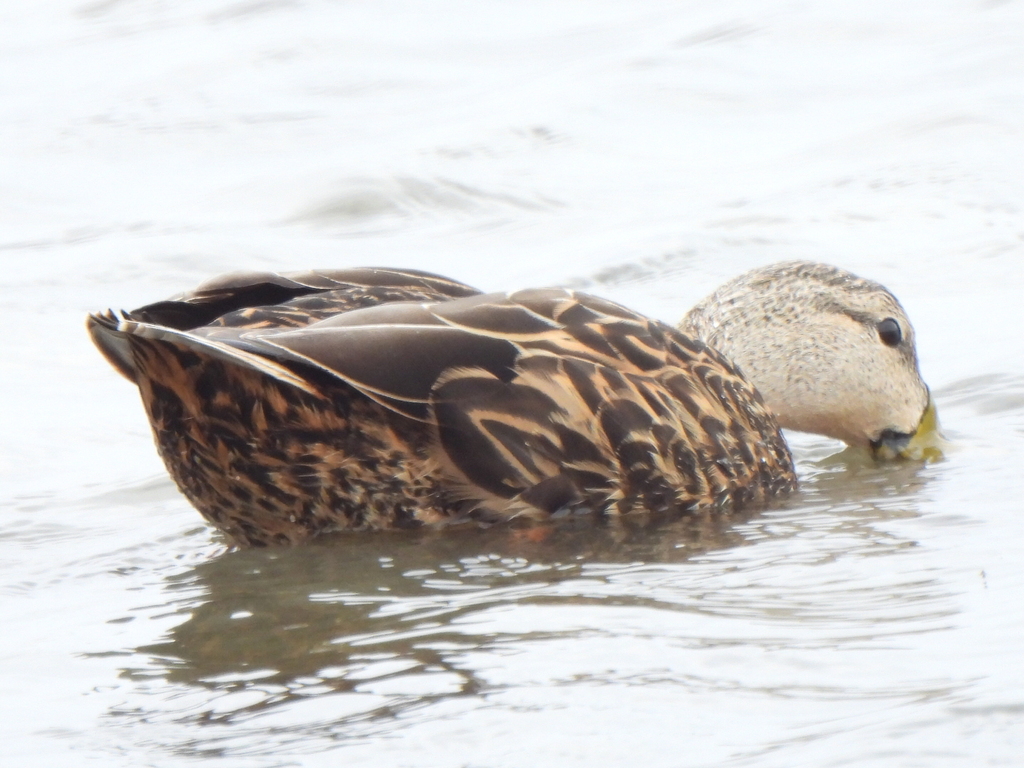
- Mottled DuckAnas fulvigula
- Northern CardinalCardinalis cardinalis
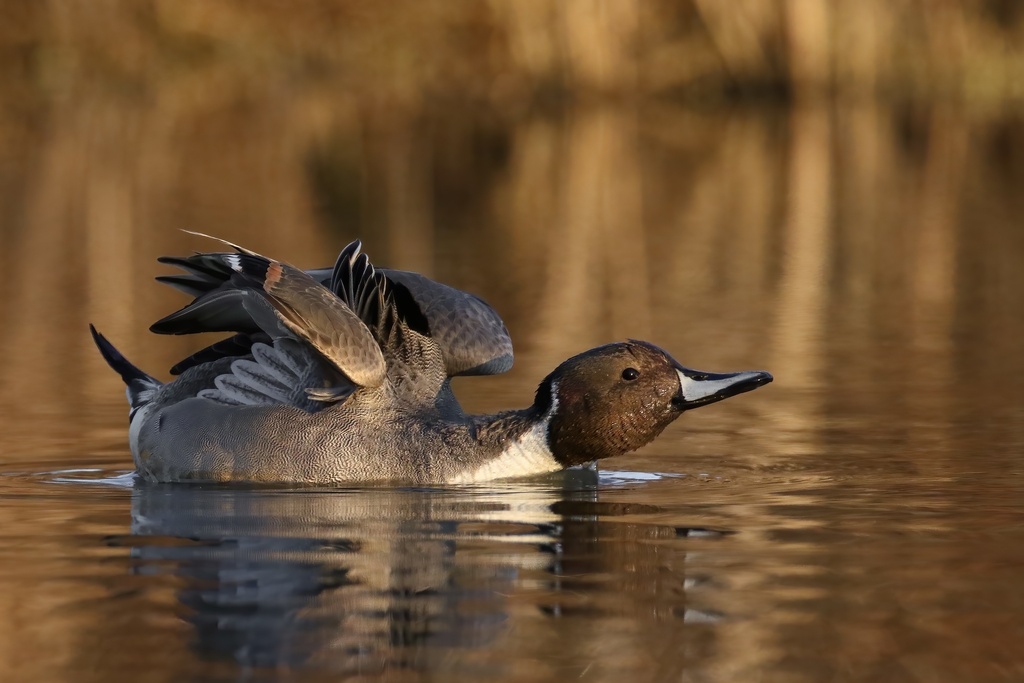
- Northern PintailAnas acuta
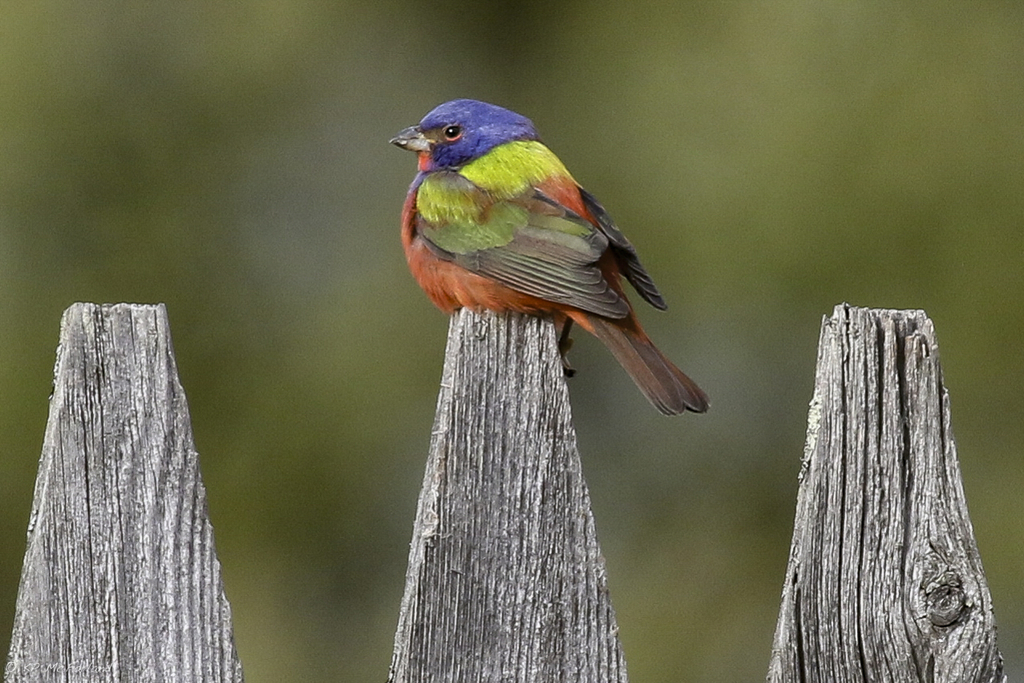
- Painted BuntingPasserina ciris
- Red-tailed HawkButeo jamaicensis
- Red-winged BlackbirdAgelaius phoeniceus
- Sharp-shinned HawkAccipiter striatus
- Spotted SandpiperActitis macularius
- Turkey VultureCathartes aura
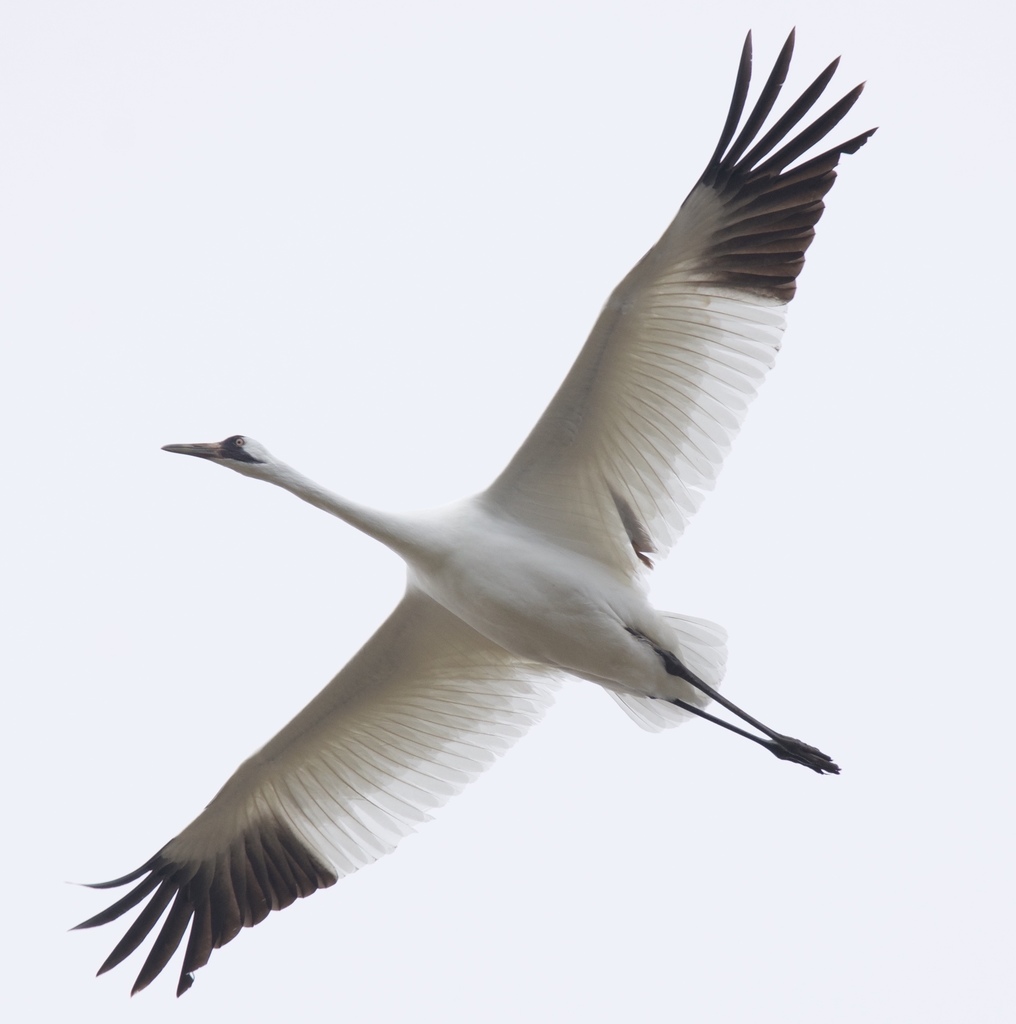
- Whooping CraneGrus americana
















NatureServe Explorer, CC BY 4.0. USGS Gap Analysis Project habitat models.
Sources
- USGS Gap Analysis Project habitat models (2001)
- USGS GAP winter habitat model for Greater Yellowlegs Elevation 0 to 4,100 m. Slow streams only
- USGS Gap Analysis Project range maps (2001), modeled by watershed; migratory gives no dates
- NatureServe Explorer (CC BY 4.0), habitat names
- US Census TIGER/Line counties
- Names follow the USGS Gap Analysis Project (2001)