

Bird
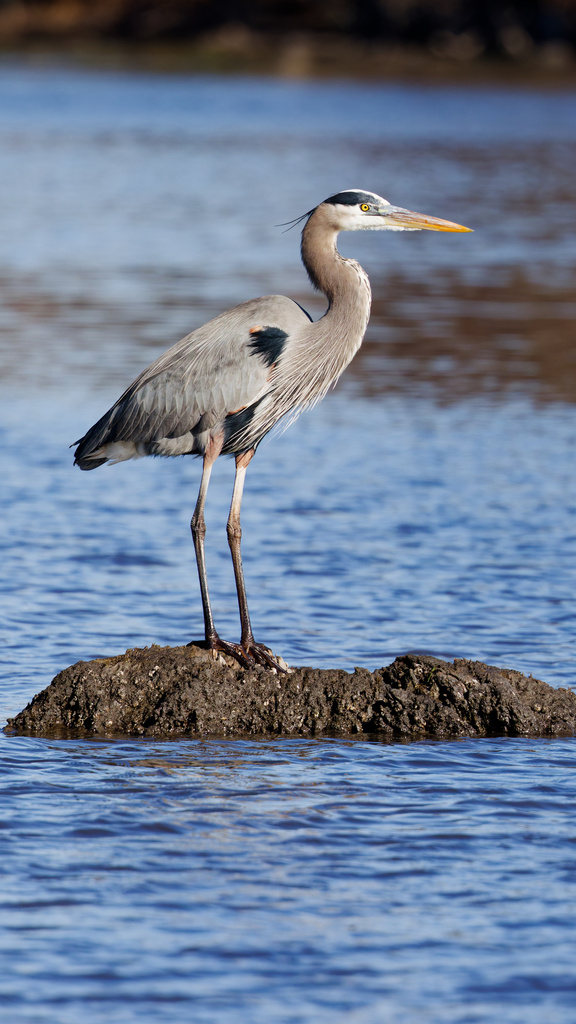
Great Blue Heron
Ardea herodias
Lives in Florida all year and nests here. Found in all 67 counties, across 19 habitats.
- Here
- All year
- Nesting
- Nests here
- Range
- All 67 counties
- Habitats
- 19
At a glance
- Group
- Birds
- Here
- All year
- Nesting
- Nests here
- Range
- All 67 counties
- Habitats
- 19
- Habitat models
- Summer, Winter
Where it lives
The places its habitat model includes. It is not found everywhere a habitat occurs.
Habitats in Florida 19
Each habitat page lists the plants and wildlife also found there.
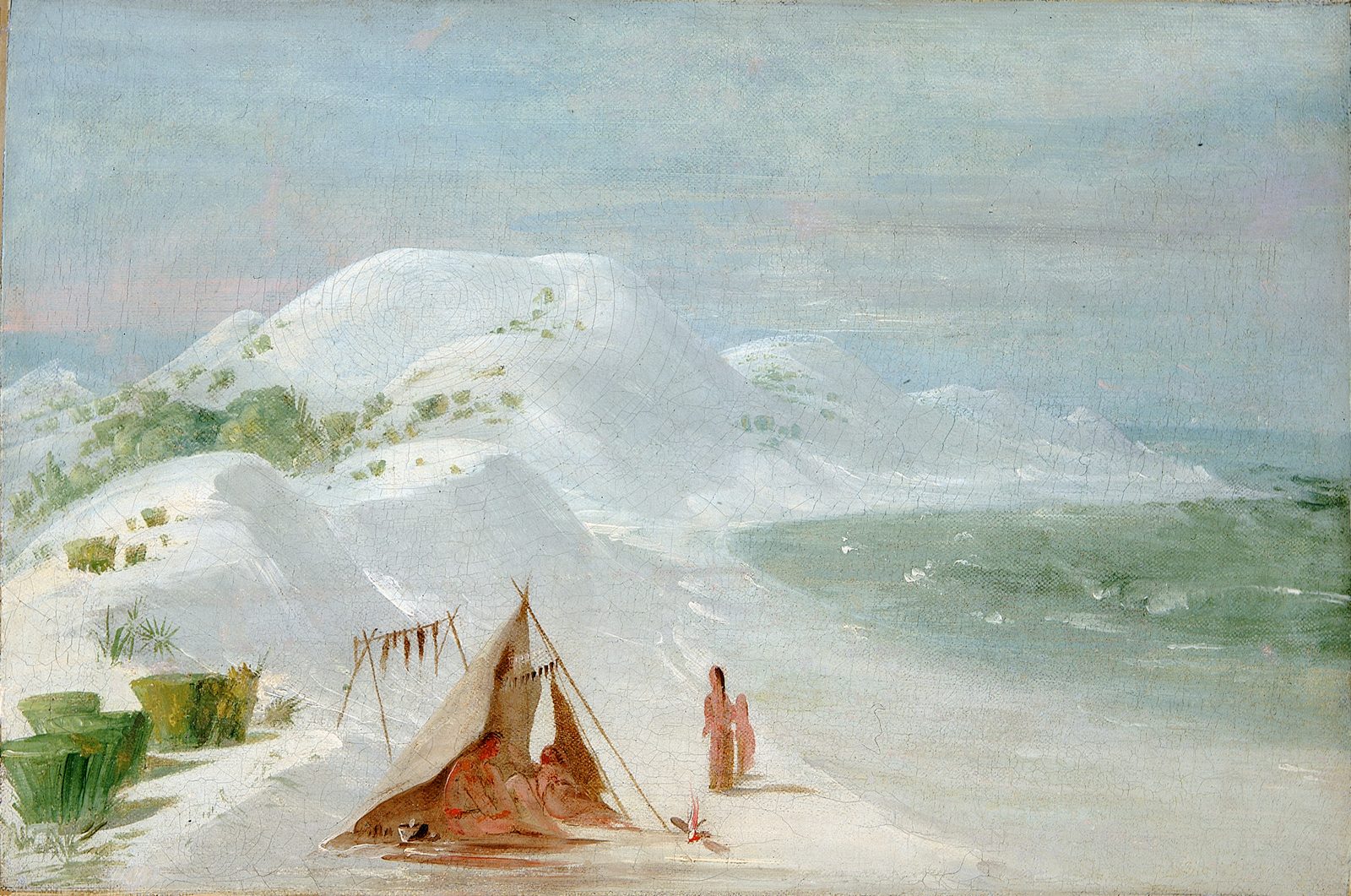
Coastal tidal marshes (salinity not stated)
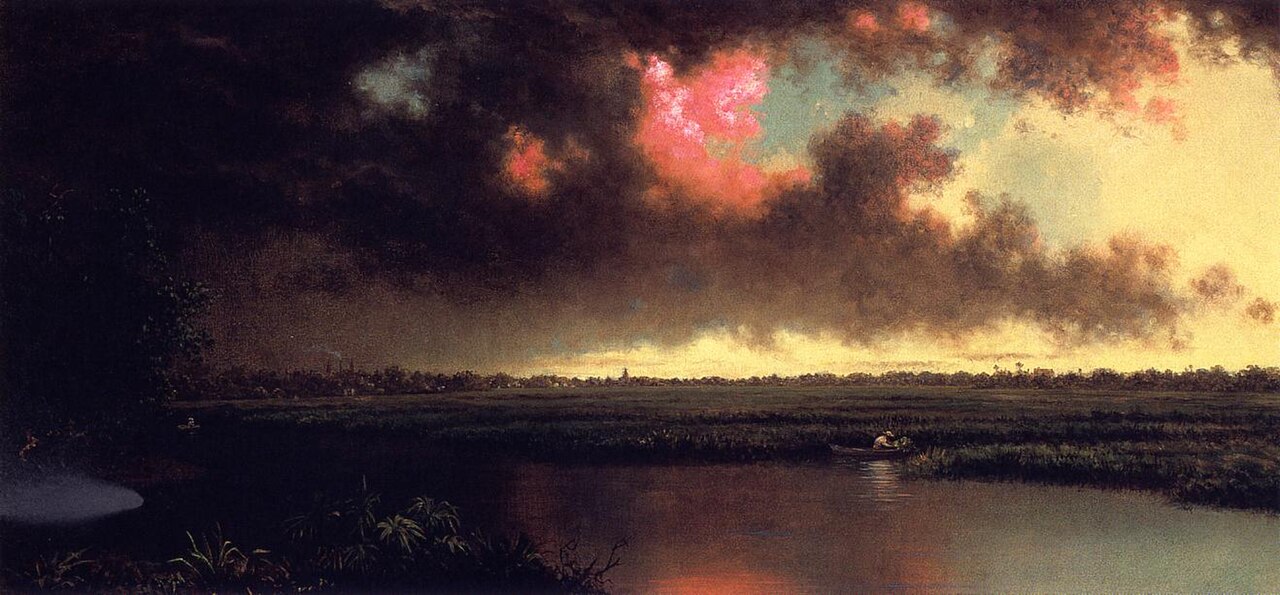
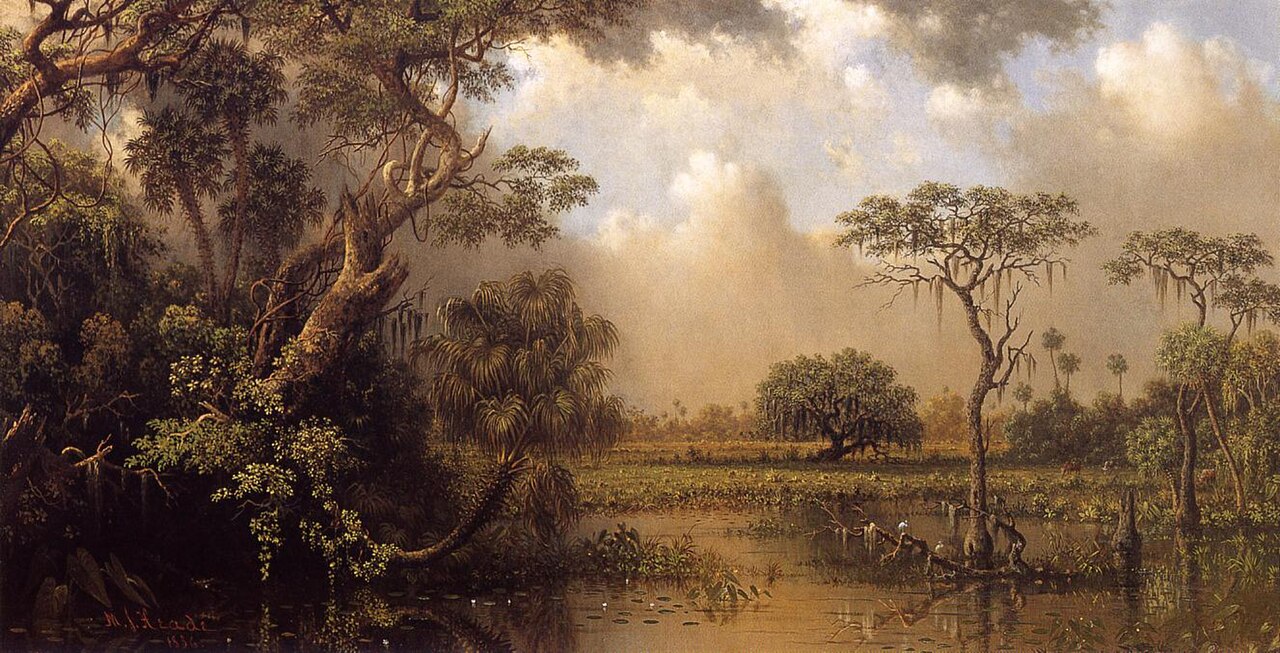
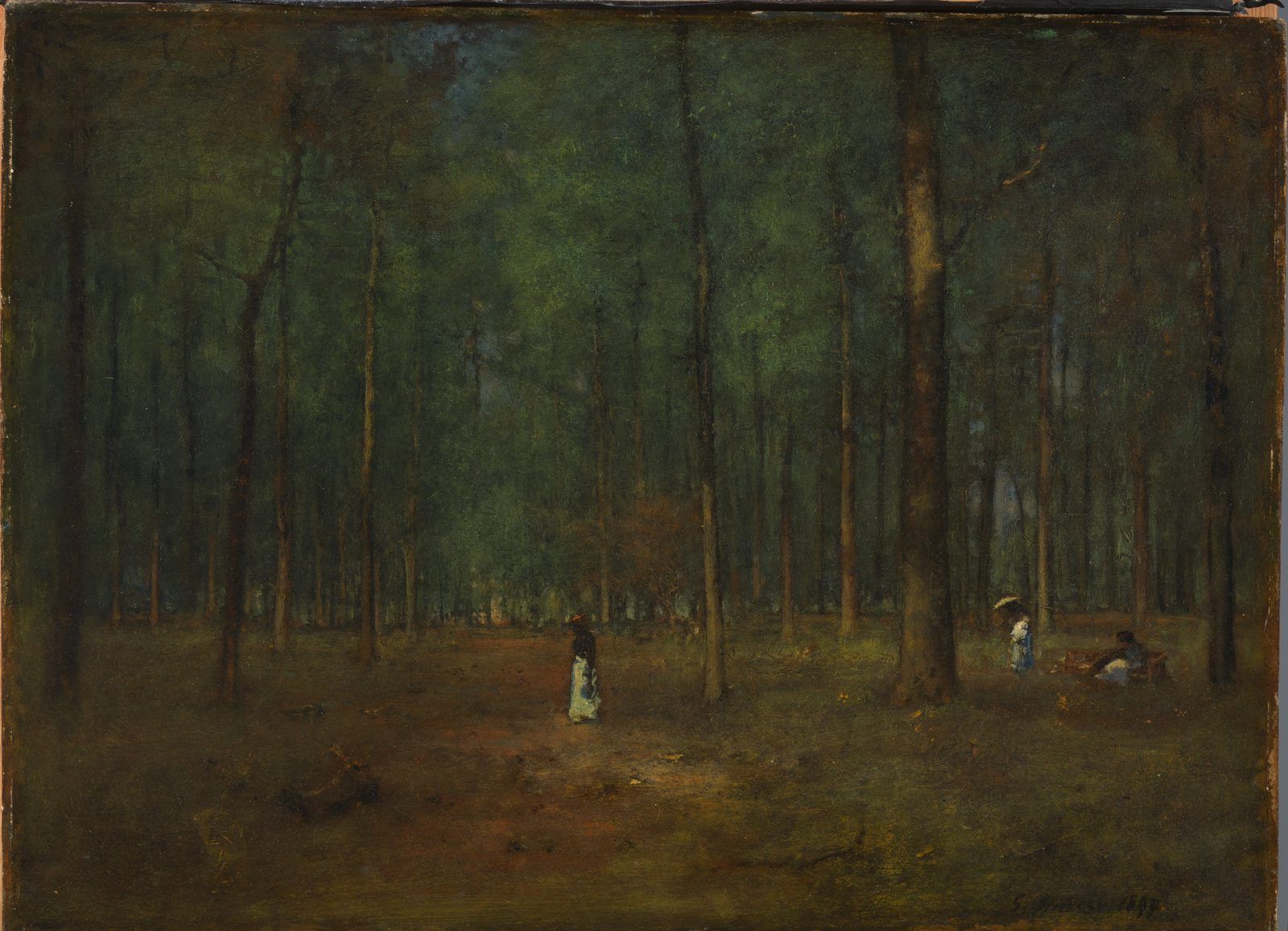
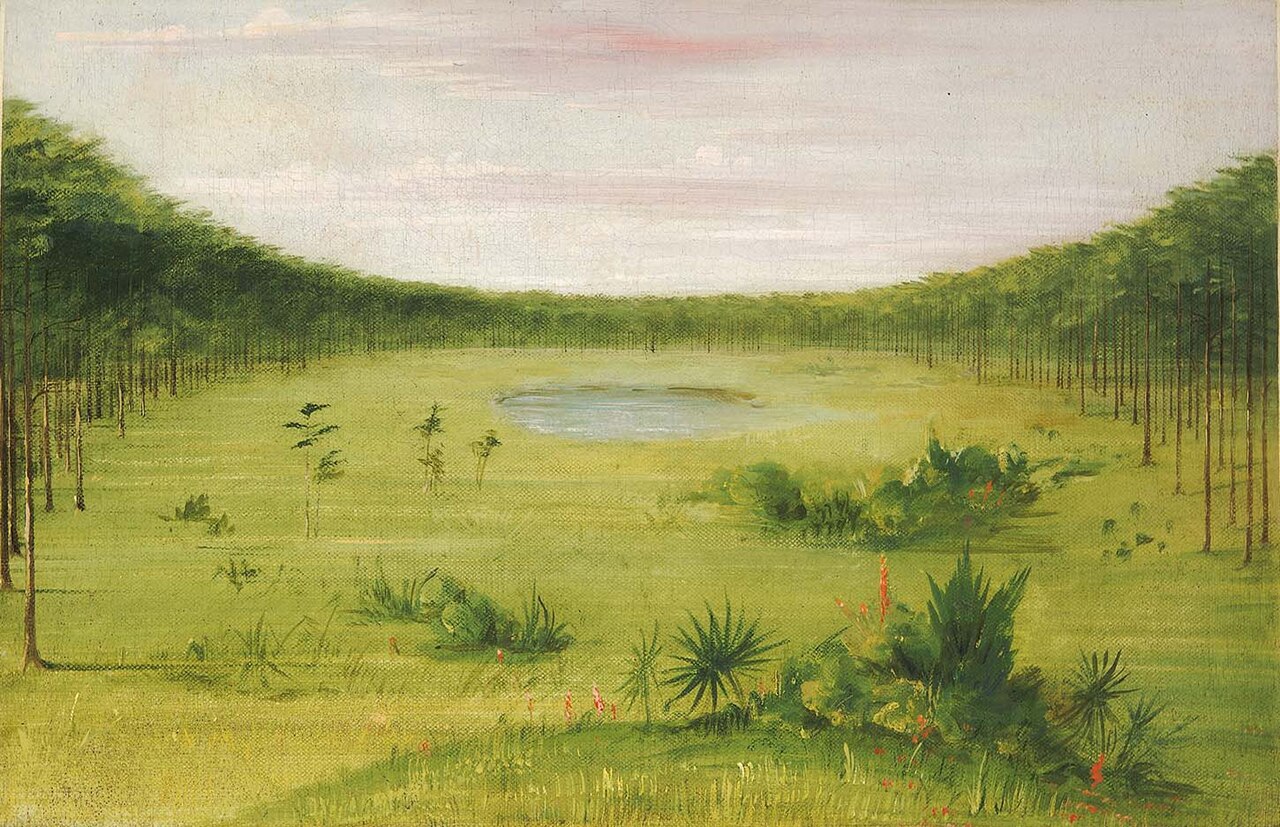
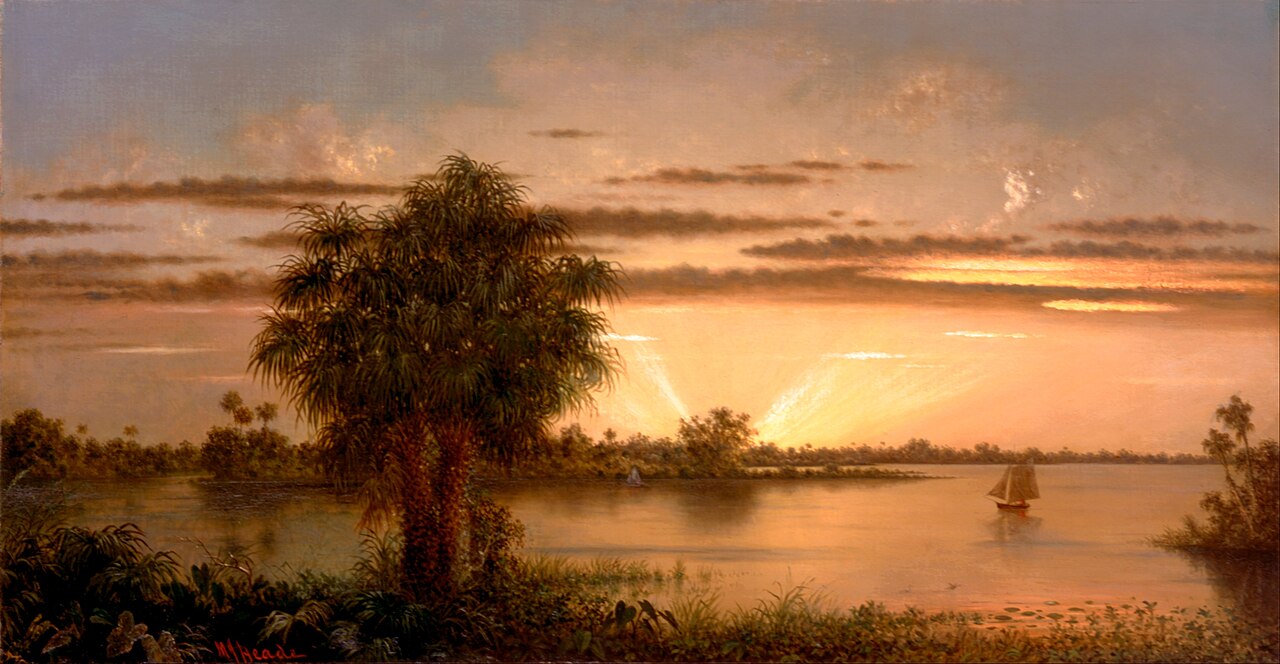
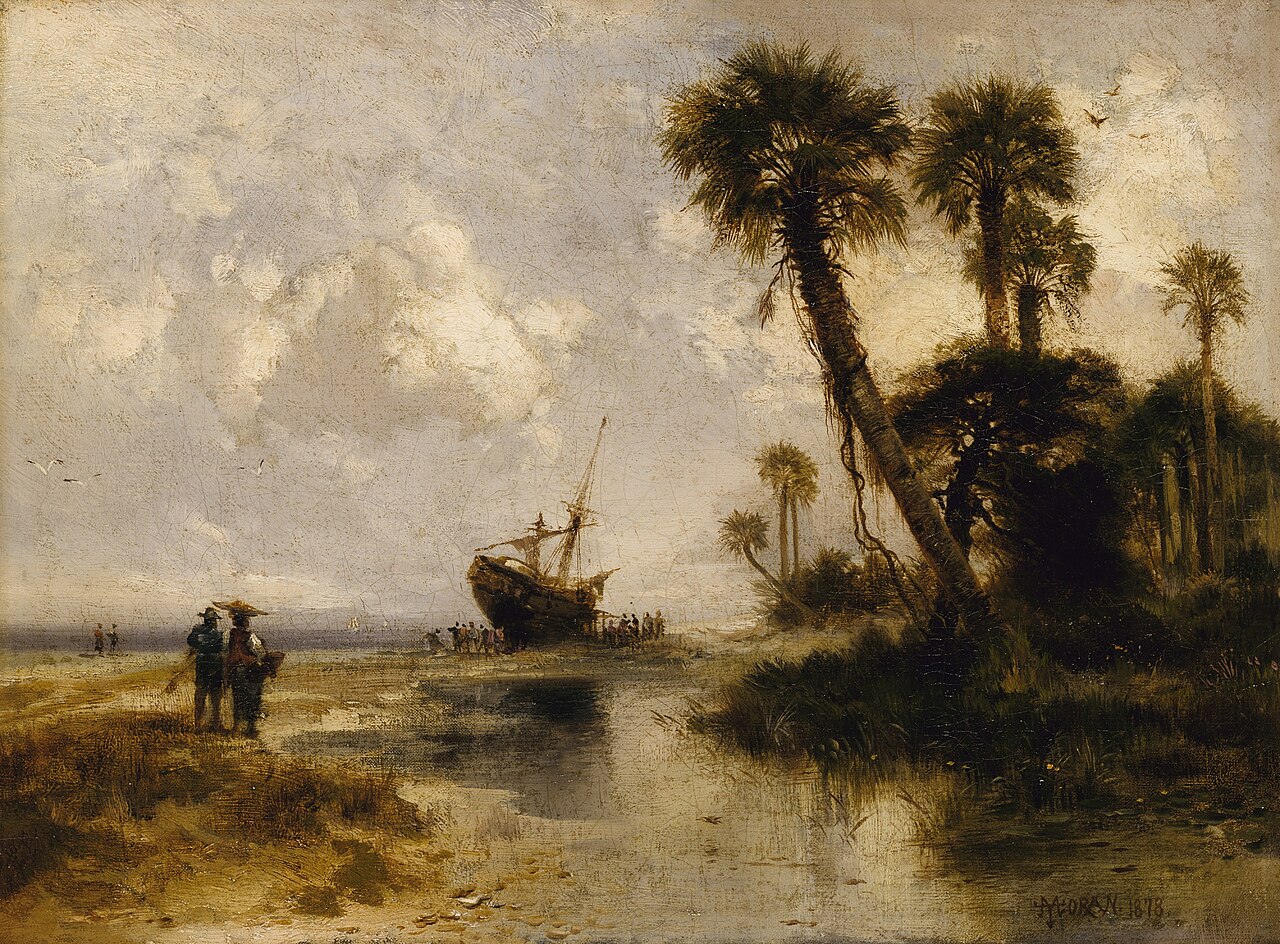
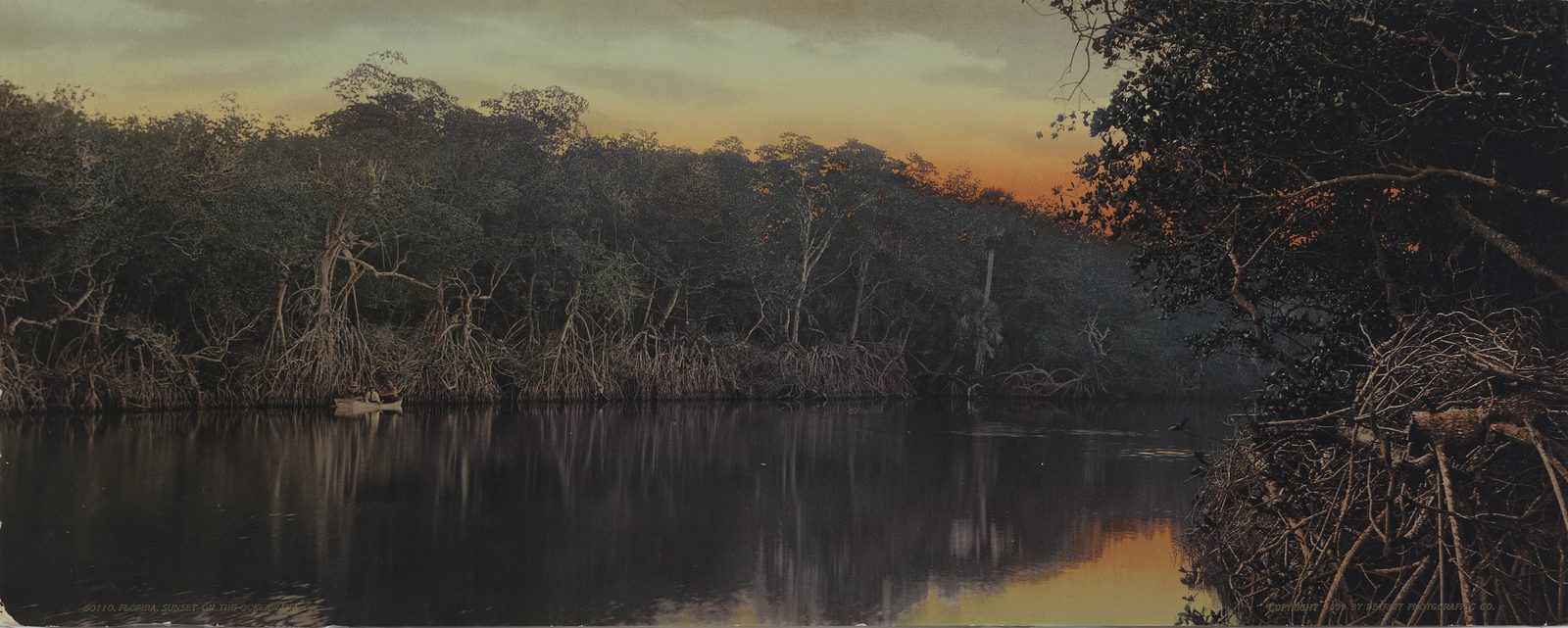
Open, wet, seepage-fed bogs of the Coastal Plain and Sandhills, often with pitcher plants.
Depression ponds and limesinks
Shallow ponds in Coastal Plain depressions, such as limesinks and the ponds in some Carolina bays, that rise and fall with the seasons.
Disturbed and introduced wetlands
Wet ground taken over by weedy or introduced plants after disturbance, such as common reed, Chinese tallow or tamarisk stands; the upland counterpart is roadsides, fields and disturbed ground.
Floodplain and bottomland forests
Forests on low ground beside rivers and streams that flood from time to time.
Marshes along tidal rivers where the water is fresh but rises and falls with the tide.
Tidal forests and thickets of red, black and white mangrove along sheltered tropical and subtropical shores.
Dense evergreen shrub wetlands and bay forests on wet, acid peat of the Coastal Plain.
Coastal marshes flooded by salty or brackish tides.
Places where groundwater keeps the soil or rock wet, such as seepage slopes and spring runs.
Open, wet, grassy or sedgy ground that is not a bog.
Roadsides, fields and disturbed ground
Ground opened by people: roadsides, old fields, pastures, fencerows and lots.
Other habitats in its models (62)
Land cover, or classes with no habitat page in Florida. Those recorded in Florida first, the rest by region.
Elsewhere in the South (28)
- Atlantic Coastal Plain Brownwater Stream Floodplain Forest Summer and winter.
- Atlantic Coastal Plain Embayed Region Tidal Freshwater Marsh Summer and winter.
- Atlantic Coastal Plain Embayed Region Tidal Salt and Brackish Marsh Summer and winter.
- Atlantic Coastal Plain Northern Tidal Wooded Swamp Summer and winter.
- Atlantic Coastal Plain Peatland Pocosin Summer and winter.
- Atlantic Coastal Plain Small Brownwater River Floodplain Forest Summer and winter.
- Atlantic Coastal Plain Xeric River Dune Summer and winter.
- Cumberland Riverscour Summer and winter.
- East-Central Texas Plains Riparian Forest Summer and winter.
- Louisiana Beach Summer and winter.
- Mississippi River Bottomland Depression Summer and winter.
- Mississippi River Low Floodplain (Bottomland) Forest Summer and winter.
- Mississippi River Riparian Forest Summer and winter.
- Ozark-Ouachita Riparian Summer and winter.
- Red River Large Floodplain Forest Summer and winter.
- South-Central Interior Large Floodplain Summer and winter.
- South-Central Interior Small Stream and Riparian Summer and winter.
- Southern and Central Appalachian Bog and Fen Summer and winter.
- Southern Piedmont Small Floodplain and Riparian Forest Summer and winter.
- Texas Coastal Bend Beach Summer and winter.
- Texas Saline Coastal Prairie Summer and winter.
- Texas-Louisiana Coastal Prairie Summer and winter, only within 1,000 m of water.
- Upper Texas Coast Beach Summer and winter.
- West Gulf Coastal Plain Chenier and Upper Texas Coastal Fringe Forest and Woodland Summer, only within 1,000 m of water.
- West Gulf Coastal Plain Large River Floodplain Forest Summer and winter.
- West Gulf Coastal Plain Near-Coast Large River Swamp Summer and winter.
- West Gulf Coastal Plain Seepage Swamp and Baygall Summer and winter.
- West Gulf Coastal Plain Small Stream and River Forest Summer and winter.
Northeast (3)
- Atlantic Coastal Plain Northern Fresh and Oligohaline Tidal Marsh Summer and winter.
- Atlantic Coastal Plain Northern Tidal Salt Marsh Summer and winter.
- Northern Atlantic Coastal Plain Basin Swamp and Wet Hardwood Forest Summer and winter.
Midwest (1)
- Western Great Plains Wooded Draw and Ravine Winter, only within 60 m of water.
Land cover and other classes (30)
- Atlantic Coastal Plain Clay-Based Carolina Bay Forested Wetland Summer and winter.
- Atlantic Coastal Plain Clay-Based Carolina Bay Herbaceous Wetland Summer and winter.
- Atlantic Coastal Plain Nonriverine Swamp and Wet Hardwood Forest - Oak Dominated Modifier Summer and winter.
- Atlantic Coastal Plain Nonriverine Swamp and Wet Hardwood Forest - Taxodium/Nyssa Modifier Summer and winter.
- Central Appalachian Floodplain - Forest Modifier Summer and winter.
- Central Appalachian Riparian - Forest Modifier Summer and winter.
- Central Interior and Appalachian Floodplain Systems Summer and winter.
- Central Interior and Appalachian Riparian Systems Summer and winter.
- Central Interior and Appalachian Shrub-Herbaceous Wetland Systems Summer and winter.
- Central Interior and Appalachian Swamp Systems Summer and winter.
- Developed, Low Intensity Summer, only within 1,000 m of water.
- East Gulf Coastal Plain Large River Floodplain Forest - Herbaceous Modifier Summer and winter.
- East Gulf Coastal Plain Southern Depression Pondshore Summer and winter.
- Eastern Great Plains Floodplain Systems Summer and winter.
- Eastern Great Plains Wet Meadow, Prairie, and Marsh Summer and winter.
- Introduced Upland Vegetation - Annual Grassland Summer and winter, only within 1,000 m of water.
- Introduced Upland Vegetation - Perennial Grassland Summer and winter, only within 1,000 m of water.
- Lower Mississippi River Bottomland Depressions - Forest Modifier Summer and winter.
- Mississippi River Floodplain and Riparian Forest Summer and winter.
- Open Water (Aquaculture) Summer and winter.
- South-Central Interior Large Floodplain - Forest Modifier Summer and winter.
- South-Central Interior Large Floodplain - Herbaceous Modifier Summer and winter.
- Southern Coastal Plain Nonriverine Basin Swamp - Okefenokee Pine Modifier Summer and winter.
- Southern Piedmont Large Floodplain Forest - Forest Modifier Summer and winter.
- Southern Piedmont/Ridge and Valley Upland Depression Swamp Summer and winter.
- Tamaulipan Riparian Systems Summer and winter.
- Unconsolidated Shore Summer and winter.
- Unconsolidated Shore (Lake/River/Pond) Summer and winter.
- Western Great Plains Depressional Wetland Systems Summer and winter.
- Western Great Plains Floodplain Systems Summer and winter.
- The model applies distance limits to open and flowing water while retaining wet vegetation without that interior limit.
Seasons in Florida
- Year-round: nests here, in all 67 counties.
Also found in its main habitats
Its main habitats in Florida, by how much of its habitat model each one is, with the birds most characteristic of each and the plants that grow wild there. Shared habitat, not food.
Great Blue Heron uses many habitats in Florida; these are its 3 most characteristic.
Swamps
Birds 70
- Black-throated Blue WarblerDendroica caerulescens
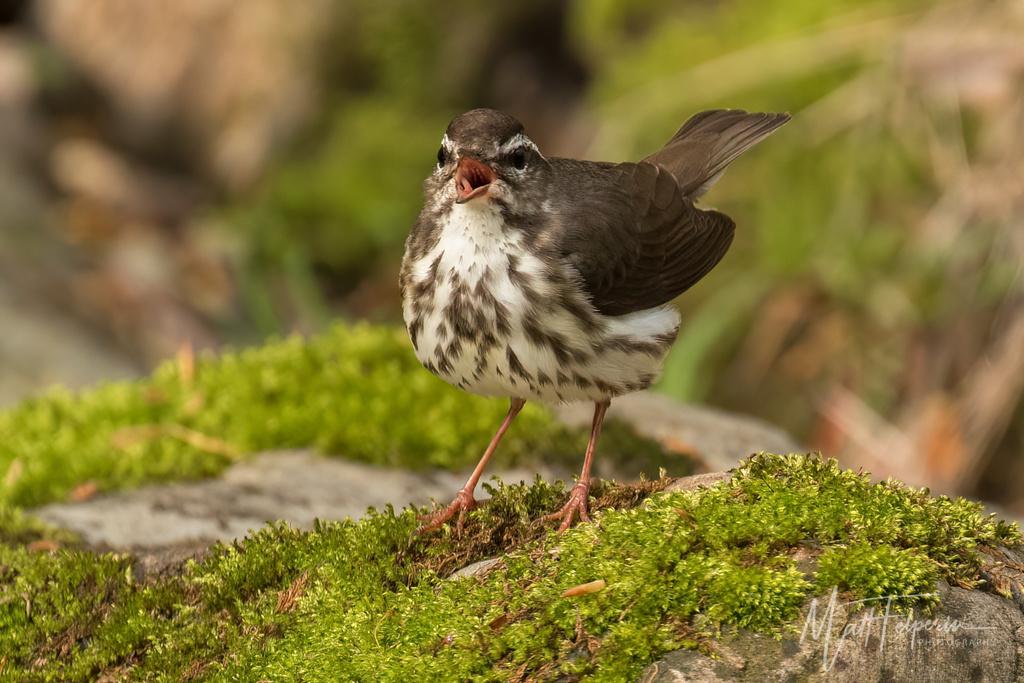
- Louisiana WaterthrushSeiurus motacilla
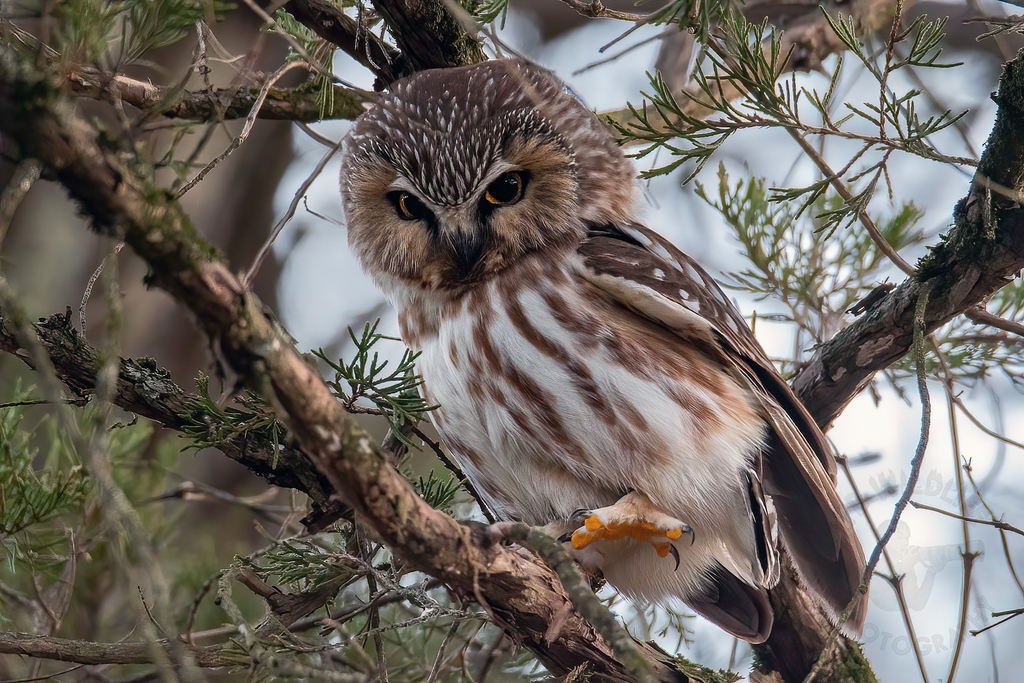
- Northern Saw-whet OwlAegolius acadicus
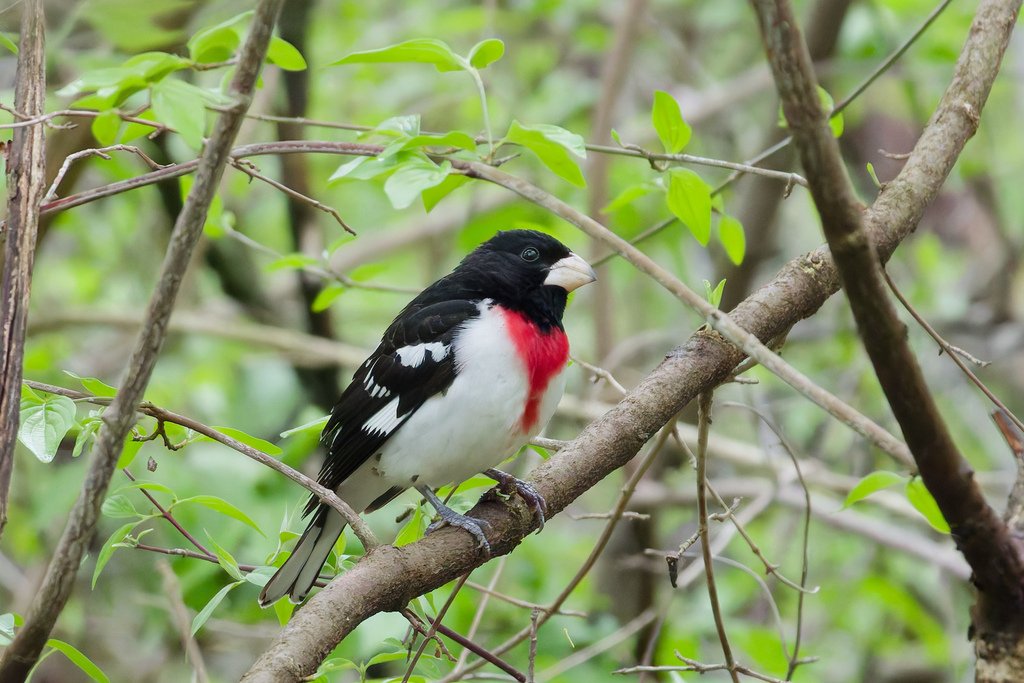
- Rose-breasted GrosbeakPheucticus ludovicianus
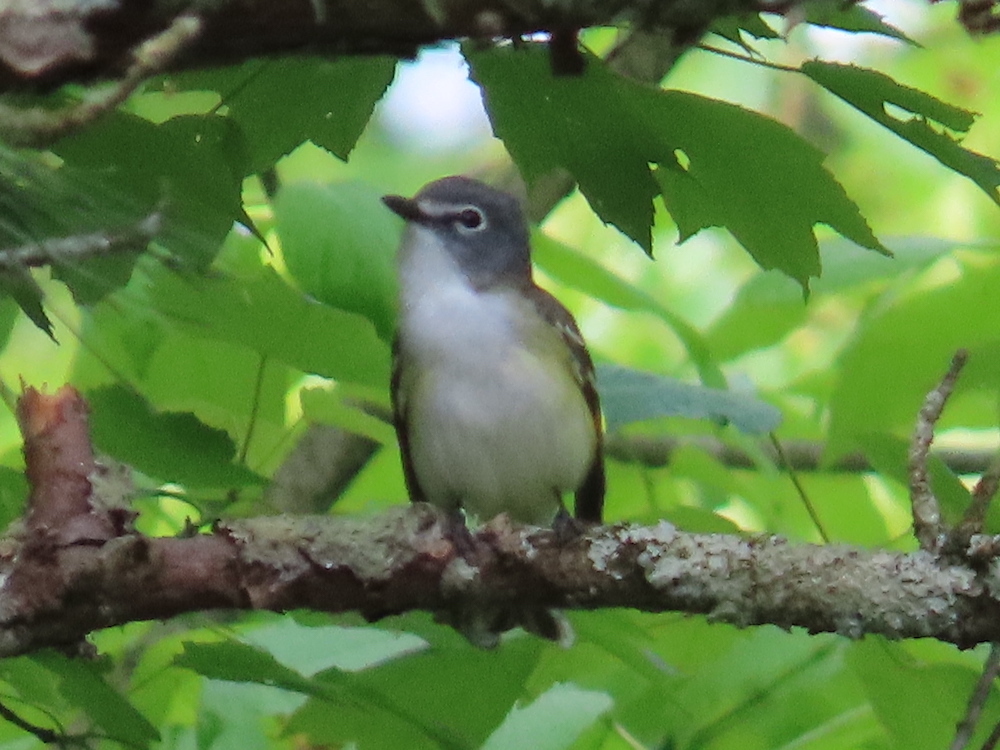
- Blue-headed VireoVireo solitarius
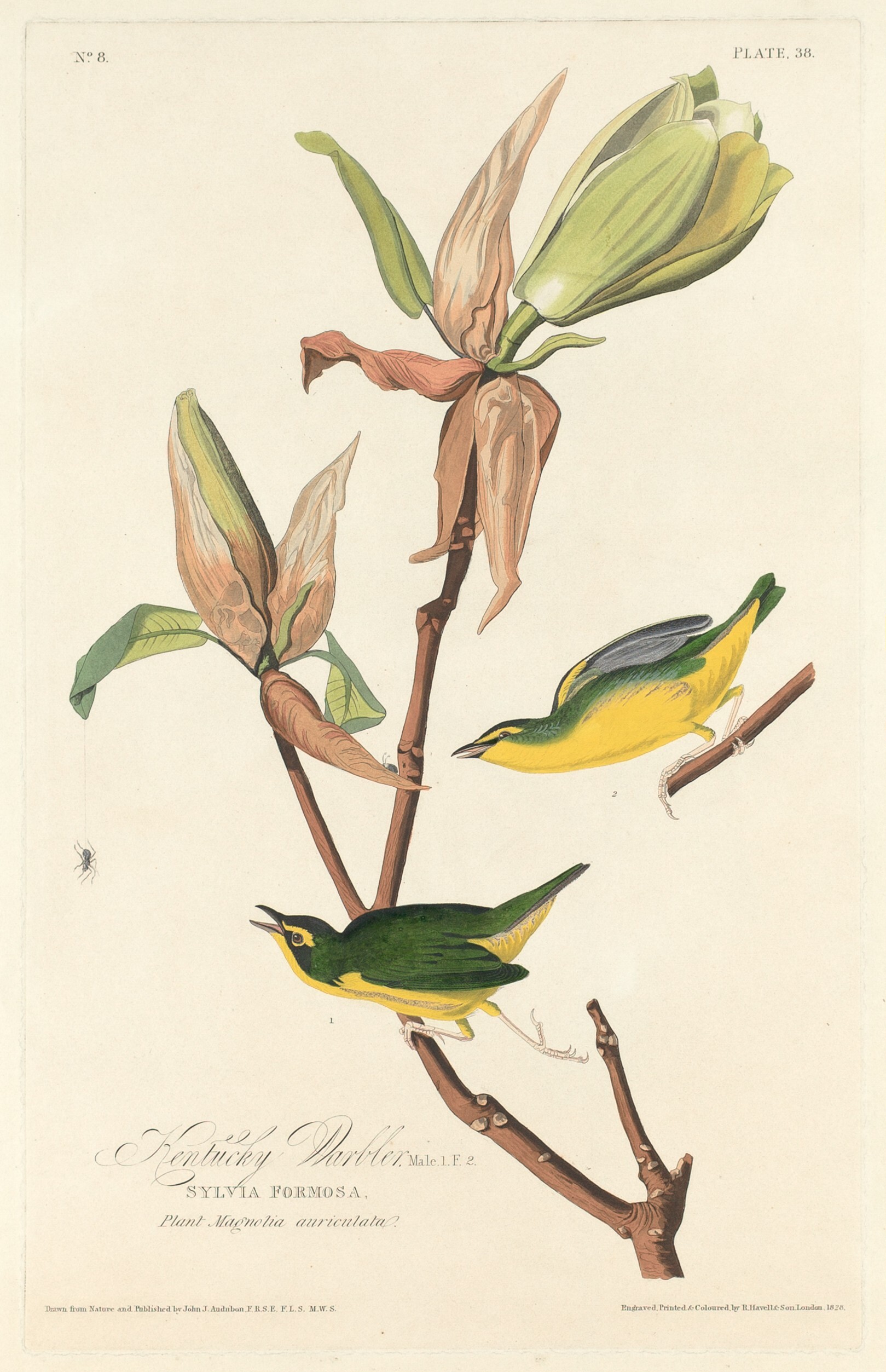
- Kentucky WarblerOporornis formosus
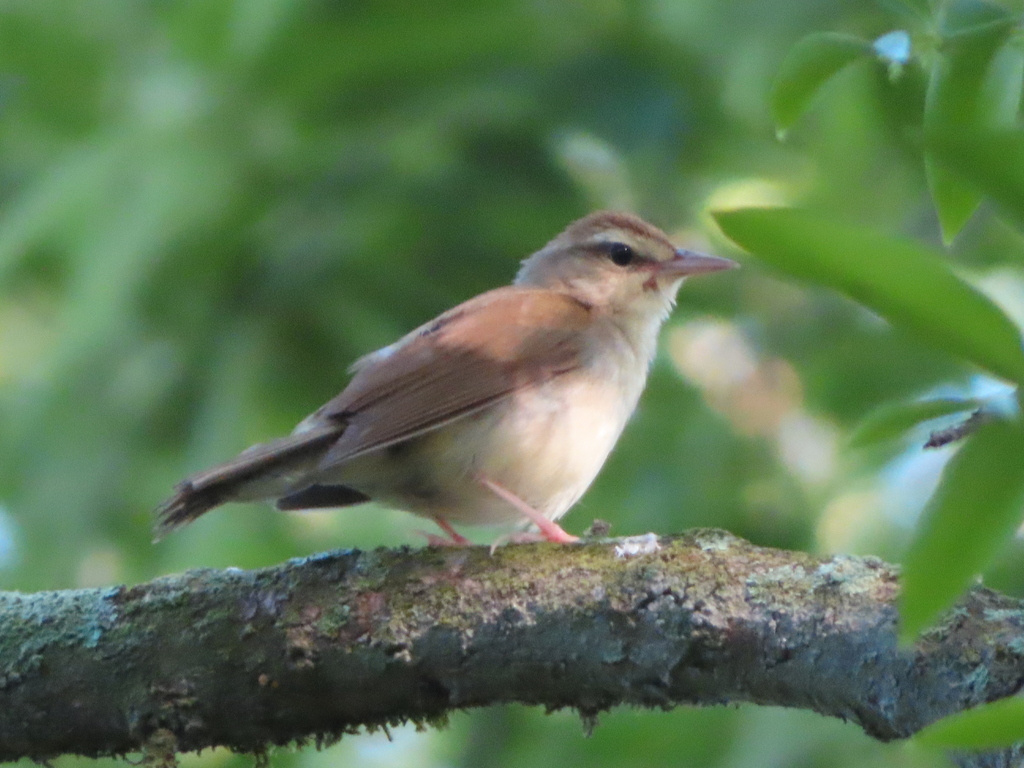
- Swainson's WarblerLimnothlypis swainsonii
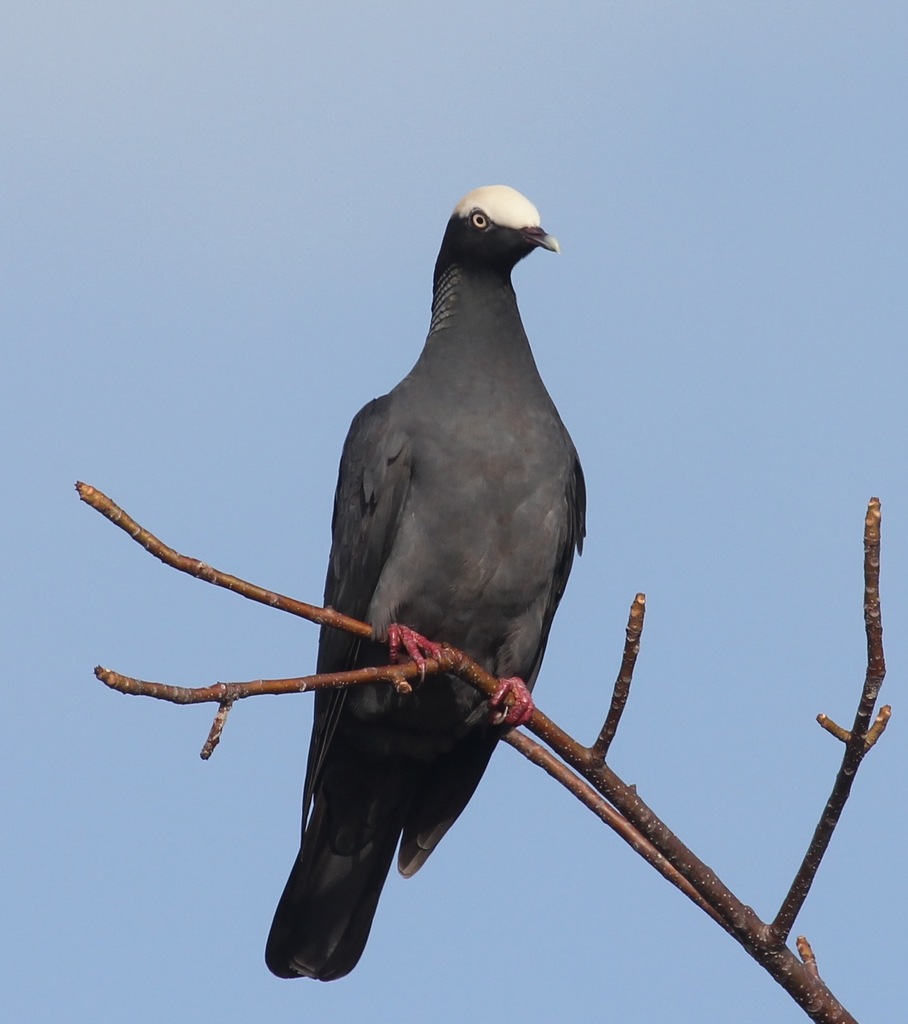
- White-crowned PigeonPatagioenas leucocephala
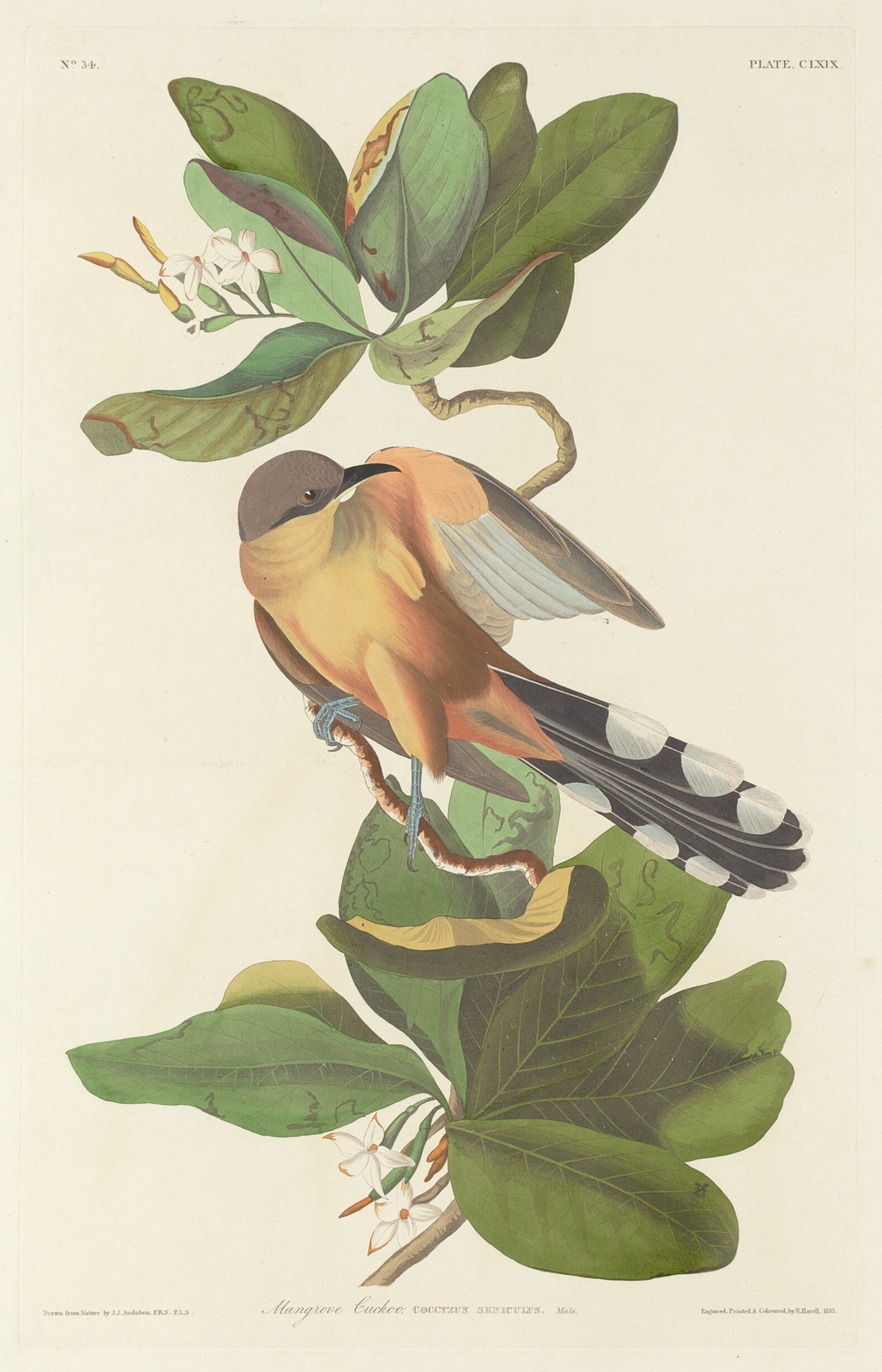
- Mangrove CuckooCoccyzus minor
- White-breasted NuthatchSitta carolinensis
- Yellow-throated WarblerDendroica dominica
- Acadian FlycatcherEmpidonax virescens




Plants 353
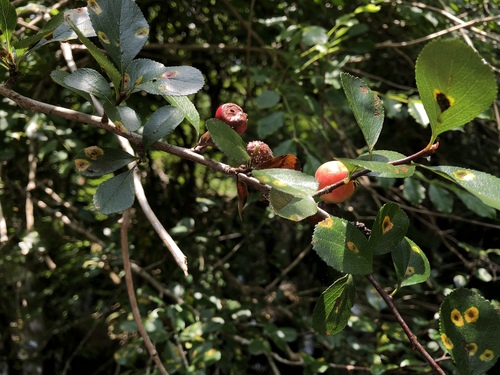
- May HawthornCrataegus aestivalis
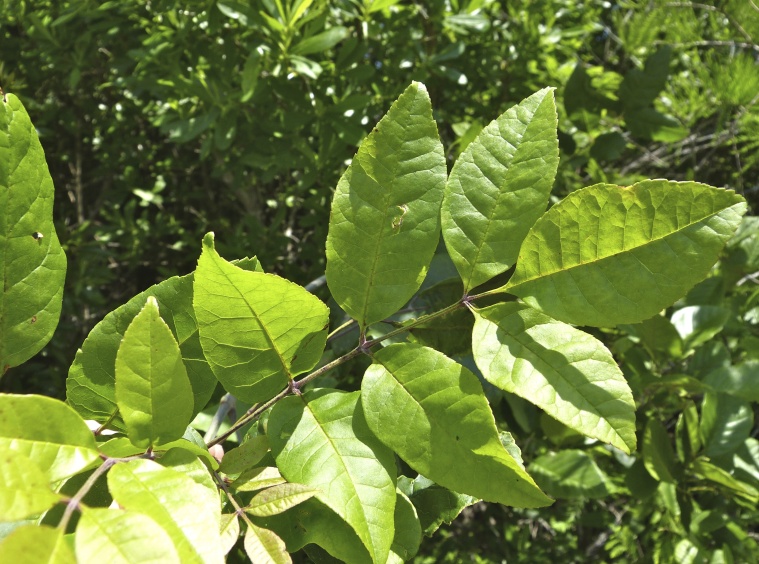
- Carolina AshFraxinus caroliniana
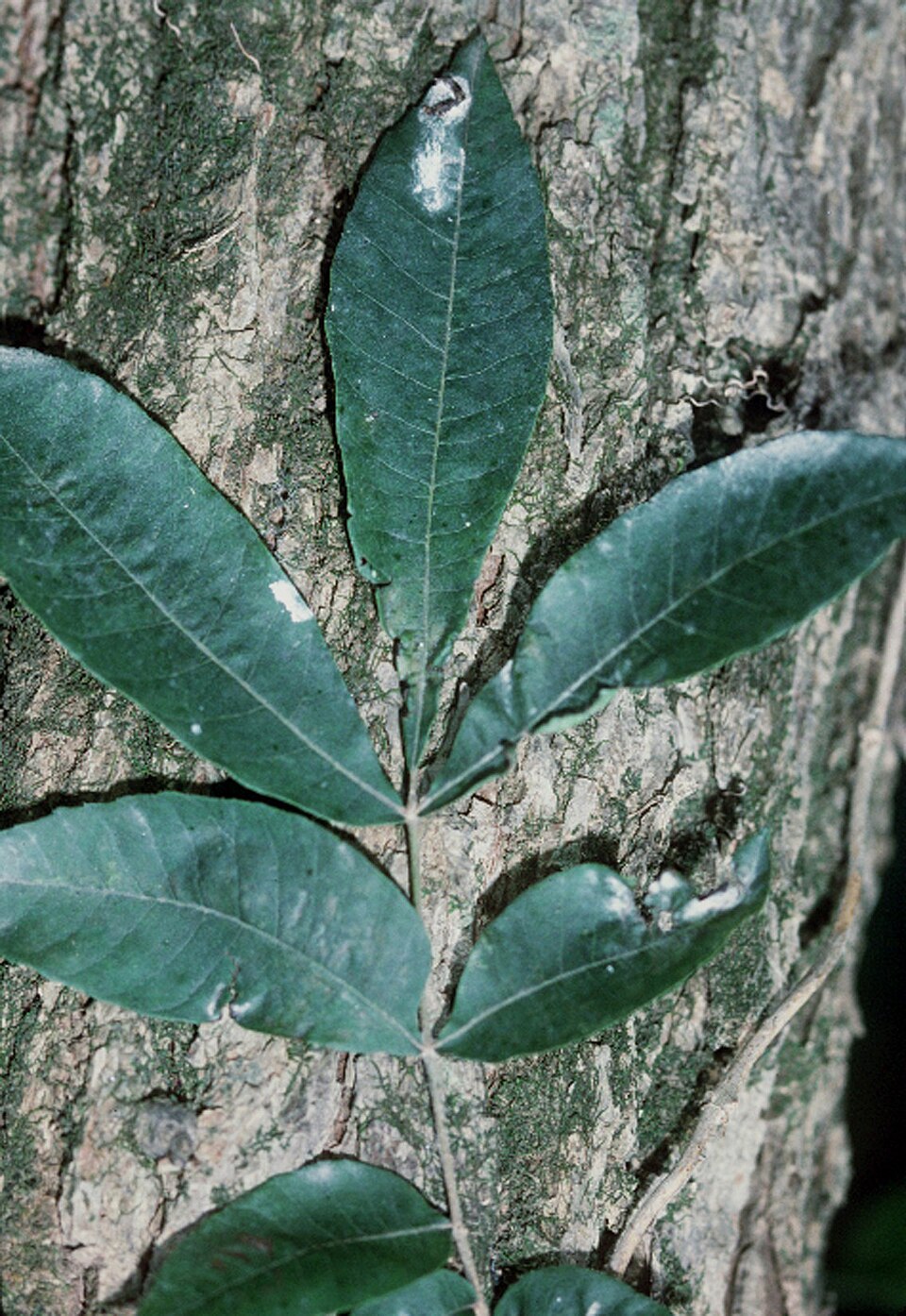
- Water HickoryCarya aquatica
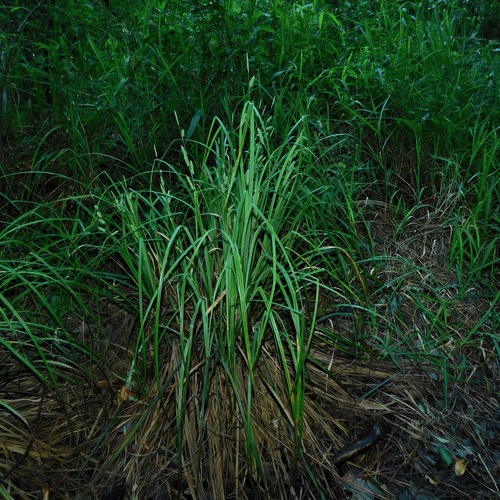
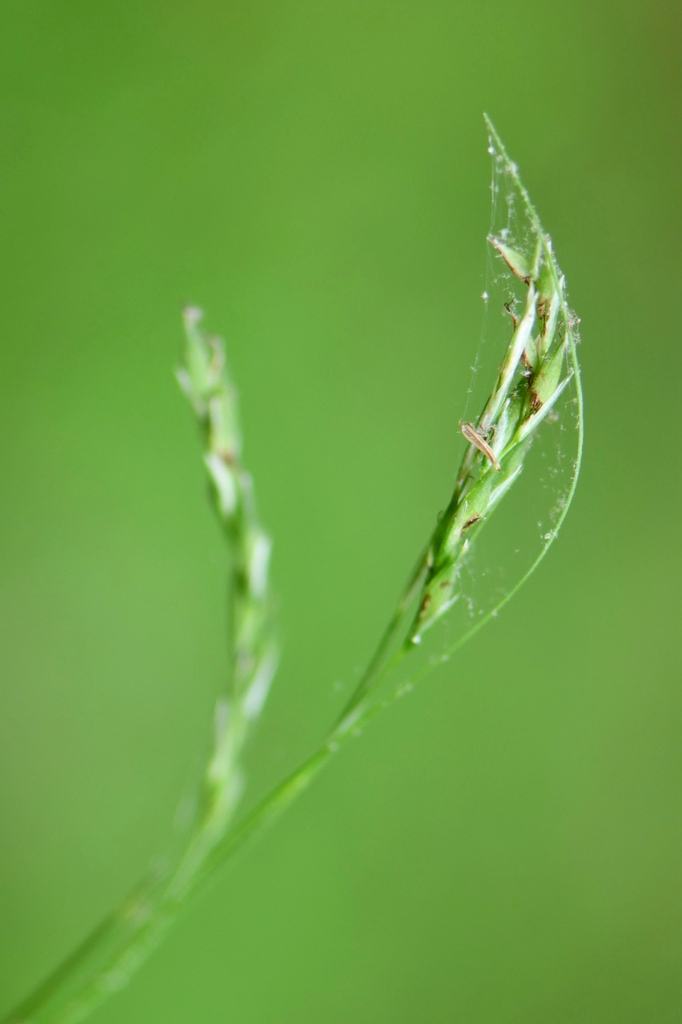
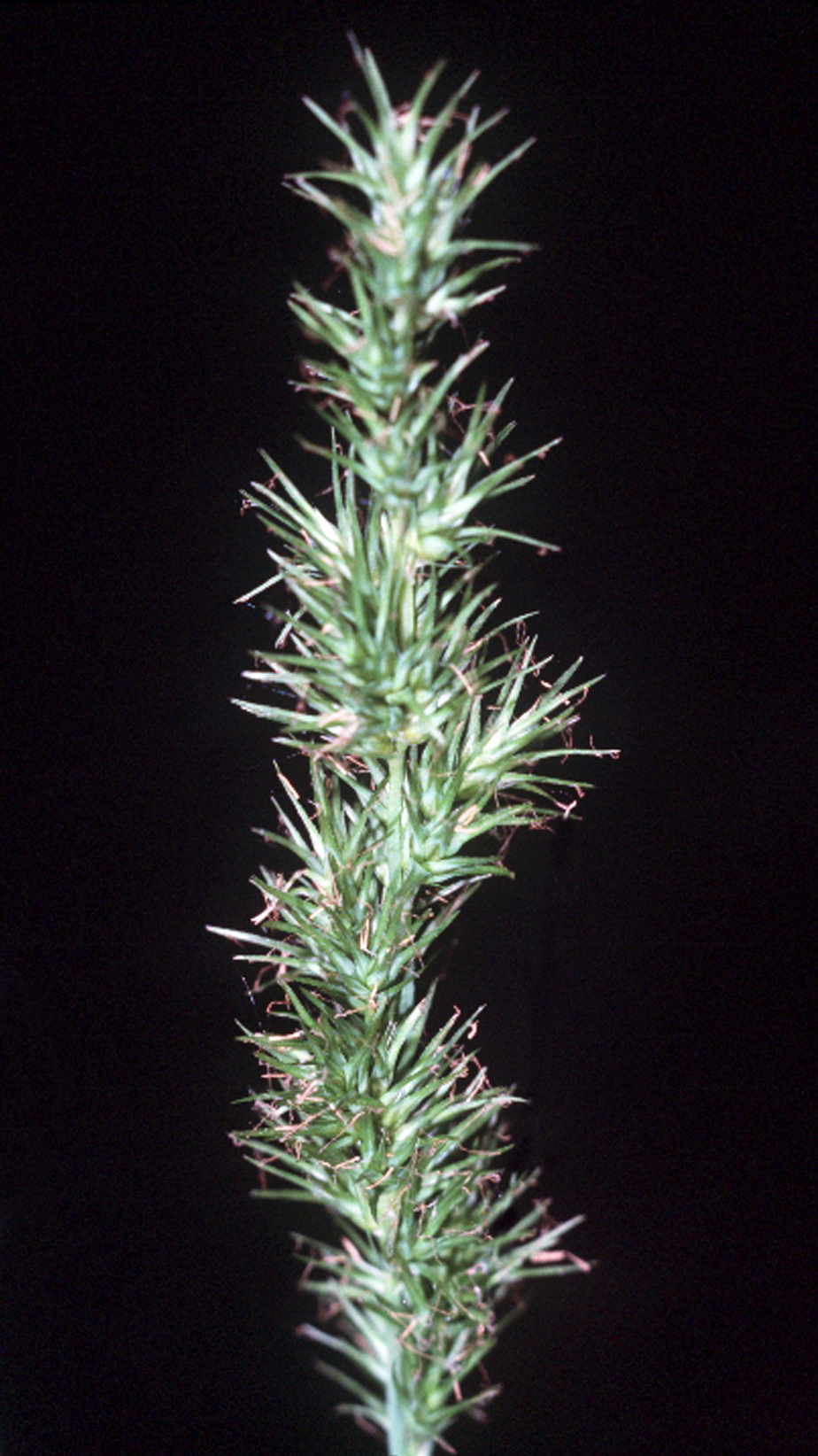
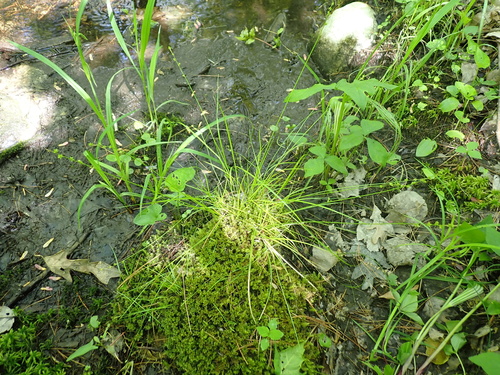
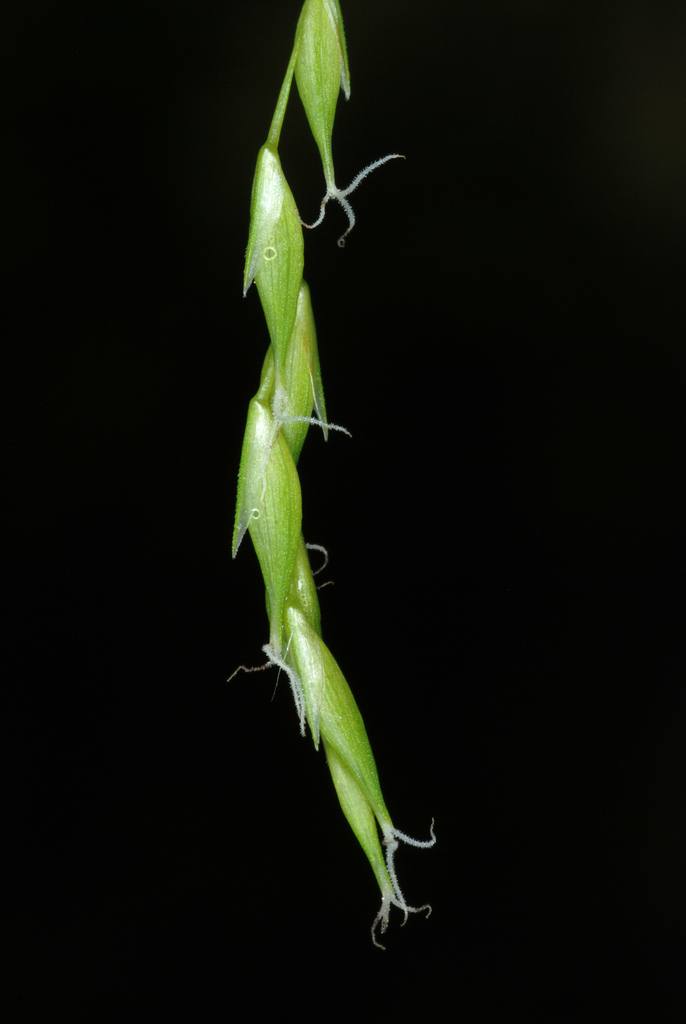
- Bent SedgeCarex styloflexa
- Cypress-swamp SedgeCarex joorii
- Dark-green SedgeCarex venusta
- Ravenfoot SedgeCarex crus-corvi
- Weak Stellate SedgeCarex seorsa
- White-edge SedgeCarex debilis
- Iris hexagonaIris hexagona
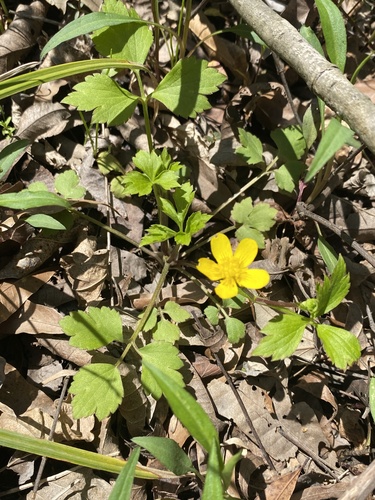
- Swamp ButtercupRanunculus hispidus var. nitidus
- Drooping BulrushScirpus lineatus
Coastal dunes and beaches
Birds 109
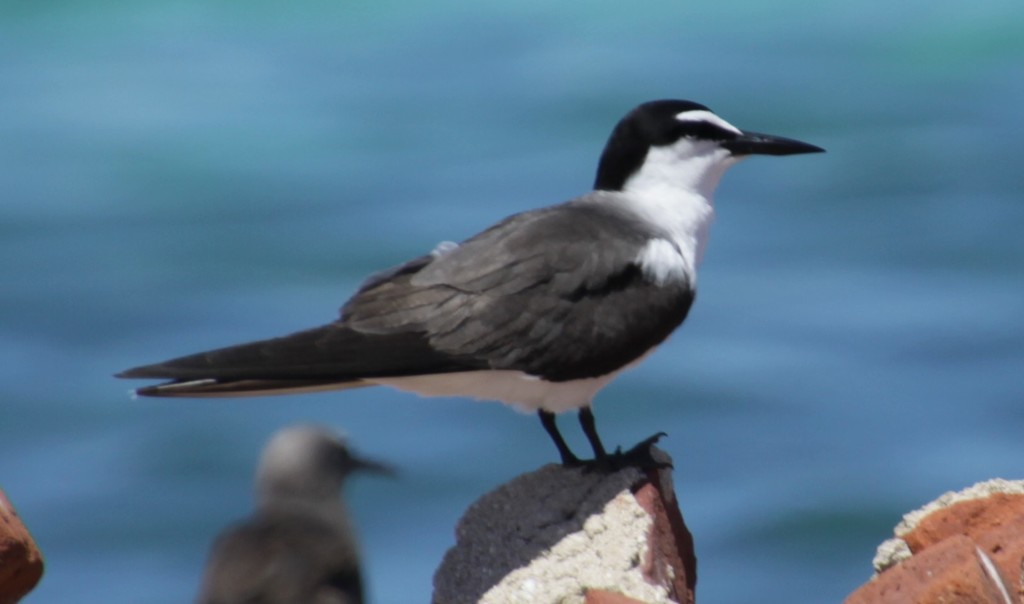
- Bridled TernOnychoprion anaethetus
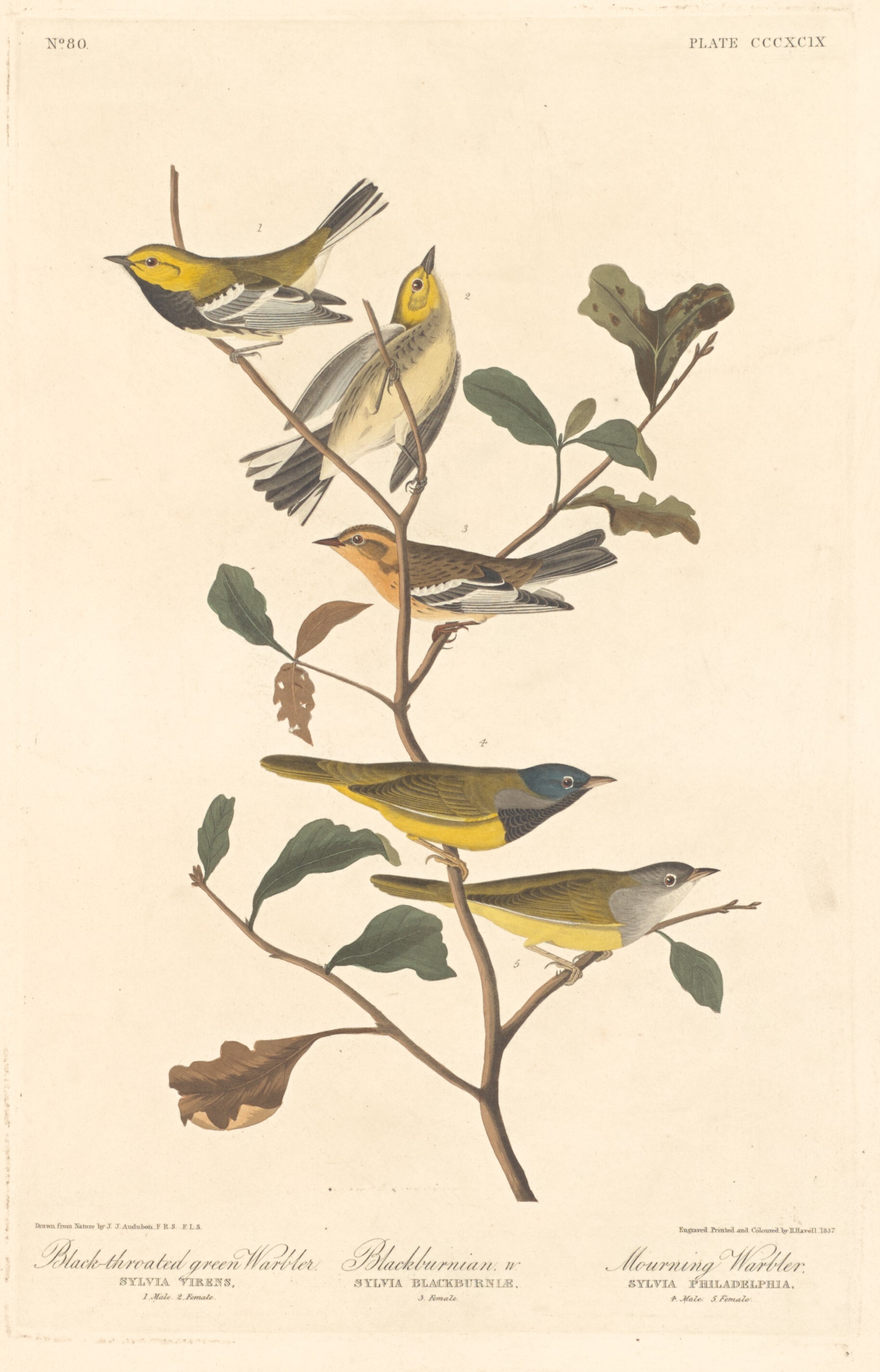
- Black-throated Green WarblerDendroica virens
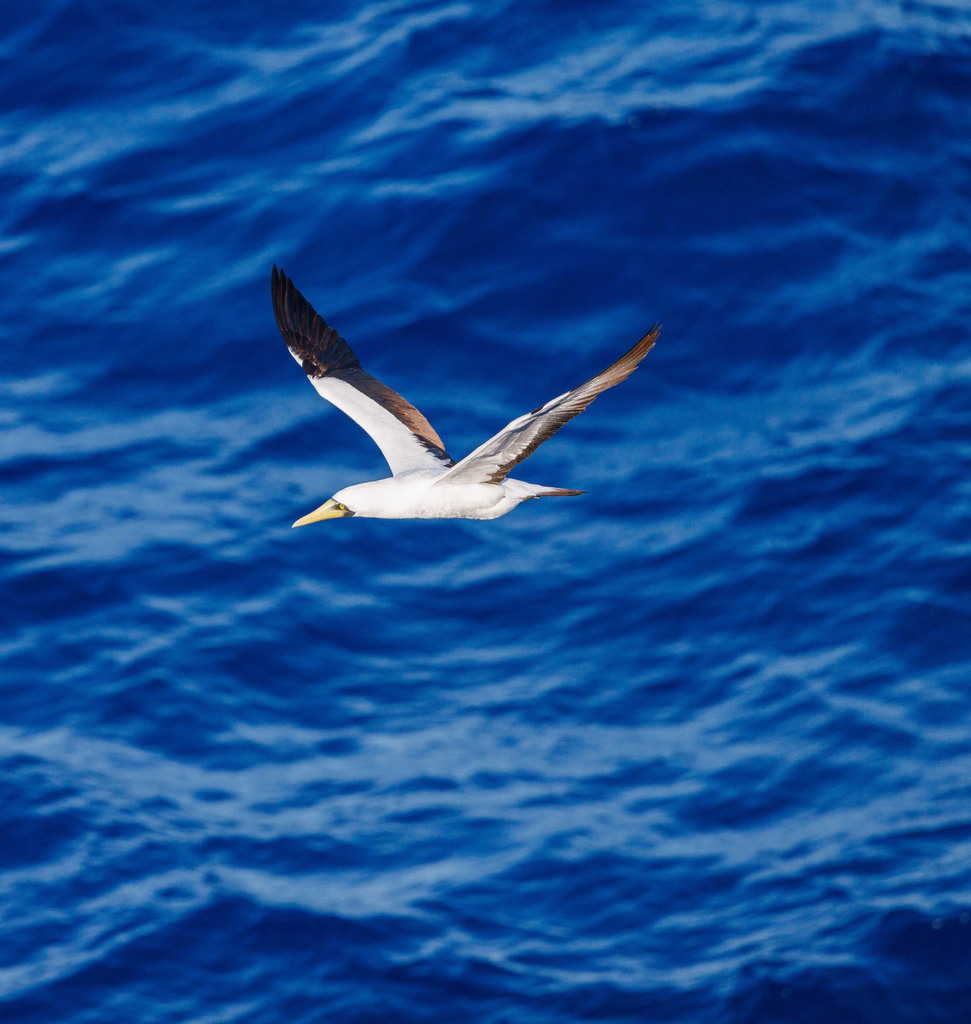
- Masked BoobySula dactylatra
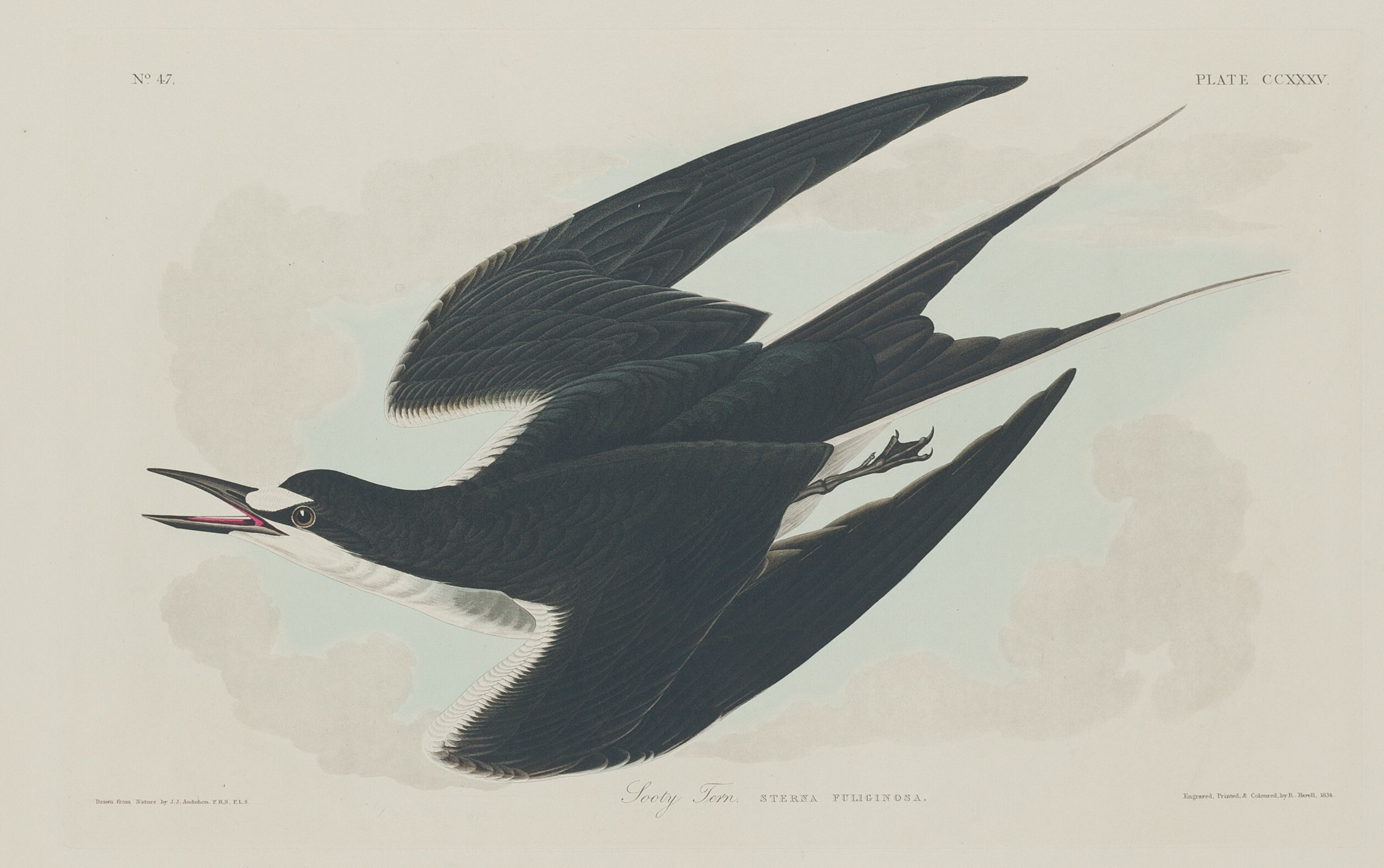
- Sooty TernOnychoprion fuscatus
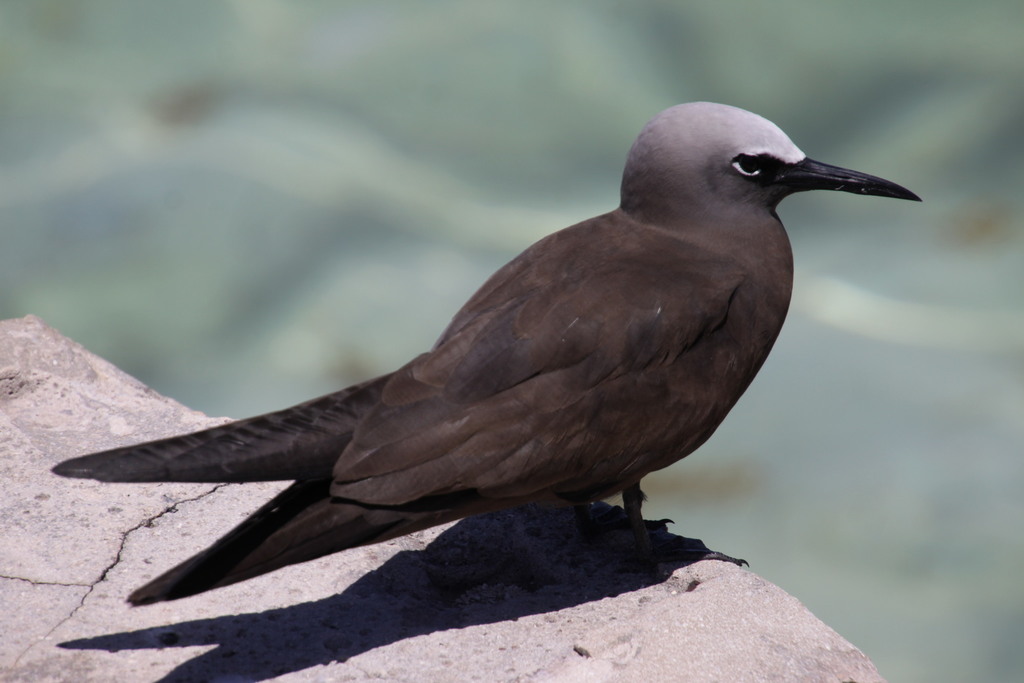
- Brown NoddyAnous stolidus
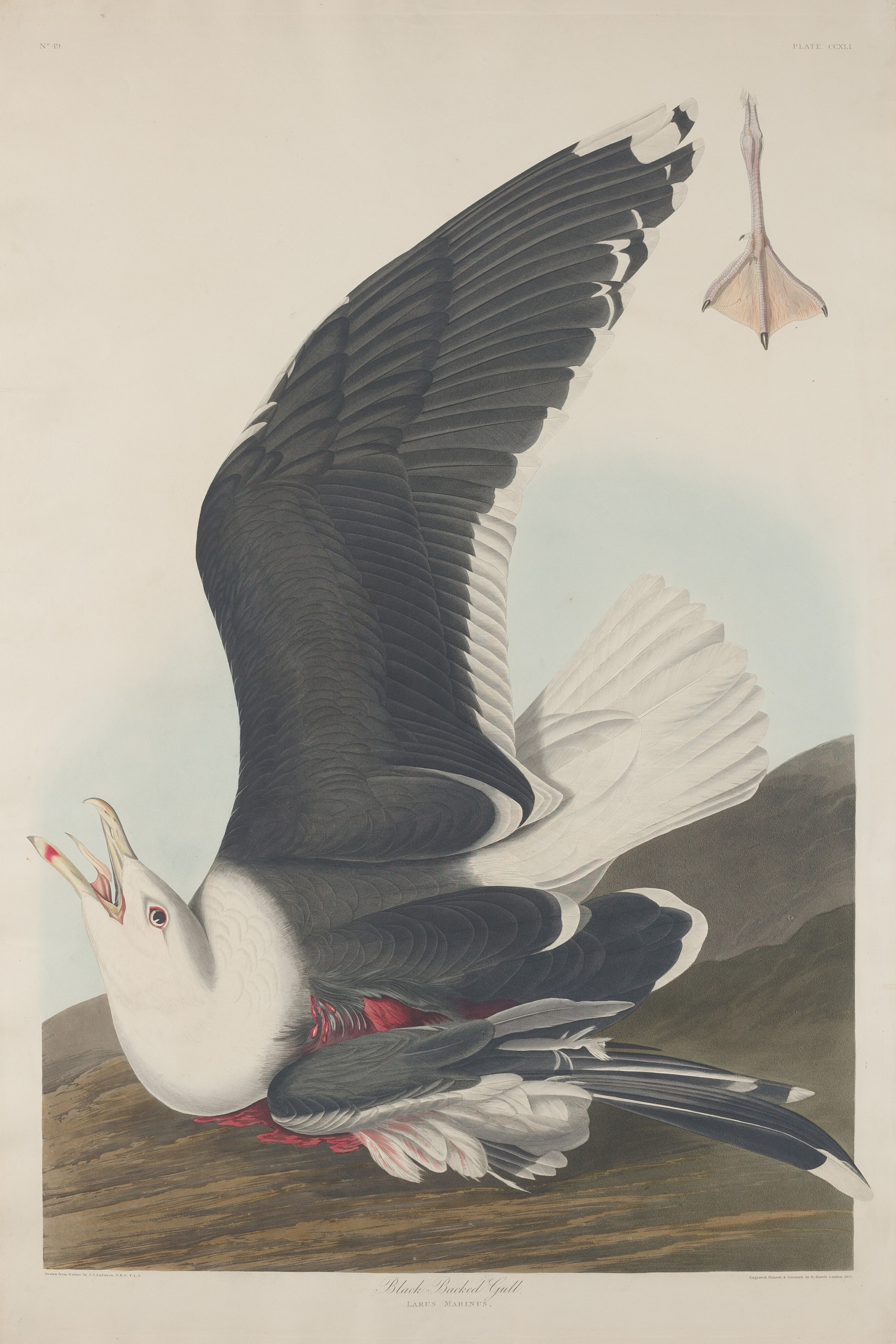
- Great Black-backed GullLarus marinus
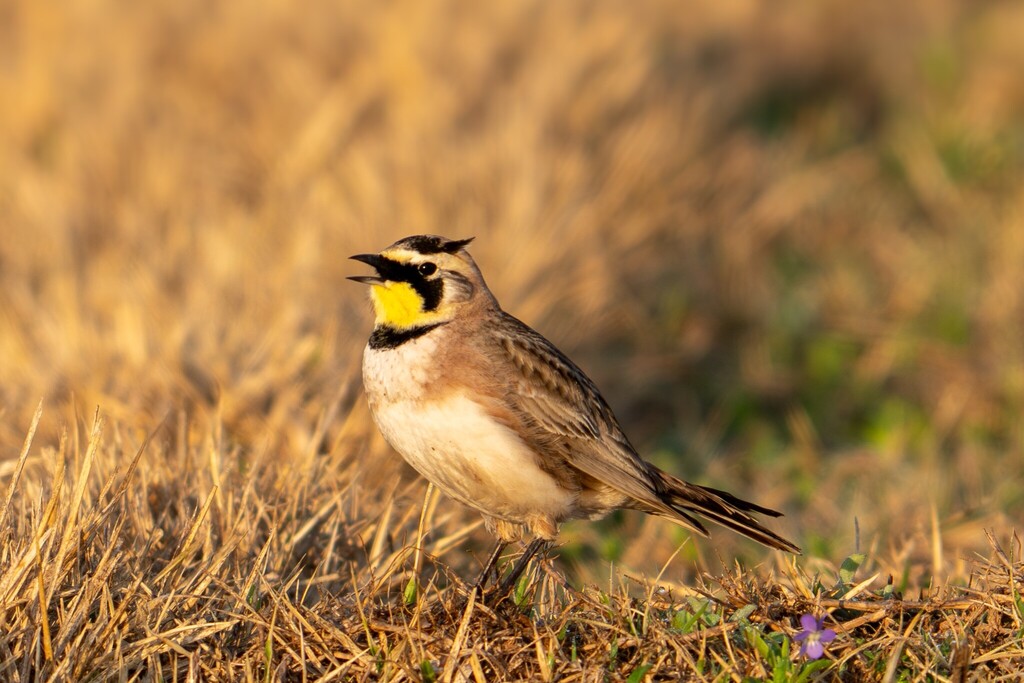
- Horned LarkEremophila alpestris
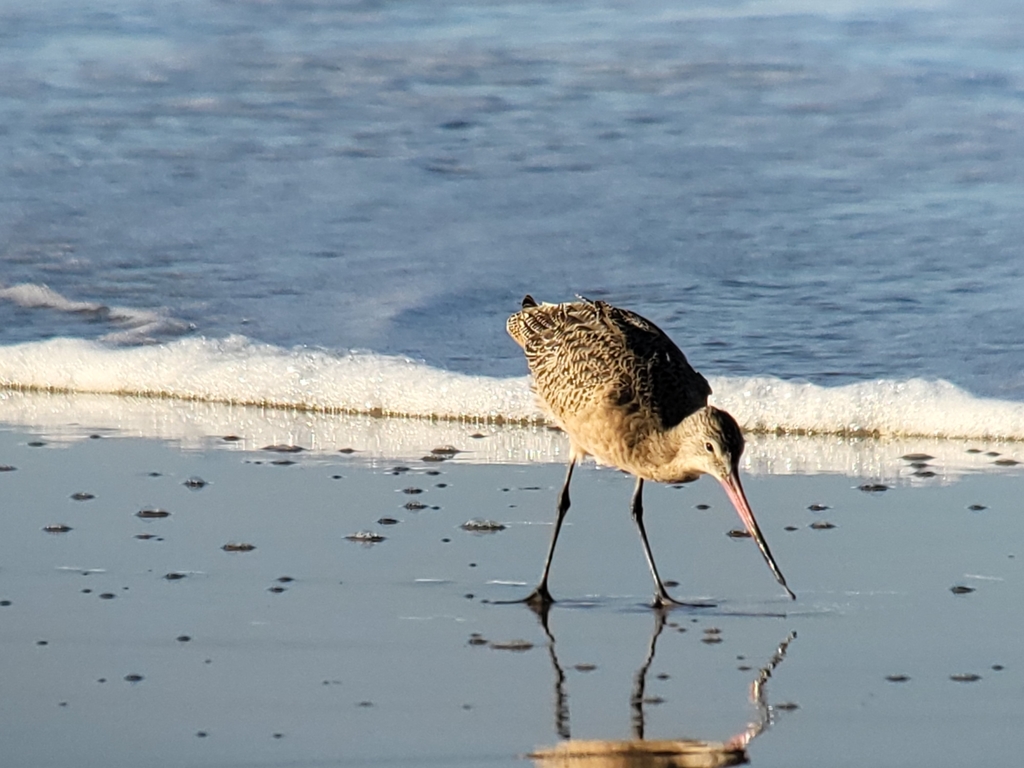
- Marbled GodwitLimosa fedoa
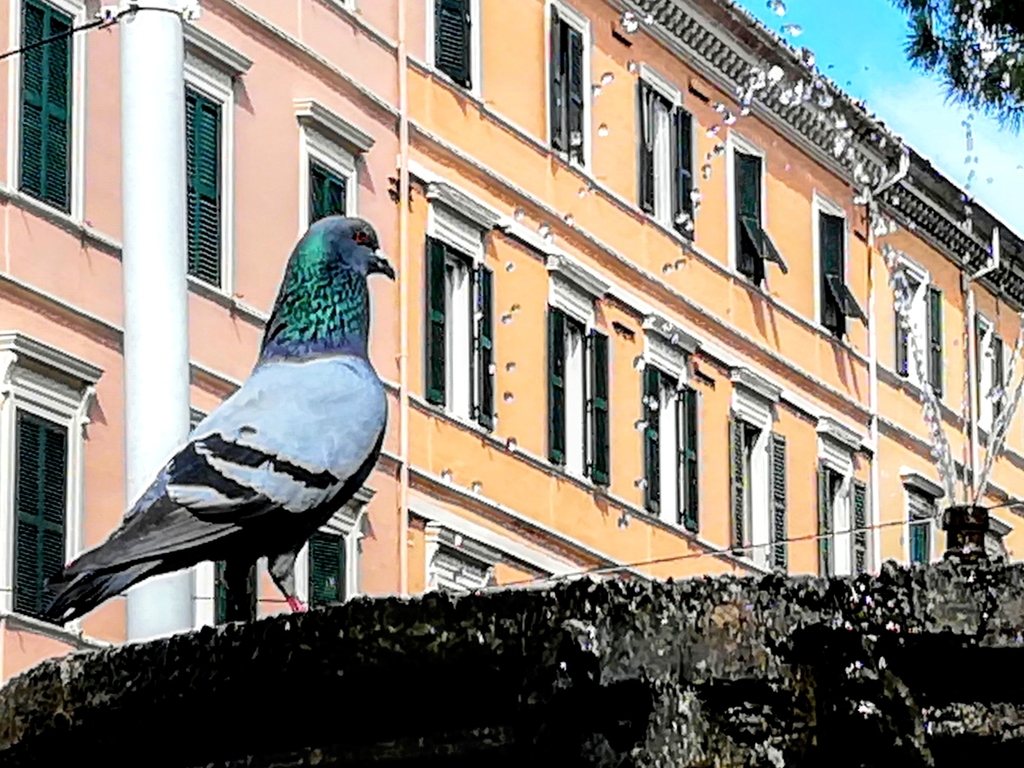
- Rock PigeonColumba livia
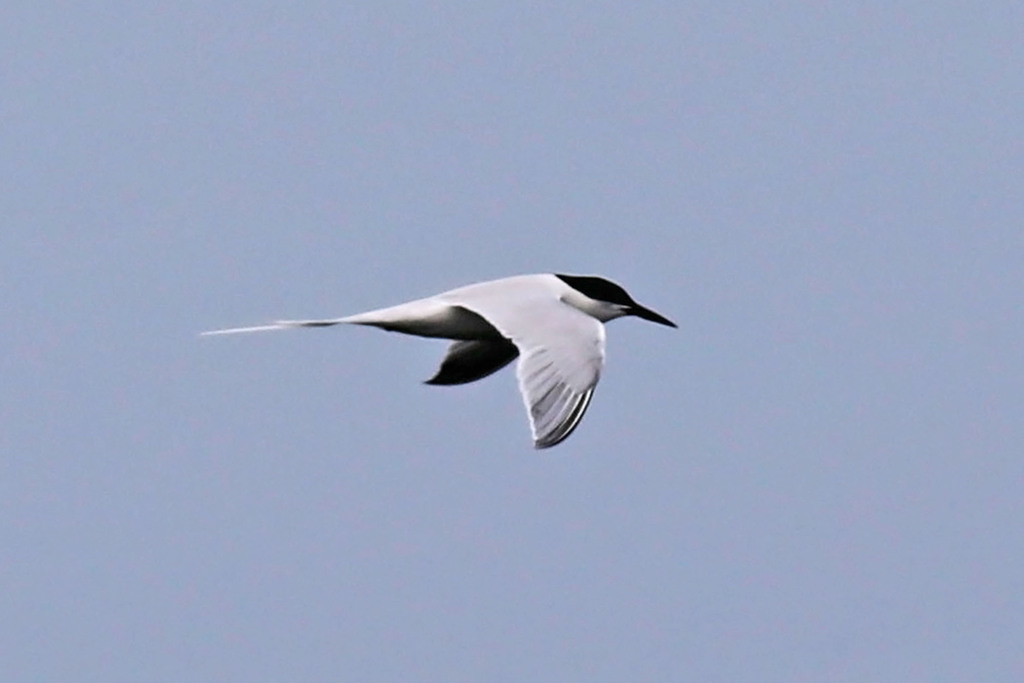
- Roseate TernSterna dougallii
- Antillean NighthawkChordeiles gundlachii
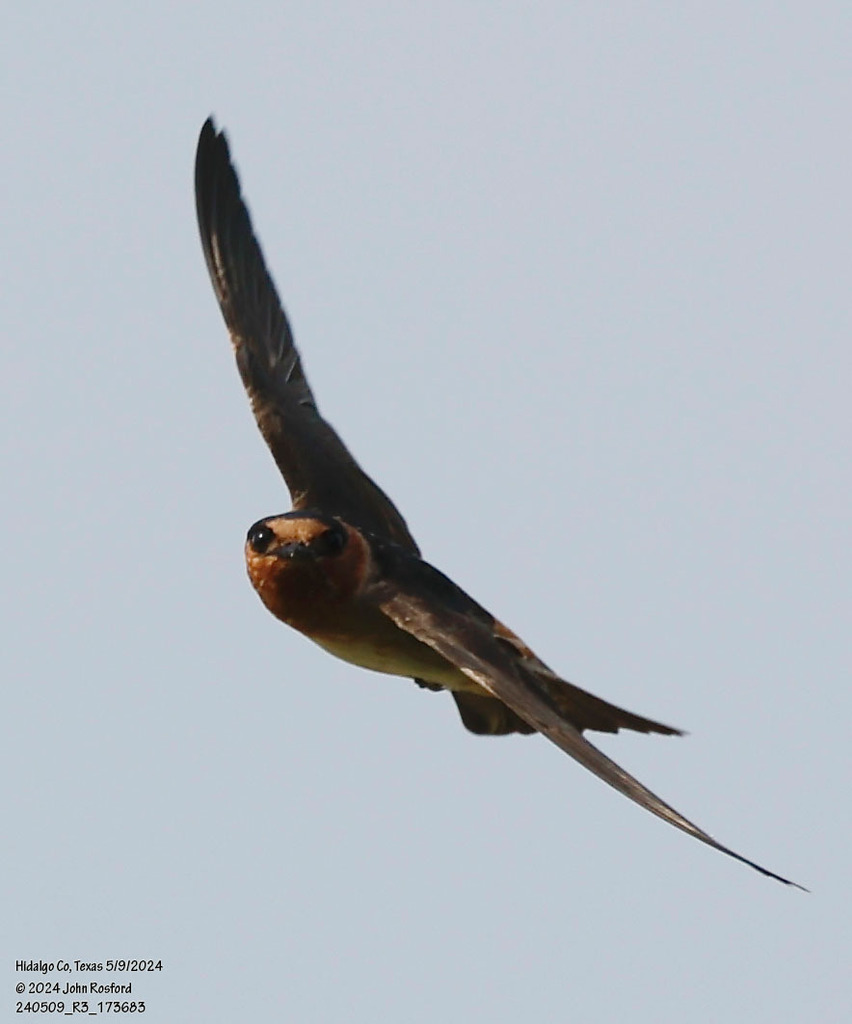
- Cave SwallowPetrochelidon fulva
Plants 187
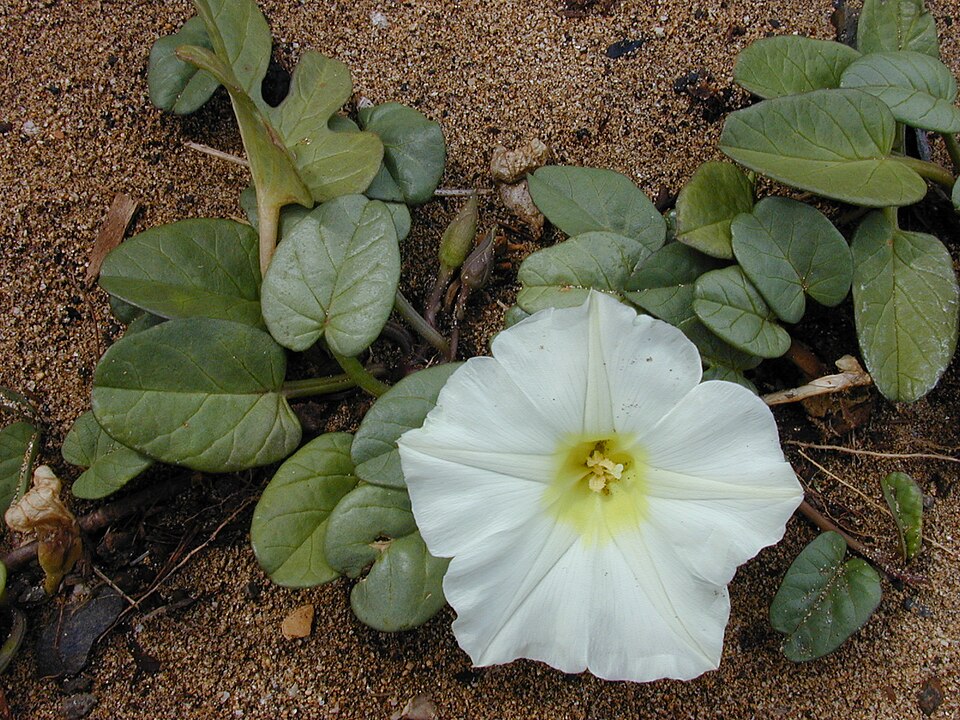
- Railroad VineIpomoea pes-caprae subsp. brasiliensis
- Beach Morning-gloryIpomoea imperati
- Godfrey's Golden AsterChrysopsis godfreyi
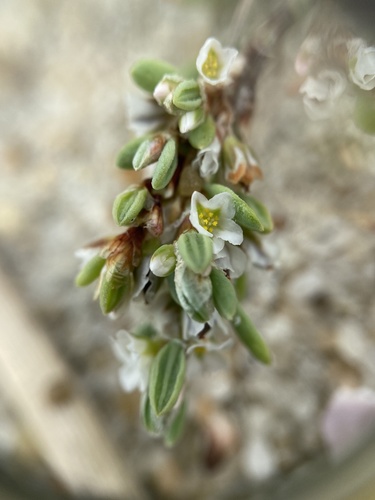
- Seabeach KnotweedPolygonum glaucum
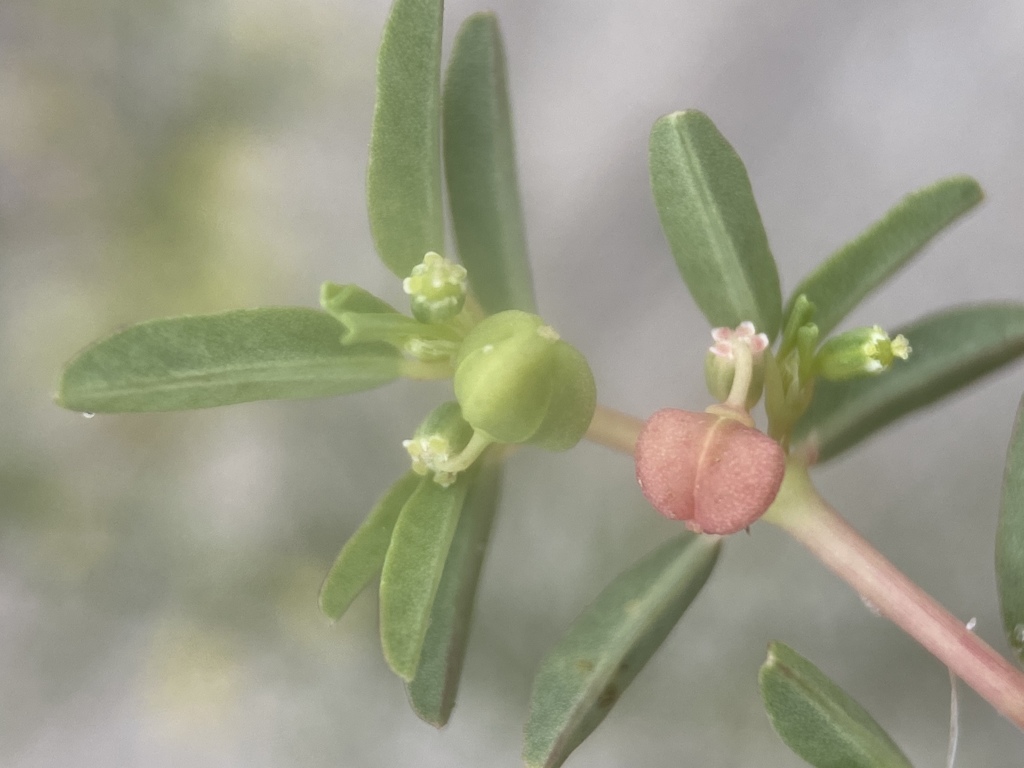
- Garber's SandmatEuphorbia garberi
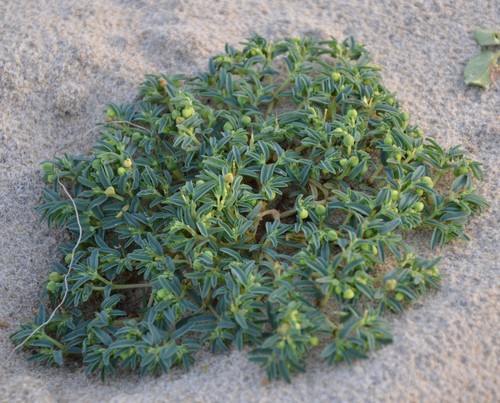
- Sanddune SpurgeEuphorbia trichotoma
- Northern Seaside SpurgeEuphorbia polygonifolia
- Southern Seaside SpurgeEuphorbia bombensis
- Agalinis harperiAgalinis harperi
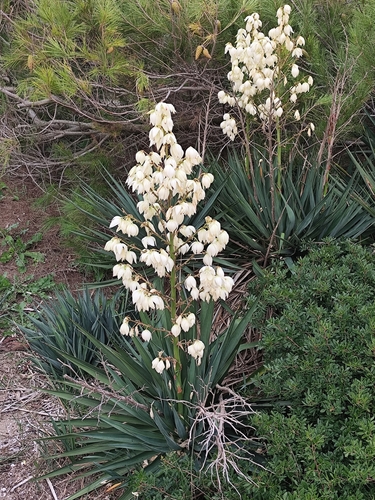
- Mound-lily YuccaYucca gloriosa
- BeachstarCyperus pedunculatus
- BaybeanCanavalia rosea
Floodplain and bottomland forests
Birds 60
- Cerulean WarblerDendroica cerulea
- Red-breasted NuthatchSitta canadensis
- Black-throated Blue WarblerDendroica caerulescens
- Louisiana WaterthrushSeiurus motacilla
- Northern Saw-whet OwlAegolius acadicus
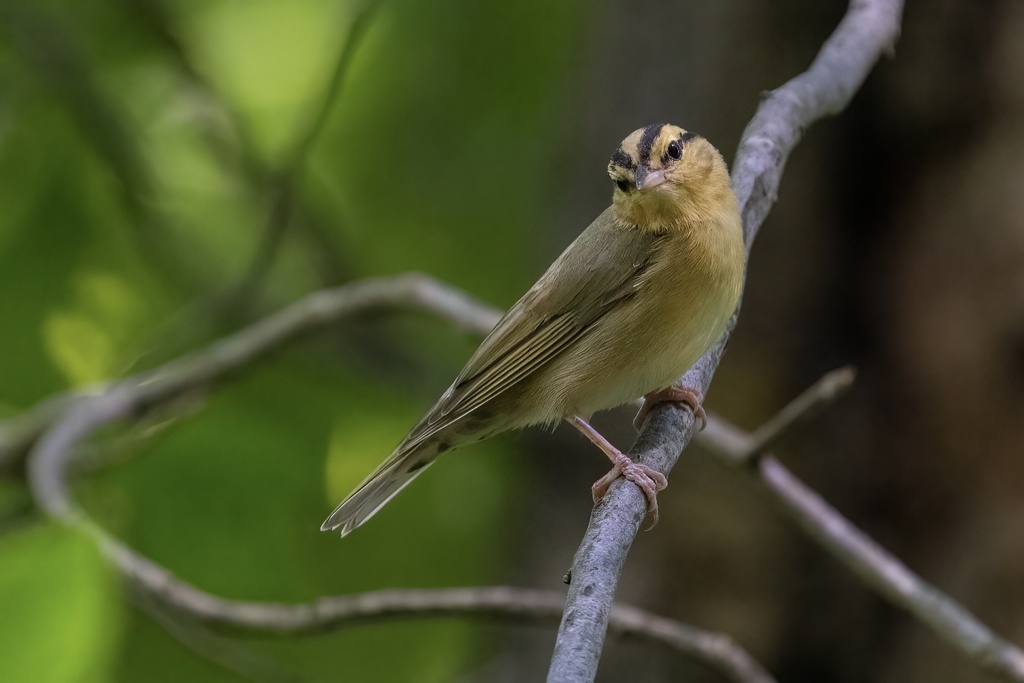
- Worm-eating WarblerHelmitheros vermivorum
- Kentucky WarblerOporornis formosus
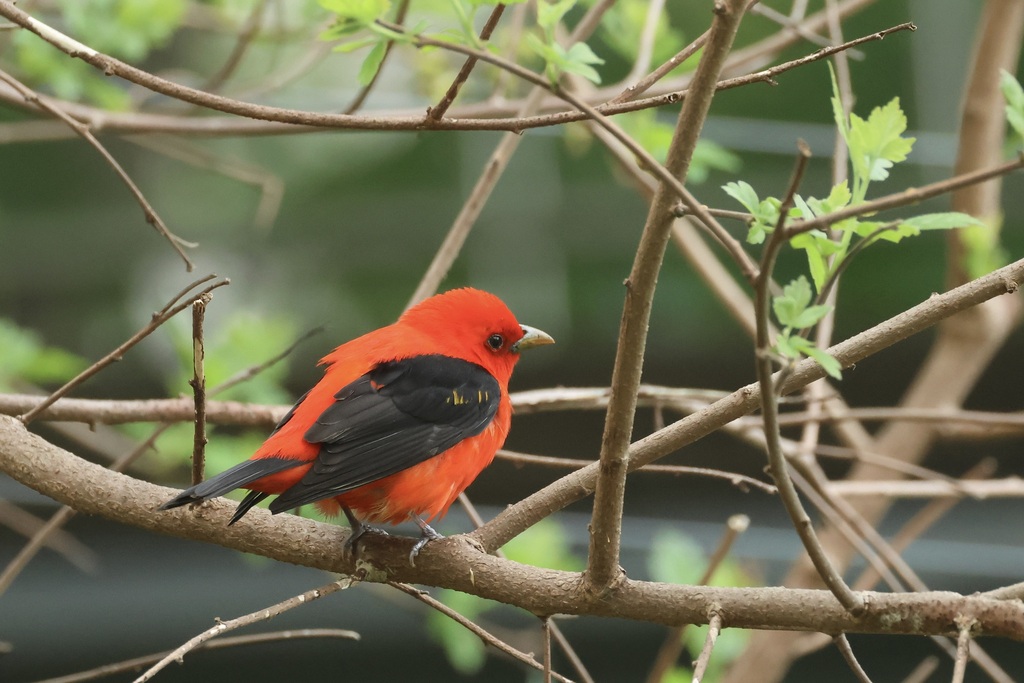
- Scarlet TanagerPiranga olivacea
- Swainson's WarblerLimnothlypis swainsonii
- American WoodcockScolopax minor
- Wilson's WarblerWilsonia pusilla
- Broad-winged HawkButeo platypterus



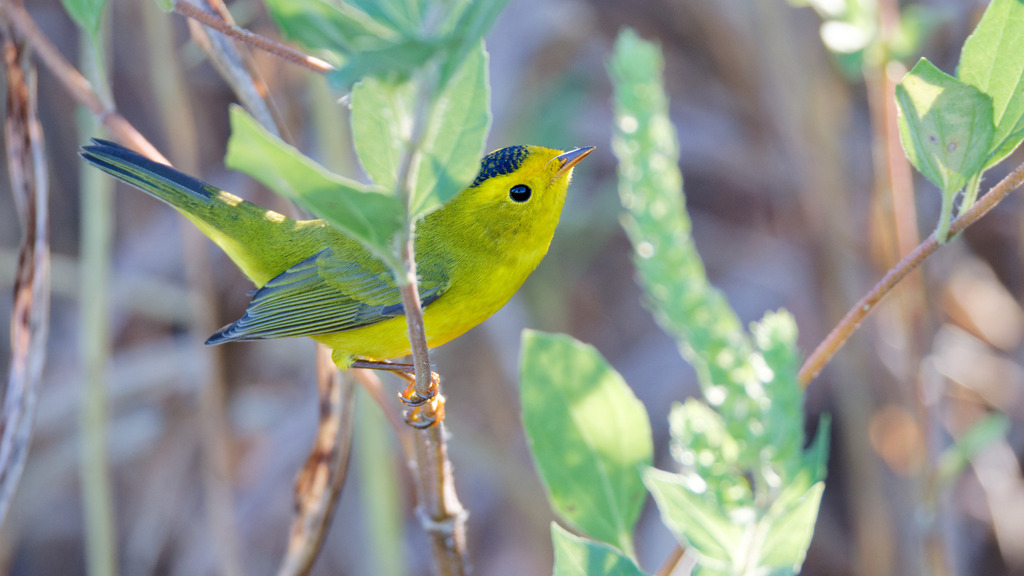

Plants 286
- Elliott's BlueberryVaccinium elliottii
- White Panicled Aster; Eastern Lined AsterSymphyotrichum lanceolatum var. latifolium
- Possumhaw HollyIlex decidua
- Cherrybark OakQuercus pagoda
- Swamp Post OakQuercus similis
- Spruce Pine; Walters Pine; Cedar PinePinus glabra
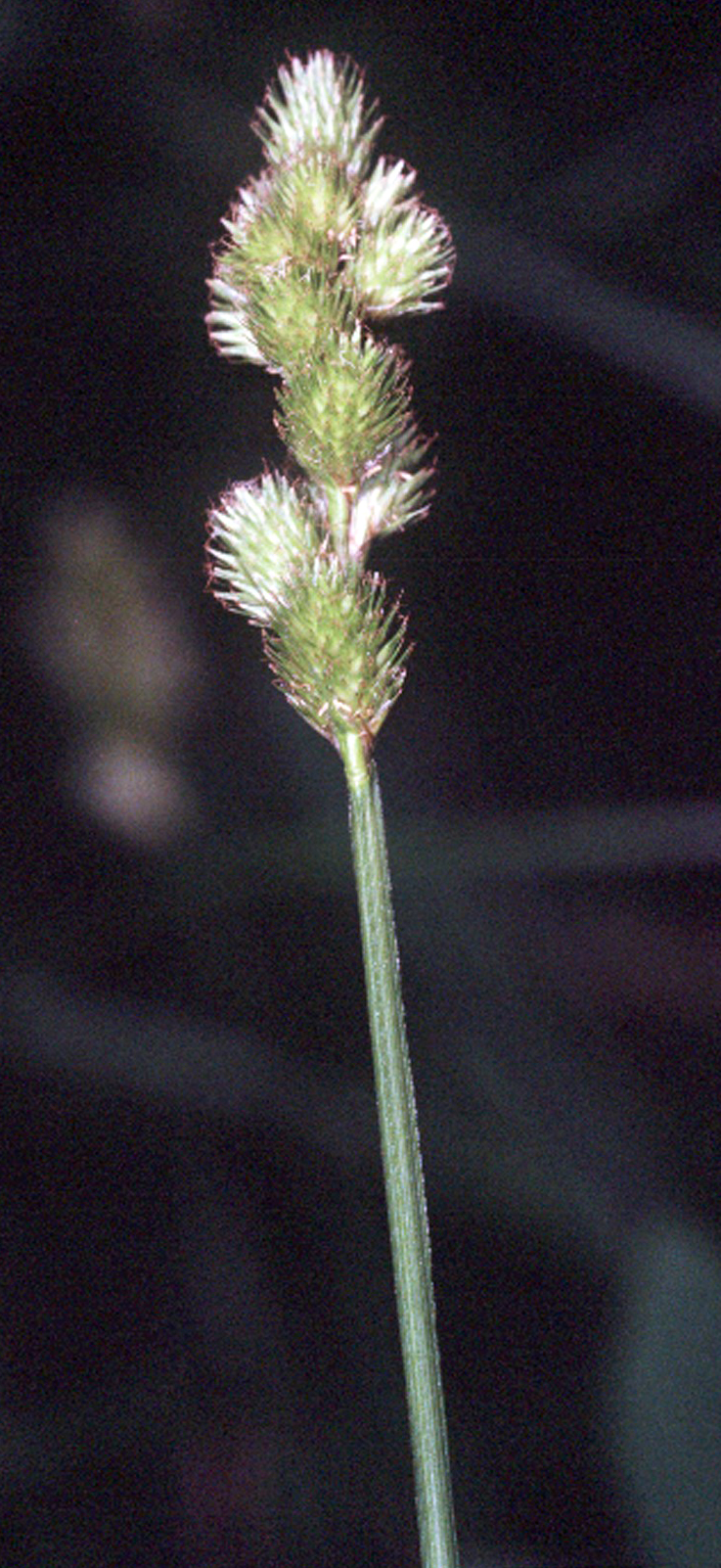
- Blunt Broom SedgeCarex tribuloides
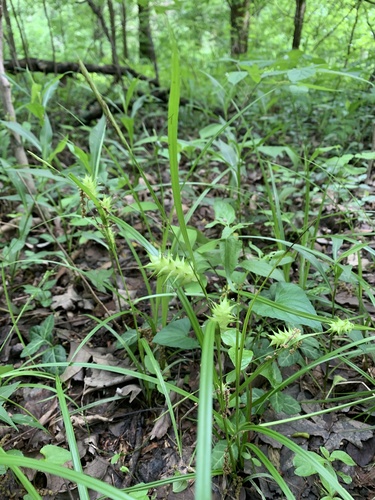
- Louisiana SedgeCarex louisianica
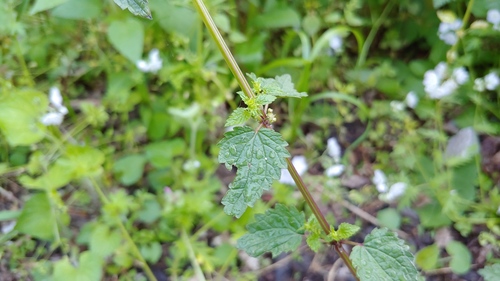
- Heartleaf NettleUrtica chamaedryoides
- Arnoglossum sulcatumArnoglossum sulcatum
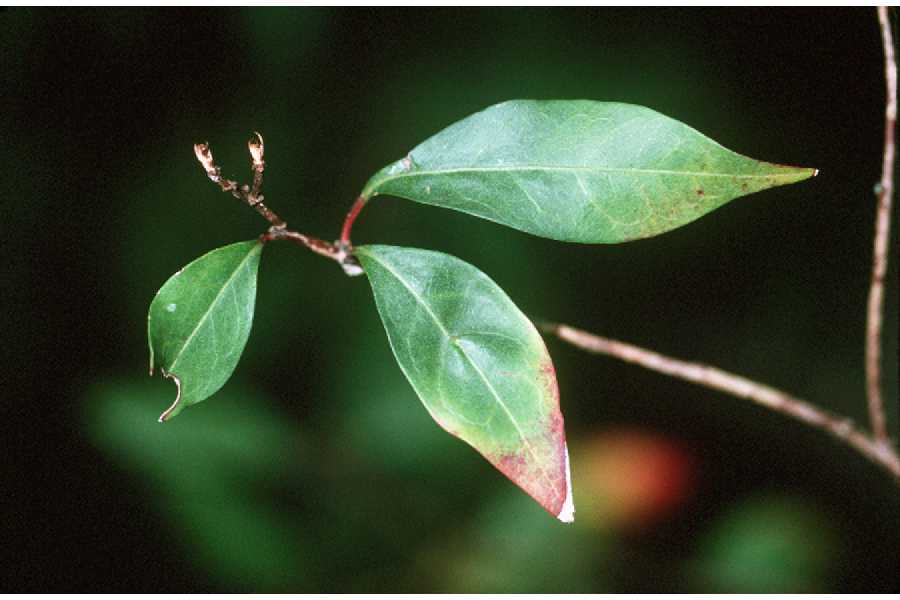
- Gulf Sebastian-bushDitrysinia fruticosa
- American BladdernutStaphylea trifolia
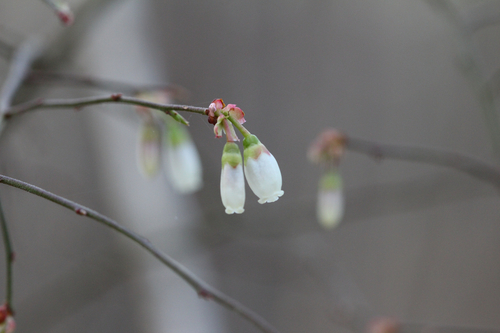
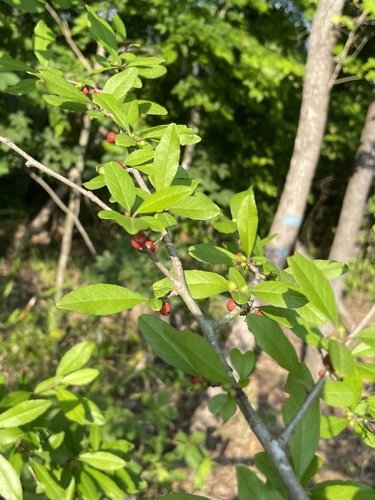
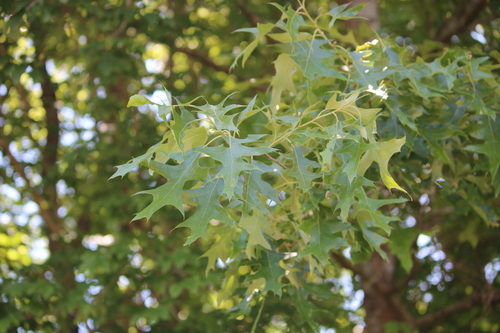


Sources
- USGS Gap Analysis Project habitat models (2001)
- USGS GAP winter habitat model for Great Blue Heron Elevation up to 610 m. Slow streams only
- USGS Gap Analysis Project range maps (2001), modeled by watershed; migratory gives no dates
- NatureServe Explorer (CC BY 4.0), habitat names
- US Census TIGER/Line counties
- Names follow the USGS Gap Analysis Project (2001)