

Bird
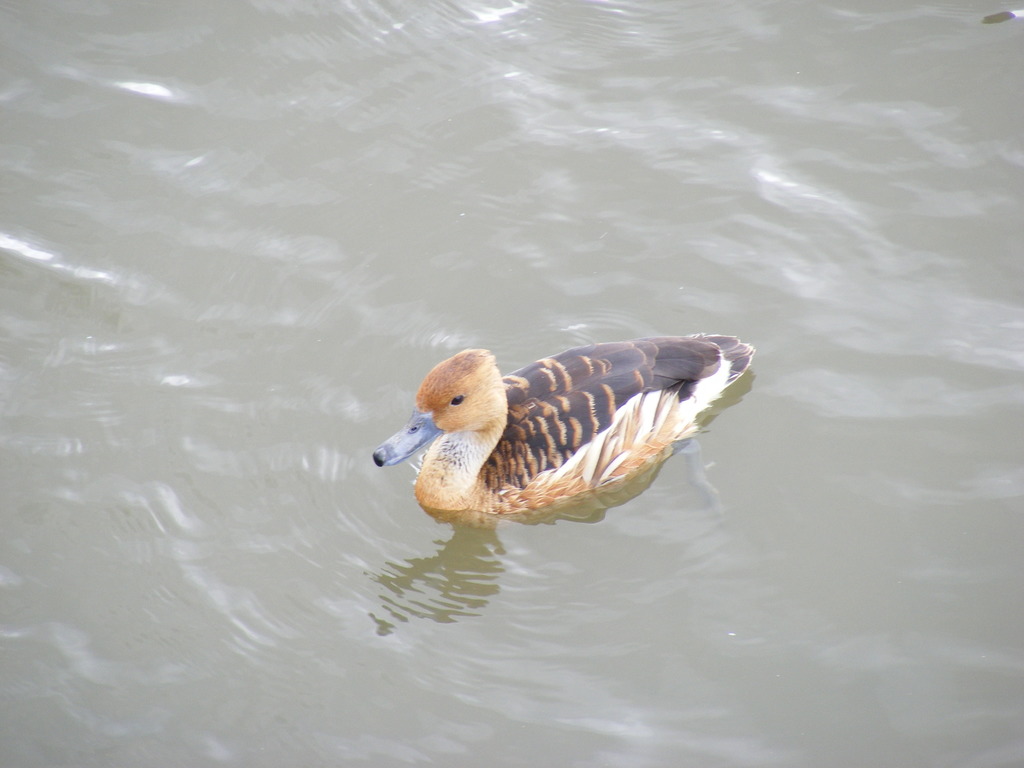
Fulvous Whistling-duck
Dendrocygna bicolor
Lives in Florida all year and nests here. Found in 27 of 67 counties, across 14 habitats.
- Here
- All year
- Nesting
- Nests here
- Range
- 27 of 67 counties
- Habitats
- 14
At a glance
- Group
- Birds
- Here
- All year
- Nesting
- Nests here
- Range
- 27 of 67 counties
- Habitats
- 14
- Habitat models
- Summer, Winter
Where it lives
The places its habitat model includes. It is not found everywhere a habitat occurs.
Habitats in Florida 14
Each habitat page lists the plants and wildlife also found there.


Open sand of beaches, dunes and the hollows between them.
Dense, evergreen groves of live oak, magnolia and other hardwoods in the southern Coastal Plain, from dry oak domes to wet hydric hammocks and south Florida's tropical hammocks; salt-shaped maritime hammocks are maritime forests.
Open, wet, seepage-fed bogs of the Coastal Plain and Sandhills, often with pitcher plants.
Coastal tidal marshes (salinity not stated)
Tidal marshes of the Atlantic and Gulf coasts where the source does not say whether the water is fresh, brackish or salt. A stated salinity files the marsh under freshwater tidal marshes or salt and brackish marshes instead.
Depression ponds and limesinks
Shallow ponds in Coastal Plain depressions, such as limesinks and the ponds in some Carolina bays, that rise and fall with the seasons.
Disturbed and introduced wetlands
Wet ground taken over by weedy or introduced plants after disturbance, such as common reed, Chinese tallow or tamarisk stands; the upland counterpart is roadsides, fields and disturbed ground.
Marshes along tidal rivers where the water is fresh but rises and falls with the tide.
Tidal forests and thickets of red, black and white mangrove along sheltered tropical and subtropical shores.
Coastal marshes flooded by salty or brackish tides.
Salt and brackish open water of sounds, bays and estuaries, with the mud and sand flats and seagrass beds that tides cover and uncover; the vegetated marsh is salt and brackish marshes.
Roadsides, fields and disturbed ground
Ground opened by people: roadsides, old fields, pastures, fencerows and lots.
Other habitats in its models (14)
Land cover, or classes with no habitat page in Florida.
- Open Water (Aquaculture) Summer.
- Louisiana Beach Winter.
- Lower Mississippi River Dune Woodland and Forest Winter.
- Recently Logged Areas Winter, only within 120 m of water.
- Recently Burned Winter, only within 120 m of water.
- Recently Burned Forest Winter, only within 120 m of water.
- Recently Burned Grassland Winter, only within 120 m of water.
- Introduced Upland Vegetation - Forbland Summer, only within 120 m of water.
- Introduced Upland Vegetation - Perennial Grassland Summer, only within 120 m of water.
- Introduced Upland Vegetation - Perennial Grassland and Forbland Summer, only within 120 m of water.
- South Florida Dwarf Cypress Savanna Winter.
- South Florida Wet Marl Prairie Summer and winter.
- South Florida Freshwater Slough and Gator Hole Summer and winter.
- Texas-Louisiana Coastal Prairie Slough Summer and winter.
Seasons in Florida
- Year-round: nests here, in 23 of 67 counties.
- Winter: does not nest here, in 14 of 67 counties.
Also found in this habitat
Plants 367
Plants named in NatureServe descriptions of these habitats that grow in Florida. Shared habitat, not food.
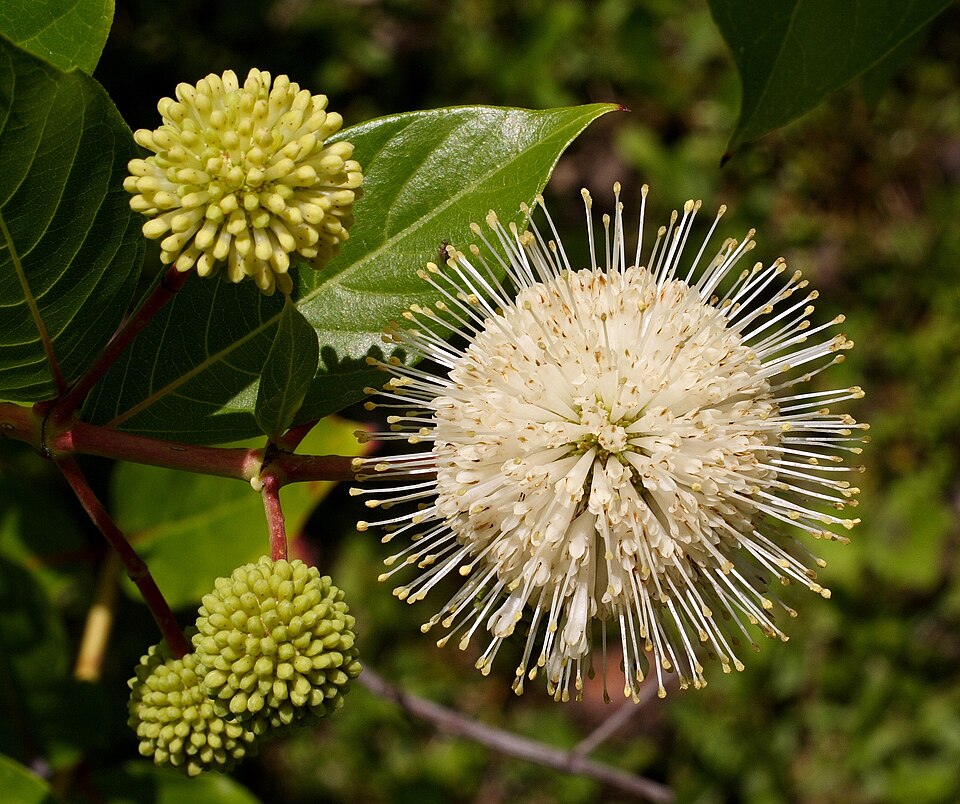
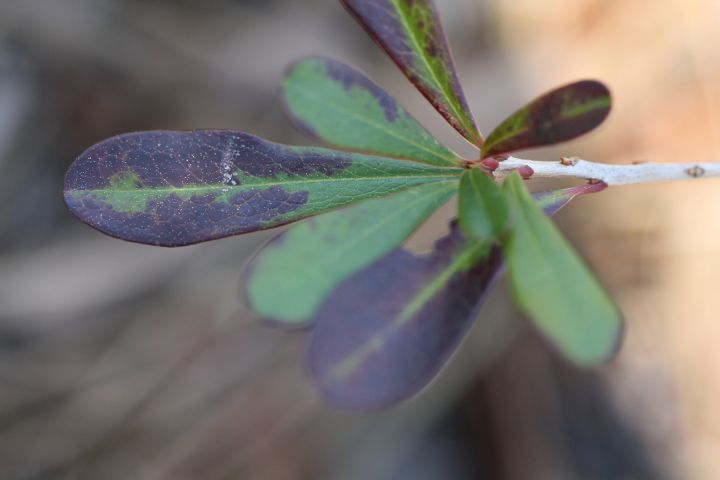
- Cabbage PalmettoSabal palmetto
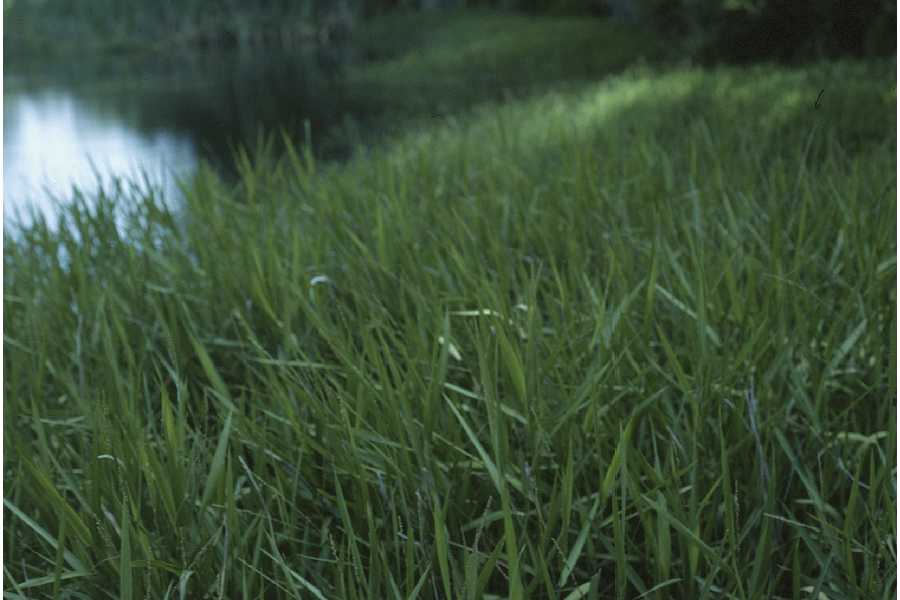
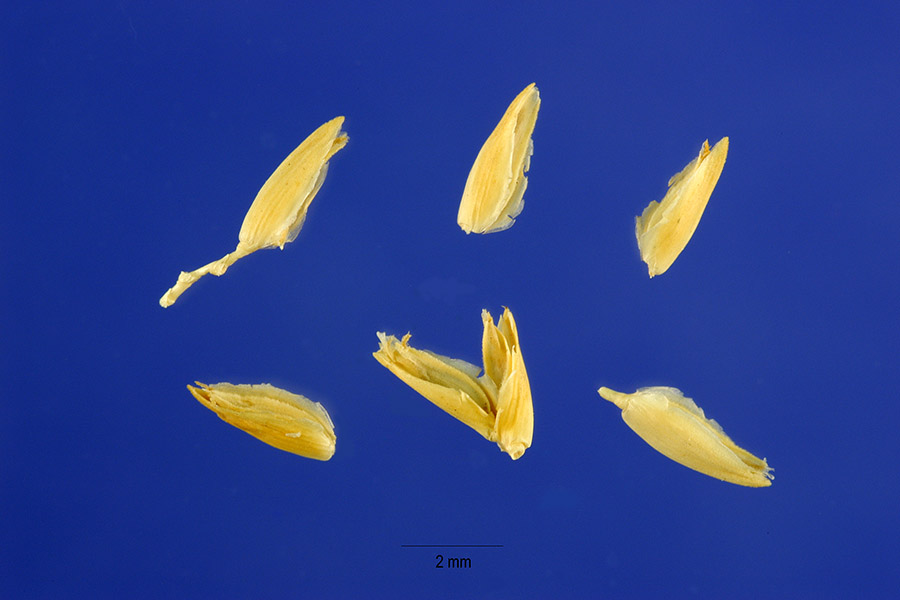
- MaidencaneHymenachne hemitomon
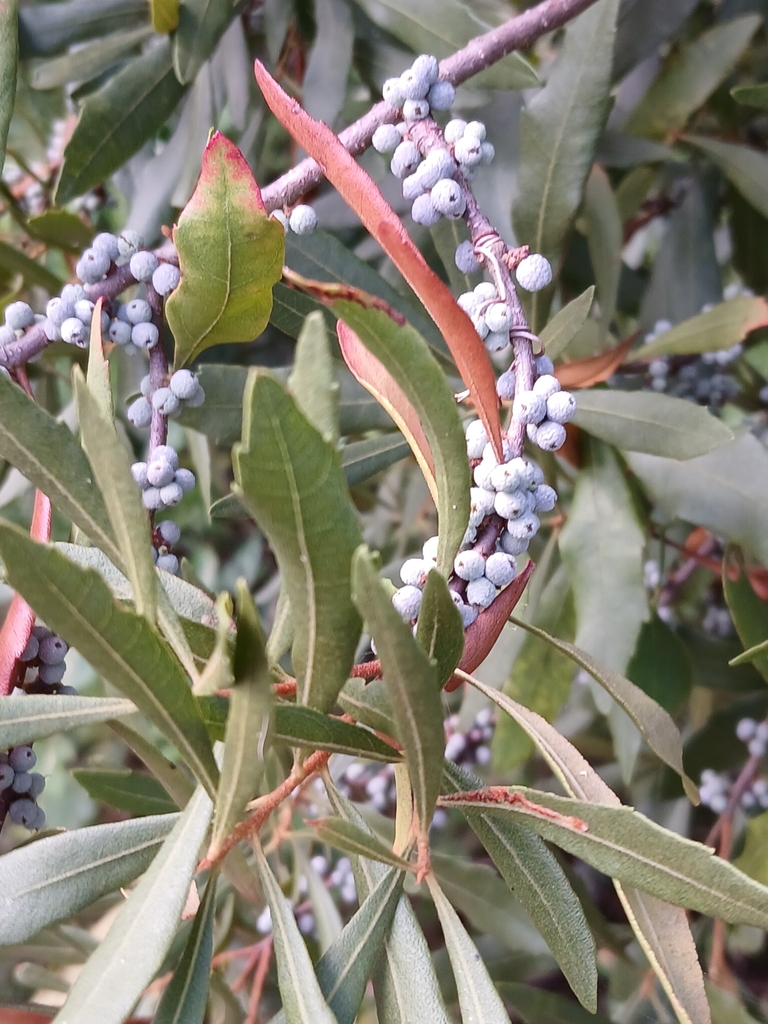
- Common WaxmyrtleMorella cerifera
- Pond CypressTaxodium ascendens
- ButtonbushCephalanthus occidentalis
- Tropical WaxweedCuphea aspera
- TitiCyrilla racemiflora
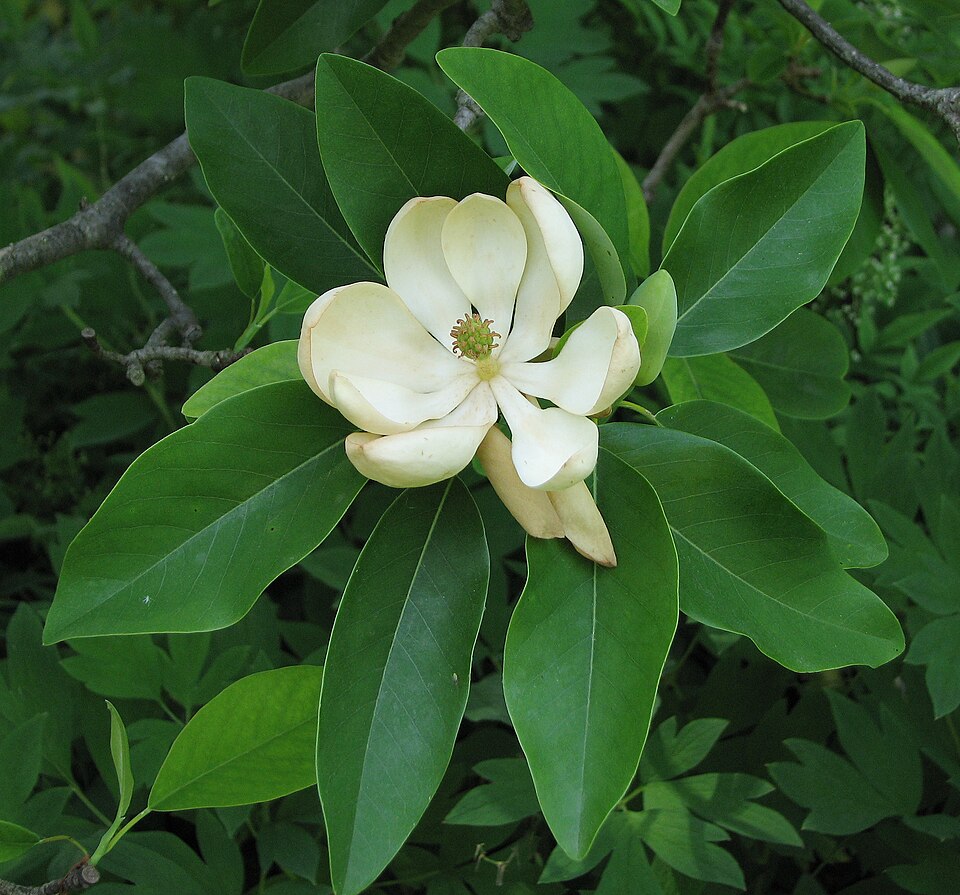
- Sweetbay MagnoliaMagnolia virginiana
- Swamp RedbayPersea palustris
- Violet ButterwortPinguicula ionantha
- Serenoa repensSerenoa repens
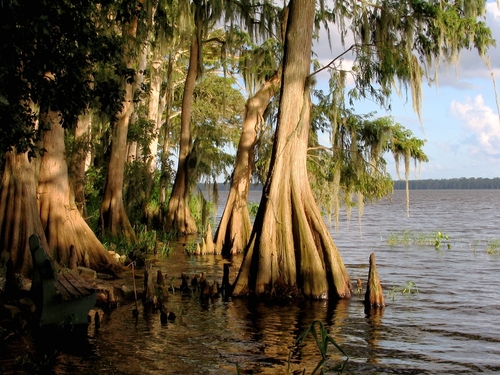
- Bald CypressTaxodium distichum
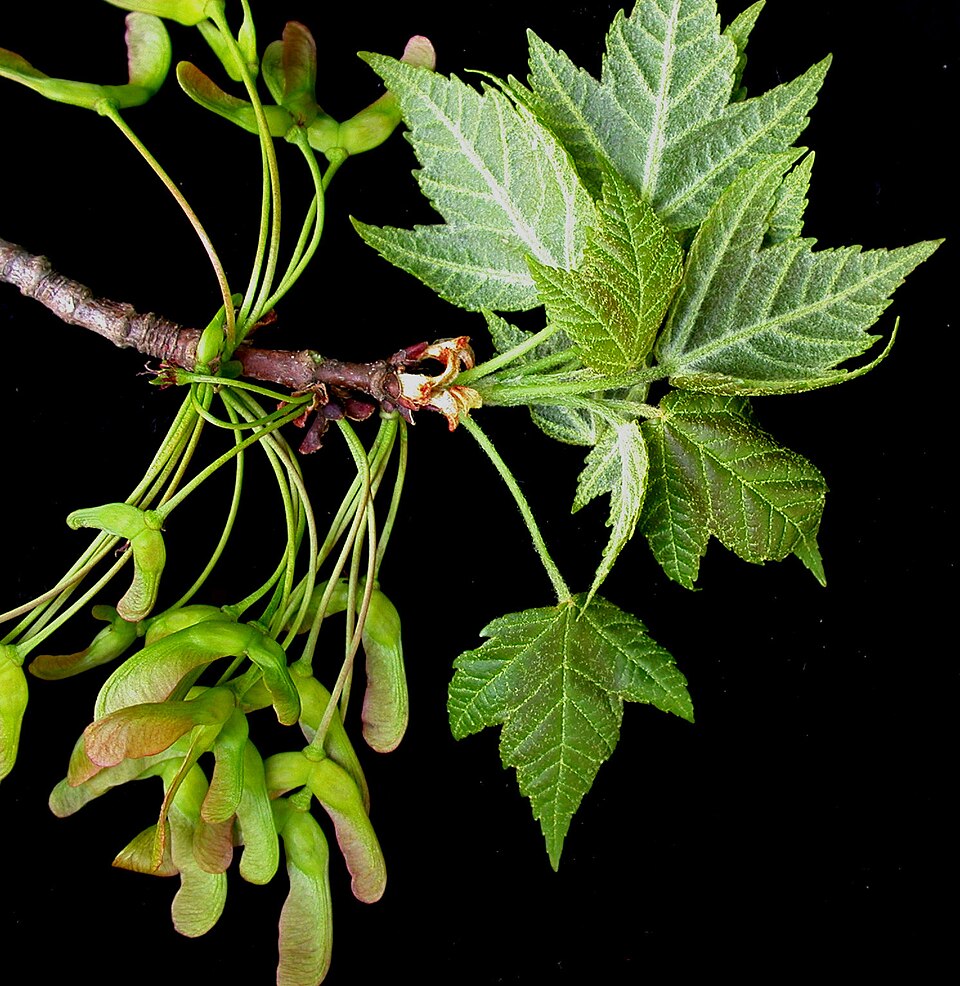
- Red MapleAcer rubrum
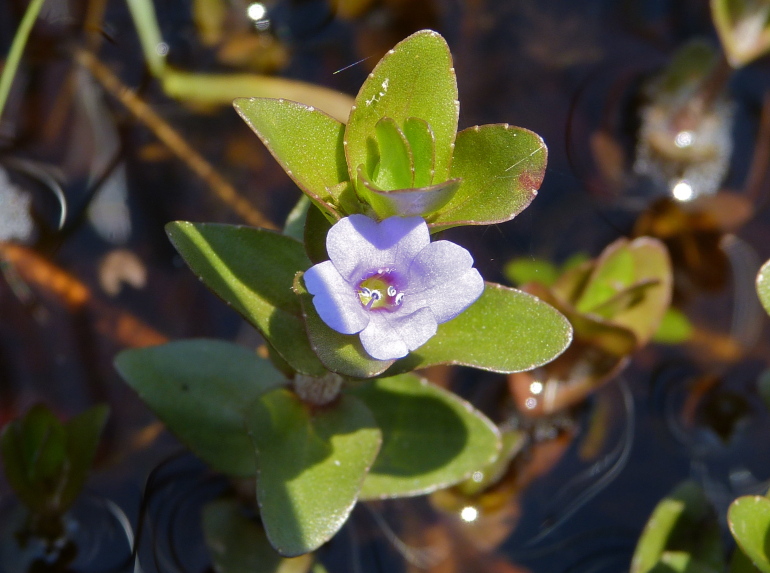
- Blue Water-hyssopBacopa caroliniana
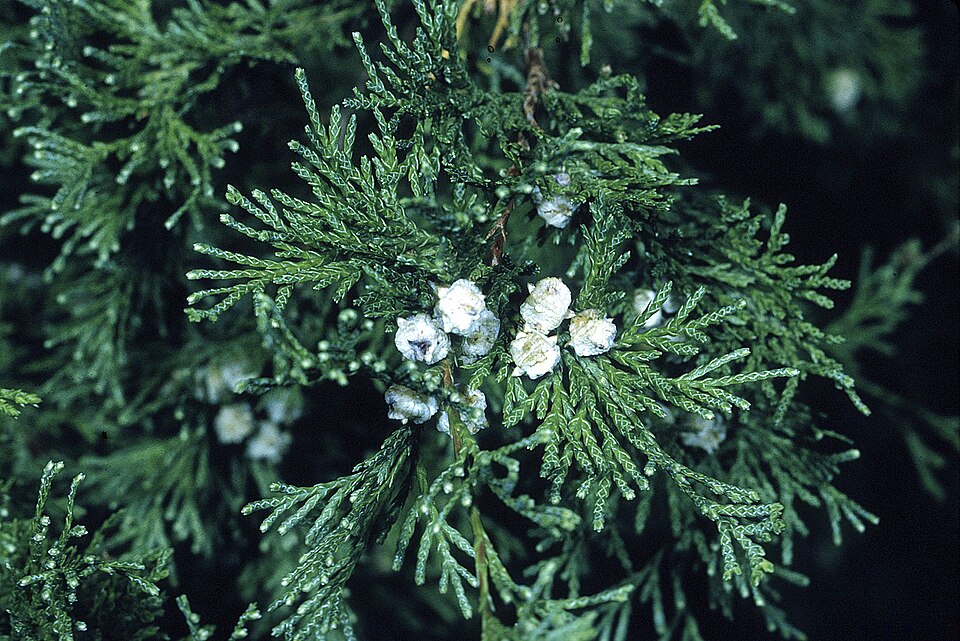
- Atlantic White CedarChamaecyparis thyoides
- Seashore SaltgrassDistichlis spicata
- Hartwrightia floridanaHartwrightia floridana
- Black NeedlerushJuncus roemerianus
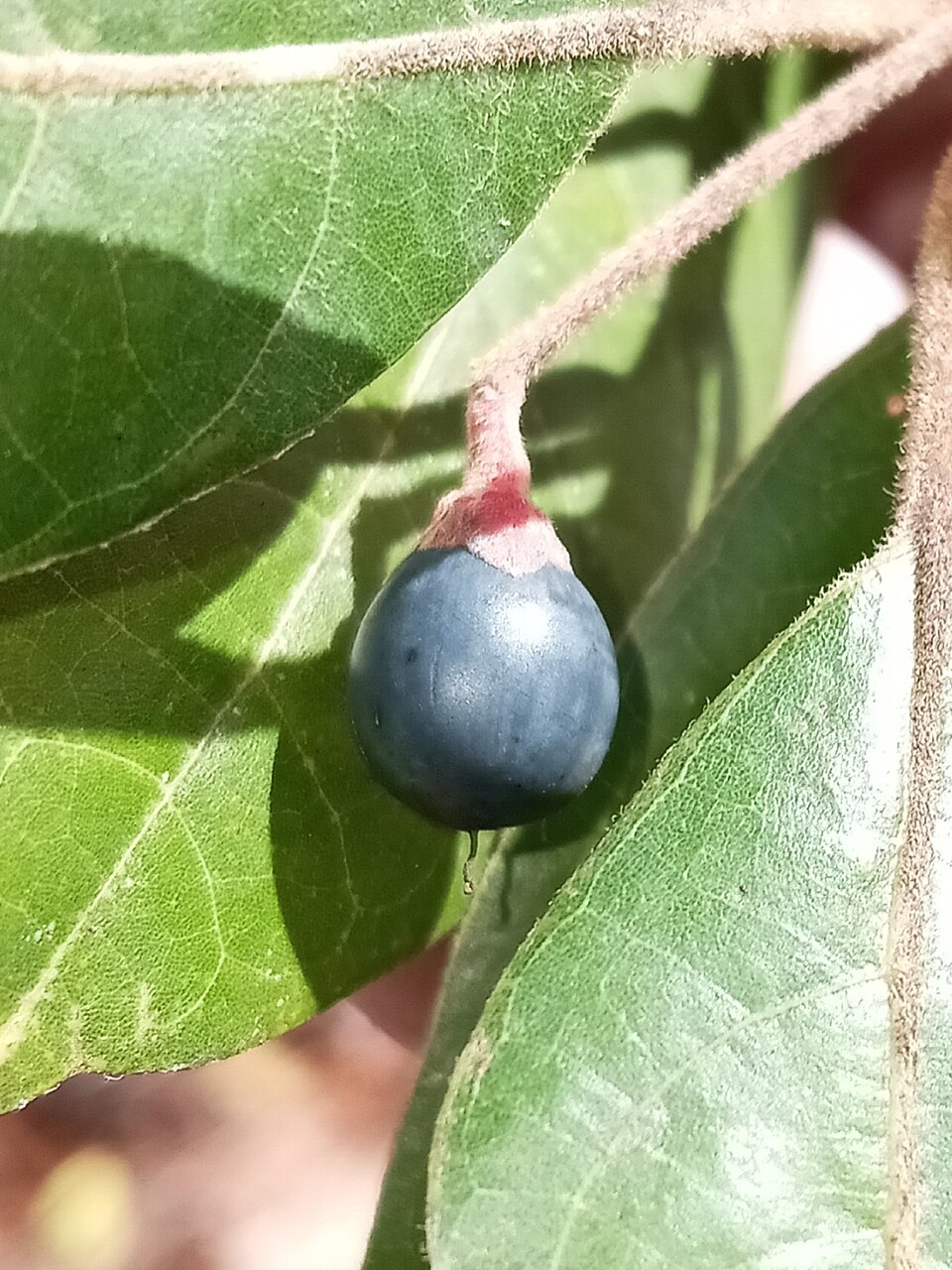
- PondberryLindera melissifolia
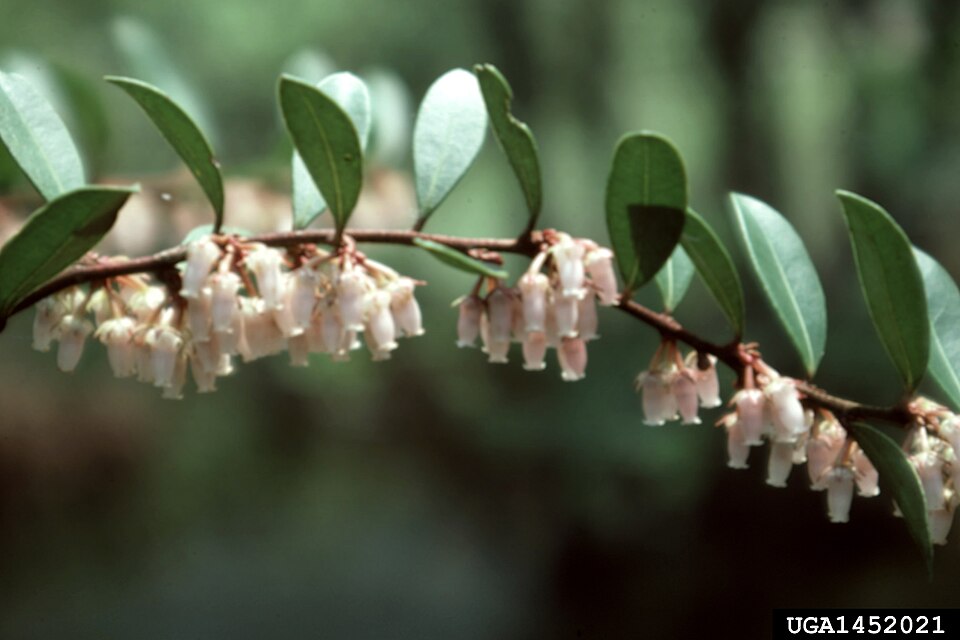
- Shining FetterbushLyonia lucida
- Macranthera flammeaMacranthera flammea
- Muhlenbergia capillaris var. filipesMuhlenbergia capillaris var. filipes
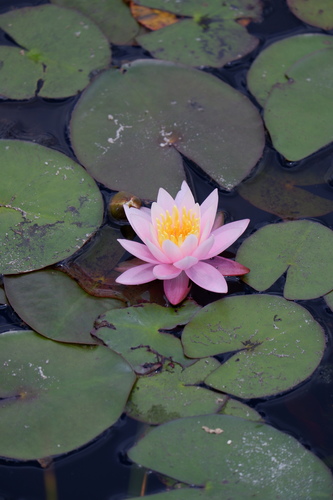
- Fragrant Water-lilyNymphaea odorata
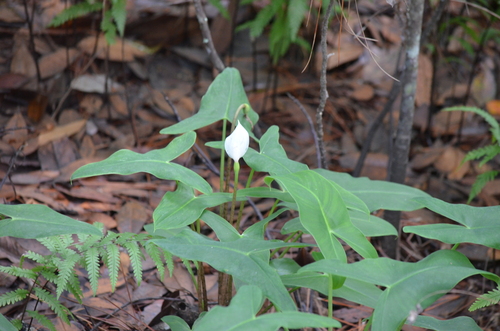
- White Arrow-arumPeltandra sagittifolia
Wildlife 286
Other animals whose habitat models include the same habitats in Florida. Not sighting records.
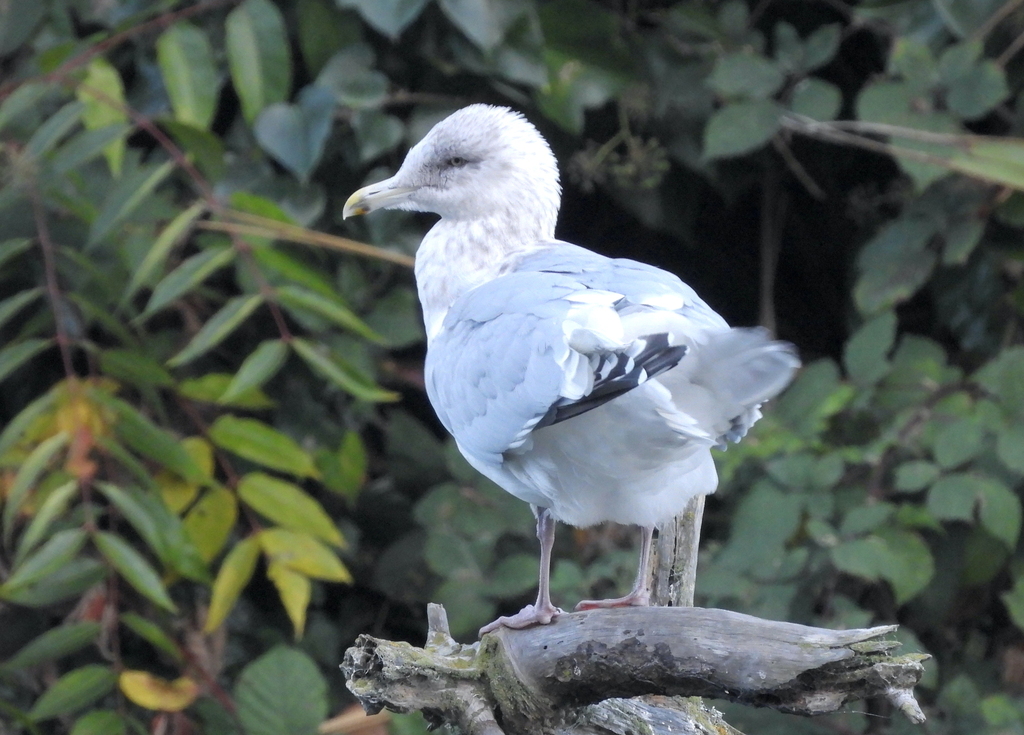
- Thayer's GullLarus thayeri
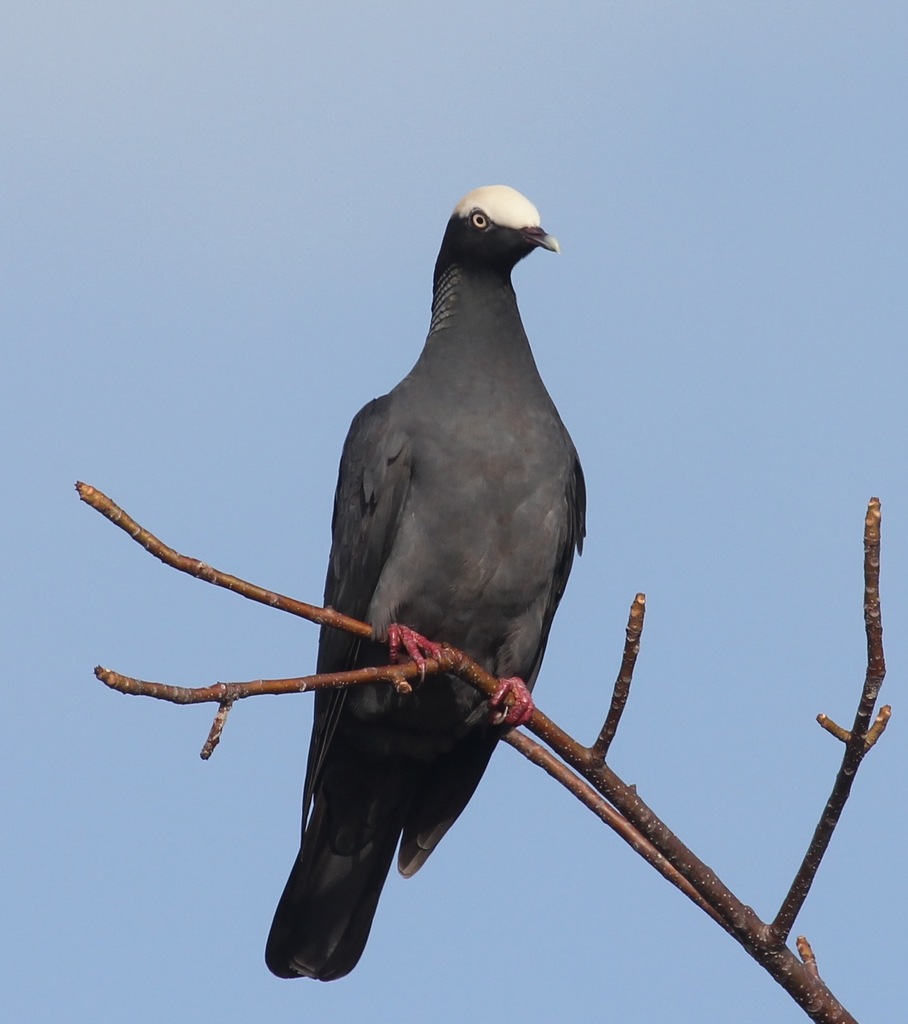
- White-crowned PigeonPatagioenas leucocephala
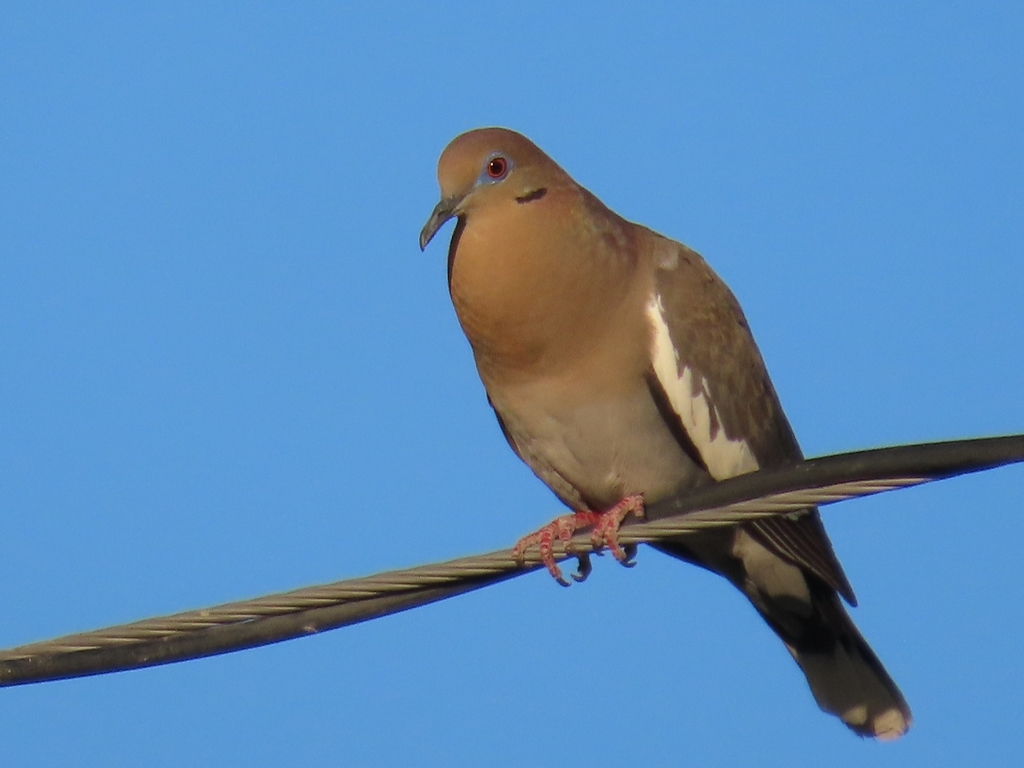
- White-winged DoveZenaida asiatica
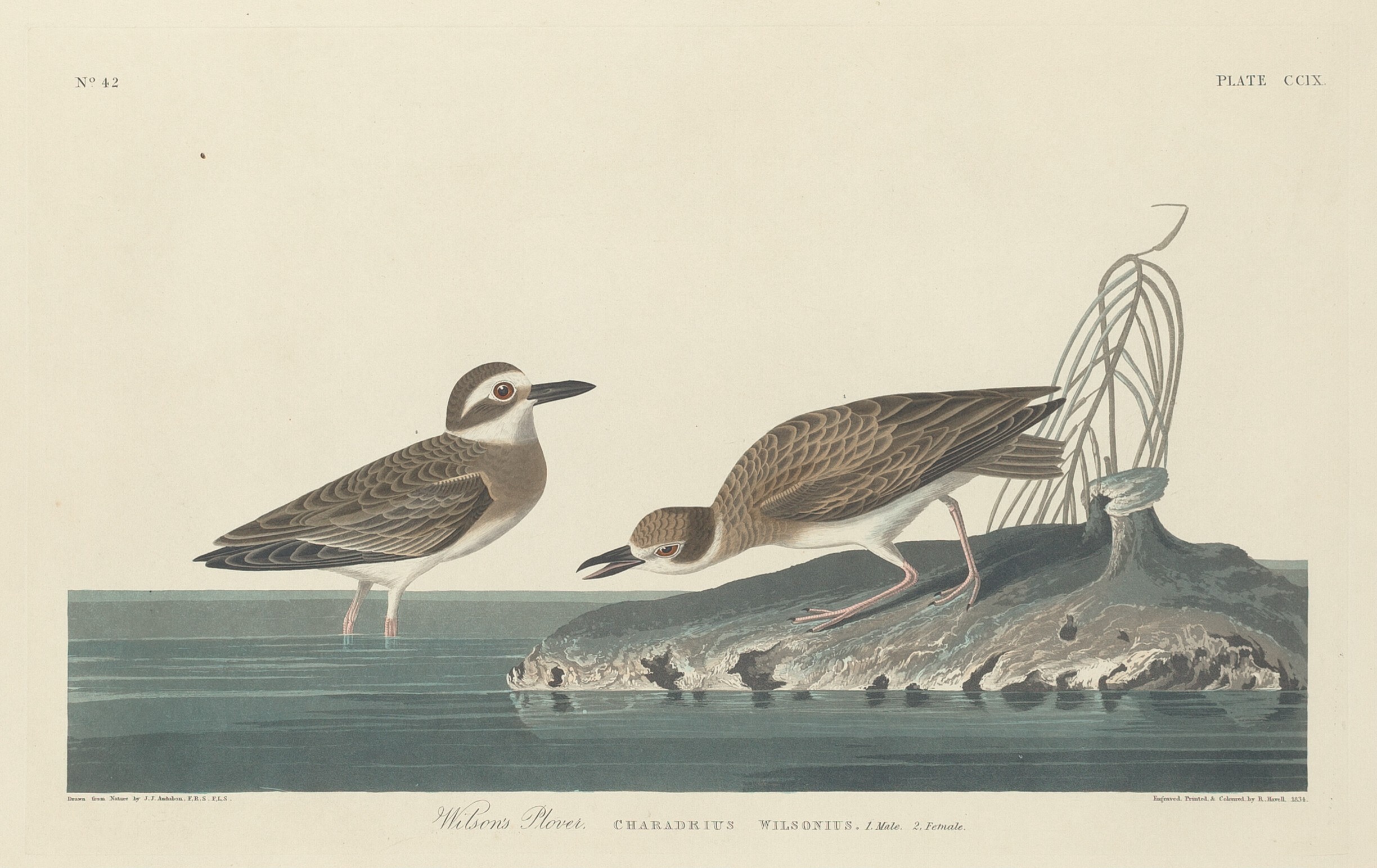
- Wilson's PloverCharadrius wilsonia
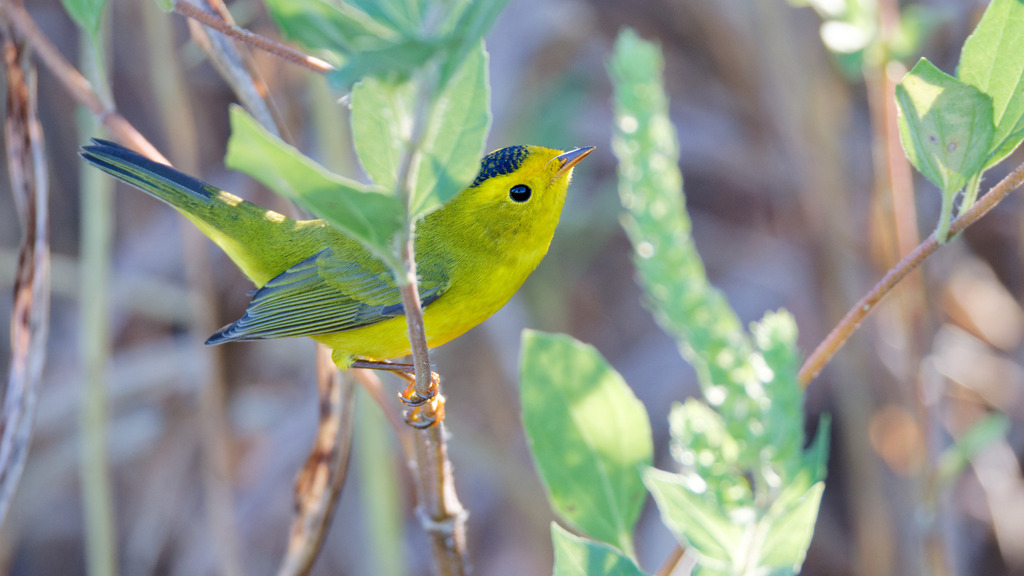
- Wilson's WarblerWilsonia pusilla
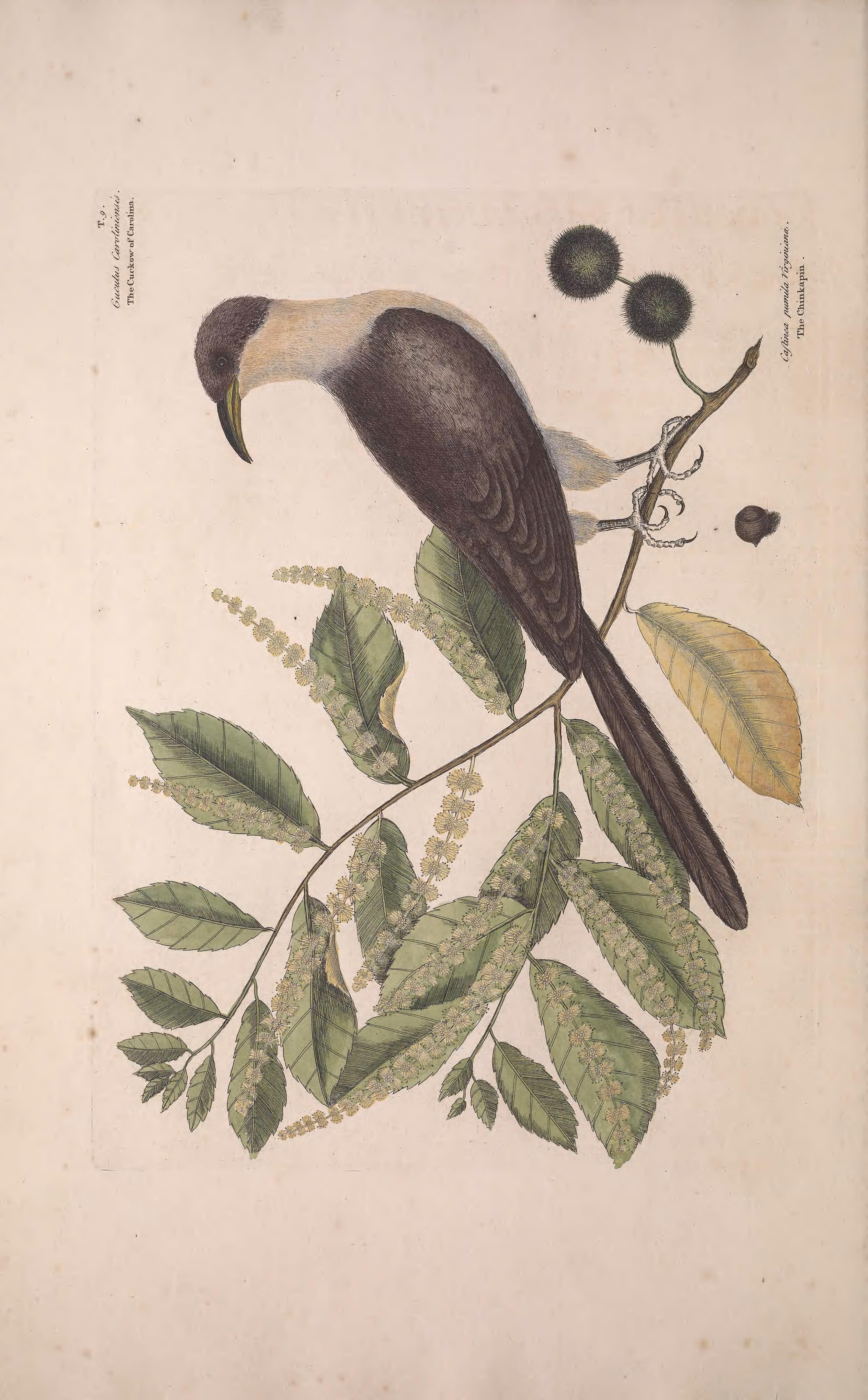
- Yellow-billed CuckooCoccyzus americanus
- Acadian FlycatcherEmpidonax virescens
- Antillean NighthawkChordeiles gundlachii
- Baltimore OrioleIcterus galbula
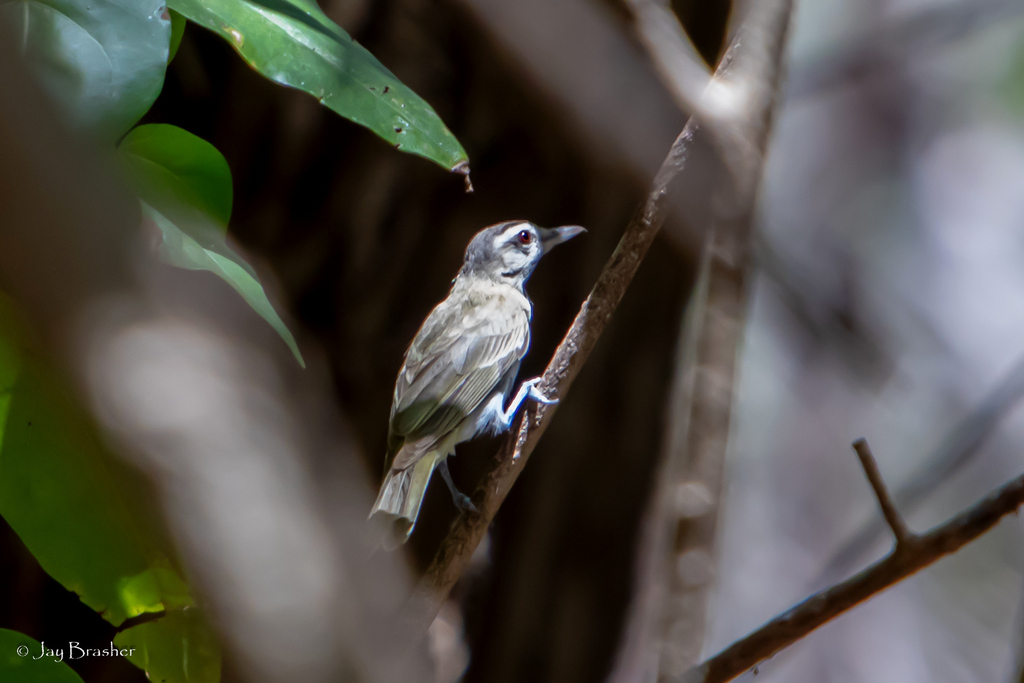
- Black-whiskered VireoVireo altiloquus
- Blue GrosbeakPasserina caerulea
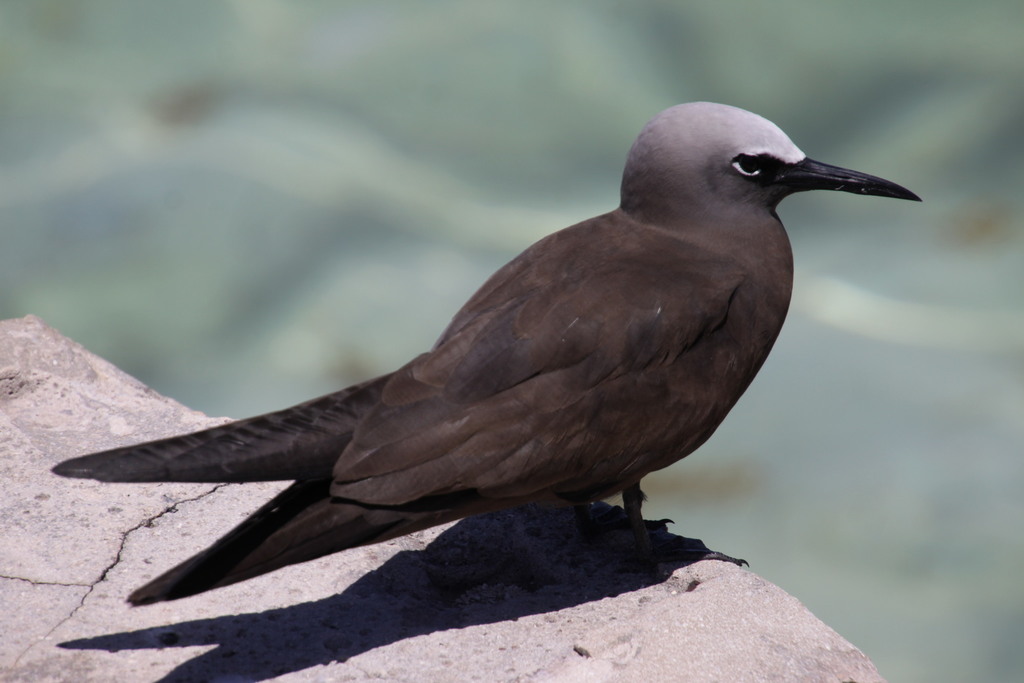
- Brown NoddyAnous stolidus
- Brown-headed CowbirdMolothrus ater
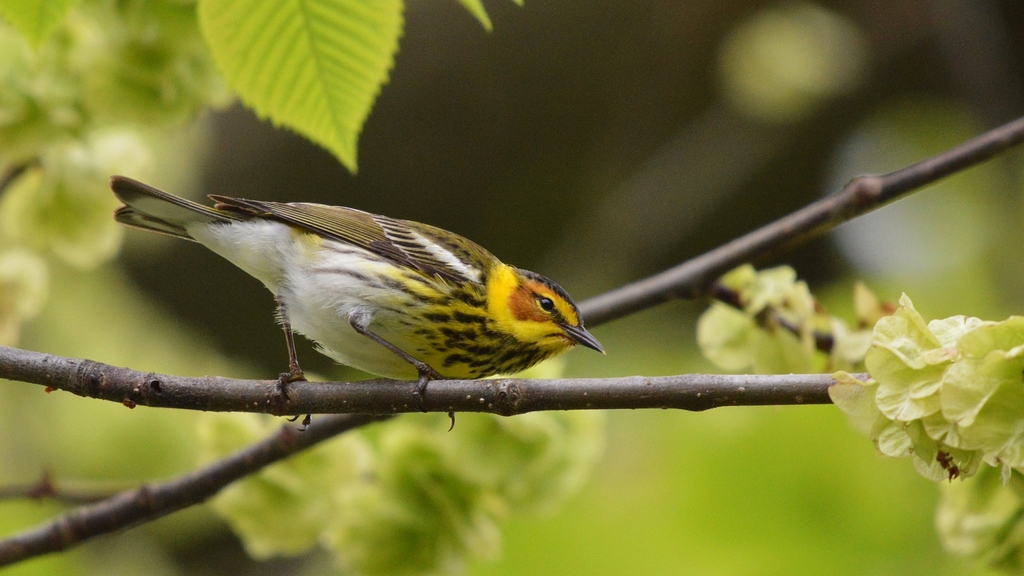
- Cape May WarblerDendroica tigrina
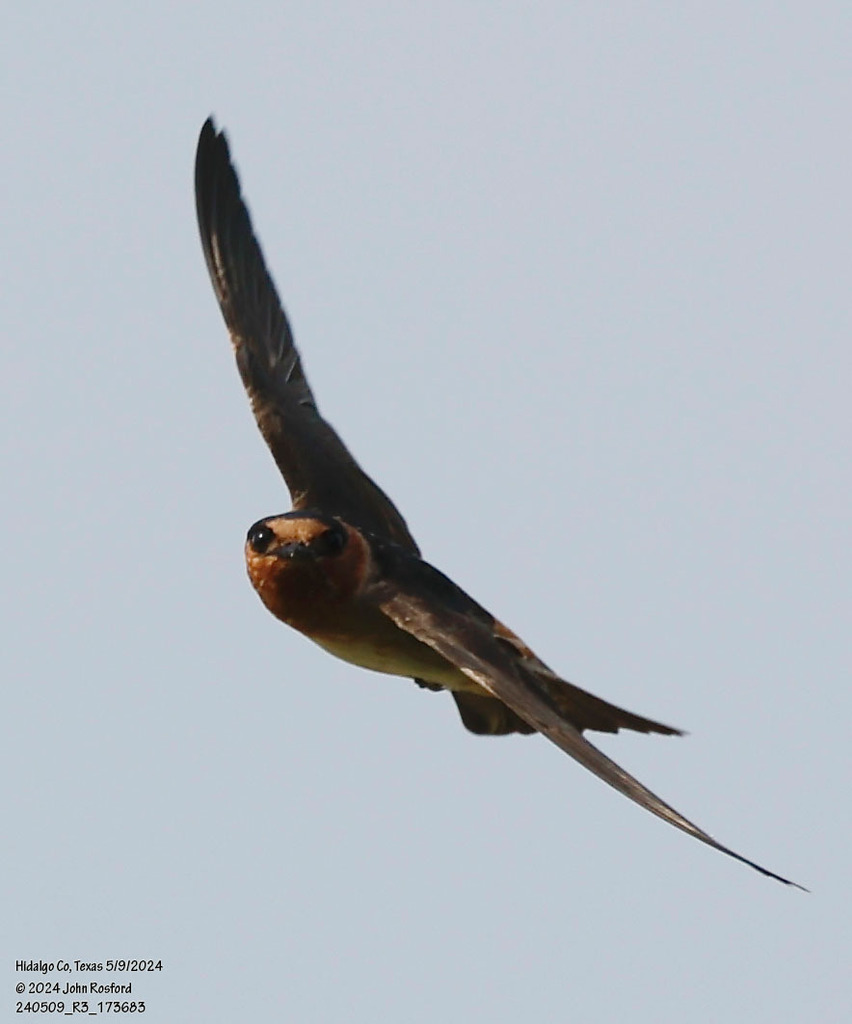
- Cave SwallowPetrochelidon fulva
- Dark-eyed JuncoJunco hyemalis
- Golden-crowned KingletRegulus satrapa
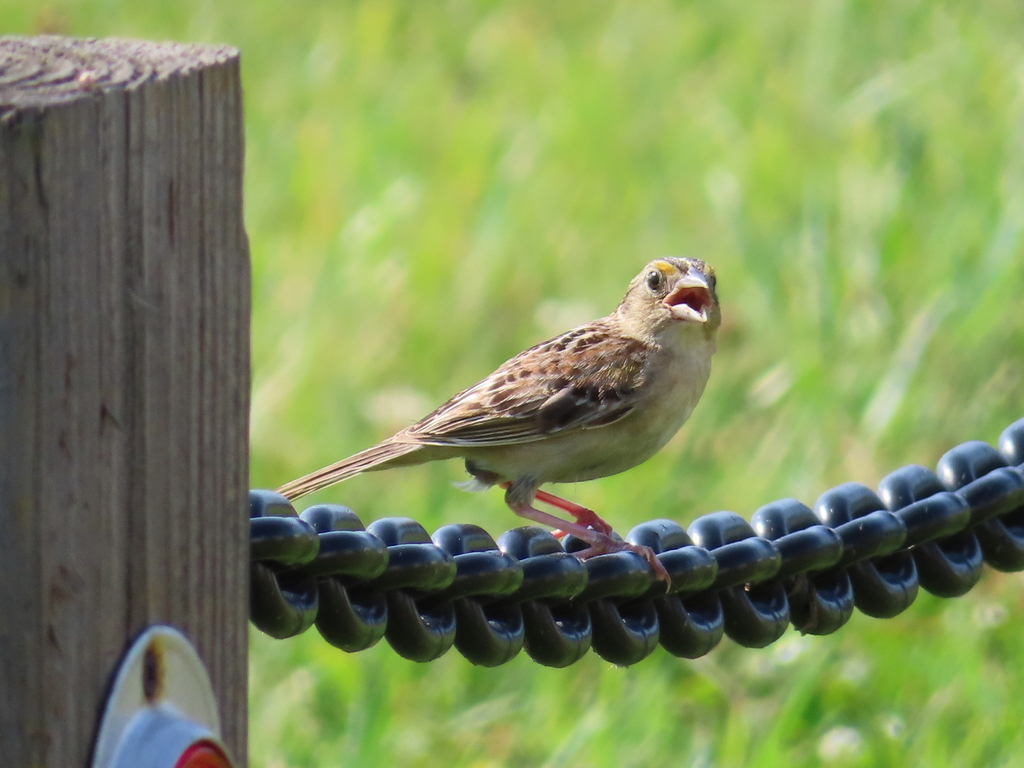
- Grasshopper SparrowAmmodramus savannarum
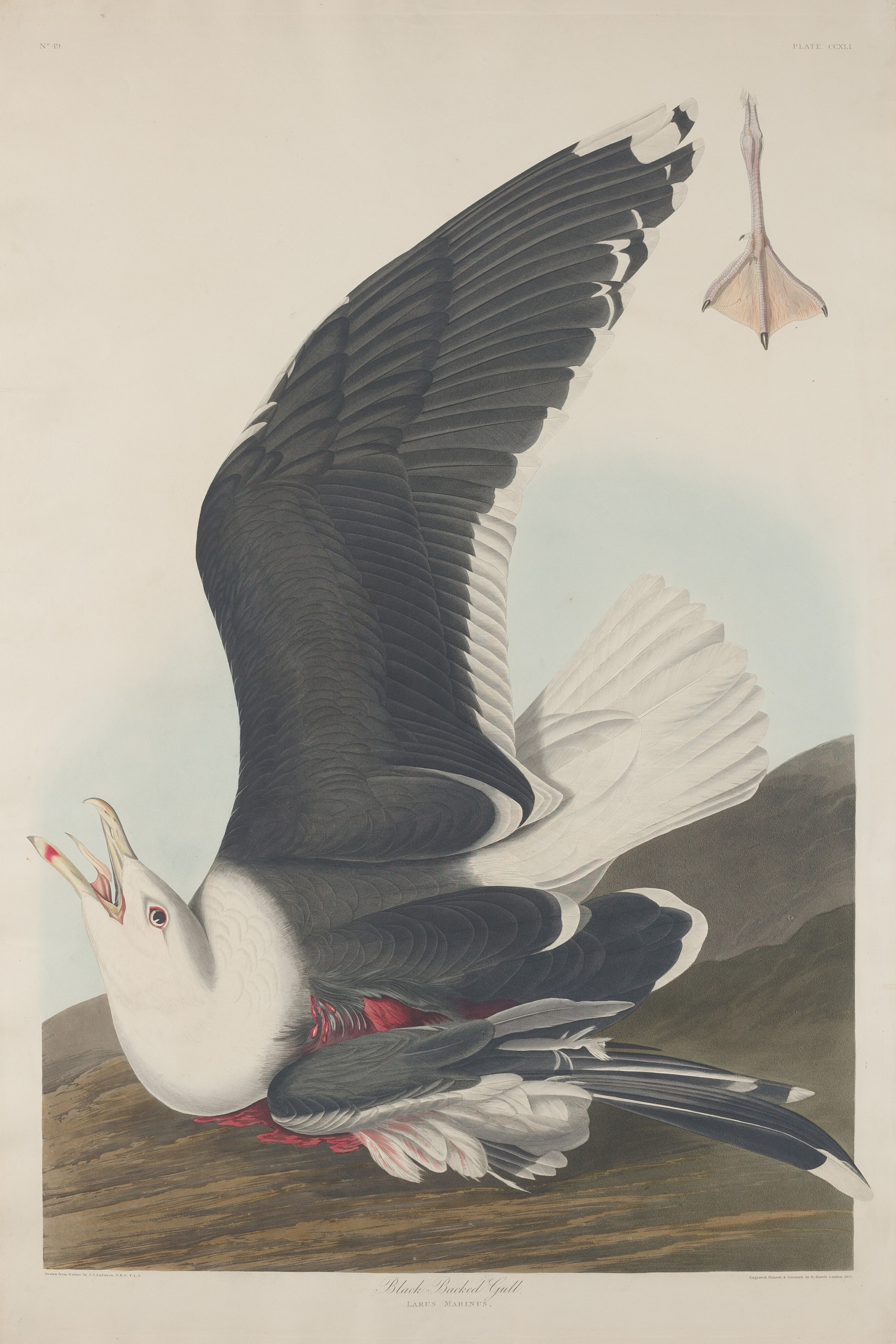
- Great Black-backed GullLarus marinus
- Hermit ThrushCatharus guttatus
- Kentucky WarblerOporornis formosus
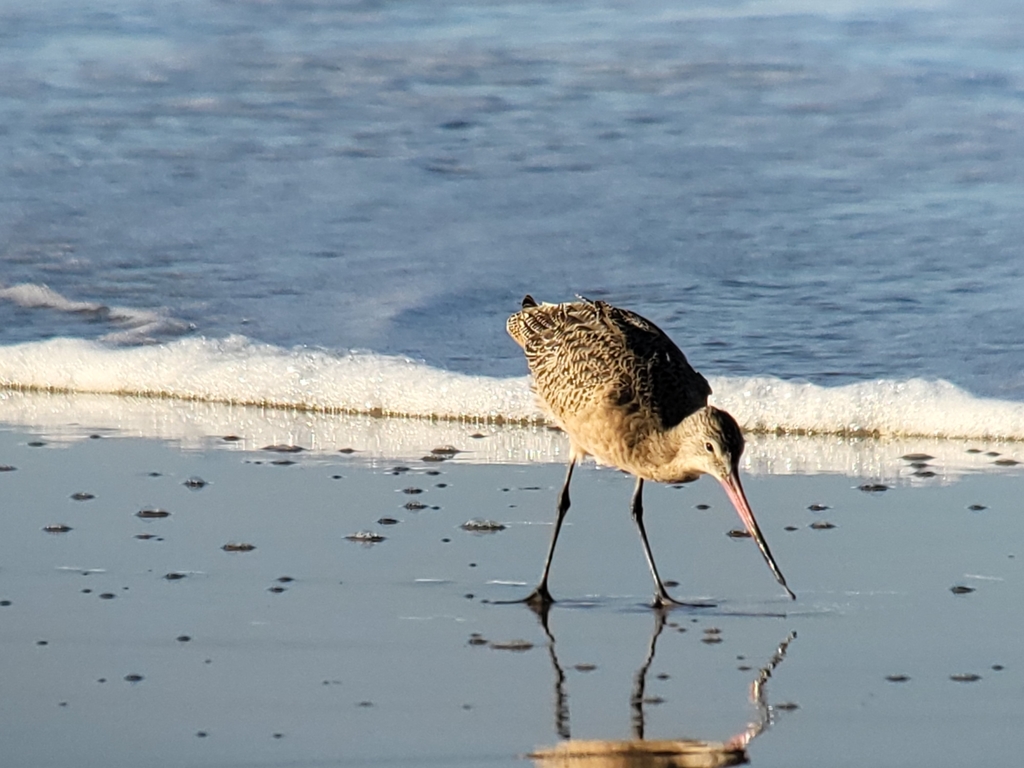
- Marbled GodwitLimosa fedoa
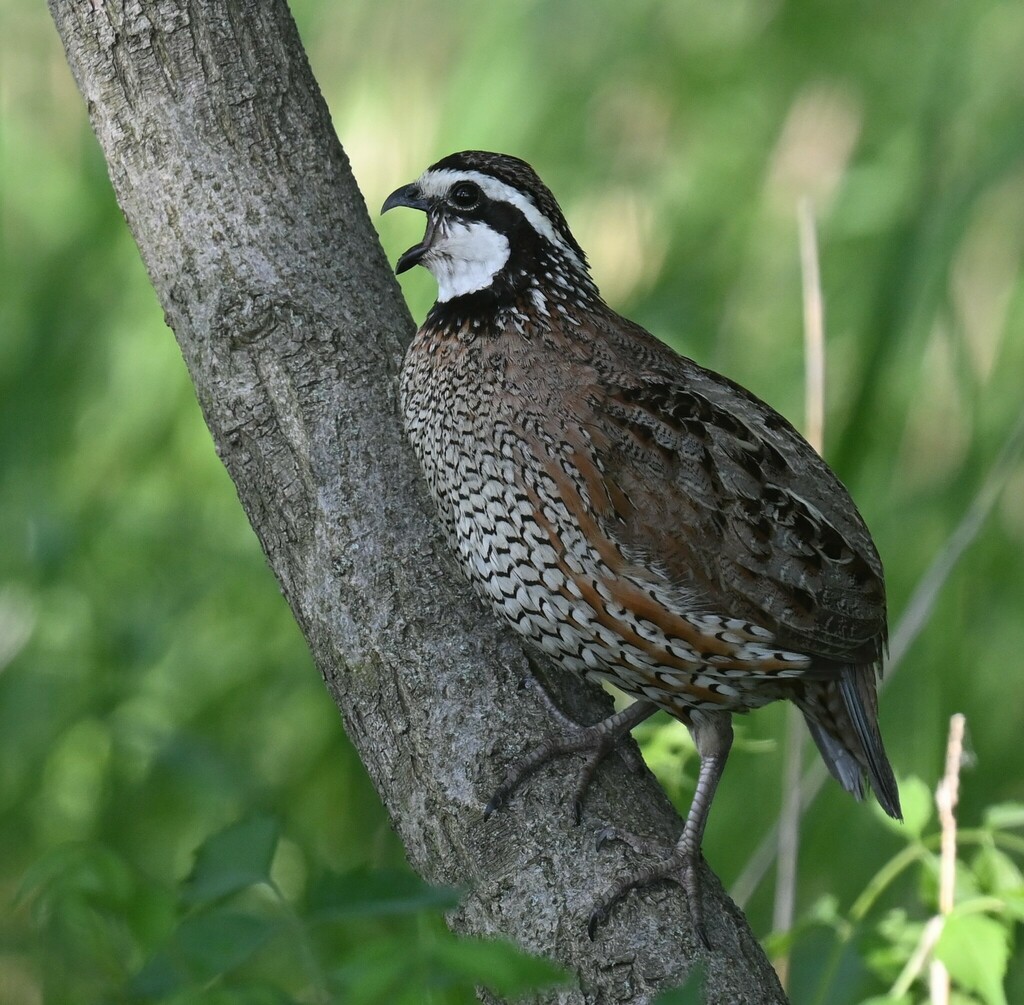
- Northern BobwhiteColinus virginianus
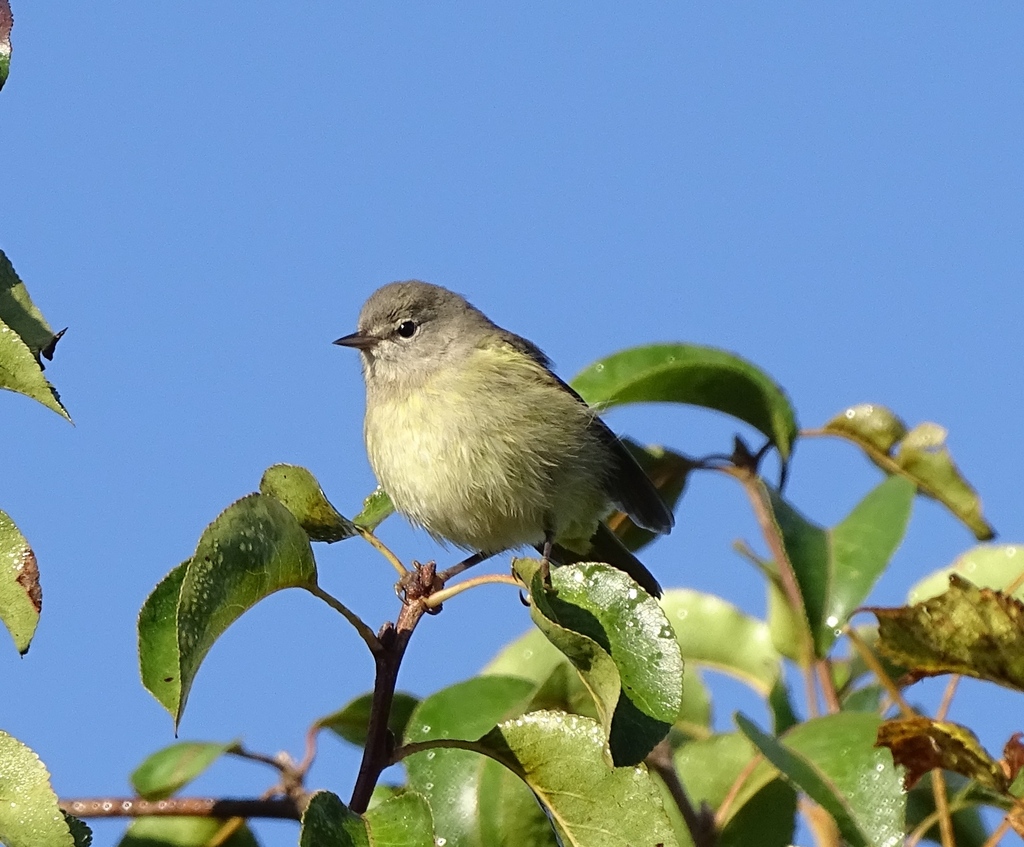
- Orange-crowned WarblerVermivora celata








NatureServe Explorer, CC BY 4.0. USGS Gap Analysis Project habitat models.
Sources
- USGS Gap Analysis Project habitat models (2001)
- USGS GAP winter habitat model for Fulvous Whistling-duck
- USGS Gap Analysis Project range maps (2001), modeled by watershed; migratory gives no dates
- NatureServe Explorer (CC BY 4.0), habitat names
- US Census TIGER/Line counties
- Names follow the USGS Gap Analysis Project (2001)