

Bird
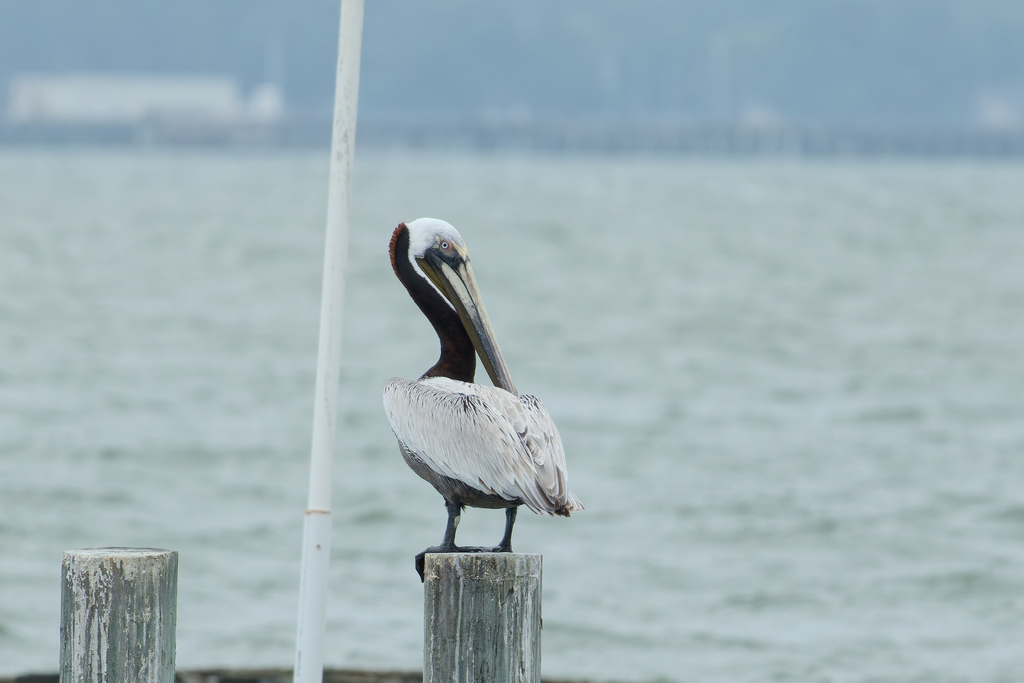
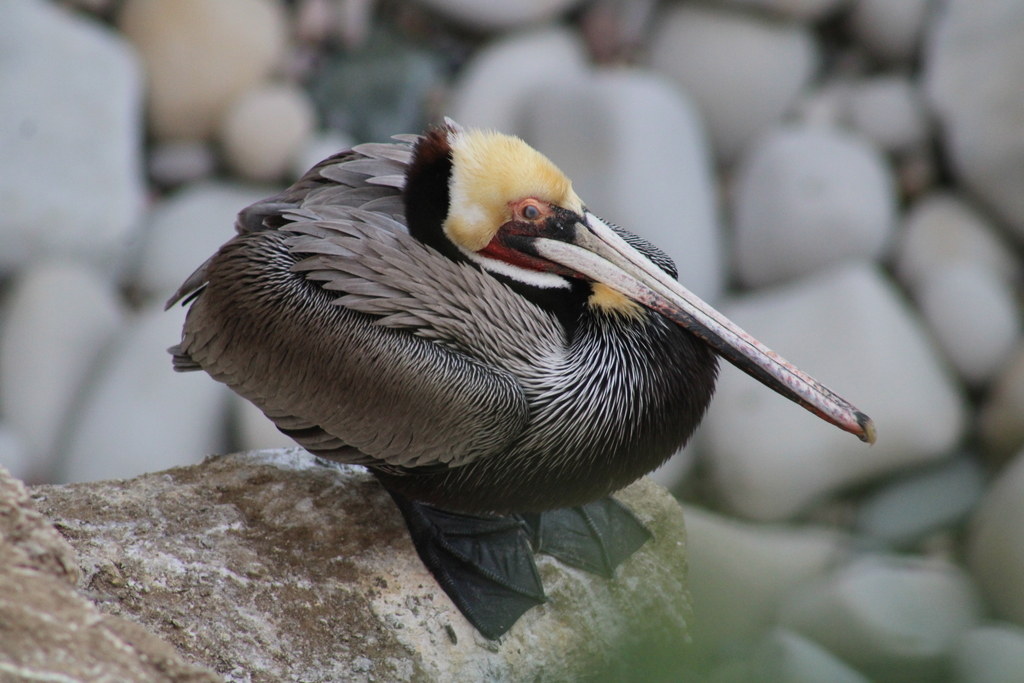
Eastern Brown Pelican
Pelecanus occidentalis carolinensis
Lives in Florida all year and nests here. Found in 46 of 67 counties, across 7 habitats.
- Here
- All year
- Nesting
- Nests here
- Range
- 46 of 67 counties
- Habitats
- 7
At a glance
- Group
- Birds
- Here
- All year
- Nesting
- Nests here
- Range
- 46 of 67 counties
- Habitats
- 7
- Habitat models
- Year-round
Where it lives
The places its habitat model includes. It is not found everywhere a habitat occurs.
Habitats in Florida 7
Each habitat page lists the plants and wildlife also found there.

Open sand of beaches, dunes and the hollows between them.
Coastal tidal marshes (salinity not stated)
Tidal marshes of the Atlantic and Gulf coasts where the source does not say whether the water is fresh, brackish or salt. A stated salinity files the marsh under freshwater tidal marshes or salt and brackish marshes instead.
Disturbed and introduced wetlands
Wet ground taken over by weedy or introduced plants after disturbance, such as common reed, Chinese tallow or tamarisk stands; the upland counterpart is roadsides, fields and disturbed ground.
Tidal forests and thickets of red, black and white mangrove along sheltered tropical and subtropical shores.
Coastal marshes flooded by salty or brackish tides.
Salt and brackish open water of sounds, bays and estuaries, with the mud and sand flats and seagrass beds that tides cover and uncover; the vegetated marsh is salt and brackish marshes.
Other habitats in its models (5)
Land cover, or classes with no habitat page in Florida.
- Unconsolidated Shore (Lake/River/Pond) Year-round.
- Unconsolidated Shore Year-round.
- Northern Atlantic Coastal Plain Dune and Swale Year-round.
- Atlantic Coastal Plain Embayed Region Tidal Salt and Brackish Marsh Year-round.
- Atlantic Coastal Plain Northern Tidal Salt Marsh Year-round.
Seasons in Florida
- Year-round: nests here, in 46 of 67 counties.
Also found in this habitat
Plants 128
Plants named in NatureServe descriptions of these habitats that grow in Florida. Shared habitat, not food.
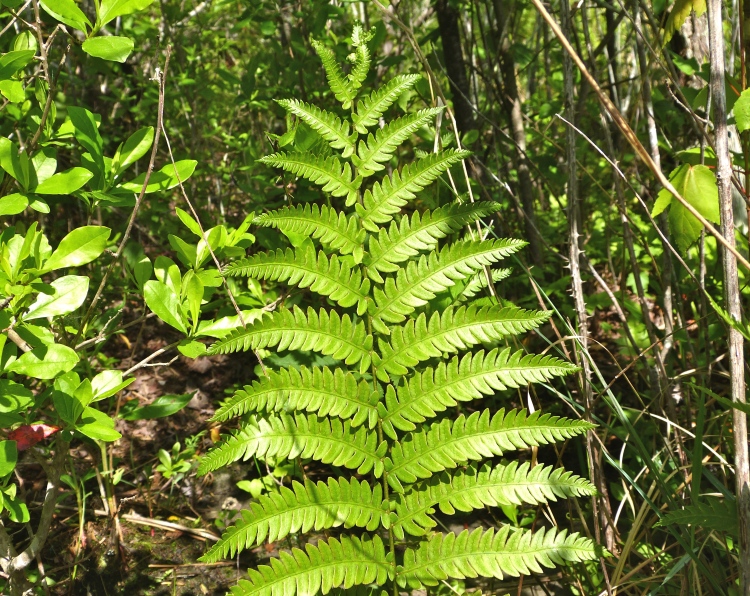
- Virginia Chain-fernWoodwardia virginica
- Chinese Tallow-treeTriadica sebifera
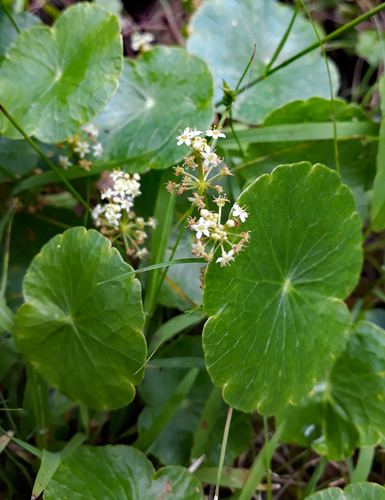
- Largeleaf PennywortHydrocotyle bonariensis
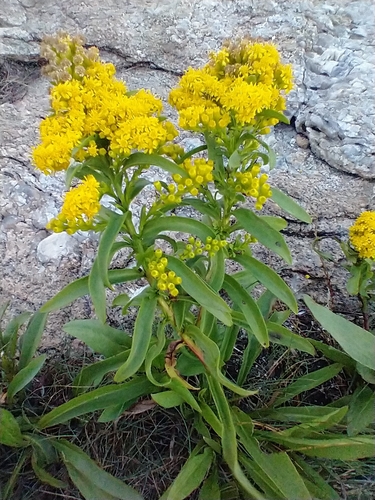
- Solidago sempervirensSolidago sempervirens
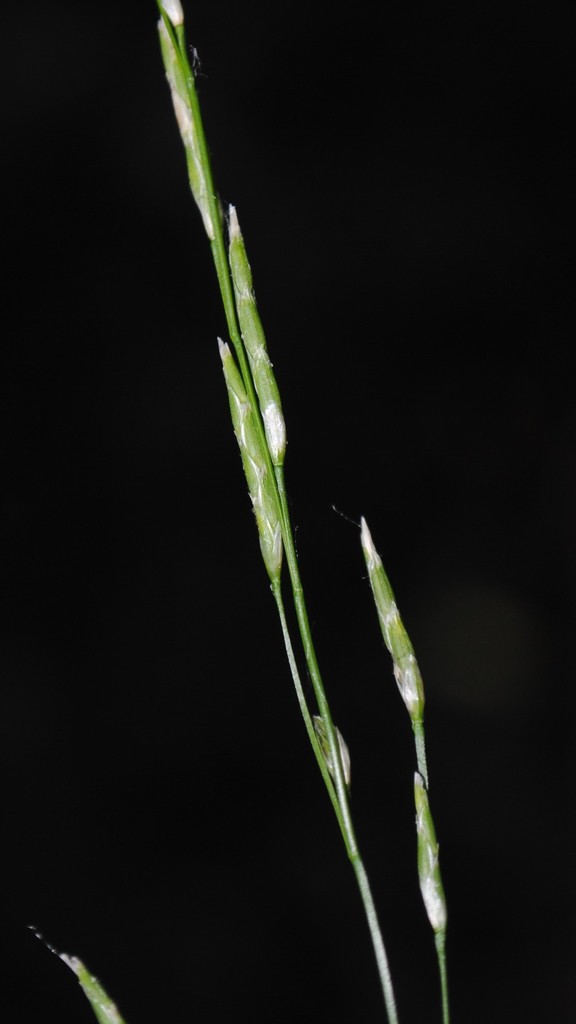
- Centipede GrassEremochloa ophiuroides
- Floating MannagrassGlyceria septentrionalis
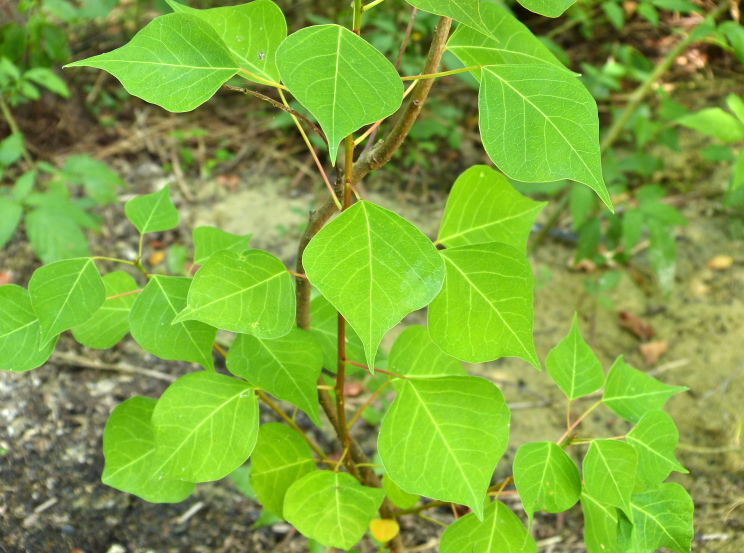
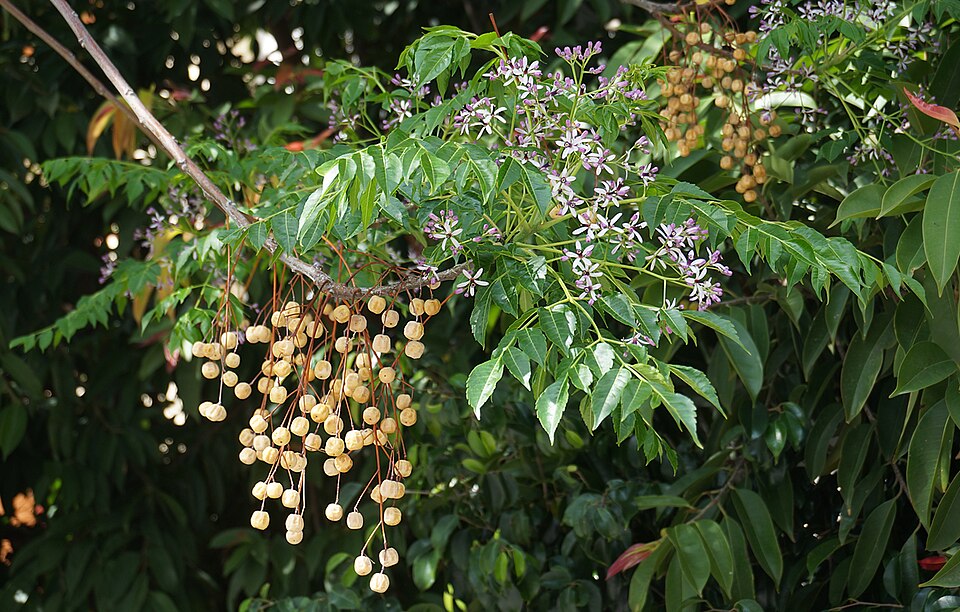
- ChinaberryMelia azedarach
- Portia TreeThespesia populnea
Wildlife 257
Other animals whose habitat models include the same habitats in Florida. Not sighting records.
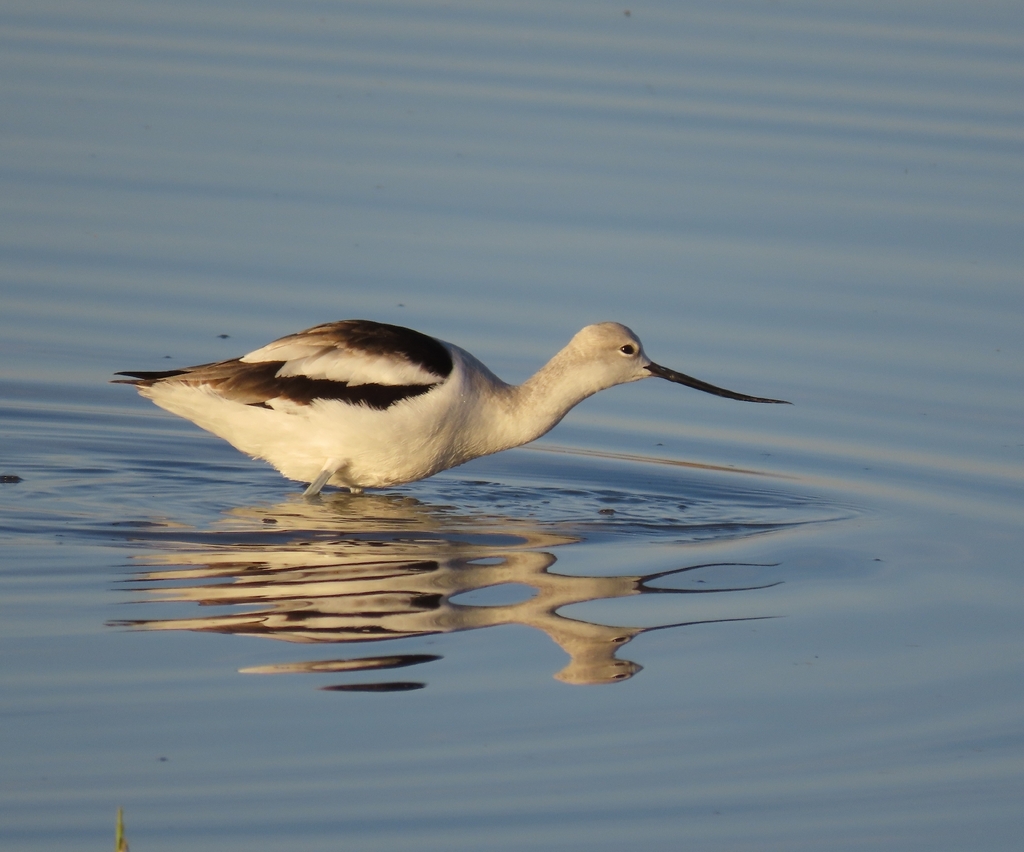
- American AvocetRecurvirostra americana
- American Black DuckAnas rubripes
- American CootFulica americana
- Bald EagleHaliaeetus leucocephalus
- Belted KingfisherMegaceryle alcyon
- Black-crowned Night-heronNycticorax nycticorax
- Boat-tailed GrackleQuiscalus major
- Brown PelicanPelecanus occidentalis
- Fulvous Whistling-duckDendrocygna bicolor
- Great Blue HeronArdea herodias
- Great EgretArdea alba
- Green HeronButorides virescens
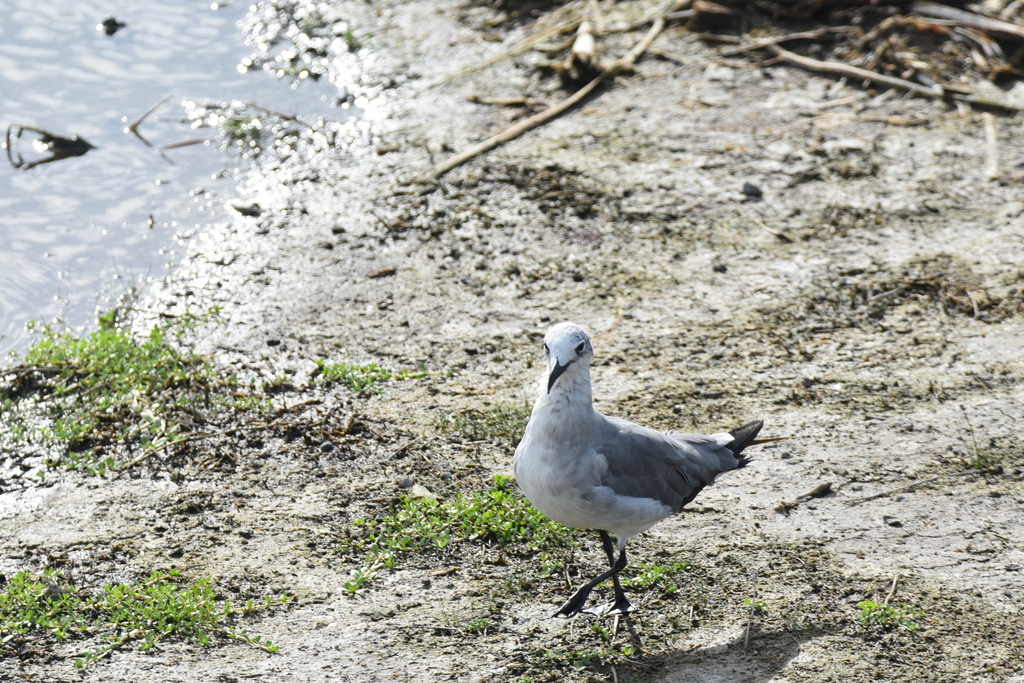
- Laughing GullLeucophaeus atricilla
- Least BitternIxobrychus exilis
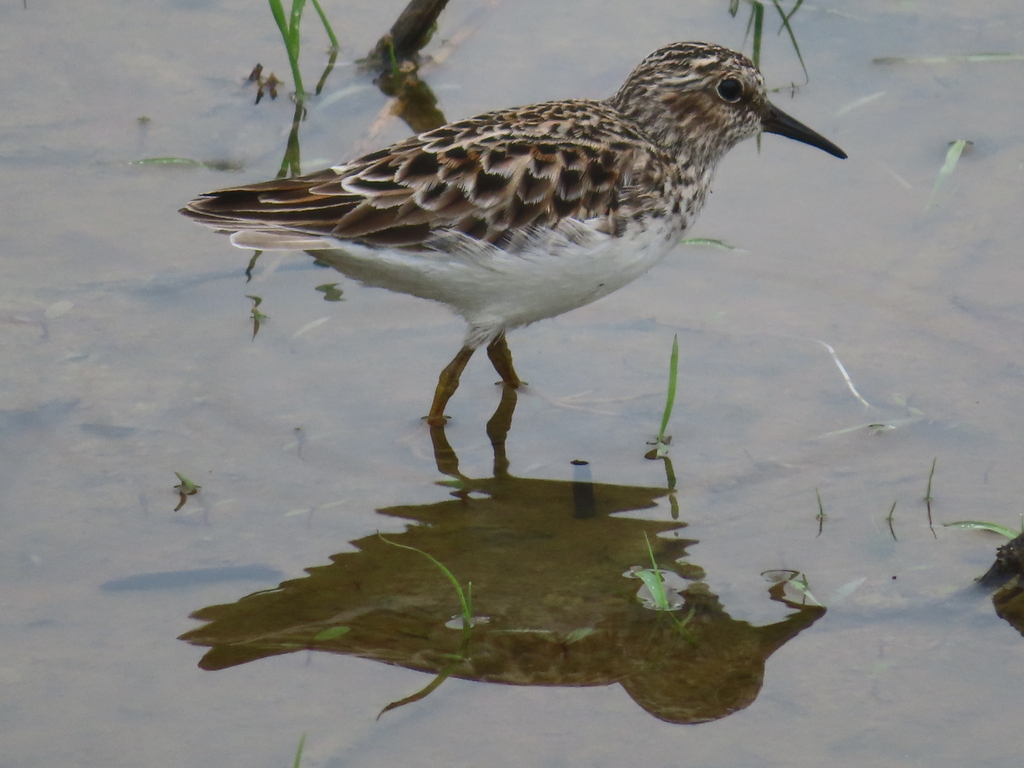
- Least SandpiperCalidris minutilla
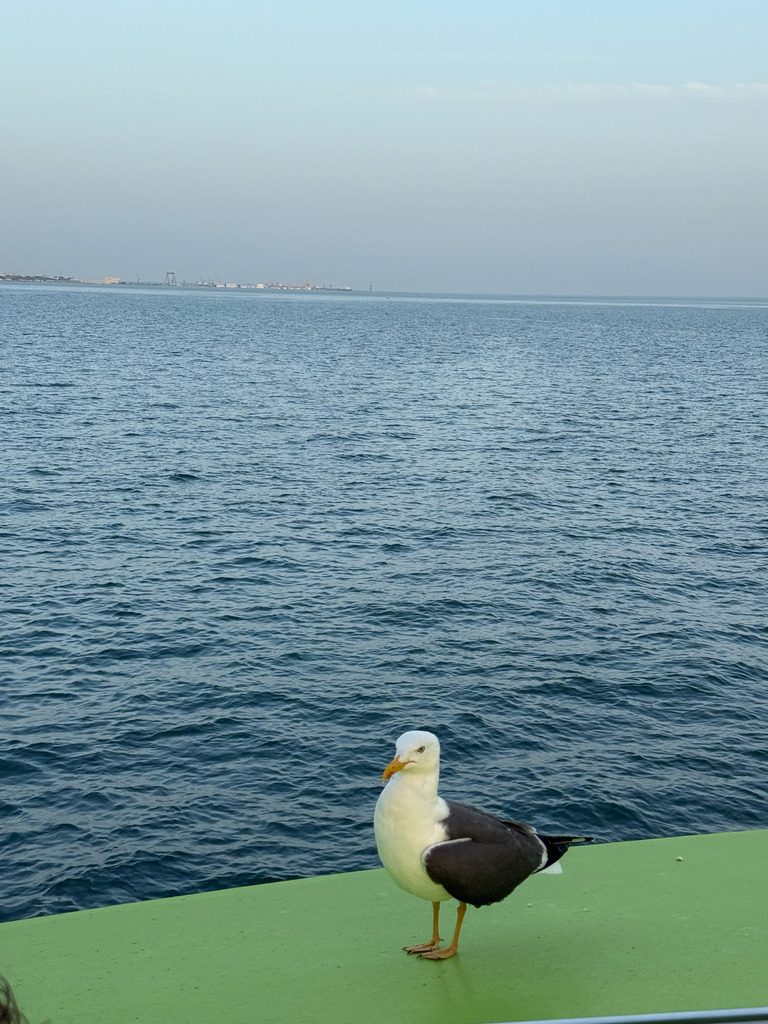
- Lesser Black-backed GullLarus fuscus
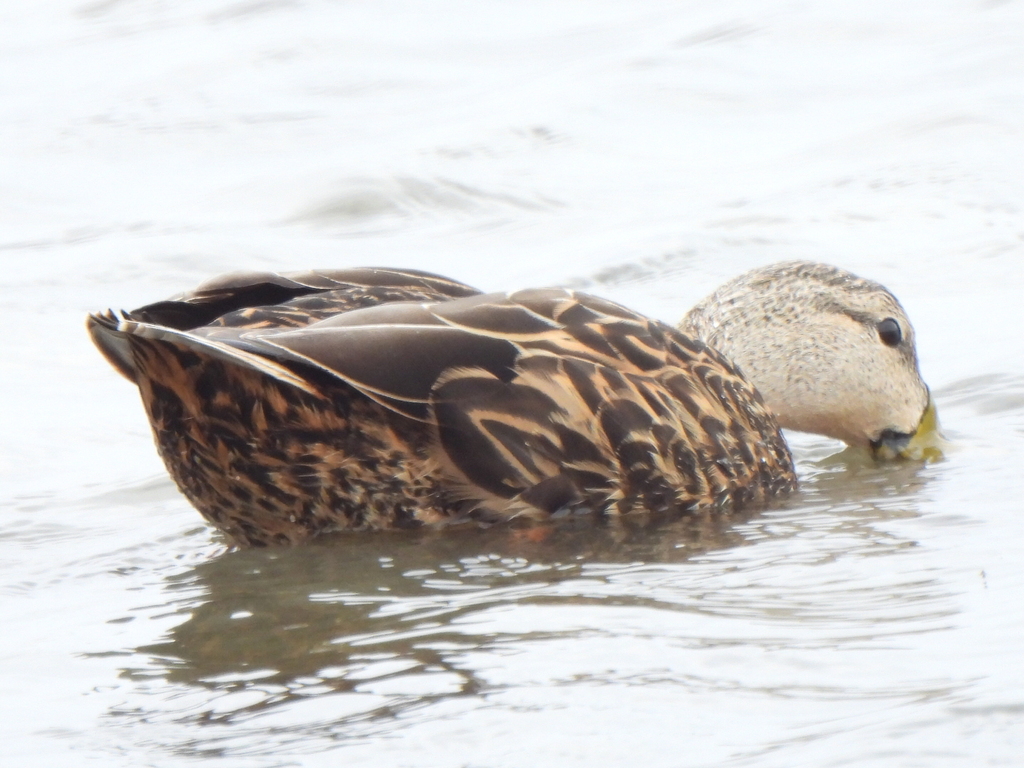
- Mottled DuckAnas fulvigula
- OspreyPandion haliaetus
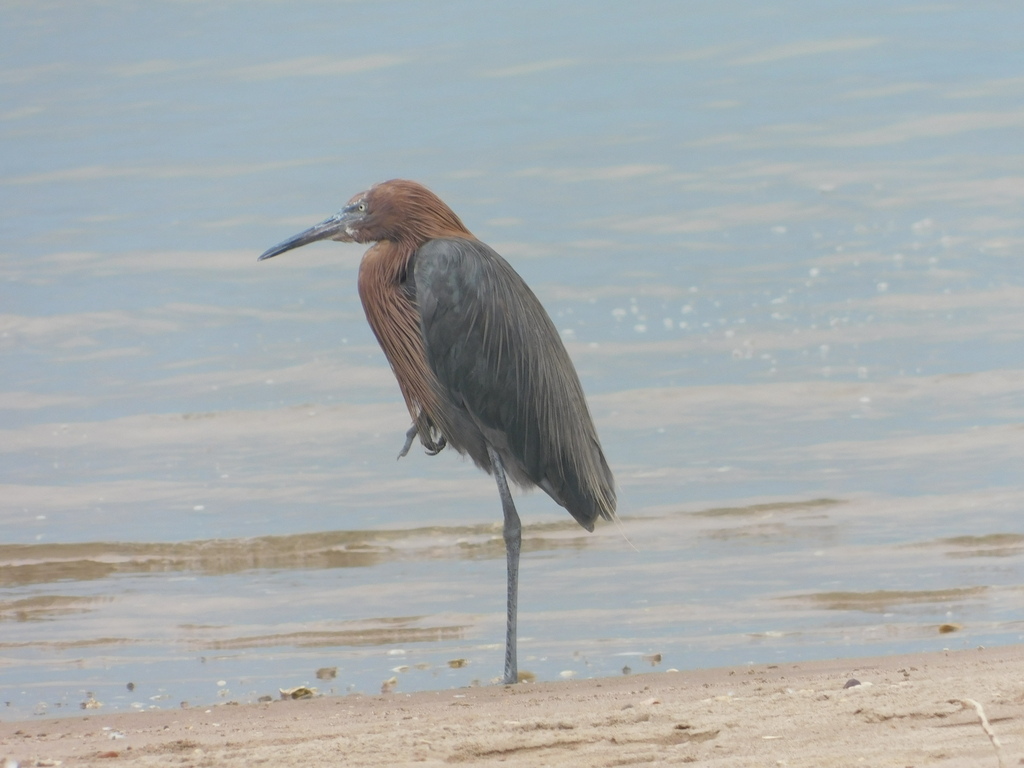
- Reddish EgretEgretta rufescens
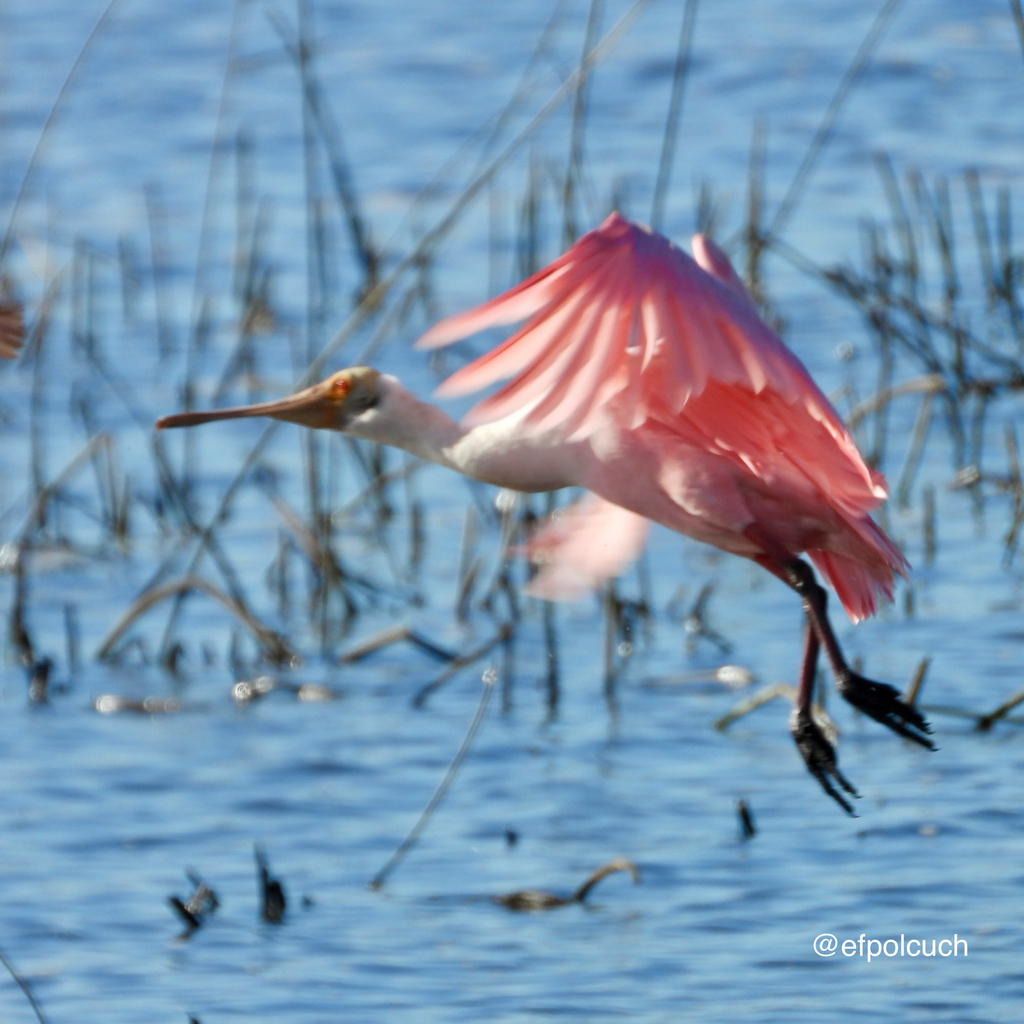
- Roseate SpoonbillPlatalea ajaja
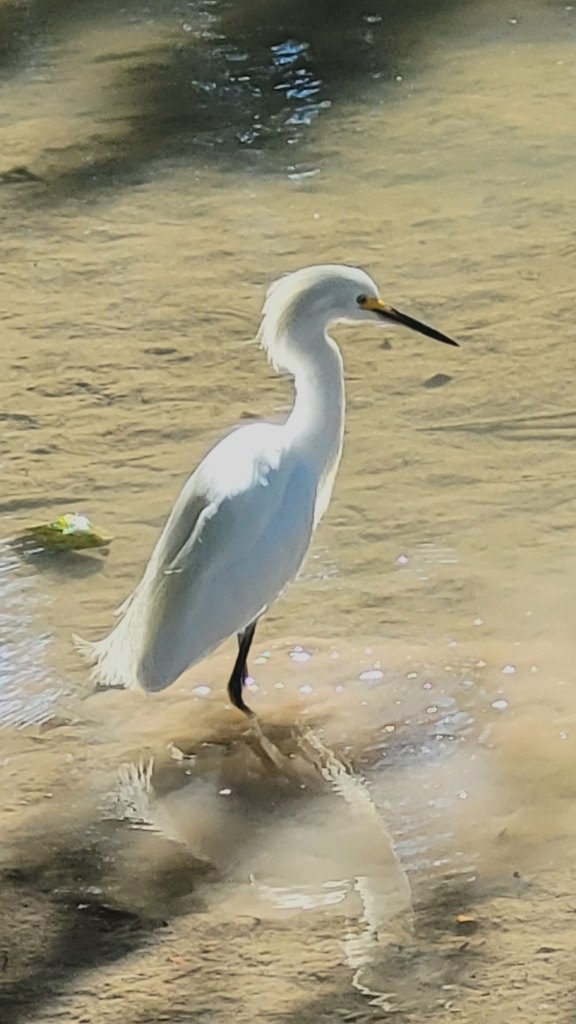
- Snowy EgretEgretta thula
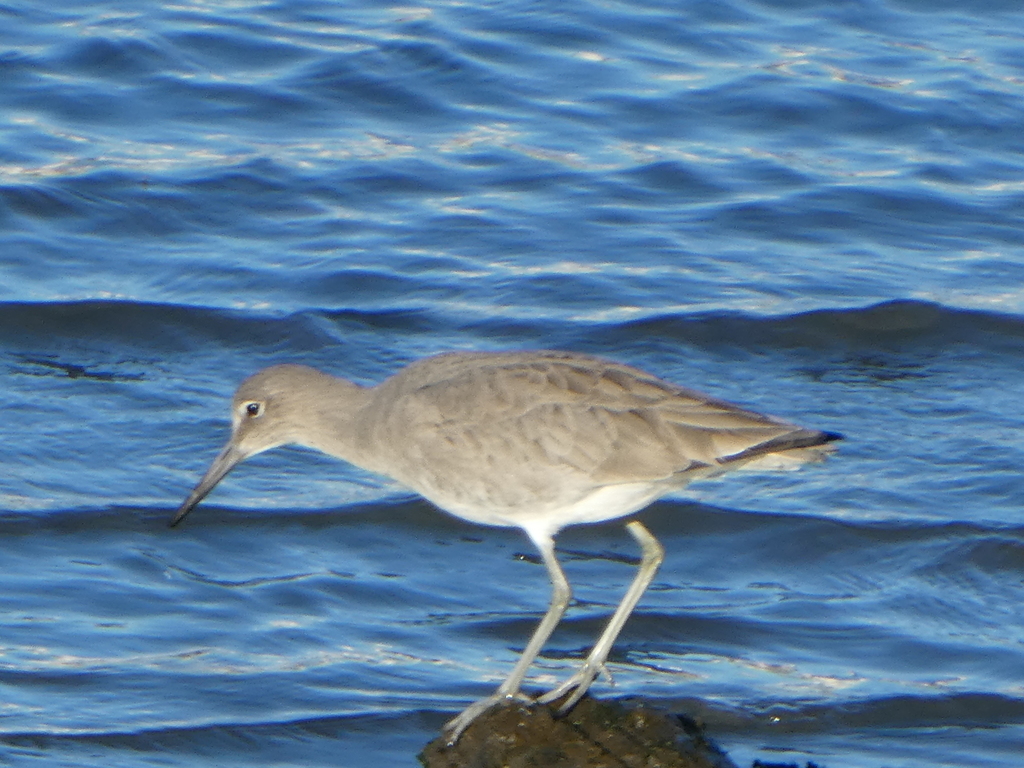
- WilletTringa semipalmata
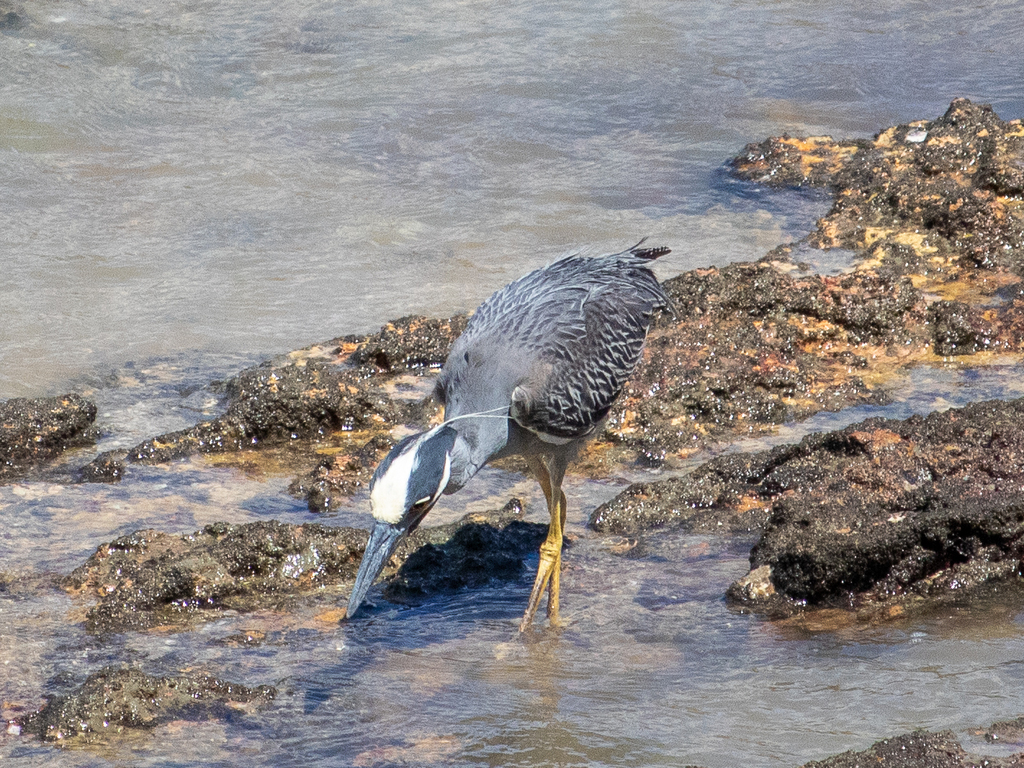
- Yellow-crowned Night-heronNyctanassa violacea
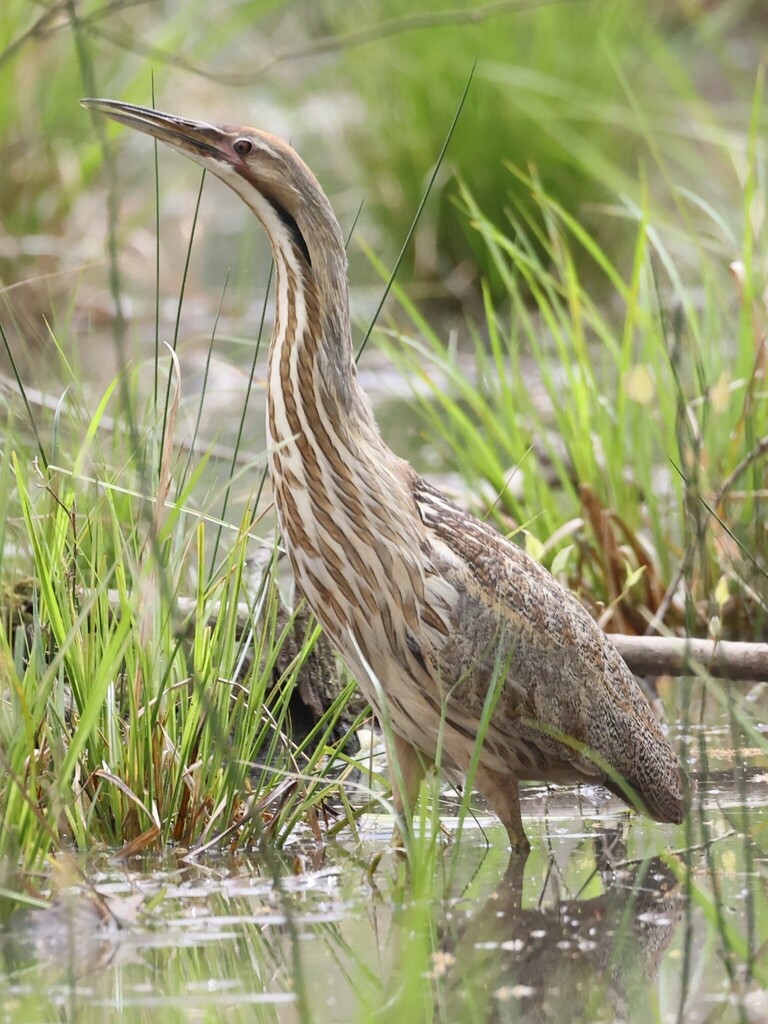
- American BitternBotaurus lentiginosus

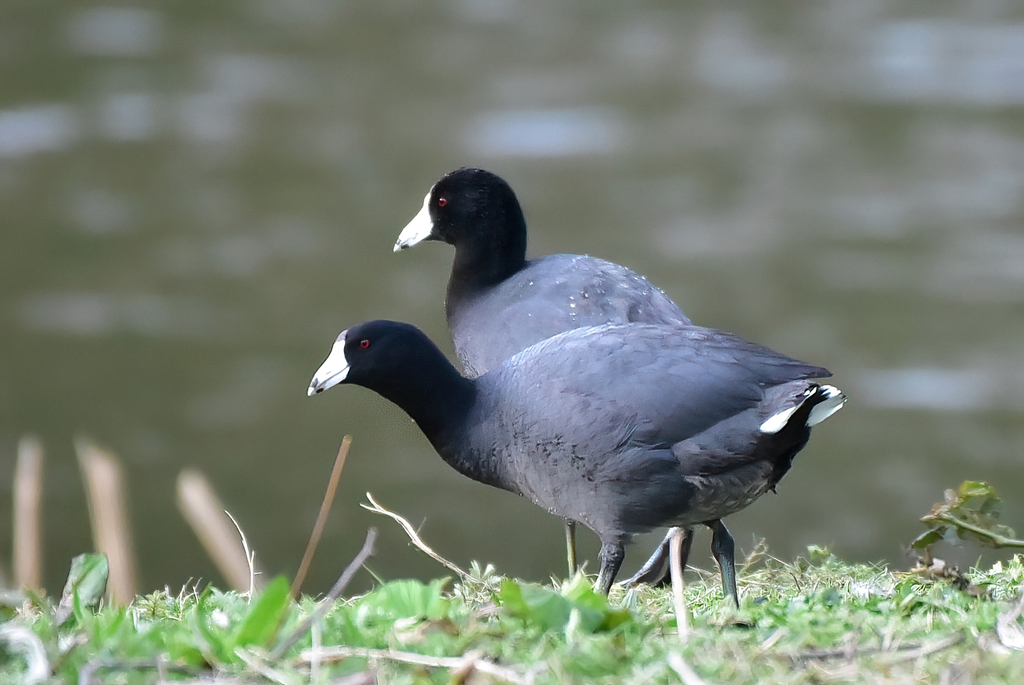



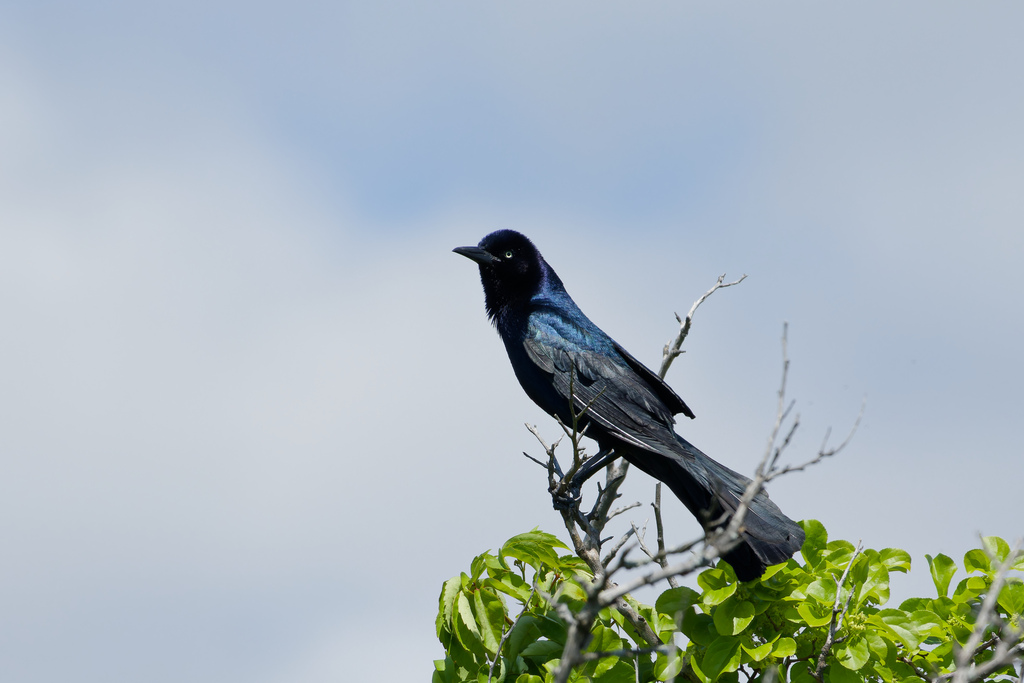
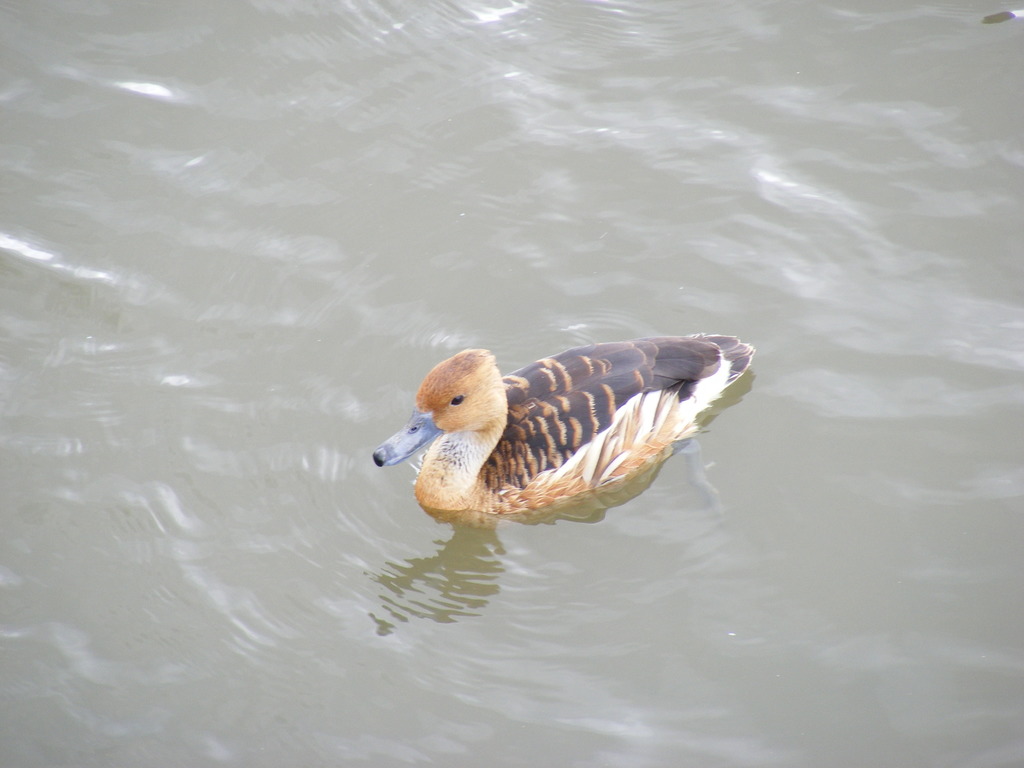





NatureServe Explorer, CC BY 4.0. USGS Gap Analysis Project habitat models.
Sources
- USGS Gap Analysis Project habitat models (2001)
- USGS GAP year-round habitat model for Eastern Brown Pelican
- USGS Gap Analysis Project range maps (2001), modeled by watershed; migratory gives no dates
- NatureServe Explorer (CC BY 4.0), habitat names
- US Census TIGER/Line counties
- Names follow the USGS Gap Analysis Project (2001)